It began, as so many things do, with a striving for illumination. In the year 1951, mankind first dared to harness the atom for peaceful ends, erecting a monument to its ingenuity in the form of a power plant. Yet, for decades, this promise remained largely unfulfilled, overshadowed by the readily available, if ultimately finite, gifts of the earth – oil, gas, and coal. France alone, with a peculiar national character both pragmatic and visionary, embraced the nuclear path, building a nation sustained by the heart of the atom. Now, however, a subtle shift is occurring, a belated awakening to the possibilities long dismissed, as if the world is finally recognizing that true progress demands a reckoning with the fundamental forces of nature.
France, it is observed, generates seventy percent of its electricity from these silent, contained fires, a testament to a long-held commitment. And now, even Japan, chastened by past misfortune yet ever mindful of its resource scarcity, stirs from its slumber, seeking to reclaim twenty percent of its power generation from the atom. South Korea, with its characteristic diligence, lays plans for reactors vast and new, envisioning a future powered by controlled fission. Here, in America, the Department of Energy speaks of tripling nuclear capacity, a goal ambitious, perhaps, but reflective of a growing realization that dependence on fuels of the past is a path to eventual impoverishment.
Across the globe, seventy-five reactors rise from the earth, and another hundred are planned, stretching from the steppes of Russia to the shores of Turkey, from the heart of Hungary to the burgeoning industries of China and India. This is no mere fleeting trend, but a fundamental realignment of energy priorities. The demand for uranium, that unassuming mineral which fuels these colossal engines, has risen accordingly, its price climbing nearly thirty-five percent in the past year. A curious fact, this, when so many other commodities falter. Indeed, prior to the recent unrest, uranium stood almost alone, a beacon of stability in a sea of volatility.
And in the province of Saskatchewan, in the northern reaches of Canada, there exists a company, Cameco, which stands at the very center of this quiet revolution. It is a company not driven by boastful pronouncements or fleeting fancies, but by the steady, methodical extraction of a substance that holds the key to a sustainable future. Cameco, it is said, produced fifteen percent of all uranium mined globally last year, a figure surpassed only by the vast, state-controlled operations of Kazakhstan. But numbers alone tell a deceptive tale.
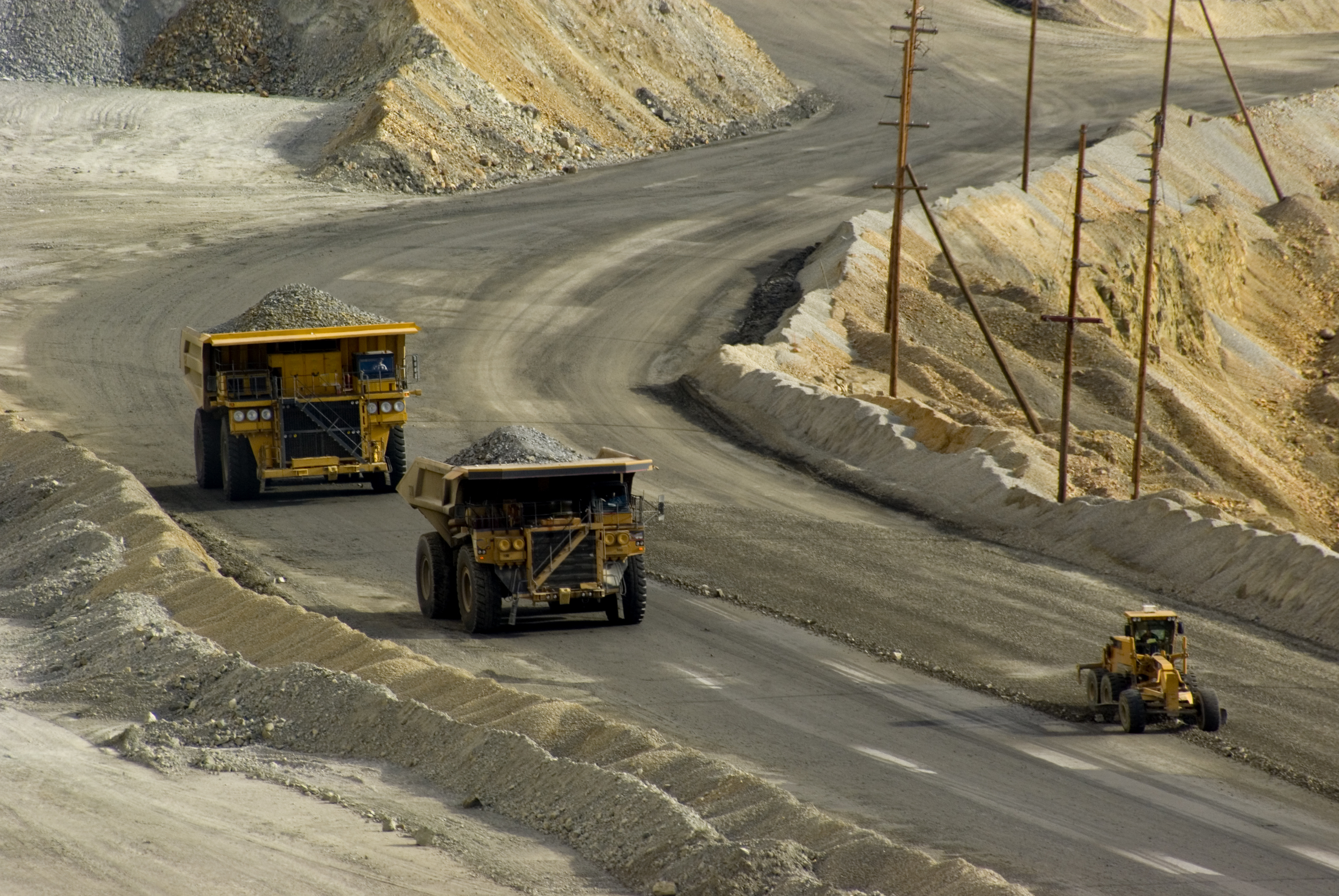
For Cameco does not merely possess quantity; it possesses quality. Its three operating mines – McArthur River, Cigar Lake, and Inkai – each possess unique characteristics. McArthur River, the largest, boasts an average grade of 6.48%, a concentration of ore so rich that it promises production through 2044. Cigar Lake, though smaller in reserve, offers a grade even more exceptional. Inkai, located in Kazakhstan, possesses a more modest concentration, requiring a far greater volume of ore to yield the same result. It is this concentration, this inherent superiority of Canadian ore, that allows Cameco to compete with the sheer scale of Kazakh production. A vast quantity is of little use if it lacks the potency to truly fuel the engines of progress.
But Cameco’s ambition extends far beyond mere extraction. It is a vertically integrated enterprise, controlling almost every link in the nuclear supply chain. From the mining of the ore to its refinement, conversion, and fabrication into fuel rods, Cameco oversees the entire process. And through its forty-nine percent ownership of Westinghouse, a venerable engineering firm, it even participates in the construction of the reactors themselves. Westinghouse, it is noteworthy, manufactures the AP1000, currently the most advanced commercially available reactor, and is developing the AP300, a smaller, more modular design for the future. The United States and China are already utilizing these reactors, and Poland, Bulgaria, Ukraine, and India have expressed keen interest.
A recent agreement with India, worth $1.9 billion for 22 million pounds of uranium ore concentrate, further underscores Cameco’s expanding influence. It is a transaction born not of fleeting speculation, but of long-term strategic planning, a testament to the company’s unwavering commitment to a sustainable energy future.
The financial results of this dedication are, predictably, impressive. For the full year 2025, Cameco generated revenue of $3.48 billion, an eleven percent increase over the previous year. Earnings per share soared by an even more remarkable 114.9 percent, despite a ten percent reduction in uranium production. This boost was driven by a six percent increase in the average realized price of uranium, from $58.34 to $62.11 per pound.
And, in an industry notoriously capital-intensive, Cameco maintains a remarkably healthy net profit margin of 16.93 percent, coupled with a conservative debt-to-equity ratio of 0.14 percent. It is a company built not on reckless speculation, but on sound financial principles and a long-term vision.
Thus, Cameco stands as a testament to the enduring power of careful planning, unwavering commitment, and a deep understanding of the forces that shape our world. It is a company poised to thrive in an era of growing energy demands and increasing environmental concerns. Whether it will ultimately prove to be a true harbinger of a sustainable future remains to be seen, but its current trajectory suggests that it is, at the very least, a company worth watching.
Read More
- Games That Faced Bans in Countries Over Political Themes
- Gold Rate Forecast
- Silver Rate Forecast
- Unveiling the Schwab U.S. Dividend Equity ETF: A Portent of Financial Growth
- 22 Films Where the White Protagonist Is Canonically the Sidekick to a Black Lead
- Superman Flops Financially: $350M Budget, Still No Profit (Scoop Confirmed)
- 20 Movies Where the Black Villain Was Secretly the Most Popular Character
- Celebs Who Narrowly Escaped The 9/11 Attacks
- 14 Movies Where the Black Character Refuses to Save the White Protagonist
- The Best Directors of 2025
2026-03-22 10:02