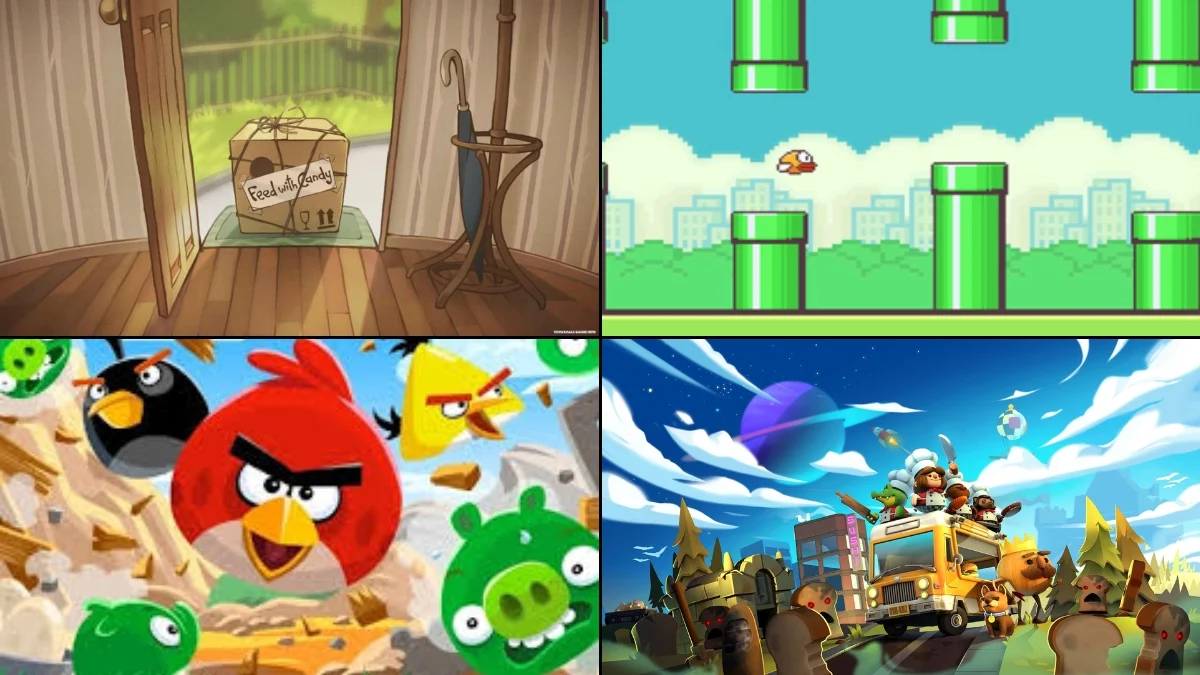
Casual games are meant to be simple and fun, but many unexpectedly become very difficult. This can happen because the game subtly adjusts its challenge based on how well you’re doing, which is common in puzzle games. Sometimes, the difficulty increases with new game modes or harder levels that add obstacles after you’ve gotten comfortable. From classic mobile games to party favorites, here are some of the most surprising moments when a relaxing game suddenly becomes a tough challenge.
‘Candy Crush Saga’ (2012)
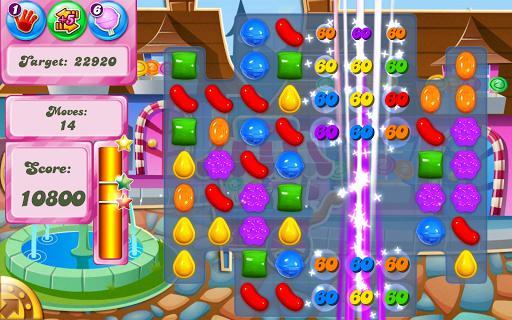
Candy Crush Saga, created by King, challenges players with limited moves and tricky board designs that can trap candies. Difficult levels, like number 65 and those filled with obstacles, feature layers of meringue, licorice, and moving belts, requiring players to create specific combinations of special candies to win. Because candies fall in unpredictable patterns, players sometimes need a perfect series of matches to complete a level before running out of moves. These challenging setups are often used in events and tournaments, creating bottlenecks for players. King continuously monitors and adjusts the difficulty of these levels, meaning some remain particularly hard compared to others.
‘Candy Crush Soda Saga’ (2014)
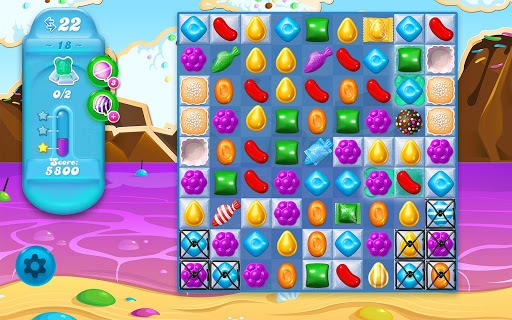
‘Candy Crush Soda Saga,’ also from King, introduces new gameplay elements like rising soda, ice, and floating bears, which significantly change how levels are played. The game often becomes challenging when it combines these new features – for example, you might need to free gummy bears while also dealing with soda that changes how candies move. Many levels have objectives hidden behind ice or honey, meaning you need to create special candies like wrapped and striped ones early on to have a chance of winning. Later levels, labeled ‘hard’ and ‘super hard,’ add even more pressure with limited moves and fewer helpful candies appearing. Because Soda is connected to the other Candy Crush games, these difficult levels can slow down your progress in multiple challenges at once.
‘Two Dots’ (2014)
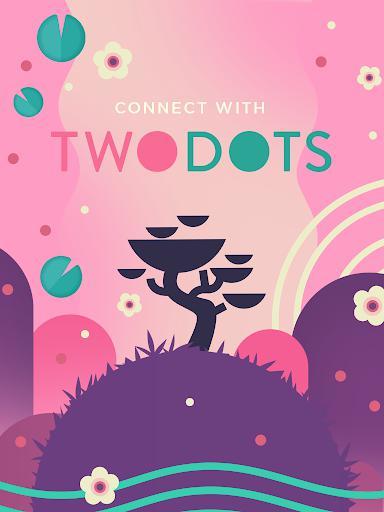
‘Two Dots’, created by Playdots and published with companies like Tencent, seems easy at first, but gets surprisingly difficult as you progress. Later levels introduce challenging obstacles – like fire, anchors, and slime – that require players to strategically form rectangles instead of just making any matches. Some levels are notoriously hard because they have limited moves and require reaching objectives at the very bottom of the screen, meaning a little bad luck can make them impossible to beat. The game’s limited lives and free power-ups mean getting stuck on these tough levels can significantly slow down your progress. These difficult layouts are often reused in special events, making them even more frustrating for players who try to complete everything.
‘Bejeweled 3’ (2010)
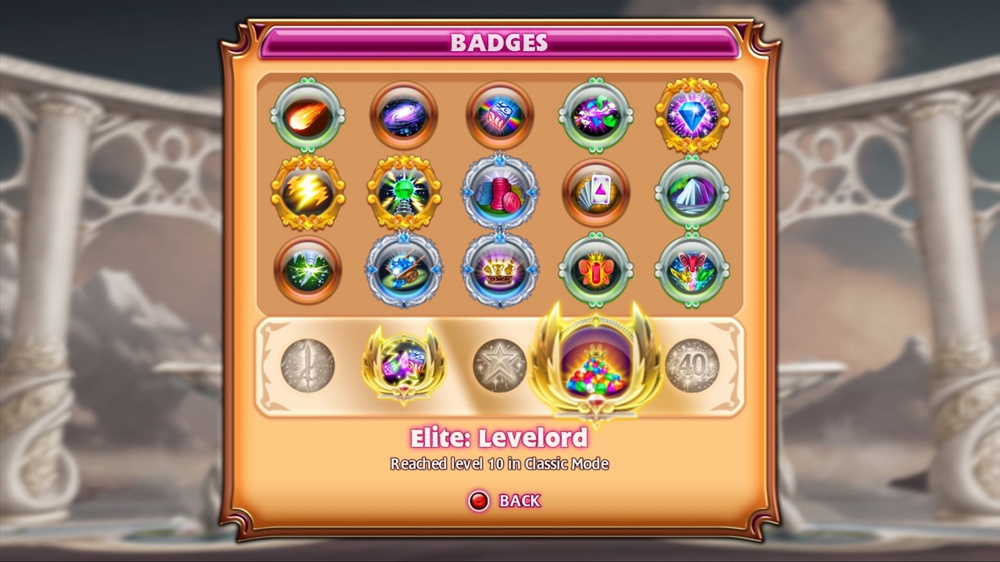
Bejeweled 3’s biggest challenges aren’t in the main game, but in its side modes. For example, Ice Storm starts calmly but quickly becomes a fast-paced scramble as frozen columns rise faster at higher levels. Lightning mode also speeds things up, demanding quick matching and pattern recognition to maintain a bonus. The Quest mode presents tough challenges with limited moves and high score goals, leaving little margin for error. Because these modes unlock over time, players who enjoy the game casually may be surprised by the sudden increase in difficulty after playing for a while.
‘Peggle’ (2007)
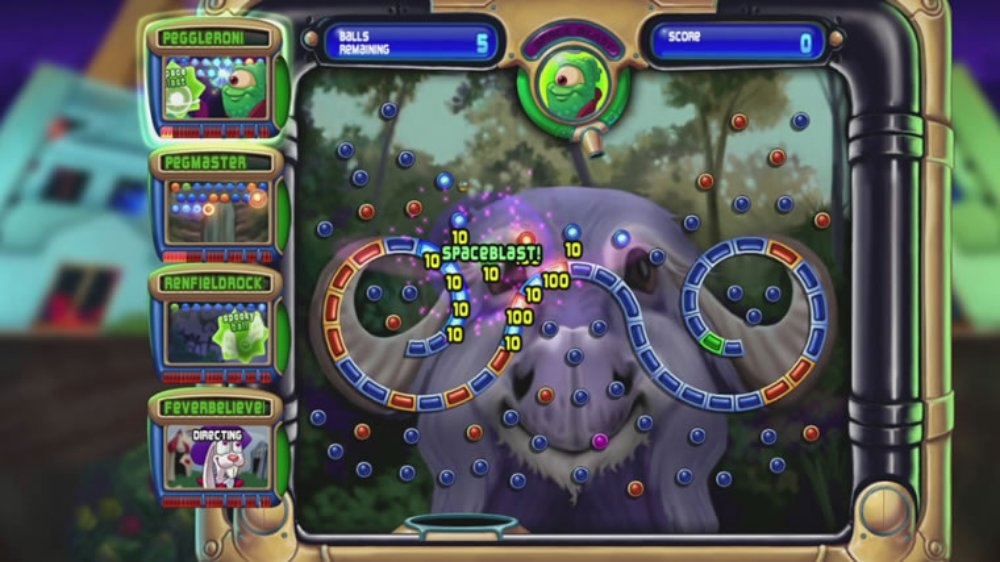
‘Peggle’, created by PopCap Games, becomes significantly more difficult in its later stages. The game starts with easy levels that teach you how to play, giving you lots of pegs and balls. But the final challenges are much harder, with fewer pegs and obstacles blocking your shots. You’re also limited in which special powers you can use. This sudden increase in difficulty can be frustrating for players who enjoyed the more casual experience of the early levels, as it requires very precise and skillful shots to succeed.
‘Plants vs. Zombies’ (2009)
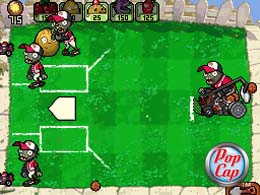
Plants vs. Zombies starts with simple levels defending your yard, but quickly becomes much more challenging with levels on the roof and endless modes. The roof introduces new challenges, like altered projectile paths and fewer plant spaces, forcing you to rethink your usual strategies. You’ll face large waves of tough zombies like the Gargantuar and balloon zombies, requiring precise timing with powerful plants to prevent your defenses from being overwhelmed. Game modes like “Last Stand” and Survival add even more difficulty by giving you limited resources and demanding a perfect layout to survive relentless attacks. The game’s friendly style can be deceiving, as these later levels often catch casual players off guard after they easily completed the early stages.
‘Angry Birds’ (2009)
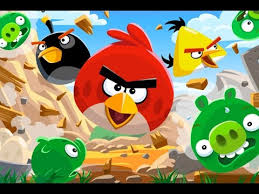
The ‘Angry Birds’ game seems simple to pick up with its easy-to-use slingshot and cute characters, but it can get surprisingly challenging. Later levels feature complicated castles built from stone and glass that demand precise shots and a specific order for launching birds. The most difficult levels give you just enough birds to maybe succeed, leaving little room for trying different strategies. Earning a perfect three-star rating adds even more pressure, as you need to destroy a lot while using as few birds as possible. As new birds and obstacles are introduced in updates, completing entire sets of levels becomes even harder for players aiming for perfection.
‘Flappy Bird’ (2013)
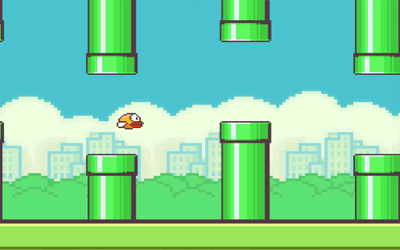
‘Flappy Bird,’ created by .Gears, quickly became well-known for its simple yet challenging gameplay. While the game’s mechanics – flying by tapping and avoiding pipes – remain consistent, even small mistakes lead to instant failure. This makes it difficult for casual players to achieve high scores, as consistent timing and focus are crucial. Unlike many games, ‘Flappy Bird’ doesn’t offer any help like checkpoints or power-ups, meaning players must master the difficult rhythm right away. What looks like a simple, casual game quickly becomes a demanding test of skill and endurance.
‘Temple Run’ (2011)
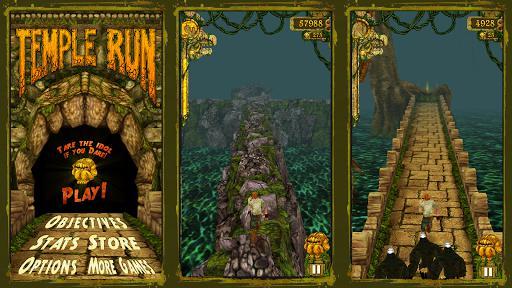
Temple Run, created by Imangi Studios, gets harder as you play. The character runs faster, and the obstacles become more complex. At first, it’s easy to swipe to jump, slide, or turn, giving you plenty of time to react. But after running for a while, the game throws tricky combinations of tight turns, gaps, and sudden obstacles that demand quick reflexes. The camera stays behind your character, and collecting coins often leads you to take riskier routes. Even skilled players will eventually fail because one wrong move at high speed can end a long run. This often means players trying to achieve high scores or long distances repeatedly crash at the same point in the game.
‘Subway Surfers’ (2012)
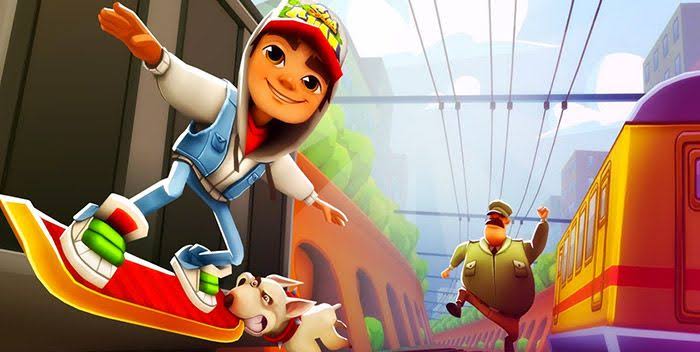
‘Subway Surfers’, created by Kiloo and SYBO Games, is an endless runner that gets surprisingly challenging. As you gain speed, the game throws increasingly difficult obstacles at you – like trains spanning multiple lanes, narrow tunnels, and hazards that appear with little warning. The game’s missions and seasonal challenges often require long, flawless runs or collecting items that only appear when you’re moving very fast. The controls, which involve swiping to dodge, use the same timing as activating a hoverboard or switching lanes, making it tricky to navigate busy sections, especially for new players. This creates a noticeable shift – you go from casually dodging obstacles at the beginning to needing to memorize routes and react quickly to survive as you try to reach longer distances.
‘Doodle Jump’ (2009)
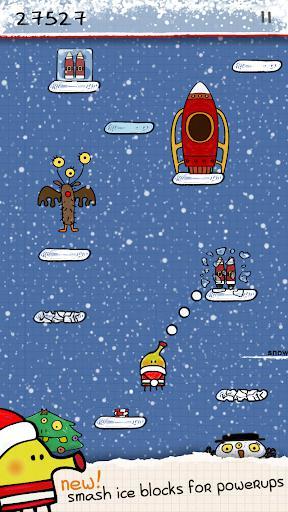
Doodle Jump, created by Lima Sky, begins easily, but gets much harder as you play. As players score higher, simple platforms are replaced with moving tiles, breakable blocks, and unpredictable monsters. Later on, UFOs and black holes appear, making it even trickier to find a safe place to land and requiring fast reactions. Different themes, like Space or Underwater, change how enemies act and how many platforms there are, sometimes making a new theme feel surprisingly difficult. Because one mistake sends you back to the beginning, these challenges make it hard to reach really high scores.
‘Cut the Rope’ (2010)

Okay, so I’ve been playing ‘Cut the Rope’ by ZeptoLab, and it’s seriously addictive! It starts off super easy – just cutting ropes at the right time to get candy to this little monster, Om Nom. But it quickly gets way more challenging. They keep throwing in new box types – some bounce, some teleport, some mess with gravity – and you have to really think through each level. The hardest parts? Definitely when you’re trying to collect all the stars and get the candy to Om Nom in one go. You need to be super precise! And if you want to unlock everything, you have to get those stars, which can be really frustrating. They also have extra packs with even trickier levels, making it a real challenge to 100% complete the game. It seems simple at first, but it’s way deeper than it looks!
‘Fruit Ninja’ (2010)
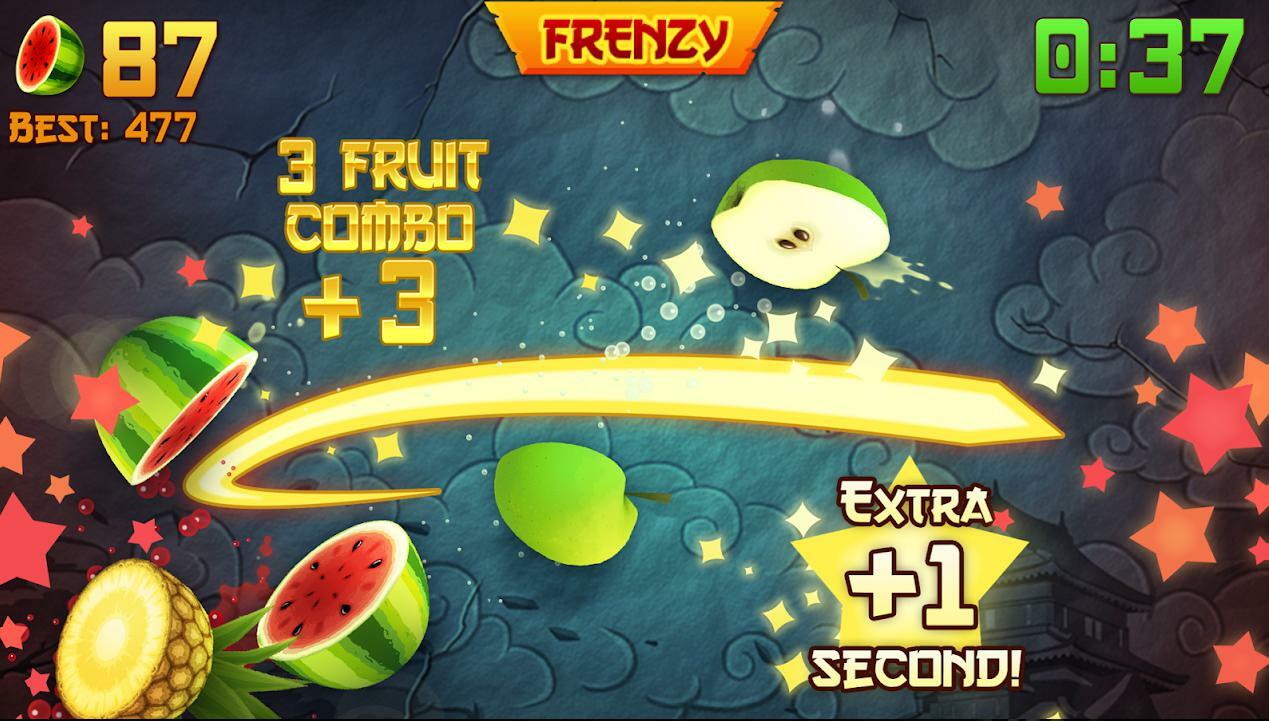
Halfbrick Studios’ ‘Fruit Ninja’ is easy to pick up and play, but its special modes can become surprisingly challenging. While the core gameplay of slicing fruit remains simple, Arcade and Challenge modes ramp up the difficulty by throwing in more fruit and dangerous bombs that end your game instantly if hit. To succeed at higher levels, you’ll need to create long combos and keep the screen constantly filled with slices, leaving little room for error. Limited-time events and collaborations add even more complexity with unique fruit that require specific strategies. Players used to the casual Classic mode might find these faster-paced modes feel like a leap into competitive, reflex-based gameplay.
‘Jetpack Joyride’ (2011)
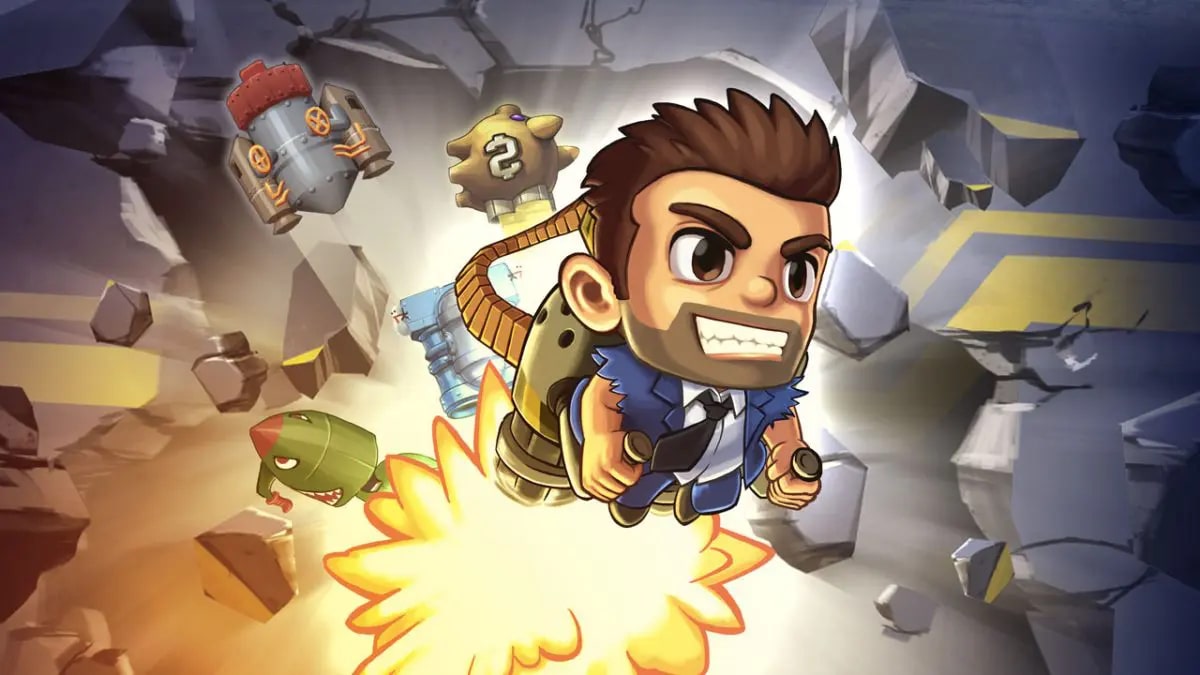
Jetpack Joyride seems like a typical endless runner, but its missions can become surprisingly challenging. As you play, the goals change from simple things like traveling a certain distance to very specific tasks, like avoiding all coins or navigating a tricky path of obstacles. These missions often require you to do the opposite of what feels natural in the game – for example, you might have to actively avoid collecting coins, which means changing how you usually move. Some missions involve vehicles with different controls that you don’t use often, adding to the difficulty. If you fail a mission, you have to start it over, and these tough objectives can slow down your progress much more than just the regular obstacles would.
‘Crossy Road’ (2014)
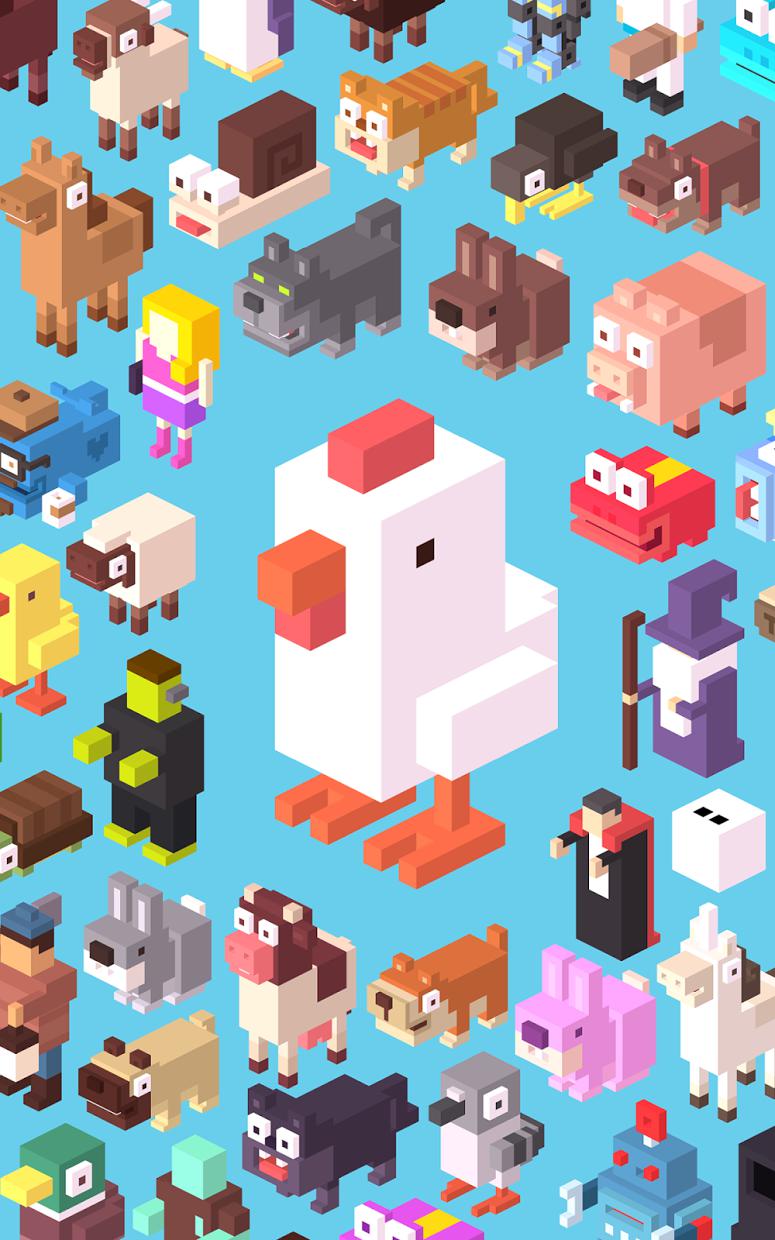
Unlike many games with distinct levels, ‘Crossy Road’ by Hipster Whale gets harder as you play by increasing speed and changing the environment. As you run further, there’s more traffic and fewer safe spots on the logs crossing rivers. Different areas also add challenges like weather, poor lighting, or fast-moving trains that appear suddenly. Because even one mistake restarts your game, these increasing difficulties make it hard to unlock characters or climb the leaderboards. The game’s random nature means you can go from easy progress to a very difficult situation quickly, creating a frustrating experience.
‘Geometry Dash’ (2013)
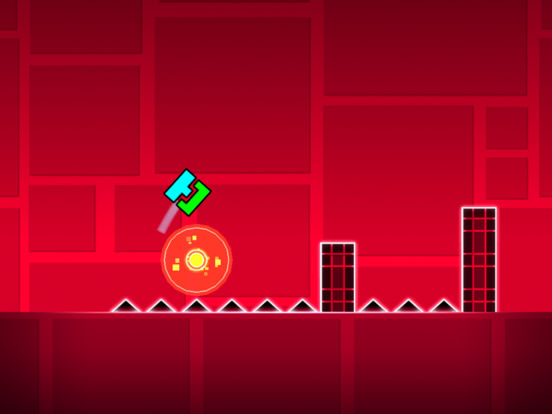
Geometry Dash, created by RobTop Games, is a rhythm-based platformer where players jump and navigate obstacles in time with the music. The game starts with simple levels that teach you the basics, but quickly becomes very challenging. Levels like “Clubstep,” “Theory of Everything 2,” and “Deadlocked” demand precise timing and memorization of complex patterns with little room for error. Because the game doesn’t offer checkpoints, even a small mistake near the end means starting the entire level over. Player-created levels, often called ‘demon levels,’ take this difficulty to an even higher level, making Geometry Dash one of the most challenging casual platformers available.
‘Overcooked’ (2016)
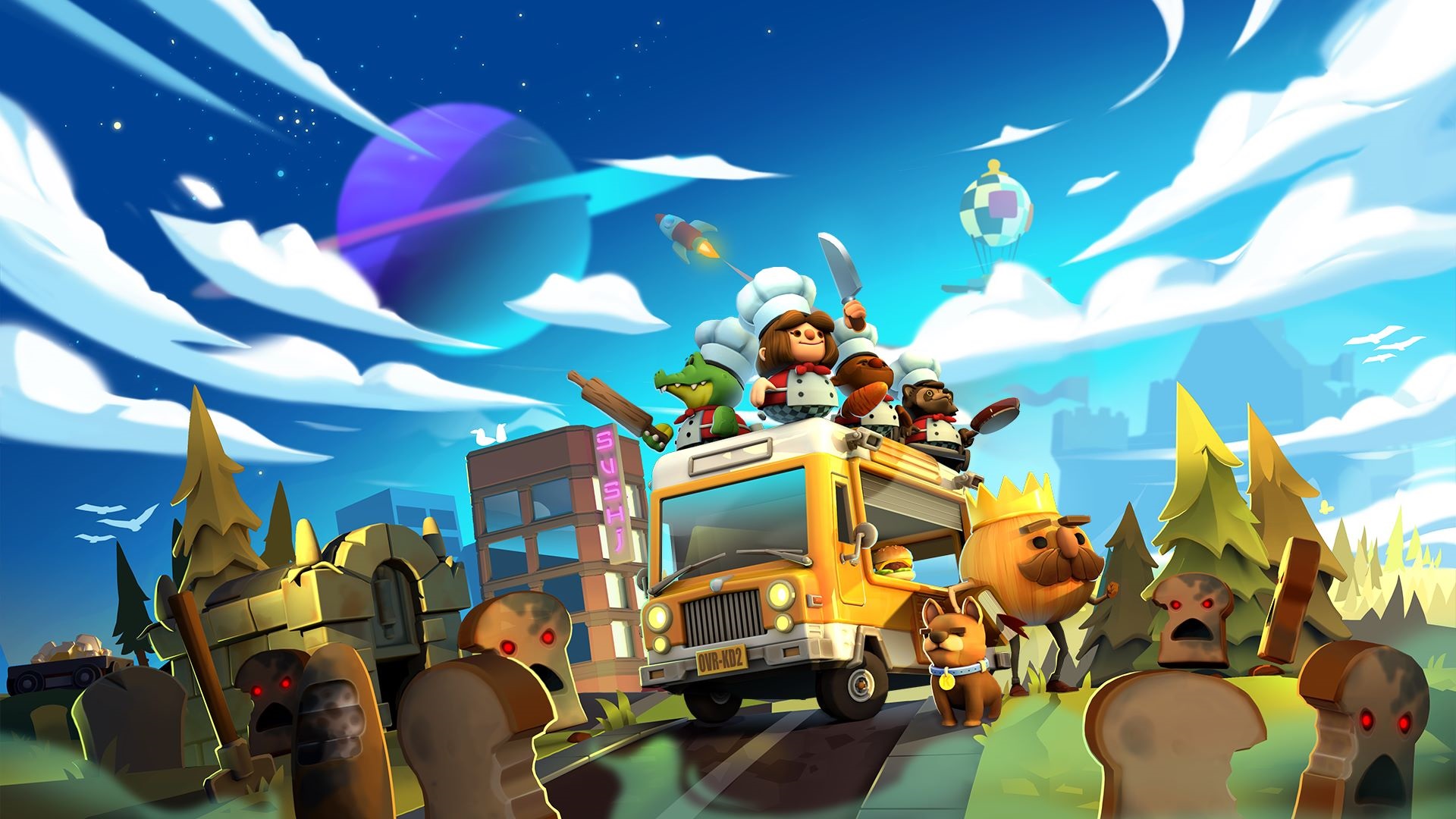
Overcooked, created by Ghost Town Games and published by Team17, starts with easy-to-manage kitchens but quickly becomes much more challenging. Later levels feature moving or rearranging kitchens – like those on trucks, ice, or airships – which require players to work together perfectly. These stages add tight time limits and obstacles, meaning one small mistake can ruin several dishes. To unlock new levels, players need high scores, so even slight delays can be a problem. This combination of fast-paced cooking and unpredictable kitchens makes the later stages far more demanding than the introductory levels designed to teach the basics.
‘Mario Kart Wii’ (2008)
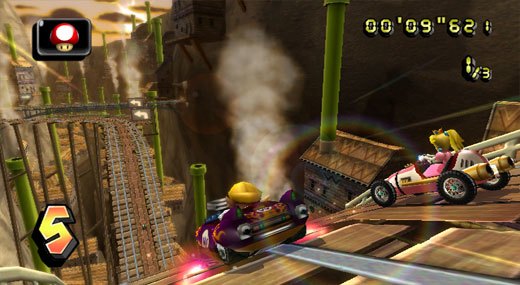
‘Mario Kart Wii’, created by Nintendo, is easy to pick up and play, but gets significantly more difficult in its faster racing classes. When playing at 150cc and Mirror Mode, the computer opponents have a feature that helps them catch up if you pull too far ahead. Tracks like Rainbow Road and Grumble Volcano are especially challenging, with tight turns, dangerous drops, and item boxes placed in tricky spots, making it easier to get hit and fall off the track. Winning often comes down to surviving a flurry of attacks, especially from powerful items that tend to target the player in first place. This jump in difficulty from the easier 100cc mode to these advanced modes can be quite sudden and frustrating for families and casual players.
‘Wii Sports’ (2006)
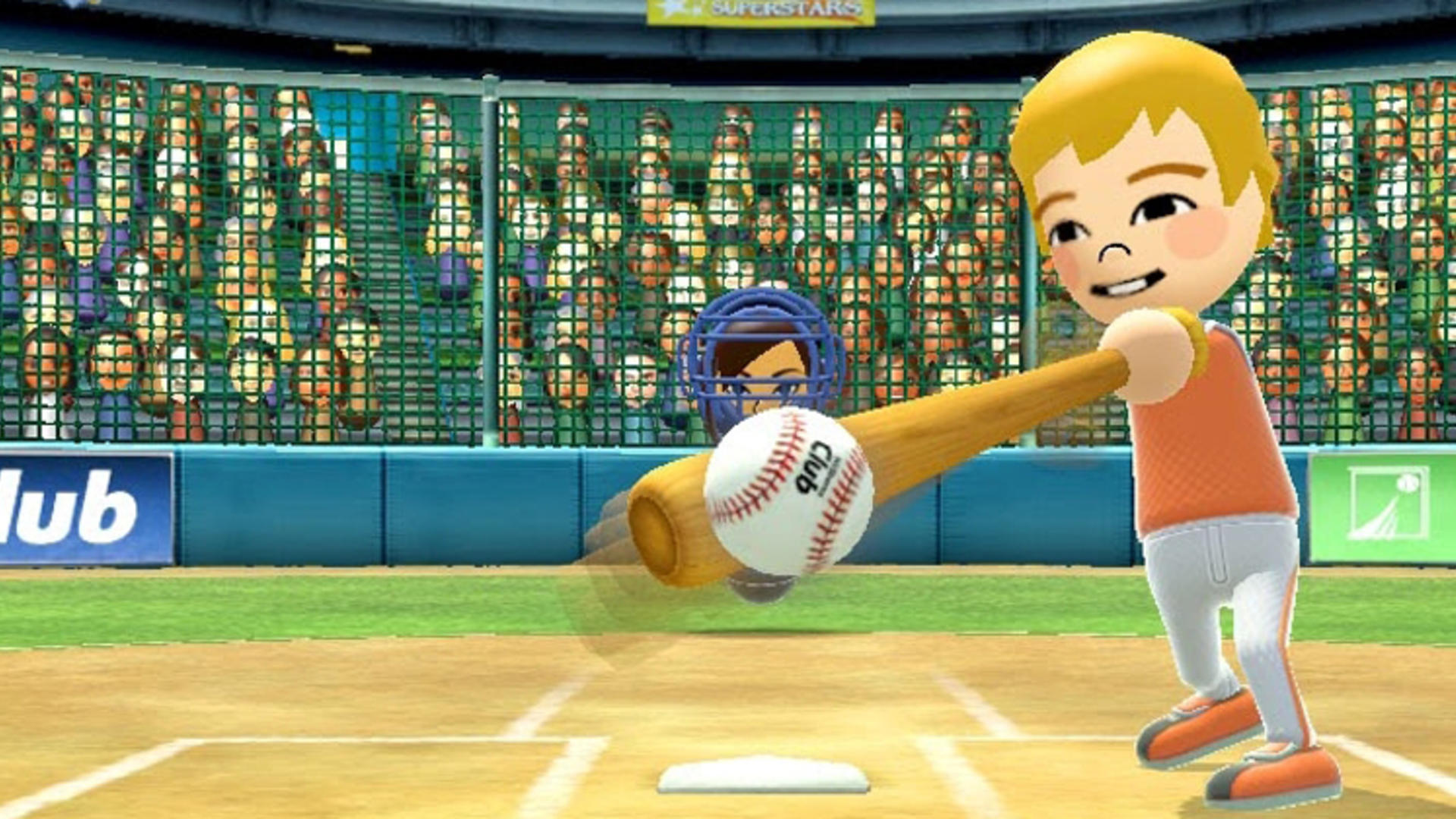
‘Wii Sports’ initially feels easy to pick up with its simple motion controls for games like tennis, bowling, and boxing. However, the game secretly makes things much harder as you win. It gradually increases the skill of the computer opponents, making them faster and more accurate. This is especially noticeable in tennis and boxing, where skilled computer players react incredibly quickly, requiring precise timing and positioning from you. Because the game looks the same throughout, this sudden increase in difficulty can be jarring, particularly for players who don’t play often. Unlockable training modes add to this challenge, demanding consistent and accurate movements.
‘New Super Mario Bros. Wii’ (2009)
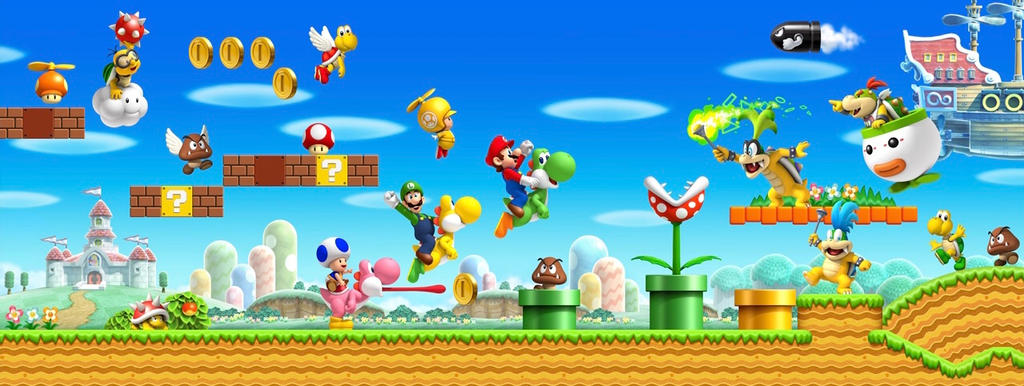
‘New Super Mario Bros. Wii’, created by Nintendo, really ramps up the difficulty towards the end of the game, especially in the later levels and bonus areas. World 8 throws a lot more enemies at you, along with moving platforms and challenging castle stages that require careful jumps and smart use of power-ups. Collecting the Star Coins often means mastering difficult moves like shell jumps or perfectly timed use of the Propeller Suit. Playing with others adds another layer of challenge, as the camera focuses on the player in the lead, meaning everyone needs to coordinate well – one wrong move can send the whole team falling! If you found the beginning of the game easy, these later levels will definitely provide a tougher test.
If you’ve experienced frustrating difficulty jumps in casual games, or have a story about a game that suddenly became much harder than expected, please share your experiences in the comments below.
Read More
- Top 20 Dinosaur Movies, Ranked
- 20 Movies Where the Black Villain Was Secretly the Most Popular Character
- 25 “Woke” Films That Used Black Trauma to Humanize White Leads
- Celebs Who Narrowly Escaped The 9/11 Attacks
- Silver Rate Forecast
- Gold Rate Forecast
- Spotting the Loops in Autonomous Systems
- From Bids to Best Policies: Smarter Auto-Bidding with Generative AI
- 22 Films Where the White Protagonist Is Canonically the Sidekick to a Black Lead
- Can AI Lie with a Picture? Detecting Deception in Multimodal Models
2025-11-21 05:51