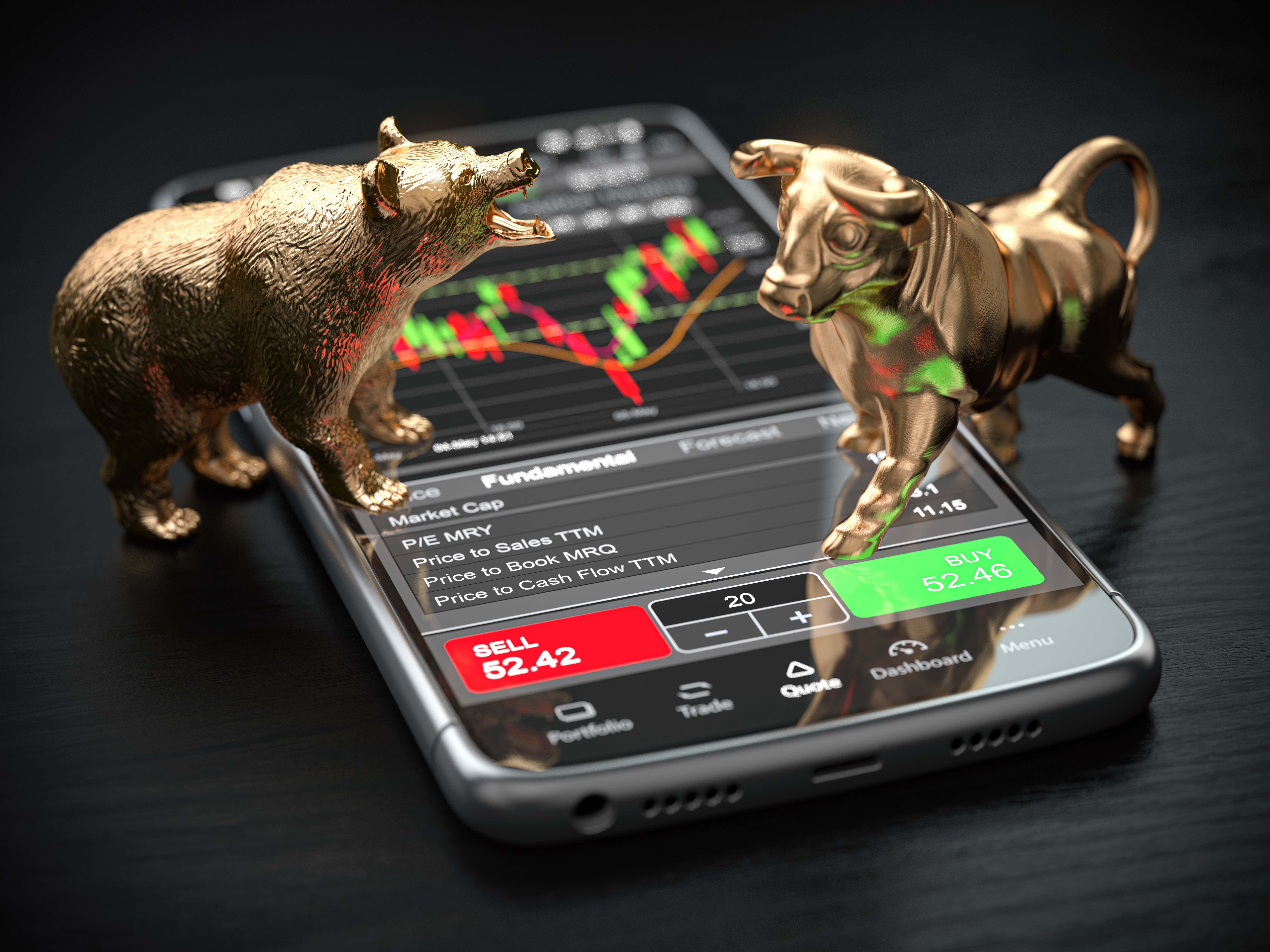
The whispers of artificial intelligence, this new phantom haunting the exchanges, are accompanied, as all novelties are, by a peculiar blend of hope and dread. It promises liberation from toil, yet threatens to cast a vast shadow of unemployment, a modern iteration of the specter that has always plagued mankind. The trade wars, too, are but symptoms of a deeper malaise – the insatiable appetite for dominion, dressed in the guise of economic policy. Such uncertainties, naturally, breed a feverish anxiety amongst those who entrust their fortunes to the whims of the market.
Recent surveys reveal a cautious optimism, a fragile belief in future gains. Yet, beneath this veneer of confidence lurks a palpable fear – the dread of recession, the erosion of livelihoods. But to succumb to panic, to allow oneself to be consumed by these anxieties, is to misunderstand the very nature of the beast. For the market, like humanity itself, is a creature of cycles, of recurring crises and inevitable recoveries. It is a moral drama played out in numbers, a constant struggle between creation and destruction.
The Inexorable Logic of Loss and Renewal
Consider the cold, hard data. A study by J.P. Morgan, spanning decades, reveals a sobering truth: a significant portion of companies – nearly half – experience declines from which they never recover. A chilling statistic, is it not? Yet, paradoxically, the overall market continues to climb, defying the gravity of individual failures. This is not mere luck, but a consequence of the very structure of these indices, these artificial constructs that attempt to capture the pulse of the economy.
The weighting by market capitalization, this seemingly innocuous mechanism, is the key. The giants, the behemoths of industry, exert a disproportionate influence. Their triumphs overshadow the failures of countless smaller enterprises. It is a ruthless Darwinian process, where only the fittest survive. A mere handful of these dominant players – roughly ten percent of the Russell 3000 – consistently drive the returns, while the rest languish or disappear. It is a system built on inequality, yet it is also the engine of progress.
As we venture into this new era of artificial intelligence, it is crucial to remember the lessons of history. Technological revolutions have always disrupted the established order, creating both winners and losers. Jobs will be lost, industries will be transformed, and new opportunities will emerge. The market, like a restless sea, will adjust, reallocate resources, and ultimately, find a new equilibrium. To resist this change is futile; to embrace it, however, is to position oneself for future prosperity.
We have witnessed countless crises in recent memory – the horrors of 9/11, the collapse of the housing market, the recent pandemic. Each time, the market has stumbled, faltered, but ultimately, rebounded. It is a testament to the resilience of the human spirit, to our innate capacity for innovation and adaptation. An AI bubble, too, will burst, but the consequences will not be catastrophic. The market will absorb the shock, learn from its mistakes, and move forward, as it always does.
Navigating the Abyss: A Strategy for the Discerning Investor
To predict the precise impact of artificial intelligence on specific sectors is a fool’s errand. The future is shrouded in uncertainty, and any attempt to foresee its course is likely to be based on conjecture and wishful thinking. Pundits and analysts may offer their opinions, but their pronouncements are often tainted by self-interest and bias. It is best to tune out the noise and focus on the fundamental principles of sound investing.
The long-term implications of AI for industries such as software as a service remain unclear. Will AI agents supplant the software layer, or will they become its catalyst for growth? Such debates are ultimately unproductive. The average investor is better served by focusing on what is within their control – diversification, long-term perspective, and disciplined investment strategy.
I recommend a simple, yet effective approach: invest in a broad market index fund, such as the Vanguard S&P 500 ETF (VOO 0.46%). This allows you to participate in the overall growth of the market, while minimizing the risk associated with individual stocks. Employ a dollar-cost averaging strategy, investing a fixed amount of money at regular intervals, regardless of market conditions. This will help you to smooth out the volatility and build wealth over time. The market, after all, is a cruel mistress, but she rewards those who are patient, disciplined, and willing to embrace the inevitable cycles of loss and renewal. It is a gamble, yes, but one worth taking. For in the grand scheme of things, the market’s resurrection is not merely a possibility, but an inevitability.
Read More
- Gold Rate Forecast
- Games That Faced Bans in Countries Over Political Themes
- Silver Rate Forecast
- Unveiling the Schwab U.S. Dividend Equity ETF: A Portent of Financial Growth
- 22 Films Where the White Protagonist Is Canonically the Sidekick to a Black Lead
- 20 Movies Where the Black Villain Was Secretly the Most Popular Character
- Superman Flops Financially: $350M Budget, Still No Profit (Scoop Confirmed)
- How to Do Sculptor Without a Future in KCD2 – Get 3 Sculptor’s Things
- Celebs Who Narrowly Escaped The 9/11 Attacks
- 14 Movies Where the Black Character Refuses to Save the White Protagonist
2026-03-02 00:32