It is a vulgar error, my dear reader, to assume that geopolitics and the delicate dance of monetary policy are entirely separate affairs. The world, alas, is far too interconnected for such comforting illusions. One might even say that to believe so is to mistake a shadow play for reality.
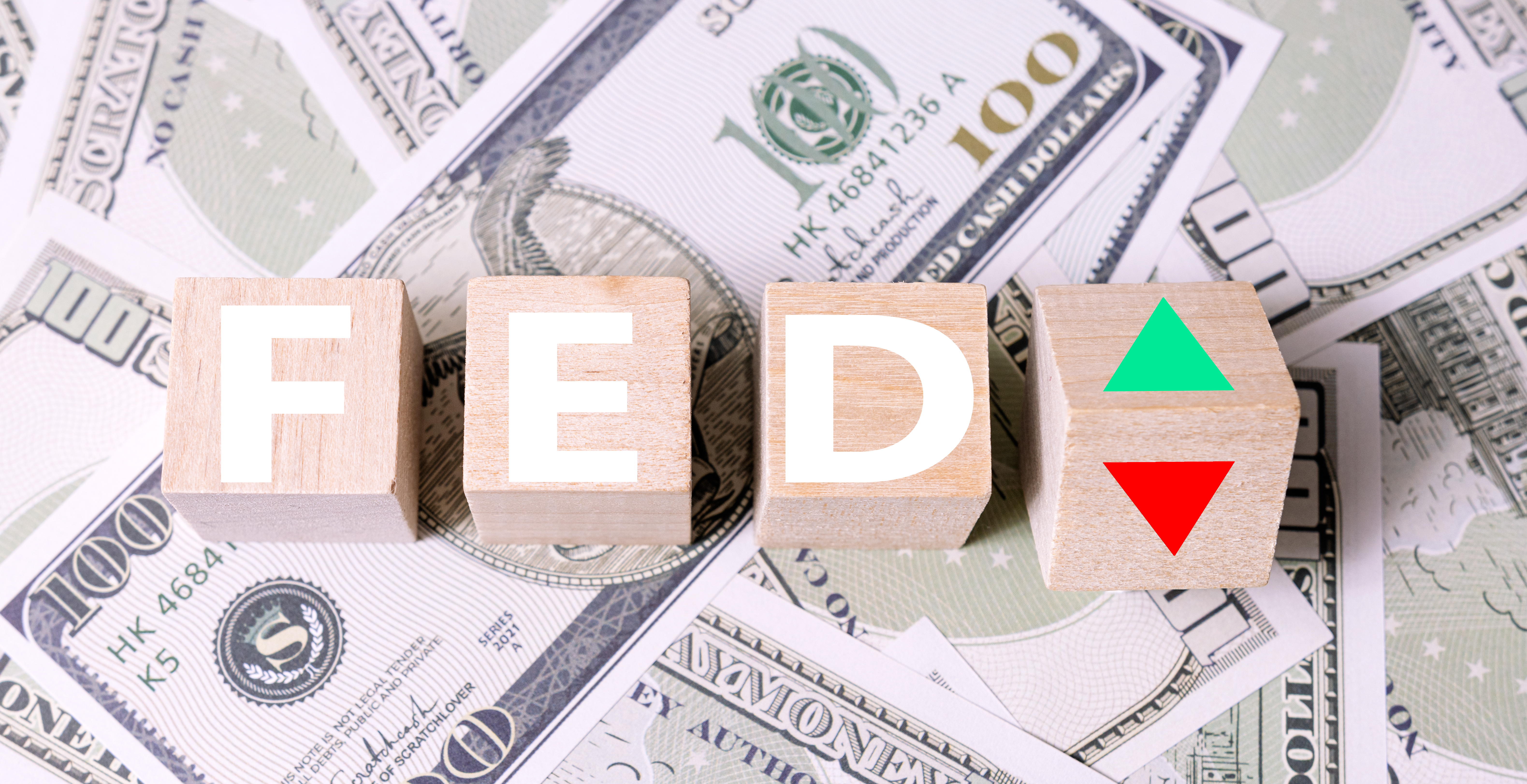
The current unrest in the Middle East, predictably, has begun to unsettle the markets. More precisely, it has forced a belated reckoning with the fact that perpetual optimism is a luxury few can afford. The whispers among those who watch the Federal Reserve – a rather gloomy fraternity, at the best of times – suggest a rather less generous flow of rate cuts than anticipated. A curious development, wouldn’t you agree? To expect endless descent is to ignore the immutable laws of gravity, both financial and physical.
Lower borrowing costs, of course, are the champagne of the corporate world – effervescent and delightful, but ultimately unsustainable. They inflate profits, ease expansion, and encourage a certain profligacy. For the consumer, they are a temporary reprieve, a fleeting moment of affordability. To deny this is to mistake a symptom for a cure.
Until recently, investors were operating under the charming delusion that rates would plummet. Now, a more sober reality is dawning. What, then, is one to do? The answer, as always, is to cultivate a certain elegant detachment. Panic, you see, is so dreadfully unbecoming.
The Futures Tell a Diminishing Tale
A mere month ago, the futures markets were predicting a graceful descent in interest rates – two quarter-point cuts, with a hopeful third on the horizon. How quickly the tides turn! Today, the most likely scenario is a single, rather modest reduction. And the probability of no cuts at all this year has risen from a negligible six percent to a rather alarming sixteen. A clear indication, my dear reader, that the market is beginning to understand the price of its own naiveté.
The catalyst, naturally, is the recent spike in oil prices – the largest in four years. Brent crude has risen almost thirteen dollars a barrel, while West Texas Intermediate has followed suit. A rather dramatic increase, wouldn’t you agree? It merely proves that even the most refined tastes require a solid foundation – in this case, a reliable supply of energy.
The Strait of Hormuz, that vital artery of global commerce, has become, shall we say, rather congested. Some twenty percent of the world’s petroleum passes through that narrow passage, and its vulnerability is now painfully apparent. It is a lesson in geography, and a rather expensive one at that.
Even the esteemed Janet Yellen, former Chair of the Federal Reserve, has acknowledged the shifting winds. She suggests that the unrest, and the resulting inflationary pressures, will likely make the Fed more reluctant to ease rates. “The recent situation,” she observed, “puts the Fed even more on hold.” A rather understated assessment, wouldn’t you agree? It is a testament to her wisdom, or perhaps simply her impeccable manners.
The stock market, having grown accustomed to the prospect of lower rates, may find this a rather unwelcome headwind. As you navigate these turbulent waters, it is well worth remembering that the only constant is change. And that, my dear reader, is a truth as elegant as it is unavoidable.
Read More
- Top 20 Dinosaur Movies, Ranked
- 20 Movies Where the Black Villain Was Secretly the Most Popular Character
- 25 “Woke” Films That Used Black Trauma to Humanize White Leads
- Celebs Who Narrowly Escaped The 9/11 Attacks
- Silver Rate Forecast
- Spotting the Loops in Autonomous Systems
- Gold Rate Forecast
- 22 Films Where the White Protagonist Is Canonically the Sidekick to a Black Lead
- From Bids to Best Policies: Smarter Auto-Bidding with Generative AI
- Can AI Lie with a Picture? Detecting Deception in Multimodal Models
2026-03-06 18:53