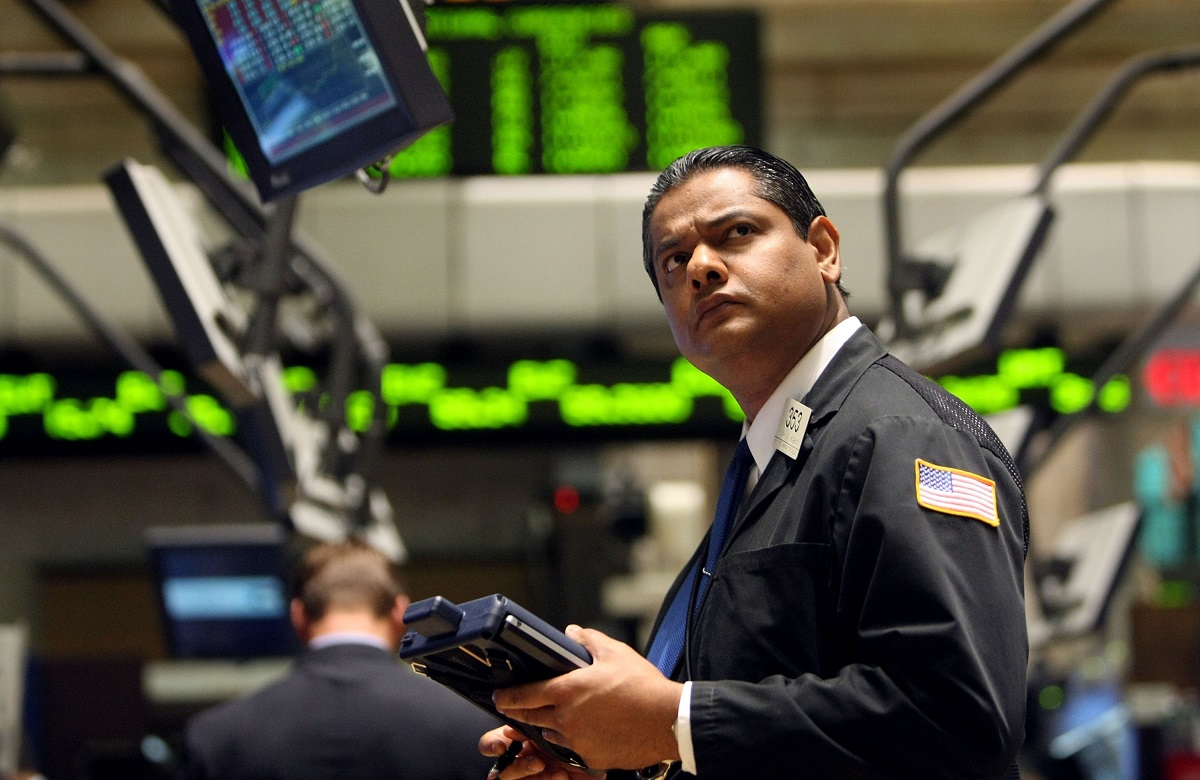
The numbers had been looking pretty for a while. The Dow Jones Industrial Average, the S&P 500, the Nasdaq Composite – they’d been climbing like a gambler’s hopes. AI hype, corporate buybacks, and the sweet promise of cheap money. It was a beautiful illusion. But illusions, like cheap whiskey, always leave a hangover.
The foundation was cracking. And Wall Street, predictable as a rainy Tuesday, hadn’t noticed. Or, more likely, pretended not to. Denial is a powerful anesthetic.
The Fed’s Change of Heart
Everyone was counting on the Fed to keep the party going. Lower rates, more credit, more fuel for the fire. The S&P 500’s Shiller P/E ratio was flirting with levels not seen since before the Great War. A valuation that screamed “bubble” if you bothered to look. They wanted a soft landing. They always do.
Then Iran happened. And oil decided to throw a wrench in the works. The Strait of Hormuz started looking less like a shipping lane and more like a chokehold. Twenty percent of the world’s oil supply suddenly held hostage. Prices jumped. And the Fed’s carefully constructed plan started to unravel. It smelled like trouble.
Loading…
—
Carson Group’s Detrick was seeing what I was seeing. The odds were shifting. The Fed wasn’t going to be cutting rates. They might actually be raising them. The thought was enough to give a seasoned trader a touch of indigestion. Lowering rates gets the engine humming. Raising them? That’s hitting the brakes on a downhill run.
The Music May Stop
Higher rates aren’t just bad for borrowers. They’re bad for everything. Especially overpriced stocks. The Shiller P/E, that canary in the coal mine, was already pushing forty. It’s been that high only a handful of times in the last century and a half. And each time, the market decided to remember gravity.
Loading…
—
History doesn’t repeat, but it rhymes. And the rhyme here is a nasty one. Every time that P/E ratio has gotten this frothy, the market has coughed up at least 20% of its gains. Sometimes a lot more. 1999 was a particularly brutal lesson. The S&P shed nearly half its value. Nasdaq? It lost almost eighty percent. It was a bloodbath. I remember it well.
If the Fed flips the script, if they decide to fight inflation instead of fueling the fire, this whole house of cards could come tumbling down. Removing the promise of rate cuts might be enough to take the wind out of Wall Street’s sails. It’s a simple equation, really. Too much money chasing too few assets. It never ends well.
Stocks have always been the best game in town, long term. But the table is set for a bumpy ride. And I’ve learned one thing over the years: the market has a peculiar habit of proving the optimists wrong. It’s a cold comfort, but it’s enough to keep me in the game.
Read More
- Gold Rate Forecast
- Games That Faced Bans in Countries Over Political Themes
- Silver Rate Forecast
- Unveiling the Schwab U.S. Dividend Equity ETF: A Portent of Financial Growth
- 22 Films Where the White Protagonist Is Canonically the Sidekick to a Black Lead
- 20 Movies Where the Black Villain Was Secretly the Most Popular Character
- Superman Flops Financially: $350M Budget, Still No Profit (Scoop Confirmed)
- How to Do Sculptor Without a Future in KCD2 – Get 3 Sculptor’s Things
- Celebs Who Narrowly Escaped The 9/11 Attacks
- 14 Movies Where the Black Character Refuses to Save the White Protagonist
2026-03-23 11:14