The market was breathing shallow in 2026. The S&P 500, that fickle dame, had lost a bit of her shine, down over 3% even with companies mostly reporting numbers that weren’t terrible. It smelled like trouble, the kind that lingers like cheap perfume.
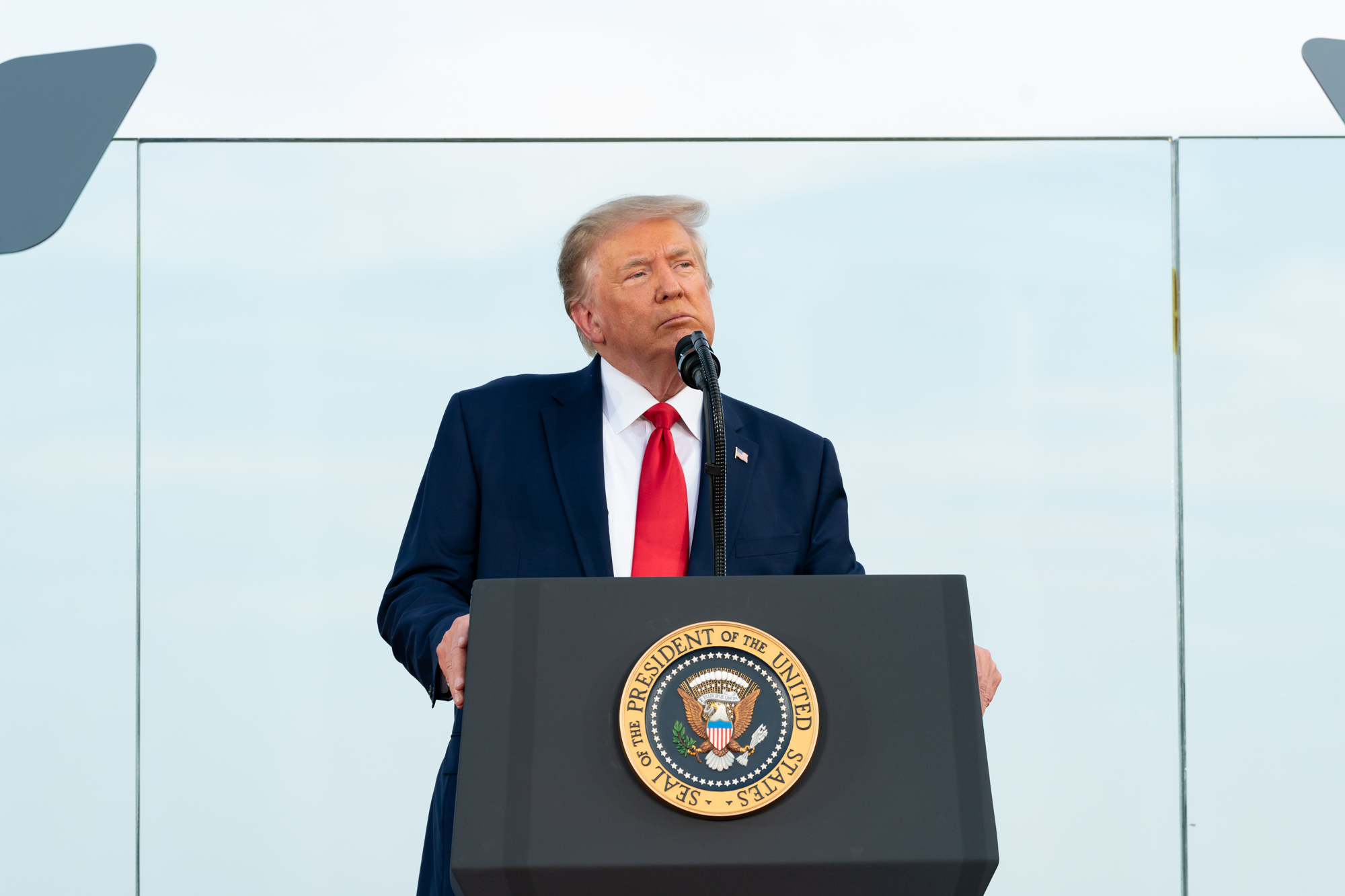
Investors were twitchy, especially around the AI darlings. The S&P had flashed a warning in February – a valuation metric hitting levels not seen since the dot-com bust. A high wire act with no net. And the man in the White House? He was still talking tariffs, like they were some kind of economic magic. The data said otherwise. Here’s the rub.
The President’s Economic Fairy Tale
He called his tariffs an “economic miracle.” A miracle for whom, I wondered. The numbers whispered a different story. They were a headwind, just as every economist with a pulse predicted. The kind of slow bleed that kills a patient without anyone noticing until it’s too late.
2025: The Economy Coughed and Nearly Stopped
GDP crawled along at 2.2% last year. The slowest growth since the pandemic choked the life out of things in 2020. Without AI propping it up, it would have been a flatline. More than a third of that growth came from artificial intelligence. A house of cards built on silicon.
Businesses, spooked by the tariff tango, weren’t exactly hiring. The U.S. added a measly 181,000 jobs. Down from 1.5 million the year before. The job market had a chill. The worst year for jobs since 2009, if you ignored the pandemic. It was a slow, creeping malaise.
Gas Prices: A Reminder of Reality
Gas had been relatively tame under this administration. Until the fireworks started in the Middle East. Brent crude jumped 25% in a week. The pump prices? They were climbing. Back to summer 2024 levels. A little extra bite at the register. A reminder that the world doesn’t run on promises.
The Economy: Slowing Down, and No One Seems to Notice
The 43-day government shutdown last quarter could explain some of the sluggishness. Maybe. But a weak job market doesn’t lie. It just sits there, a dull ache.
Consumer spending, the engine that keeps this whole thing running, was getting squeezed. Tariffs, studies showed, were being paid by businesses and consumers. Now, rising gas prices were adding insult to injury. Less disposable income. A recipe for trouble.
Echoes of 2000
In February, the S&P 500’s CAPE ratio hit 39.8. The highest valuation since the dot-com bubble popped in 2000. Expensive. That’s one word for it. A gamble, another.
Historically, the S&P hasn’t done well after a CAPE ratio above 39. The numbers don’t lie. Here’s a look:
| Holding Period | S&P 500’s Average Return |
|---|---|
| 6 months | 0% |
| 1 year | (4%) |
| 2 years | (20%) |
Translation: expect sideways movement for the next six months, a 4% drop by February 2027, and a 20% plunge by February 2028. Past performance, of course, is no guarantee. But ignoring this warning would be foolish. High valuations, a sluggish economy, a weak job market, rising oil prices… it’s a bad mix.
Should you sell everything? Absolutely not. Timing the market is a fool’s errand. Hold onto stocks you believe in, the ones that will be worth more five years from now. But be careful where you put your money. Don’t buy anything you wouldn’t be comfortable holding through a downturn. And only buy stocks that aren’t priced like they’re already saving the world.
Read More
- Top 20 Dinosaur Movies, Ranked
- 20 Movies Where the Black Villain Was Secretly the Most Popular Character
- Celebs Who Narrowly Escaped The 9/11 Attacks
- 25 “Woke” Films That Used Black Trauma to Humanize White Leads
- Gold Rate Forecast
- Spotting the Loops in Autonomous Systems
- Silver Rate Forecast
- The 10 Most Underrated Jim Carrey Movies, Ranked (From Least to Most Underrated)
- The Best Directors of 2025
- 22 Films Where the White Protagonist Is Canonically the Sidekick to a Black Lead
2026-03-09 11:13