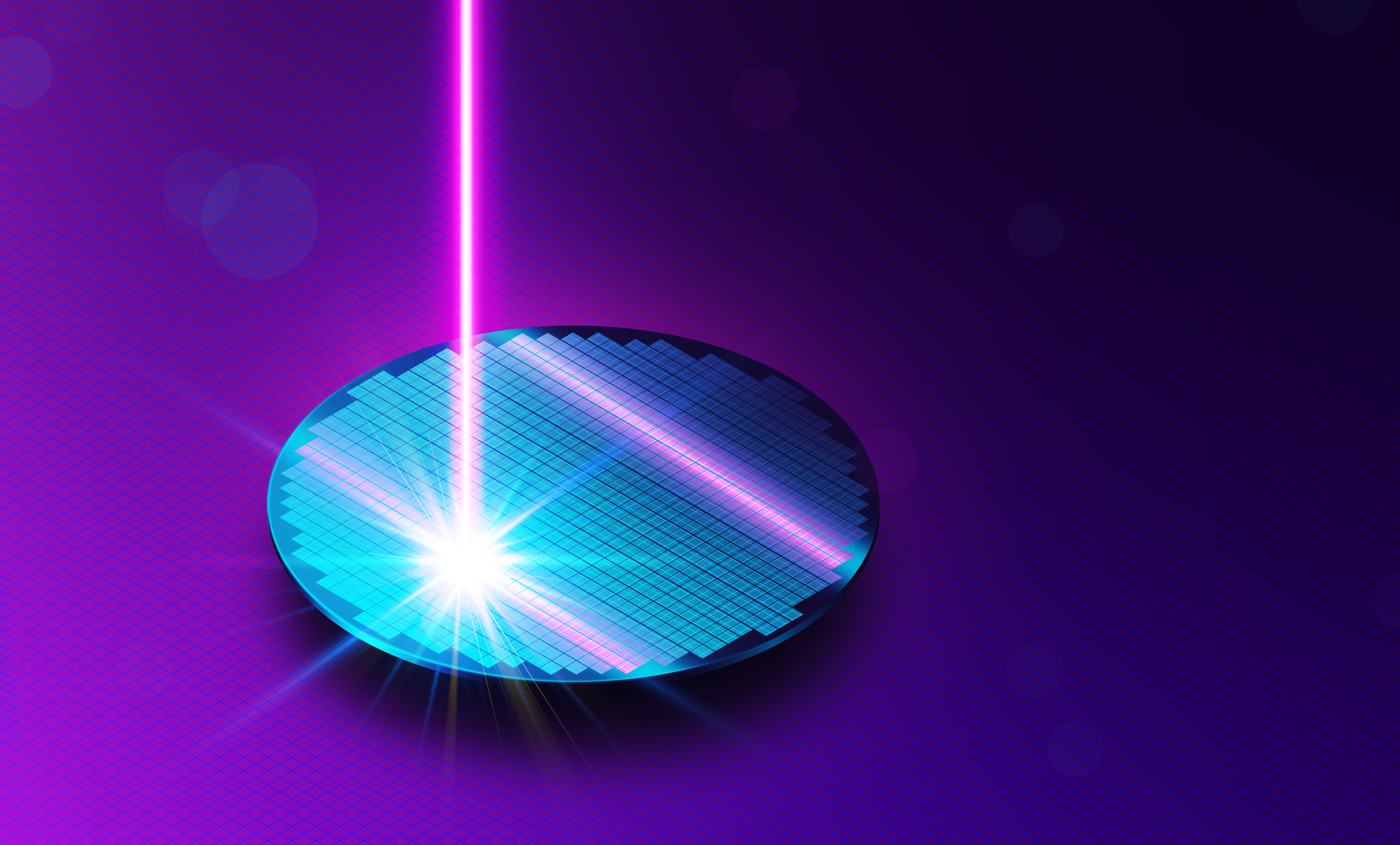
One finds, upon prolonged observation of the technological landscape, a peculiar concentration of power. It is not the boisterous, advertised dominance of those who assemble the finished products—the devices held in the hand, the screens illuminating the darkened room—but a far more subtle, almost spectral authority. An authority vested not in innovation, precisely, but in the permission to innovate. And this permission, it appears, is granted by a single entity.
ASML Holding N.V. – the name itself possesses a certain bureaucratic weight, a suggestion of endless forms and meticulously cataloged components. It is a company that, despite its relative obscurity to the general public, functions as the indispensable gatekeeper to the very foundations of modern computation. One might even say it is the linchpin, though such metaphors feel inadequate when describing a system so deeply entrenched, so utterly lacking in readily apparent purpose beyond its own perpetuation.
The reliance upon semiconductors is, of course, self-evident. But to understand ASML’s position is to grasp that it is not merely a supplier among suppliers. It is the sole producer of the extreme ultraviolet (EUV) lithography machines – colossal, immensely complex devices, each a miniature factory unto itself. These machines do not simply aid in the creation of advanced chips; they define the limits of what is possible. Without them, the relentless march of miniaturization—the very engine of technological progress—grinds to a halt. It is a quiet power, this, but absolute.
The location of this singular authority – a small town in the Netherlands called Veldhoven – is, in its own way, profoundly unsettling. One expects such a critical component of the global technological infrastructure to reside within a gleaming, fortified complex, surrounded by layers of security and shielded from the vagaries of the outside world. Instead, it exists, almost casually, within the mundane fabric of everyday life. The implications are…difficult to articulate. A sense of precariousness settles upon the observer.
Nvidia, Taiwan Semiconductor Manufacturing, Microsoft – these are the names that dominate the headlines, the companies that shape our perceptions of technological advancement. But they are all, ultimately, dependent upon this single, unassuming entity. They submit their designs, their specifications, their very ambitions to the scrutiny of ASML. And ASML, with a quiet, almost indifferent efficiency, decides which visions will be realized and which will remain mere possibilities.
Each EUV machine, one learns, is approximately the size of a bus and costs approximately $400 million. The sheer scale of these devices is not merely impressive; it is…oppressive. It speaks to a level of capital investment that effectively bars all but a handful of companies from even contemplating entry into the advanced semiconductor market. The barriers to competition are not merely high; they are insurmountable. It is a closed system, operating according to rules that are known only to itself.
There are, of course, competitors in the broader lithography market, offering machines that utilize deep ultraviolet (DUV) technology. But these are merely pale imitations, capable of producing chips that are…sufficient, perhaps, for less demanding applications. They lack the precision, the resolution, the sheer potential of the EUV machines. They are, in essence, relegated to the margins, destined to serve a diminishing role in a world increasingly defined by the limits of miniaturization.
The recent financial reports – a slight dip in sales for Q3 2025, a 97% increase since August of the same year – are, in a sense, irrelevant. They are merely fluctuations in a larger, more immutable pattern. The demand for ASML’s machines will continue to grow, driven by the insatiable appetite for ever-smaller, ever-more-powerful semiconductors. The company’s revenue has grown at a compound annual growth rate of 17.6% over the past decade, a testament to its enduring dominance.
The company’s financial health – a gross margin of 52.7%, a net margin of 29.38%, cash reserves exceeding 6 billion euros – is equally unremarkable. These are simply the inevitable consequences of a monopoly. The dividend yield of 0.54%, while modest, is a mere detail. The real return – a 1,400% increase over the past decade – speaks to the true extent of ASML’s power. And the fact that it has consistently outperformed the S&P 500 for several years is not merely a matter of good fortune; it is a logical outcome of a system designed to perpetuate its own success.
One is left with a disquieting sense of inevitability. ASML will continue to thrive, its dominance unchallenged. The technological landscape will continue to evolve, but the fundamental power dynamic will remain unchanged. And we, the consumers of these ever-more-powerful devices, will remain blissfully unaware of the silent authority that shapes our digital world. It is a system that functions flawlessly, precisely because it is so utterly devoid of meaning.
Read More
- Invincible Season 4 Gender Swaps Tech Jacket As Fans Question Major Comic Change
- Gold Rate Forecast
- Silver Rate Forecast
- 15 Films That Were Shot Entirely on Phones
- Building Agents That Learn and Improve Themselves
- 20 Movies Where the Black Villain Was Secretly the Most Popular Character
- 22 Films Where the White Protagonist Is Canonically the Sidekick to a Black Lead
- Celebs Who Narrowly Escaped The 9/11 Attacks
- Games That Faced Bans in Countries Over Political Themes
- 14 Movies Where the Black Character Refuses to Save the White Protagonist
2026-02-01 04:54