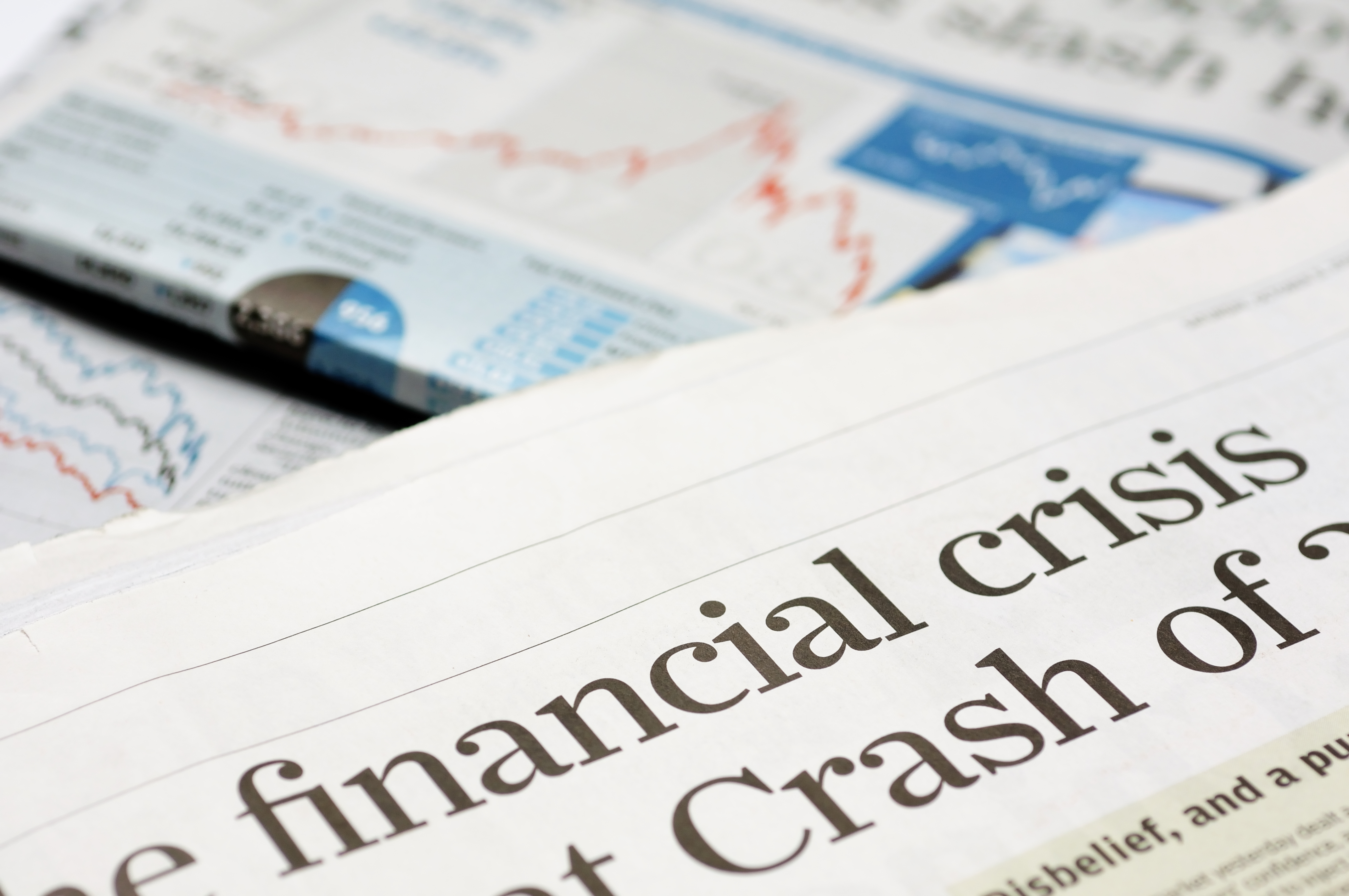
Many years later, as the scent of overripe mangoes hung heavy in the air—a scent that always preceded bad omens—old Man Hemlock, a man who’d seen more booms and busts than grains of sand on the Caribbean shore, would recall the peculiar spring of 2026. It wasn’t the price of oil, though that certainly played a part, but the quiet desperation in the eyes of the forecasters, the ones who believed in neat little charts and predictable cycles, that truly signaled the unraveling. They spoke of recession, of course, as if it were a fever to be diagnosed and treated, ignoring the fact that economies, like people, often succumb to ailments of the spirit, not merely the pocketbook.
The whispers began with the distant rumble of conflict, a familiar echo in a world accustomed to the rhythm of war. The price of black gold, that viscous lifeblood of modernity, stirred, rising like a phantom from the depths. They say a barrel touched one hundred and twenty, a fleeting moment of excess before settling, reluctantly, to a more reasonable, yet still unsettling, eighty-seven. The analysts, those meticulous scribes of fate, pointed to history, to the post-war years when every spike in energy prices heralded a downturn. A convenient narrative, perhaps, but one that conveniently ignored the fundamental shift that had been brewing for decades.
The United States, you see, had quietly shed its dependence. It had become a reluctant exporter of oil, a land once thirsty for foreign fuel now offering its bounty to others. A strange reversal, a turning of the tide. And more importantly, the nation had learned to squeeze more life out of every drop, to wring productivity from the very bones of its industries. The old rules, the ones etched in the ledgers of the past, no longer held the same weight. They were fading ghosts, haunting the present but unable to dictate its course.
Yet, to believe this is to succumb to a dangerous complacency. The global market, that vast, swirling ocean of commerce, does not recognize national boundaries or self-sufficiency. A surge in energy prices, even if originating far from American shores, will inevitably ripple through the economy, leaving a residue of discontent. The price at the pump, that daily reminder of our dependence, will rise, and the common man, ever burdened by the weight of necessity, will have less to spend on the small pleasures that sustain life. Two-thirds of the nation’s wealth, they say, rests on the shoulders of the consumer, a precarious foundation indeed.
The Illusion of Certainty
The prediction markets, those modern oracles, currently assign a probability of twenty-nine percent to a recession this year. A number, of course, is merely a convenient fiction, a way to impose order on the chaos of the future. It was higher, thirty-seven percent, when the oil price soared, and lower, twenty-one percent, before the conflict began. But these fluctuations, these subtle shifts in sentiment, tell us more about the anxieties of the forecasters than the true state of the economy. They chase patterns, these men, searching for certainty in a world that is inherently unpredictable.
And even if a contraction does occur, it will not be announced with fanfare. The National Bureau of Economic Research, that secretive cabal of economists, will pore over the data, dissecting the numbers, searching for a definitive sign. They will delay the declaration, of course, until long after the fact, lest they be accused of precipitating a panic. The truth, as always, will be obscured by layers of bureaucracy and self-interest.
But the people will feel it, regardless. They will feel it in the empty chairs at the dinner table, in the worried glances of their neighbors, in the quiet desperation of those who have lost their livelihoods. The layoffs will come, slowly at first, then with increasing frequency, as businesses tighten their belts and prepare for the storm. Yet, the American economy, for all its flaws, remains a formidable beast, resilient and relatively isolated from the vagaries of the global market. It is a land of reinvention, of adaptation, of stubborn optimism. But hope, like oil, is a finite resource. And those who believe in endless growth are destined to be disappointed. Perhaps a swift resolution to the current conflict is the most any of us can hope for—a temporary reprieve from the inevitable dance of boom and bust.
Read More
- 20 Movies Where the Black Villain Was Secretly the Most Popular Character
- Celebs Who Narrowly Escaped The 9/11 Attacks
- Transformers Under the Microscope: What Graph Neural Networks Reveal
- Top 20 Dinosaur Movies, Ranked
- Trading on Thin Air: AI Agents Conquer Crypto Volatility
- Silver Rate Forecast
- Gold Rate Forecast
- Every Notable ‘Star Trek: The Original Series’ Actor Who Died
- 22 Films Where the White Protagonist Is Canonically the Sidekick to a Black Lead
- Invincible Season 4 Gender Swaps Tech Jacket As Fans Question Major Comic Change
2026-03-13 16:03