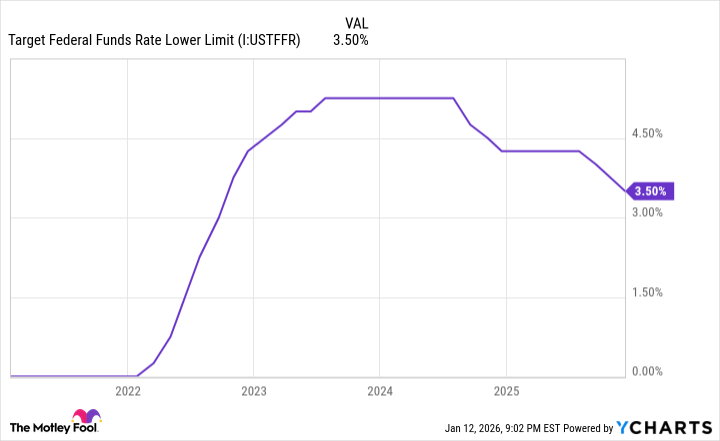
The recent performance of the stock market – the Dow, the S&P 500, the Nasdaq – has been presented as evidence of prosperity. The numbers, of course, are easily manipulated, and offer little true indication of underlying stability. The prevailing optimism, fueled by speculation regarding artificial intelligence and the naive expectation of perpetually declining interest rates, is a fragile construct. It is a house built on sand, and the rising tide is not of wealth, but of discord.
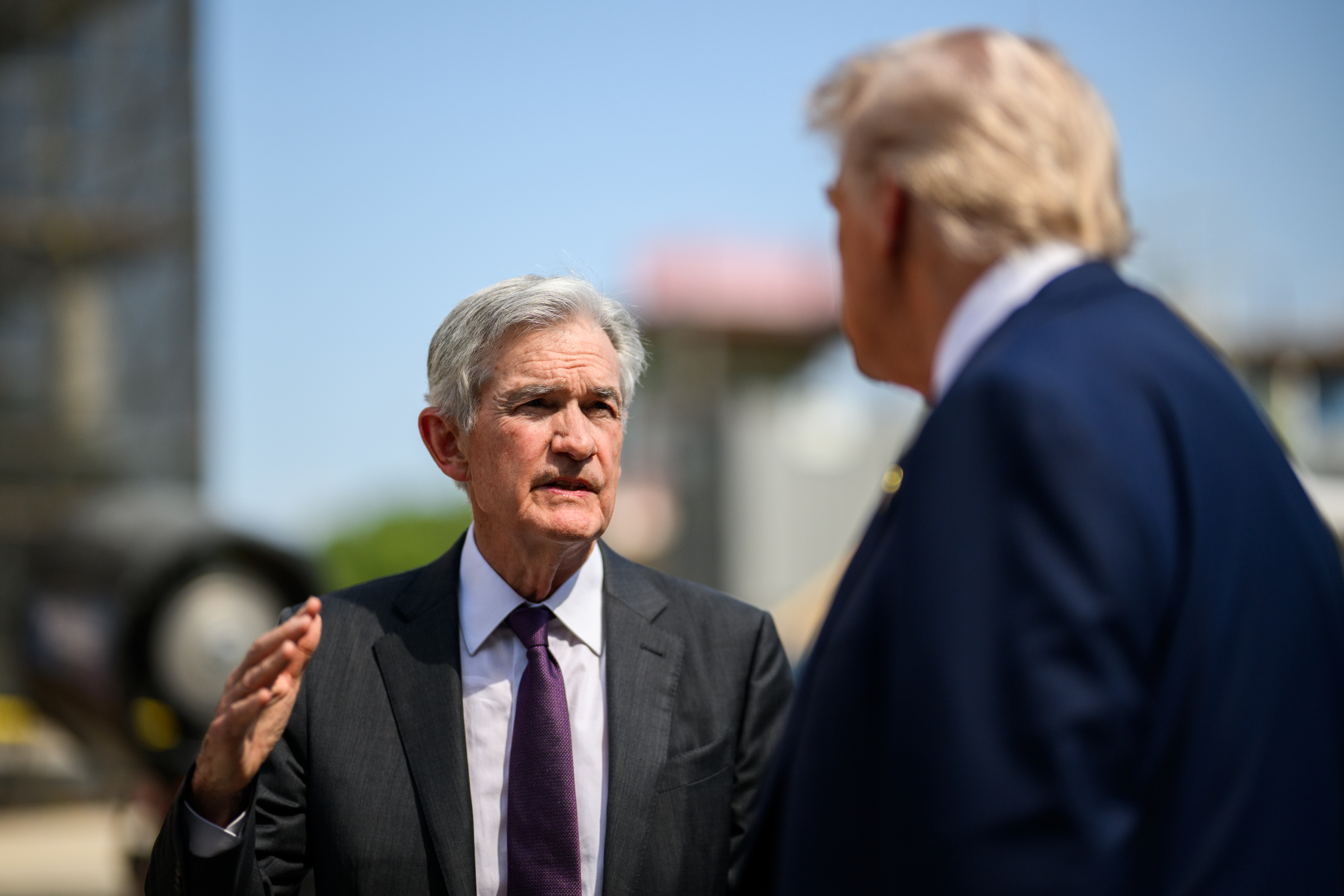
The immediate danger is not, as many assume, a sudden downturn triggered by economic data. It is a more insidious threat: the erosion of faith in the very institution designed to manage the economy – the Federal Reserve. The public squabble between the former President and the current Chairman, while diverting attention, is merely a symptom of a deeper malaise.
The Appearance of Unity
The news regarding the investigation into the renovation of the Federal Reserve headquarters is, in itself, unimportant. What matters is the spectacle. It provides a convenient distraction from the real story: the unprecedented level of disagreement within the Federal Open Market Committee (FOMC). For decades, the illusion of a unified front has been carefully maintained. The pretense of consensus, even when the decisions were flawed, provided a degree of stability – a perceived competence that calmed the markets.
The current situation is markedly different. The idea that twelve individuals, supposedly the most knowledgeable arbiters of the nation’s economic health, can consistently arrive at opposing conclusions regarding monetary policy is not merely troubling; it is a clear indication that the system is fracturing. The recent meetings, marked by dissenting opinions moving in opposite directions, are not isolated incidents. They represent a fundamental breakdown in the decision-making process.
The argument that the FOMC is simply responding to complex and evolving economic data is disingenuous. The data is always ambiguous, always open to interpretation. What has changed is not the data itself, but the willingness of committee members to publicly challenge the prevailing orthodoxy. This suggests a deeper ideological rift, a disagreement not about the interpretation of facts, but about the very purpose of monetary policy.
The market has, for years, tolerated occasional missteps. Errors in judgment were excused as unavoidable consequences of imperfect knowledge. But a divided Fed is a different proposition altogether. It undermines the credibility of the institution, creating uncertainty and eroding investor confidence. The perception of instability is, in itself, a destabilizing force.
The impending end of the current Chairman’s term only exacerbates the problem. The prospect of further division, coupled with a leadership transition, creates a perfect storm of uncertainty. The market, ever sensitive to risk, will not remain calm for long. The chatter about the AI bubble is a convenient distraction from the real danger: a loss of faith in the institutions that govern the economy.
The current situation is not a temporary setback. It is a symptom of a deeper malaise – a systemic failure of leadership and a growing disconnect between the governing elite and the realities of everyday life. The numbers may continue to rise for a time, but the foundation is crumbling. The illusion of control will not last.
Read More
- Gold Rate Forecast
- Games That Faced Bans in Countries Over Political Themes
- Silver Rate Forecast
- Unveiling the Schwab U.S. Dividend Equity ETF: A Portent of Financial Growth
- 22 Films Where the White Protagonist Is Canonically the Sidekick to a Black Lead
- 20 Movies Where the Black Villain Was Secretly the Most Popular Character
- Superman Flops Financially: $350M Budget, Still No Profit (Scoop Confirmed)
- How to Do Sculptor Without a Future in KCD2 – Get 3 Sculptor’s Things
- Celebs Who Narrowly Escaped The 9/11 Attacks
- 14 Movies Where the Black Character Refuses to Save the White Protagonist
2026-01-17 12:13