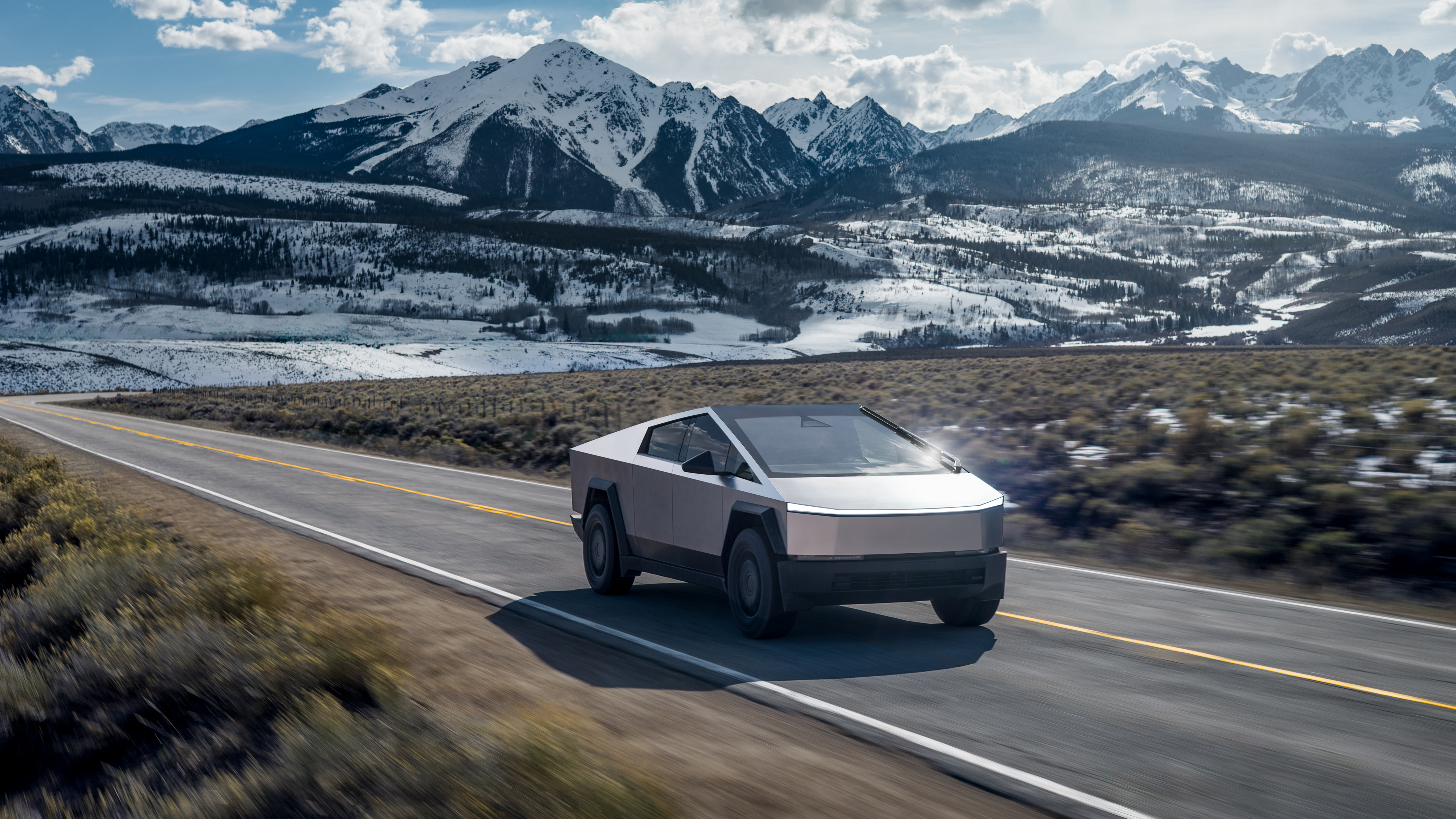
The warnings came, quiet as dust motes in a sunbeam, from the men who count the beans at Bank of America. John Murphy, a man who understands the weight of a balance sheet, urged the giants of Detroit – General Motors and Ford – to consider the long road back from China. It wasn’t a question of pride, but of simple arithmetic. A new breed of automakers was rising in the East, fueled by subsidy and a hunger that gnawed at the edges of the global market. They were building vehicles, not just of steel and wire, but of a different ambition, undercutting prices while quietly mastering the new language of electric power.
Now, that quiet warning feels less like a prediction and more like a reckoning. China’s automotive market is a battlefield, a brutal dance of price wars where fortunes are won and lost with each passing month. And the tremors of that conflict are reaching our shores. The data whispers of a shift, a subtle but insistent movement of competition towards the heart of the American market. It’s a slow creep, like the rising tide, but it carries a weight that could reshape the landscape for years to come.
The Shifting Sands
Within China, the domestic brands are locked in a desperate struggle, a relentless pursuit of market share. But desperation breeds innovation, and the race to expand beyond their borders is growing fiercer. The numbers tell the story: a staggering 67% jump in full-electric vehicle exports, reaching 1.65 million units in 2025. And that’s just the beginning. Plug-in hybrids and extended-range EVs more than tripled, swelling the ranks of overseas shipments to nearly a million. These aren’t just cars; they are emissaries of a new economic power.
Even the mighty Tesla, once the undisputed king of the electric hill, feels the pressure. The end of the $7,500 tax credit is a blow, of course, but it’s more than that. There’s an aging product line, a weariness in the design, and a restlessness among consumers. Elon Musk, a man who once seemed to bend the future to his will, has stepped into the arena of politics, and the resulting distraction has chipped away at the company’s momentum. Sales slumped at the end of 2025, a 16% decline in the fourth quarter, a 9% drop for the year. It’s a reminder that even giants can stumble.
Meanwhile, BYD, the Chinese juggernaut, has surged forward, selling 2.26 million EVs globally, a 28% gain over the previous year. And a growing proportion of those sales are happening outside of China, carried on the currents of global trade. It’s a quiet takeover, a shift in the balance of power that few seem willing to acknowledge.
Preparing for the Dust
These vehicles are coming to America, that much is certain. Tariffs can offer a temporary shield, a reprieve from the inevitable, but they are not a permanent solution. The automakers know this, and they are scrambling to adapt. Tesla is offering a stripped-down version of its Model 3, a more affordable option for the masses. They are also diversifying, investing in battery storage, artificial intelligence, robotics, and driverless vehicles – a hedge against the uncertainties of the future.
Ford is attempting a bolder move, a return to the principles of mass production. They’re restructuring their assembly line, developing a Universal EV Production System designed to lower costs and improve efficiency. The idea is to build the front, rear, and battery simultaneously, a streamlined process that could drastically reduce complexity and production time. It’s a gamble, a desperate attempt to recapture the spirit of the Model T, but it could be the key to survival.
Investors will be watching closely, waiting to see if this “Model T moment” can live up to the hype. Ford plans to debut the Universal EV Production System with a new midsize electric truck, priced around $30,000 – roughly the same as the original Model T, adjusted for inflation. It’s a symbolic gesture, a reminder of a time when American ingenuity ruled the road.
The Gathering Storm
These are just small skirmishes, barely scratching the surface of the battle that lies ahead. For long-term investors, the response from Detroit must be multifaceted. So far, the strategy has been to scale back EV production until the market is ready, focusing instead on more profitable hybrids, extended-range vehicles, and gasoline-powered models to fund further EV development. It’s a pragmatic approach, a recognition that the transition to electric power will take time.
Detroit automakers are also exploring partnerships and collaborations, seeking alliances that could reduce costs and provide access to new technologies. Ford’s potential deal with BYD for hybrid batteries is a prime example. And they must push forward on two fronts: developing advanced software and platforms for software-defined vehicles, and driving down prices to compete with Chinese offerings. It’s a delicate balancing act, a tightrope walk between innovation and affordability.
The warning was sent years ago, a quiet murmur in the halls of power. Now, it’s time to listen. For long-term auto investors, the time to include these developments in your investment thesis is now. The gathering storm is upon us, and the road ahead will be long and arduous. But those who are prepared will be the ones who survive.
Read More
- Top 20 Dinosaur Movies, Ranked
- 20 Movies Where the Black Villain Was Secretly the Most Popular Character
- Celebs Who Narrowly Escaped The 9/11 Attacks
- 25 “Woke” Films That Used Black Trauma to Humanize White Leads
- The 10 Most Underrated Jim Carrey Movies, Ranked (From Least to Most Underrated)
- Transformers Under the Microscope: What Graph Neural Networks Reveal
- The Best Directors of 2025
- Every Notable ‘Star Trek: The Original Series’ Actor Who Died
- 22 Films Where the White Protagonist Is Canonically the Sidekick to a Black Lead
- Trading on Thin Air: AI Agents Conquer Crypto Volatility
2026-01-25 22:53