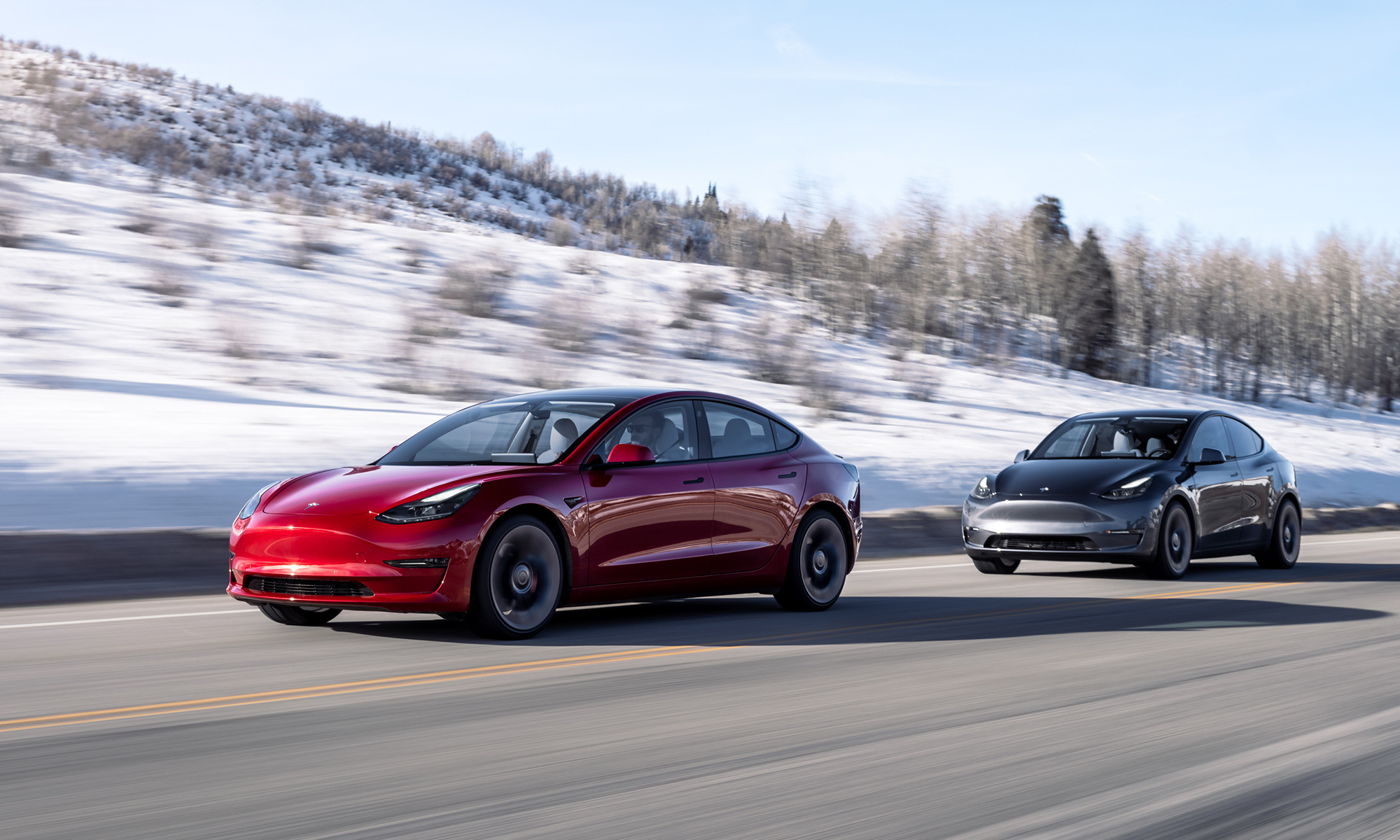
The wait for a full charge…it’s a small irritation, yes, but one that gnaws at the promise of these electric machines. Like a farmer watching for rain, a driver tethered to a charging station feels the minutes stretch, the potential energy held captive. Now, BYD, a name whispered with increasing frequency, claims to have shortened that wait. Their Blade Battery 2.0, coupled with a new charging system, speaks of a five-minute boost to seventy percent, a near-complete fill in twelve. A claim, naturally, that sends ripples through the market, and a question forming on the lips of those who’ve staked their fortunes on Tesla.
It isn’t a simple contest, this. Tesla and BYD aren’t yet facing each other across the same fields. Our own government, in its wisdom, has erected a tariff, a wall of cost, keeping BYD’s offerings largely beyond our shores. But the two are not strangers. They share a trade, a quiet exchange of components, like neighbors sharing tools. Tesla builds some batteries itself, supplementing them with those from others – including, it happens, BYD. BYD, however, is wholly self-reliant, crafting every battery within its own walls.
Tesla’s 4680 cell is a sturdy thing, reliable and offering a good range. But it asks for patience, a longer drink at the charging station. BYD’s Blade Battery 2.0 promises speed, a quicker return to the open road. The question isn’t simply one of technology, but of what the driver truly values. Range, a sense of security against the unknown miles? Or the immediacy of a quick charge, a swift escape from the tether? It’s a choice between a long journey with fewer stops, and a shorter one with more frequent breaths.
I suspect most will favor the quicker fill. Americans, generally, are not a patient people. We want what we want, and we want it now. This Blade Battery 2.0, if it delivers on its promise, could be a genuine threat to Tesla’s battery ambitions. But Tesla isn’t cornered. It has the capacity to adapt, to incorporate superior technology if it proves its worth. It wouldn’t be the first time a company swallowed its pride and embraced a better idea. Though it would mean a reckoning with the vaunted Supercharger network, a symbol of Tesla’s dominance.
The reputation, that’s the real currency here. If BYD can consistently deliver a faster charge, it will enhance its standing as a forward-thinking manufacturer. Already competitive on price in the markets where it and Tesla meet, this could draw business away from the American company, bolstering BYD’s share. It’s a slow erosion, perhaps, but erosion nonetheless.
There’s a practical hurdle, of course. Infrastructure. This fast charging requires a network of powerful hubs, and BYD is building them in China. But elsewhere? Few and far between. A build-out of that scale demands time and capital, a considerable undertaking. It’s a desert needing water, and water doesn’t come cheap.
So, if I were a Tesla investor, I wouldn’t lose sleep over BYD’s battery just yet. The immediate threat is elsewhere. The clumsy shift toward more affordable models, the constant distractions of a CEO stretched thin…these are the headwinds that truly matter. A company can always adapt to technology, but it can’t easily mend a fractured focus.
Read More
- Trading on Thin Air: AI Agents Conquer Crypto Volatility
- 20 Movies Where the Black Villain Was Secretly the Most Popular Character
- Invincible Season 4 Gender Swaps Tech Jacket As Fans Question Major Comic Change
- Silver Rate Forecast
- 22 Films Where the White Protagonist Is Canonically the Sidekick to a Black Lead
- Trading Smarter: AI-Powered Execution Schedules
- Gold Rate Forecast
- Celebs Who Narrowly Escaped The 9/11 Attacks
- 15 Films That Were Shot Entirely on Phones
- Smarter Order Execution: How AI is Outperforming Wall Street’s Playbook
2026-03-14 21:32