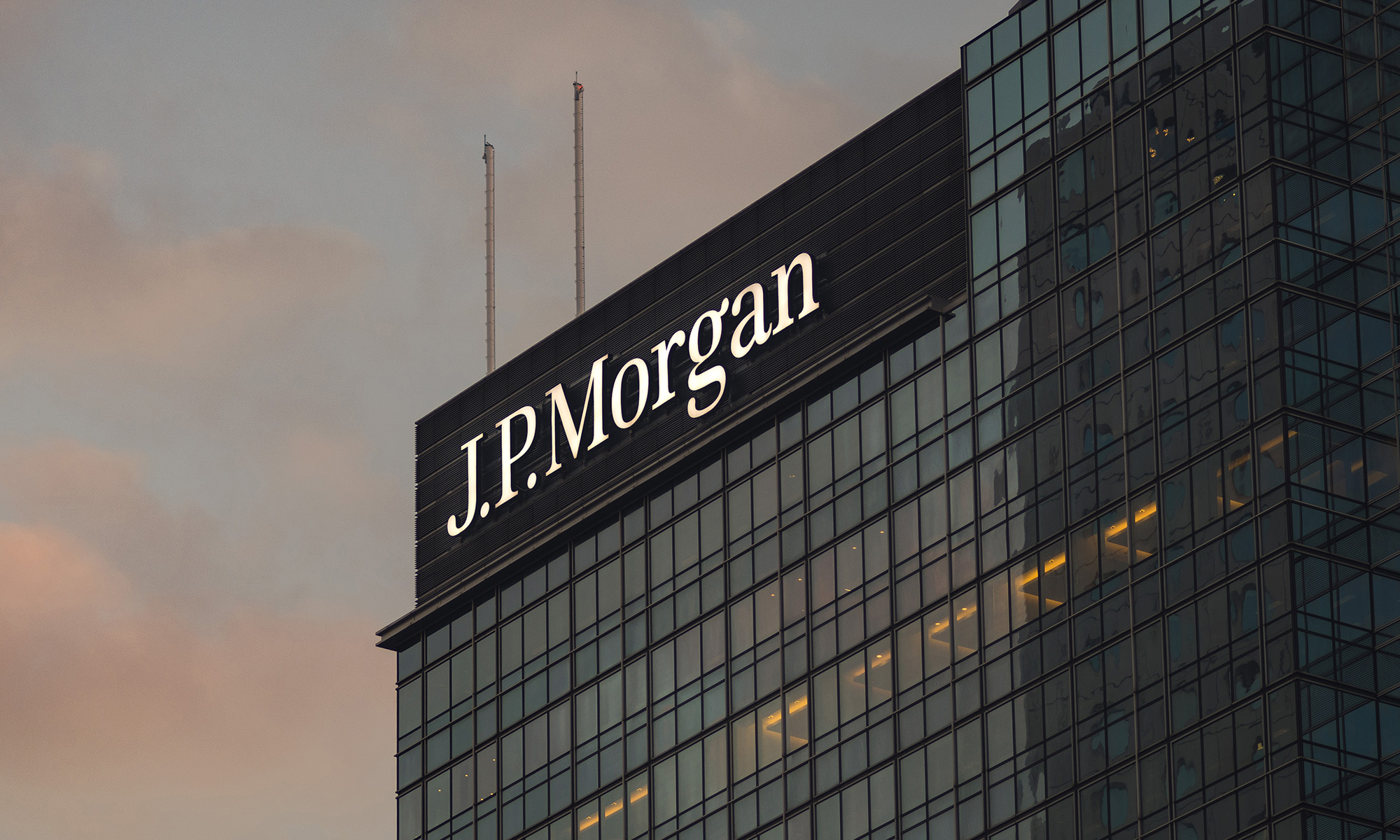
The quarterly pronouncements of the great American banks have concluded, each report a new chamber within the ever-shifting labyrinth of capital. This cycle, however, is marked by a peculiar disquiet, a collective apprehension regarding a proposed intervention – a ceiling placed upon the rate of credit, a limitation on the very engine of deferred desire. It is as if a cartographer, having meticulously charted the contours of a boundless sea, were suddenly to declare a boundary, a finite limit to its expansion.
JPMorgan Chase, Bank of America, Citigroup, and Wells Fargo – names that resonate with the weight of accumulated transactions – have all registered a decline in valuation. Not a catastrophic collapse, but a subtle tremor, a recognition that the rules of the game, or at least the perceived parameters, are under review. One might posit that the market, that most capricious of oracles, is attempting to calculate the shadow cast by this potential decree.
The proposal, emanating from the political sphere, suggests a cap of ten percent on credit card interest rates. A seemingly simple adjustment, yet one that threatens to disrupt the delicate equilibrium of risk and reward. Senators Marshall and Durbin, meanwhile, have resurrected the Credit Card Competition Act, a measure intended to introduce a degree of choice into the networks of transaction. It is a curious notion – to believe that competition, even in the realm of debt, can yield a more equitable outcome. One recalls the Library of Babel, where every possible book exists, yet truth remains elusive within the infinite stacks.
The implications extend beyond the immediate players – Visa, Mastercard, and the lending institutions themselves. A constriction of interest rates, the lifeblood of these entities, would undoubtedly diminish their revenue streams. Calculations by Vanderbilt University suggest a potential loss of one hundred billion dollars annually, transferred from the coffers of the banks to the pockets of consumers. A substantial sum, yet one that pales in comparison to the infinite possibilities of the market.
Bank executives, predictably, have voiced their concerns. They speak of unintended consequences, of a tightening of credit availability, of a restriction on access for those most in need. Jeremy Barnum of JPMorgan Chase, with the measured tone of a scholar deciphering an ancient text, warned of a “negative consequence” for the economy. Brian Moynihan of Bank of America echoed this sentiment, suggesting that a cap on rates would inevitably lead to stricter lending criteria. It is a familiar refrain – the assertion that any attempt to regulate the market will ultimately prove detrimental to its participants.
Jane Fraser, CEO of Citigroup, offered a more metaphysical perspective, suggesting that the impact on the banks would be dwarfed by the broader consequences for consumer spending and economic growth. She spoke of a world where only the wealthy have access to credit, a scenario reminiscent of the gated enclaves of a dystopian future. “We’d also see some of the domino effects ricocheting through retail, travel, hospitality sectors,” she observed, “much broader impact on GDP.” It is a chilling vision, a reminder that the market is a complex, interconnected system, where every action has a ripple effect.
For the investor, these developments present a puzzle, a challenge to be deciphered. The proposed legislation faces hurdles, political resistance, and the inherent uncertainty of the future. Yet, the potential impact is significant enough to warrant attention. The market, after all, is not merely a collection of numbers, but a reflection of our collective hopes and fears, a labyrinth of possibilities where the path to fortune is often obscured by illusion.
One is reminded of the Borges story, “The Garden of Forking Paths,” where time itself is a labyrinth, and every decision creates a new reality. The fate of these bank stocks, and indeed the broader economy, may hinge on a single, unforeseen event, a twist in the narrative that alters the course of history. The algorithm of credit, it seems, is far more complex than we imagined.
Read More
- Gold Rate Forecast
- Invincible Season 4 Gender Swaps Tech Jacket As Fans Question Major Comic Change
- 22 Films Where the White Protagonist Is Canonically the Sidekick to a Black Lead
- 14 Movies Where the Black Character Refuses to Save the White Protagonist
- Silver Rate Forecast
- Unveiling the Schwab U.S. Dividend Equity ETF: A Portent of Financial Growth
- Superman Flops Financially: $350M Budget, Still No Profit (Scoop Confirmed)
- The Best Former NFL Players Turned Actors, Ranked
- ONE PIECE Season 2 Confirms Sanji’s OTHER Backstory in the Live-Action
- Why Won’t It Just *Do* What You Ask? Unpacking the Quirks of AI Language
2026-01-15 21:04