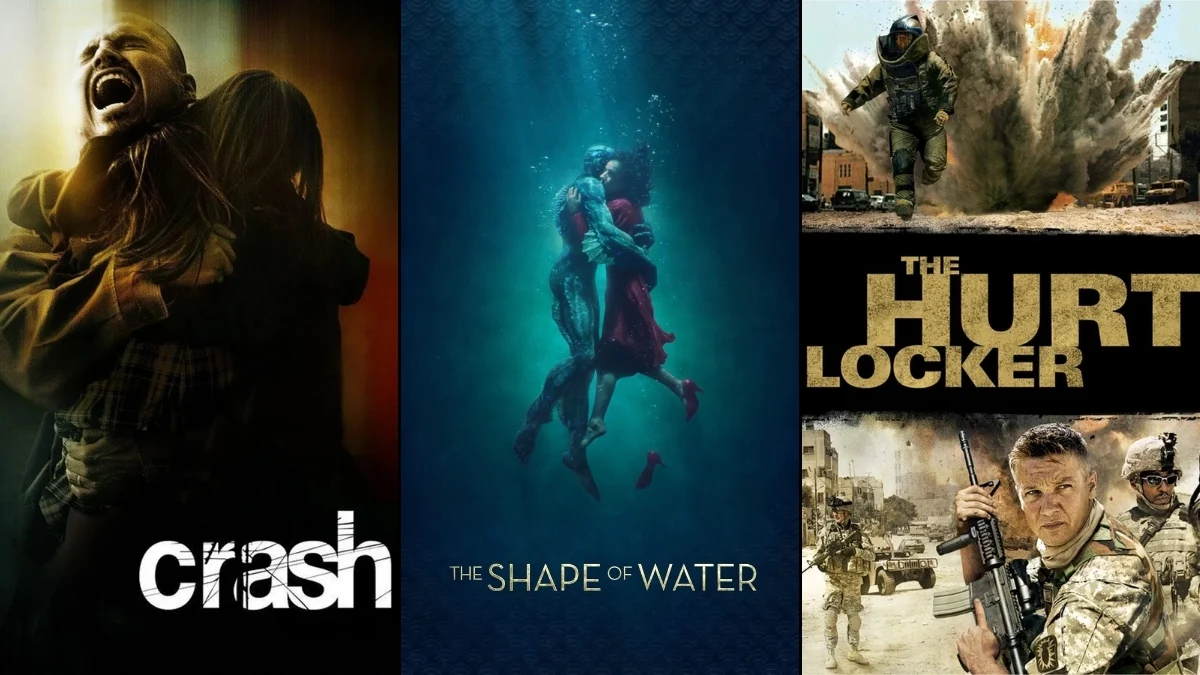
The Academy Awards, or Oscars, have always celebrated great movies, but the choice for Best Picture often causes disagreement among viewers and critics. Throughout the years, some winners have been questioned, with many believing other films were more important, groundbreaking, or moving. These controversial wins often lead to discussions about how the Academy makes its decisions and whether the Best Picture award truly represents the best film. This list highlights forty times an Oscar win was particularly divisive and continues to be debated by movie fans.
‘CODA’ (2021)
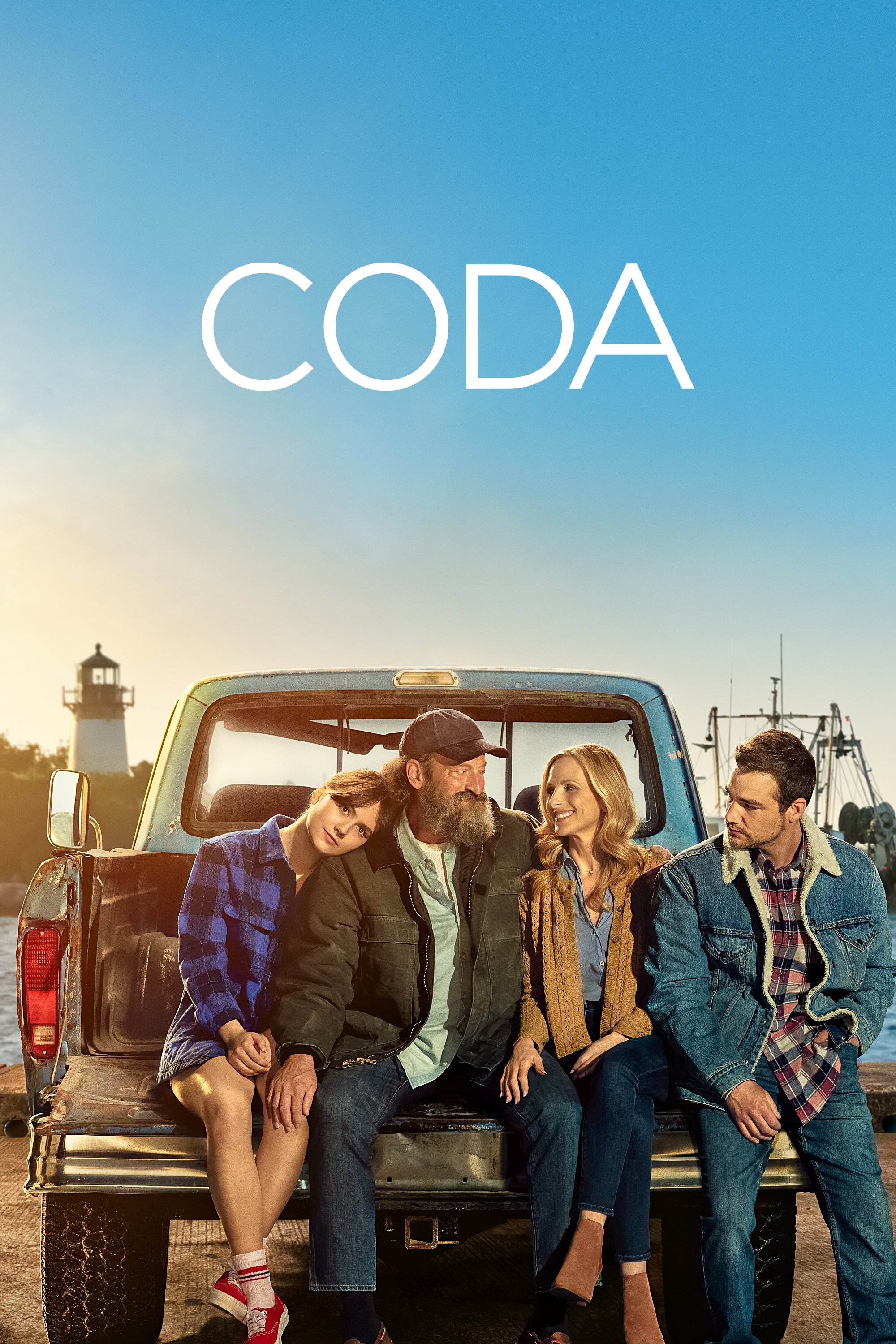
The film ‘CODA’ was a surprising winner at the Academy Awards. Though celebrated for its positive portrayal of deaf culture, some critics found it less artistically ambitious than other nominated films like ‘The Power of the Dog’. ‘CODA’s’ victory was historic, as it was the first movie from a streaming service to win Best Picture, potentially changing how the industry recognizes films. However, the win sparked debate, with some viewers considering it a fairly standard family story when compared to its more experimental competitors. Many still discuss the win as a choice prioritizing heartwarming emotion over groundbreaking filmmaking techniques.
‘Nomadland’ (2020)
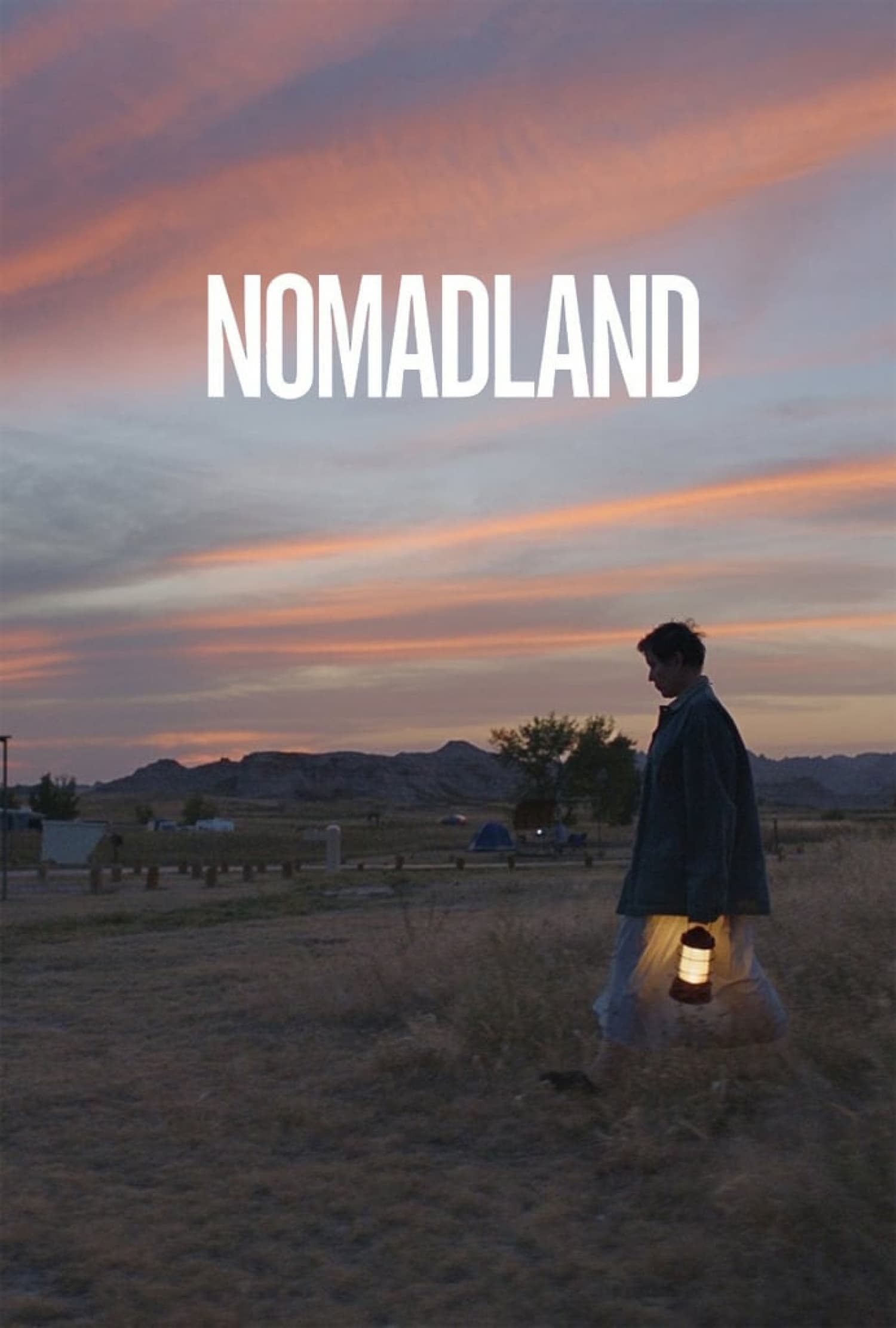
‘Nomadland’ won many awards, but its success wasn’t universally celebrated. Some viewers and critics felt the film didn’t fully show how difficult life can be for people working temporary jobs. Although the acting and directing received high praise, the film’s slow pace didn’t appeal to everyone. The win also came during an unusual year for movies, with many big films postponed, which led some to wonder if the competition was particularly strong.
‘Green Book’ (2018)
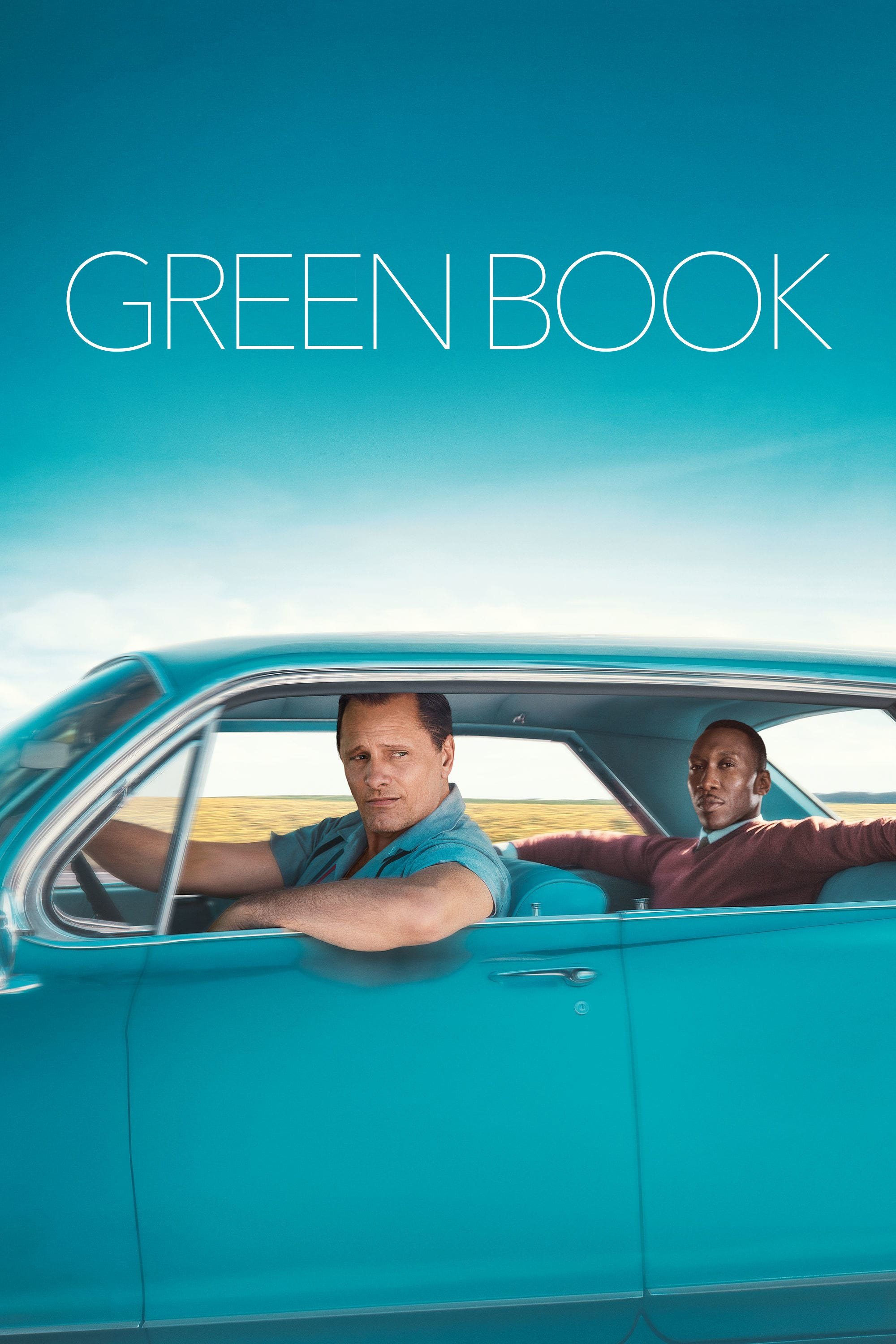
‘Green Book’s’ Best Picture win remains a point of contention at the Academy Awards. Many critics felt the film relied on a tired and simplistic storyline when dealing with the serious issue of racial segregation in America. Adding to the debate, the family of Dr. Don Shirley, the film’s subject, disputed how his life and relationships were depicted. While ‘Green Book’ took home the top prize, many believed that ‘Roma’ or ‘BlacKkKlansman’ were stronger contenders, exposing a continuing gap in tastes between older Academy voters and those who favor more contemporary films.
‘The Shape of Water’ (2017)
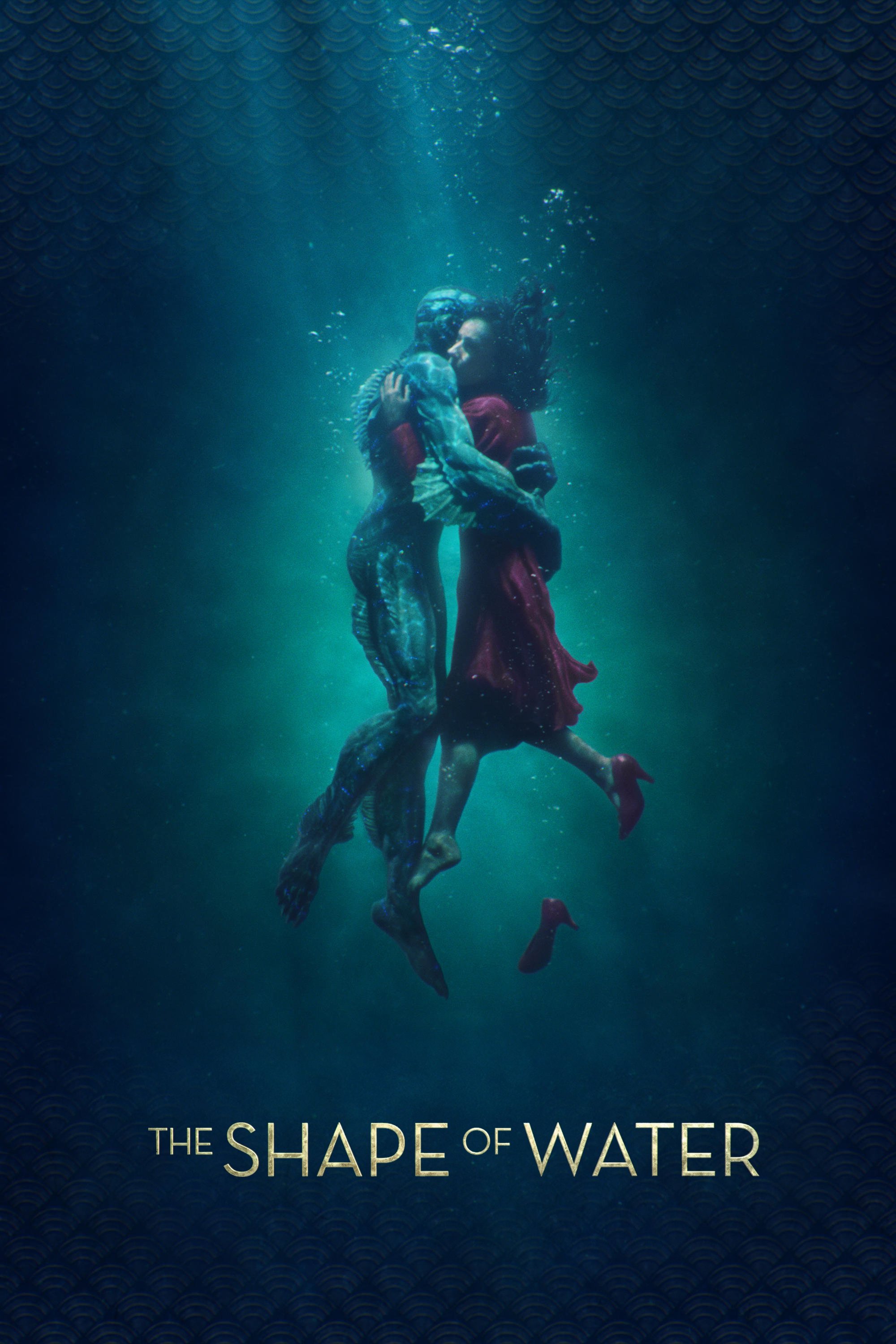
‘The Shape of Water’ sparked debate, as some viewers found its unusual love story – involving a relationship with a sea creature – hard to accept. Though praised for its stunning visuals, some felt it wasn’t a strong enough choice for Best Picture. Facing competition from ‘Get Out,’ a film that deeply resonated with the cultural conversation, ‘The Shape of Water’ was seen by some as a more conventional pick, despite its fantastical premise. Its win led to discussions about whether a film’s cultural impact should be a bigger factor in award decisions.
‘Spotlight’ (2015)
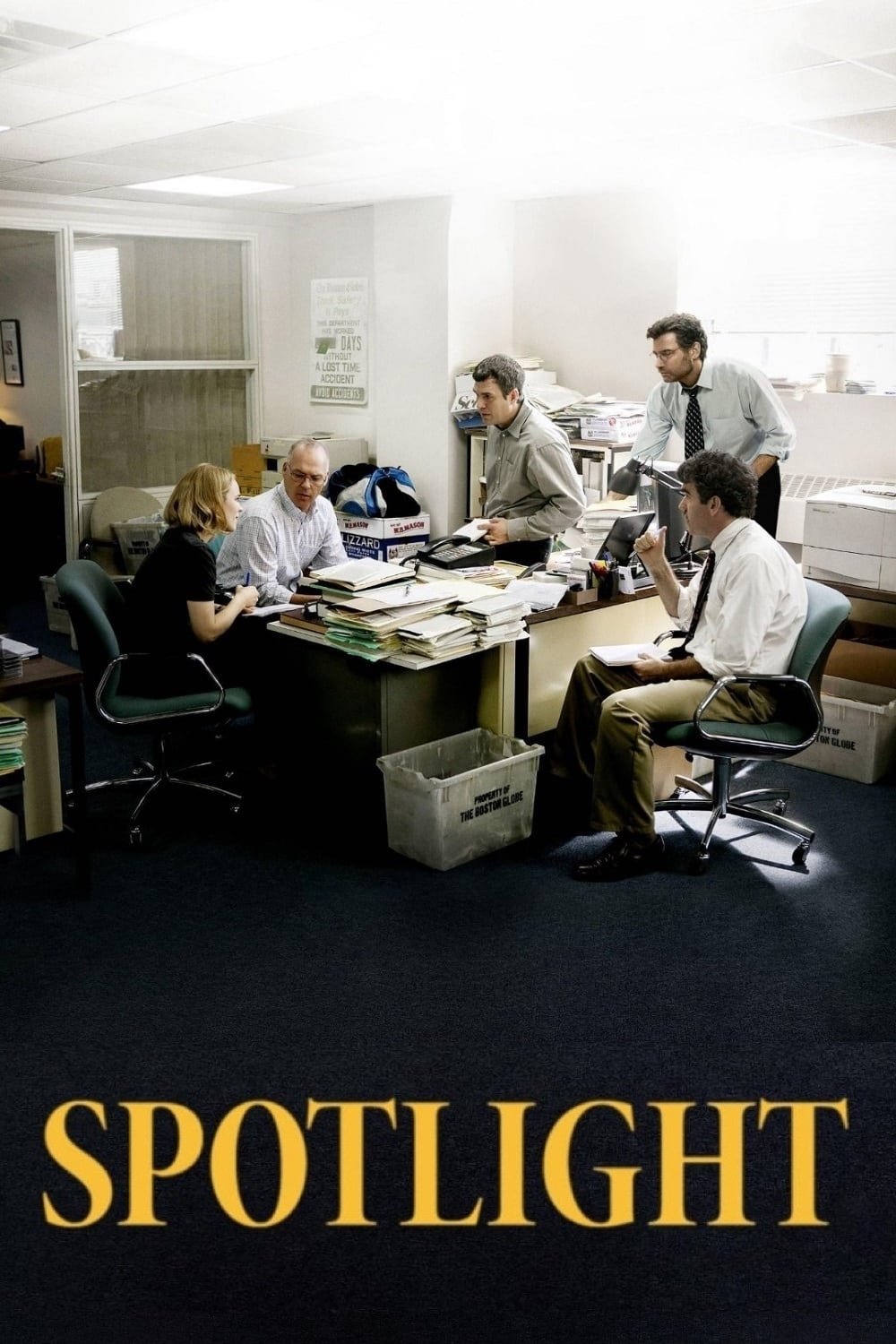
The film ‘Spotlight’ won Best Picture because of its detailed and realistic depiction of the journalists who exposed a significant scandal within the Catholic Church. While the film was critically acclaimed for its script, its win was unexpected, as many favored visually stunning films like ‘The Revenant’ and ‘Mad Max: Fury Road’. Some viewers thought ‘Spotlight’ looked more like a TV show than a major motion picture. Ultimately, some believed the Academy chose the film because of its important story, rather than its artistic filmmaking style.
‘Birdman or (The Unexpected Virtue of Ignorance)’ (2014)

‘Birdman’ was filmed to look like one continuous shot, a technical feat that wowed filmmakers but divided viewers. Though industry professionals appreciated its commentary on celebrity culture, some found the story too focused on itself. The film surprisingly won over ‘Boyhood,’ a critically acclaimed movie made over twelve years. This difference in reaction often boils down to whether people prioritize impressive filmmaking techniques or a story that focuses on emotional connection.
‘Argo’ (2012)
Despite not being nominated for Best Director, ‘Argo’ went on to win Best Picture. While the film was both popular and well-received by critics, it was criticized for not completely accurately portraying the contributions of other countries to the rescue effort it depicted. Many viewers believed ‘Lincoln’ was a more historically significant film and should have won. Some felt the Academy awarded ‘Argo’ Best Picture as a way to acknowledge the director being overlooked.
‘The Artist’ (2011)
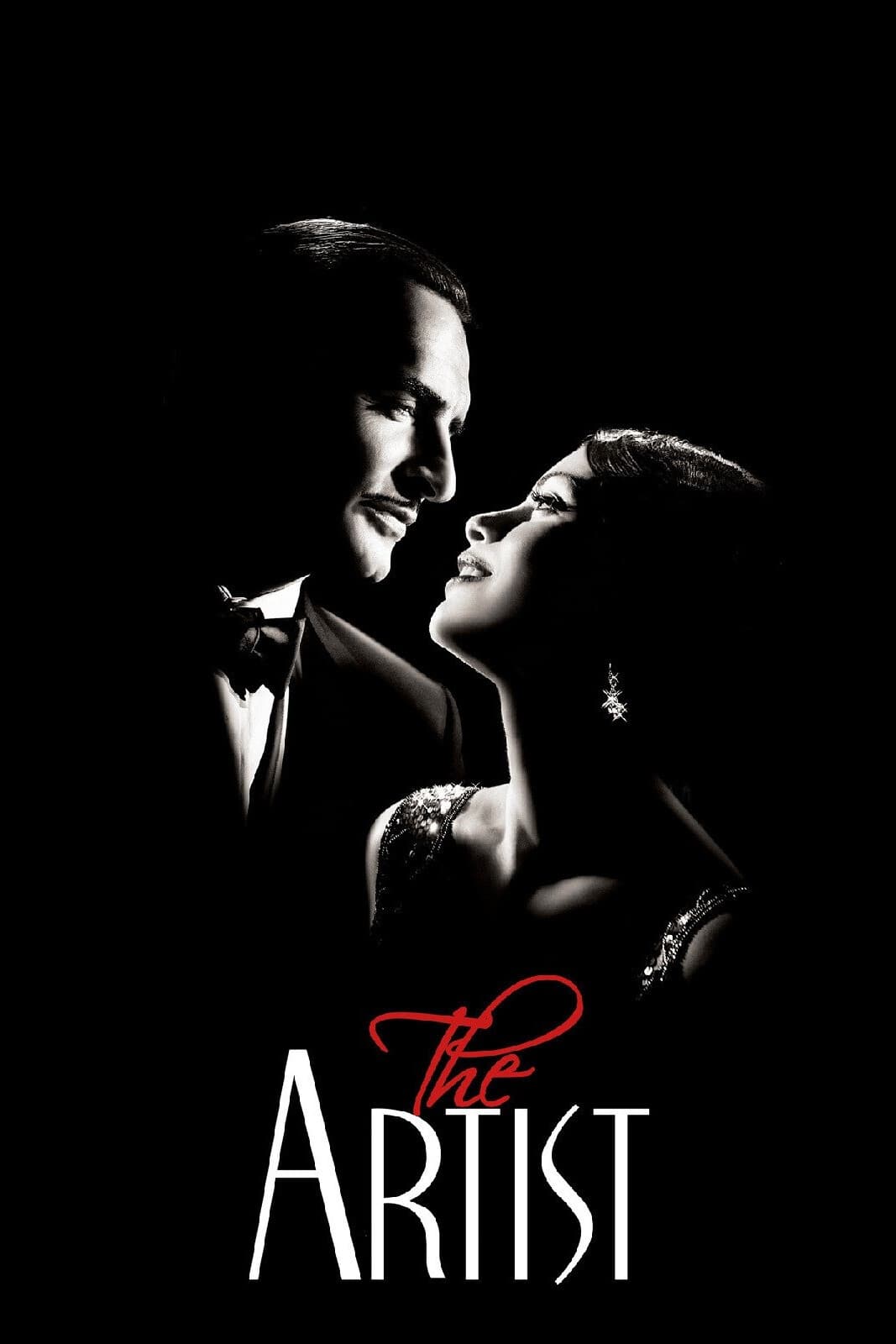
‘The Artist’ won Best Picture, celebrated for being a silent, black-and-white film that evoked the glamour of early Hollywood. Though many enjoyed its nostalgic appeal, some felt it prioritized style over a strong story. It beat out more complex films like ‘Hugo’ and ‘The Tree of Life’. Over the years, some critics have wondered if ‘The Artist’ will ultimately be remembered as a truly great film.
‘The King’s Speech’ (2010)
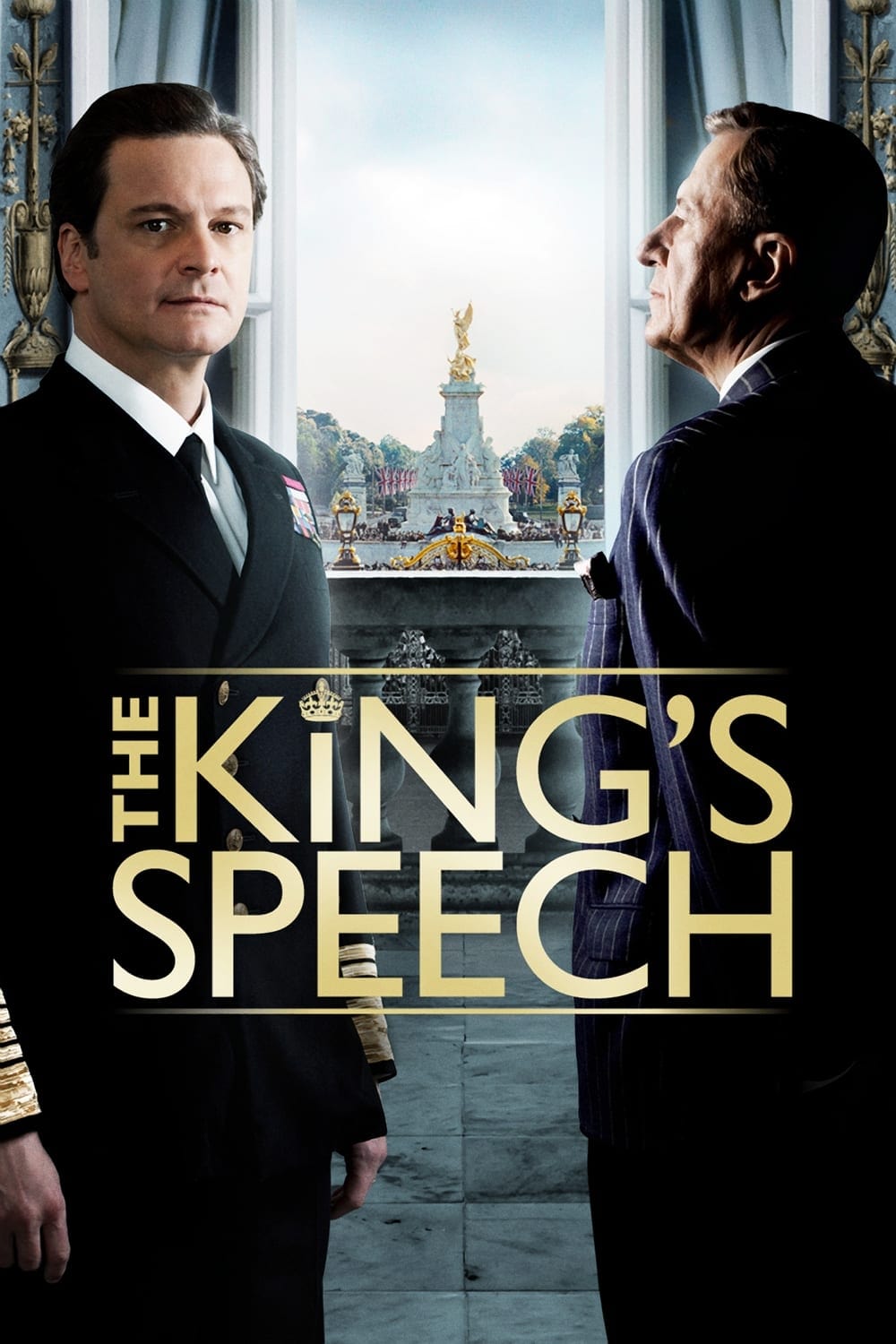
Many people were surprised when ‘The King’s Speech’ won Best Picture over ‘The Social Network,’ a film that captured the spirit of the digital age. Although ‘The King’s Speech’ received praise for its performances, some critics felt it was a predictable Oscar winner. ‘The Social Network’ was considered more groundbreaking and reflective of current times. This outcome is often brought up when discussing the Academy Awards’ preference for traditional historical dramas over stories about the present day.
‘The Hurt Locker’ (2009)
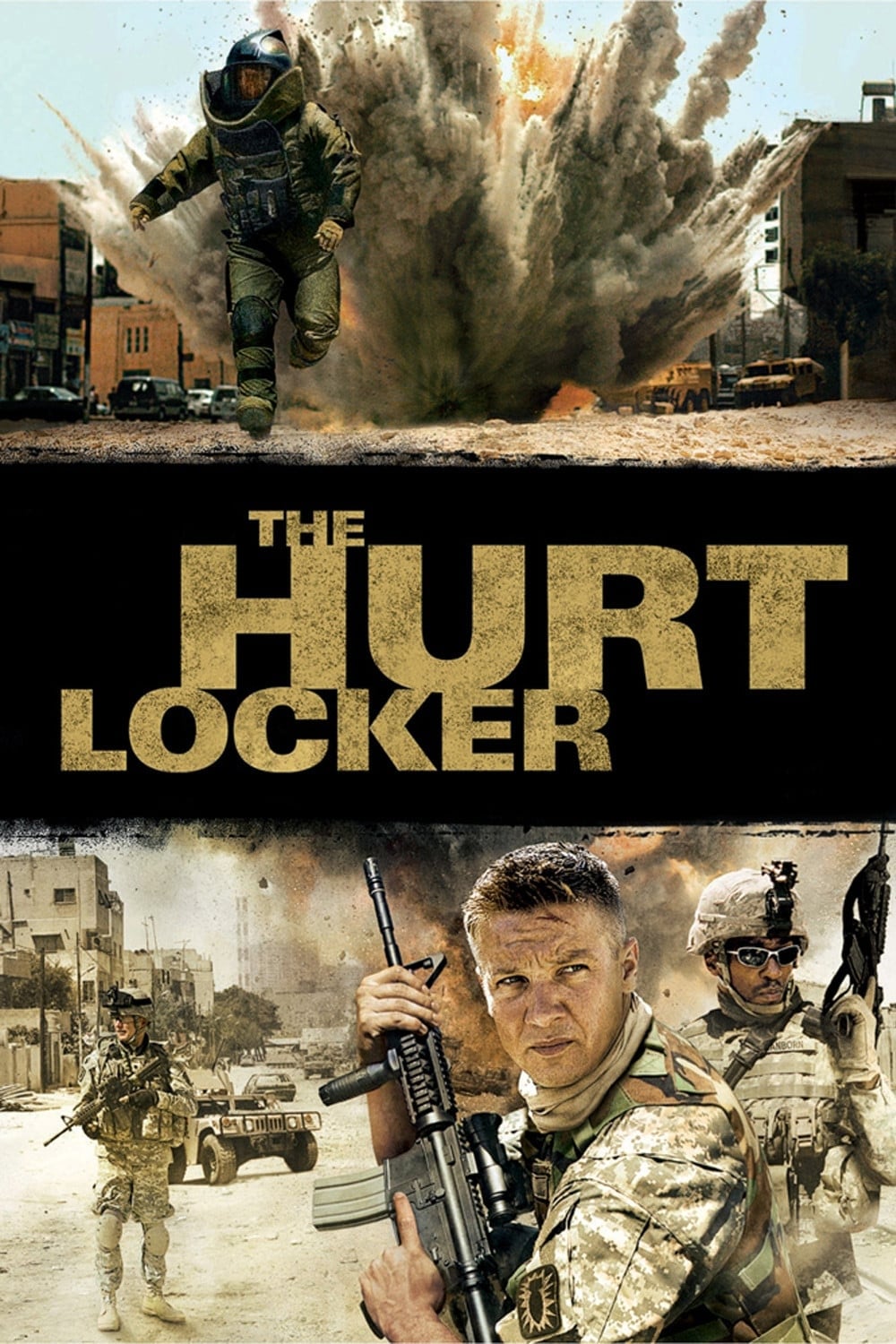
Despite winning Best Picture, ‘The Hurt Locker’ sparked debate among military veterans who noted its portrayal of soldiers and procedures wasn’t always accurate. Its victory over the hugely popular ‘Avatar’ also highlighted a split between audiences who preferred big-budget action and those who favored more realistic stories. The win continues to be discussed as an example of how much realism should be included in war movies to maintain suspense. Importantly, it was a major win for smaller, independent films over large studio productions.
‘Slumdog Millionaire’ (2008)
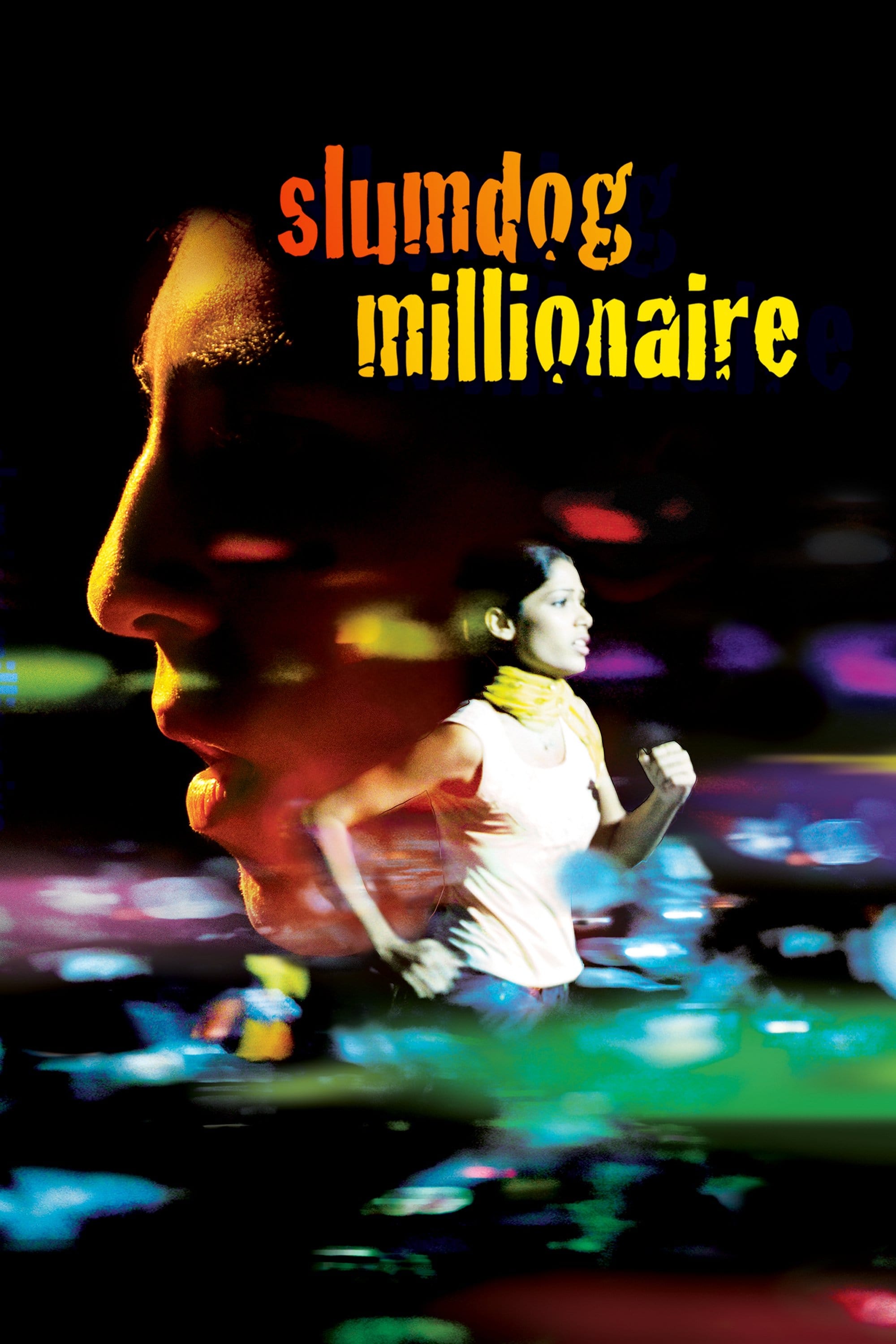
‘Slumdog Millionaire’ became a global phenomenon thanks to its lively pace and inspiring story of overcoming hardship. However, the film sparked debate, with some critics claiming it sensationalized poverty to appeal to Western audiences. Others found the film’s game show structure to be an oversimplified way to tell a complex story. Despite winning numerous awards, some viewers felt that other nominated films were more thoughtful and layered.
‘Crash’ (2005)
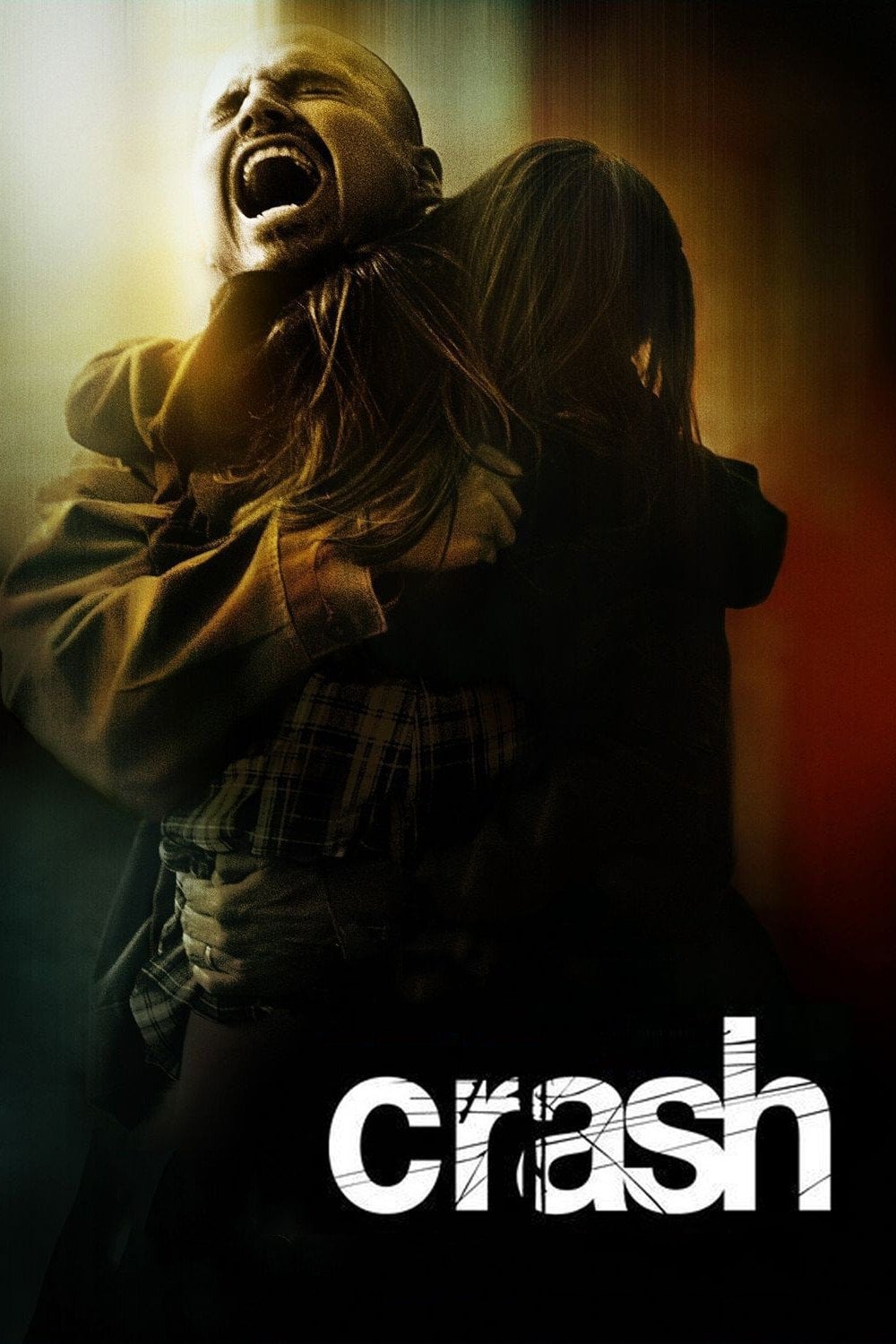
The film ‘Crash’ is often mentioned as one of the most controversial winners of the Best Picture Oscar. Its win over ‘Brokeback Mountain’ was a surprise to many in the film industry and sparked immediate criticism. Many critics have described ‘Crash’ as dealing with racial issues in an overly obvious and simplistic way. Interestingly, even some people involved in making the film were surprised it won over more highly-regarded movies.
‘Million Dollar Baby’ (2004)

‘Million Dollar Baby’ took home the Best Picture award for its realistic and moving depiction of a female boxer and her trainer. However, a major plot twist in the film’s final act caused significant debate and upset some groups. Though the film received high praise for its direction and performances, its difficult themes divided audiences who were expecting a typical feel-good sports story. Its victory was considered surprising by many, as ‘The Aviator’ was widely seen as a more classic and impressive film.
‘Chicago’ (2002)
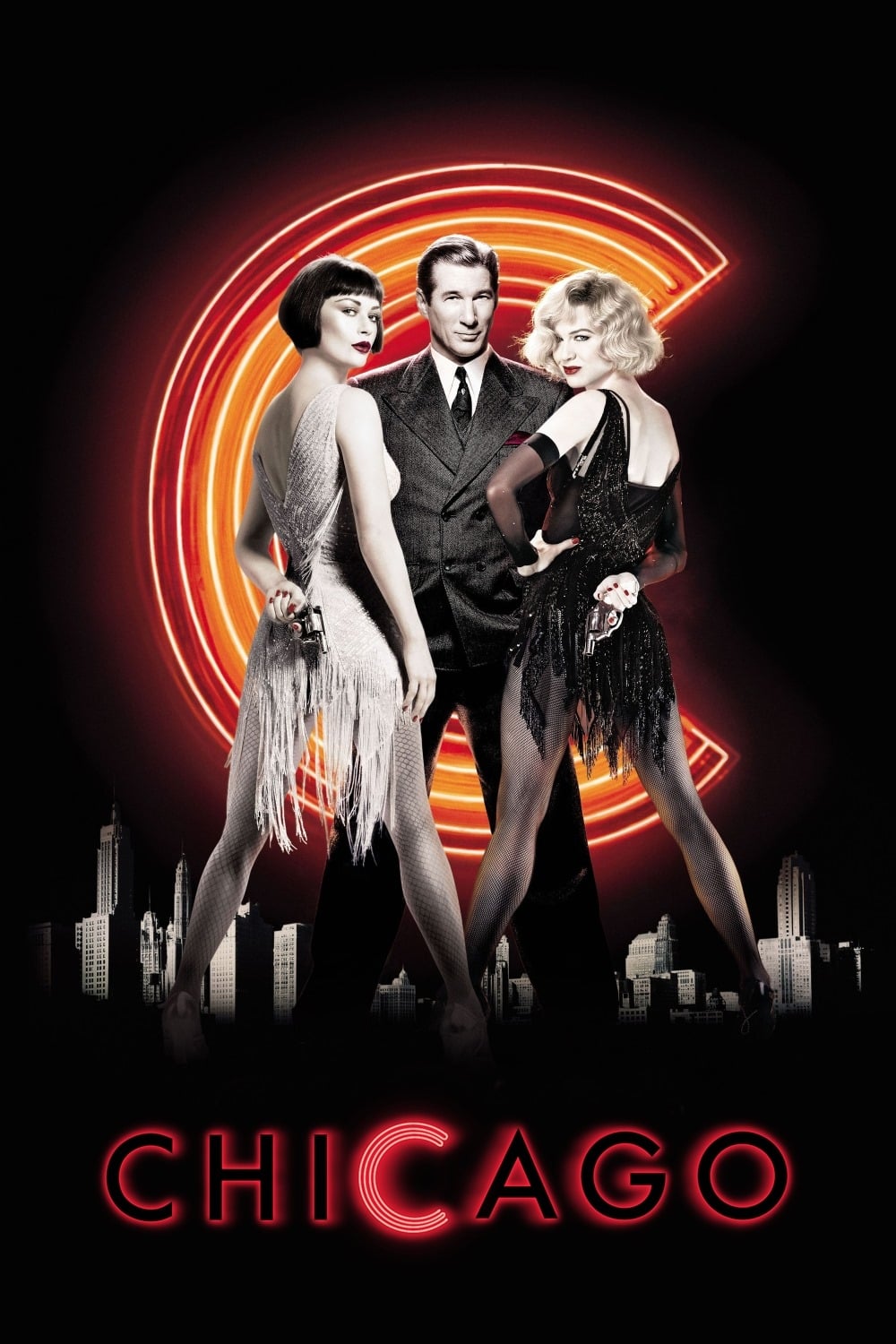
When ‘Chicago’ won Best Picture, it brought musicals back into the spotlight, but the victory wasn’t universally praised. Many believed ‘The Pianist’ or ‘The Lord of the Rings: The Two Towers’ were more important films artistically and culturally. The movie’s quick cuts and stage-like presentation didn’t appeal to everyone, especially those who preferred more conventional storytelling. While it was the first musical to win the top award in decades, its place in film history is still debated.
‘A Beautiful Mind’ (2001)
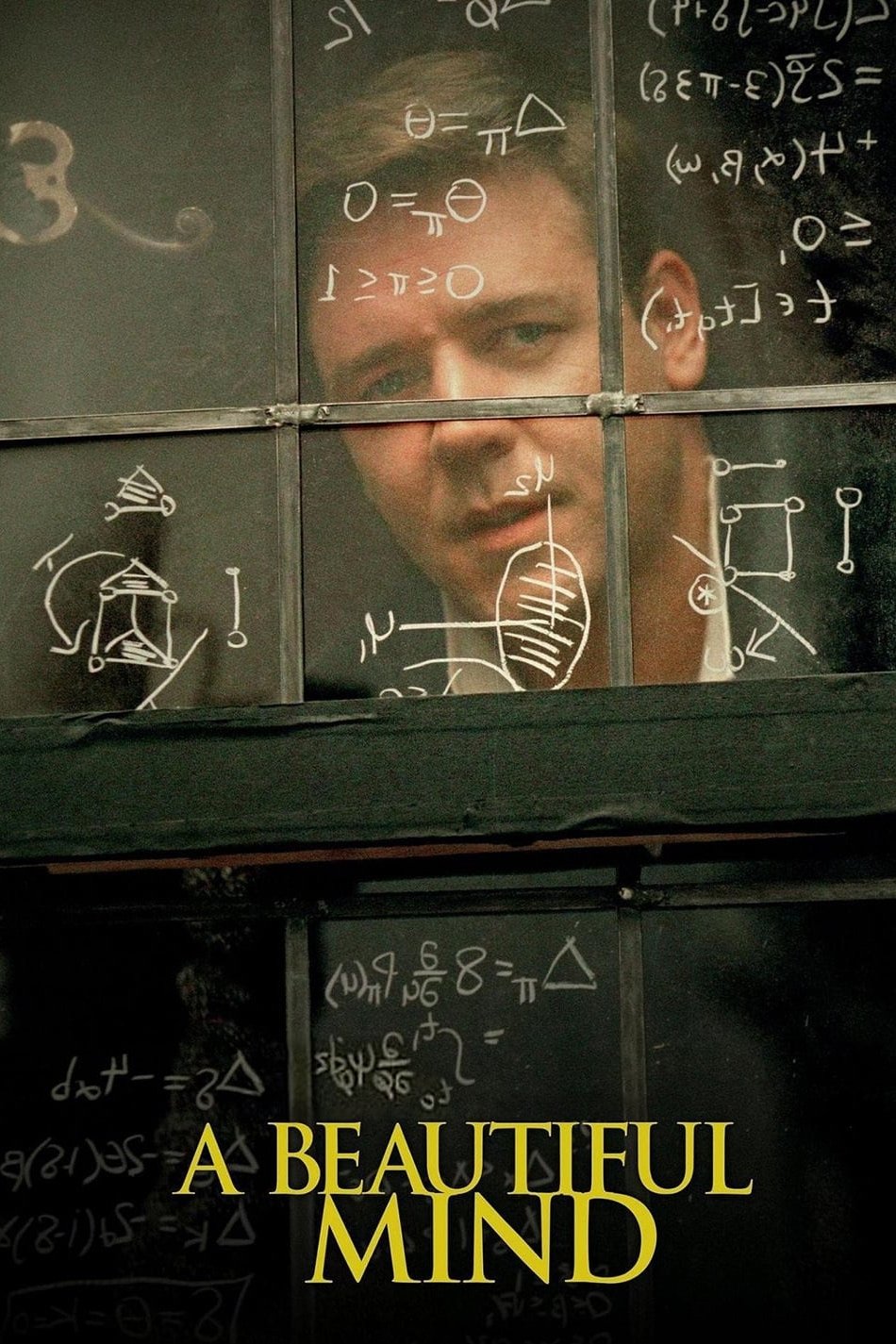
The film ‘A Beautiful Mind,’ while popular and successful, took liberties with the true story of mathematician John Nash to fit a typical Hollywood mold. Some felt ‘The Lord of the Rings: The Fellowship of the Ring’ was a stronger contender, praising its imaginative world and impressive technical achievements. The Academy Awards often favor biographical films that focus on overcoming difficult challenges, and this decision seemed to follow that pattern.
‘Gladiator’ (2000)
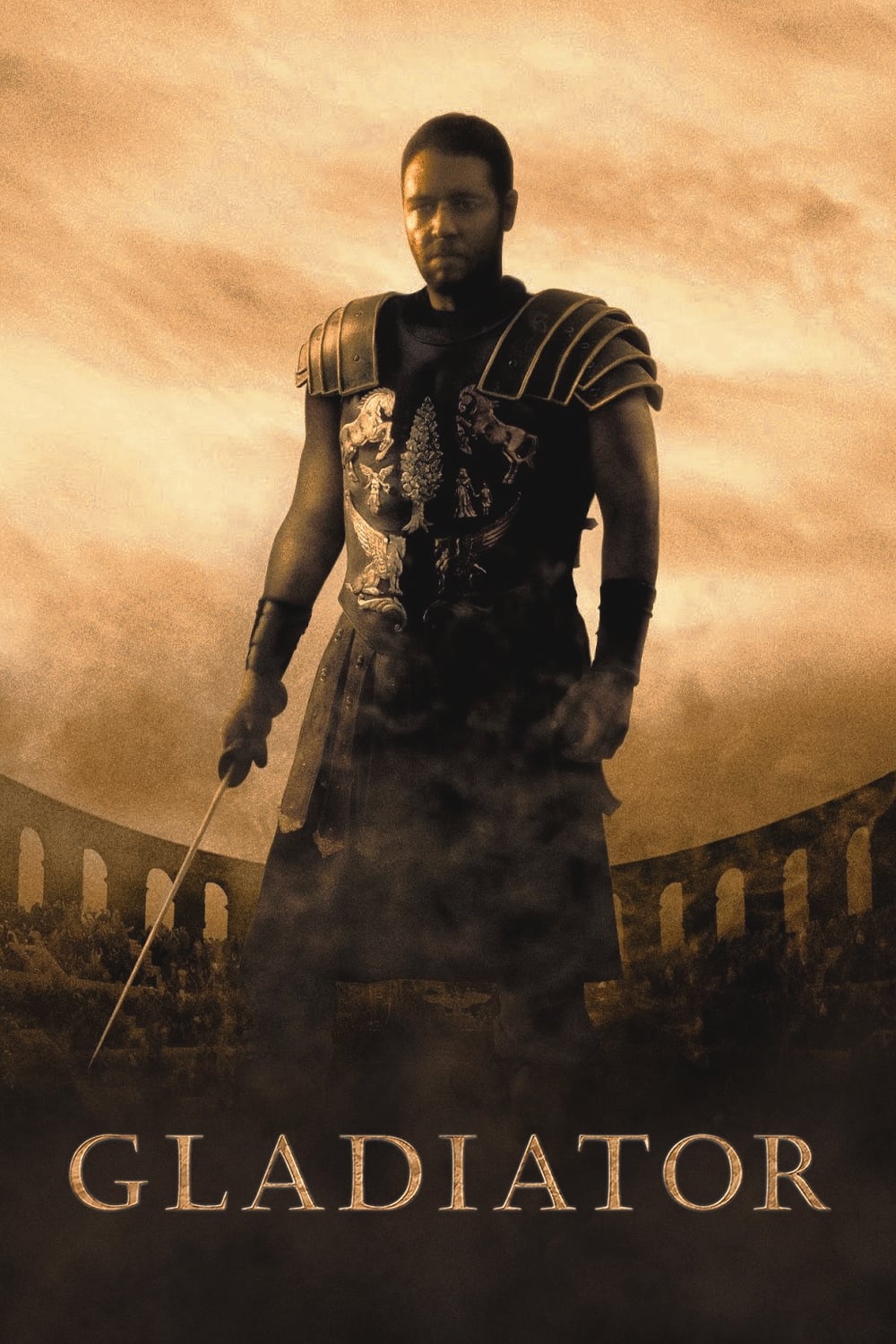
‘Gladiator’ revitalized the historical epic genre and achieved mainstream success, earning five Academy Awards including Best Picture. While hugely popular with audiences, some critics found it to be a fairly typical action film, lacking the complexity of movies like ‘Traffic’. Although praised for its visuals and direction, the storyline was considered predictable by some. The film’s Oscar win continues to be discussed, particularly among those who prioritize artistic merit over commercial success.
‘Shakespeare in Love’ (1998)
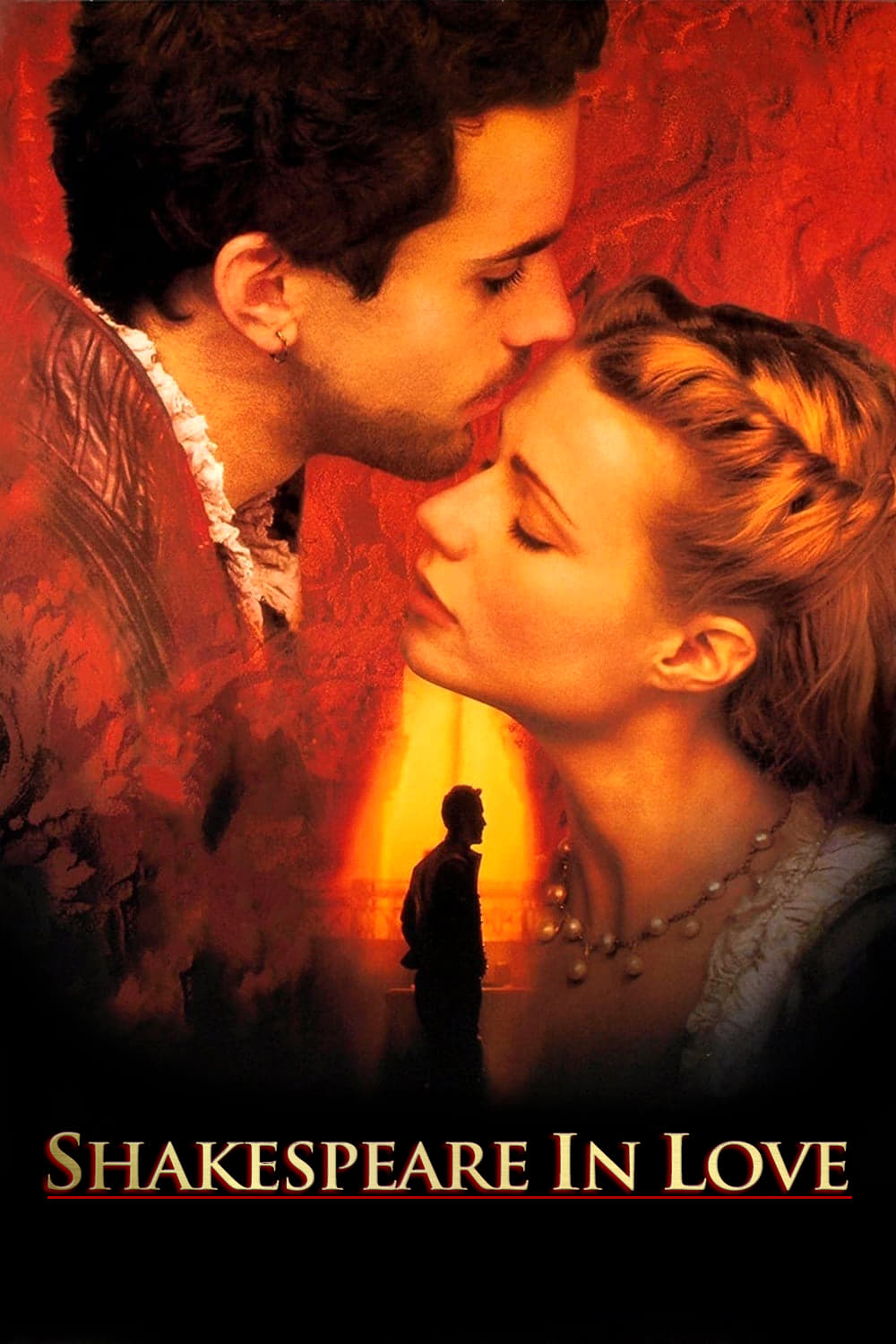
‘Shakespeare in Love’ surprisingly won Best Picture over ‘Saving Private Ryan,’ which most people expected to win. Steven Spielberg’s war film was a technical achievement and considered the clear favorite. Many believe ‘Shakespeare in Love’ won because of a strong marketing push that changed the awards race. To this day, some film fans think the Academy made the wrong choice.
‘The English Patient’ (1996)
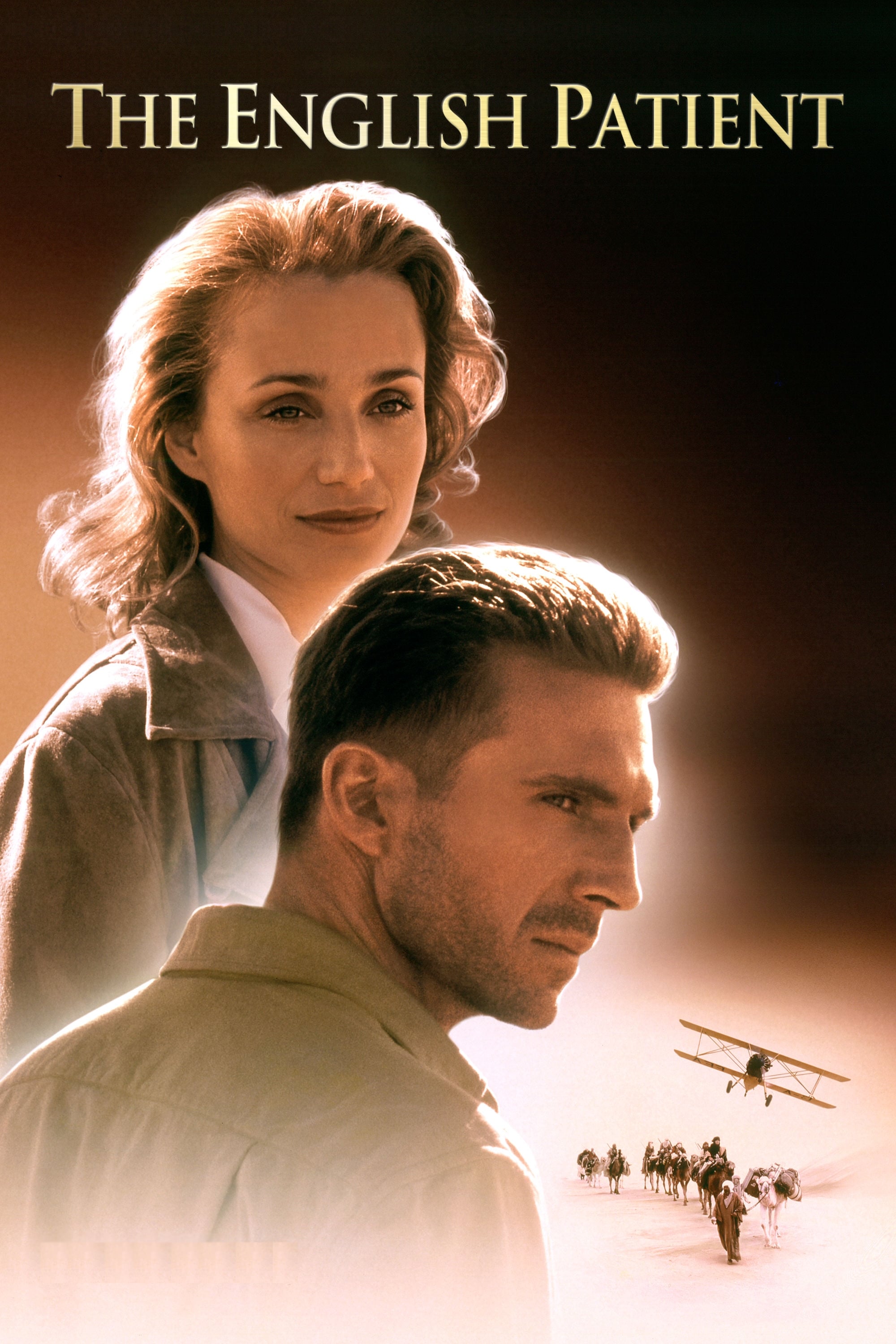
‘The English Patient’ is known for being a lengthy and deliberately paced film, which caused a split among general audiences even though critics loved it. It earned nine Oscars from eleven nominations, but many viewers debated whether it was better than ‘Fargo’. While critics admired its grand scale and beautiful visuals, some viewers struggled to connect with the story on a personal level. The film stands as a classic example of a movie that the Academy Awards celebrated, but that didn’t resonate as strongly with the public.
‘Braveheart’ (1995)
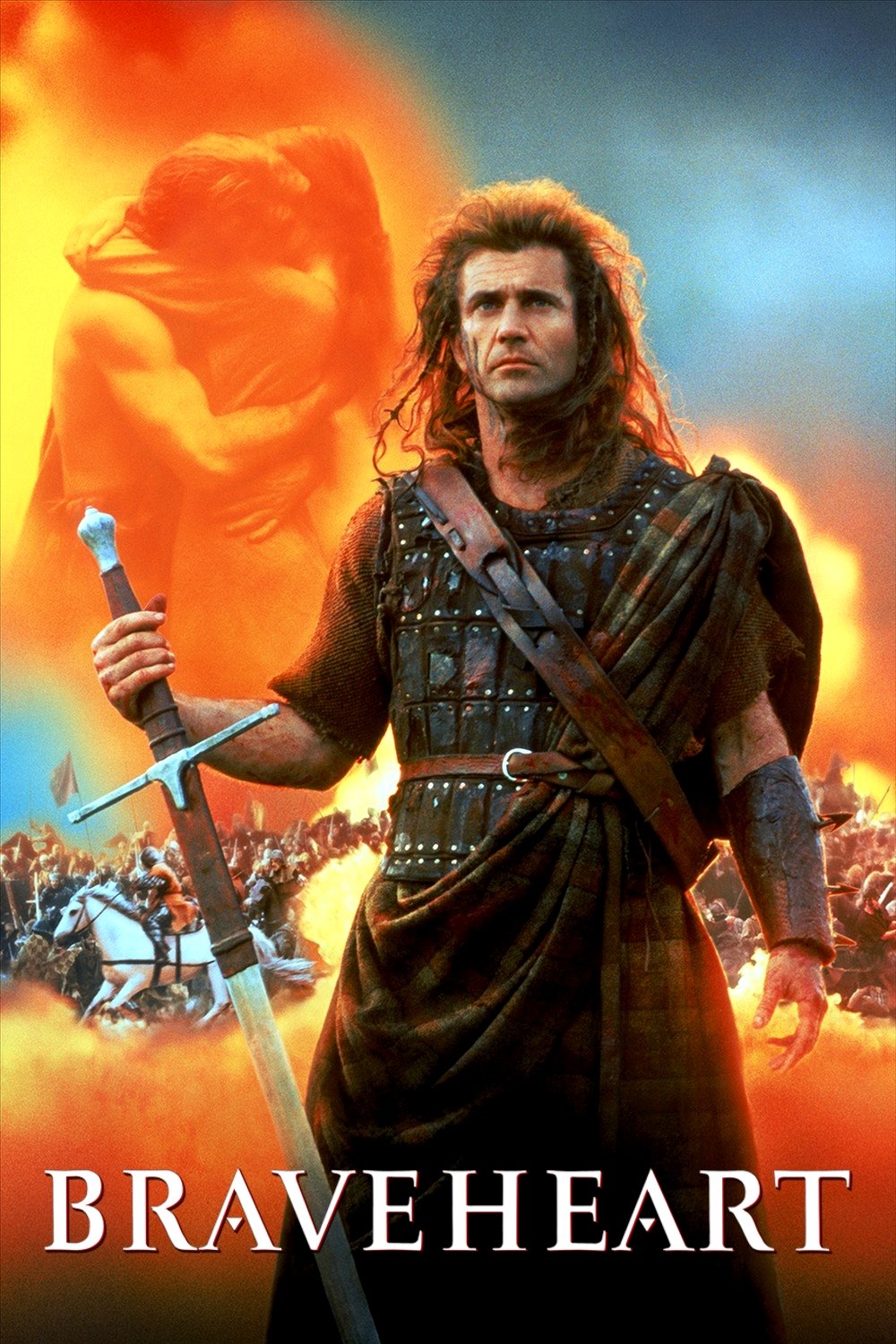
While ‘Braveheart’ won the award for Best Picture thanks to its grand scope and exciting battles, it faced criticism for not being historically accurate. Many believed that ‘Apollo 13’ or ‘Sense and Sensibility’ were better-made and more respectful of history. Some saw the win as a result of the film’s powerful visuals and emotional impact, rather than its careful storytelling or factual correctness.
‘Forrest Gump’ (1994)
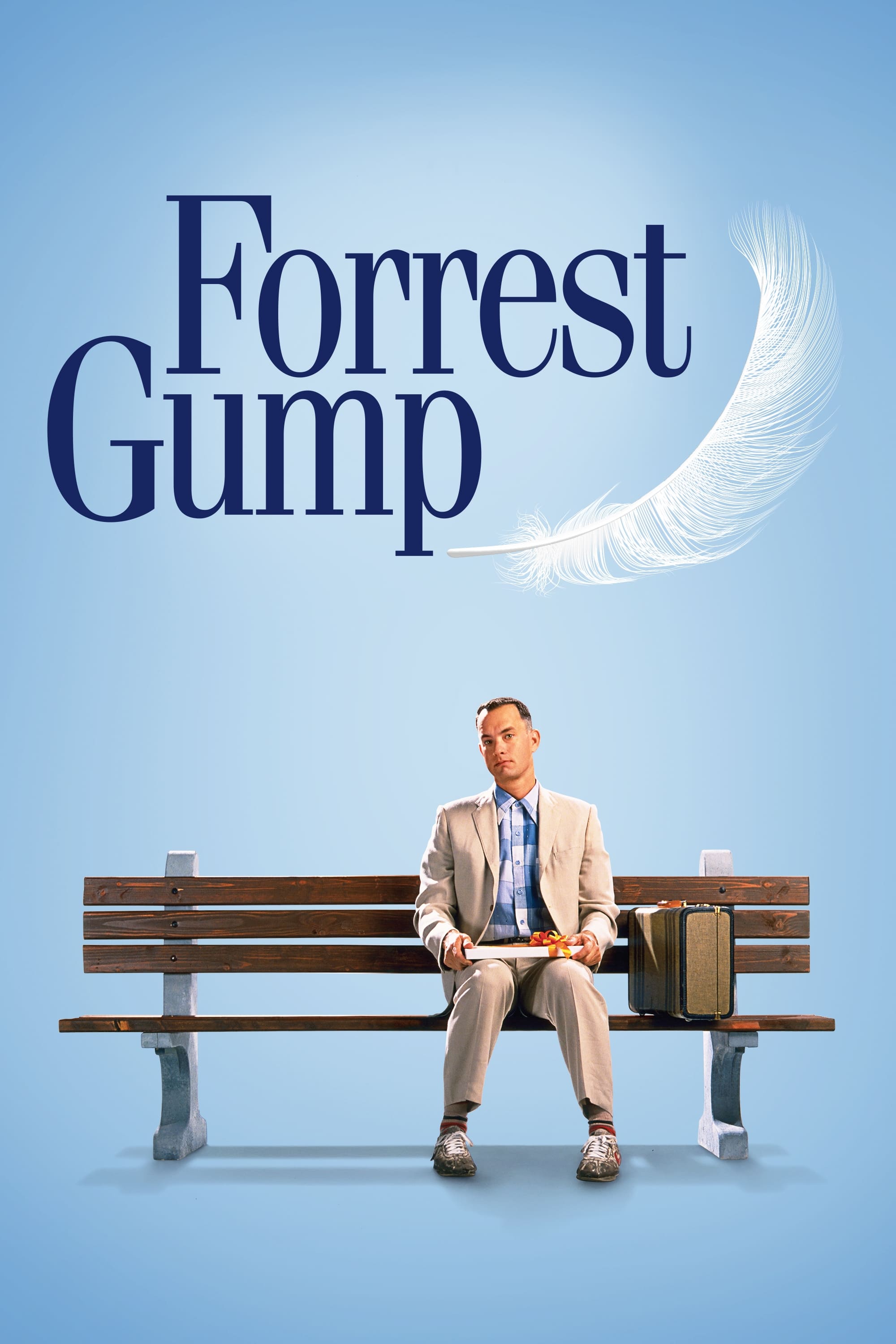
Many people love the movie ‘Forrest Gump,’ but its win for Best Picture is still debated by film fans. It won the award in a year that also saw the release of highly-regarded films like ‘Pulp Fiction’ and ‘The Shawshank Redemption,’ which are often considered better movies today. Some critics feel ‘Forrest Gump’ is too simple and relies too much on emotional appeals. Whether it’s as artistically significant as those other films from 1994 is still a topic of discussion.
‘Dances with Wolves’ (1990)
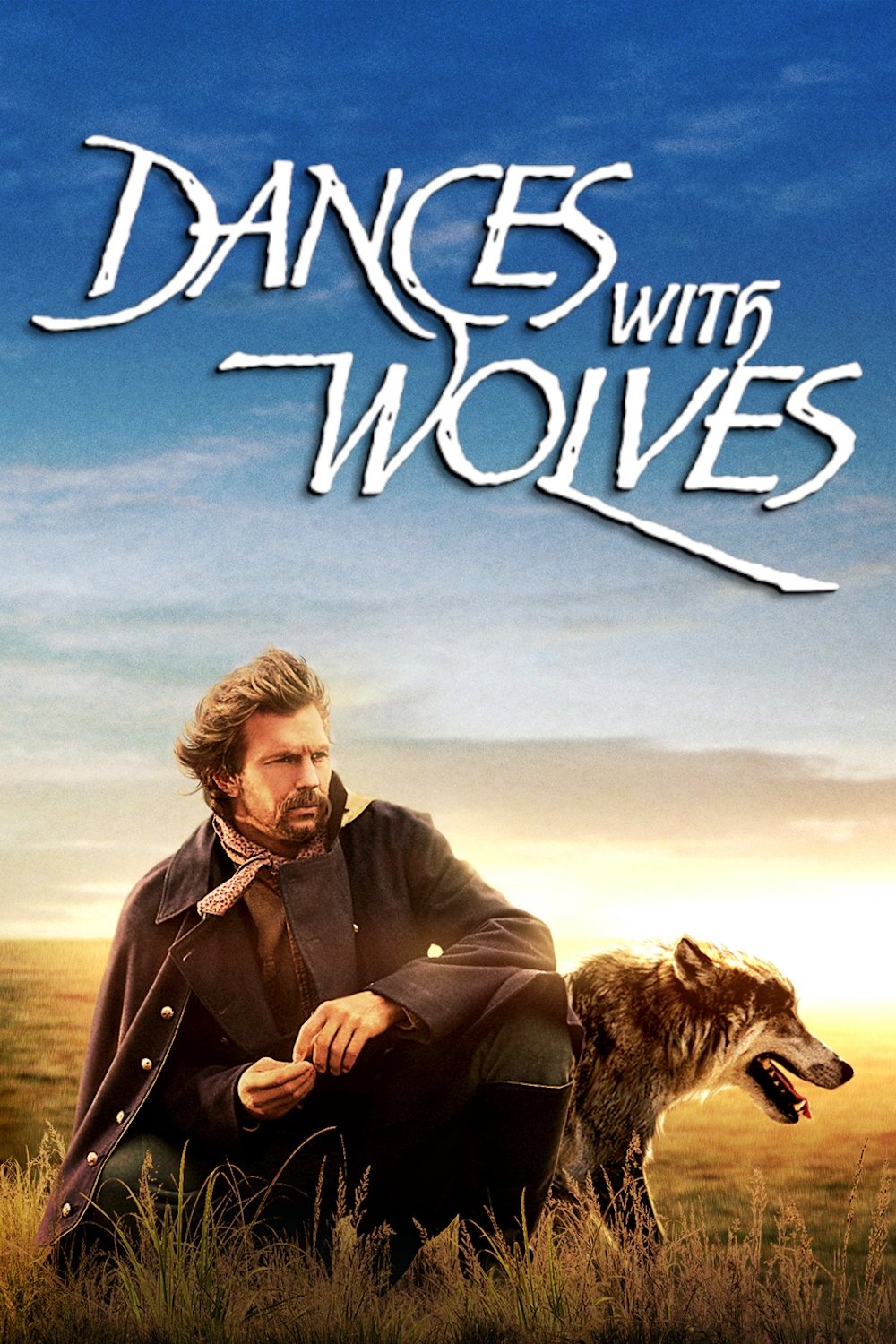
Okay, let’s talk about the ’90 Oscars. ‘Dances with Wolves’ took home Best Picture, and honestly, it still feels a little controversial. It was a beautiful, sweeping Western, and it definitely deserves credit for how it approached Native American stories. But so many of us felt Martin Scorsese’s ‘Goodfellas’ was the stronger, more important film – a total game-changer in terms of style and impact. Looking back, that win feels like a classic example of the Academy playing it safe, choosing a grand, traditional epic over a truly modern masterpiece. It’s a decision that still gets brought up whenever we talk about the Academy’s preferences over the years, and what kinds of films they historically reward.
‘Driving Miss Daisy’ (1989)
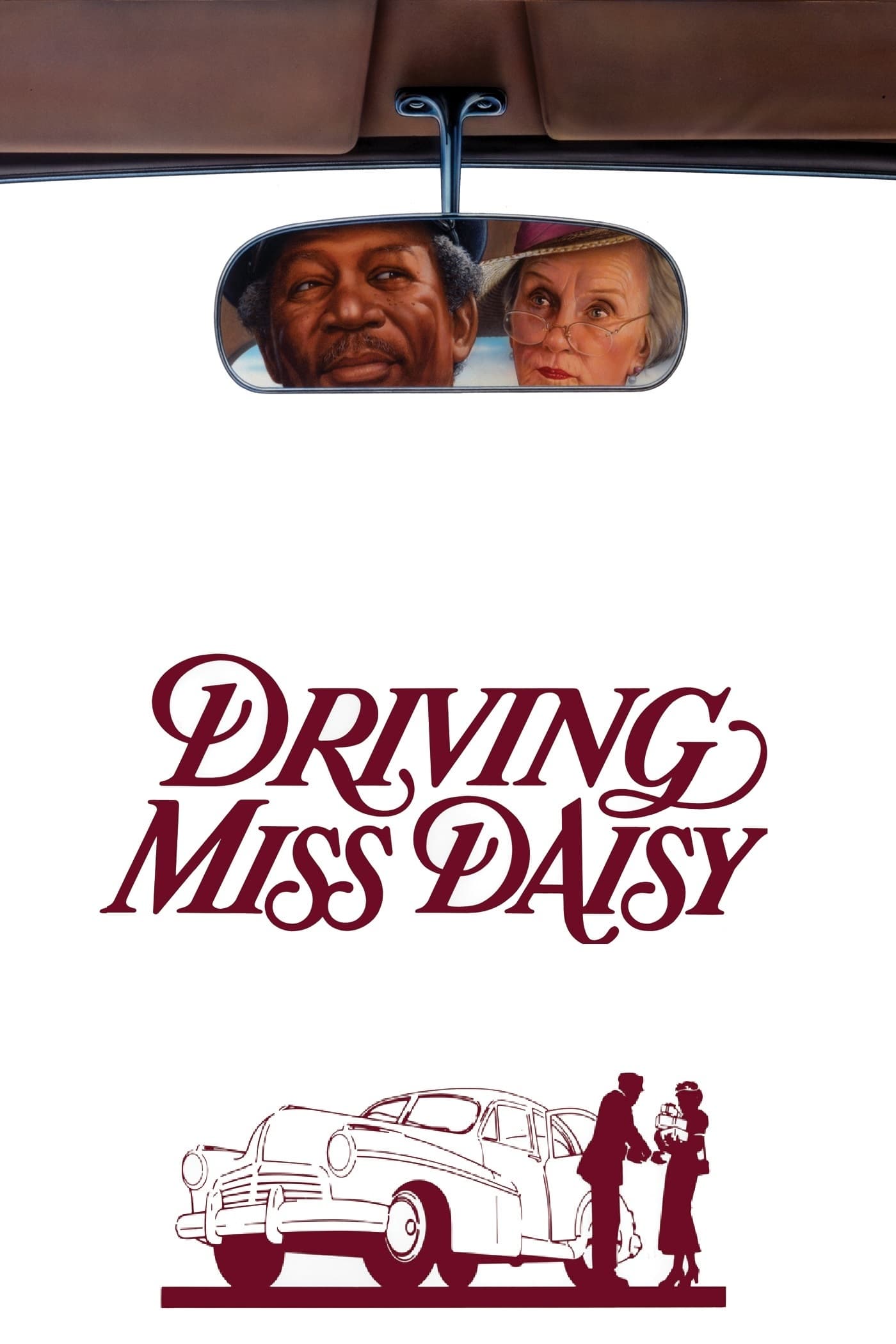
When ‘Driving Miss Daisy’ won Best Picture, many were surprised, especially since Spike Lee’s powerful film ‘Do the Right Thing’ wasn’t even nominated. Some felt the Academy chose a feel-good movie about race relations in the South that was easy to watch, rather than a more daring and important film. The win is often seen as a sign that the Academy was unwilling to fully engage with challenging social issues.
‘Out of Africa’ (1985)
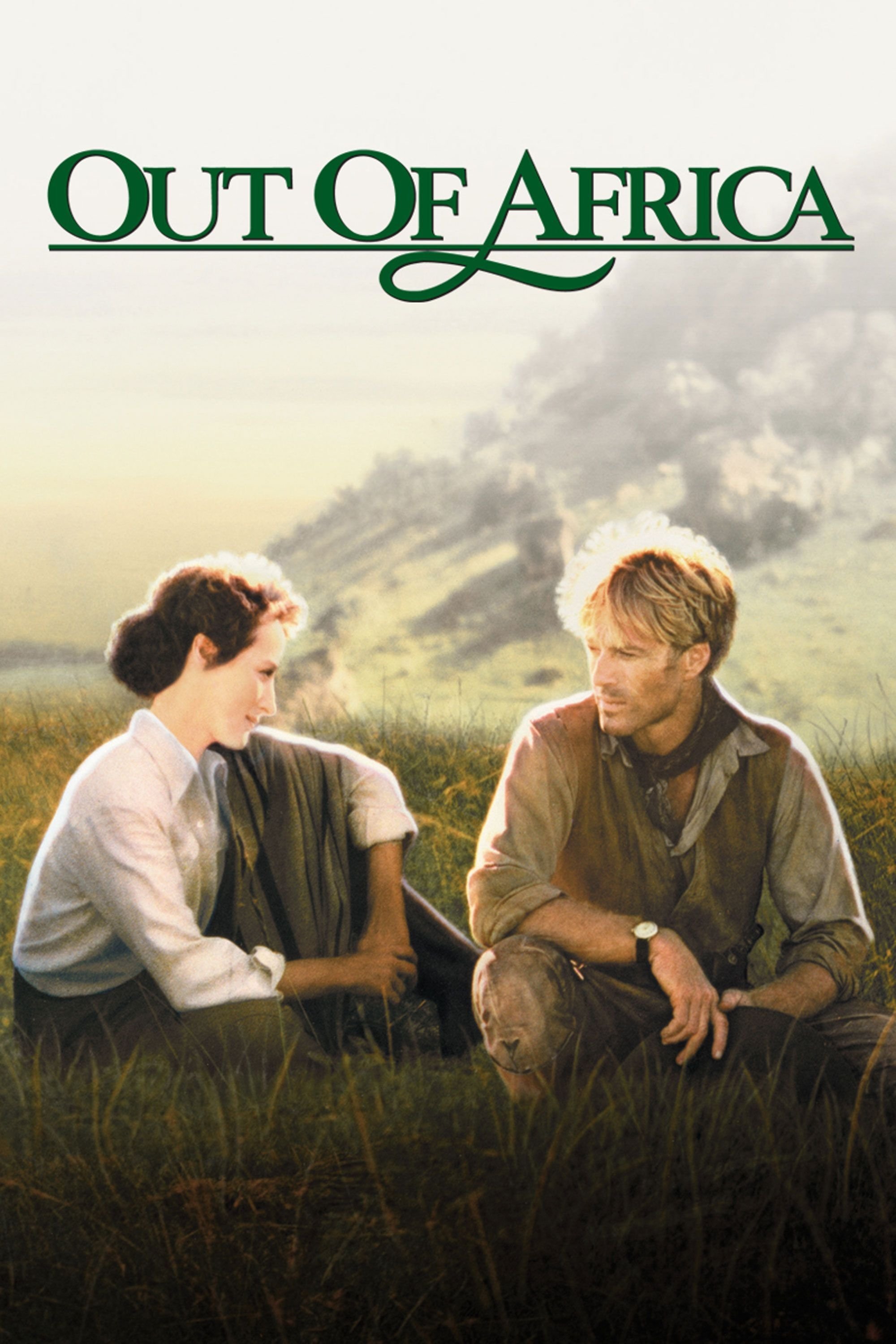
Okay, so ‘Out of Africa’ cleaned up at the Oscars with seven wins, but honestly, when I think about it, it always feels… slow. A bit too drawn out, you know? It’s kind of crazy when you remember it beat ‘The Color Purple’ – that movie racked up eleven nominations and didn’t win anything that night! I’ve read that a lot of people thought ‘Out of Africa’ just looked amazing – the scenery was stunning – but the story itself didn’t quite have the emotional punch it needed. It’s one of those wins that feels like it was more about being a ‘serious’ film than actually being the best, especially when you look at how much more people still talk about ‘The Color Purple’ today.
‘Terms of Endearment’ (1983)
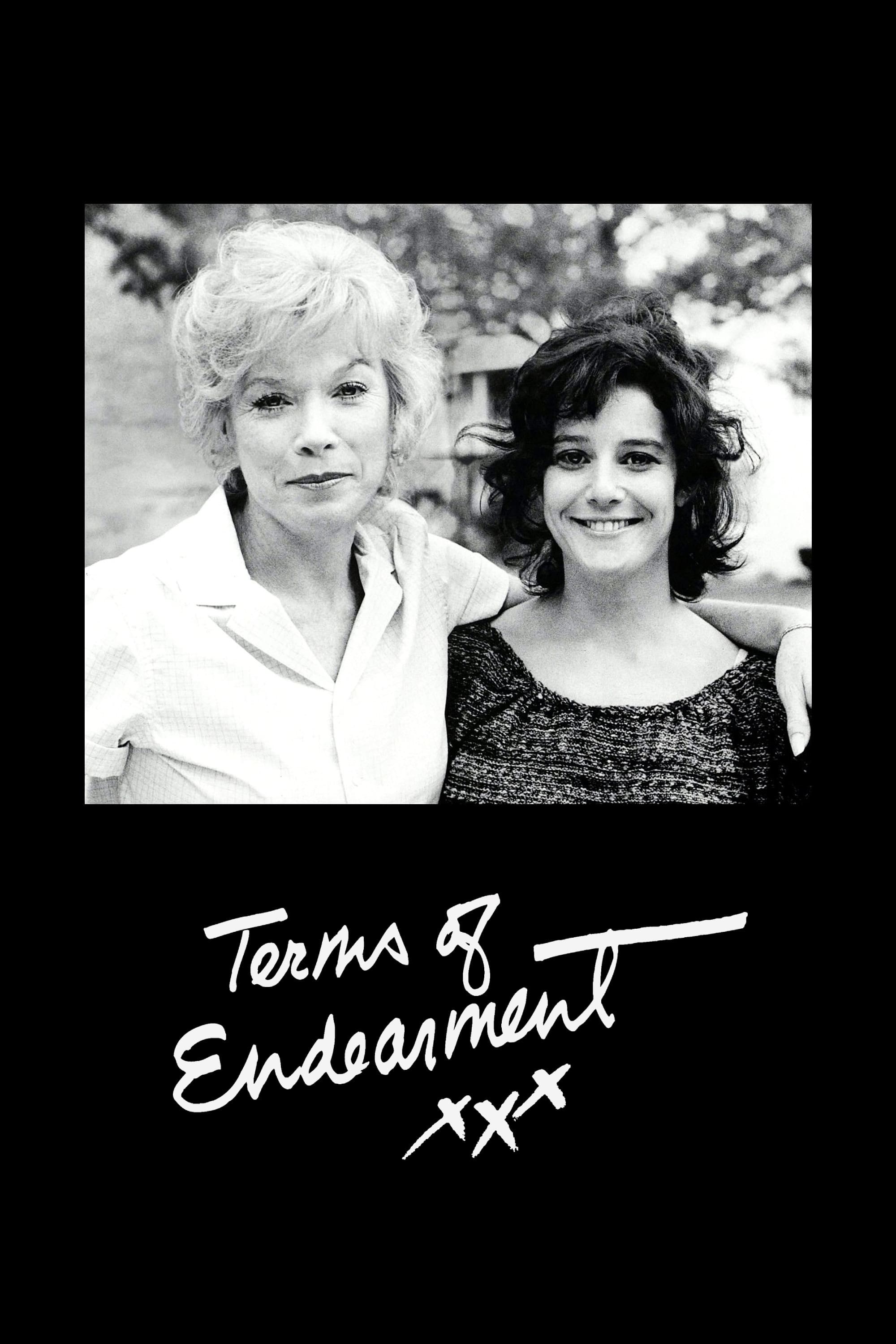
‘Terms of Endearment’ was a hugely popular and moving film when it came out, connecting with many Academy voters. However, some critics thought ‘The Right Stuff,’ a film about the beginnings of the U.S. space program, was a more important cinematic achievement. A few believed ‘Terms of Endearment’ focused too much on everyday family life to be a truly great Best Picture winner. While it’s still widely loved, discussions continue about whether it deserved to win over the other, more epic nominees.
‘Gandhi’ (1982)
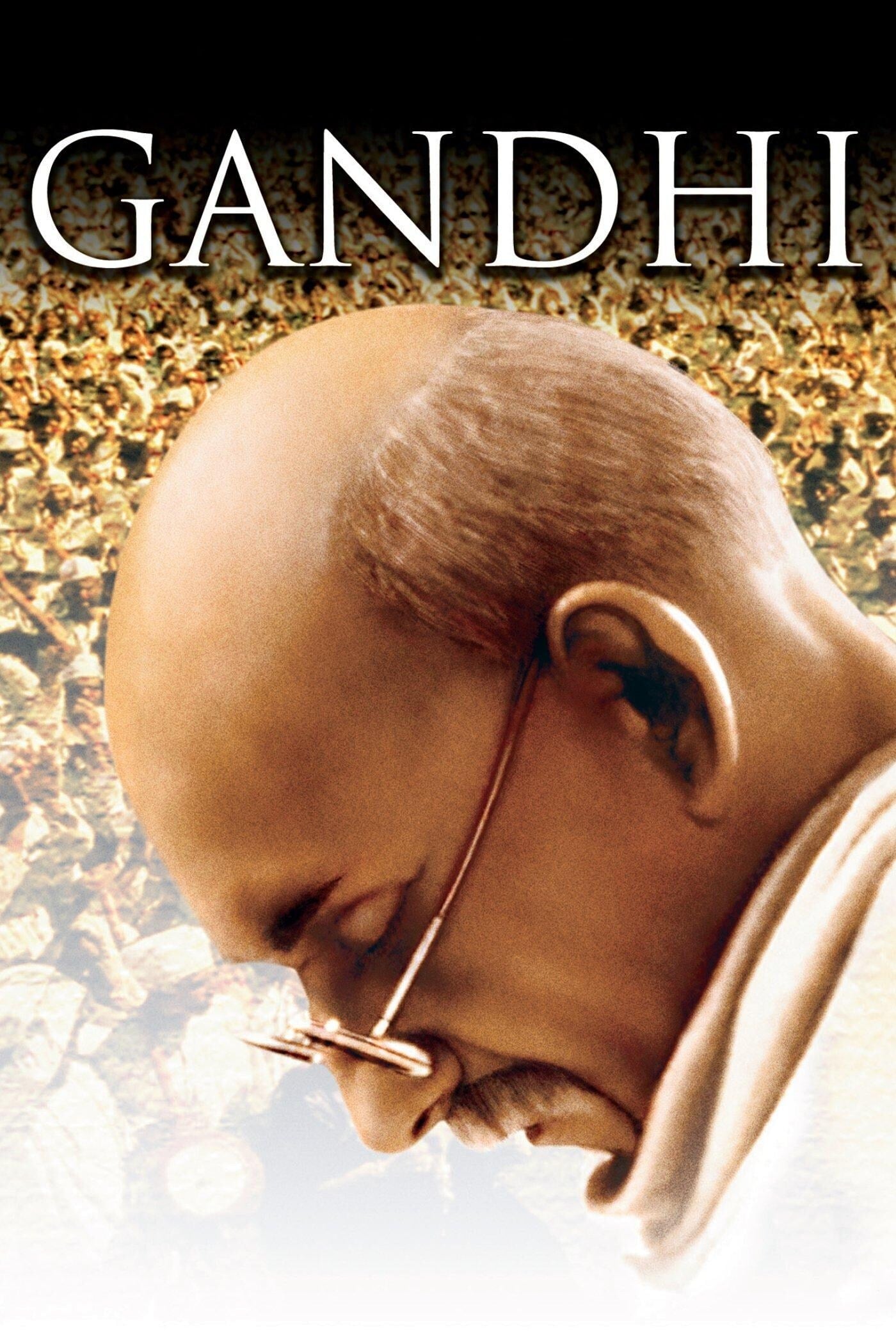
The film ‘Gandhi’ dominated the Academy Awards, winning eight Oscars, including Best Picture, for its portrayal of the Indian leader. Though a technically impressive achievement, some critics found the movie to be a rather conventional and overly flattering biography, lacking depth in its storytelling. It won over ‘E.T. the Extra-Terrestrial,’ a hugely influential film that was a groundbreaking technical achievement. This Oscar win is frequently cited as an instance of the Academy preferring long, traditional historical dramas to more creative and widely-loved films from other genres.
‘Chariots of Fire’ (1981)
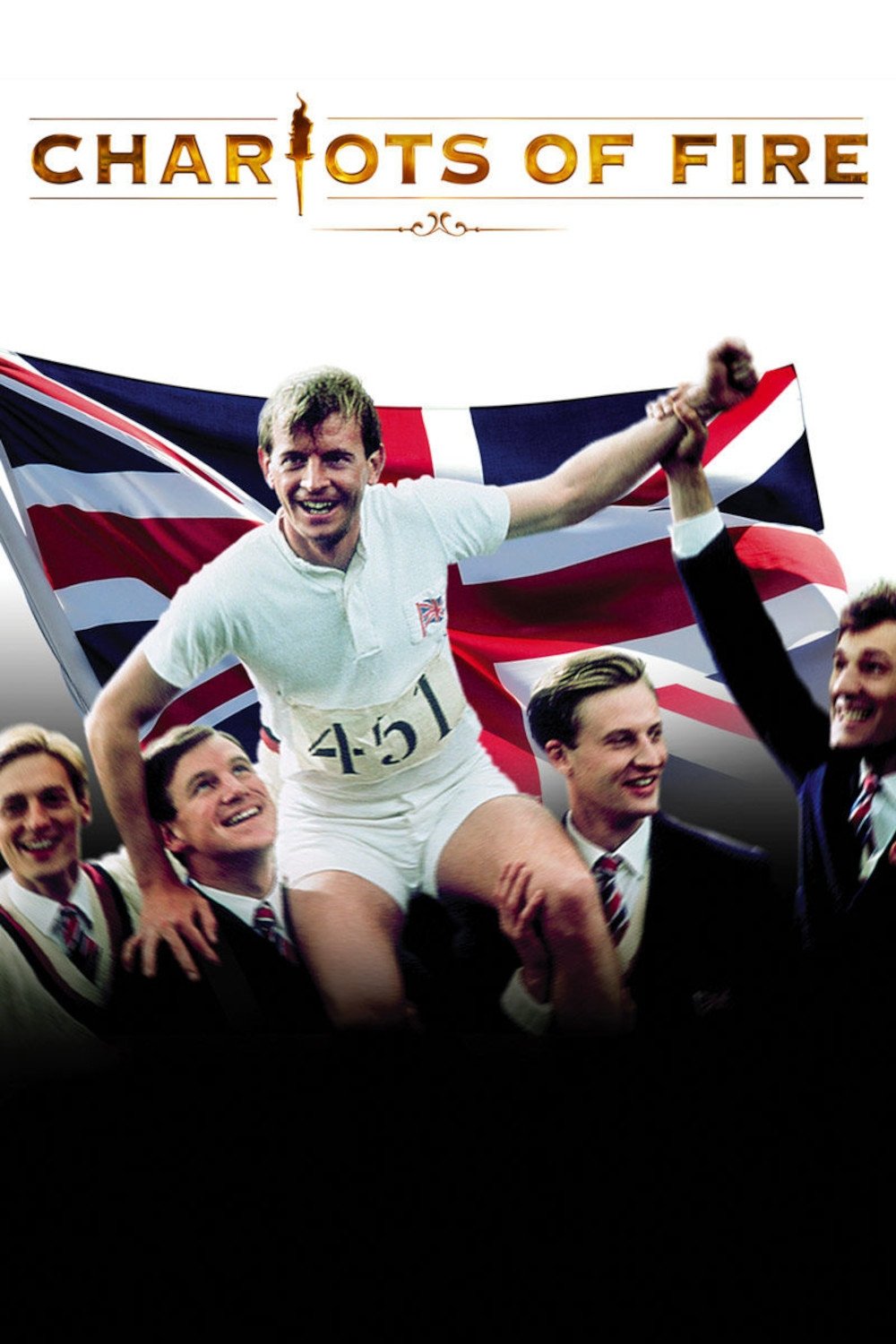
‘Chariots of Fire’ unexpectedly won over ‘Raiders of the Lost Ark,’ a movie that greatly influenced adventure films. While ‘Chariots of Fire’ was celebrated for its music and inspiring story about British athletes, many believed ‘Raiders’ was better directed and edited. The win suggested the Academy often favored serious, uplifting stories over well-made, mainstream entertainment. This result is still debated by fans of classic 1980s movies.
‘Ordinary People’ (1980)
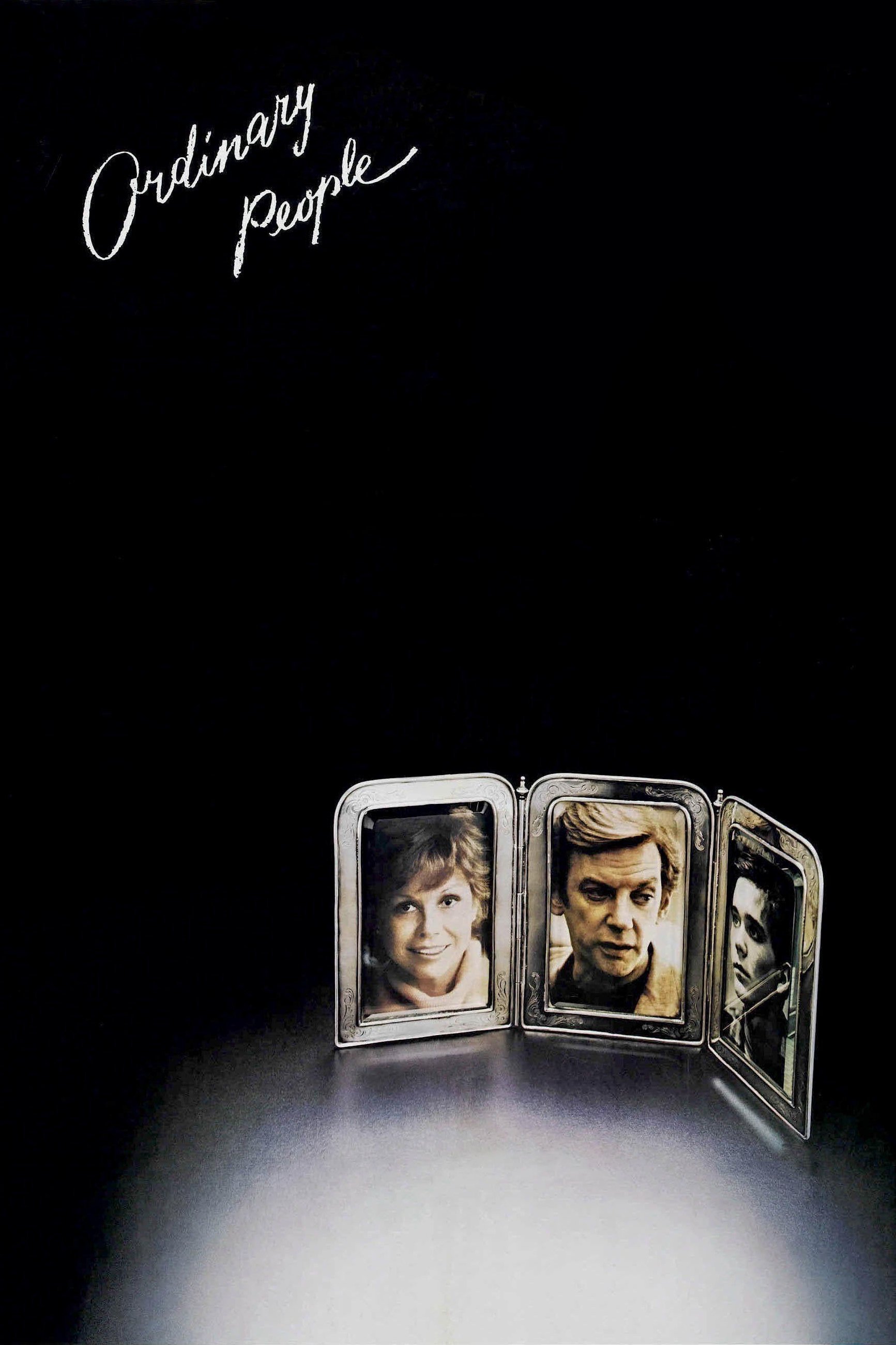
As a movie fan, I still can’t quite wrap my head around ‘Ordinary People’ winning Best Picture over ‘Raging Bull’. Seriously, ‘Raging Bull’ is now considered a masterpiece, one of the all-time greats! While ‘Ordinary People’ was definitely well-acted and a solid family drama, ‘Raging Bull’ felt so much more groundbreaking and raw. It’s a decision that film buffs still debate – why reward a subtle, realistic story when ‘Raging Bull’ was so bold and inventive? It just goes to show the Academy sometimes goes for quieter, more down-to-earth films.
‘Kramer vs. Kramer’ (1979)
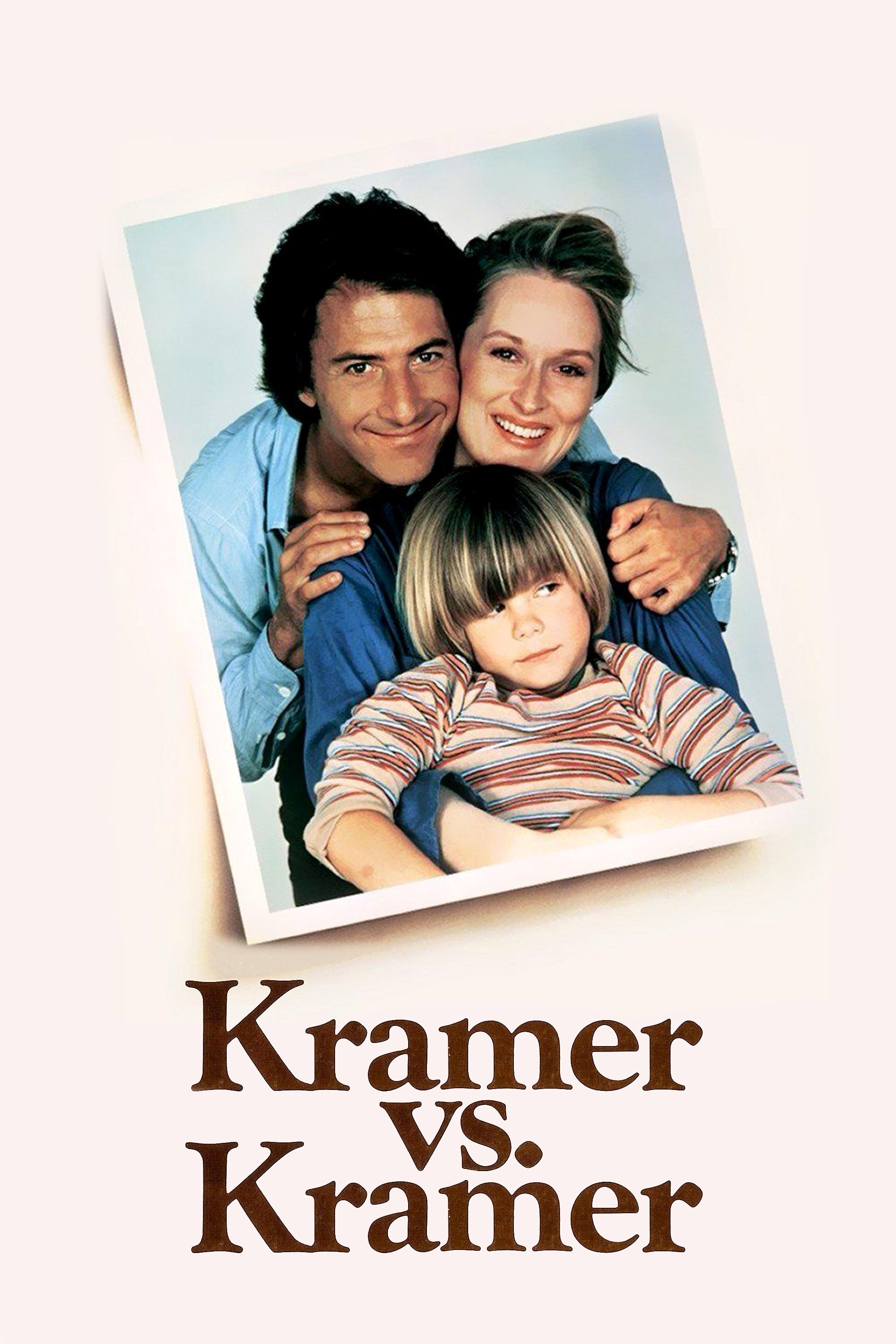
‘Kramer vs. Kramer’ took home the Best Picture Oscar at the 52nd Academy Awards, in a year that saw many excellent American films. It won over ‘Apocalypse Now,’ a famously difficult but now highly acclaimed war film. Although ‘Kramer vs. Kramer’ powerfully depicted a divorce, some believe ‘Apocalypse Now’ was the more groundbreaking film. The Academy’s decision suggests they favored stories about everyday people over large-scale, complex narratives.
‘The Deer Hunter’ (1978)
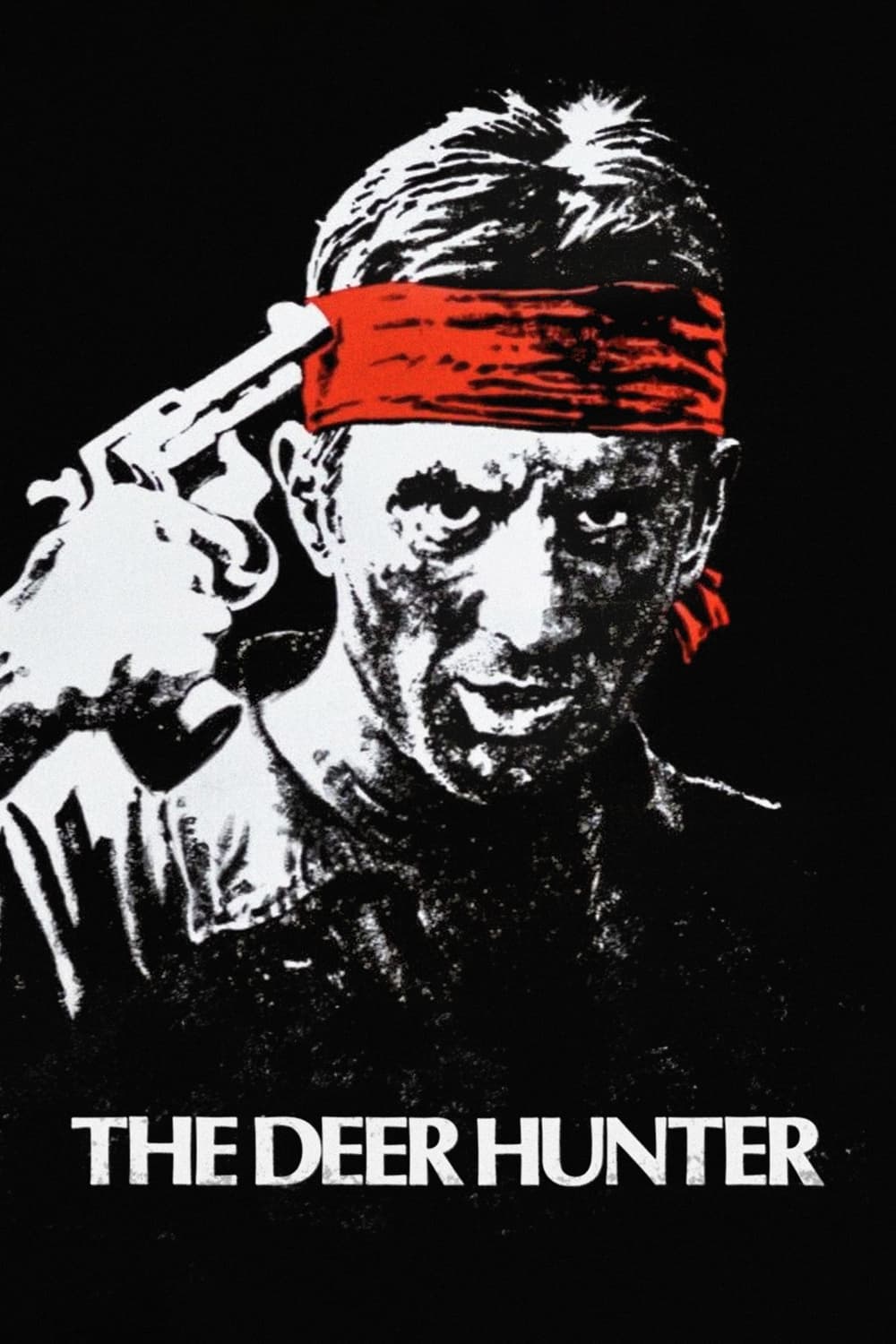
‘The Deer Hunter’ received the Best Picture award for its powerful and emotional portrayal of how the Vietnam War affected a close-knit community. While critically acclaimed, the film sparked controversy when it was first released because some of its depictions of torture were questioned by historians. Despite the protests from some public figures, it won over ‘Coming Home’, another film about the war which many considered to be more realistic and truthful.
‘Annie Hall’ (1977)
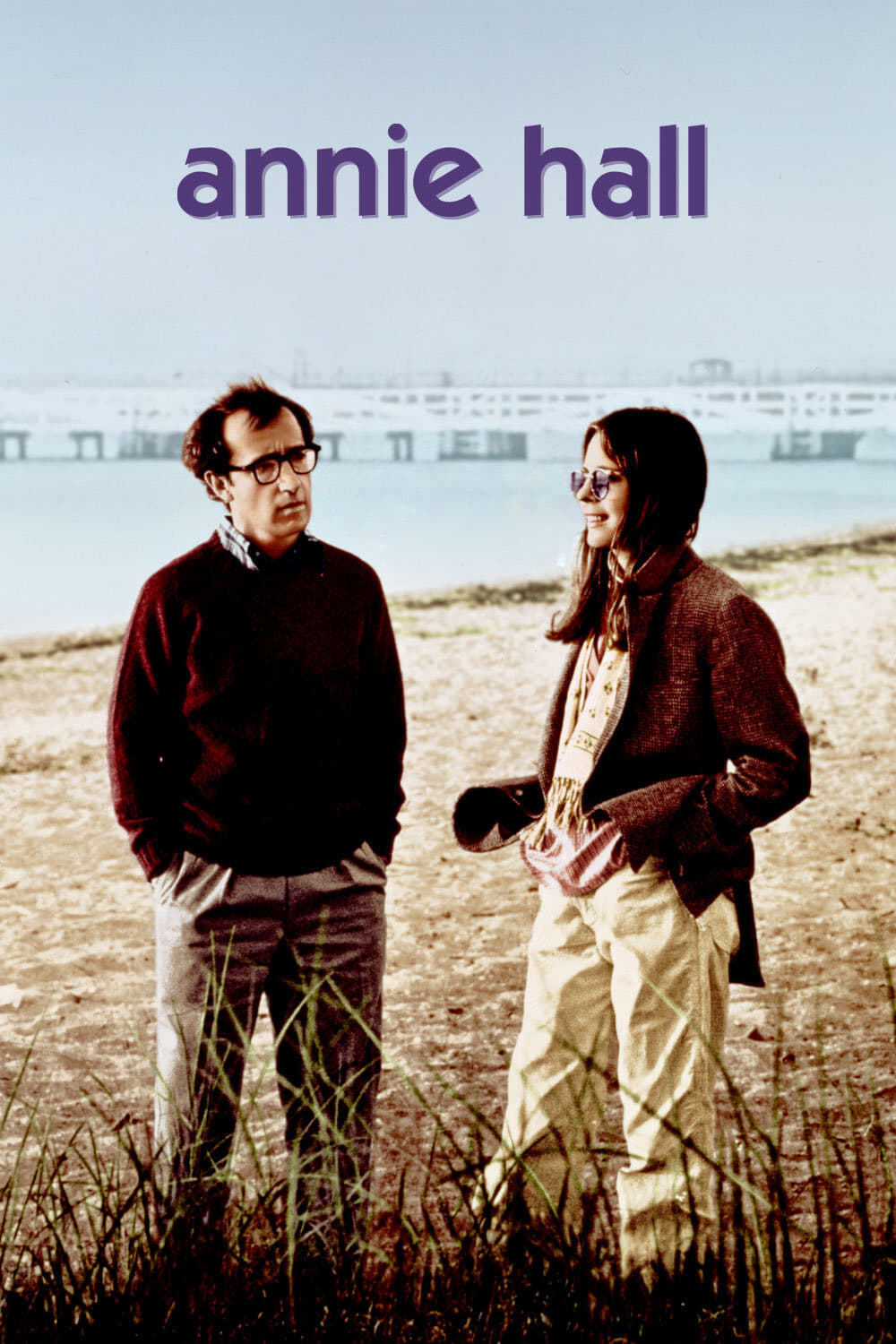
‘Annie Hall’ took home the Best Picture award and is known for redefining romantic comedies. However, it beat out the original ‘Star Wars,’ a movie that dramatically changed filmmaking with its groundbreaking visual effects. Though ‘Annie Hall’ was thought-provoking, many science fiction fans and those impressed by technical achievements believed ‘Star Wars’ had a bigger cultural impact and should have won. This outcome is frequently brought up when people discuss whether big, popular films should be considered alongside more intimate, dramatic movies.
‘Rocky’ (1976)
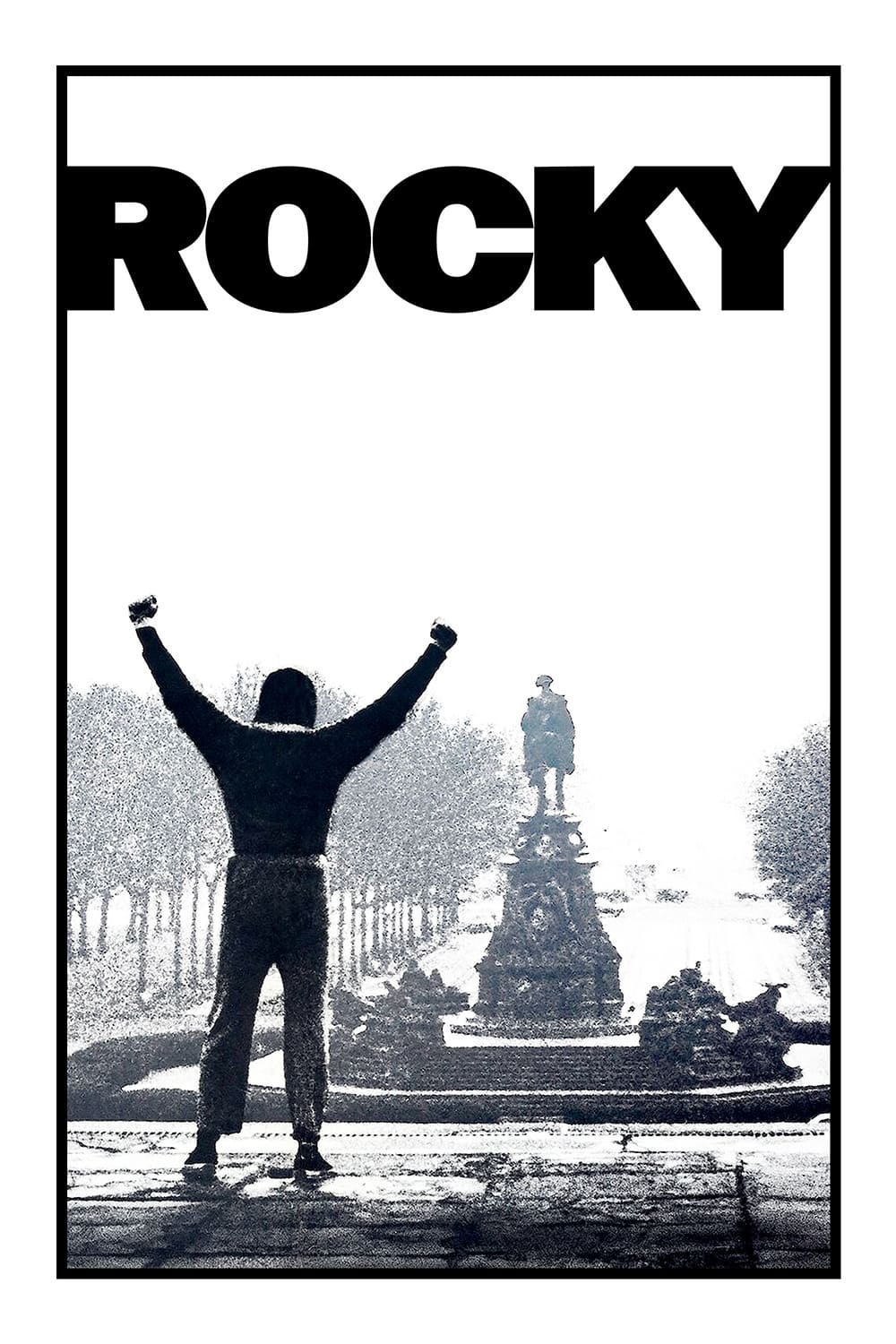
‘Rocky’ was a huge success story, both in the movie and in real life, culminating in it winning the top award. However, many believe it won over more critically acclaimed films like ‘Taxi Driver’, ‘All the President’s Men’, and ‘Network’. Some critics feel those three films are more important and have had a bigger impact on culture than ‘Rocky’. The win for ‘Rocky’ is often seen as a preference for a hopeful story over the darker, more realistic films of the late 1970s.
‘Oliver!’ (1968)
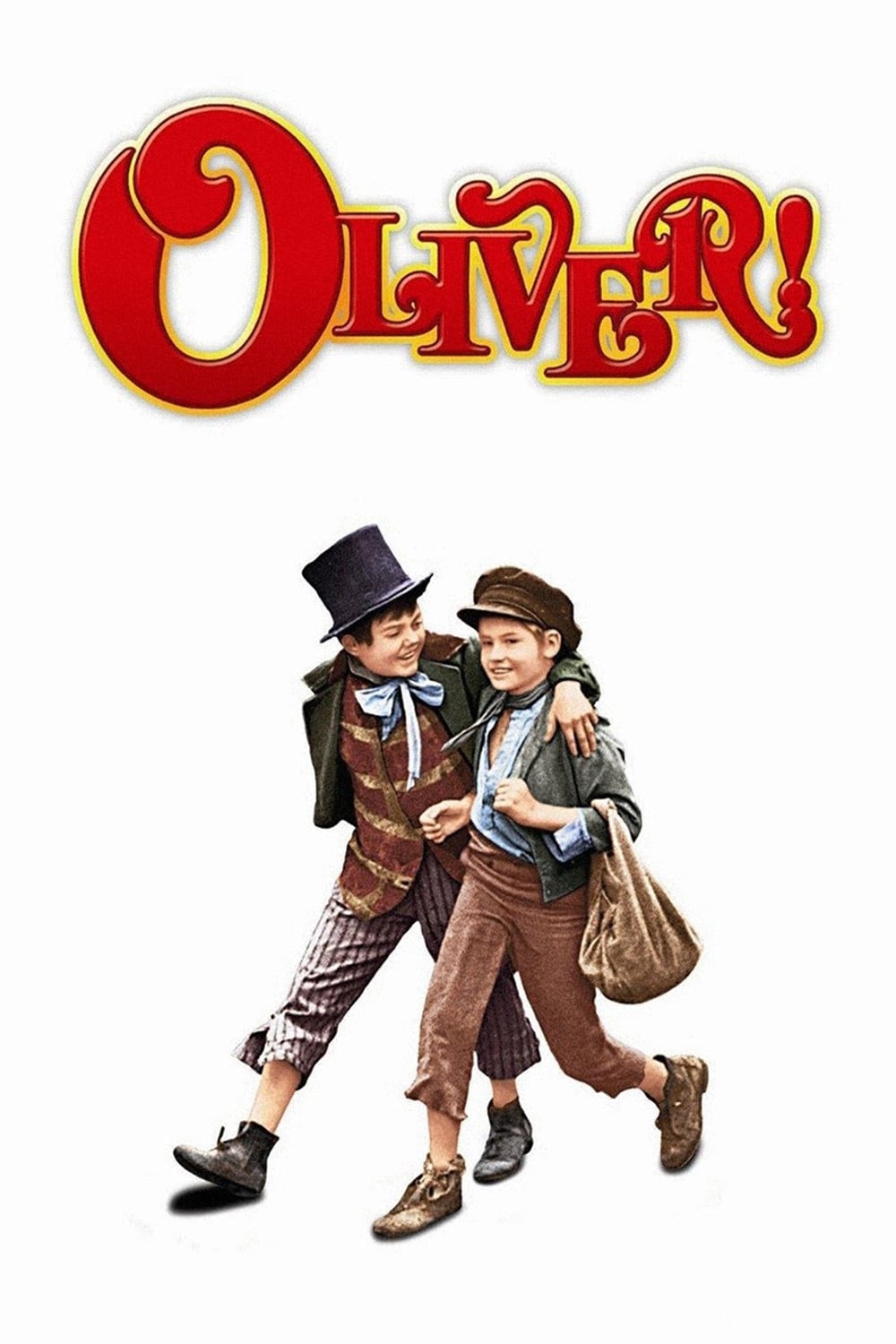
‘Oliver!’ remains the most recent G-rated movie to win Best Picture, taking home the award during a period of significant social upheaval. It won over ‘The Lion in Winter’ in a year that saw filmmaking becoming more innovative and tackling more adult subjects. At the time, many critics believed the classic musical felt dated, clashing with the era’s growing desire for change. The win is frequently seen as the Academy trying to maintain familiar standards as culture rapidly evolved.
‘Tom Jones’ (1963)
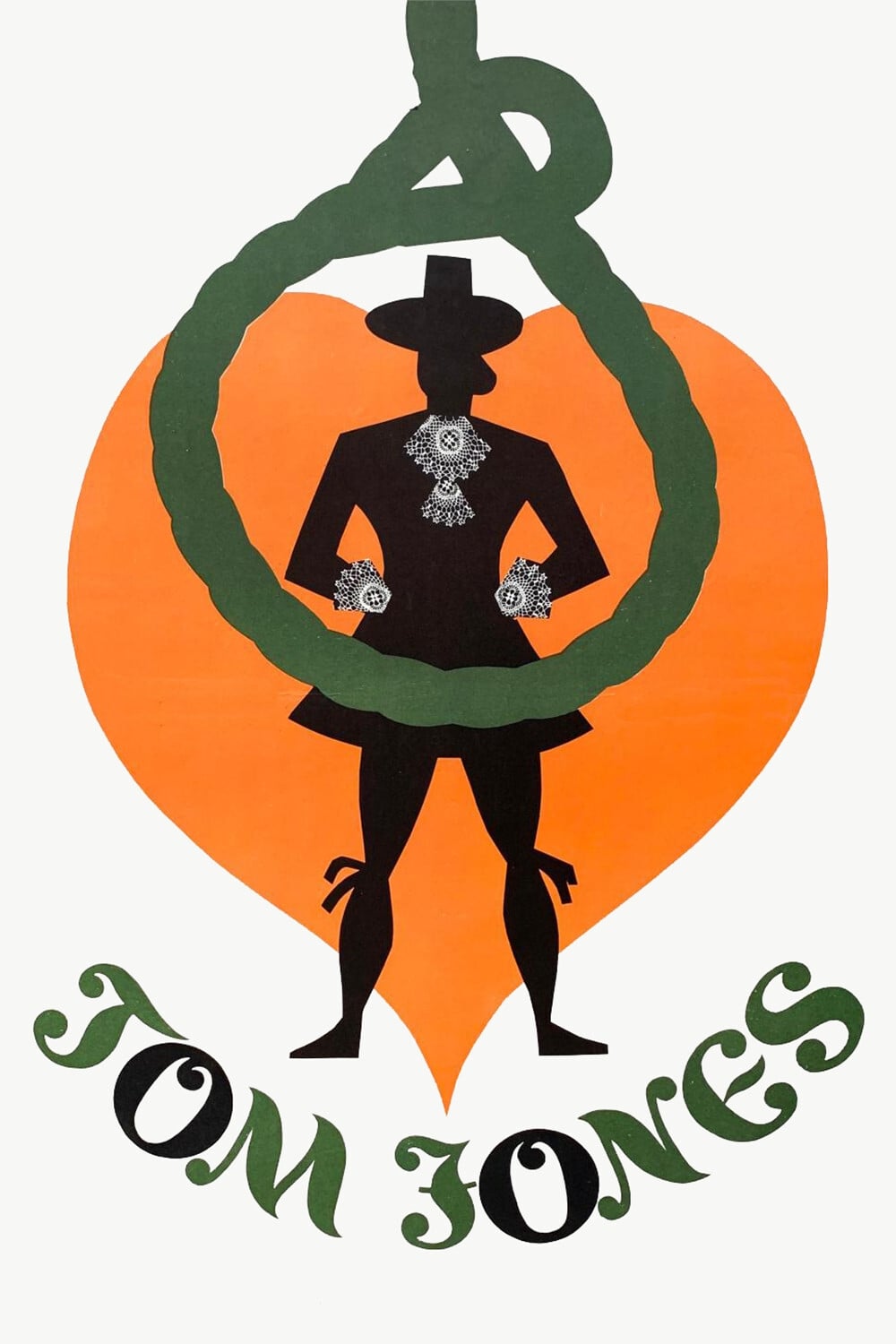
As a film critic, I have to say ‘Tom Jones’ was a real box office success, and surprisingly innovative for its time. It definitely took risks with its style, but honestly, its playful, even raunchy, comedy and incredibly fast-paced editing weren’t for everyone. While it was nominated for Best Picture, some felt it didn’t have the same weight as other contenders, or the grand scope of films being made then. Looking back, it hasn’t quite held the same prestige as other Best Picture winners from that era, and its reputation has diminished somewhat over the years.
‘Gigi’ (1958)
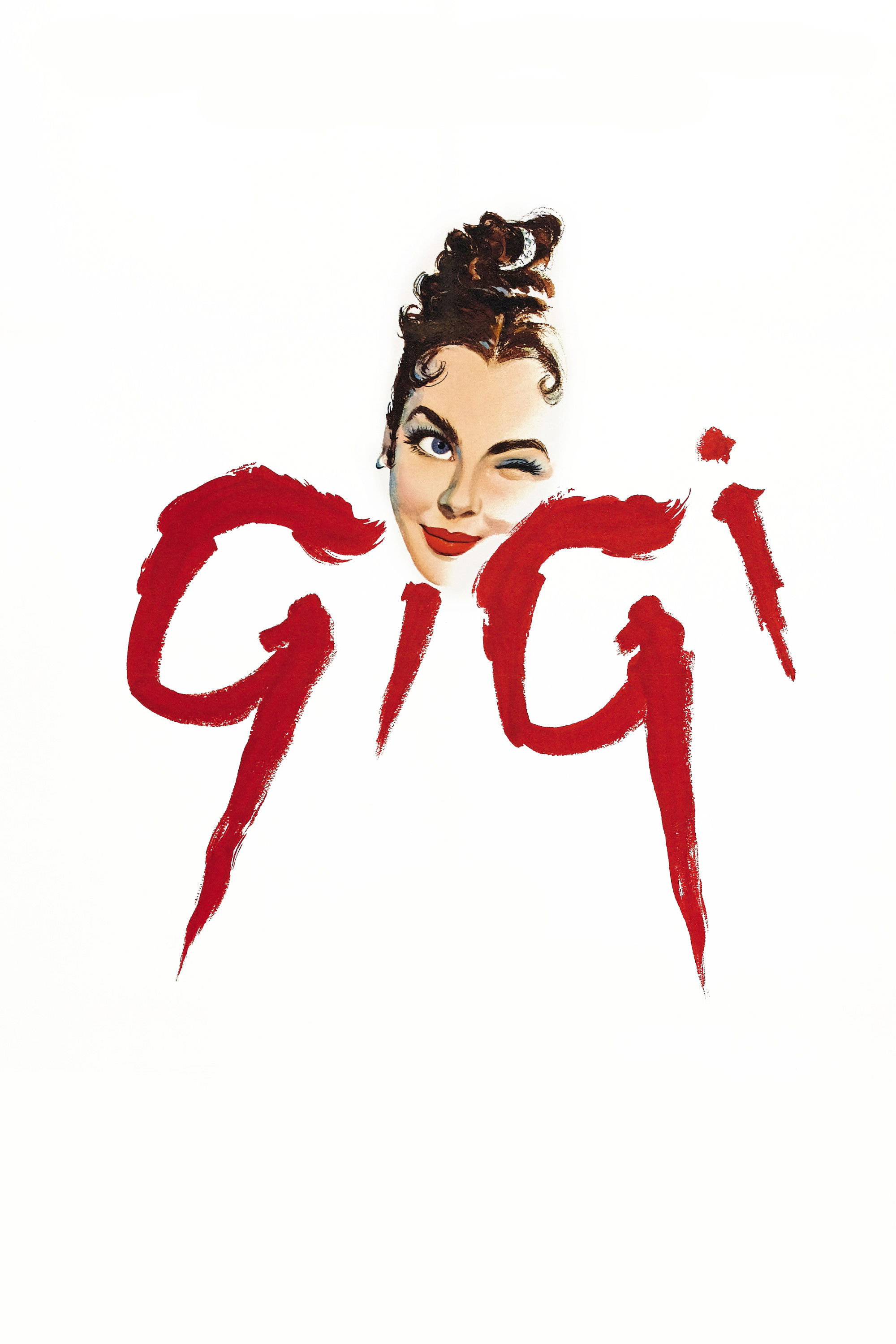
When ‘Gigi’ won nine Academy Awards, it broke records and solidified the MGM musical’s popularity. While a huge success at the time, the film’s story has faced criticism in recent years for its themes. Some viewers who enjoyed movies from that era actually thought other films were more interesting or dealt with more important issues. The win is remembered as the peak of big, extravagant movie-making, but the film’s story continues to be debated today.
‘Around the World in 80 Days’ (1956)
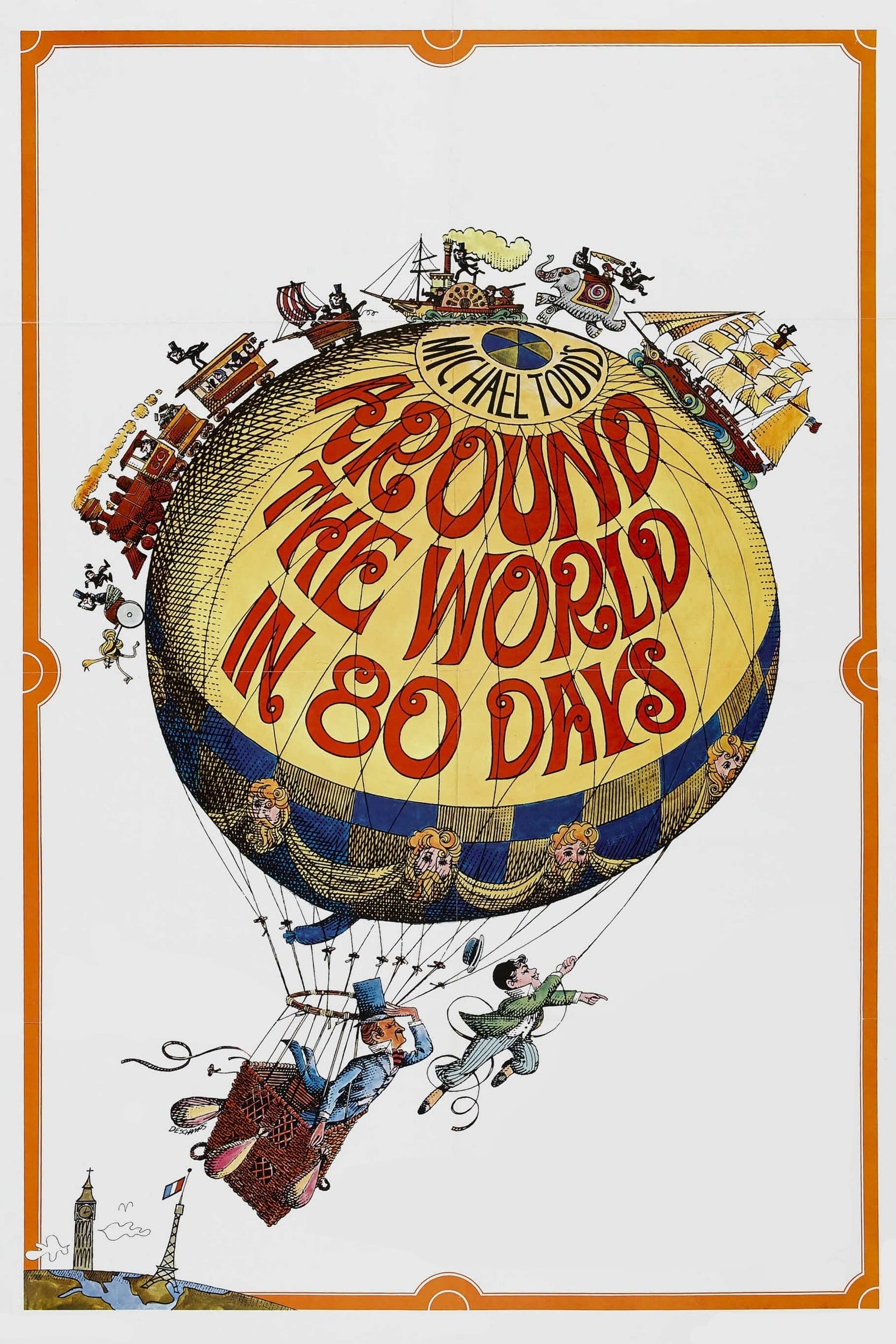
‘Around the World in 80 Days’ was a huge, star-studded film shot in many exciting locations. Surprisingly, it won Best Picture despite strong competition from classics like ‘The Ten Commandments’ and ‘Giant’. Some critics felt the movie focused more on showing off locations than telling a compelling story. Many see its win as an example of a big, flashy production winning out over films with more artistic merit.
‘The Greatest Show on Earth’ (1952)
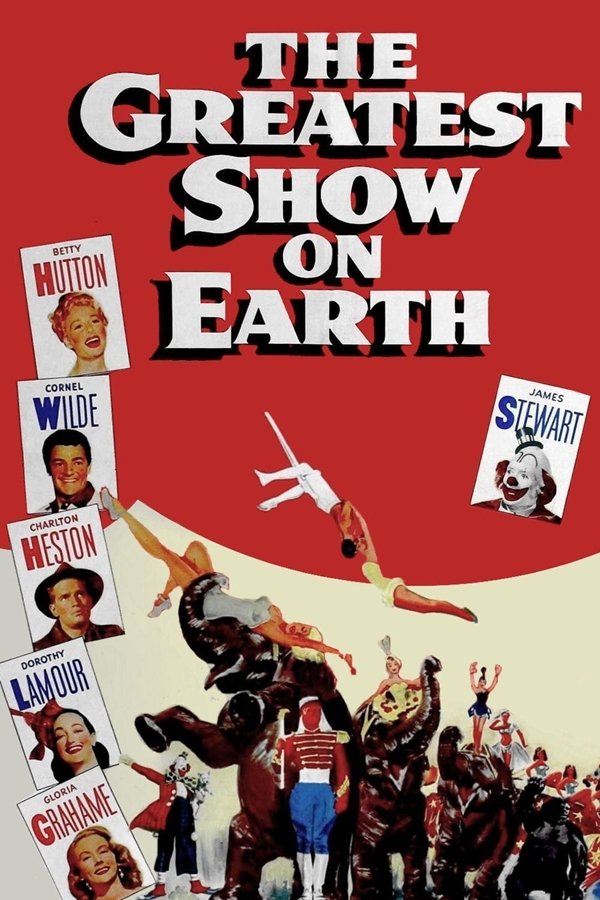
As a movie buff, it always surprises me that ‘The Greatest Show on Earth’ actually won Best Picture. Looking back, it feels like a real upset, especially when you consider it beat out ‘High Noon,’ which is now a classic Western and a hugely important film. Most people think the director was honored for his whole career, rather than this movie specifically being truly great. Honestly, compared to the gripping story and complex themes in ‘High Noon,’ ‘The Greatest Show on Earth’ just feels a bit…fluffier.
‘An American in Paris’ (1951)
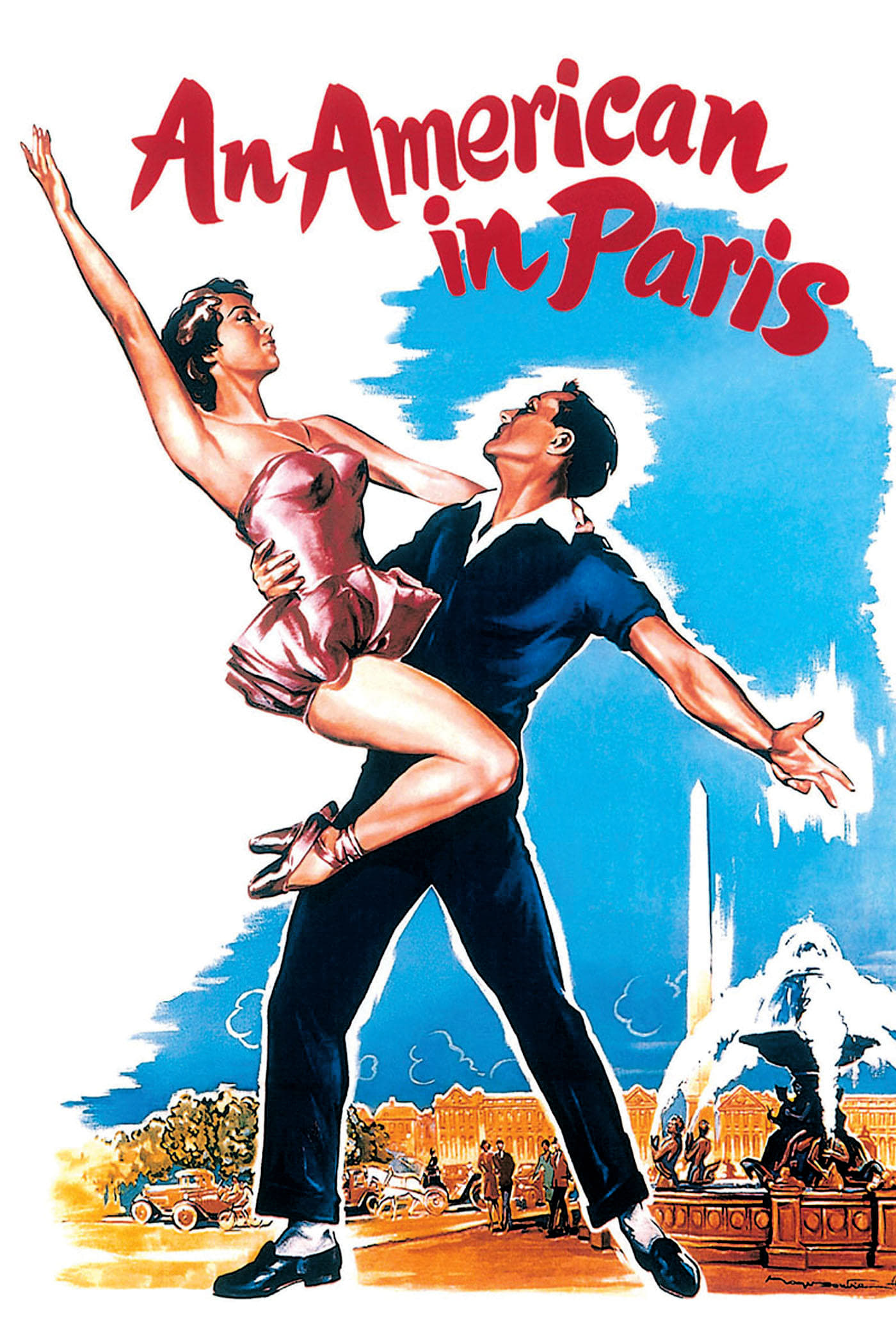
While ‘An American in Paris’ took home the Best Picture award thanks to its energetic songs and dances, some believe ‘A Streetcar Named Desire’ was more deserving. ‘Streetcar’ was groundbreaking for its powerful and realistic acting, and many critics felt it was a stronger film than the more lighthearted musical. The Academy’s decision showed their preference for the classic Hollywood musical style over more serious, realistic dramas.
‘How Green Was My Valley’ (1941)
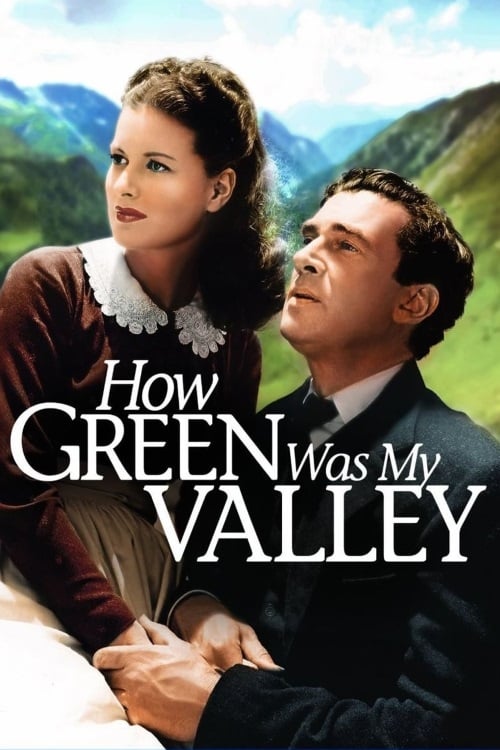
Though ‘How Green Was My Valley’ is a beloved film, it’s often remembered for winning Best Picture over ‘Citizen Kane’. Many film critics and scholars consider ‘Citizen Kane’ to be one of the greatest films ever made. ‘How Green Was My Valley’, a heartwarming story about a mining family, has been overshadowed by ‘Citizen Kane’ for over eighty years, and the Academy Awards decision is widely seen as a major mistake.
‘Cavalcade’ (1933)
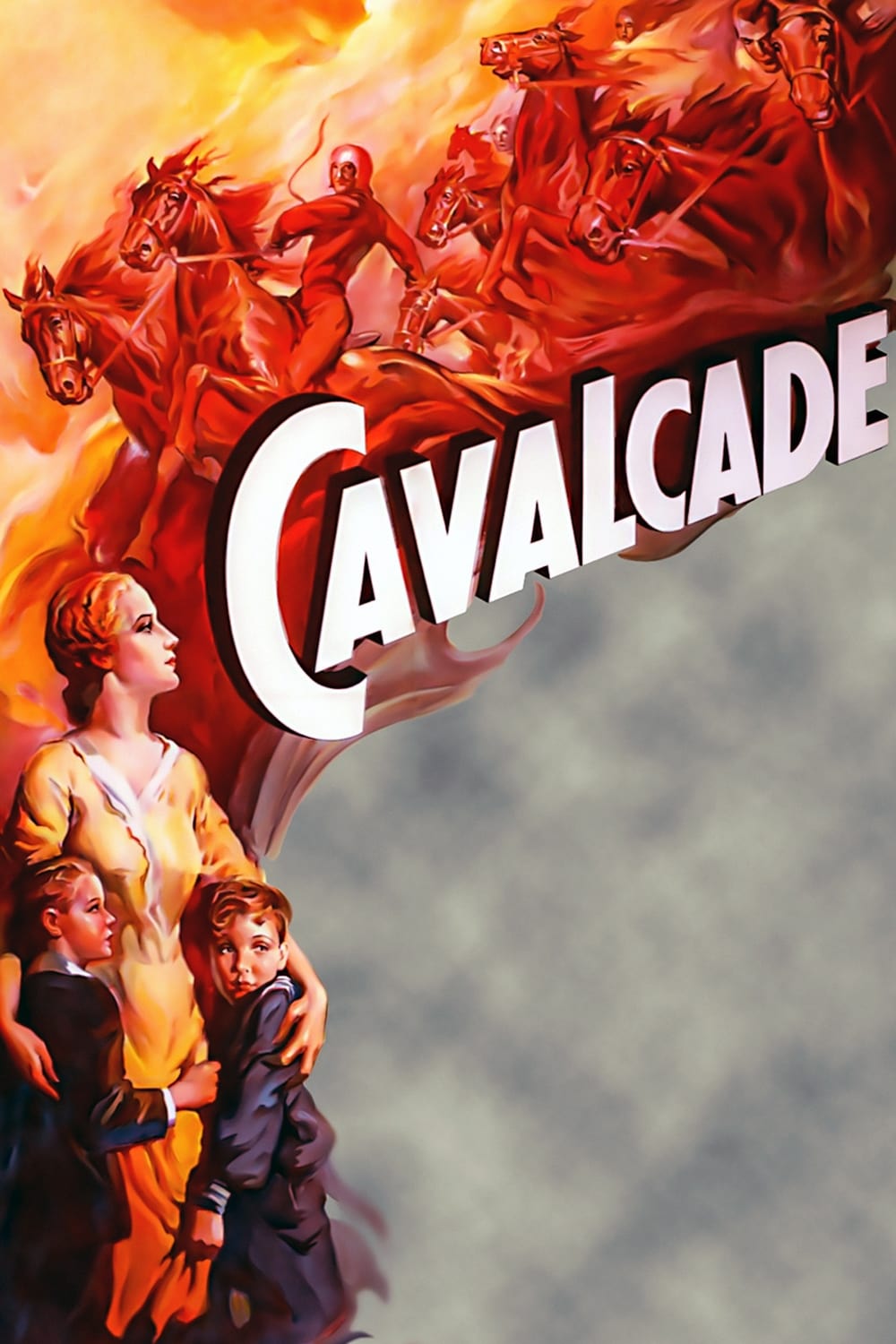
‘Cavalcade’ won the Academy Award for Best Picture because of its depiction of British life during key events in the early 1900s. Though popular when it was released, the film isn’t widely remembered today. Interestingly, it won over several films that are still celebrated and analyzed, which raises questions about its long-term significance. Many critics believe ‘Cavalcade’ was a product of its time and hasn’t aged well.
‘Cimarron’ (1931)

Though ‘Cimarron’ made history as the first Western to win Best Picture, it’s now viewed with criticism. Modern audiences often find its depictions of different groups outdated and offensive. While technically impressive for its era, its story doesn’t resonate well with many today, and its win is often used as an example of how the Academy Awards haven’t always stood the test of time.
Please share your thoughts on these controversial Oscar victories in the comments.
Read More
- Gold Rate Forecast
- 22 Films Where the White Protagonist Is Canonically the Sidekick to a Black Lead
- 15 Films That Were Shot Entirely on Phones
- Silver Rate Forecast
- How to Do Sculptor Without a Future in KCD2 – Get 3 Sculptor’s Things
- Here are the Best Series to Binge on Paramount+ in January 2026
- Unveiling the Schwab U.S. Dividend Equity ETF: A Portent of Financial Growth
- Superman Flops Financially: $350M Budget, Still No Profit (Scoop Confirmed)
- New HELLRAISER Video Game Brings Back Clive Barker and Original Pinhead, Doug Bradley
- Monster Hunter Stories 3 Complete Side Stories Guide & What Do They Unlock
2026-01-15 22:20