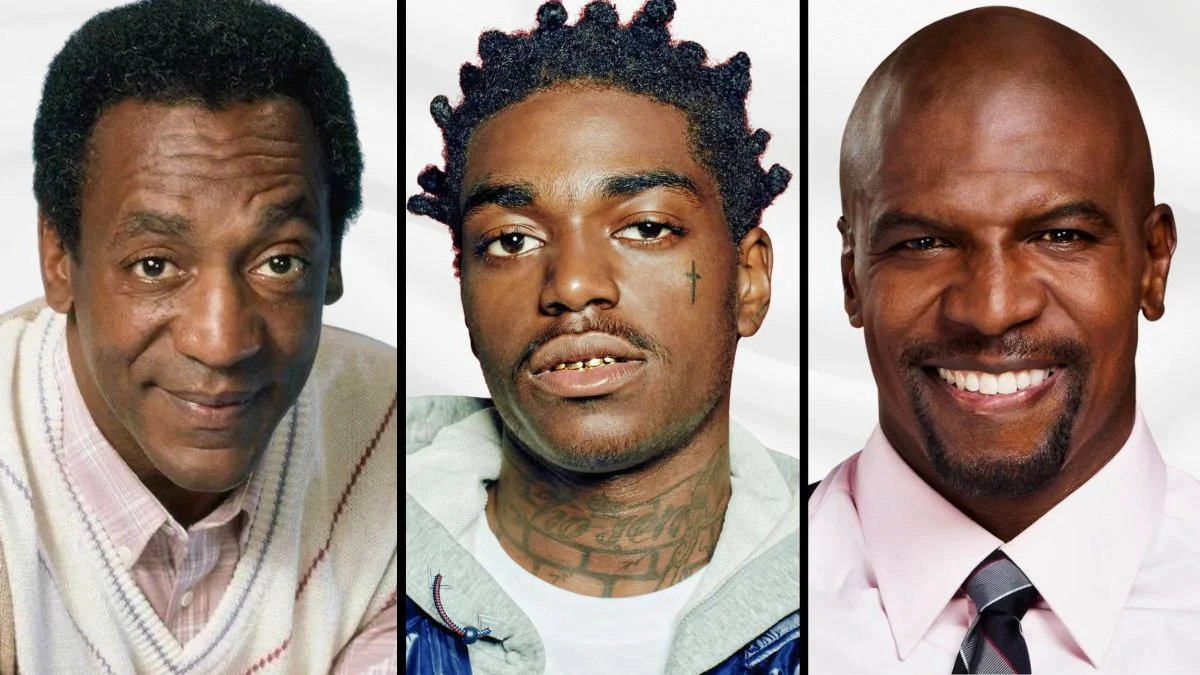
When celebrities talk about race, they often face strong reactions from the public. This list looks at times when well-known Black figures said things that caused controversy and upset people within the Black community. These comments covered a range of topics, from downplaying past injustices to criticizing Black culture and current social issues. The examples below show instances where these statements were seen as hurtful or disrespectful to Black people.
Ye
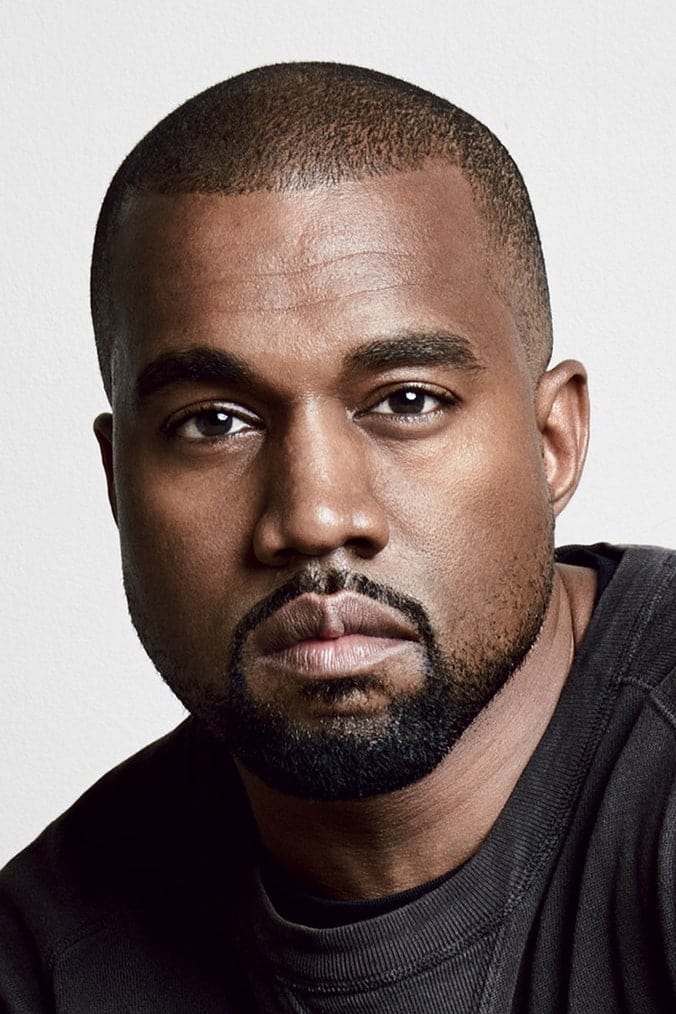
Kanye West sparked widespread criticism after appearing on TMZ Live and suggesting slavery wasn’t entirely forced, but more of a mental state. He described 400 years of servitude as a form of mental imprisonment. This statement was quickly condemned by historians and activists who pointed out the horrific realities of slavery and the violence it involved. Many fans were deeply offended, feeling he minimized the suffering of enslaved people to express a personal idea.
Bill Cosby
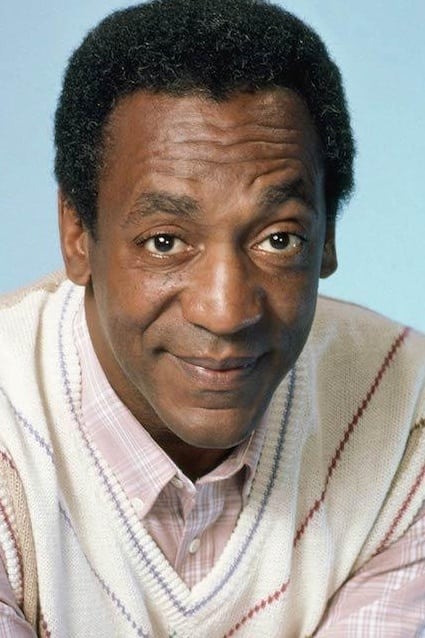
Bill Cosby sparked outrage with a speech, often called the “Pound Cake Speech,” given at an NAACP event. He criticized how some lower-income African Americans dressed, raised their children, and chose names. Cosby believed the community wasn’t taking advantage of available opportunities and therefore wasn’t living up to the ideals of the Civil Rights Movement. Many people saw his comments as snobbish and a form of blaming those facing hardship for their own struggles, rather than addressing the larger societal problems.
Raven-Symoné
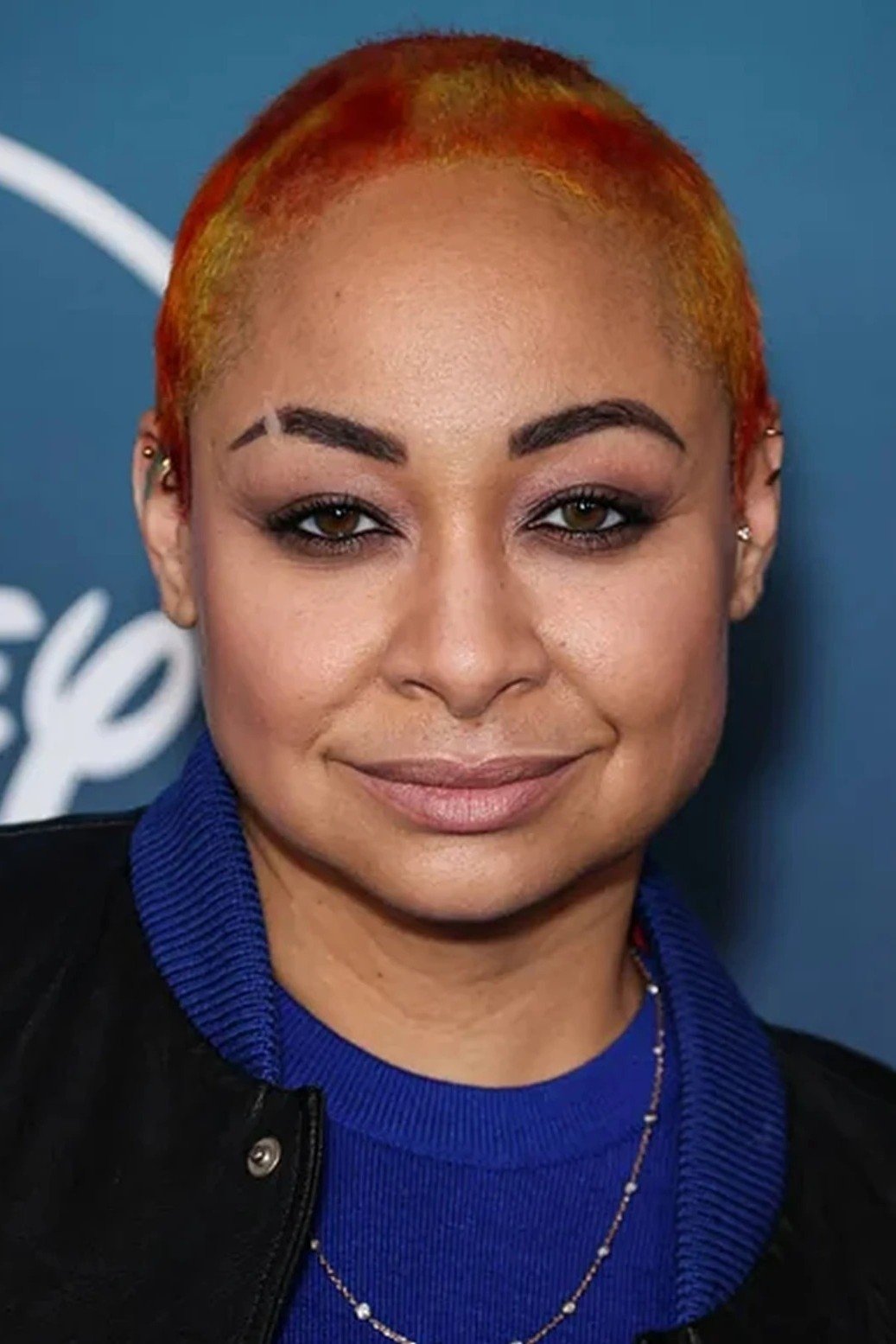
As a movie lover, I remember being really fascinated when Raven-Symoné talked to Oprah about not wanting to be called African American. She just wanted to be seen as an American, period – she didn’t want any racial labels at all. It caused a big discussion, and honestly, some people were upset, thinking she was trying to ignore her background. It really made me think about how we all define ourselves, and how different that can be from how the world sees us, especially when it comes to race in this country.
Stacey Dash
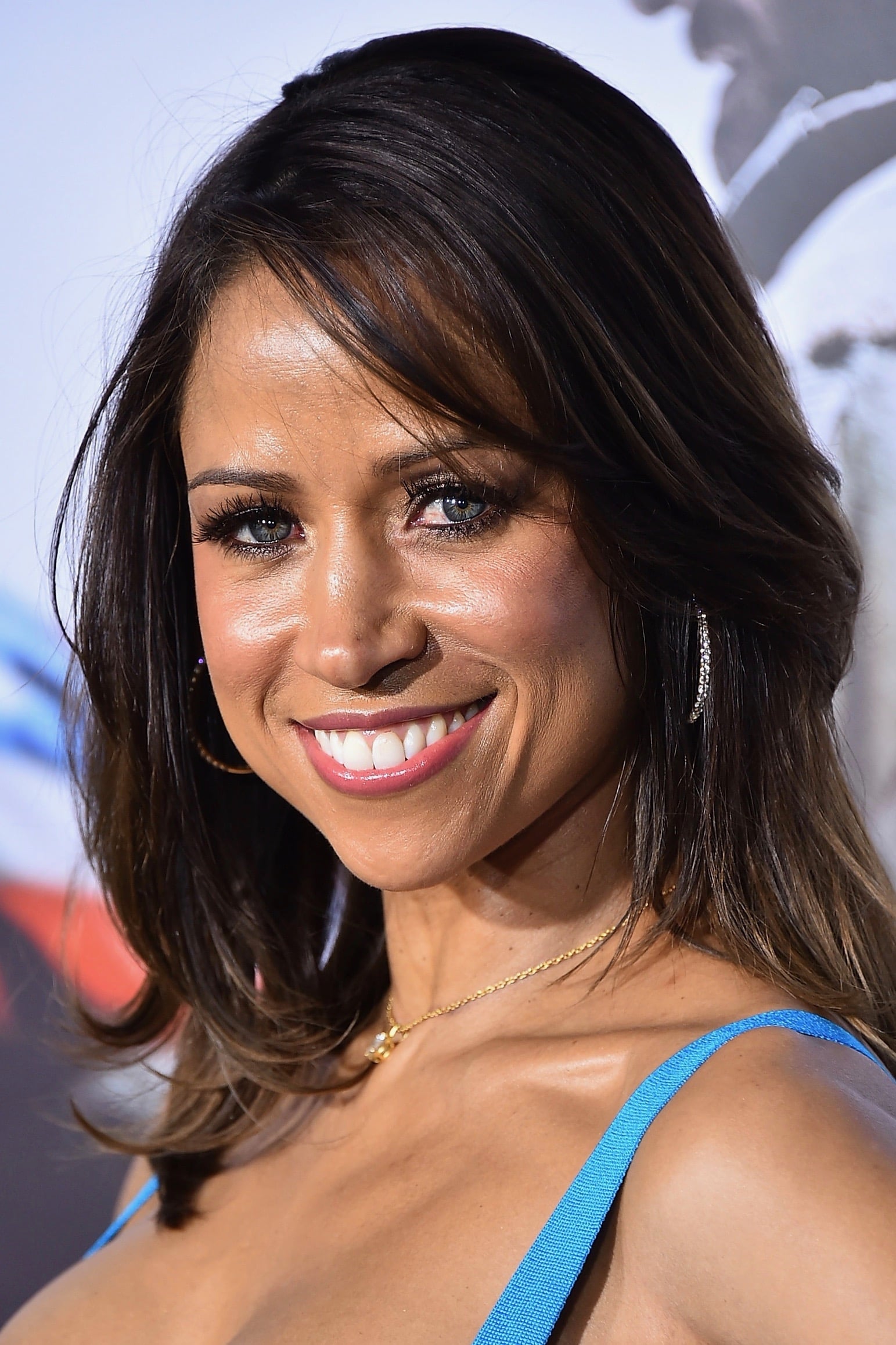
Stacey Dash sparked controversy by suggesting Black History Month and the BET network should be abolished. She believed these platforms actually encouraged separation instead of unity, and that real equality meant treating everyone the same, without special recognition. Many in the Black media community strongly criticized her views, pointing out the limited opportunities for representation in mainstream media. As a result of her statements, Dash experienced professional setbacks and became ostracized within the entertainment industry.
Lil Wayne
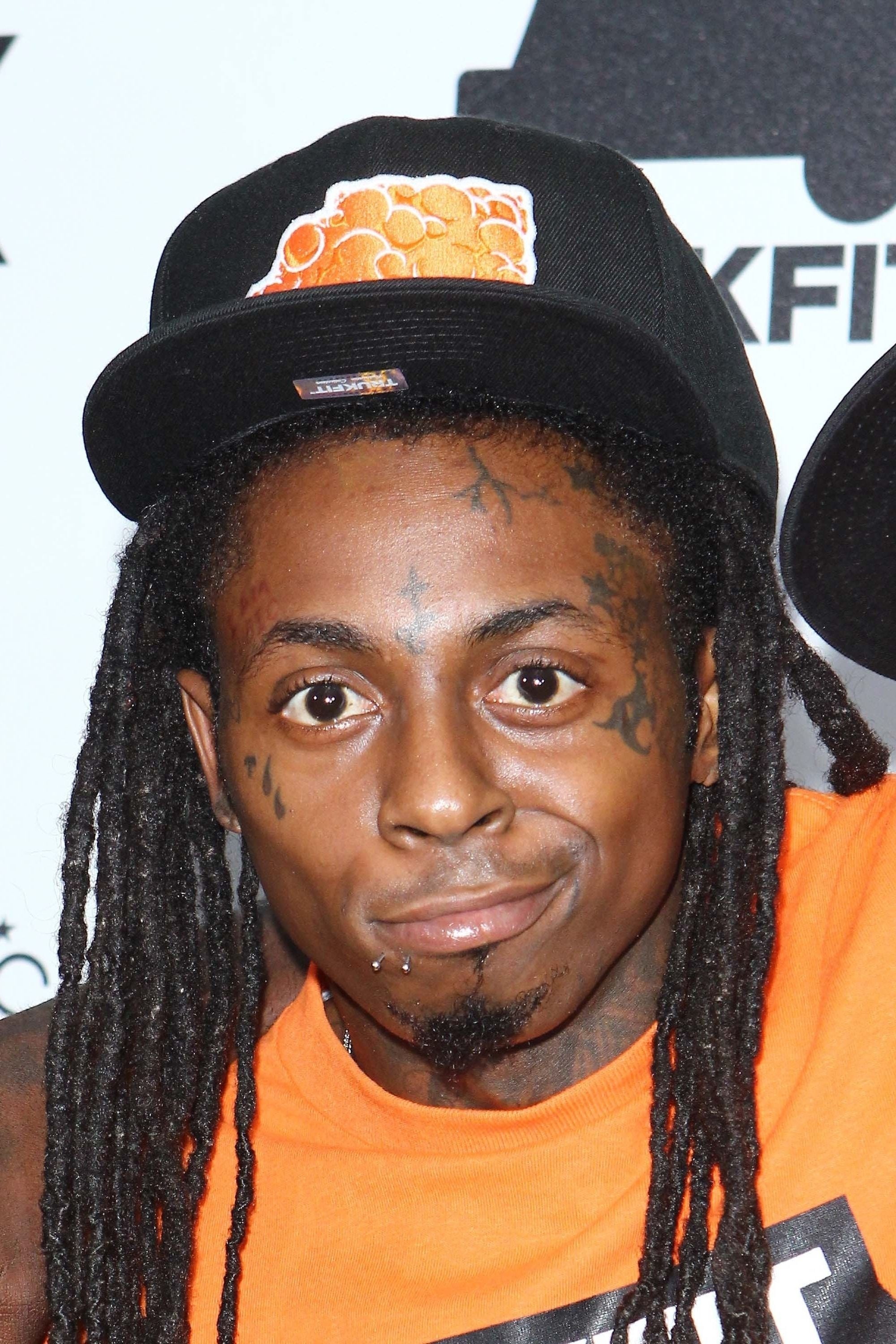
Lil Wayne recently said he doesn’t feel connected to the Black Lives Matter movement. In an interview, he explained that his own success proves racism hasn’t impacted his life or career, suggesting the issues raised by the movement don’t apply to him as a wealthy Black man. Many activists were upset by his comments, feeling that a prominent artist should be supportive of his community’s struggles.
Morgan Freeman
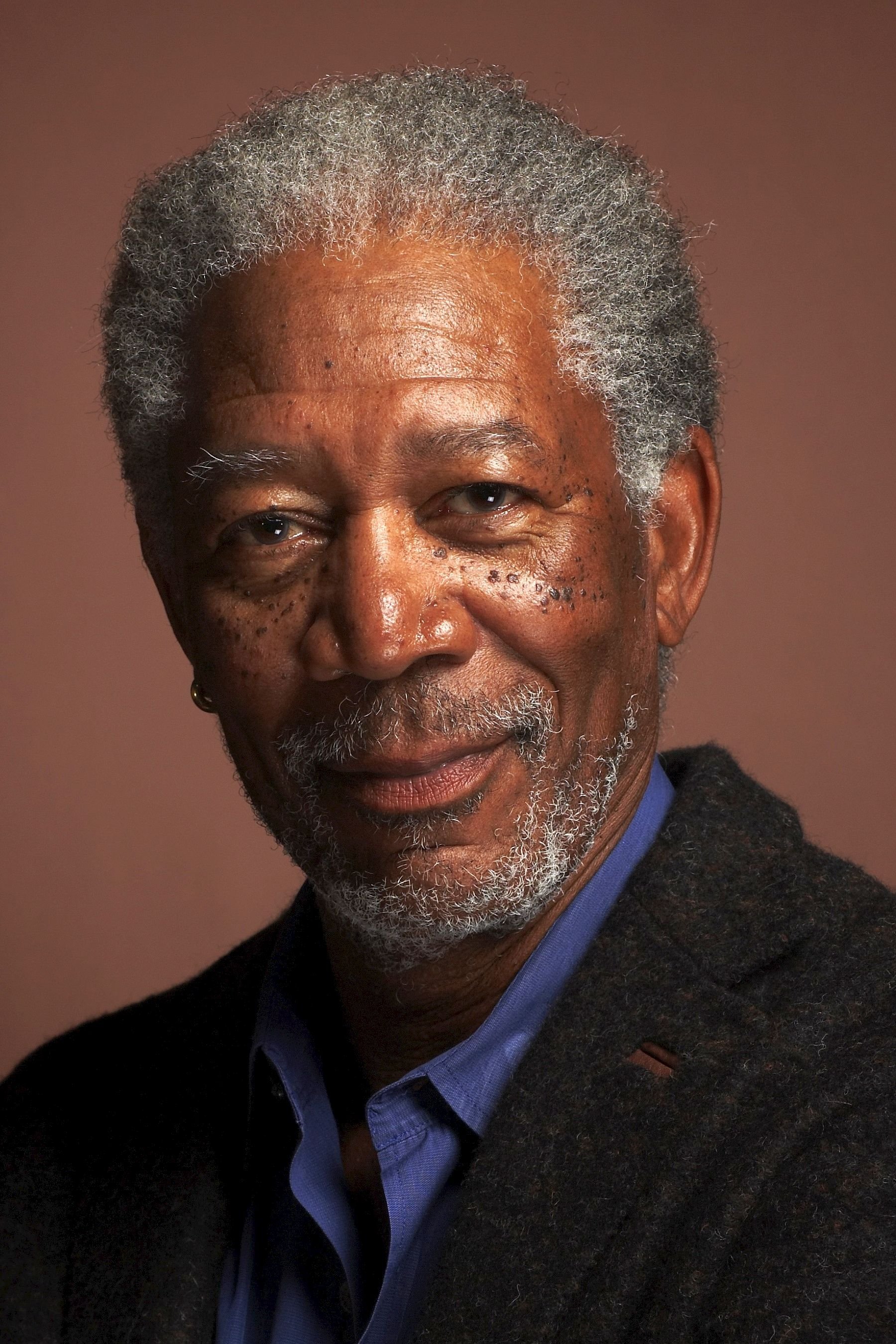
Morgan Freeman once shared a controversial view in an interview with 60 Minutes, suggesting that the best way to overcome racism is to stop focusing on race altogether. He questioned the need for Black History Month, asking why a similar month didn’t exist for white history. While some on the right agreed with his perspective, many Black scholars criticized it, arguing that it overlooks the deep-rooted inequalities that still exist. Freeman believed that constantly talking about race actually keeps people divided.
Gilbert Arenas
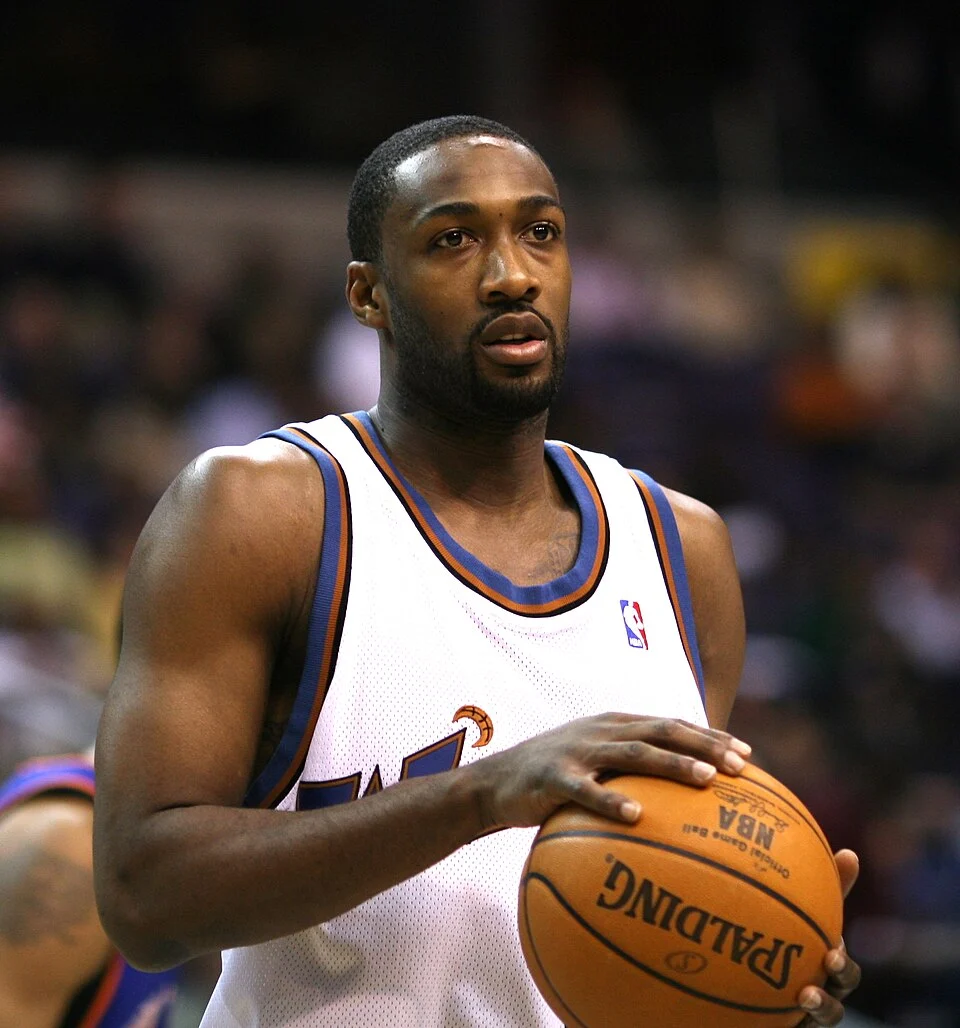
Gilbert Arenas made offensive comments on social media about the skin tone of Black women, specifically targeting Lupita Nyong’o and suggesting that women with darker complexions aren’t widely desired. His remarks sparked a strong debate within the Black community about colorism and misogyny directed at Black women. After significant backlash, Arenas issued an apology for his hurtful statements.
A$AP Rocky
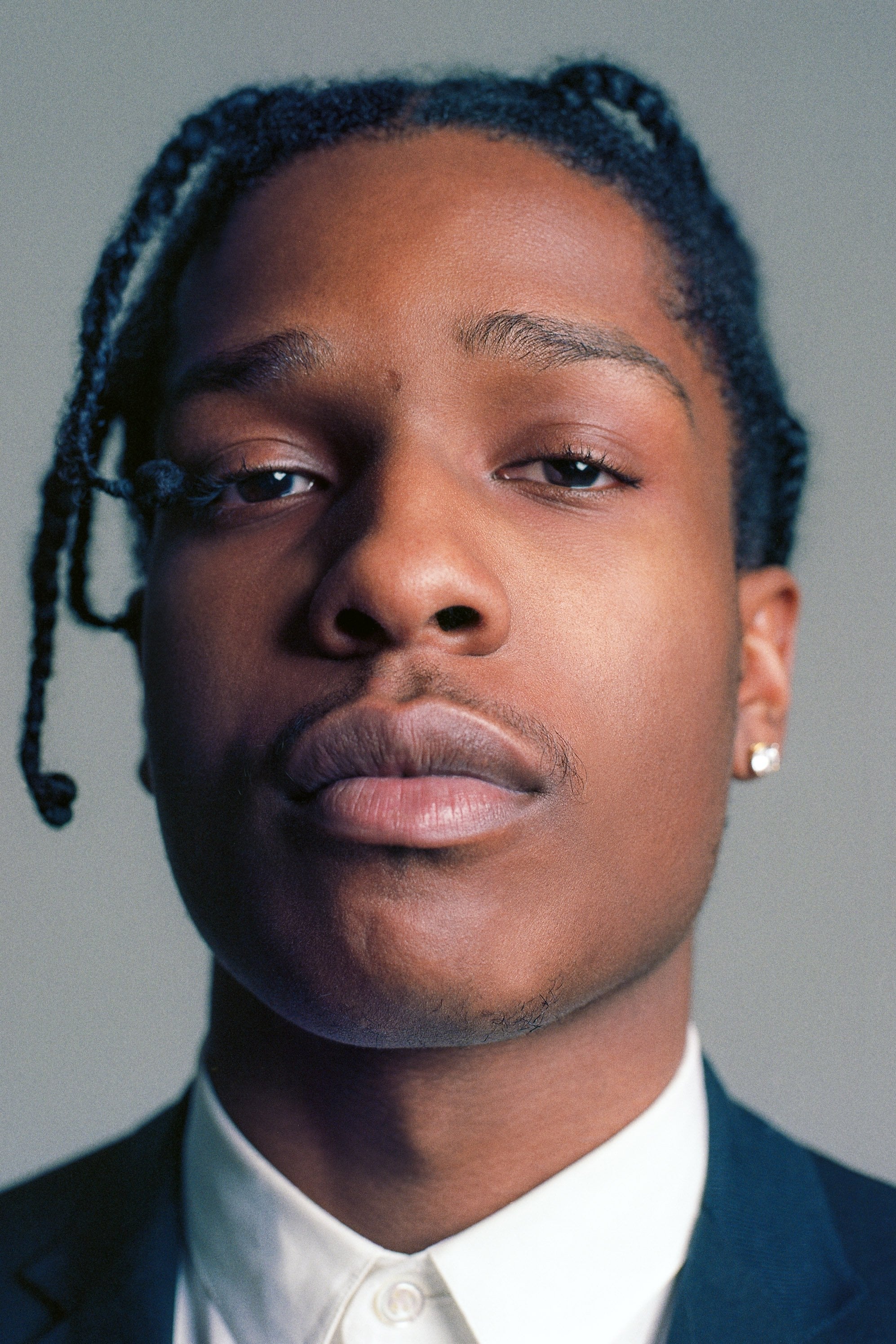
A$AP Rocky received criticism after saying he didn’t want to comment on the events in Ferguson following Michael Brown’s shooting. He argued that, as a Black celebrity, he shouldn’t be expected to speak out on political matters, explaining he’s an artist and designer, not an activist. Many fans were disappointed by his response, feeling it showed a lack of concern for the racial injustice happening in the United States.
Pharrell Williams
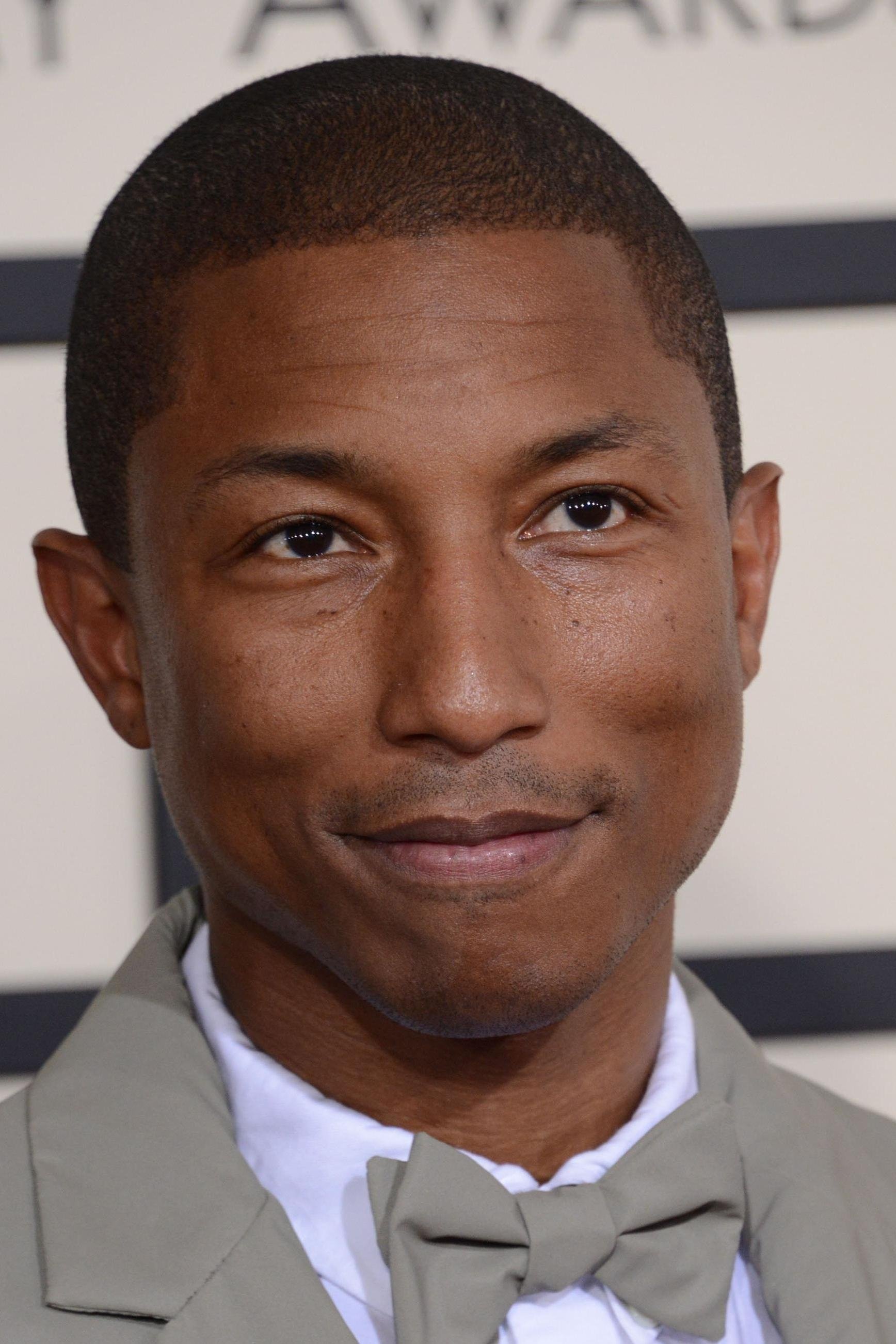
Pharrell Williams created the term ‘New Black’ to describe a generation he felt wasn’t held back by their race. He believed this group focused on personal success and didn’t blame others for their challenges. However, critics pointed out that his idea overlooked ongoing systemic racism and seemed to prioritize making white people feel comfortable. The resulting criticism sparked a debate about whether financial success can actually protect someone from racial bias.
Terry Crews
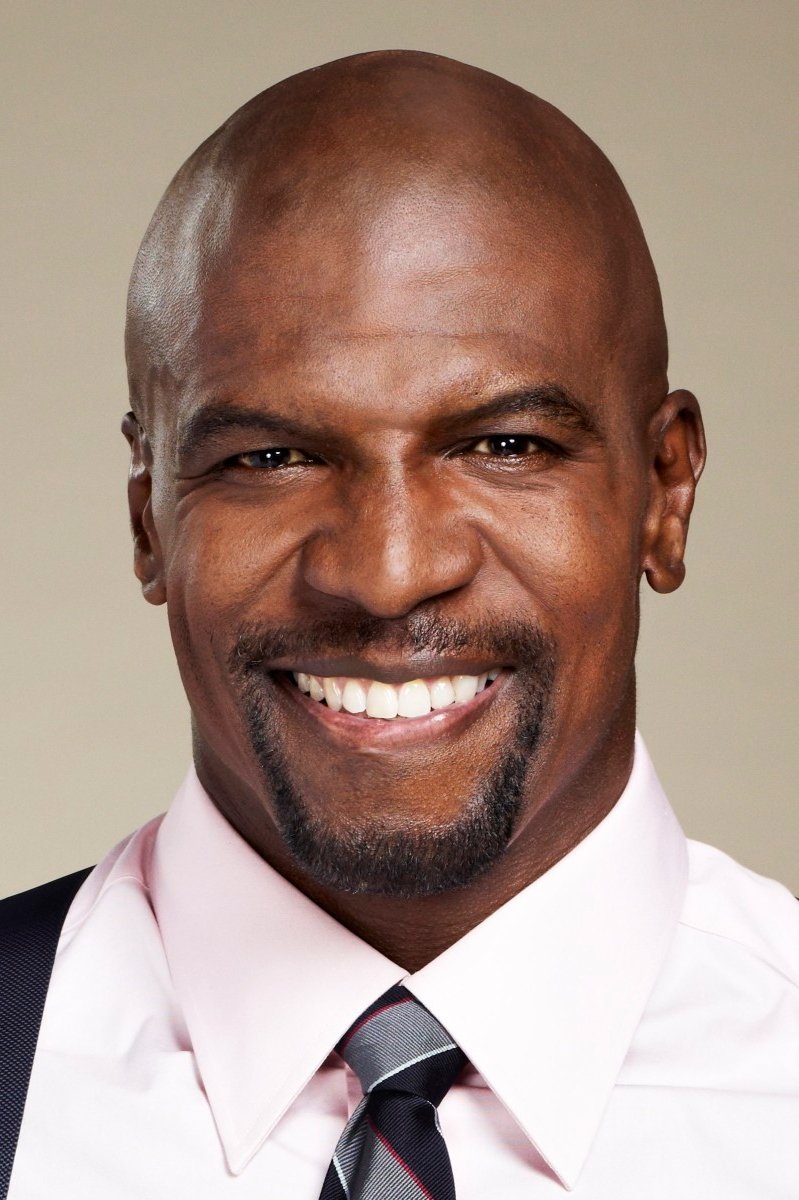
Terry Crews sparked debate on Twitter by suggesting the Black Lives Matter movement could unintentionally lead to a form of Black supremacy. He explained that overcoming white supremacy without including white people might simply create a new type of oppression. His views were met with criticism and disagreement, with many activists highlighting the existing power imbalance between Black and white communities. Crews then spent several weeks clarifying and defending his stance, even facing pushback from colleagues who believed he was harming the movement.
Kodak Black
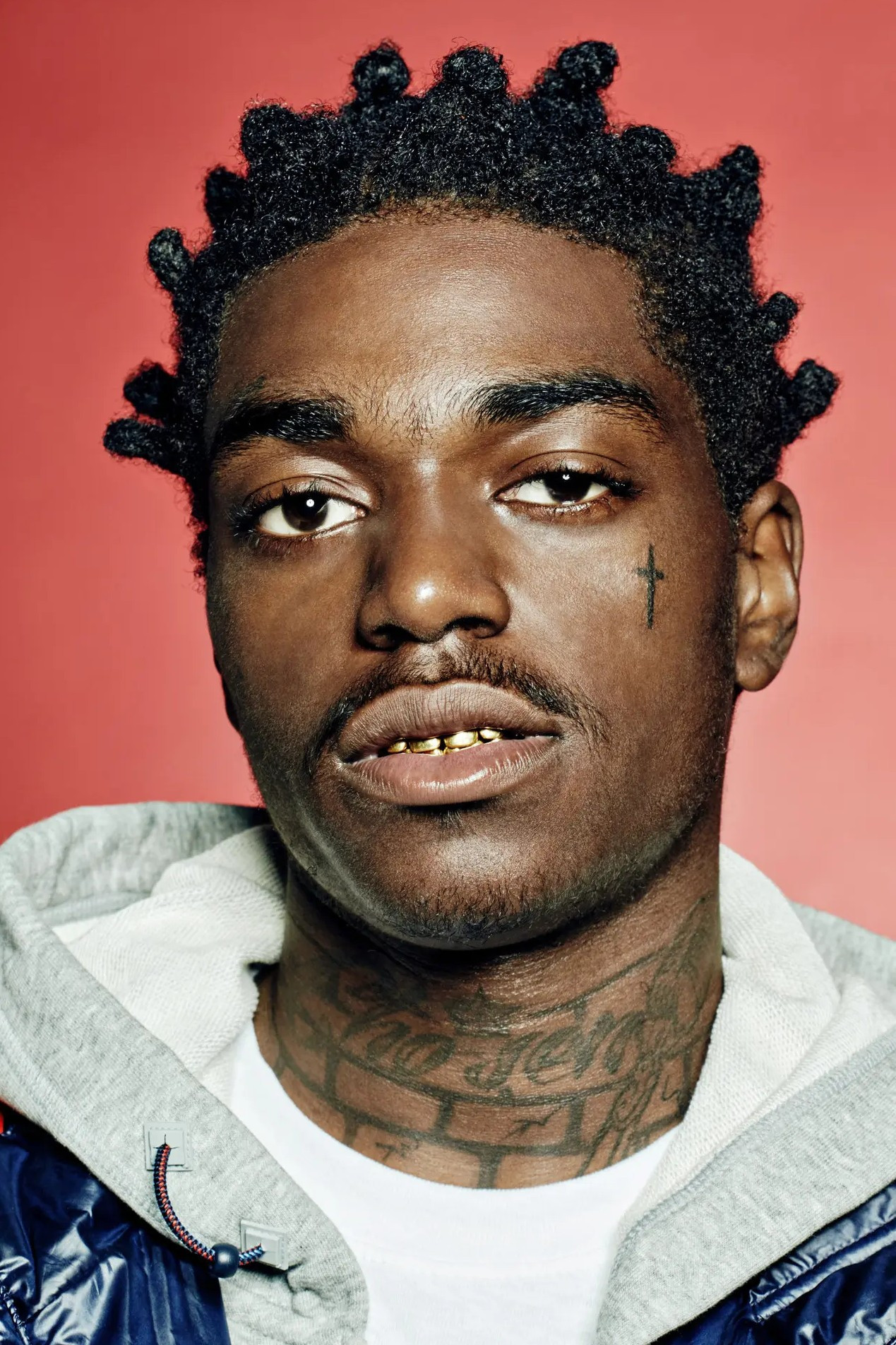
Kodak Black made offensive comments about Black women, expressing a preference for lighter skin tones. He specifically said he wasn’t attracted to darker-skinned women and implied they were less appealing, even compared to women of other races. These statements were widely seen as colorism – a prejudice based on skin tone – and reinforced damaging ideas about beauty. Black women strongly criticized the rapper, feeling his comments were intentionally excluding and hurtful.
Charles Barkley
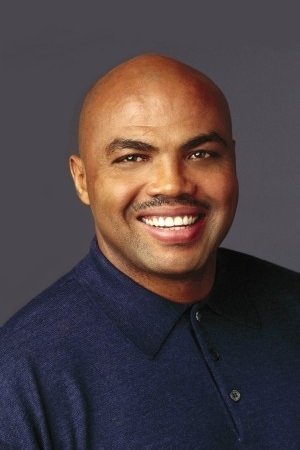
Charles Barkley often supported the police during protests against police brutality, including those in Ferguson. He strongly condemned looting and believed police were essential for maintaining order in Black communities. While his views were applauded by conservative media, they upset many in the Black community who felt he didn’t acknowledge the underlying reasons for the protests. Barkley consistently argued that the community itself needed to address its own problems.
Tiger Woods
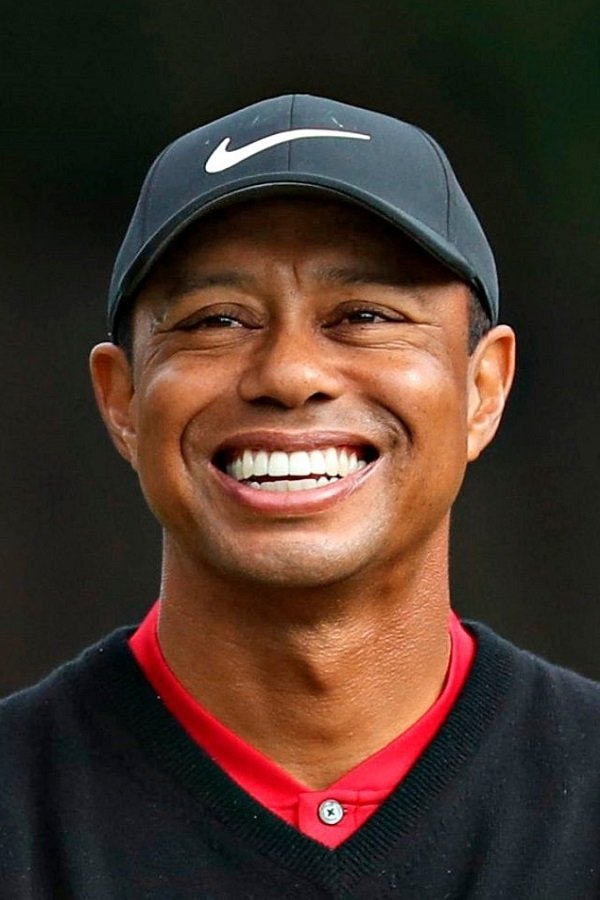
Early in his career, Tiger Woods didn’t identify as African American, instead coining the term ‘Cablinasian’ to acknowledge his diverse background – a mix of Caucasian, Black, Indian, and Asian ancestry. While some appreciated his effort to accurately represent himself, others viewed his refusal to identify as Black as a way to avoid the negative stereotypes associated with race. This sparked a conversation about the challenges of having a multiracial identity in a society historically defined by the ‘one-drop rule,’ which historically classified anyone with even one ancestor of African descent as Black.
Don Lemon
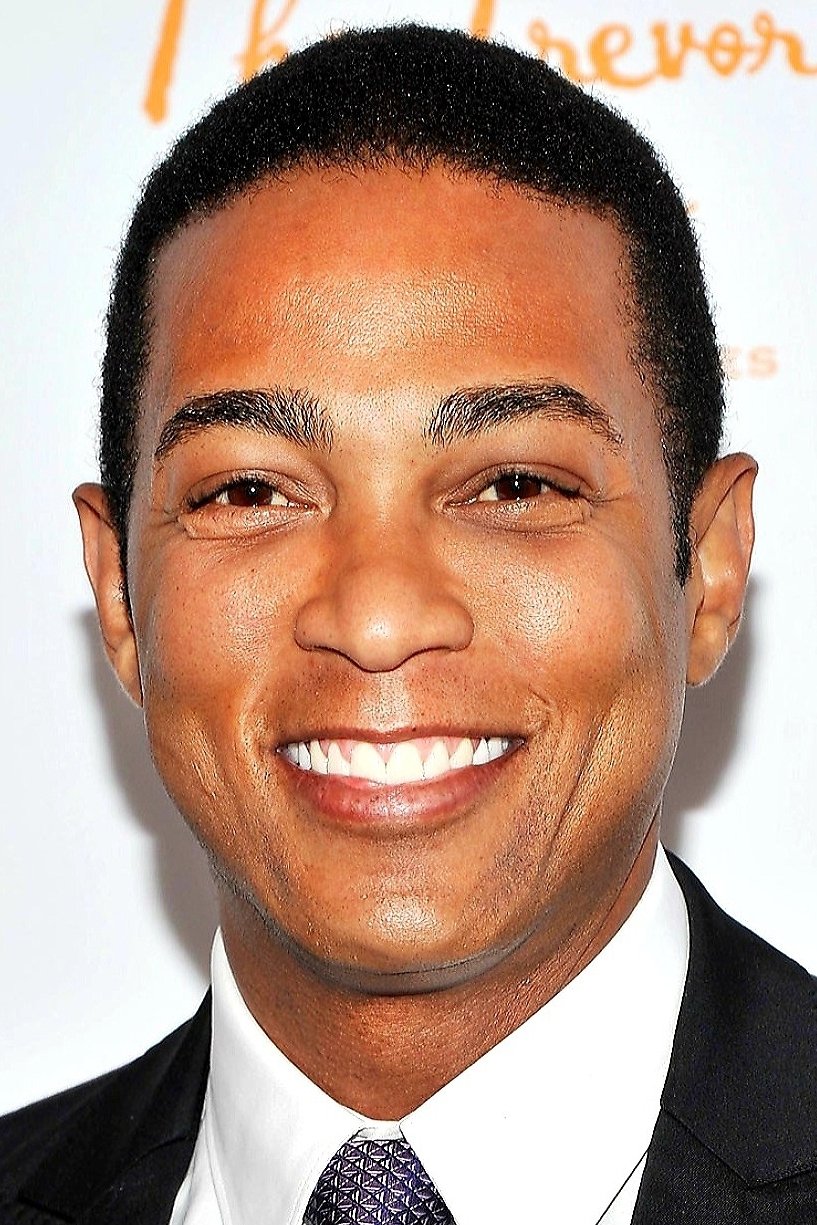
Don Lemon faced criticism after a CNN segment where he discussed what he saw as harmful behaviors within the Black community, including things like sagging pants, littering, and the use of a racial slur. Many people accused him of engaging in ‘respectability politics’ – essentially blaming individual choices for problems caused by systemic racism – and of echoing arguments often made by conservatives against his own community.
Tyrese Gibson
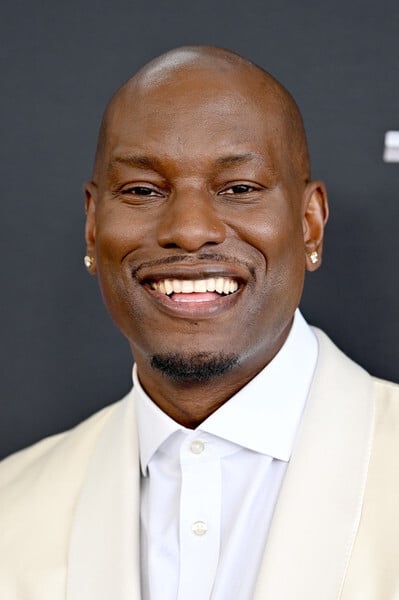
Honestly, I was pretty shocked to see Tyrese Gibson’s recent social media post. He was basically criticizing Black women for wearing weaves or extensions, saying men prefer ‘natural’ hair. It felt really off to me – like he was trying to police how Black women choose to express themselves. A lot of people, rightfully so, called him out for it. It just seemed hypocritical and created unnecessary division, especially when it comes to relationships within the Black community. It’s frustrating to see someone with a platform try to dictate beauty standards like that.
Common
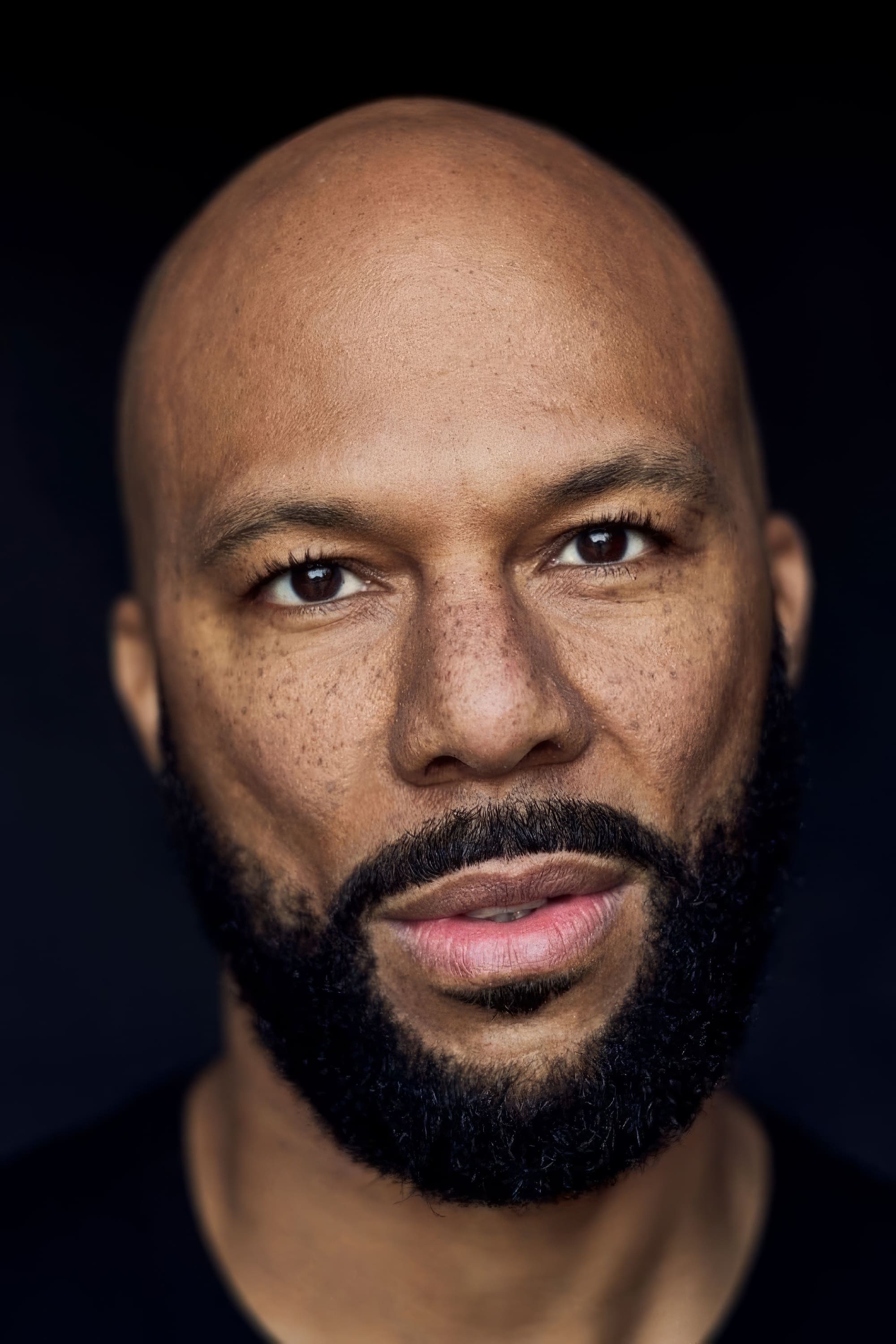
Common faced backlash after suggesting that Black people should show love to white people as a way to overcome racism. He made these comments while talking about the movie ‘Selma,’ hinting that moving forward requires letting go of past grievances. Many people criticized his view, arguing that it unfairly asked victims of racism to take responsibility for ending it, instead of those who cause it. Although Common later explained his position, the original comments damaged his image as an artist known for social awareness.
O. J. Simpson

O.J. Simpson often avoided taking a stand on civil rights issues during his career, famously claiming he wasn’t Black, but simply ‘O.J.’ This approach seemed aimed at appealing to a wider, mostly white, corporate audience and moving beyond racial labels. However, his lack of engagement with racial issues became a point of resentment within the Black community, particularly during his highly publicized murder trial. The quote highlighting his stance became representative of celebrities who try to distance themselves from their racial identity in pursuit of commercial gain.
Zoe Saldana
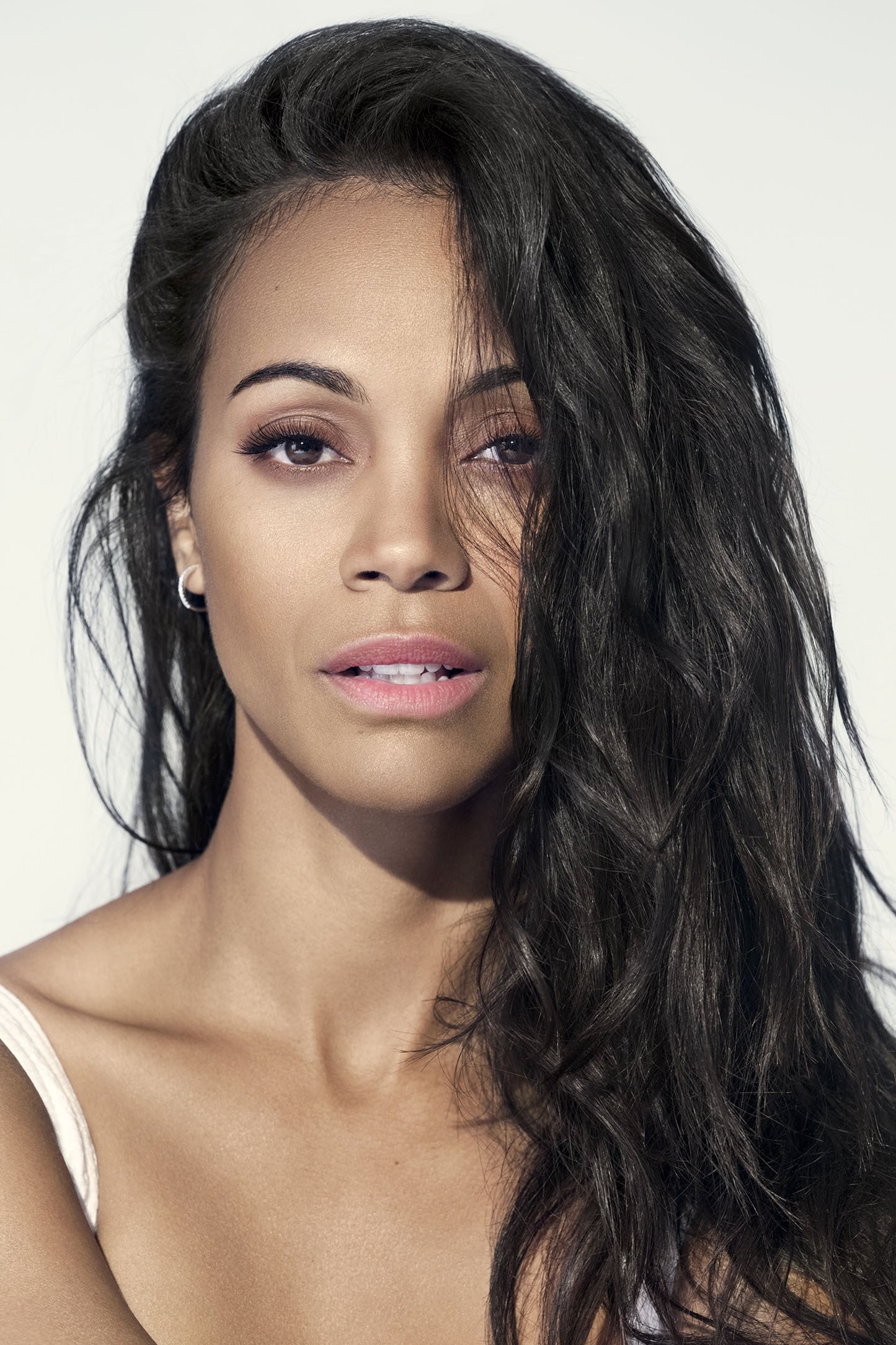
Zoe Saldana received a lot of criticism for playing Nina Simone, particularly because the role required her to wear a prosthetic nose and makeup to darken her skin. She responded by saying that Blackness isn’t one-size-fits-all and she was entitled to portray the singer. However, many critics argued that casting Saldana overlooked the specific challenges Simone faced because of her darker skin and African features. This led to a larger conversation about colorism and how it affects casting decisions in Hollywood.
Stephen A. Smith
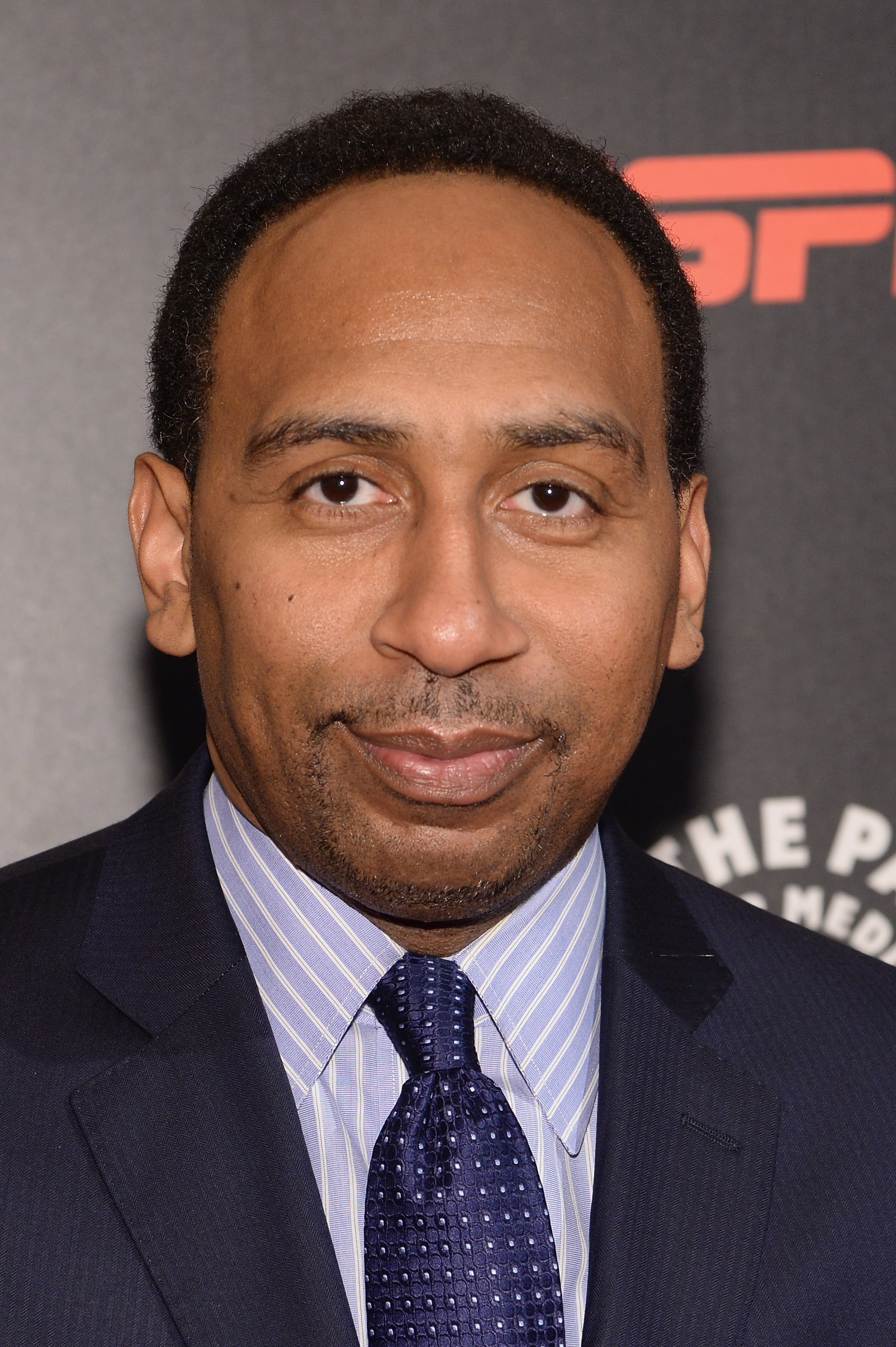
Stephen A. Smith faced backlash after criticizing Colin Kaepernick’s decision not to vote while simultaneously protesting social injustice. Smith suggested Kaepernick undermined his own message by not engaging in the political system he was trying to change. Many activists believed Smith’s comments shifted the focus away from the important issue of police brutality and onto a minor detail. Smith has a history of disagreeing with Black athletes about how they choose to protest.
Candace Owens

Candace Owens is a conservative commentator known for her controversial views on race and policing. She gained attention for portraying George Floyd as a criminal, rather than a victim of police brutality, and for challenging the idea that systemic racism exists. While her views are popular in right-wing media, most Black civil rights groups strongly disagree with her. Owens frequently argues that issues within the Black community are mainly caused by aspects of its own culture.
Jason Whitlock
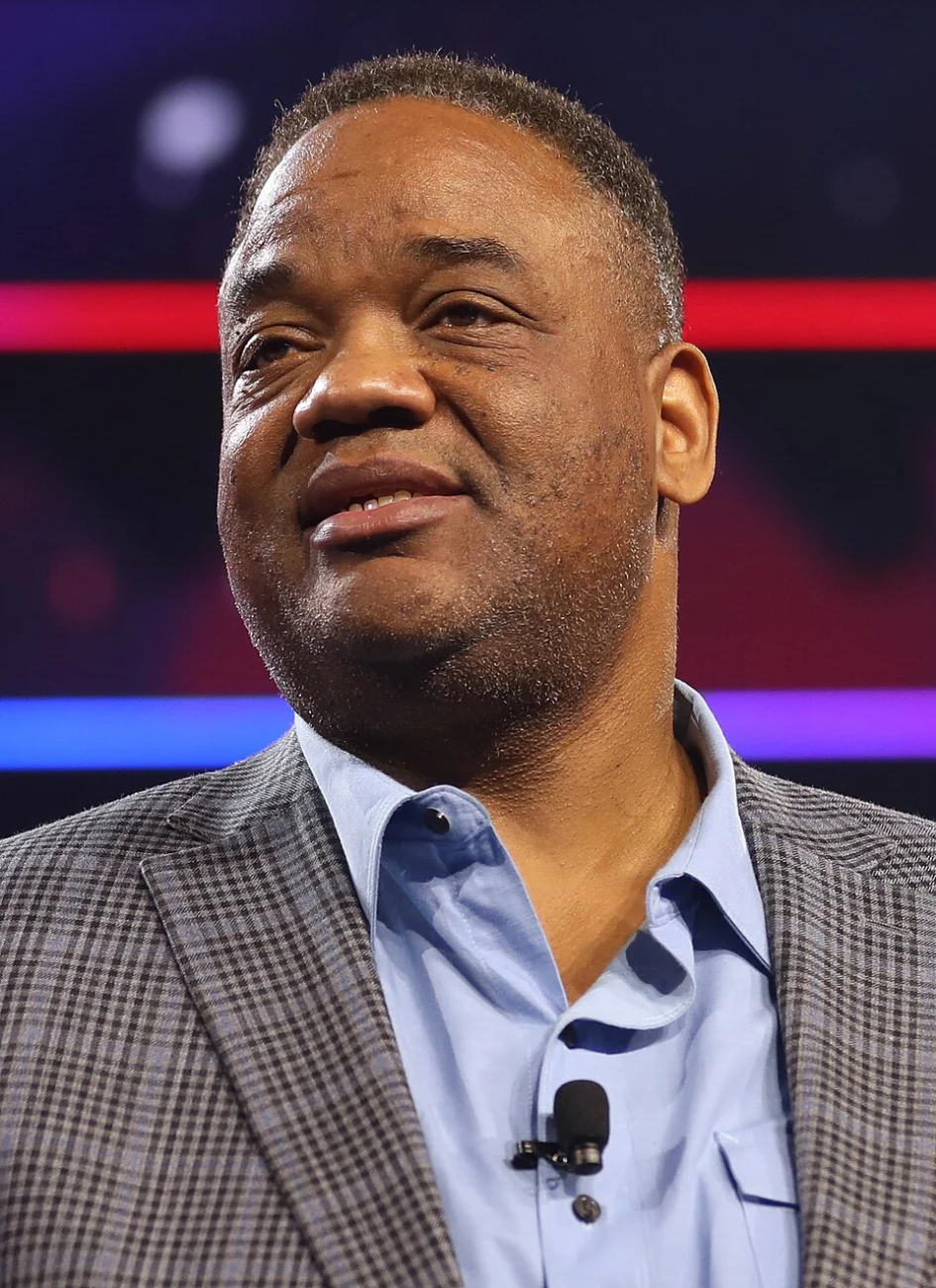
Jason Whitlock is a sports commentator known for his criticism of Black culture and athletes who express their views on social issues. He’s publicly dismissed the Black Lives Matter movement, calling it a sham, and has mocked athletes like LeBron James for being outspoken. Those who oppose social justice causes often point to Whitlock’s opinions as evidence that claims of racism are overblown. Whitlock himself argues that he simply speaks the truth and challenges what he sees as a culture of victimhood.
Erykah Badu
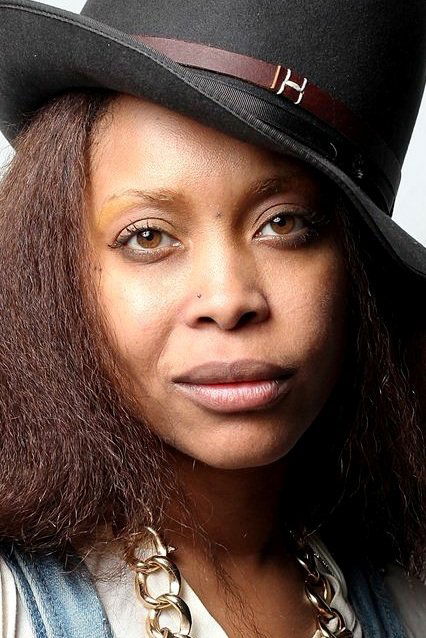
Erykah Badu sparked controversy in an interview by saying she believes everyone, even Adolf Hitler, has some good in them. She explained this comes from her belief in humanism – the idea of finding positive qualities in all people, no matter what they’ve done. While she meant to show extreme compassion, many were deeply offended by her comments. The criticism grew when she also voiced empathy for Bill Cosby, despite the serious accusations against him.
Ray Lewis
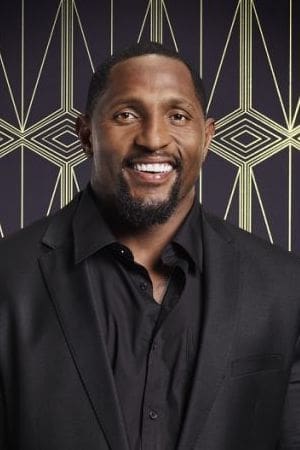
Ray Lewis disagreed with Colin Kaepernick’s decision to kneel during the national anthem, believing protests shouldn’t happen during games. He felt the flag deserved respect and that working for social change should be done outside of football. However, many pointed out Lewis’ own troubled history, accusing him of hypocrisy. His comments were largely seen as him supporting the interests of team owners rather than a player’s right to free expression.
Sage Steele
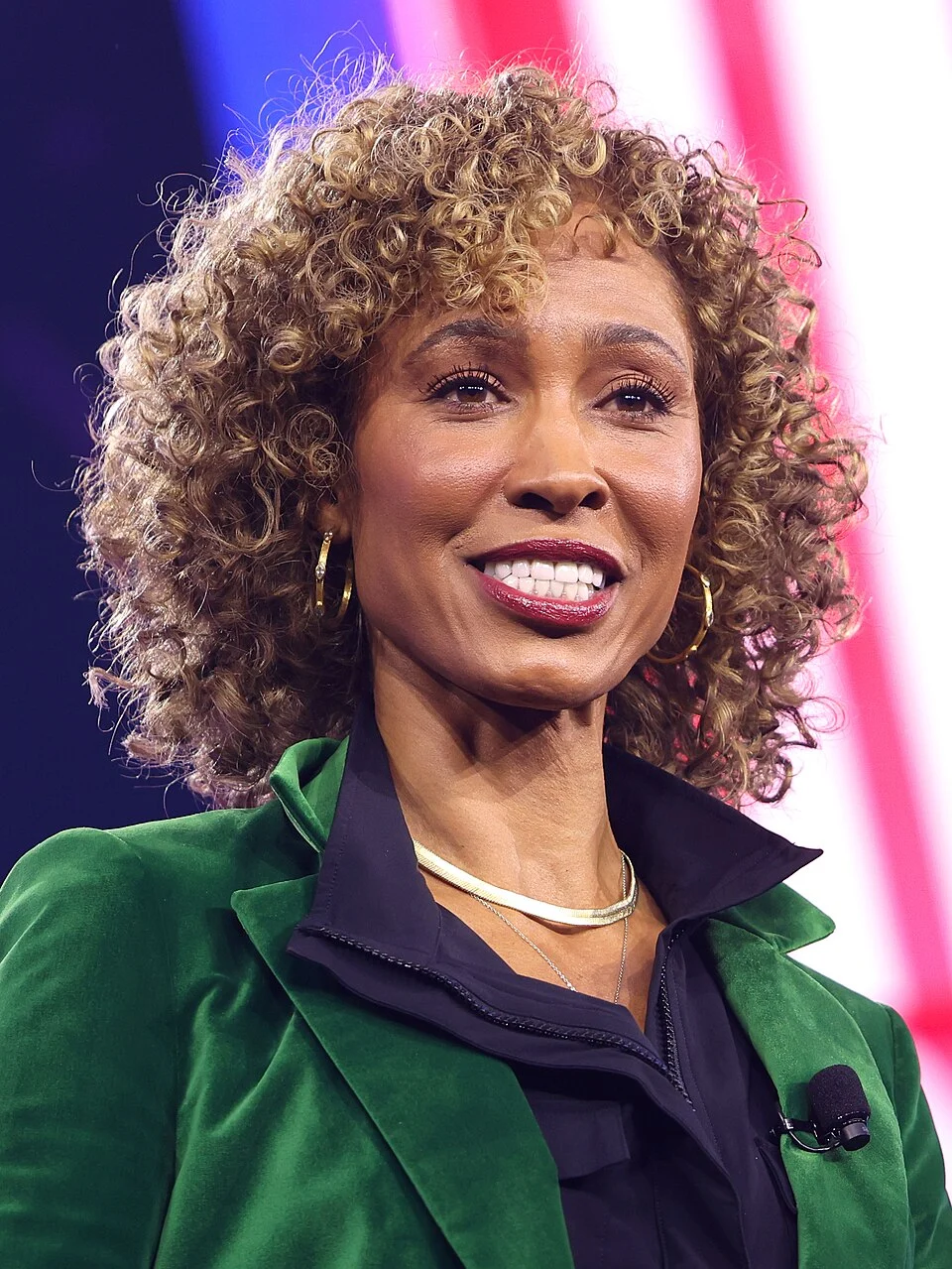
Sage Steele faced criticism after questioning Barack Obama’s choice to identify as Black on the US Census. She suggested this overlooked his white mother and half of his background. Many responded that her comments revealed a bias and a misunderstanding of how race works in society, accusing her of trying to define what it means to be Black and imposing her own ideas about mixed-race identity.
Whoopi Goldberg
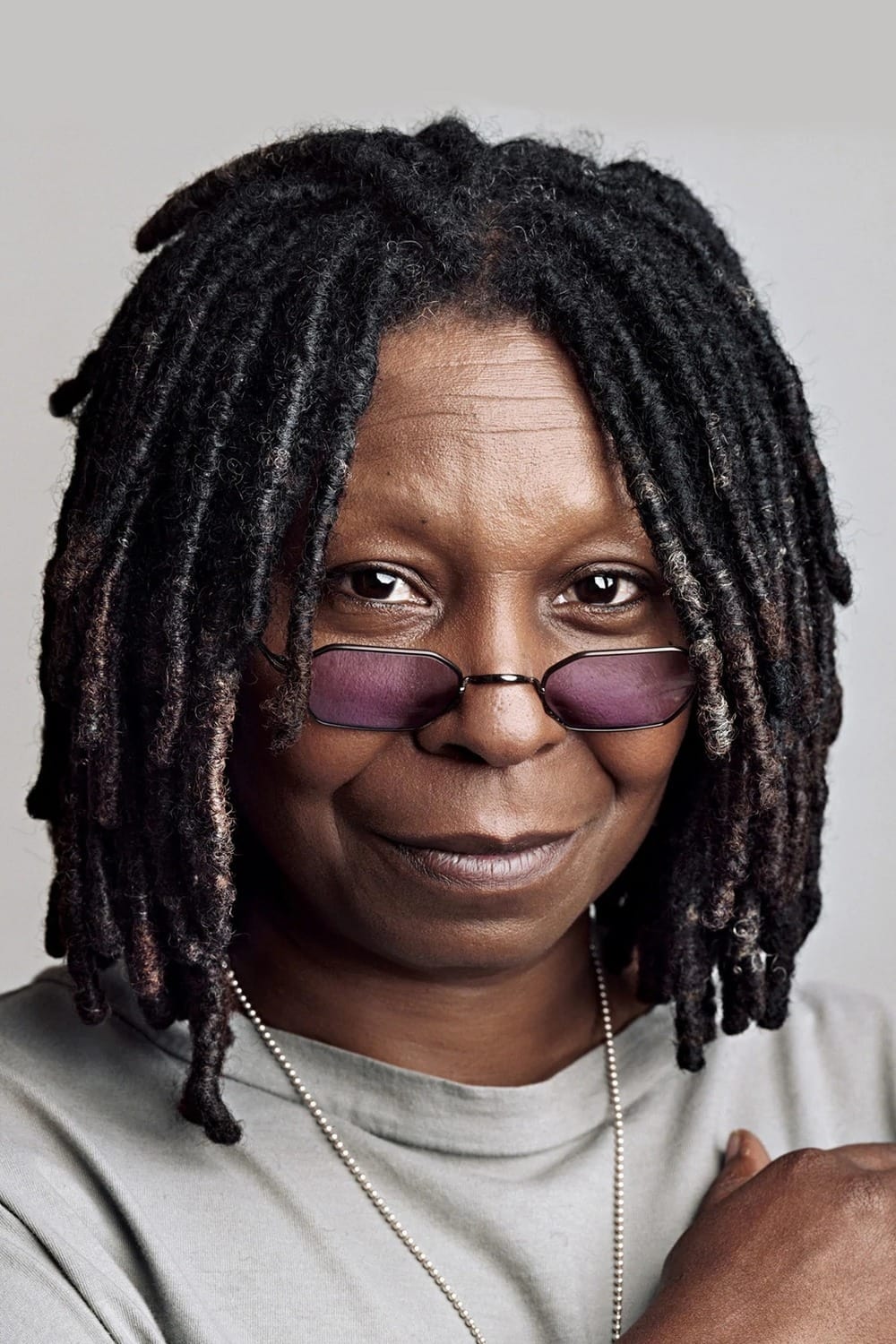
Whoopi Goldberg was temporarily removed from ‘The View’ after making comments about the Holocaust. She stated it wasn’t about race, but a conflict between two groups of white people, and described it as general human cruelty. However, Jewish groups and historians specializing in Black history explained that the Nazis’ actions were specifically driven by racial hatred, and her comments minimized the importance of race in the genocide.
Please share your thoughts on these controversial moments in the comments.
Read More
- Invincible Season 4 Gender Swaps Tech Jacket As Fans Question Major Comic Change
- Gold Rate Forecast
- Silver Rate Forecast
- 15 Films That Were Shot Entirely on Phones
- Building Agents That Learn and Improve Themselves
- 20 Movies Where the Black Villain Was Secretly the Most Popular Character
- 22 Films Where the White Protagonist Is Canonically the Sidekick to a Black Lead
- Celebs Who Narrowly Escaped The 9/11 Attacks
- Games That Faced Bans in Countries Over Political Themes
- 14 Movies Where the Black Character Refuses to Save the White Protagonist
2025-12-02 07:47