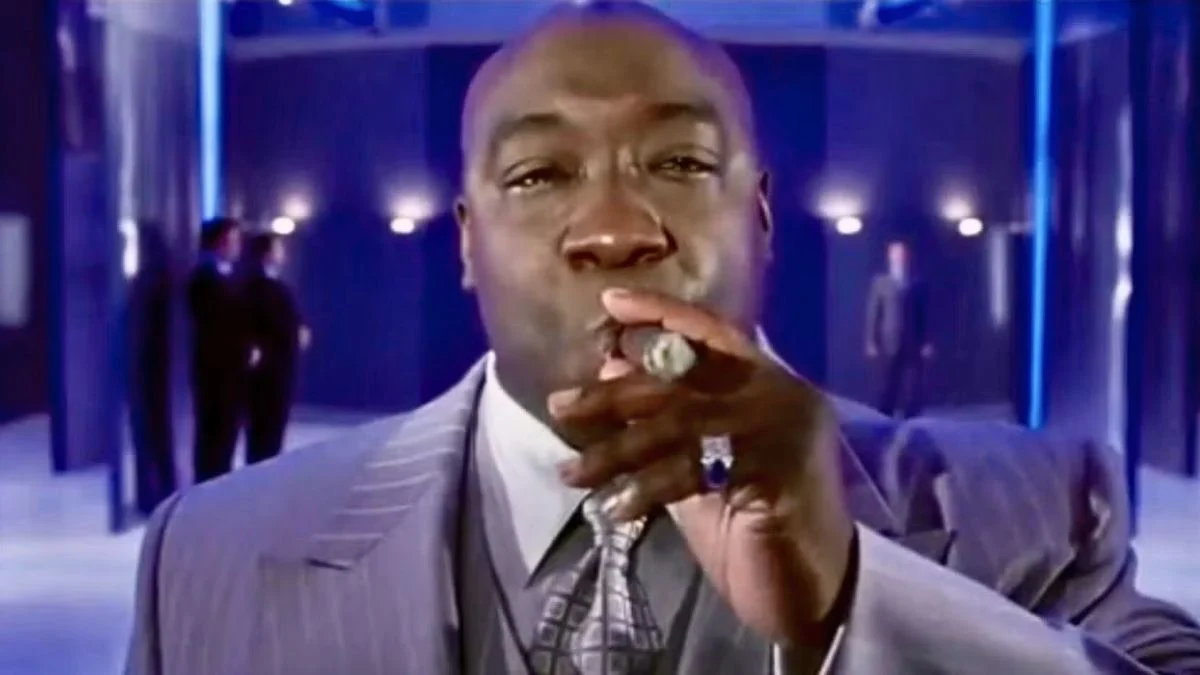
Whenever comic book characters appear in movies or TV shows, the casting choices often cause strong reactions, especially when a character’s race is changed from the original comics. Sometimes, these changes are praised for bringing more diversity to the screen, but other times they’re criticized as being unfair to darker-skinned actors, prioritizing white actors, or simply feeling like a superficial attempt to include diversity. Black fans have frequently expressed concerns about projects that ignore Afro-Latino heritage, cast lighter-skinned actors in roles meant for darker-skinned actors, or alter a character’s background without a good story reason. This list looks at twenty-five Marvel projects where these casting decisions caused disagreements among fans.
‘The New Mutants’ (2020)
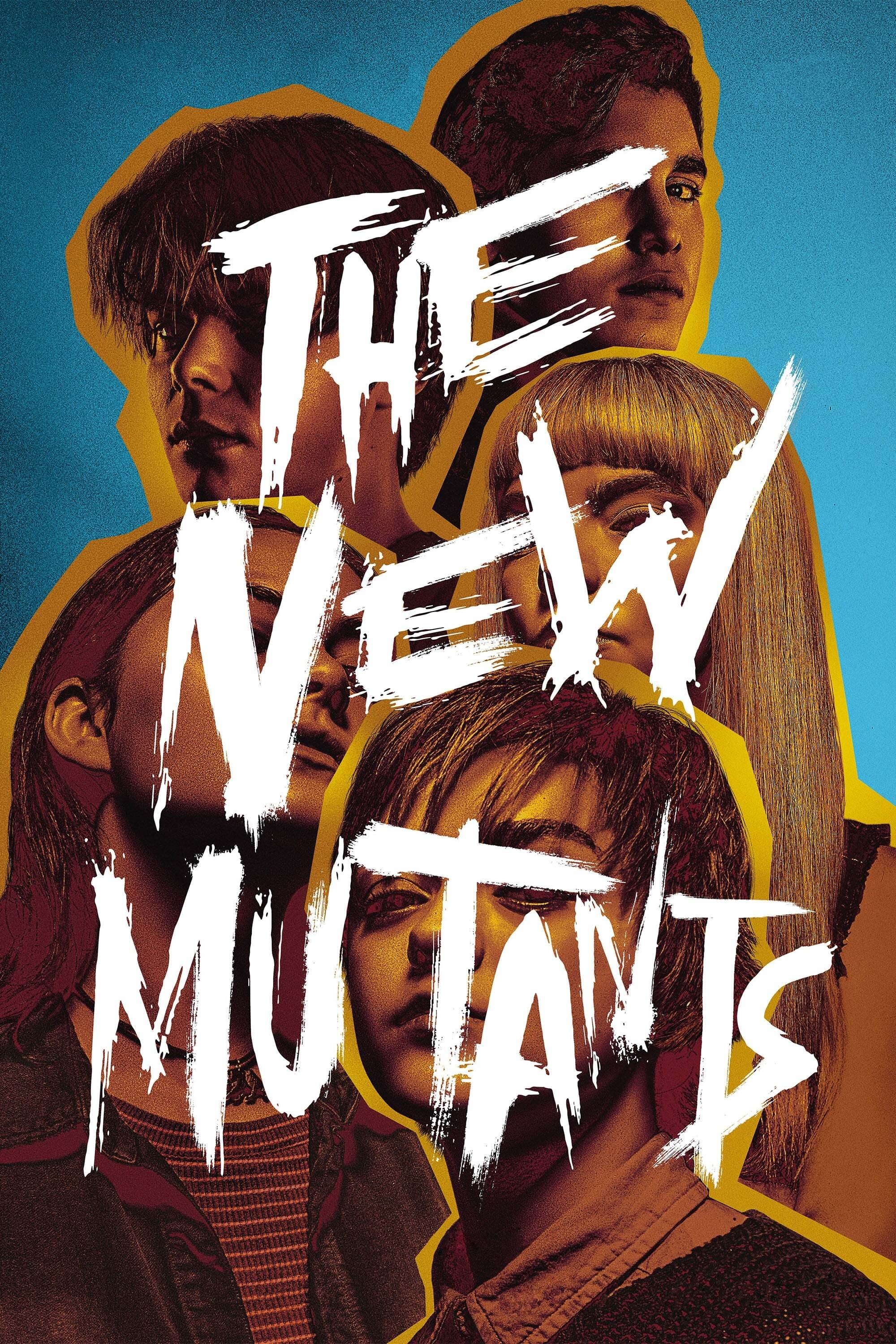
The choice of Henry Zaga, a light-skinned actor, to play Roberto da Costa (Sunspot) sparked criticism about whitewashing. In the original comic books, Roberto is Afro-Brazilian, and his dark skin and experiences with racism in Brazil are important parts of his story. Many felt Zaga didn’t accurately represent the character’s racial identity, effectively erasing Roberto’s Black heritage. Director Josh Boone’s explanation didn’t satisfy fans who believed the character’s background was overlooked. This casting decision is now a well-known example of colorism in recent superhero movies.
‘X-Men’ (2000)
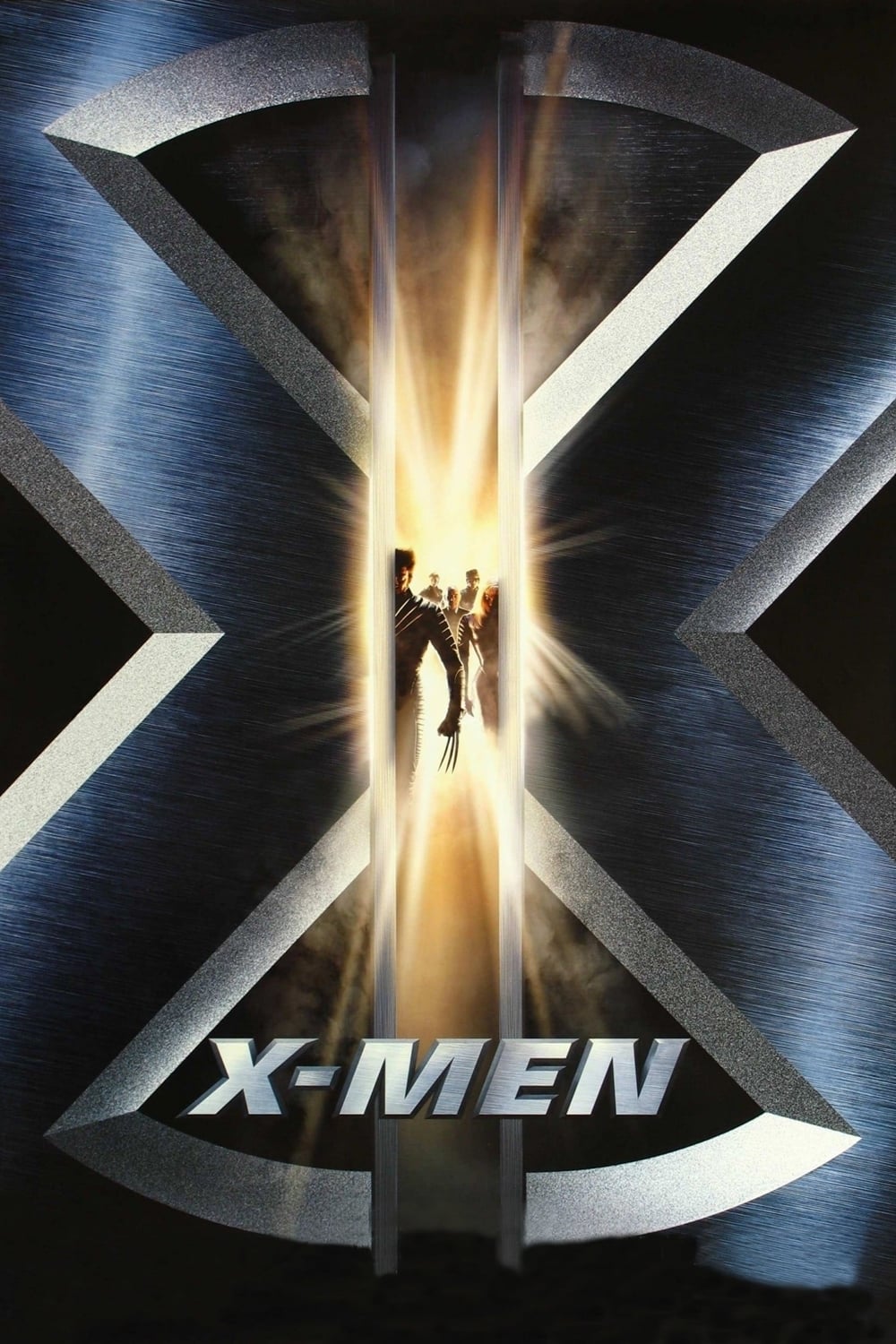
Halle Berry’s performance as Storm in the X-Men movies is iconic, but it also sparked a debate about colorism – prejudice based on skin tone – in Hollywood casting. The comic book version of Storm is a dark-skinned Kenyan woman with clearly African features and white hair. Some fans felt Berry, while talented, was cast because she’s biracial with lighter skin, making a safer commercial choice that lessened the character’s visual representation. This casting choice seemed to set a pattern for the X-Men franchise, where lighter-skinned actors were often chosen for important Black roles.
‘X-Men: Apocalypse’ (2016)
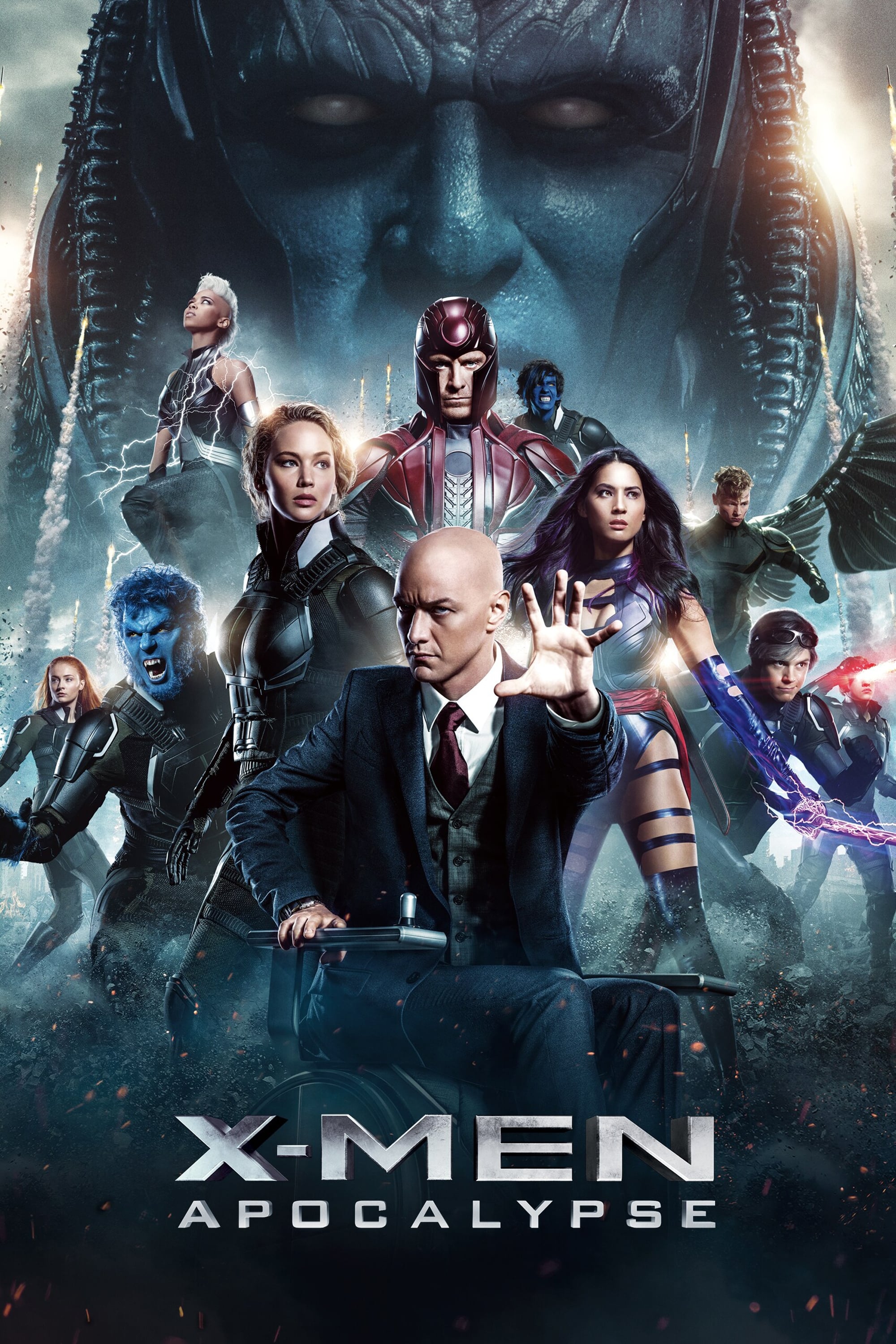
The recent X-Men reboot brought back the debate about colorism when Alexandra Shipp was cast as Storm, a role previously played by Halle Berry. Many fans were disappointed, hoping the studio would cast a darker-skinned actress who better matched the comic book character. Shipp addressed the criticism, leading to intense online discussions and further dividing fans. Critics pointed out that consistently casting lighter-skinned actresses for this prominent Black superhero contributes to a lack of representation for darker-skinned women.
‘Deadpool 2’ (2018)
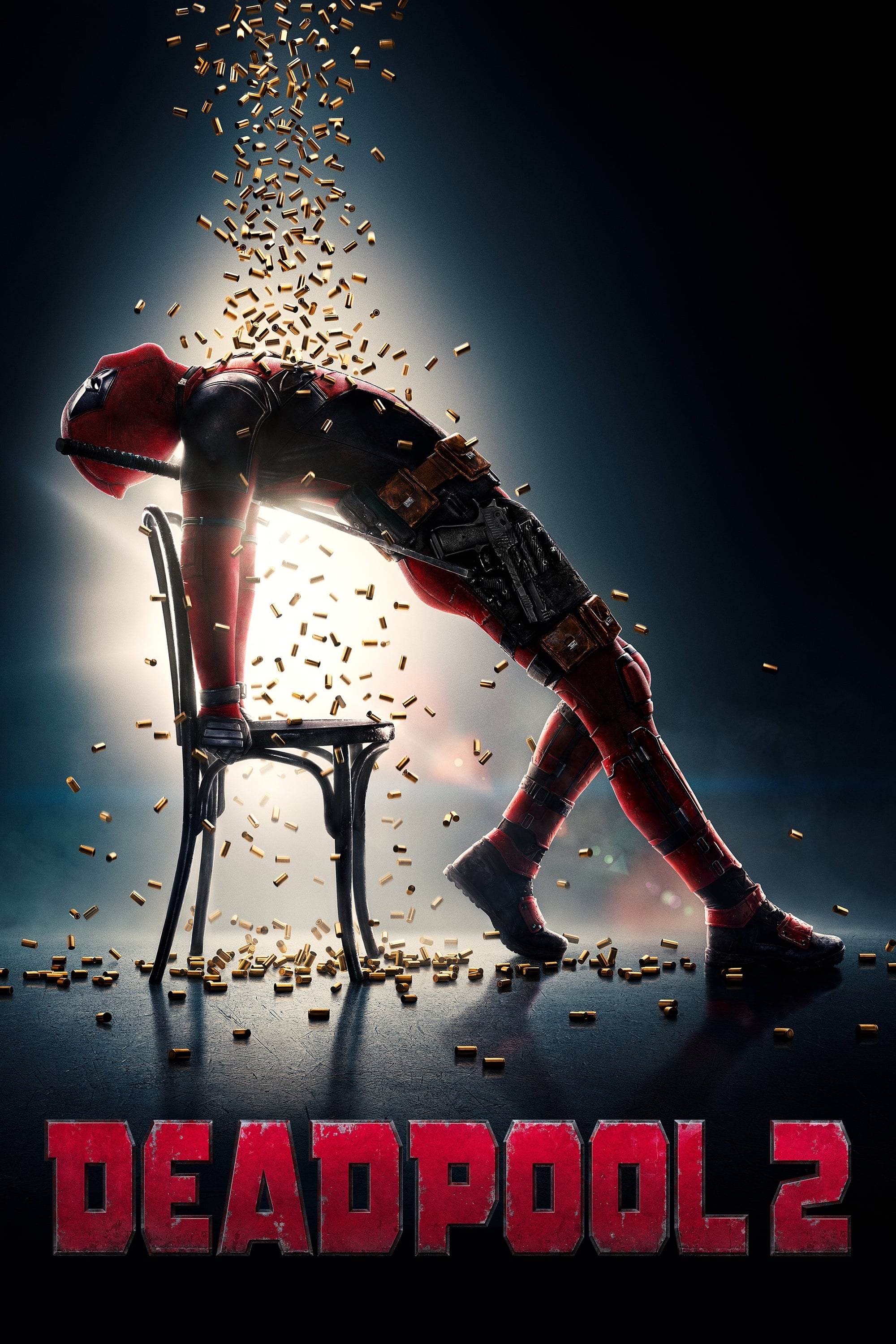
The character of Domino, played by Zazie Beetz, brought a new perspective to the mutant mercenary, but her casting led to a debate about representation. In the original comics, Domino is a white woman, and some viewers criticized the decision to cast a light-skinned biracial actress in a role that could have gone to a dark-skinned Black actress. Although Beetz’s performance was well-received, the choice brought up the issue of Hollywood’s tendency to favor lighter-skinned actors for roles intended to increase diversity, and sparked conversations about whether true representation was being achieved. The film underscored the complex balance between simply increasing diversity and ensuring meaningful representation for Black actors.
‘Spider-Man: Homecoming’ (2017)

Zendaya’s role as “MJ” was a secret until the movie came out, and the way her character reimagined Mary Jane Watson caused a lot of discussion. Officially named Michelle Jones, she became the main love interest, which led to comparisons with the original comic book character and conversations about representation, particularly regarding race and the fact that the traditional red-haired character was replaced with a Black actress. Some viewers liked that the movie updated the diversity of the characters in Queens, while others thought it felt like a compromise and wished a completely new Black character had been created instead. The use of the initials “MJ” was a subtle reference to the original, but some fans felt it didn’t fully commit to a clear representation.
‘Fantastic Four’ (2015)
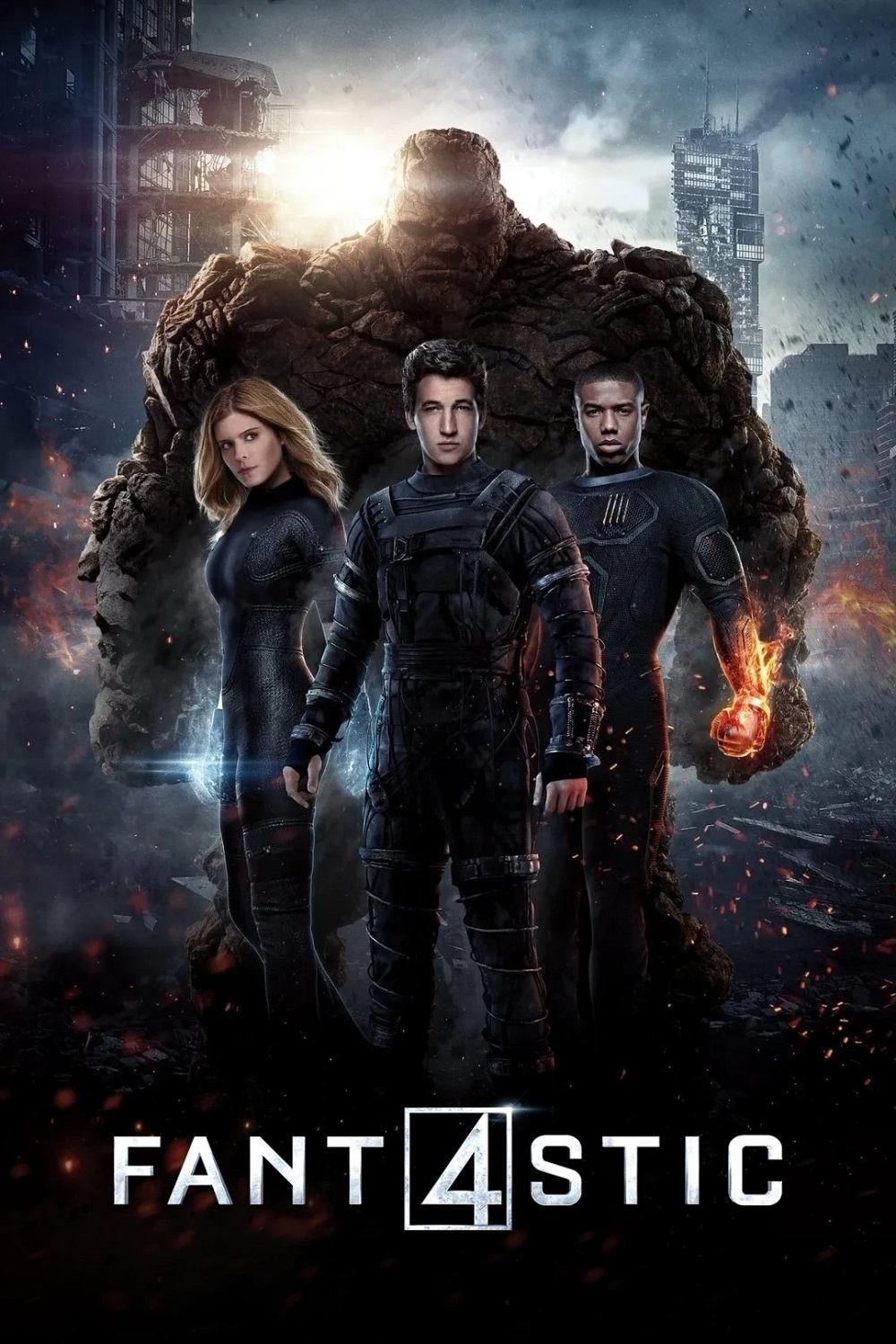
Look, I was really excited when Josh Trank cast Michael B. Jordan as Johnny Storm. It was a bold move, and honestly, Michael is an amazing actor who deserved the role. But the internet just exploded with negativity – a lot of it straight-up racist, and even others thought it felt forced because the movie didn’t really explain why Johnny was a different race than his sister, Sue. It felt like a weird detail in a film that already had a lot of problems. Sadly, the movie didn’t do well, and it’s a shame because Michael never really got a fair chance to prove the doubters wrong. I really think he could have been an incredible Human Torch if the movie around him was better.
‘Thor’ (2011)
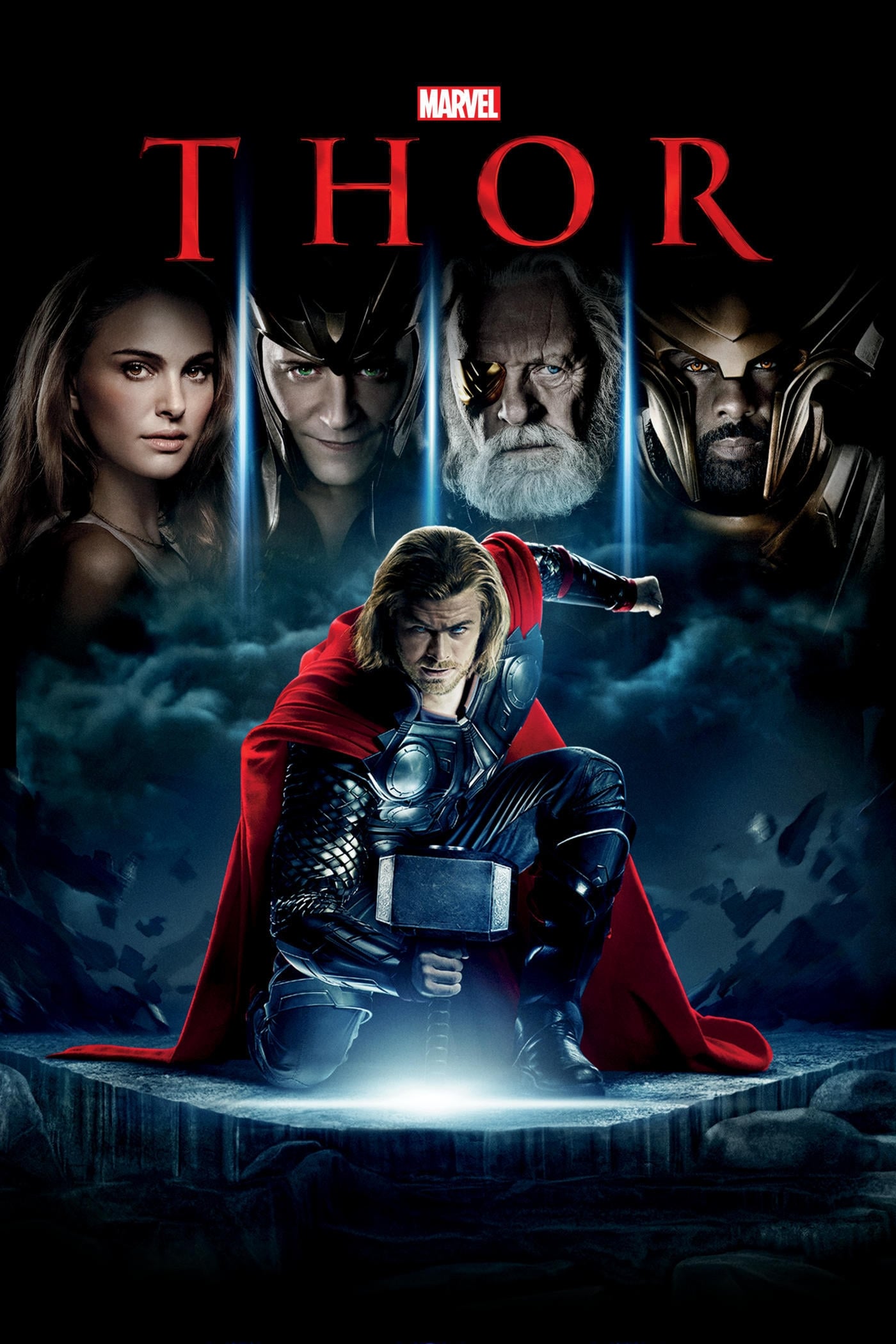
Idris Elba’s portrayal of Heimdall, the watchful guardian of the rainbow bridge, broke with the long-standing tradition of depicting Norse gods as solely white. Though many viewers praised Elba’s powerful performance, some traditionalists initially objected, believing it didn’t align with the original myths. Interestingly, some Black fans also voiced concerns, feeling the role positioned Heimdall as a supporting figure to a white royal family instead of a character with his own independent power. This discussion revealed the challenges of introducing diversity into mythologies that have historically lacked it.
‘Doctor Strange’ (2016)
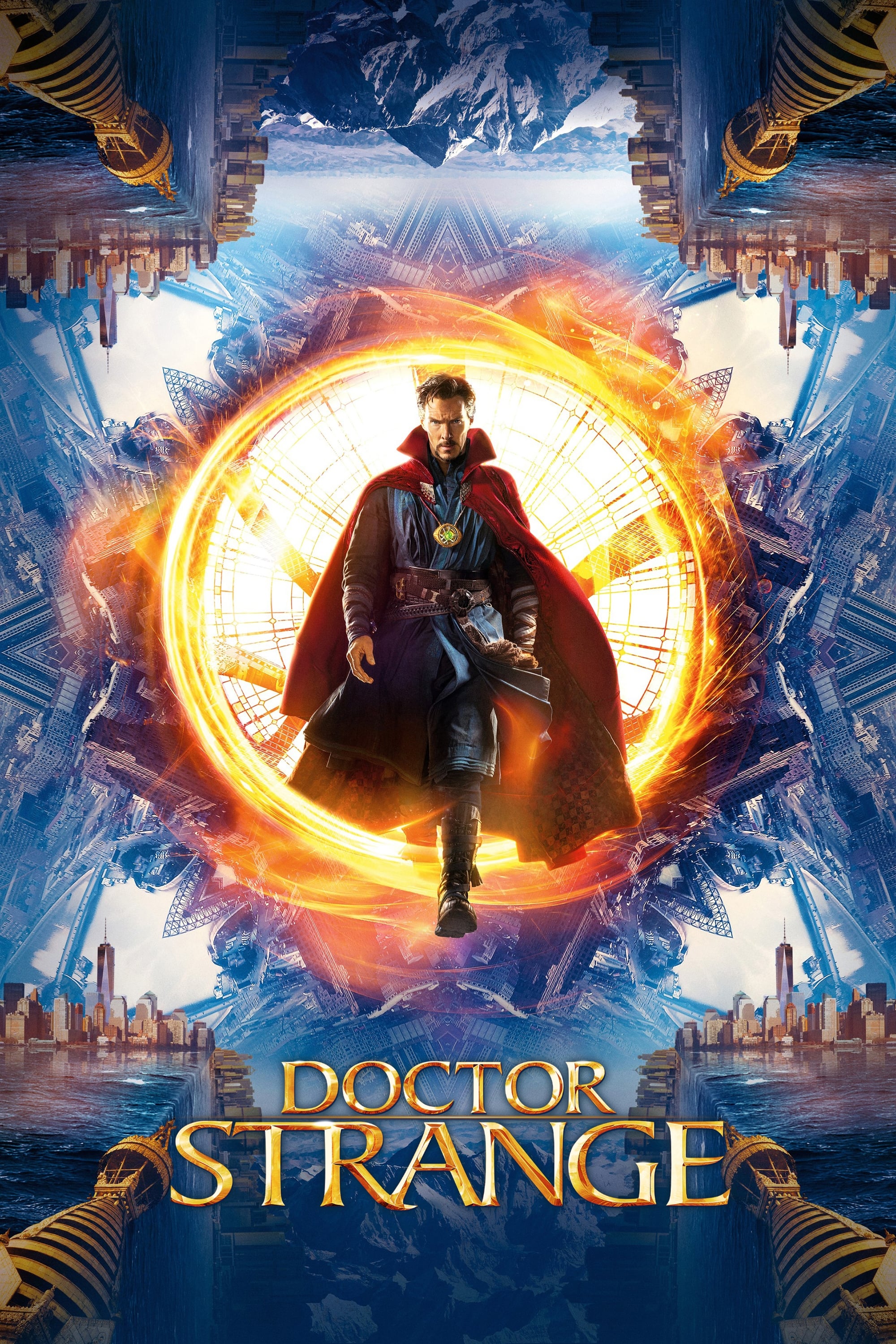
Chiwetel Ejiofor played Baron Mordo, and the character was reimagined as a Black sorcerer instead of a Transylvanian nobleman. Although Ejiofor brought a strong presence to the role, some felt this change relied on a common stereotype of a Black character starting as a supportive friend and then becoming the villain. The film also received significant criticism for casting a white actor as the Ancient One, which drew more attention than the changes made to Mordo. For many fans, altering Mordo’s race seemed like a superficial attempt to compensate for the whitewashing of a traditionally Asian character.
‘Daredevil’ (2003)
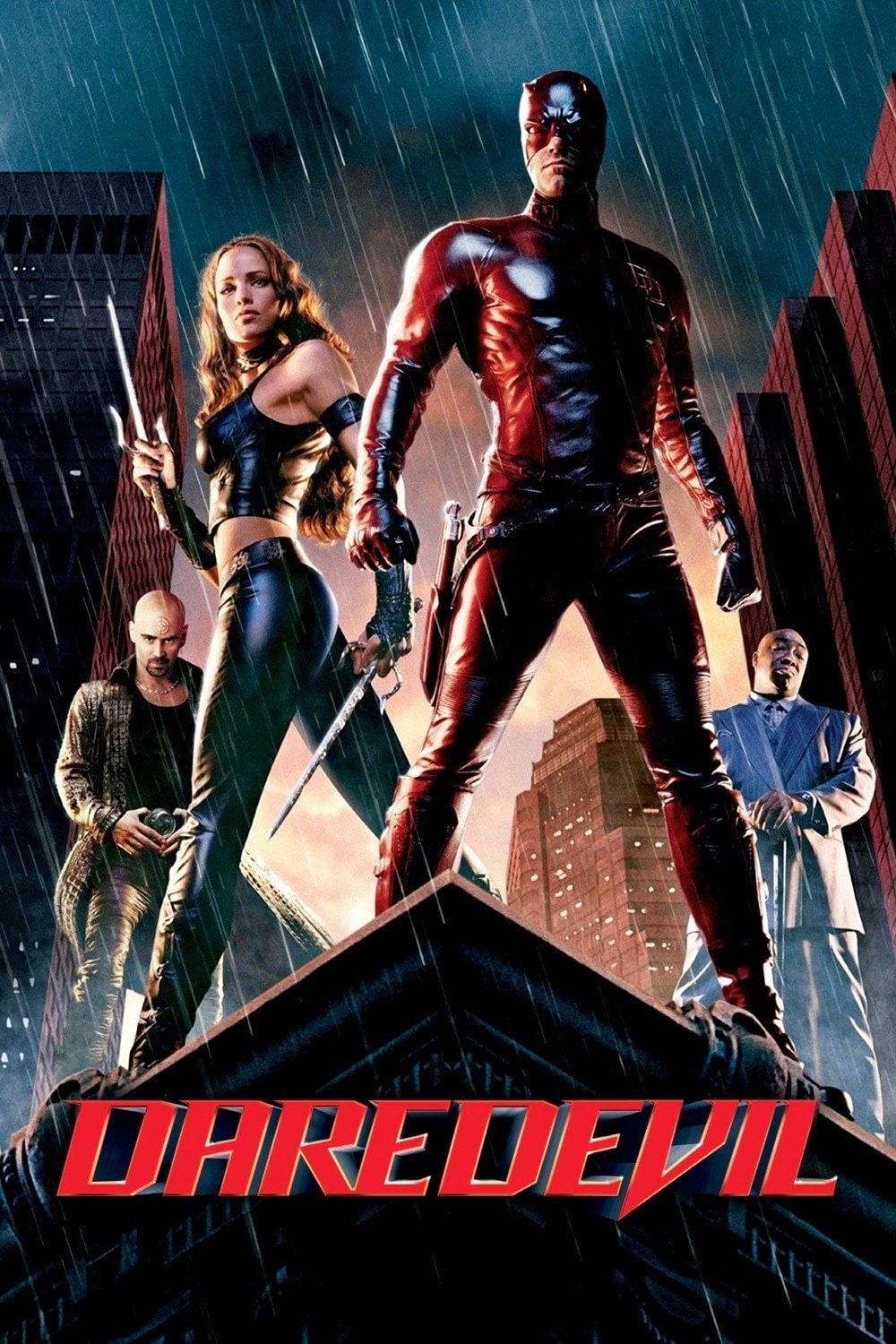
When I first saw Michael Clarke Duncan as Kingpin, I was honestly blown away! He was physically perfect for the role and a really talented actor. But back then, some comic book fans were upset that they’d changed Wilson Fisk’s race, and it sparked a lot of debate. Looking back now, people appreciate his performance more, but it still reminds me of those early casting controversies. It’s a shame the movie itself wasn’t very good, because I think his Kingpin could have been the definitive version for so many fans if the film had been better received.
‘Thor: Ragnarok’ (2017)
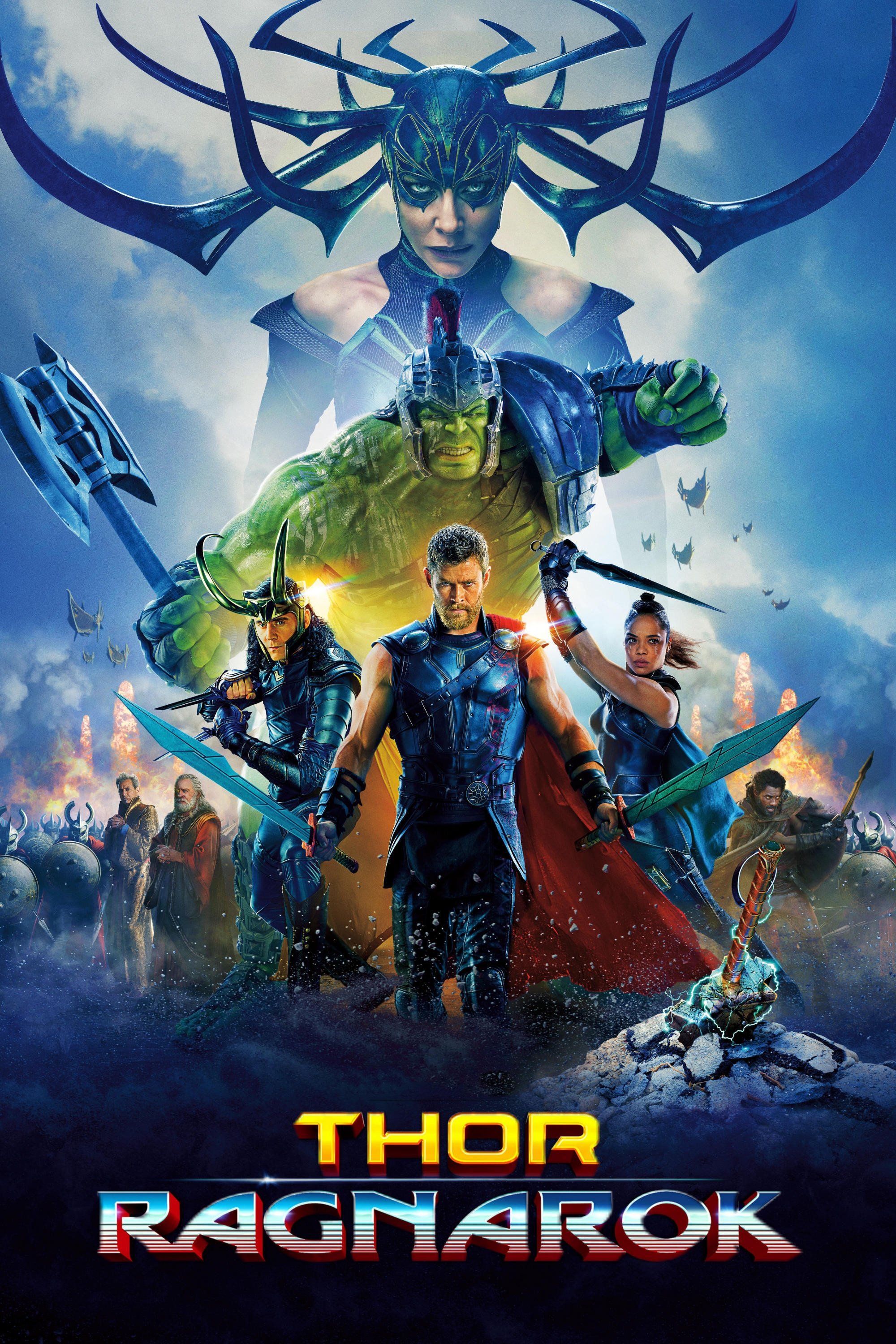
Tessa Thompson’s portrayal of Valkyrie updated the character, changing her from a traditionally blonde, white warrior to a woman of color. Although Thompson’s performance was well-received, the decision to change the character’s race sparked debate. Some comic book fans who preferred the original look were upset, and some Black viewers felt the depiction of Valkyrie as an alcoholic was problematic. The film’s marketing heavily emphasized the character’s new race, leading some to believe it was a superficial marketing tactic rather than a natural part of the story. Even with the film’s popularity, the change remained a controversial topic for those who wanted the movie to closely follow the comics.
‘Spider-Man: No Way Home’ (2021)
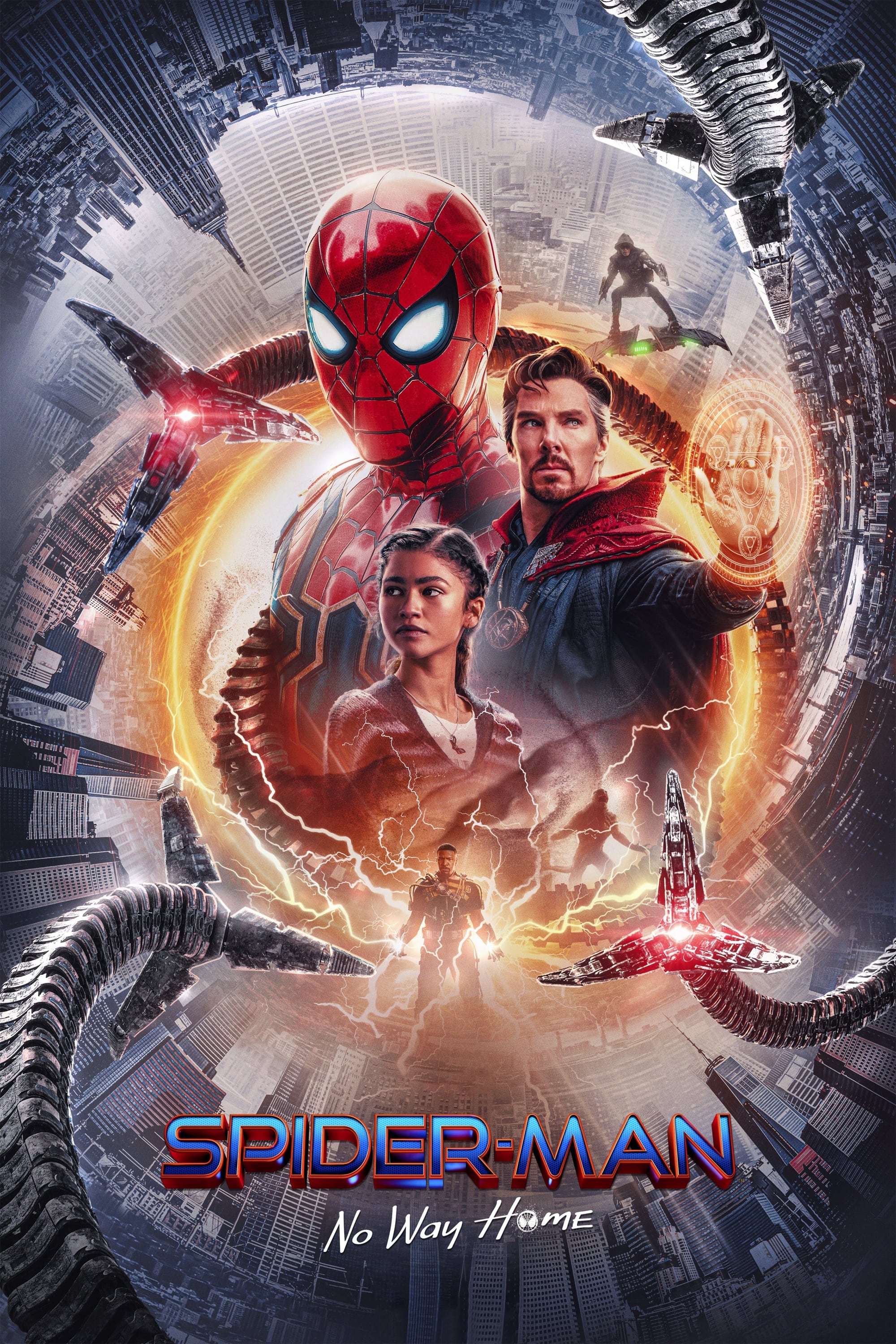
Jamie Foxx returned as Electro, but this time with a new look – he ditched the bright blue skin and strange hairstyle for a more realistic appearance. The character made a self-aware joke about expecting Spider-Man to be Black, which some viewers felt was forced or didn’t need to be included. The big change in how Electro looked compared to his previous appearance in The Amazing Spider-Man 2 led to questions about how characters change across different universes. While getting rid of the blue makeup was a good move, the history of changing the character’s race in movies is still a sensitive topic.
‘The New Mutants’ (2020)
Beyond the casting of Sunspot, the movie also featured Alice Braga as Dr. Cecilia Reyes, a character who is Afro-Latina in the original comics. While Braga is a gifted Brazilian actress, she doesn’t share the same Black heritage or appearance as the comic book character. This, following the casting of Sunspot, added to the disappointment of Black fans who felt the film consistently overlooked Afro-Latino representation. The filmmakers’ decision to ignore the racial backgrounds of the characters in the source material hurt the film’s image even before it was released.
‘X-Men: Days of Future Past’ (2014)
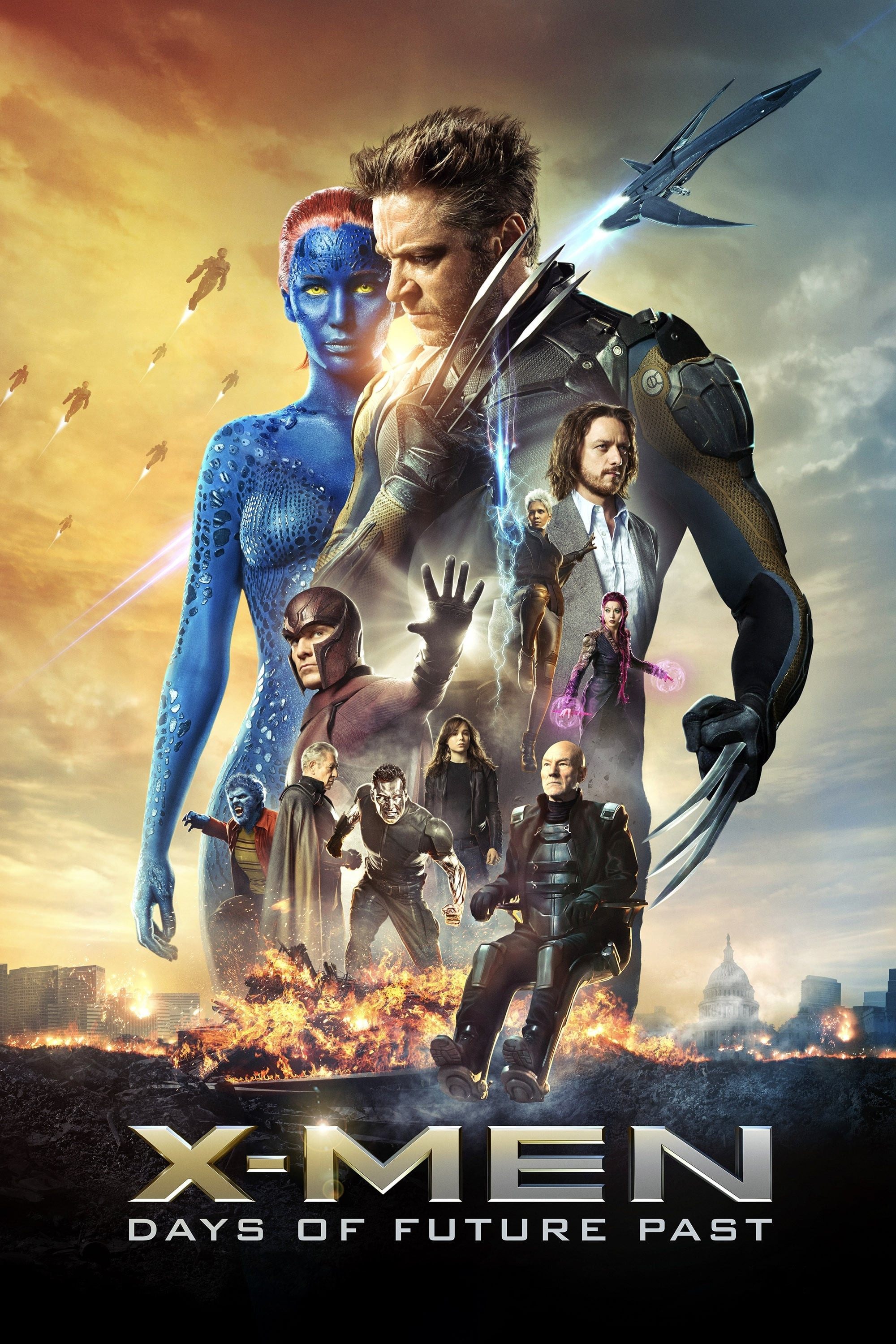
Omar Sy played the character Bishop, who in the X-Men comics is sometimes shown as Aboriginal Australian and other times as Black American, but is generally a dark-skinned character with textured hair. Fans felt Sy’s appearance in the film—with straight hair and a different overall look—didn’t quite match the character’s strong, unique design from the comics. Many were also disappointed by the limited role and lack of lines for such an important X-Men figure, feeling the portrayal was more of a quick reference than a full, developed adaptation.
‘Eternals’ (2021)
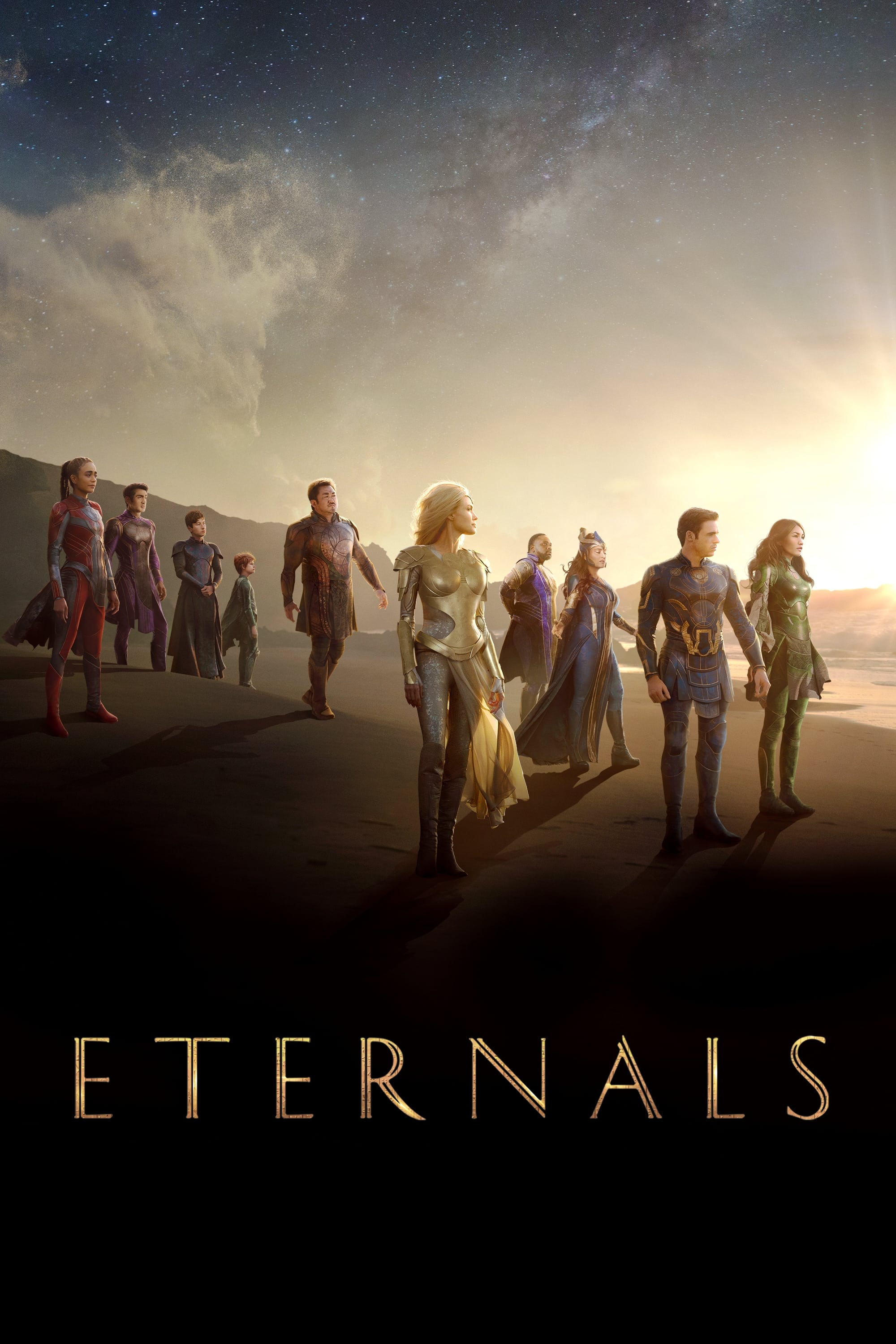
Brian Tyree Henry portrayed Phastos, the first openly gay superhero in the Marvel Cinematic Universe, and the character was specifically written as a Black man for the film. Although this was a landmark moment, some viewers criticized the storyline where Phastos was depicted as the creator of technologies like the atomic bomb. This decision was seen as unfairly placing the responsibility for humanity’s harmful actions on a Black character, and it created a complicated and potentially damaging representation. Many felt the change in the character’s race seemed more about achieving visual diversity than about thoughtful storytelling, especially given the character’s troubled past.
‘Iron Man 2’ (2010)
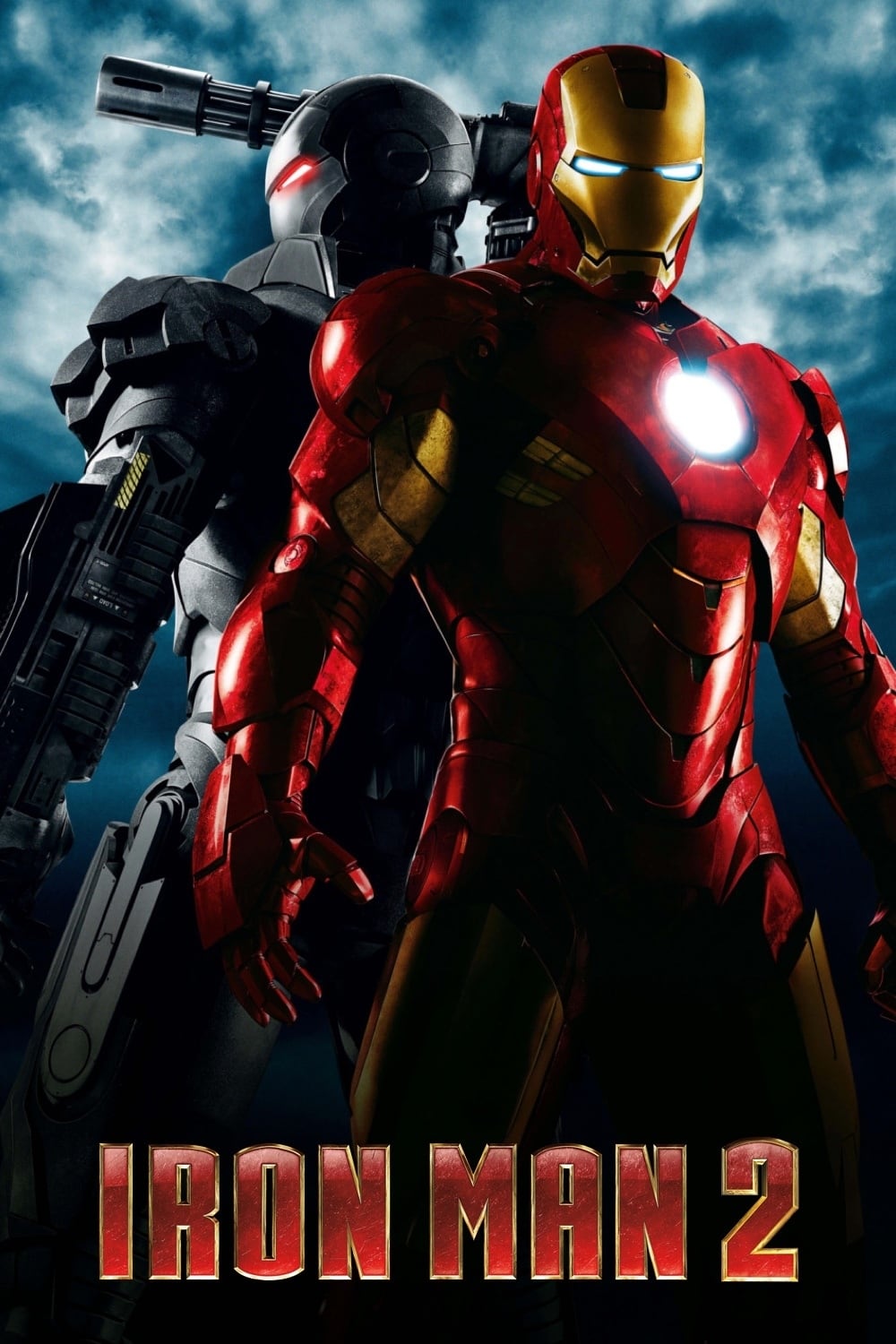
The decision to replace Terrence Howard with Don Cheadle as James Rhodes caused a lot of debate, particularly about how easily Black actors can be replaced in Hollywood. Although the character’s race wasn’t changed, the studio’s suggestion that audiences wouldn’t even notice the switch was seen as offensive and biased. Howard himself said he was let go over money and a lack of appreciation for his work on the first film. This situation continues to be a sensitive topic, highlighting concerns about how Marvel Studios handles its established Black actors.
‘Ant-Man and the Wasp’ (2018)
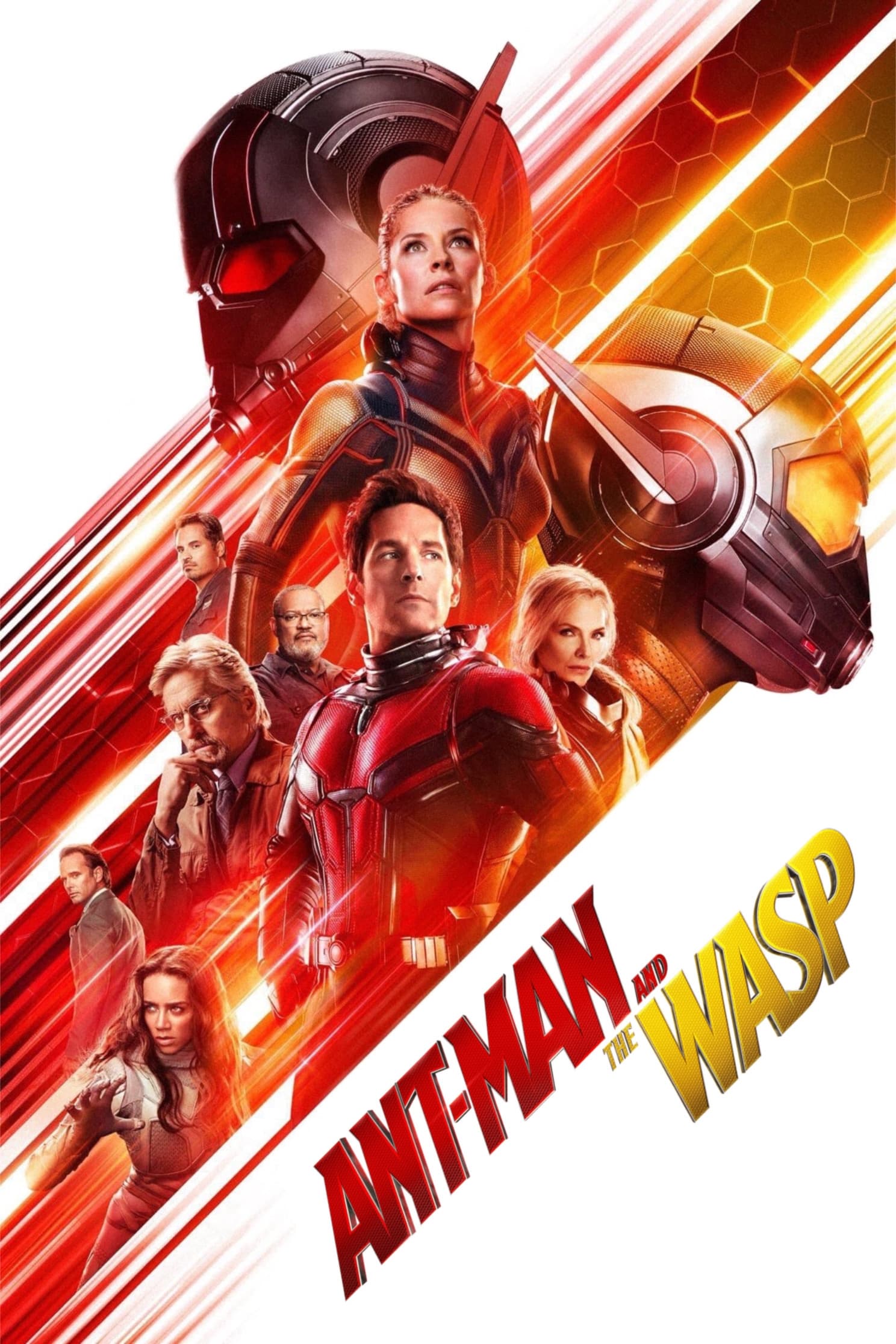
Hannah John-Kamen played the villain Ghost, a character who was originally male in the comic books, resulting in a change of both race and gender. Some critics felt the way the character was depicted – as someone constantly in pain and a victim of circumstance – relied on harmful stereotypes about women of color and tragic mixed-race characters. Because Ghost spent most of the movie seeking help from white heroes, some questioned whether changing the character’s identity actually created a more meaningful or empowering role.
‘Captain America: The First Avenger’ (2011)
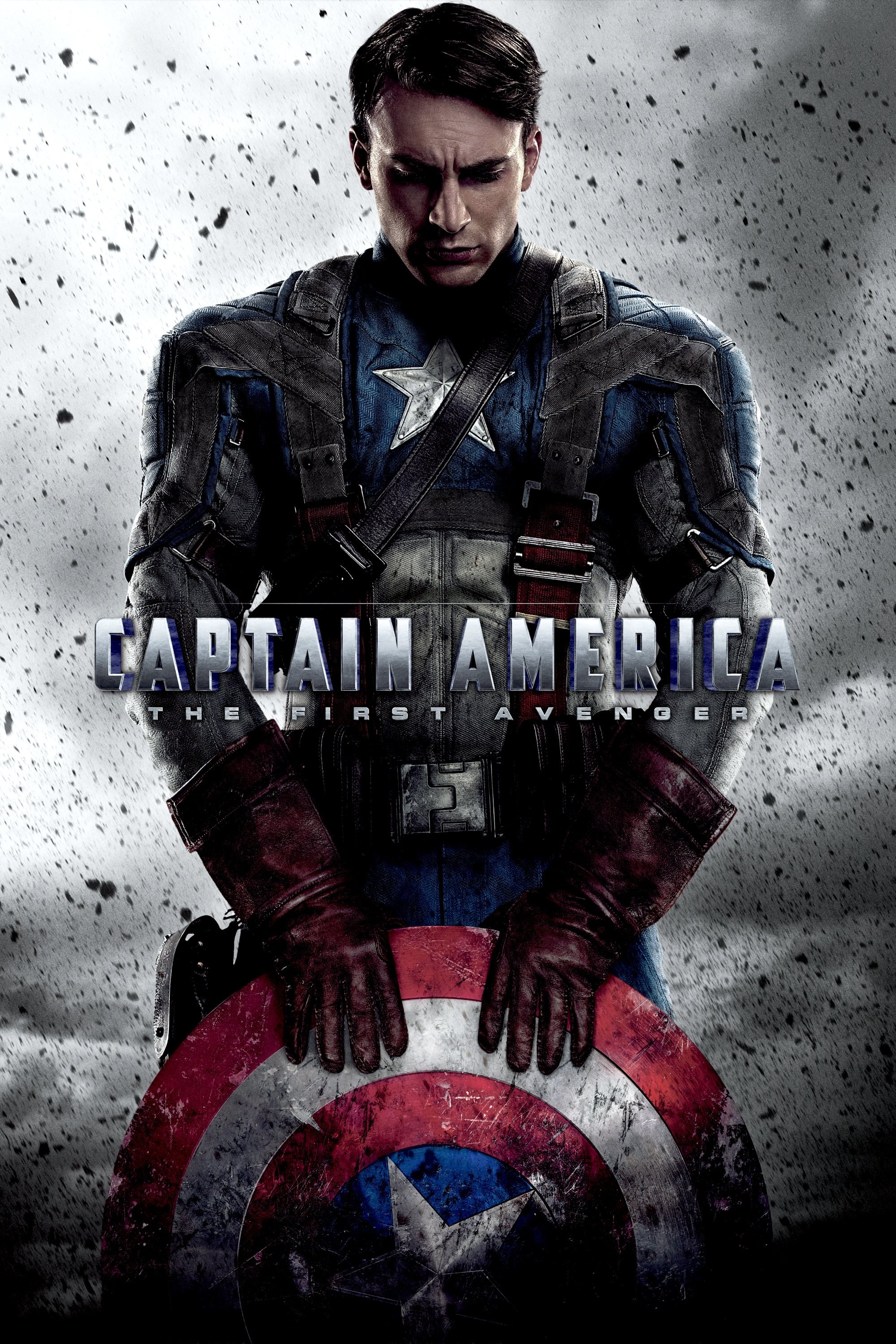
Adding the character of Gabe Jones, portrayed by Derek Luke, to the Howling Commandos brought a Black soldier into a World War II unit that was actually segregated. Although meant to showcase a diverse group, this change was criticized for simplifying the harsh realities of racism in the 1940s. Gabe Jones didn’t receive as much character development or background story as the white soldiers. Many felt this approach ignored the difficulties and experiences of Black soldiers during the war.
‘Venom: Let There Be Carnage’ (2021)
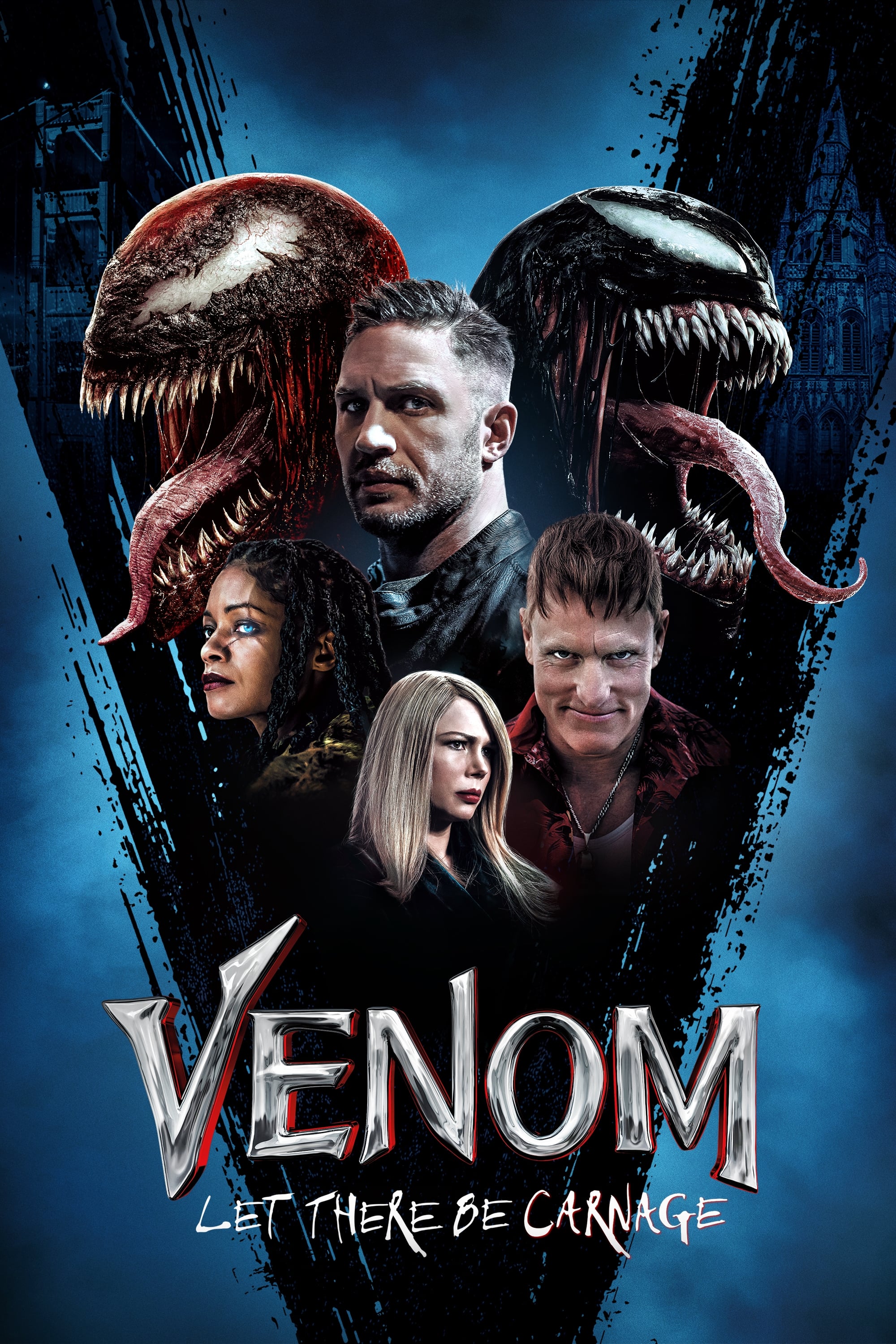
Naomie Harris portrayed the villain Shriek, a character whose background was changed from the original comics to fit the actress. While imprisoned and kept quiet for most of her life, some critics felt this storyline unfortunately relied on tired stereotypes for a Black female character. The story focused too much on her connection to the villain Cletus Kasady, preventing her from having her own motivations and power. Although the casting brought more diversity to the villains, the character’s story ultimately fell into clichés about victimization.
‘Thor: Love and Thunder’ (2022)
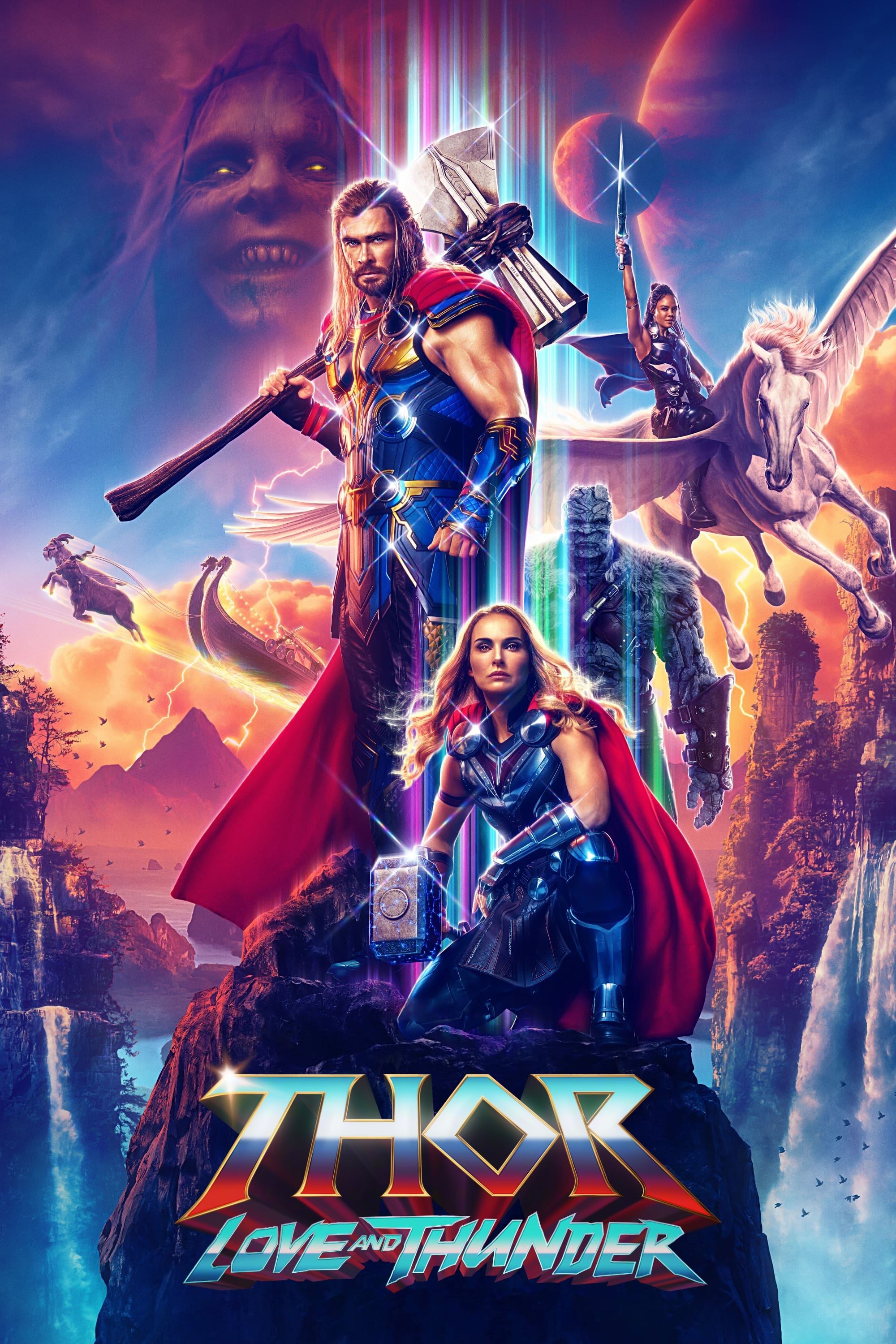
Tessa Thompson reprised her role as Valkyrie, now the King of New Asgard, but many felt the movie didn’t give her character enough focus. While she held the title of King, her storyline often took a backseat to the central romance, and she was mostly used for action sequences and humor. Fans were hoping for a deeper, more meaningful story for the character, especially given the significance of her reimagined background and hinted-at identity, but were left feeling let down by the film’s uneven tone and the minimal exploration of her queerness, which some saw as a case of queerbaiting.
‘Doctor Strange’ (2016)
The decision to cast Tilda Swinton as the Ancient One sparked criticism not only for overlooking Asian actors—a form of erasure—but also for disappointing Black fans who were fighting against whitewashing in general. The studio claimed they wanted to avoid harmful stereotypes, but critics pointed out that this led to removing a person of color from the role and replacing them with a white actress. Many saw this as a way to prioritize whiteness in a story rooted in diverse, mystical traditions. The backlash ultimately brought together fans from different backgrounds who were all calling for more genuine and inclusive representation in media.
‘Secret Invasion’ (2023)
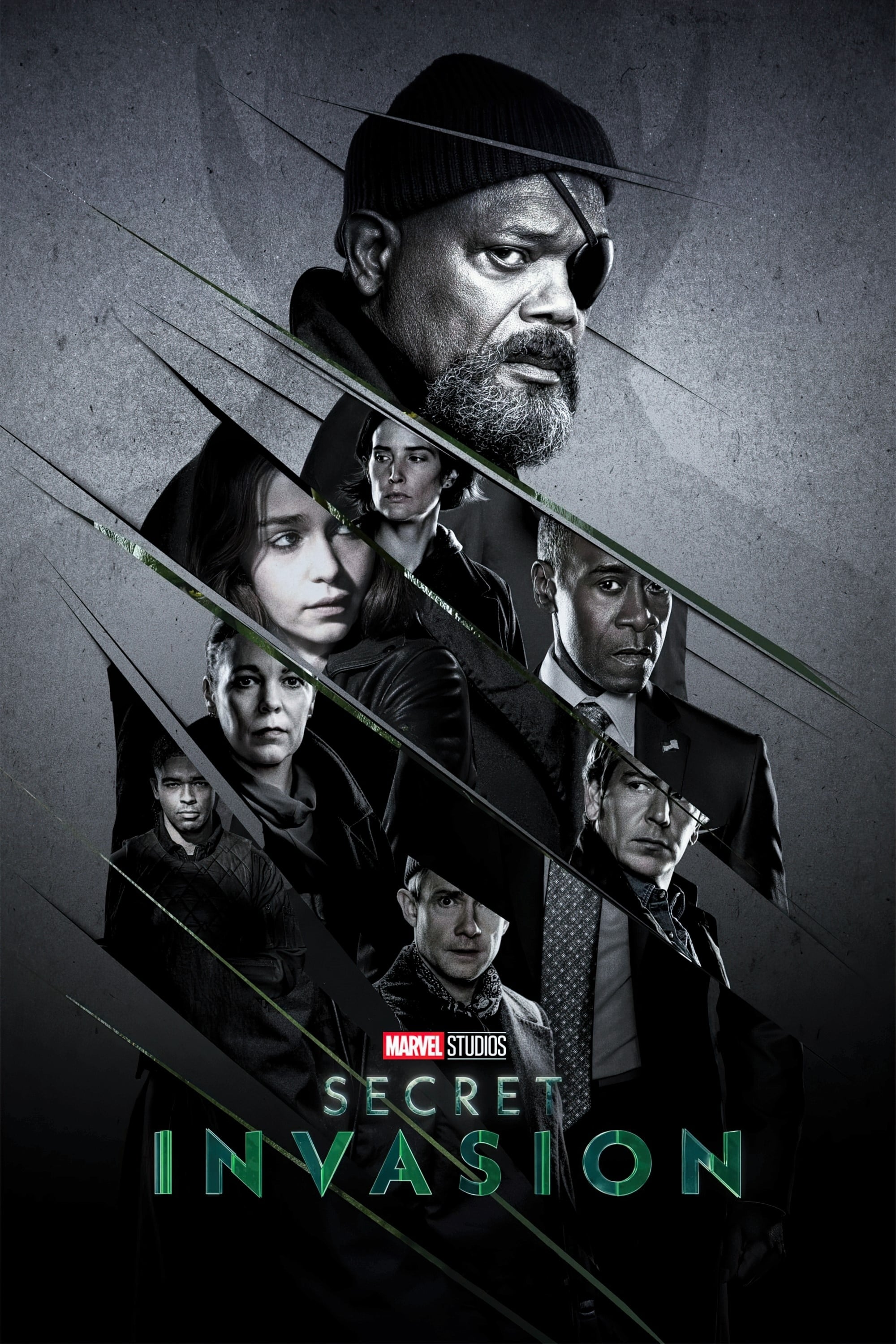
Kingsley Ben-Adir starred as Gravik, a reimagining of the Super-Skrull character. Samuel L. Jackson reprised his role as Nick Fury. However, the series received criticism for being overly dark and for portraying Fury as a defeated and exhausted man, struggling without the Avengers. Many Black viewers were disappointed to see such a prominent Black character depicted as weak and past his peak, feeling it undermined his established history and legacy within the Marvel Cinematic Universe.
‘Black Widow’ (2021)
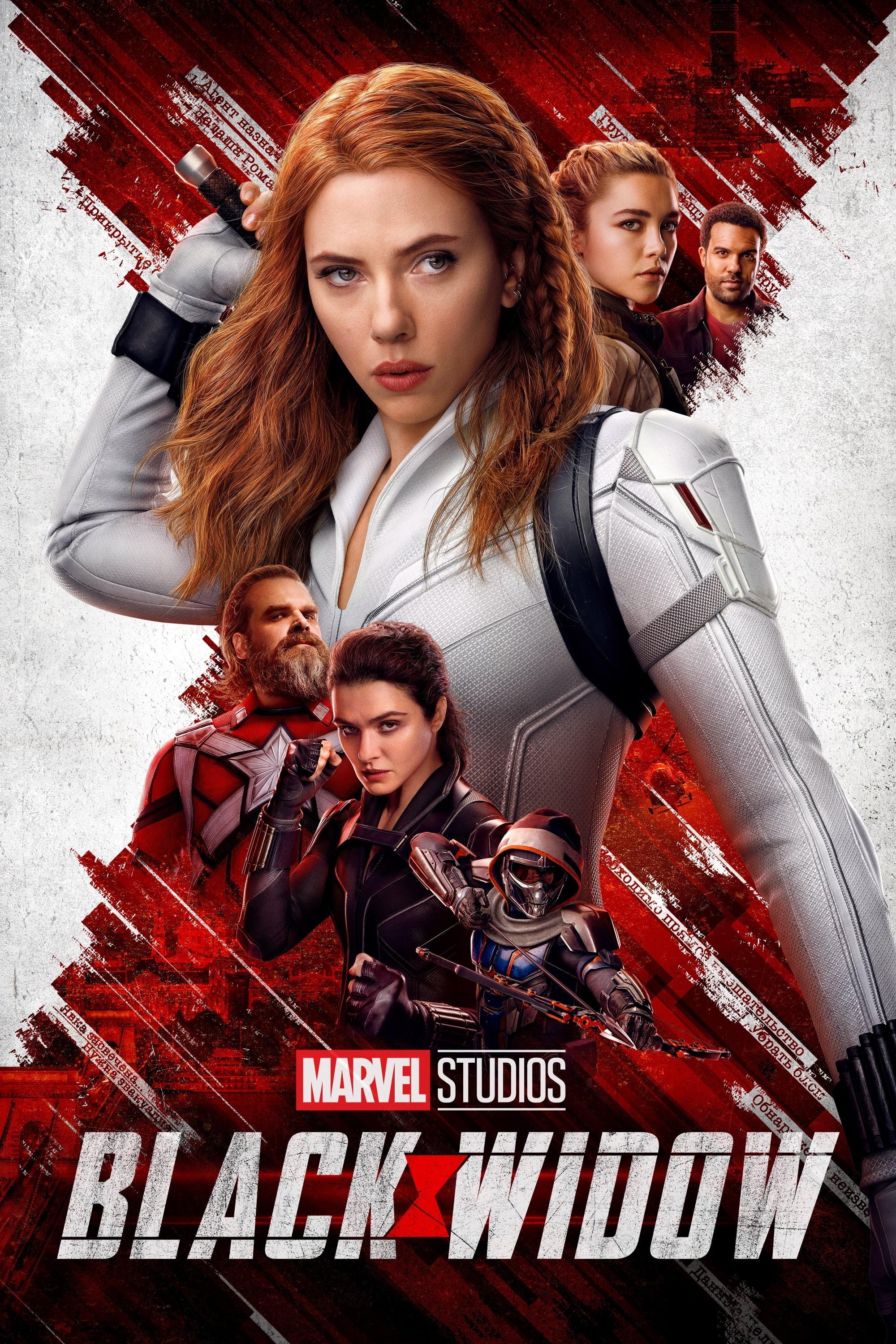
As a longtime fan, I was really disappointed with how they portrayed Taskmaster in the recent adaptation. While I understood the choice to cast Olga Kurylenko, and even the idea of keeping the character white wasn’t my biggest issue, the way they fundamentally changed who Taskmaster is was a huge letdown. In the comics, he’s a strong, independent mercenary with a real personality. What they showed us was a shell of that character – a silent, mind-controlled puppet. It completely removed his agency and, honestly, made the person under the mask feel unimportant. They really missed what made the character so great in the first place, and it felt like a disservice to the source material.
‘Marvel’s Iron Fist’ (2017)

The Netflix series received significant criticism for casting Finn Jones as Danny Rand, instead of an Asian-American actor. This missed chance to challenge the “white savior” stereotype angered many viewers. Although the character wasn’t originally Black, the decision not to consider an actor of color resonated with Black audiences who are wary of stories where a white character excels within a culture better than its own people. Many also found the show’s portrayal of martial arts and culture to be old-fashioned and disrespectful, sparking a broader conversation about updating problematic storylines from the original comics.
‘Marvel’s Inhumans’ (2017)
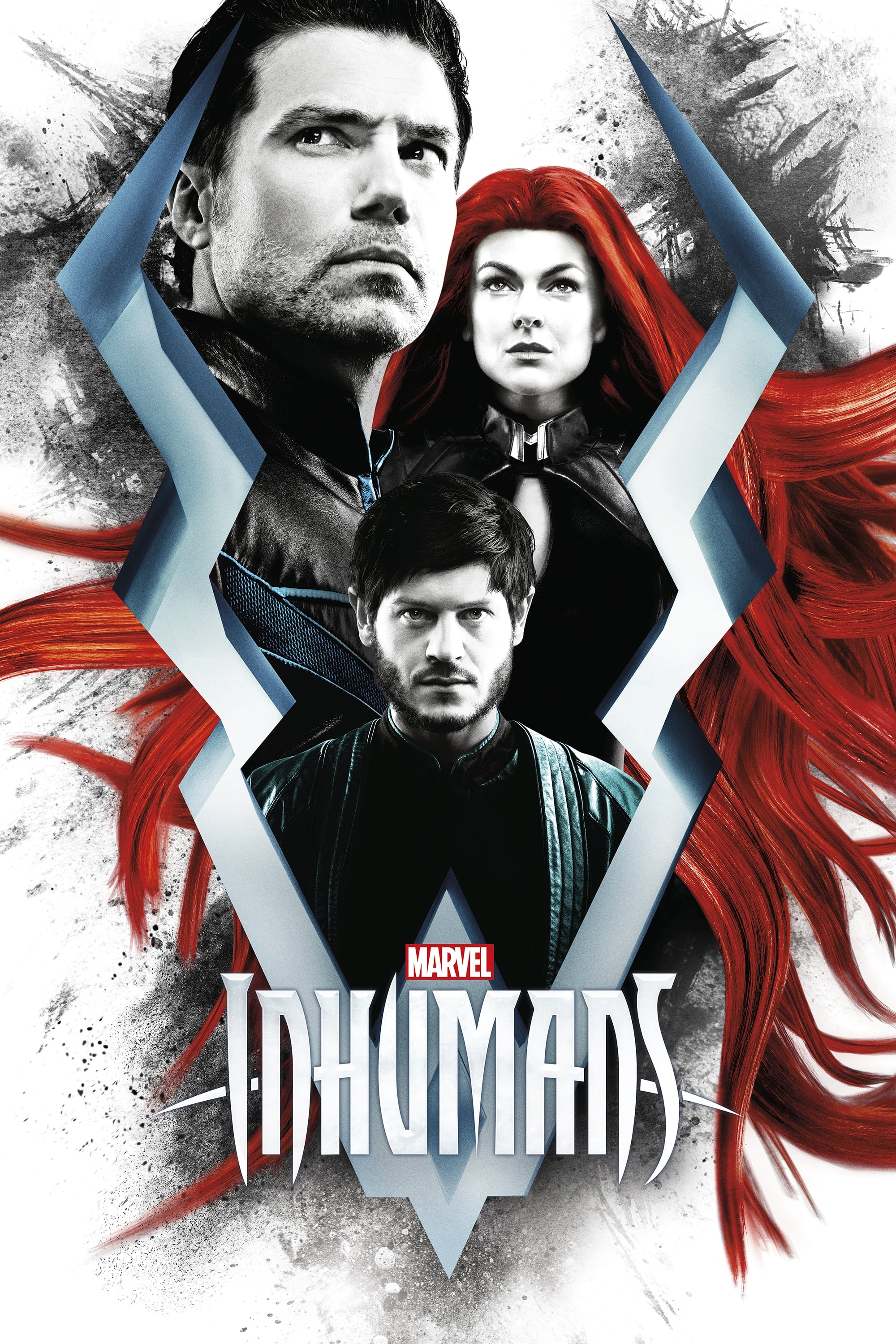
Ken Leung played Karnak in the show, which aimed for diversity in its cast but suffered from weak writing and a limited budget. Eme Ikwuakor portrayed Gorgon as a Black character, a change from the original, but the visual effects used for his hooves were heavily criticized. The show’s overall failure was disappointing for the actors, as its poor quality overshadowed the positive step of having a diverse cast. It demonstrated that simply including diverse representation isn’t enough to overcome serious problems with a project’s core creative elements.
‘Helstrom’ (2020)
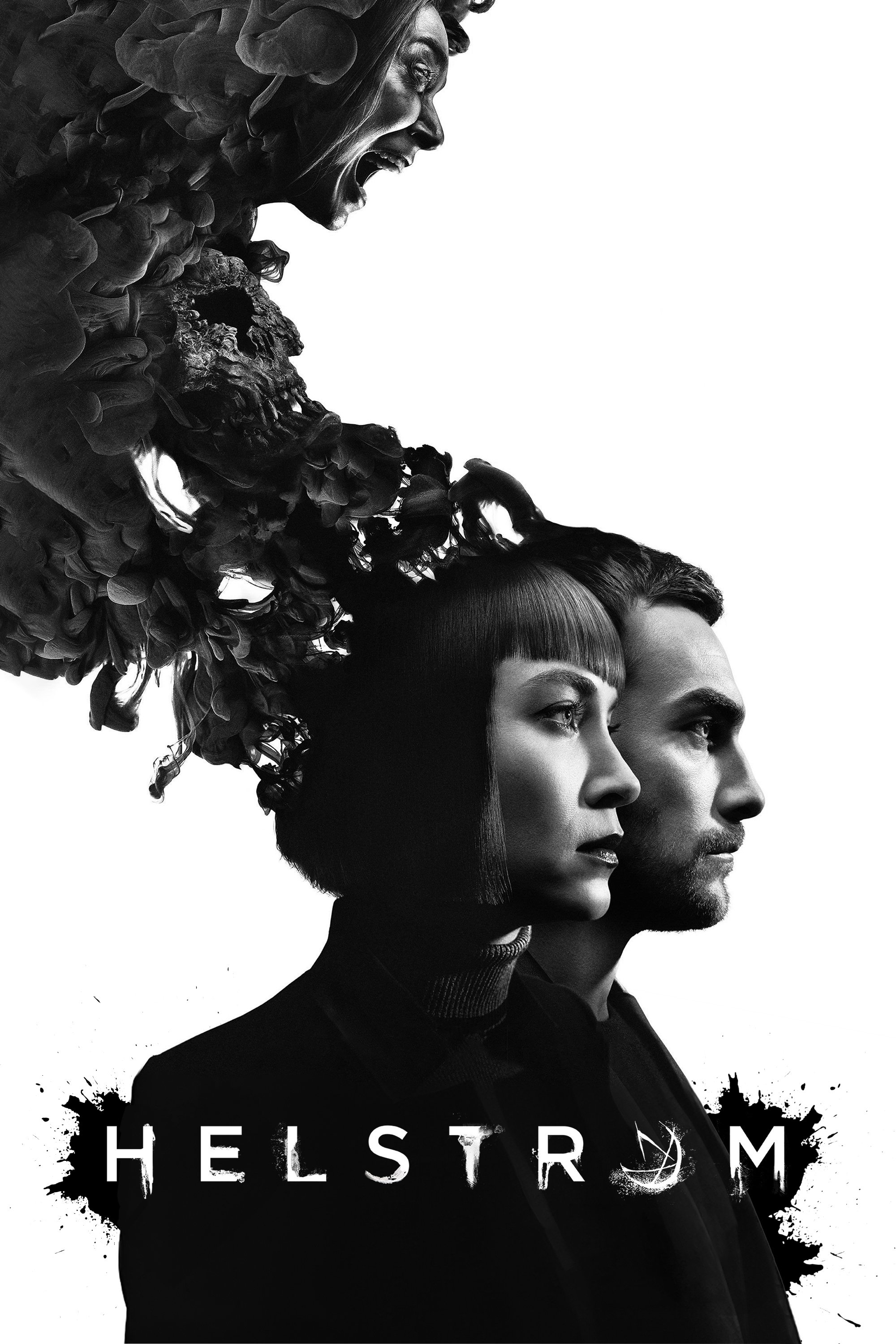
The character of Caretaker was reimagined with Robert Wisdom, a Black actor, in a departure from the original character’s traditional portrayal. Unfortunately, the show didn’t connect with the larger Marvel Cinematic Universe and wasn’t well-promoted, leading to low ratings. While the casting choice increased diversity, the show was canceled quickly and didn’t make a lasting impression, meaning the change didn’t resonate with audiences or critics. It remains a little-remembered instance of race-bending that didn’t achieve significant popularity or acclaim.
Share your thoughts on which changes worked and which didn’t in the comments.
Read More
- Invincible Season 4 Gender Swaps Tech Jacket As Fans Question Major Comic Change
- Building Agents That Learn and Improve Themselves
- Gold Rate Forecast
- Games That Faced Bans in Countries Over Political Themes
- Silver Rate Forecast
- Trading Crypto with AI: A New Approach to Portfolio Management
- 15 Films That Were Shot Entirely on Phones
- Thinking Before Acting: A Self-Reflective AI for Safer Autonomous Driving
- Why Won’t It Just *Do* What You Ask? Unpacking the Quirks of AI Language
- 20 Movies Where the Black Villain Was Secretly the Most Popular Character
2025-12-02 11:48