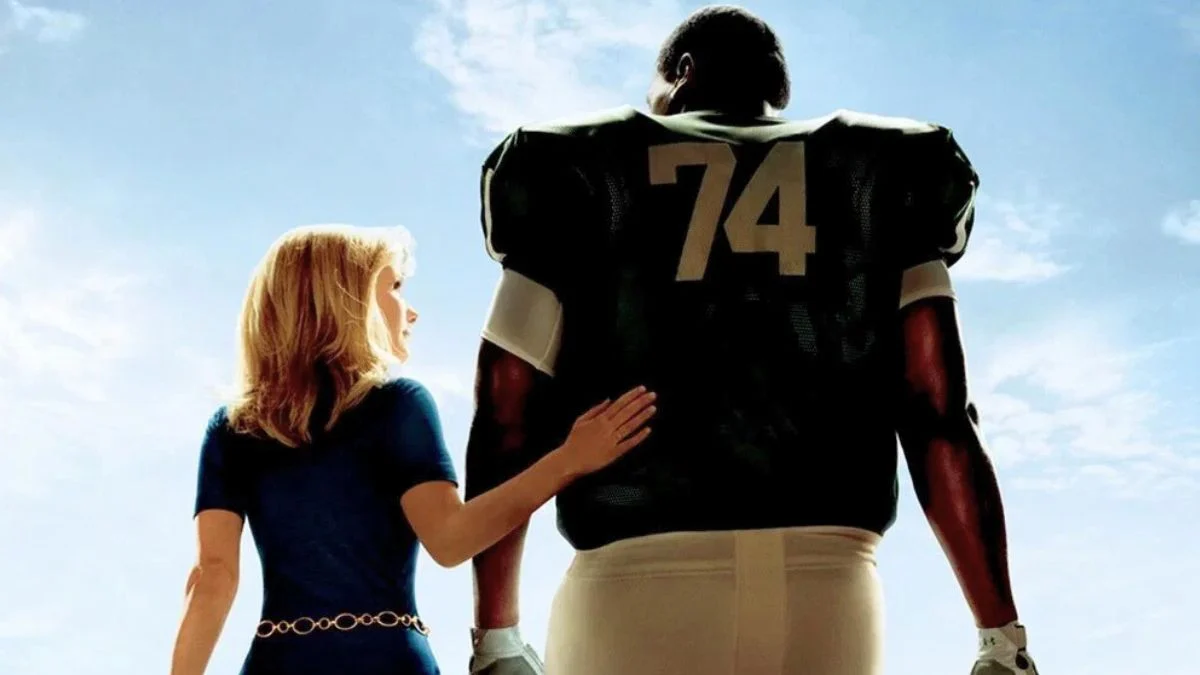
For years, Hollywood has made movies about racism or featuring Black characters, but often from a white point of view. These films frequently use tired clichés, downplay the larger issues of systemic racism, or relegate Black characters to secondary roles. Studios often promote these movies as uplifting stories that help overcome racial divides through individual good deeds. However, many viewers and critics are now re-examining these films and pointing out how they actually fail to address the issues they claim to explore, instead prioritizing the comfort of white audiences. The films mentioned below are often used as examples of this pattern – appearing to empower Black people while ultimately serving white sensibilities.
‘The Blind Side’ (2009)
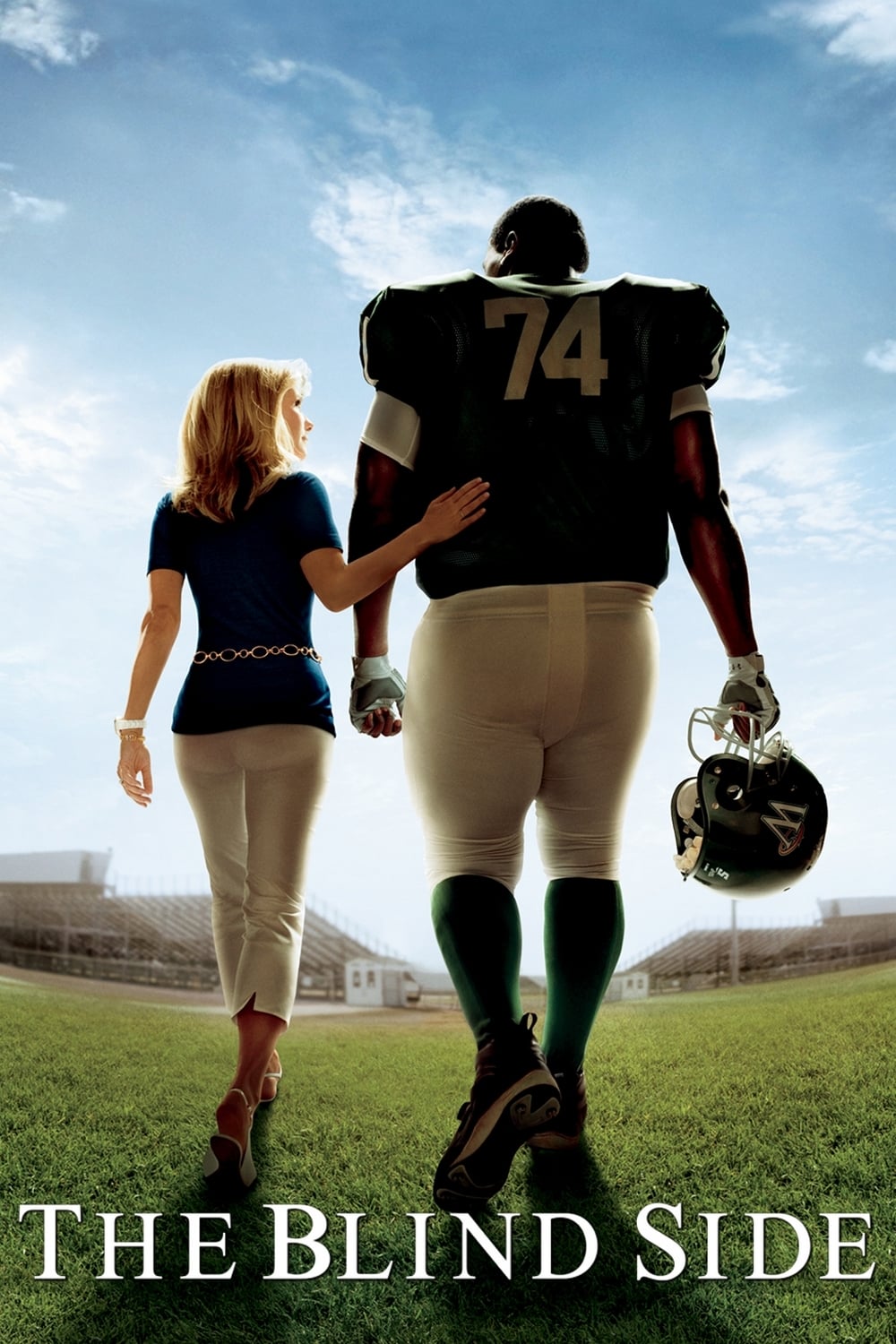
This sports movie is based on the true story of Michael Oher and his relationship with the Tuohy family, who took him in. However, the film has been criticized for portraying Oher as someone who needed the Tuohy’s help to understand football and become successful. It shows him as quiet and slow to learn until his adoptive mother steps in, which some viewers felt unfairly diminished his own skills and previous athletic background. The movie implies his success was due to the generosity of a white family, rather than his own talent and effort.
‘Green Book’ (2018)
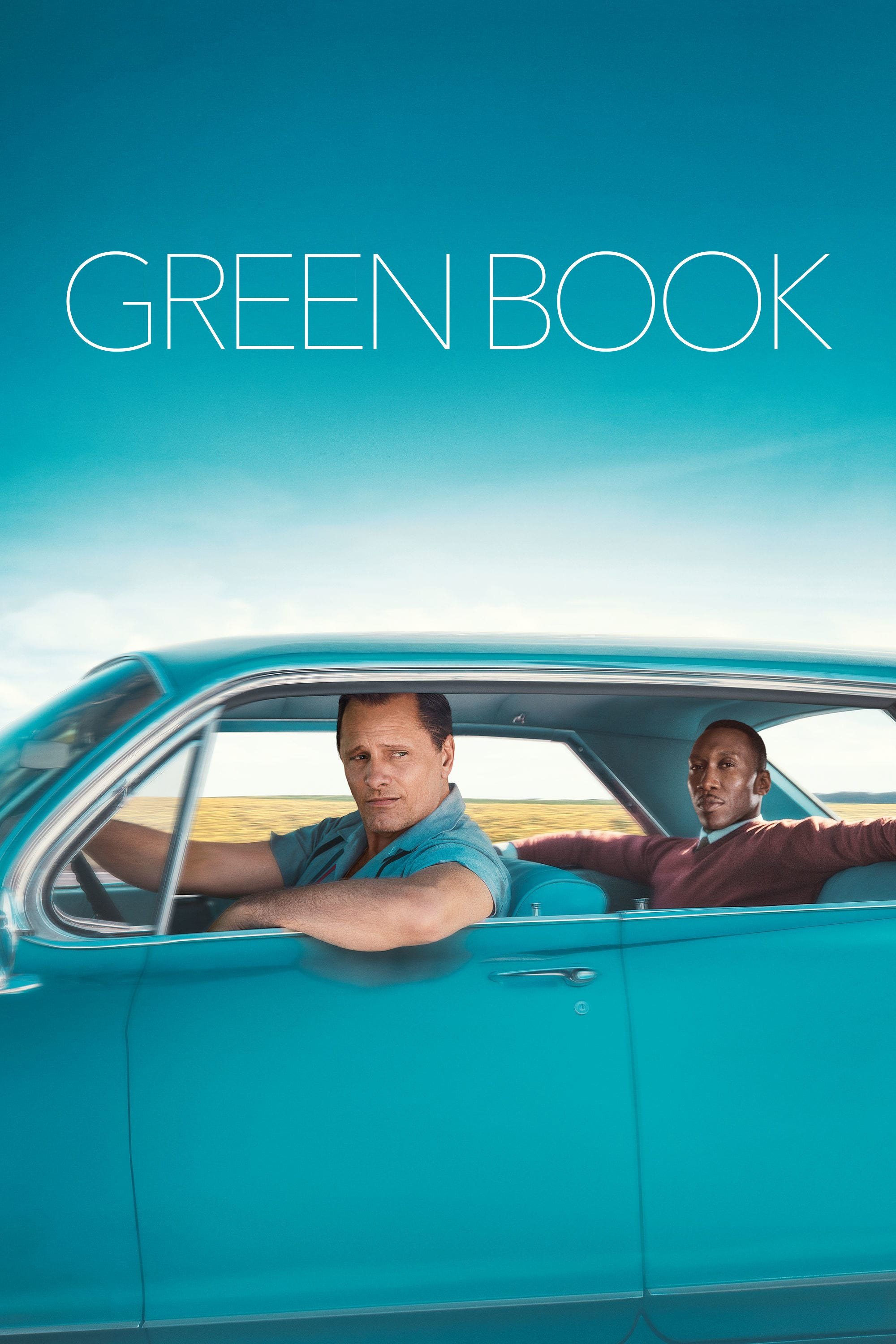
The movie tells the story of an unlikely friendship between pianist Don Shirley and his Italian-American driver, Tony Lip, as they travel through the racially charged Deep South. A significant portion of the film shows Tony introducing Shirley to Black culture through food and music. However, some critics argued the movie falls into the ‘white savior’ trope, portraying Tony as the one who primarily helps Shirley navigate racism and change. The film has been criticized for oversimplifying the complexities of segregation and focusing on a white man’s journey towards tolerance. Furthermore, Shirley’s family expressed disapproval, stating the movie inaccurately depicted events and downplayed his achievements.
‘The Help’ (2011)
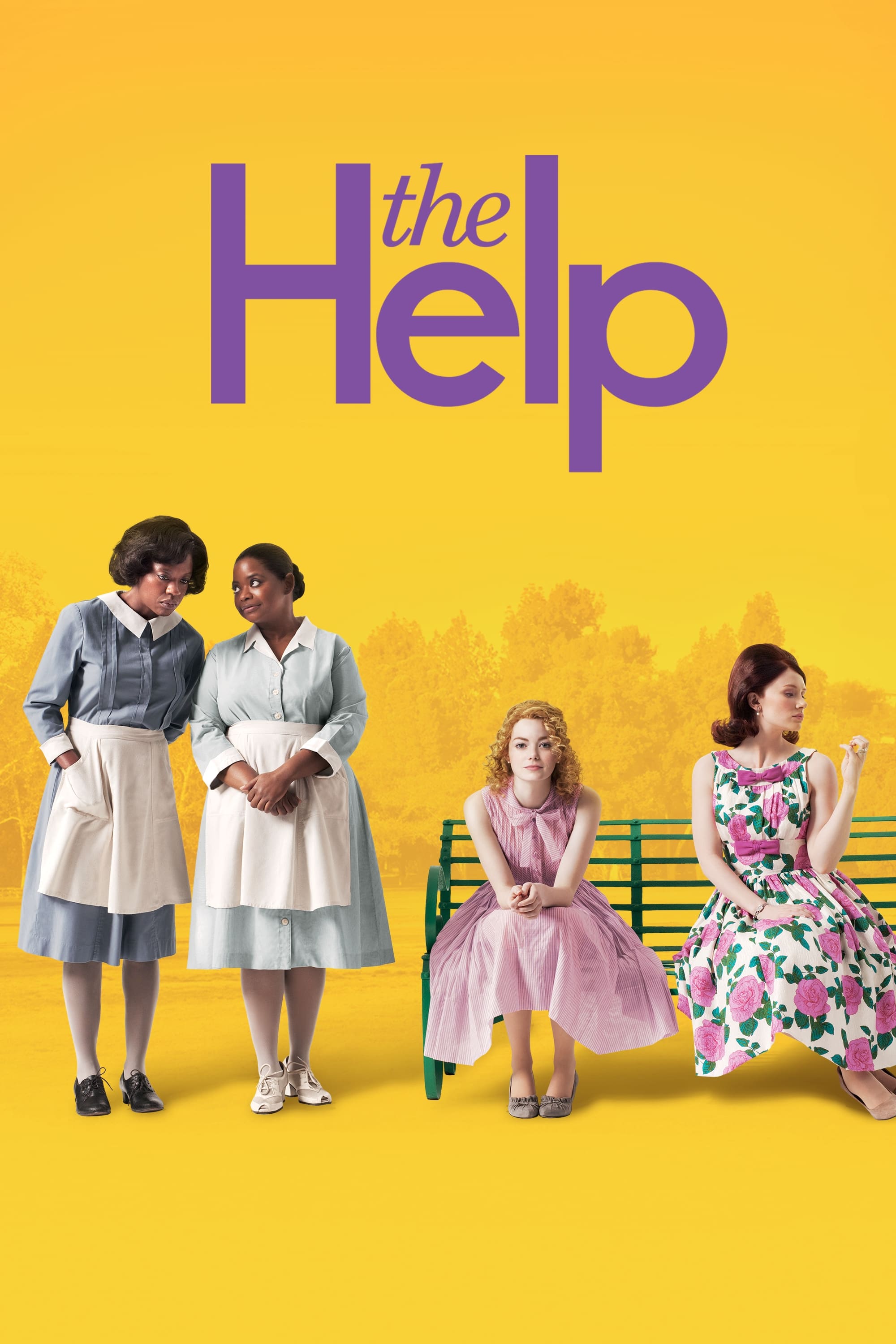
This story follows a young white journalist who attempts to write a book telling the stories of Black maids in Mississippi. The film portrays her as the brave figure who gives these women a voice they didn’t have. While the Black actresses received positive attention, the movie focuses more on the sacrifices made by the white journalist. It simplifies the harsh realities of the Civil Rights Movement, opting for a more gentle and heartwarming tone. Ultimately, the film implies that personal connections can overcome racism, rather than addressing the systemic issues at play.
‘Driving Miss Daisy’ (1989)
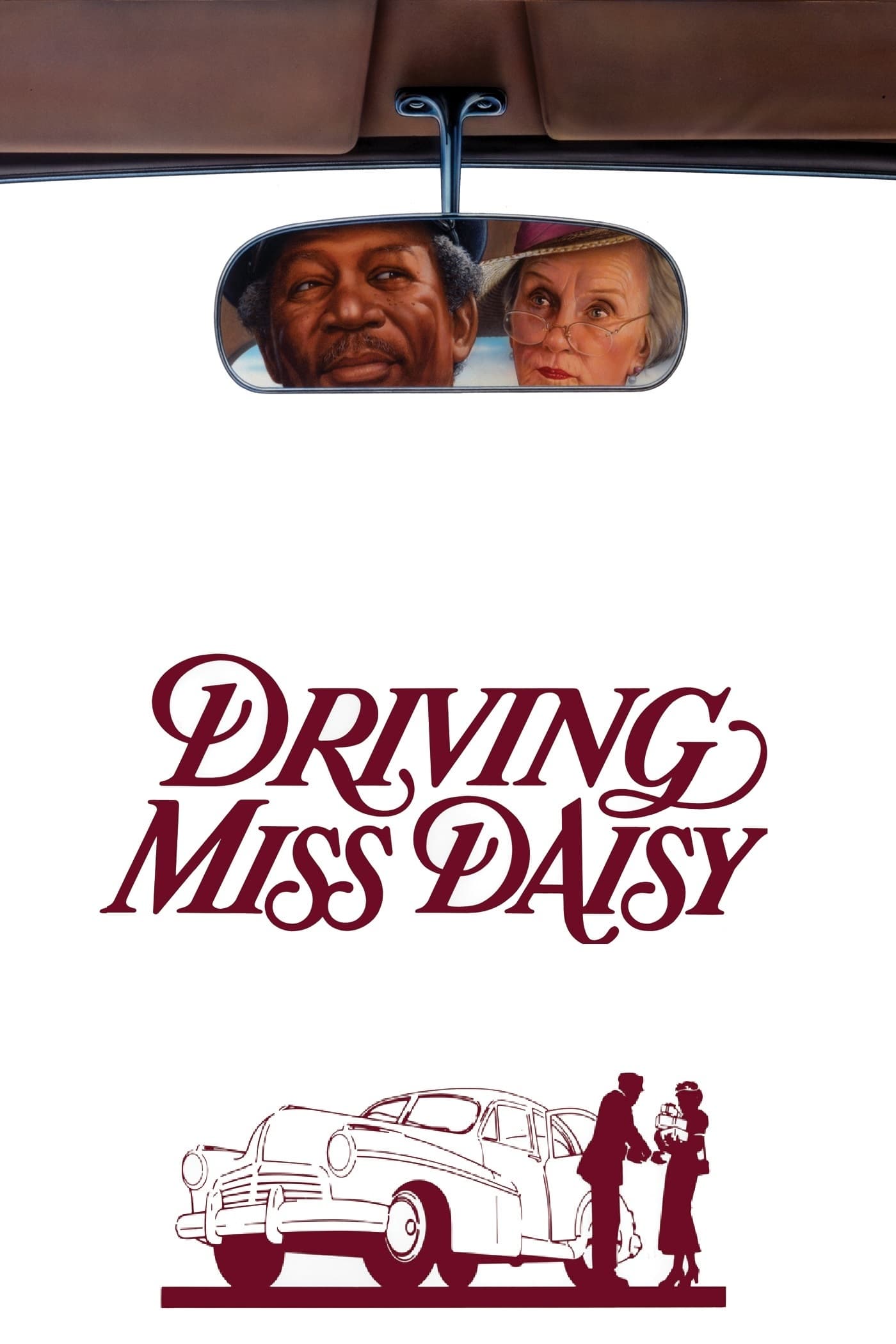
The film tells the story of a long-lasting relationship between an older Jewish woman and her Black chauffeur. While presented as a heartwarming friendship, the power dynamic consistently shows him in a subordinate role. Hoke Colburn, the chauffeur, is portrayed as exceptionally patient and kind, even while facing the injustices of his time. The movie sidesteps a direct look at the realities of racism, instead highlighting brief, positive interactions. Ultimately, it’s a feel-good film designed to offer comfort rather than provoke thought or challenge existing norms.
‘The Legend of Bagger Vance’ (2000)
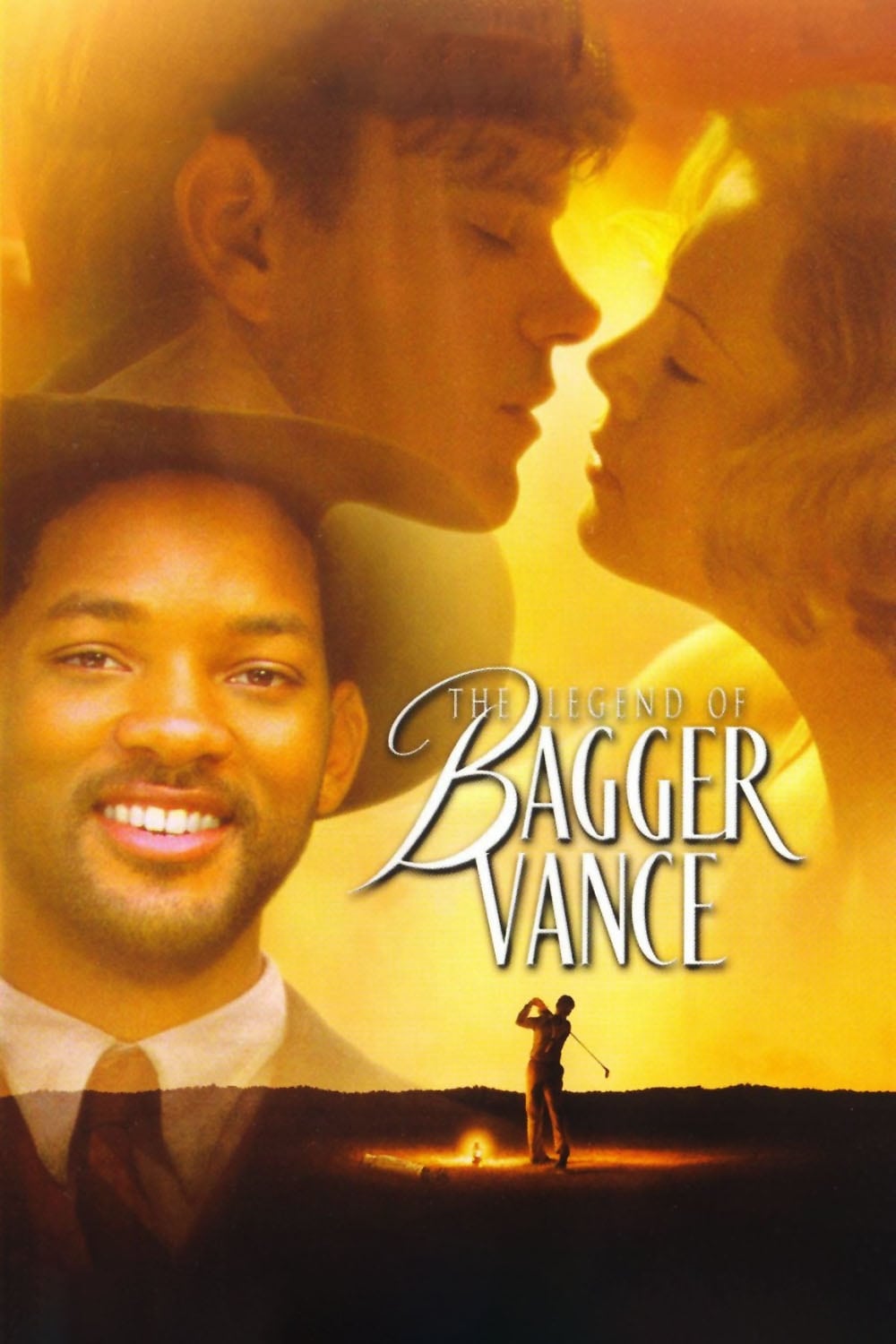
The film centers on a former soldier struggling with golf and self-doubt, who is aided by a mysterious caddy. However, this caddy exists primarily to help the white main character, offering guidance and seemingly magical advice. Critics often point to this as a classic example of the “Magical Negro” trope – a character whose sole purpose is to assist a white protagonist, lacking their own fully developed story. The film is also criticized for taking place in the racially charged Jim Crow South while completely avoiding any acknowledgement of the era’s tensions, and for using Black spiritual traditions simply as a tool to facilitate the white character’s personal growth.
‘Crash’ (2004)
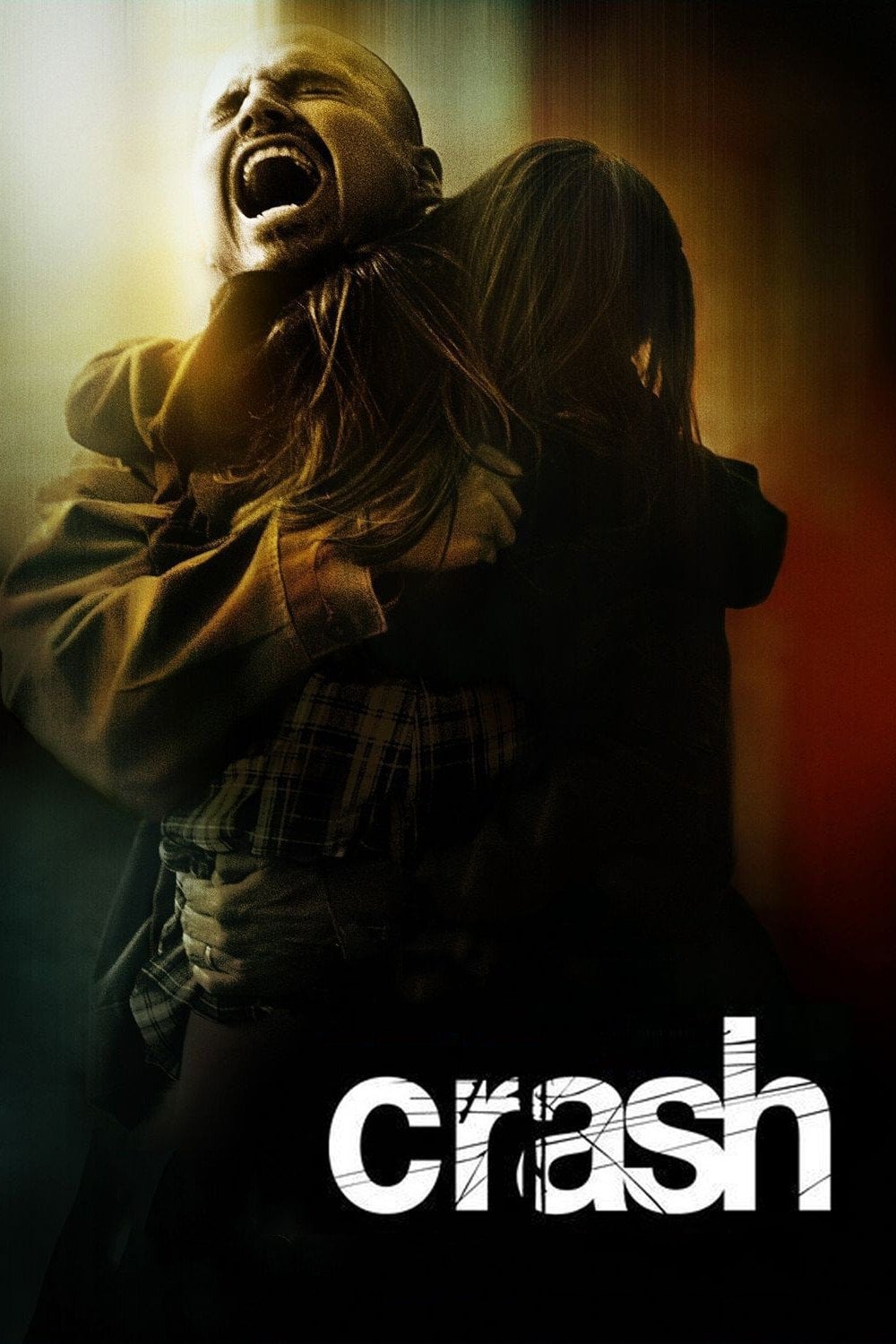
This film tries to illustrate the impact of racism on all residents of Los Angeles by weaving together multiple stories. However, it mistakenly equates the prejudice experienced by people in different positions of power. The movie presents racism as something that can be fixed if people just try to understand each other, which many critics found to be an oversimplification of deeply rooted societal problems. Ultimately, the film was seen as a shallow look at race, prioritizing emotional impact over real understanding.
‘Freedom Writers’ (2007)
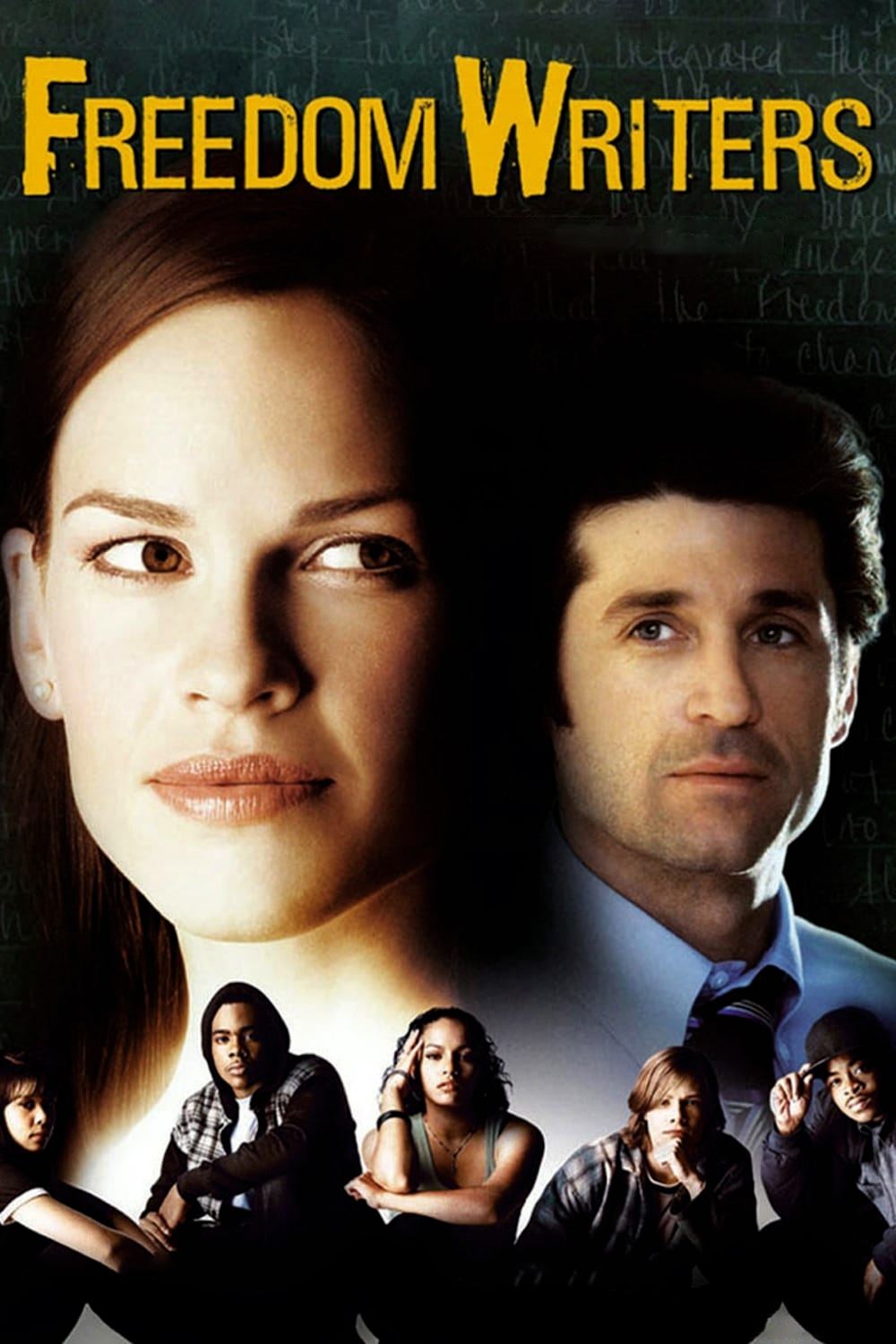
The movie tells the story of a teacher who tries to help students in a racially segregated school, focusing on her personal struggles and how she connects with them in ways others haven’t. However, it relies on a common trope: the idea that students from difficult backgrounds need help from someone outside their community to succeed, often portraying their families and neighborhoods as hindering their progress. The film primarily follows the teacher’s emotional experience and unfolds in a predictable way.
‘Dangerous Minds’ (1995)
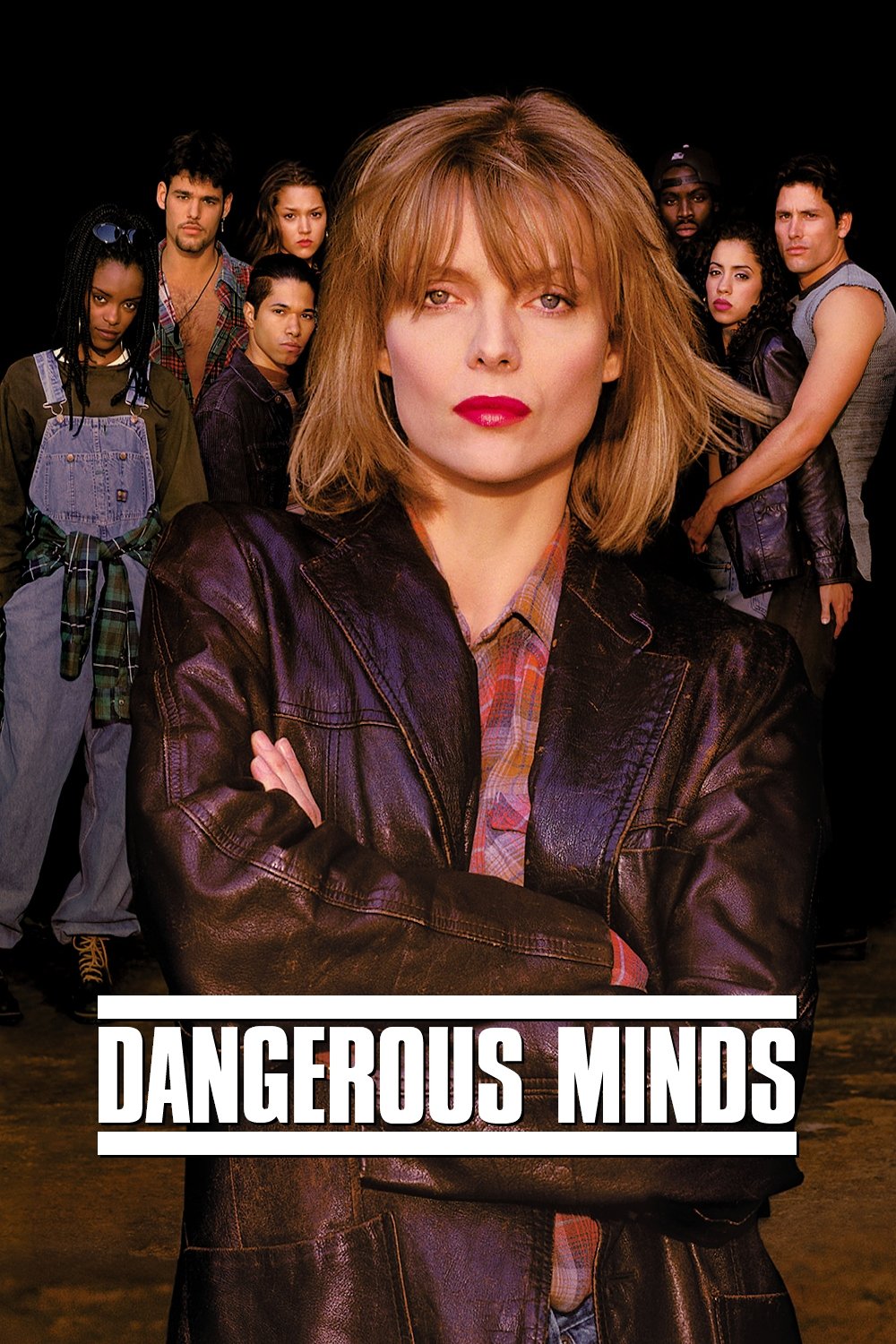
The movie follows a former Marine who starts teaching at a challenging high school and tries new approaches to reach her students. It highlights how she uses karate and Bob Dylan’s music to help Black and Latino teenagers, suggesting they wouldn’t succeed without her strong guidance. However, the film leans heavily on common stereotypes about inner-city life to make the teacher seem like a savior, and it doesn’t address the real challenges within the education system, instead focusing on a simple hero story.
‘Mississippi Burning’ (1988)
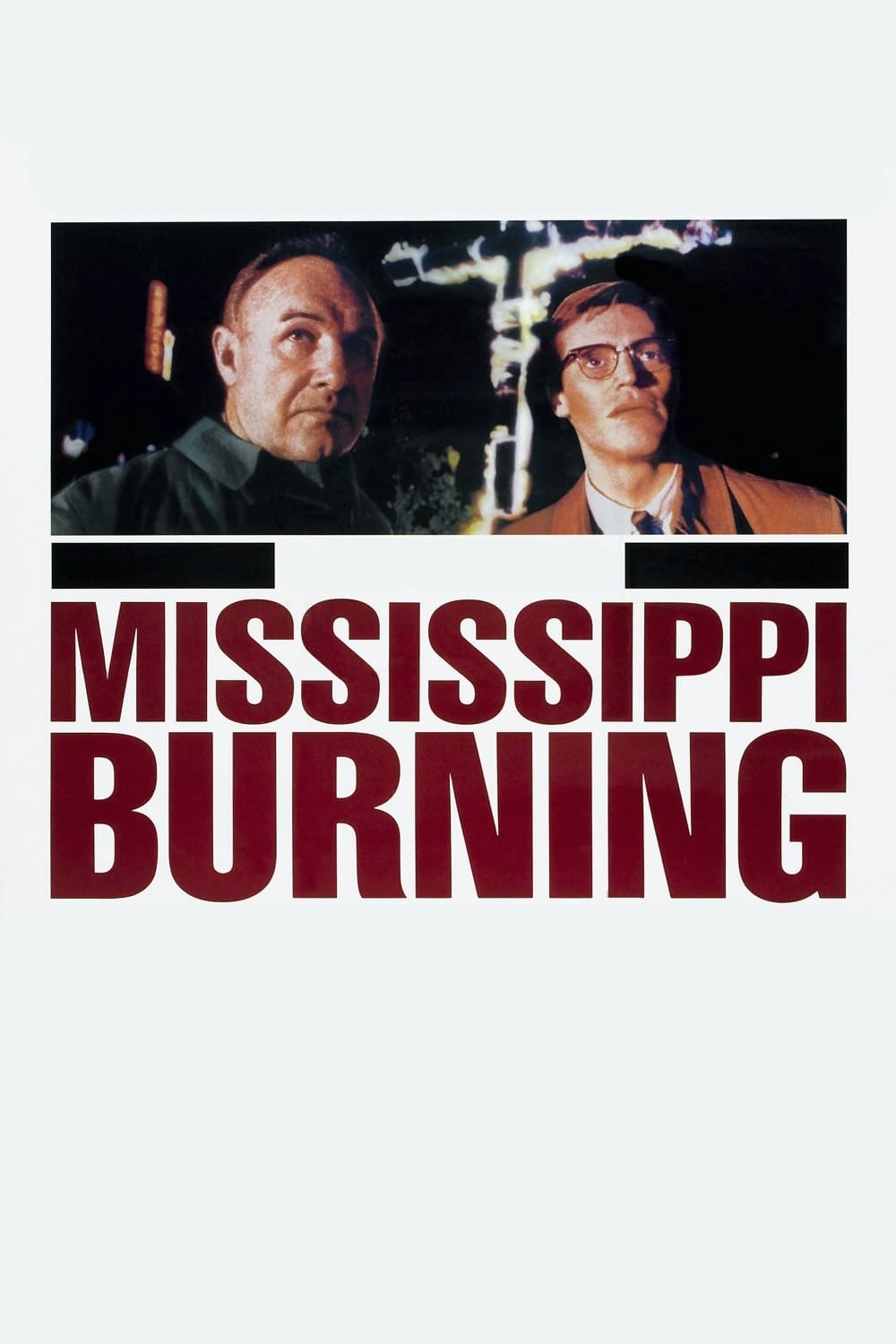
A movie about the disappearance of civil rights workers focuses on the FBI agents investigating the case, framing the story as a standard crime thriller. While based on a real historical struggle for voting rights, the film prioritizes the white FBI agents as the central heroes, and largely minimizes the roles of the Black activists who were actually driving the movement. Many civil rights veterans have criticized the film for inaccurately portraying events and downplaying the vital work of Black organizers in the South.
‘The Green Mile’ (1999)
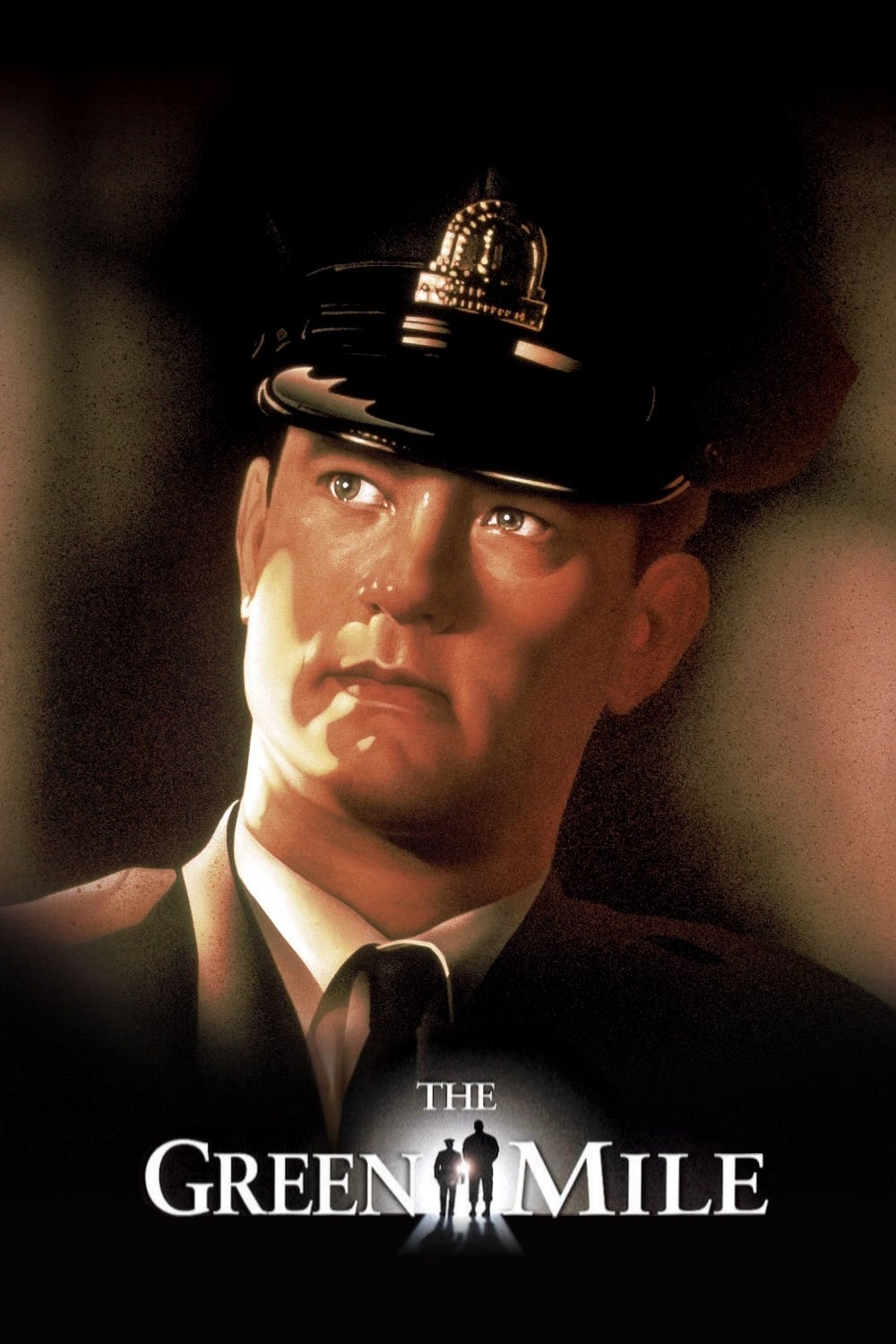
John Coffey, a kind and powerful man wrongly convicted and facing execution, has the ability to heal people. The story focuses entirely on his gift and his selflessness, neglecting his own background or desires. While his death is meant to be moving, the film doesn’t question the fairness of the legal system that condemned him. This pattern reinforces a common trope: a Black character existing solely to help white characters with their emotional journeys.
‘Radio’ (2003)
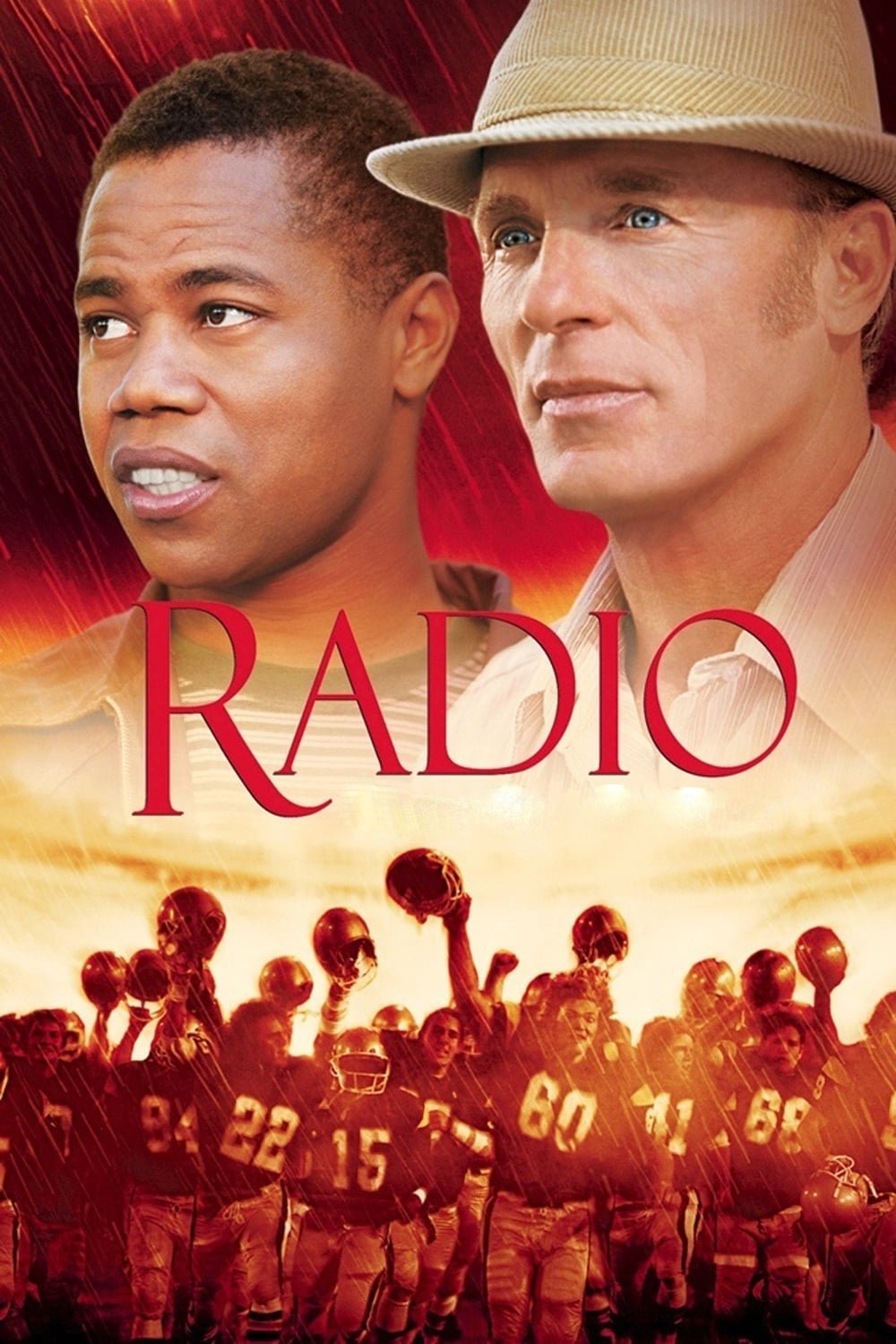
The movie tells the story of a football coach who becomes friends with a young Black man who has an intellectual disability. However, some critics felt the film presented the coach as a savior and the young man’s role as simply being a source of inspiration for others. The story focuses on how the town learns to be more accepting, but it’s been argued that the film uses the young man’s disability and race as a way to inspire tolerance, rather than showing him as a fully developed person with his own thoughts and feelings.
‘Amistad’ (1997)
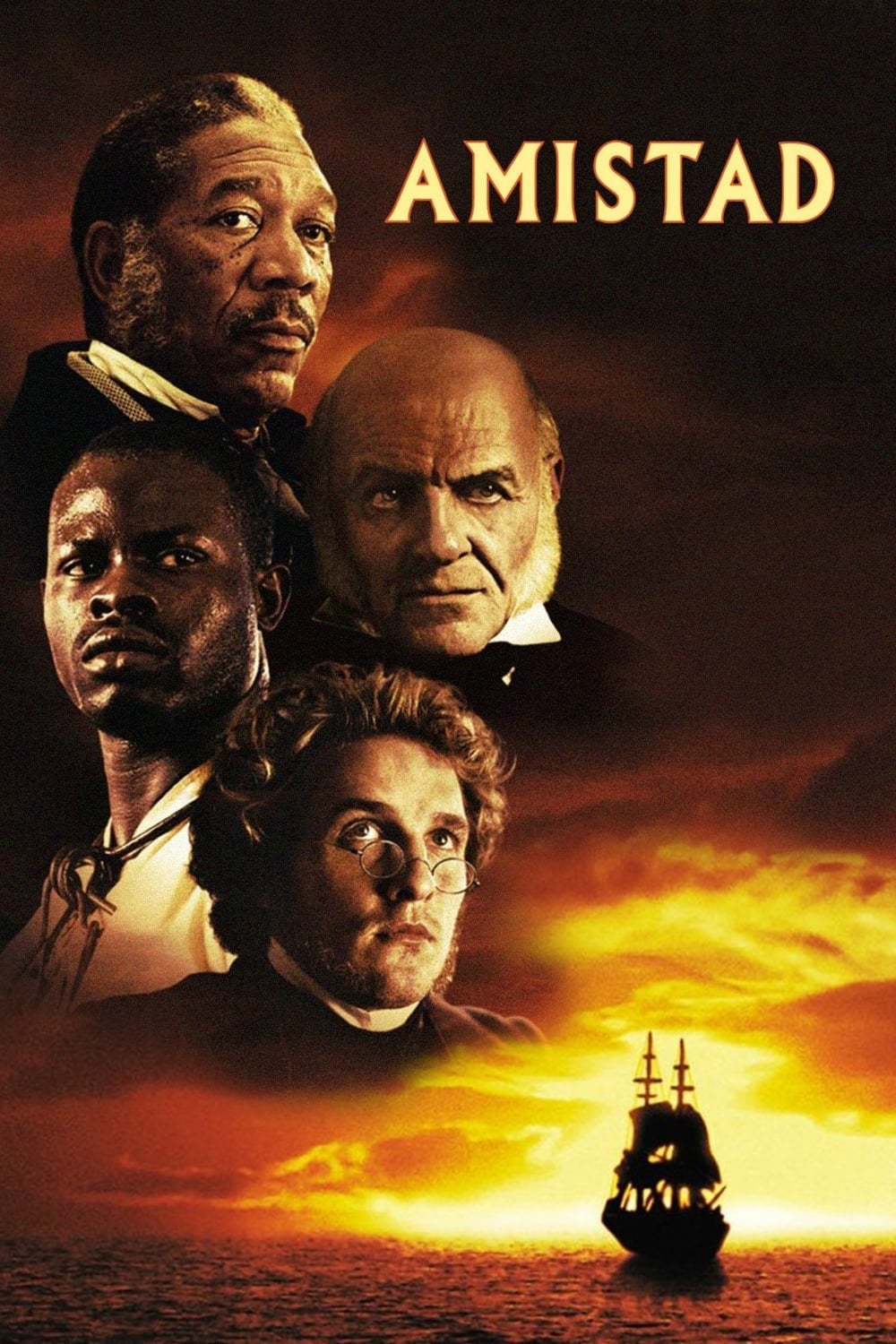
As a history buff, I recently watched this movie about a slave ship revolt, and honestly, it left me feeling a bit conflicted. It starts with the incredible courage of the enslaved people rising up, but then the focus quickly shifts to the lawyers – white lawyers – arguing the case in court. It was frustrating to see the Africans, the people actually fighting for their freedom, often just sitting there while these men debated their fate. The movie gets really caught up in the legal details and strategy, and it almost feels like it portrays the end of slavery as something the American legal system gave to them, rather than something they fought for themselves. It just didn’t quite feel right to me.
‘Hidden Figures’ (2016)

The movie tells the story of Black female mathematicians who were essential to NASA’s success during the Space Race. While powerful, a scene depicting a white supervisor tearing down a segregated bathroom sign is made up. This never happened in real life, nor is it present in the book the film is based on. Adding this scene creates a ‘white savior’ trope, giving undue credit to a character who didn’t actually earn it and inaccurately portraying a more progressive image than was historically accurate.
‘Antebellum’ (2020)

A popular author suddenly finds herself in a terrifying situation, transported to a world that feels like a plantation before the Civil War. While the movie was advertised as an empowering thriller, it faced criticism for showing too much graphic violence inflicted on Black characters. Many critics felt the film focused on the shock of trauma rather than offering any real insight or message. The surprise ending doesn’t make the protagonist’s long and difficult journey worthwhile, and instead of thoughtfully addressing historical trauma, the movie seems to use it simply for sensational effect.
‘Ghosts of Mississippi’ (1996)
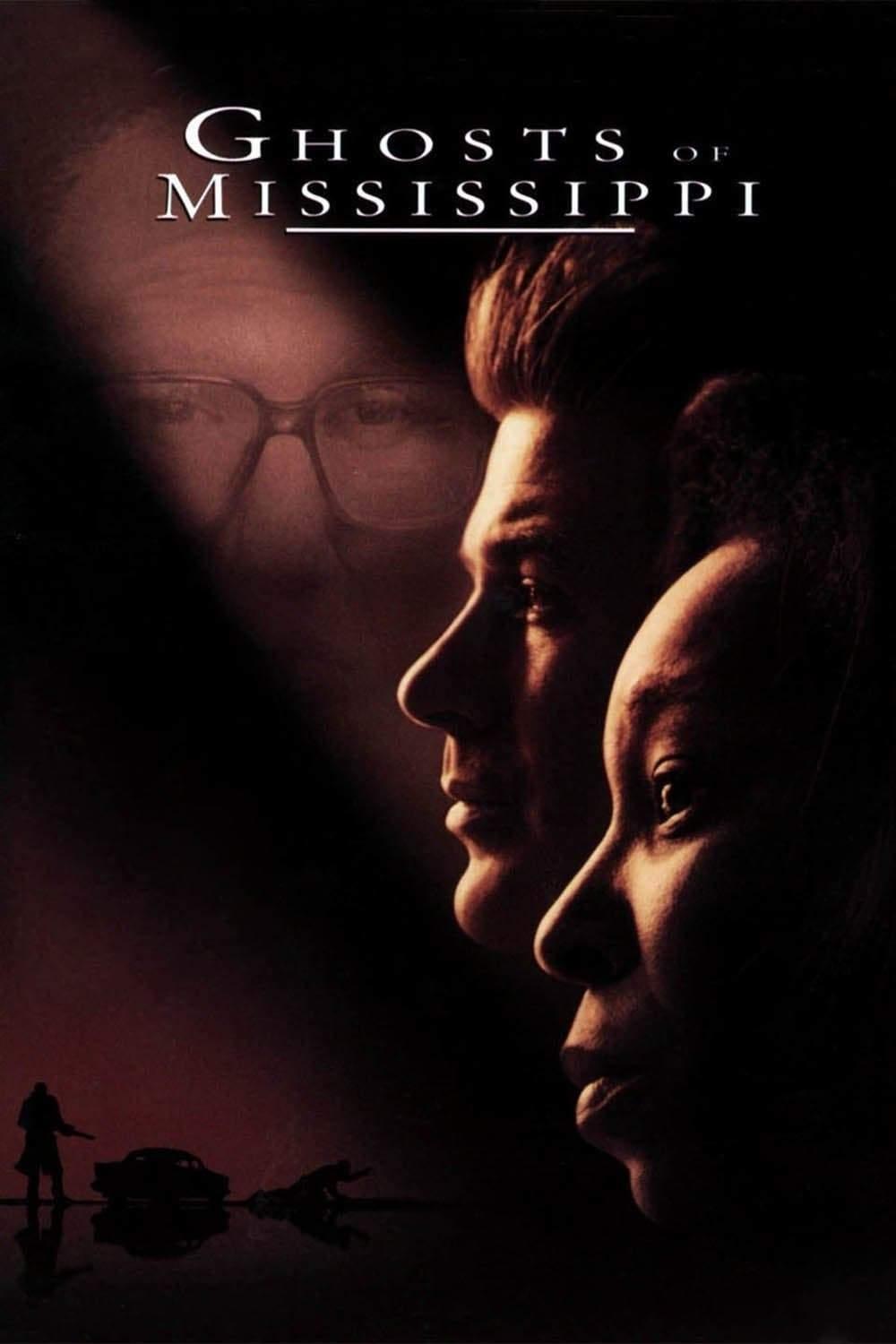
The film revisits the decades-old murder of civil rights leader Medgar Evers, but surprisingly, the story centers on the white lawyer who pursued the conviction and his personal life. While Medgar Evers and his widow are featured, they take a backseat to the lawyer’s journey. The film portrays the conviction as a way for the white community and the justice system to find redemption, and doesn’t fully explore the lasting impact and ongoing activism of the Evers family.
‘A Time to Kill’ (1996)
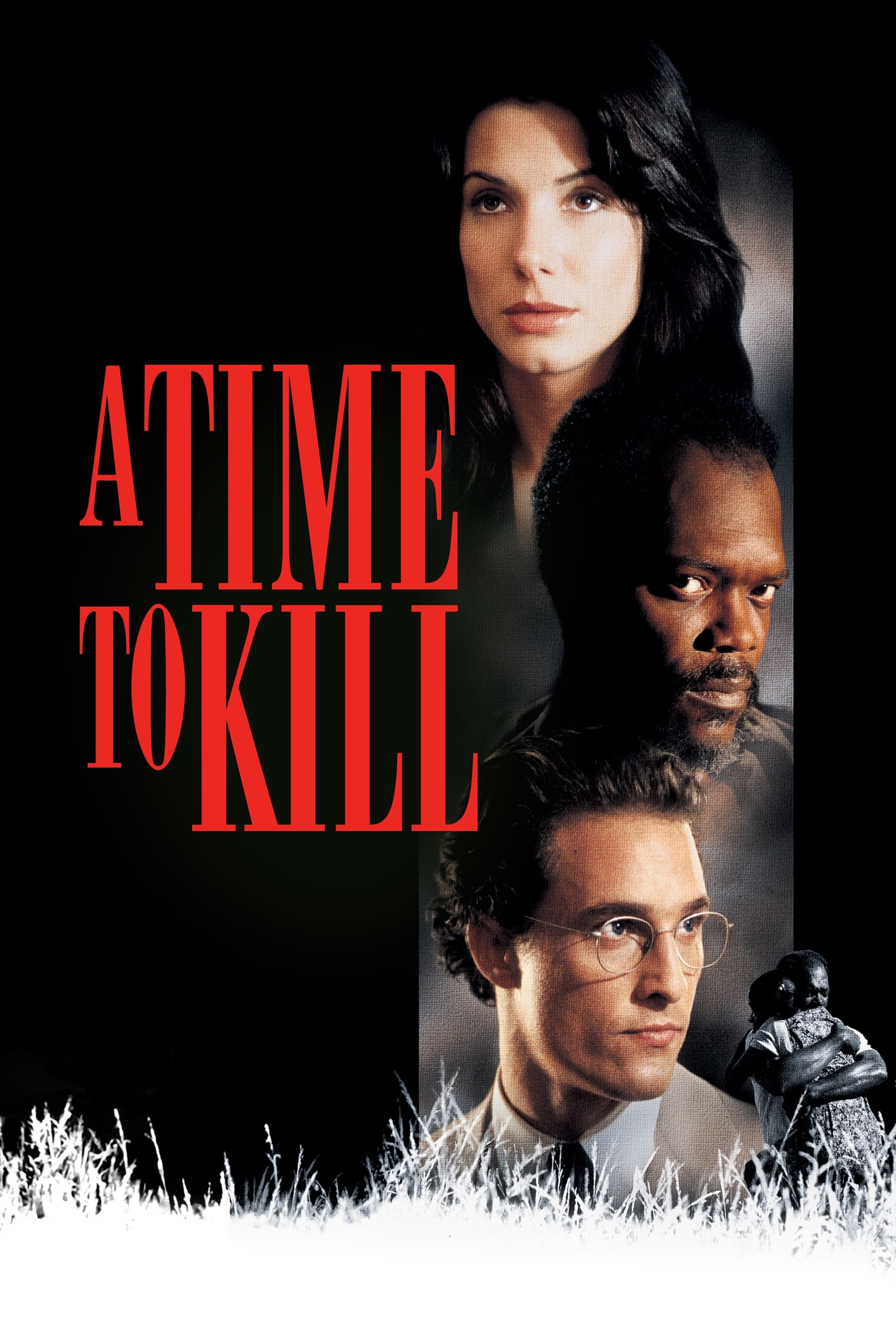
The movie centers on a white lawyer defending a Black father who took the law into his own hands after his daughter was attacked. The climax involves the lawyer urging the jury to consider how they’d feel if the victim were white, implying that people are more likely to sympathize with Black suffering when it’s framed in terms of white experience. The story focuses more on the lawyer’s own risks and sense of righteousness than on the father’s struggle, ultimately suggesting that Black people need white advocates to achieve justice.
‘The Best of Enemies’ (2019)
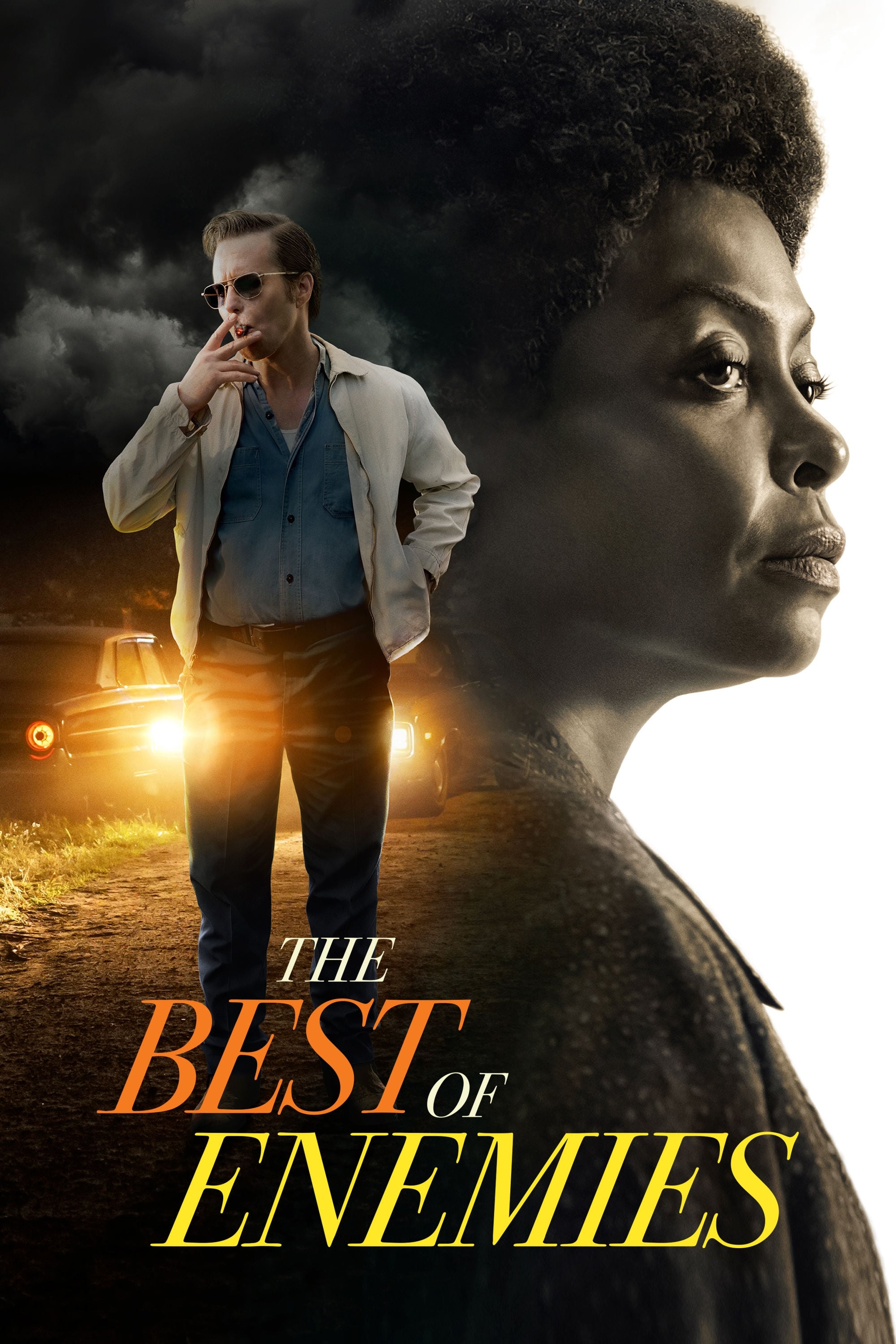
The movie centers around a civil rights activist and a Ku Klux Klan leader who must work together at a community meeting. It tries to portray the Klan leader as a person who can overcome his racism through friendship, but this unintentionally creates a misleading comparison between him and the activist fighting for equality. The film focuses more on changing the bigot than on supporting the Black community and acknowledging the harm caused by racism. It offers a simplified and unrealistic view of history, suggesting that prejudice can be easily overcome through conversation.
‘Harriet’ (2019)
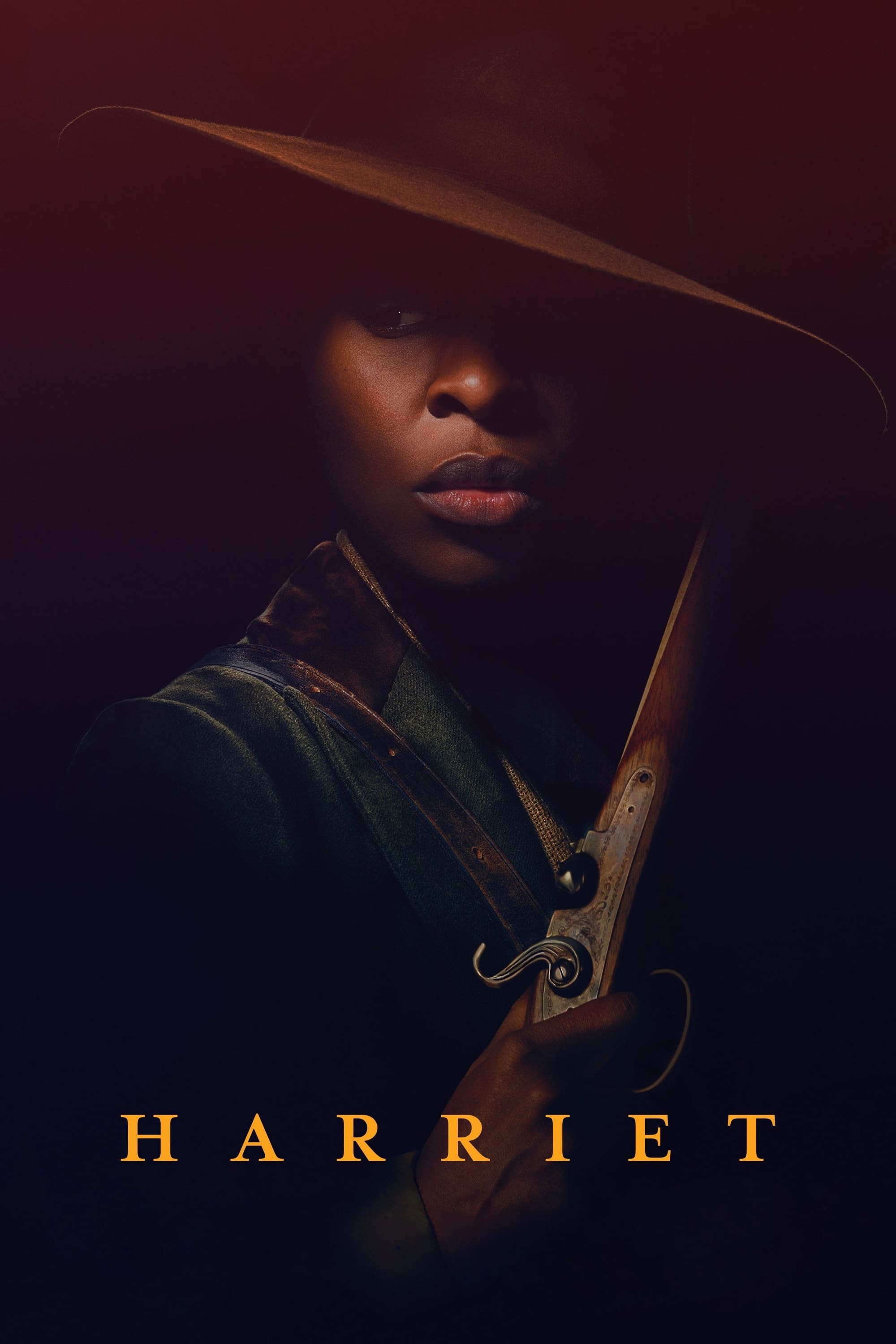
The movie tells the story of Harriet Tubman, a courageous woman who fought for freedom and helped slaves escape through the Underground Railroad. However, the film added fictional characters – a Black slave catcher as the villain and a complicated white slave owner – which some critics felt took away from Tubman’s actual accomplishments and felt like typical Hollywood storytelling. Many found the addition of a white character positioned as a helper in Tubman’s fight for freedom especially unhelpful and unnecessary.
‘Monster’s Ball’ (2001)
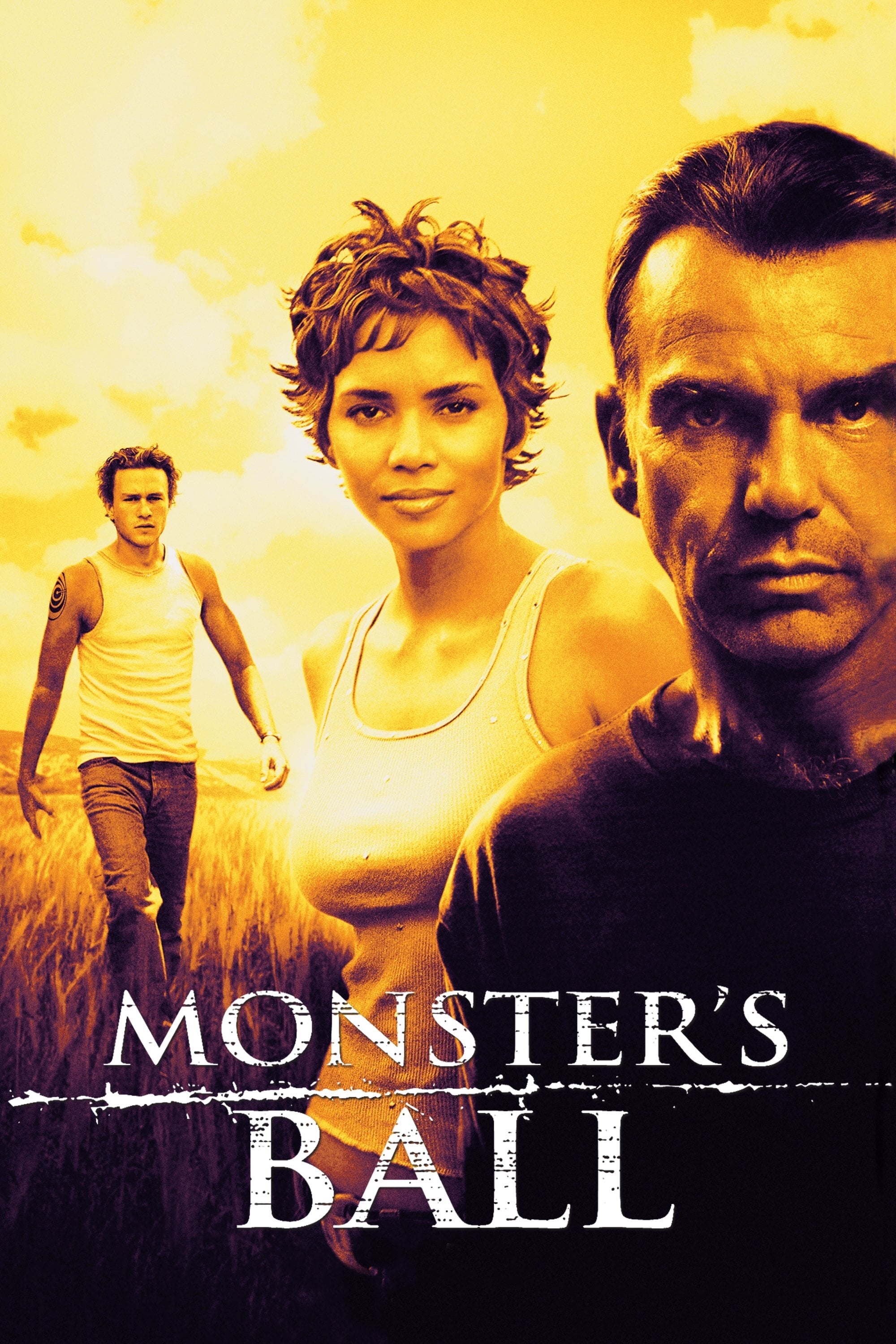
The movie centers on a romance between a prison guard and the widow of an executed inmate. Critics found the relationship exploitative and the female character lacking agency. While attempting to show the guard’s possible growth, the story uses harmful stereotypes about Black communities and portrays the woman’s empowerment as being dependent on a relationship with a man who embodies the system that harmed her family.
‘Remember the Titans’ (2000)

The film follows a newly formed high school football team as they try to unite under their Black coach. It implies that the team’s success on the field quickly solved racial problems in the town. However, the movie avoids showing the real, deeply rooted issues of the time, instead relying on typical sports movie tropes. The film presents the end of racial conflict as happening rapidly and completely once the team starts winning, turning a complex story of integration into a simple, uplifting tale about teamwork.
Please share which movies you think deserved to be on this list in the comments.
Read More
- Invincible Season 4 Gender Swaps Tech Jacket As Fans Question Major Comic Change
- Silver Rate Forecast
- Gold Rate Forecast
- 22 Films Where the White Protagonist Is Canonically the Sidekick to a Black Lead
- Building Agents That Learn and Improve Themselves
- 15 Films That Were Shot Entirely on Phones
- 20 Movies Where the Black Villain Was Secretly the Most Popular Character
- Celebs Who Narrowly Escaped The 9/11 Attacks
- Trading Crypto with AI: A New Approach to Portfolio Management
- 18 TV Series Filming Rehearsals as Bonus Content
2025-12-01 22:48