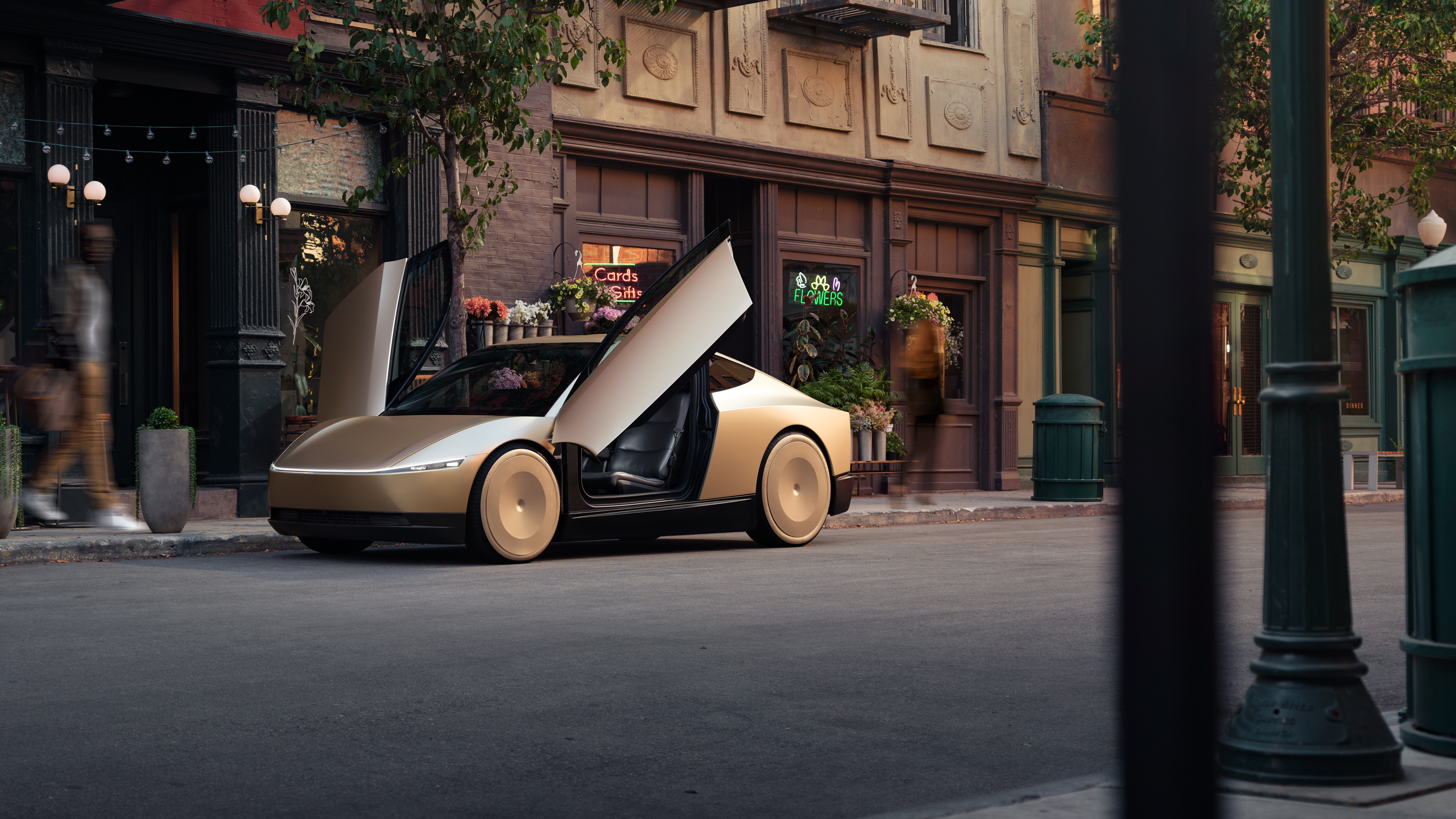
So, Elon Musk says they’re building a car with no steering wheel. No pedals. Just… a seat. A metal cocoon hurtling down the highway, guided by algorithms and wishful thinking. They call it the Cybercab. Starts production in April, he says. April. As if the universe cares about production schedules. It’s a funny thing, hope.
This comes as Tesla tries to sell you the illusion of self-driving. A subscription, naturally. 1.1 million people paying for the privilege of being almost driven. Almost. They watch the driver with a camera, you see. To make sure the human doesn’t interfere with the machine’s delusions of competence. So it goes.
The question, of course, isn’t can they build it. They will build it. They always build things. The question is: will anyone actually want a two-seat pod designed for a future that may never arrive? Investors are baking in growth, assuming a tidal wave of demand for this… transportation appliance. It’s a gamble. A very expensive gamble.
About This Cybercab
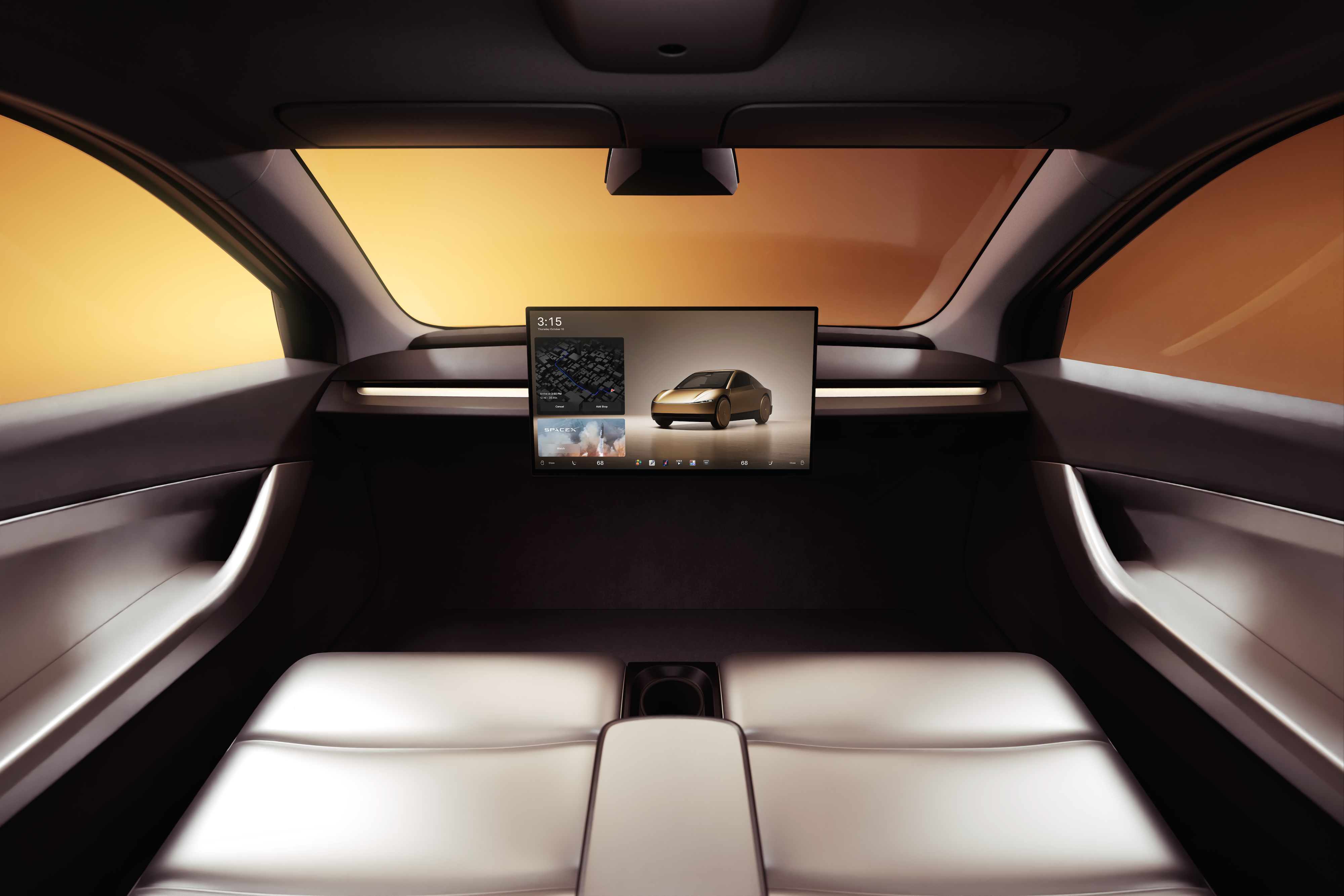
They showed it off last October. A steering wheel-less, pedal-less… thing. Purpose-built for a world where cars drive themselves. A world where humans are merely passengers. A quaint notion, really. They plan to use it in their Robotaxi network. You own the pod, they take a cut of the fares. Like Airbnb, but with more existential dread.
Some folks thought they might add a steering wheel, just in case. A safety net for the inevitable glitches. Musk says no. Though he did mention a video from years ago, showing a car with a steering wheel that pops out when things go wrong. A little bit of manual control, just in case the robots decide they’ve had enough. A comforting thought, until you remember who’s really in charge.
The doors, by the way, open upwards. Butterfly doors. Because why not? Practicality is overrated. Try maneuvering that in a parking garage. It’s all part of the plan, apparently. A vision of the future. Or a very expensive mistake.
And the name? They might not even call it the Cybercab. Apparently, some states don’t allow you to use the word “cab” or “taxi.” So it’s going to be… a cyber car. Or a cyber vehicle. It’s a branding nightmare, really. But what do you expect?
The Vision Thing
This Cybercab, this steering wheel-less pod, is the culmination of Tesla’s… evolution. They’re not just selling cars anymore. They’re selling a dream. A future where robots drive us around and we’re free to… do what? Stare at our phones? Contemplate the meaninglessness of existence? It’s a bold strategy, let me tell you.
They believe this will boost sales, increase profits, and expand their market. They want to sell you transportation as a service. Not a car. Not a vehicle. Just… access. It’s a subscription to mobility. So it goes.
Lars Moravy, a Tesla VP, says most miles will be driven autonomously in the future. Musk estimates only 1% to 5% will be manual. A small percentage of control, in a world governed by algorithms. A comforting thought, if you’re not the one behind the wheel. Or, in this case, not behind the wheel.
They’re already monetizing this “self-driving” technology, with driver supervision, of course. 1.1 million subscribers. Paying for the privilege of being almost driven. It’s a beautiful business model, really. A beautiful, fragile business model.
This vision sounds exciting, and the Cybercab looks… interesting. But there are uncertainties. The biggest unknown? What will demand actually look like for a two-seat, steering wheel-less pod? A question for the ages. A question with a very expensive answer.
Read More
- Top 20 Dinosaur Movies, Ranked
- 20 Movies Where the Black Villain Was Secretly the Most Popular Character
- Celebs Who Narrowly Escaped The 9/11 Attacks
- 25 “Woke” Films That Used Black Trauma to Humanize White Leads
- Spotting the Loops in Autonomous Systems
- Gold Rate Forecast
- The 10 Most Underrated Jim Carrey Movies, Ranked (From Least to Most Underrated)
- Silver Rate Forecast
- 22 Films Where the White Protagonist Is Canonically the Sidekick to a Black Lead
- Transformers Under the Microscope: What Graph Neural Networks Reveal
2026-02-17 21:22