The stock market. A place where hope goes to die, and quarterly reports are polished until they gleam like a gangster’s shoes. Tesla, of course, is no stranger to either. It’s been a rollercoaster, a series of peaks and valleys fueled by hype, Elon Musk’s pronouncements, and the slow, grinding reality of building cars. Or, in this case, trying to build robots.
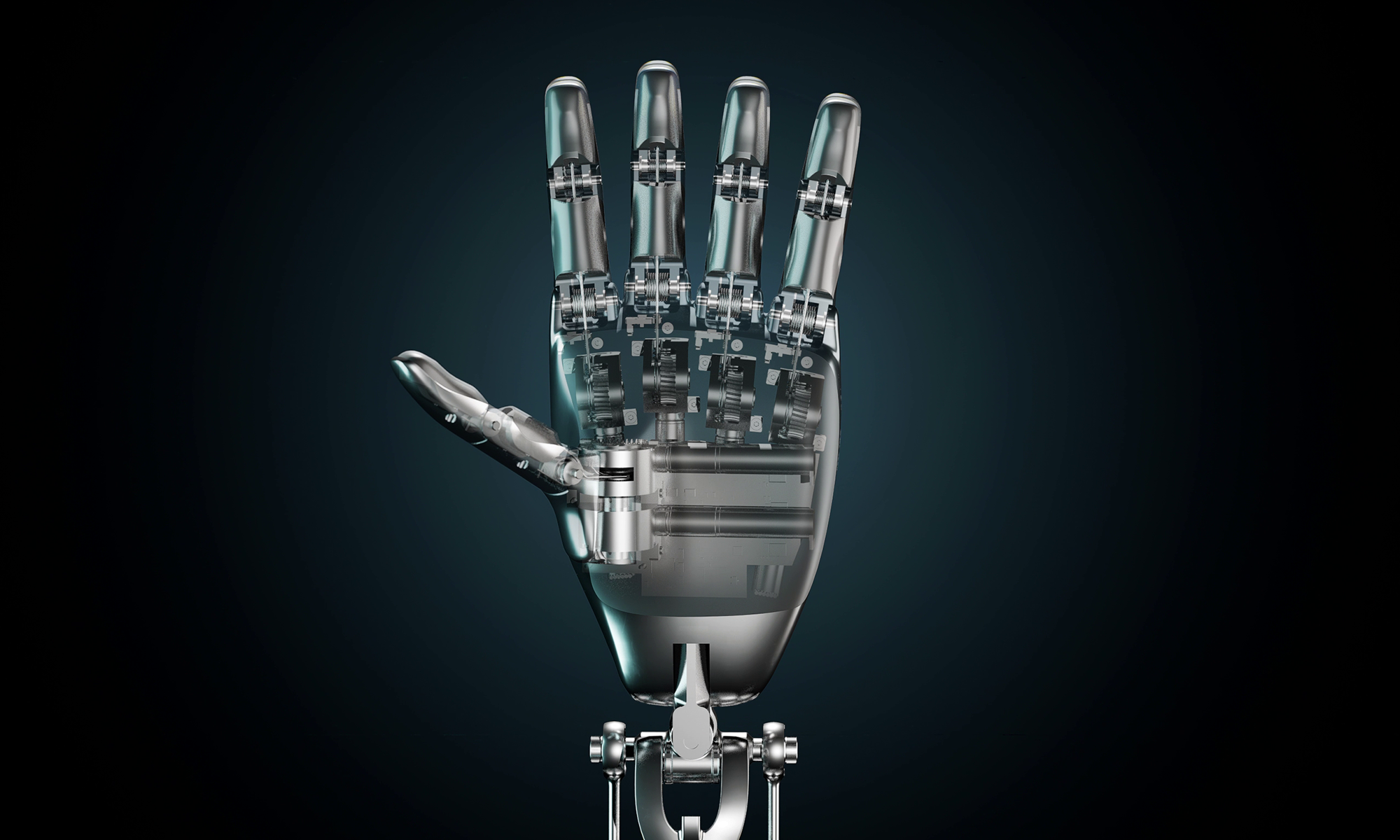
They call it Optimus. A humanoid robot. The promise is efficiency, a future where machines do the work we don’t want to. Sounds good on paper. The market, predictably, is already pricing in a miracle. A stock can do funny things when fed a steady diet of dreams. I’ve seen it before. Plenty of times.
The story, as always, is in the details. And the details, as usual, are a little…thin. Tesla is shifting gears, they say. Less Model S, less Model X. More robots. It’s like rearranging the deck chairs on the Titanic, only with a lot more lithium and a vague promise of automation.
Trading Cars for Chrome and Wires
The latest earnings report revealed a pivot. Fremont, California, once a temple to electric vehicles, is now slated to become a robot factory. A noble ambition, perhaps. Or a convenient way to explain slowing car sales. The market prefers stories, not spreadsheets. It’s easier to swallow.
The High-Margin Illusion
Robotics. Everyone wants a piece. The problem is, robots cost money. A lot of it. Research, development, manufacturing…it’s a capital-intensive business. The trick, of course, is to convince someone else to pay for it. Tesla’s been pretty good at that so far.
They sell cars. Then they sell software subscriptions to make those cars drive themselves. It’s a tidy little racket. Now they want to sell robots, and then charge you a monthly fee to keep them from malfunctioning. It’s the future, they say. I call it a recurring revenue stream, wrapped in a shiny metal shell.
The idea is to layer services onto the hardware. A robot isn’t just a machine; it’s a platform. A platform for…well, for whatever they can convince you it’s good for. It’s the same song, different verse. The market loves a good verse.
The Optimus Gamble
Trillions of dollars in economic value, they claim. That’s a big number. Lots of companies are chasing the humanoid dream. The reality is likely to be a lot messier. Competition is fierce, and the technology is still in its infancy.
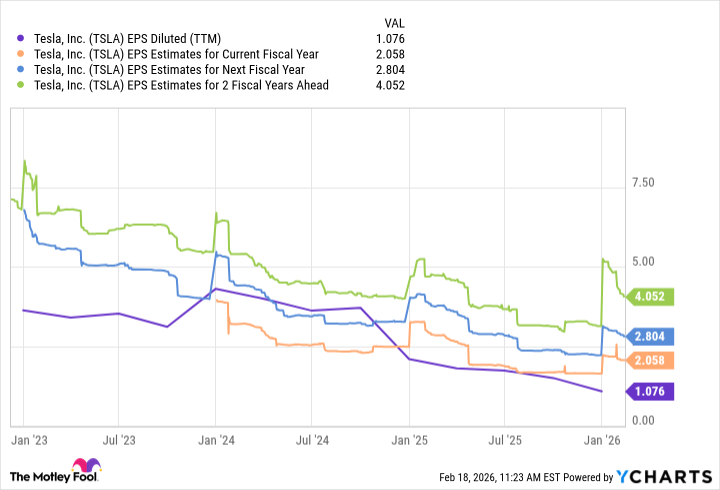
They’re talking about initial production at the end of the year. That’s optimistic. Very optimistic. But Wall Street loves optimism. They’re forecasting earnings growth, a doubling of EPS by 2028. It’s a nice story. Whether it’s true is another matter.
The market seems to believe Tesla can pull it off. They’re betting on AI, on robots, on the promise of a future where machines do all the work. It’s a gamble. A big one. But in this town, everyone’s a gambler. And sometimes, the house wins.
If Tesla meets those expectations, the stock could indeed double. It’s a possibility. But possibilities are cheap. Reality has a way of being a lot more expensive.
Read More
- Invincible Season 4 Gender Swaps Tech Jacket As Fans Question Major Comic Change
- Gold Rate Forecast
- Silver Rate Forecast
- Building Agents That Learn and Improve Themselves
- 15 Films That Were Shot Entirely on Phones
- 20 Movies Where the Black Villain Was Secretly the Most Popular Character
- 22 Films Where the White Protagonist Is Canonically the Sidekick to a Black Lead
- Games That Faced Bans in Countries Over Political Themes
- Celebs Who Narrowly Escaped The 9/11 Attacks
- 20 Films Where Black Directors Subverted Hollywood’s White Savior Tropes
2026-02-24 08:32