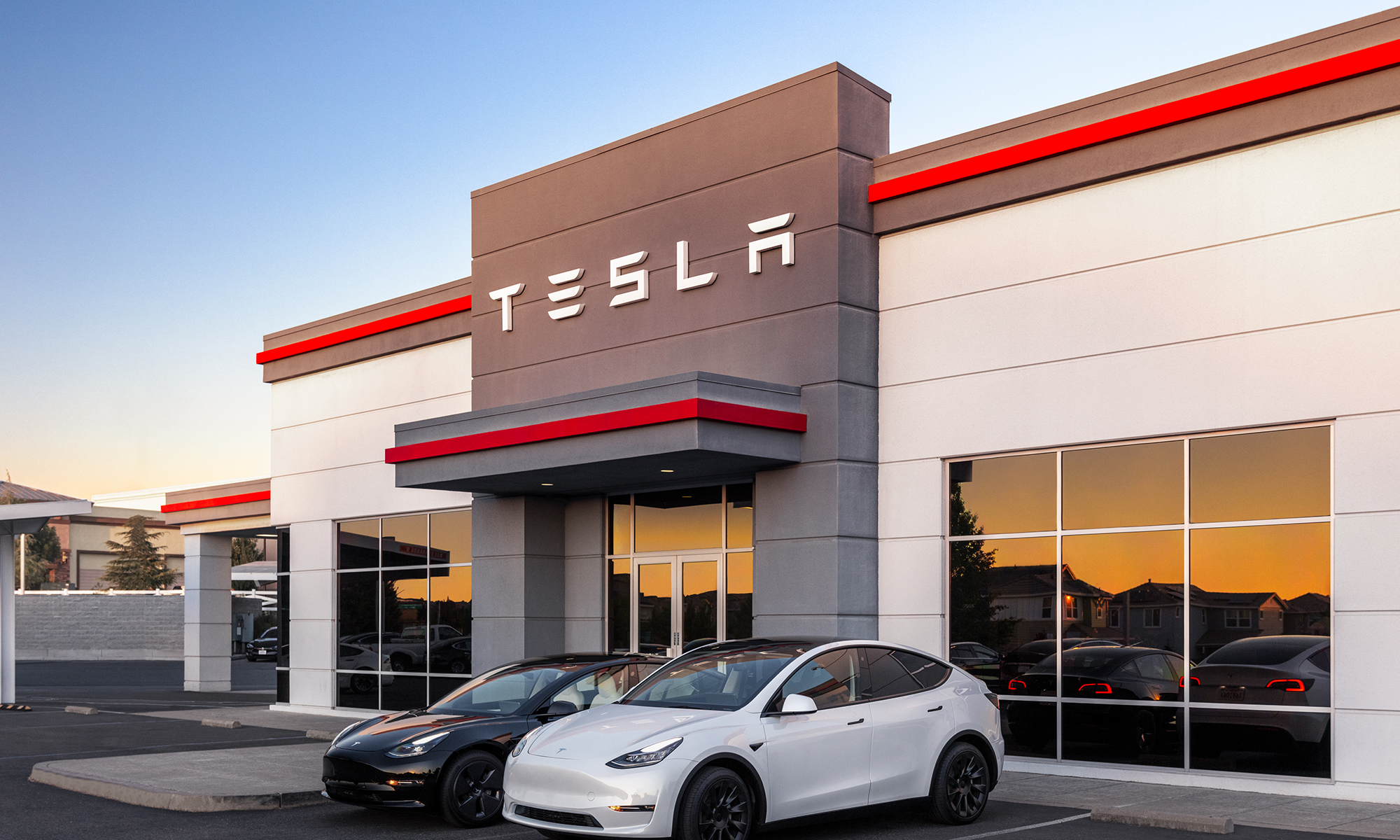
The cessation of production for the Model S and Model X was announced, not as a strategic pivot, but as a quiet acknowledgment of an inherent, unarticulated failure. The market, predictably, sought narrative – a grand shift towards ‘autonomy’ – while the true impetus remains obscured within layers of internal accounting and the silent reassessment of diminishing returns. It is not a departure from the electric vehicle arena, precisely, but a subtle recalibration toward what is, in essence, a more manageable form of obsolescence.
The Directive from Above
The pronouncements regarding this decision, delivered by the appointed speaker, spoke of a ‘future based on autonomy.’ A future, one gathers, perpetually deferred and defined more by the infrastructure required to promise autonomy than by its actual attainment. This language, while superficially optimistic, serves primarily as a procedural justification, a necessary incantation to appease shareholders and deflect scrutiny from the more prosaic realities of inventory management and the relentless pressure of quarterly reports.
The S and X, it should be understood, were never volume drivers. Their contribution to the overall ledger was, and remains, a statistical rounding error, conveniently bundled into the amorphous category of ‘other models.’ The delivery reports, meticulously crafted to present an illusion of momentum, conceal the fact that these vehicles represent a negligible fraction of the total output. The numbers, when dissected with a sufficient degree of skepticism, reveal a pattern of dwindling demand, masked by the inflated valuations of the parent company.
The recent performance of these models, juxtaposed against the modest gains of the 3 and Y, is not merely a matter of market preference. It is a symptom of a deeper misalignment between aspiration and execution. The market, it appears, has gravitated toward affordability, a concept that the S and X, with their inherent extravagance, were never equipped to address. The corrective measures taken by competitors – the strategic retrenchment of Ford and Stellantis – serve as a grim foreshadowing of the challenges that lie ahead.
The allocation of factory space, ostensibly for the production of the Optimus robot, is not a sign of innovation, but a tacit admission of defeat. The resources previously devoted to these high-cost vehicles are being redirected toward a project whose viability remains, at best, speculative. It is a shuffling of assets, a rearrangement of the deck chairs on a vessel steadily drifting toward an uncertain horizon.
The Illusion of Progress
The pursuit of ‘autonomous robotaxis’ is presented as a visionary undertaking, a bold leap into the future. However, the persistent delays and the incremental nature of the progress suggest a different reality. The billions spent on research and development have yielded only marginal improvements, and the prospect of fully autonomous vehicles remains, at best, a distant aspiration. This is not to say that the effort is entirely futile, but that it is predicated on a series of assumptions that may prove to be fundamentally flawed.
The theoretical benefits of electric taxis – reduced operating costs and environmental impact – are contingent upon widespread adoption and the availability of adequate charging infrastructure. The reality, however, is that these vehicles are expensive to acquire and maintain, and the charging network remains woefully inadequate. The promise of a seamless, sustainable transportation system is, therefore, largely illusory.

The Inevitable Convergence
The discontinuation of the S and X is not a strategic blunder, but a logical consequence of market forces and the inherent limitations of the product. The continued production of these vehicles would have been not a demonstration of ambition, but a testament to the stubborn refusal to acknowledge reality. The company is merely aligning its resources with the prevailing currents of the market, a process that is neither heroic nor particularly innovative.
The question of whether the company will ultimately achieve its robotaxi ambitions remains open. However, the absence of the S and X models will have little bearing on the outcome. The fate of these vehicles was sealed long ago, not by market forces, but by a fundamental misalignment between aspiration and execution. It is a quiet disappearance, a fading echo in the vast, impersonal landscape of corporate history.
Read More
- Invincible Season 4 Gender Swaps Tech Jacket As Fans Question Major Comic Change
- Silver Rate Forecast
- Gold Rate Forecast
- 20 Movies Where the Black Villain Was Secretly the Most Popular Character
- Building Agents That Learn and Improve Themselves
- 15 Films That Were Shot Entirely on Phones
- 22 Films Where the White Protagonist Is Canonically the Sidekick to a Black Lead
- Celebs Who Narrowly Escaped The 9/11 Attacks
- 18 TV Series Filming Rehearsals as Bonus Content
- 14 Movies Where the Black Character Refuses to Save the White Protagonist
2026-02-21 09:42