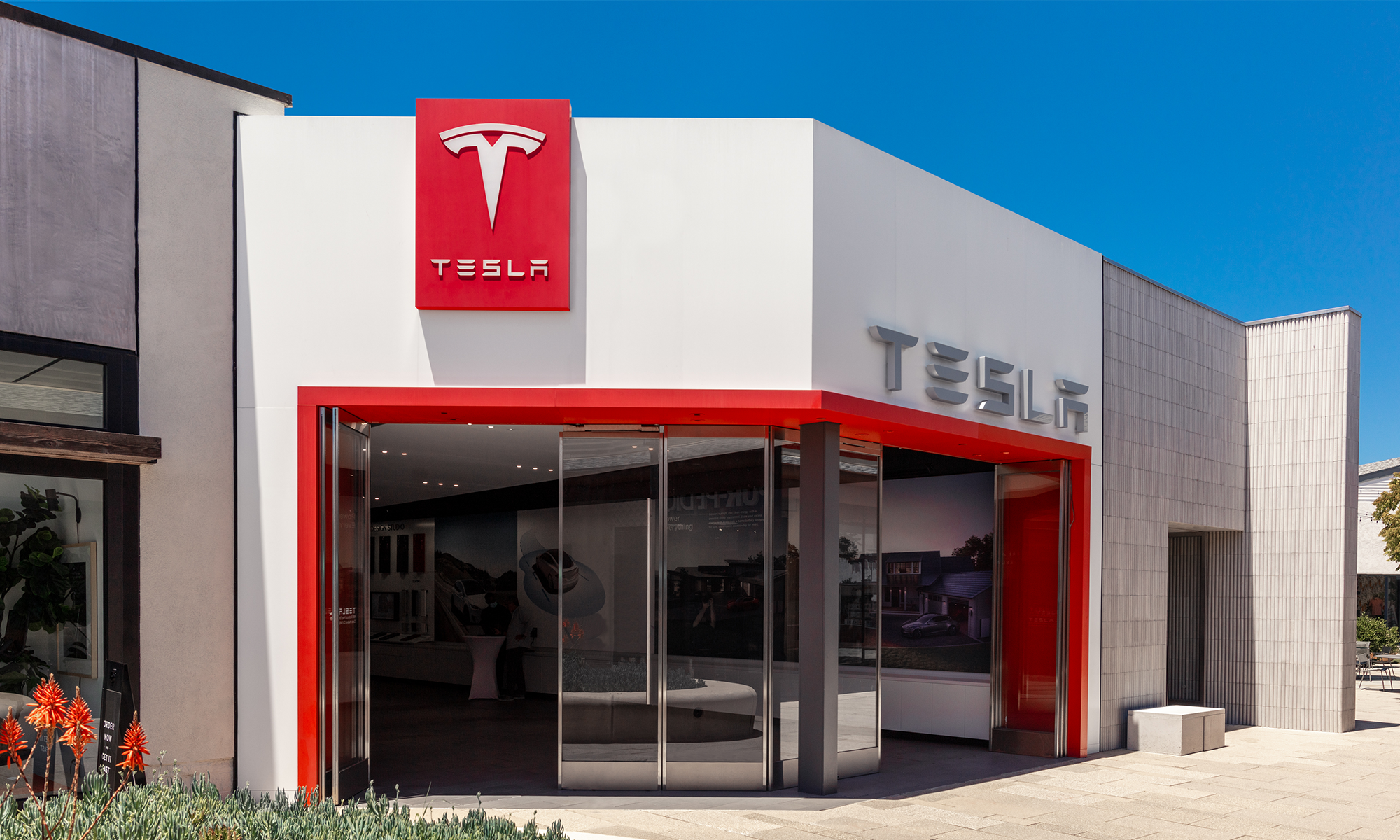
They say a machine, once set in motion, will follow its course. Tesla, for a time, seemed to defy gravity, a glittering promise for those who could afford the illusion. But illusions, like poorly forged steel, eventually crack. The shareholders, those who staked their hopes on polished chrome and ambitious pronouncements, have known a ride. A dizzying climb, followed by the slow, sickening realization that perhaps, just perhaps, the ascent was built on air. The year closed with a modest gain, a thin varnish over a deeper rot.
The numbers, when stripped of the marketing sheen, tell a story of a company losing its grip. A decline of 8.5% in vehicle deliveries—not a gentle correction, but a stumble. For the first time, the crown slips, landing on the head of BYD, a name whispered with a growing confidence. It’s a harsh lesson, isn’t it? That even in a world hungry for novelty, the fundamentals still matter. The working man—the delivery driver, the gig worker—doesn’t care about innovation; he cares about a reliable vehicle at a price he can bear.
The Weight of Empty Promises
The reasons are plain enough. The cost of dreams, it turns out, is higher than most can afford. The expiration of tax credits, the rise of competitors offering value, these are not unforeseen obstacles. They are the inevitable consequences of a market that demands more than promises. BYD and Geely, names once dismissed as imitators, now offer a compelling alternative—a vehicle for the many, not a status symbol for the few. It’s a simple equation, really: need versus aspiration.
Robotaxis: A Phantom Limb
Three-fourths of Tesla’s revenue still comes from the sale of automobiles. Yet, the company now speaks of robotaxis as the engine of future growth. A curious strategy, to build a future on a foundation that is, at best, uncertain. It is as if the architects of this machine have lost faith in the product itself, seeking salvation in a technology that remains stubbornly out of reach. The stock is priced as a software company, a purveyor of artificial intelligence. A dangerous gamble, to ask investors to pay for a dream that may never materialize.
A Valuation Detached From Reality
The numbers are staggering. A price-to-earnings ratio of 201—more than five times that of Nvidia, six times Amazon, nearly ten times Meta. It is a valuation built on air, on the expectation of perpetual growth, on the belief that this machine can defy the laws of economics. Even with the promise of robotaxis, it’s hard to justify. The market has become addicted to the narrative, blind to the underlying reality.
To invest in Tesla now is to accept a long wait—a decade or more—for these autonomous vehicles to become a tangible reality. And even then, to embrace the inevitable volatility, the setbacks, the disappointments. It is a gamble for those with patience, and a willingness to lose. But for the rest of us, it is a reminder that even the most impressive machines can be brought down by the weight of their own illusions.
Read More
- Top 20 Dinosaur Movies, Ranked
- 20 Movies Where the Black Villain Was Secretly the Most Popular Character
- 25 “Woke” Films That Used Black Trauma to Humanize White Leads
- Celebs Who Narrowly Escaped The 9/11 Attacks
- Spotting the Loops in Autonomous Systems
- Gold Rate Forecast
- 22 Films Where the White Protagonist Is Canonically the Sidekick to a Black Lead
- The 10 Most Underrated Jim Carrey Movies, Ranked (From Least to Most Underrated)
- Silver Rate Forecast
- From Bids to Best Policies: Smarter Auto-Bidding with Generative AI
2026-01-23 16:12