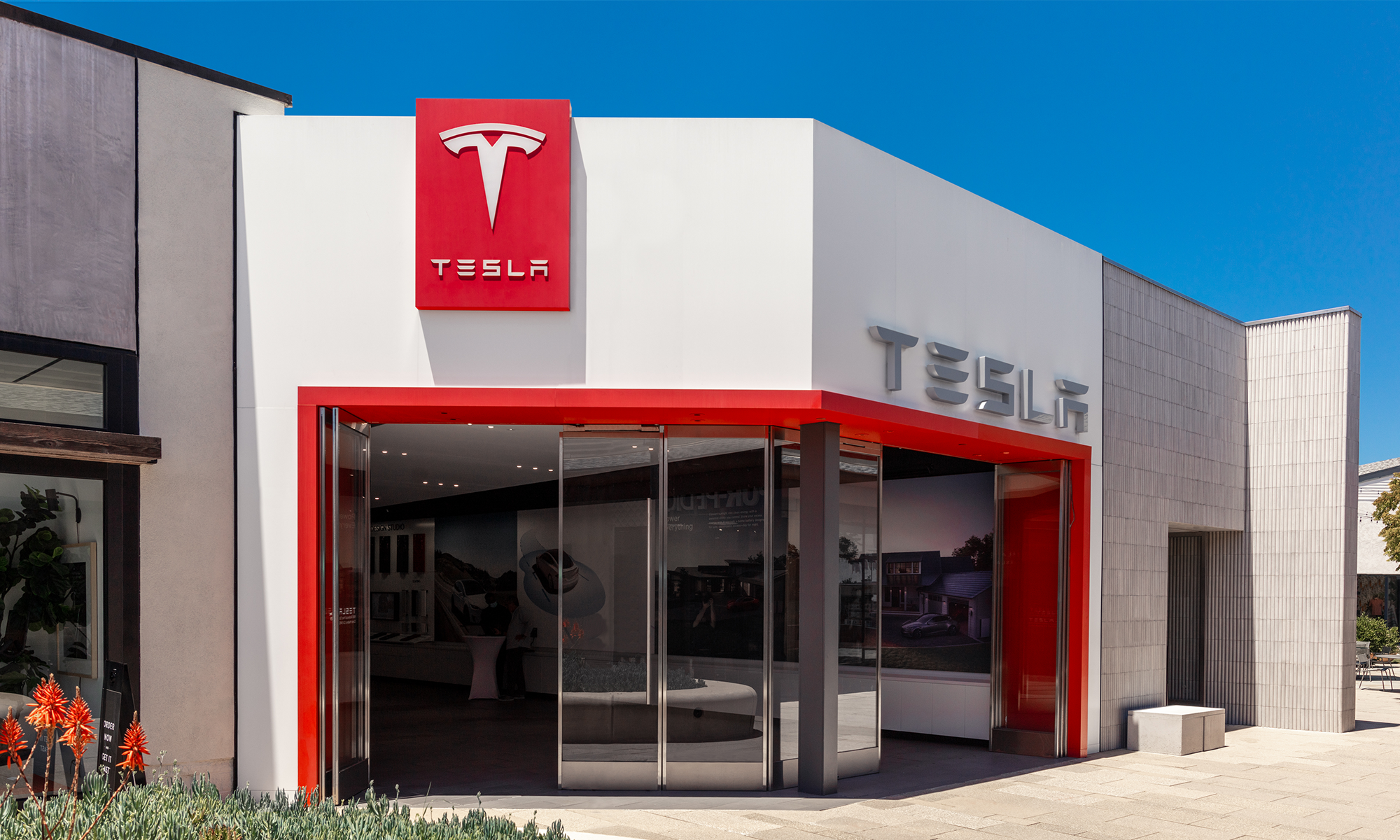
It appears that Tesla, that most fascinating of modern enterprises, is undergoing a metamorphosis. To cling to the merely functional – automobiles, however electric – is so dreadfully middle class. The company, it seems, is determined to embrace a future less concerned with transportation and more with the delightfully improbable. One suspects Mr. Musk has grown weary of simply moving people; he now aspires to replace them, or at least their labor.
The cessation of production for the Model S and Model X is not a defeat, dear reader, but a declaration. Fremont, once a temple to automotive progress, is to become a foundry for automatons. The Optimus, a humanoid robot, is the new muse, and robotaxis, the gilded chariots of a driverless age. It is a bold wager, a testament to the enduring human belief that progress lies not in refinement, but in radical reinvention.
The market, of course, is predictably excitable. Analysts, those diligent scribes of speculation, now whisper of fortunes. Wolfe Research posits a robotaxi revenue stream of $250 billion by mid-decade – a sum so vast it renders mere billions almost quaint. This, they claim, could inflate Tesla’s market capitalization by a trifling $2.75 trillion. One is reminded of a particularly extravagant soirée; the numbers are dazzling, yet ultimately ephemeral.
Mr. Musk, never one to understate his ambitions, speaks of a $25 trillion market for Optimus, and even suggests 80% of Tesla’s value will ultimately reside in these metallic progeny. Such pronouncements are, naturally, met with skepticism. But then, skepticism is the refuge of those lacking imagination. Morgan Stanley, ever the pragmatist, estimates a more modest $5 trillion annual revenue by 2050. Still, a considerable sum, enough to fund a rather splendid collection of Impressionist paintings, wouldn’t you agree?
However, let us not be swept away by the tide of optimism. To invest in such ventures is to embrace uncertainty, to gamble on the future with a reckless abandon that is both thrilling and terrifying. Tesla currently trades at a valuation that demands nothing less than perfection. A price-to-earnings ratio of 195.5, and a price-to-sales ratio of 14.7 are figures that suggest either extraordinary foresight, or a profound detachment from reality.
Last year, vehicle deliveries declined by 8.6%, revenue fell by 3%, and net income plummeted by 46%. Such numbers are rarely celebrated, yet the company continues to pour resources into artificial intelligence and robotics. It is a curious paradox: to build the future, one must first dismantle the present.
The prospect of explosive growth in robotics and robotaxis is, admittedly, plausible. But plausibility is not certainty. Tesla must execute flawlessly, navigating a landscape fraught with technological challenges and competitive pressures. Should they succeed, their valuation will soar. Should they fail, the passage of time will reveal the current price as a monument to speculative excess. To lose one billion may be regarded as a misfortune; to lose two looks like carelessness, and to lose a trillion…well, that would simply be bad form.
Read More
- Top 20 Dinosaur Movies, Ranked
- 20 Movies Where the Black Villain Was Secretly the Most Popular Character
- 25 “Woke” Films That Used Black Trauma to Humanize White Leads
- Silver Rate Forecast
- Spotting the Loops in Autonomous Systems
- Gold Rate Forecast
- From Bids to Best Policies: Smarter Auto-Bidding with Generative AI
- Celebs Who Narrowly Escaped The 9/11 Attacks
- 22 Films Where the White Protagonist Is Canonically the Sidekick to a Black Lead
- Can AI Lie with a Picture? Detecting Deception in Multimodal Models
2026-03-05 23:12