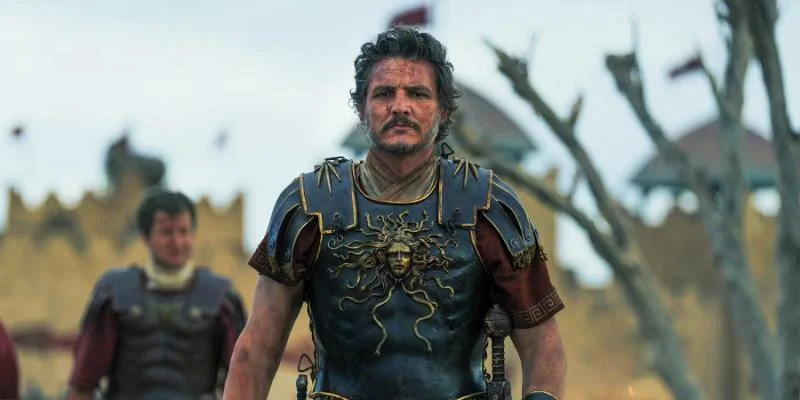
History can be hard to connect with because it deals with things that happened a long time ago, and it’s often difficult to relate to the people and events. Film can bridge that gap by bringing the past to life. Seeing faces, hearing voices, and following compelling stories makes history more understandable and engaging, which is why many teachers are now using films in their classrooms.
Movies aren’t meant to replace books or original documents; they’re best used with them. When teachers use films effectively, they can help students understand the context, feelings, and different viewpoints that written texts sometimes miss.
Why History Through Film Works in Classrooms
Films about history can help students feel a personal connection to past events. Because emotions strengthen memory, students are more likely to remember details if they experience a historical event through a story on screen, which benefits them when discussing or being tested on the material.
Teachers frequently pair watching videos with writing assignments in their lessons. When students get overwhelmed with work, some turn to services that help with essay writing, but they still focus on understanding the main ideas through film studies taught in class.
Movies are also great for people who learn best by seeing things. The clothes characters wear, the places where the story happens, and how they move and act can all help us understand what life was like in different times and how people interacted with each other.
Teaching History Through Film With Purpose
Simply showing a movie isn’t usually a successful way to teach. When using films to teach history, it’s important to prepare students beforehand. This includes asking questions to focus their attention, pausing at important moments for discussion, and reviewing the historical facts afterward.
Students learn to ask:
- Who is telling this story
- What viewpoint is highlighted
- What details feel simplified or missing
This approach helps students separate storytelling from evidence while still learning from both.
Movies to Watch in History Class
Not all historical films are suitable for classroom use. The most effective ones directly support what students are learning and are appropriate for their age level. When chosen thoughtfully, historical movies can encourage lively discussions instead of just being watched passively.
Instead of showing entire movies, teachers frequently use short video clips. These clips can spark discussions about important topics like leadership, disagreements, or different cultures. Gradually, students begin to think of films as something to be studied and examined, rather than simply enjoyed.
Best American History Movies for Classroom Use
Teachers frequently use popular American history films to teach about topics like the civil rights movement, wars, political shifts, and social changes. These movies typically tell personal stories set against the backdrop of important national events.
Using movies to teach US history allows students to compare how events are portrayed on screen versus how they’re described in textbooks. This process improves their critical thinking skills and helps them identify potential biases or particular viewpoints.
Common classroom themes include:
- Leadership under pressure
- Social inequality
- National identity
Movies About US History as Cultural Windows
I’ve noticed that historical movies aren’t just windows into the past – they also tell you a lot about the time they were made. It’s fascinating to see how our perspectives on things like race, who holds power, and even what it means to be patriotic change over the years, and movies are a great way to track those shifts. As a student, I find they’re really valuable for understanding how culture evolves.
When students analyze films made in different eras, they can observe how society revisits and re-imagines its history. This process not only enhances their understanding of the past, but also broadens their awareness of different cultures.
Best Historical Films Beyond National Borders
As a film buff, I truly believe history class shouldn’t just focus on our own country. Some of the most impactful learning I’ve had came from watching films made in other parts of the world – they really helped me grasp what was happening globally and understand that, at the end of the day, people everywhere face similar challenges.
Movies and documentaries about major historical events – like revolutions, empires, and wars – can help students understand how actions in one part of the world impact others. They also reinforce important lessons about negotiation, fighting, and working together.
Movies for World History Class
Showing movies in world history class makes it easier for students to understand different cultures. Films visually demonstrate things like clothing, buildings, and everyday life in ways that textbooks simply can’t.
Teachers frequently combine watching movies with activities like creating maps or timelines. This helps students understand the facts while also enjoying a visually engaging learning experience.
Comparing Film and Traditional History Sources
The table below shows how film supports, but does not replace, other materials:
| Source Type | Strength | Limitation |
| Textbooks | Detailed facts | Limited emotional context |
| Primary documents | Direct evidence | Hard for beginners |
| Film | Cultural context and emotion | Narrative choices |
This balance explains why history through film works best as part of a broader lesson plan.
Cultural Learning Through Film
Movies reveal more than just what happens on screen; they also offer glimpses into the beliefs, anxieties, and accepted behaviors of a society. By analyzing things like body language, dialogue, and the environment, students can understand the culture of a time period in addition to learning the historical details.
Films are particularly useful when addressing sensitive subjects. By bringing history to life, they allow students to approach challenging issues with empathy and a broader understanding.
Practical Tips for Teachers Using Film
Teachers new to film-based lessons often start small. Effective strategies include:
- Showing short clips with clear focus questions
- Pausing for discussion during key moments
- Assigning reflection writing after viewing
These steps help students stay active and analytical.
Final Thoughts on Film in History Education
Movies now have a valuable role in education. When used thoughtfully, they can improve students’ memory, encourage thoughtful discussions, and broaden their understanding of different cultures. Specifically, using films to teach history helps students connect with the past on a personal level, rather than just memorizing facts.
Using films – both American history movies and international cinema – alongside research and careful examination can greatly improve students’ ability to think critically about history and different cultures.
Read More
- Gold Rate Forecast
- Invincible Season 4 Gender Swaps Tech Jacket As Fans Question Major Comic Change
- 22 Films Where the White Protagonist Is Canonically the Sidekick to a Black Lead
- Unveiling the Schwab U.S. Dividend Equity ETF: A Portent of Financial Growth
- 14 Movies Where the Black Character Refuses to Save the White Protagonist
- Silver Rate Forecast
- Why Won’t It Just *Do* What You Ask? Unpacking the Quirks of AI Language
- Top 10 Coolest Things About Jared Leto
- How to Do Sculptor Without a Future in KCD2 – Get 3 Sculptor’s Things
- 20 Movies Where the Black Villain Was Secretly the Most Popular Character
2026-01-15 16:22