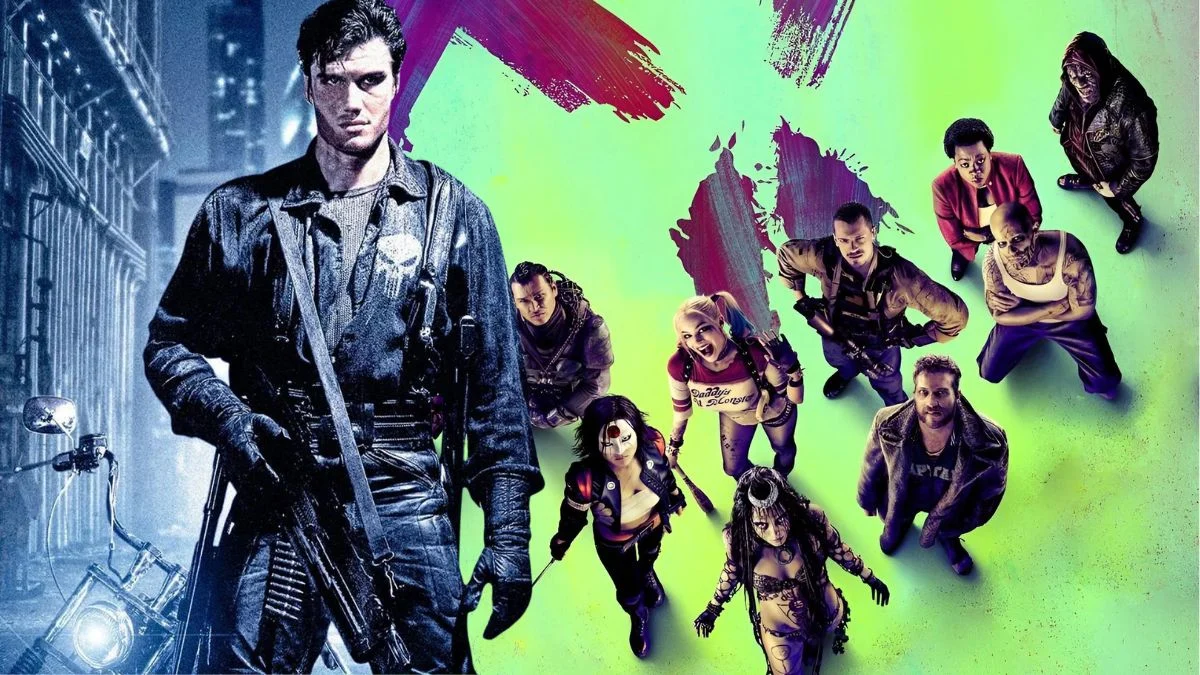
For the past twenty years, superhero movies have been incredibly popular and profitable worldwide, but the genre hasn’t always had an easy ride. While some films, like ‘The Avengers’ and ‘The Dark Knight’, were huge successes and set a new standard, others struggled with poor reviews and box office numbers, potentially damaging the future of superhero films. These less successful movies were often made too quickly, heavily controlled by studio executives, or simply didn’t capture what fans loved about the original stories. The following is a look at the films that slowed down popular franchises or started to wear out audiences.
‘Howard the Duck’ (1986)
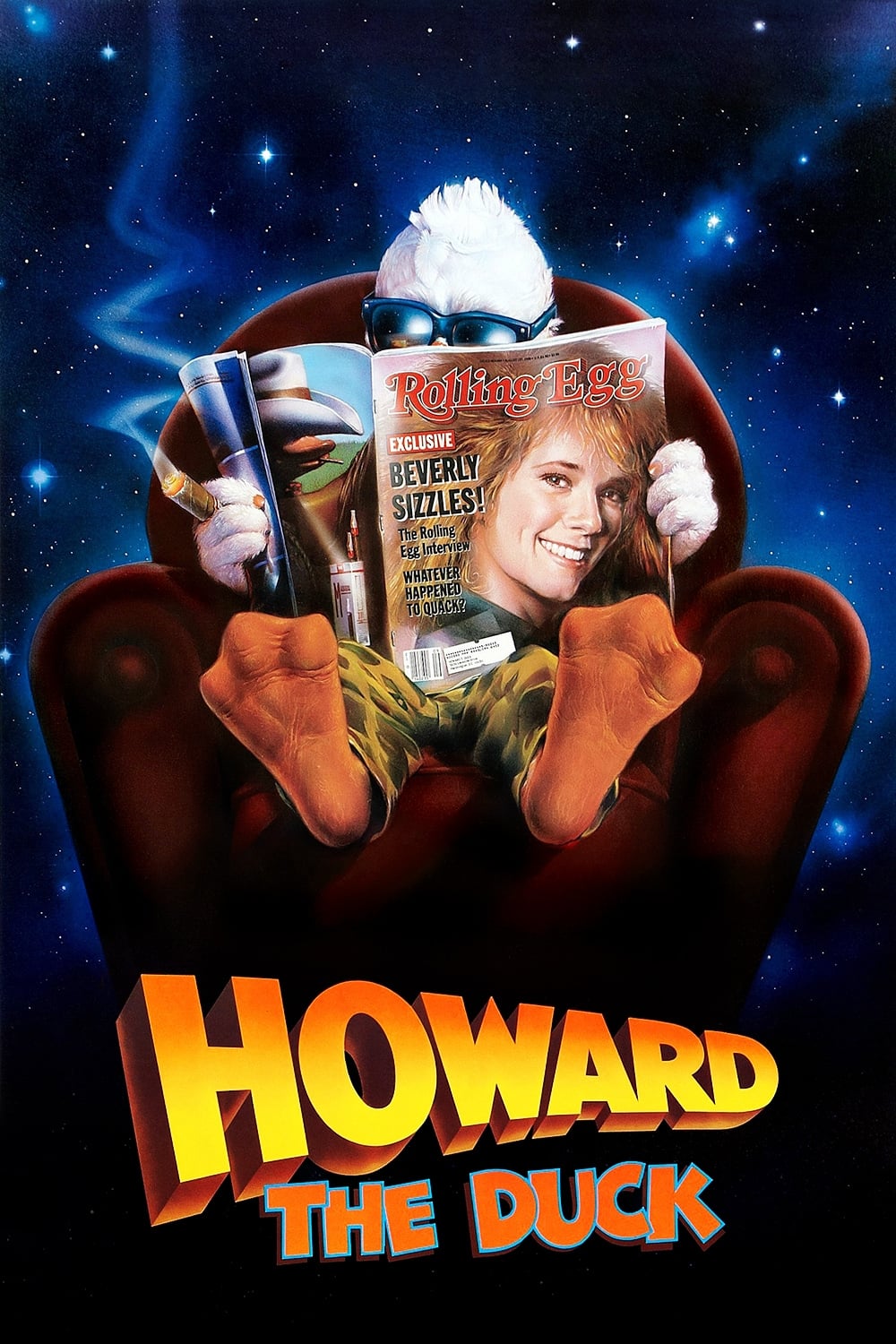
George Lucas made a movie based on a Marvel comic about a duck who ends up on Earth. While it tried to be both funny and visually impressive with special effects, the movie didn’t work well together and confused viewers. Critics didn’t like the robots used in the film, and some of the humor was considered unsuitable for its young audience. The movie failed so badly at the box office that other studios avoided making Marvel-based movies for almost ten years.
‘Superman IV: The Quest for Peace’ (1987)
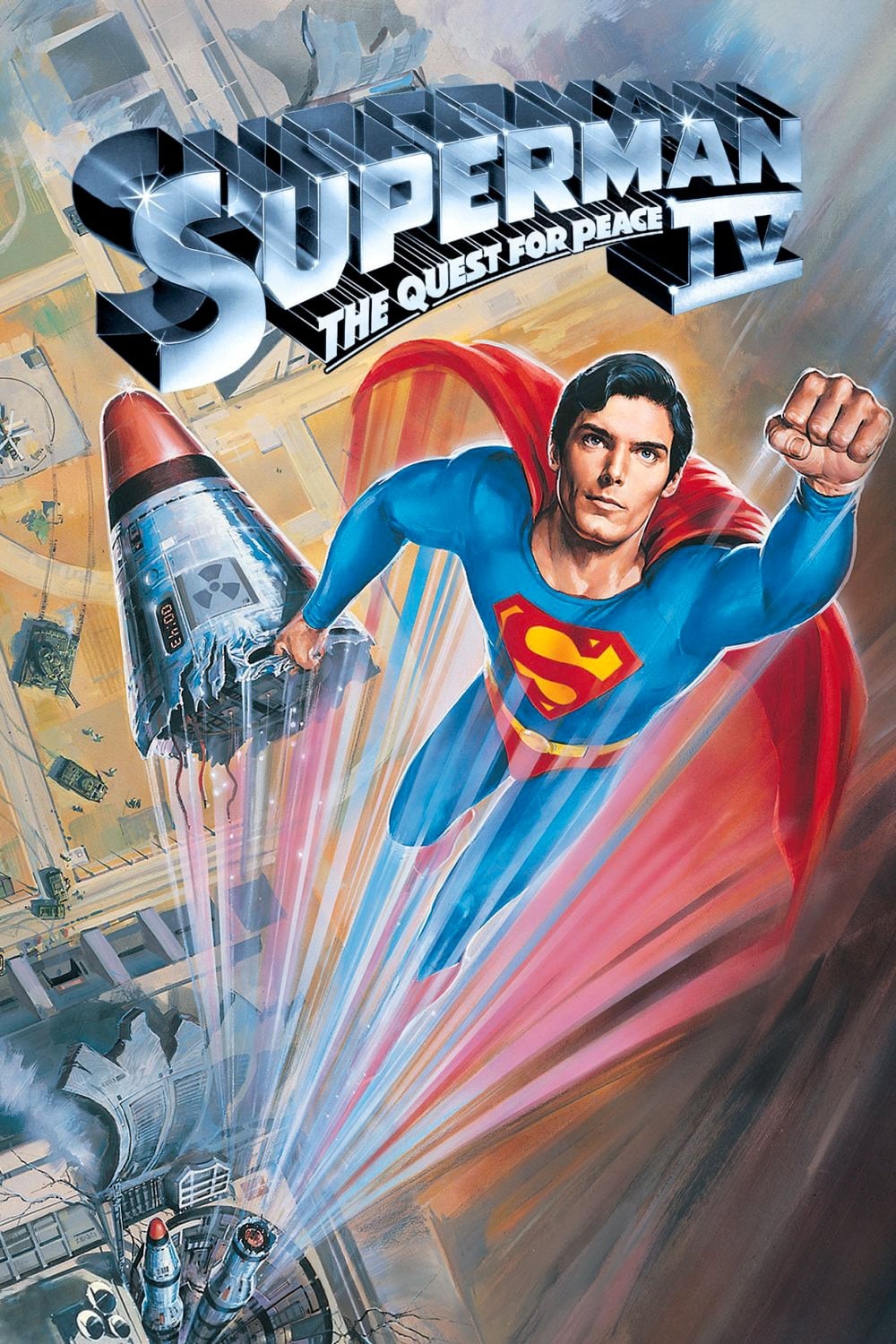
Christopher Reeve’s last performance as Superman was made under difficult circumstances, with significant budget cuts impacting the film’s quality. They reused special effects and, noticeably, wires were visible during flying scenes. The story centered around Superman’s attempt to eliminate nuclear weapons, facing off against a villain called Nuclear Man. Unfortunately, the film was a failure and led to a nearly twenty-year pause in new Superman movies.
‘The Punisher’ (1989)
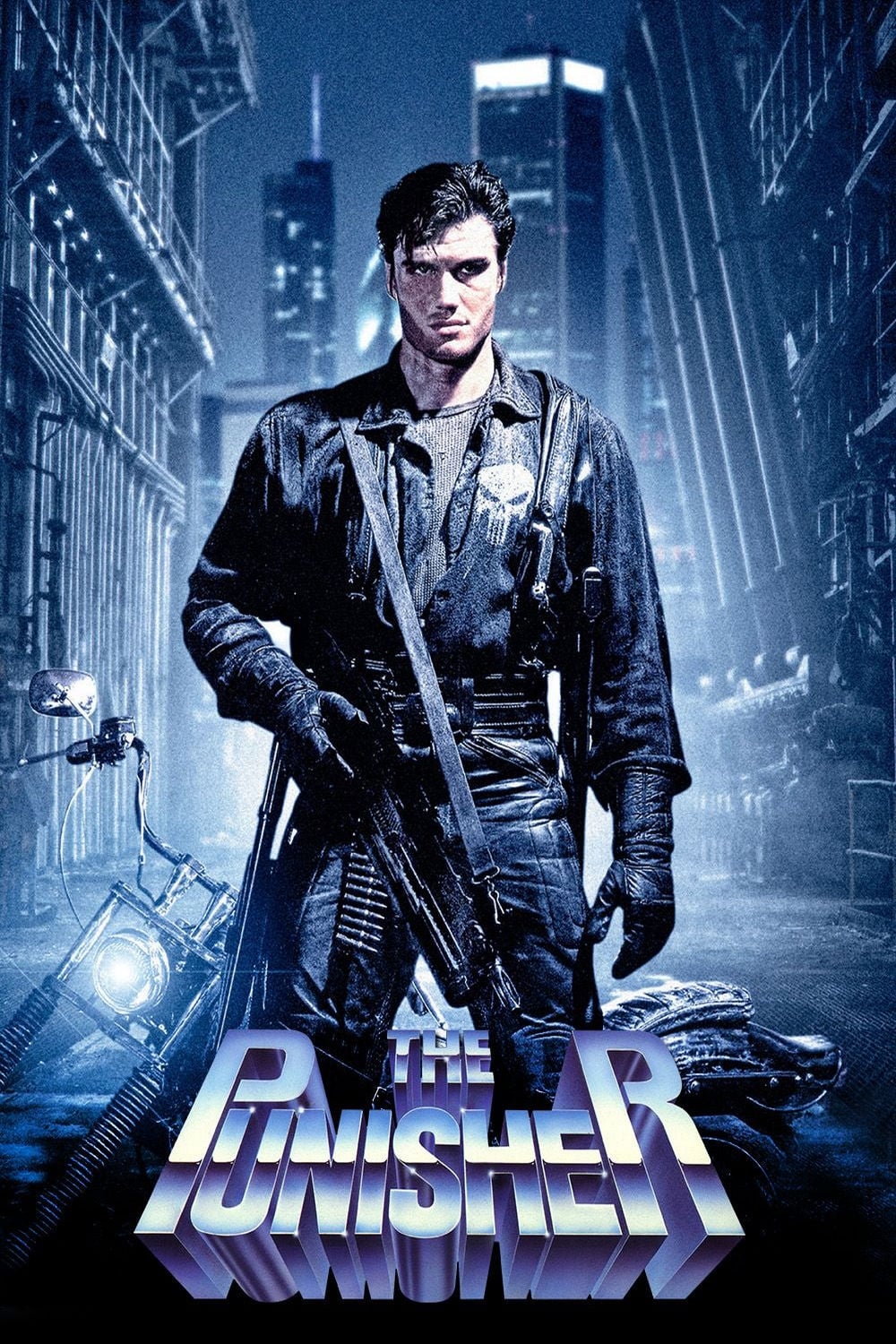
Dolph Lundgren played Frank Castle in this movie, which wasn’t a very close adaptation of the comic book and left out the character’s famous skull symbol. Because the production company was having money problems, the film went straight to video instead of being shown in theaters. Viewers thought it felt like a typical action movie rather than a true representation of the comic, and it didn’t capture the complex, dark personality of the character.
‘Captain America’ (1990)
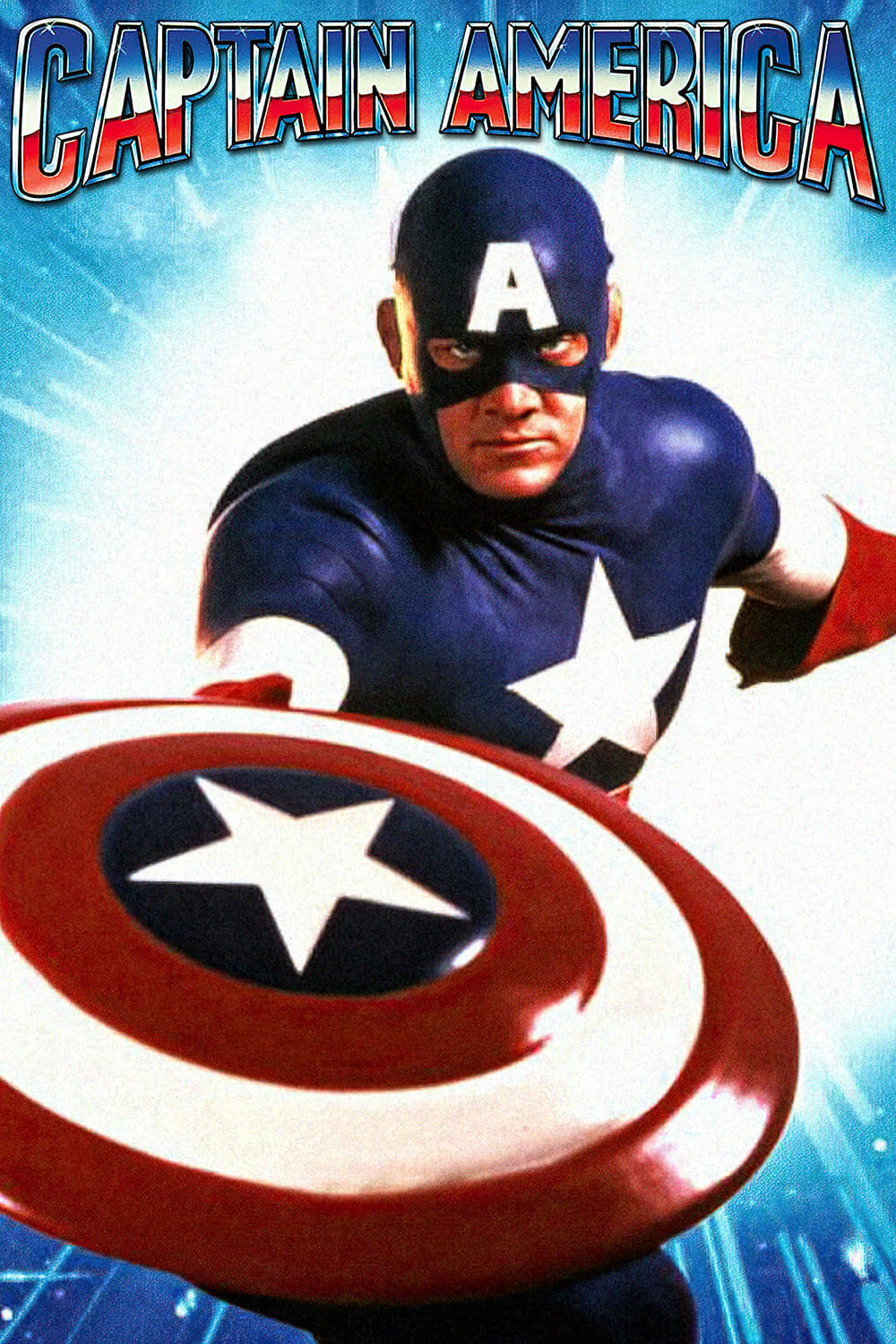
This early, low-budget Captain America movie didn’t quite succeed. The story was confusing, and the production quality was noticeably cheap. Matt Salinger starred as Steve Rogers in a film that quickly glossed over his beginnings and featured a Red Skull with an awkward accent. It wasn’t released in theaters in the US and only gained a following on video. It stands as a reminder that adapting popular heroes requires a substantial budget to do them justice.
‘Judge Dredd’ (1995)
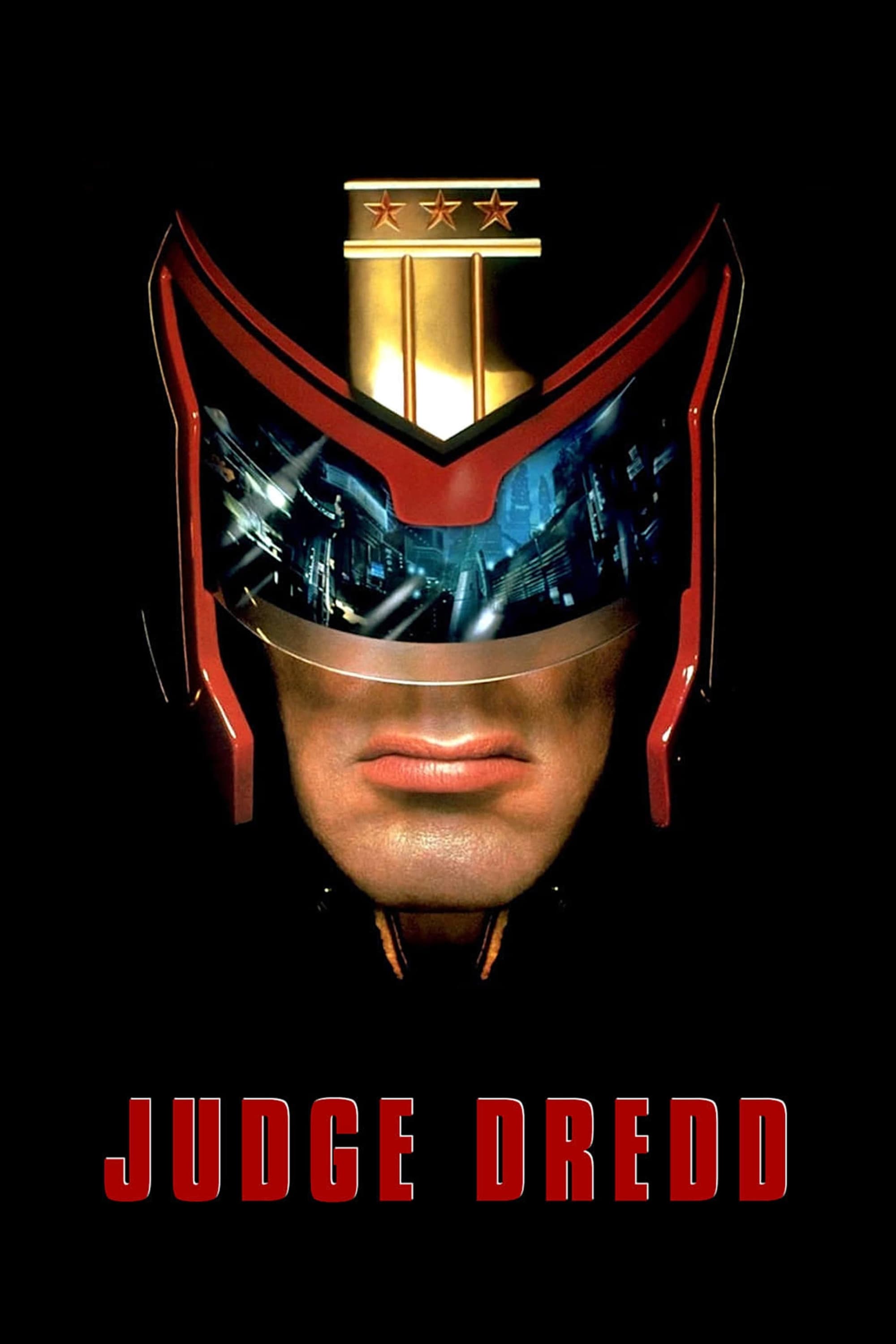
The movie ‘Dredd,’ starring Sylvester Stallone, took significant liberties with the original comic book, much to the dismay of fans. A major point of contention was the early removal of Dredd’s helmet – a defining characteristic of the character. The film also struggled with its tone, awkwardly mixing a grim, dystopian setting with over-the-top comedy featuring Rob Schneider. This resulted in a critical failure that unfortunately hindered the development of other serious, comic book-based films for years.
‘Batman & Robin’ (1997)
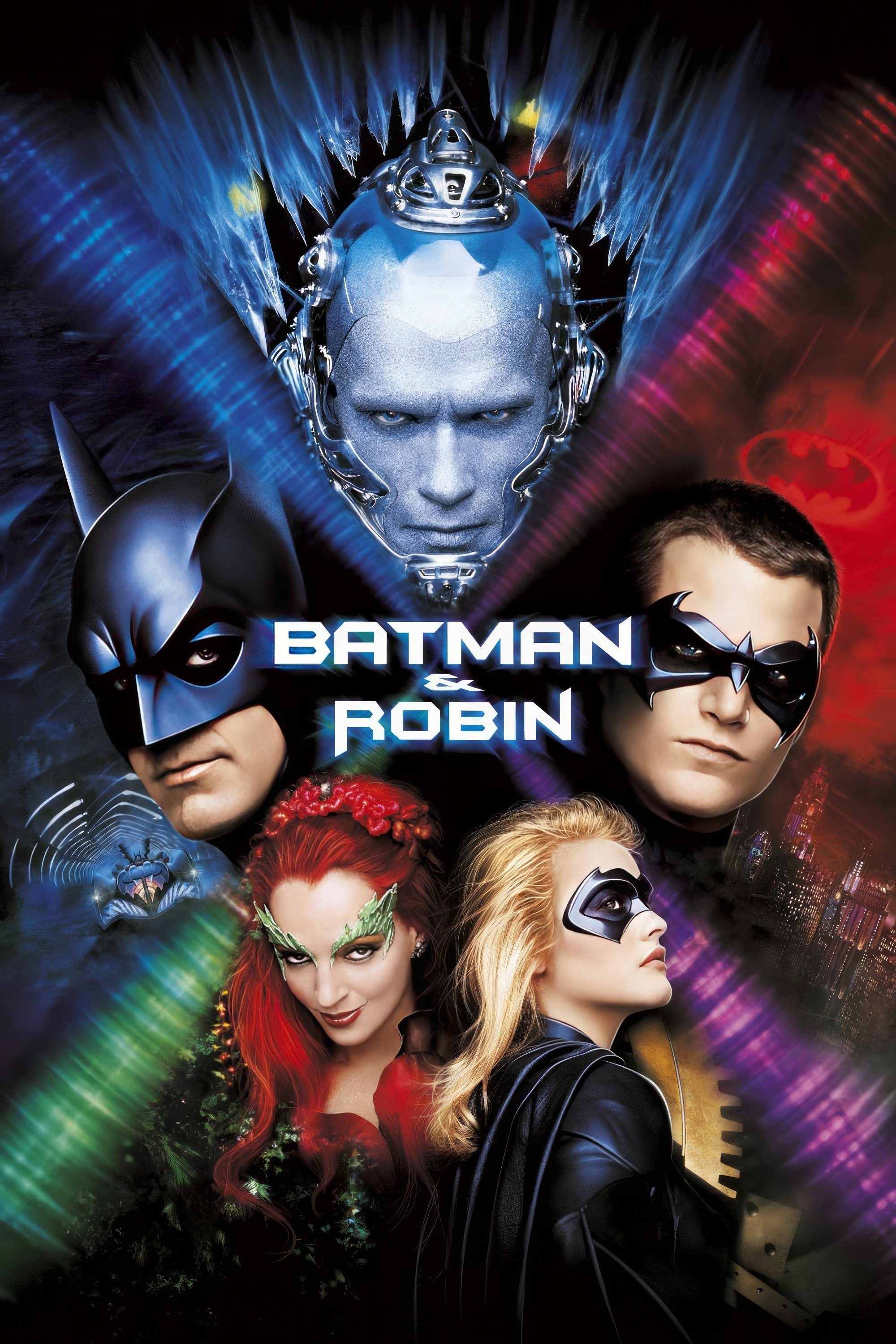
I remember when Joel Schumacher’s Batman & Robin came out – it was… a lot. Everything was so bright and colorful, and honestly, the Batsuit with the rubber nipples was just strange. George Clooney was Batman, but Arnold Schwarzenegger as Mr. Freeze stole the show with all his ice-related jokes. It really felt like they cared more about selling toys than telling a good story, and it ended up being a really over-the-top, campy movie that a lot of fans didn’t like. Warner Bros. decided not to make another one right away, and it took eight years before they tried a completely different, much darker take on Batman.
‘Steel’ (1997)

I remember when Shaq tried to become an action star with ‘Steel’! It was based on a DC Comics hero, but honestly, it just didn’t quite work. They clearly didn’t have a lot of money to work with – the cool, high-tech armor in the comics looked…well, pretty rubbery on screen. And what was really strange was they completely cut out any connection to Superman, which felt odd considering the comics. Sadly, it ended up being a huge flop and one of the lowest-grossing superhero movies ever made.
‘Spawn’ (1997)
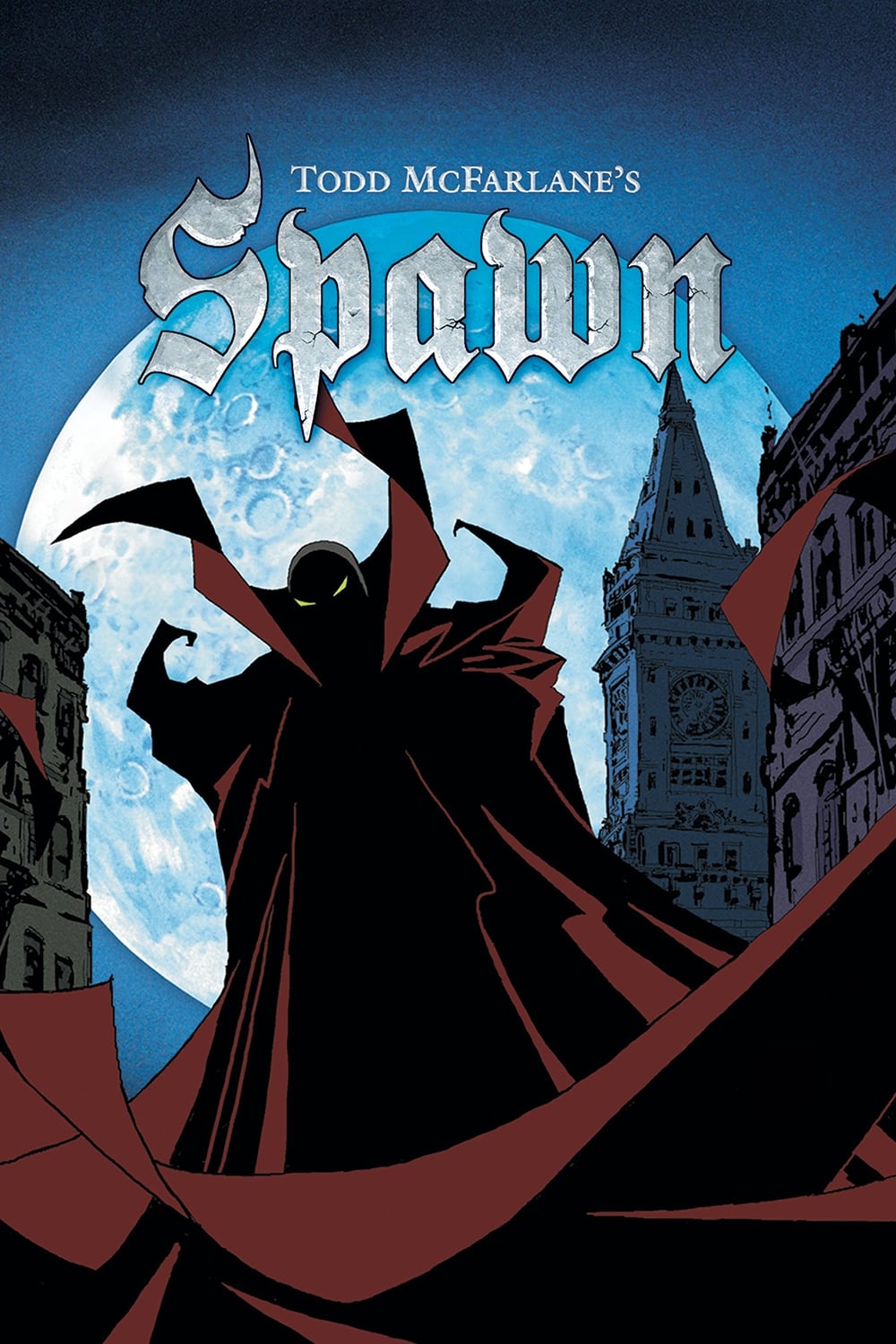
The first movie adaptation of Todd McFarlane’s Spawn heavily featured early CGI. While the practical makeup effects for Spawn himself were well-received, the digitally created villain, Malebolgia, appeared incomplete, even for that era. The film also tried to cram a lot of complex backstory into a typical action movie length. Unfortunately, negative reviews stopped any plans for a sequel, despite the character being popular.
‘Daredevil’ (2003)
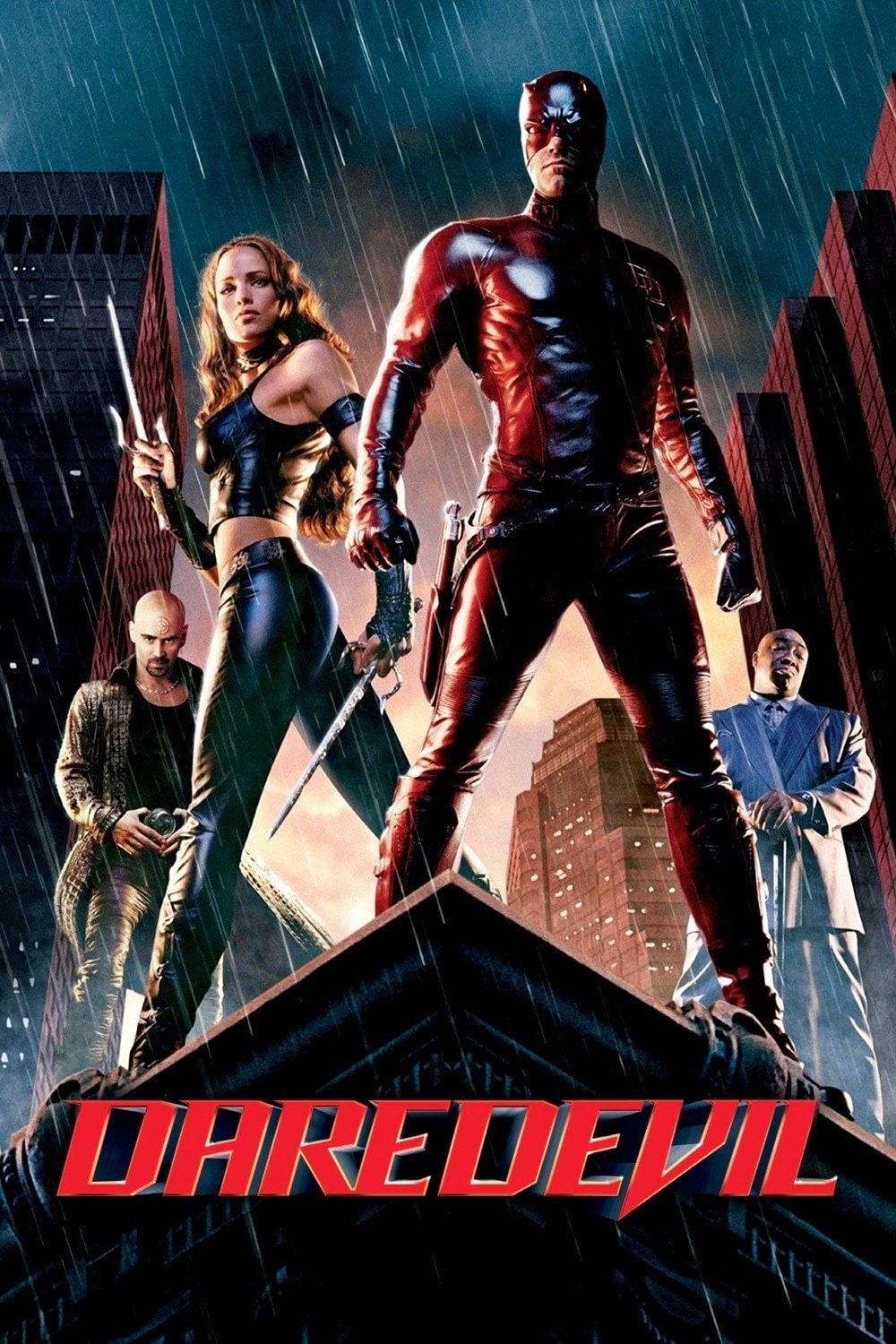
I remember being really intrigued when Ben Affleck took on the role of Daredevil, Matt Murdock, back in the early 2000s – everyone was into superheroes then! But the movie itself felt a little conflicted. It seemed like they were trying to be dark and serious with the character, but also wanted that big, action-packed blockbuster feel, and it didn’t quite gel. I recall critics pointing out the movie felt rushed in parts, and some thought Colin Farrell went a bit too big with his performance as Bullseye. The original version in theaters felt a little messy, honestly, but I heard the director’s cut was a big improvement and smoothed out a lot of the story problems.
‘Hulk’ (2003)
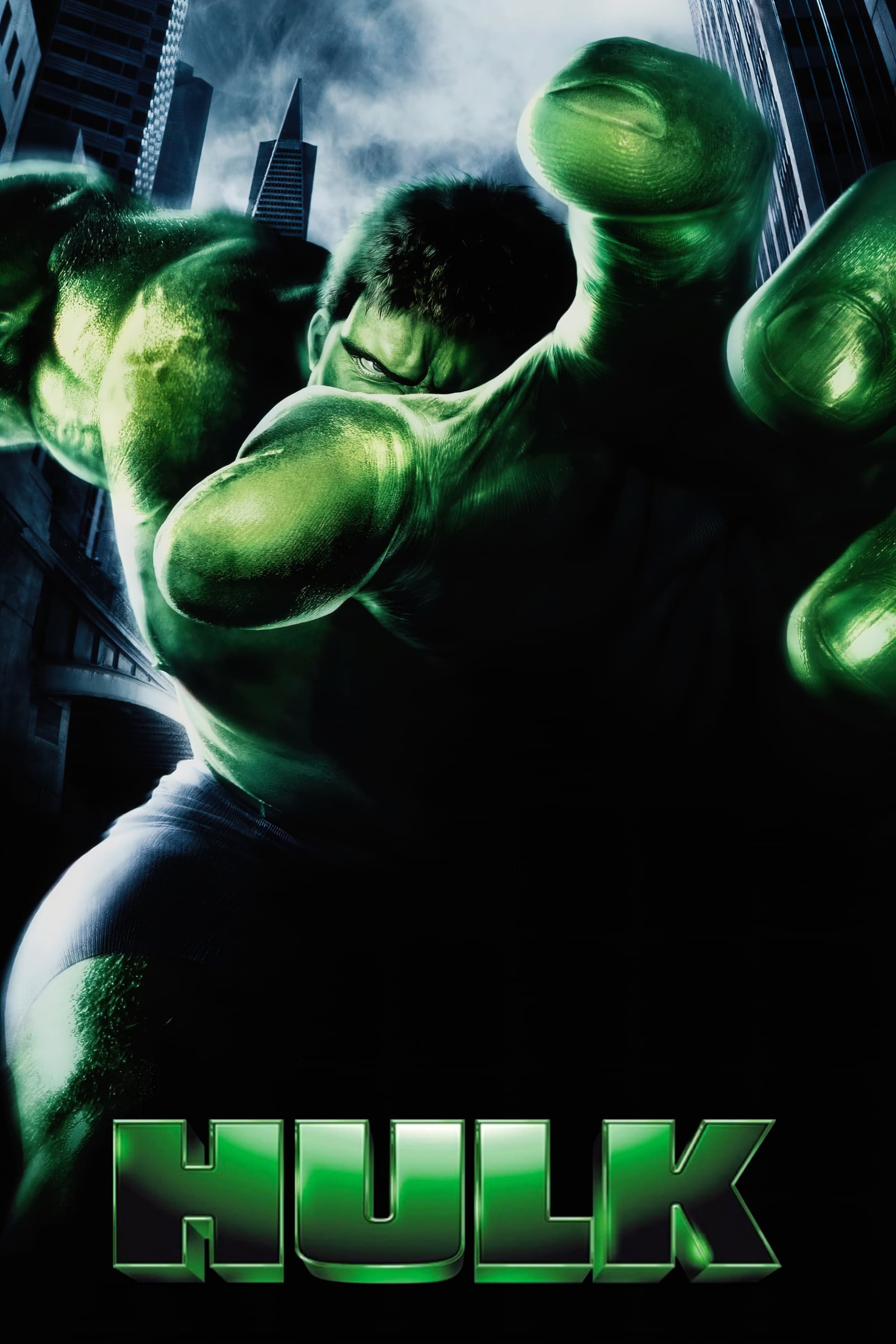
Ang Lee took a unique approach with this film, aiming to create a psychologically complex story from a comic book source. While he experimented with split-screen techniques to resemble comic book panels, many viewers found the movie’s slow pace unengaging. The computer-generated Hulk received criticism for its unrealistic, rubbery appearance and fluctuating size during action scenes. Ultimately, the film proved controversial and didn’t lead to a series of sequels until the character was reimagined within the Marvel Cinematic Universe.
‘The League of Extraordinary Gentlemen’ (2003)
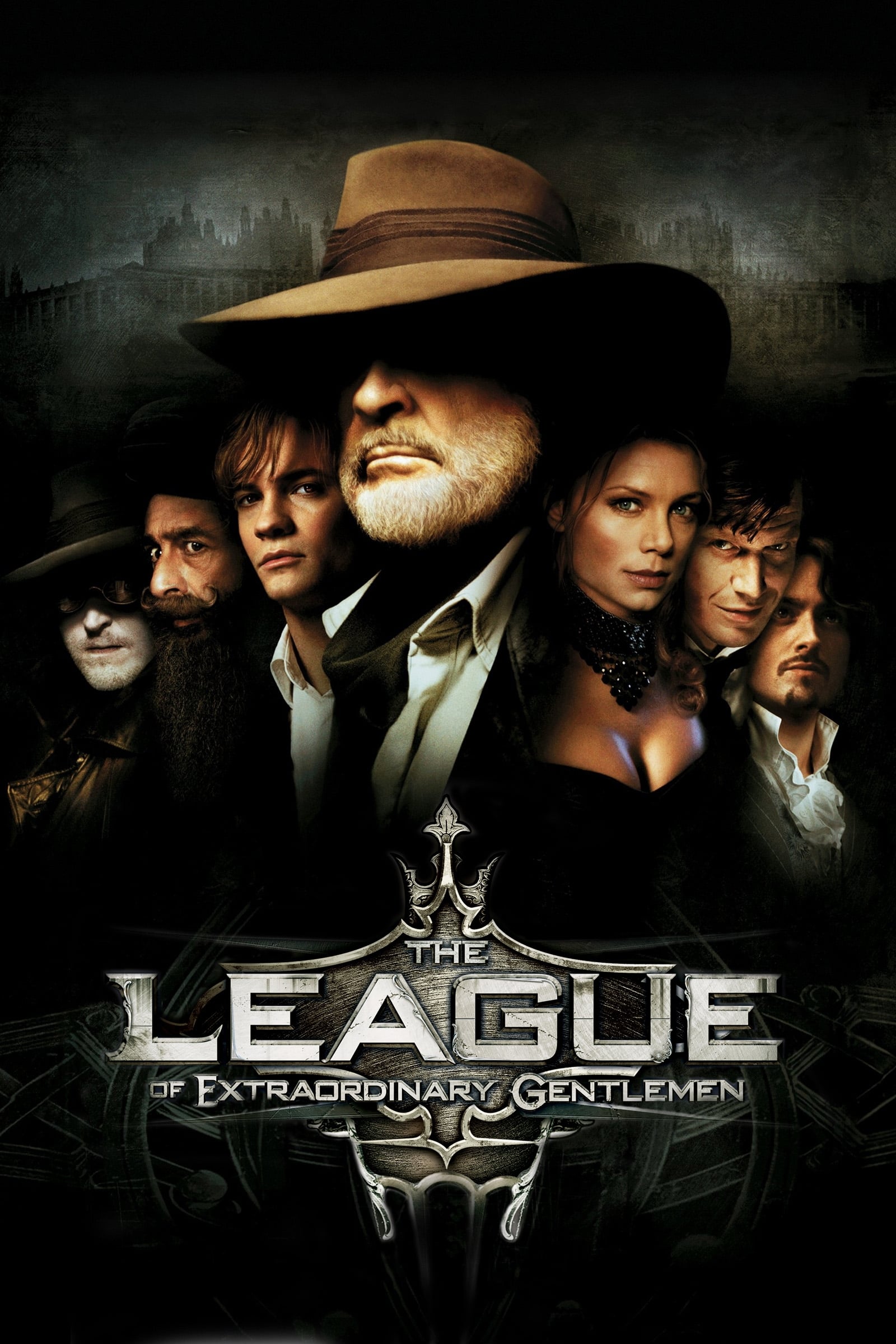
This movie marked Sean Connery’s last on-screen performance. While based on a popular graphic novel, the production was troubled by disagreements between Connery and the director. The film sacrificed the depth of the original story for typical action sequences, and its poor reception is believed to have led to Connery’s retirement from acting.
‘Catwoman’ (2004)
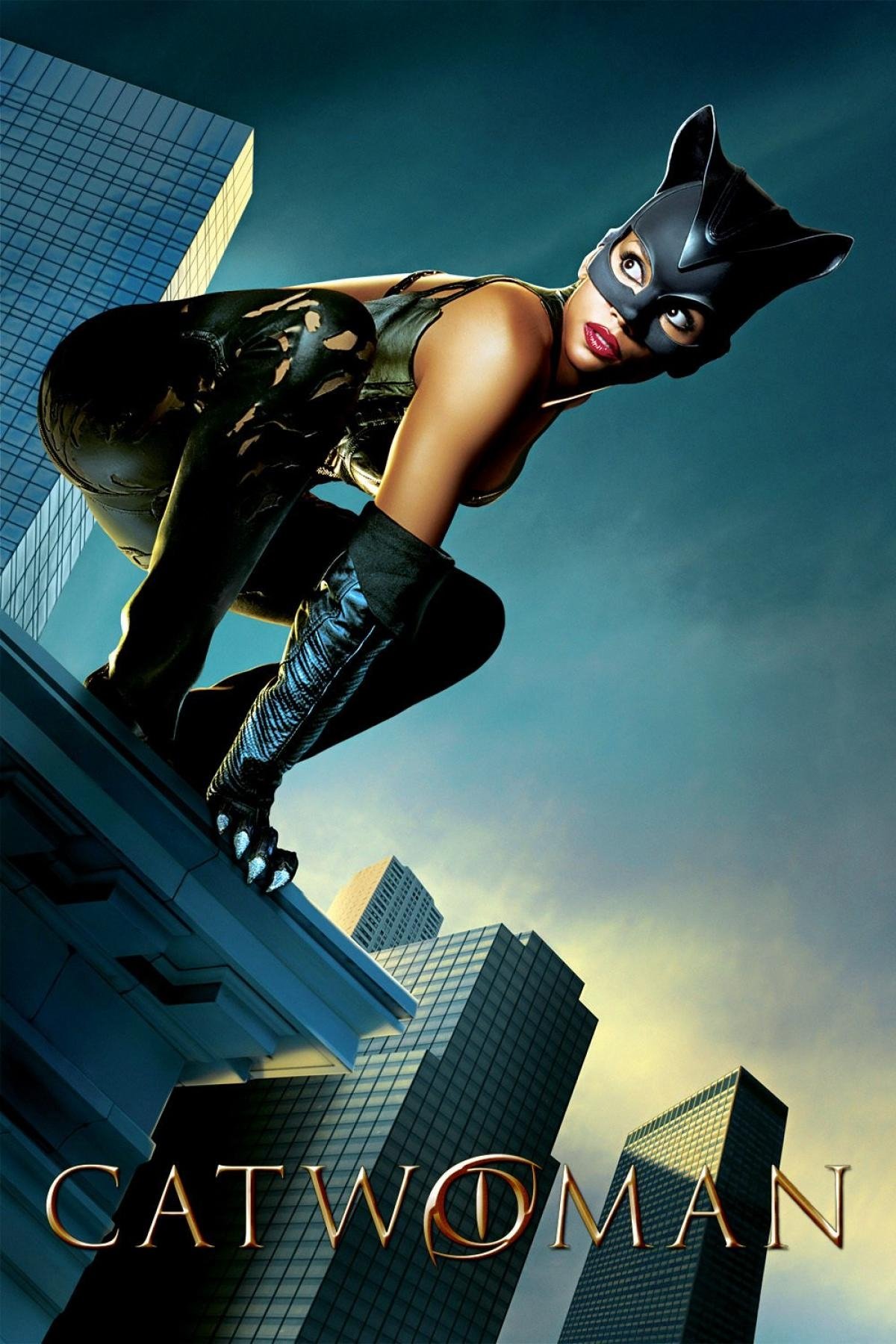
As a movie fan, I have to admit ‘Catwoman’ with Halle Berry is… rough. It barely connects to the DC character Selina Kyle, instead giving us Patience Phillips, who gets her powers from a magical cat. Honestly, the story about a villainous cosmetics company was pretty silly, and the action scenes were just strangely edited. Most people agree it’s one of the worst superhero movies ever made, and sadly, it really set back the idea of strong female leads in the genre.
‘Blade: Trinity’ (2004)
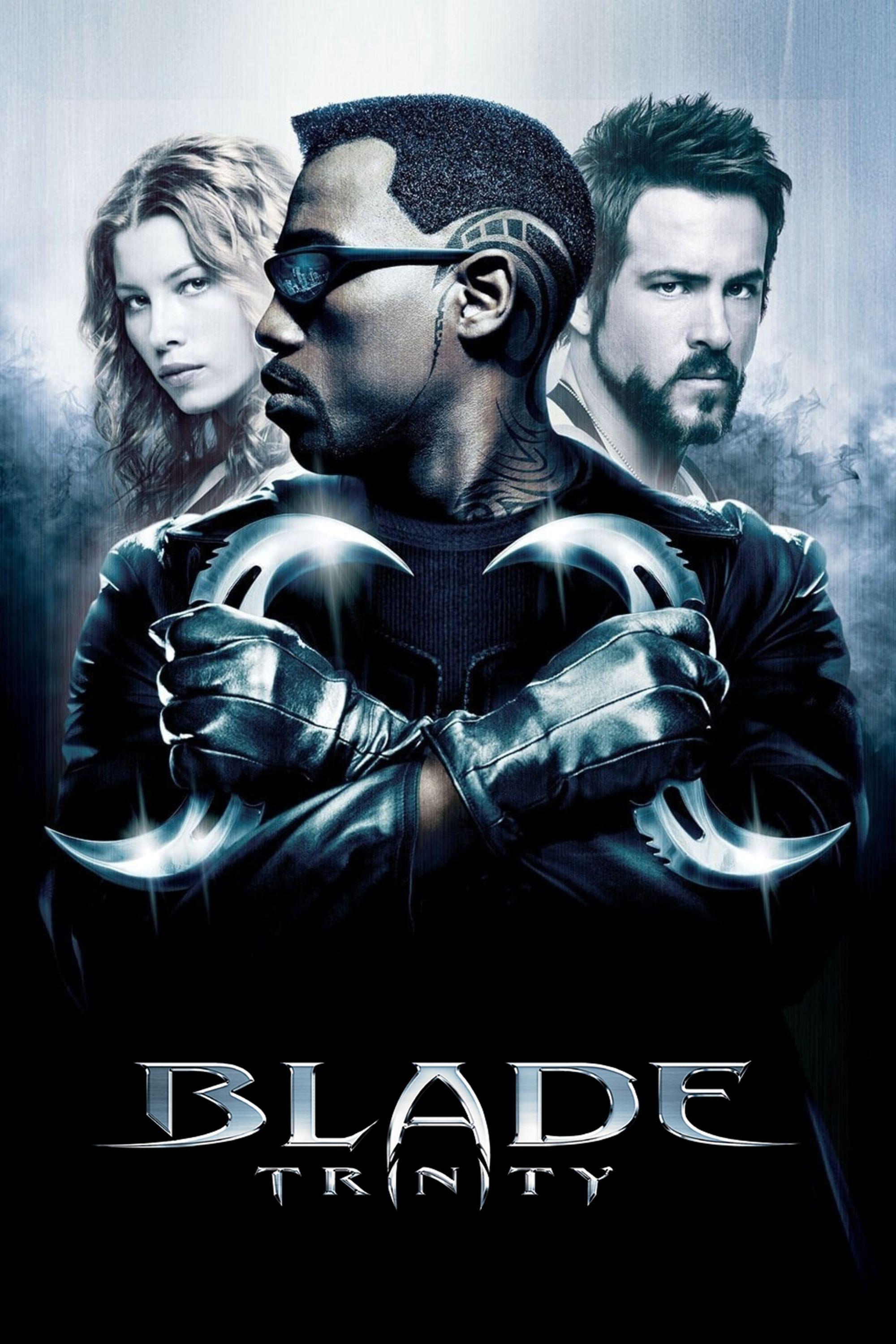
The third Blade movie, despite the success of the first two, faced problems during production. There were disagreements between star Wesley Snipes and the director, and Snipes even refused to open his eyes for a scene, which had to be fixed with special effects. The film tried to build up supporting characters played by Ryan Reynolds and Jessica Biel, possibly as a setup for a new series, but that never materialized. The movie wasn’t well-received, and the Blade franchise stalled until Marvel Studios reacquired the rights.
‘Elektra’ (2005)
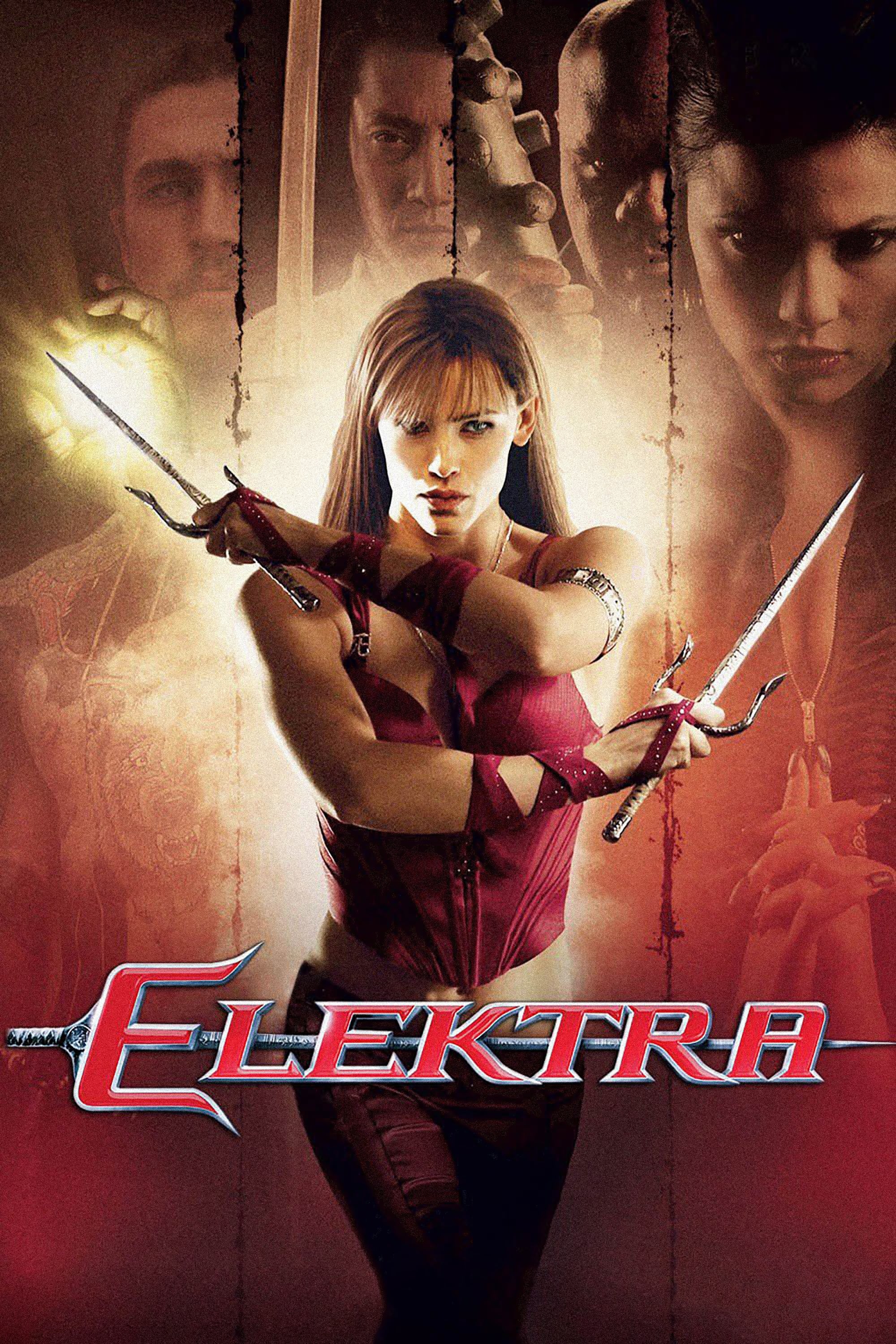
Jennifer Garner returned as her ‘Daredevil’ character in a quickly-made spinoff film. While it featured mystical ninjas and a young protégé, the movie felt less dark and intense than the original. Unfortunately, it didn’t succeed with critics or at the box office, which made studios even more cautious about making superhero movies with female leads. This happened as moviegoers were starting to expect more from the superhero genre.
‘Fantastic Four’ (2005)
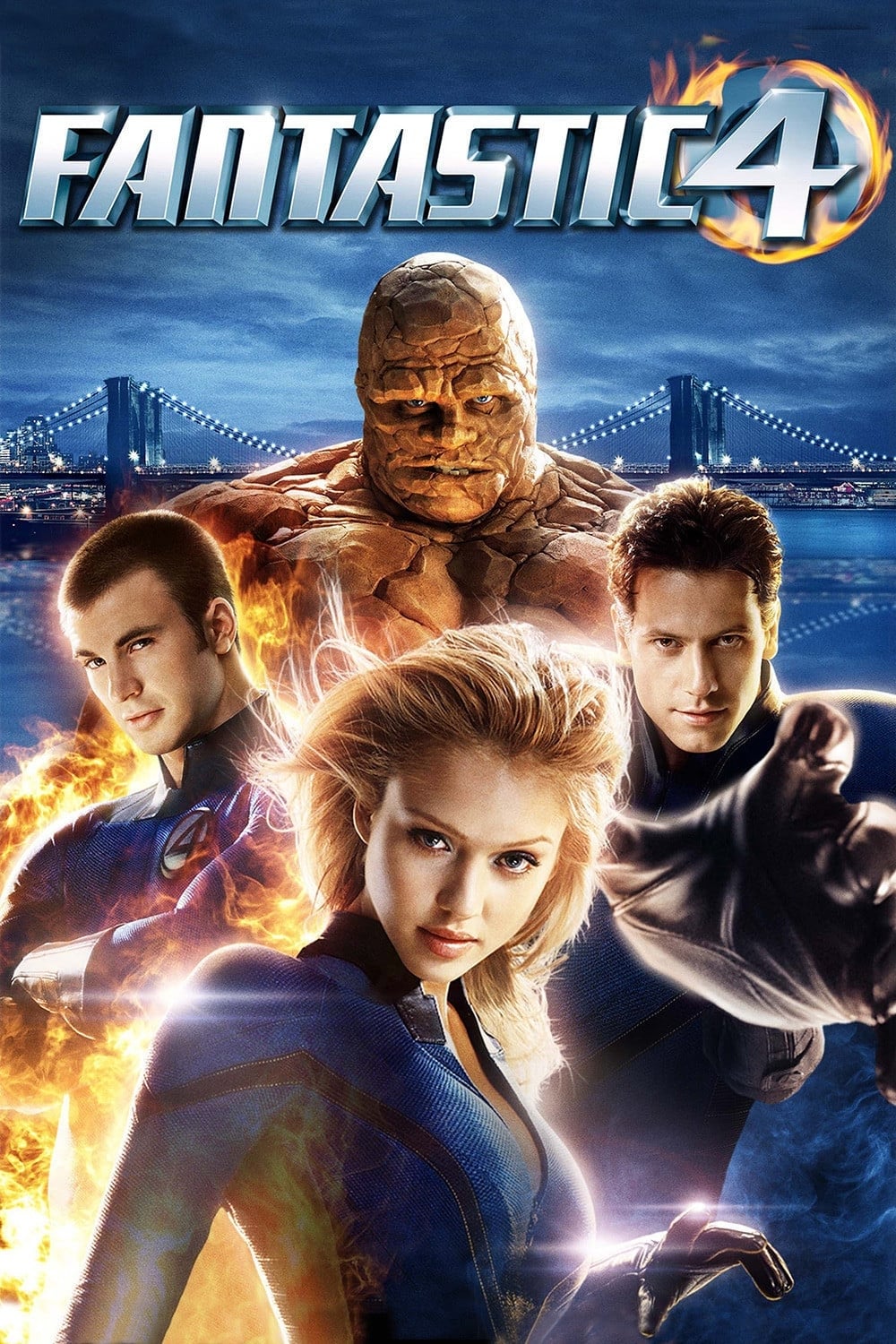
Fox’s first attempt at a ‘Fantastic Four’ movie aimed for a fun, lighthearted feel, but it came across as old-fashioned. Chris Evans was well-received in his role, but the movie itself was criticized for not having enough excitement or meaningful conflict. Despite some good chemistry between the actors, the weak script, filled with awkward jokes and unbelievable science, held it back. While it was financially successful, fans hoped for a darker, more substantial adaptation of the team.
‘X-Men: The Last Stand’ (2006)
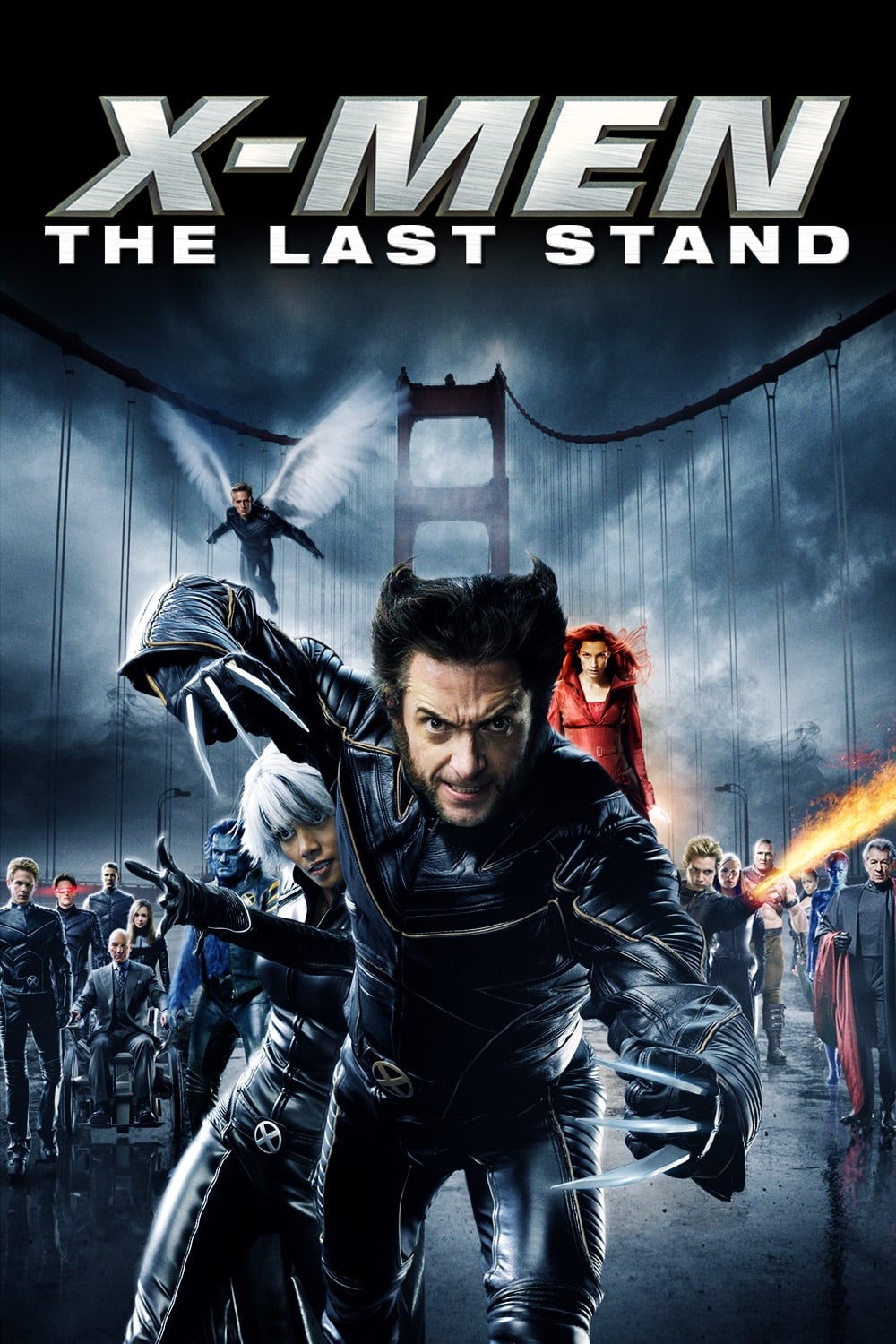
Look, as a critic, I have to say Brett Ratner’s take on X-Men: The Last Stand really stumbled with the Dark Phoenix Saga. It felt like they just wanted to shock us by killing off Cyclops and Professor X – it wasn’t earned, and honestly, it felt cheap. The movie was just stuffed with too many characters, leaving no room for any of the emotional arcs to really develop. It was a messy experience, and the lukewarm reaction from audiences and critics clearly pushed the studio to rethink their approach, leading them down the path of prequels and, eventually, completely rebooting the timeline.
‘Zoom’ (2006)
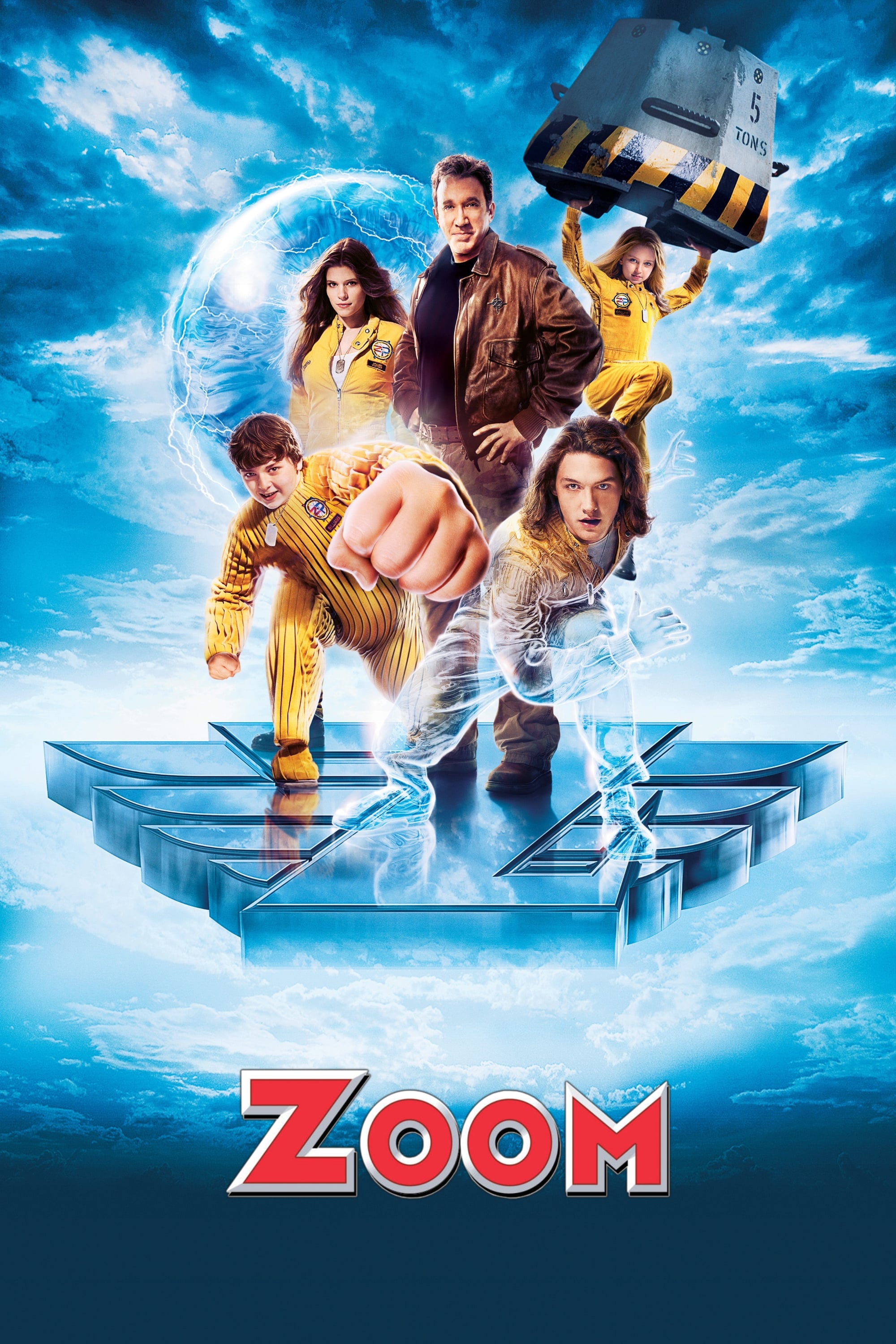
This family comedy, starring Tim Allen, tried to poke fun at superhero clichés but unfortunately wasn’t very funny. The story centers on a former superhero who trains a team of unlikely kids to save the world. Released alongside several big movies, it quickly disappeared from cinemas because audiences didn’t enjoy it. Ultimately, the film feels like a typical, uninspired superhero movie that lacked the heart of the original comics and stories.
‘Ghost Rider’ (2007)
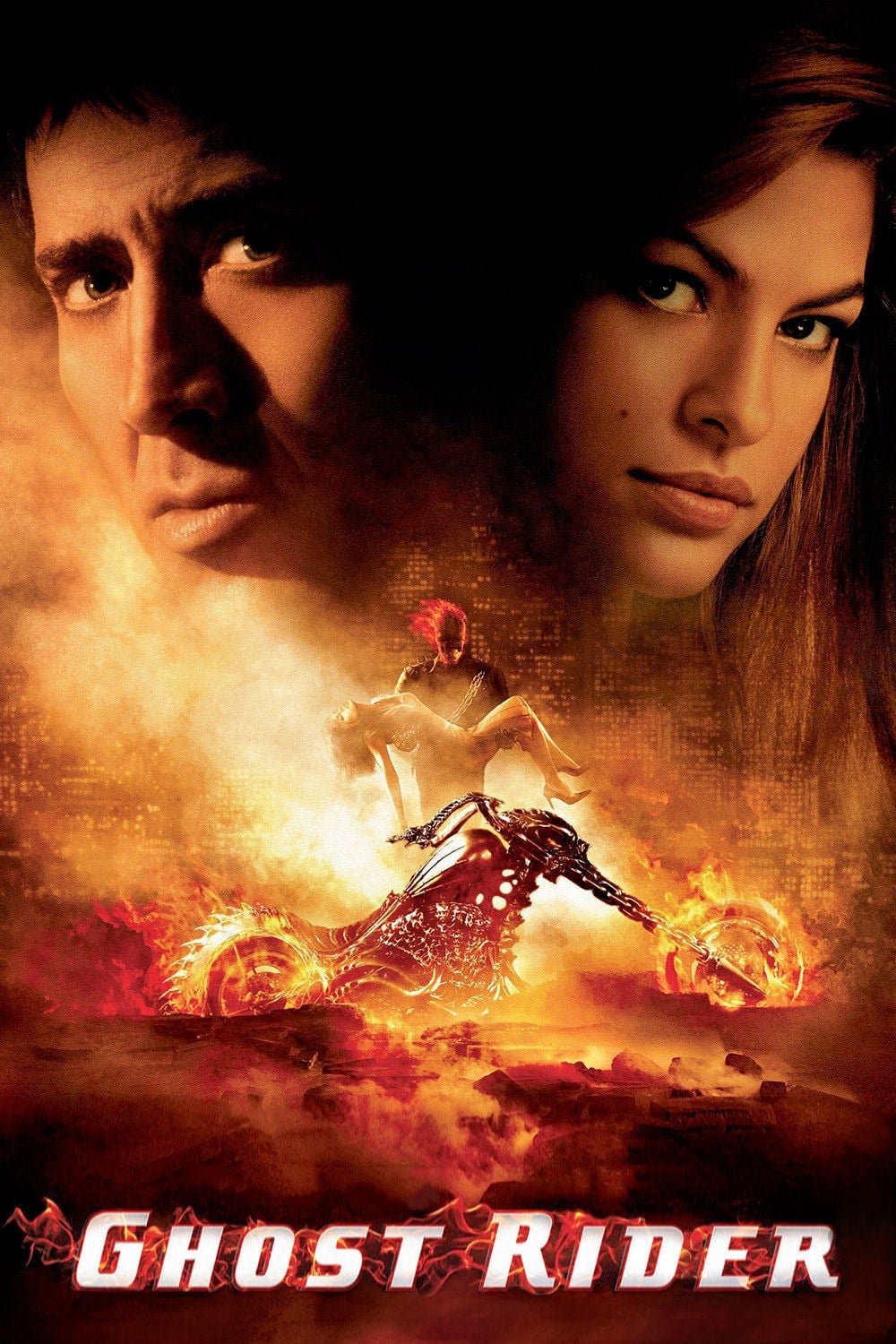
Nicolas Cage delivered an enthusiastic performance as Johnny Blaze, but the movie struggled with a confusing mix of tones. The plot felt predictable and relied on overused ideas, and the villain, Blackheart, wasn’t very intimidating. While the special effects for the flaming skull were visually striking, the overall story didn’t feel substantial. Although it made enough money to get a sequel made, it never really became a beloved film among fans.
‘Spider-Man 3’ (2007)
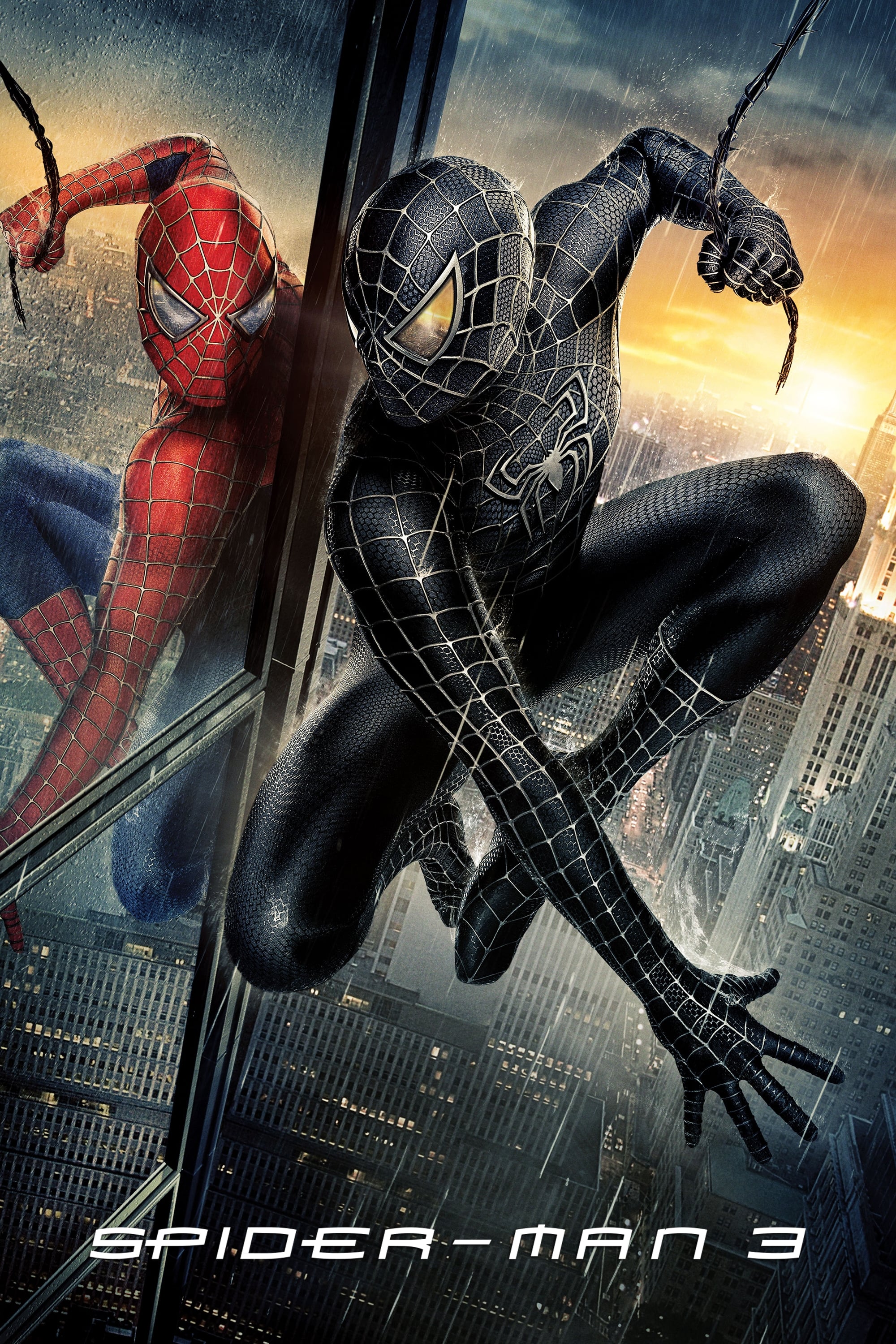
The final film in Sam Raimi’s Spider-Man trilogy had problems with studio meddling and too many villains. Adding Venom felt unnatural and caused the story to feel hurried, overshadowing the potential of the Sandman and Harry Osborn storylines. A particularly awkward scene of Peter Parker dancing while controlled by the symbiote was widely criticized. Due to the negative response, Sony decided to scrap the planned fourth movie and start the series over completely.
‘Fantastic Four: Rise of the Silver Surfer’ (2007)
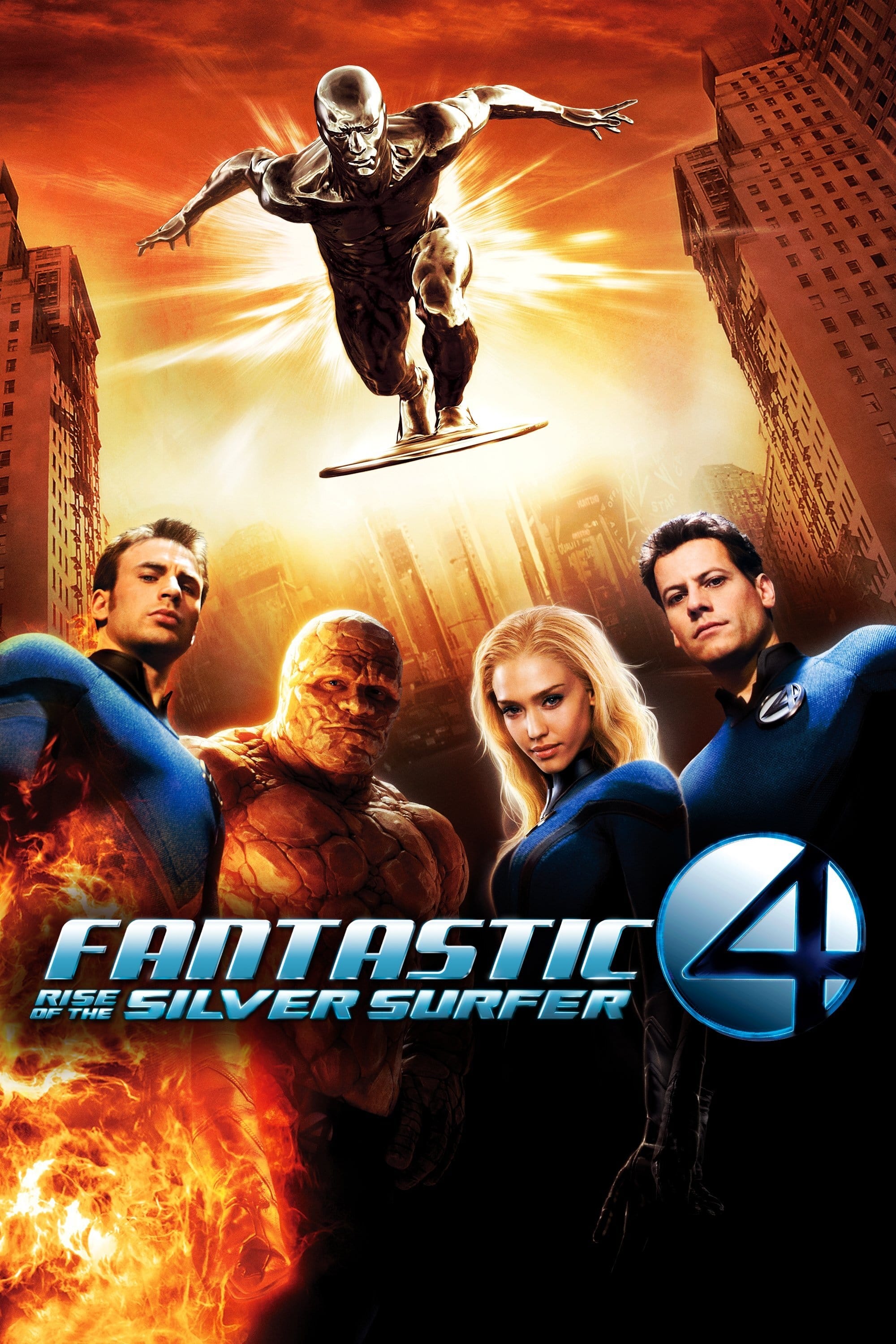
While the second movie had better special effects, many fans were disappointed with how Galactus was portrayed – a giant cloud instead of his traditional comic book appearance. The film kept the same lighthearted style as the first one, which felt dated for the superhero genre. Ultimately, the movie didn’t do well enough at the box office, leading to the cancellation of plans for a separate film about the Silver Surfer.
‘The Spirit’ (2008)
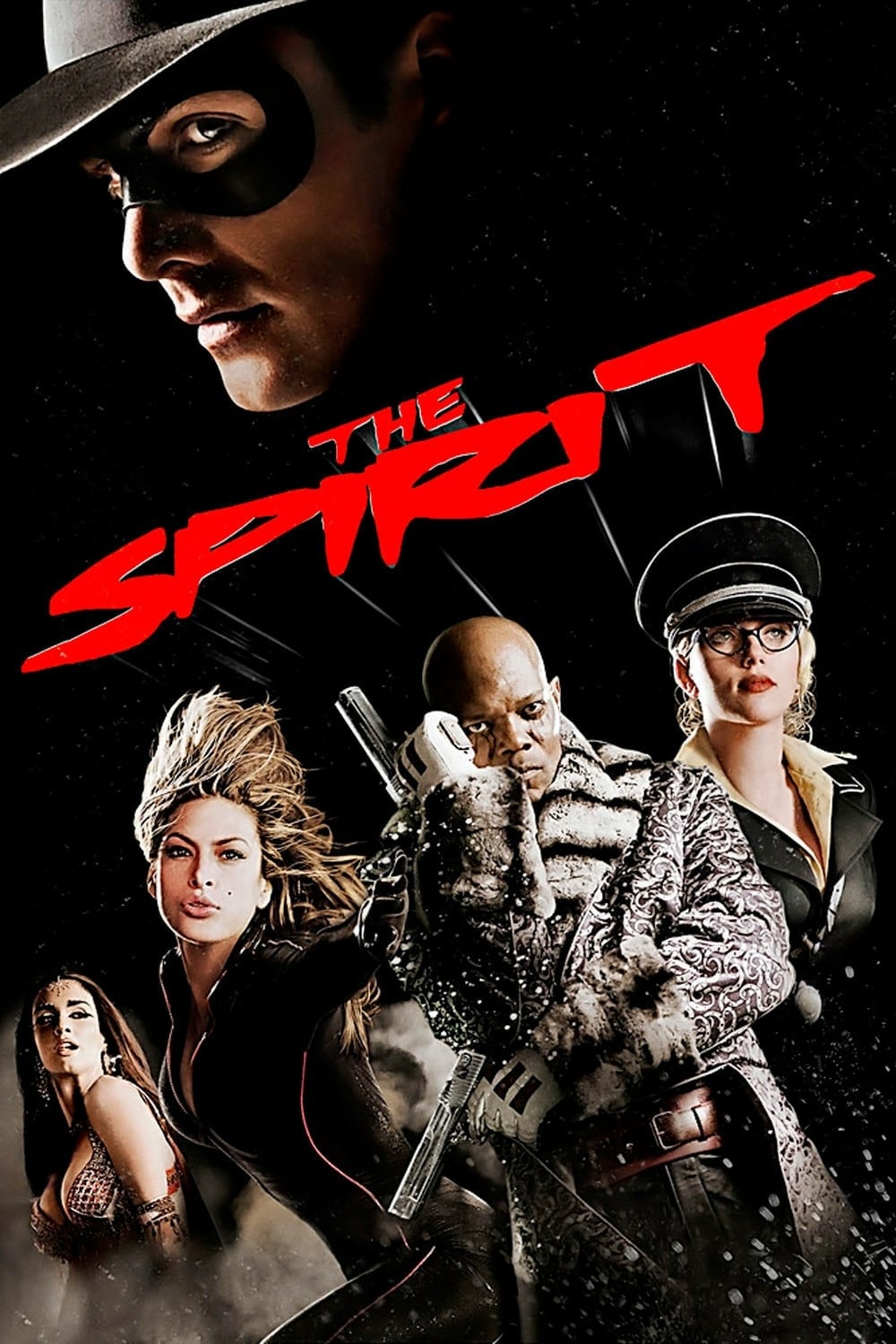
Frank Miller’s film adaptation of Will Eisner’s comic used a striking black-and-white visual style similar to his film ‘Sin City.’ However, the movie received negative reviews for its confusing storyline and an odd performance by Samuel L. Jackson as the villain. While viewers appreciated the look of the film, they felt it lacked a compelling story. It wasn’t successful in theaters and led to Frank Miller stepping away from directing for a while.
‘X-Men Origins: Wolverine’ (2009)
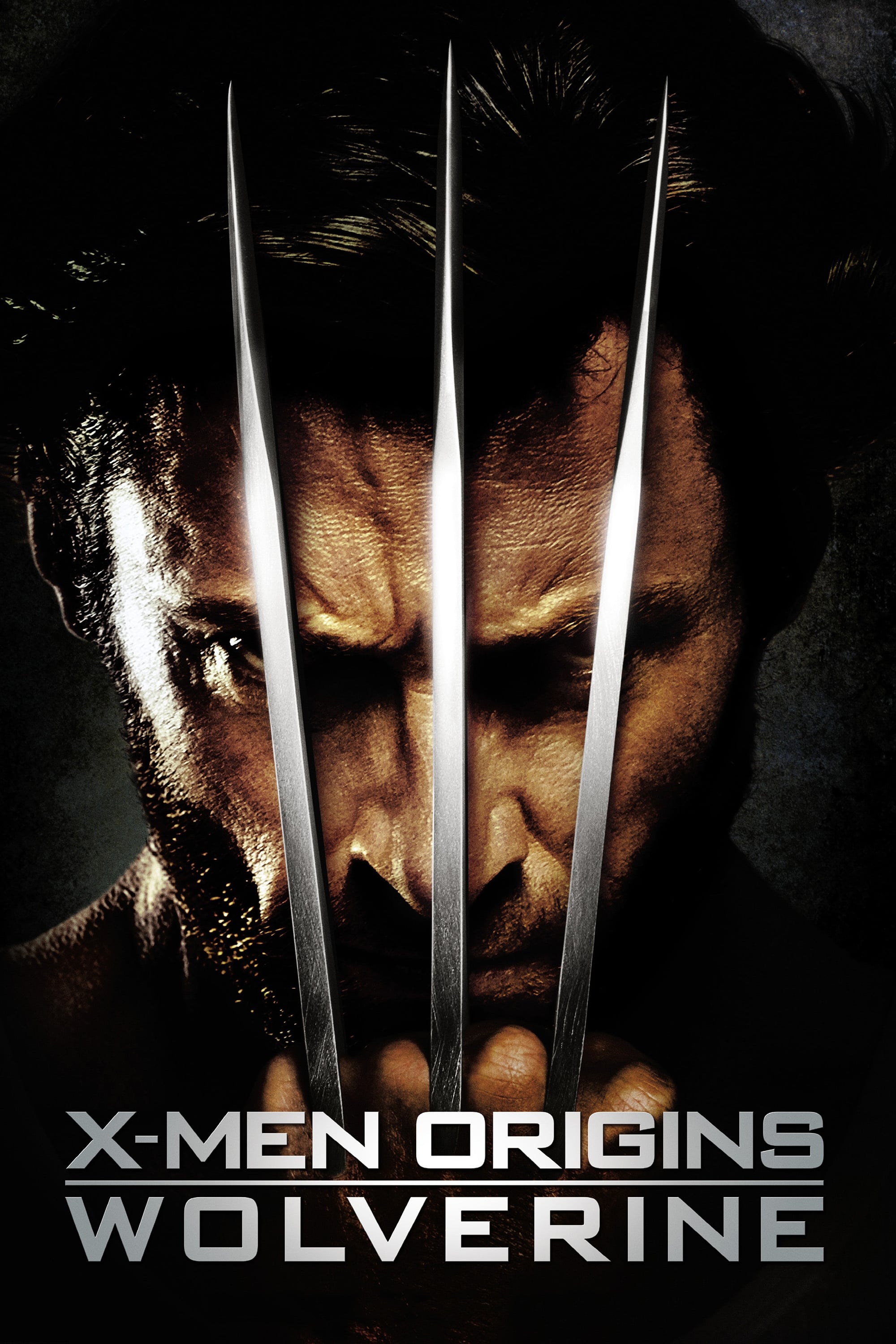
Hugh Jackman reprised his role as Wolverine in a prequel film that’s remembered for how poorly it treated the character Deadpool. The movie silenced Deadpool and gave him a confusing set of abilities. The film’s bad special effects, particularly a now-famous bathroom scene involving adamantium claws, were widely mocked. The strong negative response led Fox to completely re-evaluate its plans for individual character spin-off movies.
‘Jonah Hex’ (2010)
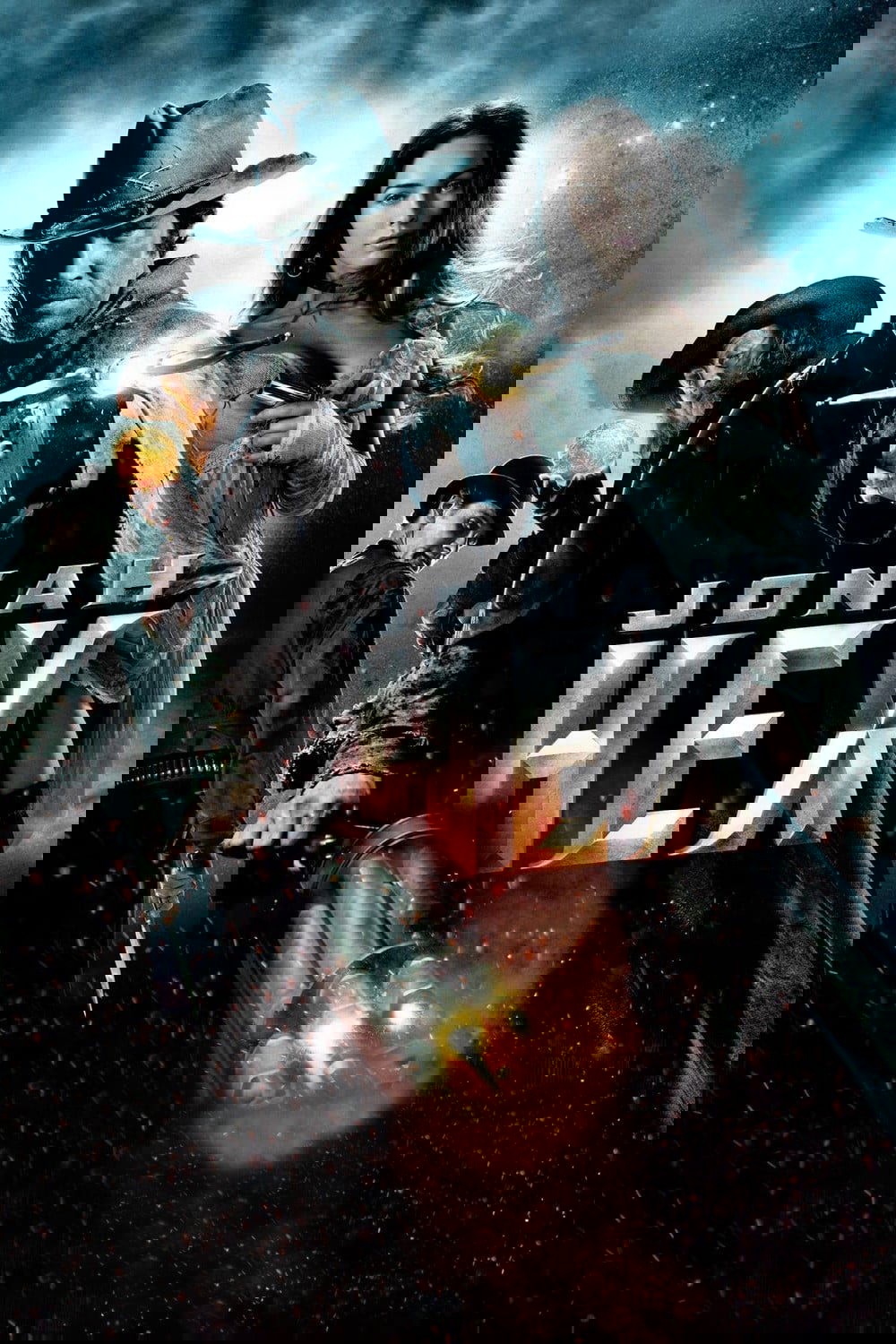
Josh Brolin played a weathered bounty hunter in a film that was significantly shortened to just 81 minutes because of extensive re-editing. The movie’s production was difficult, and the final result felt disjointed and confusing. It tried to combine westerns with supernatural themes, but didn’t appeal to fans of either. Ultimately, the film lost a lot of money and led to the cancellation of plans for other adaptations of DC’s Vertigo comics.
‘The Green Hornet’ (2011)
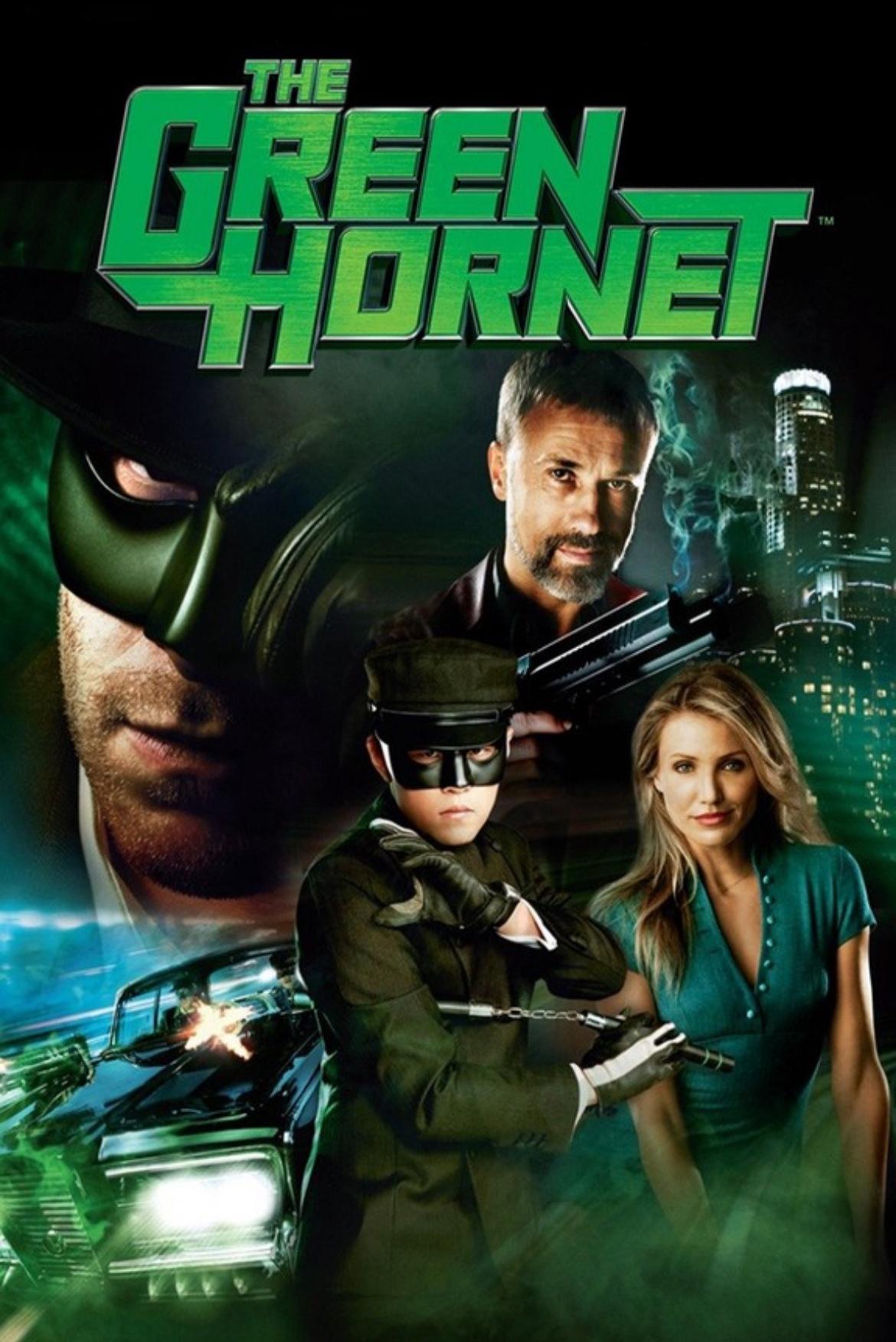
Seth Rogen both wrote and acted in this action-comedy, but it didn’t quite manage to blend laughs with exciting action very well. While some viewers enjoyed the connection between Rogen and Jay Chou, many fans of the original radio and TV show felt the movie didn’t honor the source material. The film did okay at the box office, but not well enough to warrant any further installments or a series.
‘Green Lantern’ (2011)
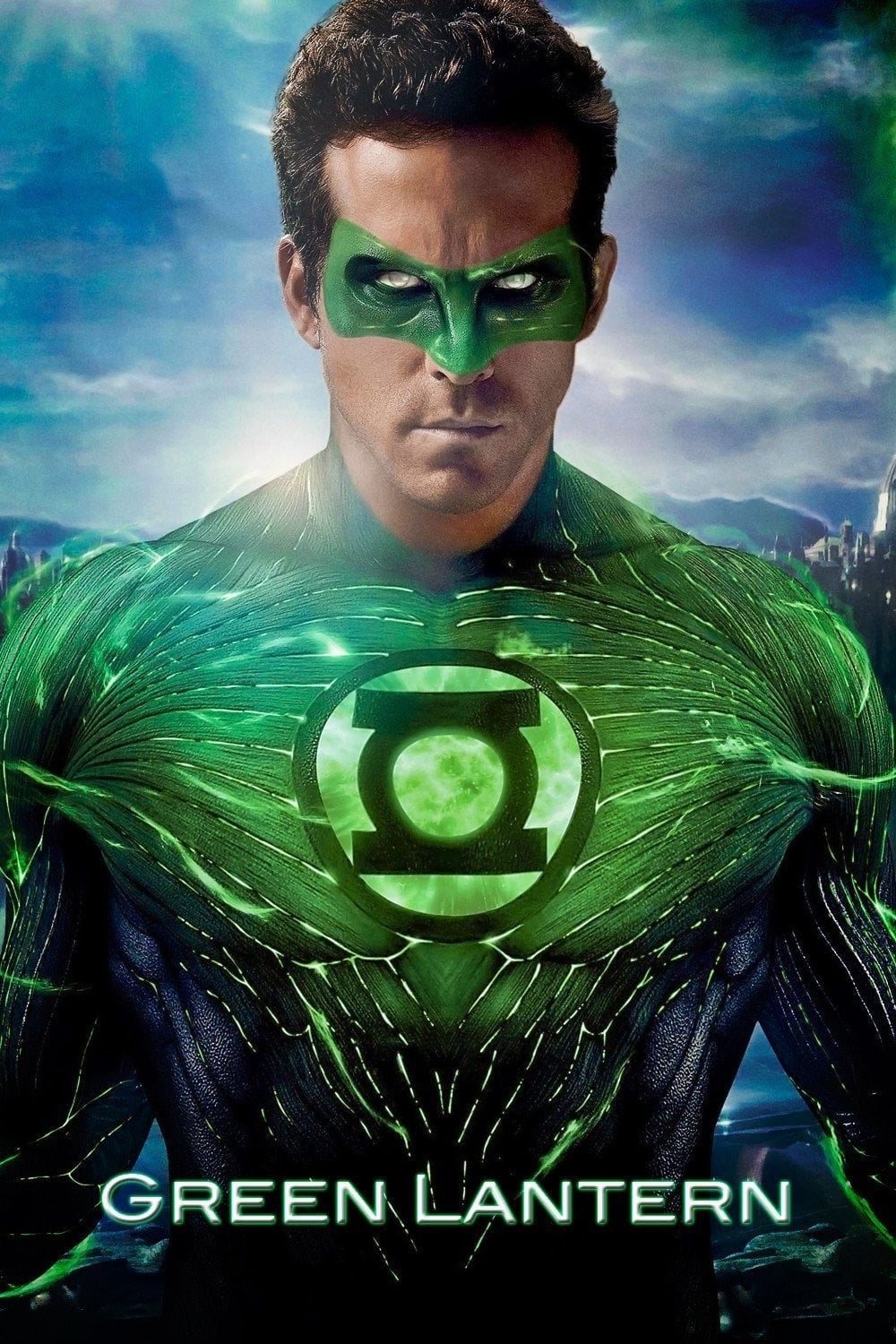
Warner Bros. hoped this movie would be the first in a series of interconnected films, much like Marvel’s Cinematic Universe. Ryan Reynolds played Hal Jordan, but the film received a lot of criticism for relying too heavily on computer-generated effects for costumes and settings. Many felt the story was predictable, and the villain, Parallax, was portrayed as a simple, cloud-like entity, reminiscent of Galactus. Because the movie wasn’t successful with critics or audiences, DC abandoned its plans and decided to reboot the franchise with a new Superman movie two years later.
‘Ghost Rider: Spirit of Vengeance’ (2011)
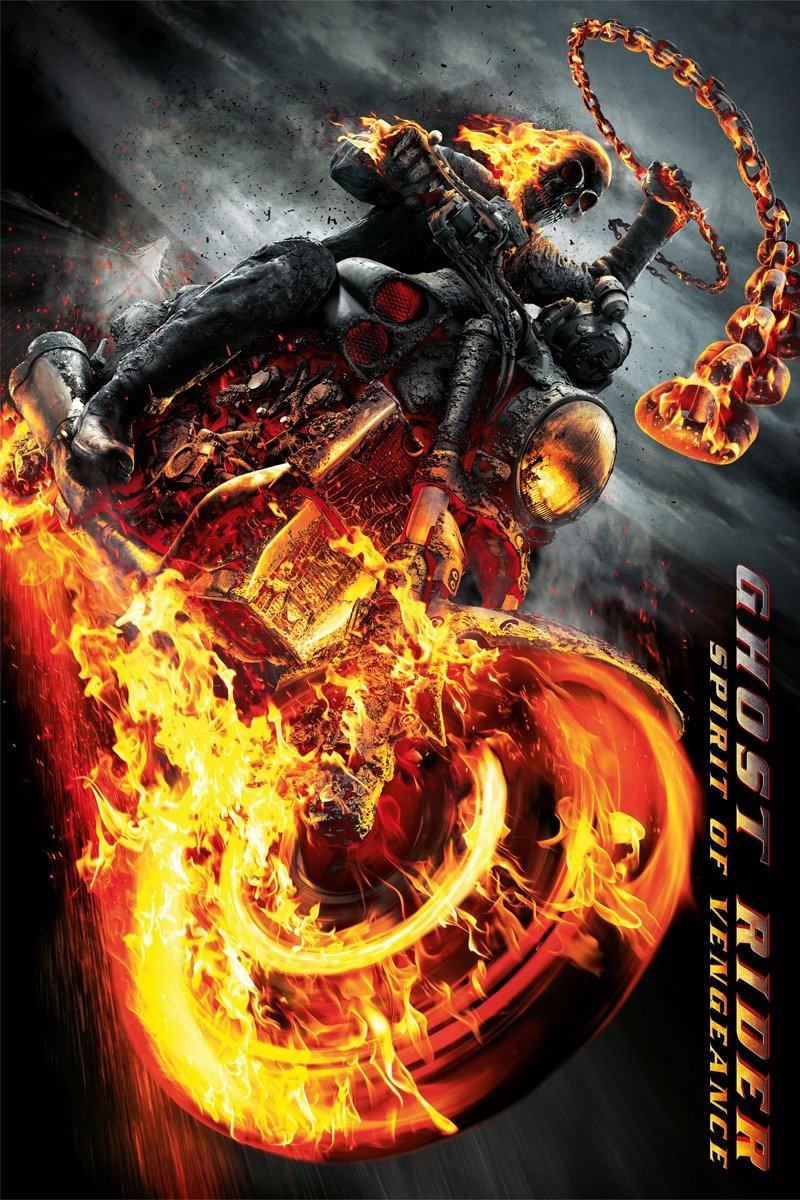
The long-awaited sequel aimed for a more realistic and intense feel, using shaky camera work. However, the story felt messy, and a darker mood couldn’t hide the fact that the plot was weak. Nicolas Cage gave his usual energetic performance, but it was clear the movie had been made with a reduced budget. The film was poorly received, leading to Nicolas Cage no longer playing the character, and the rights eventually went back to Marvel.
‘R.I.P.D.’ (2013)
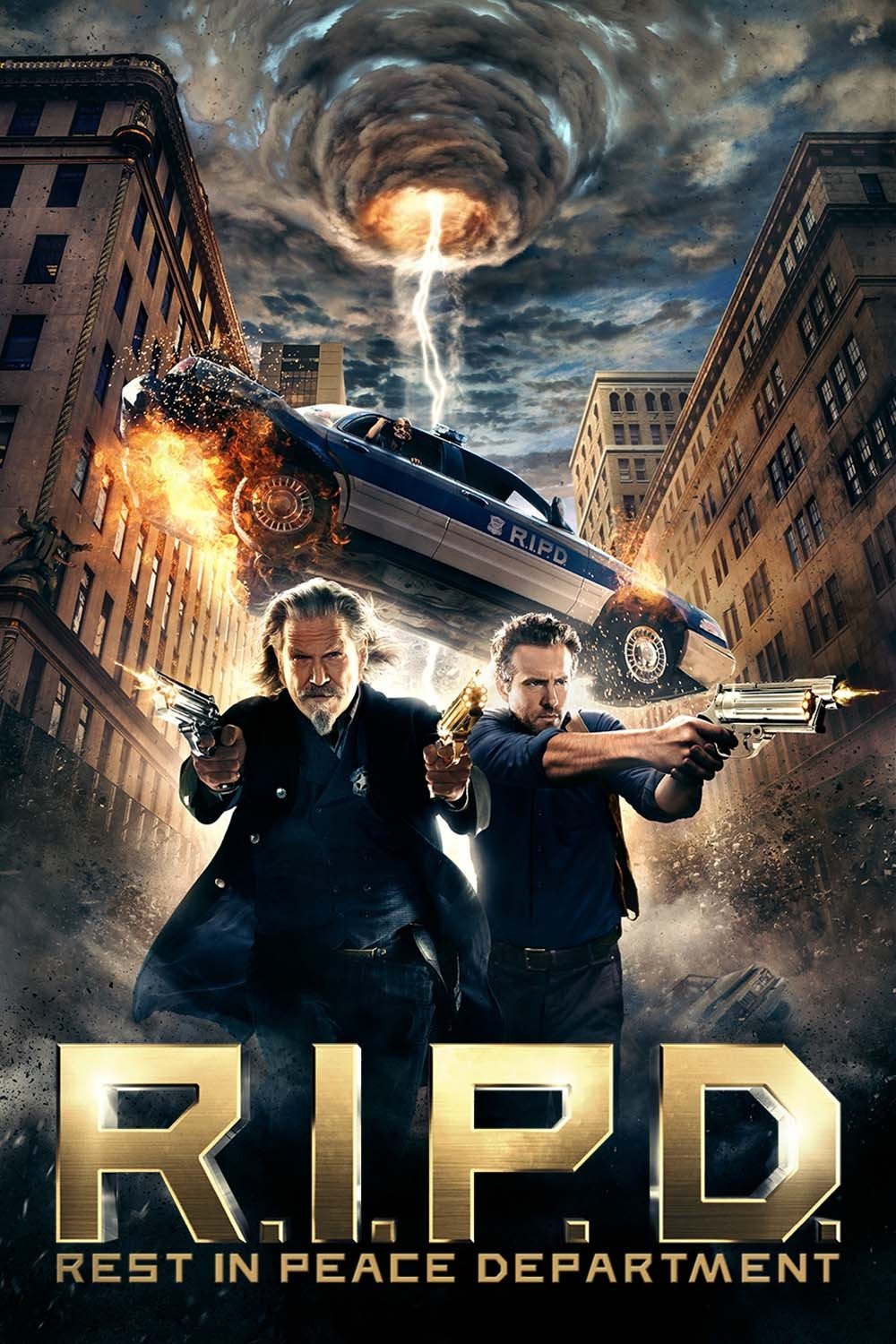
This action movie, starring Ryan Reynolds and Jeff Bridges, was based on a comic book from Dark Horse. However, it received a lot of criticism for being too similar to ‘Men in Black,’ simply replacing aliens with ghosts. Critics found the comedy unfunny and the special effects didn’t improve a predictable storyline. Ultimately, the film was a major financial failure, costing the studio a significant amount of money.
‘The Amazing Spider-Man 2’ (2014)

Sony tried to launch a large, interconnected movie universe with one film, featuring several villains and hinting at the formation of the Sinister Six. However, the story became overly complicated, struggling to balance Peter Parker’s romance with Gwen Stacy and the secrets of his family history. The movie also awkwardly switched between lighthearted comedy and serious, tragic moments. Because of the negative reviews, Sony eventually made a deal with Marvel Studios to include Spider-Man in the Marvel Cinematic Universe.
‘Fantastic Four’ (2015)
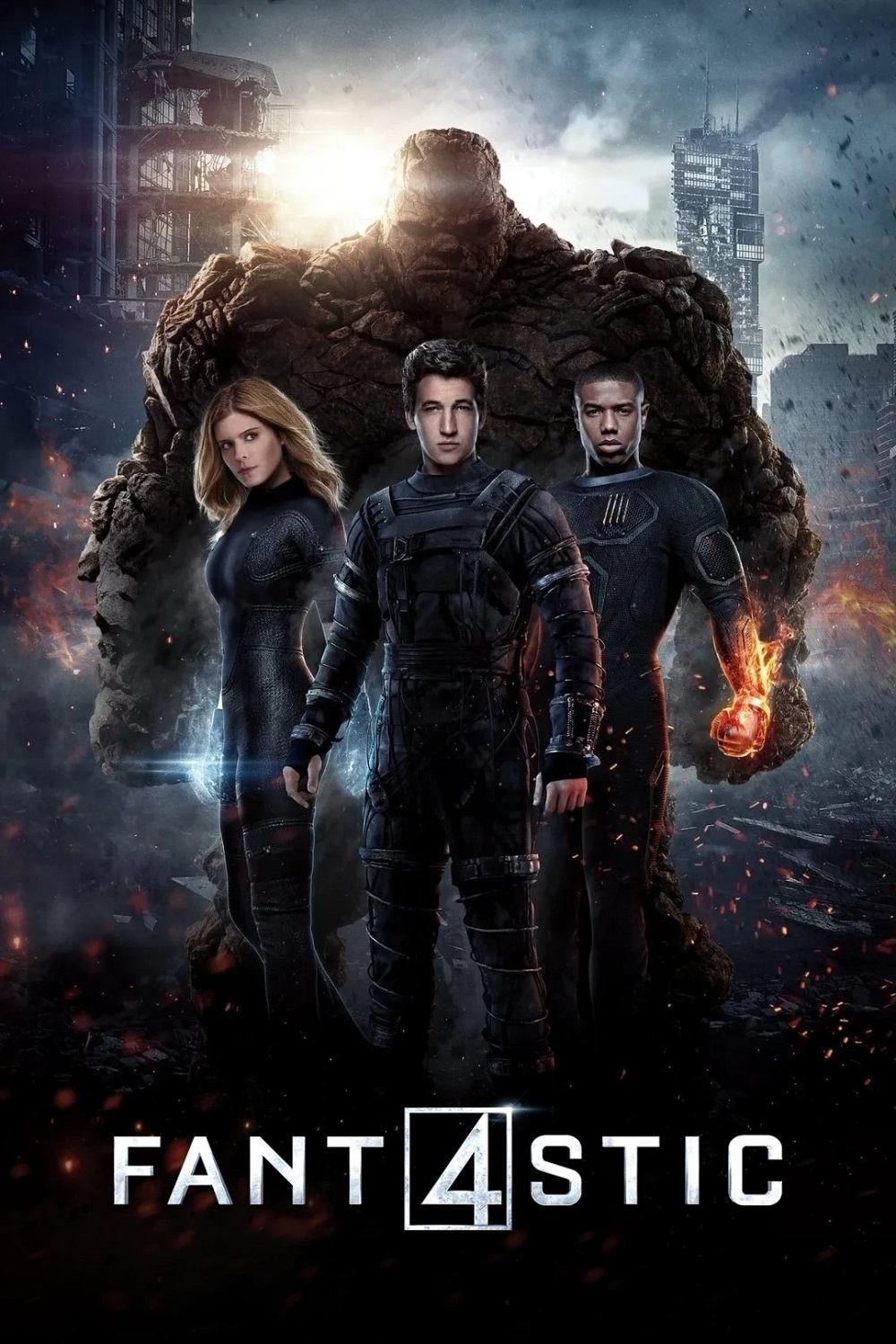
Josh Trank originally wanted to make a scary, body-horror version of the team, but the studio heavily interfered with his vision, resulting in a messy and uneven film. It was clear the movie underwent significant reshoots – actors even changed wigs – and the tone shifted abruptly near the end. Critics heavily disliked it, finding it boring, overly dark, and missing the strong sense of family that defines the team. This failure ultimately ended Fox’s efforts to launch a successful franchise.
‘Batman v Superman: Dawn of Justice’ (2016)
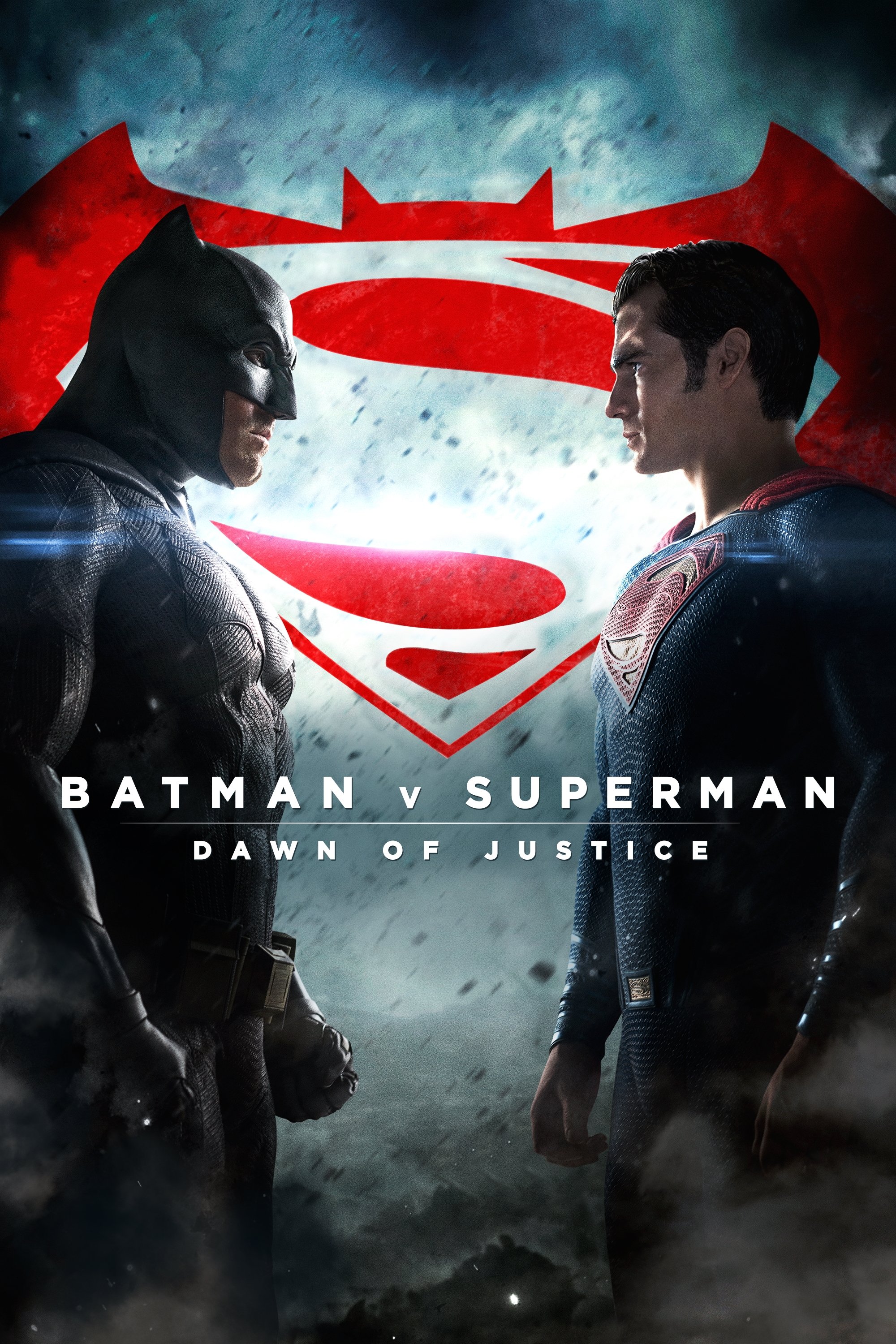
Zack Snyder’s take on these classic heroes was eagerly awaited, but it sharply divided viewers with its dark and serious style. The complicated storyline, featuring Lex Luthor and political schemes, left many people feeling lost or uninterested. The much-discussed “Martha” scene sparked a lot of criticism and questions about the film’s writing. Although it initially earned money, a significant drop in viewers during its second week suggested negative reactions and could harm future installments.
‘Suicide Squad’ (2016)
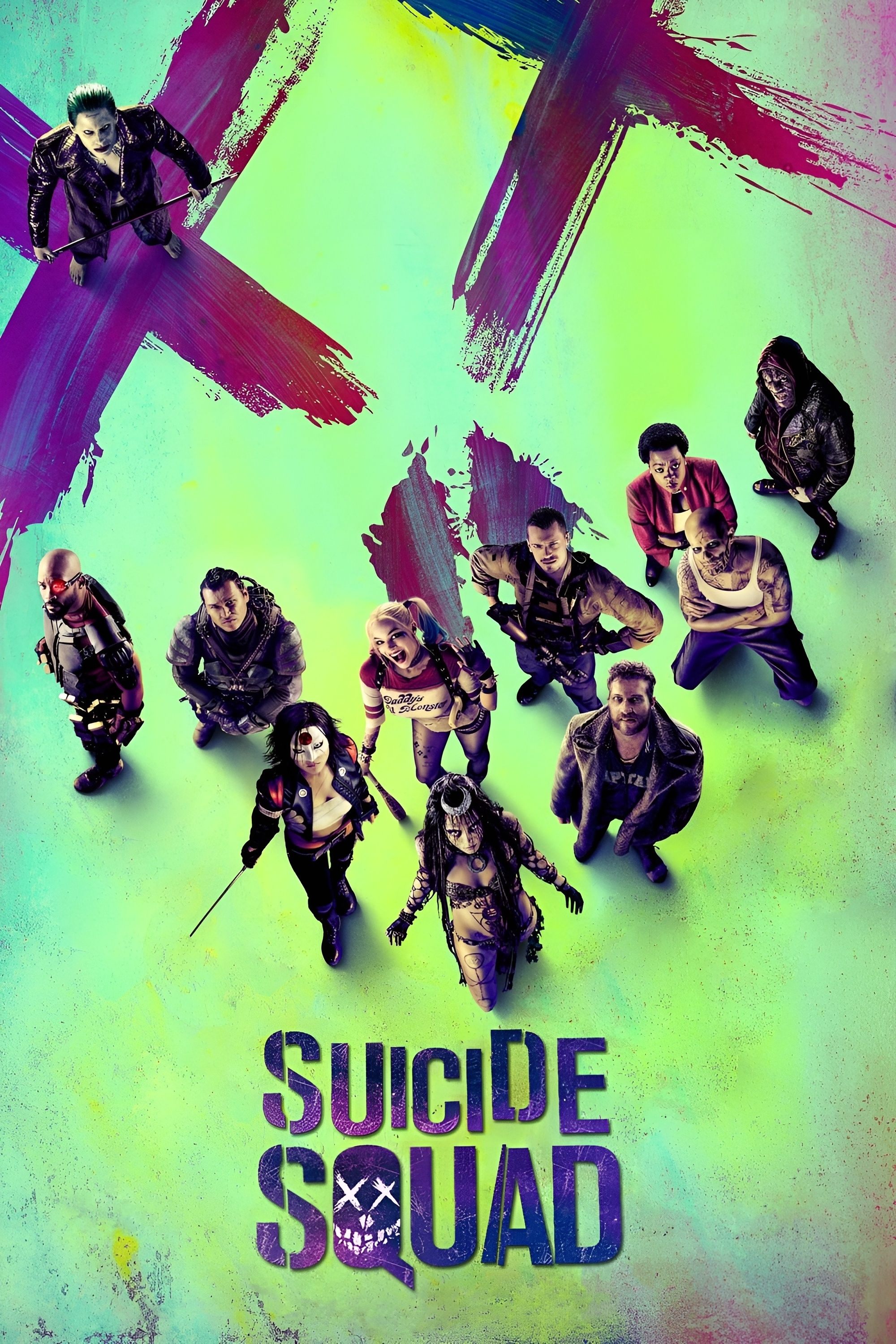
To align with the upbeat style of the movie’s trailers, editing companies were hired to re-edit the film itself. However, this resulted in a movie that felt unevenly paced, with distracting music choices and a confusing storyline for the villain. Jared Leto’s portrayal of the Joker sparked debate, and his scenes were cut down. While the film made a lot of money, critics didn’t like it, and it eventually led to a fresh start with a new version years later.
‘Justice League’ (2017)
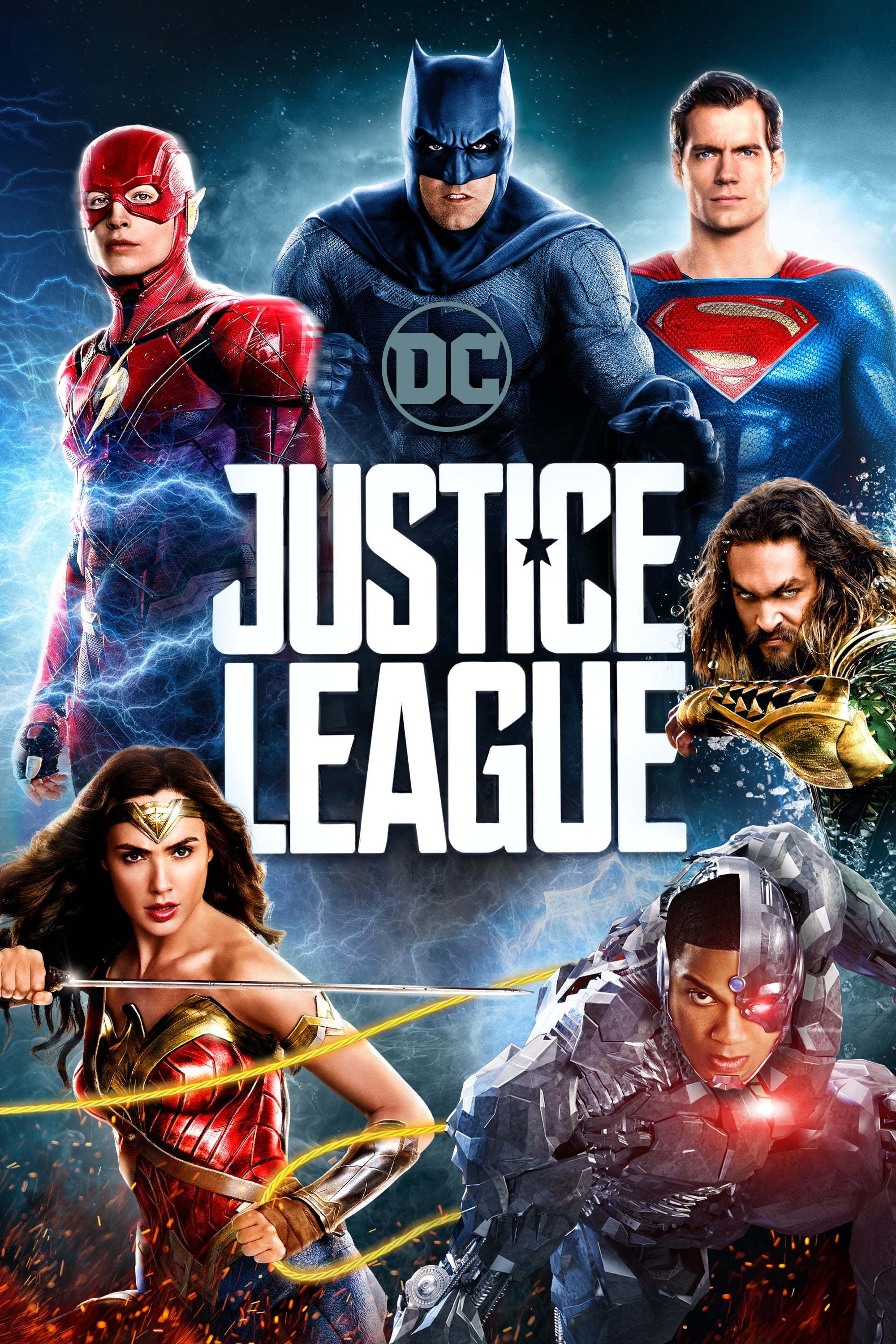
Zack Snyder had to leave the movie due to personal tragedy, and Joss Whedon was brought in to reshoot much of it. The finished film felt disjointed, mixing Snyder’s dramatic visuals with Whedon’s more lighthearted style. A digitally altered mustache on Henry Cavill became a well-known example of the film’s troubled production. Ultimately, the movie didn’t do well in theaters, leading to major changes within the DC film studio.
‘Hellboy’ (2019)
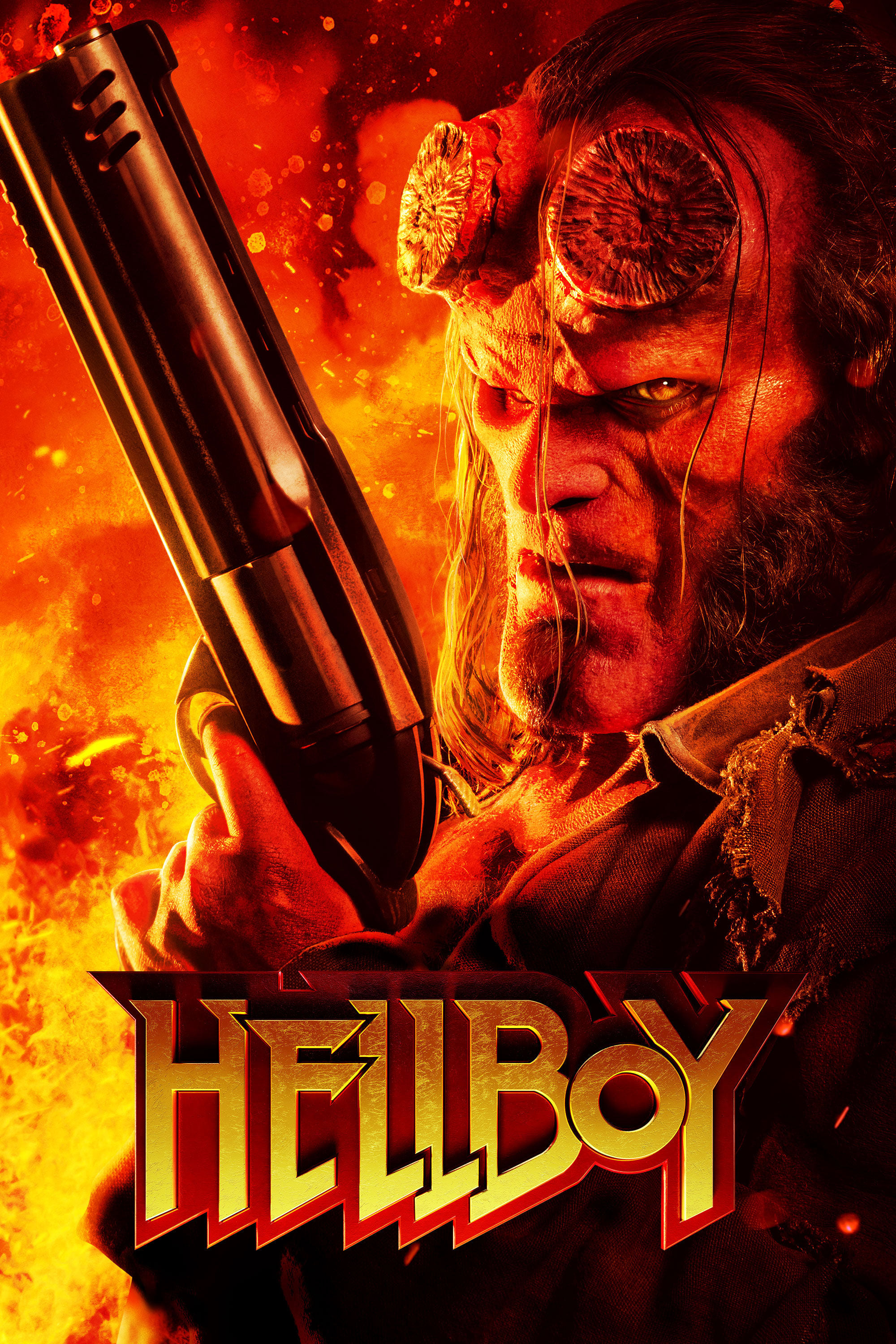
This new version of the franchise aimed for a more mature, horror-focused tone, similar to the original comics, and earned an R-rating. While David Harbour took over the lead role from Ron Perlman, the special effects were divisive. Critics found the plot confusing and overloaded with backstory, which turned off many viewers. Ultimately, it didn’t recapture the magic of the earlier, well-loved films and was a major box office failure.
‘Dark Phoenix’ (2019)
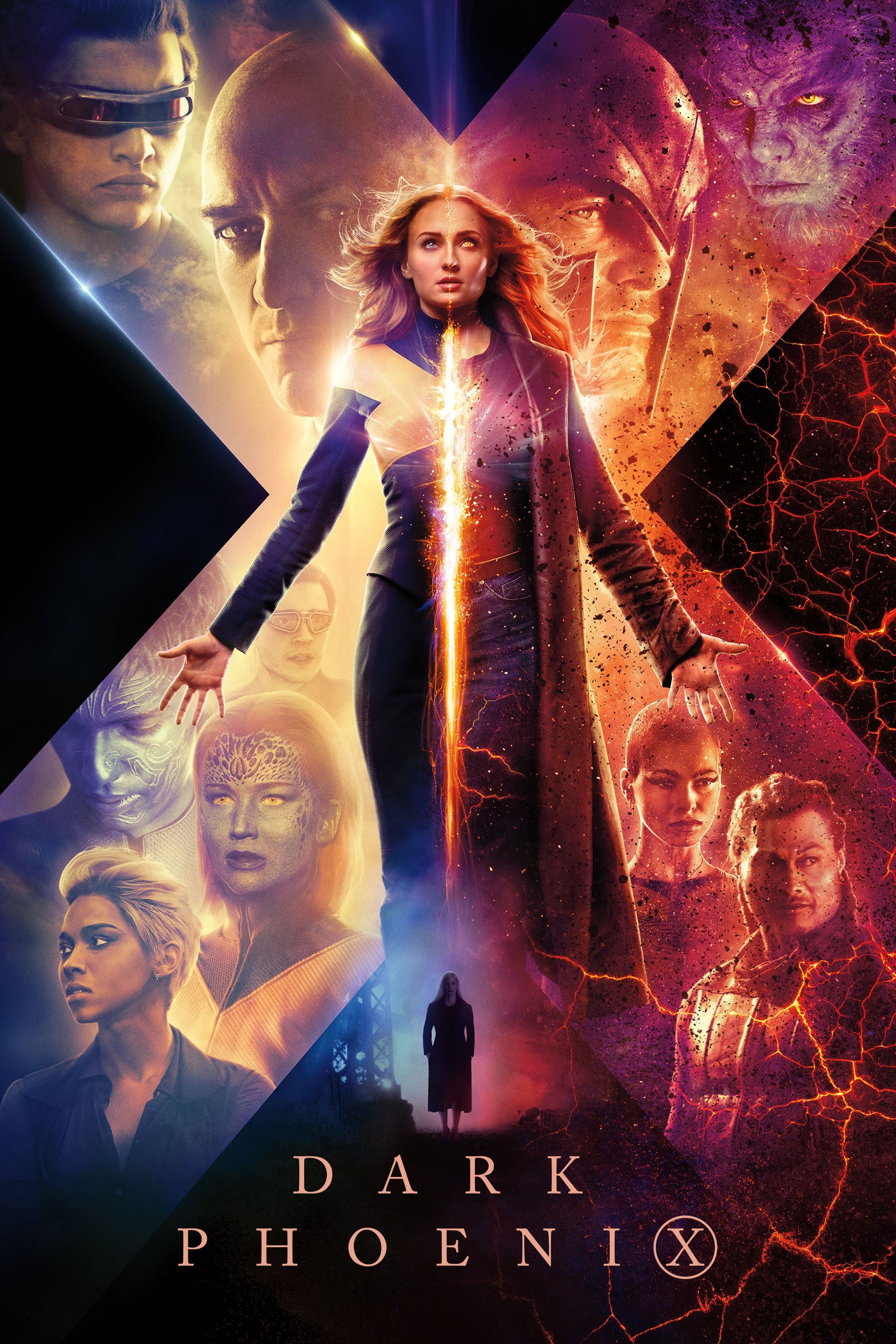
The X-Men movies made by Fox ended on a disappointing note with this second try at telling the Phoenix Saga. The movie underwent significant changes after filming, attempting to differentiate itself from a similar superhero film released that same year. The actors seemed unenthusiastic, and the emotional moments didn’t feel genuine. It was a major financial failure for the X-Men series and represented a particularly low point before Disney bought the franchise.
‘The New Mutants’ (2020)
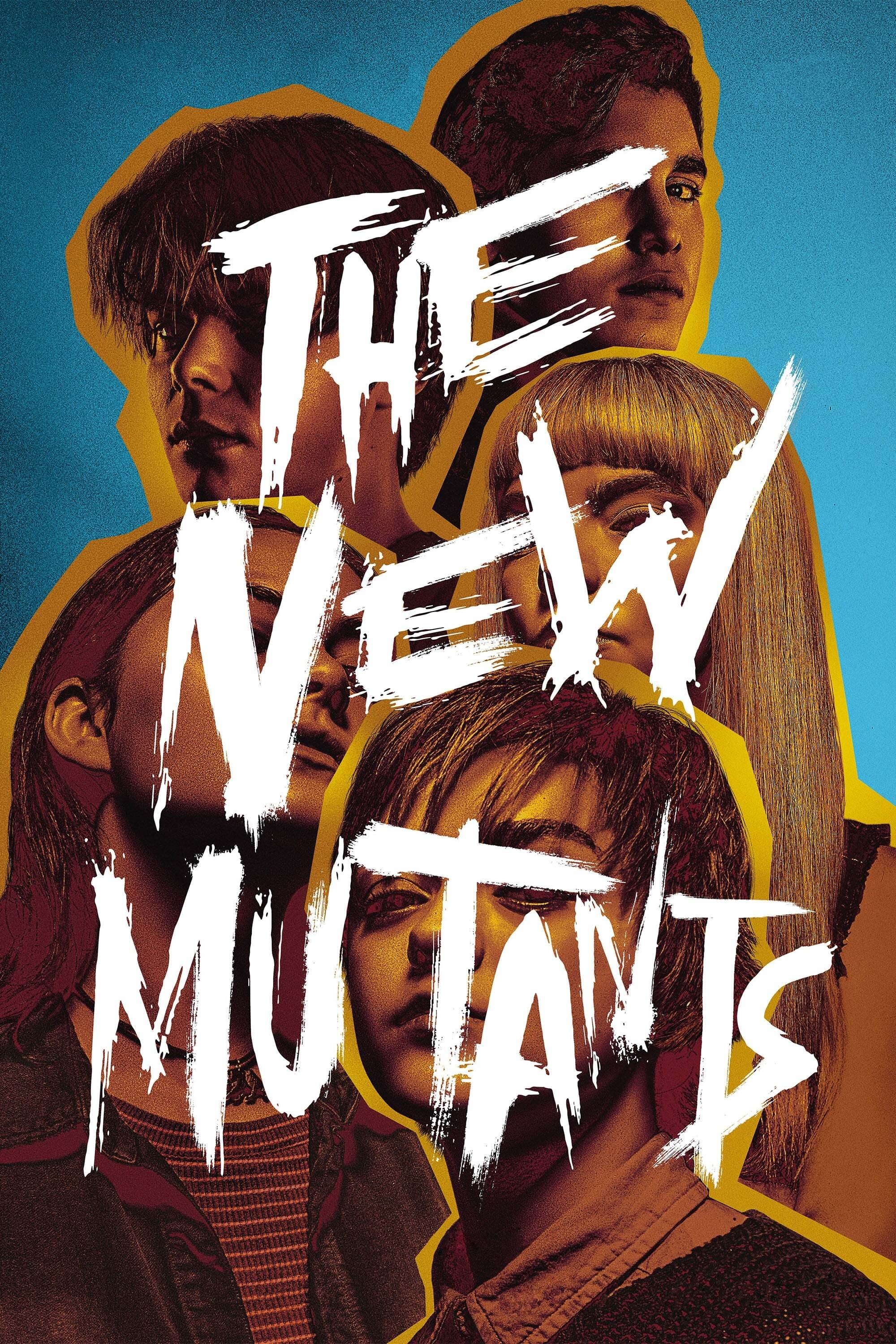
This movie, filmed in 2017 but held back for years, tried to combine the superhero and horror genres. However, the long wait diminished any excitement, and when it finally came out, it didn’t make much of an impact. The story mostly focused on the characters’ personal lives in one setting, instead of showcasing their superpowers. Released during the pandemic, it quickly faded from view, essentially marking the end of a chapter for films from the Fox studio.
‘Wonder Woman 1984’ (2020)
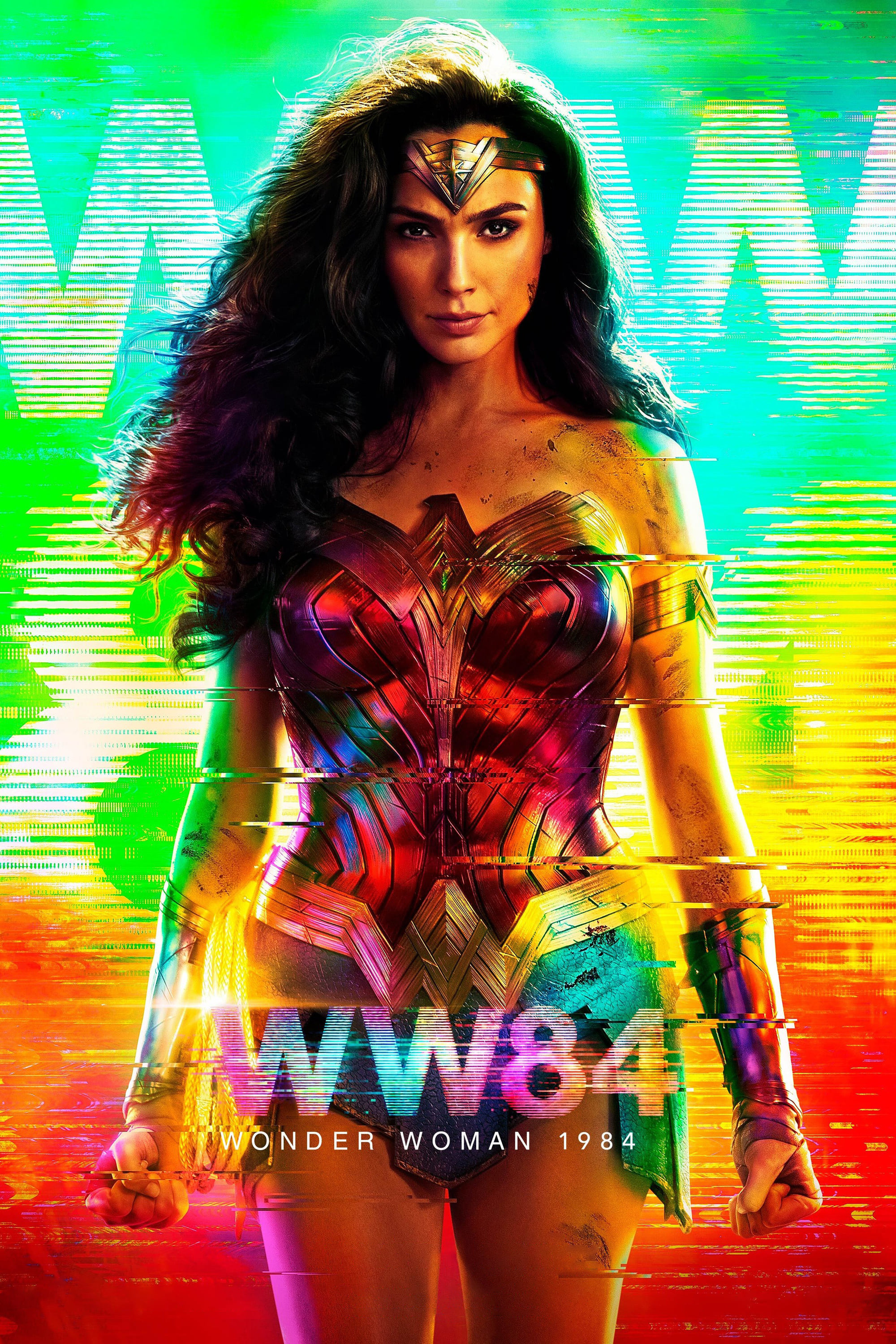
Patty Jenkins directed the sequel, leaning into the over-the-top style of 1980s movies, but the story wasn’t as strong as the first film. Bringing Steve Trevor back to life created some tricky ethical issues that the movie didn’t address. Critics also thought the special effects looked rushed and the movie was too long. Ultimately, the generally lukewarm response slowed down the character’s popularity after the success of the first film.
‘Eternals’ (2021)
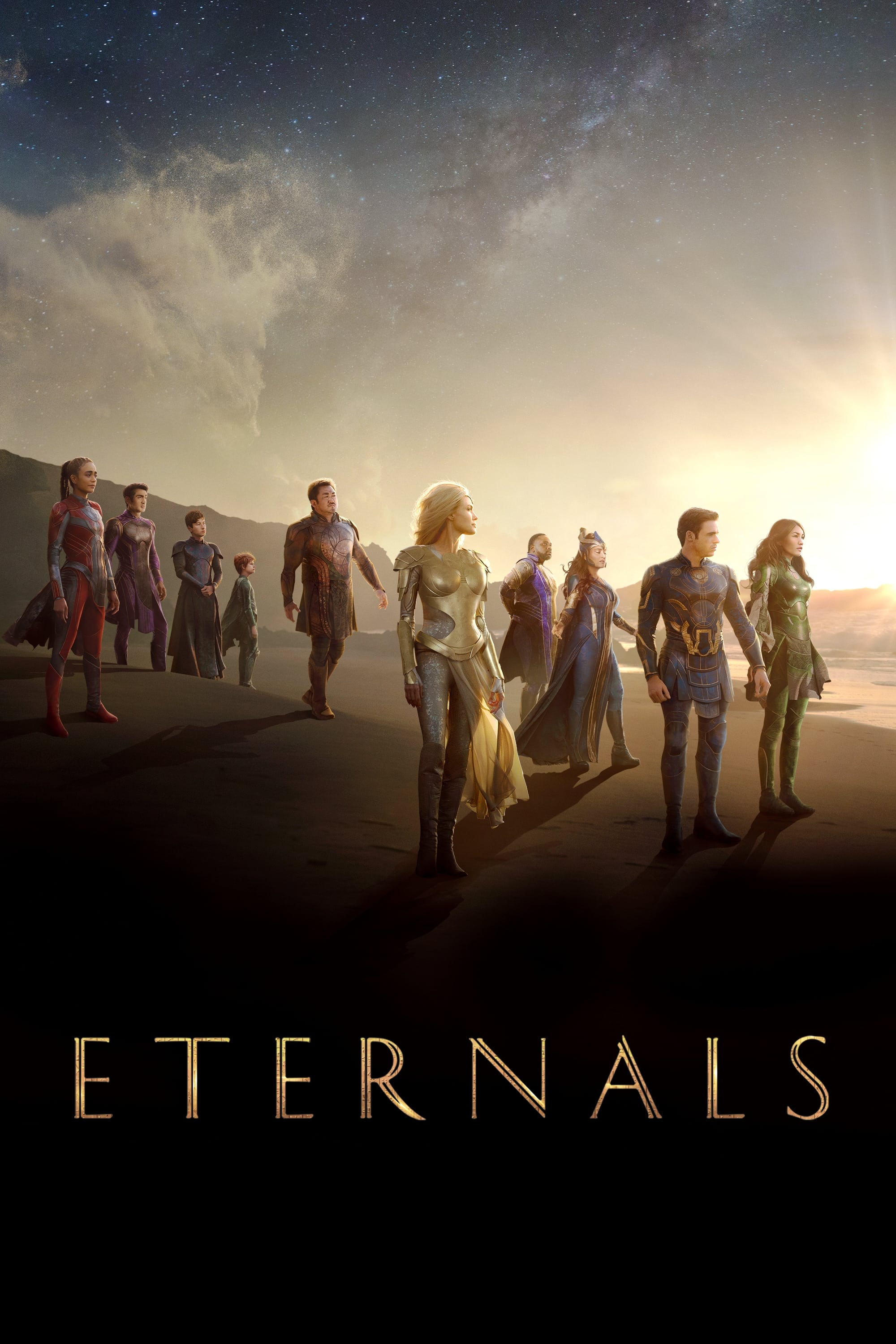
Marvel’s ambitious film directed by Chloé Zhao, while visually stunning, didn’t quite resonate with audiences. Its long runtime and large number of characters made it hard to become invested, and many found the story slow-moving. Critics also felt the villains were uninspired and relied too heavily on special effects. This resulted in the film becoming the first in the Marvel Cinematic Universe to receive largely negative reviews.
‘Morbius’ (2022)
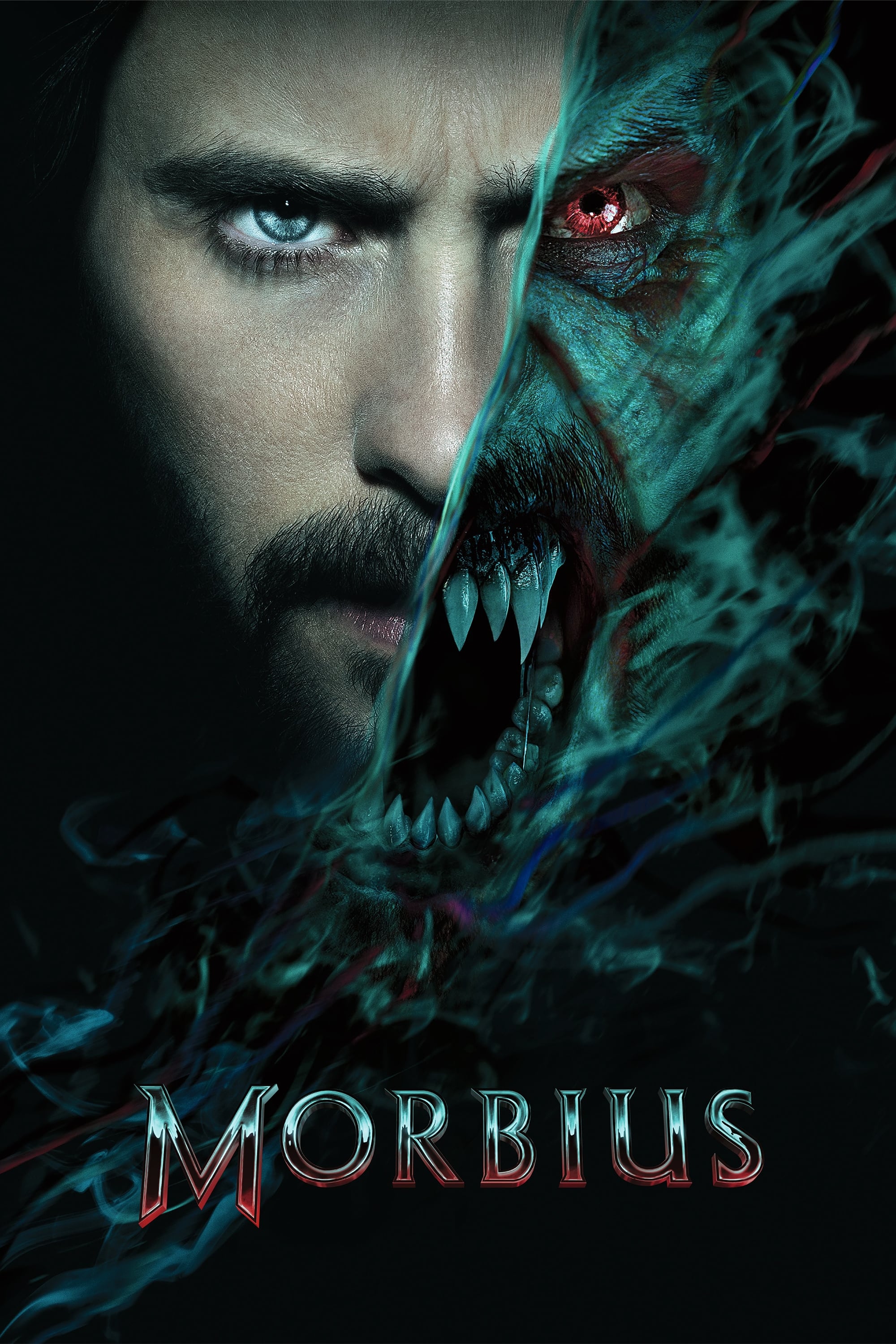
Jared Leto played a vampire in a Sony movie that became more known for online jokes than for being a good film. The story was predictable, and a scene after the credits trying to connect it to Spider-Man didn’t really fit. The special effects showing the vampire’s abilities were often unclear, and the action sequences were difficult to follow. The movie failed at the box office, and a second release attempt based on its popularity as an internet meme also didn’t succeed.
‘Thor: Love and Thunder’ (2022)
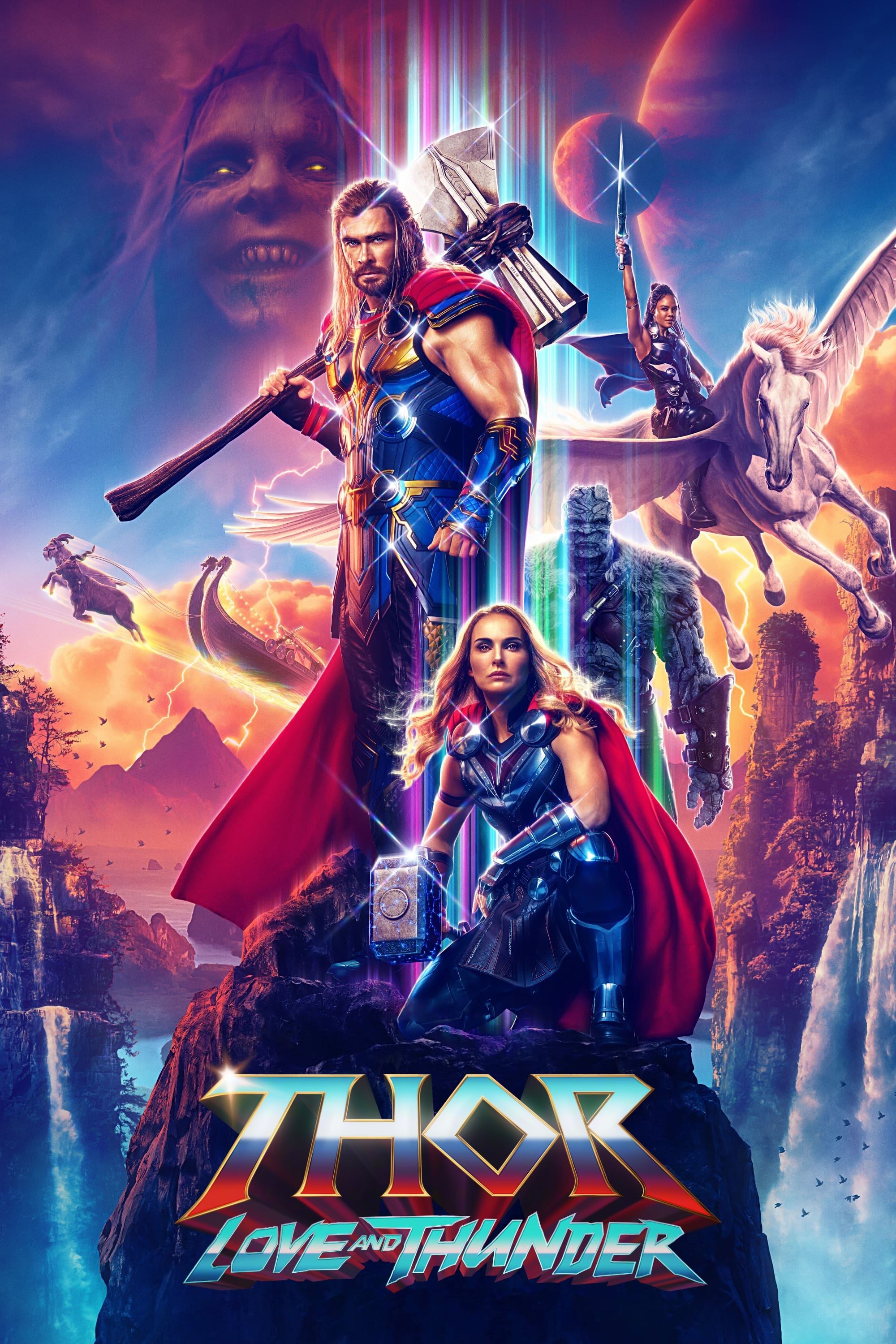
Taika Waititi directed again, but this time the movie relied heavily on humor that many viewers found overwhelming. The serious story of Gorr the God Butcher didn’t quite fit with the sillier moments, creating an uneven feel. The special effects were also noticeably weaker in some scenes, appearing flat and artificial. The film’s mixed reviews suggested that Marvel’s Phase 4 was having trouble maintaining consistent quality.
‘Black Adam’ (2022)
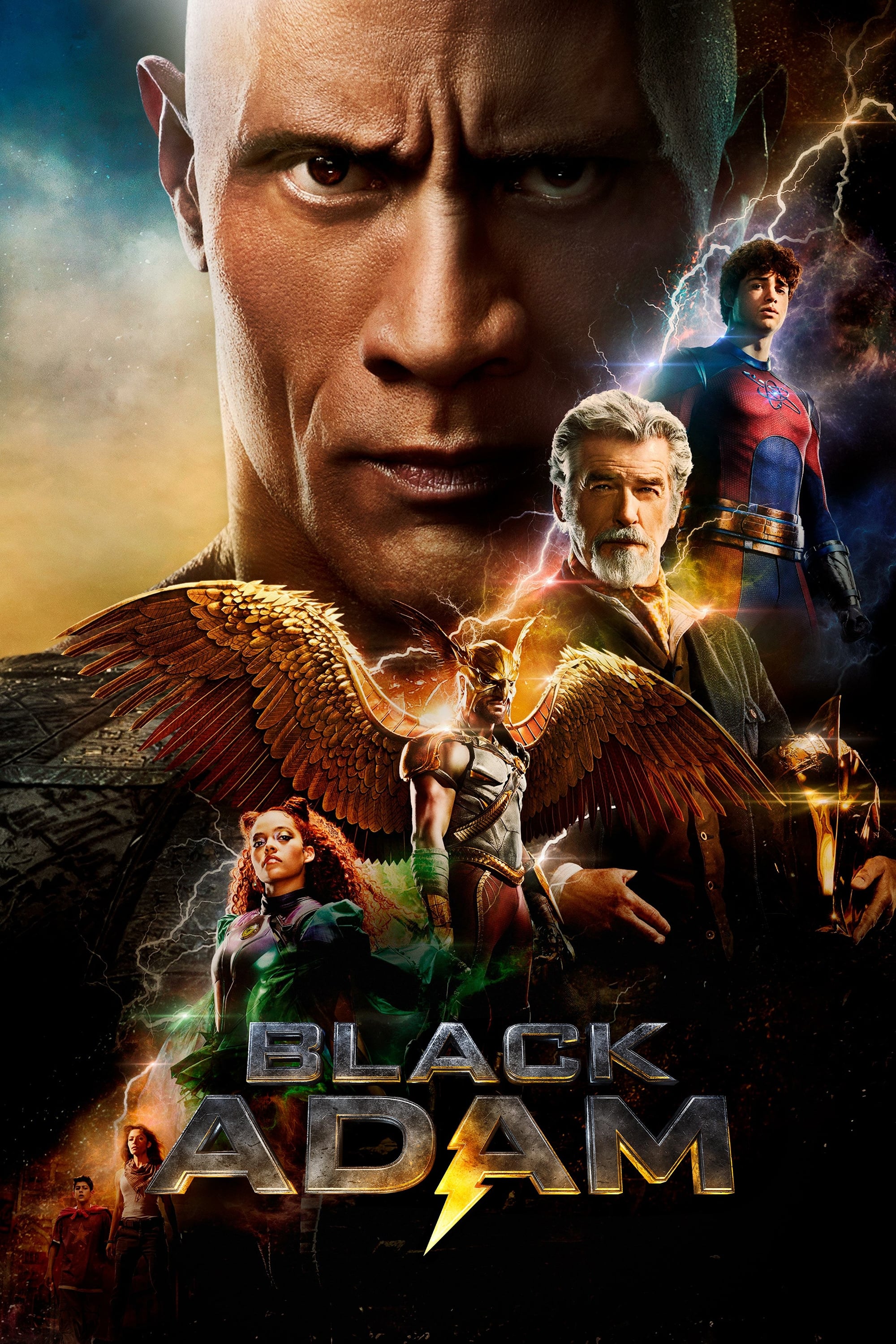
Dwayne Johnson had said this movie would shake up the power dynamics in the DC universe, but it ended up being a fairly standard action film. The main character was portrayed as unbeatable and lacked any real flaws. While Henry Cavill’s cameo teased a continuation of his story, it ultimately didn’t matter, as the DC universe was quickly rebooted. The film didn’t make its money back in theaters and is now seen as a sign of the previous leadership’s unsuccessful approach to the franchise.
‘Ant-Man and the Wasp: Quantumania’ (2023)
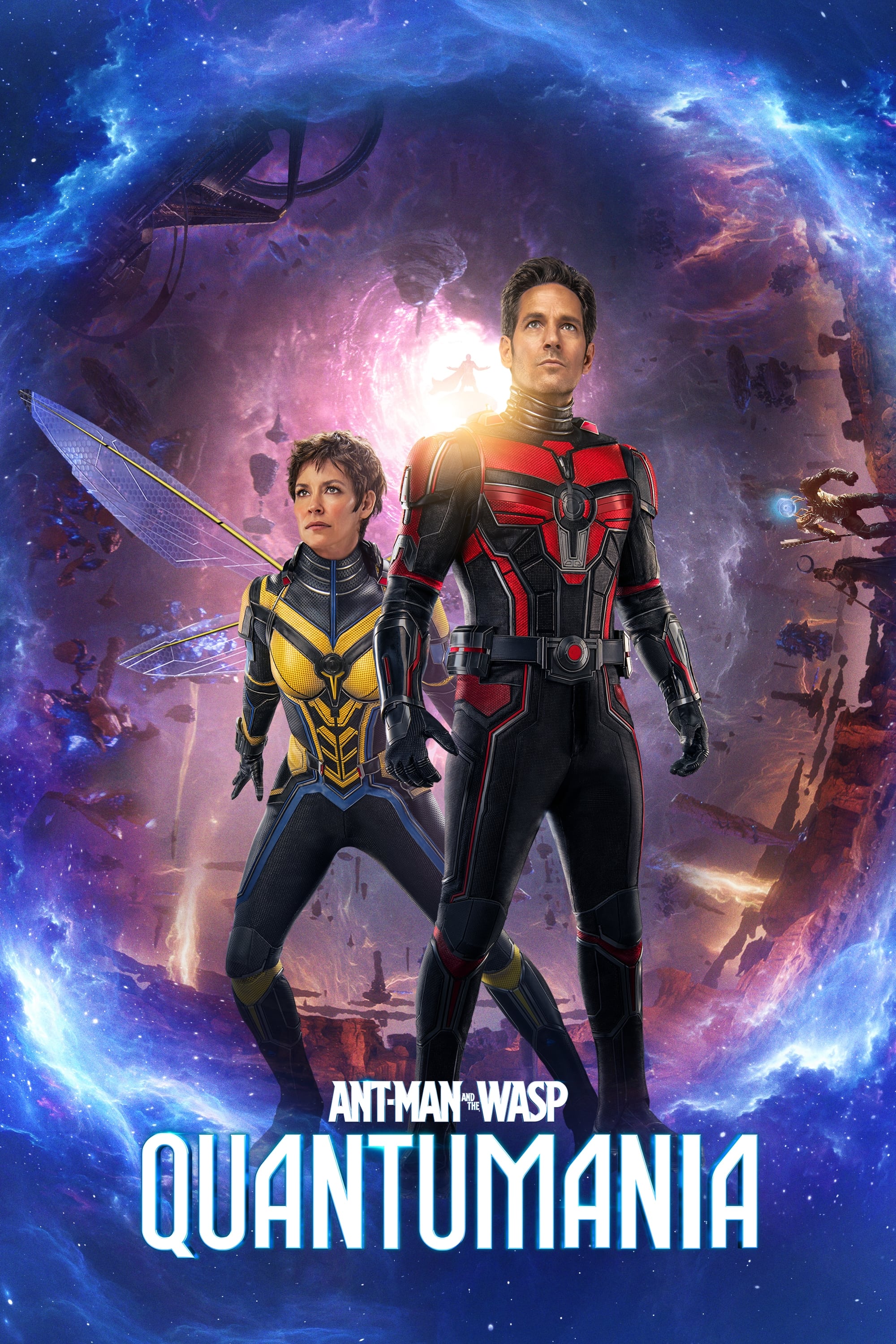
The movie aimed to introduce Kang the Conqueror as a major new villain, but it suffered from unconvincing special effects. Everything was filmed against a digital backdrop that looked flat and unrealistic. The story also had trouble blending lighthearted family moments with the seriousness of a threat that spanned multiple universes. Ultimately, the film was poorly received by critics and audiences, suggesting people were growing tired of the typical Marvel movie style.
‘Shazam! Fury of the Gods’ (2023)
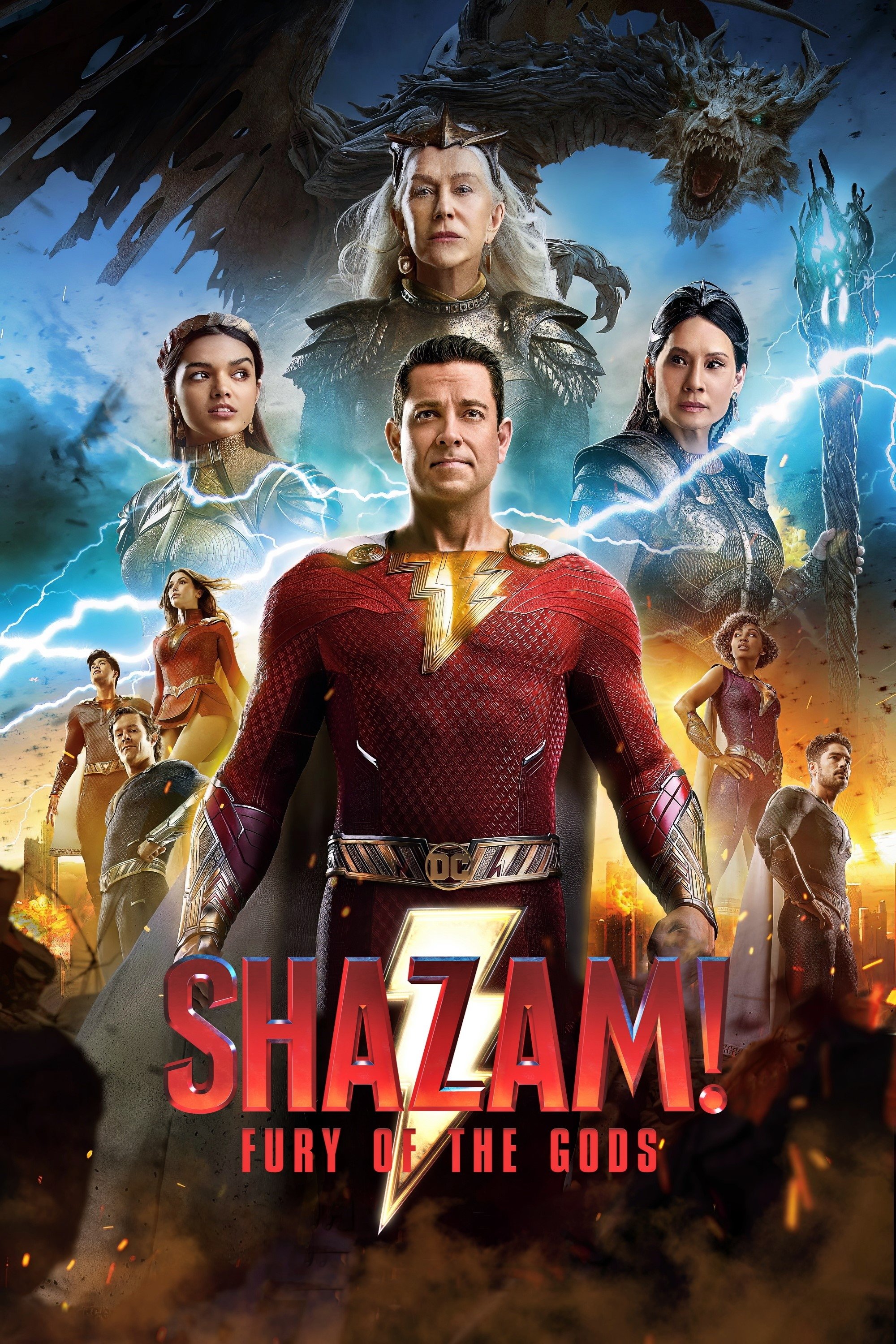
The follow-up to the beloved first movie didn’t capture the same magic, relying on typical bad guys and flashy computer-generated dragons. Critics felt Zachary Levi’s acting was too immature for the character, who was originally a teenager. Released at a time when the DC universe was undergoing major changes and a planned reboot, the film struggled to find an audience and became a significant box office failure.
‘The Flash’ (2023)
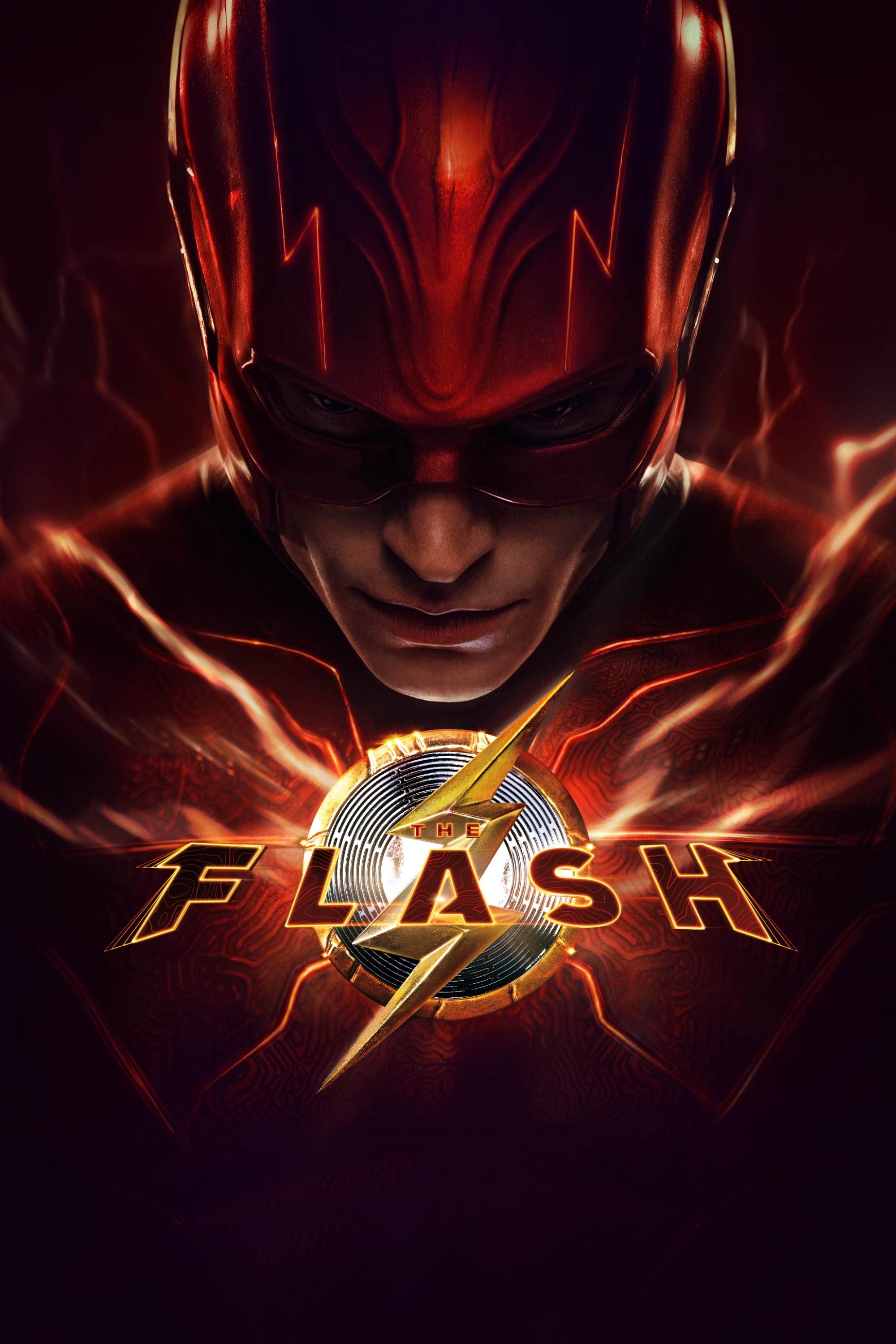
Despite being heavily promoted as a groundbreaking superhero film, this movie ultimately disappointed many viewers and was plagued by legal issues. Critics widely poked fun at the visual effects, which appeared dated and resembled those from a video game, especially during scenes involving multiple universes. While the film relied on nostalgia by bringing back Michael Keaton, it didn’t deliver a strong ending for the DC Extended Universe and proved to be a significant financial failure for the studio.
‘The Marvels’ (2023)
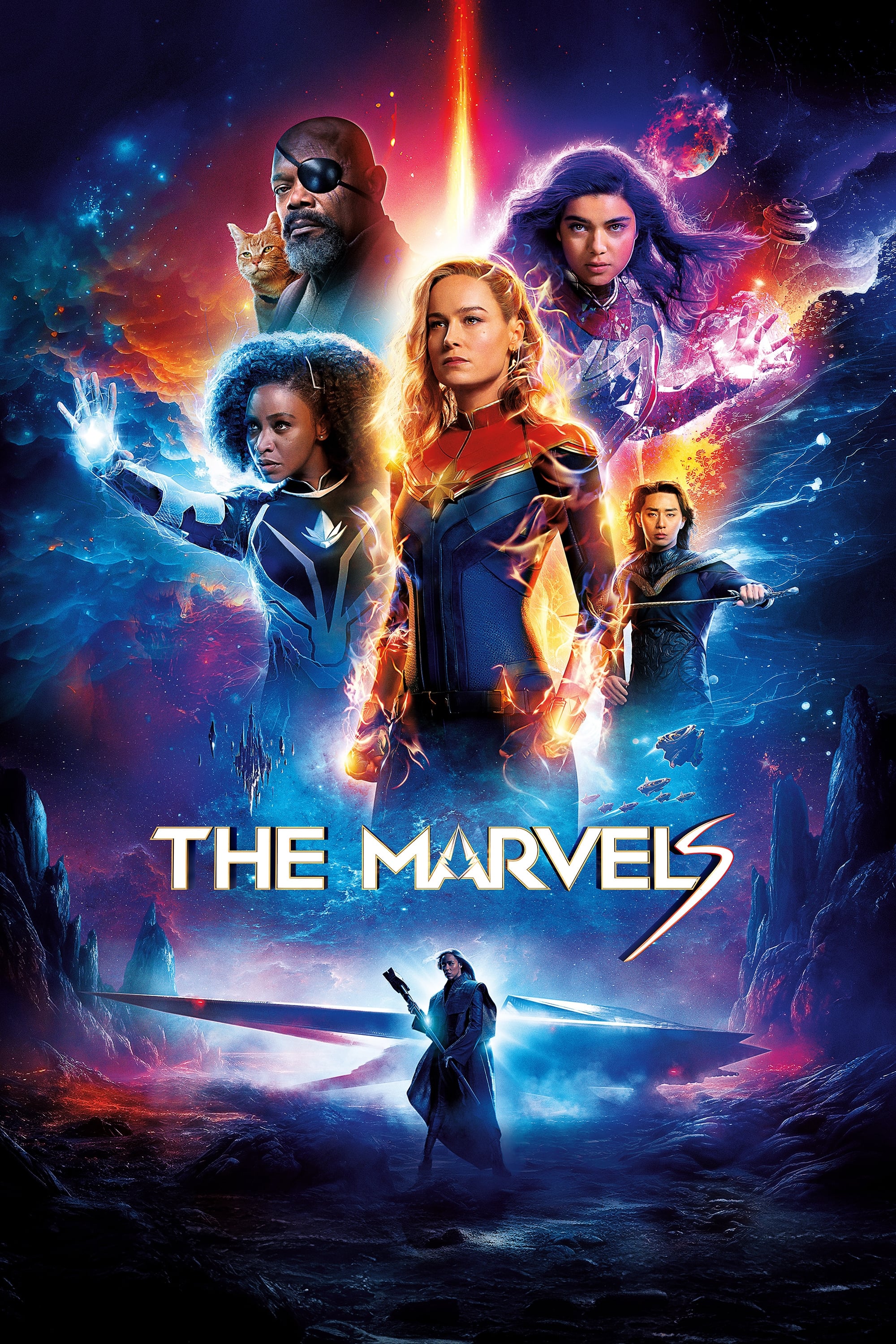
This team-up movie had a major drawback: viewers needed to have watched two Disney+ shows beforehand to fully understand the story. While the lead actors had good chemistry, the villain wasn’t memorable and the plot felt hurried. The film’s release was also hampered by the actors’ strike, preventing any promotional appearances by the cast. Ultimately, it had the lowest opening weekend box office numbers of any movie in the Marvel Cinematic Universe.
‘Madame Web’ (2024)
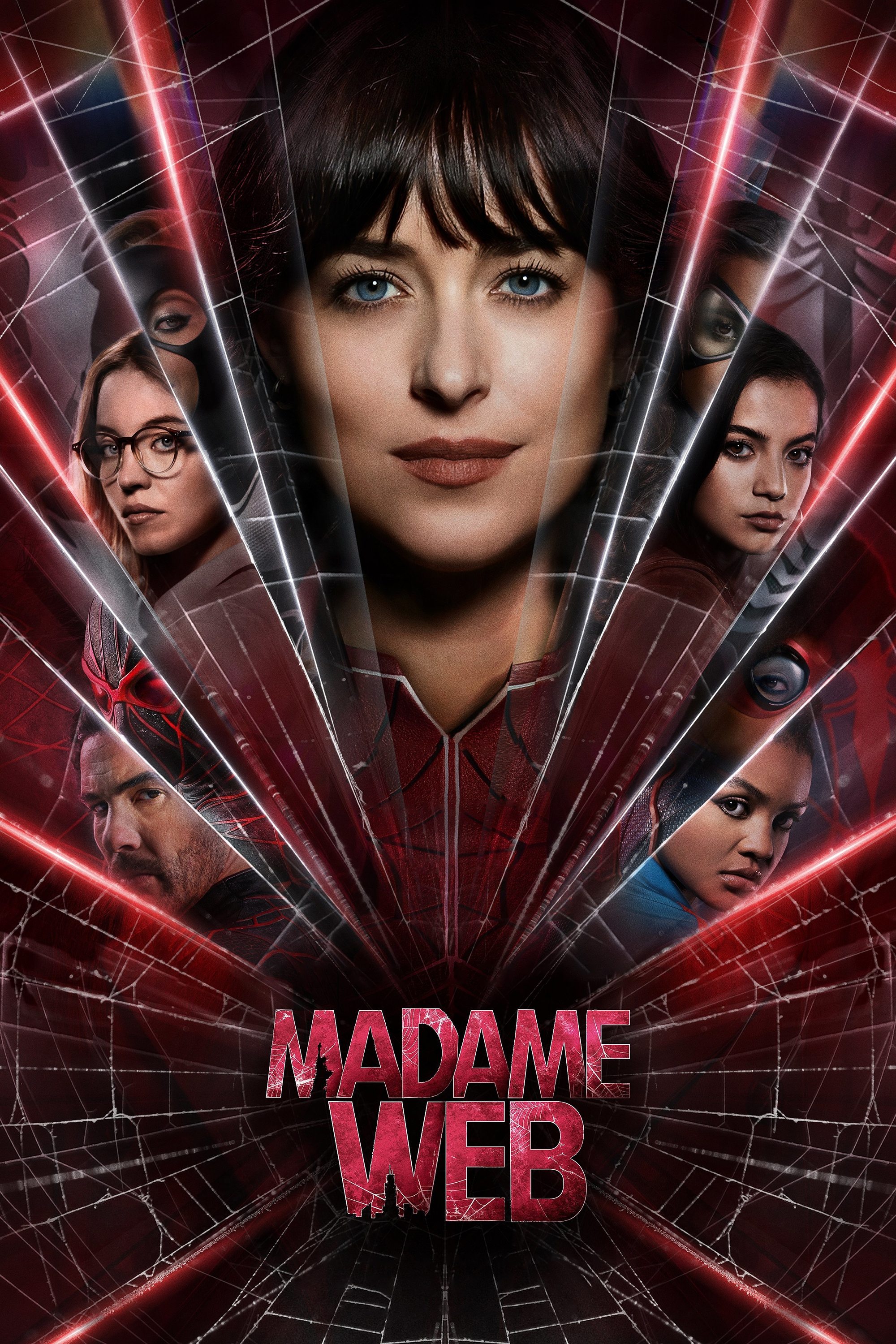
Dakota Johnson led this confusing addition to Sony’s Spider-Man Universe, which surprisingly had very few superhero costumes. Critics and audiences alike found the conversations clunky and overly explanatory, and the film felt rushed and incomplete. The villain’s reasons for acting weren’t well-defined, and the action sequences were short and disappointing. The movie failed to connect with audiences in theaters and quickly became a symbol of the problems with current superhero filmmaking.
Tell us which of these movies disappointed you the most in the comments.
Read More
- Gold Rate Forecast
- Invincible Season 4 Gender Swaps Tech Jacket As Fans Question Major Comic Change
- Silver Rate Forecast
- 14 Movies Where the Black Character Refuses to Save the White Protagonist
- ONE PIECE Season 2 Confirms Sanji’s OTHER Backstory in the Live-Action
- 15 Films That Were Shot Entirely on Phones
- Unveiling the Schwab U.S. Dividend Equity ETF: A Portent of Financial Growth
- 22 Films Where the White Protagonist Is Canonically the Sidekick to a Black Lead
- The Best Former NFL Players Turned Actors, Ranked
- How to Do Sculptor Without a Future in KCD2 – Get 3 Sculptor’s Things
2026-02-05 18:51