
Performers who think and experience the world differently – those with autism, ADHD, dyslexia, and other neurodivergent conditions – are changing modern entertainment. Many actors report that these differences actually help them create believable characters and understand scripts in unique ways. Qualities like intense concentration and strong emotional connection allow them to bring a special authenticity to their roles. By sharing their stories, they’re challenging old ideas about talent and helping the industry become more welcoming to all kinds of creative minds.
Anthony Hopkins
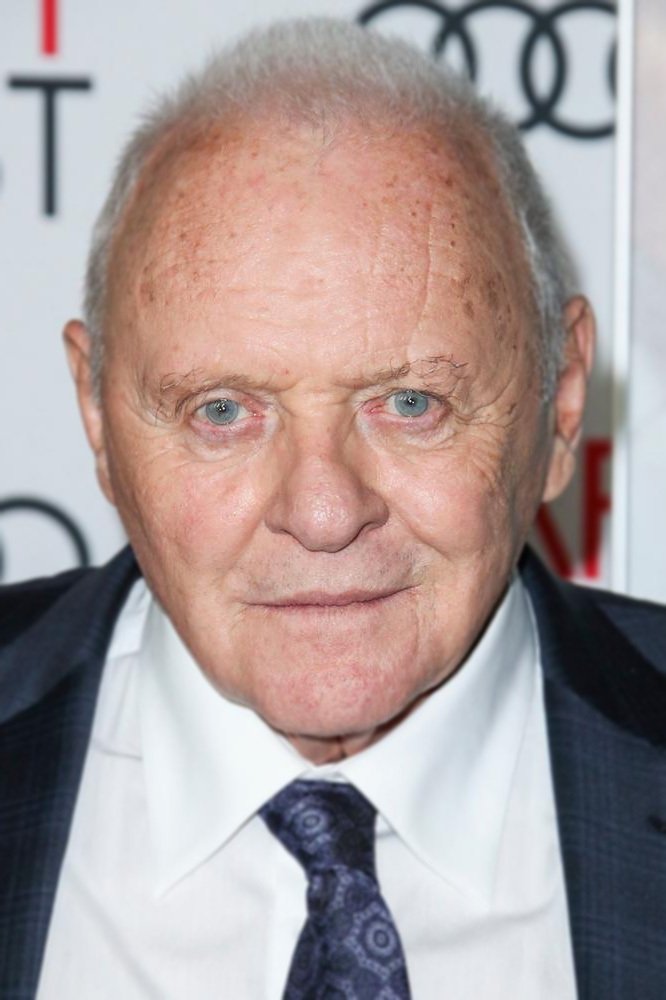
Anthony Hopkins has discussed how learning he had Asperger’s syndrome later in life changed how he approaches acting. The condition gives him the ability to analyze characters in a detailed way, leading to very precise and powerful performances. He often dissects scripts like a math problem, which helps him learn lines quickly and grasp the core of each scene. His famous role in ‘The Silence of the Lambs’ highlighted his calm, observant style – a hallmark of his work. He believes this way of thinking gives him a special edge as an actor.
Daryl Hannah
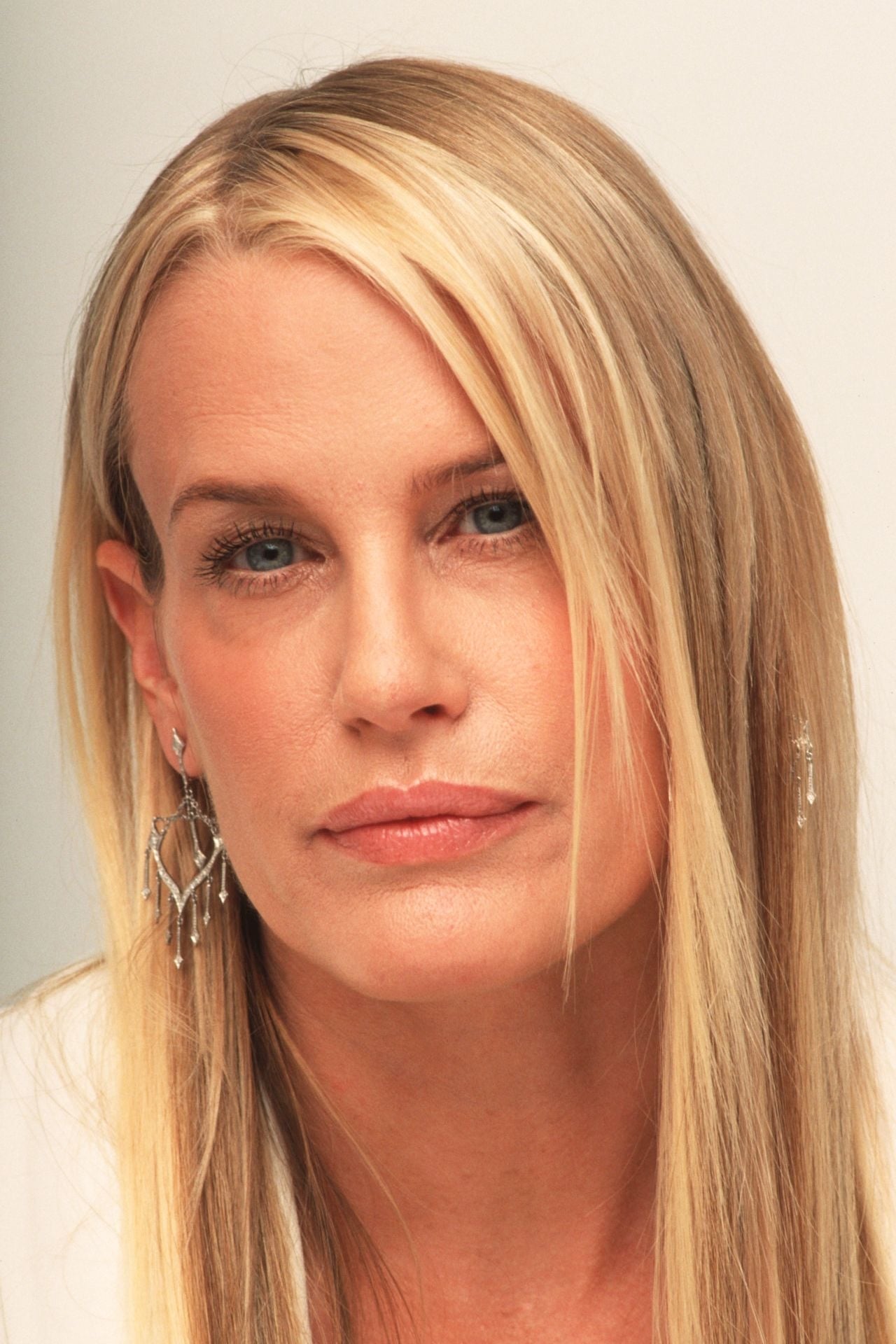
Daryl Hannah was diagnosed with autism as a child and has openly shared how it affected her. She realized her strong focus on particular interests actually helped her become a dedicated film actor. Although dealing with the social side of the industry was difficult, she drew on her inner world to create believable and complex characters in films like ‘Blade Runner’ and ‘Splash’. Her personal experience with neurodiversity allowed her to convincingly portray characters who were unusual or felt like outsiders. Now, she champions the idea that different ways of thinking can inspire creativity and innovation.
Dan Aykroyd
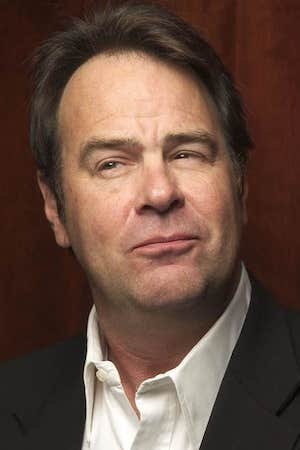
Dan Aykroyd believes his creativity stems from having Asperger’s and Tourette’s syndromes. His intense focus on things like ghosts and police work actually inspired the movie ‘Ghostbusters.’ He found that being able to deeply concentrate on specific interests helped him write unique and detailed scripts. His time on ‘Saturday Night Live’ was also enhanced by his ability to fully embody different characters, paying close attention to their movements and how they spoke. Aykroyd sees his neurodiversity as a key factor in his achievements as a writer and performer.
Wentworth Miller
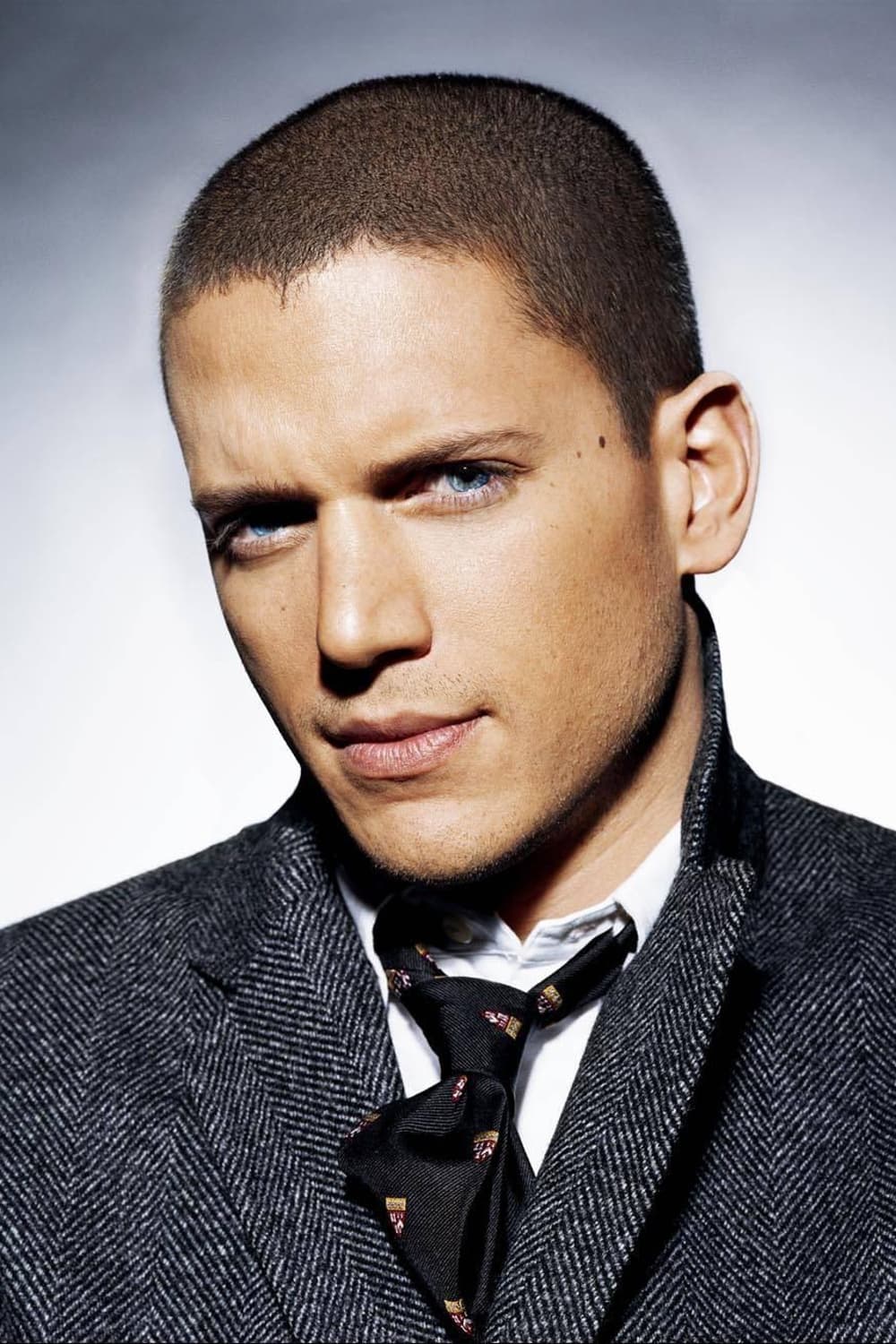
Wentworth Miller was diagnosed with autism as an adult, and he’s shared how it affected his work as an actor. He realized the condition probably led him to choose roles that involved characters who were reserved and thoughtful. For example, his role in ‘Prison Break’ – a character with a very organized mind – felt natural to him because it mirrored his own way of thinking. Miller says the diagnosis helped him understand why he needs a predictable routine and thorough preparation when filming. By speaking openly about his experience, he’s opened up conversations about the challenges faced by neurodivergent actors in Hollywood.
Paddy Considine
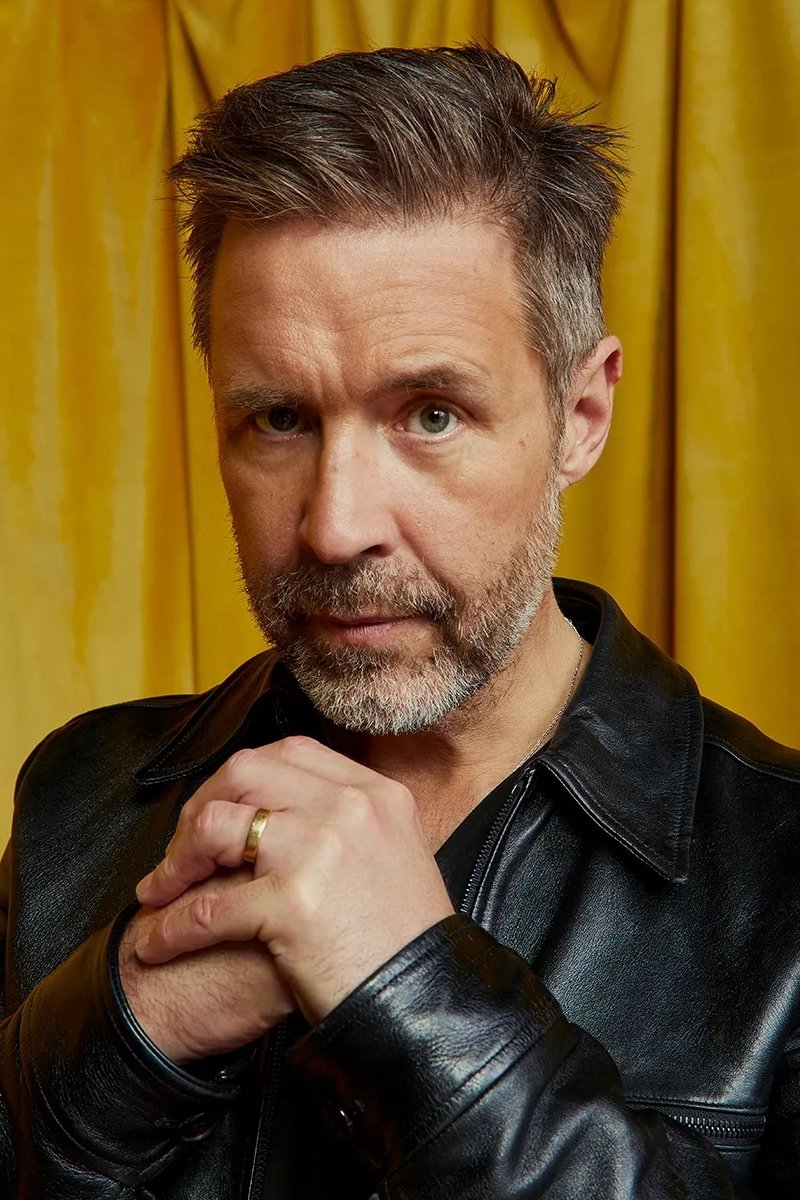
Paddy Considine received a diagnosis of Asperger’s syndrome in his late thirties, which helped him understand why he’d always felt different. He realized it explained his ability to deeply concentrate and fully immerse himself in characters, like in ‘Dead Man’s Shoes’. This way of thinking allows him to bring a genuine and powerful energy to his acting, which critics often highlight. While filming ‘House of the Dragon’, he used his unique way of processing information to create a nuanced and heartbreaking portrayal of a king. He’s shared that knowing about his brain helped him cope with the overwhelming sensory experiences of a film set.
Kayla Cromer
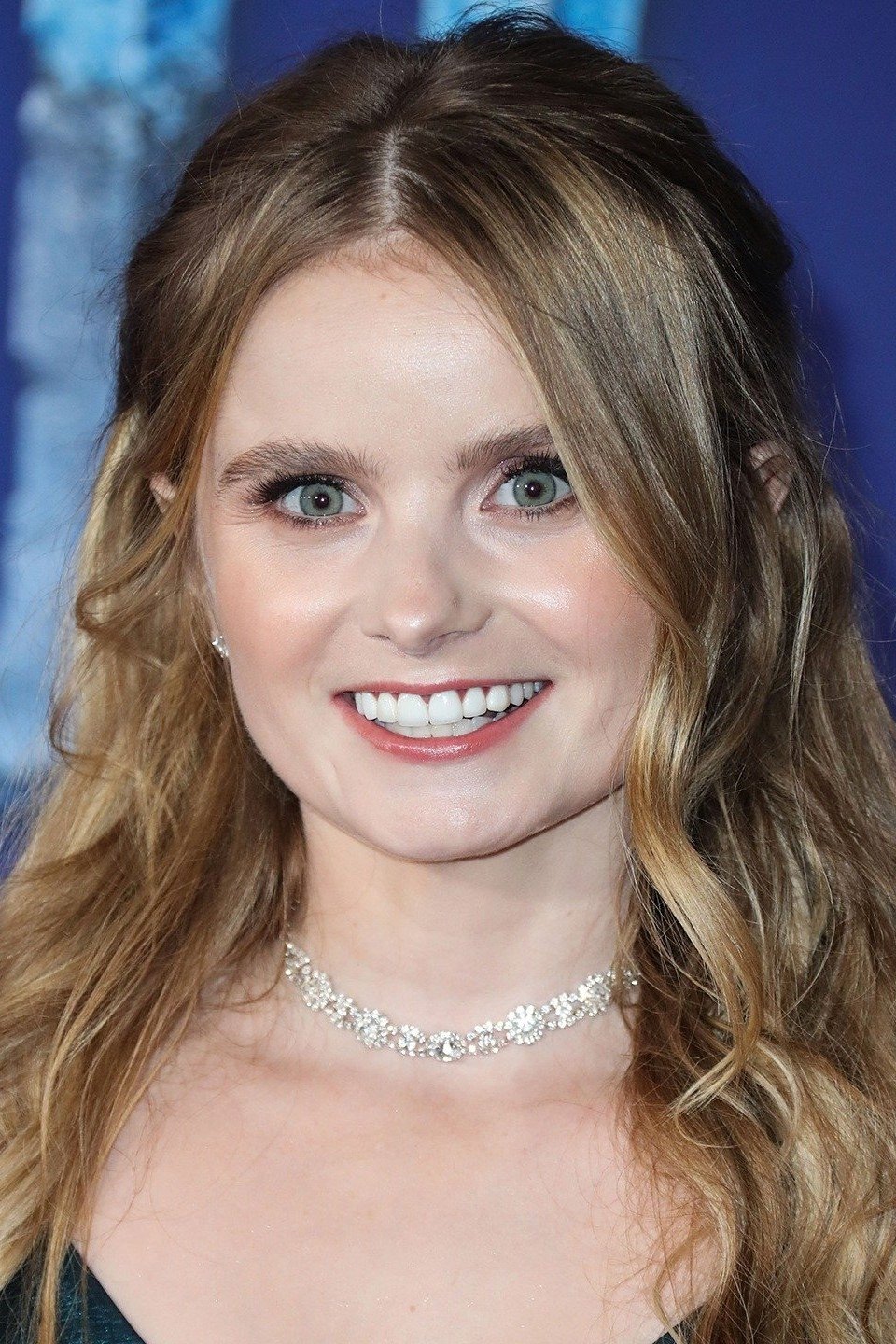
Kayla Cromer is a groundbreaking actress, one of the first openly autistic actors to portray an autistic lead role on TV. Her work on ‘Everything’s Gonna Be Okay’ brought much-needed authenticity to television, drawing on her personal experiences. Cromer believes her neurodiversity gives her a unique understanding of characters, allowing her to portray them with subtle details others might miss. By openly sharing her diagnosis, she’s helping to create more inclusive opportunities for neurodivergent actors. Her success shows that neurodiversity should be seen as a strength, not a barrier, in the entertainment industry.
Whoopi Goldberg
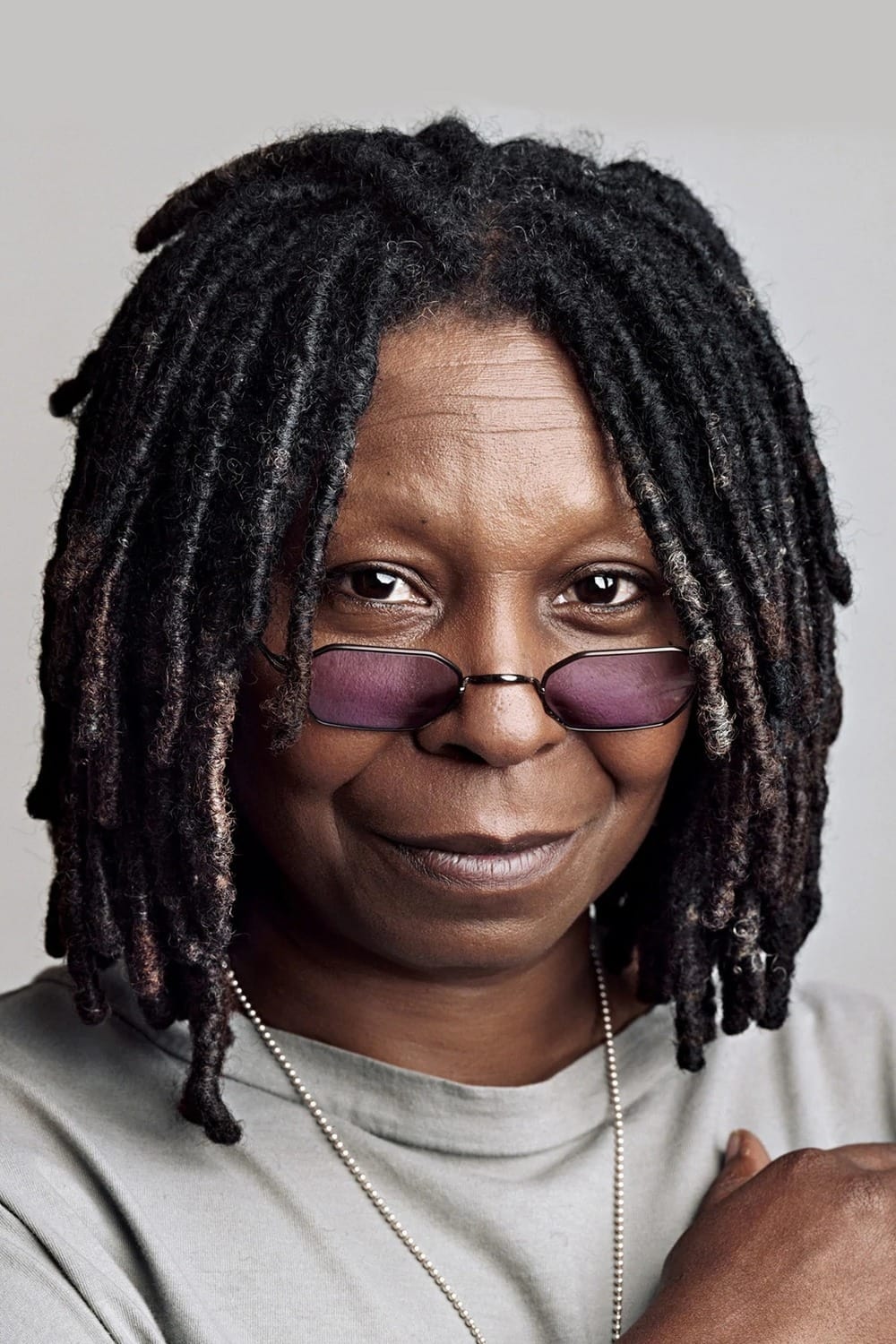
Whoopi Goldberg has openly discussed her experiences with dyslexia and how it made her feel like an outsider when she was younger. Instead of reading scripts, she learned to listen to others read and memorize lines by ear. This actually helped her become a talented improviser, allowing her to react authentically alongside her fellow actors in movies like ‘The Color Purple’ and ‘Ghost’. Her impressive career – she’s an EGOT winner! – demonstrates that having a different way of thinking doesn’t prevent someone from achieving great things creatively. She continues to encourage young people with learning differences to consider careers in the arts.
Orlando Bloom
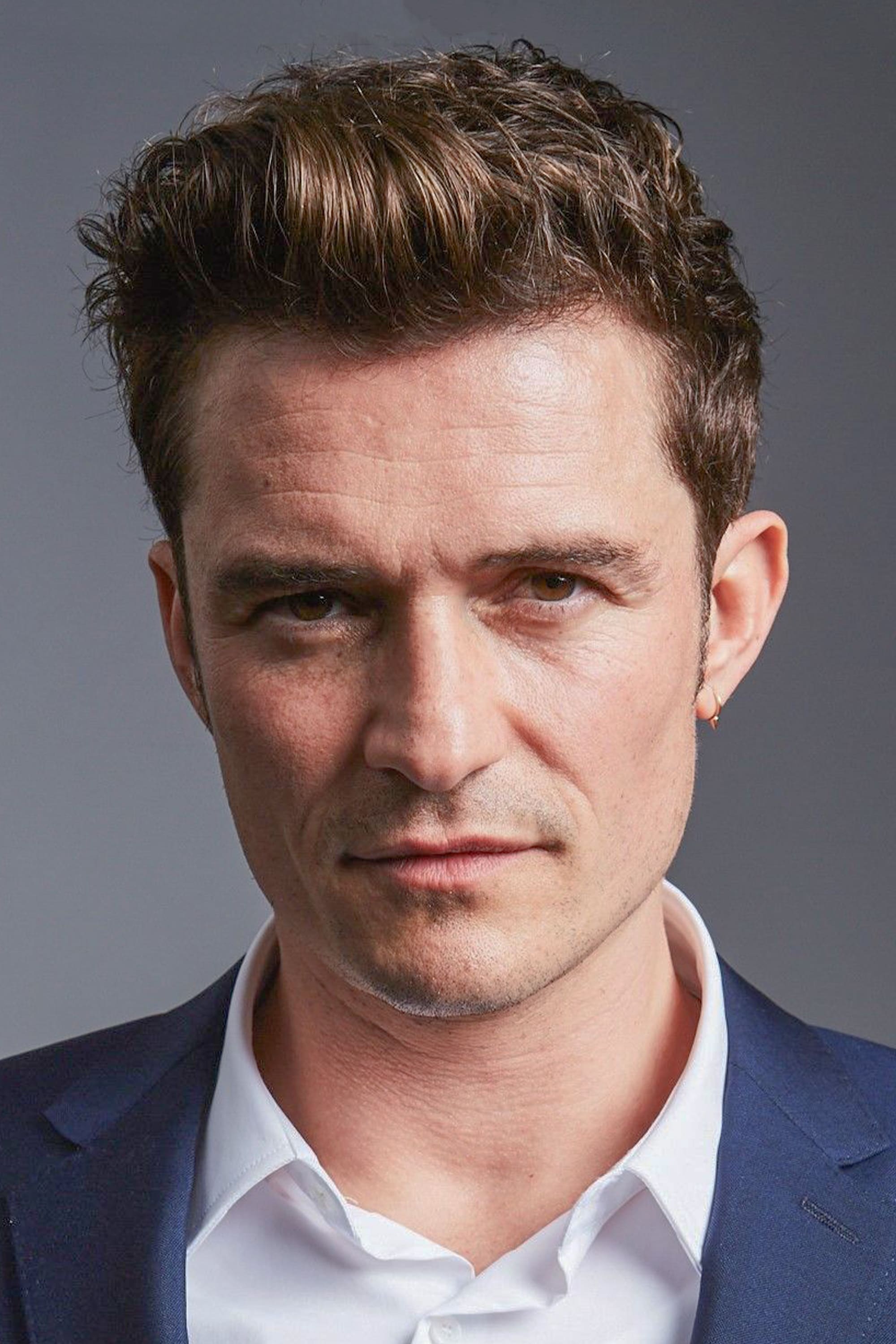
Orlando Bloom faced significant challenges with dyslexia growing up and as he began his acting career. Instead of letting it hold him back, he learned to deeply understand his characters through movement and visual cues. This physical approach became a hallmark of his performances in popular films like ‘The Lord of the Rings’ and ‘Pirates of the Caribbean’. He’s realized his dyslexia actually helps him think creatively and unconventionally during rehearsals. His success proves that overcoming learning difficulties can build incredible strength and lead to a thriving career.
Keira Knightley

Keira Knightley discovered she had dyslexia when she was young, and she used her love of acting to become a better reader. She often records scripts to help her learn them, and she puts in extra effort when preparing for roles in historical dramas like ‘Pride and Prejudice’. This detailed preparation allows her to truly understand her characters and their feelings. She’s also said that her way of thinking, being neurodivergent, helps her notice details and connections in stories that others might overlook. By openly discussing her dyslexia, she’s helped many people feel less ashamed of their own learning differences.
Daniel Radcliffe
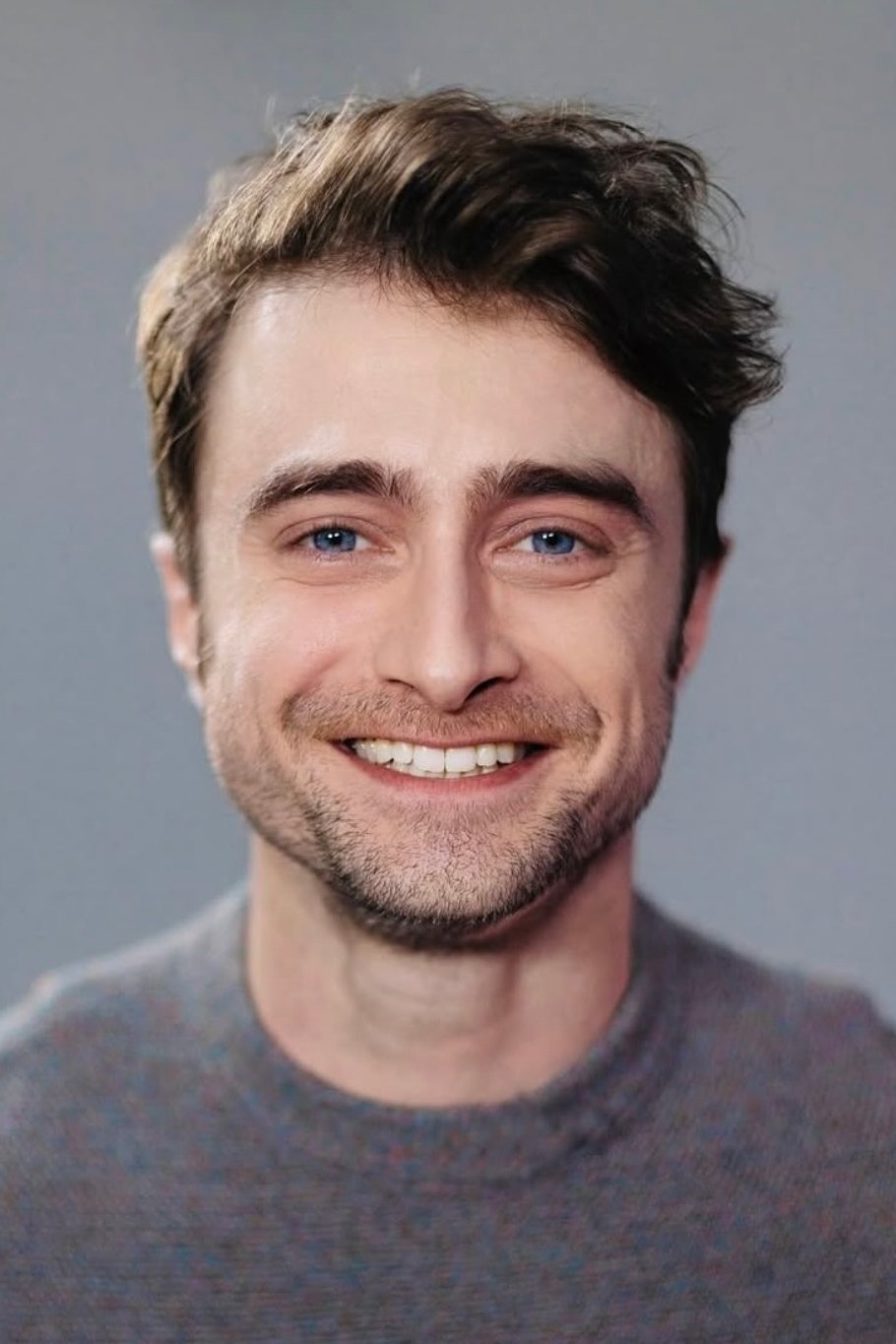
Daniel Radcliffe has talked about living with dyspraxia, a condition that affects coordination. He’s said everyday things like tying shoes were tough for him, but he actually found the organized nature of movie sets helpful. During the ‘Harry Potter’ films, he worked with movement coaches to improve how he moved on camera. He believes his neurodiversity motivated him to work hard and show what he could do. His achievements in both movies and theater demonstrate that with hard work and dedication, physical difficulties can be overcome.
Tom Holland

Tom Holland has spoken about his challenges with dyslexia and how it ultimately helped shape his successful acting career. While he struggled in a typical school setting, he thrived in the hands-on and imaginative world of performance. His talent for physical comedy and complex stunts in movies like ‘Spider-Man: Homecoming’ comes from a natural gift for movement and physical expression. He now uses his fame to inspire other young people with dyslexia to discover their own talents beyond traditional academics. His energetic performances reflect his unique perspective and way of connecting with the world.
Emma Watson

Emma Watson has publicly discussed her ADHD, explaining how understanding it helped her cope with the demands of being a young actor. She realized the busy, exciting atmosphere of a film set actually helped her concentrate and stay motivated. Her ability to handle many things at once and think quickly proved valuable during the ‘Harry Potter’ films and her other work. She believes her unique way of thinking also fuels her commitment to social causes and her eagerness to learn. Emma’s career demonstrates that ADHD can be a source of strength, leading to a successful and adaptable professional life.
Ryan Gosling
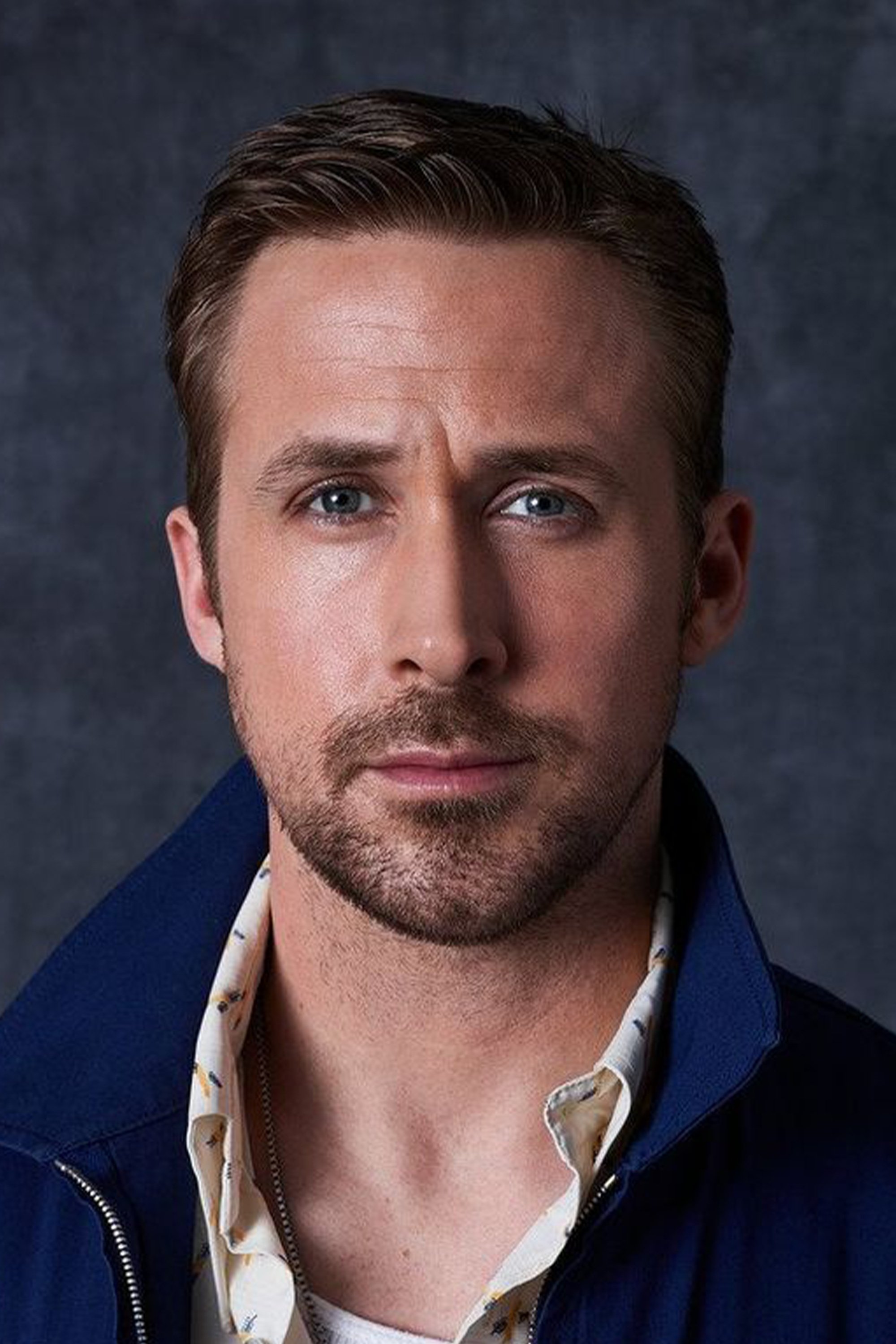
Ryan Gosling was diagnosed with ADHD as a child, and he’s talked about how it influenced his passion for the arts. He found school difficult, so he channeled his energy into performing and dancing. This early focus helped him develop the captivating personality and on-screen presence he’s known for in films like ‘Drive’ and ‘La La Land’. He often plays characters who are thoughtful and observant, which seems to mirror his own way of thinking. His career success shows how important it is to give neurodivergent children opportunities to express themselves creatively.
Channing Tatum
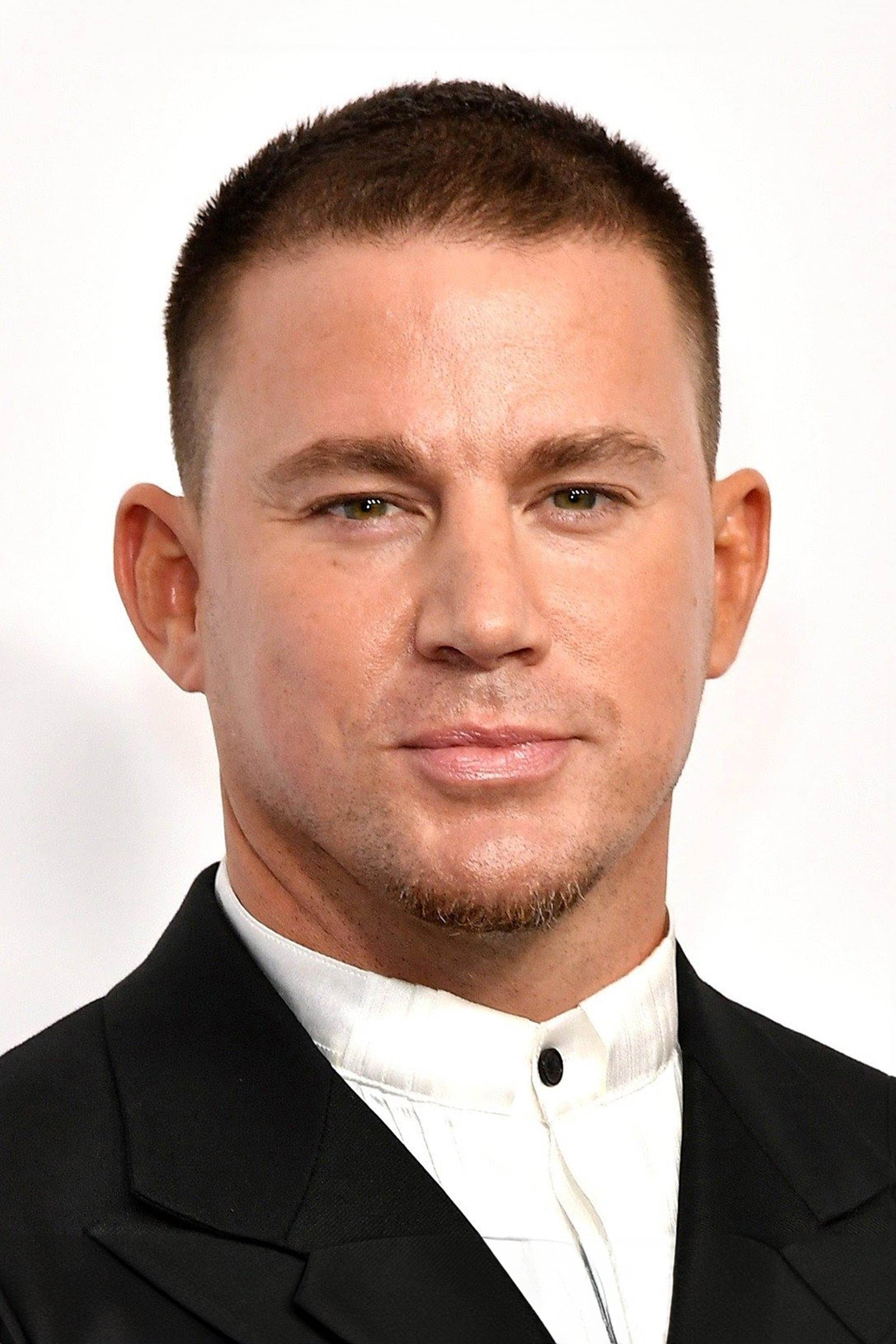
I’ve always been fascinated by Channing Tatum, and I recently learned about his struggles with ADHD and dyslexia growing up. It’s amazing to me that he figured out he learned best by doing things – moving and being physical – instead of just sitting and listening in class. It totally makes sense when you think about his career! All that dancing and physical acting in movies like ‘Magic Mike’ and ‘Step Up’ clearly came naturally to him. He’s said he has to really work at understanding scripts, but that effort actually helps him connect with the roles on a deeper level. Honestly, his story is a great example of how being neurodivergent can actually push someone to find really unique and successful paths in life.
Jim Carrey
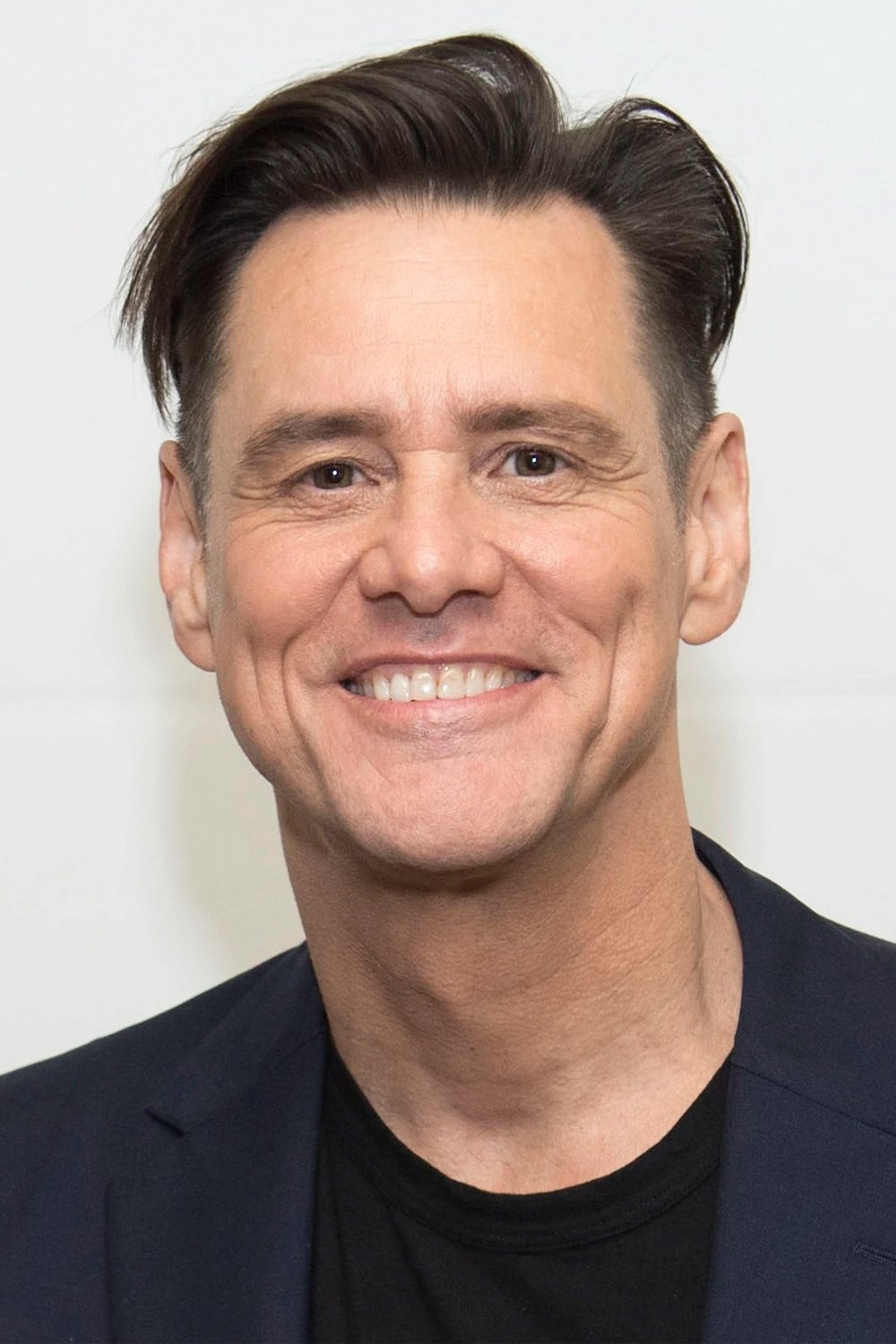
Jim Carrey has frequently discussed his ADHD, explaining how it fueled his famously energetic comedy. His quick shifts between characters and exaggerated physical expressions – seen in films like ‘The Mask’ and ‘Ace Ventura: Pet Detective’ – are key to his success. He believes his constantly active mind gives him endless creative ideas for entertaining people. Though managing this energy can be difficult, he sees his unique way of thinking as the foundation of his comedic talent. Ultimately, his work has revolutionized physical comedy in movies.
Woody Harrelson
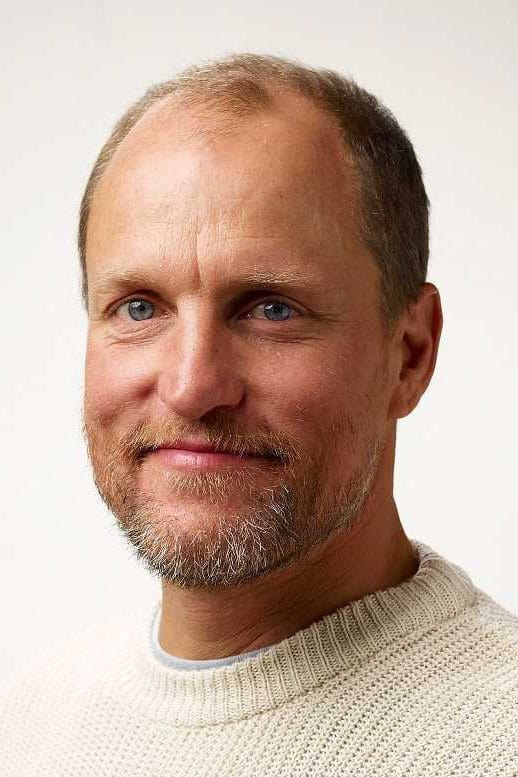
Woody Harrelson has ADHD and dyslexia, which have shaped his lively personality and acting style. He discovered that the improvisational nature of acting provided a positive outlet for his energy. This is clear in his varied roles, from the sitcom ‘Cheers’ to the drama ‘True Detective,’ where he often brings a surprising and unique quality to his characters. Harrelson has shared that being neurodivergent helps him fully focus on the present moment while performing. His thriving career demonstrates that thinking differently can actually be a significant strength in a professional setting.
Henry Winkler
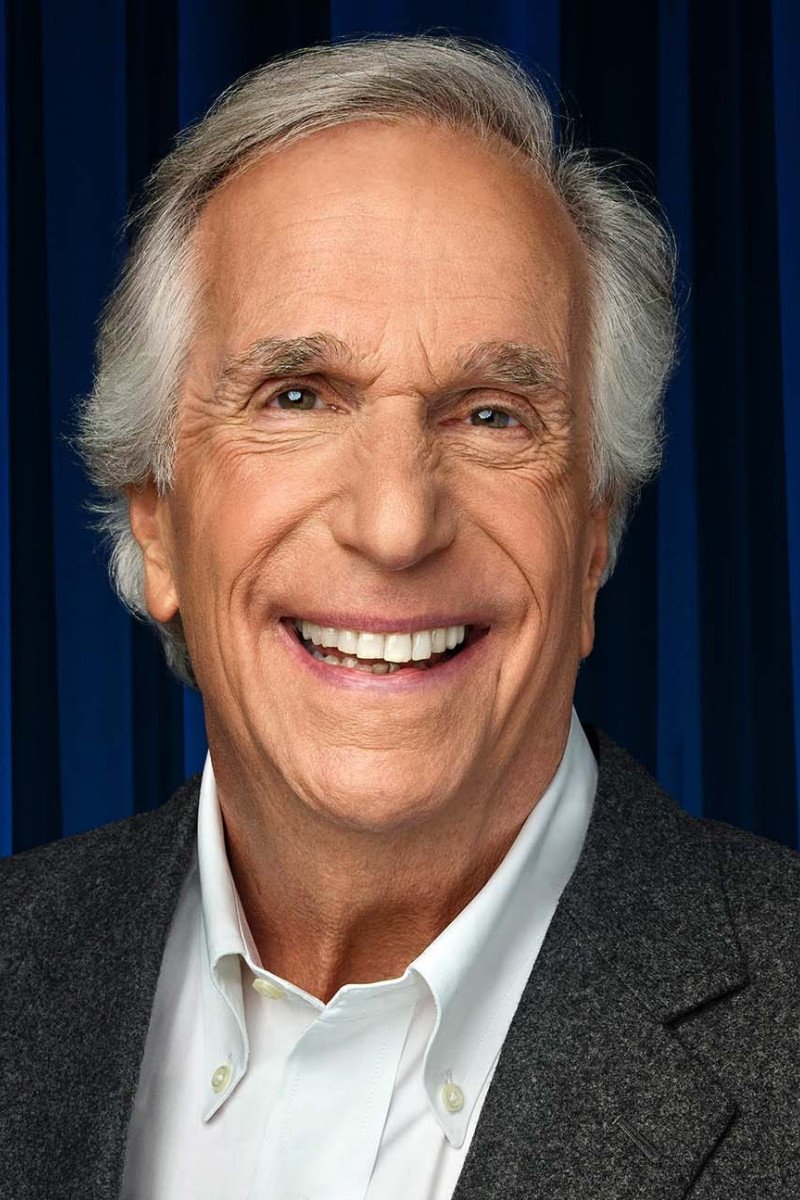
For years, Henry Winkler didn’t understand why he found reading so difficult – he was later diagnosed with dyslexia. Interestingly, during his popular role as the Fonz on ‘Happy Days,’ he had trouble reading the scripts. He overcame this by quickly memorizing his lines and relying on his instincts while acting. This challenge taught him to be persistent and to speak up for his needs at work. Now, he’s a well-known author of children’s books with characters who have different ways of thinking, helping kids feel understood and accepted.
Audra McDonald
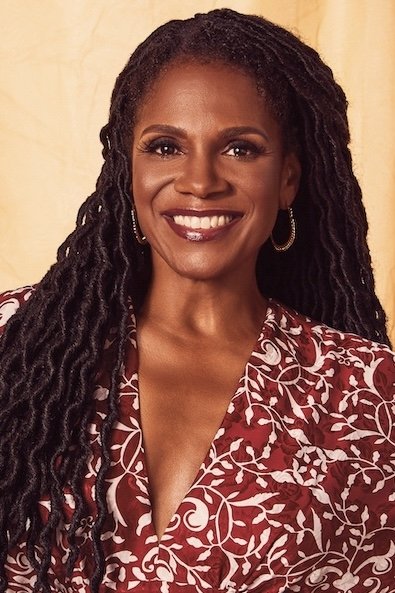
Audra McDonald has openly shared her ADHD diagnosis and how it’s influenced her successful career in theater and television. She discovered that the organized environment of performing helped her focus her energy, leading to her acclaimed performances. Her ability to fully become a character and perform with incredible precision shows her dedication. McDonald has also used her visibility to advocate for mental health awareness and acceptance of neurodiversity within the arts. Her impressive six Tony Awards prove that achieving great professional success is possible even with ADHD.
Billie Eilish
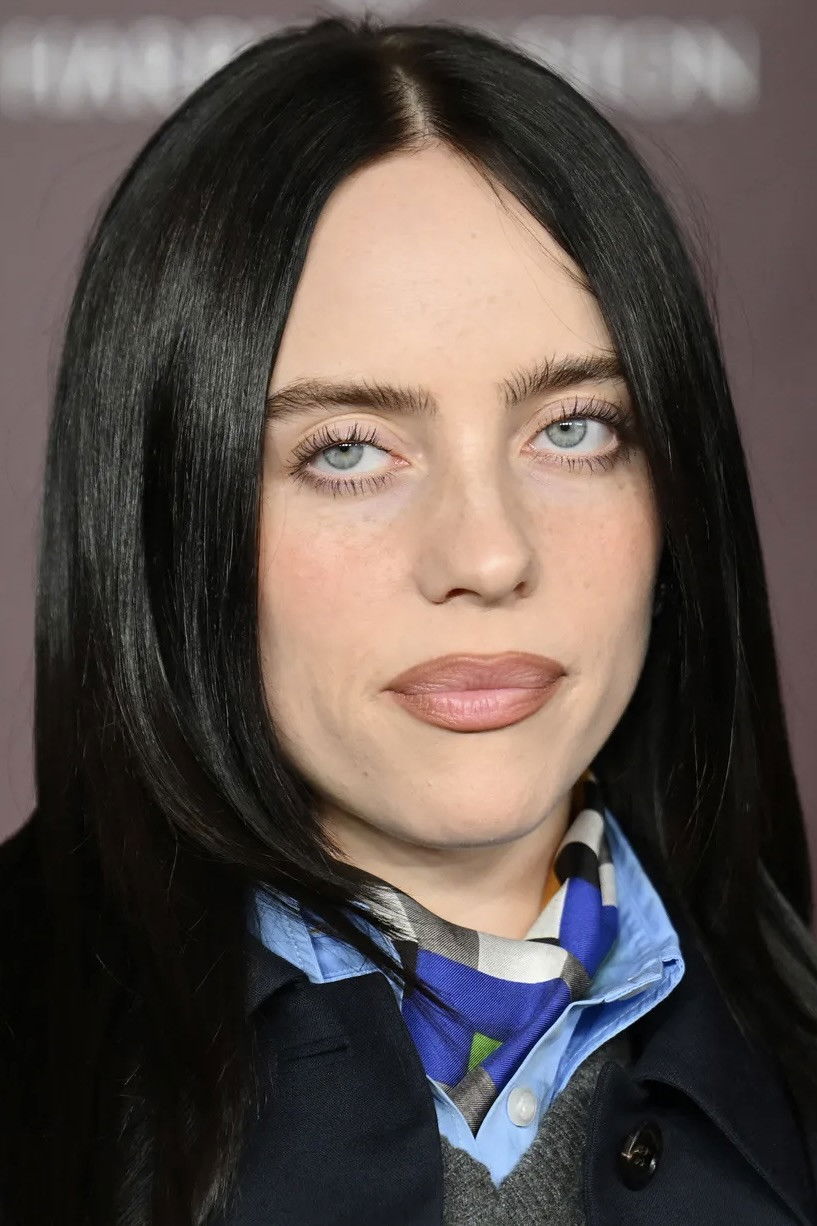
Billie Eilish has openly discussed living with Tourette syndrome and how it affects her work as a performer. While not always obvious to audiences, she experiences tics that require her to carefully manage her energy levels. Her unique way of thinking, stemming from being neurodivergent, influences the sound and visuals in her music and films. Interestingly, she’s found that the concentration needed during performances can temporarily lessen her tics. By sharing her experiences, she’s helped many people better understand what it’s like to live with a neurological condition while also having a successful career.
Seth Rogen

I’ve been really fascinated to hear Seth Rogen talk about his ADHD and Tourette’s. It makes so much sense to me why he’s been so successful! He’s said his constant energy and a never-ending stream of ideas actually helped him in comedy – it’s a field that rewards that kind of quick thinking. When I watch movies like ‘Superbad’ and ‘Pineapple Express’, I can definitely see how his unique way of looking at things comes through in his timing and delivery. He also mentioned being able to really lock in and hyperfocus when he’s excited about something, which is a huge reason he’s become such a great producer and director. It’s inspiring to see how he’s embraced what makes him, him, and built such an amazing career because of it.
Cher
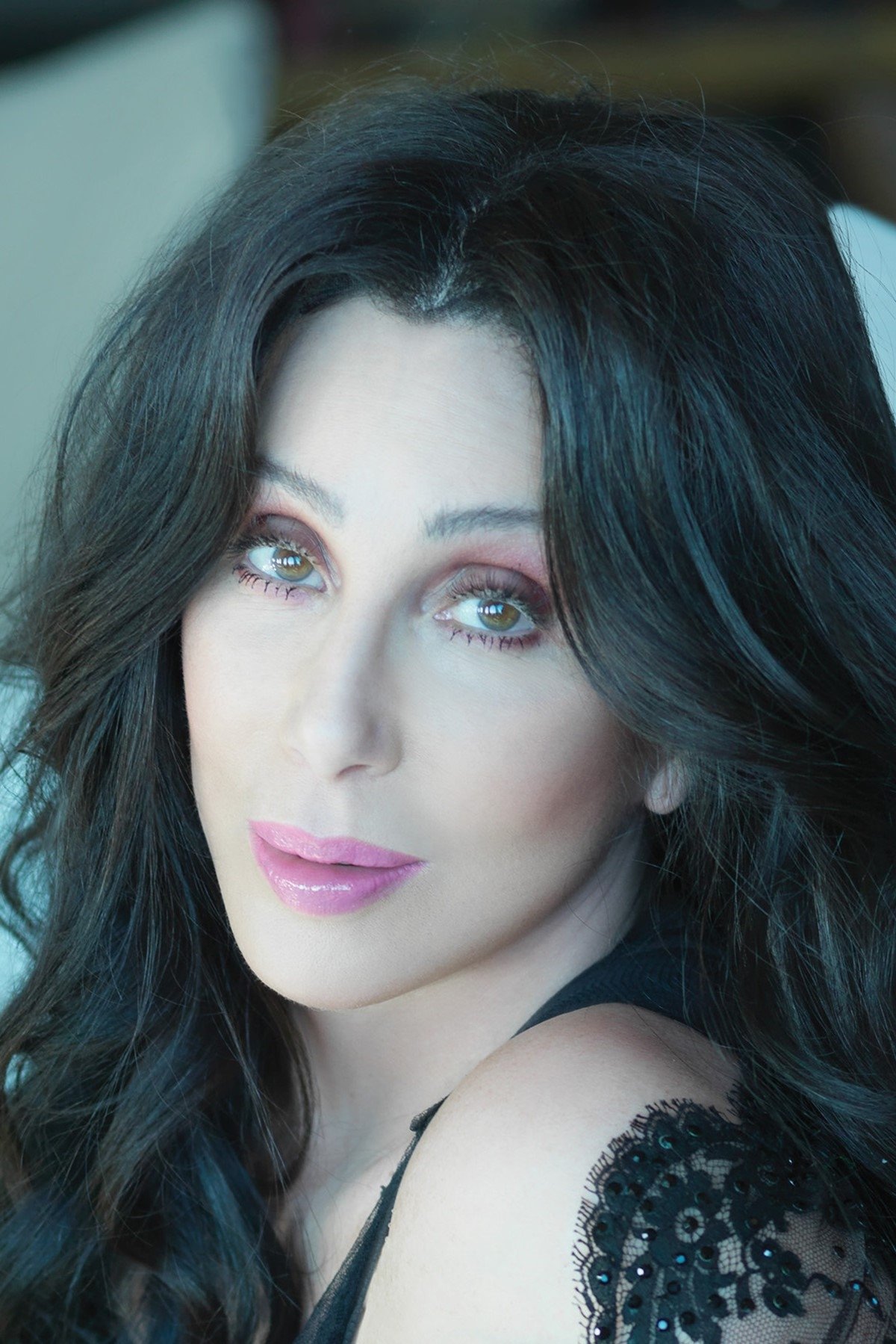
Cher has often talked about her struggles with dyslexia as a child and how hard school was for her. She discovered she thrived in performing arts, where she could express herself through singing and movement. Having to work harder to cope with dyslexia actually gave her an amazing ability to memorize lines – a skill that proved invaluable in films like ‘Moonstruck’. Overcoming these early challenges helped her gain the confidence to become a world-famous star. Today, she continues to support people with learning differences and frequently shares her story to inspire them.
Jennifer Aniston
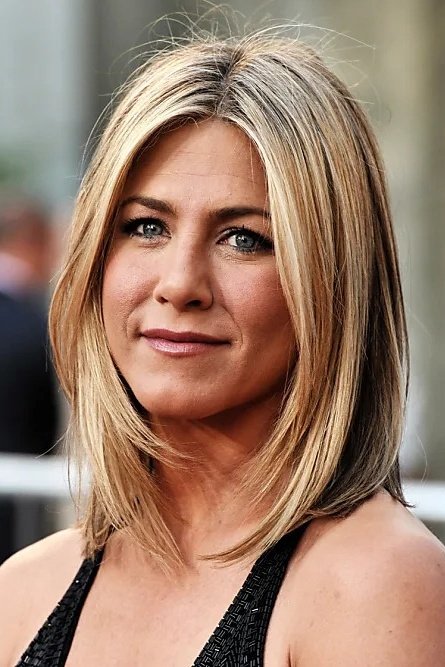
Jennifer Aniston found out she had dyslexia when she was in her twenties, and it changed her life. Before her diagnosis, she mistakenly thought she wasn’t smart because she found it hard to learn in traditional ways. Once she understood how her brain worked, she felt more confident and accepted herself, which helped her navigate the huge success of ‘Friends’ and her later film work. She believes being neurodivergent gives her a fresh perspective on life and the characters she plays.
Vince Vaughn
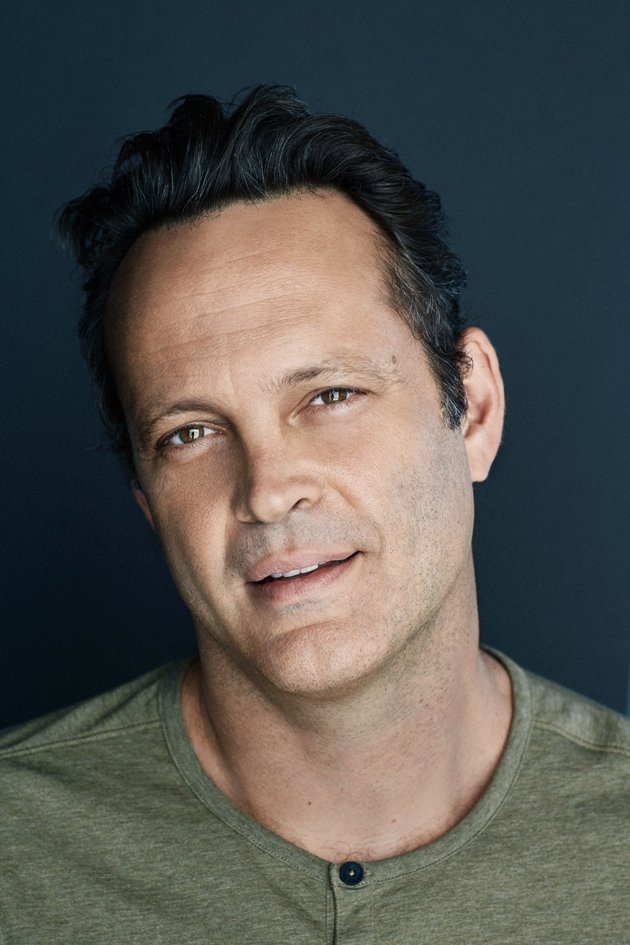
Vince Vaughn has openly discussed his childhood challenges with ADHD and dyslexia, explaining how they influenced who he is today. He realized his quick thinking and fast talking – developed as a way to cope – proved incredibly valuable in his comedy career. Movies like ‘Wedding Crashers’ and ‘Swingers’ showcase his talent for rapid-fire dialogue and improvisation, which are key to his popularity. He believes his neurodiversity actually motivated him to succeed in a tough business. His story shows how qualities that can be difficult in school can become real strengths when people enter the workforce.
Salma Hayek Pinault

Salma Hayek learned she had dyslexia as a teenager and has spoken about the challenges it presented, especially when learning a new language. She realized her strong visual thinking skills actually helped her connect with the feelings of the characters she played, like in the movie ‘Frida’. Because of this, she always takes the time needed to thoroughly understand her scripts. This commitment to her work has earned her a reputation as one of Hollywood’s most admired actresses and producers. Hayek sees her dyslexia not as a disadvantage, but as a part of who she is, and it’s taught her the importance of perseverance and effort.
Octavia Spencer
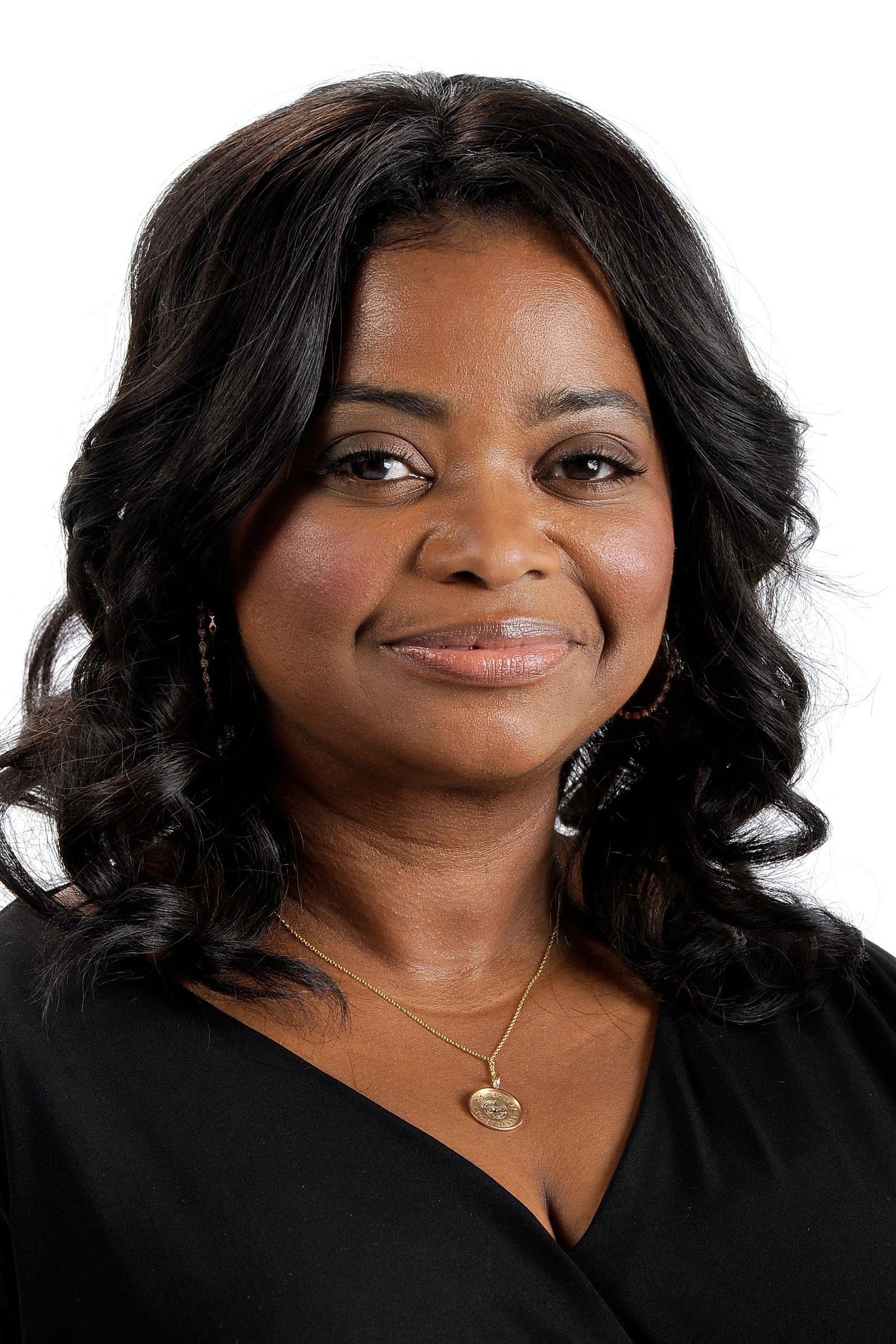
I’ve always been so impressed by Octavia Spencer, and I recently learned about her experiences with dyslexia. It’s amazing to me how she’s turned a challenge into a superpower! She says that because of how her brain works, she’s incredibly observant, which helps her create such believable and unforgettable characters – you can really see that in her Oscar-winning role in ‘The Help’. She also believes it gives her a fresh perspective when she’s writing her children’s books. To me, her career is proof that embracing neurodiversity can lead to a really full and successful life, especially in a creative field.
Mark Ruffalo
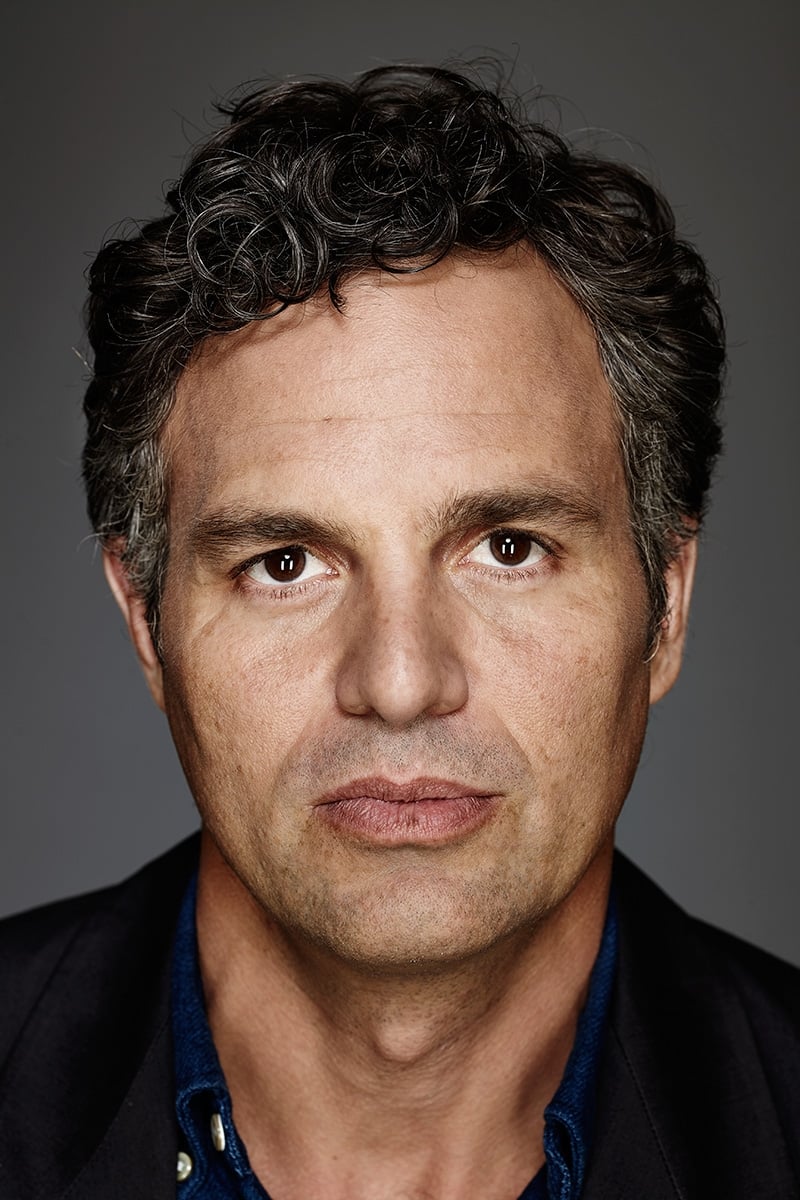
Mark Ruffalo has openly discussed his ADHD, explaining how it made his childhood feel unstable and challenging. He discovered that acting was a helpful way to channel his strong emotions and find focus. This ability to tap into deep feelings is evident in his memorable roles in films like ‘The Avengers’ and ‘Spotlight’. Ruffalo believes his neurodiversity allows him to deeply understand and portray the vulnerability of the characters he plays. His strong commitment to social and environmental issues is also likely connected to the intense passion and concentration often associated with ADHD.
Greta Gerwig
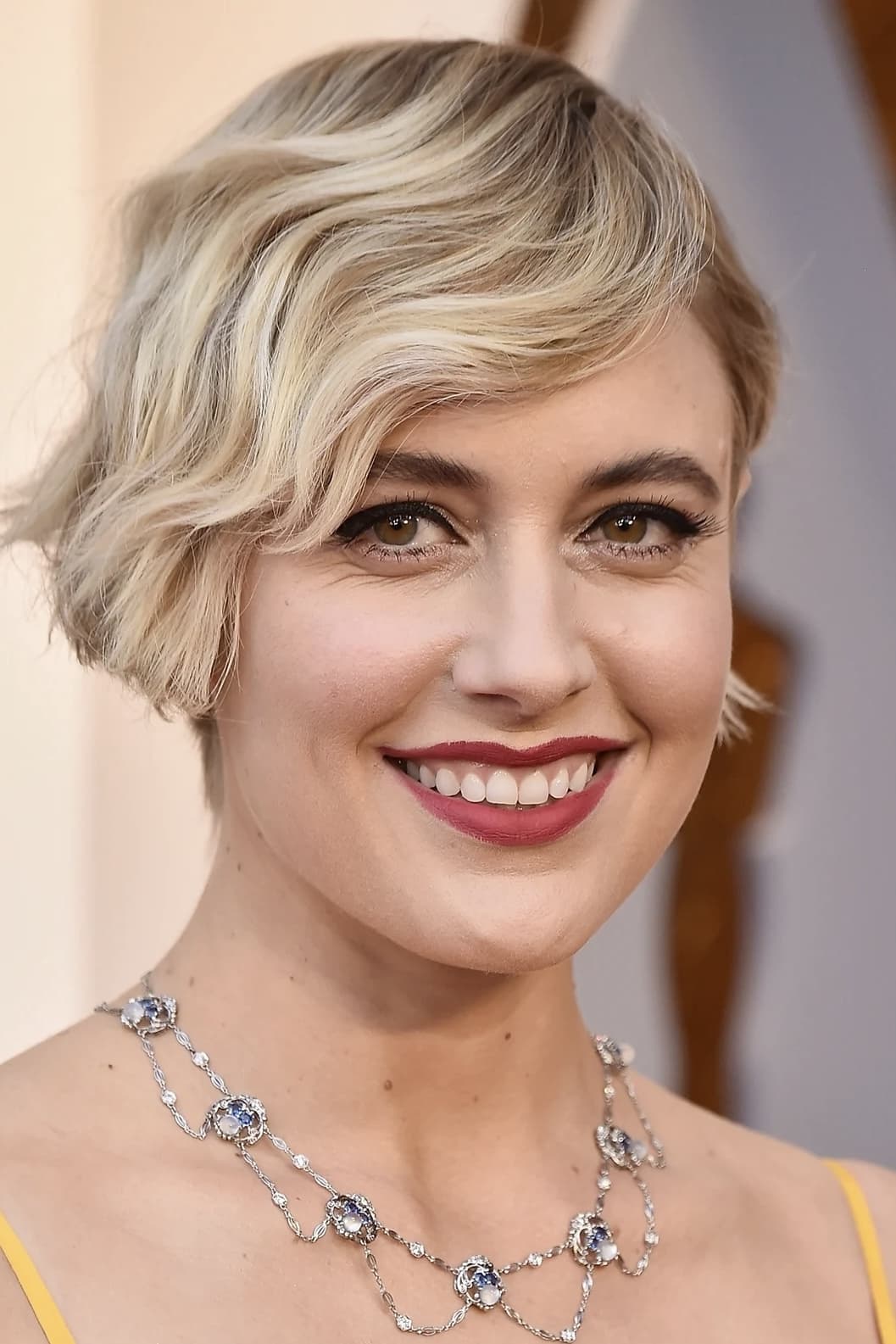
Greta Gerwig has spoken about having ADHD and how it impacts her work as an actress, writer, and director. She believes her mind’s ability to quickly move between different thoughts is actually a strength, helping her write the quick, complex conversations in movies like ‘Lady Bird’ and ‘Barbie’. Because of how her brain works, she can often spot connections in stories that others don’t. She’s emphasized the need for a supportive and flexible creative space. Her achievements as a director demonstrate that ADHD can be a real asset to creativity and storytelling.
Lily Allen
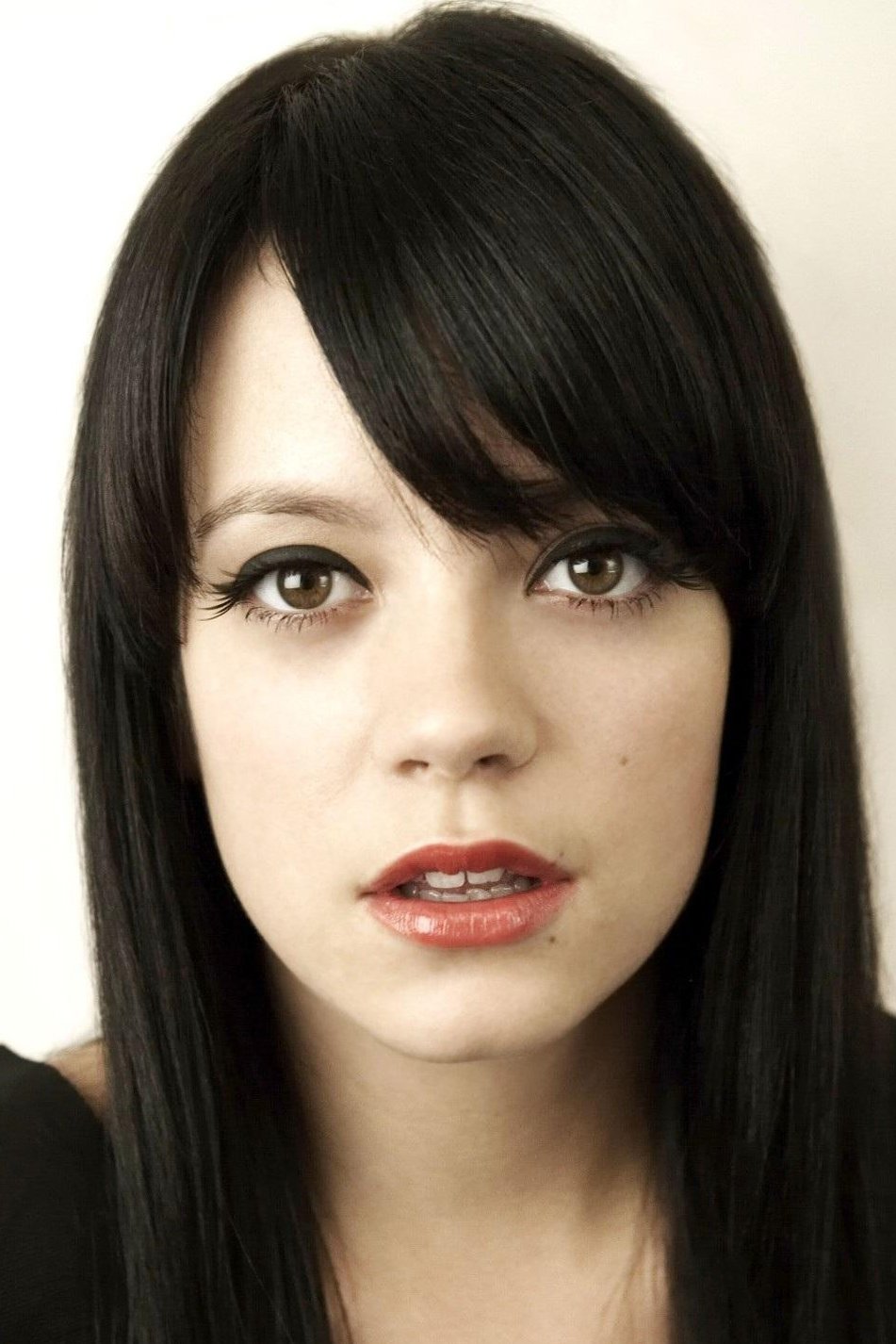
Lily Allen recently learned she has ADHD as an adult, which finally explained many things about her life. She realized it was the reason she often felt stressed by the pressures of being a public figure. This understanding has helped her be kinder to herself and more focused in her acting work. Audiences connect with the genuine and honest energy she brings to her roles. Her experience shows how important it is for people with neurological differences to be understood and supported throughout their careers.
Josh Thomas
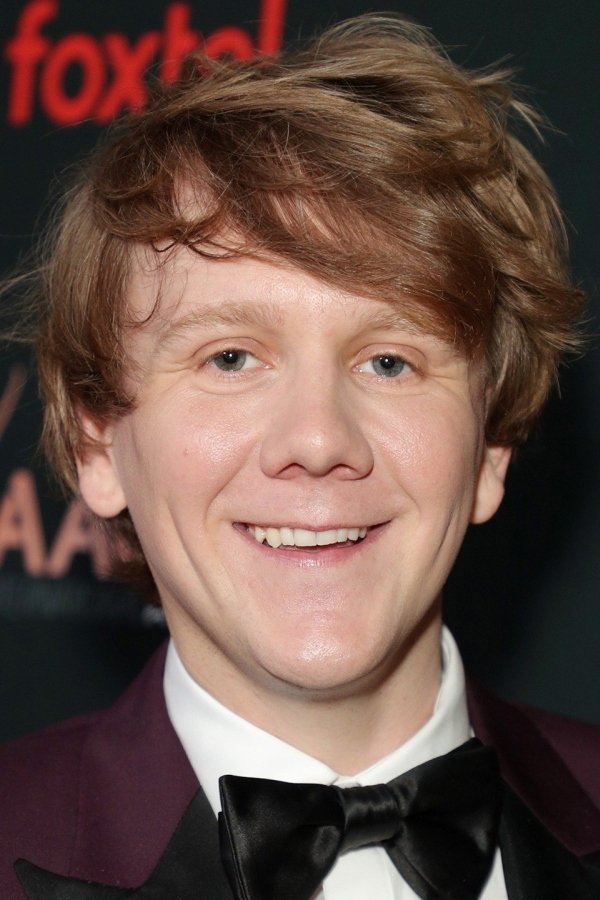
Josh Thomas is a comedian, actor, and writer who draws on his personal experiences with autism and ADHD in his work. His shows, ‘Please Like Me’ and ‘Everything’s Gonna Be Okay,’ feature characters with neurological differences, portrayed with both humor and sensitivity. Thomas believes his unique way of thinking helps him find comedy in everyday life. He’s also a champion for authentic representation, often casting neurodivergent actors in his projects. His work highlights the value and creativity that come from telling stories from a neurodivergent point of view.
Hannah Gadsby
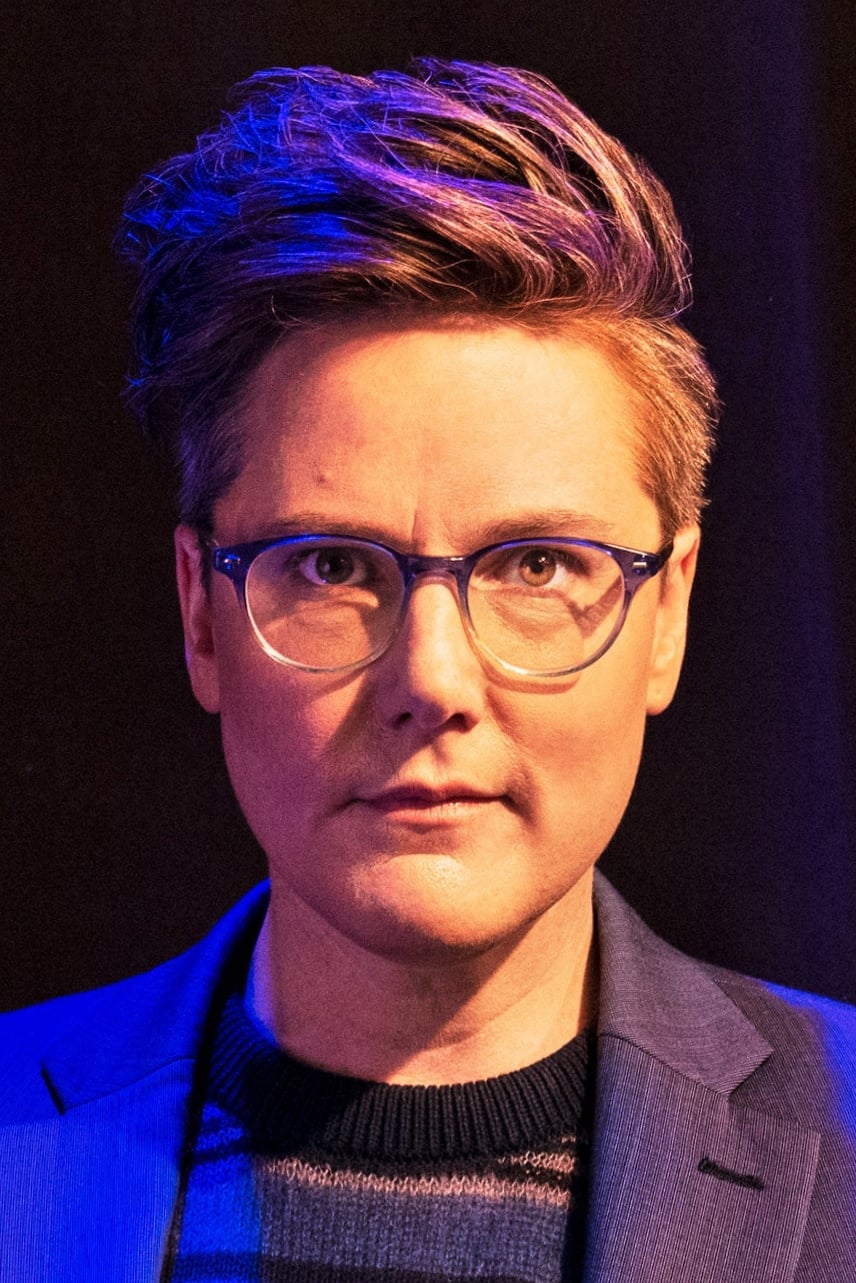
As a movie and comedy fan, I’ve been blown away by Hannah Gadsby. Her stand-up is so smart and funny, and what makes it really special is how openly she talks about being diagnosed with autism and ADHD later in life. She’s explained how seeing the world a little differently – being neurodivergent – actually helps her pick apart all the unspoken rules we just accept, and she does it with incredible wit. Her show ‘Douglas’ really dives into how her brain works, how she takes in information and experiences things. She realized doing a solo show gave her the space to really share her perspective, and it’s been amazing to see how much of a conversation her success has started about how neurodiversity can actually change things up in entertainment, and for the better, honestly.
Sia
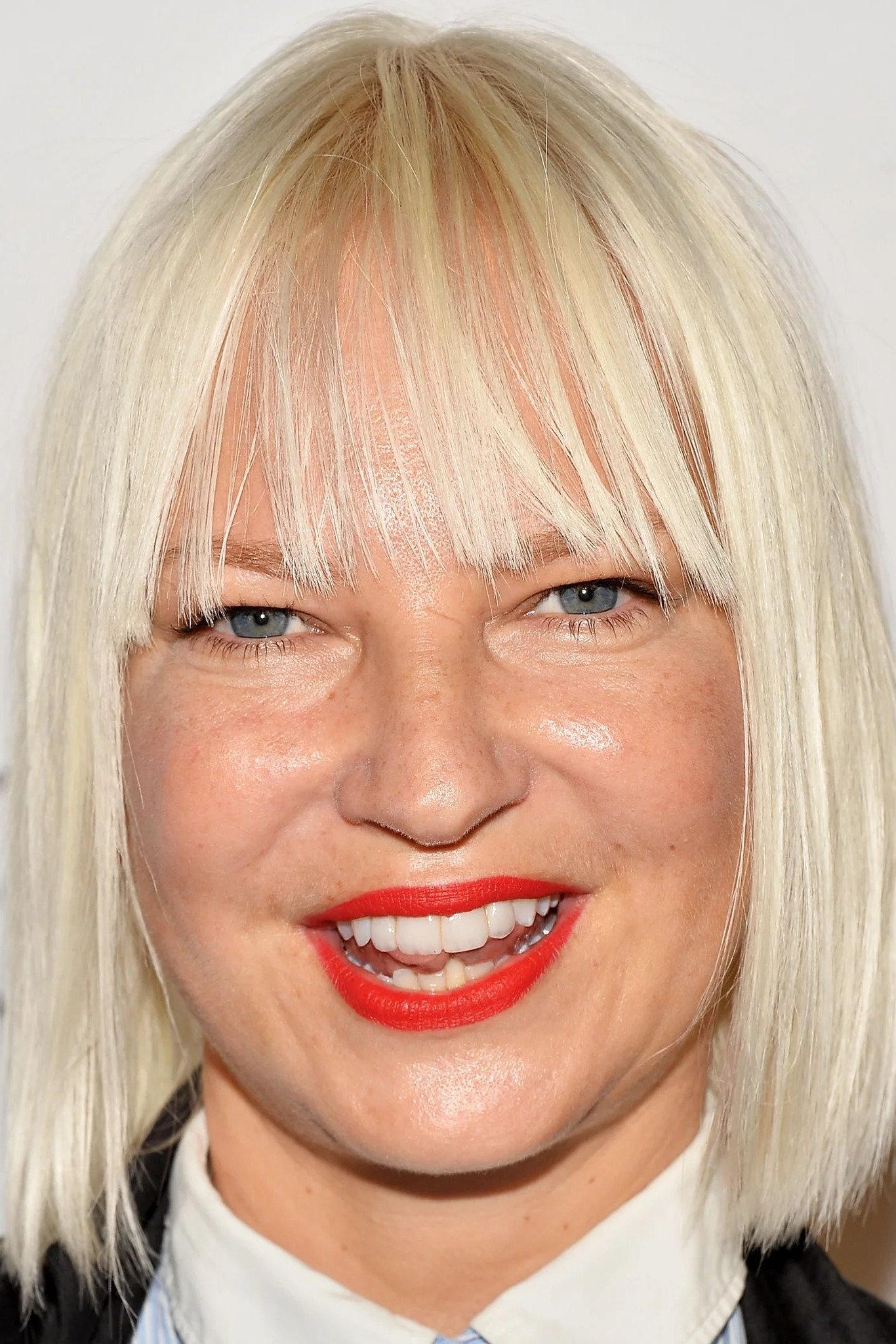
Sia discovered she has autism as an adult, and has said it was a relief to finally understand how her brain works. She believes her neurodiversity fuels her incredibly creative and unique style in music and performance. Though known as a singer and songwriter, her artistic vision shines through in her music videos and her first film, ‘Music’. Sia has also talked about the difficulties of fame with sensory overload and how she copes with them to keep creating. By sharing her experiences, she’s contributing to a larger conversation about neurodiversity, especially within the demanding world of pop music and entertainment.
Tallulah Willis
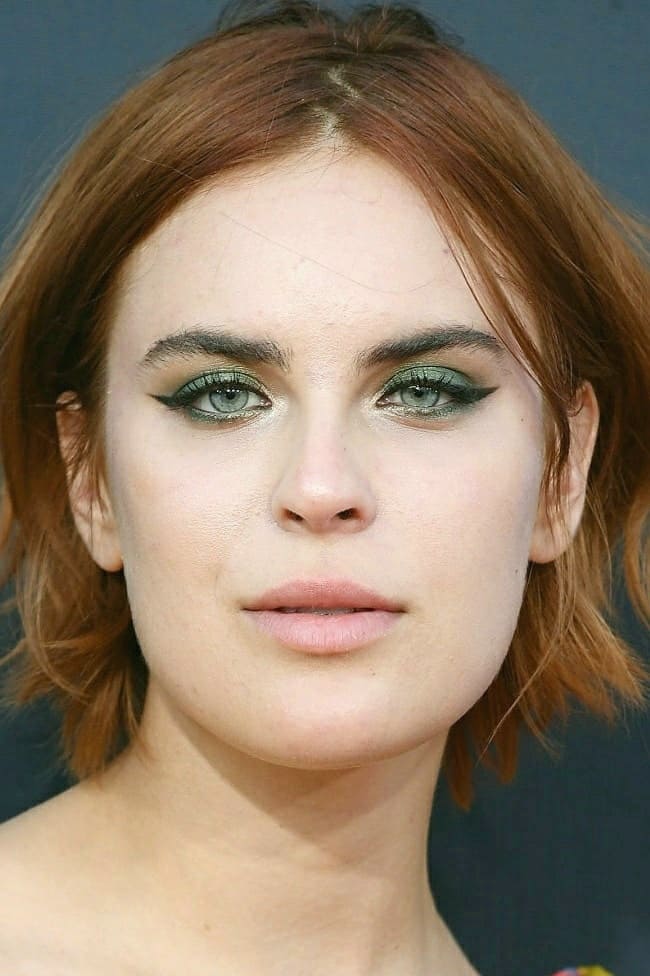
Tallulah Willis recently shared that she was diagnosed with autism as an adult. Understanding her neurodiversity has helped her understand difficulties she experienced growing up in the public eye. This new awareness has also improved her creative work, allowing her to focus on her strengths. She now uses her public voice to support and raise awareness for other neurodivergent women. By being open about her journey, she offers a connection for others learning about themselves.
Courtney Love
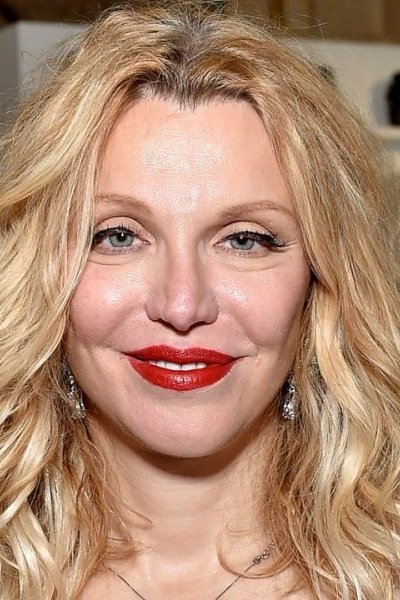
Courtney Love learned as a child that she has autism, and she’s often talked about how it shaped who she is and what she does. She realized her ability to intensely focus and think differently was a great fit for the worlds of rock music and independent film. Many critics praised her powerful and honest performance in ‘The People vs. Larry Flynt.’ She’s said that feeling like an outsider due to her neurodiversity actually helped her create her unique artistic persona. Her career continues to show how seeing the world differently can push boundaries and challenge traditional ideas.
Chris Rock
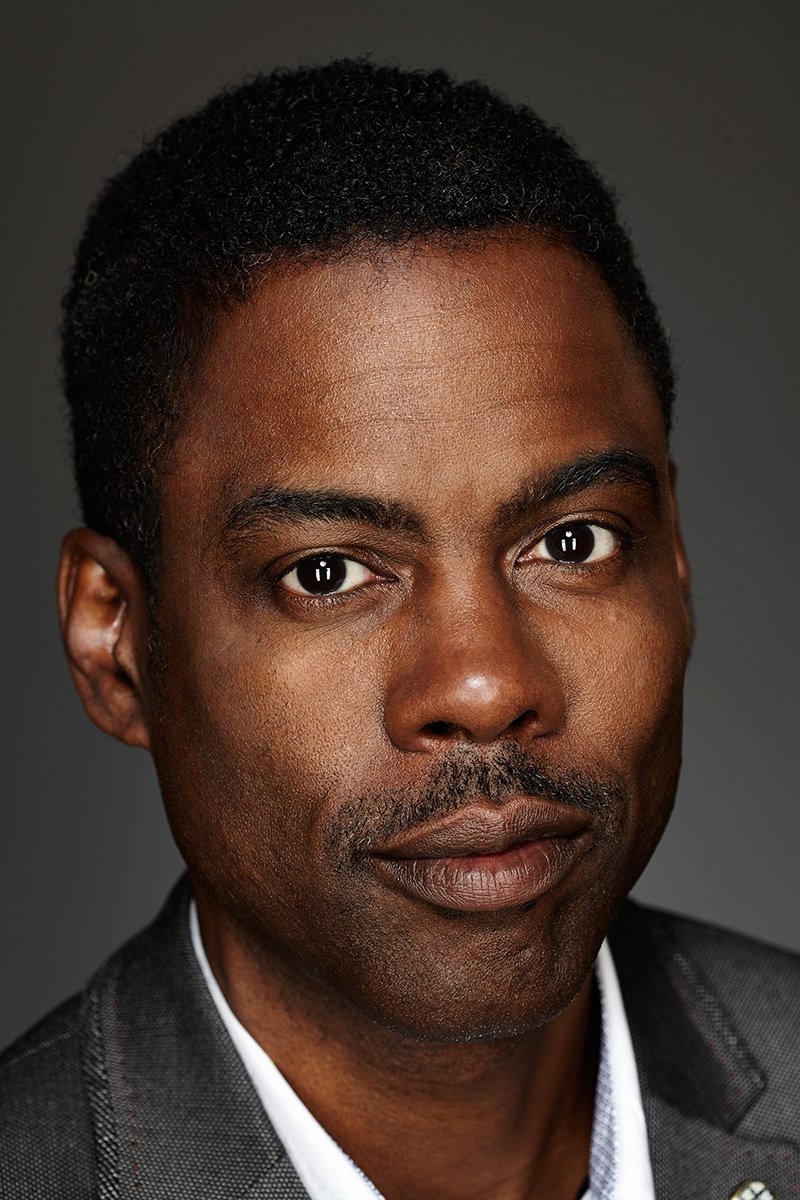
Chris Rock recently shared that he has a learning disorder that makes it difficult to understand social cues and body language. He believes this condition actually helped shape his comedic style, as he focuses on the straightforward meaning of what people say and do, allowing him to highlight the funny side of everyday social interactions. He also showed his range as an actor in ‘Fargo,’ proving he can handle serious and complex roles. By talking about his diagnosis, Chris Rock is helping more people understand that learning differences can manifest in various ways.
Michelle Rodriguez

Michelle Rodriguez has discussed her ADHD, explaining how it connects to her dynamic and physically engaging acting style. She’s found that the fast-paced, energetic atmosphere of action movies, like those in ‘The Fast and the Furious’ franchise, really suits her personality. Her talent for performing stunts and commanding attention on screen comes from her intense focus and motivation. Rodriguez has observed that her ADHD makes her naturally restless, and she uses this energy in her challenging roles. Ultimately, her career demonstrates that ADHD can actually be a strength in the demanding world of filmmaking.
Liv Tyler
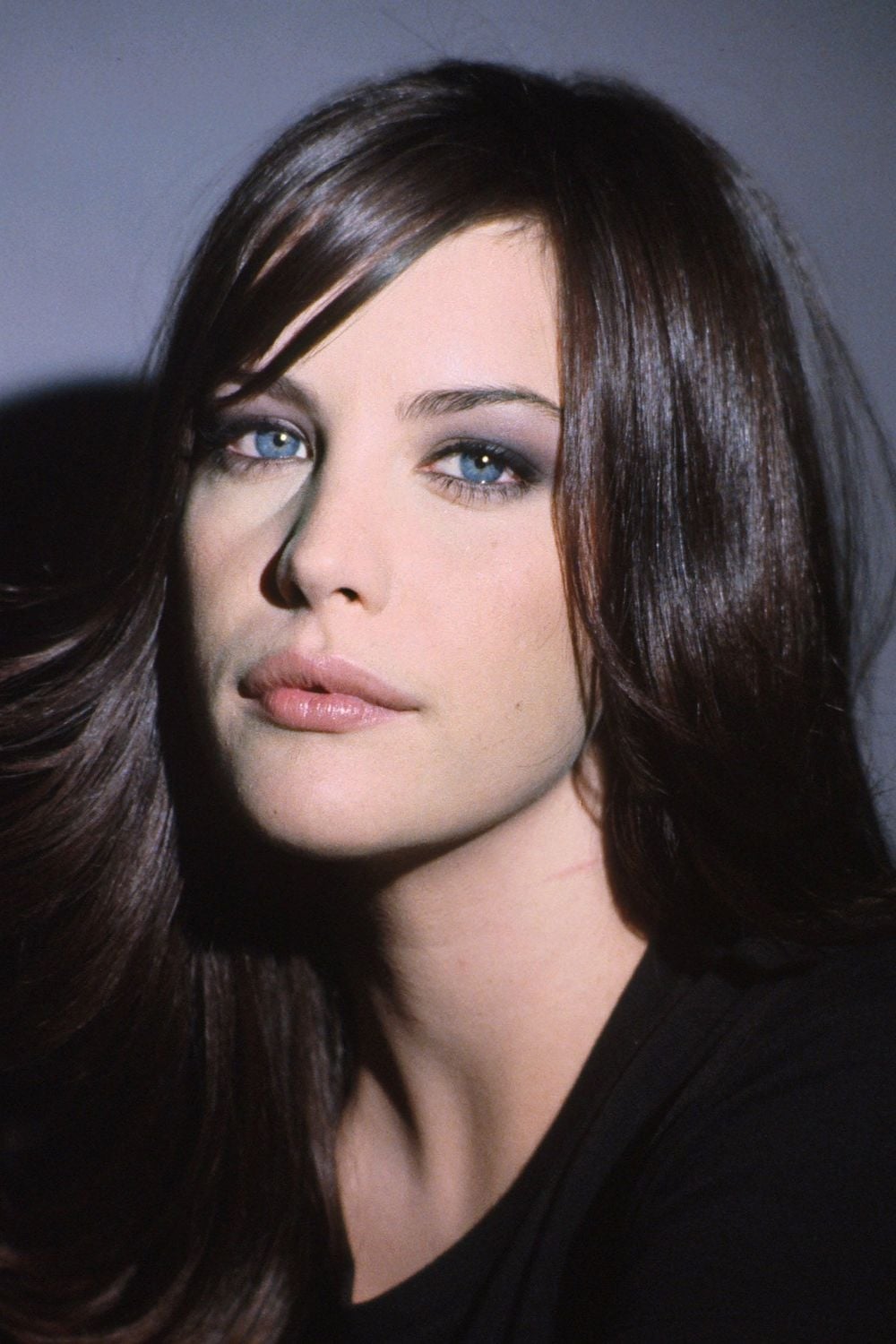
Liv Tyler has openly talked about her ADHD, which she’s experienced since she was a child. She discovered that working on film sets – with their energy and unexpected turns – actually helped her flourish, more so than typical settings. Known for her captivating performances in films like ‘The Lord of the Rings,’ Tyler believes her neurodiversity gives her a special ability to be present and instinctively connect with her roles. Her long and successful career proves that it’s possible to build a lasting career embracing a different way of thinking.
Justin Timberlake
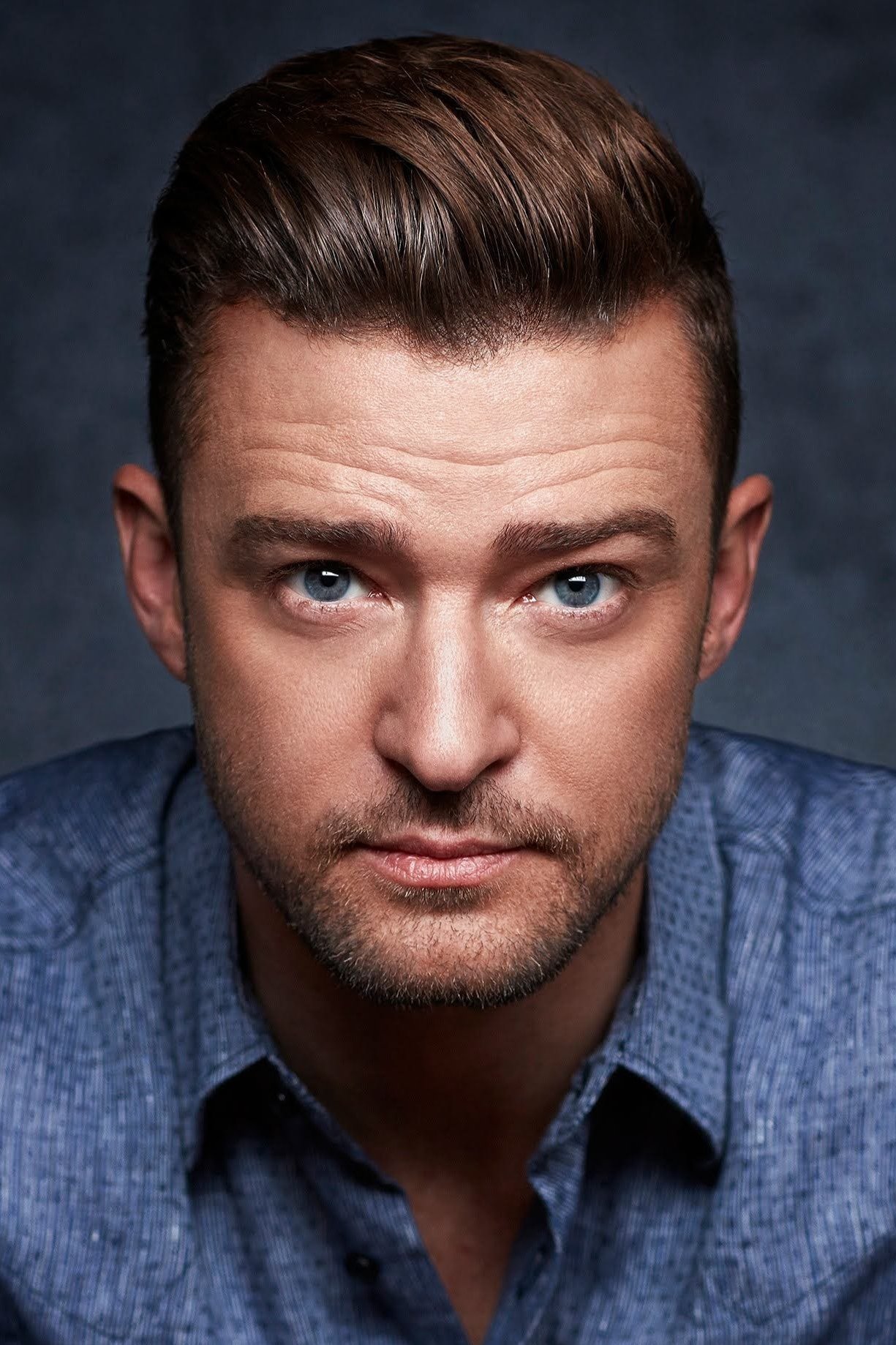
Justin Timberlake has spoken about living with both ADHD and OCD, and how he balances these challenges with his successful career as a singer and actor. He believes his attention to detail and high energy, often associated with these conditions, actually help him be a dedicated performer. For example, in movies like ‘The Social Network,’ he was able to deliver complicated lines with precision and focus. Timberlake has also said that the routine of rehearsals and performances provides a helpful structure for managing his symptoms. His story shows how traits related to neurodiversity can be a source of strength and contribute to professional success.
Patrick Dempsey
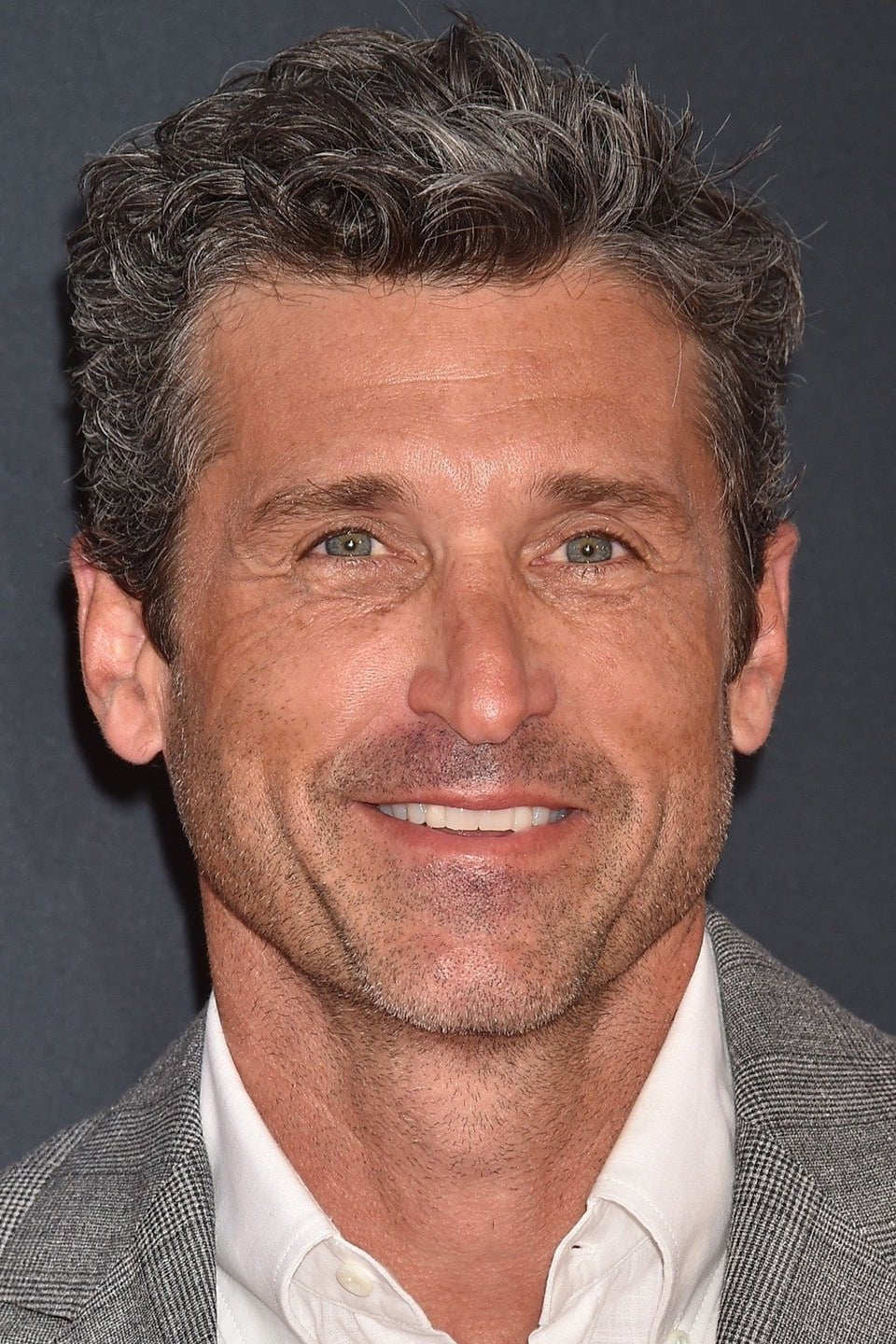
Patrick Dempsey discovered he had dyslexia when he was twelve years old, and he believes it actually helped him become a very hard worker. Because reading scripts took extra effort, he learned to be incredibly focused and prepared for his roles. During his many years on ‘Grey’s Anatomy’, he had to learn a lot of complex medical terms, which he did by persevering and finding ways to learn that worked for him. He feels his dyslexia built his strength and helped him succeed in the competitive world of entertainment. Today, he continues to support groups that help children with learning challenges.
Steven Spielberg
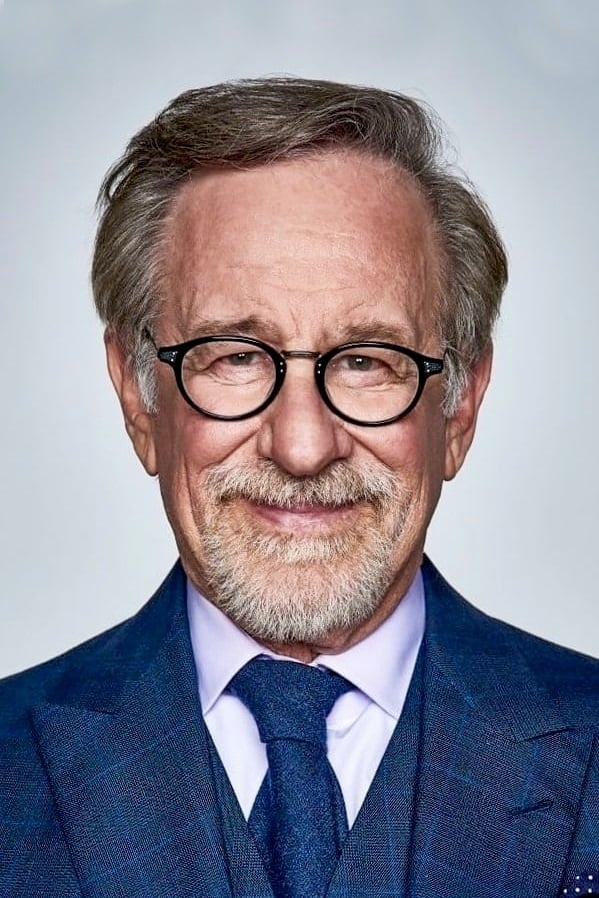
Steven Spielberg didn’t discover he had dyslexia until he was an adult, and he’s since realized how it influenced his filmmaking style. Because reading was a challenge, he naturally gravitated towards telling stories through strong visuals and emotional imagery. This different way of thinking helped him develop the unique and successful films he’s known for, allowing him to approach storytelling and pacing in innovative ways. His remarkable career demonstrates the strength of visual thinking in a creative field.
Tom Cruise
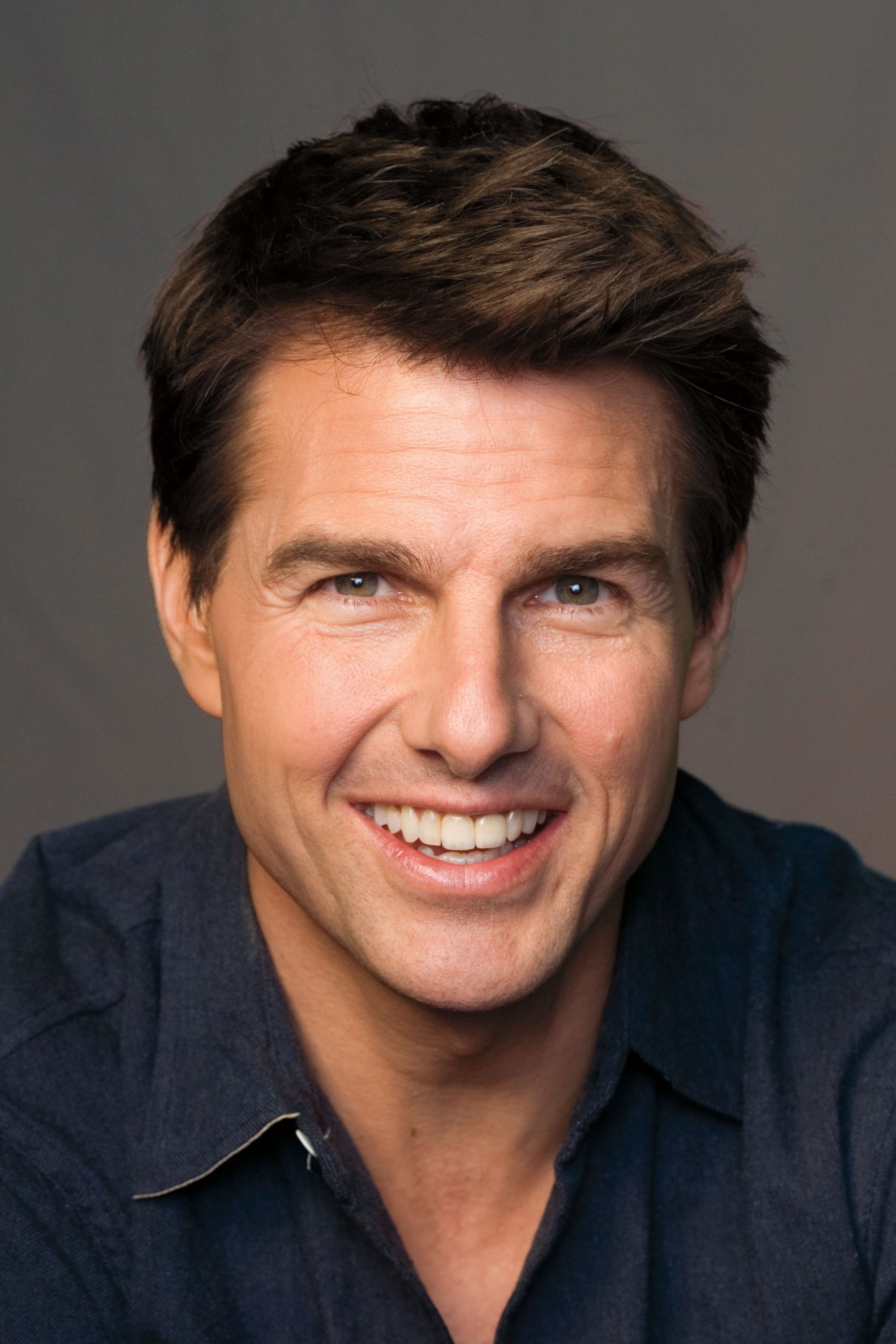
Tom Cruise has openly discussed his struggles with dyslexia and how it affected him when he was starting out as an actor. He figured out a way to learn his lines by listening to recordings and getting help from assistants. This demanding process helped him become incredibly focused and known as one of Hollywood’s most dedicated performers. His success in huge film series like ‘Mission: Impossible’ proves that having a different way of thinking doesn’t prevent someone from becoming a worldwide star. He frequently emphasizes the need to discover learning methods that suit your individual brain.
Jamie Campbell Bower

Jamie Campbell Bower has spoken about having ADHD and how it influences his acting. He realized that his ability to become completely absorbed in a task – hyperfocus – was particularly helpful when preparing to play the villain in ‘Stranger Things’. His naturally high energy and constant need to create drive him to explore many different artistic fields, like music and theater. Understanding his neurodiversity has also helped him cope with the demands of being a famous actor. Many people notice a powerful intensity in his performances, which comes from his unique perspective and way of thinking.
Kit Harington

Kit Harington recently shared that he’s been diagnosed with ADHD, which has given him a new understanding of his life and career. He realized the organized environment of the ‘Game of Thrones’ set actually helped him stay focused during the show’s demanding filming schedule. Harington has discussed the difficulties of working in the entertainment industry and how his brain sometimes feels overwhelmed. He’s hoping that by talking about his diagnosis, he can inspire others to get the help they need. Now, with a better understanding of himself, he’s choosing roles that are both challenging and fulfilling.
Barry Keoghan
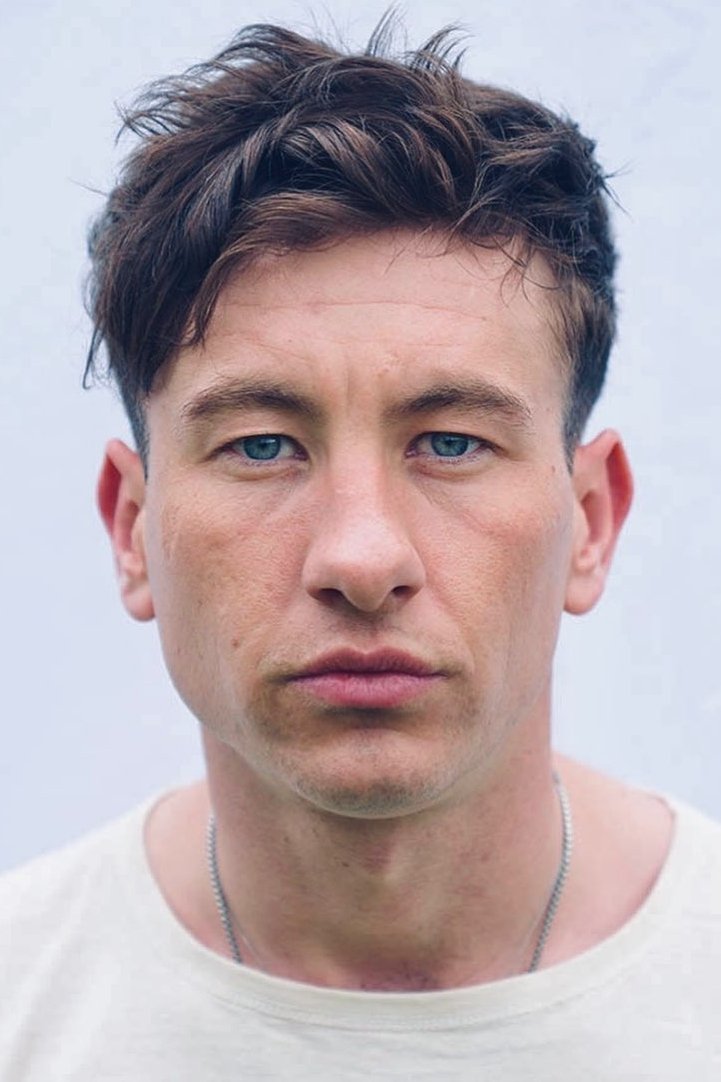
Barry Keoghan recently revealed he has ADHD and explained how he manages it with medication and a consistent daily schedule, which helps him navigate his busy acting career. He believes his ADHD actually benefits his work, giving him a natural curiosity and energy that makes his performances in films like ‘The Banshees of Inisherin’ feel fresh and genuine. He finds he can really lose himself in the world of a film set thanks to how his brain works. Keoghan notes that his unique way of thinking helps him understand scripts and characters differently, and his quick success as an actor shows the power of being true to yourself.
Abby McEnany
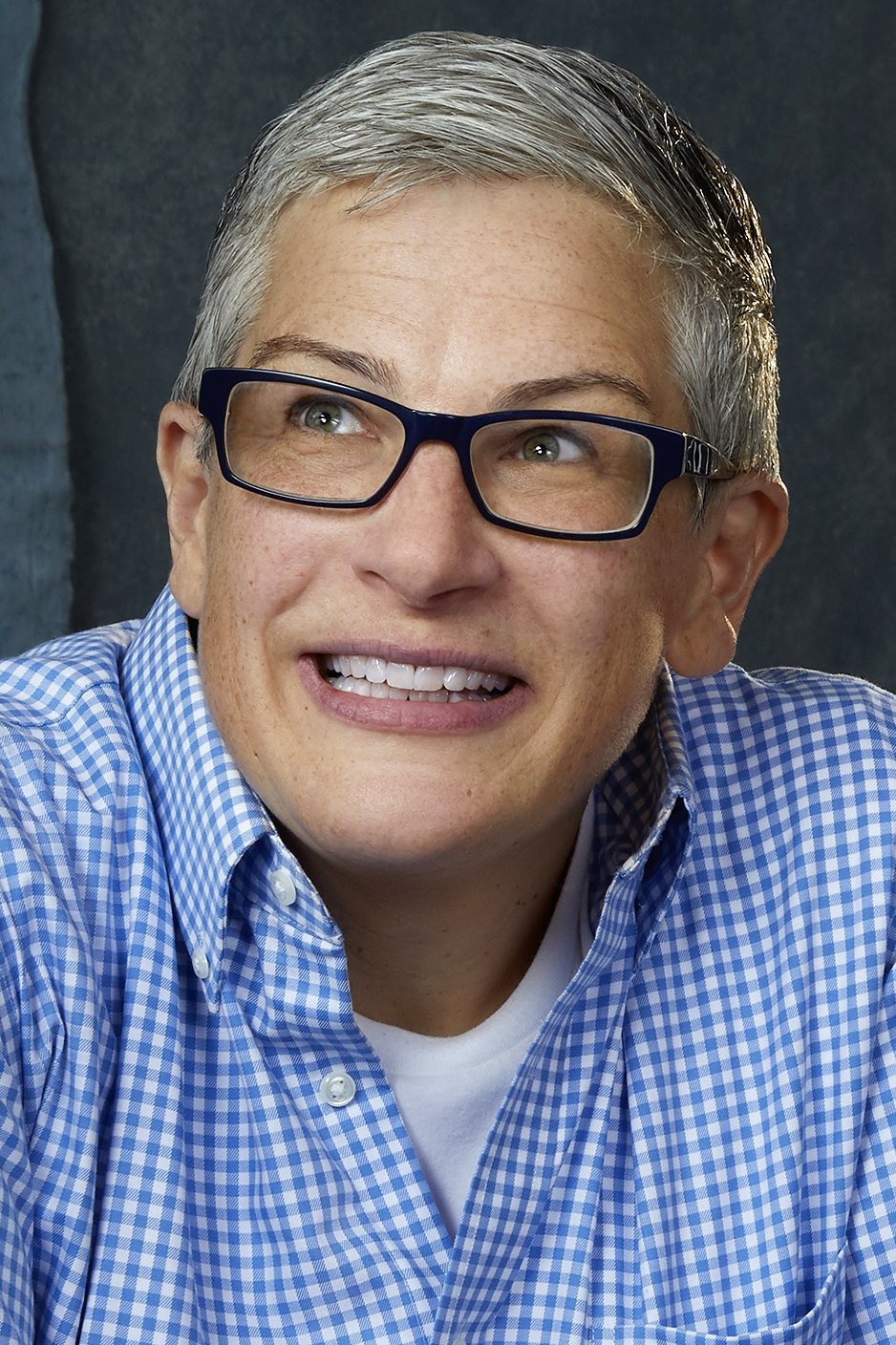
Abby McEnany is an actress and writer who openly incorporates her experiences with ADHD and OCD into her creative work. Her semi-autobiographical series, ‘Work in Progress,’ honestly and humorously depicts the everyday challenges of living with neurodivergence. Creating and starring in her own show gave her control over how her mental health story was told. Critics have lauded her work for its genuine and relatable depiction of neurodivergent experiences, establishing her as a significant advocate for representation on television.
Naomie Harris

Naomie Harris has discussed how her dyslexia has influenced her acting and learning process. Because she had to work extra hard on memorizing lines, she became incredibly well-prepared and connected with her characters on a deeper level. This dedication was clear in her roles in films like the ‘James Bond’ series and ‘Moonlight’, for which she received an Oscar nomination. Harris believes her unique way of thinking allows her to approach challenges creatively and find innovative solutions while filming. Her achievements demonstrate that learning differences can actually be a powerful asset, building both strength and perseverance in a career.
Zoe Saldaña
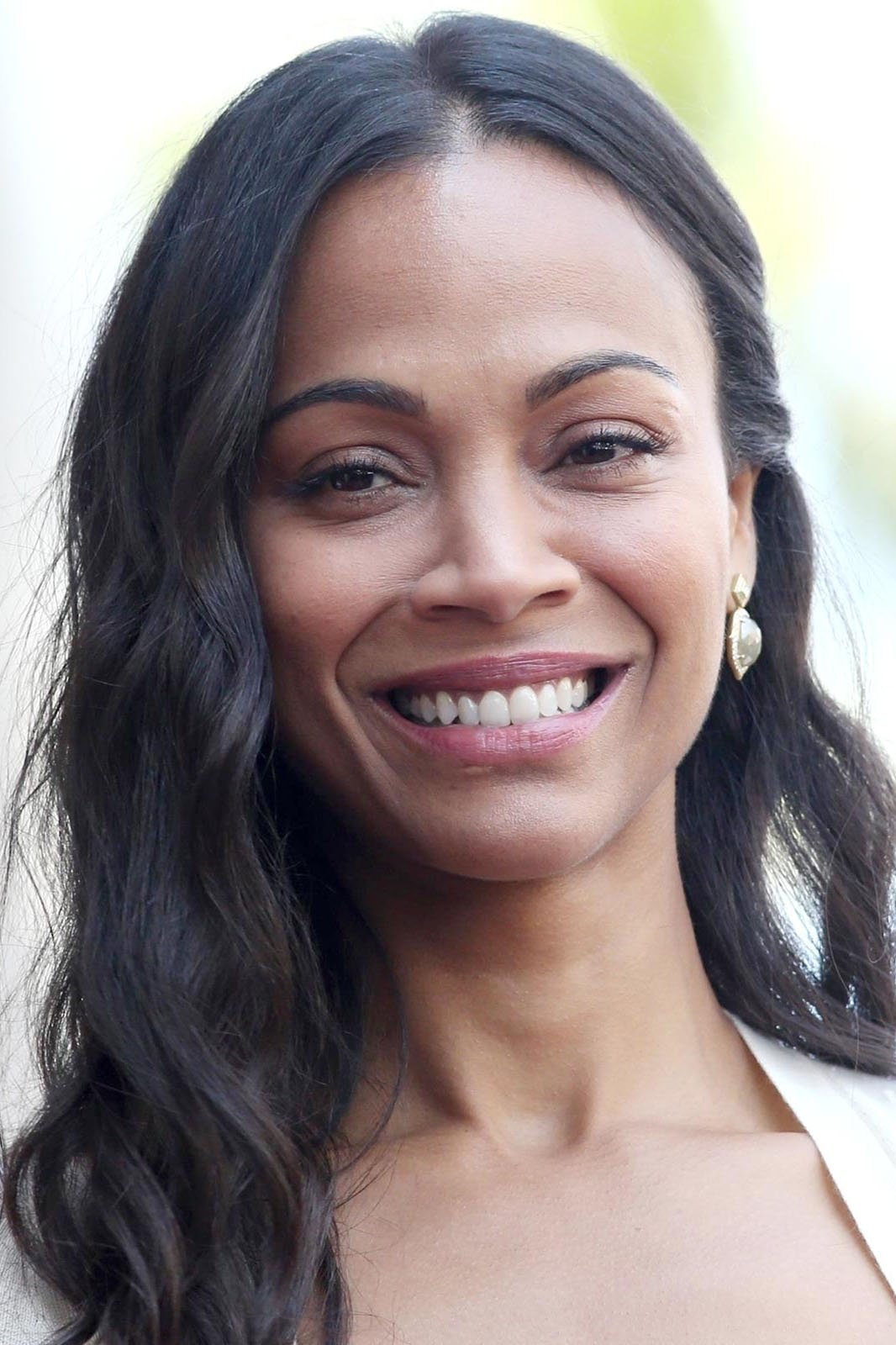
Zoe Saldana has spoken about living with ADHD and dyslexia, and how these learning differences have actually helped her career, especially in big movies like ‘Avatar’ and ‘Guardians of the Galaxy’. She realized the physically active roles were a great outlet for her energy. She’s known for quickly learning complicated fight scenes and stunts. While she sometimes needs to find unique ways to understand scripts, this extra effort ultimately makes her performances more detailed and insightful. Saldana’s success shows how being neurodivergent can actually help someone thrive in challenging roles.
James Marsden
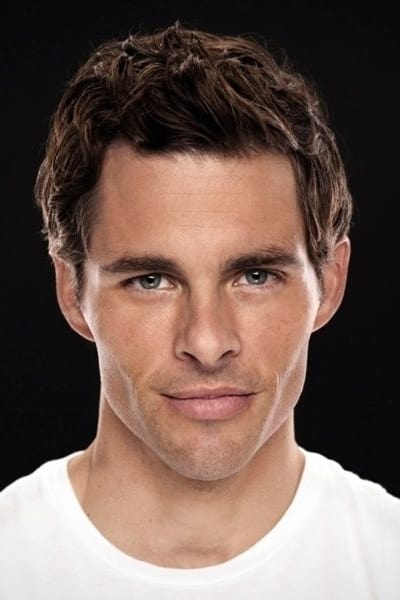
James Marsden has spoken about having ADHD and how it’s actually helped his acting career. He’s realized that his constantly active mind makes him well-suited for switching between very different types of roles, like the comedy in ‘Hairspray’ and the science fiction of ‘Westworld’. He finds that this variety keeps him interested and focused on his work. He believes his neurodiversity gives him a natural energy that comes across on screen, and he’s known as one of the most reliable and dedicated actors in Hollywood.
Holly Hunter
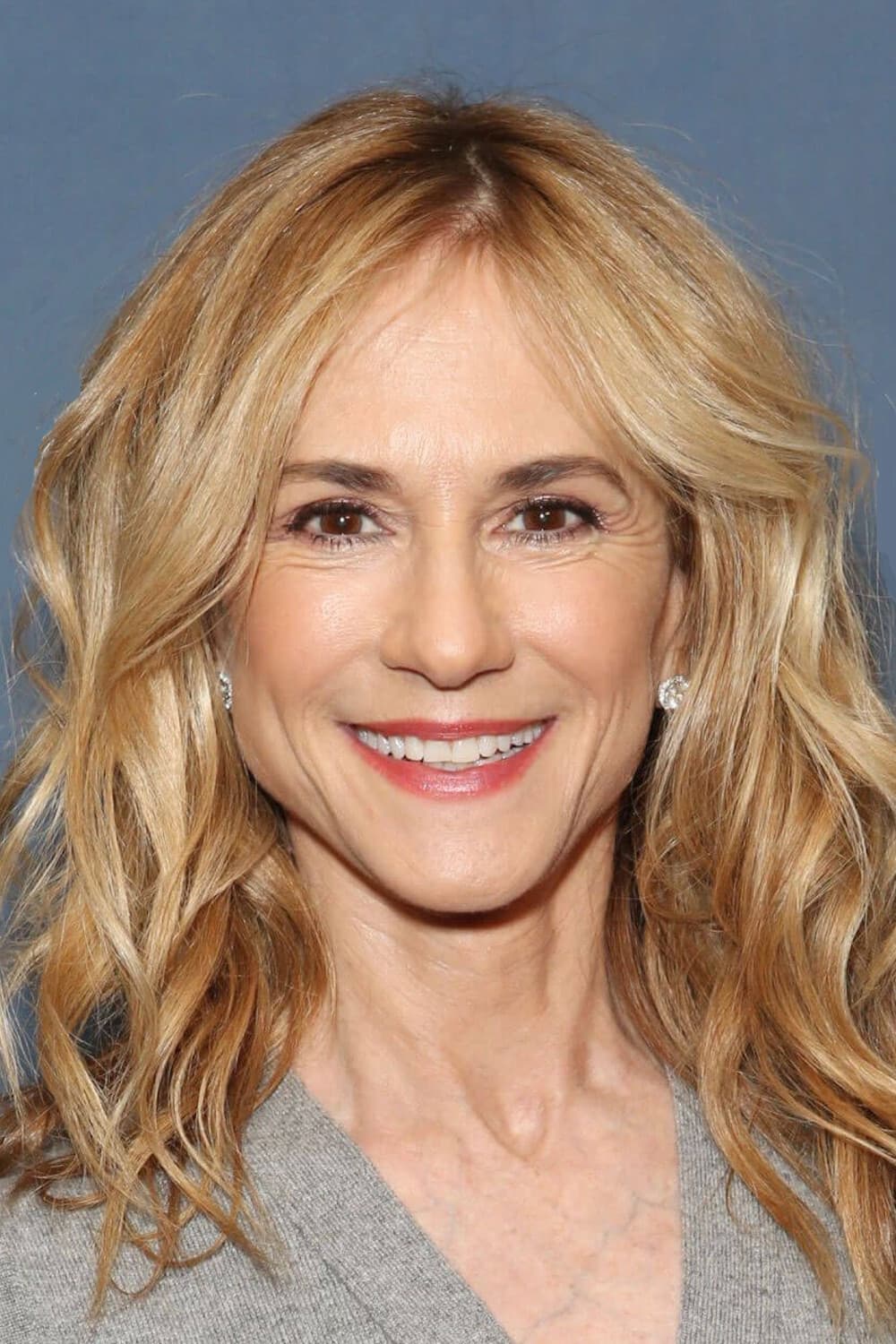
Holly Hunter has spoken about her dyslexia and how it affected her as a child and throughout her acting career, even winning an Oscar. She discovered she developed a remarkable ability to remember things by ear, which was incredibly helpful for memorizing lines and learning different accents. Her performances, like in ‘The Piano,’ are known for their deep emotional impact and her distinctive way of moving and presenting herself. She believes her unique brain allows her to easily understand what’s really happening beneath the surface of a scene. Her successful career demonstrates how adapting and staying focused can lead to great things.
Susan Boyle
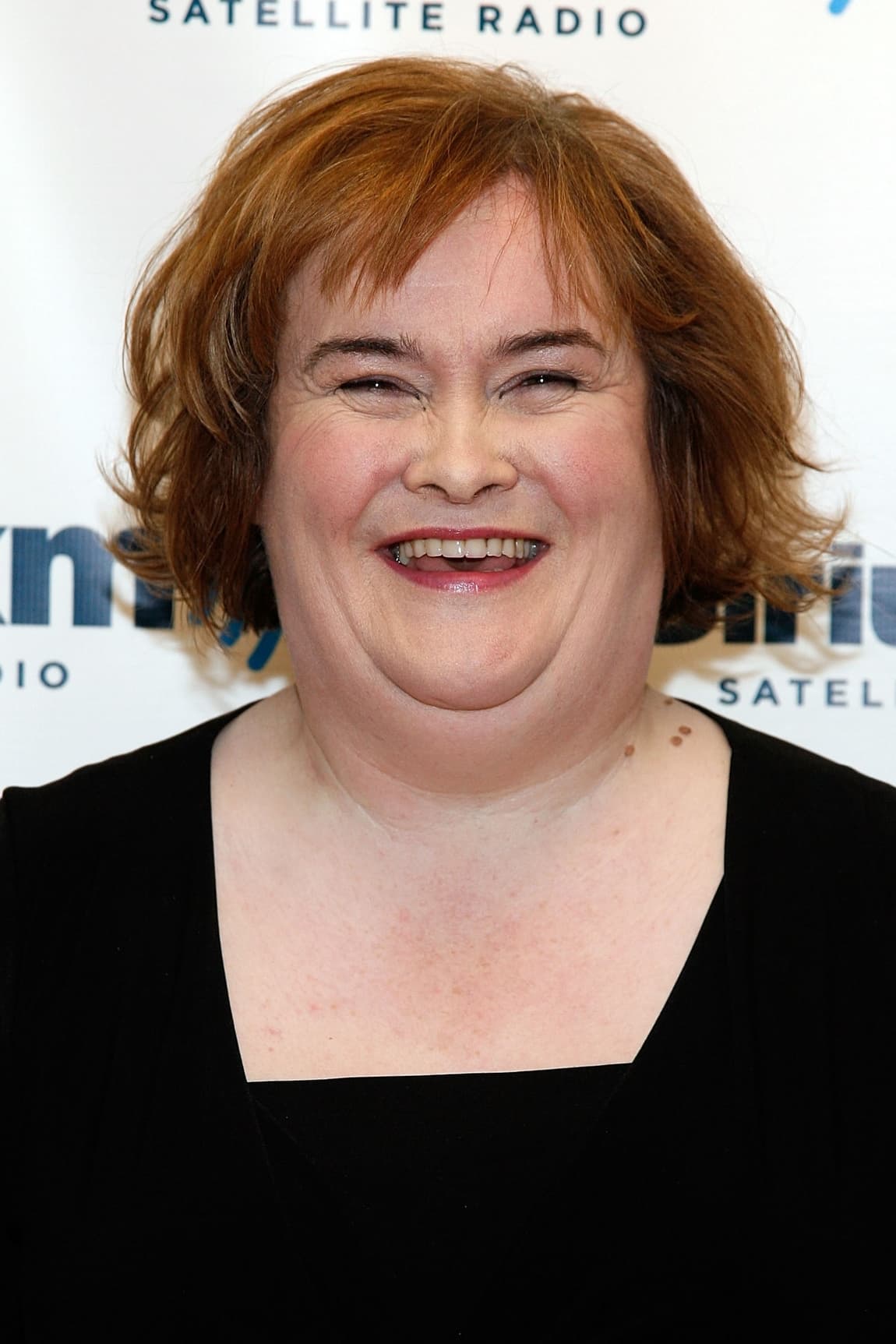
Susan Boyle became famous worldwide after appearing on ‘Britain’s Got Talent.’ She later shared that she has Asperger’s syndrome, which helped her understand why she’d always felt different and explained her sensitivities to things around her. Her strong focus on music allowed her to develop an incredible singing voice that has touched millions of people. Although she’s mainly known as a singer, she’s also shown a special talent for connecting with audiences through her stage presence and acting roles. Her journey is a great example of how people with neurodiversity can achieve amazing things with the right support.
Share your favorite stories about neurodivergent performers in the comments.
Read More
- Invincible Season 4 Gender Swaps Tech Jacket As Fans Question Major Comic Change
- Building Agents That Learn and Improve Themselves
- Gold Rate Forecast
- Silver Rate Forecast
- Games That Faced Bans in Countries Over Political Themes
- Superman Flops Financially: $350M Budget, Still No Profit (Scoop Confirmed)
- Trading Crypto with AI: A New Approach to Portfolio Management
- 22 Films Where the White Protagonist Is Canonically the Sidekick to a Black Lead
- Unveiling the Schwab U.S. Dividend Equity ETF: A Portent of Financial Growth
- 15 Films That Were Shot Entirely on Phones
2026-02-23 10:21