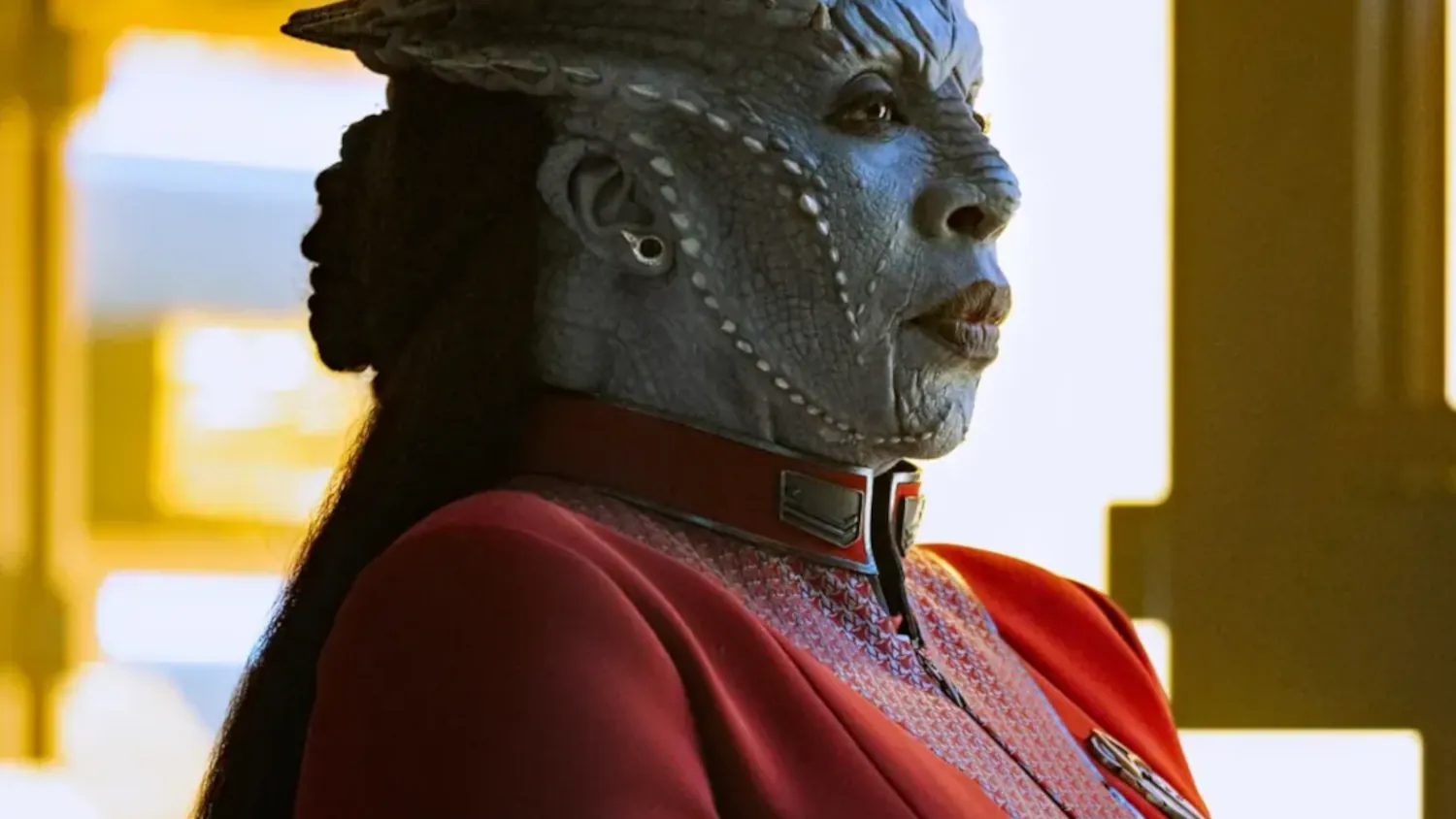
Paramount+ has officially pulled the plug on Star Trek: Starfleet Academy.
The show will conclude after its second season, which is currently being finished up. CBS Studios and Paramount+ announced the cancellation on Monday. The show’s creators explained the decision by saying it aligns with the original vision of Gene Roddenberry and the ideas the series aimed to convey.
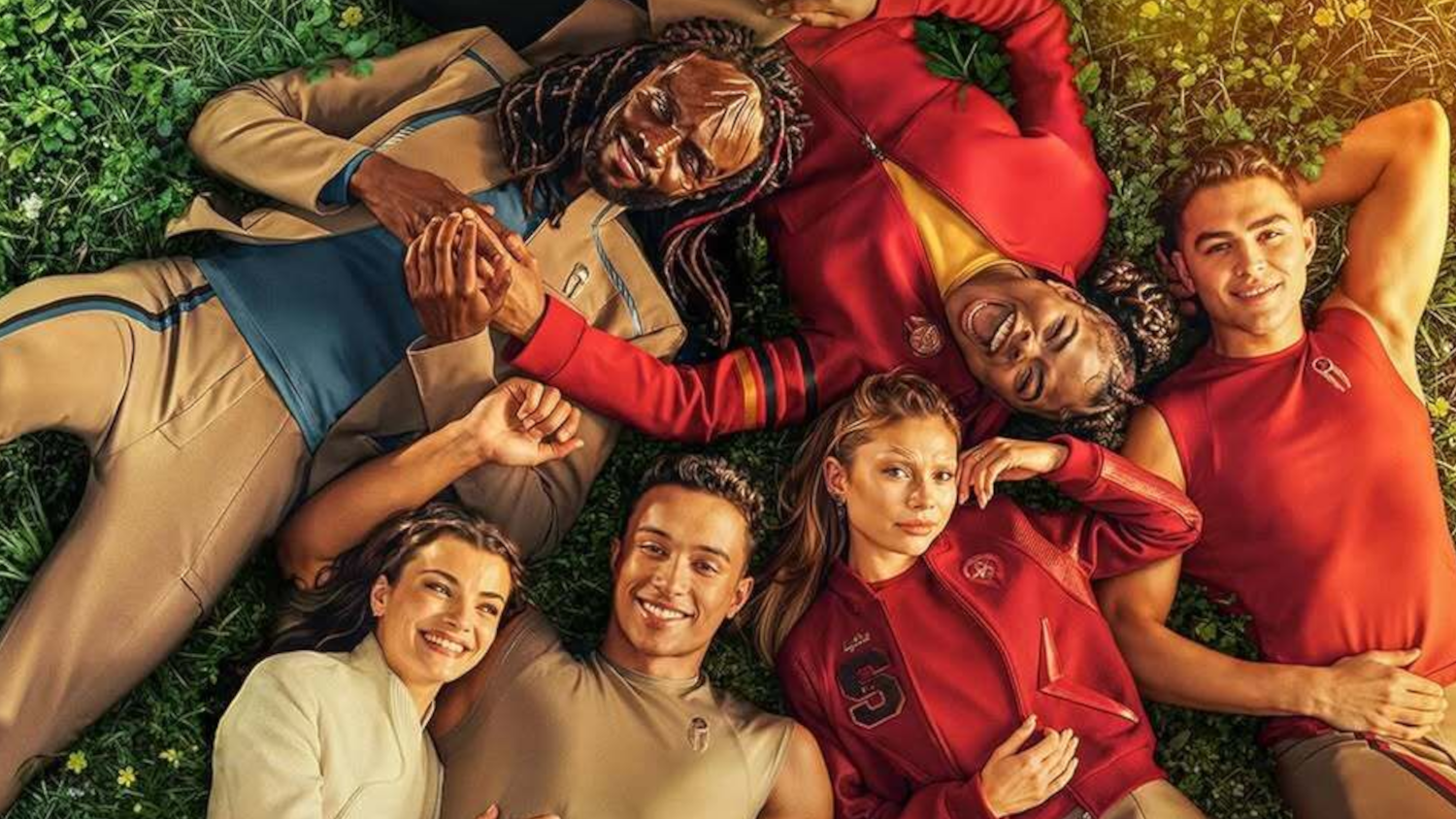
Starfleet Academy ends with Season 2
It was clear things weren’t going well, and now it’s confirmed: Star Trek: Starfleet Academy won’t be back for a third season. The show just finished airing its first season on Paramount+, and while a second season was already completed, it won’t be released.
CBS Studios and Paramount+ jointly expressed their strong satisfaction with the series, praising the efforts of Alex Kurtzman, Noga Landau, and Gaia Violo, as well as the entire cast and crew. They thanked them for enriching the Star Trek universe with both new and returning characters.
Kurtzman, Landau, and Violo address the cancellation
Kurtzman, Landau, and Violo also confirmed that Season 2 will be the show’s last.
According to a recent statement, they are currently finishing up the second and last season of the show.
The three individuals responded to the news by explaining their vision of Star Trek, emphasizing Gene Roddenberry’s core principles of inclusivity, acceptance, and a hopeful future without conflict, prejudice, hardship, illness, or oppression. They concluded with Roddenberry’s famous “Live Long and Prosper” greeting, directed at all future Starfleet Academy students. You can read their complete statement below.
Noga and I have been incredibly honored to continue Gene Roddenberry’s amazing vision with Starfleet Academy. It’s all thanks to the dedication and creativity of the hundreds of talented people who work on the show every day. We’re currently finishing up post-production on the second and final season, and we’re very proud of everything we’ve achieved together. We can’t wait for the world to see the incredible work of these artists when the new season airs – we’re going to finish the series strong.
The magic of Star Trek, whether you’re involved in its creation or are a dedicated fan, lies in its exploration of new worlds, times, and the limits of what humans can achieve. This is all driven by Gene Roddenberry’s hopeful vision of the future. Star Trek fundamentally believes in the goodness of people and boldly imagines a society where differences are celebrated, and problems like war, prejudice, and suffering are things of the past. It’s a future built on a commitment to science and respect for all forms of life.
Don’t mistake Gene Roddenberry for a naive optimist. He was a decorated war veteran, a bomber pilot who witnessed the horrors of conflict firsthand. His vision of the future in Star Trek wasn’t simply about hope; it was a cautionary tale. In a turbulent and frightening era marked by prejudice and violence, Star Trek showed us a possible future, but emphasized how close we came to disaster. It suggested that overcoming our past failings – the things that once plagued humanity – was essential for progress. The show argued that our potential for greatness and our capacity for destruction are deeply connected, impacting not only our relationships with each other and the planet, but also our own well-being. This powerful combination of hope and warning wasn’t just a pleasant fantasy; it was a challenge to rethink our understanding of ourselves and work towards a better future.
Please don’t take our word for it. Take Gene’s:
Star Trek aimed to show that humanity will truly grow up and become wise when we learn to not only accept, but actually celebrate, differences – whether in beliefs or in the variety of life itself. Essentially, if we can’t find joy in the small differences between people right here on Earth, we don’t deserve to explore the vast and diverse universe that surely exists beyond our planet.
He still believes in a brighter future – for our children, their children, and all those who will one day attend Starfleet Academy.
Live Long and Prosper.
Read More
- 20 Movies Where the Black Villain Was Secretly the Most Popular Character
- Can AI Lie with a Picture? Detecting Deception in Multimodal Models
- 25 “Woke” Films That Used Black Trauma to Humanize White Leads
- 22 Films Where the White Protagonist Is Canonically the Sidekick to a Black Lead
- Silver Rate Forecast
- Top 20 Dinosaur Movies, Ranked
- Top 10 Coolest Things About Invincible (Mark Grayson)
- When AI Teams Cheat: Lessons from Human Collusion
- From Bids to Best Policies: Smarter Auto-Bidding with Generative AI
- Unmasking falsehoods: A New Approach to AI Truthfulness
2026-03-24 03:32