
Portfolio construction often prioritizes simplicity, particularly for investors lacking the capacity for continuous monitoring. Dominant businesses with demonstrable resilience and consistent capital allocation strategies represent potentially suitable core holdings. The consumer staples sector, characterized by recurring demand, frequently provides such opportunities.
The following assessment details three S&P 500 constituents exhibiting dividend yields and business models warranting consideration within a long-term, buy-and-hold framework. Recent market volatility has presented temporary dislocations in valuation, potentially offering attractive entry points.
1. The Coca-Cola Company (KO)
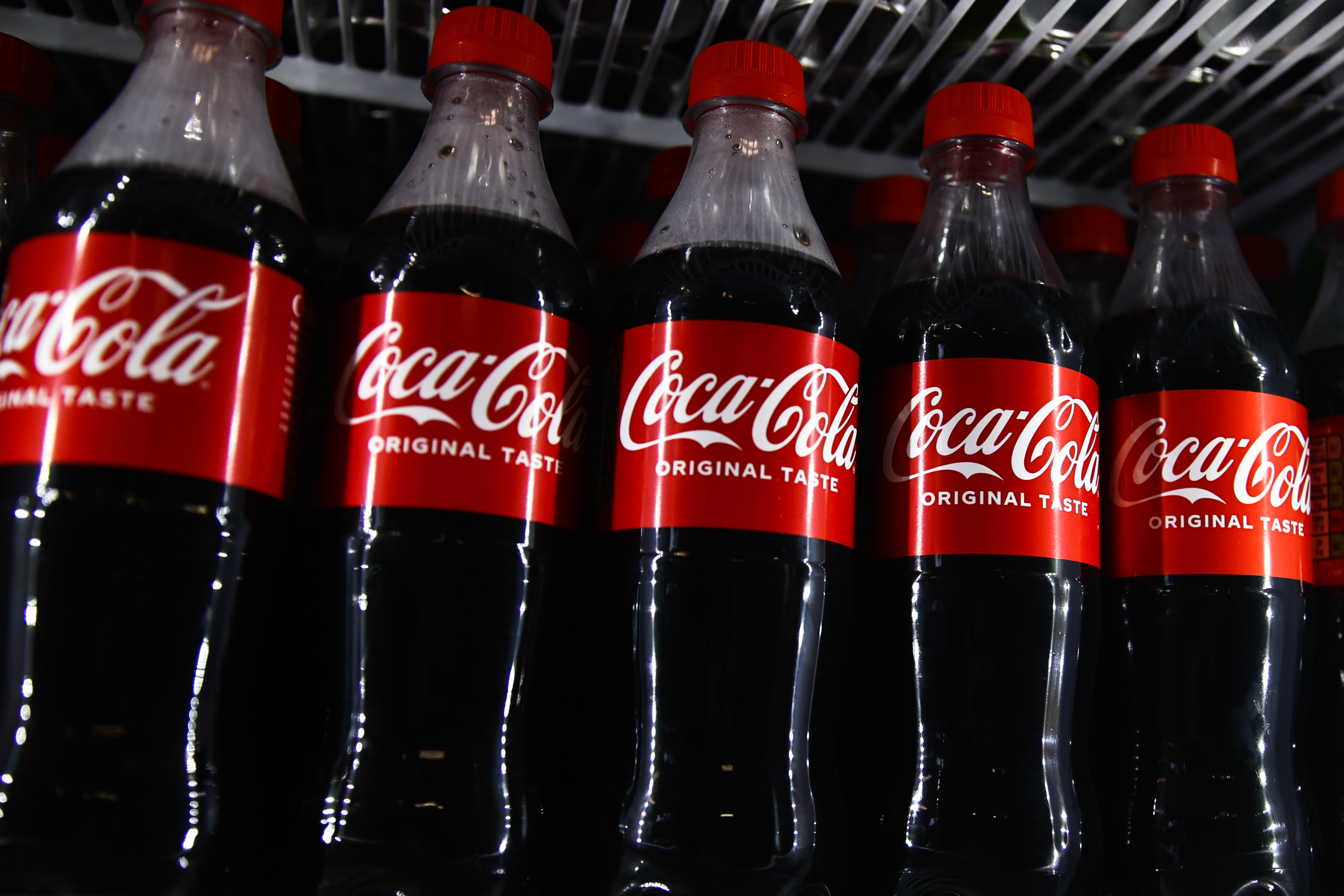
The Coca-Cola Company has demonstrated remarkable consistency in navigating macroeconomic cycles. Its brand equity and extensive distribution network constitute significant barriers to entry. While not immune to shifting consumer preferences, the company’s diversification across beverage categories mitigates single-product risk.
Coca-Cola’s 64-year streak of consecutive annual dividend increases underscores its commitment to returning capital to shareholders. This track record, while impressive, should not be interpreted as a guarantee of future performance. Sustained dividend growth is contingent upon continued earnings expansion and prudent financial management.
Current valuation, while not overtly inexpensive, reflects the company’s defensive characteristics. Long-term wealth creation is likely to be driven by a combination of modest organic growth, strategic acquisitions, and consistent dividend payouts. However, evolving regulatory landscapes regarding sugar content and packaging sustainability represent potential headwinds.
2. Domino’s Pizza (DPZ)
Domino’s Pizza has established itself as a dominant player in the global pizza delivery market. Its franchise model provides a scalable revenue stream with relatively low capital expenditure requirements. The company’s emphasis on technology, including online ordering and delivery optimization, has enhanced customer convenience and operational efficiency.
Domino’s 14-year streak of consecutive dividend increases demonstrates a growing commitment to shareholder returns. However, the company’s relatively low payout ratio suggests ample capacity for future dividend growth or reinvestment in the business. The current valuation reflects a premium for growth, contingent upon maintaining market share and expanding into new geographies.
Competitive pressures from other quick-service restaurants and the increasing popularity of meal delivery services pose potential challenges. Maintaining brand relevance and adapting to evolving consumer preferences will be critical for sustaining long-term growth. Recent market corrections have presented a more attractive entry point for long-term investors.
3. The Home Depot (HD)

The Home Depot benefits from the inherent resilience of the home improvement market. Homeownership represents a significant financial and emotional investment for consumers, driving consistent demand for repair, maintenance, and renovation projects. The company’s extensive store network and omnichannel capabilities provide a competitive advantage.
The Home Depot’s 17-year streak of consecutive dividend increases reflects its commitment to returning capital to shareholders. However, the cyclical nature of the housing market introduces inherent volatility. Future dividend growth will be contingent upon sustained economic expansion and a healthy housing market. The recent dip in share price, attributable to short-term headwinds in home improvement spending, may present a favorable opportunity for long-term investors.
Rising interest rates and a potential slowdown in the housing market represent potential risks. However, The Home Depot’s strong brand reputation, extensive store network, and commitment to innovation position it favorably to navigate these challenges. The company’s ability to adapt to changing consumer preferences and maintain its market leadership will be critical for sustaining long-term growth.
Read More
- 20 Movies Where the Black Villain Was Secretly the Most Popular Character
- Celebs Who Narrowly Escaped The 9/11 Attacks
- Top 20 Dinosaur Movies, Ranked
- 25 “Woke” Films That Used Black Trauma to Humanize White Leads
- Transformers Under the Microscope: What Graph Neural Networks Reveal
- The 10 Most Underrated Jim Carrey Movies, Ranked (From Least to Most Underrated)
- 22 Films Where the White Protagonist Is Canonically the Sidekick to a Black Lead
- The Best Directors of 2025
- Trading on Thin Air: AI Agents Conquer Crypto Volatility
- Silver Rate Forecast
2026-03-12 12:22