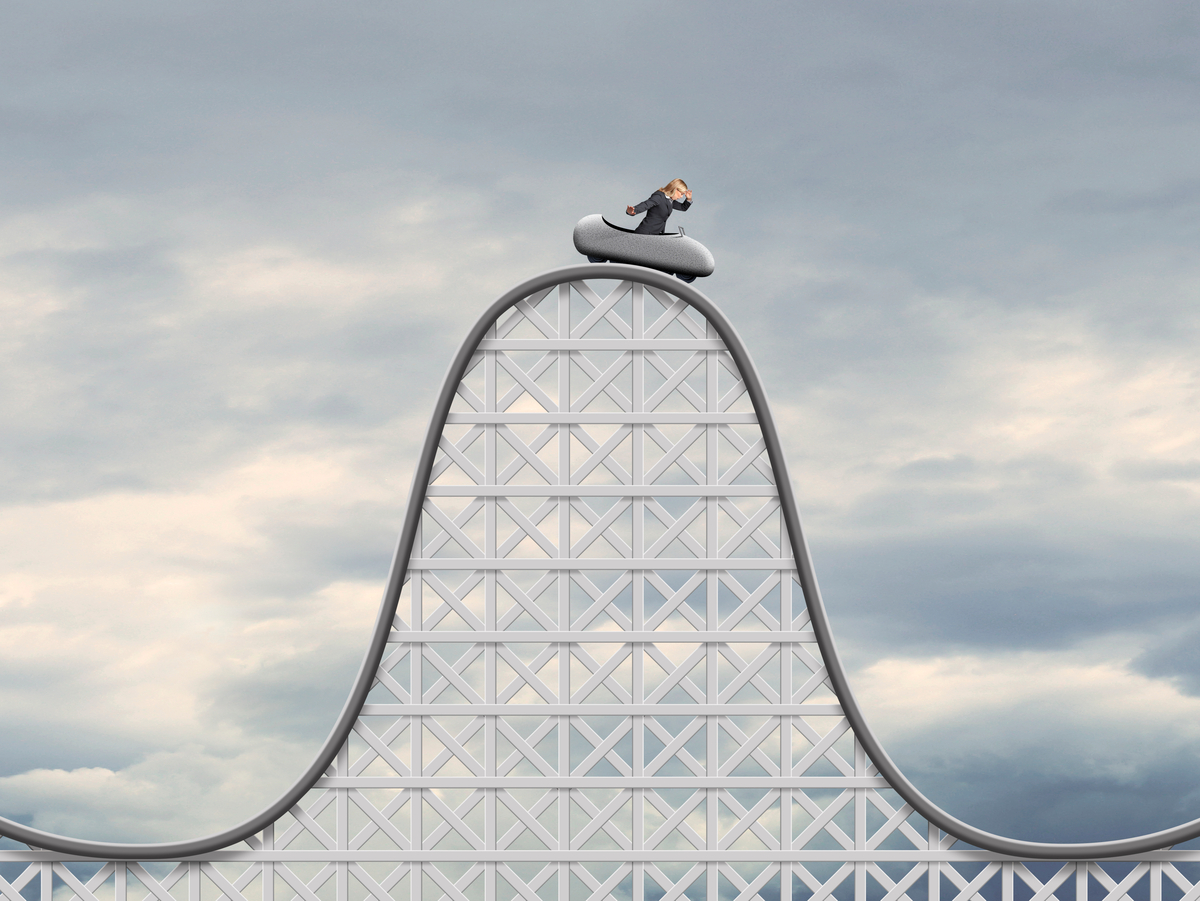
The shares of Six Flags (FUN +6.96%) experienced a temporary elevation, a fleeting upward tick in the otherwise predictable trajectory of a company perpetually balancing on the precipice. Reports surfaced, carried on the usual channels, of an…interest. An activist investor, it seems, has begun the process of suggesting a solution, a complete dissolution of the current structure, a sale. The details, naturally, remain obscured, lost in the procedural labyrinth that governs these matters.
This development arrives a mere fortnight after a previous, limited divestment – the disposal of seven properties. A temporary reprieve, perhaps, a slowing of the inevitable. It felt, at the time, like rearranging the deck chairs on a vessel slowly succumbing to the currents.
The Fragmentation of Amusement
The previous transaction, the shedding of these “non-core” parks, yielded a sum of $331 million. A palliative, intended to be reinvested in the remaining, theoretically more viable, assets. An analyst, one Steven Wieczynski of Stifel, posited that this would also lighten the capital expenditure burden, a reduction in the endless cycle of maintenance and repair. A logical enough proposition, yet one tinged with the unsettling realization that even cost-cutting measures are merely delaying tactics in a game with no ultimate victory.
Apparently, this incremental approach has proven insufficient for some. A disconcerting sign, suggesting a deeper, more fundamental dissatisfaction with the prevailing state of affairs.
Reuters reports that Jana Partners is now advocating for a reversal of course, urging the board to entertain offers for the entirety of the enterprise. A complete surrender, a recognition that the current path leads only to further entrenchment in a bureaucratic wilderness.
The Weight of Things
The valuation, as these things are always measured, stands at $1.7 billion in market capitalization. However, a more troubling figure emerges when one considers the net debt of $5.3 billion, bringing the enterprise value to approximately $7 billion. This yields a price-to-sales ratio of 2.25x. A number, in isolation, that conveys little meaning, yet serves as a marker of the company’s precarious position.
This valuation, it is noted, is roughly equivalent to that assigned to Walt Disney (DIS +1.53%). A comparison that feels…inappropriate. Disney, unlike Six Flags, actually generates a profit – $12.2 billion last year, to be precise. Six Flags, on the other hand, exists in a state of perpetual loss, a constant drain on resources.
One might argue that cost-cutting and reinvestment could, conceivably, improve the situation. A hopeful proposition, yet one fraught with uncertainty. The risk, it seems, is substantial. Perhaps, then, a complete sale, a relinquishing of control, is the more…sensible option. A surrender to the inevitable, a recognition that some systems are simply beyond repair.
Read More
- Invincible Season 4 Gender Swaps Tech Jacket As Fans Question Major Comic Change
- Building Agents That Learn and Improve Themselves
- Gold Rate Forecast
- Superman Flops Financially: $350M Budget, Still No Profit (Scoop Confirmed)
- Silver Rate Forecast
- Games That Faced Bans in Countries Over Political Themes
- Trading Crypto with AI: A New Approach to Portfolio Management
- Unveiling the Schwab U.S. Dividend Equity ETF: A Portent of Financial Growth
- 22 Films Where the White Protagonist Is Canonically the Sidekick to a Black Lead
- 15 Films That Were Shot Entirely on Phones
2026-03-17 18:42