Author: Denis Avetisyan
A new approach leverages the power of artificial intelligence to accurately forecast how galaxies will interact, offering insights into cosmic evolution.
This study introduces an explainable AI model using hybrid attention mechanisms and neural ensembles to predict galaxy interactions from morphological features in large astronomical surveys.
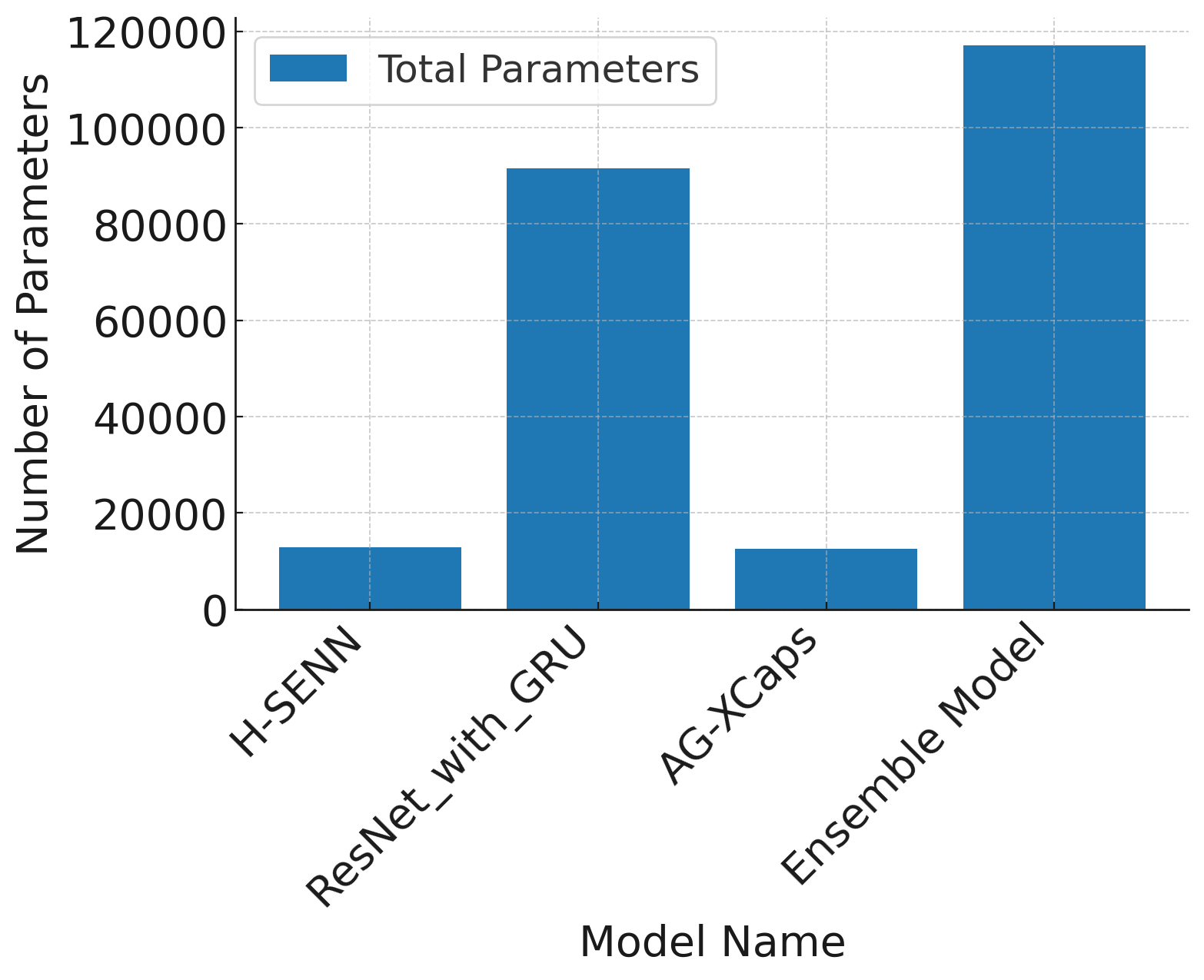
Despite the increasing availability of astronomical data, classifying galaxy interactions remains a challenge due to their complex morphologies and the ‘black box’ nature of many deep learning approaches. This is addressed in ‘Explainable Galaxy Interaction Prediction with Hybrid Attention Mechanisms’, which introduces a novel neural ensemble leveraging attention mechanisms to predict interactions with high accuracy and, crucially, interpretability. The proposed framework achieves state-of-the-art performance on the Galaxy Zoo DESI dataset, significantly reducing false positives while maintaining a lightweight design suitable for future large-scale surveys. Will this transparent, efficient approach unlock new insights into the drivers of galaxy evolution and reshape data analysis in astronomy?
The Illusion of Order: Charting Cosmic Collisions
Understanding how galaxies interact and evolve is fundamental to charting the history of the universe, as mergers and close encounters drive star formation, shape galactic structures, and even influence the growth of supermassive black holes. However, pinpointing these interactions isn’t straightforward; current automated methods often fall short when confronted with the subtle distortions and complex morphologies that characterize early-stage or less dramatic encounters. Existing techniques frequently rely on easily quantifiable features – such as tidal tails or bridges of stars – but miss the more nuanced signatures of gravitational influence, leading to an underestimation of interaction rates and a skewed understanding of the processes governing cosmic evolution. This limitation hinders the ability to accurately reconstruct the assembly history of galaxies and model the large-scale structure of the cosmos.
Current methods for identifying interacting galaxies frequently depend on easily quantifiable features – such as close proximity or broad classifications of disturbance – which often overlook the delicate and complex signatures of gravitational interplay. These simplistic indicators struggle to capture the full range of tidal distortions, including faint streams of stars, subtle asymmetries in galactic disks, and the nuanced changes in morphology that unfold over cosmic timescales. Consequently, many genuine interactions are missed, or their true nature is obscured, hindering a comprehensive understanding of how galaxies evolve through these dynamic encounters. The limitations of these traditional approaches emphasize the need for more sensitive and sophisticated techniques capable of discerning the full spectrum of interaction signatures, even those that are initially faint or subtle.
Predicting the outcomes of galactic interactions demands a sophisticated approach to feature extraction, one that moves beyond static snapshots of morphology. These cosmic collisions aren’t instantaneous; rather, they unfold over millions of years, exhibiting a clear sequence of structural changes – from initial tidal distortions and the formation of bridges and tails, to the eventual merging of galactic cores. Existing methods often fail to capture this temporal evolution, treating galaxies as fixed entities. A robust predictive model, however, necessitates identifying and quantifying these sequential morphological features, essentially charting the progression of interaction. This requires algorithms capable of discerning subtle changes over time, differentiating between early-stage disturbances and late-stage mergers, and ultimately, accurately forecasting the final form of the interacting system. Such an approach promises to revolutionize the study of galactic evolution and provide insights into the assembly of larger cosmic structures.
Beyond Simple Shapes: A Hybrid Approach to Galaxy Morphology
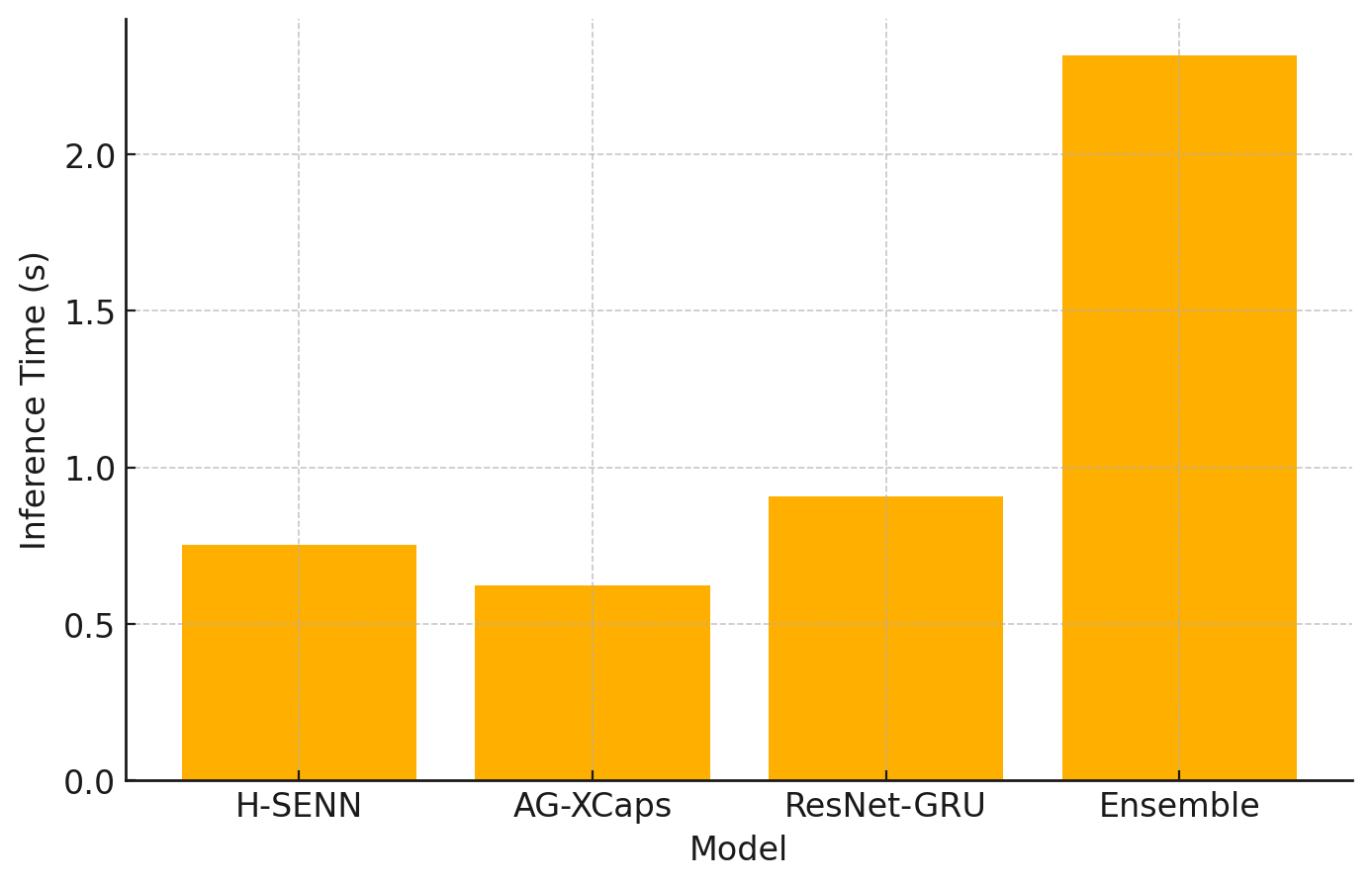
Hybrid deep learning models are being developed to analyze galaxy morphology by integrating spatial and temporal data processing. Specifically, ResNet-GRU and H-SNN architectures are designed to address the limitations of traditional methods that often treat these data types in isolation. ResNet-GRU combines a ResNet for spatial feature extraction with a Gated Recurrent Unit (GRU) to model sequential dependencies within the data. H-SNN, conversely, incorporates attention mechanisms-specifically, self-supervised neural networks-to dynamically weight and focus on the most relevant morphological features during analysis, allowing for a more nuanced understanding of galaxy structure and evolution.
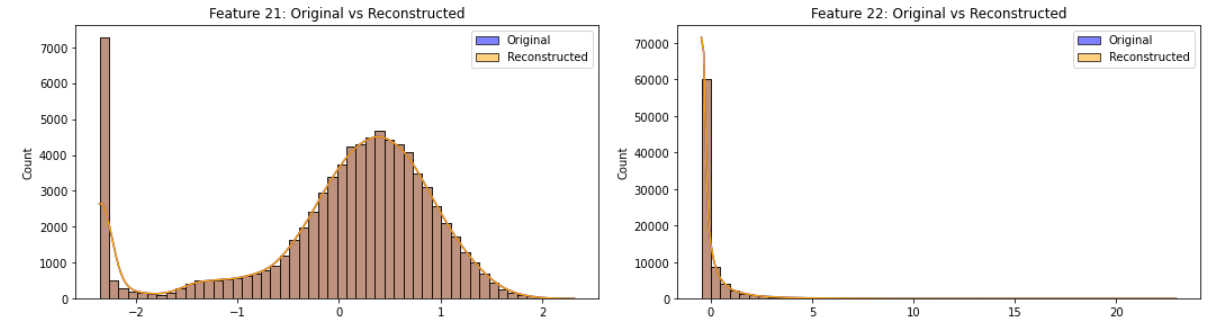
ResNet-GRU models utilize Autoencoders to reduce the dimensionality of input galaxy morphology data, thereby improving computational efficiency and feature representation. Following dimensionality reduction, Gated Recurrent Units (GRUs) are employed to model sequential patterns present in the data, enabling the network to capture temporal dependencies or ordered features. Alternatively, the Hierarchical Spiking Neural Network (H-SNN) architecture incorporates attention mechanisms; these mechanisms assign weights to different morphological traits, allowing the network to prioritize and focus on the most salient features during analysis and classification. This selective focus enhances the model’s ability to discern subtle but important characteristics within galaxy morphology.
AG-XCaps represents an advancement in hybrid architecture design by integrating Convolutional Vision Transformers (CvTs) with capsule networks to facilitate hierarchical feature extraction from galaxy morphology images. CvTs enable the model to capture long-range dependencies and global context, while capsule networks provide a mechanism for representing features as vectors, preserving information about pose, deformation, and other intrinsic properties. This combination allows AG-XCaps to move beyond simple feature detection and towards a more robust understanding of the relationships between morphological components, ultimately improving the accuracy of galaxy classification and analysis. The hierarchical structure allows for the abstraction of features at multiple scales, enabling the model to capture both fine-grained details and broad structural characteristics.
A Ground Truth: Validating Models with the Galaxy Zoo DESI Dataset
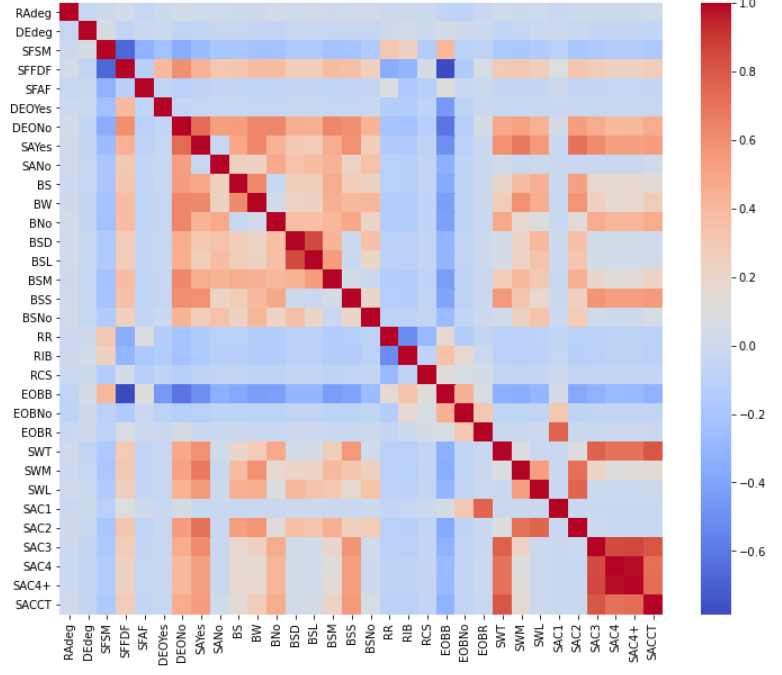
The Galaxy Zoo DESI Dataset served as the foundational resource for both training and validating the presented models. This dataset comprises a large-scale catalog of galaxy morphologies, derived from observations obtained as part of the Dark Energy Spectroscopic Instrument (DESI) project. It features classifications generated through citizen science initiatives, providing a statistically significant sample for assessing model performance. The dataset includes detailed morphological measurements, such as the presence of spiral arms, bars, and mergers, allowing for a nuanced evaluation of the models’ ability to accurately identify and categorize galaxy types. Data is available in a standardized format, facilitating integration with machine learning pipelines and enabling reproducible research.
Evaluation of the proposed models on the Galaxy Zoo DESI Dataset indicates a substantial performance advantage for hybrid architectures over the Random Forest Classifier baseline. Specifically, the AG-XCaps model achieved an overall accuracy of 96% in classifying galaxy morphology. This represents a statistically significant improvement compared to the Random Forest Classifier, demonstrating the effectiveness of the hybrid approach in leveraging complementary features for enhanced predictive capability. The reported accuracy is a comprehensive metric reflecting the model’s ability to correctly classify galaxies across all morphological types within the dataset.
Performance analysis on the Galaxy Zoo DESI dataset demonstrates a substantial reduction in false positive classifications when utilizing the AG-XCaps hybrid architecture compared to a Random Forest baseline. Specifically, false positive rates were decreased from 70 to 23 instances. This improvement is quantitatively supported by a precision score of 0.95, indicating a high proportion of correctly identified positive cases. Furthermore, the model achieved a recall of 1.00, signifying complete identification of all actual positive cases, and a resultant F1-score of 0.97, representing a balanced harmonic mean of precision and recall.
Peering into the Algorithm: Unveiling the Reasoning Behind Predictions
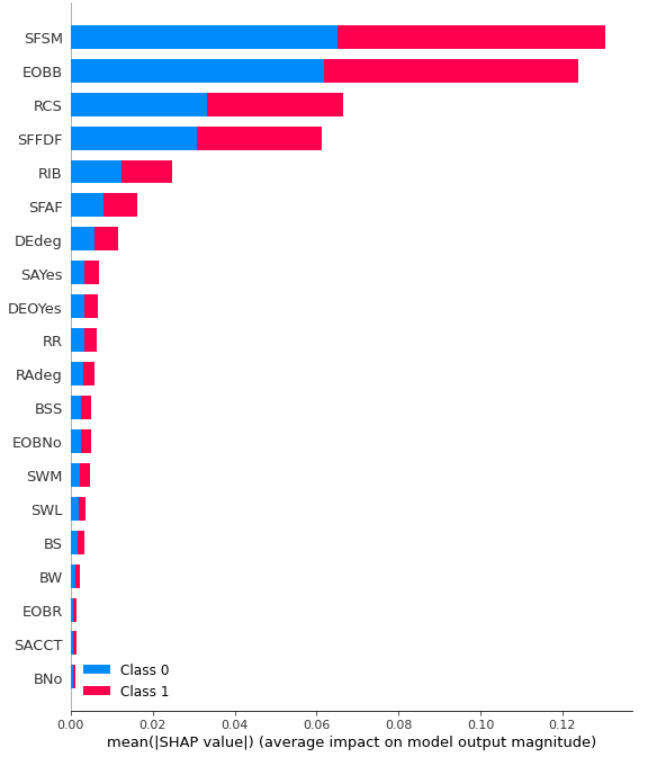
To foster confidence in automated astronomical analyses, researchers utilized Explainable AI (XAI) methods – specifically LIME and SHAP values – to dissect the reasoning behind model predictions. These techniques don’t simply offer a classification; instead, they illuminate which input features most strongly influenced the outcome. LIME, for instance, approximates the model locally with a simpler, interpretable model, highlighting contributing factors for individual predictions. Meanwhile, SHAP values quantify each feature’s contribution to the difference between the actual prediction and the average prediction. By applying these tools, the study moved beyond a ‘black box’ approach, enabling verification of the model’s logic and providing astronomers with a clearer understanding of the underlying data drivers.
Analysis using Explainable AI techniques demonstrates the model’s reliance on specific morphological characteristics when identifying galaxy interactions. Rather than focusing on broad spectral properties, the system consistently prioritizes features like tidal tails – the elongated streams of stars pulled from galaxies during close encounters – and disturbed isophotes, which reveal distortions in the smooth light distribution indicative of gravitational disruption. This focus suggests the model isn’t simply memorizing classifications, but is instead genuinely recognizing the visual hallmarks of interacting galaxies, mirroring the cues astronomers themselves use. The prominence of these features validates the model’s internal logic and offers a powerful tool for quantifying and understanding the dynamics of galactic mergers and collisions.
The identification of crucial morphological features – like tidal tails and disturbed isophotes – extends beyond simply confirming the model’s internal logic; it furnishes astronomers with a powerful new lens for understanding galaxy interactions. By pinpointing these specific characteristics as drivers of the model’s predictions, researchers gain a refined ability to detect and categorize interacting galaxies within vast astronomical datasets. This feature-focused approach allows for more efficient and targeted observations, potentially revealing previously hidden patterns in galactic evolution and the frequency of mergers. Consequently, the model doesn’t merely predict interactions, but actively illuminates the visual signatures that define them, offering a tangible pathway for astronomical discovery and furthering the understanding of cosmic structure formation.
A Glimpse into the Future: Scaling to the Next Generation of Astronomical Surveys
The forthcoming deluge of astronomical data from missions like Euclid and the Legacy Survey of Space and Time (LSST) presents both an opportunity and a challenge for understanding cosmic evolution. Current methods of identifying and characterizing galaxy interactions, pivotal events in shaping galactic morphology and star formation, are computationally limited when applied to datasets of this scale. Consequently, the refined galaxy interaction prediction techniques detailed in this work are poised to become essential tools for these upcoming surveys. These advancements allow researchers to efficiently sift through the immense volume of data, pinpointing instances of interaction with greater accuracy and statistical power, ultimately unlocking a far more detailed picture of how galaxies evolve within the cosmic web and how these processes have shaped the universe we observe today.
Upcoming astronomical surveys, notably Euclid and the Legacy Survey of Space and Time (LSST), promise a revolutionary leap in understanding galaxy interactions. These initiatives are designed to capture light from billions of galaxies across vast cosmic distances, creating an unparalleled catalog for identifying merging and interacting systems. The sheer volume of data – exceeding anything previously available – will allow astronomers to move beyond studying a few well-resolved interactions to statistically characterizing interactions across the entire history of the universe. This unprecedented scale will reveal how frequently galaxies collide, the impact of these collisions on star formation and galactic evolution, and ultimately, how these processes have shaped the large-scale structure of the cosmos. The ability to identify subtle tidal features and faint streams of stars, indicative of past interactions, will be significantly enhanced, offering a much more complete picture of galactic assembly and the interconnectedness of galaxies throughout cosmic time.
The confluence of sophisticated deep learning algorithms and the principles of explainable AI promises a revolution in understanding how galaxy interactions drive cosmic evolution. These advanced techniques move beyond simply predicting interactions; they dissect the complex features within astronomical images that signal an impending or ongoing event, revealing the specific morphological characteristics – tidal tails, bridges of stars, or disturbed dust lanes – that contribute to the classification. This interpretability is crucial, allowing researchers to validate the model’s reasoning against established astrophysical principles and uncover previously unknown pathways through which mergers and encounters shape galactic structure and star formation. Consequently, the integration of these methods will not only enhance the accuracy of interaction identification in forthcoming large-scale surveys like Euclid and LSST, but also provide unprecedented insights into the physical mechanisms governing the universe’s evolving tapestry of galaxies.
The presented research meticulously constructs a predictive framework for galaxy interactions, leveraging the strengths of neural ensembles and attention mechanisms. This approach, while yielding high accuracy, inherently introduces a level of complexity. As Galileo Galilei observed, “You cannot teach a man anything; you can only help him discover it for himself.” Similarly, this model doesn’t simply provide predictions; it elucidates why certain interactions are likely, through attention weights highlighting crucial morphological features. The transparency afforded by this explainable AI is critical, allowing astronomers to validate findings and refine theoretical models-a process mirroring the spirit of scientific discovery emphasized by Galileo. The study acknowledges the limitations of any predictive model, recognizing that even the most sophisticated algorithms operate within defined parameters and may not capture all underlying complexities.
Where Do the Stars Lead?
This work, like all attempts to chart the cosmos, builds a pocket black hole of understanding. A model, however meticulously constructed from morphological features and attention mechanisms, remains a simplification. It predicts interactions, yes, but the universe rarely adheres to neat predictions. The true complexity lies beyond the observable, in the chaotic dance of dark matter and the subtle influences of yet-unknown physics. Sometimes matter behaves as if laughing at the laws it’s expected to obey.
Future iterations will undoubtedly delve into the abyss of more complex simulations. Incorporating environmental factors, gravitational lensing, and perhaps even attempting to model the internal dynamics of galaxies will be essential. However, the challenge isn’t simply about increasing computational power. It’s about recognizing that each refinement merely pushes the boundary of ignorance further away, revealing ever more profound questions.
The most fruitful path may lie not in striving for perfect prediction, but in developing tools to identify and quantify the unpredictable. To map the regions where the models break down, and to understand why. For in those failures, in those anomalies, may reside the clues to a deeper, more humbling understanding of the universe-and of the limits of any theory, no matter how elegant.
Original article: https://arxiv.org/pdf/2601.08872.pdf
Contact the author: https://www.linkedin.com/in/avetisyan/
See also:
- Gold Rate Forecast
- Invincible Season 4 Gender Swaps Tech Jacket As Fans Question Major Comic Change
- Silver Rate Forecast
- 22 Films Where the White Protagonist Is Canonically the Sidekick to a Black Lead
- 14 Movies Where the Black Character Refuses to Save the White Protagonist
- Unveiling the Schwab U.S. Dividend Equity ETF: A Portent of Financial Growth
- How to Do Sculptor Without a Future in KCD2 – Get 3 Sculptor’s Things
- Superman Flops Financially: $350M Budget, Still No Profit (Scoop Confirmed)
- ONE PIECE Season 2 Confirms Sanji’s OTHER Backstory in the Live-Action
- Why Won’t It Just *Do* What You Ask? Unpacking the Quirks of AI Language
2026-01-15 17:21