
As a huge cinema fan, I’ve noticed this really cool trend lately: sci-fi movies and shows that tell their stories entirely through things like recovered logs, security footage, and official documents. It’s like we, the audience, become detectives, piecing together what happened by examining the evidence. Instead of someone just telling us the story, we get timestamps, static, and even redacted files that actually drive the plot forward. Everything feels real because there’s always an in-universe reason for what we’re seeing. I’ve been captivated by a few examples – a couple of films, a series, and even an anime – that fully commit to this ‘found footage’ style of storytelling from beginning to end.
‘Europa Report’ (2013)

‘Europa Report’ presents the story of a privately funded mission to Jupiter’s moon, Europa, told as if it’s a corporate investigation following the mission. The film is constructed from footage recovered from the ship – including camera recordings and helmet cams – combined with interview clips. Throughout the footage, you see on-screen data like oxygen levels and radiation exposure. The film uses time-stamped logs and communications from mission control to show how decisions were made, and it’s presented as an analysis built from whatever footage and data survived.
‘Apollo 18’ (2011)
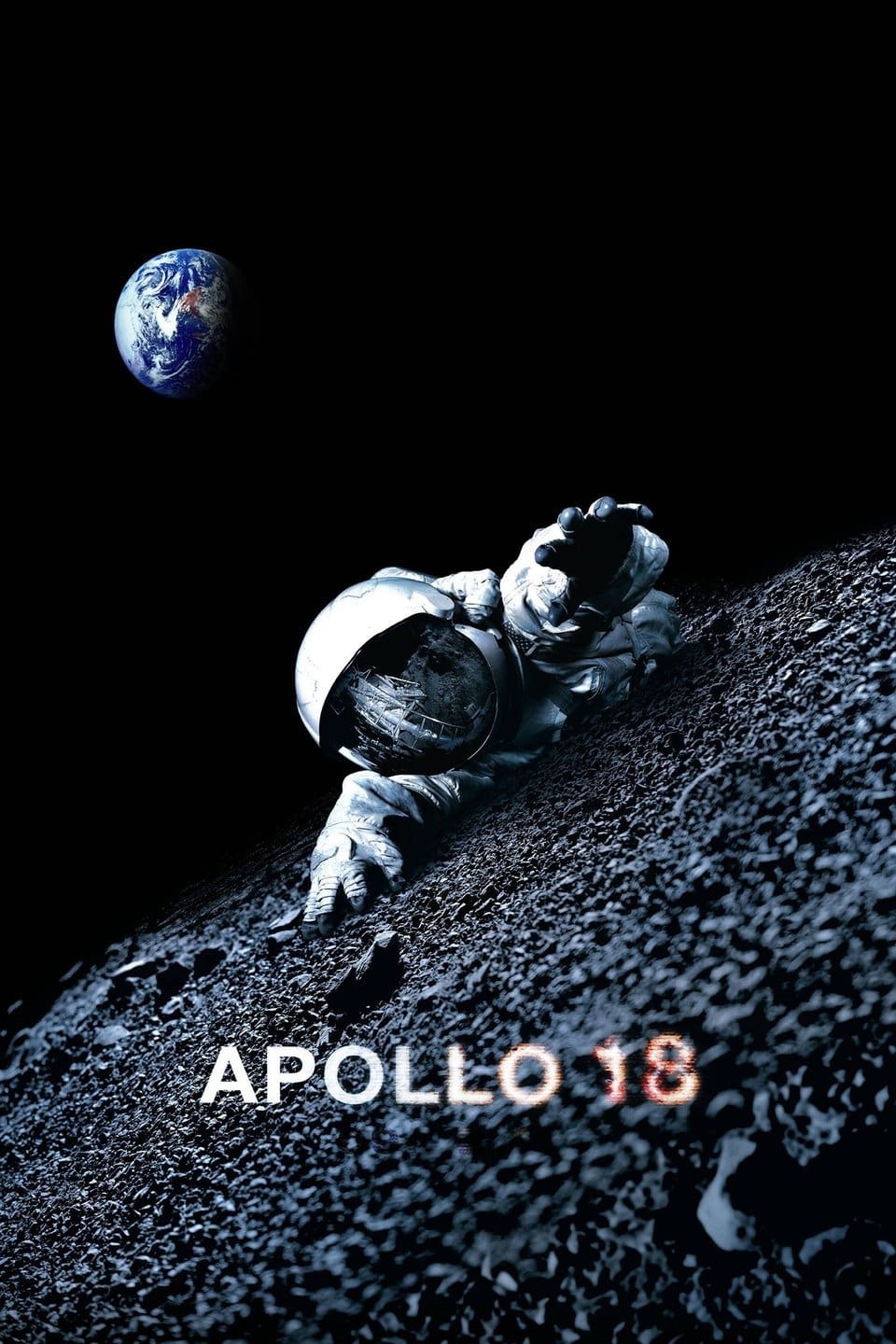
‘Apollo 18’ shows what appear to be recently uncovered recordings from a secret moon mission. The footage looks like real NASA films from that era, with the same grainy quality, timing cues, and camera angles. The sound consists mostly of radio conversations, beeps, and technical readings that show how the spacecraft was functioning. The film is presented as a collection of raw, original recordings, complete with missing sections and static that are meant to feel authentic.
‘Chronicle’ (2012)
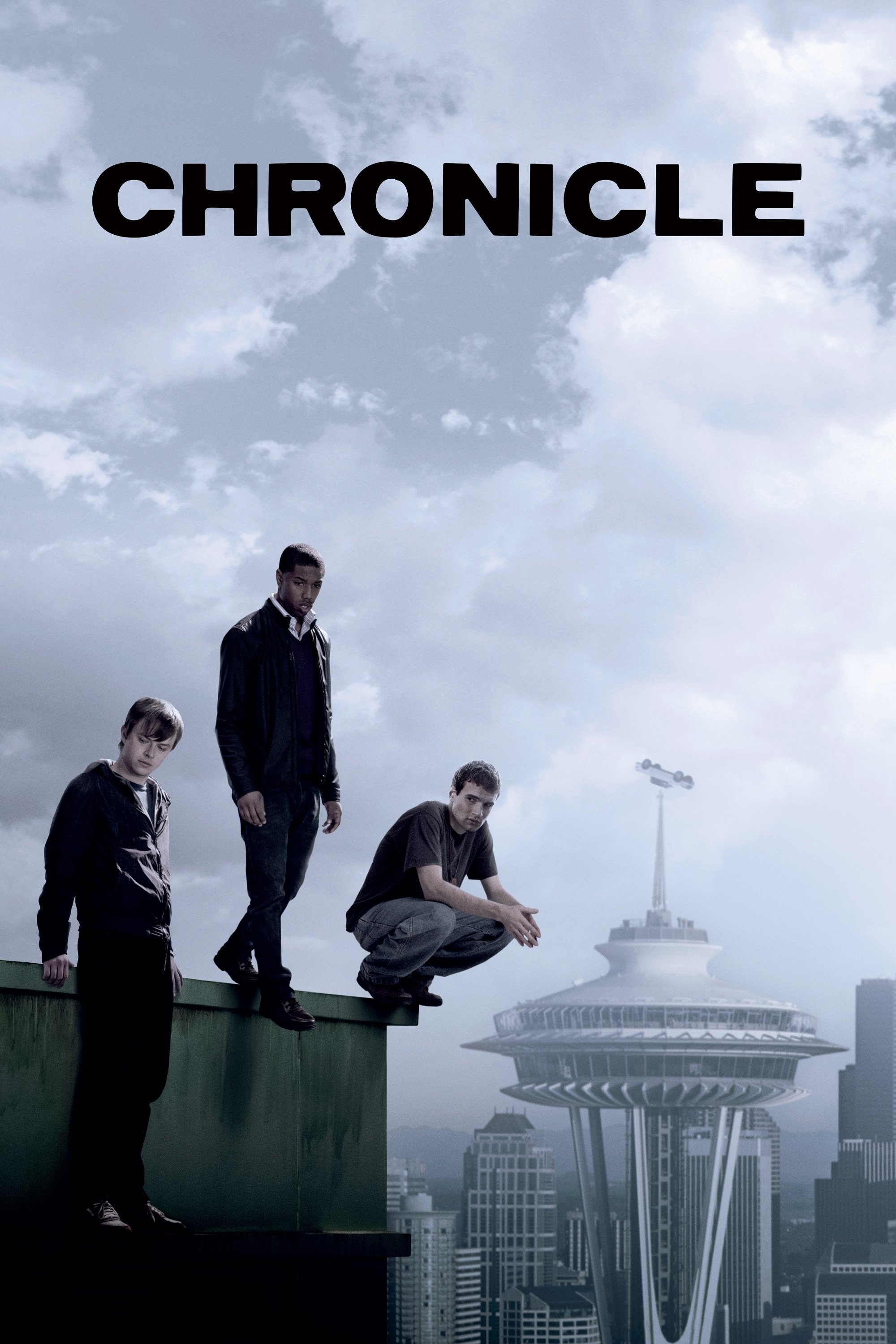
“Chronicle” creates a realistic feel by blending footage from everyday sources – like home videos, cell phones, and news reports – with recordings from security and aerial cameras. The film purposefully keeps the visual imperfections of these sources – such as shaky images and inconsistent timestamps – to help viewers follow the story and understand when events happen. Everything you see feels like it could genuinely exist within the world of the film.
‘Project Almanac’ (2015)
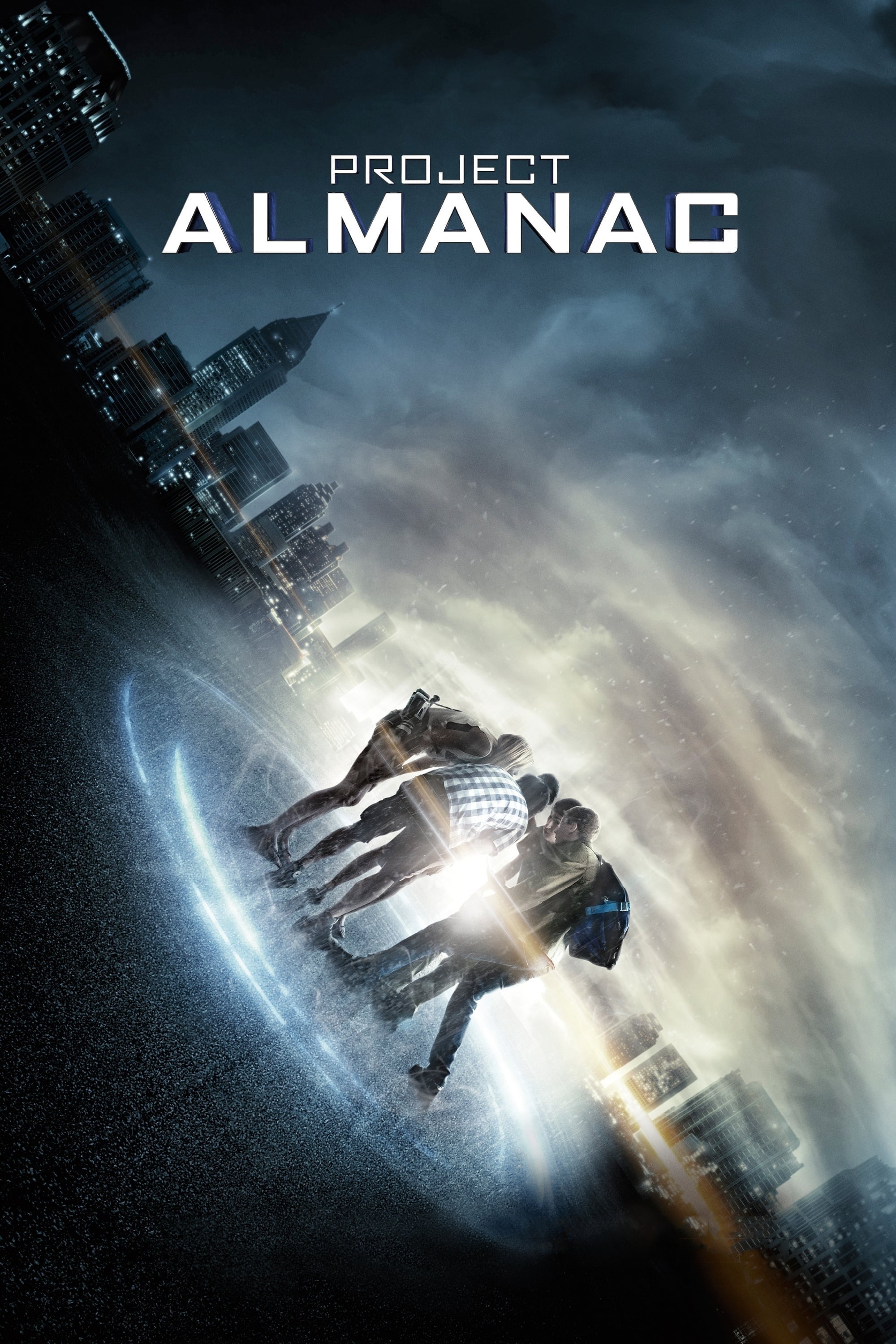
‘Project Almanac’ tells its story through shaky cam footage, vlog entries, and recordings from school projects. Instead of explaining how the time-travel device works, the film shows the process with raw, unedited shots of whiteboards, close-ups of parts, and handwritten notes. When the characters change the timeline, the film reflects this with repeating frames, glitchy audio, and visual disruptions. Everything exciting happens through the cameras and devices the characters are using.
‘Cloverfield’ (2008)

The movie ‘Cloverfield’ is presented as footage found on a recovered SD card from a handheld camera, including bits and pieces from earlier in the day. It mixes emergency broadcasts, news reports, and random recordings into one continuous story. Time stamps and accidental footage create both a personal story and a broader picture of what’s happening in the city. This limited perspective makes the footage feel realistic and as if it was captured continuously without editing.
‘Phoenix Forgotten’ (2017)
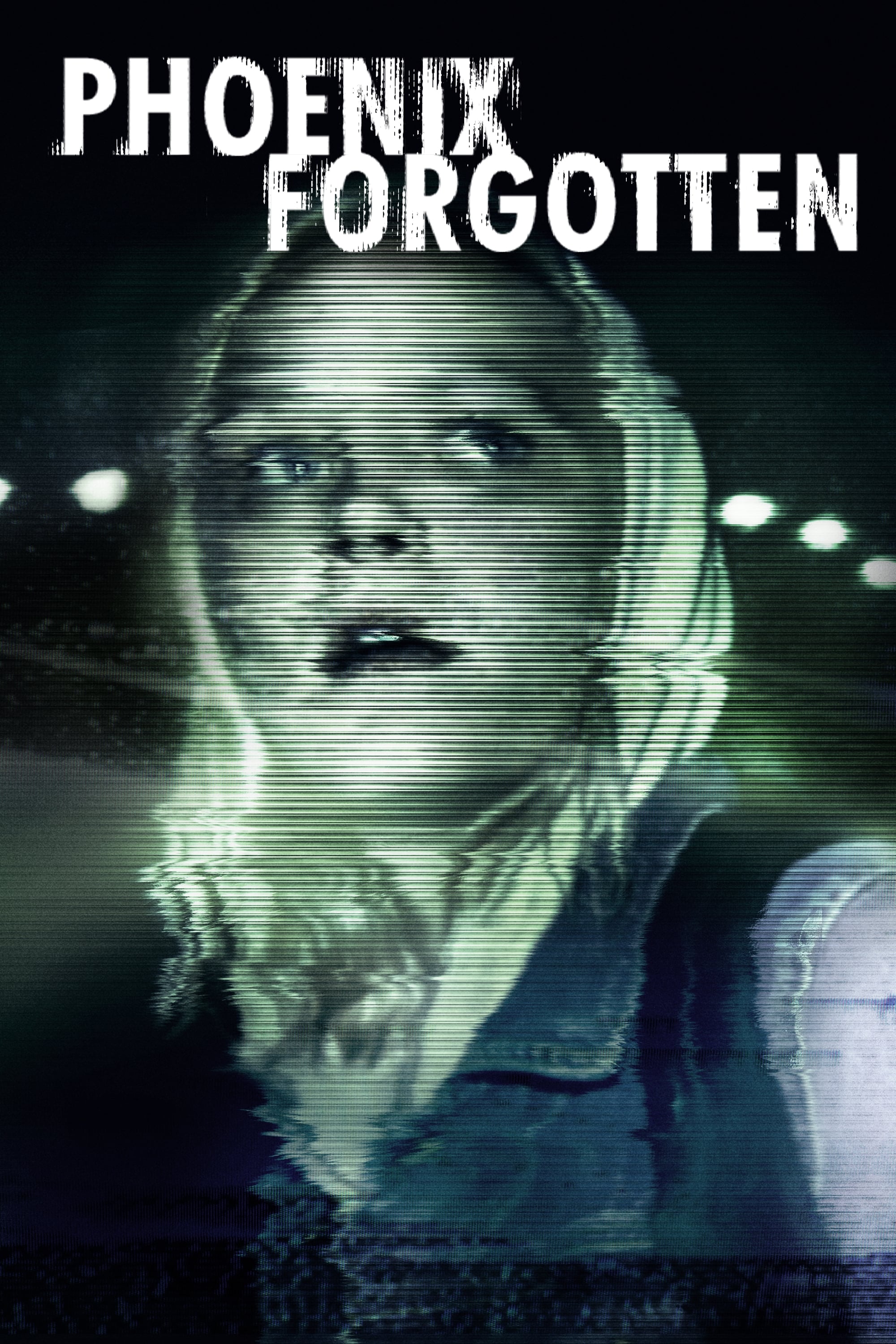
‘Phoenix Forgotten’ presents a modern-day look at the mysterious disappearances surrounding the 1990s Phoenix Lights incident. The film combines current interviews with footage from that time, including authentic home videos with their original imperfections like tracking errors and static. By using local news reports, police records, and maps, the filmmakers build a timeline of events. The story is framed as a family’s effort to finally understand what happened in this unsolved case, using media coverage as their primary source of information.
‘Area 51’ (2015)
The footage, seemingly captured during a secret break-in at a highly classified location – likely Area 51 – relies on visual and audio details to convey information. Instead of narration, the video uses things like night vision, dashboard camera footage, and sounds of the environment – beeps, alarms, and machinery – to show where the infiltrators are. Location is established through quick shots of signs, maps, and labels. The entire recording is then treated as illegally obtained material, pieced together after the event.
‘UFO Abduction’ (1989)
Okay, so ‘The McPherson Tape’ really throws you for a loop. It’s presented like a family just filmed something on their home video camera, and then… stuff happens. What’s cool – and creepy – is how it feels like real footage. The shaky camera, the sound cutting out, the quick, jerky movements – it all feels authentic to what you’d expect from a camcorder back then. It’s like they intentionally limited what you see and hear, which actually makes it way more unsettling. The whole movie basically relies on you believing it’s a continuous recording, and reacting to things happening just outside of what’s being filmed. It’s a really smart way to build tension.
‘Alien Abduction: Incident in Lake County’ (1998)
‘Alien Abduction: Incident in Lake County’ feels like a family’s actual Thanksgiving home video. The filmmakers stayed true to that idea, keeping the shaky camera work, poor sound quality, and dark lighting you’d expect from a real recording. The story unfolds through what the camera captures – things like police radio chatter, news reports, and what neighbors say – all presented as if it’s happening live.
‘The Bay’ (2012)
‘The Bay’ uses real footage – including body camera recordings, 911 calls, hospital security videos, and local news reports – to tell the story of a town affected by a dangerous outbreak. The film proves where each clip came from using things like video chat windows, online uploads, and time stamps. Instead of relying on narration or explanations, the movie shows information like medical data, water quality reports, and emergency alerts directly as they were recorded. The story unfolds as these various recordings are pieced together in chronological order.
‘Alien Abduction’ (2014)
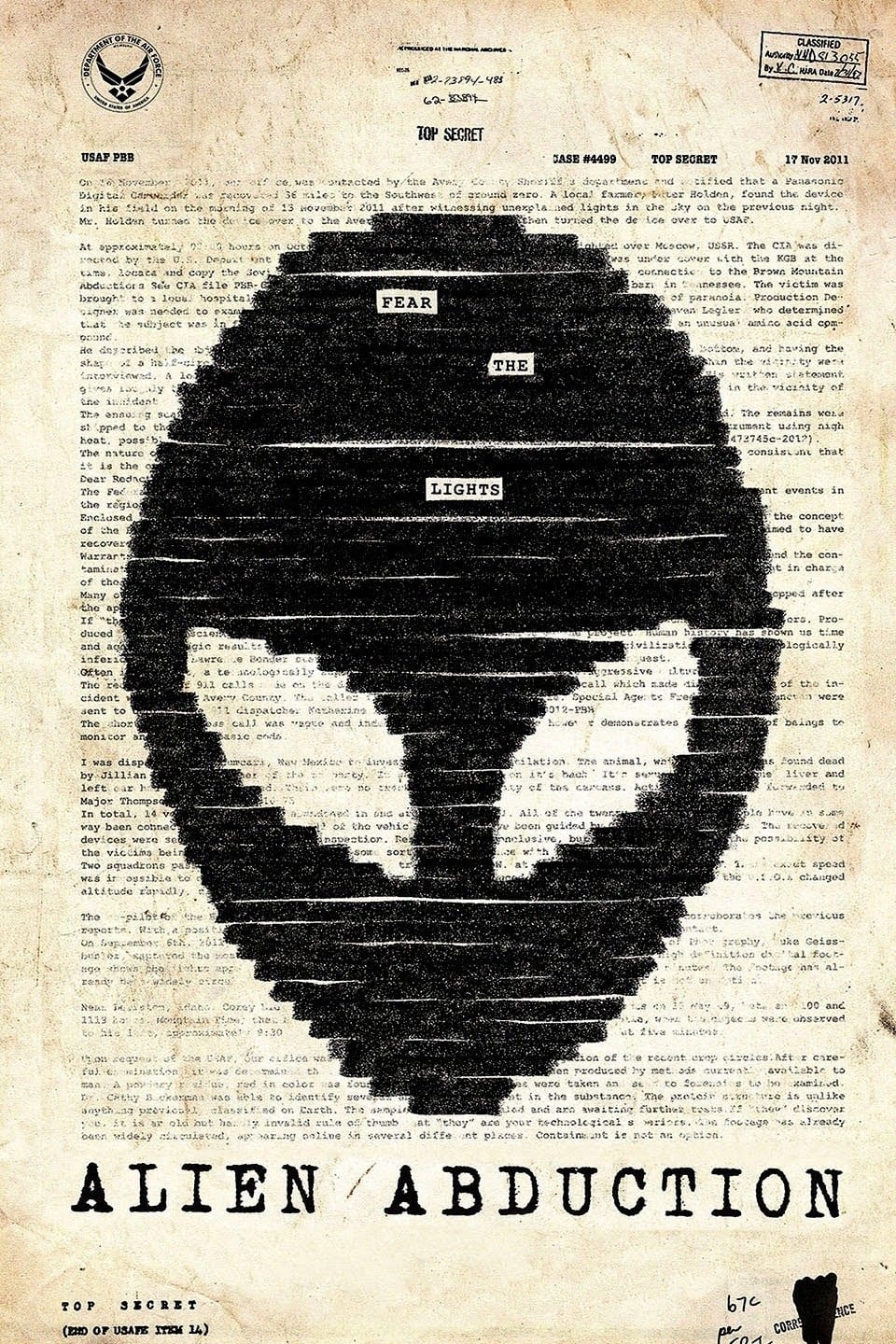
Okay, so I just finished watching ‘Alien Abduction,’ and it’s a really cool found-footage movie. It’s set around this creepy area in North Carolina called Brown Mountain, and the whole thing is presented as if you’re watching recordings from the family’s camcorder, plus stuff from traffic cameras and park ranger equipment. What’s neat is how they use GPS data and maps to show where everyone is, even when things get chaotic. And the glitches – like the screen going black or the signal cutting out – aren’t just effects; they’re presented as things that actually happened to the devices the characters are using. Everything you see comes through cameras and mics that would realistically be there, which really adds to the immersion.
‘Lunopolis’ (2009)
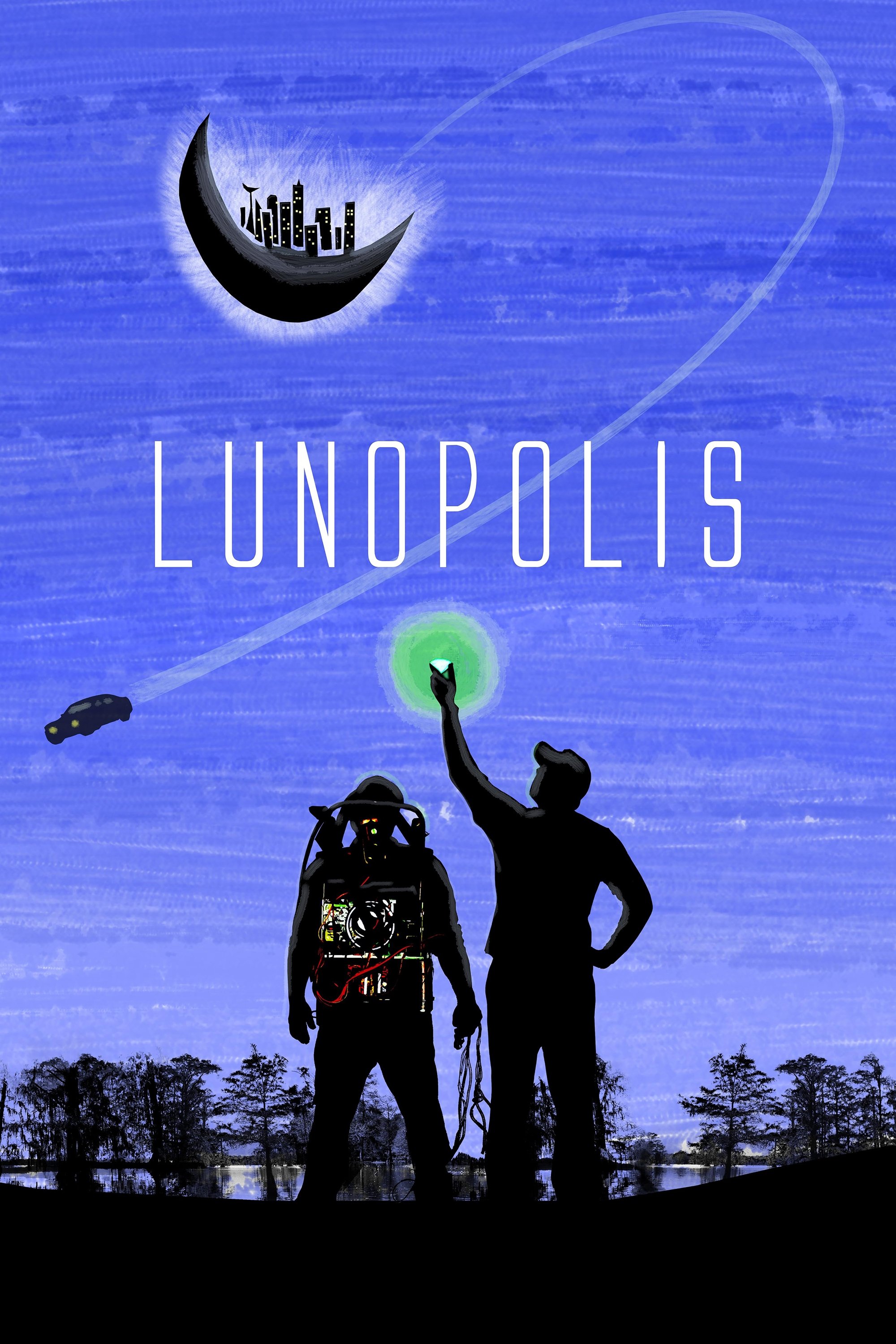
‘Lunopolis’ is presented as a documentary, using a collection of interviews, security footage, radio conversations, and secret documents to tell the story of a hidden group on the moon. The film includes recordings of brainstorming sessions and showcases various objects as evidence. Leaked notes, identification cards, and audio recordings are presented as part of the investigation, and the narrative unfolds as these pieces of information are connected to form a larger theory.
‘The Dinosaur Project’ (2012)
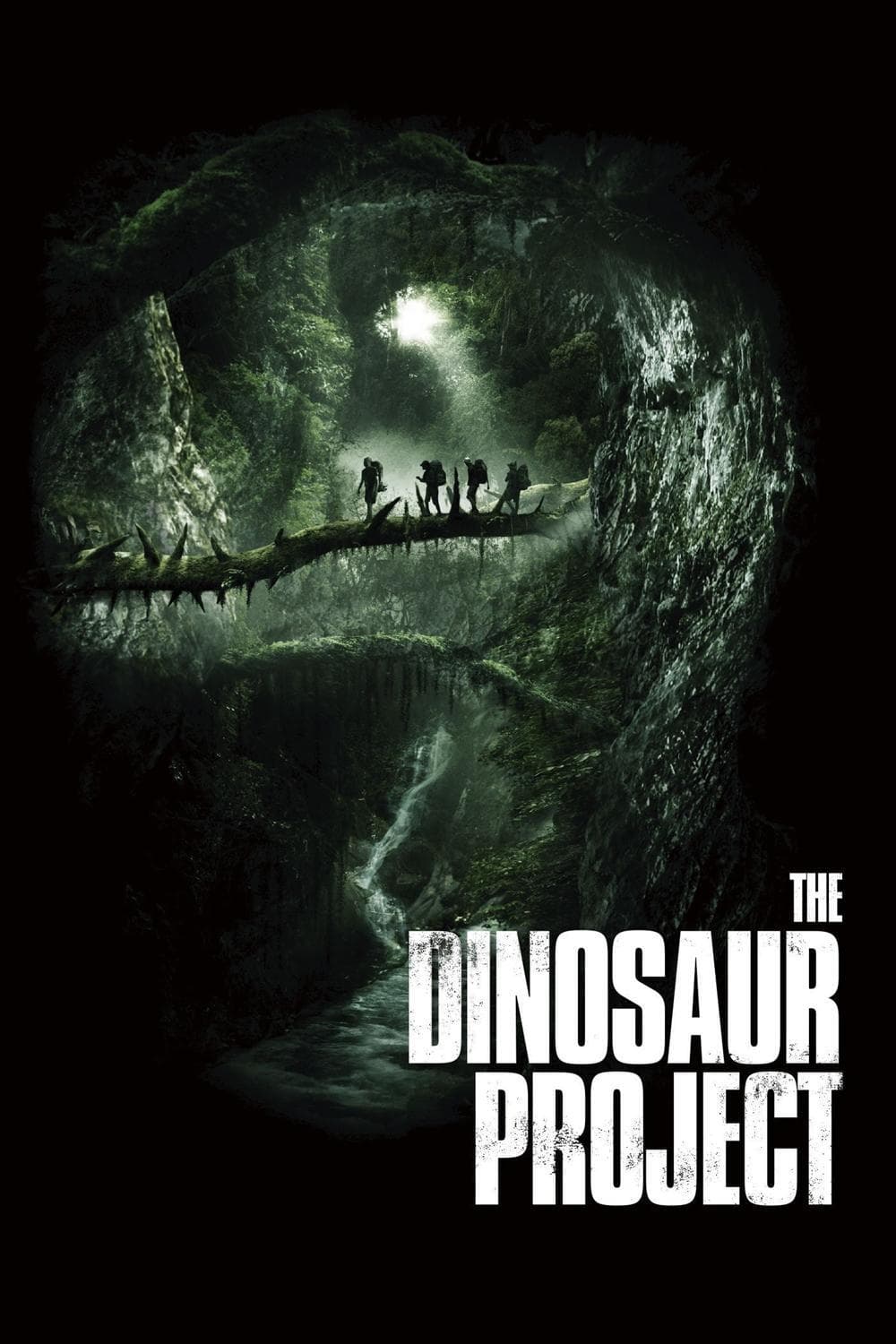
‘The Dinosaur Project’ is presented as footage recovered from a lost expedition in the Congo. The film uses recordings from helmet cameras, helicopters, and other field equipment. To make the footage seem realistic, details like battery life, GPS data, and file information are included, even when the footage is edited. Documents like satellite phone logs and expedition lists are shown as photos or scans. The story is pieced together using information from these files and incomplete uploads.
‘Archive 81’ (2022)
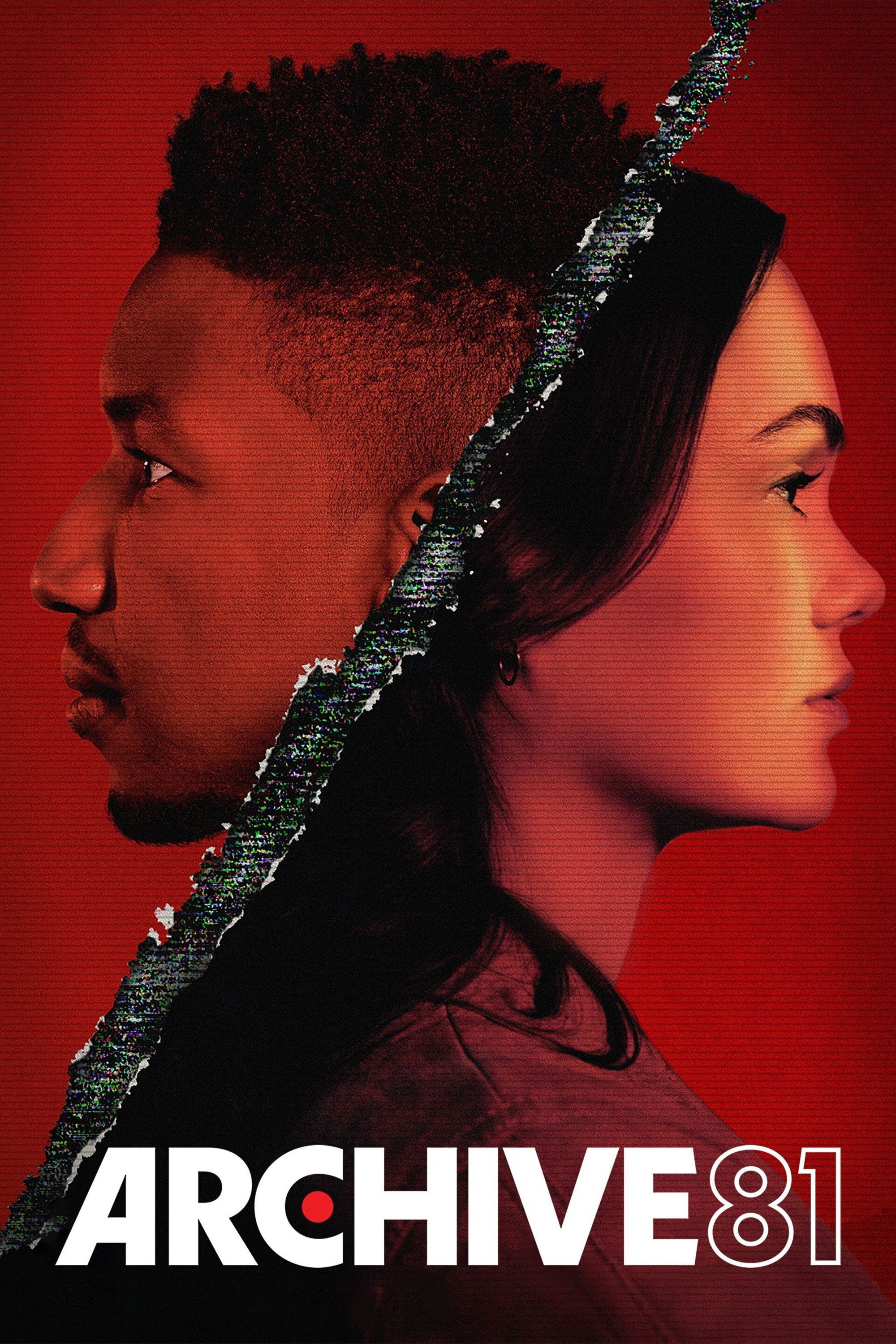
The show ‘Archive 81’ follows a professional tasked with repairing old recordings – specifically tapes from the 1990s – that document a mysterious apartment building and the group who studied it. Each episode unfolds as he restores the media – like Hi8 tapes, audio recordings, and voicemails – using the cataloging system associated with them. The show realistically portrays the challenges of working with damaged tapes, showing how warping and signal loss affect what can be recovered. Additional footage from security cameras and access logs adds to the story while maintaining the focus on the archival material.
‘The Animatrix’ (2003)
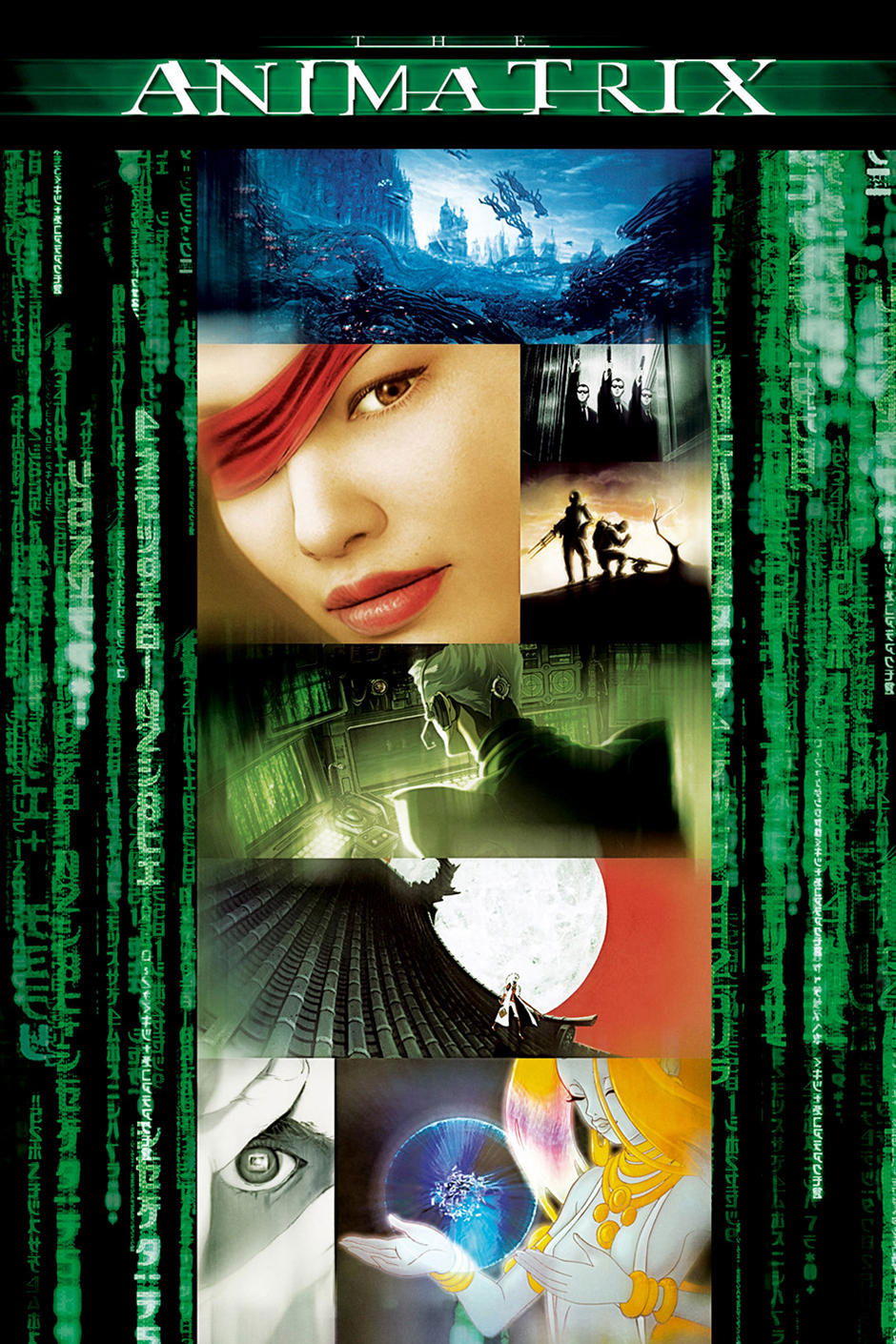
Several parts of ‘The Animatrix,’ particularly ‘The Second Renaissance,’ are presented as if they’re historical documents put together by computers within the film’s world. We see things like propaganda videos, blueprints, and court transcripts, all shown as official exhibits with a clear record of where they came from. The film uses captions, labels, and stamps to make these items seem real and authentic. Instead of a traditional storytelling approach where the audience knows everything, each segment feels like a piece of evidence being presented.
Let us know in the comments which science fiction stories you discovered that you enjoyed, and what kind of format (like a book, comic, or movie) kept you most engaged!
Read More
- Gold Rate Forecast
- Invincible Season 4 Gender Swaps Tech Jacket As Fans Question Major Comic Change
- Silver Rate Forecast
- Unveiling the Schwab U.S. Dividend Equity ETF: A Portent of Financial Growth
- 15 Films That Were Shot Entirely on Phones
- 22 Films Where the White Protagonist Is Canonically the Sidekick to a Black Lead
- 14 Movies Where the Black Character Refuses to Save the White Protagonist
- ONE PIECE Season 2 Confirms Sanji’s OTHER Backstory in the Live-Action
- Why Won’t It Just *Do* What You Ask? Unpacking the Quirks of AI Language
- Top 10 Coolest Things About Jared Leto
2025-12-01 00:50