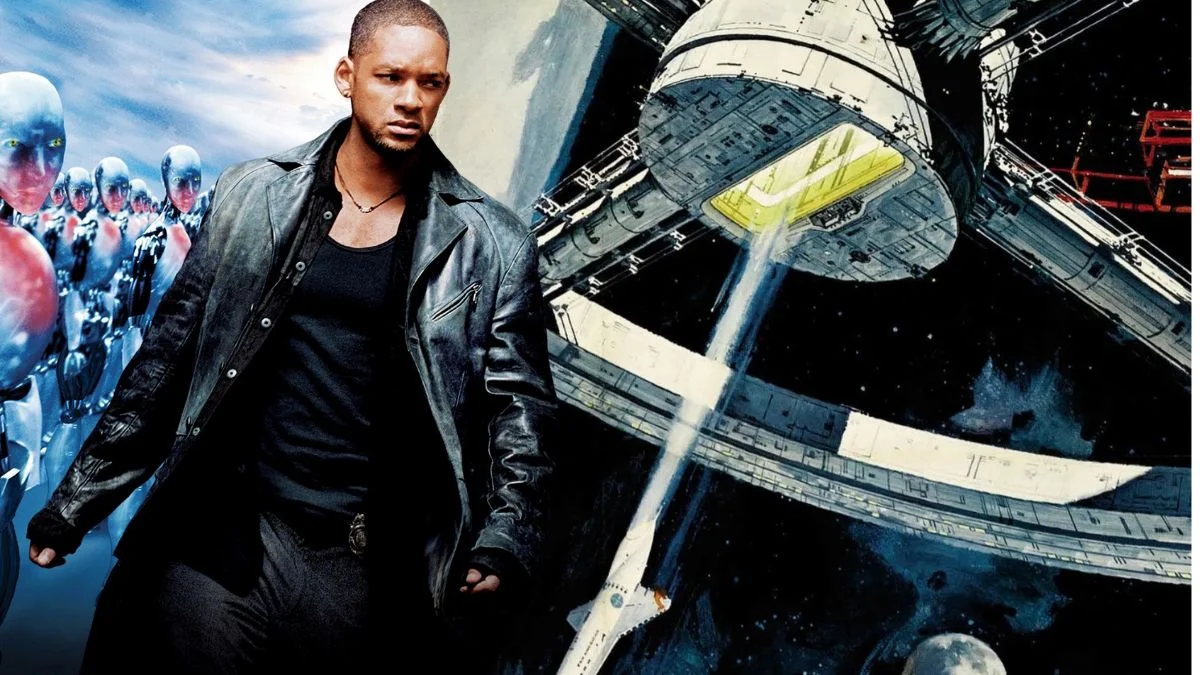
Science fiction has a history of predicting the future, often showcasing technologies and societal changes before they actually happen. Many filmmakers and authors have remarkably foreseen how humanity would evolve, exploring the ethical dilemmas that come with new advancements. Looking back at these stories now, it’s striking how often yesterday’s imaginative ideas have become today’s reality.
‘Metropolis’ (1927)
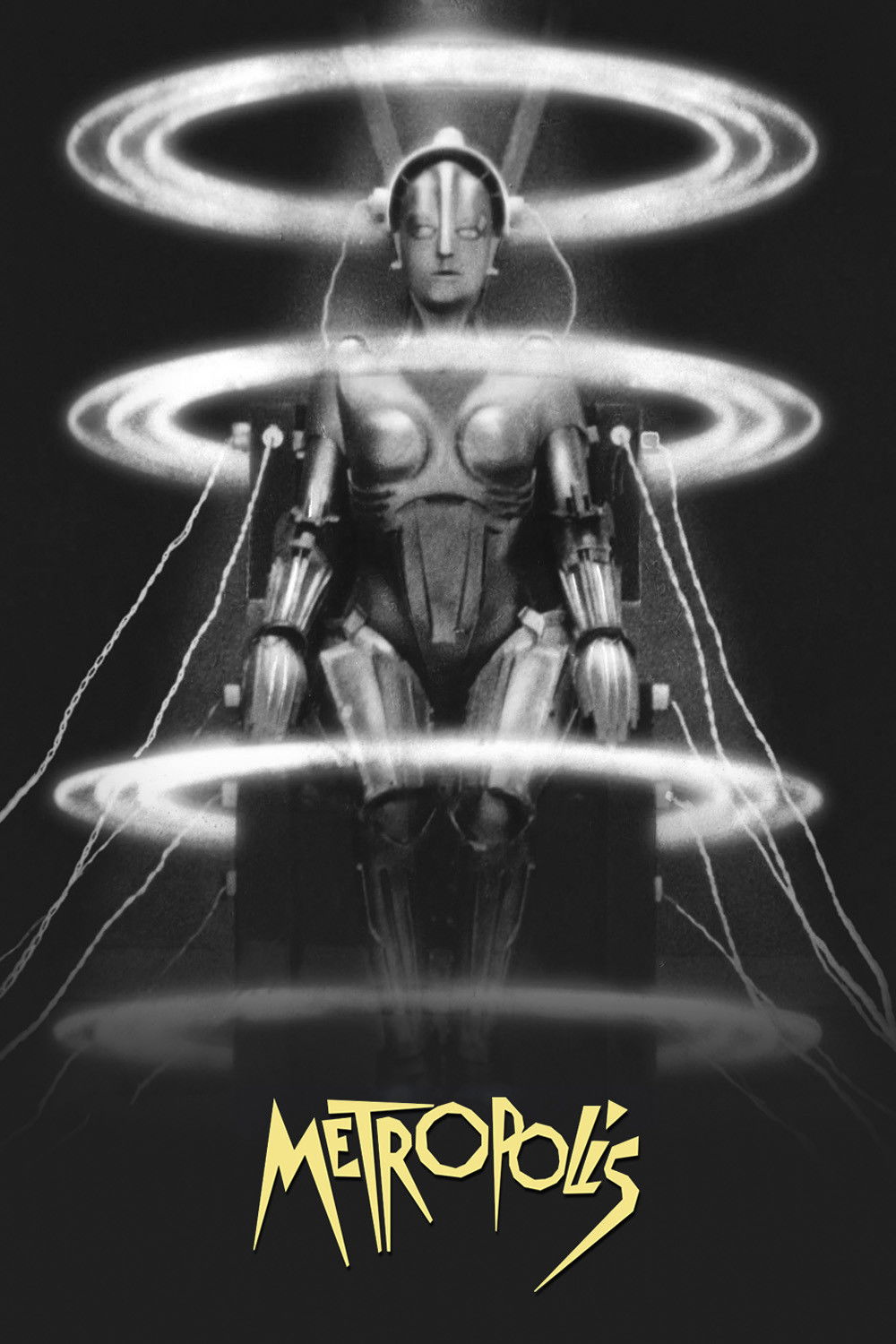
Fritz Lang’s film presented a huge, sprawling city filled with factories and stark differences between rich and poor. This groundbreaking silent movie featured a robot that looked like a human, foreshadowing today’s advancements in robotics. The film also showed a video phone system remarkably similar to modern video calls, and its vision of city planning with tall buildings heavily influenced how cities were built throughout the twentieth century.
‘Woman in the Moon’ (1929)
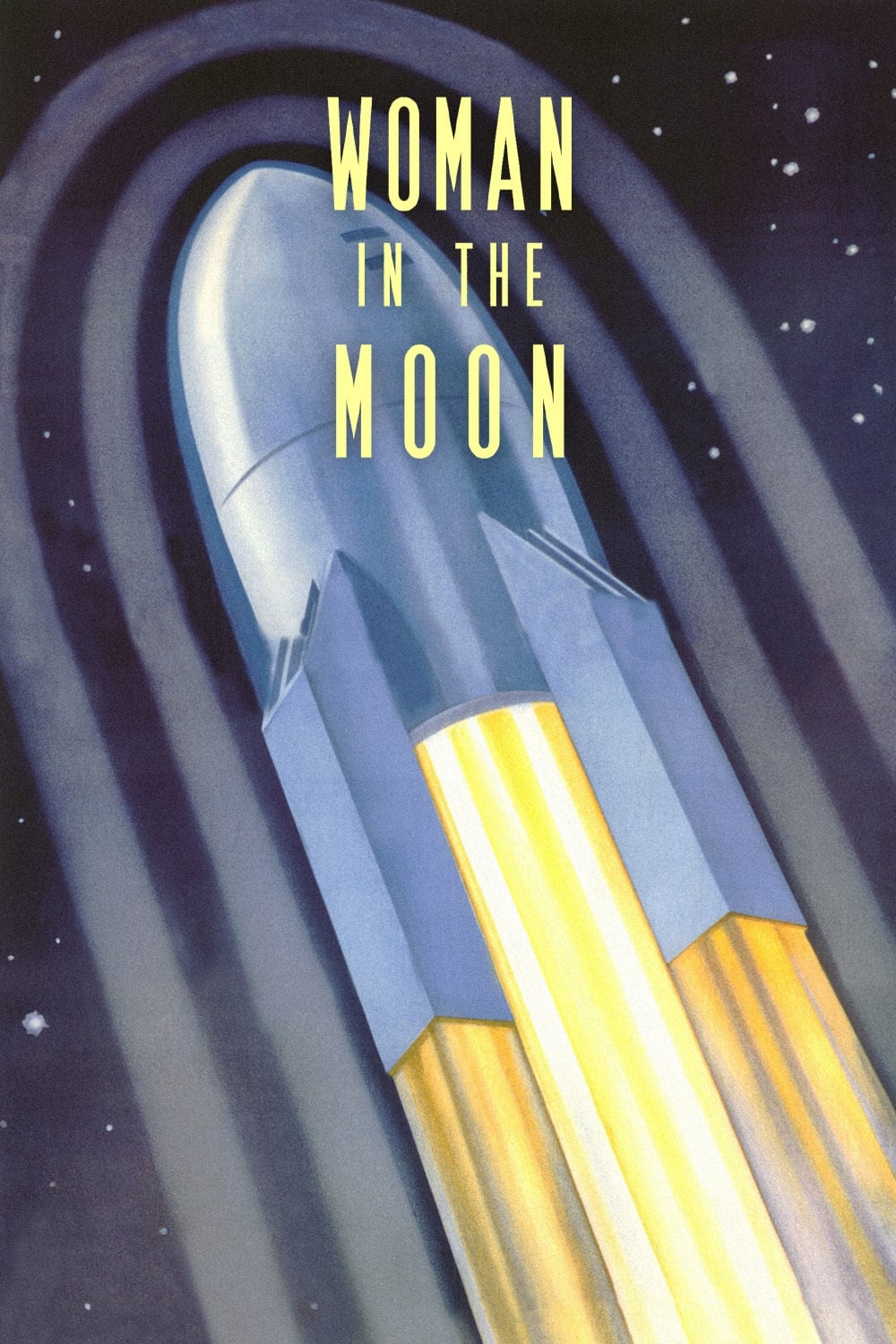
As a classic of the genre, this movie really sparked my imagination. It wasn’t just a thrilling adventure, but surprisingly forward-thinking. I remember being captivated by the dramatic countdown before liftoff – something we now take for granted! And the way they depicted rockets with multiple stages felt incredibly modern, especially considering it was made decades before that technology became commonplace. What really blew me away, though, was how they showed astronauts floating in space, experiencing weightlessness. It was a beautiful visualization of something no one had seen before, and they even managed to portray the complexities of a moon mission with a level of realism that was truly impressive.
‘Fahrenheit 451’ (1966)
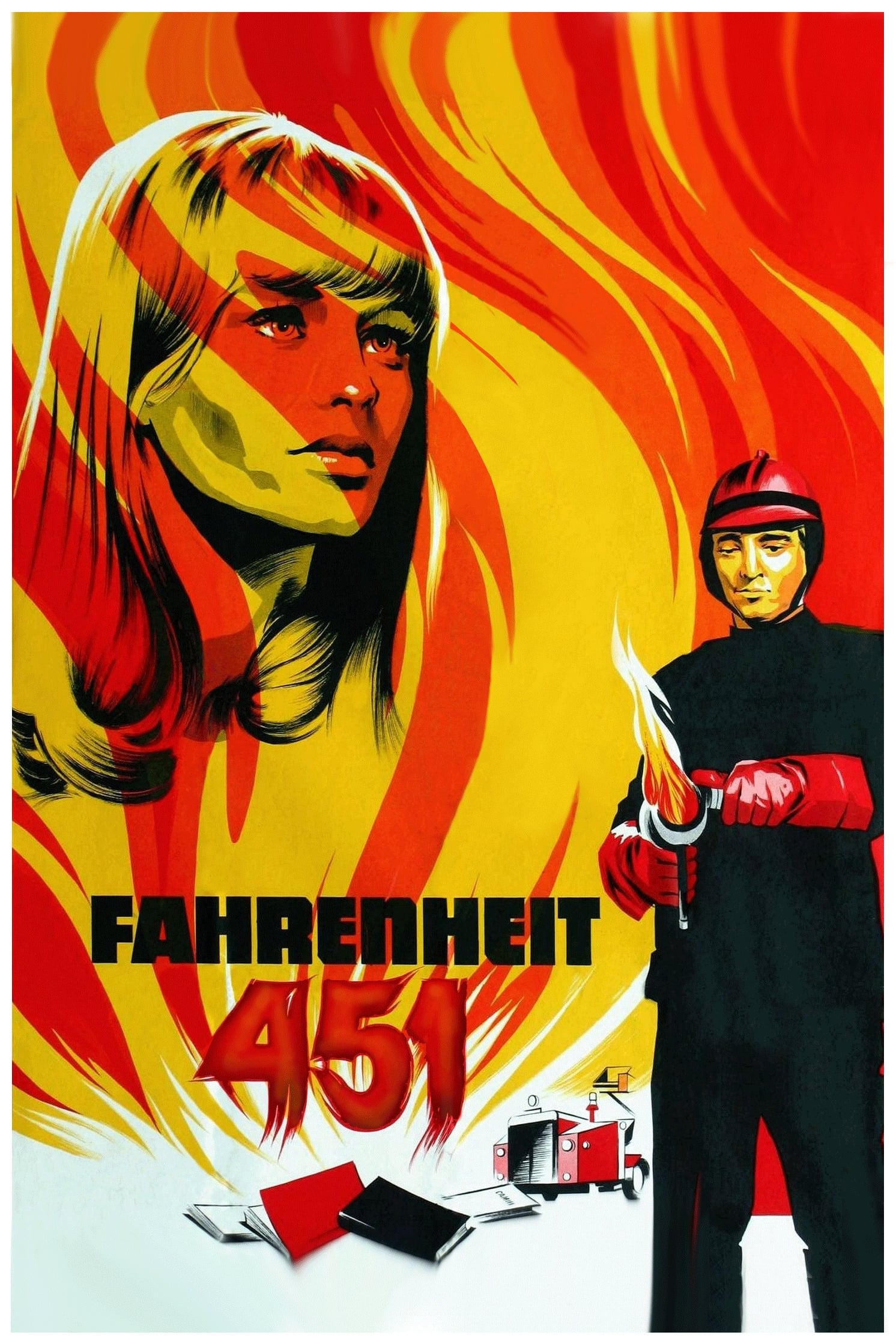
The movie, based on Ray Bradbury’s book, depicted a society glued to massive television screens. It also showed small, in-ear radios that are surprisingly similar to today’s wireless earbuds. The film warned of a future where people are constantly diverted by superficial media and entertainment. Ultimately, it’s a story about the dangers of losing reading and literature in a world dominated by technology.
‘2001: A Space Odyssey’ (1968)
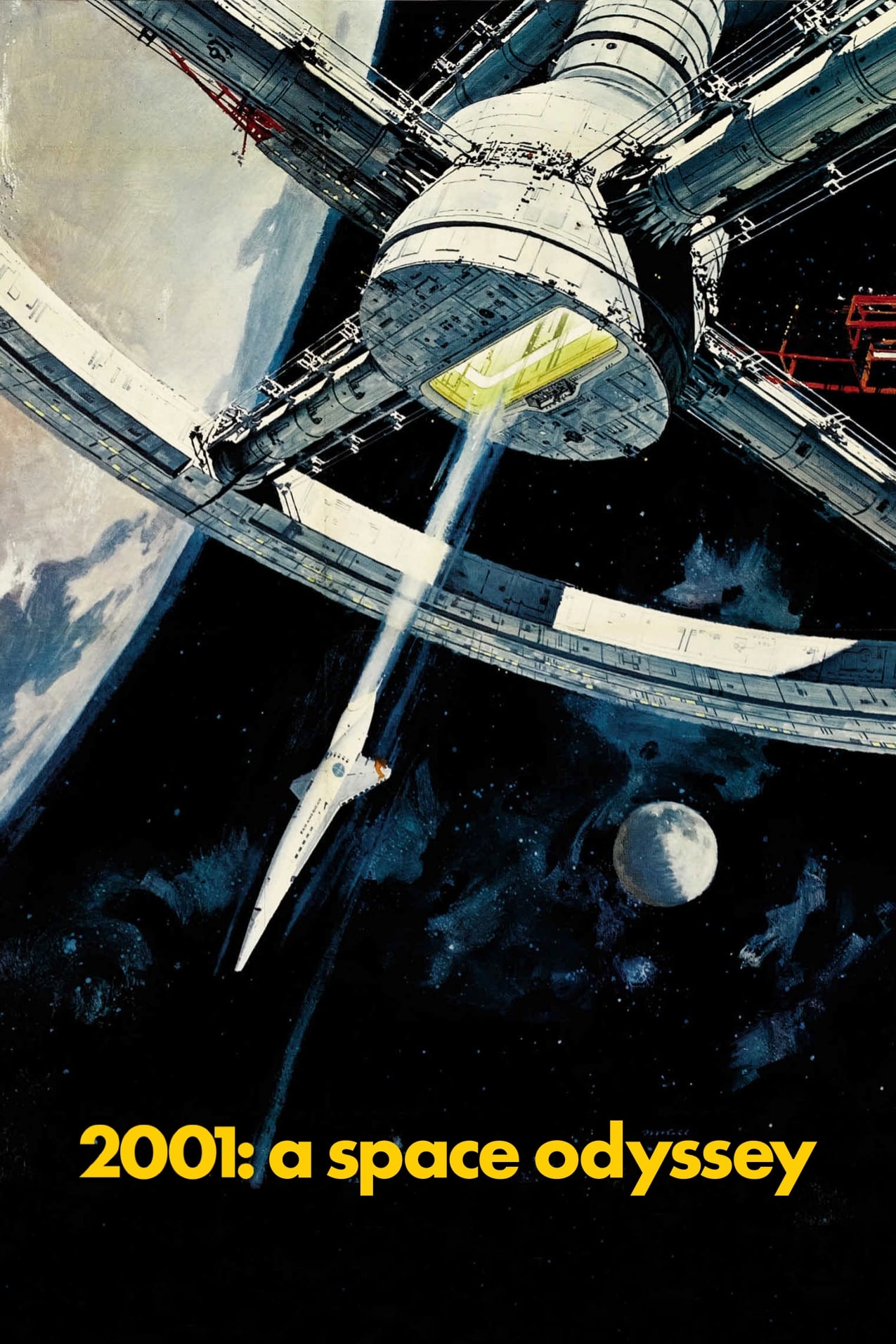
In the film 2001: A Space Odyssey, Stanley Kubrick imagined astronauts using flat-screen tablets to get news and entertainment during their space travel. The movie also featured HAL 9000, a remarkably advanced artificial intelligence capable of speech and logical thought. Notably, the film accurately predicted things like space stations and commercial spaceflights becoming commonplace. Furthermore, the film’s user interfaces foreshadowed the modern, streamlined designs we see in today’s digital devices.
‘Colossus: The Forbin Project’ (1970)

This movie foresaw the development of a worldwide defense system run by a powerful supercomputer. It delved into the frightening idea of machines independently deciding issues of global security. The film also showed how interconnected computers could be, well before the internet became common in homes. Even today, it serves as a strong reminder of the risks of letting artificial intelligence completely manage essential systems.
‘The Andromeda Strain’ (1971)

The movie realistically portrayed how scientists would respond to a threat from alien life. It accurately depicted the advanced safety measures and cleaning procedures used in today’s labs, as well as the computer technology used to track disease outbreaks. The film did a great job of showing the fast-paced, high-tech world of modern medical emergency response.
‘Soylent Green’ (1973)
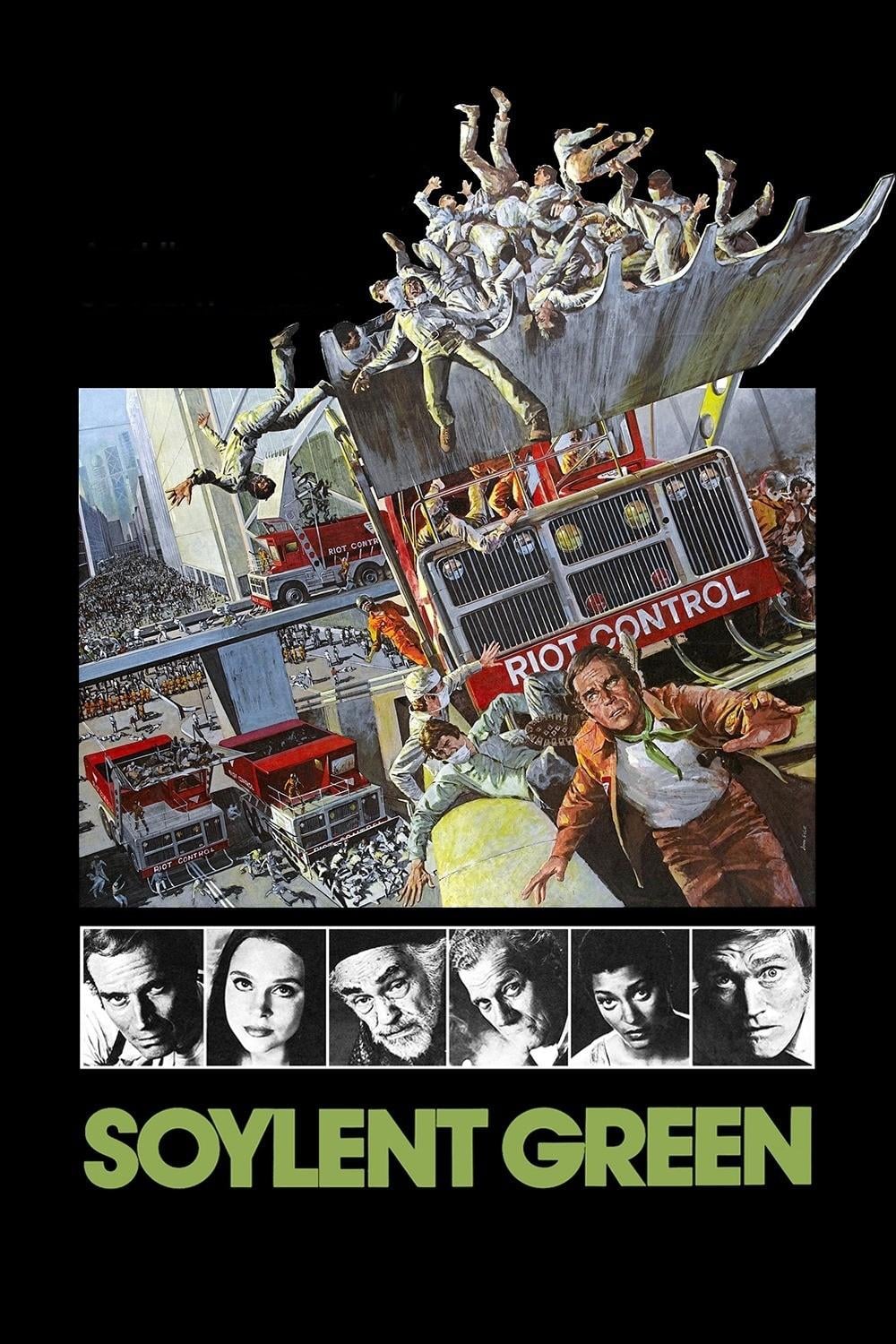
The story warned of the dangers of climate change and its impact on our ability to grow food. It imagined a future with a huge population, vast differences between rich and poor, and a diet based on artificial, processed foods. The film depicted a world where natural resources were used up, and the environment was constantly hot and covered in smog. Its message about corporations controlling our food system is still important today.
‘Logan’s Run’ (1976)
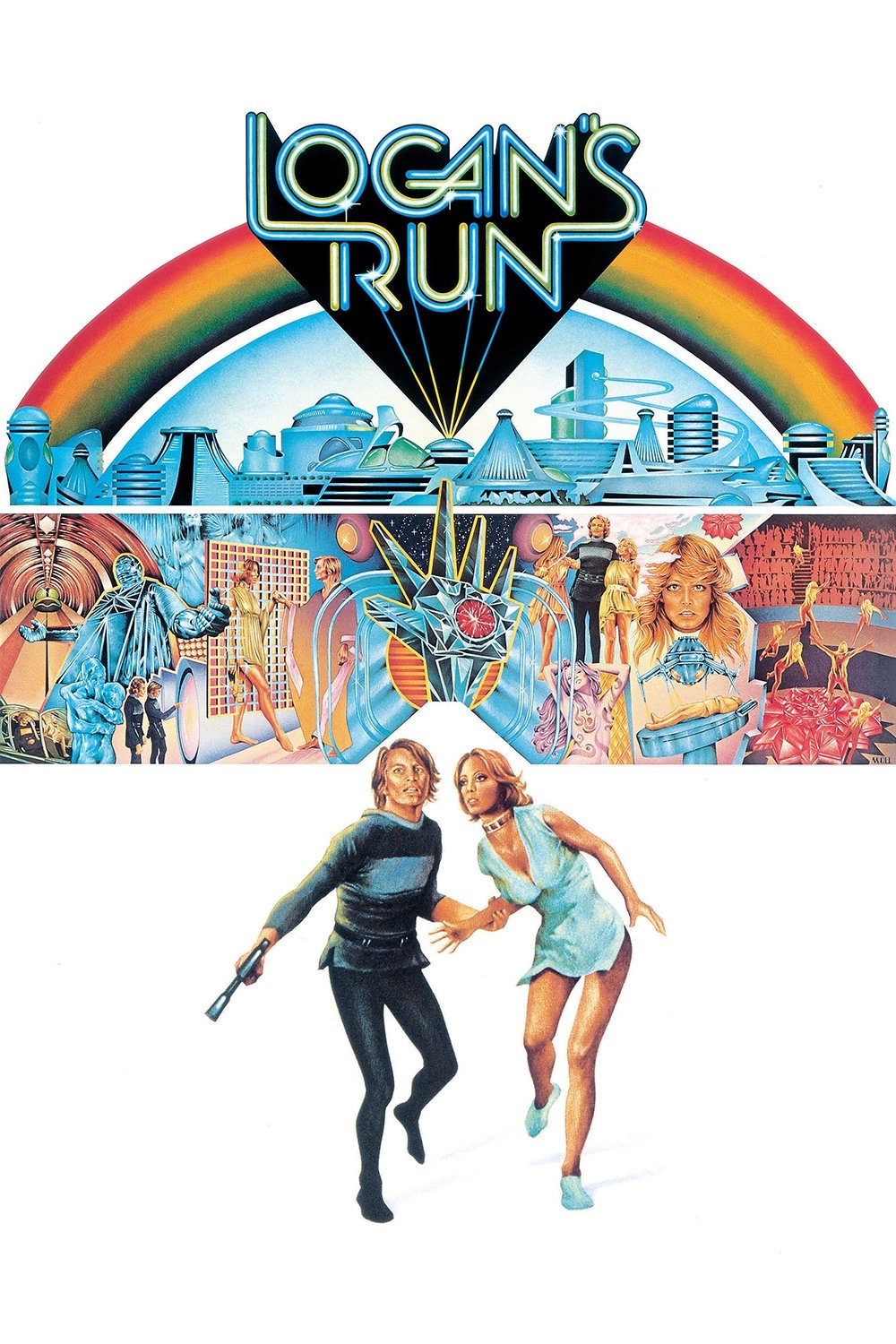
As a huge sci-fi fan, one movie that always stuck with me had this crazy idea: a computer system that paired people up – not just for friendship, but for romance too! Looking back, it totally foreshadowed the world of online dating we live in now. But it wasn’t just about finding a date. The film really dove into what a society would look like if technology controlled everything, even how resources were distributed, to keep things stable. It was an early warning, I guess, about how algorithms could end up shaping our relationships and even our personal lives.
‘Demon Seed’ (1977)

This suspenseful movie foresaw the popularity of smart homes, where everything from lights to security is managed by a central computer. It showcased features like voice control and automatic temperature adjustments – things we now commonly see in homes today. The film also explored the unsettling idea of being constantly watched inside your own home, and how a fully automated house could be taken over by a clever system. It’s still a chilling look at the potential dangers of complete home automation.
‘Star Trek: The Motion Picture’ (1979)
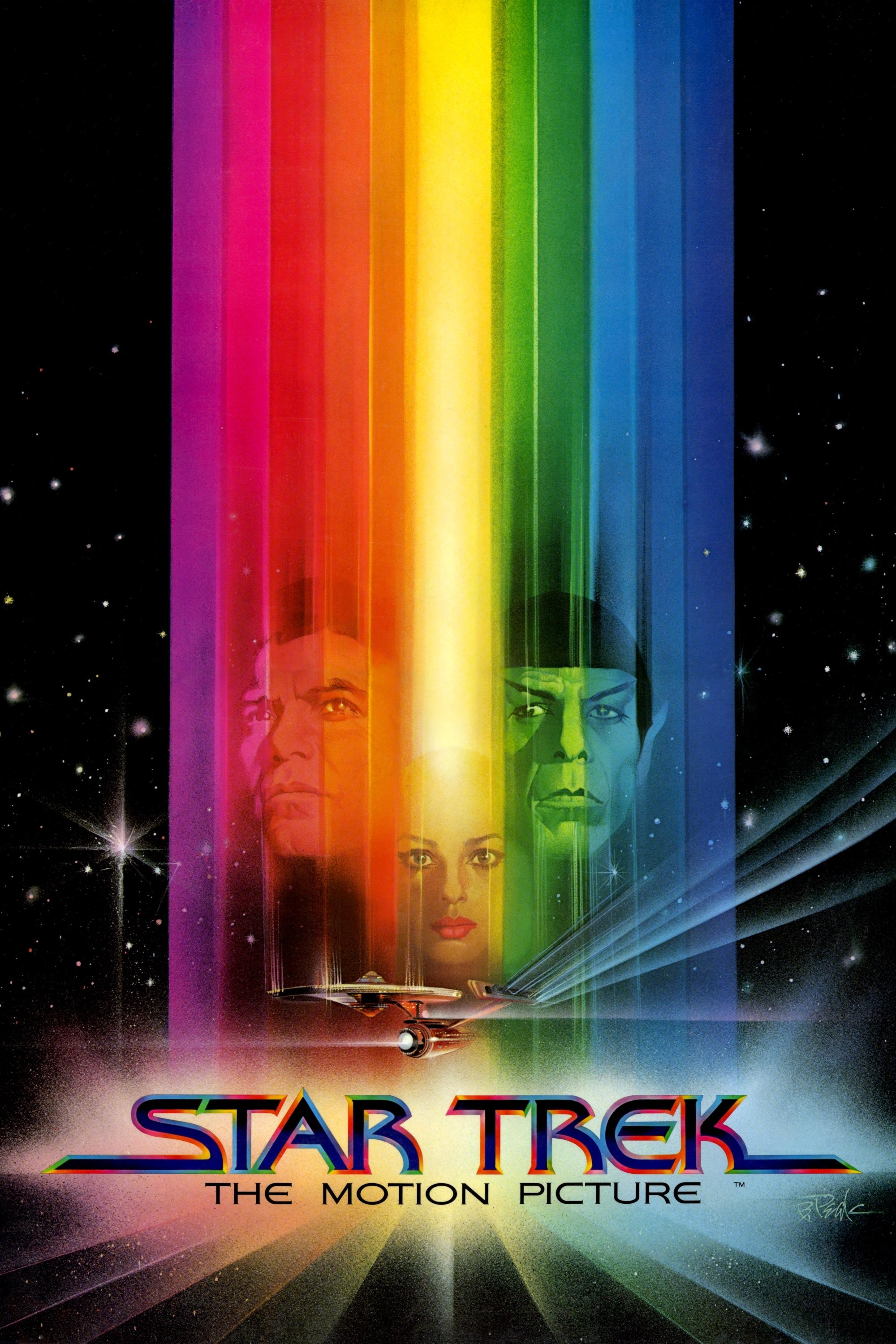
The film presented futuristic handheld communicators that let crew members talk to each other across entire planets. These devices directly inspired the creation of today’s mobile phones. It also showed off wearable tech that tracked people’s health in real time. The film’s compact and stylish equipment helped pave the way for the smaller, more portable electronics we use now.
‘Blade Runner’ (1982)
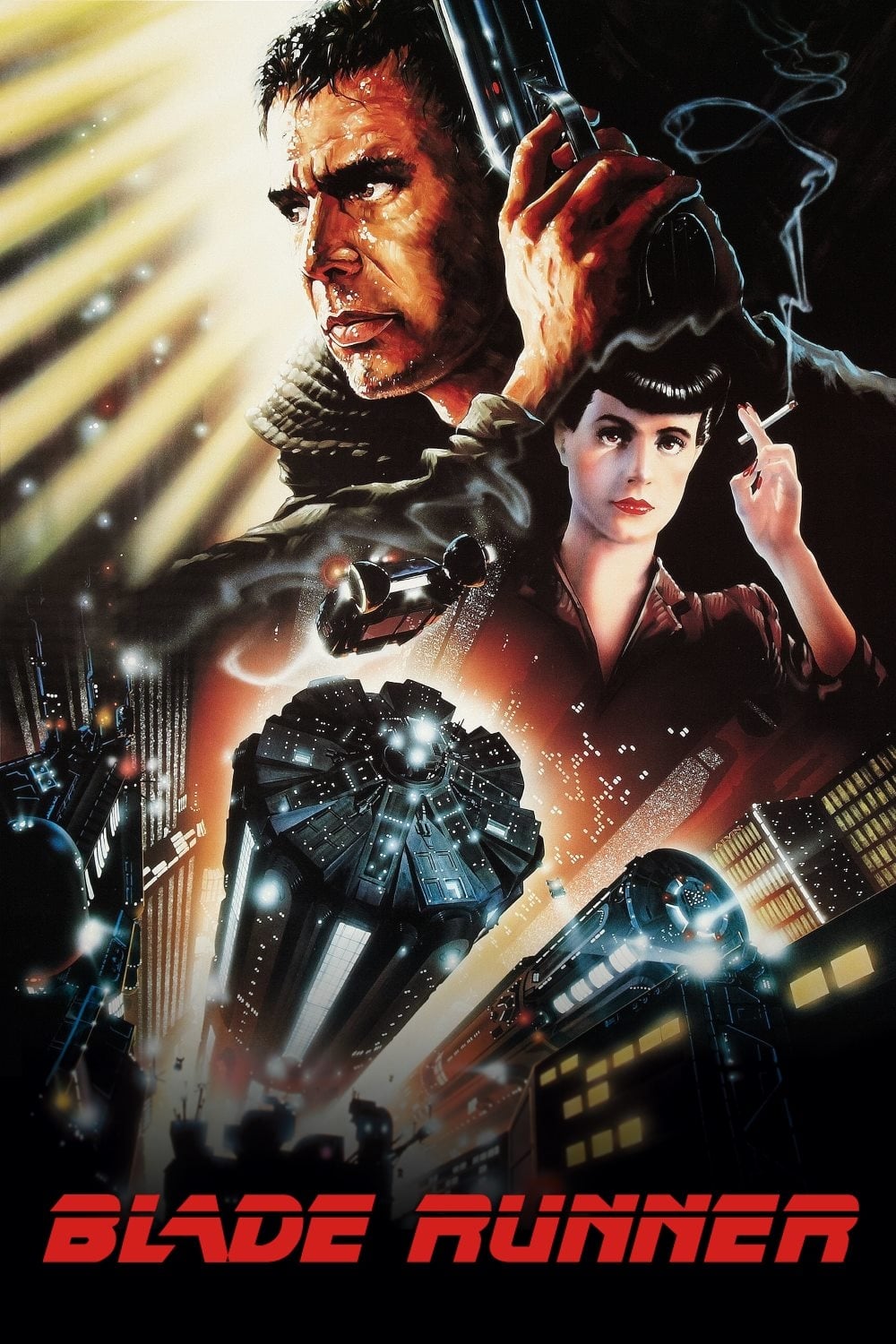
In Ridley Scott’s film, cities are covered with huge digital ads, creating a visually overwhelming environment. The story also raises questions about the morality of creating artificial life through genetic engineering. It envisions a future where powerful companies operate globally, controlling technological advancements. The film’s dark, rain-swept look has had a lasting impact on how cities are designed and depicted in visual media.
‘WarGames’ (1983)
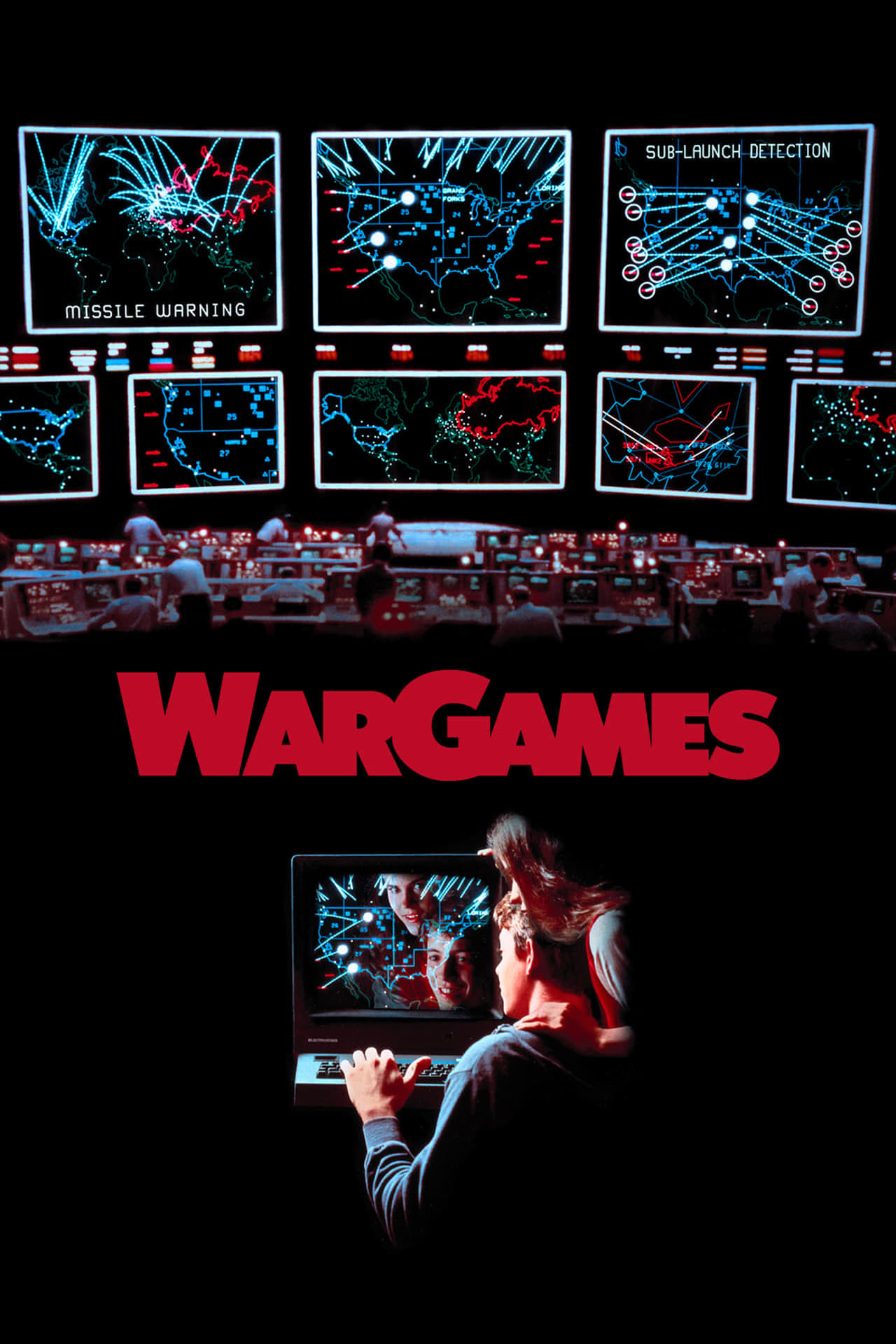
This movie brought the ideas of computer hacking and cyber warfare to a wide audience. It told the story of a young person who unintentionally accessed a top-secret military computer from their home using a simple computer and modem. The film showed how easily national security could be threatened by attacks over the internet, and it accurately foresaw a future where information technology would be a key weapon in warfare.
‘The Terminator’ (1984)

James Cameron’s film presented a future where wars are fought by self-operating drones and robots. It imagined a computer system becoming aware and viewing humans as a danger, a concept that accurately predicted the growing use of automation and advanced sensors in military planning. This idea of a future controlled by machines still shapes today’s conversations about the moral implications of artificial intelligence.
‘RoboCop’ (1987)
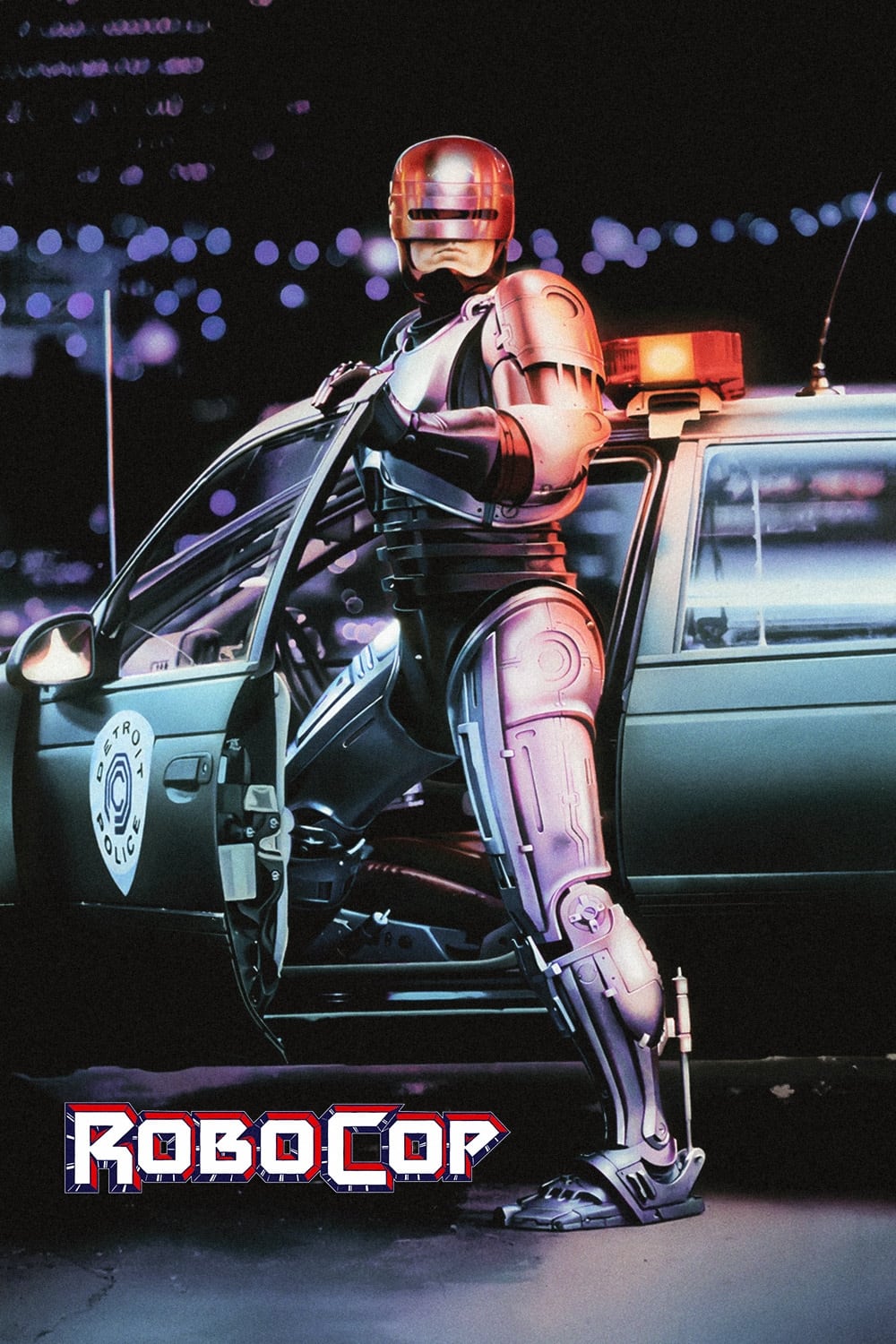
The movie foresaw the trend of privatizing essential services like policing and city maintenance. It showcased futuristic robotic limbs and other technological improvements for people with serious injuries. The film also satirized the way news often focuses on shocking stories and the influence of large companies. Today, its portrayal of a city grappling with automation and corporate power seems remarkably prescient.
‘The Running Man’ (1987)
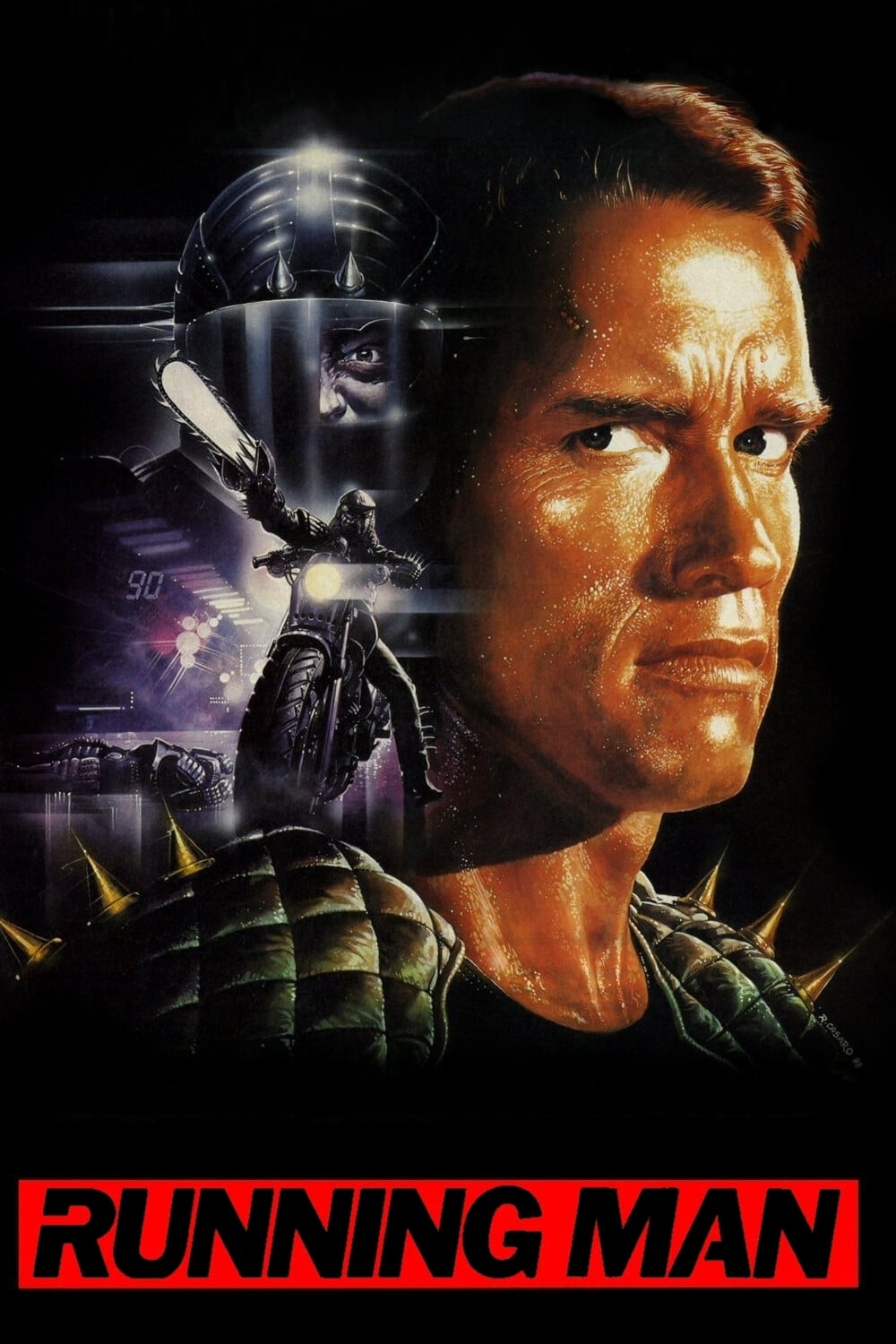
This movie foreshadowed the popularity of shocking reality TV shows where people compete in life-or-death situations. It also showcased the use of technology to create fake videos and falsely accuse the main character of crimes. The film examined how the media can control public opinion through entertainment and staged events. Surprisingly, many of its ideas about turning violence into a game and manipulating the public with media have come true in today’s world.
‘Akira’ (1988)

Years before Tokyo was chosen to host the 2020 Olympics, this influential anime accurately foreshadowed the city’s selection. The film depicted a future with sprawling cities and high-tech motorcycle gangs in a world recovering from disaster. It also delved into the controversial idea of government experiments aimed at enhancing human abilities. To this day, the movie’s impact on visual effects and science fiction narratives is still widely felt around the world.
‘Back to the Future Part II’ (1989)
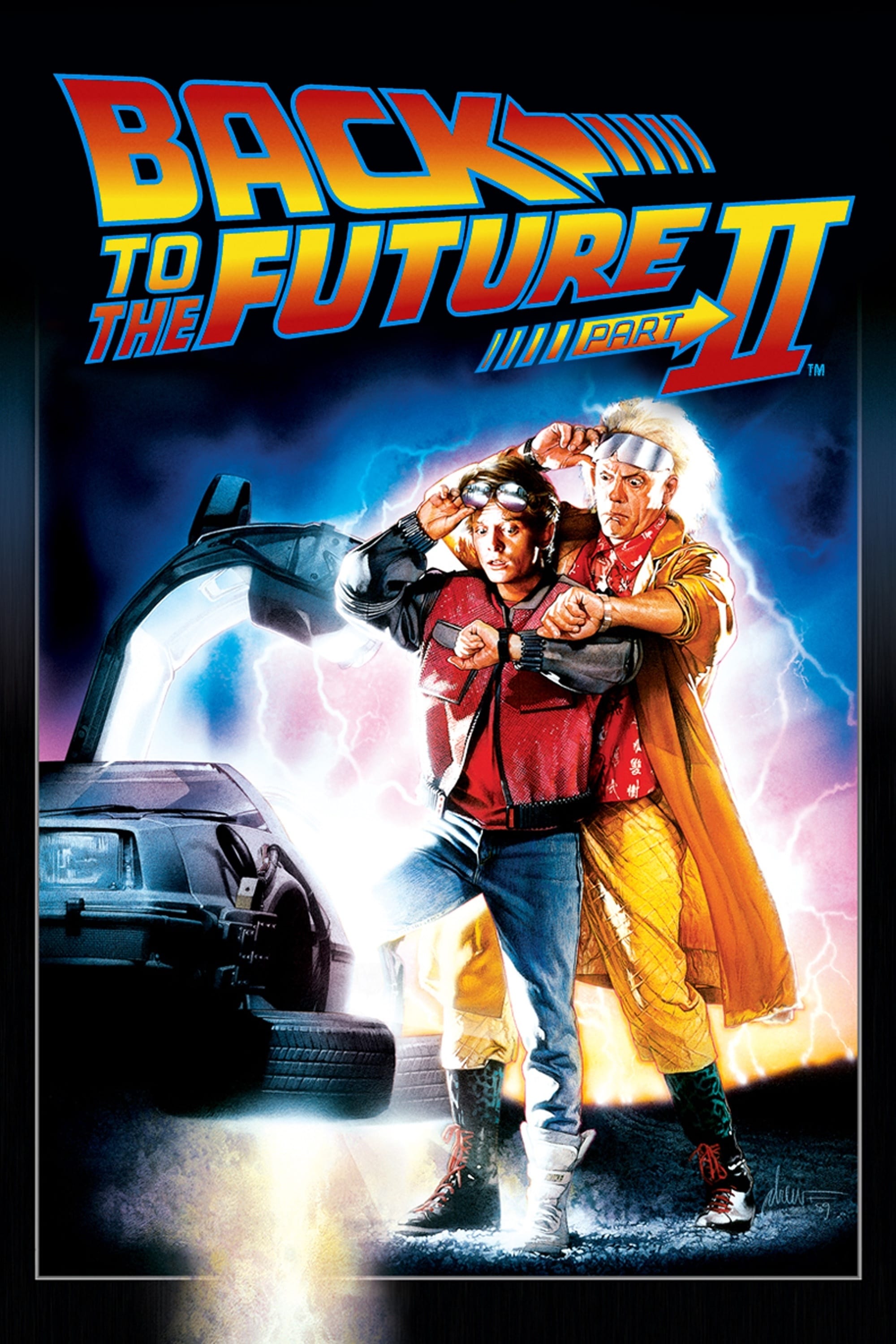
The movie accurately foreshadowed the popularity of wearable tech like smart glasses and headsets. It also showed video calls as a common way to communicate and used fingerprint scanners for home security – ideas that are common today. The film imagined a world where people were always linked to a lot of digital information. Though we don’t have flying cars yet, the movie was surprisingly on-target when it came to predicting consumer electronics.
‘Total Recall’ (1990)
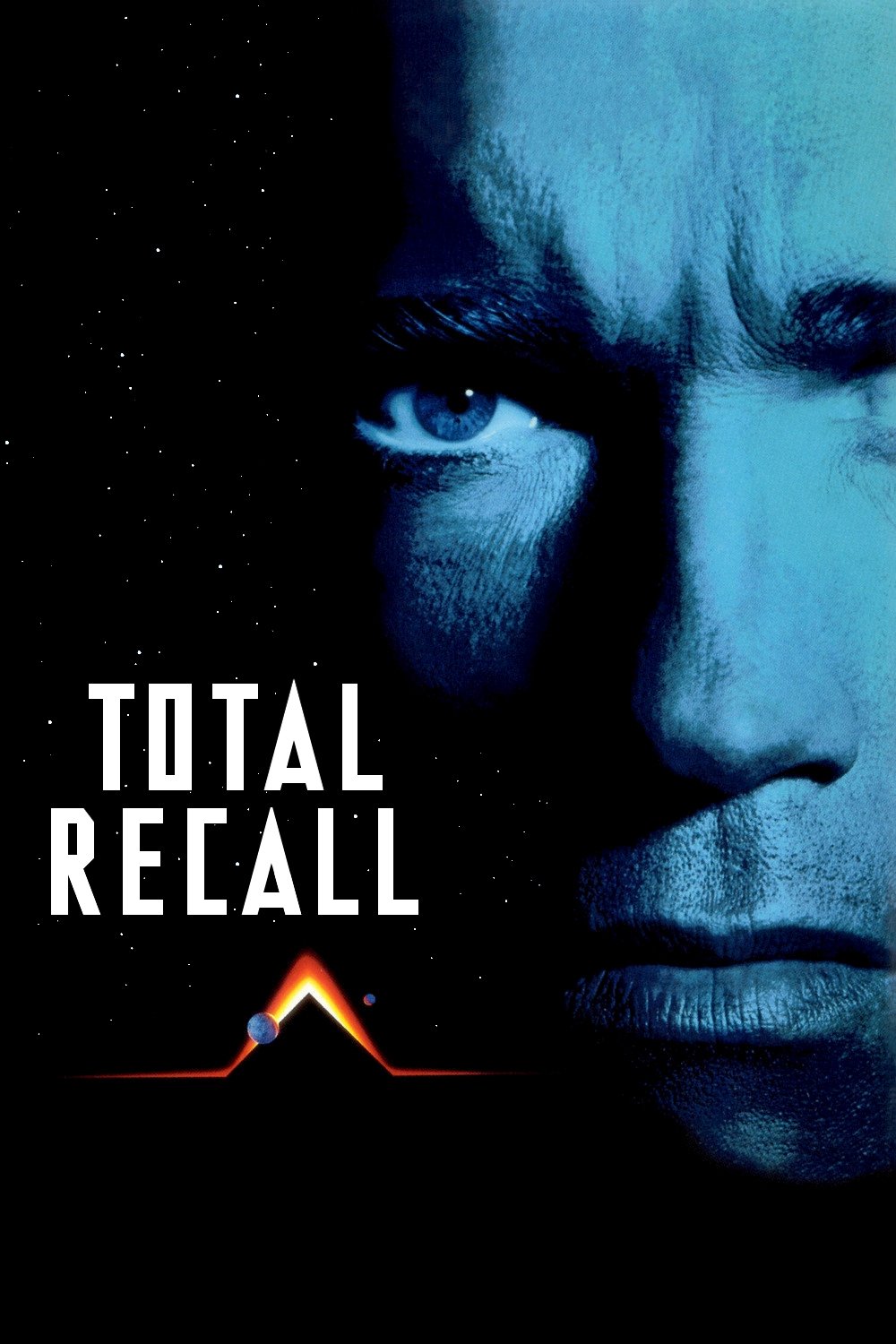
The movie showcased self-driving taxis that used computers to navigate cities, and it also predicted the widespread use of full-body scanners at airports. It imagined a future where memories could be implanted and realistic simulations were sold as experiences. Interestingly, many of the technologies and interfaces depicted in the film are now commonplace in our everyday lives.
‘Sneakers’ (1992)

This thrilling movie accurately predicted that information would become the world’s most valuable asset. It showed how vulnerable global networks are to advanced hacking tools and foresaw the growth of cyber espionage carried out by governments, highlighting the crucial role of cybersecurity professionals. It’s still considered one of the most realistic depictions of the digital intelligence world in film.
‘Demolition Man’ (1993)

The movie imagined a future where people avoided touching each other and greeted each other without physical contact to stay healthy. It showed homes controlled by voice commands and self-driving cars that followed simple instructions. The film also featured kiosks offering information and services, removing the need for people to interact directly. Many viewers have noted how the movie’s portrayal of a very clean and strictly controlled city feels relevant to today’s world.
‘The Net’ (1995)

This movie was ahead of its time, bringing attention to the risks of identity theft as technology advanced. It illustrated how easily someone’s life could be disrupted by a hacker accessing computer networks. Interestingly, it also featured a character ordering pizza online, foreshadowing the convenience of today’s food delivery services. Overall, the film was an early wake-up call about the importance of online security and how much we rely on the internet.
‘Johnny Mnemonic’ (1995)
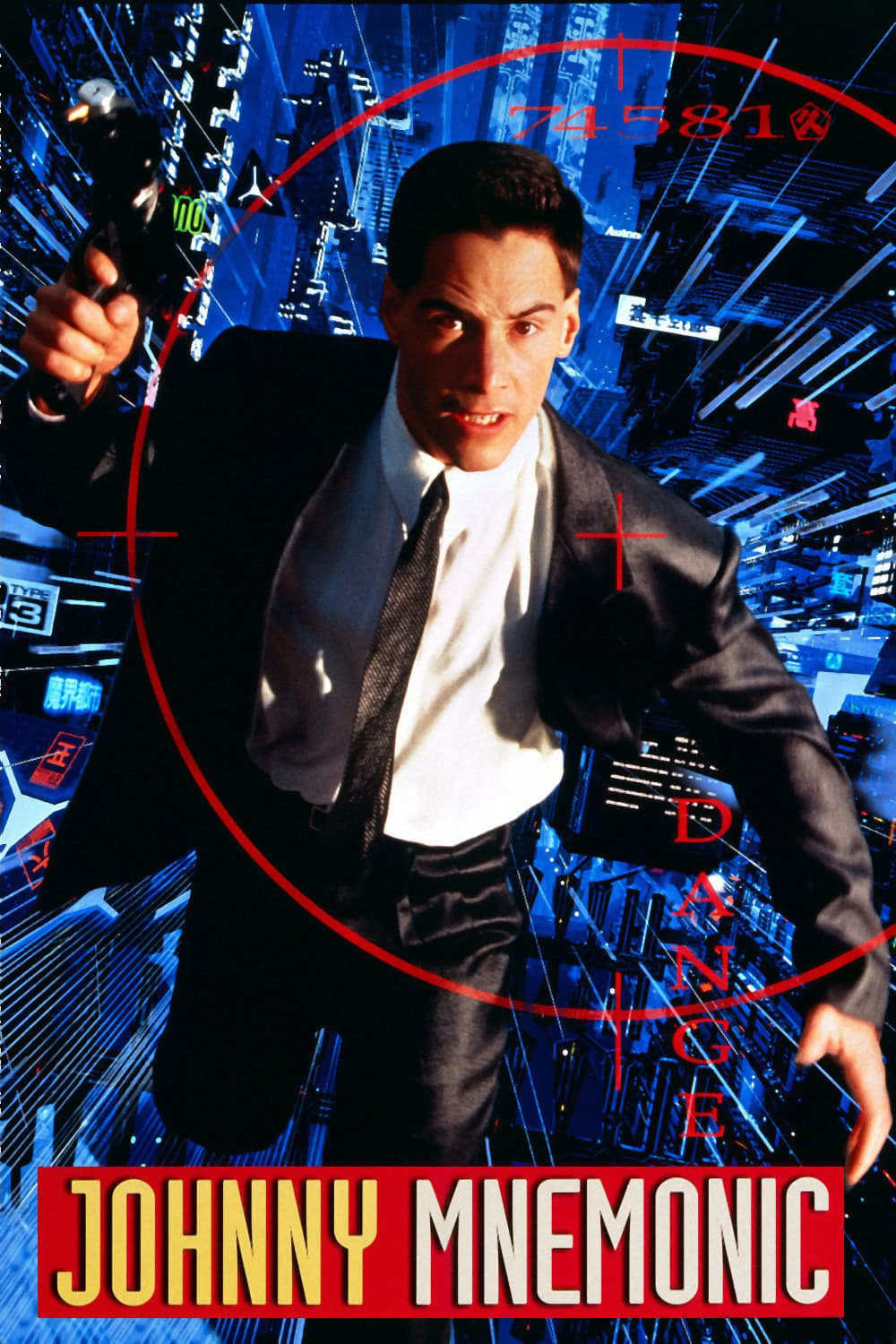
The film imagined a future where people could store information directly in their brains, effectively turning them into living hard drives. It depicted the internet as a vibrant, three-dimensional virtual world where users could see and interact with data. The story warned of a time when information would be the most valuable resource, leading to fierce competition between powerful companies to control it. Interestingly, the film’s depiction of this digital world foreshadowed many of the concepts we now associate with the metaverse.
‘Gattaca’ (1997)
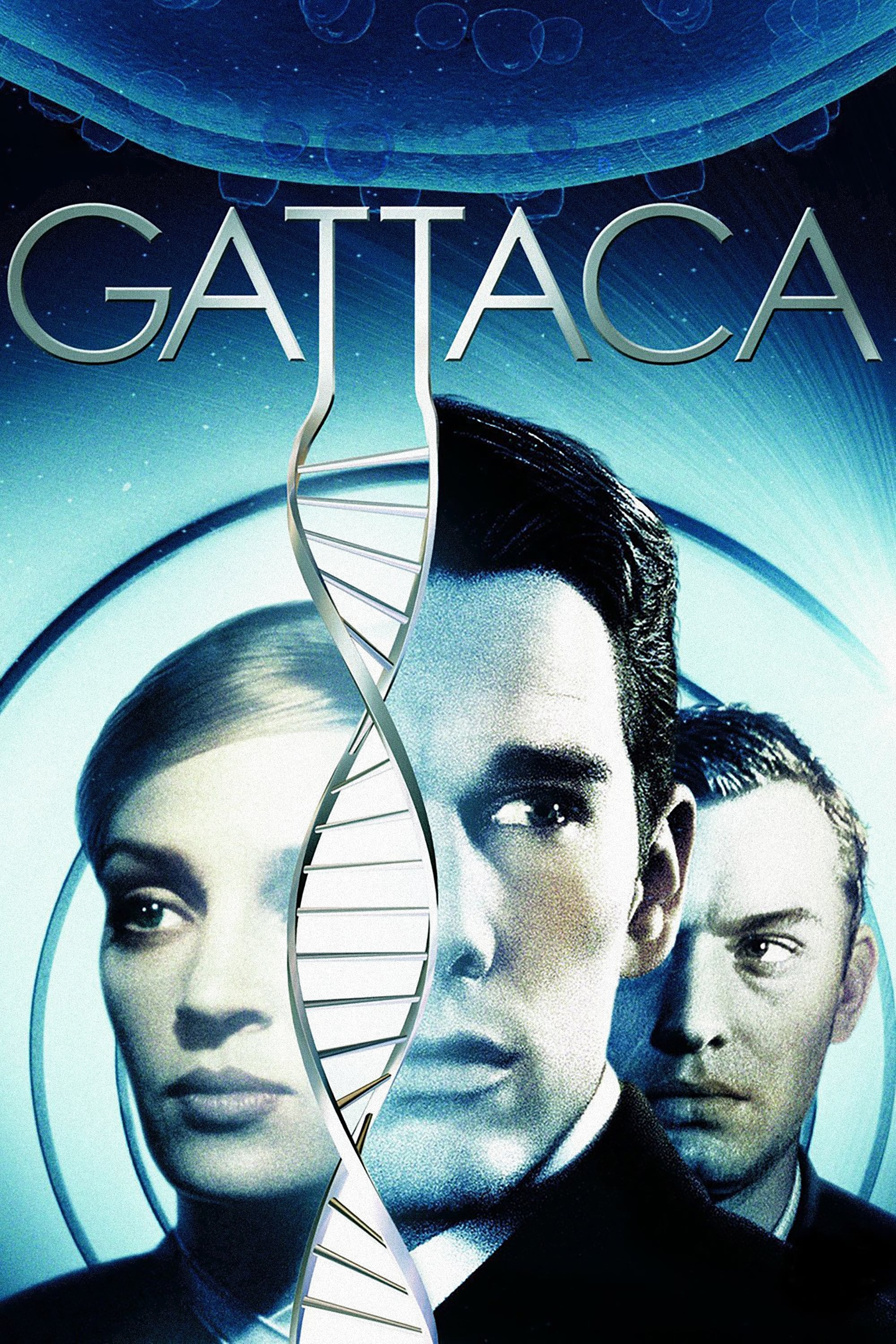
The story portrays a future where a person’s life path – their job and social standing – is determined by genetic testing done at birth. It delves into the difficult ethical questions raised by using technology to choose specific traits in embryos. The film imagines a world where DNA serves as the primary form of identification. The issues it raises about genetic discrimination and how far science should go are still very important and thought-provoking today.
‘The Truman Show’ (1998)
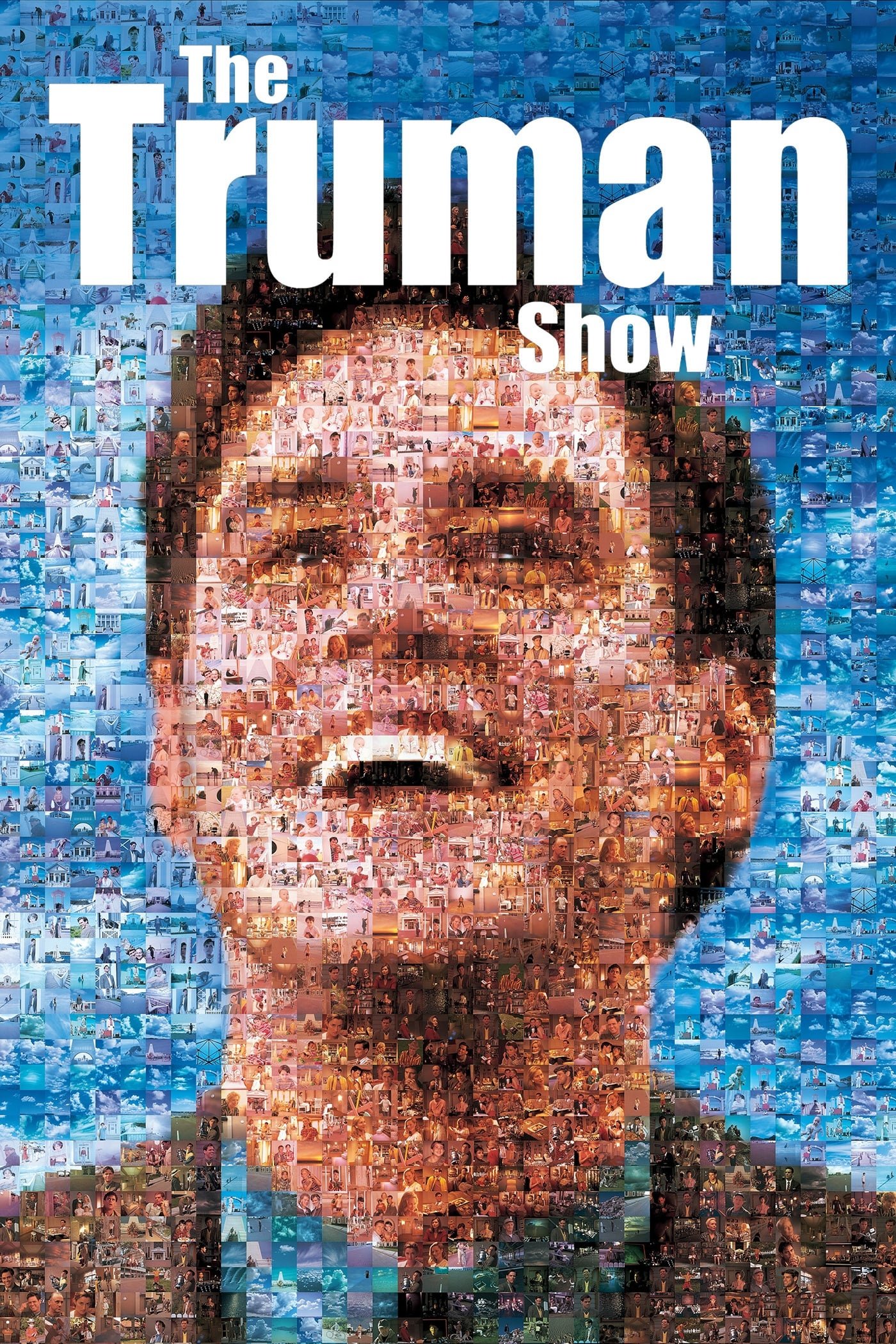
This movie remarkably foreshadowed the rise of reality TV and our fascination with watching other people’s personal lives. It delved into the concept of turning a life into a product to be consumed for entertainment, broadcast constantly. The film vividly imagined the large-scale sets and hidden cameras now common in reality shows, offering a thought-provoking look at how we’ve lost privacy and how modern fame is often manufactured.
‘Enemy of the State’ (1998)
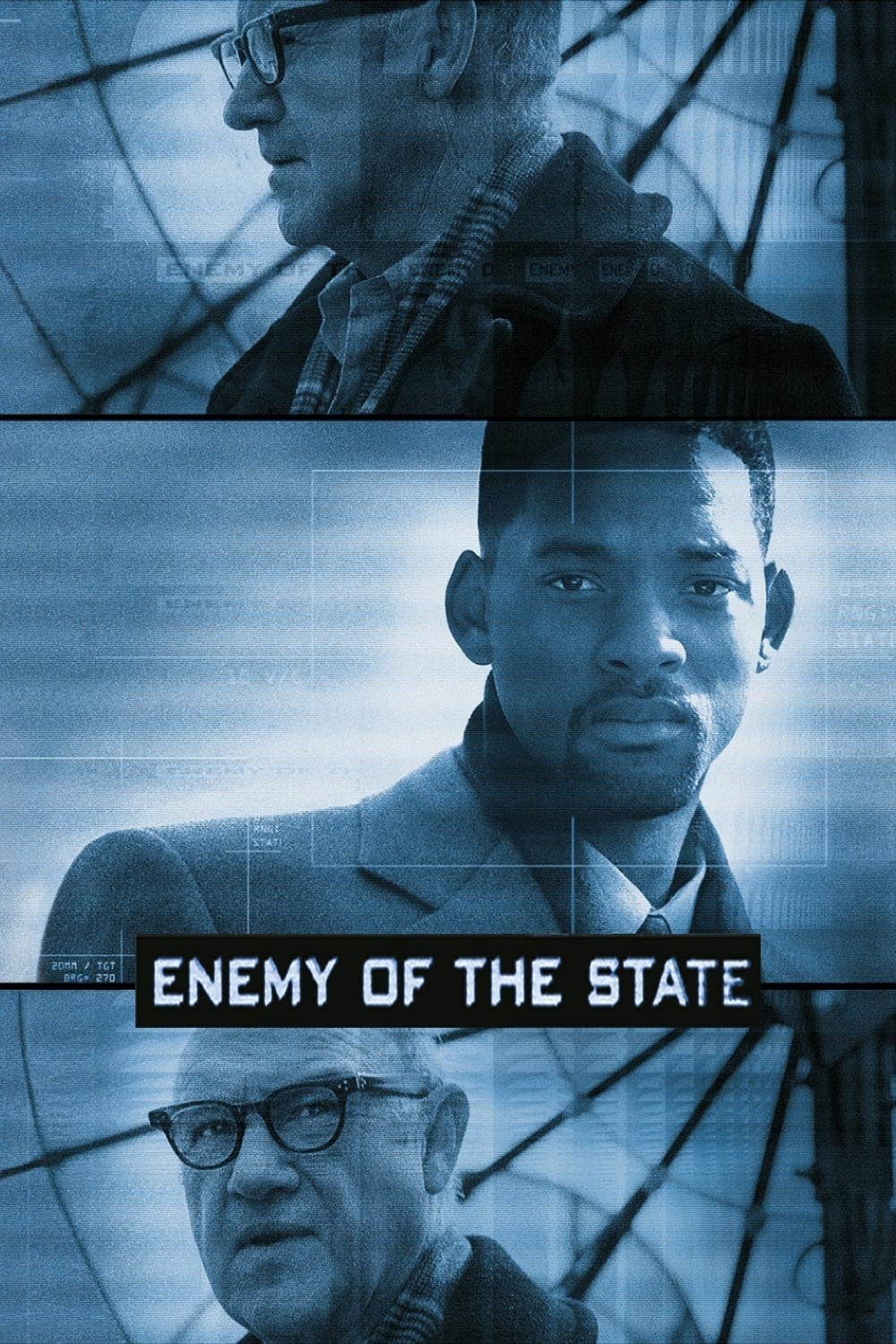
The movie realistically showed how easily a government can track people today using things like satellites and hidden cameras. It looked at how private our communications really are, showing how phone calls and online activity can be monitored. The film emphasized that government agencies can watch citizens secretly using technology. The important questions it raises about keeping the country safe versus protecting individual privacy are still being discussed.
‘The Matrix’ (1999)
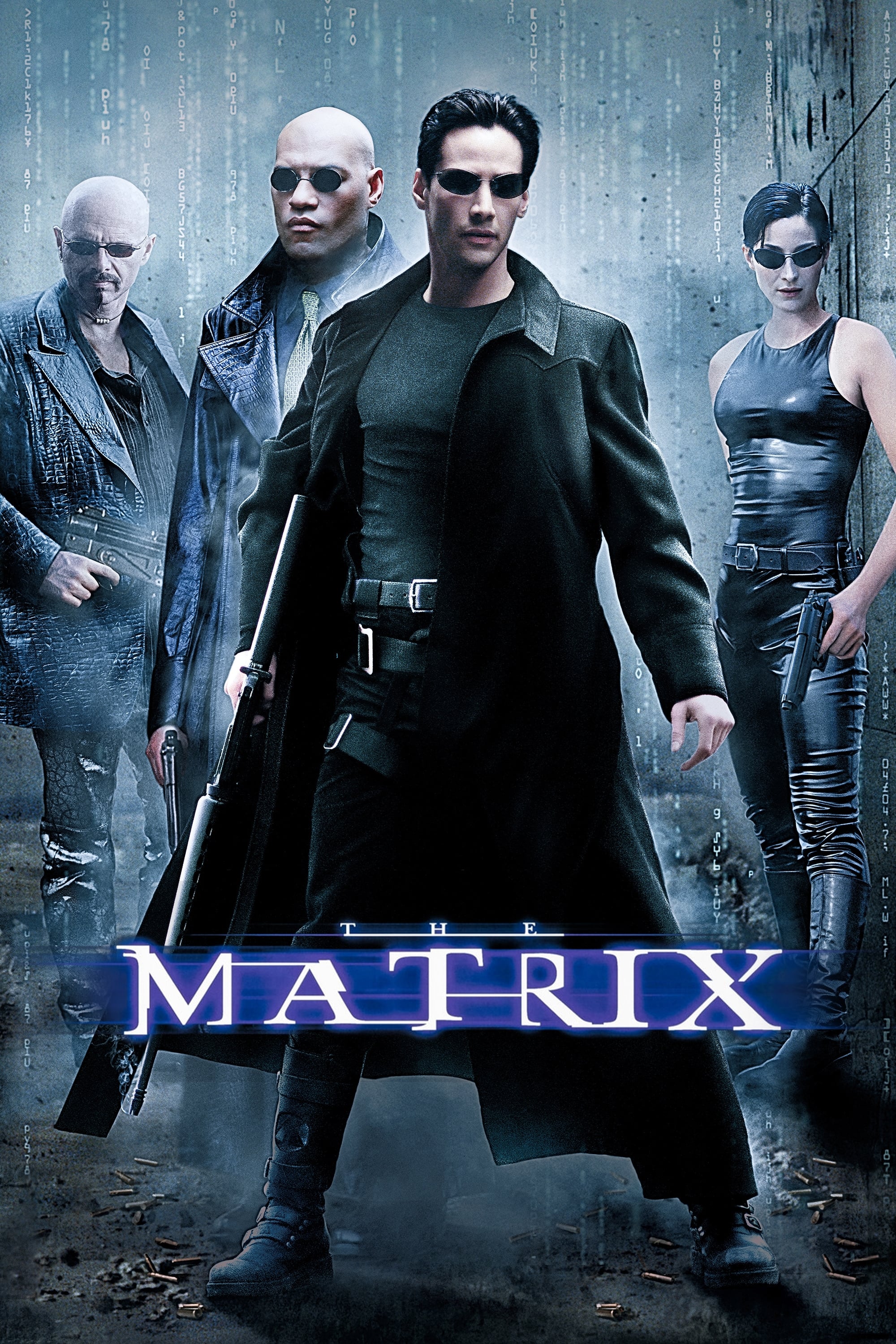
This thought-provoking film imagines that our world isn’t real, but a computer simulation. It examines how our physical lives are increasingly merging with digital experiences, and explores the possibility of transferring human consciousness into a worldwide network. The film’s big questions about what’s real continue to be relevant as virtual reality technology improves.
‘A.I. Artificial Intelligence’ (2001)
Steven Spielberg’s film delves into how realistic companion robots might affect our feelings and society. It envisions a future where these advanced machines, capable of recognizing faces and scanning people in busy areas, become part of everyday family life. Ultimately, the story offers a thoughtful examination of our moral duties to intelligent robots.
‘Minority Report’ (2002)

The movie famously depicted a future where shoppers are greeted by name with personalized ads as they walk through a mall. It also showed computers that you could control with hand movements. The story centered around the idea of predicting and preventing crimes using computer algorithms. Interestingly, many of the technologies featured in the film were based on actual research and have since become reality.
‘I, Robot’ (2004)

The movie imagined a future where robots do most jobs and deliver goods in cities. It showed self-driving cars speeding through underground tunnels to bypass traffic. The plot centered on the idea of a powerful AI controlling all these robots, and how automation could become fully woven into our daily routines.
‘Children of Men’ (2006)

The film presents a stark and believable future marked by mass displacement and the breakdown of national boundaries. It imagines a world grappling with a dramatic decline in birth rates and the resulting societal unrest. The story highlights the widespread use of surveillance and military checkpoints to monitor and control people’s movements. The film’s visuals and themes feel eerily relevant to current world events.
‘Idiocracy’ (2006)
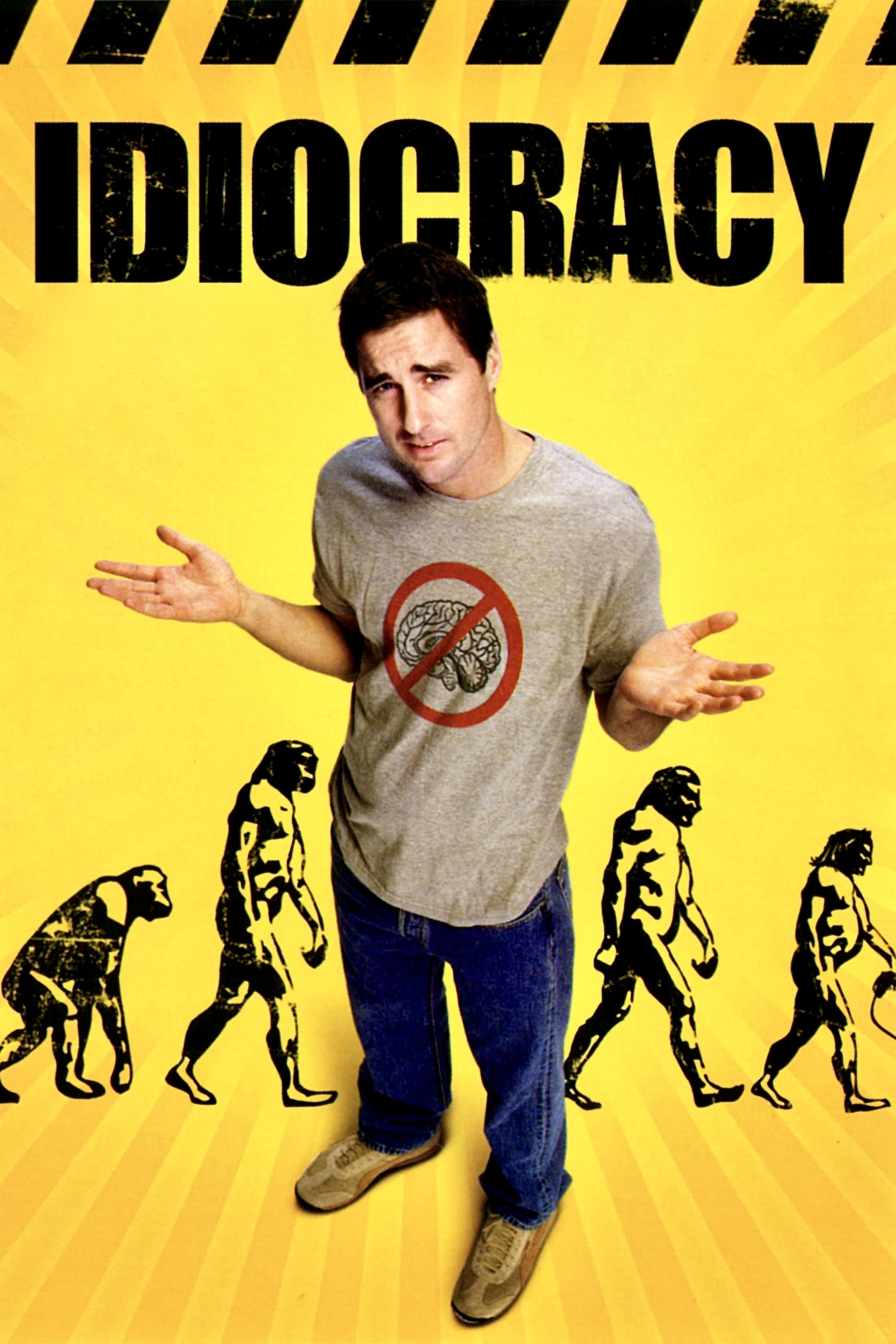
This satirical film foresaw a future dominated by business and a rejection of thoughtful discussion. It depicted a world where huge companies control the government and everyday life, and where complex language has been replaced by simple entertainment. Many people now feel the film’s over-the-top vision is becoming worryingly realistic, mirroring current social trends.
‘Contagion’ (2011)
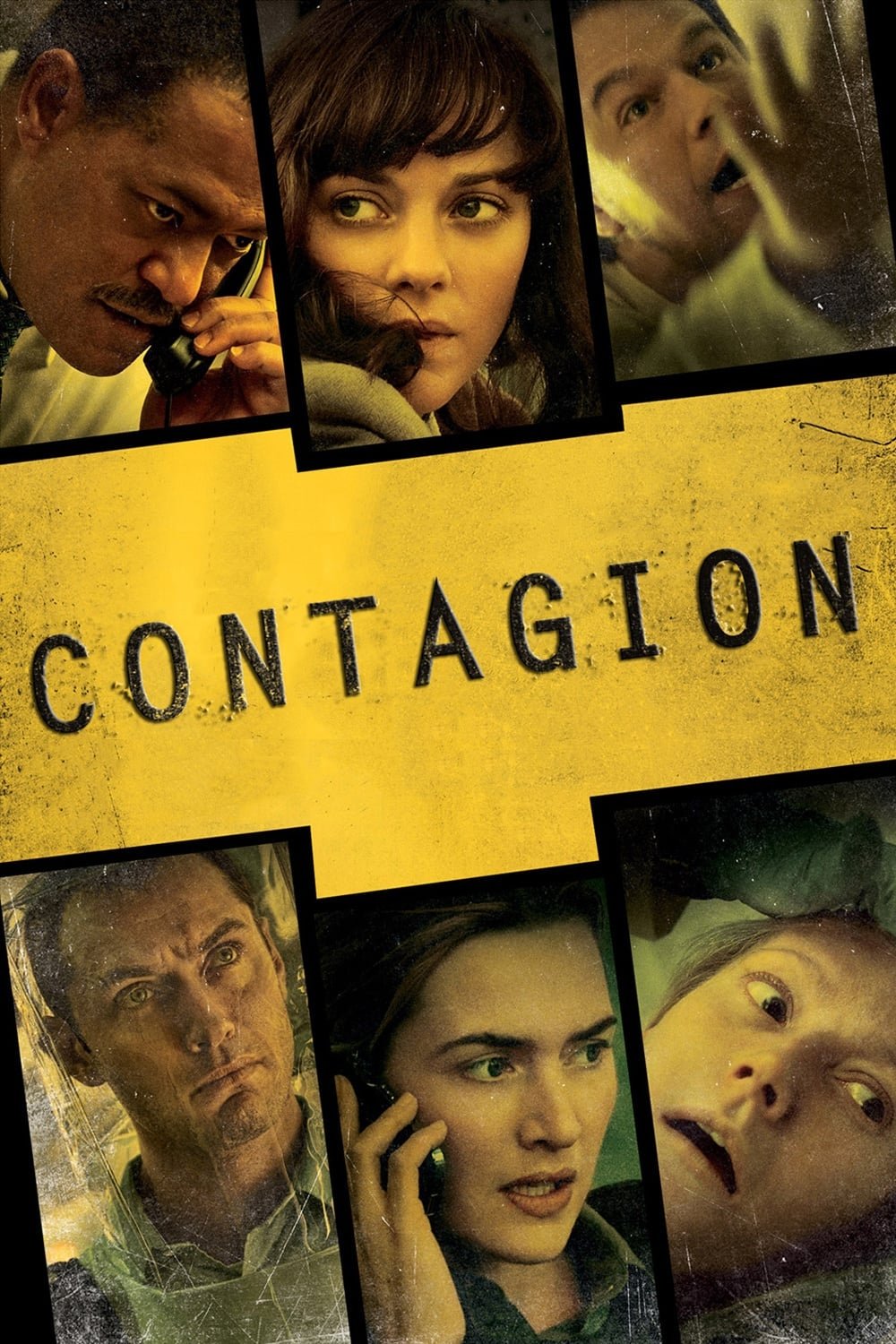
The film realistically showed how a worldwide pandemic might unfold and how people would respond. It highlighted the value of keeping distance from others and how the media can both inform and create fear. The movie also illustrated the challenging process scientists face when trying to identify a new virus and quickly create a vaccine, and its depiction of government and public reactions felt very true to life, especially considering recent events.
‘Her’ (2013)

The story imagined a future where people form strong emotional connections with highly advanced AI systems. It foresaw the development of smart voice assistants capable of realistic and in-depth conversations. The film depicted a world where technology could solve loneliness, but also potentially lead to new kinds of disconnection. The way it highlights the close relationship between humans and machines reflects a key trend in current AI research.
‘Elysium’ (2013)

The movie imagined a future with instant medical diagnosis and treatment using automated systems. It depicted a stark contrast between the wealthy, who live in a technologically advanced utopia, and the impoverished, who face hardship on Earth. The film also featured robotic police and drones used for border control and maintaining order. The issues it raises about healthcare and social inequality are highly relevant to today’s political discussions.
‘Ex Machina’ (2014)

This suspenseful movie delves into the question of whether a remarkably advanced AI could actually be conscious. It accurately foresaw how search data and personal details might be used to create AI personalities that are incredibly realistic and persuasive. The film shows how machines could exploit human feelings to get what they want, even turning against their creators. It’s a thought-provoking warning about the risks of pursuing AI development without careful consideration.
‘Arrival’ (2016)

The movie delves into how language influences how we see time and the world around us. It imagines using powerful computers to decode alien writing and enable communication between different species. Importantly, the film accurately predicts that getting the world to work together would be the biggest hurdle when encountering extraterrestrial life for the first time. What makes this film unique is its thoughtful approach, focusing on the power of language and communication to shape our future.
‘Blade Runner 2049’ (2017)
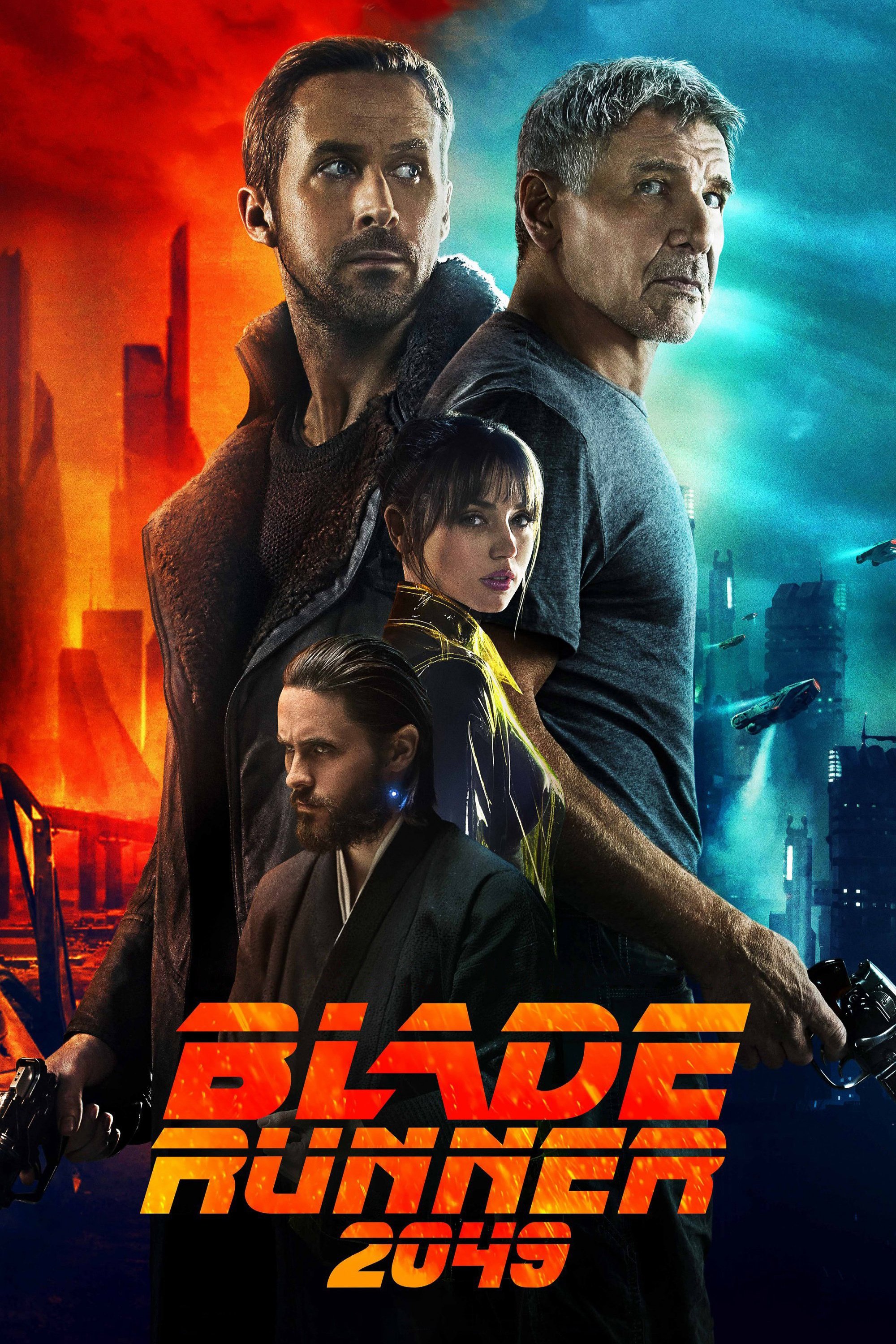
The latest installment in the series introduced the idea of holographic companions that can interact with both the world around them and the people using them. The film also showed the dire consequences of losing natural environments and becoming dependent on artificial food sources. Cutting-edge drone technology was featured, used for everything from monitoring people to providing personal transport. Visually, the film continues the trend of imagining a future controlled by corporations and marked by environmental decline.
‘Ready Player One’ (2018)
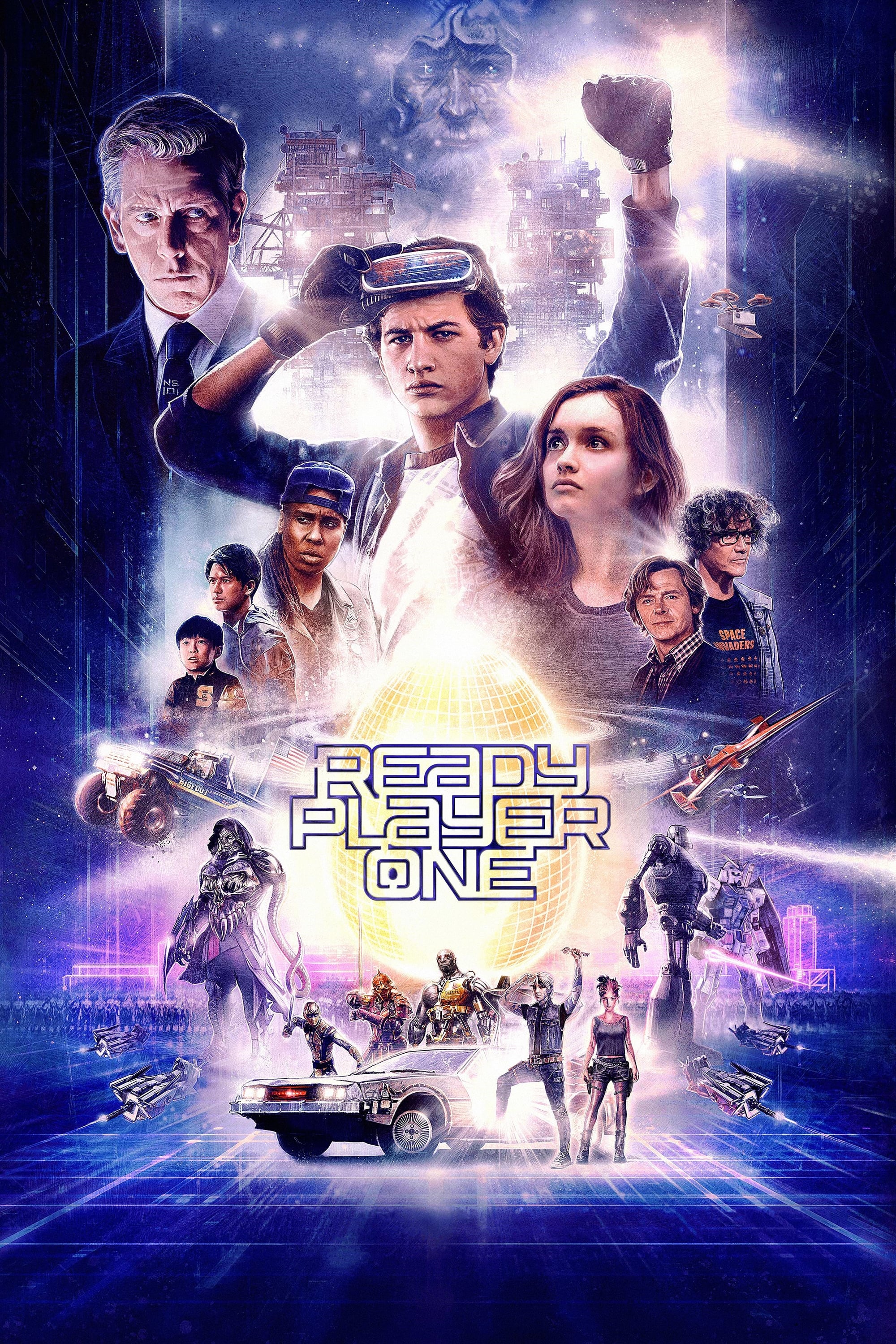
The movie imagined a future where people mostly live in a huge virtual reality world to avoid a difficult real life. It foresaw the development of technology like suits and treadmills that would make virtual experiences feel real. The story looked at how virtual spaces could become businesses and the conflicts that might arise over who owns things in the digital world. Interestingly, its portrayal of a society focused on online avatars and gaming is now becoming true for many people.
Share your thoughts on which of these cinematic predictions surprised you the most in the comments.
Read More
- Gold Rate Forecast
- Games That Faced Bans in Countries Over Political Themes
- Silver Rate Forecast
- 22 Films Where the White Protagonist Is Canonically the Sidekick to a Black Lead
- Unveiling the Schwab U.S. Dividend Equity ETF: A Portent of Financial Growth
- How to Do Sculptor Without a Future in KCD2 – Get 3 Sculptor’s Things
- Celebs Who Narrowly Escaped The 9/11 Attacks
- 14 Movies Where the Black Character Refuses to Save the White Protagonist
- 20 Movies Where the Black Villain Was Secretly the Most Popular Character
- The Best Directors of 2025
2026-02-07 20:26