Role-playing games are known for their expansive worlds and complex rules, which can really challenge players’ ability to think through problems. Some games offer clear guidance, but others make you figure things out using vague hints or secret systems. It’s common to get stuck without a detailed walkthrough. These games often require a lot of patience and looking things up online to truly master them. This list showcases some of the most challenging games in the genre, the ones that often need a little extra help to beat.
‘Dragon Quest II’ (1987)
This well-known game is notorious for being very challenging, with quests that aren’t always clear about what you need to do or where to go. The game world is huge, but offers little guidance on finding important items. The final dungeon is a maze filled with tough enemies that demand careful planning. Many players at the time struggled to complete the game without using a guide. It’s a good example of how the limitations of older gaming systems affected how quests were designed.
‘Phantasy Star II’ (1989)
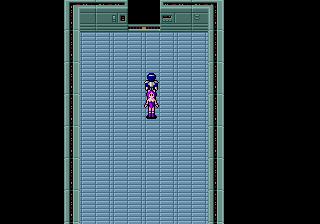
The highly anticipated follow-up to the original game is famous for its huge, multi-layered dungeons. These dungeons are incredibly challenging to explore due to their tile-based design and numerous dead ends. When the game was first released, players received a physical map to help them navigate the complex layouts. Without these maps, it’s easy to get lost and run out of health before reaching the final boss. Frequent enemy encounters further increase the difficulty of exploring these areas.
‘Wizardry: Proving Grounds of the Mad Overlord’ (1981)
This classic dungeon crawler is known for its old-school challenge. Players have to manually map out the game world on paper as they explore, and it’s easy to get lost thanks to tricky traps and rotating floors. Without careful mapping, your entire party can be defeated, and characters are lost forever. Today, many players use online guides to help them through the game’s difficult maze. It’s still considered one of the most brutally challenging games in the genre.
‘Ultima IV: Quest of the Avatar’ (1985)
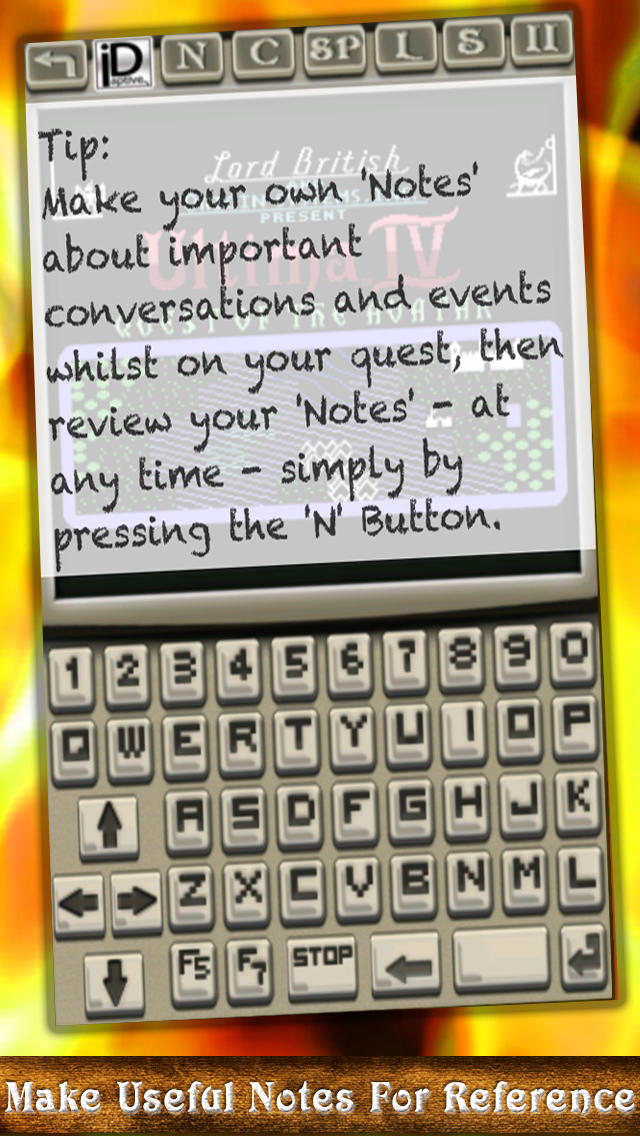
Winning this game isn’t about fighting; it’s about living by a strong moral code and gathering information from the characters you meet. The goal is spiritual enlightenment, so you’ll need to learn secret words and discover hidden shrines throughout the world of Britannia. It’s a challenging process, often requiring outside help to understand the game’s complex system of virtues. This game was groundbreaking because it changed the focus of the genre from defeating enemies to developing your character.
‘Castlevania II: Simon’s Quest’ (1987)
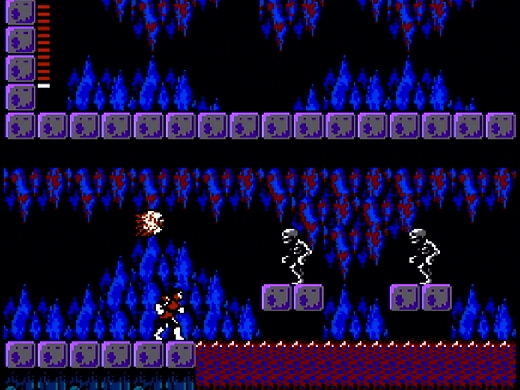
This game mixes exciting action with open exploration, but it’s well-known for its incredibly difficult and confusing puzzles, made worse by unclear clues. For example, at one point, you have to kneel with a red crystal in a seemingly pointless spot to create a tornado – something you’d never figure out on your own. Many players have gotten stuck for hours, unable to find a way forward. This frustrating design has been a frequent topic of conversation among gamers for years.
‘Shin Megami Tensei’ (1992)
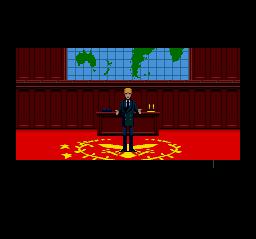
This game takes place in a ruined world, and getting around its streets and underground areas demands a lot of patience and a good sense of direction. Because it’s played from a first-person view, many areas look the same, making it easy to get lost. You’ll also need to carefully negotiate with demons, choosing the right responses to their unpredictable questions. Progressing through the story and unlocking all endings requires hidden alignment points that aren’t clearly explained, meaning you’ll likely need a guide to experience the complete narrative.
‘SaGa Frontier’ (1997)
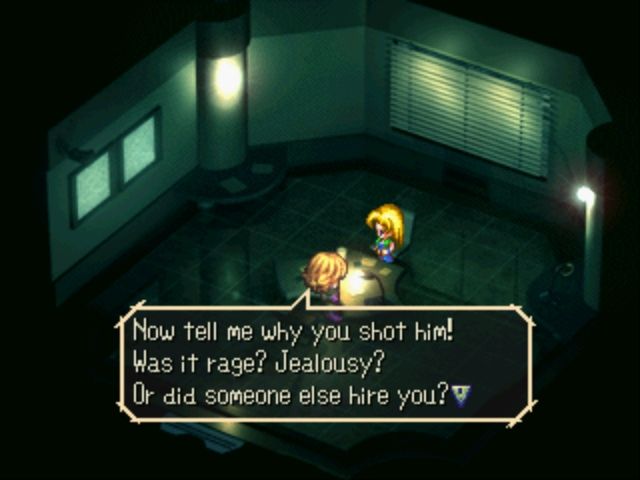
This game doesn’t follow a typical story structure, letting you play as one of seven characters, each with their own path. As you fight, your character’s abilities improve in unpredictable ways. Figuring out what to do next can be tricky, as quests aren’t always straightforward and require exploration. The game doesn’t offer much guidance, so you’ll likely need to consult a guide to fully understand its complex and unusual systems, and to find and unlock powerful allies.
‘Valkyrie Profile’ (1999)
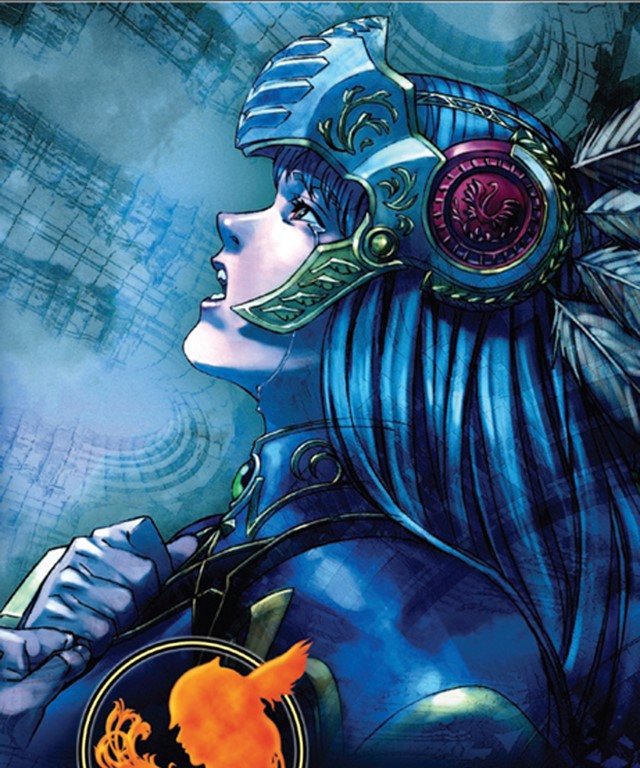
Okay, so getting the real ending in this game is seriously tricky. You’ve gotta keep this ‘seal value’ thing just right, and there are certain events you have to do within a specific timeframe. The worst part? The game gives you absolutely zero hints about any of this! I’m telling you, as a first-timer, you’re almost guaranteed to miss out on a huge chunk of the story without looking up a guide. Still, even with the hidden stuff, this game is awesome. I’m really into the whole Norse mythology vibe and the combat is super strategic.
‘Final Fantasy X-2’ (2003)
Getting 100% completion in this game is incredibly difficult for players. It requires talking to certain characters at precise times and watching all the optional cutscenes, which are easy to overlook. Missing just one conversation can lock you out of the best possible ending. Because the game world isn’t straightforward, it’s hard to keep track of what you’ve already done, so most players need a detailed checklist to see everything the game offers.
‘Dark Souls’ (2011)
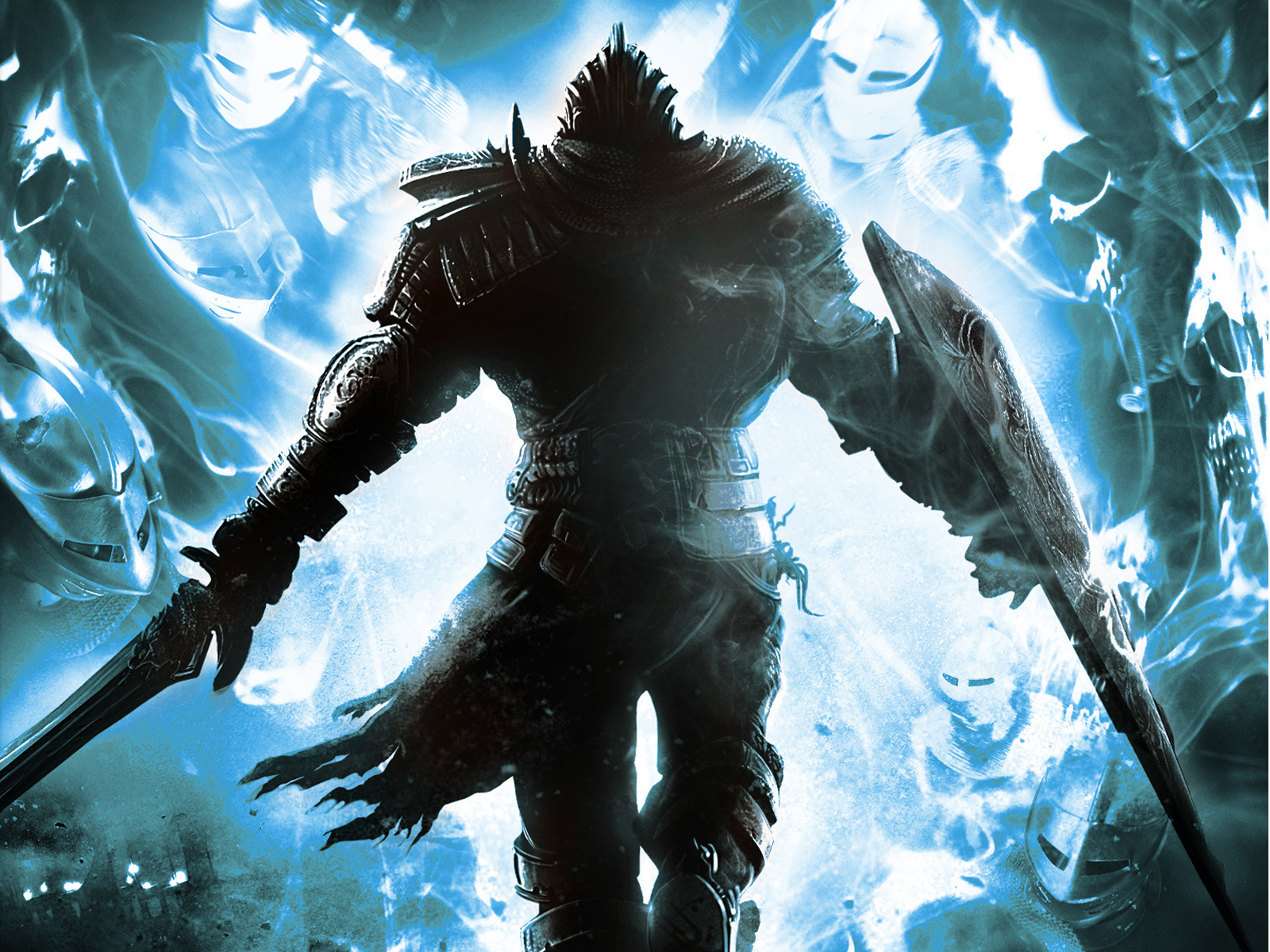
Although the battles are the biggest challenge, the game’s world and quests are also quite difficult. Characters often travel between places unexpectedly, and their storylines can end if you progress too far in the main game. Finding important items and reaching certain areas requires a lot of searching and guessing. The game doesn’t have a normal map or quest list, so you need to remember the layout or look up information online. This unique design has led to a large and active community focused on discovering all the game’s secrets.
‘Elden Ring’ (2022)
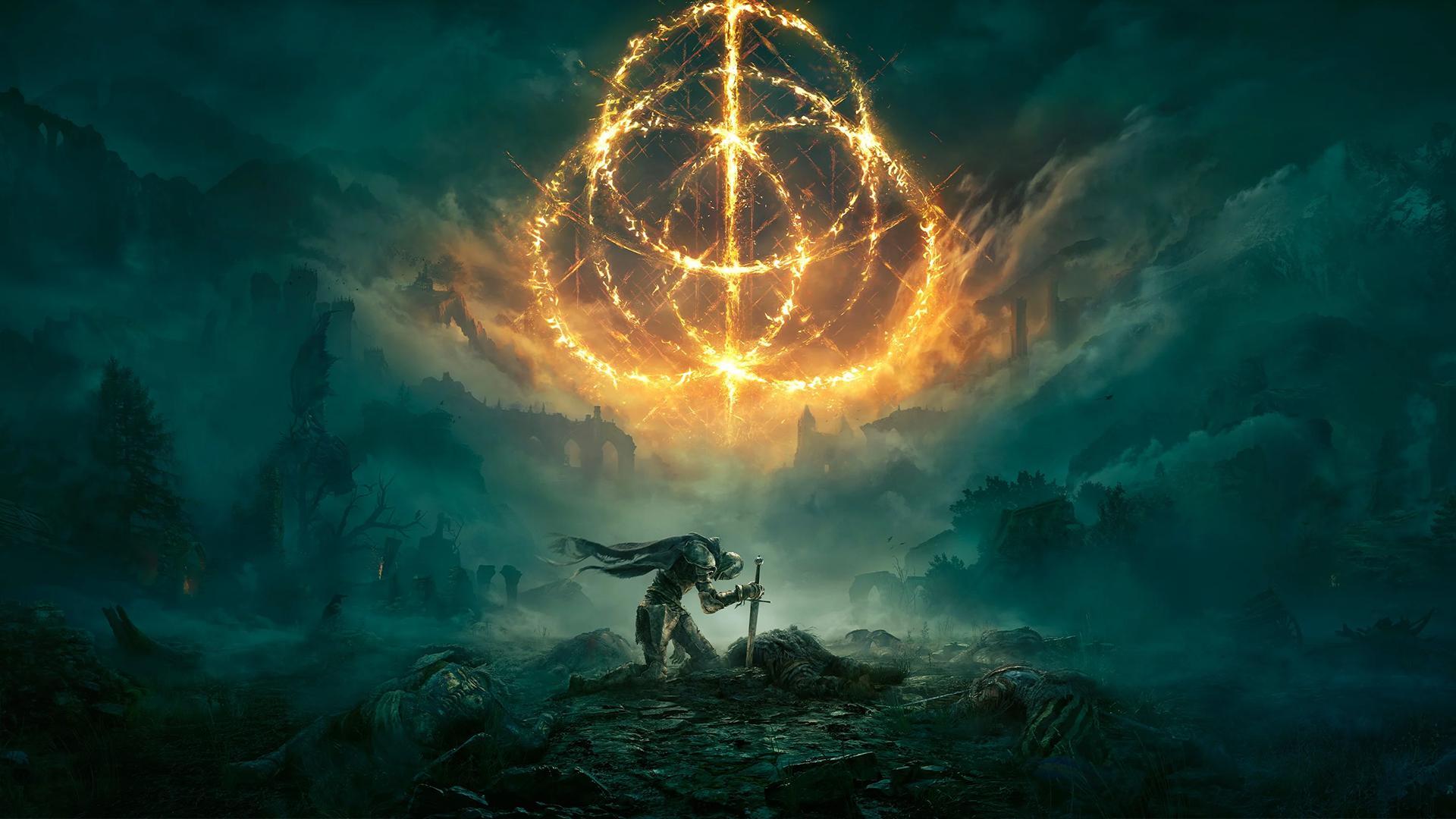
This game features a huge, detailed world filled with hidden secrets and lots of side quests that connect to each other. Important missions often require you to find characters in out-of-the-way places that aren’t shown on the map. Powerful items needed to improve your character are frequently tucked away in secret caves or protected by challenging optional bosses. It’s really hard to fully experience a character’s story without using online maps or guides. Because the game world is so vast, it’s easy to miss important things during a normal playthrough.
‘Resonance of Fate’ (2010)
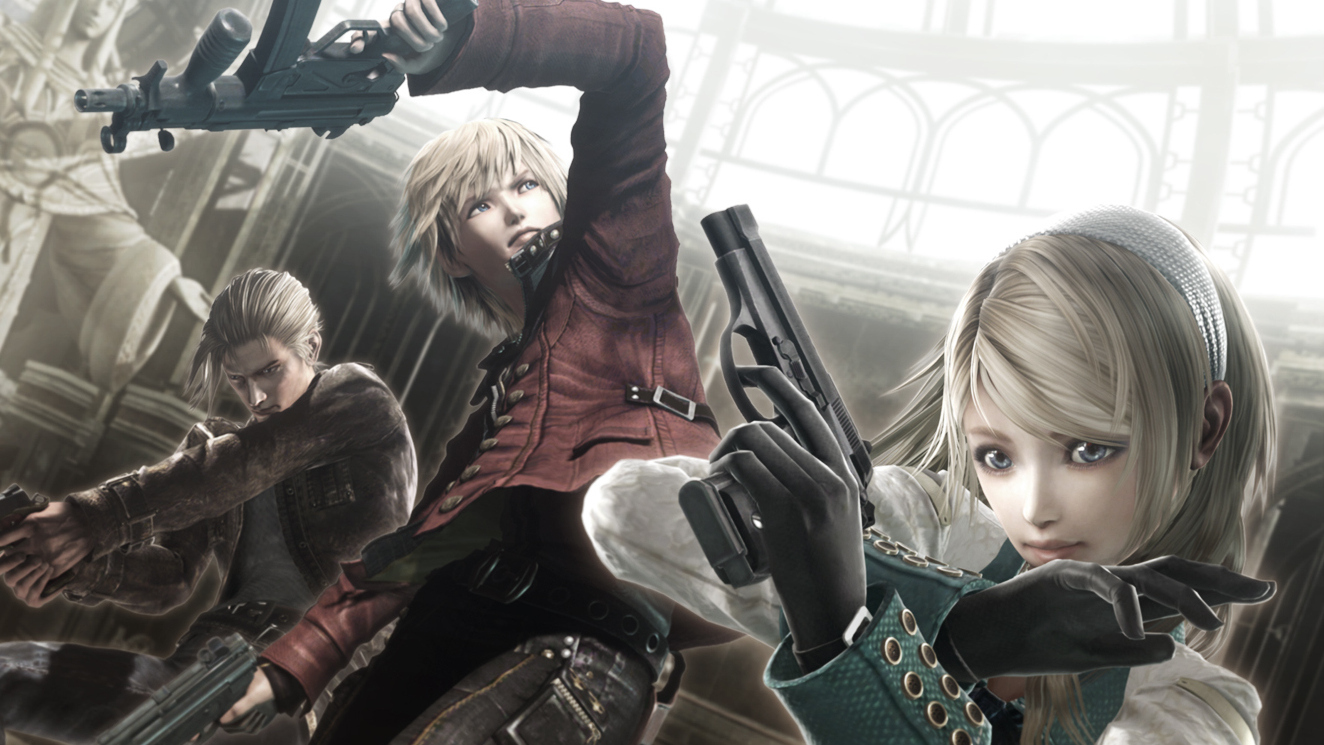
This game boasts a remarkably intricate combat system unlike most RPGs. Players explore and unlock new areas of the world map using a hex-based grid. Gunfights aren’t just about shooting – success depends on carefully planning your movements and positioning. It can be challenging to learn at first, as the tutorials don’t cover all the strategic possibilities. Many players find it helpful to use guides to learn effective hex placement and combat strategies if they want to fully enjoy the game.
‘Romancing SaGa’ (1992)
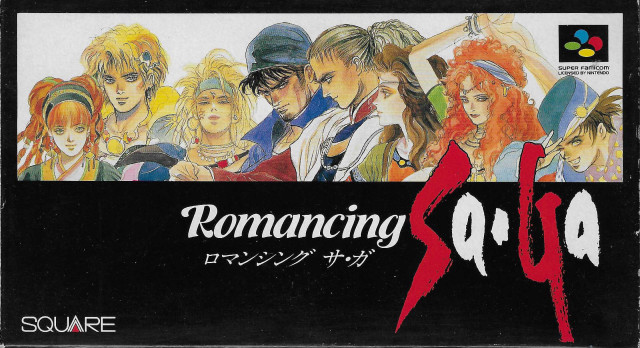
Similar to other games in the series, this one features a secret system that controls which quests become available. As you play, time moves forward, and some opportunities are lost permanently without you even knowing. It’s easy to get stuck if you’re not strong enough for the final boss but can’t find any new quests to help you improve. Managing this system and building a strong team is tricky, so most players recommend using a guide to avoid getting completely stuck.
‘Might and Magic: Clouds of Xeen’ (1992)
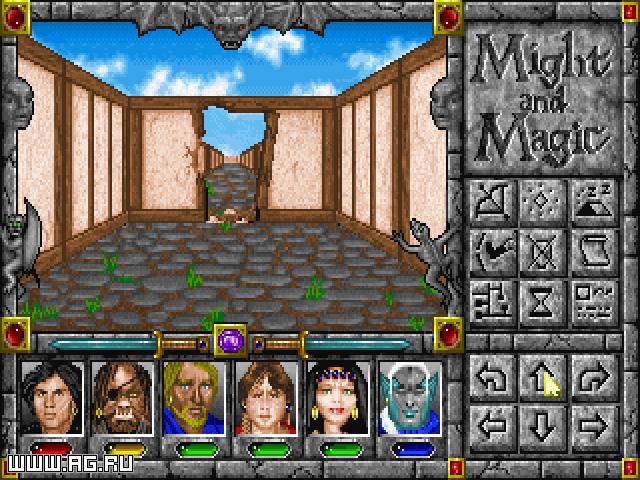
This beloved western RPG is known for its huge dungeons and challenging puzzles spread across several different worlds. You’ll control a group of adventurers and need to solve riddles by carefully exploring each area. The game requires players to keep detailed notes on locations and clues given by characters. It’s easy to overlook important items – especially those needed to connect this game to its sequel – without careful attention. Because the maps are so complex, many players find a guide helpful.
‘Pool of Radiance’ (1988)
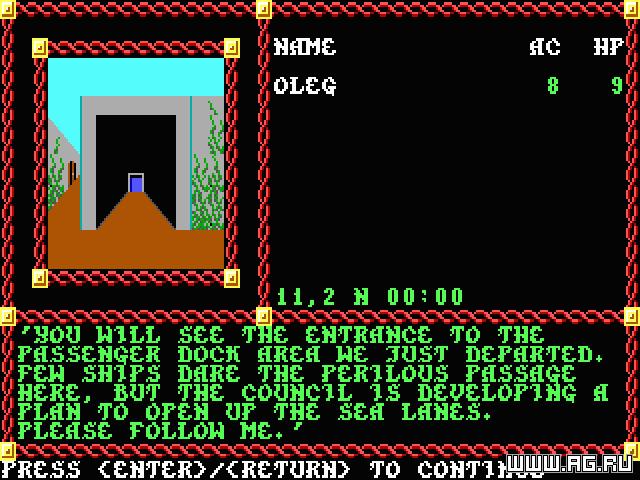
As a huge fan of old-school RPGs, I can tell you this game is tough. It’s built on the original Advanced Dungeons & Dragons rules, so expect a real challenge! You’re basically exploring the ruined city of Phlan, clearing out district after district of seriously dangerous monsters. Combat isn’t just button-mashing; you really need to think things through and understand how the tabletop game works. What’s cool is how all the quests tie together – you’ll often need to remember stuff you found way earlier in the game. Honestly, you’ll probably need a guidebook or walkthrough to get your party built up and survive the beginning – it’s that tricky!
‘Wasteland’ (1988)
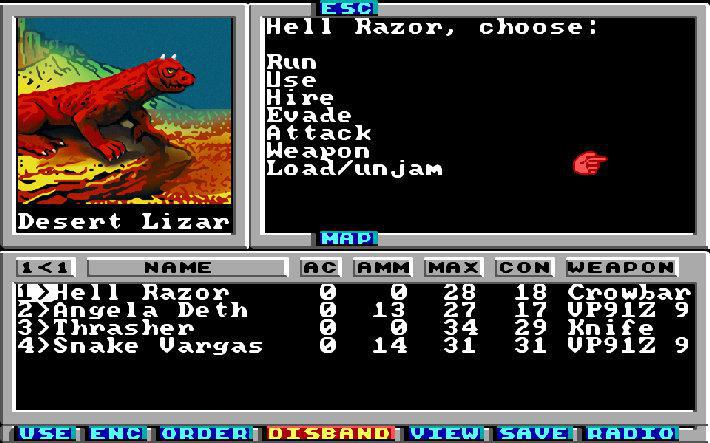
This post-apocalyptic game is well-known for its unique feature: a book of text players needed to read at certain moments. The game would tell you which entry to read to understand what was happening and what you needed to do. Without reading these passages, the story and your goals become very unclear. The world is dangerous, filled with radiation and tough enemies that can end your game quickly. Exploring the deserts and crumbling cities requires careful planning, and a guide can be a big help.
‘Etrian Odyssey’ (2007)
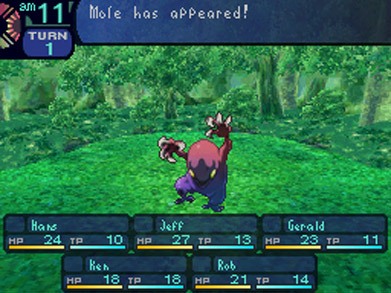
This game brought back the classic feature of mapping on the handheld console’s lower screen. Players need to carefully chart walls, doors, and important locations to prevent getting lost in the expansive forests. The boss fights are extremely challenging and demand specific character teams to win. The game doesn’t reveal enemy weaknesses upfront, so you’ll learn them through trial and error. Many players rely on guides to help with boss strategies and map out the game’s areas due to the high difficulty.
‘Suikoden II’ (1998)
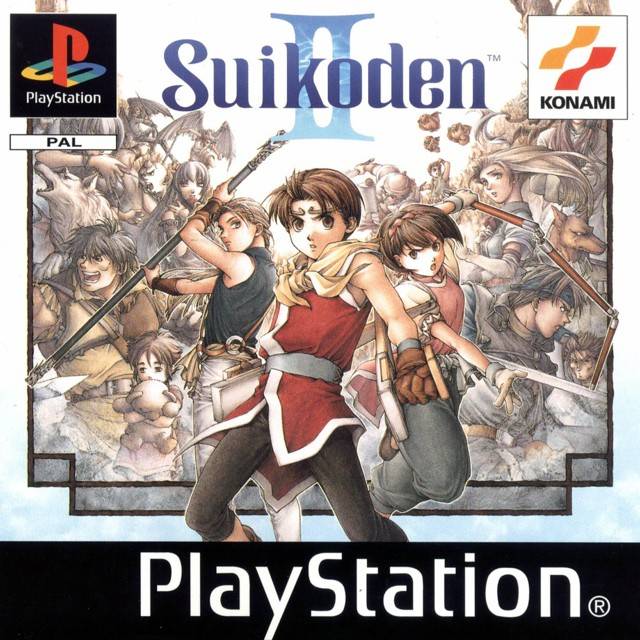
Gathering all 108 unique characters in the game is a big undertaking that needs to be planned out. Many characters can only be recruited at certain moments or if you make specific decisions. If you miss even one, you won’t be able to unlock the best possible ending or learn the strongest spells. Some of these opportunities are very brief and happen while you’re focused on the main story. Because of this, players who aim to collect everyone usually rely on a guide to make sure they don’t miss anyone.
‘Vagrant Story’ (2000)
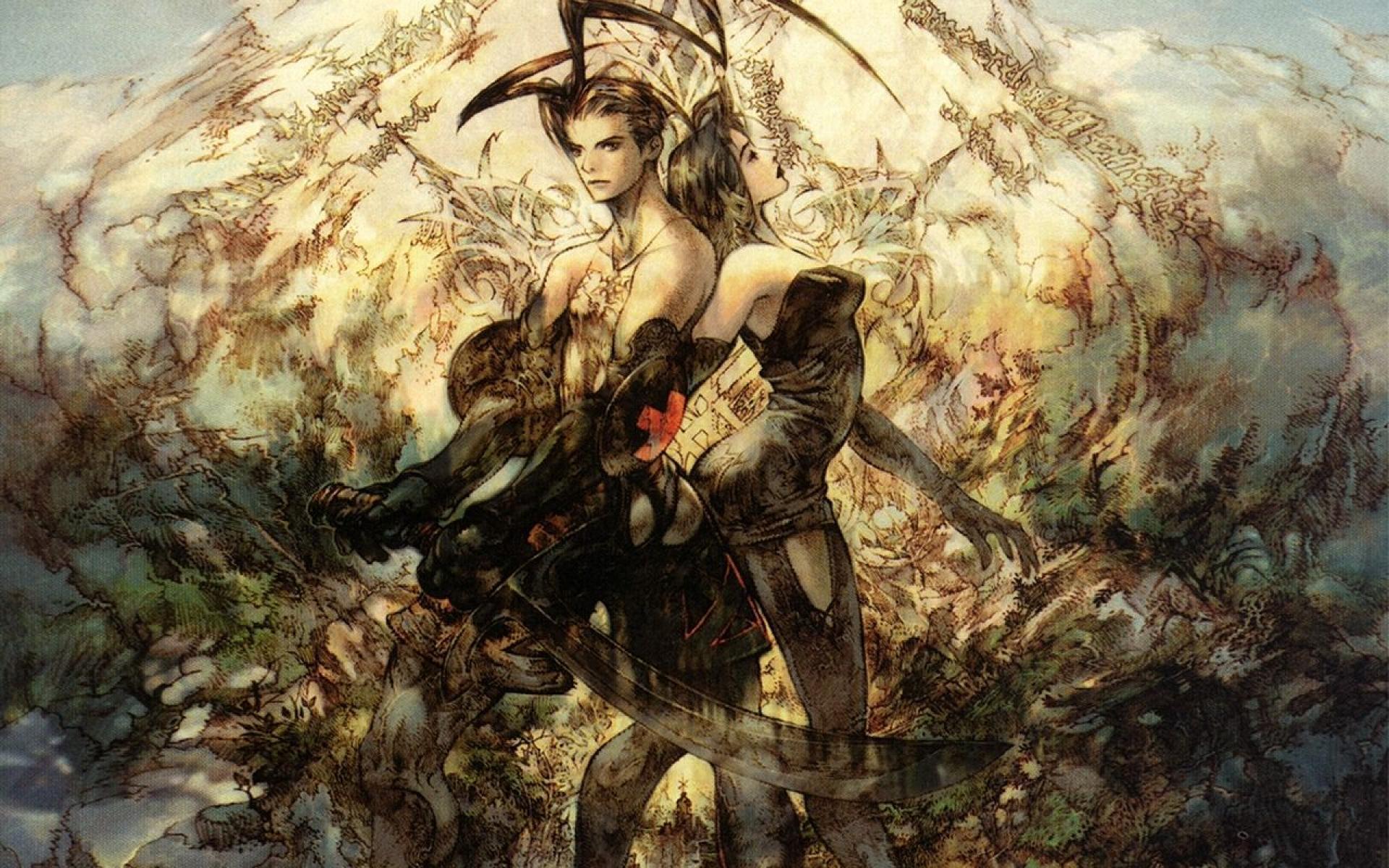
This game is known for its complicated crafting and combat systems. Players need to learn how different weapons work against various enemies. It also includes increasingly challenging puzzles involving moving blocks. The game doesn’t explain key features like the risk meter or timed attacks very well, and many players will need to consult a guide to create effective gear for the tough boss battles.
‘Demon’s Souls’ (2009)

This game, which came before the well-known series, first introduced a unique system where the game world changes depending on how you play. If you frequently die as a human, the world will become more dangerous, with tougher enemies and new challenges appearing. Hidden items and locations are also unlocked based on the world’s current state. However, the game doesn’t explain these systems very well, which can be confusing. A guide created by other players can be really helpful in understanding and mastering these mechanics.
‘Path of Exile’ (2013)

This action RPG has a huge and complex skill system with tons of options. It’s easy for beginners to accidentally create a character that isn’t strong enough to complete the game. The game also has intricate crafting and economic systems that aren’t well explained in the game itself. Many players dedicate a lot of time to researching the best character builds and trading methods before they even start playing. A guide is practically necessary if you want to experience everything the game has to offer.
‘Baldur’s Gate’ (1998)
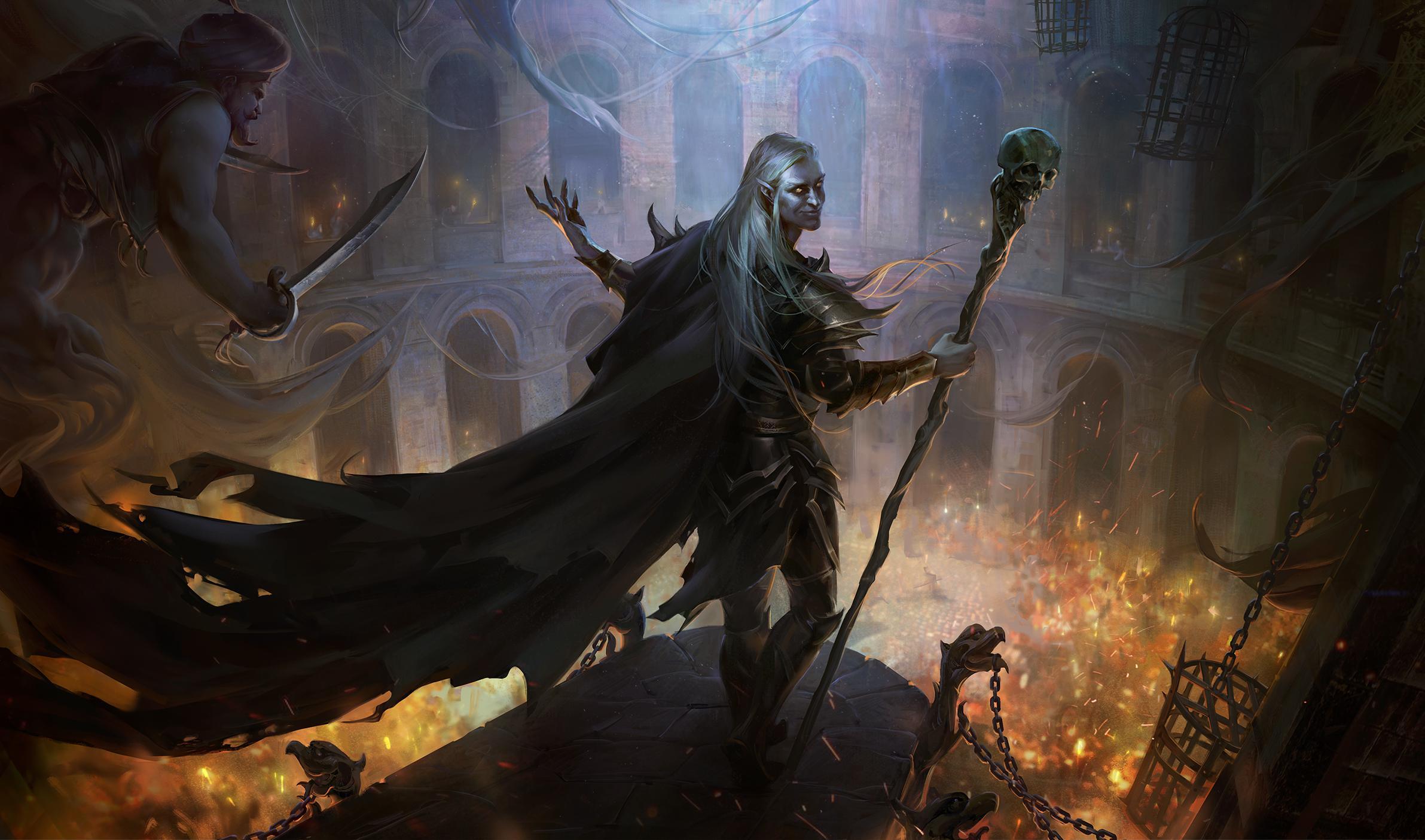
The game features a detailed combat system inspired by the second edition of Dungeons & Dragons. To survive, you’ll need to understand how armor and attacks work. The world is full of optional quests, but they’re hidden and require thorough exploration. Your companions might leave if they disagree with your choices or if you don’t help them achieve their own goals. A helpful guide is included to explain the rules and help you find the best gear for your team.
‘Diablo II’ (2000)
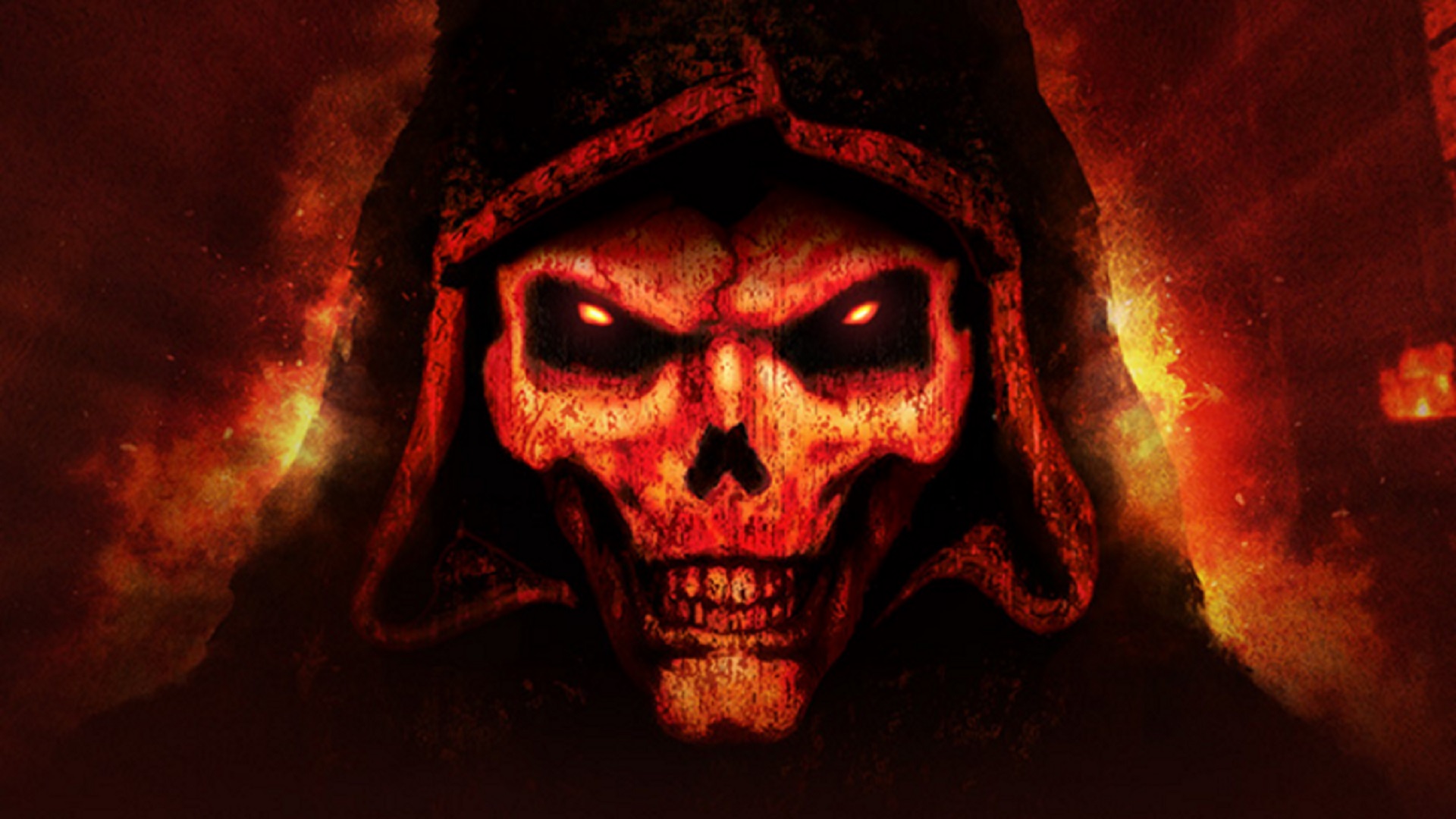
Okay, so the character building in this game is serious. Once you spend skill and stat points, they’re pretty much locked in – no easy resets! If you want to tackle the hardest difficulty, you really need to understand how skills work together and what kind of gear you’ll need. The best stuff? Forget finding it just by playing. You’re looking at secret recipes and drops from bosses that the game doesn’t even tell you about. Plus, there are hidden areas, like the Cow Level, that you can only get to by doing specific things. Honestly, most of us have to use guides to figure out the best character builds and hunt down the really rare loot. It’s a lot, but super rewarding when it clicks!
‘The Last Remnant’ (2008)
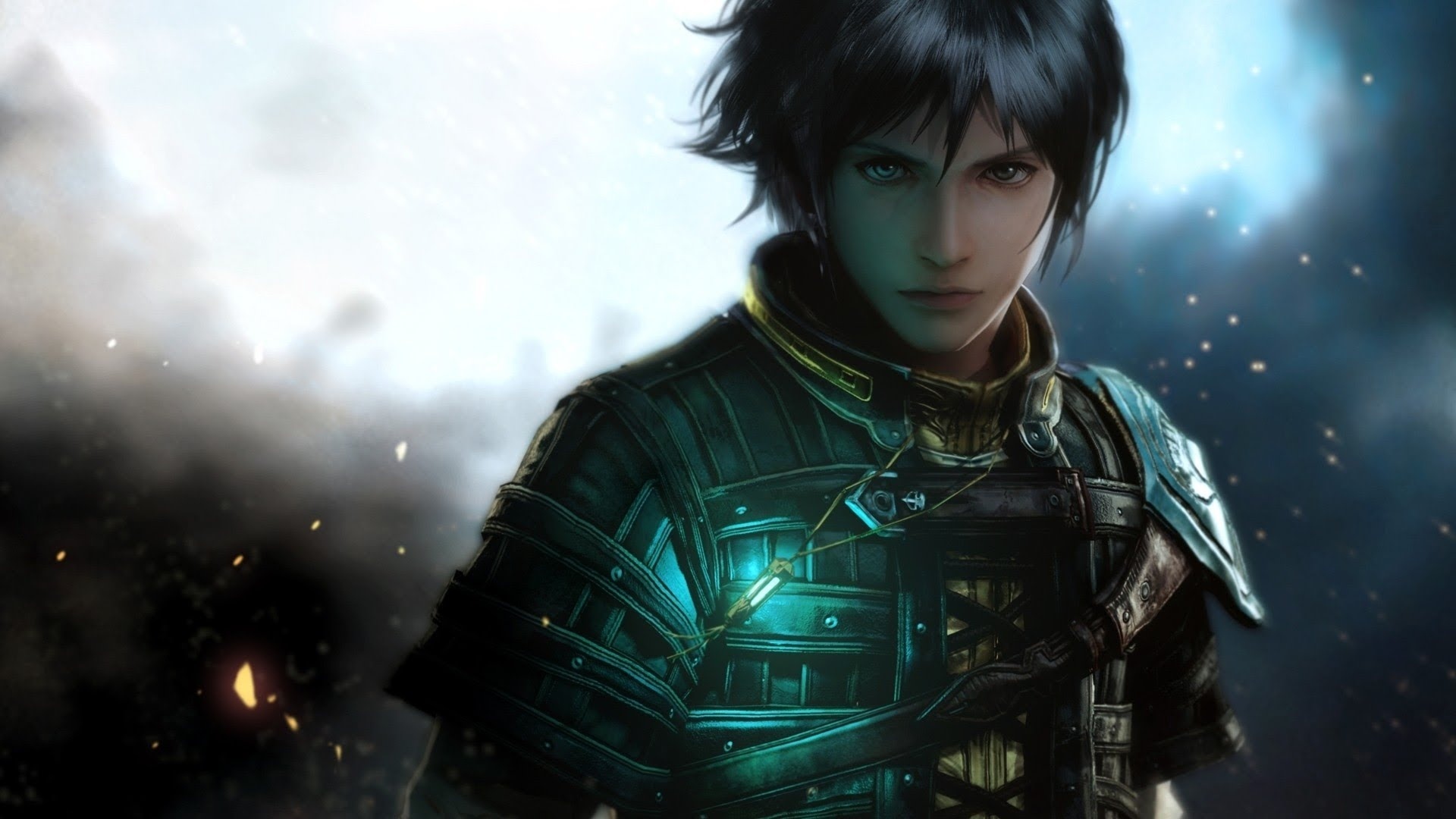
This game has a special combat system where you control groups of soldiers instead of single characters. A secret battle rank determines enemy strength and how quickly your characters improve. Fighting too many easy enemies will raise the battle rank without making your team stronger, potentially making the game too hard to beat. Figuring out how this battle rank system works is extremely difficult without outside help.
‘Final Fantasy VII’ (1997)
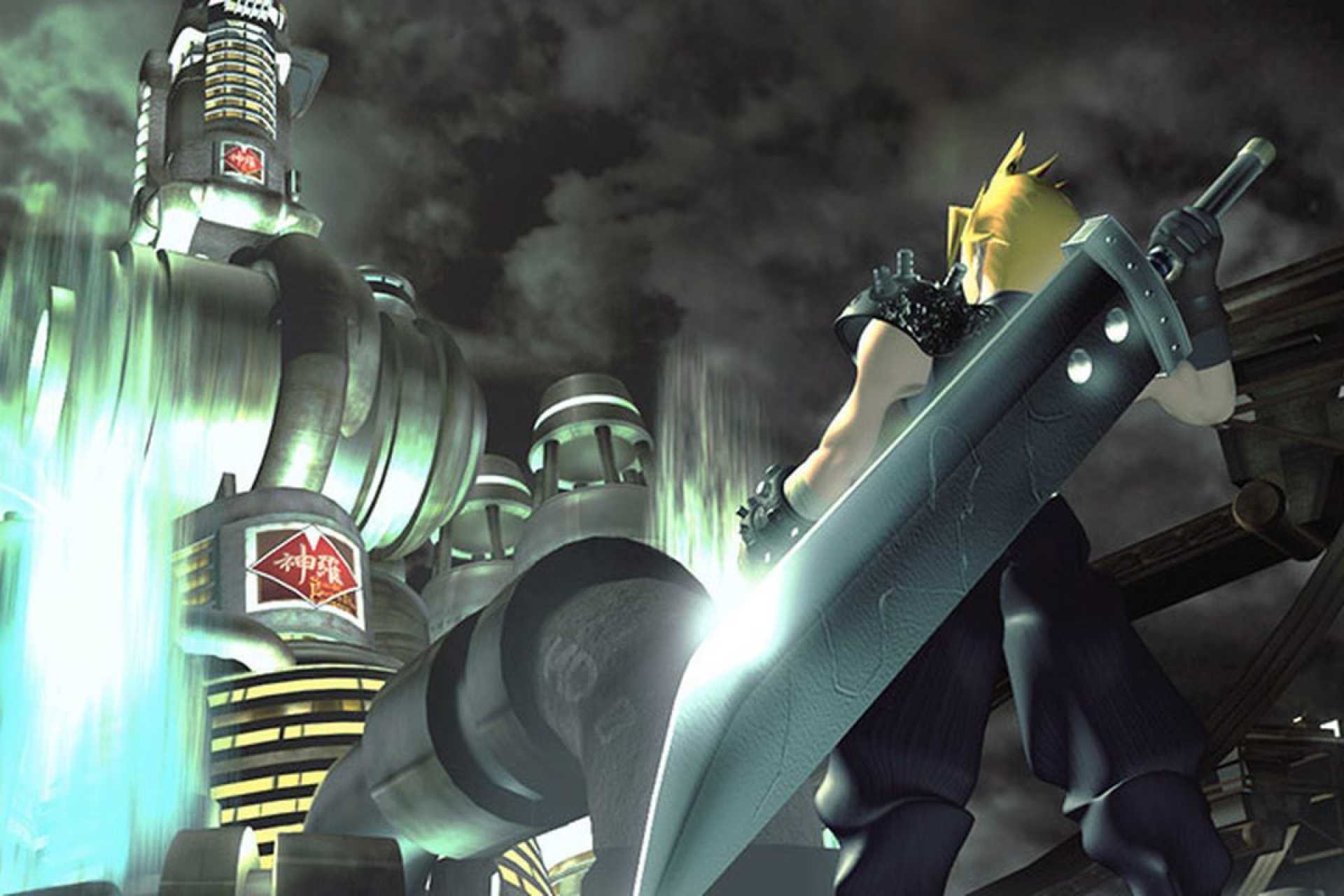
The main story is easy to follow, but finding everything else the game offers is challenging. Getting the best items and magic, like breeding a gold chocobo, involves completing a lot of hidden tasks and following precise instructions. Powerful characters like Vincent and Yuffie, and the toughest bosses, are optional and can be easily overlooked. Because of this, most players need to use a guide to discover all the game’s secrets.
‘Kingdom Hearts’ (2002)
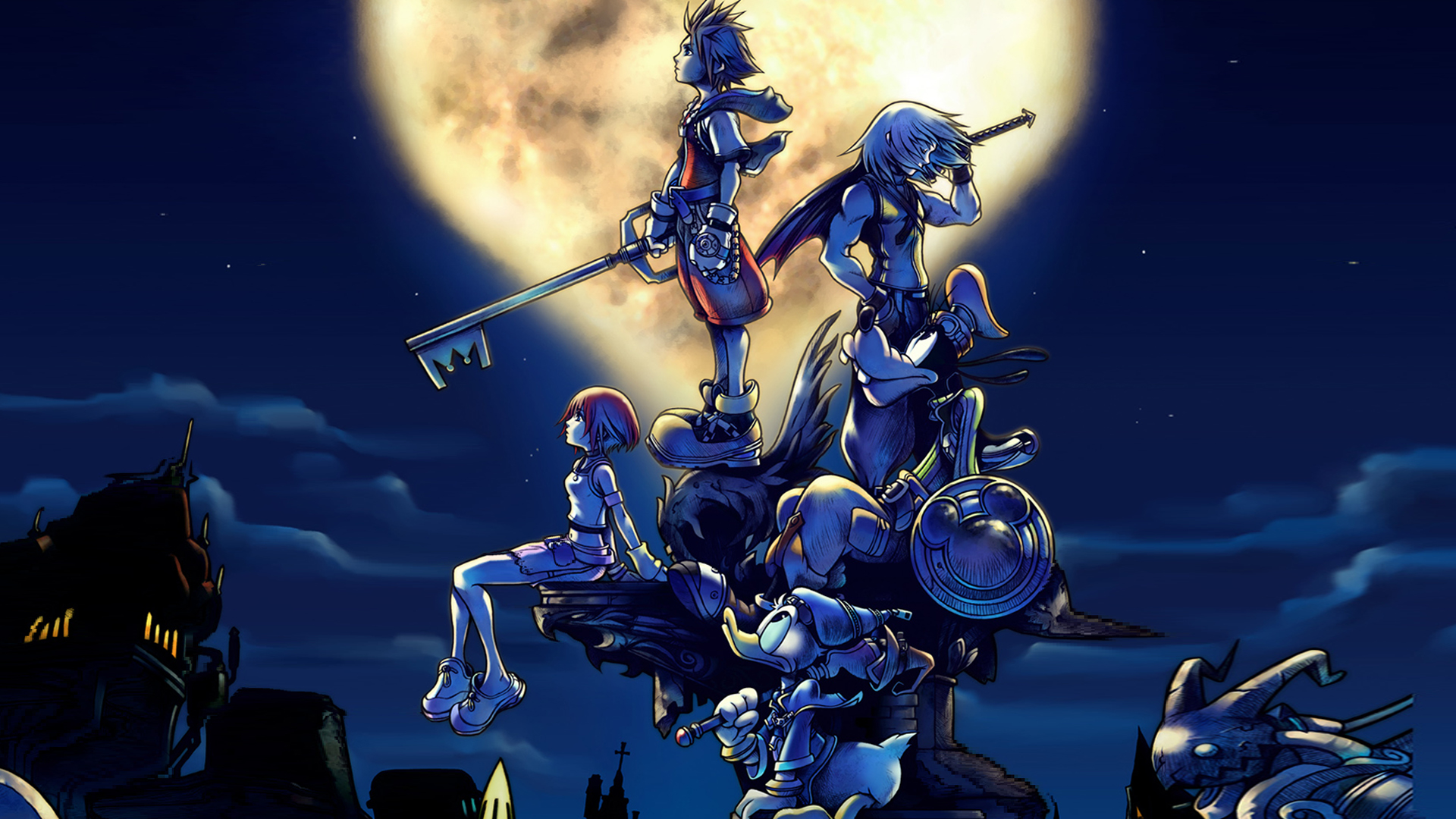
The first game in this series includes challenging platforming and puzzles. Collecting everything – like all the hidden puppies and trinity marks – means revisiting old areas with newly unlocked abilities. Making strong items requires collecting rare materials by defeating specific enemies. The toughest bosses are well-hidden and very difficult, often requiring a guide to find all collectibles and fully complete the game.
‘Tales of Vesperia’ (2008)
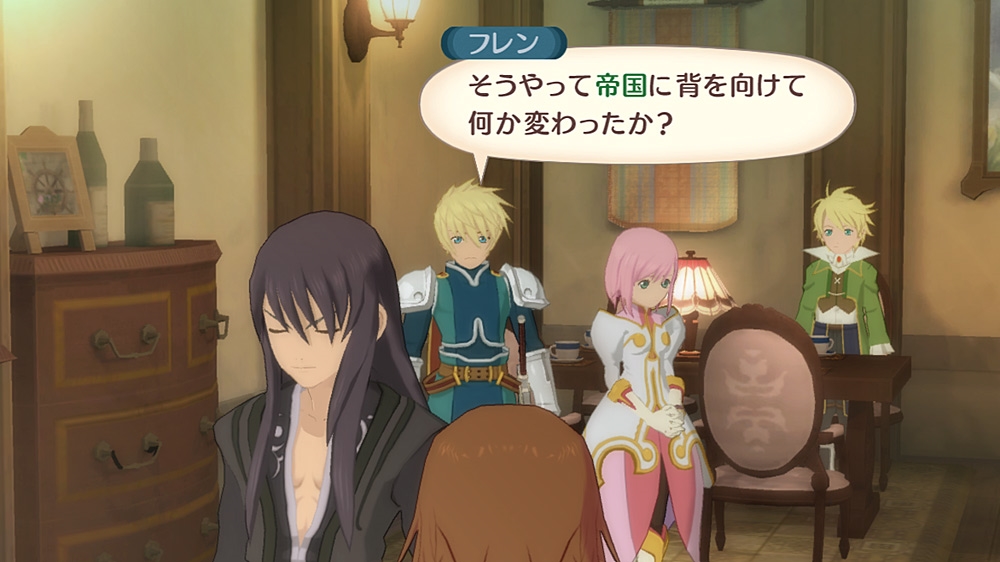
The game is full of optional quests, but they often appear at very specific times during the story. If you miss a single conversation, you could lose access to strong weapons and cool outfits permanently. There are also hidden challenges during boss fights that unlock extra rewards, but these aren’t explained and require a lot of experimentation. Players who want to experience everything usually need to use a guide to make sure they don’t miss anything.
‘Star Ocean: The Second Story’ (1998)
This game features a really detailed crafting and customization system. You can create a huge range of items, from strong weapons to music that impacts your whole team. The best results and strongest character bonds often come from hidden actions you take in different towns. If you miss these opportunities, you might not get the best ending or see everything the game has to offer. A guide can be useful to help you find all the different paths and learn how to craft effectively.
‘Fire Emblem: Genealogy of the Holy War (1996)’
This role-playing game has a unique system where your characters have children who become the main heroes in the second half of the game. These children inherit abilities and stats from their parents, influenced by who the parents are and when they marry. Careful planning of character pairings is crucial, as poor choices can result in a weak next generation. The game features large maps filled with hidden items and optional conversations that reveal more about the characters. Many players rely on guides to build the strongest army and prepare for the challenging final battles.
‘Dragon Quest VII’ (2000)
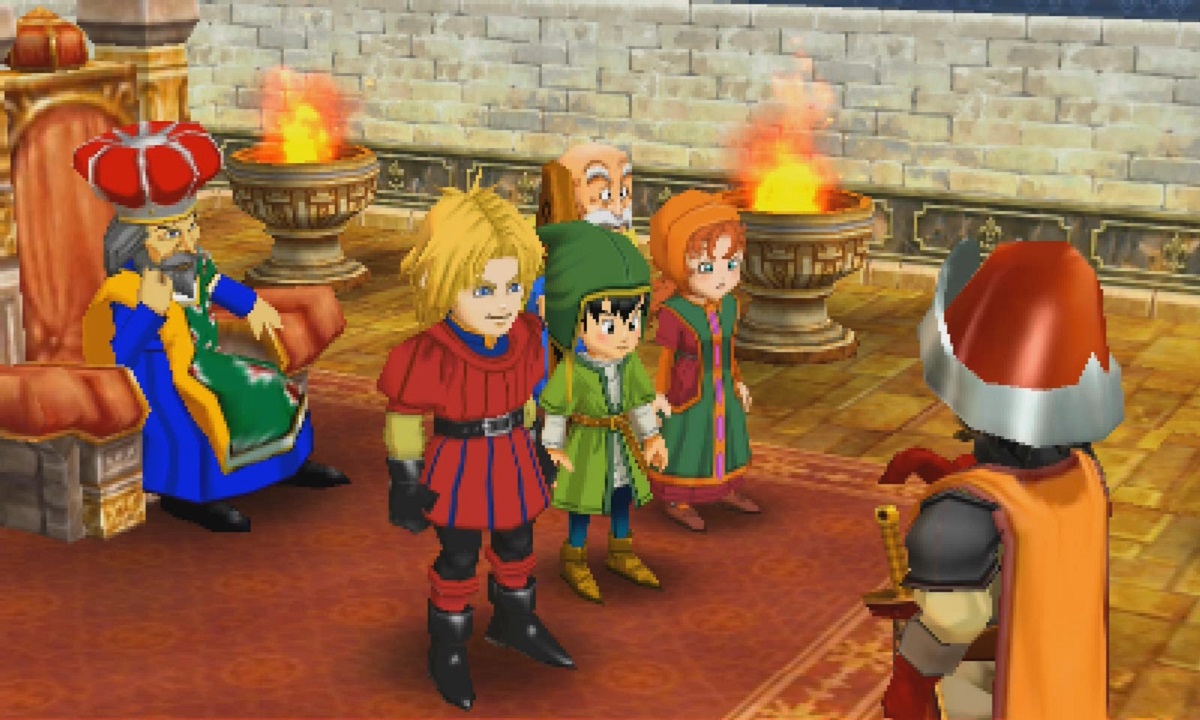
This RPG is incredibly long and involves rebuilding the world gradually. Players explore different eras to find stone tablets, which unlock new areas. These tablets can be really well-hidden, so it’s easy to miss them. The game has a deep class system that takes a lot of fighting to fully understand. Because the game is so vast and complex, many players use a guide to help them find all the collectible fragments.
‘Xenoblade Chronicles X’ (2015)
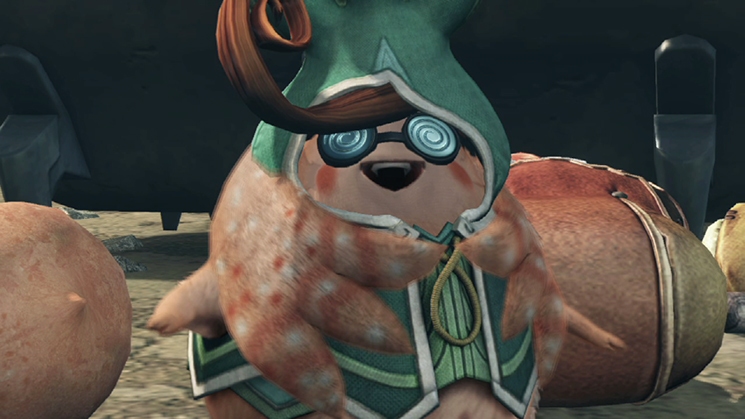
Mira is a huge, open-world planet teeming with strange creatures and varied landscapes. The game offers in-depth features like team-based missions, detailed character development, and extensive robot customization. Quests often require players to search the environment for specific items, and the game doesn’t always clearly explain how to get the best equipment. Because of this complexity, a guide can be really helpful for exploring the world and completing the story.
‘NieR Replicant’ (2010)
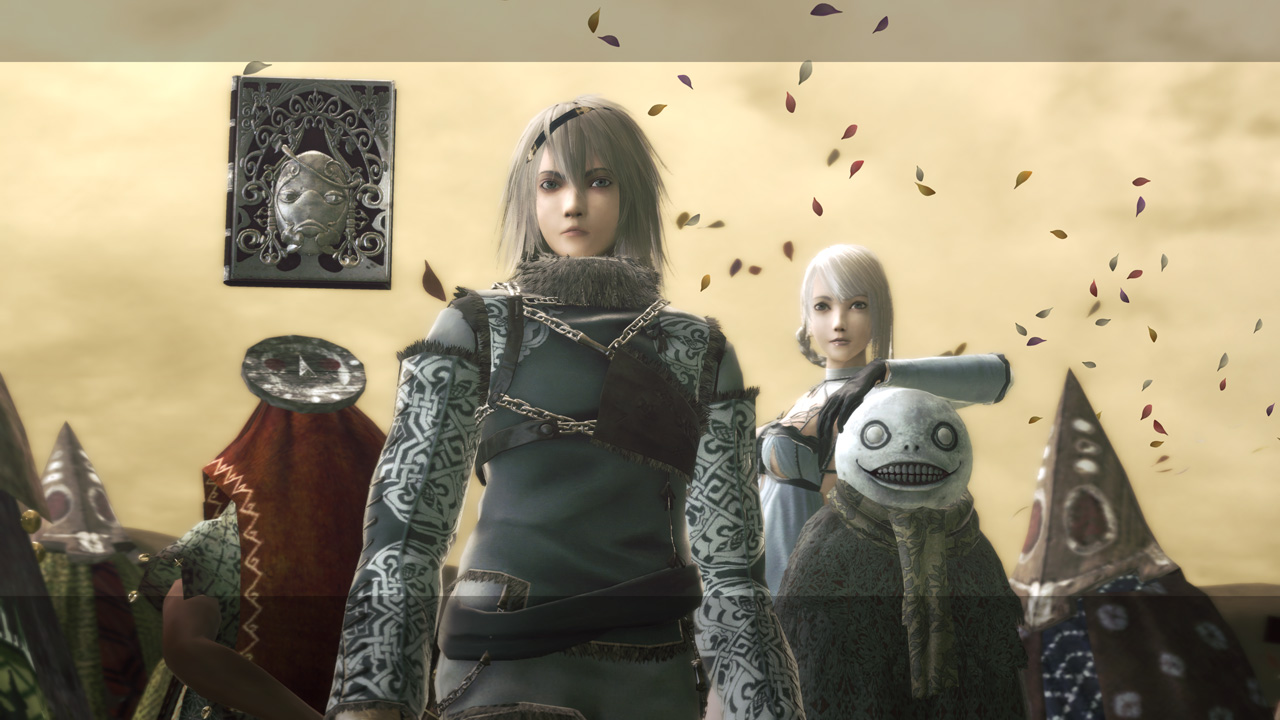
To unlock the game’s complete ending, you need to find every weapon hidden throughout the world. Weapons can be bought in shops, discovered in hidden containers, or earned by finishing optional quests. You’ll also need to play the game multiple times, experiencing the story from different viewpoints. Some quests require a lot of traveling back and forth, so planning ahead is helpful. Because collecting all the weapons can be challenging, many players use guides to help them reach the true ending.
‘EarthBound’ (1994)
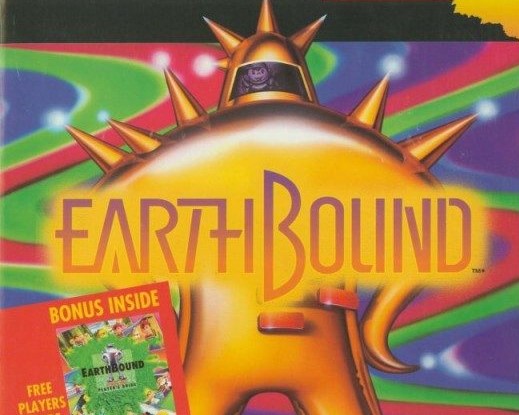
The game is funny and takes place in the present day, but it also has some really confusing parts. For example, at one point you have to just stand still for three full minutes to unlock a hidden area. Later on, there’s a tricky puzzle that requires a specific item and a precise location. When the game first came out, it included a detailed strategy guide to help with these kinds of challenges. Without that guide, many players find the puzzles feel unfair or rely on knowledge you wouldn’t normally have.
‘The Legend of Dragoon’ (1999)
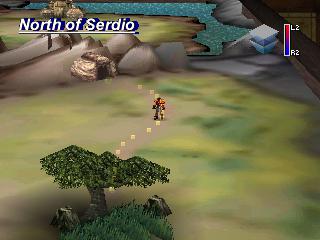
This game’s combat system rewards players for well-timed attacks, allowing them to inflict the most damage and earn bonus points. Collecting all fifty stardust items is a huge undertaking, requiring a thorough search of the entire game world. You’ll need these items to unlock a challenging optional boss and obtain the best gear. Many stardust items are hidden, and you can only reveal them by interacting with certain objects. A guide is highly recommended if you want to find everything the game has to offer.
‘Slay the Spire’ (2019)
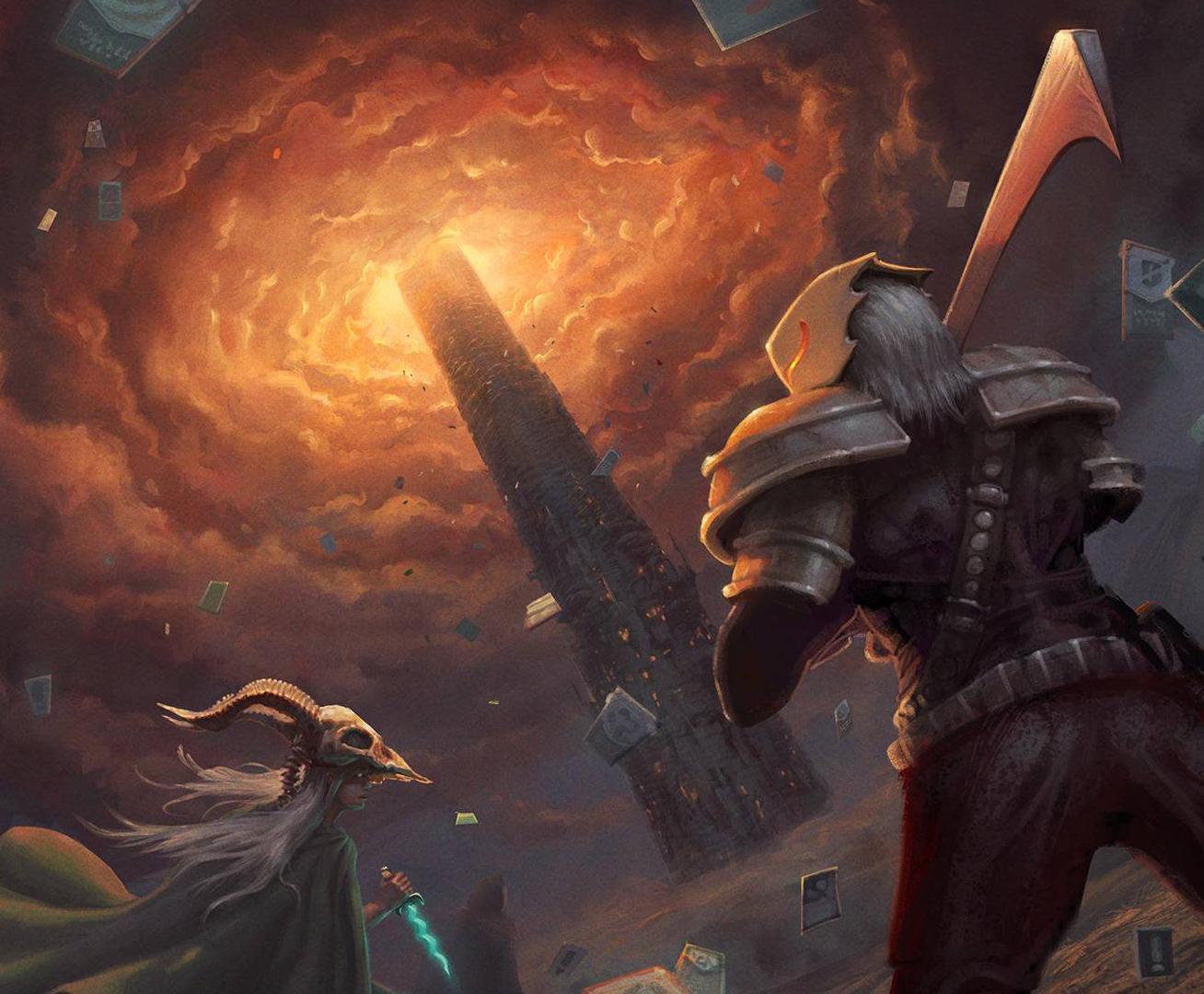
Okay, so beating the real final boss is seriously tough! You need to find three special keys while you’re playing, and that means making some hard choices at campfires – sometimes you have to skip rewards to get what you really need. Plus, you’ll run into super-strong enemies. Honestly, to even get to the boss, you need a deck that’s really well-built and understands how all the cards work together, and what the enemy is going to do. A lot of us struggle with that at first, and end up looking up the best ways to build our decks. A good guide really helps you understand all the hidden stuff and gives you a much better chance of actually winning!
‘Bravely Default’ (2012)

The game features a challenging ending sequence where players have to repeat actions. To unlock the complete story, you actually need to ignore the game’s instructions and do something different. Simply following the directions will lead to a normal ending, cutting off access to the final parts of the game. While this unexpected twist is central to the story, it can be tricky to figure out without some guidance. A walkthrough can be really helpful for completing the last sections and understanding what you’re supposed to do to reach the true ending.
‘Radiant Historia’ (2010)
Okay, so this game’s time travel is seriously cool, but also really complex! It creates a ton of different timelines and stories that all connect. You’re constantly switching between two main storylines to figure things out and move forward. Sometimes you have to find a clue in one timeline and then use it in another, at just the right moment. Honestly, it’s super easy to get lost because the game doesn’t always tell you exactly what to do next. I ended up needing a walkthrough just to keep track of everything – all the different time points and what’s happening with each character!
‘Tactics Ogre: Let Us Cling Together’ (1995)
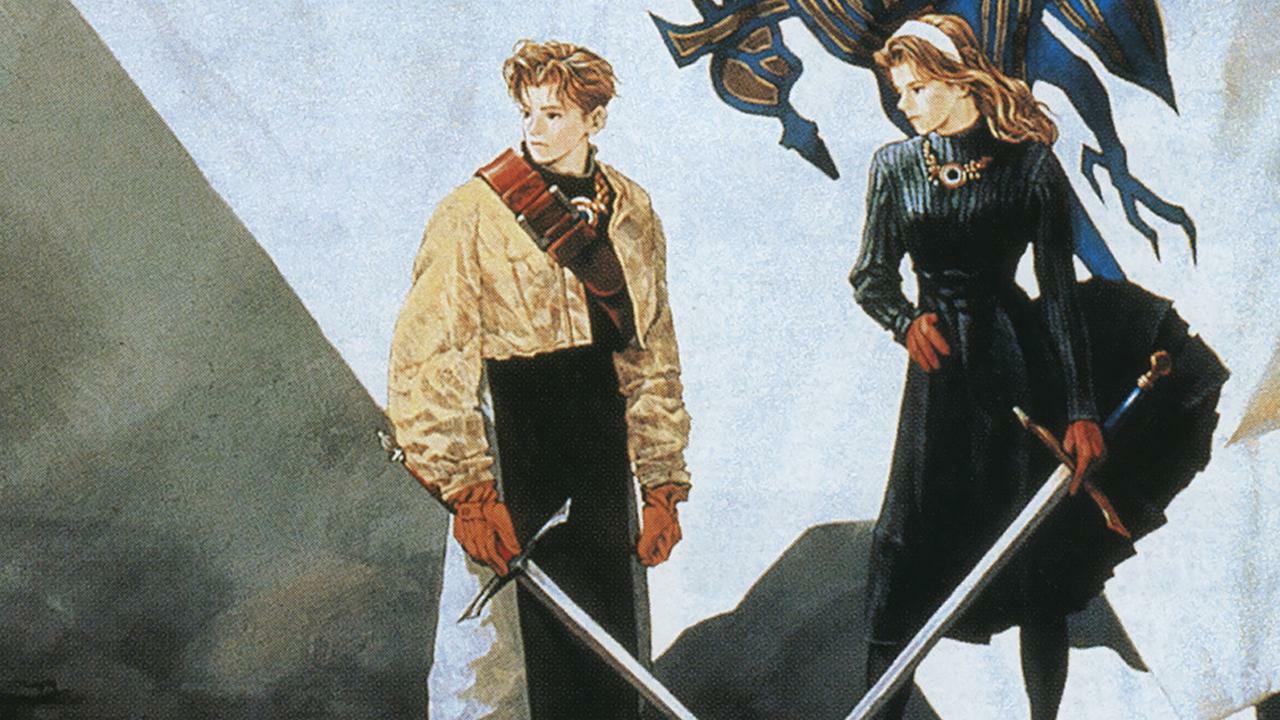
This strategy RPG has a branching story where your choices matter. Getting certain characters to join you takes careful planning and specific actions throughout the game. There’s a lot to learn with its detailed crafting and character development, and it can be tricky to build the strongest team. Powerful characters are often hidden and require completing secret objectives during gameplay. Many players suggest using a guide to experience everything the story has to offer and find all the best allies.
‘Mother 3’ (2006)

This game builds on the original with a unique combat system based on rhythm, and challenges players to find hidden items to move forward. Later in the game, you’ll encounter a particularly tricky maze filled with similar-looking rooms, which can be quite challenging. The story is emotionally engaging and changes based on your decisions and how you explore. While the main story is easy to follow, discovering all the gear and secrets often requires a little help. A guide is available to help players fully appreciate the game’s highly-regarded story.
‘The Elder Scrolls III: Morrowind’ (2002)
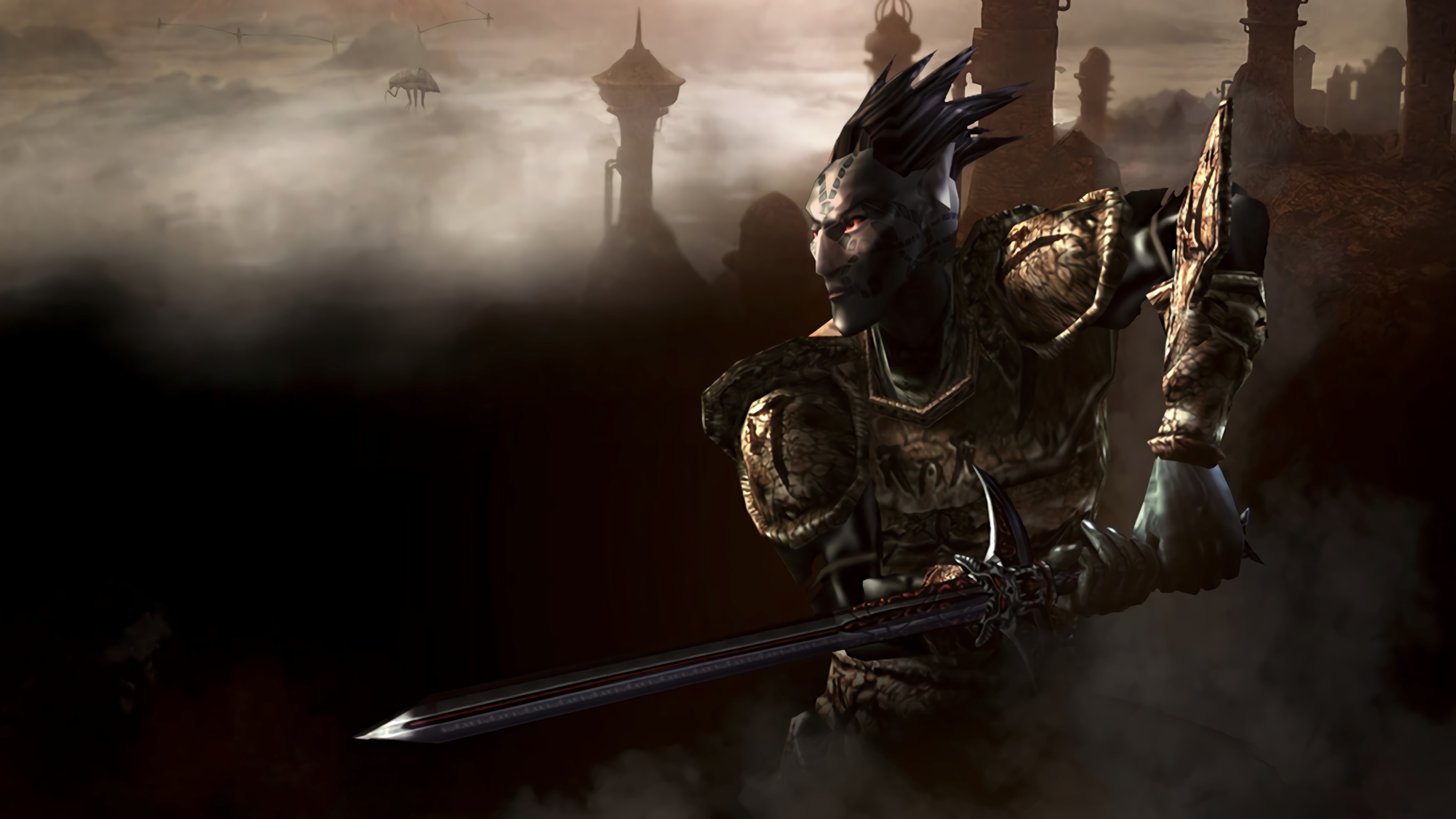
Vvardenfell is a huge world, but it doesn’t have the typical modern quest markers to show you where to go. Instead, people giving you quests will tell you directions using things like hills, rivers, and old ruins. Because of this, it’s easy to get lost or confused, particularly in the empty parts of the land. The game also has complicated ways to improve your character and build relationships with different groups. A good map and guide are often a big help for new players trying to navigate the world.
‘Final Fantasy XII’ (2006)
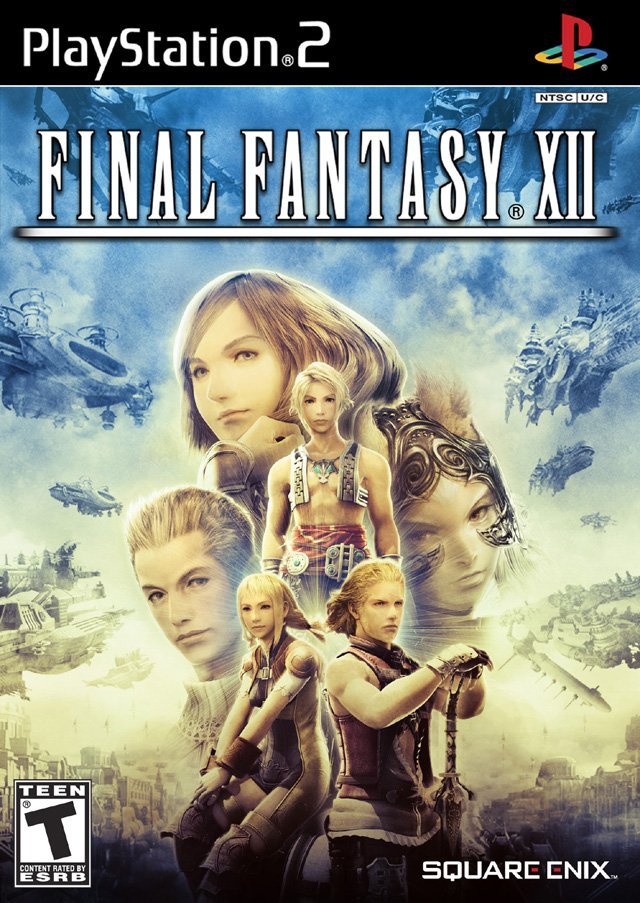
This game originally had a hidden feature where opening certain chests early on could prevent you from getting the best weapon, the Zodiac Spear. The game doesn’t tell you this, so many players accidentally lock themselves out of it. Getting the most powerful gear also requires learning tricky strategies and setting up your combat tactics carefully. A guide can be really helpful if you want to become an expert hunter and find everything the game has to offer.
‘Breath of Fire IV’ (2000)
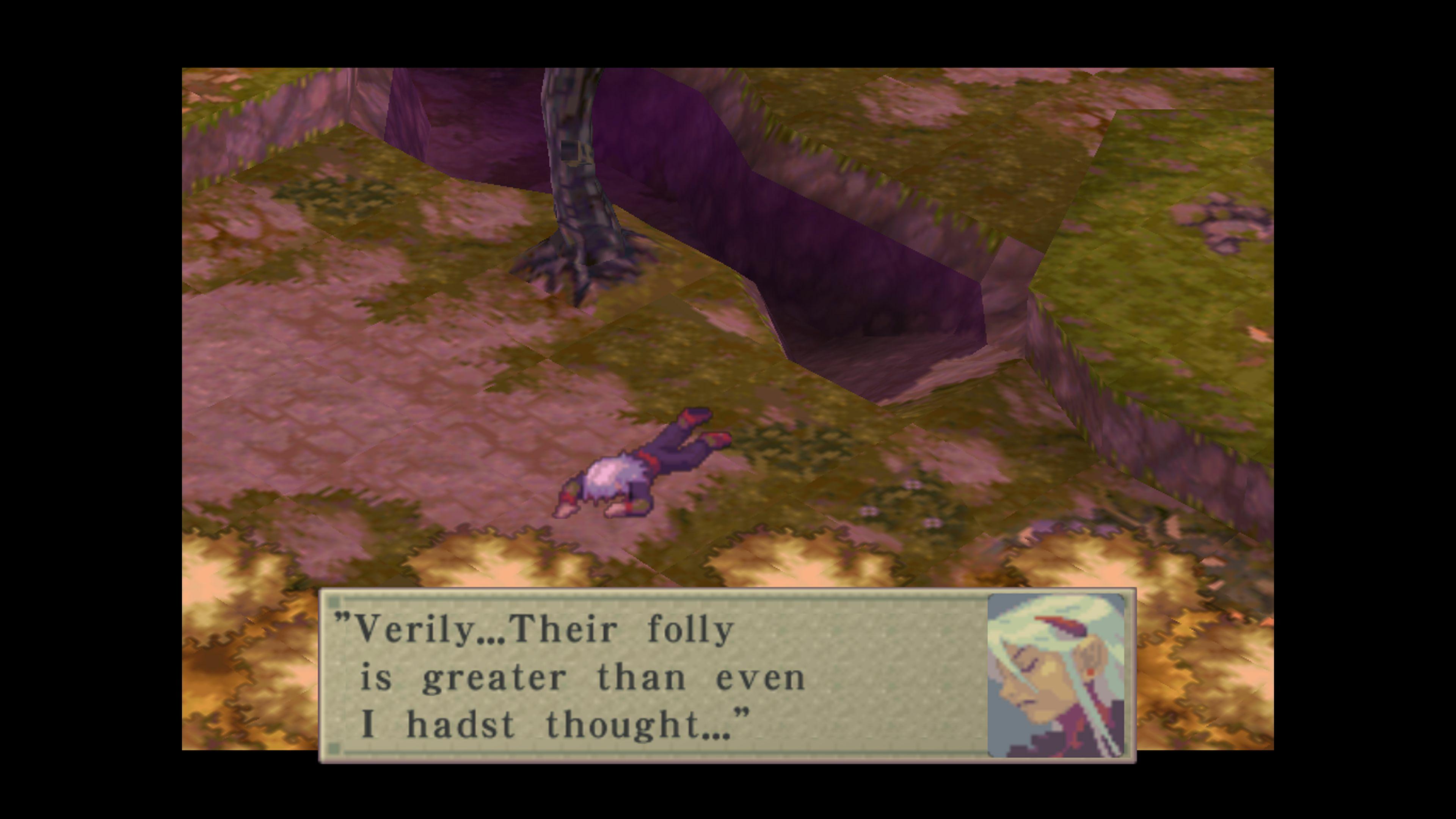
The game centers around transforming into powerful dragons and features a wealth of secret, highly skilled characters to discover. Players learn new abilities by finding these masters and completing tasks to become their students. Some masters are hidden in hard-to-reach places, requiring players to use special character skills to unlock them. Beyond the main quest, you can also enjoy a detailed fishing game and a robust village-building system. A helpful guide is included to assist you in locating all the masters and building a strong team for the difficult final stages of the game.
‘Chrono Trigger’ (1995)
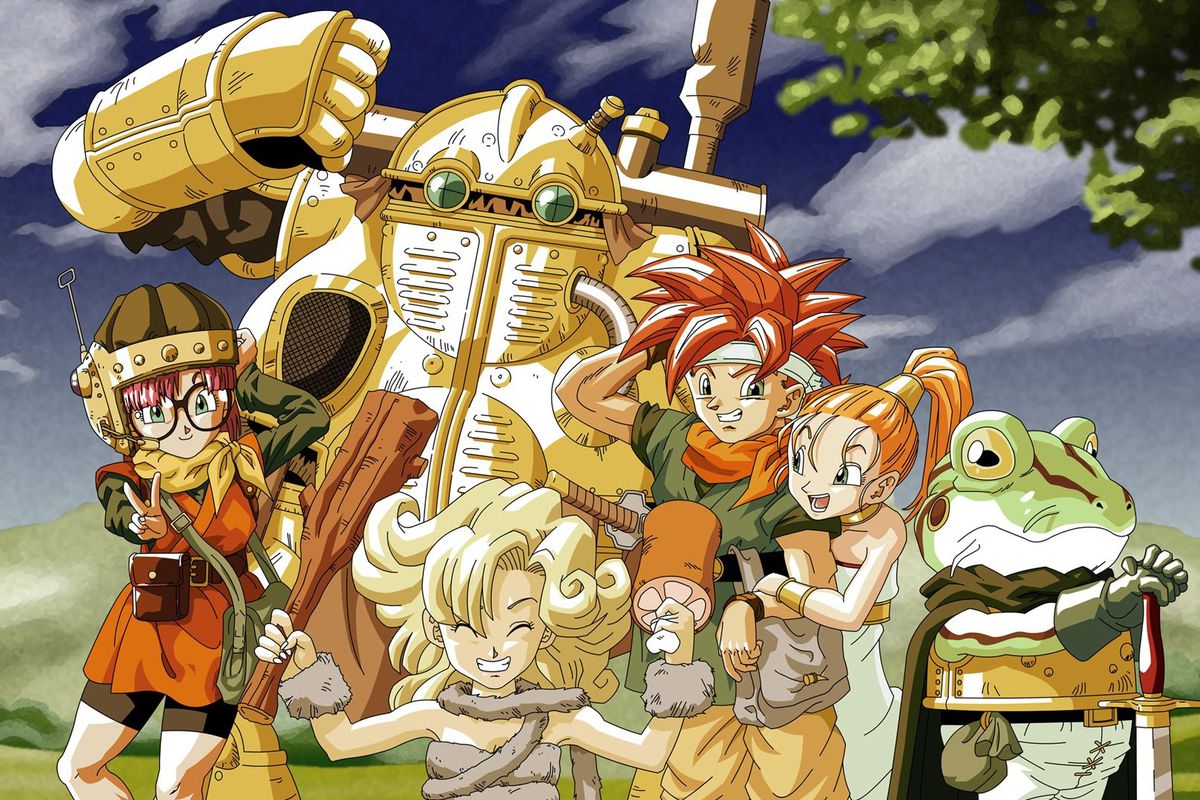
This time travel game has a lot to offer, with more than a dozen different ways the story can end. To experience everything, you’ll have a real challenge! The final part of the game includes optional side quests for each character that can change the game world and get you powerful gear. These quests often require you to do things in the past that aren’t immediately clear. Most players need a guide to find all the secrets and unlock every ending. The game is known for keeping a fast pace and having a unique design.
‘Chrono Cross’ (1999)
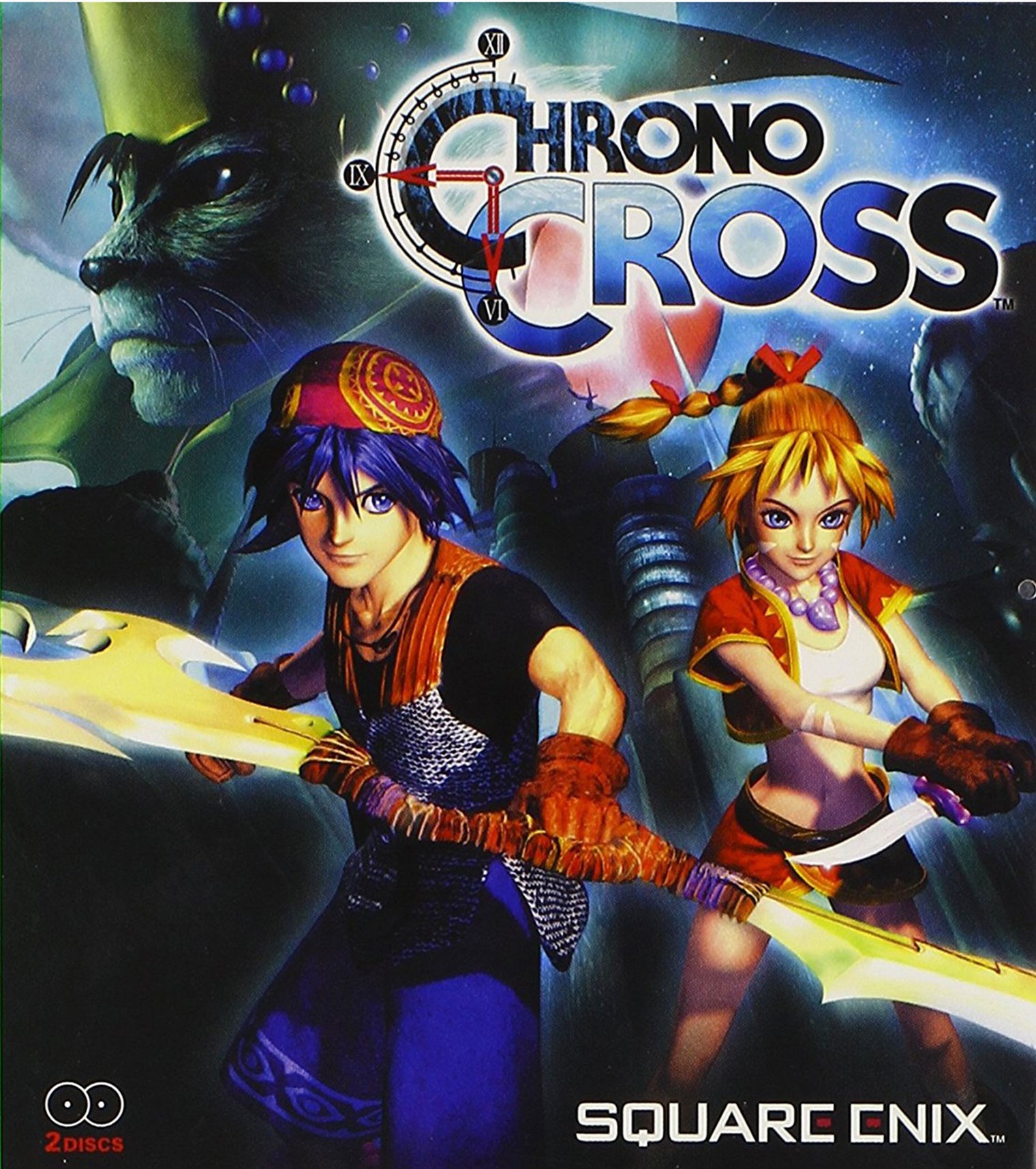
Unlocking all forty-four characters in this game takes multiple playthroughs and careful decision-making. Some characters are only available if you make selfish choices or follow a specific storyline. To achieve the true ending, you also need to use a hidden combination during the final battle. The game doesn’t offer much guidance on how to do this, so a guide is almost essential if you want to collect everyone and see the best possible ending.
‘Secret of Mana’ (1993)
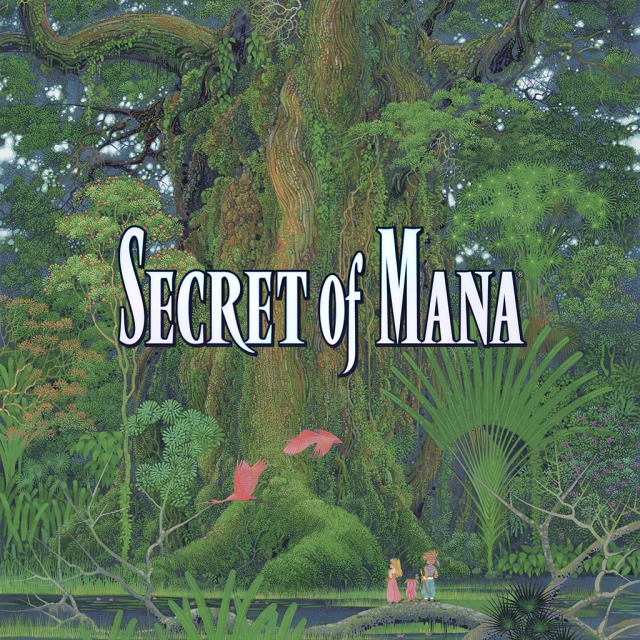
Okay, so this action RPG is seriously deep when it comes to weapons – you’re constantly leveling them up. There are also a ton of hidden magic seeds scattered everywhere, and you need to find them all to unlock the final dungeon. Getting your weapons upgraded at the right blacksmiths is key, but some of those upgrades are super easy to miss. Once you get flying, the map can actually get more confusing, which is weird. And the bosses? Forget about it! They each have these really specific attack patterns, and you’ll need the right elemental spells to take them down. Honestly, most of us who’ve played it agree that a guide is a lifesaver when exploring the Mana world. It just makes things so much smoother!
‘Paper Mario: The Thousand-Year Door’ (2004)
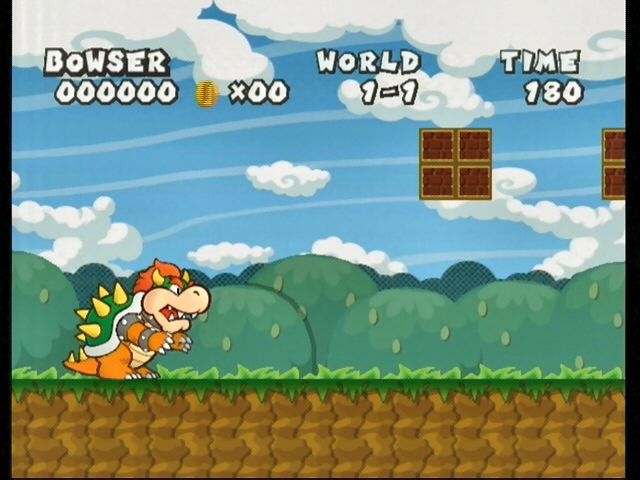
The main story has a clear path, but collecting everything – like star pieces and hidden badges – is really tough. There are lots of optional places to explore, and a massive 100-floor dungeon that will really test your skills. Later puzzles require you to carefully observe your surroundings to figure them out. The cooking system is all about trial and error, finding the best recipes through experimentation. Luckily, a helpful guide is available to keep track of items and help you through the hardest fights.
‘Lunar: Silver Star Story Complete’ (1996)
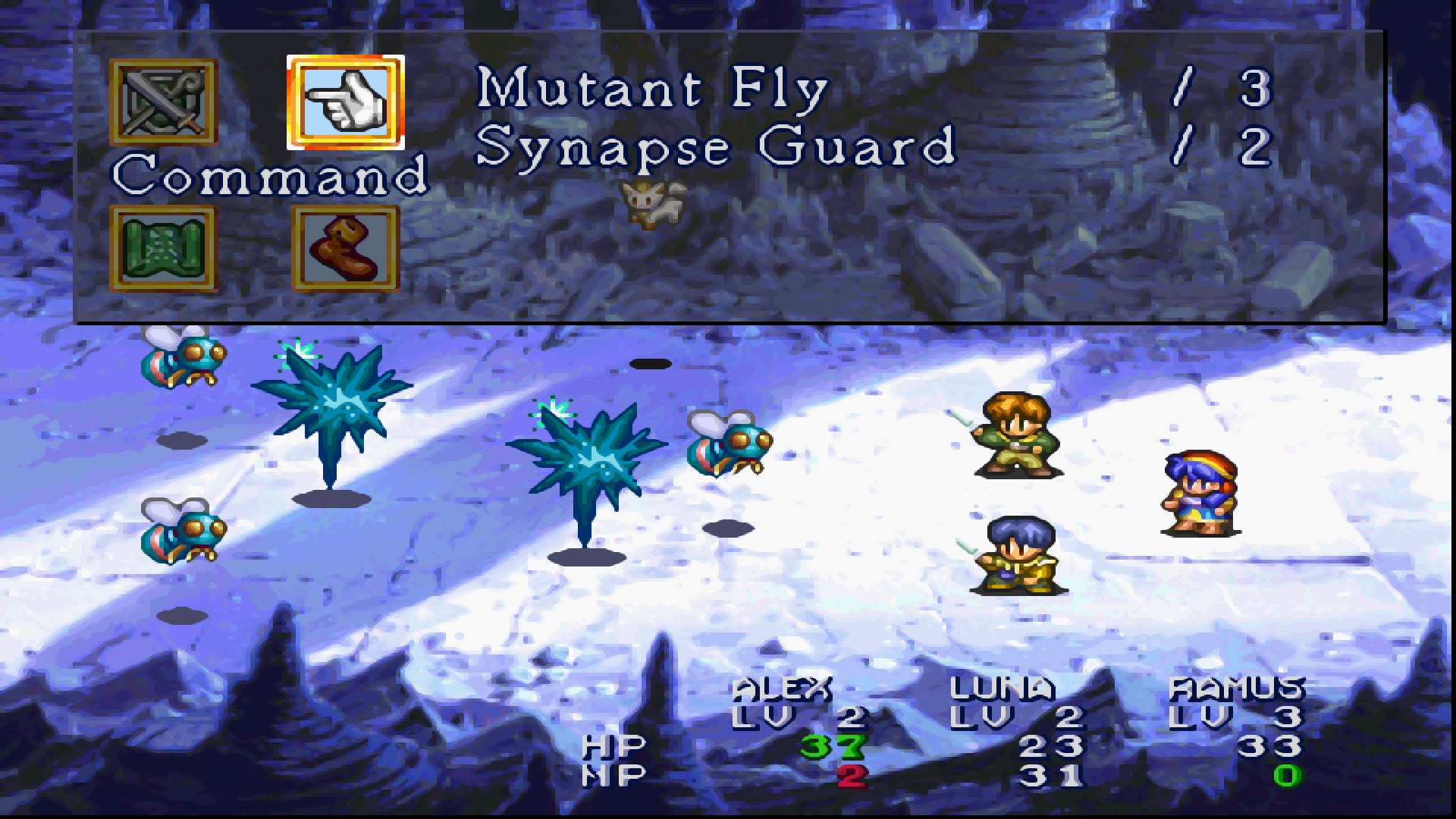
This beloved adventure game is full of dungeons with clever puzzles that involve rearranging objects. Boss battles are challenging and adapt to your level, so simply leveling up won’t guarantee victory. To uncover all the hidden items and lore, you’ll need to thoroughly explore each town and talk to characters repeatedly. While the game is charming, some quests can be quite confusing. A guide can be really helpful if you want to experience everything the story has to offer and find all the secrets.
‘Final Fantasy XI’ (2002)
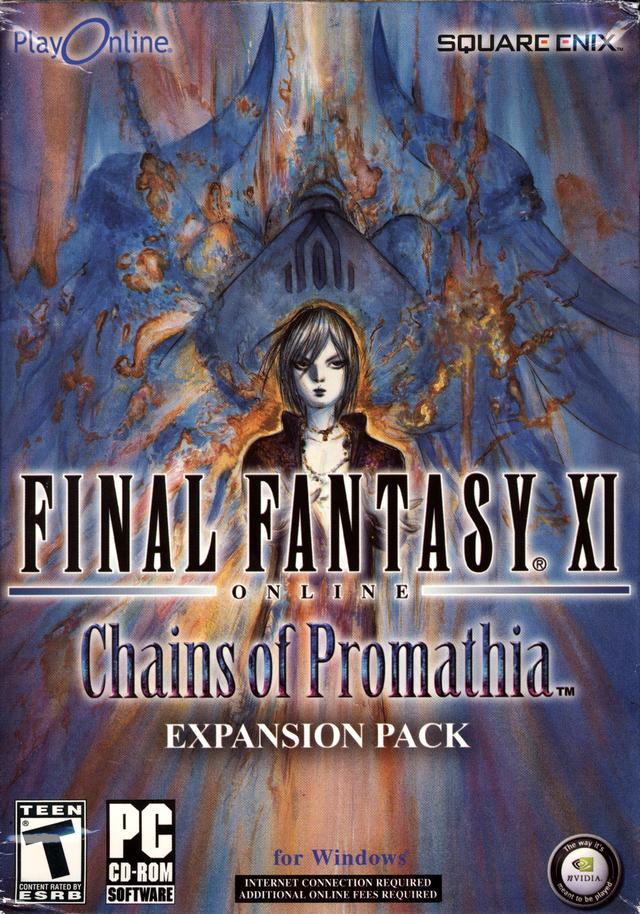
I’ve been playing this MMO for ages, and honestly, when it first came out, figuring things out was a real challenge! The quests were super complex, but the game didn’t really tell you what to do. We all had to rely on each other – forums, wikis, everything – just to know where to go and what we needed. The quests themselves are big adventures, with tough fights that really need a team to tackle. And getting ready for the really high-level stuff? That’s a whole other level of work, learning all the different jobs and what gear you need. It’s always felt like you needed a guide to really get the most out of it, and honestly, that hasn’t changed much over the years.
‘EverQuest’ (1999)
This game was a landmark online RPG, famous for being incredibly challenging and offering very little help to players. You had to explore huge worlds and dangerous areas with almost no in-game maps or directions. Death could mean losing hours of work and a frustrating journey to retrieve your items. Getting powerful weapons took months of dedication and figuring out hidden steps, information that was usually only found through player-created guides. In fact, many players spent almost as much time reading about the game as they did actually playing it.
Share your thoughts on which of these challenging RPGs required you to use a guide in the comments.
Read More
- Gold Rate Forecast
- Games That Faced Bans in Countries Over Political Themes
- Silver Rate Forecast
- Unveiling the Schwab U.S. Dividend Equity ETF: A Portent of Financial Growth
- 22 Films Where the White Protagonist Is Canonically the Sidekick to a Black Lead
- 20 Movies Where the Black Villain Was Secretly the Most Popular Character
- Superman Flops Financially: $350M Budget, Still No Profit (Scoop Confirmed)
- How to Do Sculptor Without a Future in KCD2 – Get 3 Sculptor’s Things
- Celebs Who Narrowly Escaped The 9/11 Attacks
- 14 Movies Where the Black Character Refuses to Save the White Protagonist
2026-02-07 21:21