
Rocket Lab, a company engaged in the increasingly crowded business of launching objects into the void, experienced a further increase in its share price during January 2026. The rise, a continuation of the previous year’s gains, demands a sober assessment, rather than uncritical enthusiasm.
A Contract, and its Limitations
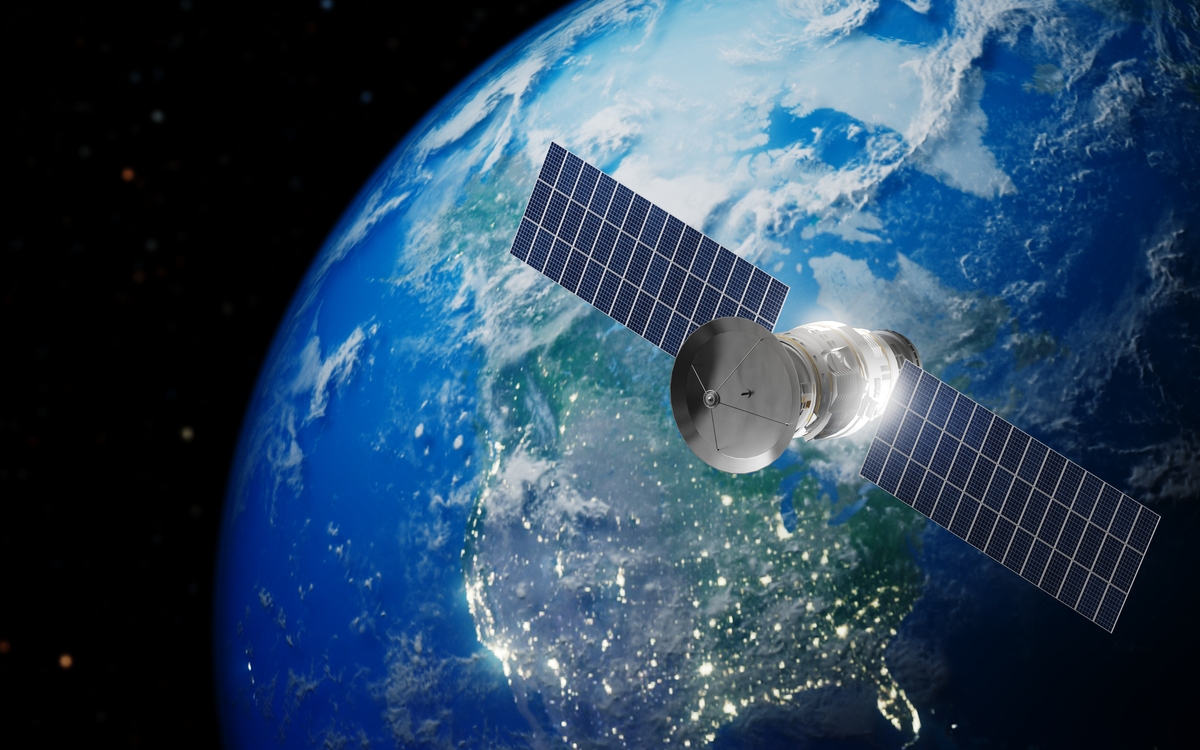
The company benefited from a substantial contract awarded by the U.S. Space Force – $816 million for the construction of eighteen satellites. While a significant sum, it is essential to remember that contracts, particularly those issued by government entities, do not guarantee future prosperity. They represent obligations fulfilled, not inherent value created. The total defense contract value exceeding $1 billion is a figure easily inflated by the sheer cost of modern technology, and does not necessarily indicate a sustainable business model.
Wall Street’s Optimism: A Cautionary Note
Analysts at Morgan Stanley and Bank of America have recently upgraded their assessments of Rocket Lab, raising price targets to $105 and $120 per share, respectively. Such pronouncements should be viewed with skepticism. Investment bank upgrades are often driven by factors unrelated to fundamental company performance – the need to maintain client relationships, generate fees, or simply follow the prevailing market sentiment. The cited reasons – “proven launch execution” and access to the “medium-lift market” – are hardly unique advantages in a rapidly expanding industry.
The successful launch of two rockets in January, exceeding eighty missions overall, is commendable, but it is the cost of these launches, and the profitability thereof, that truly matters. Mere activity does not equate to financial health.
Setbacks and Uncertainties
The cancellation of the Mars Sample Return program, while undoubtedly disappointing for Rocket Lab (potentially costing them $4 billion in projected revenue), serves as a stark reminder of the risks inherent in relying on government contracts. Such programs are subject to political whims and budgetary constraints, factors beyond the company’s control. To base long-term projections on such unstable foundations is, at best, imprudent.
Furthermore, a testing failure in the Neutron rocket program is a significant setback. The Neutron, a larger vehicle intended to drive future growth, is essential to the company’s long-term prospects. Any delay or complication in its development casts a shadow over the entire enterprise. To speak of growth while simultaneously encountering technical difficulties is a contradiction.
Adding to these concerns is the broader economic climate. Fears of an artificial intelligence bubble, coupled with stable, but not necessarily favorable, interest rates, create a precarious environment for high-growth, speculative stocks. Lower borrowing costs would undoubtedly be beneficial, but to rely on such a contingency is to admit a vulnerability.
A Qualified Recommendation
January 2026 has demonstrated that Rocket Lab, despite its achievements, remains a company fraught with execution risk. The recent surge in its share price demands an exceptionally high level of performance to justify the valuation. Such a standard is difficult to maintain, even in the most favorable circumstances.
Nevertheless, for investors willing to accept a considerable degree of risk, Rocket Lab may warrant consideration. However, it is crucial to approach this investment with eyes open, recognizing the inherent uncertainties and the potential for significant losses. Hope, after all, is not a strategy.
Read More
- Gold Rate Forecast
- Invincible Season 4 Gender Swaps Tech Jacket As Fans Question Major Comic Change
- Silver Rate Forecast
- 14 Movies Where the Black Character Refuses to Save the White Protagonist
- ONE PIECE Season 2 Confirms Sanji’s OTHER Backstory in the Live-Action
- 15 Films That Were Shot Entirely on Phones
- Unveiling the Schwab U.S. Dividend Equity ETF: A Portent of Financial Growth
- 22 Films Where the White Protagonist Is Canonically the Sidekick to a Black Lead
- The Best Former NFL Players Turned Actors, Ranked
- How to Do Sculptor Without a Future in KCD2 – Get 3 Sculptor’s Things
2026-02-06 03:02