Rivian, that ambitious electric vehicle manufacturer, had a bit of a moment recently. Shares, you see, rocketed upwards after their fourth-quarter results were announced on February 12th. It was all very encouraging. But, as anyone who’s ever attempted to build a functioning toaster oven knows, sustaining initial momentum is…challenging. This week, the stock has rather noticeably retraced its steps. It’s a reminder that the road to automotive revolution, even one powered by electricity, is rarely a straight line.
The stock is now hovering around where it was before the good news, down roughly 14% according to the folks at S&P Global Market Intelligence. Which, when you think about it, is a fairly dramatic illustration of market sentiment. It suggests investors are starting to ask the really difficult questions. Not “Is this a cool truck?” but “Can they actually make a lot of them, consistently, and at a profit?”
R2 or Bust?
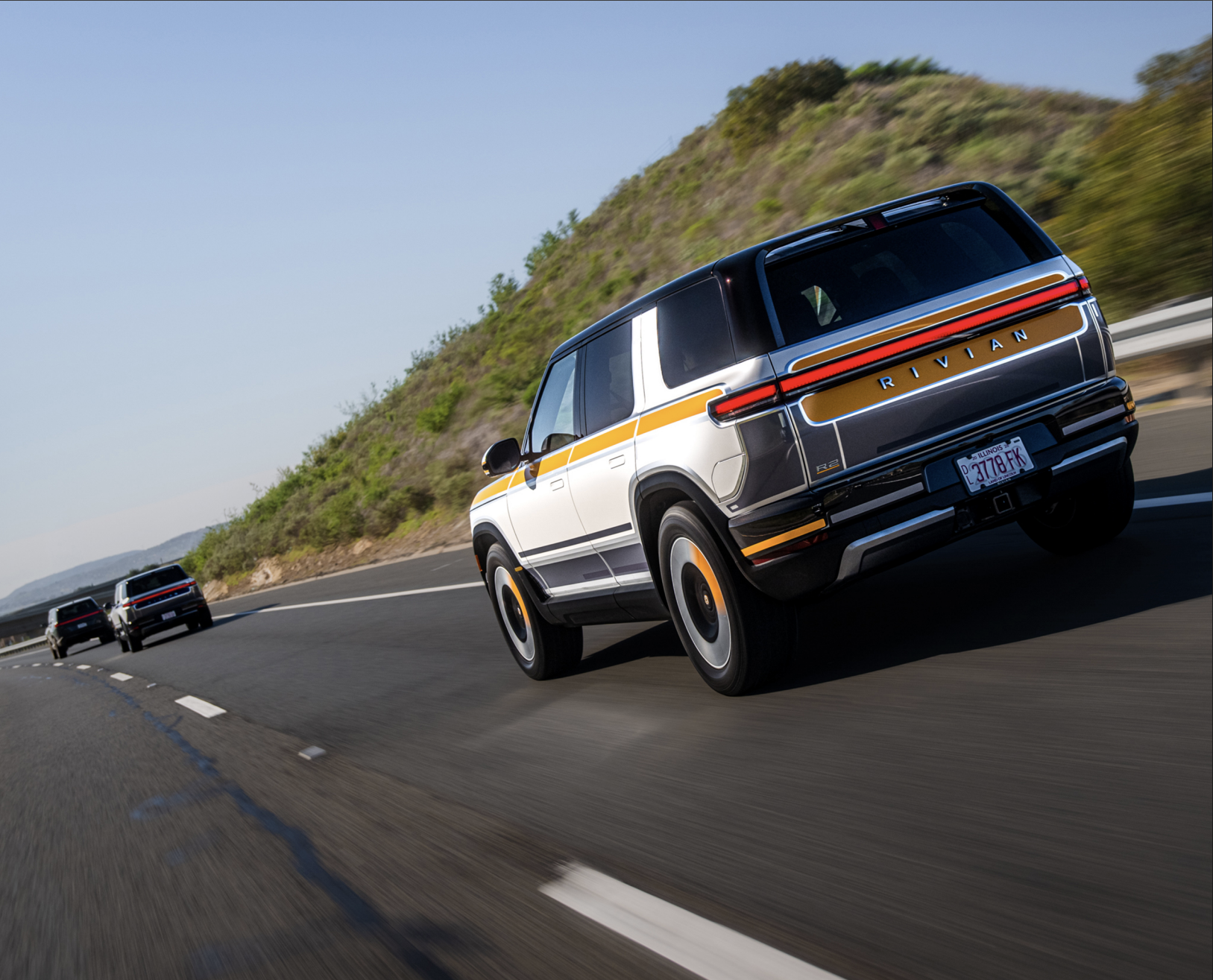
That, it seems, is the prevailing attitude. A little harsh, perhaps, but not entirely inaccurate. The company is pinning a lot on the R2, a slightly more affordable model intended to broaden their appeal. It’s a logical move, of course. You can’t sell many $80,000 trucks, even if they are remarkably well-designed. The R2, priced around $45,000, aims to tap into a much larger market. It’s a bit like deciding to sell only artisanal, hand-carved rocking horses, then realizing you might reach more customers with a reasonably priced plastic pony.
Rivian anticipates sales to jump by up to 60% beyond 2025 levels, if all goes to plan. A bold prediction, naturally. Predicting the future is a notoriously unreliable occupation, as anyone who’s ever tried to forecast the weather can attest. But, the R2 is expected to generate considerable consumer interest. The company is hoping for a substantial pre-order volume, which, in the electric vehicle world, is a bit like a down payment on hope.
But Rivian isn’t relying solely on volume. They’re also touting their third-generation autonomy platform, which will debut on the R2 later this year. It’s a complicated bit of kit, involving sensors and “inference compute” (whatever that is – I suspect it involves a lot of algorithms and very clever engineers). They claim it will be among the most powerful systems in any consumer vehicle in North America. Which, if true, is impressive. Though, let’s be honest, the phrase “self-driving” has lost a bit of its luster in recent years.
All this sounds promising, naturally. But after the initial burst of excitement following the earnings report, investors seem to be adopting a “wait and see” approach. They want to see evidence of execution, of consistent production, of a viable path to profitability. It’s a perfectly reasonable request, really. Building a car company, even an electric one, is a fiendishly difficult undertaking. It requires not just innovation and ambition, but also a healthy dose of luck, and an almost superhuman ability to manage complexity. And a very large factory, of course.
Read More
- 20 Movies Where the Black Villain Was Secretly the Most Popular Character
- Transformers Under the Microscope: What Graph Neural Networks Reveal
- Celebs Who Narrowly Escaped The 9/11 Attacks
- Silver Rate Forecast
- Trading on Thin Air: AI Agents Conquer Crypto Volatility
- Gold Rate Forecast
- Invincible Season 4 Gender Swaps Tech Jacket As Fans Question Major Comic Change
- 22 Films Where the White Protagonist Is Canonically the Sidekick to a Black Lead
- Every Notable ‘Star Trek: The Original Series’ Actor Who Died
- Trading Smarter: AI-Powered Execution Schedules
2026-02-21 16:52