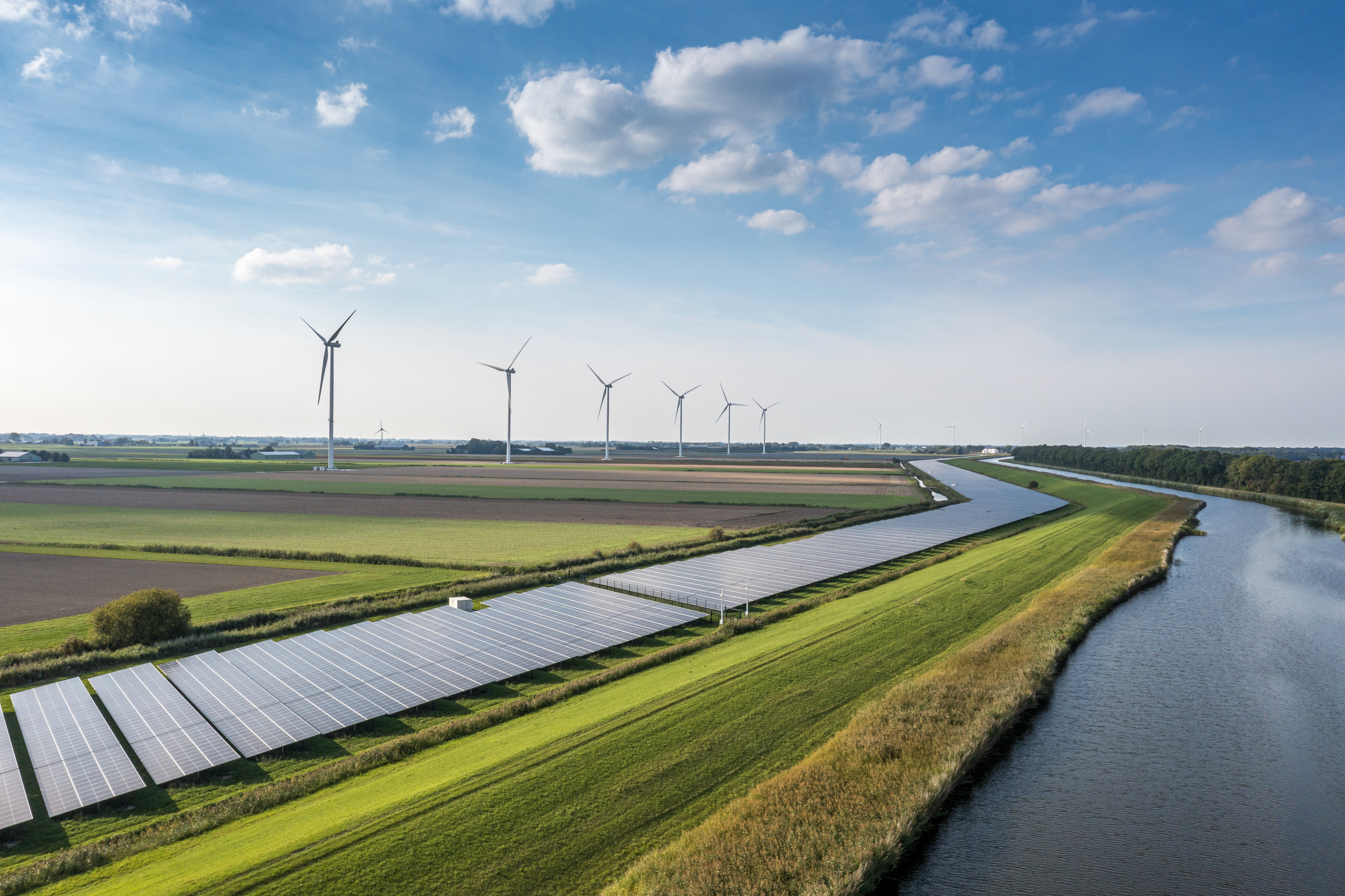
Recent market performance indicates a degree of investor oversight regarding the relative strength of clean energy equities. In the preceding year, the iShares Global Clean Energy ETF (ICLN 0.96%) generated a 47% return, exceeding the 39% achieved by Nvidia, and the 21% registered by the Nasdaq Composite. This outperformance, even surpassing the gains of the so-called “Magnificent Seven,” warrants further scrutiny, particularly given the historical volatility observed within this sector.
The iShares Global Clean Energy ETF has yet to fully recover from the correction experienced in 2021, a factor that introduces a degree of caution. The current rally, therefore, necessitates a rigorous assessment of underlying drivers and potential sustainability.
The following analysis outlines key factors supporting a potentially positive trajectory for renewable energy equities in the current year.
1. Regulatory and Legislative Influences
The repeal of provisions within the Inflation Reduction Act presented a perceived headwind for the sector. However, subsequent legislation, signed into law in July 2025, introduces a near-term catalyst. This legislation mandates the commencement of construction on wind and solar projects by July 1, 2026, to qualify for associated tax credits. This creates a defined timeline and incentivizes accelerated development.
The Energy Information Administration forecasts record clean energy capacity additions in both 2026 and 2027, driven by this legislative impetus. Preliminary data for the first eight months of 2025 indicates that approximately 88% of new electrical generating capacity in the United States originated from wind and solar sources. This demonstrates a clear shift in the energy mix.
2. Global Expansion of Renewable Energy
For the first time, renewable energy sources surpassed coal in global energy generation during the first half of 2025, according to data from Ember. This milestone was facilitated by significant investments in renewable infrastructure in India and China, the latter of which installed more solar and wind capacity than the rest of the world combined.
Regulatory initiatives within the European Union, such as the Energy Performance of Buildings Directive mandating rooftop solar preparedness for new construction, further contribute to this trend. Similarly, the United Kingdom witnessed record-breaking wind and solar power generation in 2025. Even Saudi Arabia has initiated large-scale solar projects, while Latin American nations derive nearly 70% of their electricity from renewable sources.
3. The Interplay Between AI and Energy Demand
The escalating energy demands of artificial intelligence infrastructure represent a significant consideration. OpenAI CEO Sam Altman has publicly acknowledged the need for an “energy breakthrough” to support the projected electricity consumption of AI data centers, estimated to equal the entire nation of Japan by 2030. His assessment is echoed by Elon Musk, who has cautioned against potential power shortages.
While fossil fuels may provide a portion of this incremental demand, the inherent limitations and long-term sustainability concerns associated with these sources will likely drive increased investment in renewable energy technologies. The perception of a zero-sum competition between fossil fuels and renewables is, therefore, a simplification of a more nuanced dynamic.
Investment Considerations
The iShares Global Clean Energy ETF appears positioned to benefit from the factors outlined above. The fund’s diversified portfolio, encompassing over 100 holdings across various renewable energy sectors—including solar, wind, and fuel cells—provides exposure to a broad range of growth opportunities. Recent performance highlights include a 534% return for Bloom Energy, a 90% return for Vestas Wind Systems, and a 136% return for SolarEdge over the past year.
The fund’s expense ratio of 0.39% remains below the industry average of 0.56%. This, combined with its diversified holdings, presents a potentially attractive risk-adjusted return profile for investors seeking exposure to the expanding renewable energy sector. However, prospective investors should conduct thorough due diligence and consider their individual risk tolerance before making any investment decisions.
Read More
- Gold Rate Forecast
- 22 Films Where the White Protagonist Is Canonically the Sidekick to a Black Lead
- Games That Faced Bans in Countries Over Political Themes
- Silver Rate Forecast
- Brent Oil Forecast
- Unveiling the Schwab U.S. Dividend Equity ETF: A Portent of Financial Growth
- How to Do Sculptor Without a Future in KCD2 – Get 3 Sculptor’s Things
- Celebs Who Narrowly Escaped The 9/11 Attacks
- 14 Movies Where the Black Character Refuses to Save the White Protagonist
- 20 Movies Where the Black Villain Was Secretly the Most Popular Character
2026-01-21 16:43