For decades, reality TV has drawn viewers in with the promise of seeing real, unscripted lives. However, many popular shows aren’t as authentic as they seem. Often, producers heavily edit footage and even create situations to boost ratings and create drama. This list highlights some of the most well-known shows that have been accused of being scripted or completely made up.
‘The Hills’ (2006–2010)
The series centered around the lives of young women in Los Angeles, both at work and in their personal lives. Though presented as a real documentary, the final episode revealed a studio set, hinting that many scenes weren’t authentic. Cast members later confirmed producers often wrote lines for them and created conflicts to make the show more dramatic. This program was influential in developing the ‘constructed reality’ style of television, which often mixes fictional elements with real life.
‘Jersey Shore’ (2009–2012)
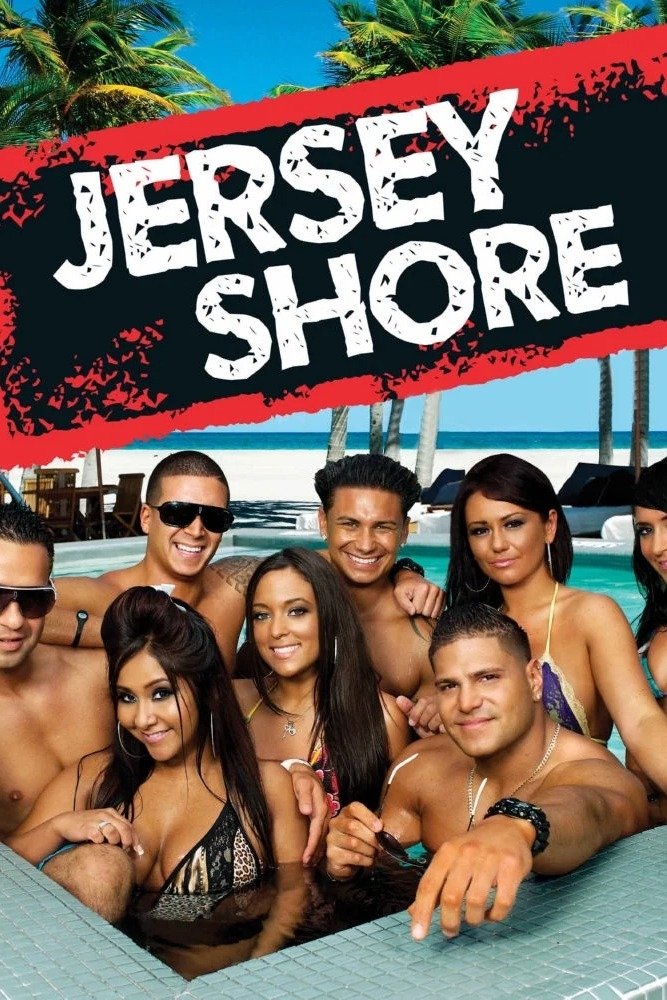
The show followed a group of friends spending the summer at the Jersey Shore. However, people who lived and worked near the set said that producers often pushed the cast to create drama and romantic connections. While it seemed like the housemates were just having fun, their days were actually carefully planned by the network to make sure they got exciting scenes for the show.
‘Pawn Stars’ (2009–Present)
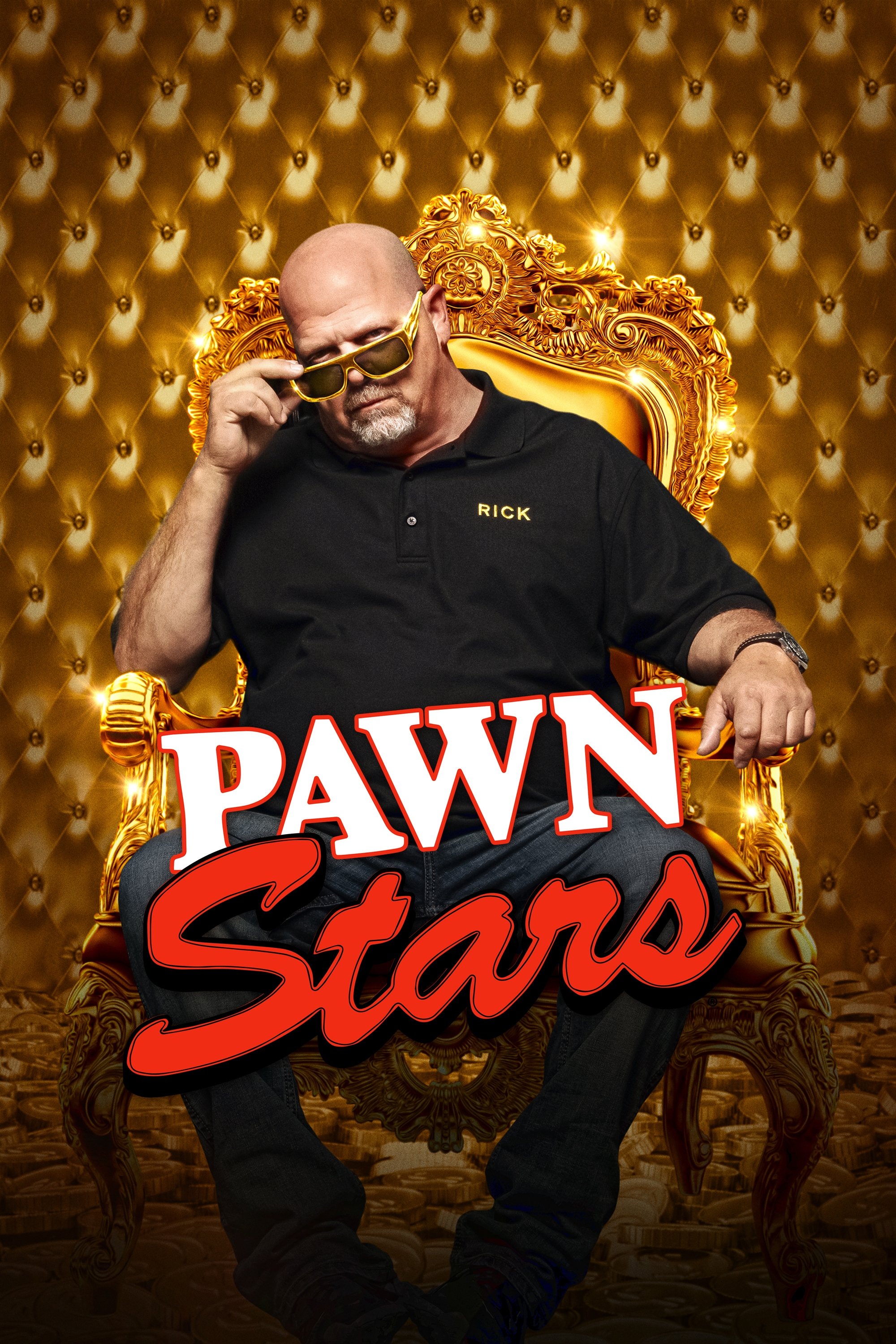
The show follows the day-to-day happenings at the Gold & Silver Pawn Shop in Las Vegas. While it seems spontaneous, most of the customers and items featured have been chosen in advance and researched beforehand. To make things run smoothly for viewers, the bartering and historical details are often practiced. Because the main cast is famous, they don’t usually work at the counter when the shop is open to the public.
‘Storage Wars’ (2010–Present)
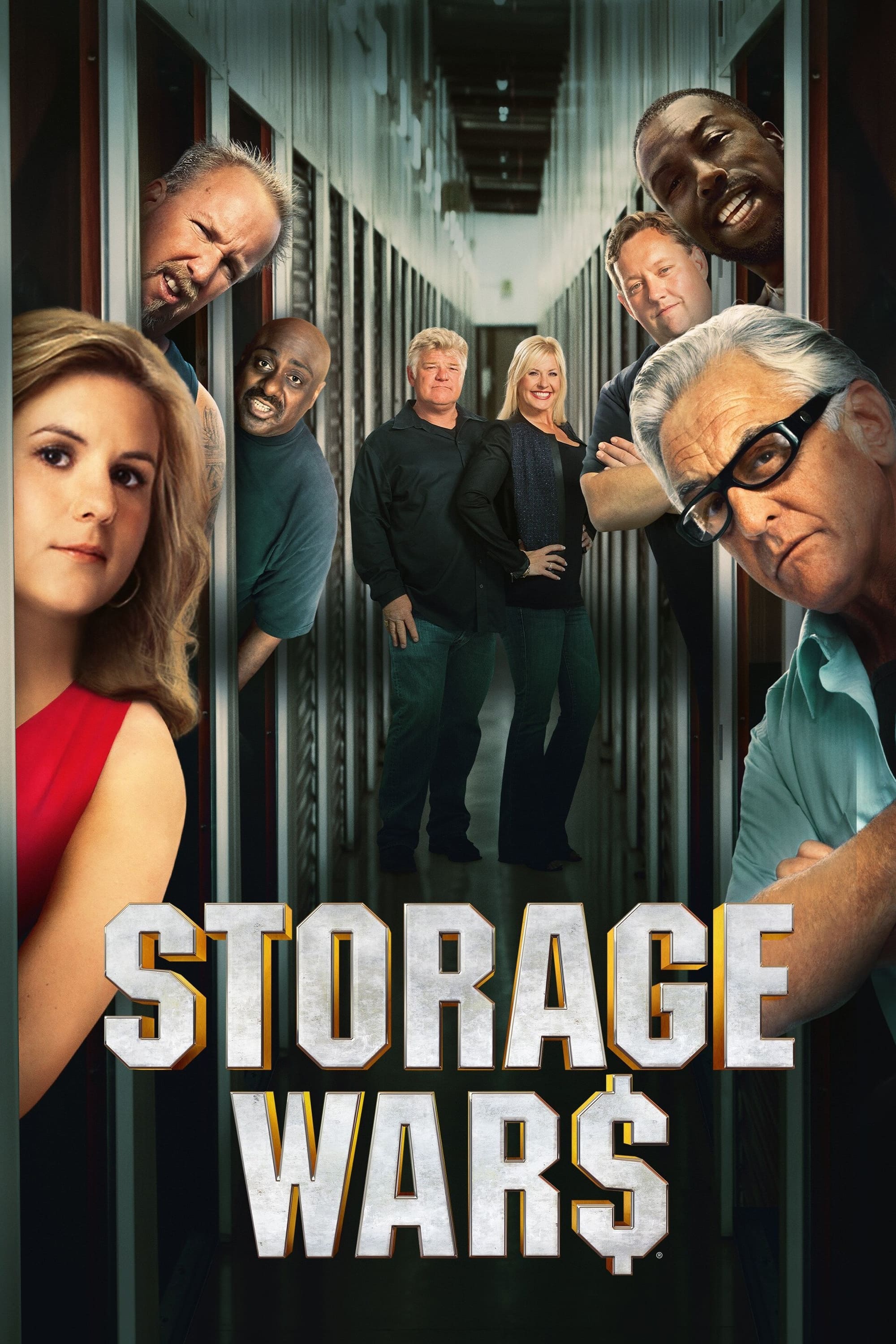
The show features people who buy the contents of abandoned storage units at auction. A former cast member sued, alleging that producers secretly added valuable items to create more drama. The auctions are often edited to seem more competitive than they actually were, and producers have been accused of intentionally arranging the discovery of interesting items to make each episode more compelling.
‘The Bachelor’ (2002–Present)
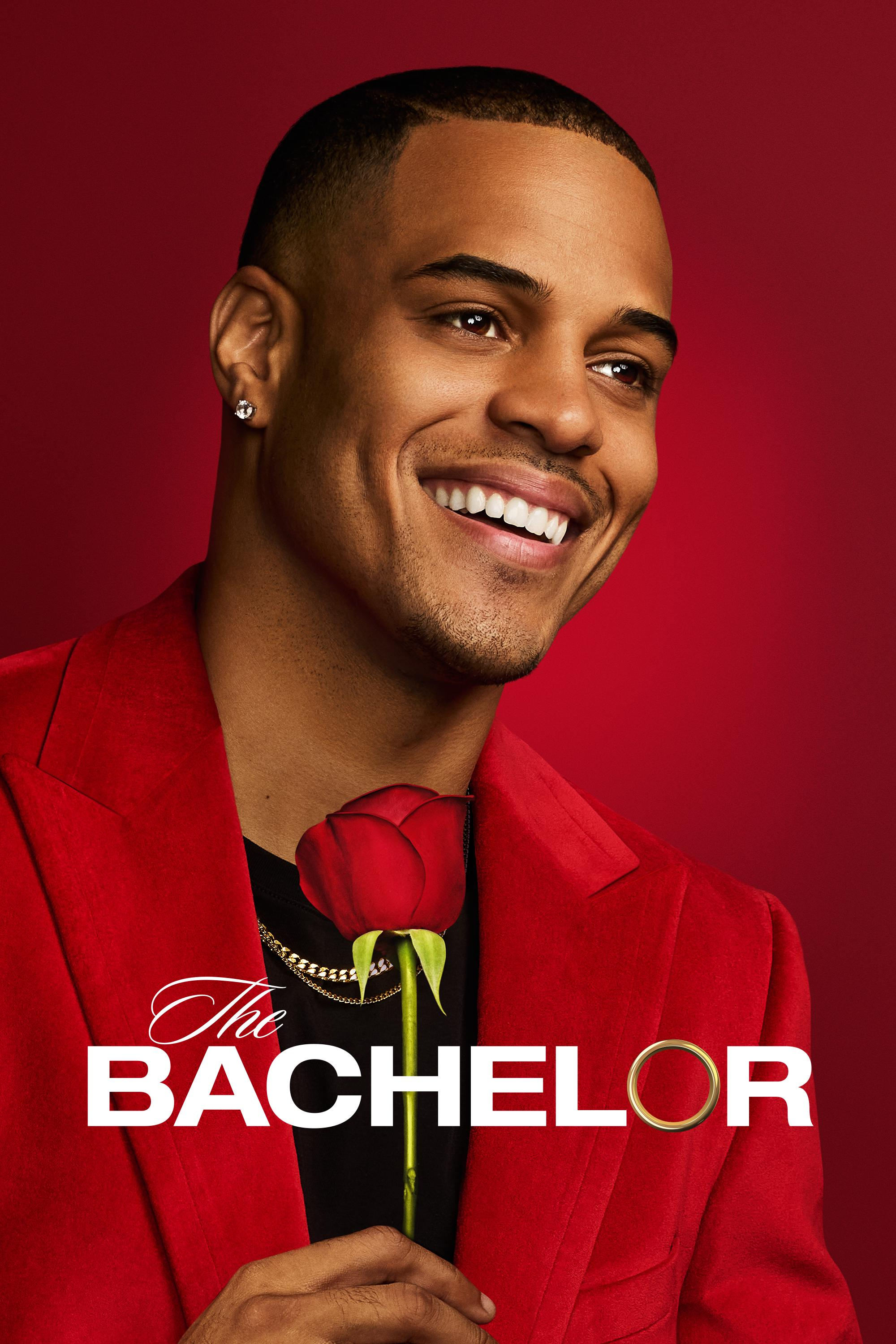
This dating show features multiple women competing for the attention of one man. Former contestants have shared that the show’s producers intentionally use methods like sleep deprivation and psychological manipulation to amplify drama and emotional reactions. Dates are often carefully planned, and the show’s editing frequently rearranges conversations to shape the storyline. Ultimately, couples formed on the show rarely stay together long-term, with a significantly lower success rate than relationships that begin through more conventional means.
‘Keeping Up with the Kardashians’ (2007–2021)
The show followed the lives of the Kardashian-Jenner family and those around them. However, much of what viewers saw wasn’t actually filmed in their homes, but in studios or rented locations. Dramatic moments and arguments were often re-filmed to capture the best footage, and the order of events was rearranged during editing to create a more compelling storyline for each season.
‘Catfish: The TV Show’ (2012–Present)

This show explores the world of catfishing – when people create fake online personas to form romantic connections. Surprisingly, it’s usually the person doing the catfishing who reaches out to the show for help. The production crew does most of the detective work before the hosts get involved to film the search. Though the feelings are genuine, many of the investigative steps are set up specifically for television.
‘Hardcore Pawn’ (2010–2015)
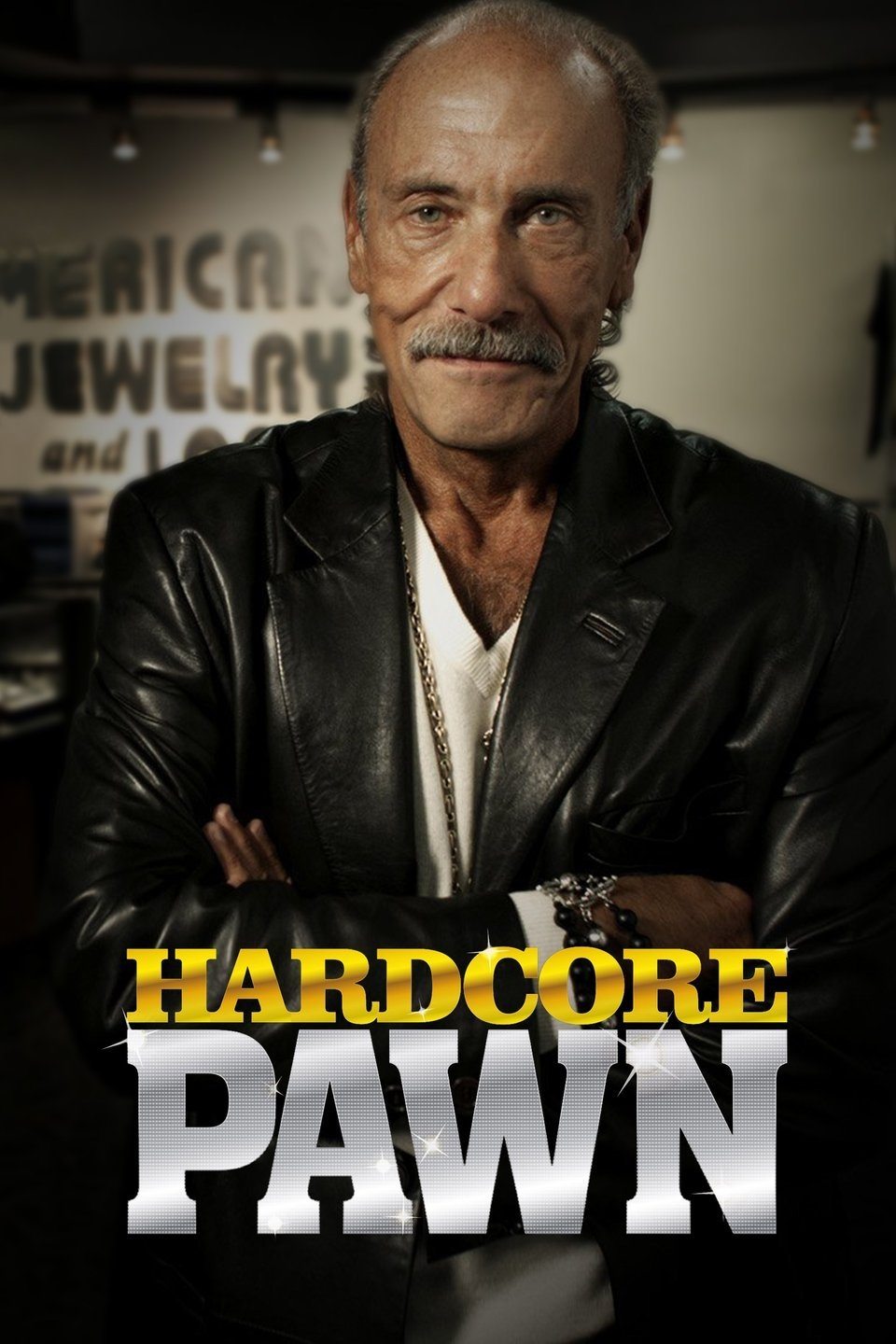
This show, set in Detroit, followed the drama at American Jewelry and Loan. However, reports suggest much of the conflict was staged. Many of the most confrontational customers were either actors or people prompted to act more dramatically, and security interventions and arguments were frequently planned to make the show seem more exciting and dangerous. Viewers have also noticed that the same people sometimes appeared as different characters in various episodes.
‘Duck Dynasty’ (2012–2017)

The show centered around the Robertson family and their thriving duck call company. However, much of the drama was manufactured by producers, and even the family’s prayers were sometimes scripted to create a certain impression. Cast members were encouraged to exaggerate aspects of their lives – like growing long beards – to appear more rugged than they were in reality. Rather than capturing real moments, the show was structured like a traditional sitcom, using pre-planned scenes and storylines.
‘Ghost Adventures’ (2008–Present)
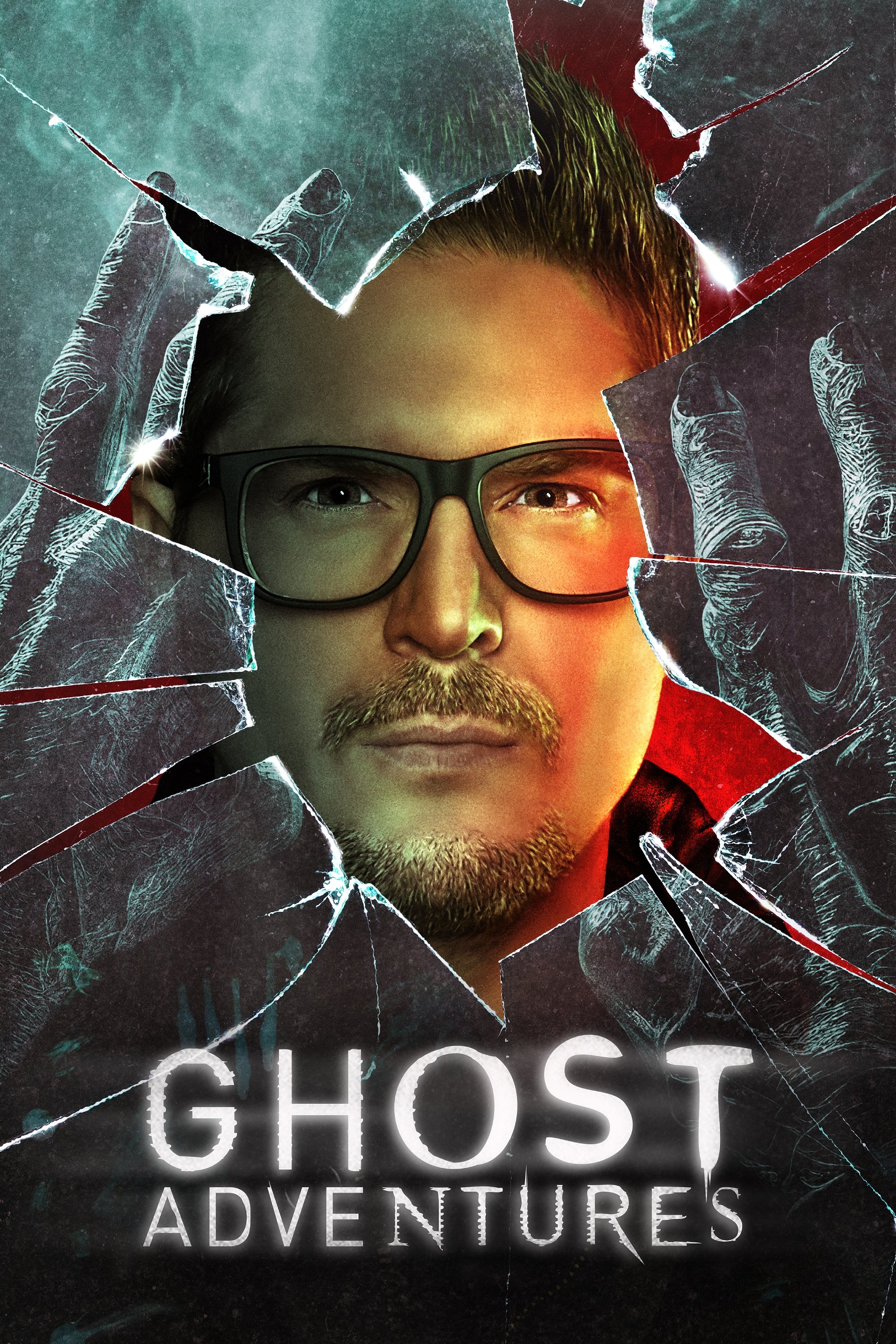
Ghost hunters explore places believed to be haunted, hoping to find proof of spirits. However, some people—including former team members—believe that certain sounds and events on these shows aren’t real, but are created for effect. Often, spooky sounds and visuals are added during editing to make the show more exciting, and the investigators’ reactions are sometimes seen as exaggerated or acted.
‘Finding Bigfoot’ (2011–2018)

A research team has spent years traveling the globe, trying to find proof of Bigfoot’s existence. Despite all their filming, they haven’t been able to capture clear evidence of the creature. Experts often explain away supposed proof – like thermal images and audio recordings – as just normal sounds and activity from the forest. The show relies on suspenseful moments and nighttime explorations to keep viewers interested, even though it hasn’t produced any conclusive results.
‘Man vs. Wild’ (2006–2011)
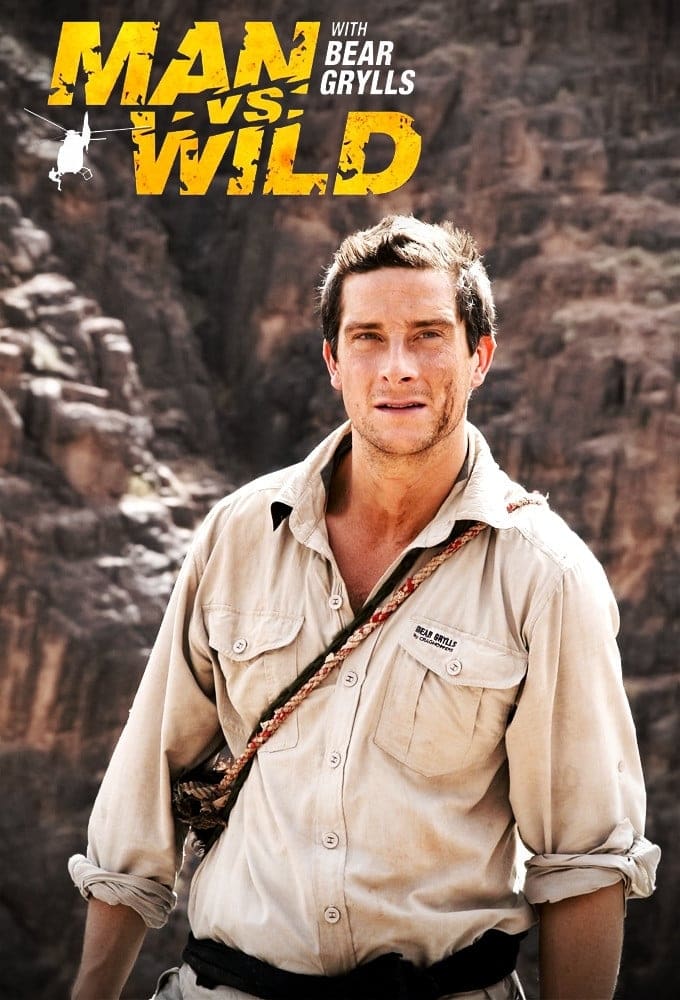
Bear Grylls became famous for showing viewers how to survive in the wilderness, often in very remote places. However, it was later discovered that during some of these expeditions, he didn’t actually rough it completely – he sometimes stayed in hotels and had access to things like modern conveniences. Additionally, some of the risky challenges weren’t as dangerous as they appeared, thanks to the help of safety teams and hidden equipment. The show later added a notice explaining that certain scenes were created or modified to teach survival skills.
‘Pimp My Ride’ (2004–2007)
The show followed car lovers as their vehicles received extreme makeovers. However, former contestants have revealed that many of the fancy new features didn’t actually function properly and were often taken out after the cameras stopped rolling. The cars typically spent a long time in the shop – much longer than the show led viewers to believe. In some cases, the finished cars were even found to be dangerous to drive.
‘Undercover Boss’ (2010–Present)

Top company leaders go undercover as entry-level employees to experience their businesses from a different perspective. The workers chosen to interact with the disguised boss usually have interesting life stories and often know they’re being filmed for a television show. The big reveals, where the boss offers rewards or promotions, are carefully edited to create a strong emotional reaction. However, the underlying problems highlighted in each episode aren’t often fixed within the company after the show is over.
‘Dance Moms’ (2011–2019)
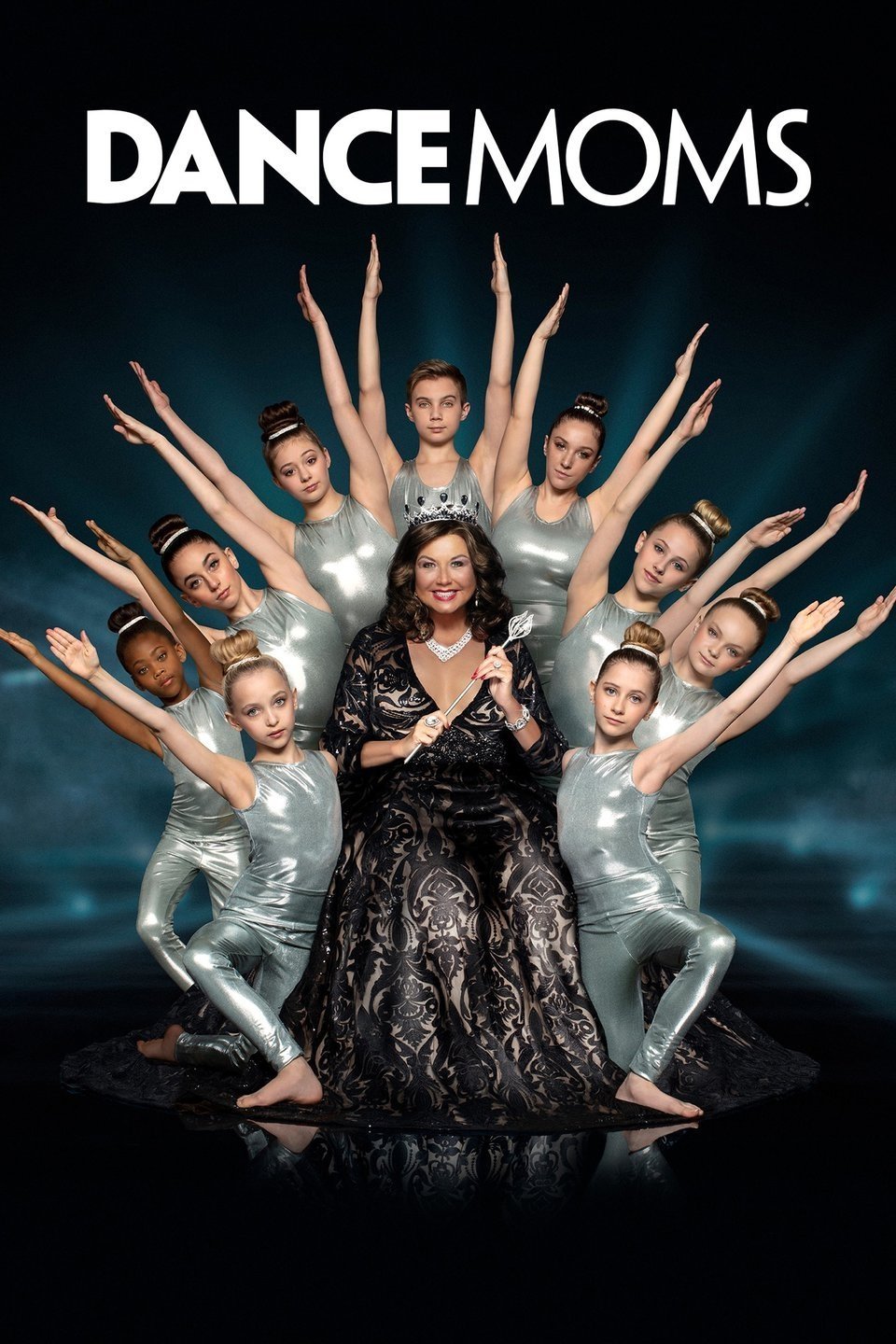
The show revolved around competitive youth dance and the often-overbearing mothers of the dancers. Producers frequently interfered with the competition, rigging results and planning events to create more drama for the cameras. They also stirred up conflict between the dance instructor and the parents, and repeatedly made the girls redo performances until they got the footage they needed.
‘House Hunters’ (1999–Present)
Each episode features potential homebuyers viewing three properties and making a purchase decision by the end. Interestingly, most buyers have already completed the purchase of their new home before filming even starts. The other two homes showcased are frequently not actually on the market, or belong to people connected to the show’s production team. This carefully planned process creates an engaging storyline for viewers who enjoy watching real estate journeys.
‘Fixer Upper’ (2013–2018)
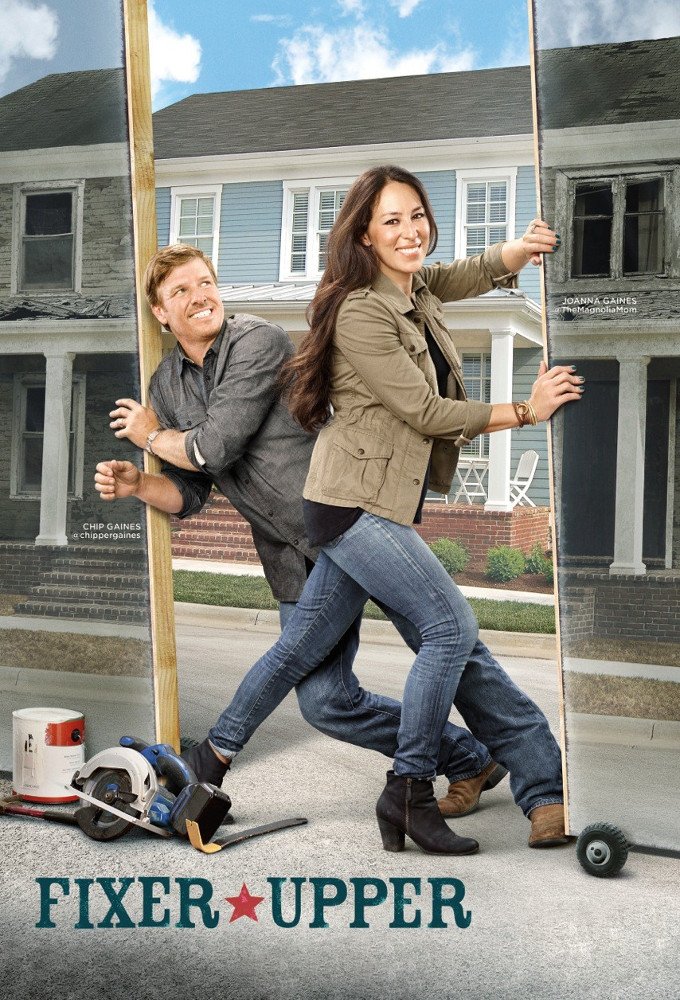
Chip and Joanna Gaines famously helped couples transform rundown houses in Texas. While the beautifully decorated homes viewers see on TV look amazing, those furnishings are typically just temporary for the show and aren’t included with the renovation. If the homeowners want to keep those specific furniture and decor pieces, they usually have to pay extra. Also, the actual renovation process is more involved and takes longer than what’s shown in the edited episodes.
‘South Beach Tow’ (2011–2014)
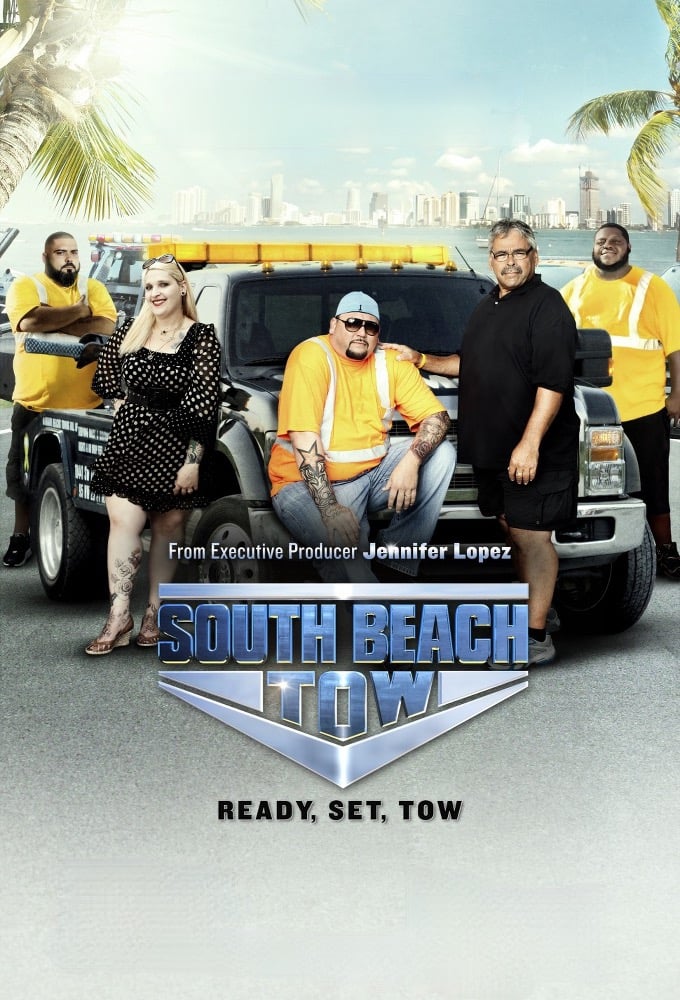
The show followed the day-to-day work of a Florida towing company, but it wasn’t a true documentary. It was staged with scripted conflicts to create drama. While it showed towing situations, many of the intense moments – like fights and vehicle repossessions – were performed by professional actors and stunt people, prioritizing entertainment over realistic procedures.
‘Lizard Lick Towing’ (2011–2014)
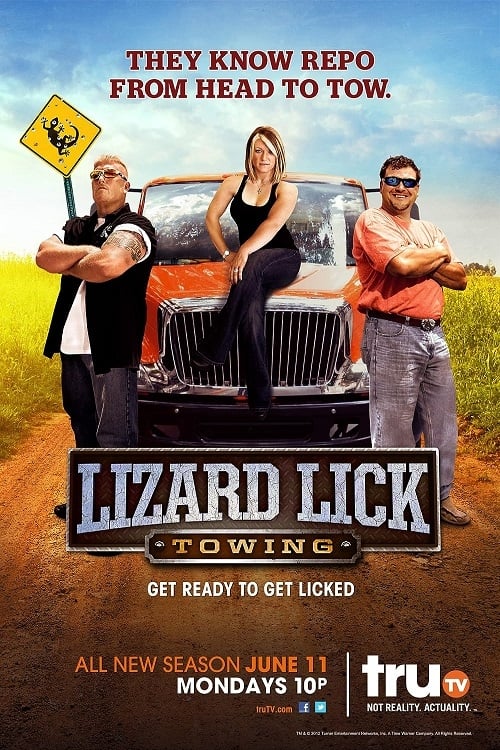
The show was a spin-off that followed the employees of a North Carolina towing company. While the conflicts with car owners seemed realistic, most of the drama was planned and the characters played up familiar Southern stereotypes. The cast often included local actors and friends, and the show kept viewers engaged with slapstick humor and dramatic confrontations.
‘Amish Mafia’ (2012–2015)

The show portrayed a group of men acting as protectors and delivering justice within the Amish community, but local authorities and Amish leaders confirmed this group doesn’t actually exist. The series largely used made-up scenarios and actors who weren’t genuine members of the Amish faith. It received significant criticism for inaccurately depicting Amish culture to create a more dramatic and exciting program.
‘Alaskan Bush People’ (2014–Present)

The reality TV show portrays a family living a self-sufficient life in the Alaskan wilderness. However, investigations reveal they often stay in hotels or regular homes when not filming. The remote homestead featured on the show is often close to roads and towns. Despite presenting themselves as isolated, the family has encountered legal problems concerning where they officially live.
‘Moonshiners’ (2011–Present)
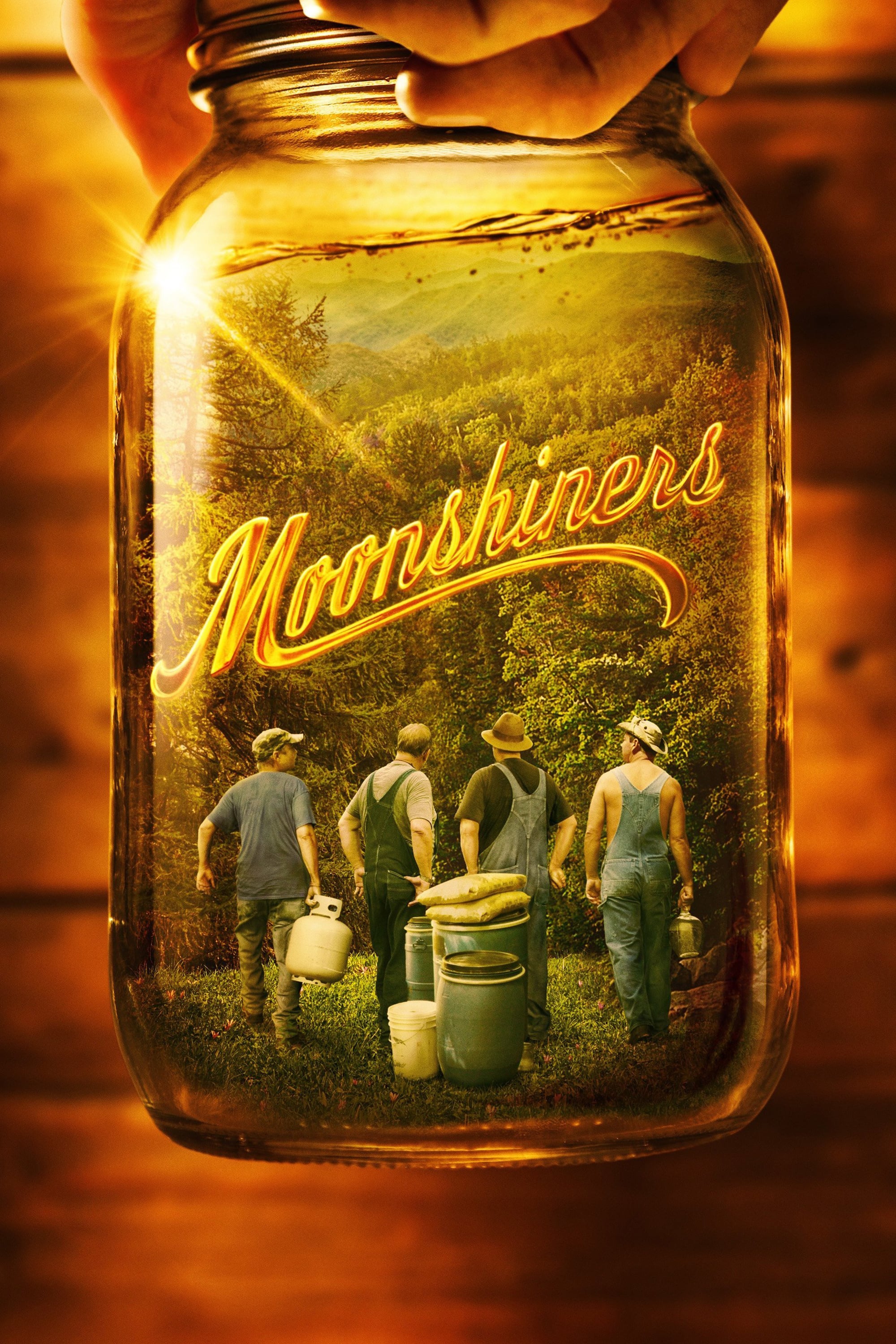
This show documents people making moonshine in the Appalachian Mountains. While the activity appears illegal, authorities have confirmed it’s a dramatization. No actual crimes are committed during filming, and the brewing scenes are often staged safely with local officials aware of the production.
‘Mountain Men’ (2012–Present)

The show follows men living off the land by hunting and trapping. Although they lead tough lives, many of the challenges are exaggerated for entertainment. Hidden nearby during filming are safety and medical personnel, ready to assist with risky activities. The editing also builds suspense, sometimes making situations seem more dangerous than they actually are.
‘Long Island Medium’ (2011–2019)
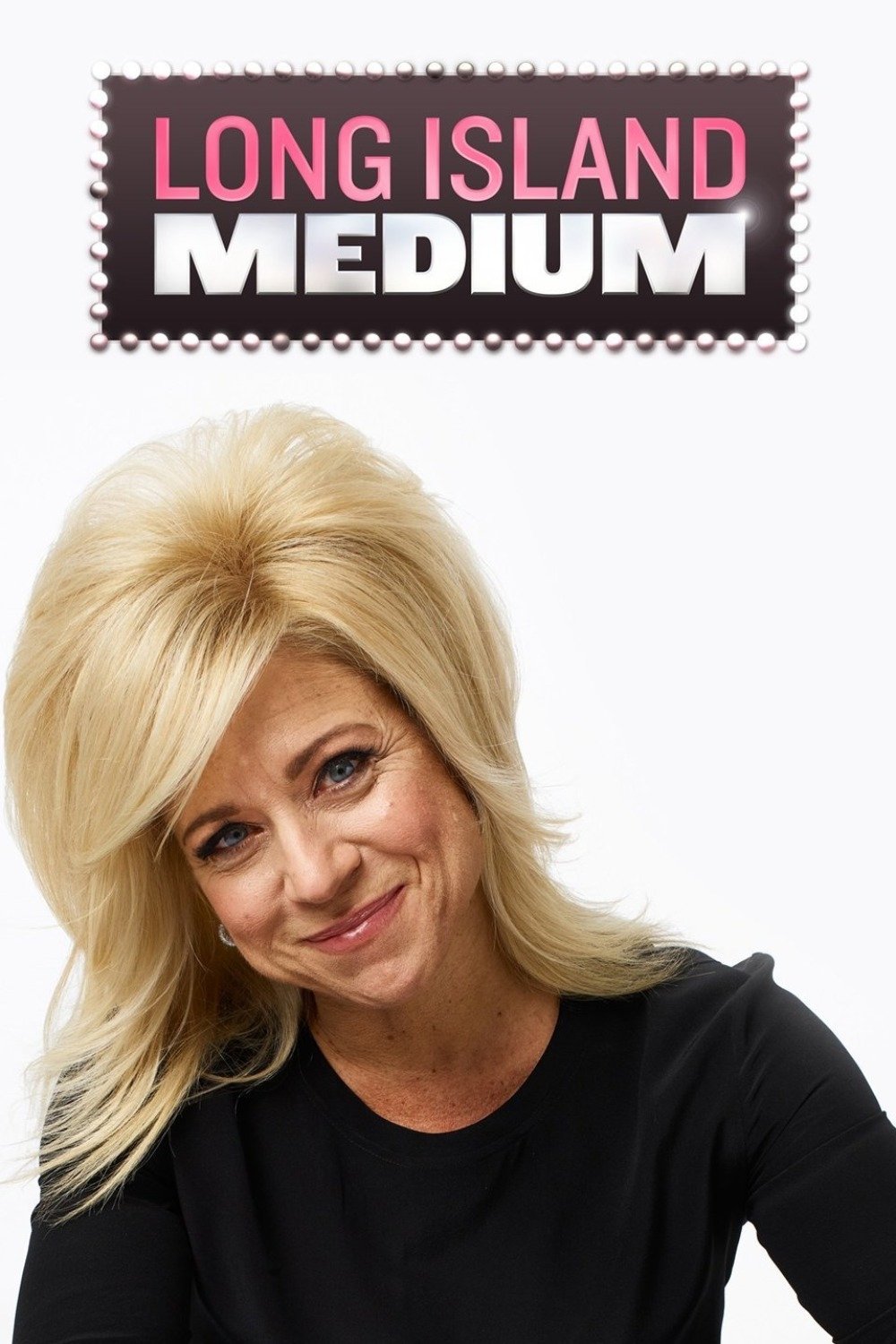
Theresa Caputo’s show features her claiming to connect with spirits of people’s loved ones who have passed away. However, critics suggest the show relies on techniques like ‘cold reading’ – making educated guesses based on general information – and pre-show research on the guests. Producers often interview participants beforehand, gathering details that later appear as if they were psychic insights. While the participants’ emotional responses are genuine, where the information comes from is a matter of debate.
‘The Jerry Springer Show’ (1991–2018)

The talk show gained notoriety for its frequent fights and surprising guest announcements. Over time, many guests confessed their stories weren’t true and that producers actually pushed them to argue. When they couldn’t find genuine participants, the show would even use actors. This wild and unpredictable environment wasn’t accidental—it was a deliberate strategy to create drama and attract viewers, even if it meant sacrificing honesty.
‘Cheaters’ (2000–Present)
The show follows people who think their partners are cheating and hire investigators to find out the truth. However, many of the dramatic scenes – including confrontations and even arrests – have been proven to be fake, using actors and scripted storylines. Some participants have even admitted to being paid to play out scenes written by the show’s producers, all in an effort to boost ratings.
’90 Day Fiancé’ (2014–Present)

As a viewer, it’s pretty wild to watch couples on this show try to make things work with such a tight deadline – they really only have ninety days to get married before their visas run out! I’ve also noticed a lot of cast members have said the show isn’t always what it seems. They claim producers manipulate their words and conversations to create more drama, and even film scenes over and over until they get the most explosive reaction. It feels like cultural differences, which are totally normal, get blown way out of proportion through how the show is edited. It’s frustrating to see things potentially twisted for entertainment.
‘Love Is Blind’ (2020–Present)

On this dating show, singles date each other in separate pods without ever seeing what the other person looks like, and then decide if they want to get married. Contestants have said the show moves very quickly, and producers often push them to make fast commitments. Life on set is also very structured and designed to create strong emotions. Although the marriages are legally official, the whole process is heavily shaped by the show’s filming schedule.
‘Too Hot to Handle’ (2020–Present)

The reality show features attractive singles living together in a luxurious villa with a twist: they aren’t allowed to become physically intimate if they want to win a cash prize. Contestants often don’t know the rules until they arrive, and the show’s creators subtly manipulate them to create drama and encourage rule-breaking. An AI host named Lana is actually controlled by the producers, who carefully watch everything and orchestrate events.
‘Survivor’ (2000–Present)
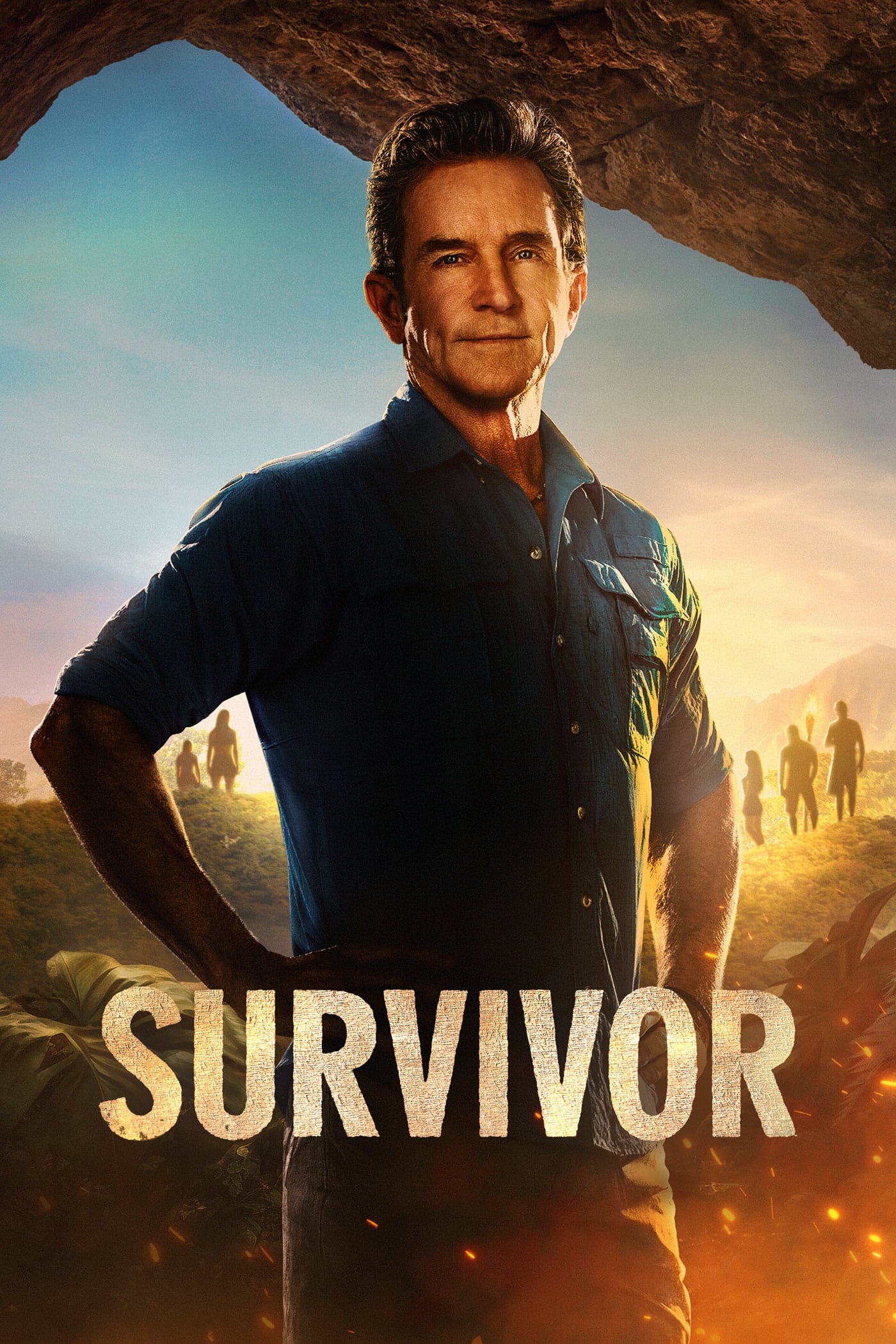
The show features contestants isolated in a faraway place, where they face challenges and risk being eliminated by their peers. Though the challenges are physically demanding, the production team sometimes uses stand-ins for safety and to get better footage. They also secretly provide food and water to contestants when conditions become too harsh. The dramatic tribal council meetings viewers see on TV are actually much longer in reality.
‘Hell’s Kitchen’ (2005–Present)
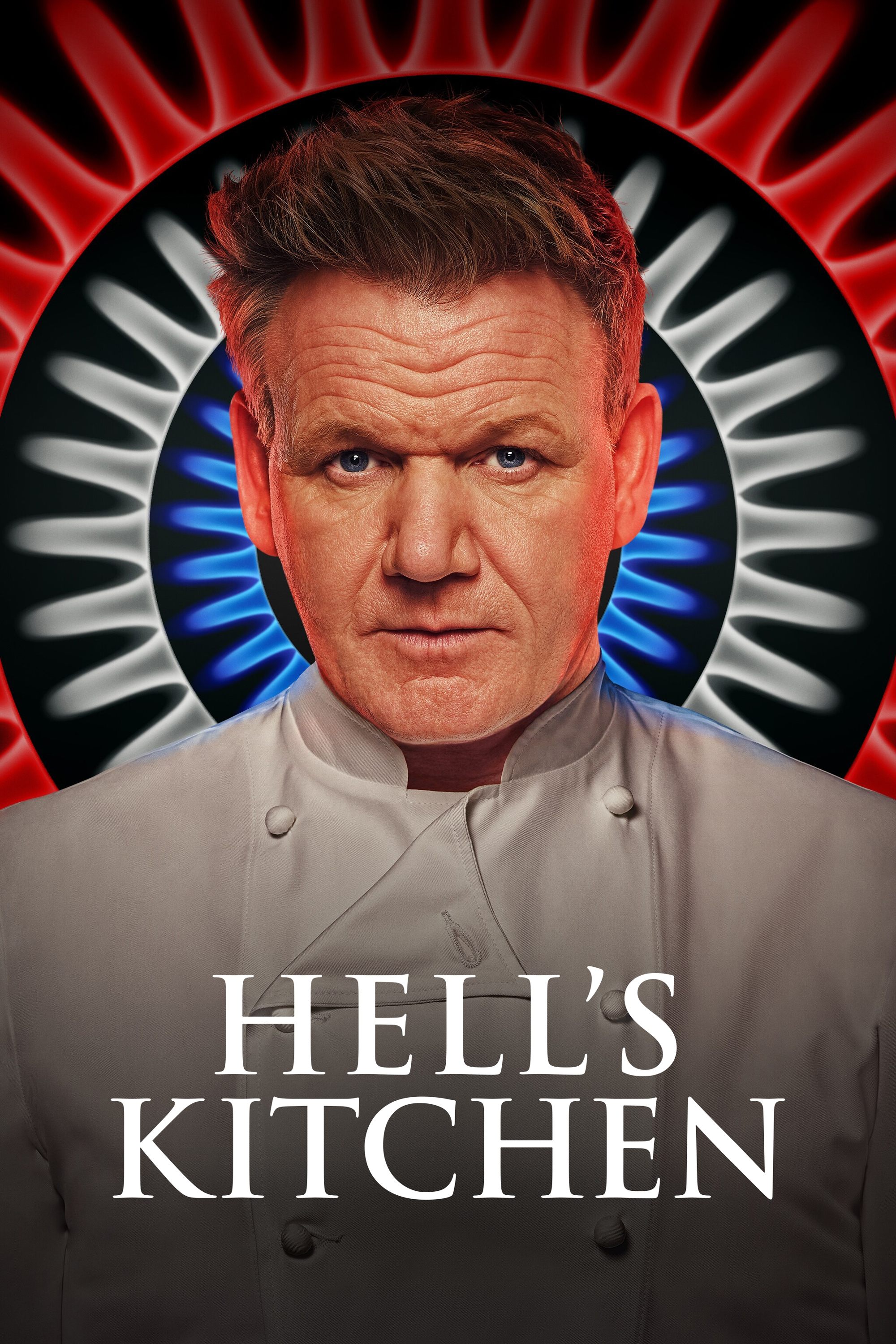
Budding chefs face tough challenges and the critical eye of Gordon Ramsay in a real restaurant setting. While diners are sometimes plants or production staff instructed to find fault with the dishes, and equipment may be deliberately disrupted, the intense pressure is all part of the show, designed to push the contestants to their limits and create dramatic moments.
‘Kitchen Nightmares’ (2007–Present)
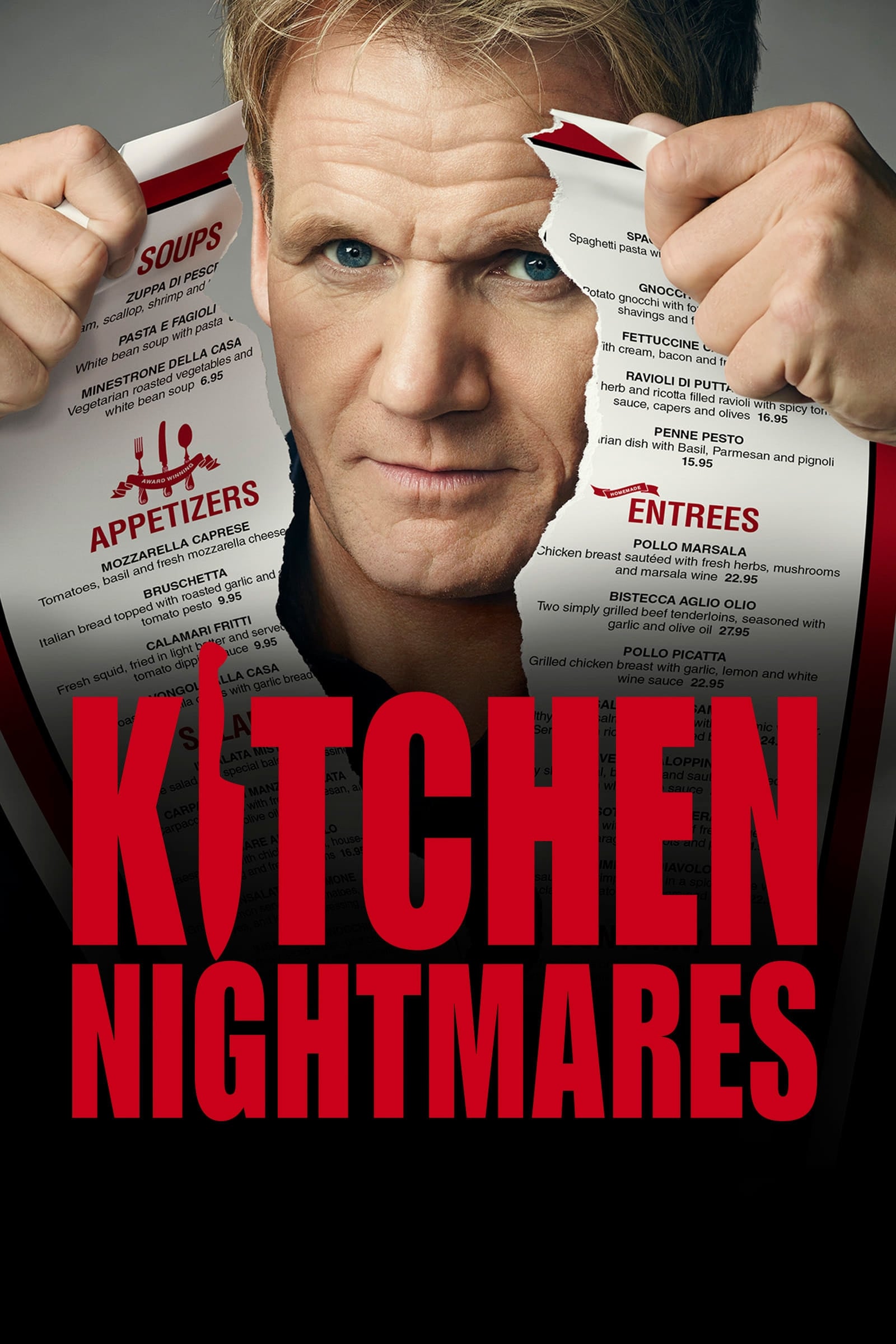
Gordon Ramsay’s show tries to turn around struggling restaurants by completely changing their food and how they look. However, some owners have said the disgusting conditions shown on camera, especially in refrigerators, were actually created by the show’s producers. While the makeovers look impressive, many of these restaurants don’t stay successful and end up closing soon after the show airs. The program emphasizes intense arguments and problems to tell a story about fixing things.
‘Restaurant: Impossible’ (2011–Present)
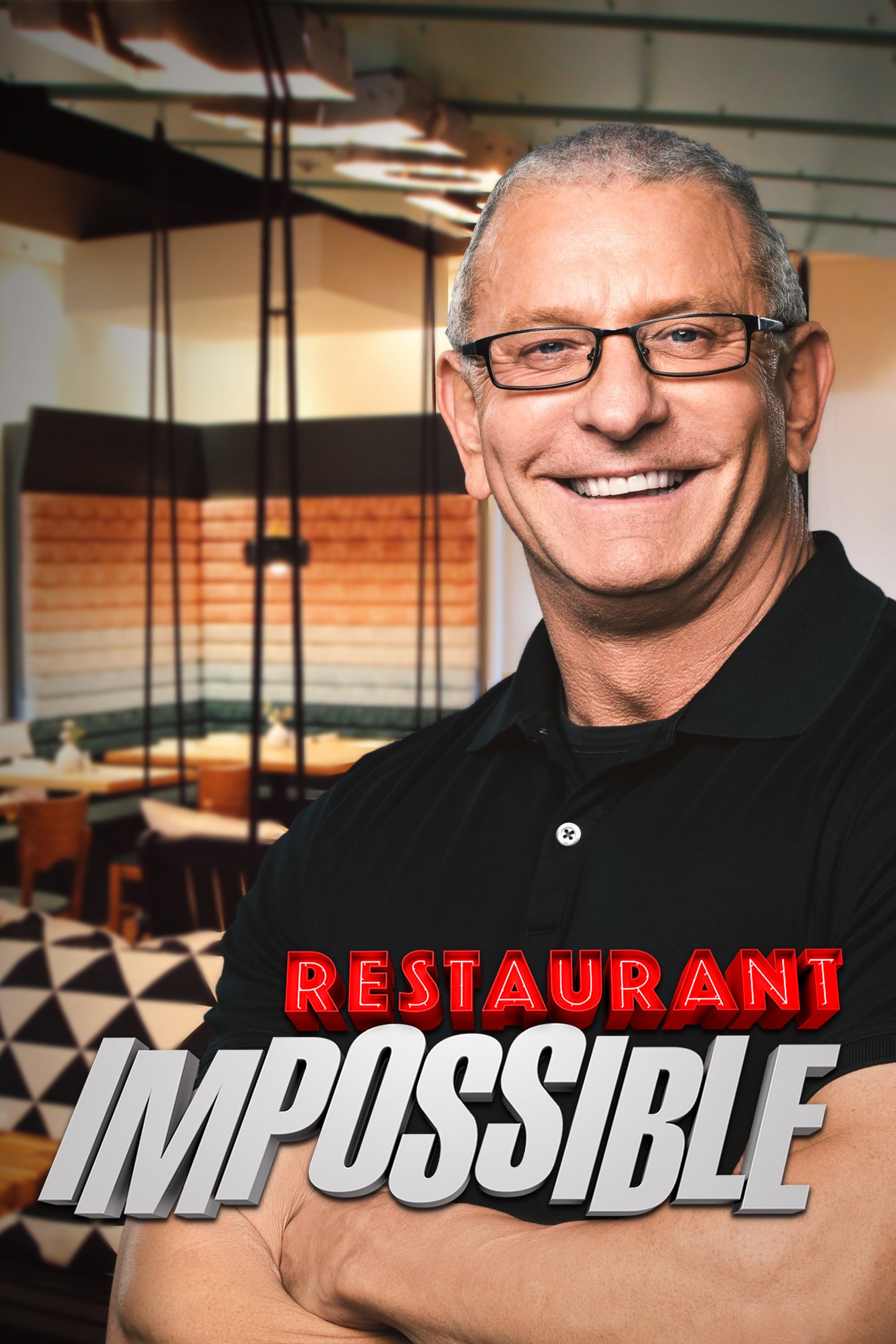
Robert Irvine’s show helps struggling restaurants, but the quick turnaround is mostly for TV. Renovations are often planned well in advance, and the show’s producers sometimes exaggerate conflicts between the owners and Robert to create a more dramatic story. A large team does most of the work behind the scenes, while cameras aren’t rolling.
‘Extreme Couponing’ (2011–2012)

Couponing can help people get a lot of groceries for very little money, but reality TV shows often don’t tell the whole story. Stores sometimes change their rules just for filming, preventing regular shoppers from using the same strategies. Plus, some participants on these shows use invalid or expired coupons. This can give viewers a false idea of how much money they can realistically save using coupons themselves.
‘Breaking Amish’ (2012–2014)
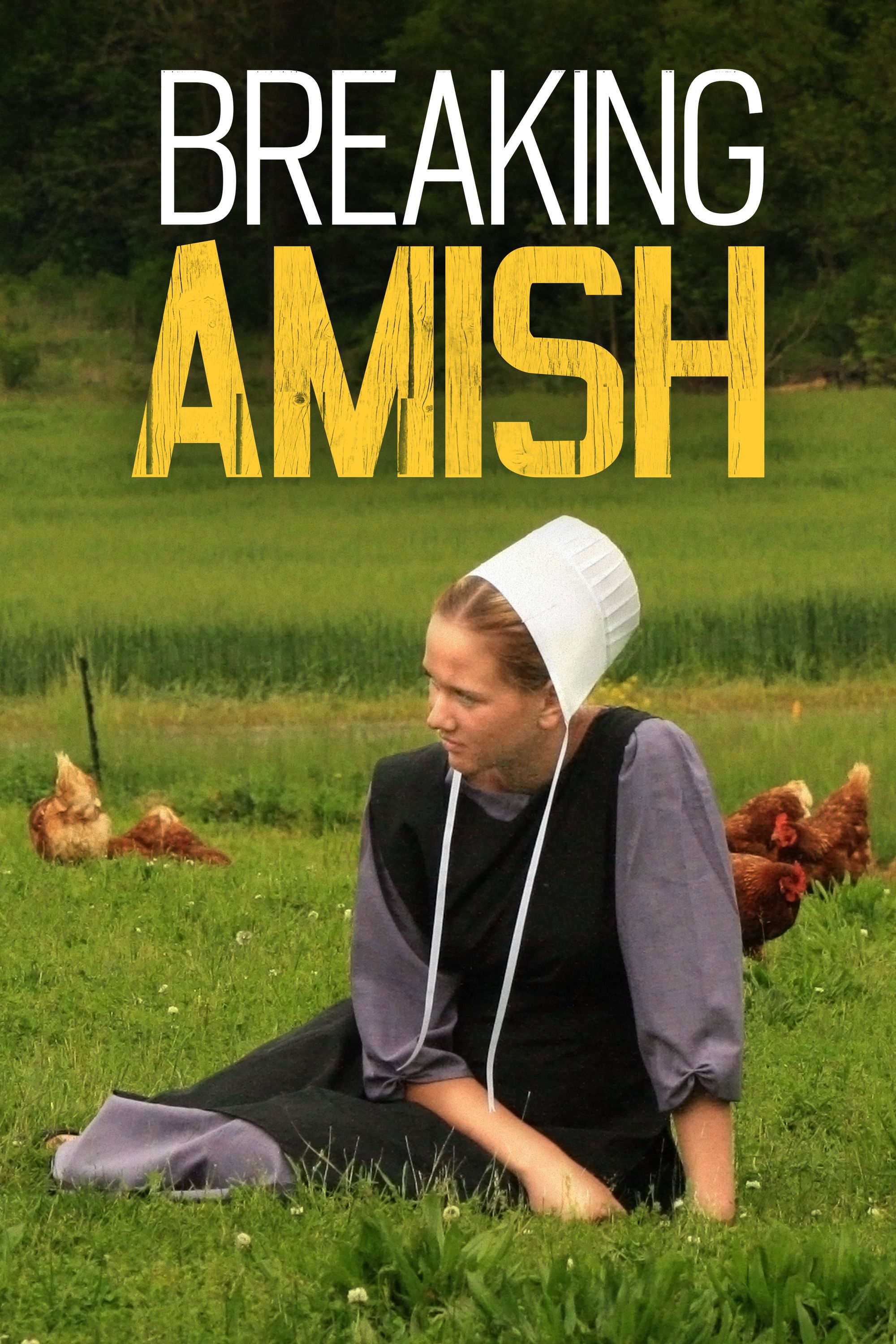
Many young people from Amish and Mennonite backgrounds come to New York City hoping to explore a different way of life. However, investigations revealed that most of the reality show participants had actually left their communities years before filming began. Furthermore, some of them already knew each other and even had families, despite the show presenting them as newcomers meeting for the first time. This meant the idea of them experiencing the world for the very first time was mostly untrue.
‘Swamp People’ (2010–Present)
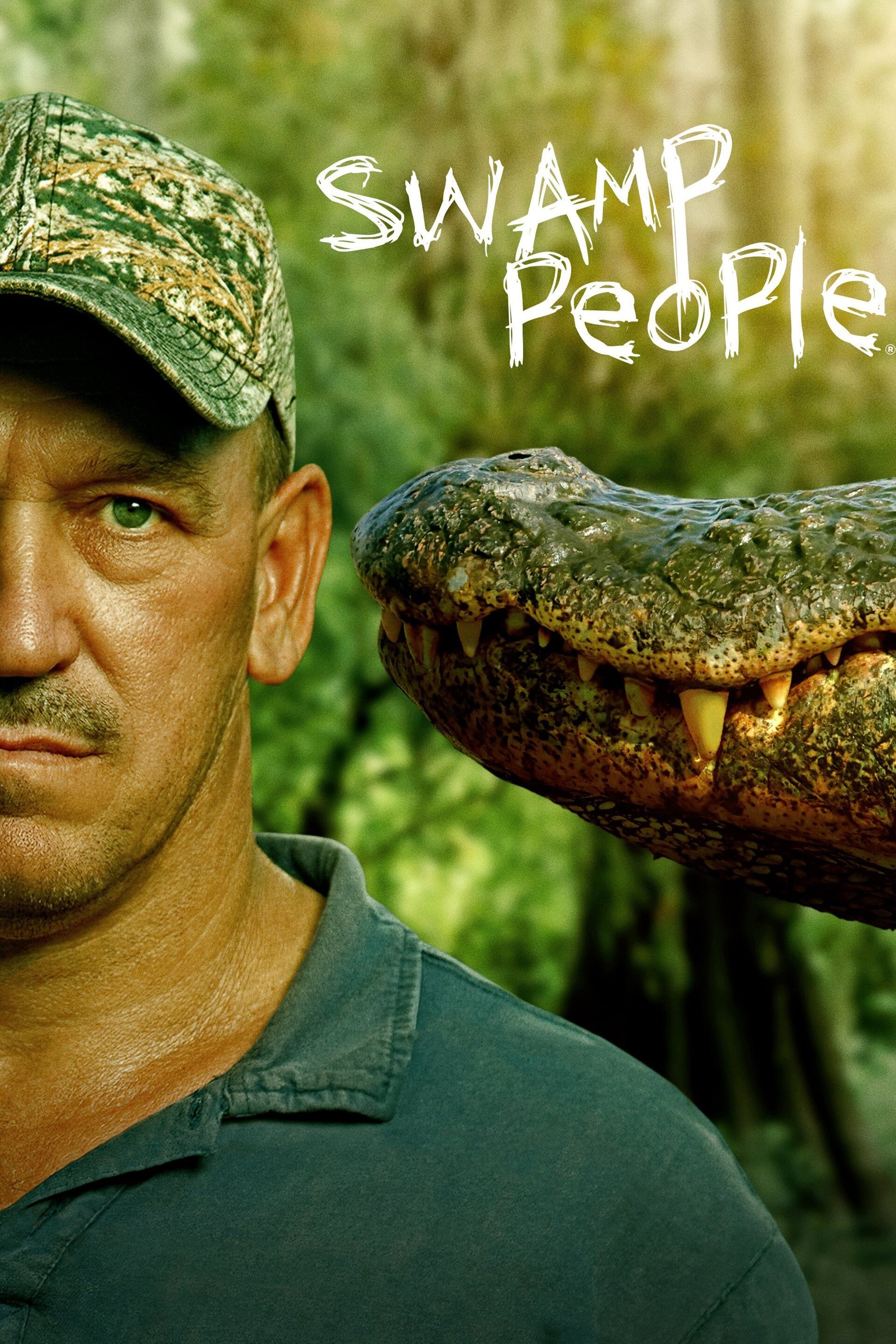
Each year, a TV show follows alligator hunters in Louisiana during the short hunting season. To increase the excitement for viewers, the show uses dramatic music and sound effects, sometimes exaggerating the dangers faced by the experienced hunters. Producers will occasionally relocate alligators to create better footage. The hunters’ thoughts and commentary are also often written for them to help viewers understand what’s happening.
‘Counting Cars’ (2012–Present)
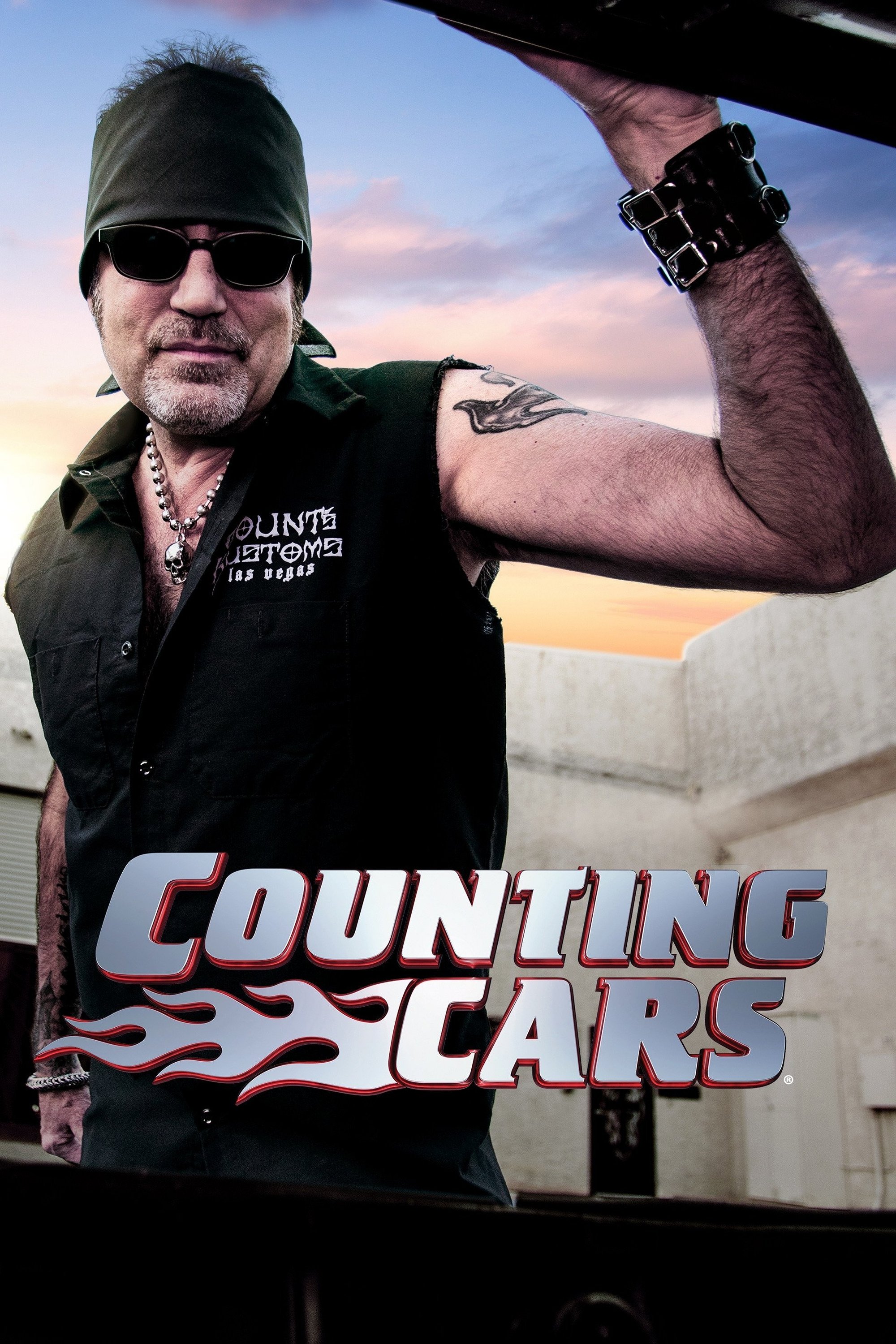
I’m a huge fan of Counting Cars, and it’s amazing to see Danny Koker and his crew bring these classic vehicles back to life! But I’ve learned a little behind the scenes – apparently, those ‘random’ car finds where Danny pulls people over? The show’s producers usually set those up! And to make the show move at a good pace, they often simplify how much the restorations cost and how long they take. It’s also cool to know that a lot of the cars in the shop actually belong to Danny himself – he’s a serious collector, and most of them aren’t for sale, which makes sense!
‘The Real Housewives of Beverly Hills’ (2010–Present)
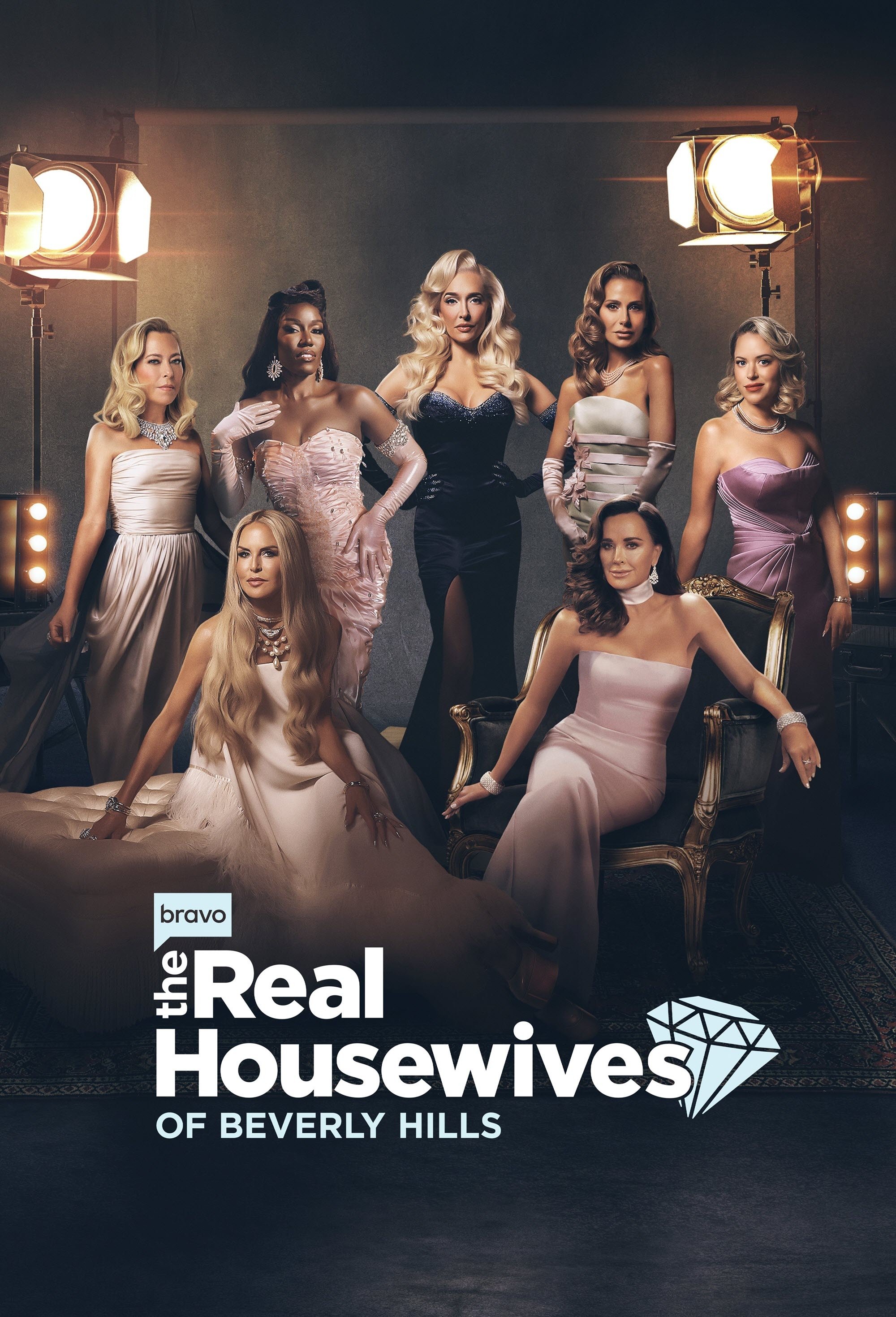
The show centers around the glamorous lives of women in a well-known, wealthy area. Producers intentionally create drama by putting these women in situations designed to cause conflict, and they often revisit old arguments to keep the tension high. Many of the extravagant parties and events featured on the show are actually funded or supported by the production company.
‘Basketball Wives’ (2010–Present)
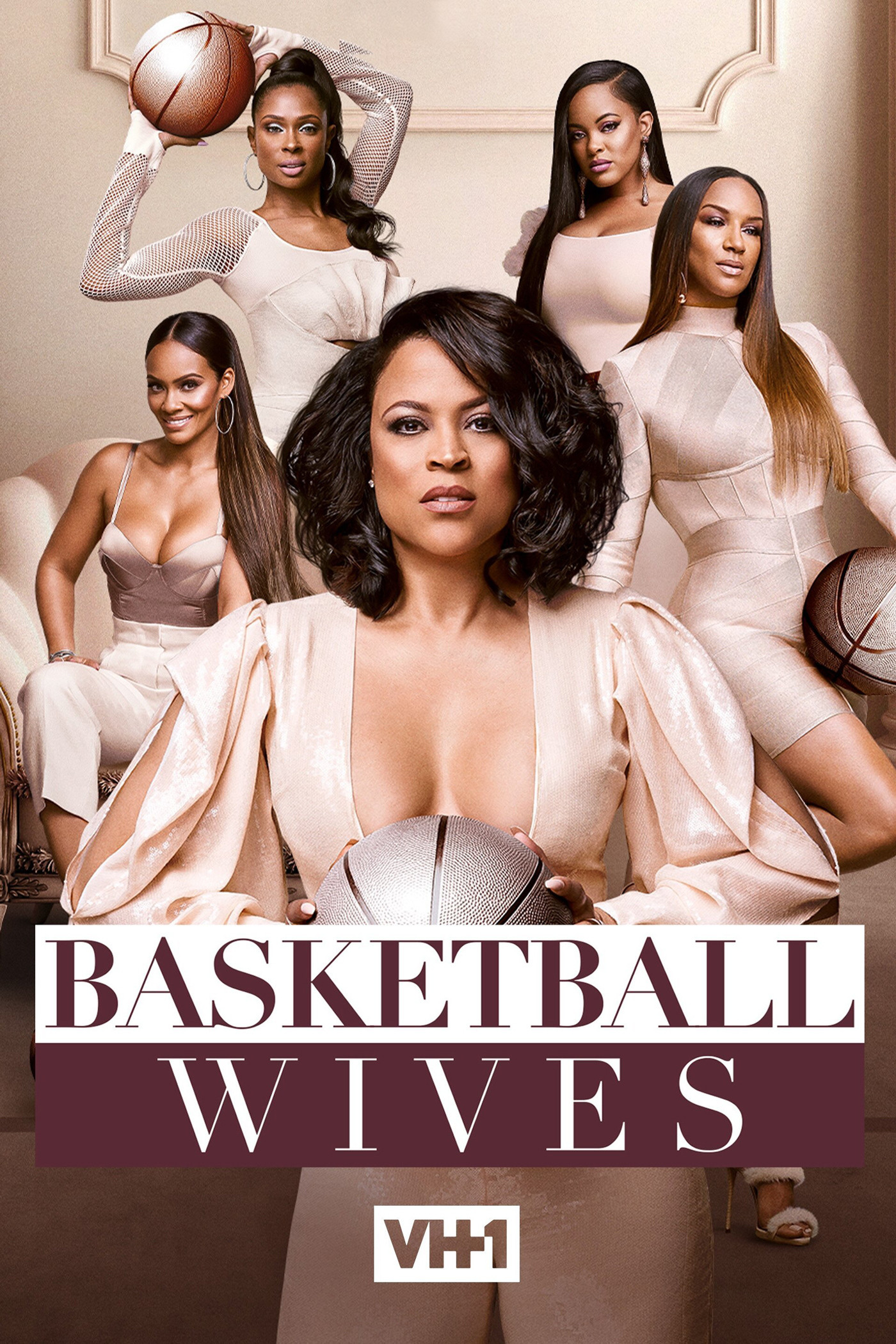
Okay, so this show is totally about the lives of women who’ve dated basketball players – past or present. Honestly, it’s wild because it feels like the producers want drama! I’ve noticed they seem to feed info to different cast members just to get them fighting during filming. And it’s not like they film in regular places either – they completely empty out restaurants just for the show! They really push the cast to air their grievances with each other, probably to make sure they have enough good stuff to actually make an episode. It’s messy, but I’m kind of hooked!
‘Selling Sunset’ (2019–Present)
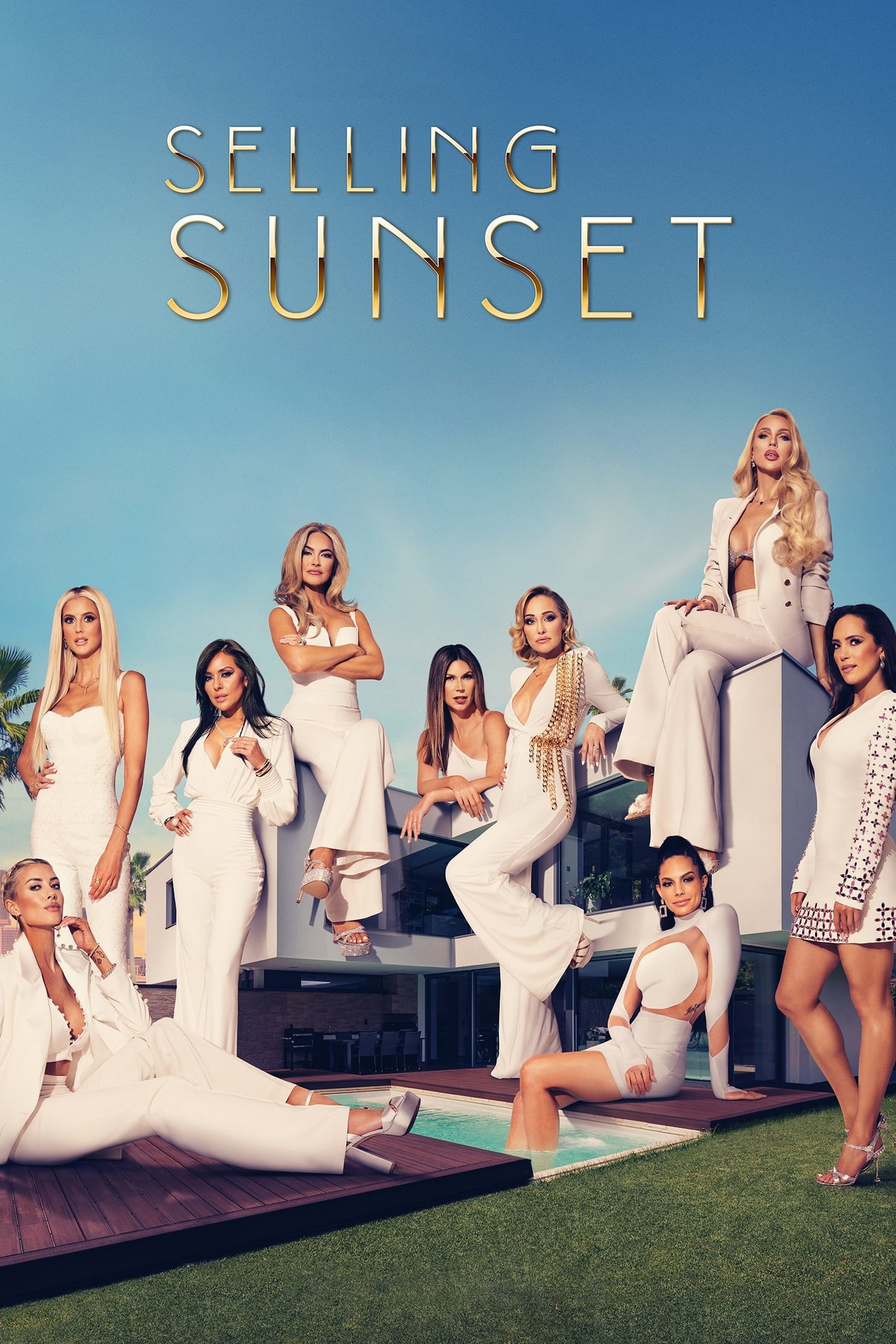
Okay, so I’m totally hooked on this show about the Oppenheim Group! It follows these real estate agents selling amazing, high-end homes, but honestly, a lot of the drama feels… manufactured. I was surprised to learn that some of the agents weren’t even licensed when they started filming – it seems like looks and personality were a big part of who they cast! The houses they feature are definitely real, but the way they show the sales happening? It’s definitely played up for TV. And those open houses? Turns out they often fill them with actors pretending to be buyers, not actual people looking to buy a place! It’s entertaining, but you definitely have to take it with a grain of salt.
‘Made in Chelsea’ (2011–Present)
As a critic, I’ve been watching this British reality show set amongst the affluent youth of West London, and it’s… interesting. It’s definitely structured reality, which means while these are real people, a lot of what you see isn’t exactly spontaneous. Producers heavily guide things, telling the cast where to go and even what to talk about to keep the story moving. Honestly, the timing of relationships starting and ending feels suspiciously convenient – it’s pretty clear things are orchestrated to fit the season’s filming schedule.
‘The Only Way Is Essex’ (2010–Present)
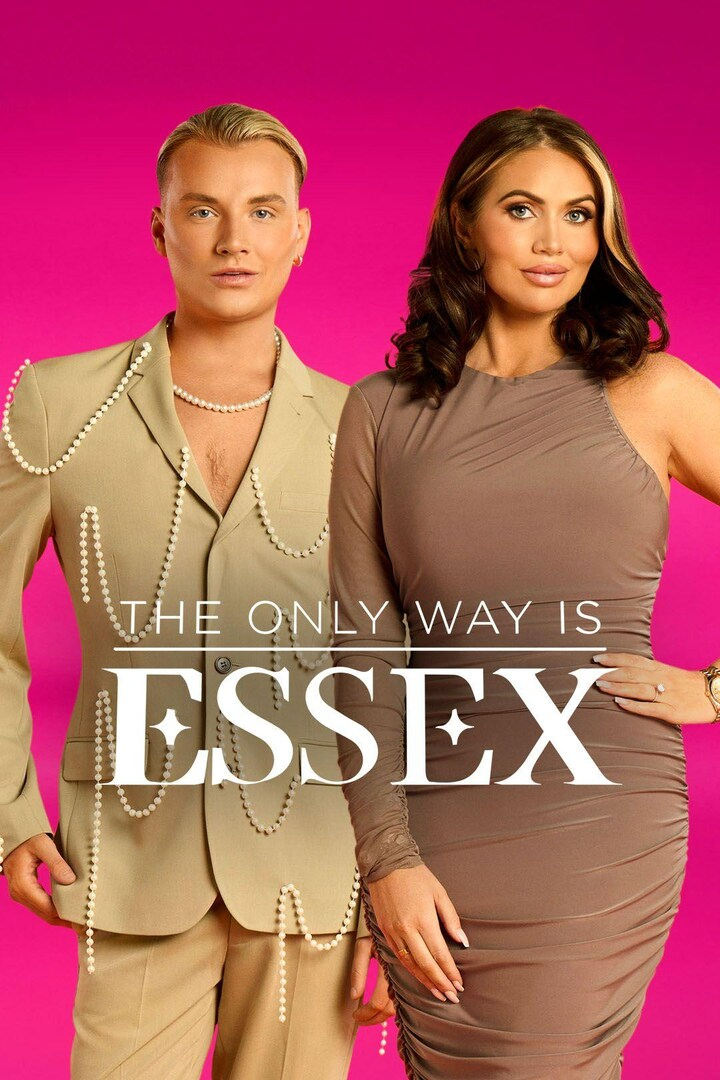
Okay, so as a total reality TV fan, this show is pretty typical of the genre. It follows people living in Essex, England, and while the conversations aren’t written out beforehand, the producers definitely steer things. They set up situations designed to be as dramatic and fun as possible. Honestly, they even get the cast to say certain things over and over – it’s all about building those memorable catchphrases and making everyone recognizable. And you’ll never catch a glimpse of these scenes when you’re out and about – they shut down locations just to get the perfect shot, doing takes and retakes until it’s just right.
‘Southern Charm’ (2014–Present)

The show follows the lives of people in Charleston, South Carolina, particularly those from its established, wealthy families. It uses the city’s history as a backdrop for the personal dramas unfolding among the cast. Producers deliberately include controversial personalities to generate buzz on social media and attract viewers. While the show portrays a clear social pecking order, it often amplifies the realities of Charleston’s social scene for entertainment purposes.
‘Below Deck’ (2013–Present)

Yacht crew members work aboard luxury vessels, catering to wealthy charter guests. These guests sometimes receive reduced rates in exchange for participating in the show and intentionally creating drama. The crew is chosen not only for their abilities, but also for their big personalities. To heighten the pressure, producers sometimes create problems with equipment or logistics.
‘Vanderpump Rules’ (2013–Present)
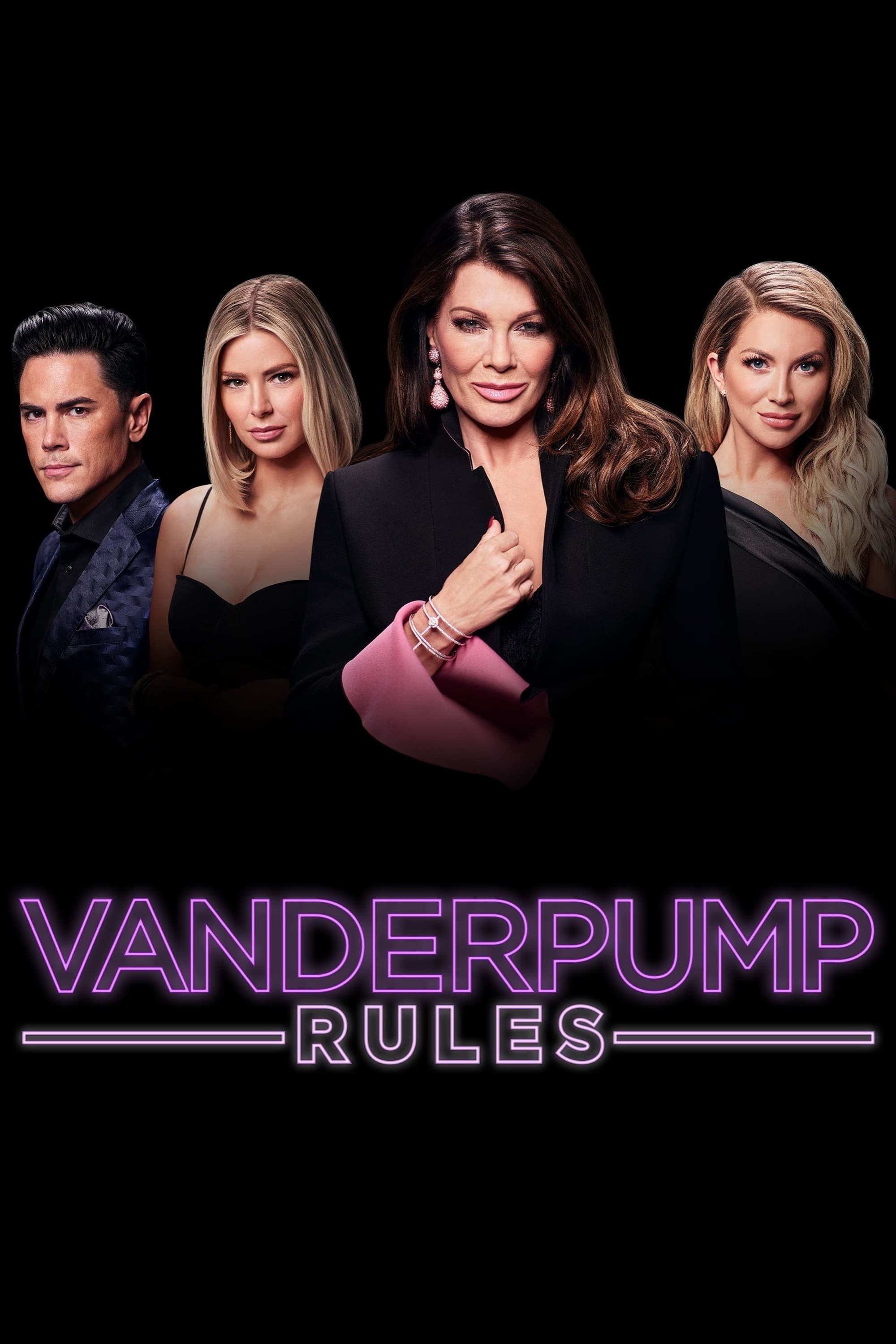
The employees at Lisa Vanderpump’s restaurants deal with complicated relationships both at work and in their personal lives. While most of the cast no longer work as servers, they make appearances behind the bar when the show is filming. Friendships and romantic relationships are constantly changing, often because the cast wants to stay in the spotlight. The show thrives on drama, with a pattern of conflict and forgiveness keeping viewers engaged.
‘Shark Tank’ (2009–Present)
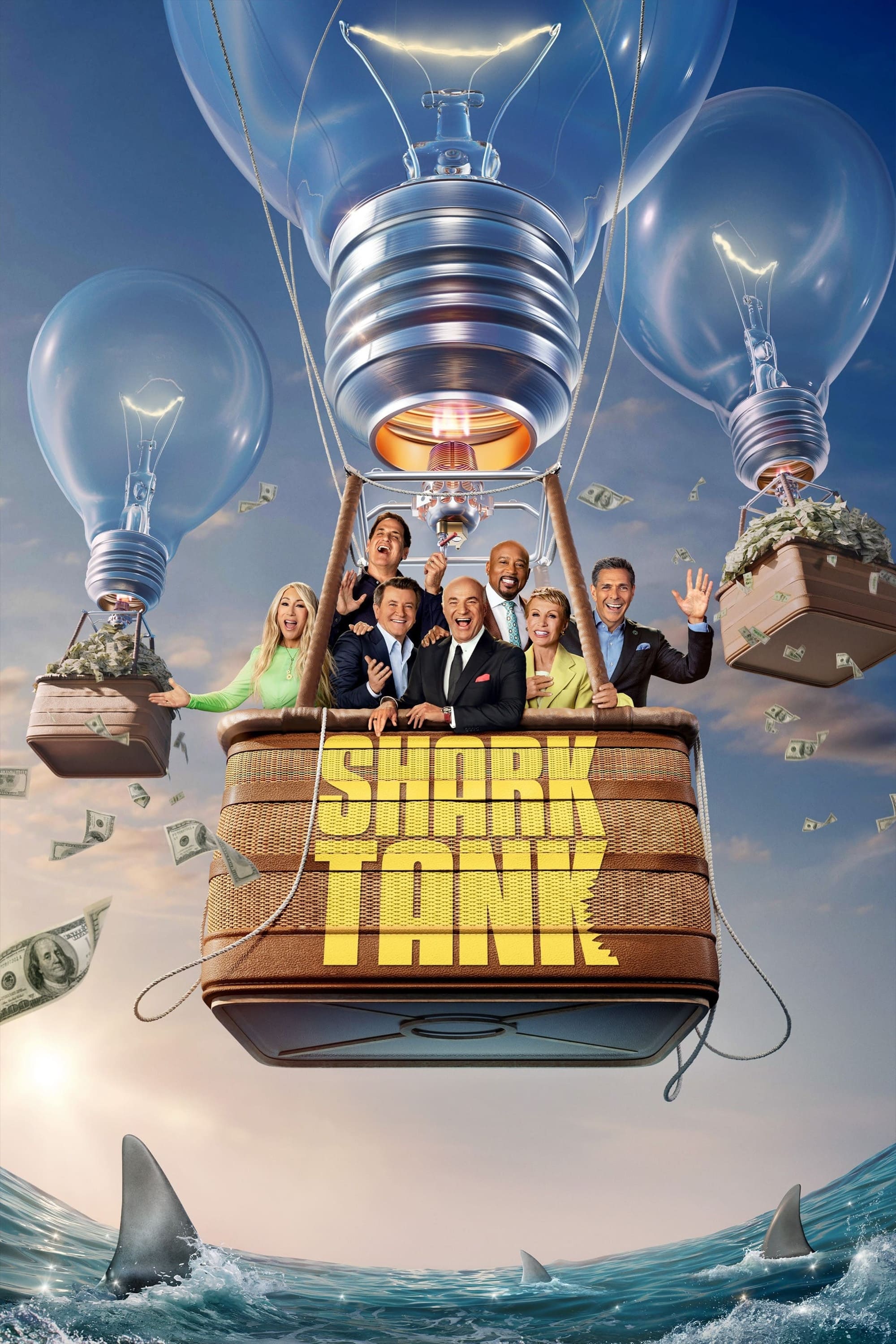
As a viewer, I always find it fascinating to watch entrepreneurs try to convince these investors to fund their dreams. What the show doesn’t always reveal is that while those initial offers seem solid, a lot of them fall apart after the cameras stop rolling. The investors dig into the company’s finances, and often try to renegotiate the terms. Honestly, the show gives you a pretty streamlined view of how venture capital really works – it glosses over a lot of the complicated legal stuff that happens behind the scenes.
‘America’s Got Talent’ (2006–Present)
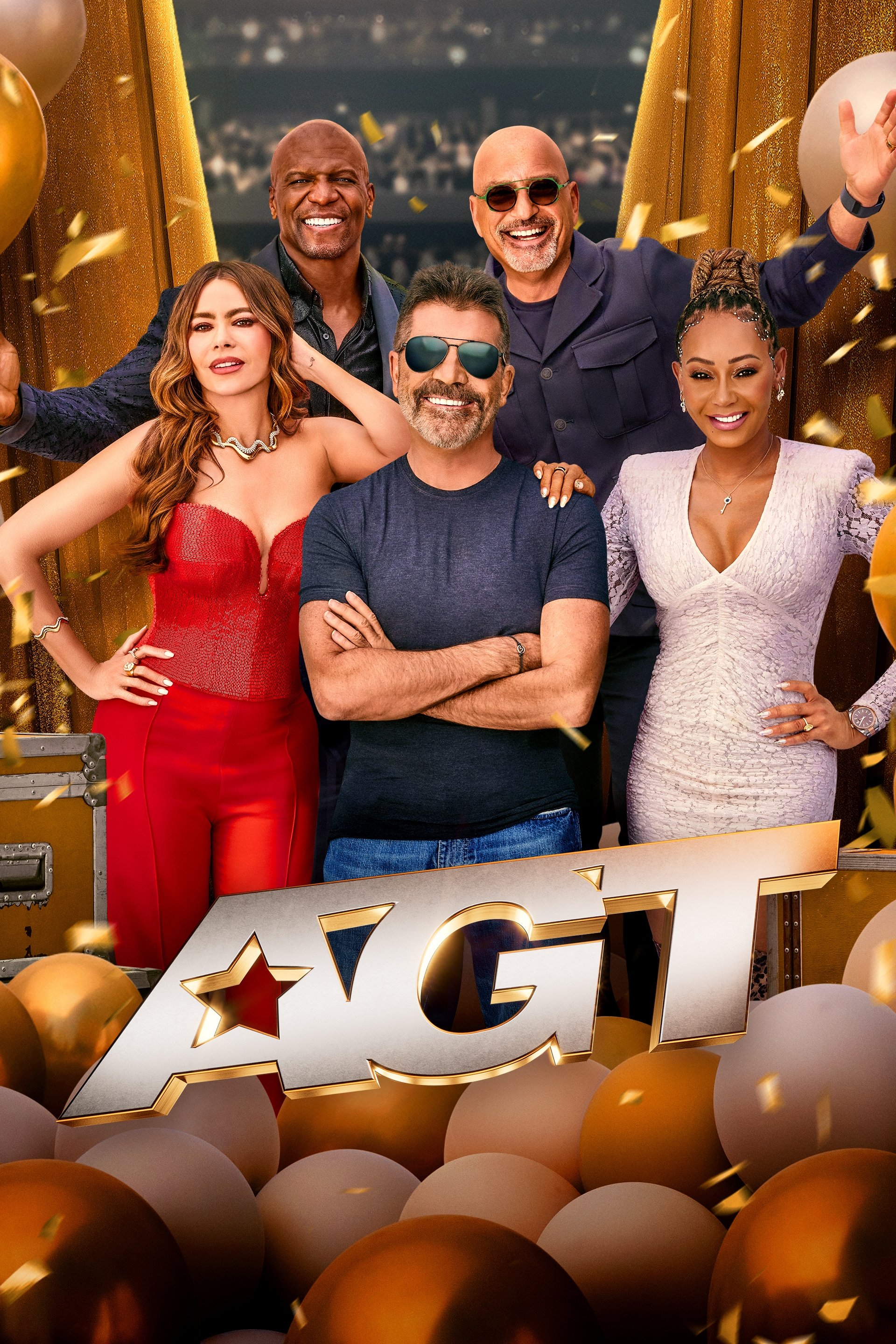
Talented performers compete for a big cash prize and the chance to perform in Las Vegas. While some audition like everyone else, many are discovered by show producers and specifically invited to try out. The show often records audience reactions separately and then adds them in during editing to heighten the drama. Some contestants have said that their personal stories were changed or even made up to make them seem more appealing to viewers.
Share your thoughts on these allegedly fake reality shows in the comments.
Read More
- Gold Rate Forecast
- Games That Faced Bans in Countries Over Political Themes
- Silver Rate Forecast
- Unveiling the Schwab U.S. Dividend Equity ETF: A Portent of Financial Growth
- 22 Films Where the White Protagonist Is Canonically the Sidekick to a Black Lead
- 15 Films That Were Shot Entirely on Phones
- 20 Movies Where the Black Villain Was Secretly the Most Popular Character
- The Best Directors of 2025
- Brent Oil Forecast
- Superman Flops Financially: $350M Budget, Still No Profit (Scoop Confirmed)
2026-02-07 16:20