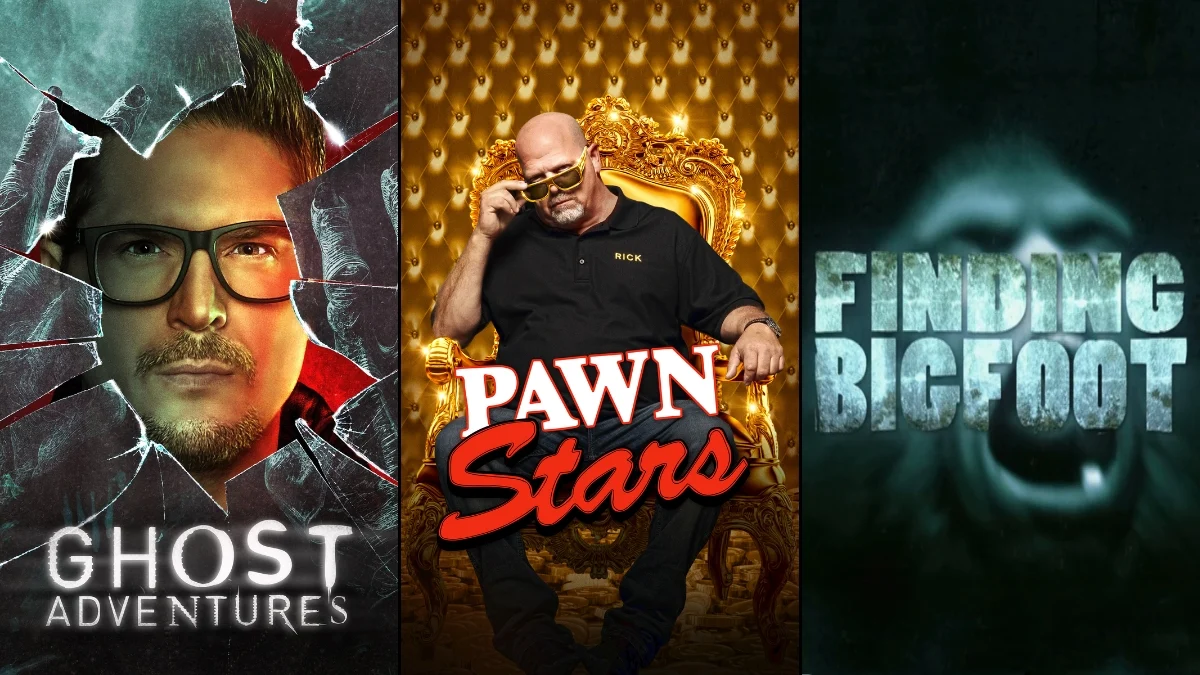
Reality TV claims to show real life as it happens, but often the drama we see is carefully planned. Producers commonly use tricks like setting up scenes and editing footage to create compelling storylines and keep viewers hooked. While some moments might be genuine, many are created just for entertainment. This article looks at several popular reality shows where what you see isn’t always real.
‘The Hills’ (2006–2010)
The series followed the careers and personal lives of young people in Los Angeles. The finale famously showed the show was filmed on a set and that many events were created for the cameras. Since then, cast members have revealed that producers pushed them to have certain conflicts and controlled social interactions to create drama. The crew often fed lines to the actors to keep the story interesting. Today, the show is known for heavily using scripted scenes and manufactured situations.
‘Laguna Beach’ (2004–2006)
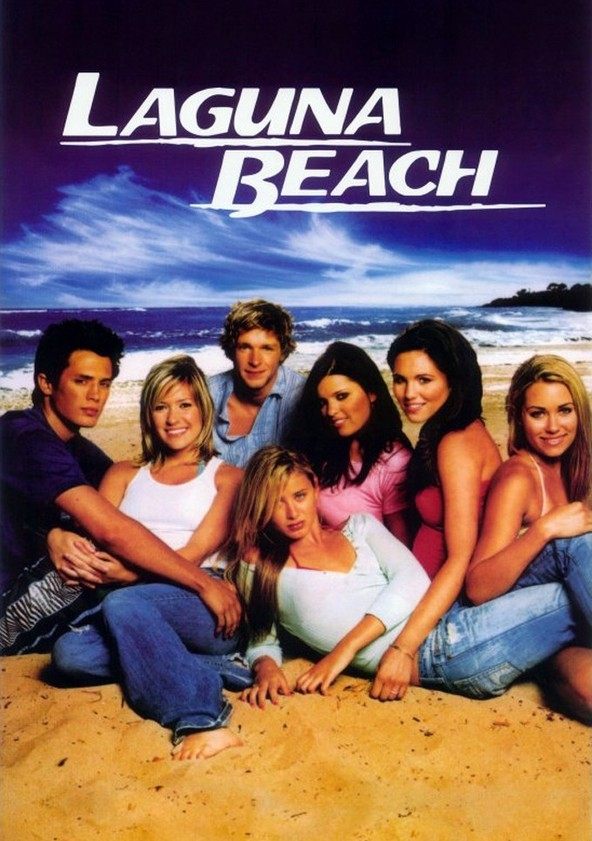
The show followed the lives of high school students in a well-off California town. Many of the actors have since shared that the drama – the love triangles and friendships – wasn’t entirely natural. Producers frequently set up scenes where people who were feuding would be forced to interact, just to create conflict. The way the show was edited also exaggerated disagreements, making everyday conversations seem much more intense. Ultimately, this program pioneered the style of ‘scripted reality’ television that became popular in later years.
‘Pawn Stars’ (2009–2025)
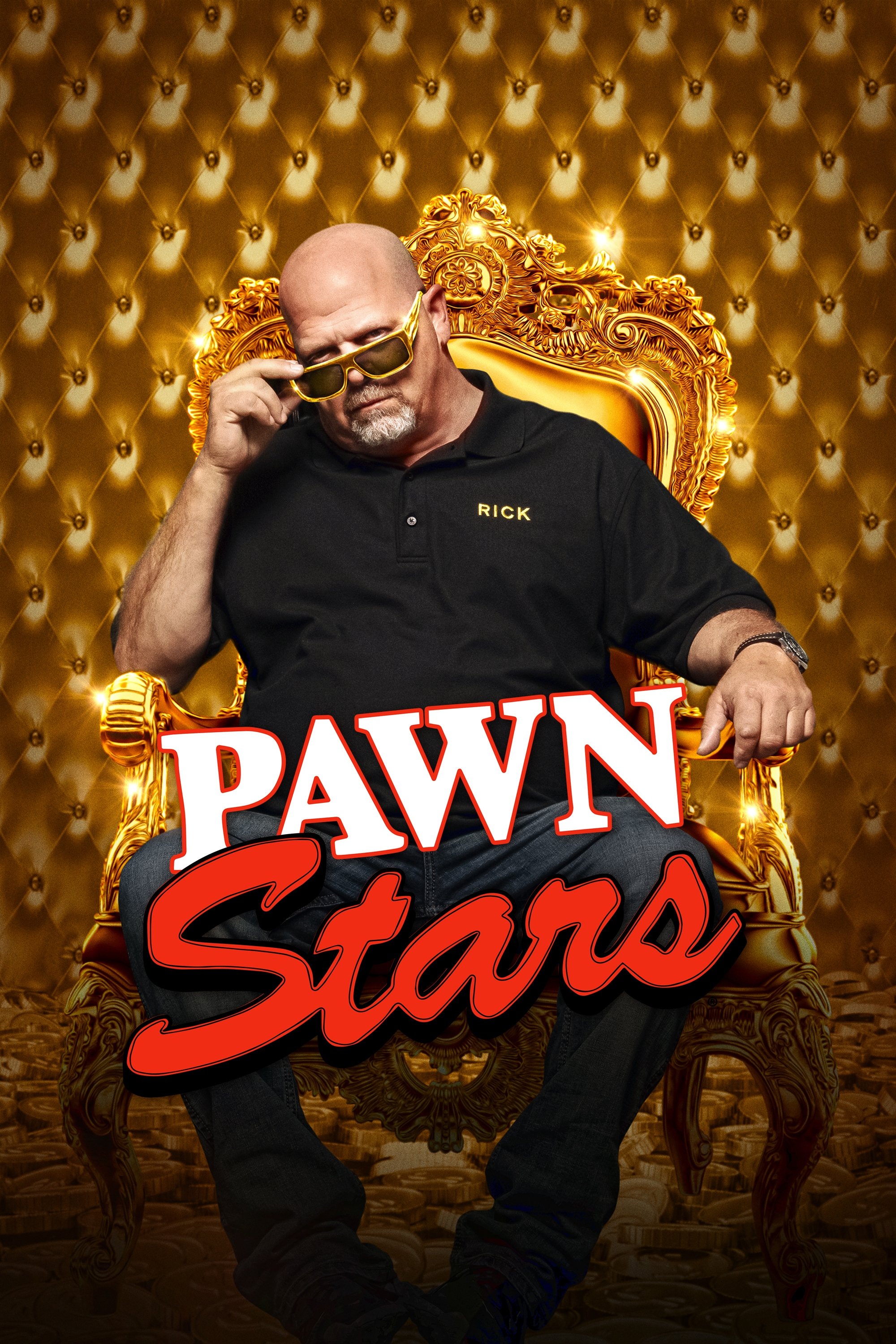
The show follows the everyday happenings at a family-run pawn shop in Las Vegas. Although it’s a real shop, the deals you see on TV aren’t usually spontaneous. They’re planned out and practiced beforehand. People who sell items often sign agreements before filming, and experts research the items in advance. Even the conversations between family members are often based on scripts or ideas from the show’s producers. This careful planning helps make sure each episode is both informative and entertaining.
‘Storage Wars’ (2010–2025)
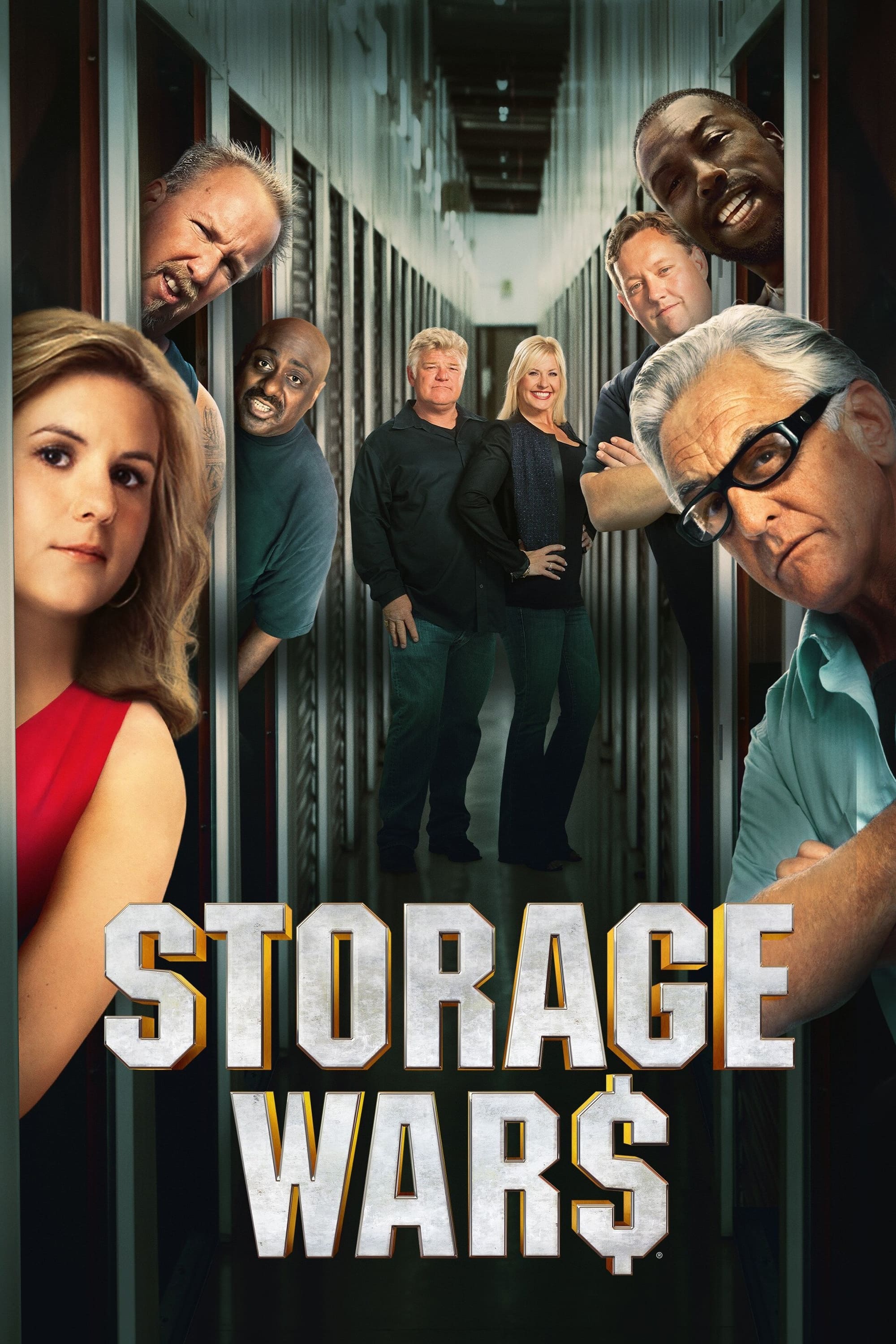
The show centers around people who buy the contents of abandoned storage lockers at auction. However, a former participant has alleged that producers sometimes secretly added valuable items to the lockers to create more drama. They also claim the auctions were rigged to favor certain bidders, and that reactions from the buyers were often re-shot to maximize emotional impact. These techniques are used to keep viewers engaged and build suspense throughout each episode.
‘Hardcore Pawn’ (2010–2015)
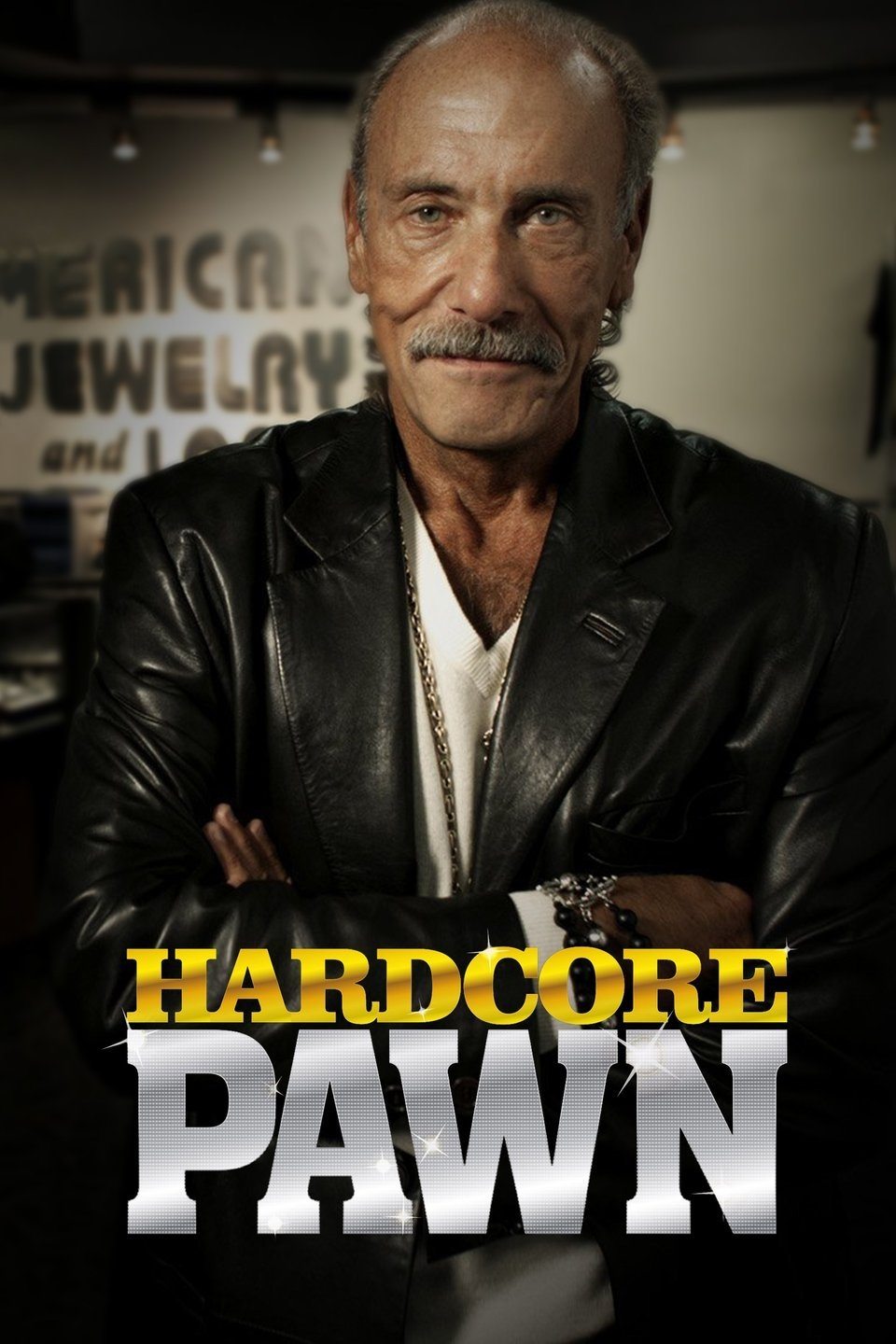
This reality show, filmed in a Detroit pawn shop, thrived on drama. While it seemed to capture real arguments between staff and customers, many of those intense moments were actually created by actors or people hoping to be on TV. Security guards were sometimes told to make things worse for the cameras, and the owners’ family issues were also exaggerated through scripting and producer meddling. Ultimately, the show focused more on creating exciting conflicts than showing what actually happened in the business.
‘South Beach Tow’ (2011–2014)
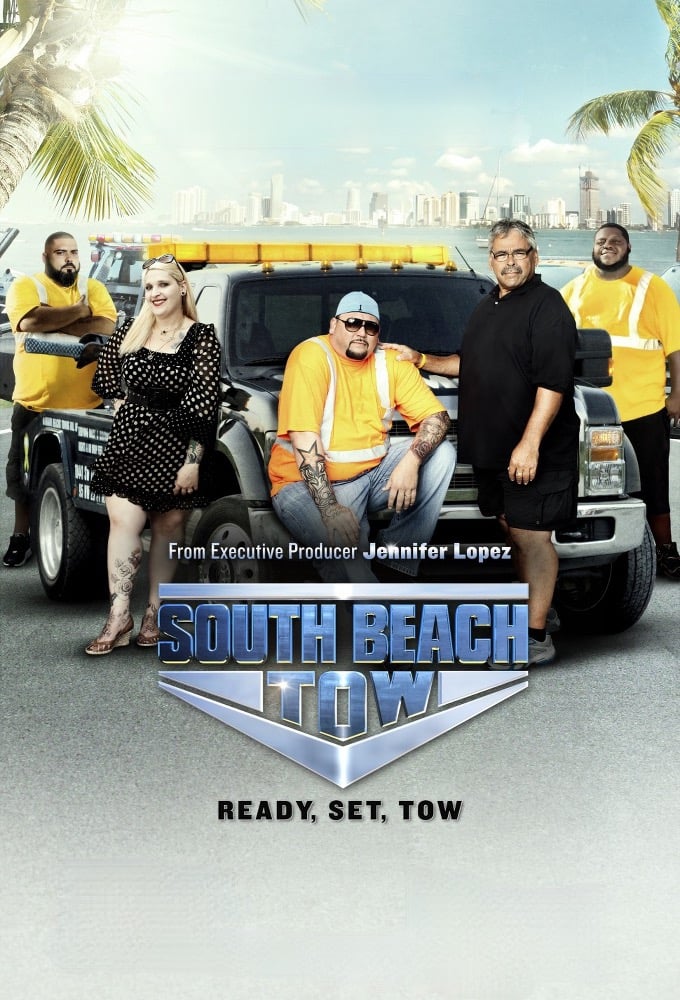
The show followed the supposed daily work of tow truck drivers in Florida. While presented as real, it used reenactments and carefully planned action scenes. Most of the dangerous stunts and fights were done by professional actors, not the drivers themselves. The storylines were often exaggerated and felt more like a comedy than a realistic portrayal of the towing business. Viewers soon realized the show was designed for entertainment rather than to accurately represent the industry.
‘Operation Repo’ (2008–2014)
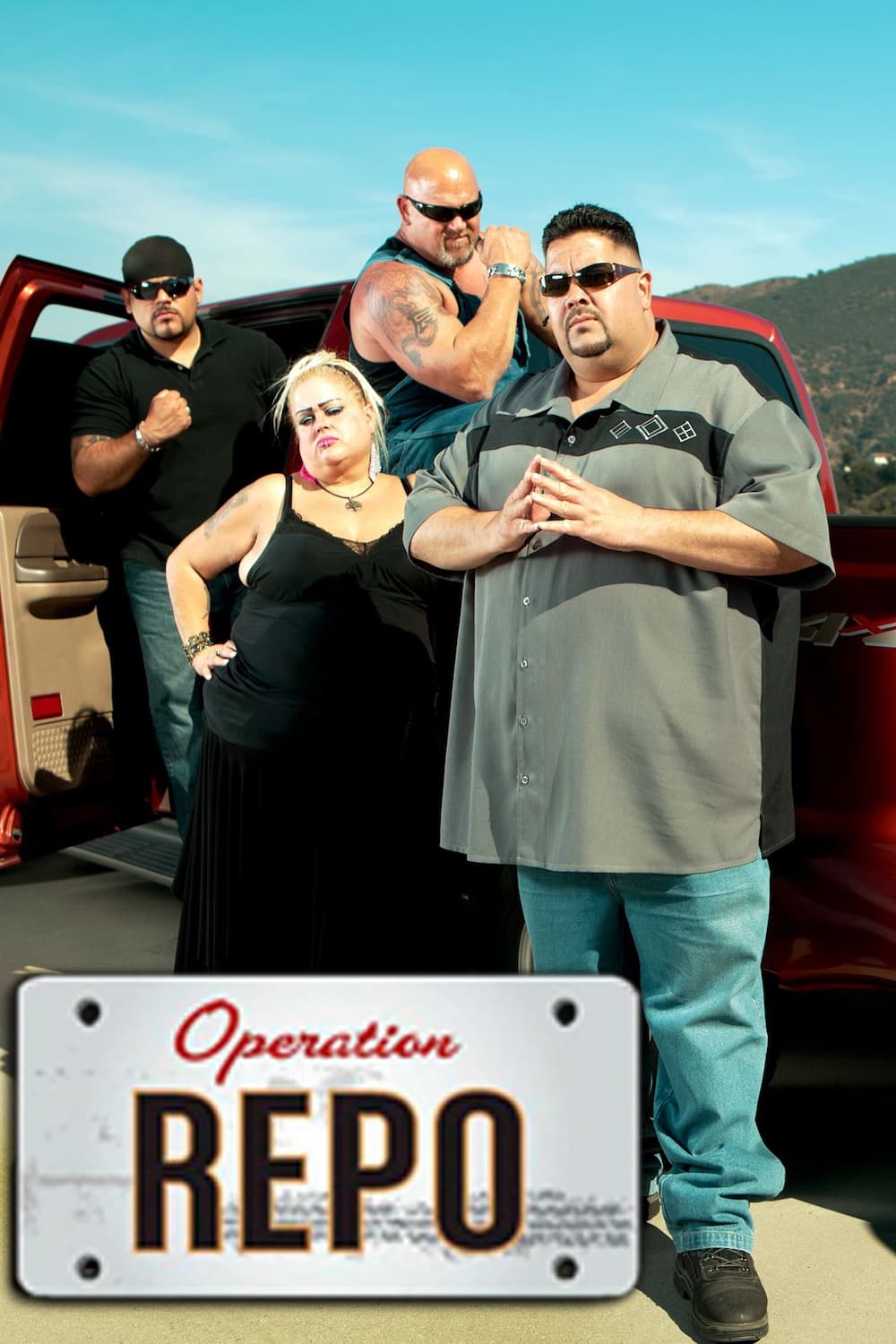
The show followed a team that repossessed cars from people who hadn’t made their loan payments. Like many shows about towing, it used actors to recreate what were presented as real events. These scenes were often planned to include fights and exciting chases, and were used to avoid the legal and safety problems of filming actual repossessions. The result was a dramatic and exaggerated portrayal of the repossession industry.
‘Lizard Lick Towing’ (2011–2014)
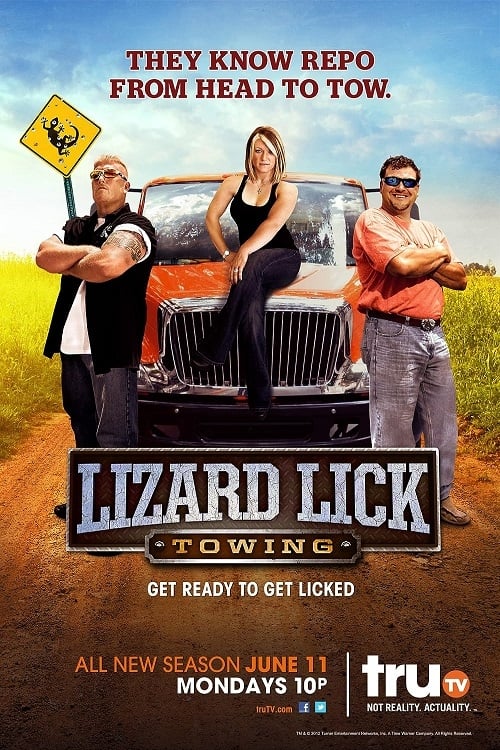
The show centered around a North Carolina towing company, but it wasn’t entirely realistic. To keep things exciting, the producers used a lot of pre-written lines and planned-out conflicts. The owners of the company became like actors, involved in dramatic storylines about competing businesses and family drama. Often, the car repossessions were filmed with the owners’ permission and included fake arguments, all to ensure each episode had plenty of action.
‘Ghost Adventures’ (2008–2025)
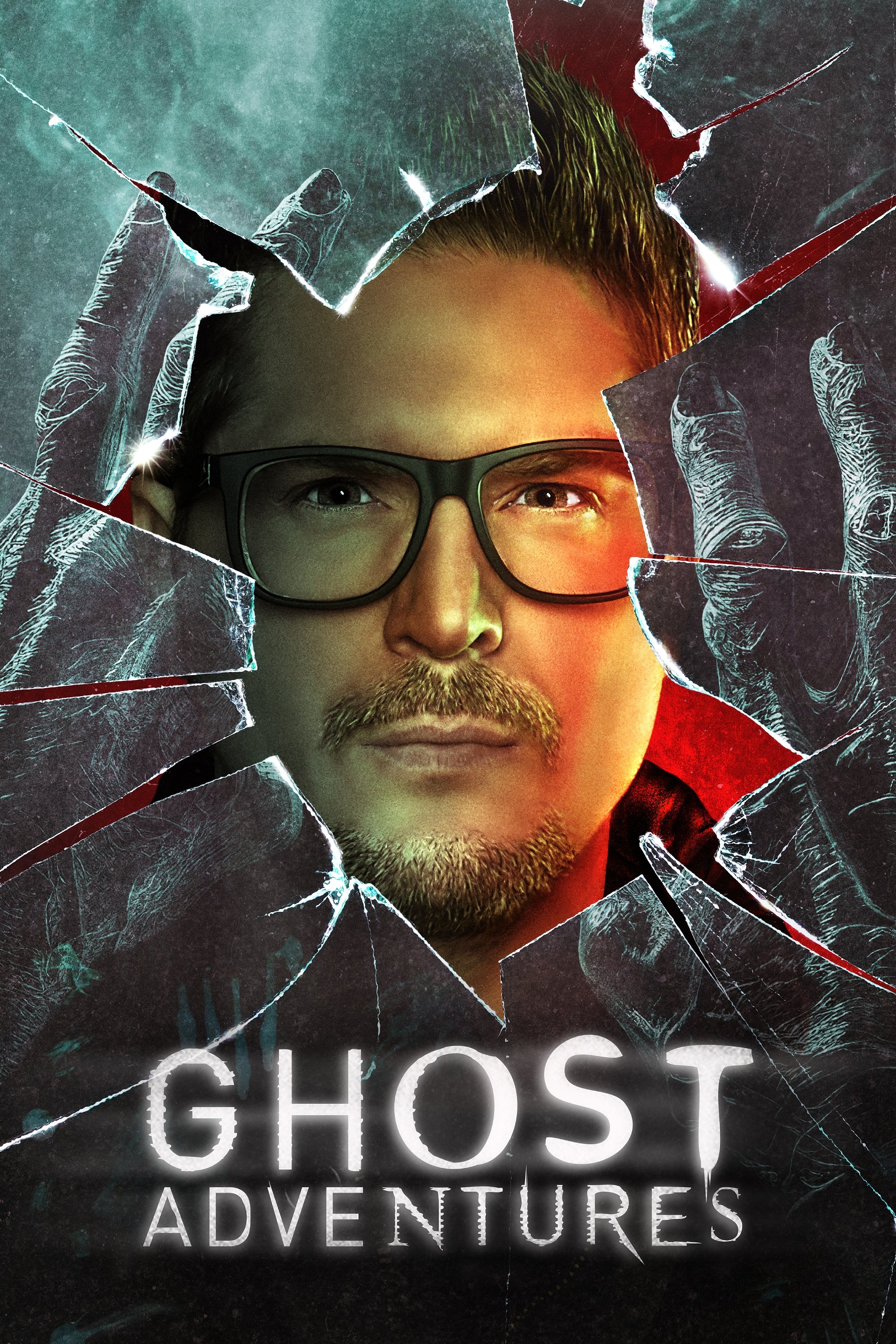
This show features a team investigating supposedly haunted places. While they present their work as scientific, many former team members claim some of the paranormal events are created for the cameras. Sounds and visuals are often added or amplified in editing to make things scarier. Producers often choose locations and plan out what should happen to create a dramatic story. The show focuses more on building suspense and capturing strong reactions than on conducting genuine research.
‘Man vs. Wild’ (2006–2011)
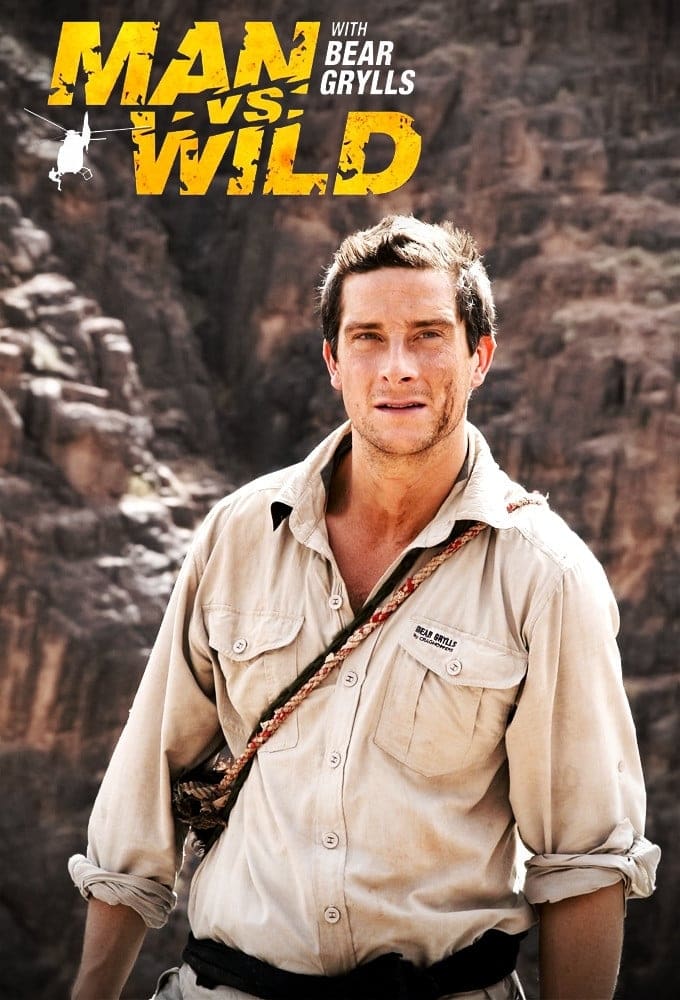
The reality show followed an expert demonstrating survival skills in challenging locations. However, it was discovered that the host frequently used hotels instead of roughing it in the wilderness as the show implied. Some of the survival situations were also created with assistance from the crew for safety and to make the show more visually appealing. Although the survival advice itself was genuine, the show didn’t always accurately portray the harshness of the environments. Because of this, later broadcasts included disclaimers to clarify what viewers were seeing.
‘House Hunters’ (1999–2025)
The show features people looking at three houses and ultimately choosing one to buy. However, it’s well known that many buyers have already purchased a home before they even start filming. Often, the other two houses featured aren’t actually for sale, or they belong to people connected with the show. Participants are sometimes prompted to express fake doubts about the properties to create drama and make the story more compelling. This helps the show deliver a familiar and feel-good outcome in each episode.
‘Love It or List It’ (2008–2025)

After renovating, homeowners sometimes choose to stay, and sometimes decide to move. TV producers often film multiple endings for each episode to see which one fits the season’s story best. What viewers see isn’t always the final decision, as homeowners can change their minds after filming. The disagreements between the designer and real estate agent are often played up to create drama and maintain the show’s entertaining rivalry.
‘Pimp My Ride’ (2004–2007)
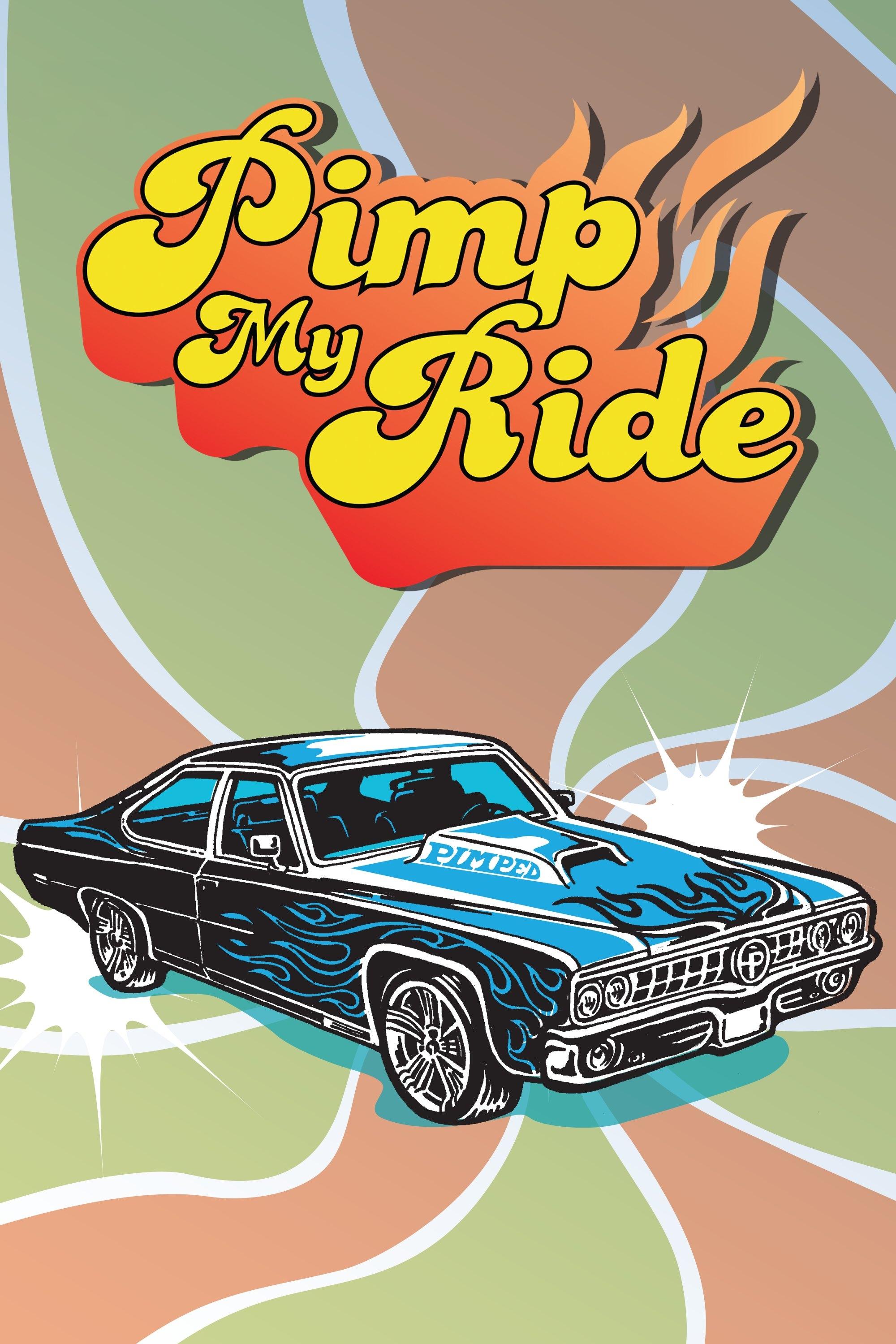
The show featured classic cars being rebuilt with modern technology, but many of the fancy gadgets installed didn’t actually work and were removed after filming. The cars also frequently had mechanical problems that weren’t fixed, as the show prioritized how they looked over how well they ran. To maximize drama, some of the owners’ reactions were re-shot multiple times. Ultimately, the show was more about creating an exciting reveal than delivering a genuinely well-restored vehicle.
‘Catfish: The TV Show’ (2012–2025)

This series explores the world of online romance, focusing on people who create false profiles to build relationships. Although the feelings involved are genuine, the show isn’t as unplanned as it appears. The production team typically knows who the person being investigated is before the hosts start looking, which allows them to get necessary permissions and legal agreements in advance. Clever editing then creates the illusion of a real-time, spontaneous investigation.
‘Undercover Boss’ (2010–2025)

In this reality show, company leaders secretly take on frontline jobs to understand how their businesses really work. Employees are chosen for their interesting life stories, not randomly. Often, workers guess the executive’s true identity because of the filming crew. The thoughtful gifts exchanged at the end of each episode are planned by the company’s marketing and HR teams, aiming to create a good impression of the brand and a feel-good moment for the audience.
‘Duck Dynasty’ (2012–2017)

As a reality TV fan, I always wondered about the show following that family who made their money with duck hunting gear. Turns out, a lot of it wasn’t as ‘real’ as it seemed! The producers heavily guided things – they’d write storylines and even tell the family what to talk about. They’d also add sound effects, like those little bleeps, even when nobody said anything bad, just to make things seem more exciting. A lot of those outdoor scenes weren’t spontaneous adventures either; they were filmed right on the family’s property with the director giving specific instructions. The family themselves has been pretty open about how much the network controlled what we saw on screen.
‘Amish Mafia’ (2012–2015)

The show presented itself as a look into a secret group maintaining order within an Amish community, but it was almost entirely made up. Actors played characters in a completely fabricated story, and people in the community and local police often stated that the events on screen didn’t happen in real life. While filmed like a documentary to appear genuine, it was actually scripted drama, ultimately becoming a highly debated example of the ‘scripted reality’ genre.
‘Breaking Amish’ (2012–2014)
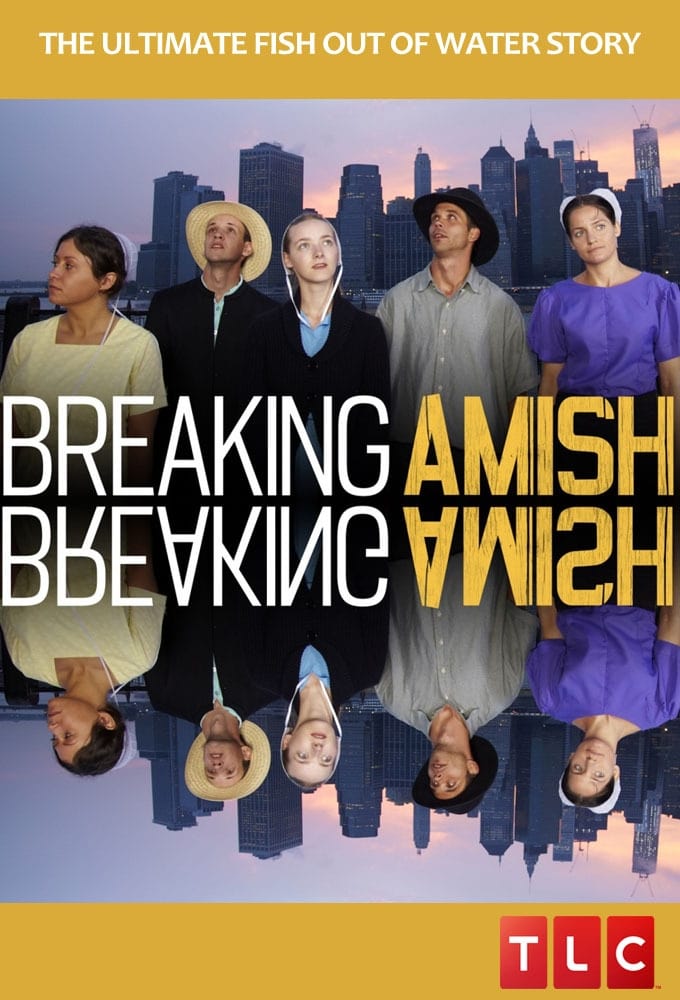
I just finished watching this show about young people leaving the Amish and Mennonite communities for New York City, and honestly, I was pretty disappointed. It turns out a lot of the cast had already been living outside their communities for years before filming even started. Even more surprising, some were already married with kids, despite being presented as newcomers meeting for the first time! The drama surrounding their adjustment to city life felt really manufactured and overblown – it was clear the producers were trying to create tension where it didn’t naturally exist. The whole thing left a bad taste in my mouth, because it felt less like a genuine look at their lives and more like a heavily edited, fabricated story.
‘Long Island Medium’ (2011–2019)
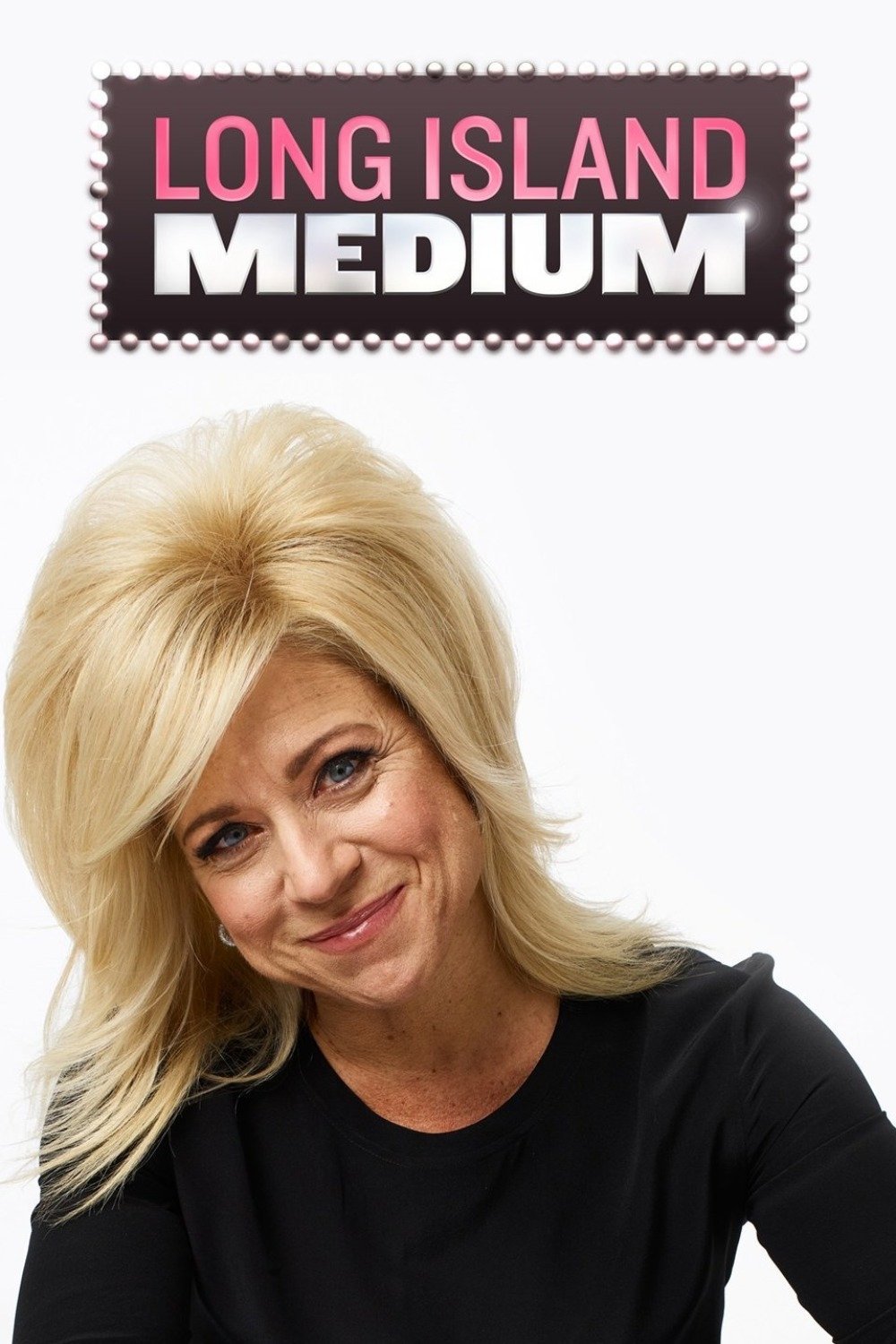
The show featured a psychic who said she could talk to dead people. However, investigations revealed the show’s producers likely researched the people meeting with the psychic beforehand. They then used this information to make her readings seem more convincing and natural. Before each session, participants would fill out detailed questionnaires, giving the production team personal information. This is a common practice in TV to create emotionally powerful content.
‘Extreme Couponing’ (2011–2012)

The show followed people who used a lot of coupons to get groceries for free. Stores often bent their own rules to allow it. However, some of the coupons used were suspected of being fake, or were used in ways that aren’t normally permitted. Shoppers frequently collected huge amounts of items they didn’t really need or would never use, which gave viewers a misleading idea of how much you can actually save with coupons.
‘Mountain Men’ (2012–2025)

The show features people living off the grid in North America’s wilderness. However, many of the dramatic events aren’t actually spontaneous; they’re often staged by the production crew. For the sake of entertainment, cast members are sometimes asked to redo tasks or participate in manufactured challenges. Despite the remote setting, the participants aren’t truly isolated, as a sizable film crew and support team are always nearby, ensuring there’s plenty of footage for a compelling show, even when real life in the mountains is uneventful.
‘Swamp People’ (2010–2025)
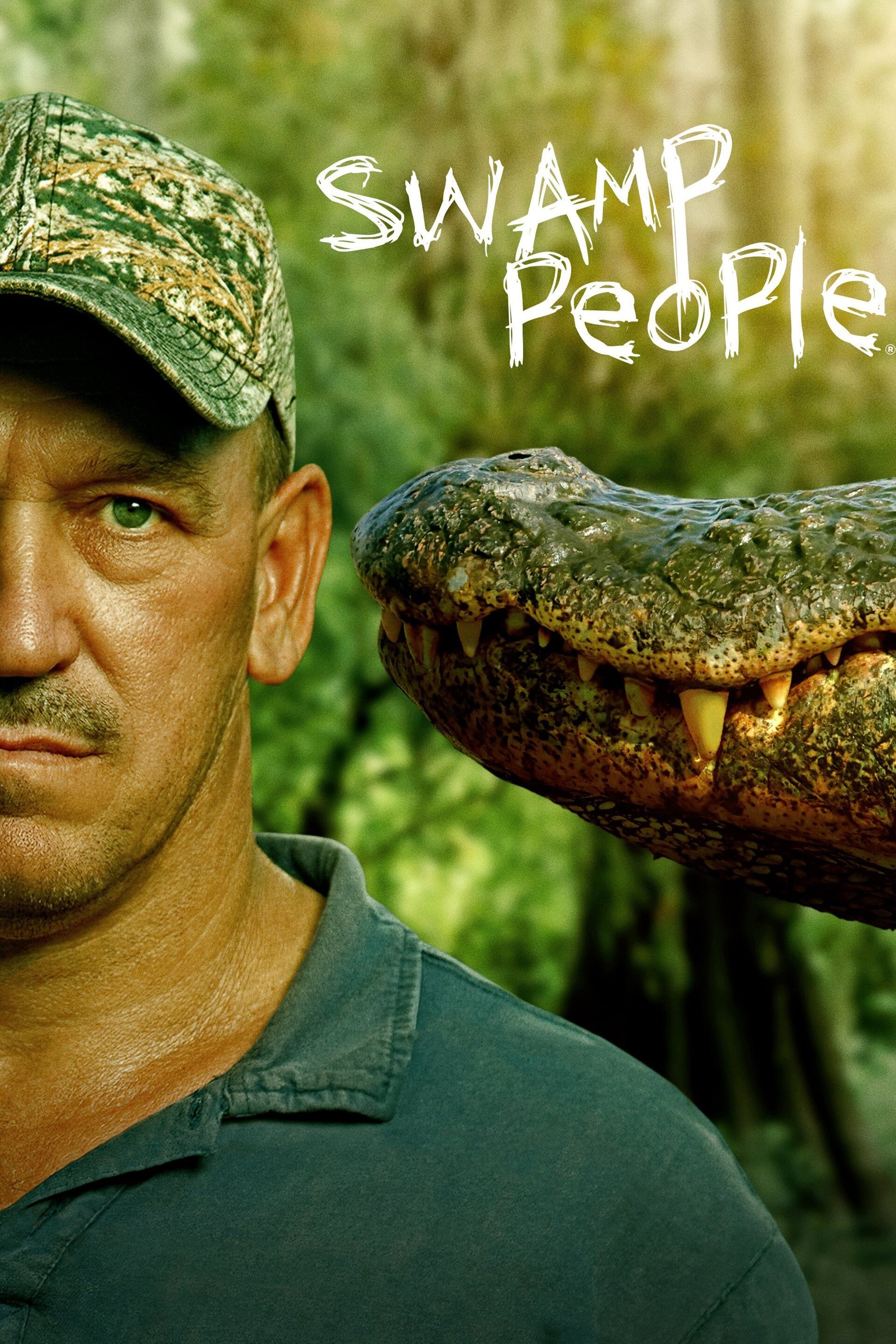
This show follows alligator hunters working in Louisiana’s bayous. While the music and fast-paced editing create a sense of danger, the hunts aren’t usually as risky as they seem for seasoned professionals. Sometimes, producers film the same alligator from different viewpoints to give the impression of a larger predator population. Several hunters have also mentioned being asked to redo scenes or lines of dialogue to enhance the show’s thrilling, high-stakes feel.
‘Alaskan Bush People’ (2014–2025)

The show portrays a family living off the grid in the Alaskan wilderness, but investigations revealed they frequently stayed in towns or at lodges instead of truly roughing it. Records showed they didn’t spend nearly as much time in the wild as the show suggested. Many of the survival tasks and building projects were actually assisted by professionals working behind the scenes, creating the illusion that the family was more self-reliant than they were.
‘Finding Bigfoot’ (2011–2018)

This show followed a team as they traveled the globe looking for the famous creature. Each episode had a similar format: nighttime explorations and conversations with people who claimed to have seen it. To keep the story going, the team often mistook everyday noises in the woods for proof of the creature’s existence. The show’s producers carefully guided the team’s search to create a suspenseful atmosphere. After many years of filming, the team never found any real evidence, which led many viewers to believe the show was staged.
‘Moonshiners’ (2011–2025)
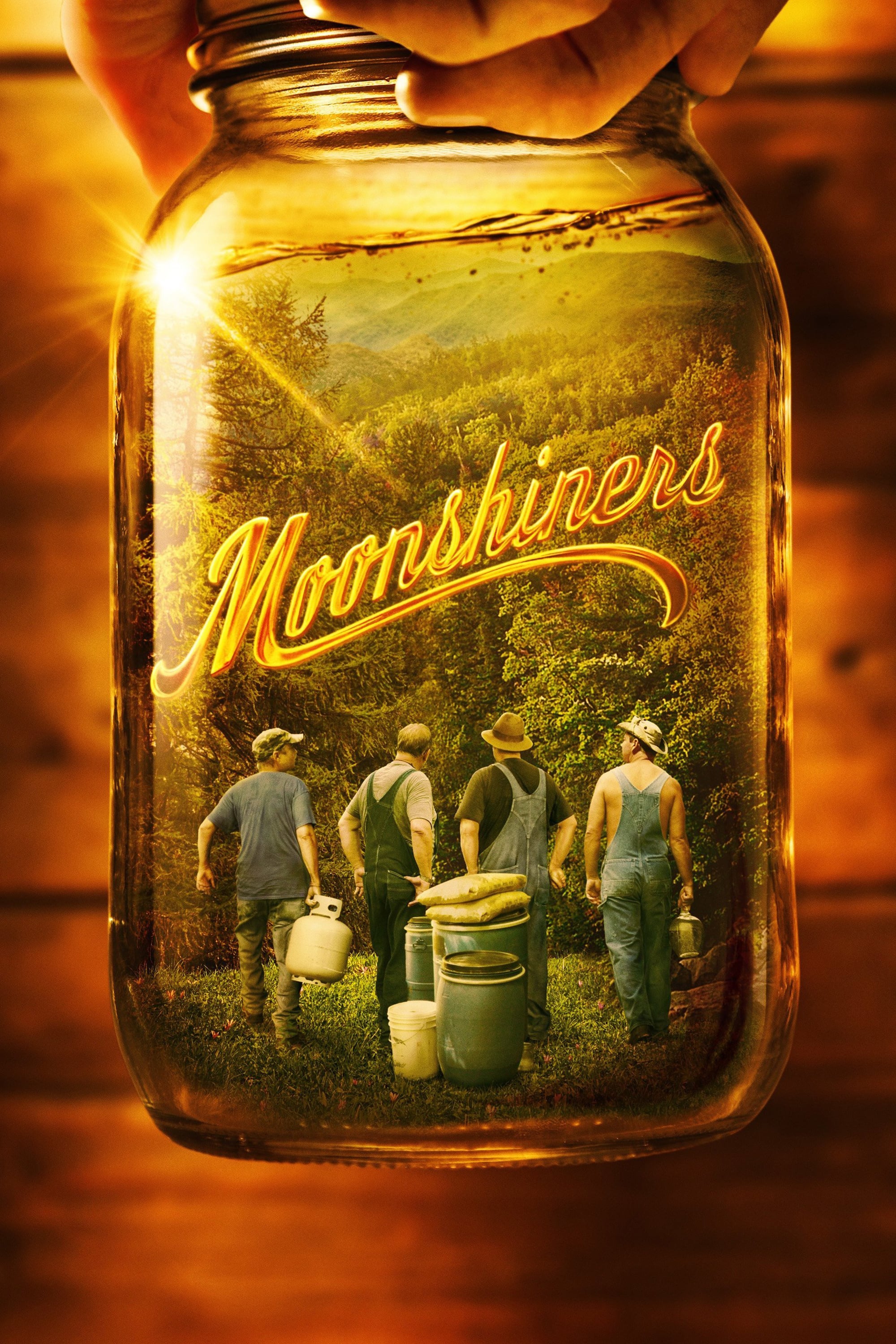
The show portrays people making moonshine in the woods, but authorities say anyone actually breaking the law would have been arrested on the spot. The production team gets around this by filming staged scenes or focusing on people with permits. Plus, many of the supposed ‘hidden’ locations are easily reached by the large film crews following the cast. This gives viewers the excitement of illegal activity without any real danger.
‘Gold Rush’ (2010–2025)
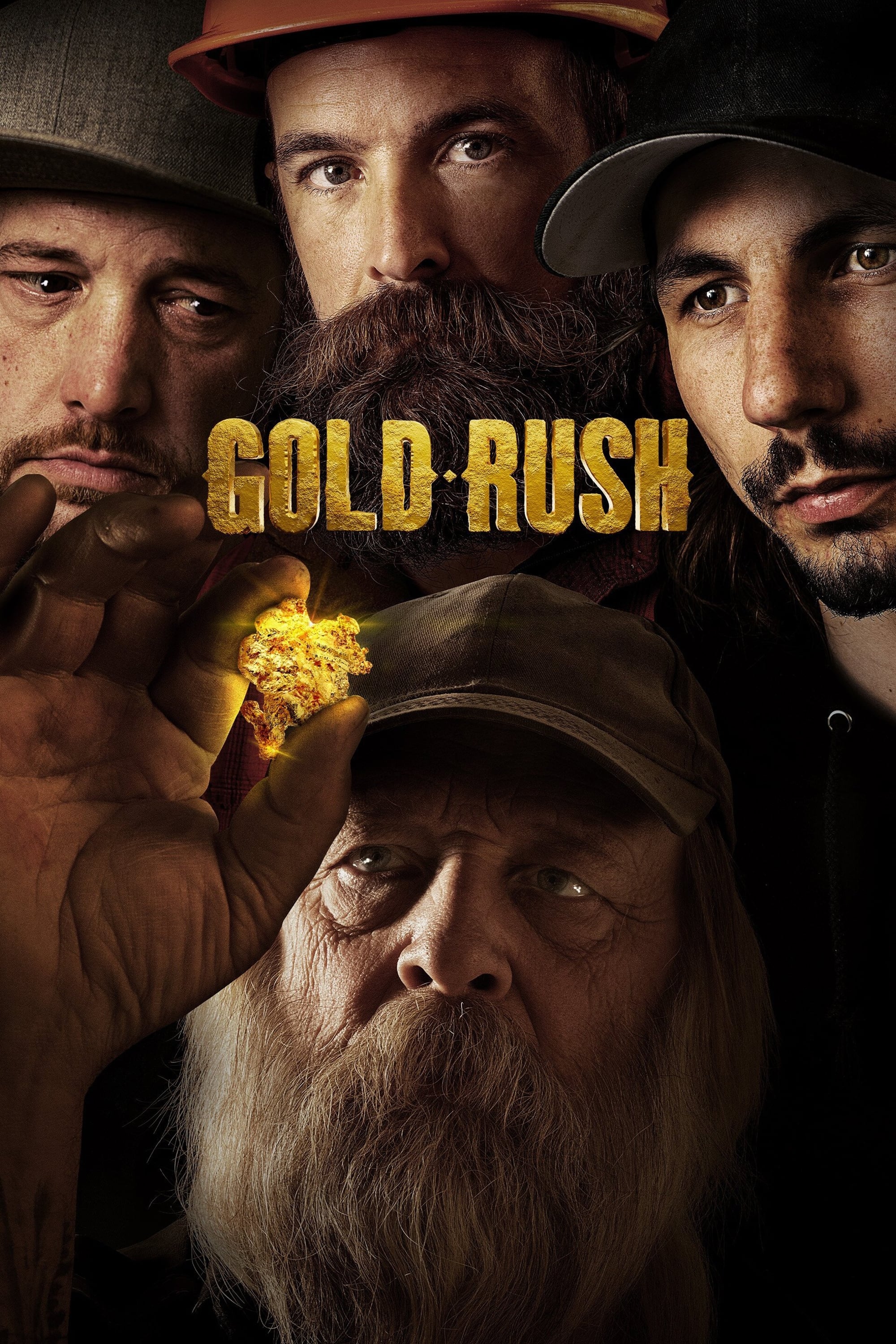
This show tracks different gold mining teams as they work in the Yukon and other locations. To create more excitement, producers sometimes manufacture crises like tight deadlines or equipment breakdowns. They also play up the competition between the team leaders. Although the miners are genuinely searching for gold, much of the daily drama is carefully crafted for television, building to a suspenseful season finale where the final gold amounts are revealed.
‘Kitchen Nightmares’ (2007–2023)
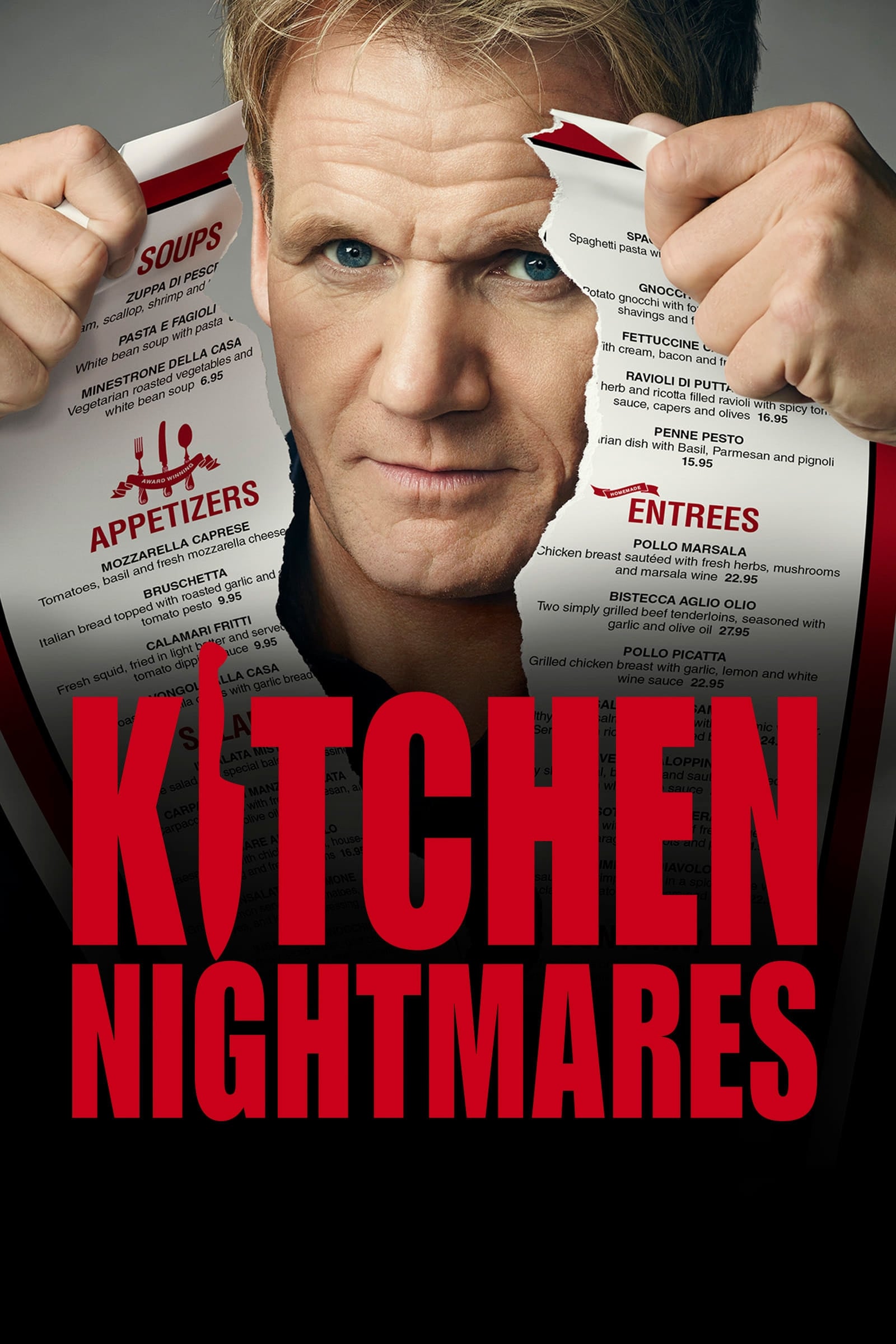
Gordon Ramsay’s show focuses on helping failing restaurants, but the way it’s made can be misleading. Producers often seek out restaurants with particularly chaotic staff and dirty kitchens for dramatic effect. They also hire people to act as customers and give certain opinions on camera. While the restaurants get a visual makeover, the show rarely fixes the real issues causing financial trouble. Sadly, many of these businesses end up closing down soon after their episode airs.
‘Hell’s Kitchen’ (2005–2025)
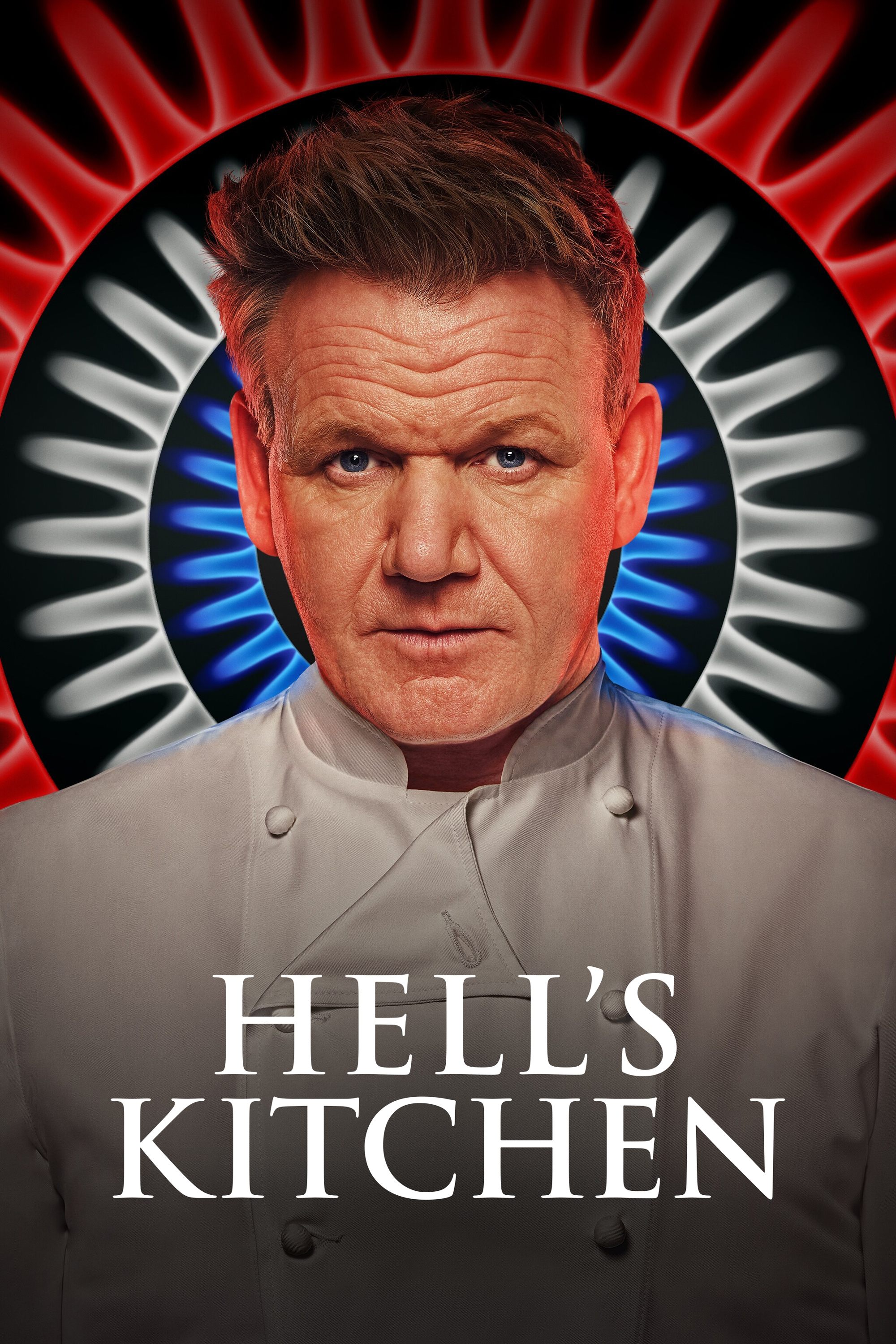
The reality cooking show features hopeful chefs battling it out for a top chef job, but the drama isn’t always what it seems. Editing often exaggerates both their mistakes and successes. Producers sometimes intentionally create chaos – like providing incorrect ingredients or messing with the kitchen equipment – and contestants are kept under intense pressure and sleep-deprived to guarantee emotional reactions. This combination fuels the show’s famously explosive atmosphere.
‘Bar Rescue’ (2011–2025)
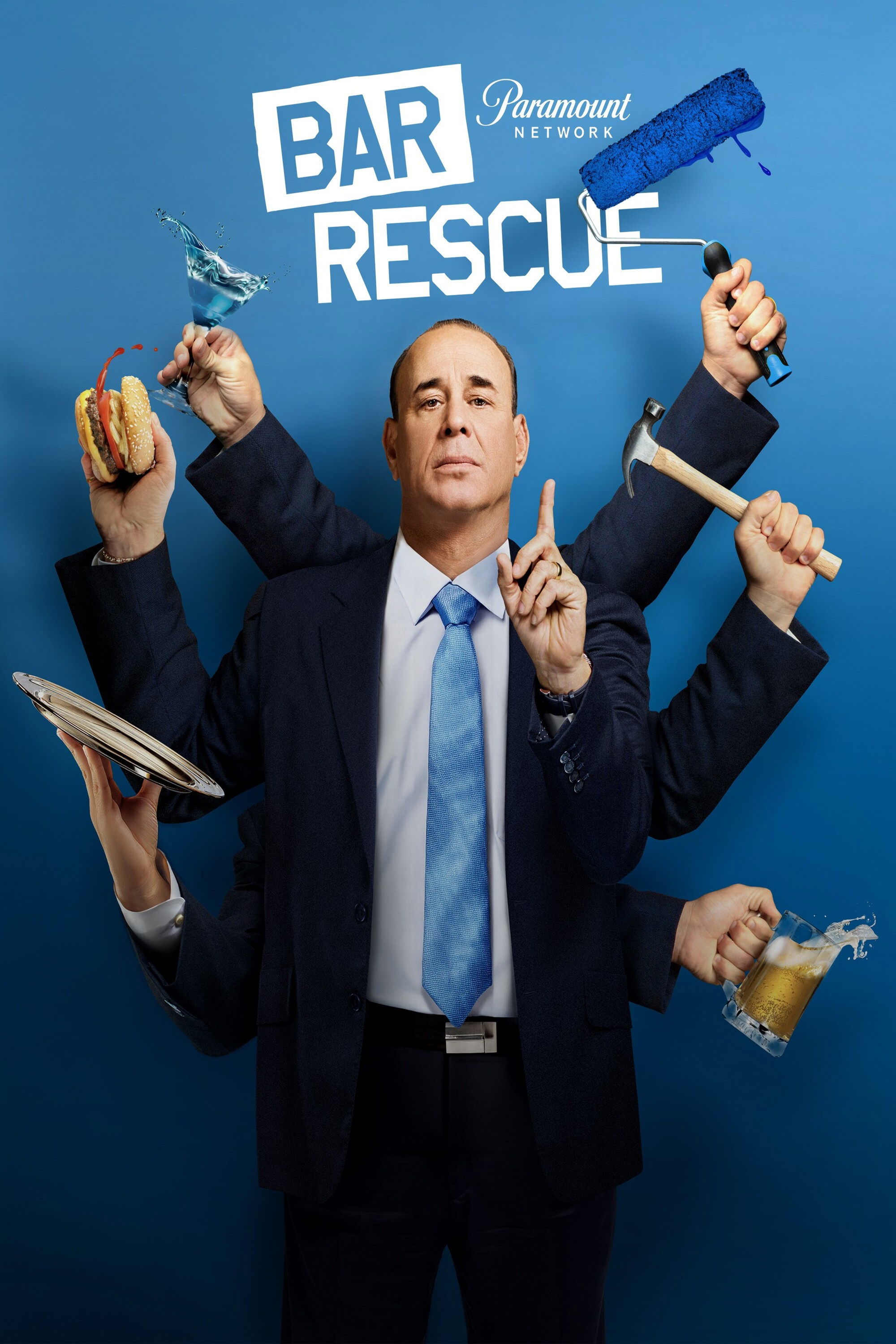
A consultant specializes in turning around struggling bars, boosting both their service and profits. While the show often features dramatic arguments and confrontations during inspections, much of this is actually planned to make the consultant appear more in charge. Bar owners frequently cooperate by exaggerating problems, hoping to receive free renovations as part of the show. Sometimes, actors are used in hidden camera scenarios and instructed to act difficult. The renovations themselves are completed very quickly, prioritizing how the bar looks on television rather than long-term improvements.
‘Dance Moms’ (2011–2019)
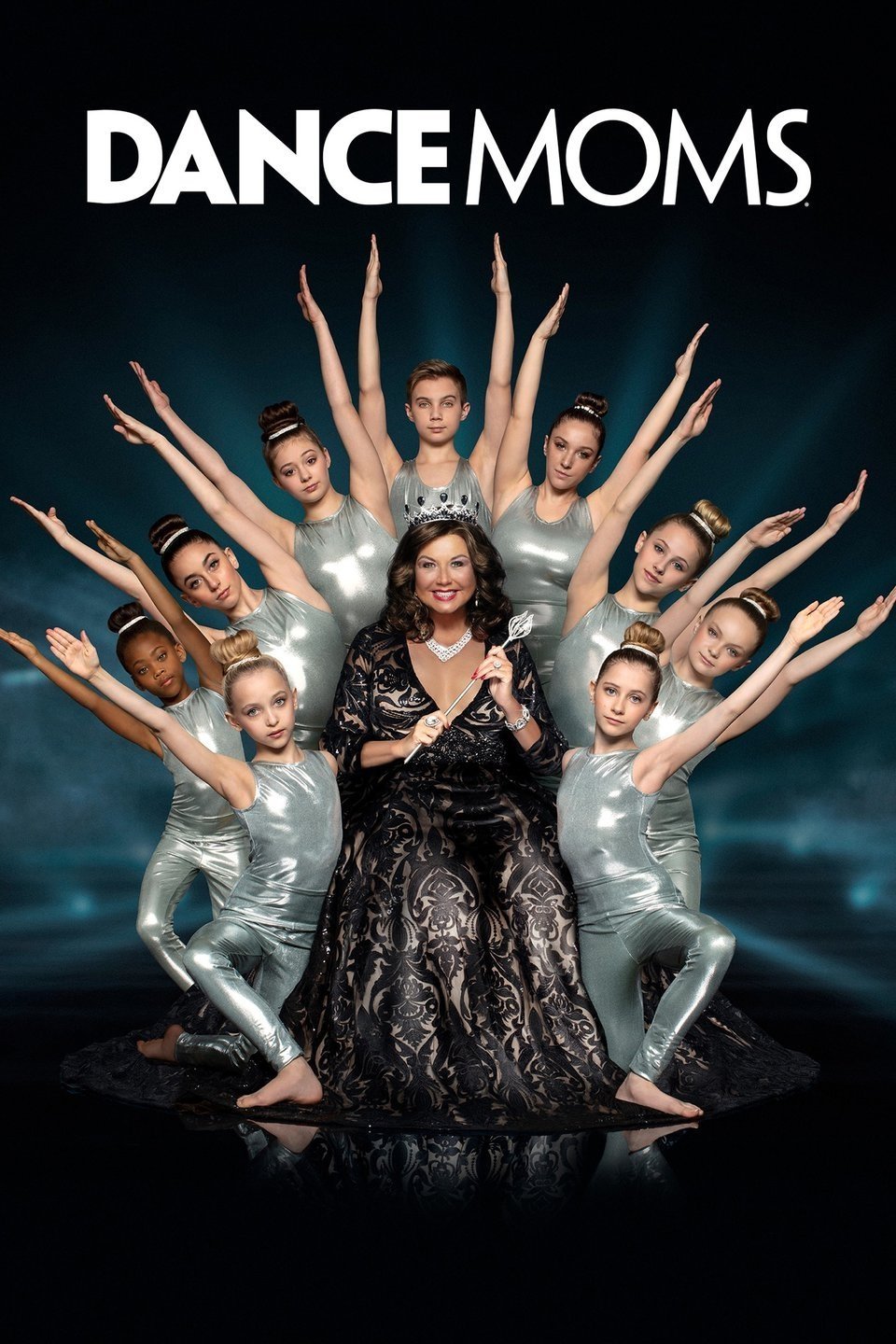
The show centered around young dancers and their mothers, often portraying them as being in conflict. Producers frequently fueled these disagreements by giving the mothers misleading information about each other. To create drama, competition outcomes were sometimes rigged or events were planned specifically for the cameras. Several cast members have revealed they were instructed to remain present until arguments broke out, resulting in a far more hostile atmosphere on television than actually existed during dance practices.
‘Jersey Shore’ (2009–2012)
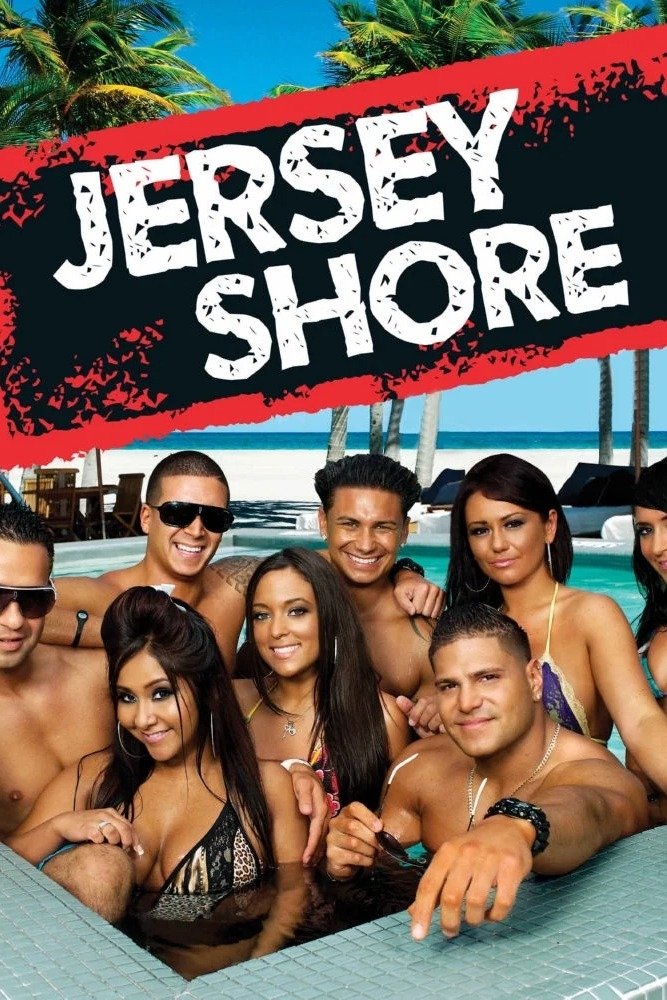
The show centered around a group of friends sharing a beach house for the summer. Although the people were genuine, many of the events were staged by the production team. They’d book out parts of clubs and bars to guarantee the cast would meet and create interesting moments. Strict house rules, like limiting access to phones and TV, kept the cast together and fueled the conflicts and relationships that became the show’s trademark.
‘Keeping Up with the Kardashians’ (2007–2021)
As a critic, I have to say this show felt… curated. It followed a very famous family, but it quickly became clear that a lot of what we were seeing wasn’t exactly spontaneous. Storylines seemed deliberately planned, often to boost their various businesses. They were meticulous about production too – scenes were constantly reshot until they got the look and feel just right. The family clearly had a tight grip on editing, wanting to control their public image. What we ended up with wasn’t a true glimpse into their lives, but a carefully polished blend of reality and entertainment – a very strategic presentation, to say the least.
‘The Real Housewives of Beverly Hills’ (2010–2025)
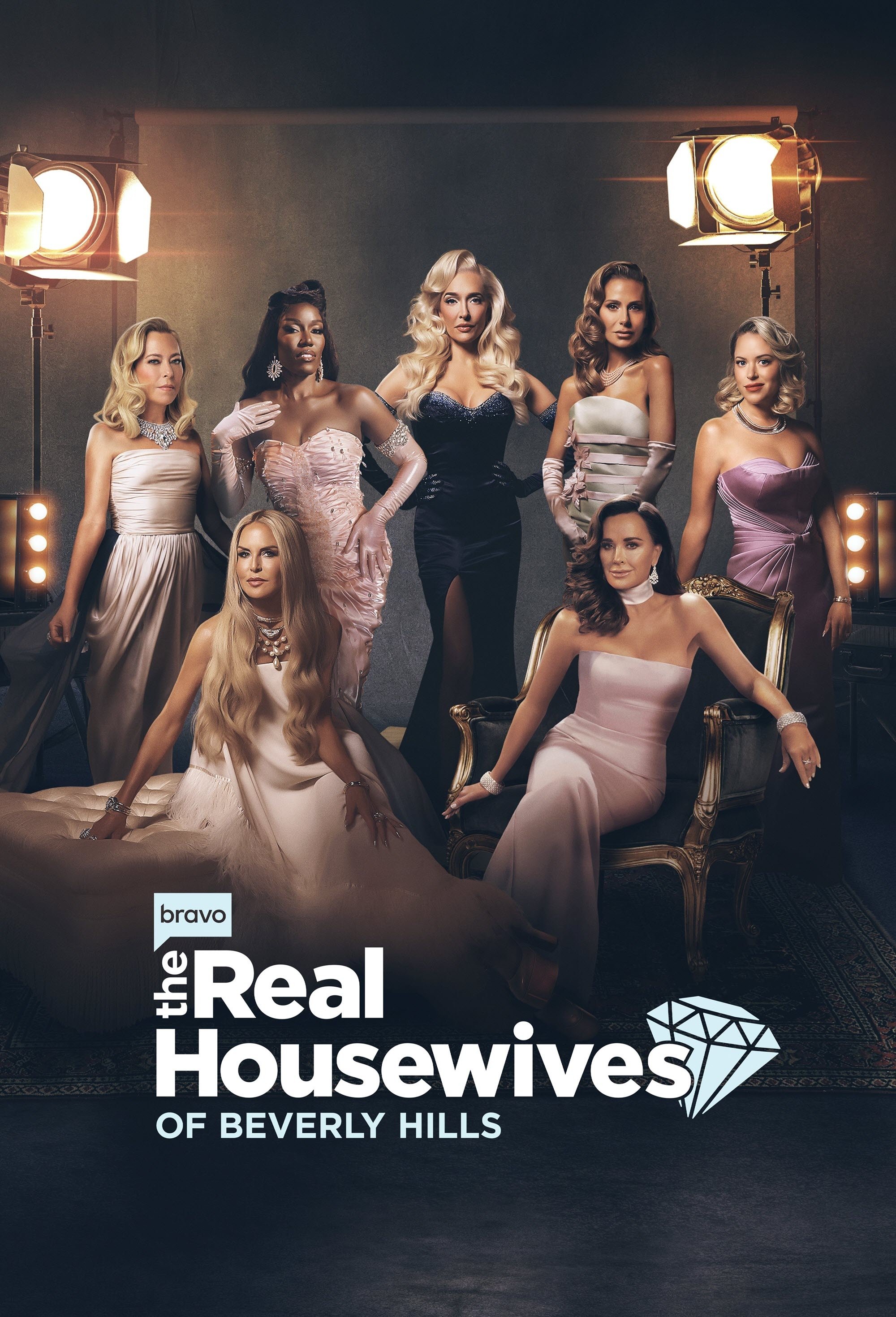
This season of the show follows the lives of affluent women in California. The producers frequently plan parties and trips specifically to create dramatic moments. Cast members are often prompted to address their issues during these events, providing a main source of conflict for each episode. The stress of filming adds fuel to both friendships and feuds. Ultimately, the show offers a carefully crafted glimpse into the world of the wealthy.
‘Vanderpump Rules’ (2013–2025)
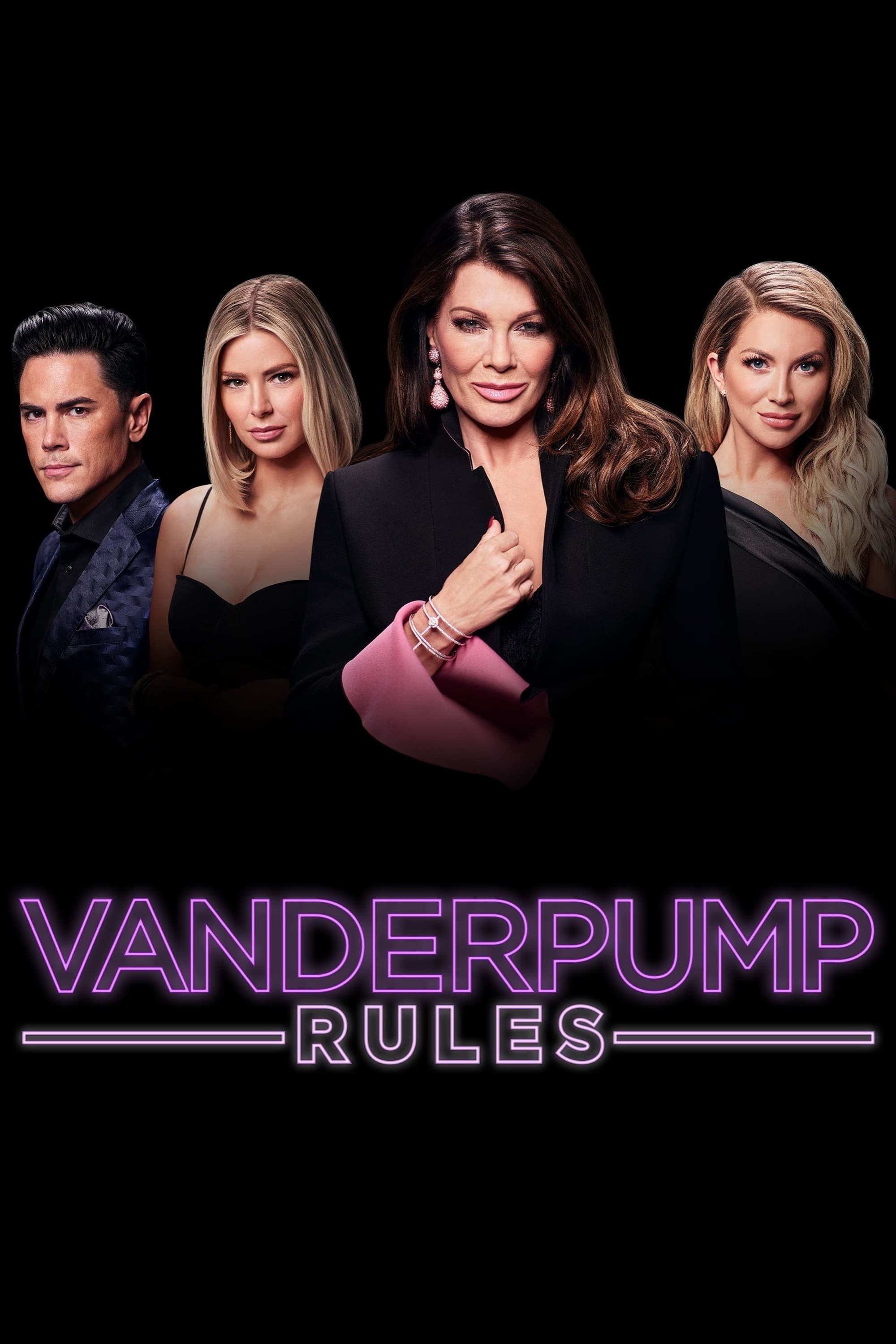
The show centers around the employees of restaurants owned by a well-known celebrity. A lot of the cast were hopeful actors, comfortable being on camera. Producers regularly controlled who was hired and fired, prioritizing people who created the most drama. The romantic relationships and conflicts between cast members were often set up by the show’s creators. This manipulation has made it a hugely popular workplace reality show with all the hallmarks of a soap opera.
‘Selling Sunset’ (2019–2025)
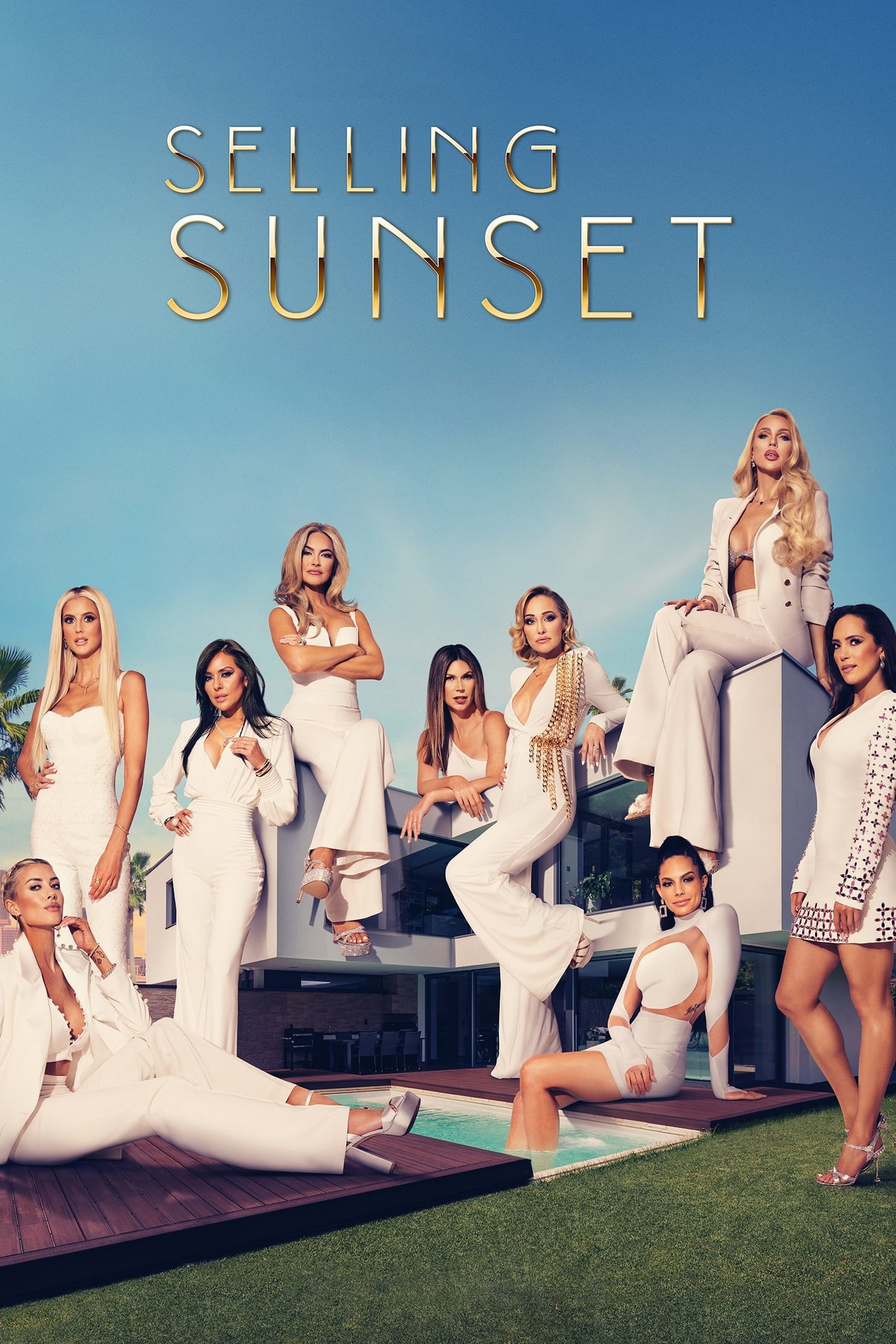
The show follows luxury real estate agents in Los Angeles as they balance work and their personal lives. However, some agents have shared that not all the properties featured are actually listed with their firms. To increase the drama, producers often guide conversations and many of the lavish parties are created just for filming. While visually appealing, the show focuses more on entertainment than accurately portraying the real estate business.
‘The Bachelor’ (2002–2025)

A dating show features one person choosing a partner from a group of contestants. However, producers heavily influence the outcome, keeping the most entertaining people and eliminating others. Contestants are often kept apart and encouraged to drink alcohol to make things more dramatic. Dates aren’t always genuine; they’re frequently planned and filmed multiple times to create a romantic story, even if the contestants don’t actually have a connection.
‘The Bachelorette’ (2003–2025)
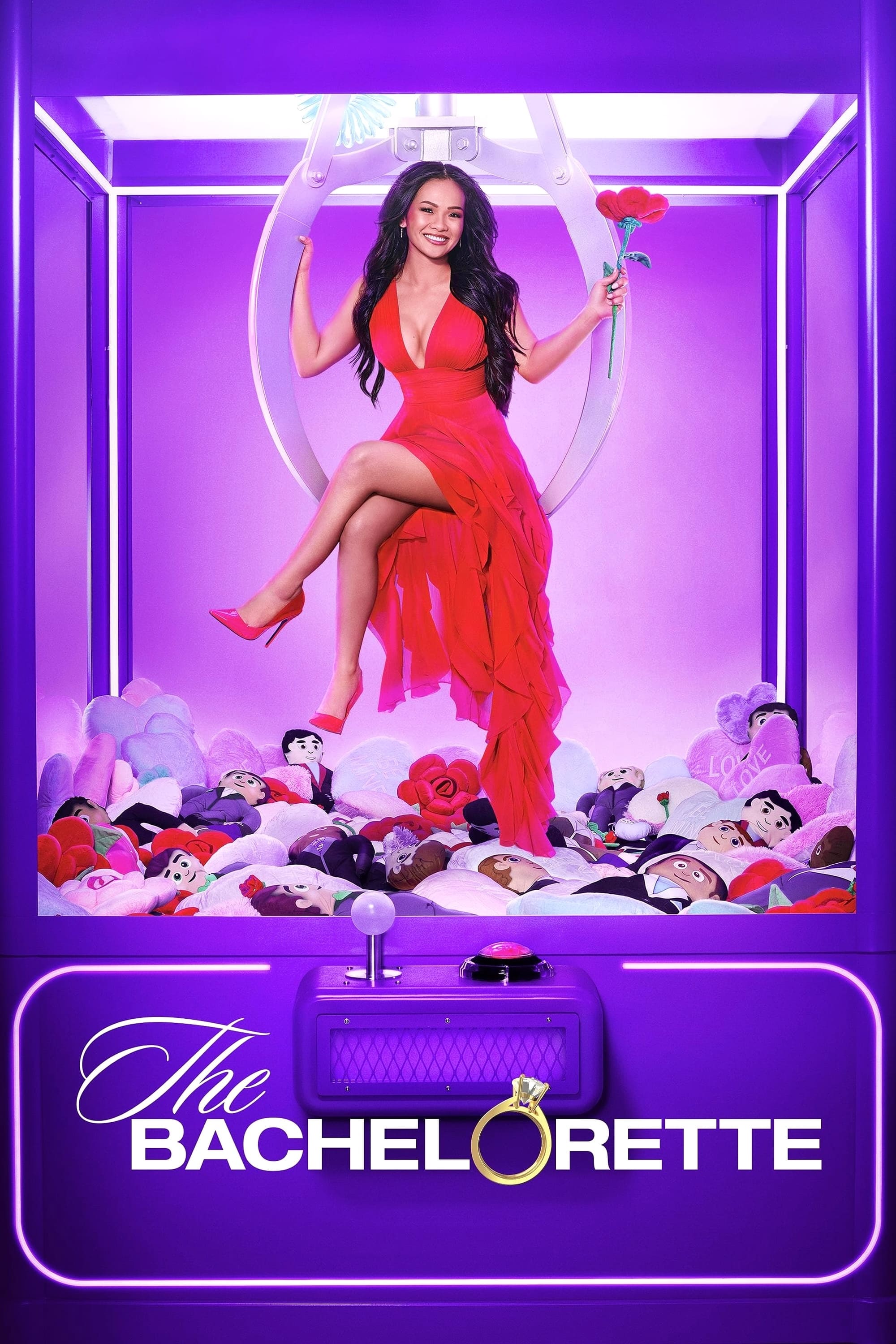
This show, like the one before it, centers on a woman searching for love from a group of potential partners. The story often relies on familiar character types – like the ‘villain’ or the audience’s favorite – to keep things interesting. Producers guide contestants during interviews to encourage them to talk negatively about each other. The final proposal is a big, carefully controlled television moment, and the show’s track record reveals how different televised romance is from real-life relationships.
‘Love Is Blind’ (2020–2025)

The show brings couples together who never meet face-to-face. Though it’s a new idea, filming requires a lot of behind-the-scenes manipulation. Participants are often prompted to discuss difficult topics or do things designed to cause drama on their trips. Editing is used to portray some people as ‘good guys’ and others as ‘bad guys’ to get viewers talking online. The wedding day is intentionally designed to be a high-pressure event, forcing each couple to reach a dramatic decision.
‘Too Hot to Handle’ (2020–2025)

A group of attractive singles are brought to a beautiful tropical setting, but they aren’t allowed to be physically intimate. The show’s rules aren’t fixed and frequently change to maximize drama. An AI character delivers instructions that are actually written by the show’s writers. Contestants are often selected because they have a pattern of being challenging or acting on impulse in relationships, which leads to frequent rule violations and conflict given the show’s premise.
‘The Ultimatum’ (2022–2025)
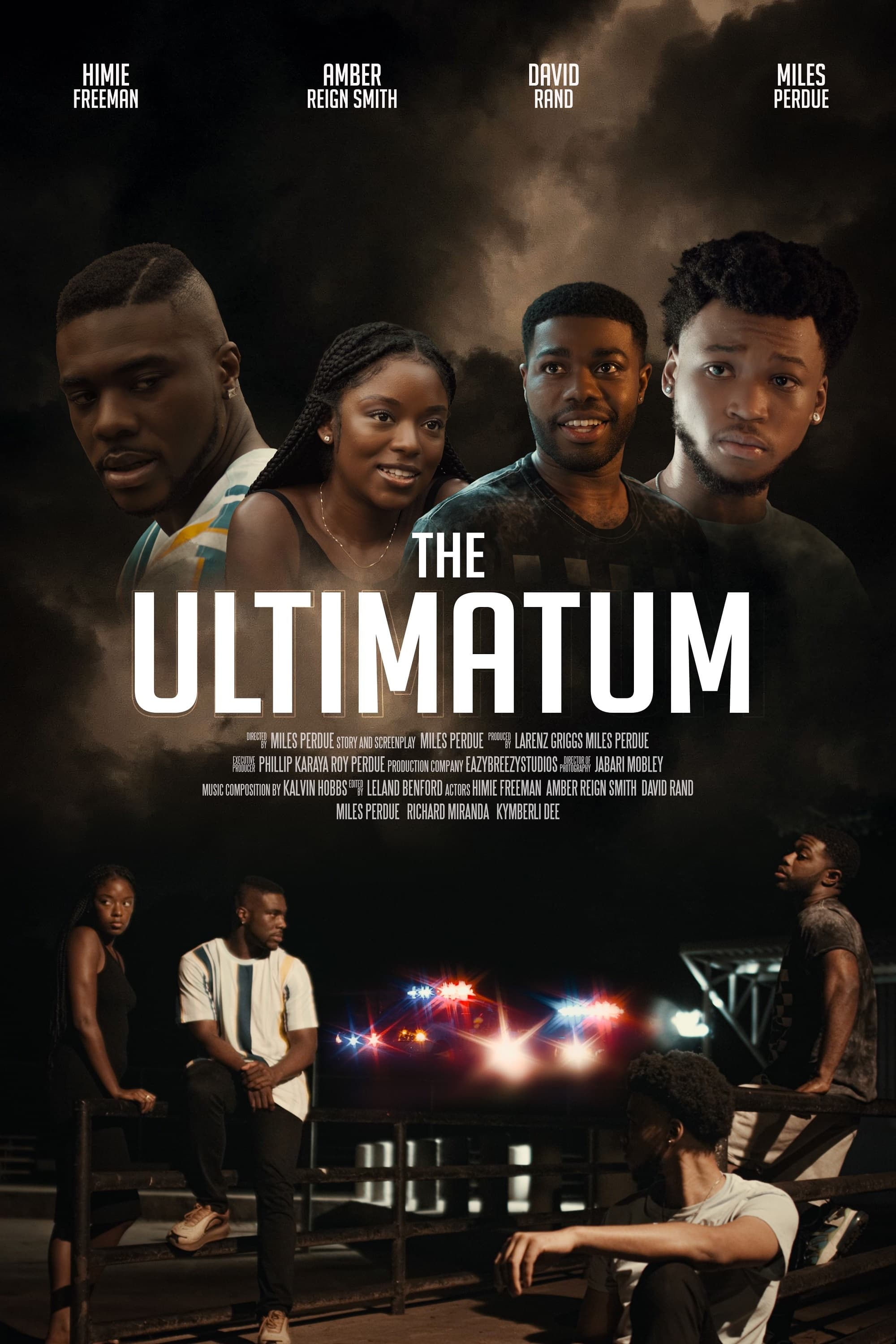
The show features couples who are either deeply committed or on the brink of splitting up. They swap partners to see if it will strengthen their existing relationships or push them to break up completely. Producers actively encourage these couples to explore new connections, even when they’re unsure. Editing speeds up the process, making the emotional changes seem much faster and more intense than they actually are. The result is a dramatic and often shocking show focused on creating conflict and strong reactions.
’90 Day Fiancé’ (2014–2025)

The show documents the experiences of international couples as they work through visas and adjust to different cultures. Several cast members have revealed that producers sometimes asked them to re-enact fights or play up certain behaviors. Editors tend to highlight the most unusual aspects of each person’s personality, making the relationships appear more troubled than they really are. Sometimes, families are encouraged to express more doubts about their future spouse than they genuinely feel. This manufactured drama drives the conflict that forms the core of each episode.
‘Project Runway’ (2004–2025)
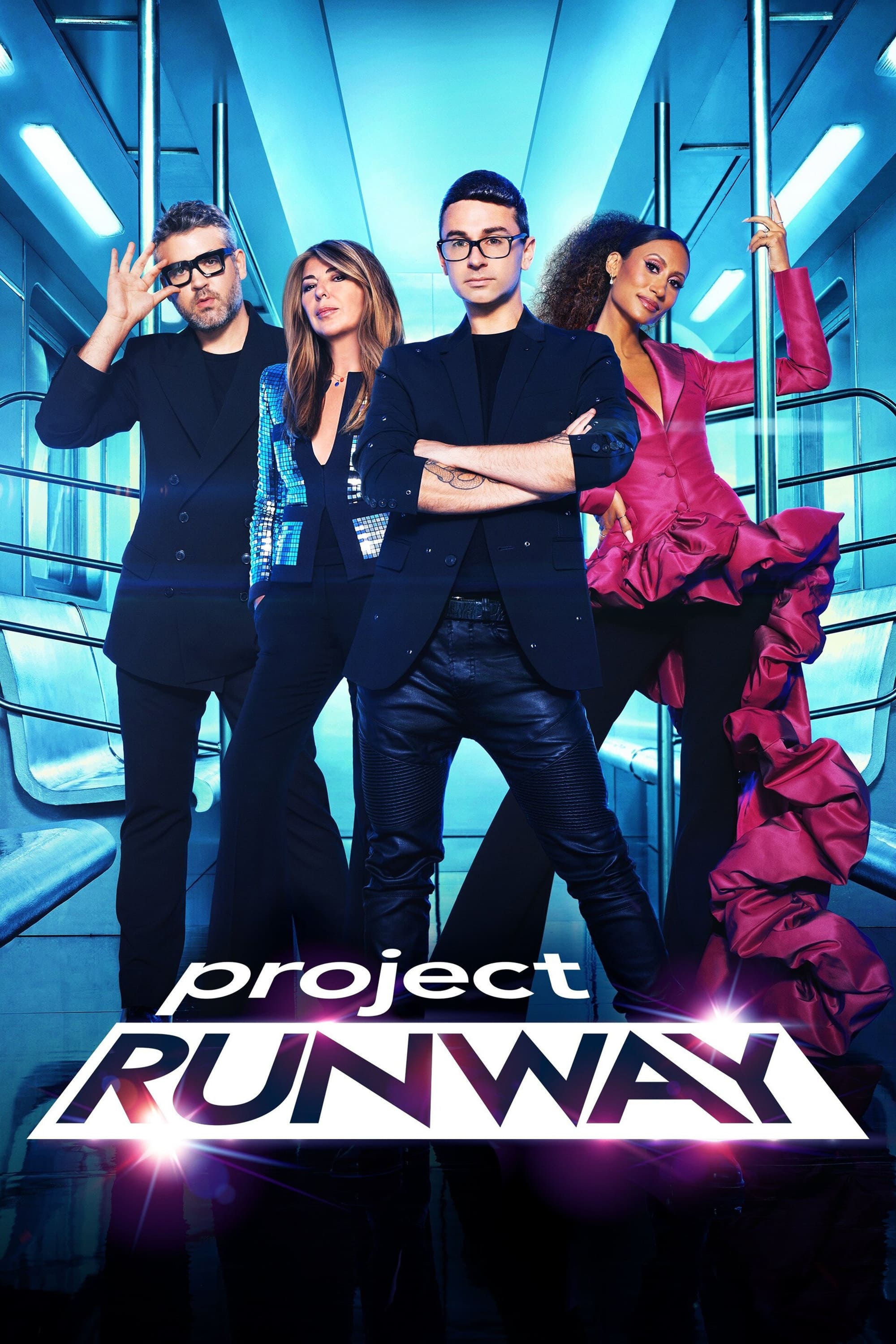
The show features designers facing off in weekly challenges to create standout clothing. Though the designs and sewing are authentic, the show often exaggerates the time pressure for dramatic effect. Sometimes, producers prioritize creating a good story over purely judging the quality of the clothes, influencing who wins or loses. The judges may also receive guidance on what to highlight in their critiques to make the show more engaging for viewers. This all helps keep the competition interesting and entertaining.
‘America’s Next Top Model’ (2003–2018)
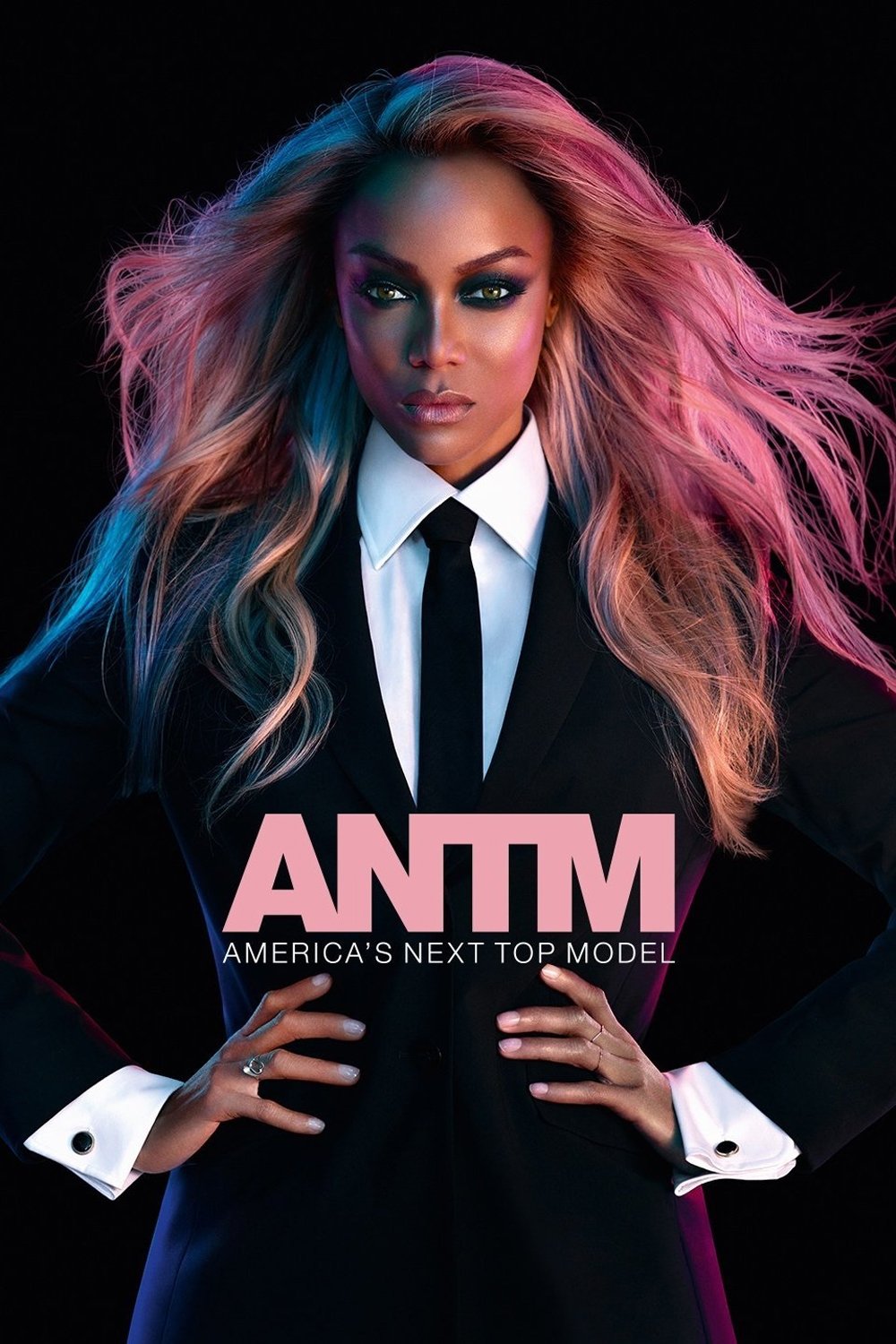
The show featured hopeful models vying for a career in fashion, but former participants have revealed the intense challenges were often meant to push them to their emotional limits. Sometimes, how well a model did in a photoshoot wasn’t the deciding factor; the show’s storyline influenced the results. Producers frequently stirred up conflict among the housemates to create drama and competition, which is why the show became known for its high-stakes, dramatic reality TV format.
‘Ink Master’ (2012–2025)
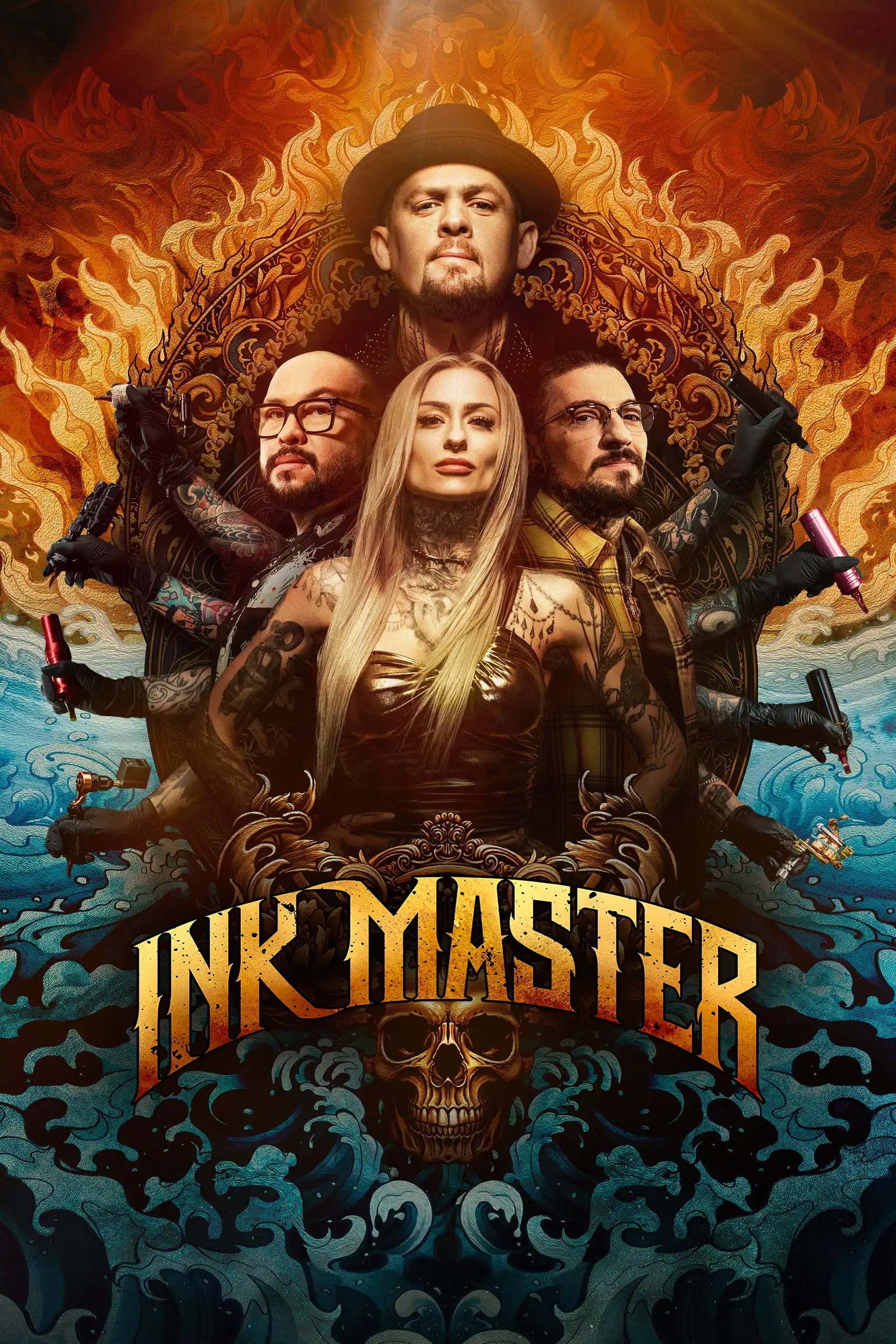
Tattoo artists face off in challenges designed to test their abilities. People getting tattooed on the show are sometimes encouraged to be extra picky. Judges offer tough feedback to ramp up the tension and make it feel like a real professional environment. Sometimes, show producers will steer the eliminations to keep artists who cause drama around longer, all to create a more intense and competitive show.
‘Face Off’ (2011–2018)
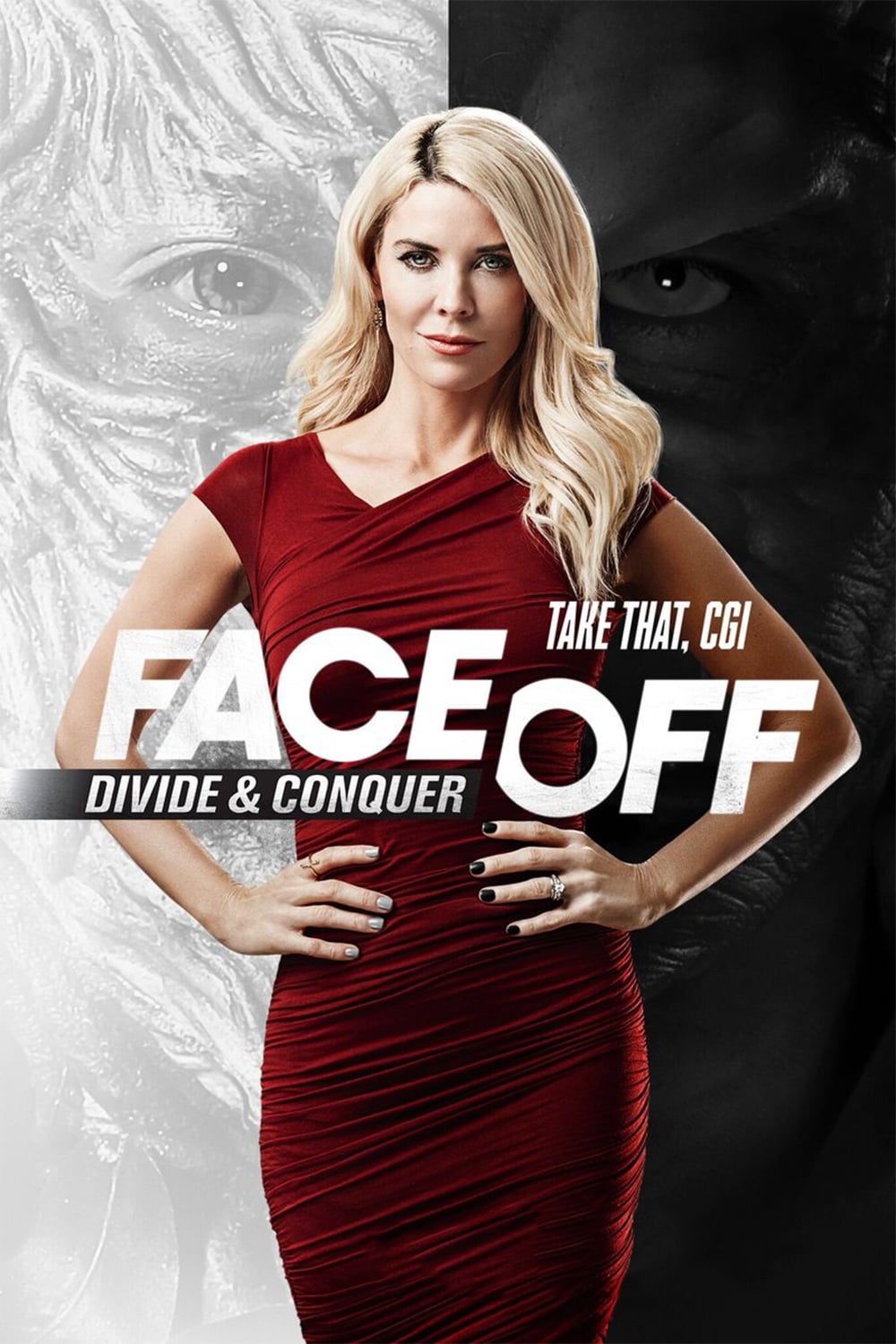
Makeup artists who specialize in special effects compete by creating incredible creatures and characters. Although the artists are very talented, the show often focuses more on their personal disagreements. Each challenge is designed to build to a big reveal at the end of every episode. The producers frequently assist the artists with materials and ideas, helping to shape the designs and make sure the final results are visually stunning for viewers.
‘The Voice’ (2011–2025)
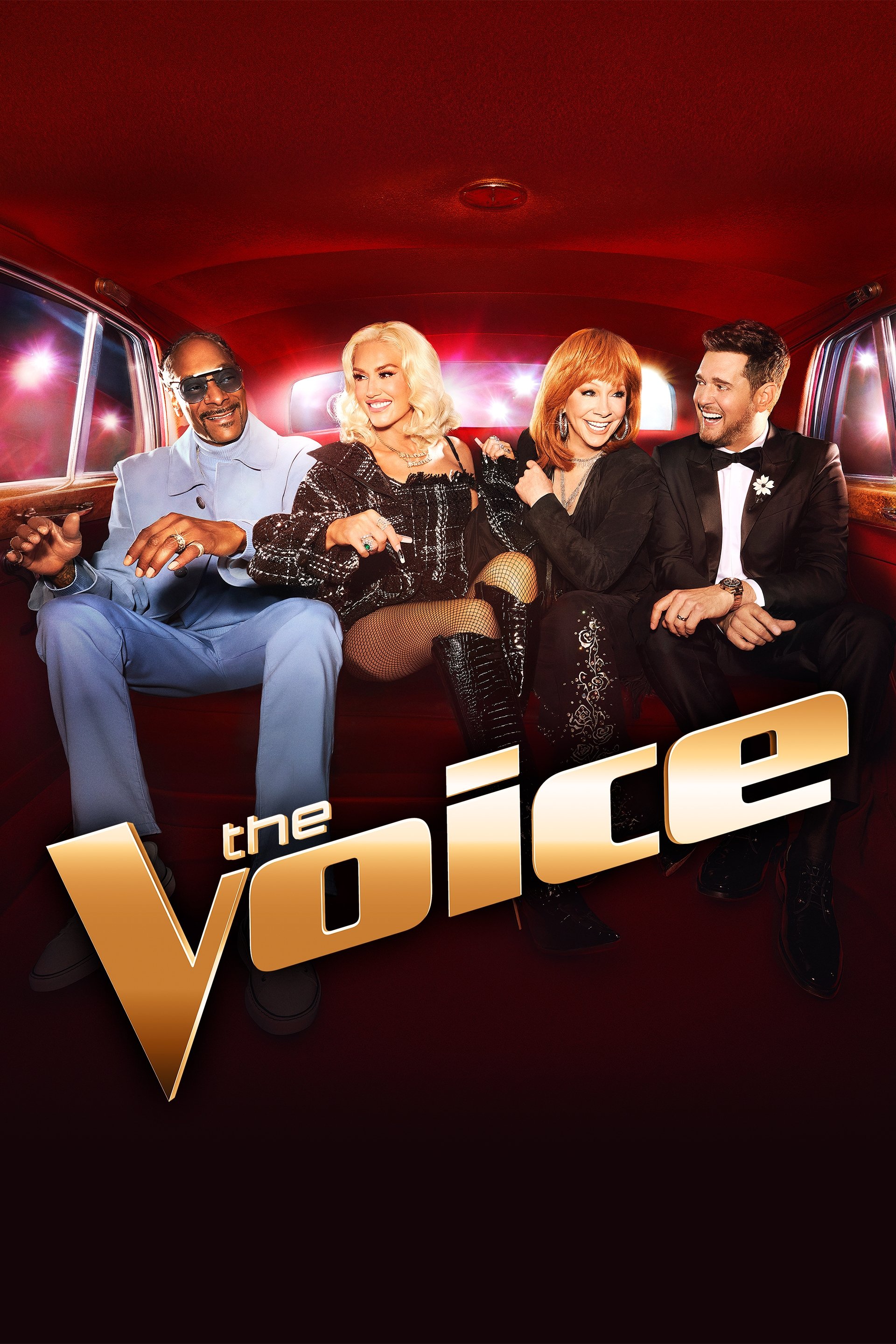
Aspiring singers try out for a competition, performing in ‘blind auditions’ where the coaches can’t see them. Many of these contestants are already experienced musicians. Producers often guide their song selections to create a specific mood or storyline. Even the coaches are given direction on how to interact and respond, leading to a carefully crafted and upbeat show designed for entertainment.
‘American Idol’ (2002–2025)
This popular singing competition has helped launch the careers of numerous successful artists. Before appearing before the well-known judges, hopefuls go through multiple audition rounds with the show’s producers. Often, particularly bad auditions are intentionally exaggerated for entertainment value, with participants encouraged to perform dramatically for the cameras. While the viewer votes are genuine, the show’s editing is used to highlight certain contestants, building support for them throughout the season. This strategy aims to ensure the eventual winner already has a dedicated fanbase and a captivating personal narrative.
‘Shark Tank’ (2009–2025)
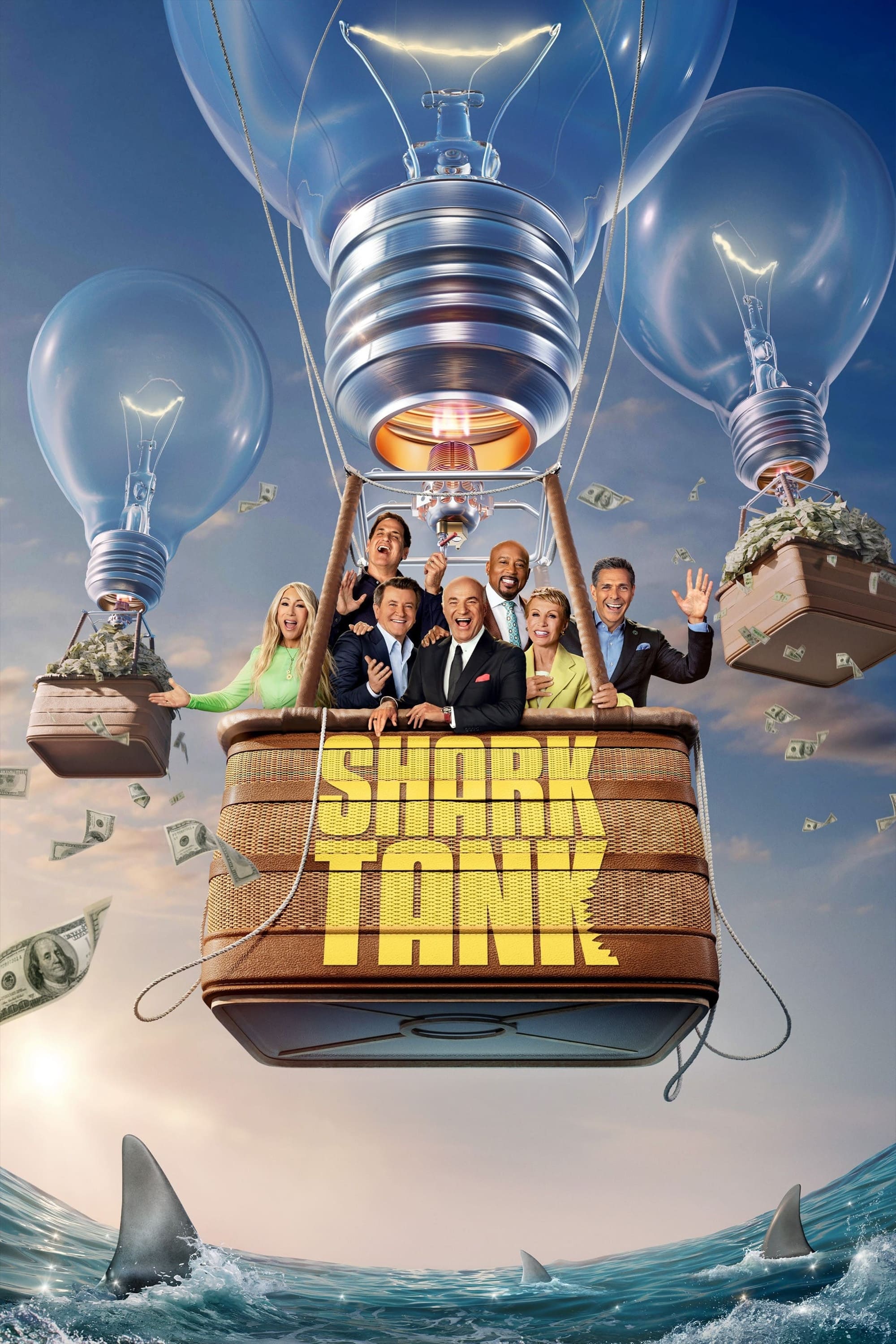
On the show, aspiring business owners present their ideas to a group of potential investors. While these presentations take more than an hour, the show only airs a few minutes of the most important parts. Surprisingly, many agreements made on TV don’t actually go through after a closer look. To keep things moving and make the show informative, the investors are often given background information on the businesses before filming. This helps them ask smart questions and provides viewers with insights into the world of business.
‘The Apprentice’ (2005–2017)
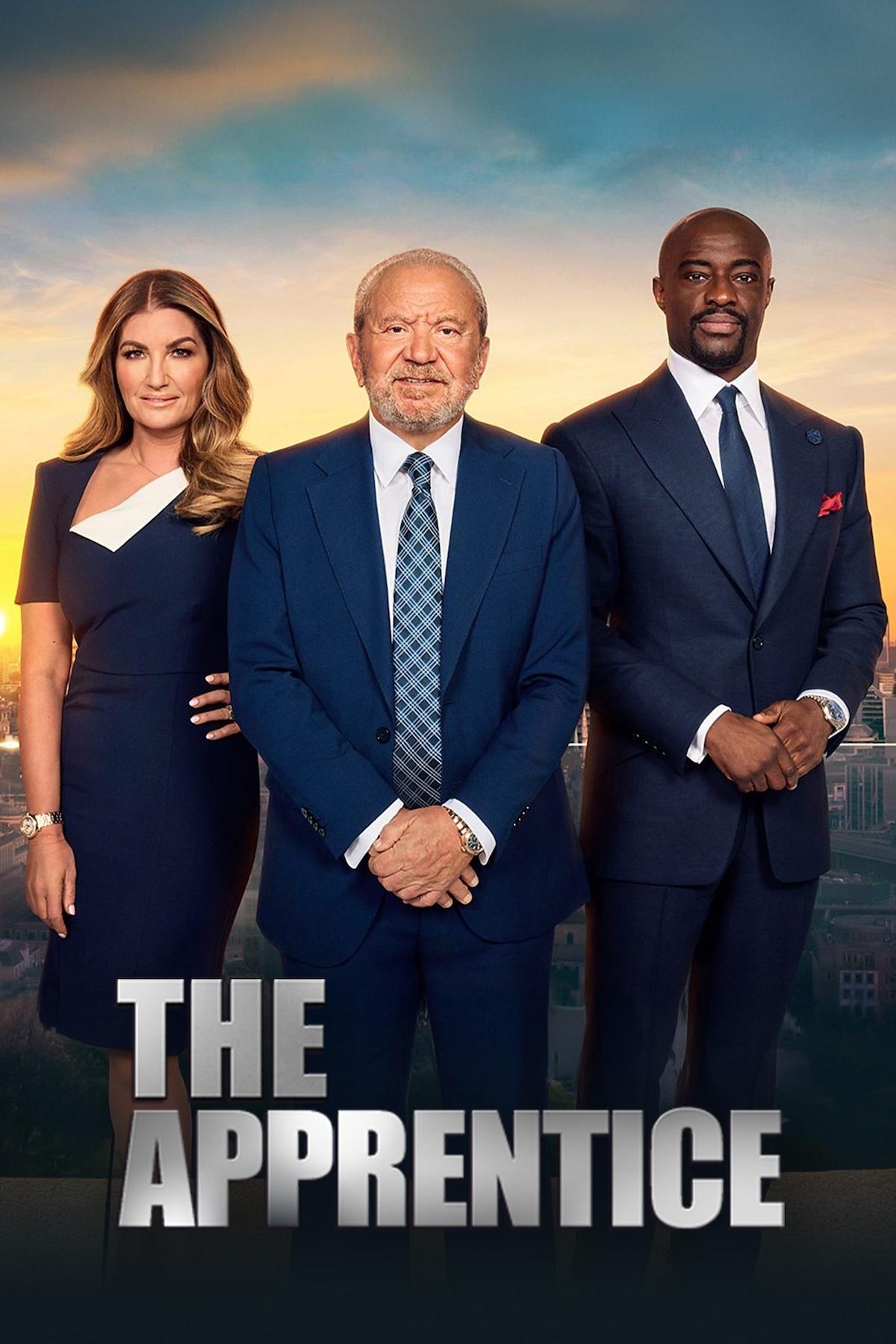
The show features contestants vying for the opportunity to lead one of a well-known entrepreneur’s companies. Filming often emphasized the host’s power and created a tense atmosphere. While the challenges seemed realistic, the production team often arranged them, and participating businesses were compensated. Decisions about who was eliminated weren’t always based on performance; ratings also played a role. This resulted in a highly competitive and dramatized portrayal of the business world.
‘Fixer Upper’ (2013–2018)
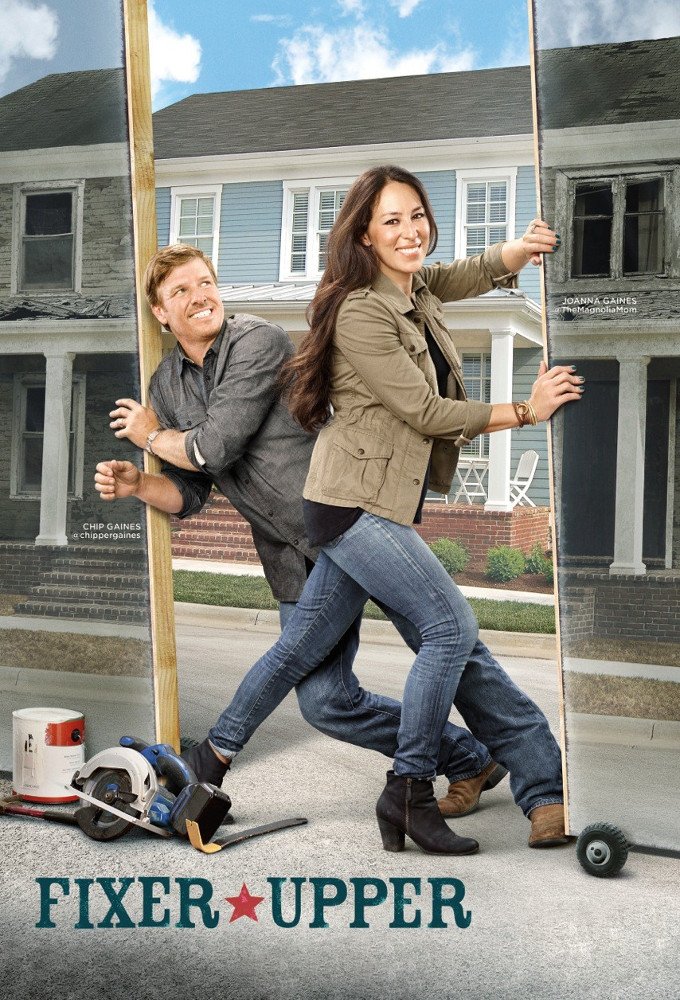
This show follows couples as they help Texas families find and fix up older houses. Often, the families have already bought the home when the cameras start rolling. The beautiful furniture and decorations you see at the end of each episode are usually just temporary, used for the reveal and then taken away. Sometimes, problems with the house are made to seem bigger than they are to add excitement and ensure a dramatic makeover in every episode.
Please share which of these shows surprised you the most in the comments.
Read More
- Invincible Season 4 Gender Swaps Tech Jacket As Fans Question Major Comic Change
- Building Agents That Learn and Improve Themselves
- Gold Rate Forecast
- Games That Faced Bans in Countries Over Political Themes
- Silver Rate Forecast
- Trading Crypto with AI: A New Approach to Portfolio Management
- Superman Flops Financially: $350M Budget, Still No Profit (Scoop Confirmed)
- 22 Films Where the White Protagonist Is Canonically the Sidekick to a Black Lead
- Unveiling the Schwab U.S. Dividend Equity ETF: A Portent of Financial Growth
- 15 Films That Were Shot Entirely on Phones
2025-12-21 21:54