So, prediction markets. A curious thing, aren’t they? It seems everyone these days wants to wager on what’s going to happen next. A few months back, you couldn’t watch a cat video on YouTube without being bombarded with ads for Kalshi, a place where you can, apparently, bet on the outcome of…well, pretty much anything. Before that, there was Polymarket, where the discerning gambler could place a stake on who would win the 2024 presidential election. Honestly, it’s enough to make one yearn for the simple days of horse racing. And now, even DraftKings, a name synonymous with fantasy sports, has dipped its toe into the waters of probabilistic forecasting. Robinhood and Interactive Brokers are joining the fray too. It’s a bit like watching a perfectly sensible tea party slowly devolve into a full-blown carnival. Which, I suppose, tells you something about the appetite for this sort of thing.
People are even starting to use artificial intelligence – clever bits of code that are, in theory, capable of thinking for themselves – to participate in these markets. Essentially, they’re building digital bookies. It’s all rather futuristic, and slightly unsettling. The AI isn’t placing bets on the Derby, mind you. It’s trading in probabilities, which feels…different. But both Kalshi and Polymarket are still private companies, and most of the AI firms are busy selling their services to governments and big corporations. Which leaves a curious gap in the market, as it were.
I’ve been pondering this, and I think there’s a rather more foundational way to play this whole prediction market trend. You can’t buy shares of Kalshi just yet, which is a shame, but you can buy shares of Taiwan Semiconductor Manufacturing (TSM 4.37%). And that, my friends, is where things get interesting. Think of it as the ultimate pick-and-shovel play. During the California Gold Rush, it wasn’t always the prospectors who made the real money. It was the people selling the picks and shovels. This, I suspect, is a similar situation.
The Pick and Shovel for the Information Age
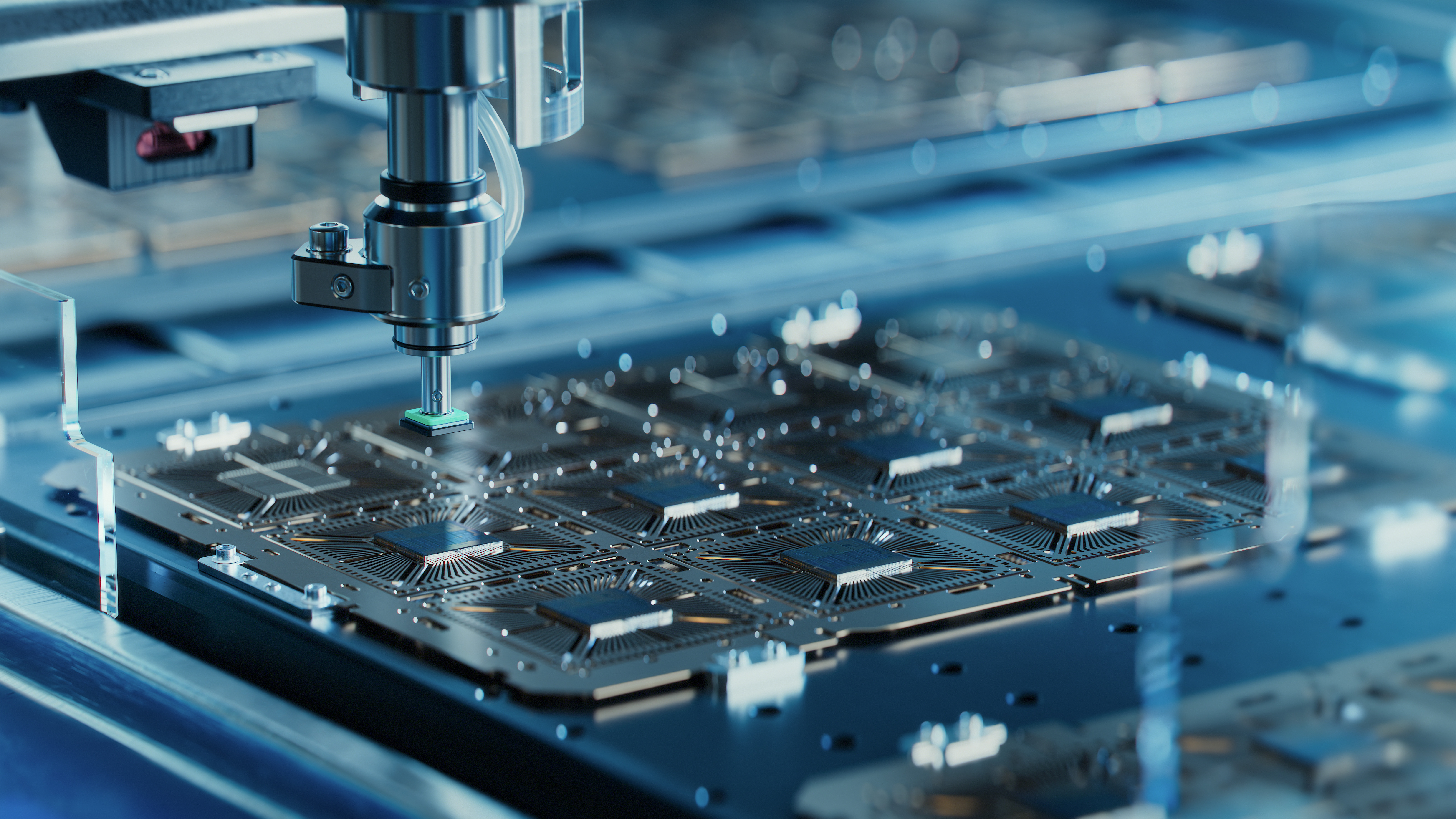
Taiwan Semiconductor is, quite simply, one of the most important companies on the planet. They make semiconductors – those tiny, incredibly complex chips that power everything from your smartphone to your washing machine. They’re the foundation of the entire tech industry. A semiconductor isn’t a conductor like copper, nor a resistor like rubber. It’s something in between, a little bit of both, which is, when you think about it, a rather elegant solution to the problem of controlling electricity. Without them, the digital world as we know it would simply cease to exist. And TSMC produces a staggering 60% of all semiconductors globally. A full 90% of the advanced chips – the ones that AI programs absolutely require – come from their factories.
As of the end of the third quarter of 2025, TSMC controlled a remarkable 72% – and growing – share of the global pure-play foundry semiconductor market. Samsung, their nearest competitor, lags far behind at a mere 7%. Most chip companies, like Nvidia and Qualcomm, design the chips, but they outsource the actual making of them to companies like TSMC. Nvidia’s cutting-edge Blackwell chips, for example, are fabricated at TSMC’s factory in Arizona. And they’re investing another $165 billion to expand that facility. It’s a rather substantial sum, even for a company that makes tiny things. Being the world’s factory for one of its most crucial components is, you’d think, a pretty good place to be. And you’d be right.
The Semiconductor King
Taiwan Semiconductor’s results for the fourth quarter and full year 2025 were, to put it mildly, spectacular. Net revenue totaled $122.4 billion, up a robust 35.9% over 2024. Their gross margin grew by 3.8 points, and their operating margin by 5.1 points, reaching 59.9% and 50.8% respectively. And diluted earnings per share surged 46.4% over the previous year. They also grew operating cash flow by 24%, free cash flow by 15.2%, and cash and marketable securities by 26.7%. These aren’t just numbers; they’re a testament to the insatiable demand for semiconductors.
But here’s the truly fascinating part: a full 77% of Taiwan Semiconductor’s Q4 2025 revenue came from the production of 7-nanometer chips and smaller. These are the chips that power AI data centers and other advanced hardware. For the entire year, 58% of their revenue came from high-performance computing – which includes AI. That segment grew a staggering 48% year-over-year. So, while everyone is busy betting on the future, TSMC is building the infrastructure that makes the future possible.
Now, the dividend yield is currently a modest 0.8%, largely due to the company’s incredible 315% bull run over the last couple of years. But the payout ratio is a conservative 30%, leaving plenty of room for future growth. They’ve been steadily increasing their dividend payout for five years running. And for a dividend hunter, that’s always a welcome sign.
So, if you’re looking for the ultimate pick-and-shovel play for tech – and the part of it fueled by prediction markets – Taiwan Semiconductor makes a rather compelling case for itself. It’s not just about betting on the future; it’s about building the foundation for it. And that, my friends, is a far more reliable investment.
Read More
- Top 20 Dinosaur Movies, Ranked
- 20 Movies Where the Black Villain Was Secretly the Most Popular Character
- 25 “Woke” Films That Used Black Trauma to Humanize White Leads
- Celebs Who Narrowly Escaped The 9/11 Attacks
- Spotting the Loops in Autonomous Systems
- Gold Rate Forecast
- 22 Films Where the White Protagonist Is Canonically the Sidekick to a Black Lead
- The 10 Most Underrated Jim Carrey Movies, Ranked (From Least to Most Underrated)
- Silver Rate Forecast
- From Bids to Best Policies: Smarter Auto-Bidding with Generative AI
2026-03-07 15:22