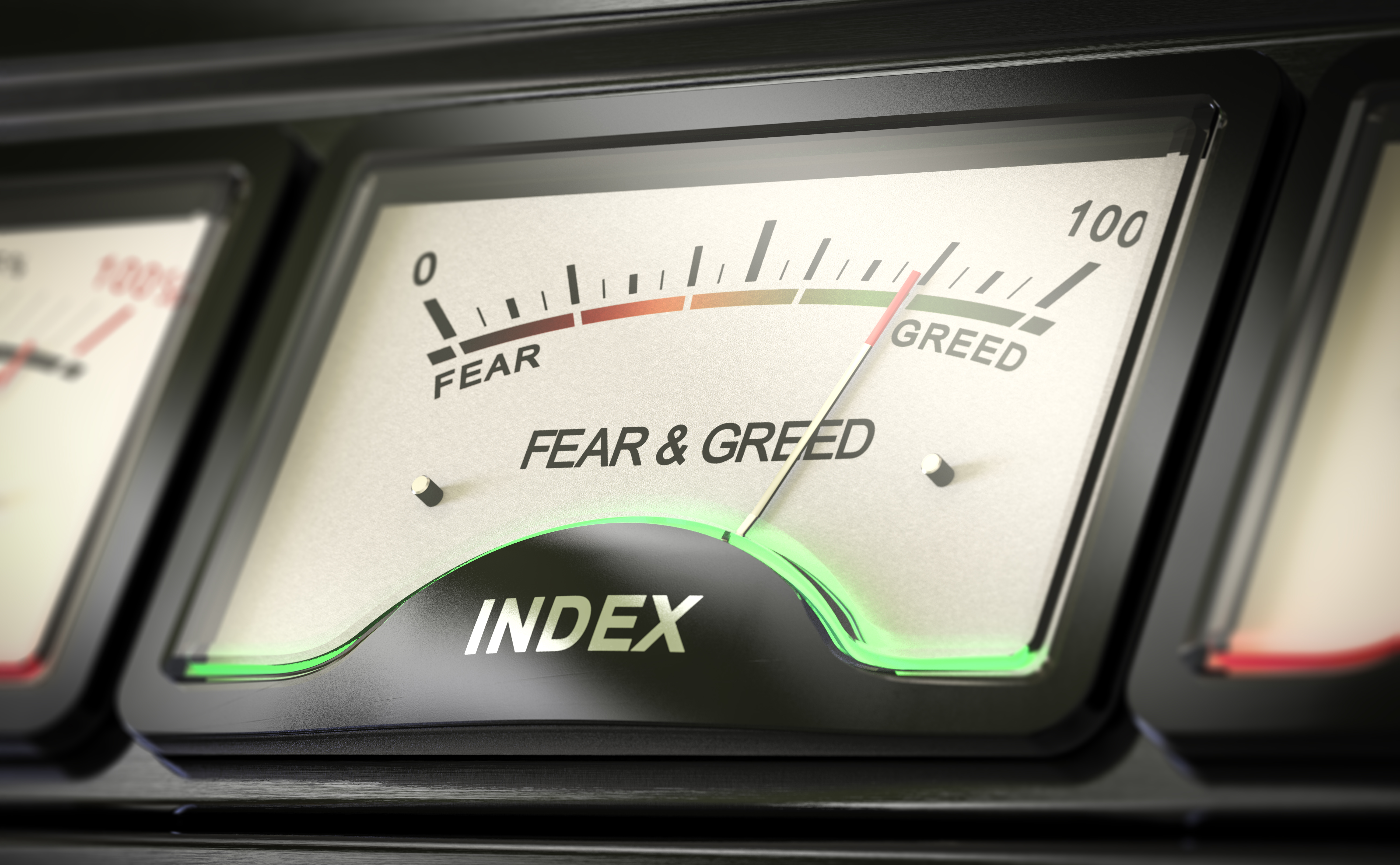
The Middle East, naturally, remains a source of… complications. One observes the current unpleasantness with a certain weary inevitability, less concerned with geopolitics than with the predictable disruption to the flow of hydrocarbons. The market, in its infinite wisdom (or lack thereof), now flinches at every rumour emanating from that quarter, manifesting in a volatility index that suggests a collective hysteria. The CBOE gauge, exceeding twenty-nine, and CNN’s ‘Fear & Greed’ index hovering somewhere between ‘Anxious’ and ‘Desperate’ are symptoms, not causes. It’s all frightfully tedious.
Presidential assurances of a swift resolution, delivered with the customary optimism, ring rather hollow. One suspects Mr. Trump’s pronouncements are calibrated more for domestic consumption than based on any genuine intelligence. The simultaneous pronouncements from various cabinet members only serve to muddy the waters, a tactic as old as diplomacy itself.
The price of crude, predictably, has been performing a rather frantic jig. A spike to $120 a barrel, briefly, before settling back to a still-uncomfortable $92, is merely a foretaste of what might be expected should the Strait of Hormuz become, shall we say, less navigable. A fifth of the world’s oil passes through that narrow passage, and its disruption would be… inconvenient, particularly for those of us reliant on a steady income from energy equities.
The Illusion of Control
The International Energy Agency, in a display of admirable, if belated, activity, has released 400 million barrels from its emergency reserves. A grand gesture, undoubtedly, but one suspects it’s akin to applying a plaster to a rather gaping wound. The market, unimpressed, promptly ignored the gesture, particularly when further pronouncements from Washington suggested a continuation of… robust action. The IEA’s effort will likely provide a fleeting respite, perhaps a month’s worth, before the inevitable pressures reassert themselves.
Predicting a return to pre-crisis pricing is, of course, a fool’s errand. One can only assume that lower prices, and a semblance of market calm, will depend not merely on a cessation of hostilities, but on a… transformation of the Iranian political landscape. And that, one suspects, is a prospect as remote as it is desirable. A chaotic power struggle, with various factions vying for control, seems the more likely scenario.
JPMorgan Chase, with its customary perspicacity, notes that since 1979 – a year of considerable upheaval, as one recalls – eight significant regime changes in oil-producing nations have occurred, each accompanied by predictable fluctuations in supply and, naturally, price. Further instability in Iran could, therefore, be expected to sustain elevated prices for an extended period. A rather grim prospect, but one must be realistic.
For the discerning investor, however, there remains a strategy. While one should never attempt to time the market – a pursuit reserved for those with more optimism than sense – a prudent diversification into consumer staples, healthcare, and utilities stocks might offer a degree of insulation during these turbulent times. These sectors, while rarely exciting, tend to deliver a reliable dividend yield, a quality increasingly valued in an age of uncertainty. The market, as it always does, will eventually recover. One simply needs to ensure one has collected enough dividends to see it through the interim.
Read More
- Invincible Season 4 Gender Swaps Tech Jacket As Fans Question Major Comic Change
- Silver Rate Forecast
- Gold Rate Forecast
- 15 Films That Were Shot Entirely on Phones
- 22 Films Where the White Protagonist Is Canonically the Sidekick to a Black Lead
- Building Agents That Learn and Improve Themselves
- 20 Movies Where the Black Villain Was Secretly the Most Popular Character
- Celebs Who Narrowly Escaped The 9/11 Attacks
- Trading Crypto with AI: A New Approach to Portfolio Management
- 18 TV Series Filming Rehearsals as Bonus Content
2026-03-15 20:03