
MercadoLibre: A Calculated Risk

ResearchAndMarkets.com, a name that sounds like a late-night infomercial, confirmed what a decent scout on the ground could have told you: MercadoLibre isn’t giving up its lead in Chile anytime soon. The numbers, of course, had a part in it.

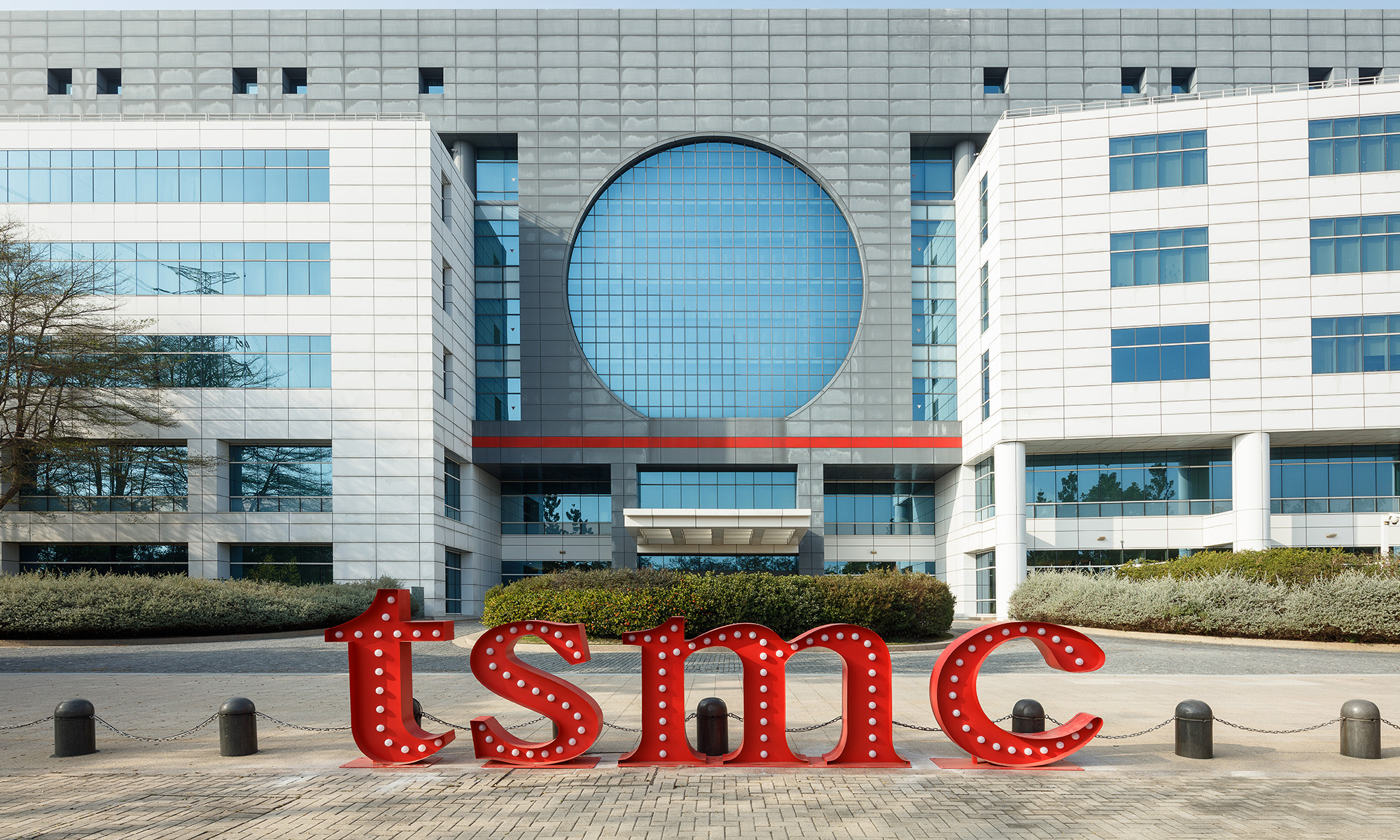
The Semiconductor Soul: TSMC and the AI Abyss

Last week, TSMC released its report, a document freighted with implications. For those invested in Nvidia and Broadcom, it should be a moment of… not jubilation, precisely. More a quiet, uneasy relief. A temporary stay of execution in a market perpetually poised on the brink. The numbers, of course, are presentable. But it is the feeling behind them, the subtle shift in the tectonic plates of the industry, that truly captivates.

Lemonade & Tesla: A Most Curious Alliance

The tale began, as so many modern transactions do, with a pronouncement on X (formerly known as Twitter – a name change as unnecessary as painting stripes on a zebra). Shai Wininger, Lemonade’s chief executive, declared an intention to integrate Tesla’s in-car data with their own systems. A clever idea, really. Gather data, assess risk, and sell insurance. The usual dance. He proposed, with a characteristic flourish, insuring those ‘FSD miles’ for almost nothing. Investors, it seems, were unimpressed. A fall of 8% ensued. A lesson, perhaps, that free money is a myth perpetuated by magicians and politicians.

Realty Income: A Dividend Story for the Patient Investor

Realty Income specializes in what’s called ‘net lease’ properties. This is where things get a little bit clever. Essentially, they own the buildings, but the tenants – think drugstores, grocery stores, convenience stores – pay most of the operating costs. Property taxes, maintenance, insurance – all that falls to the tenant. It’s a bit like being a landlord who doesn’t actually do any of the landlord-y things. It reduces risk, of course, but it also means Realty Income doesn’t have to spend its time wrestling with leaky roofs and recalcitrant tenants. They have over 15,500 properties, which, when you think about it, is a lot of buildings. A truly staggering number.

Prologis: Warehouses, Data & Dividends

Over the last five years, their payout has grown at a rate that would make a particularly ambitious goblin blush – 13% annually. The S&P 500, bless its index-shaped heart, managed a mere 5%, while other REITs trailed at 6%. It’s as if Prologis has discovered a particularly efficient form of alchemy, turning bricks and mortar into shareholder happiness.1

Plug Power: Seriously?

And the implication, of course, is that they’re hoping for some sort of…meme stock status. Like they’re going to ride a wave of online hype to solvency. It’s just… insulting. The stock is down 84% over three years. Eighty-four percent! You need a miracle, not a Reddit thread, to recover from that. It’s like thinking a good haircut is going to fix a collapsing building.

Lemonade & Tesla: A Calculated Risk

Lemonade proposes to offer a fifty percent reduction in per-mile rates to Tesla owners utilizing the company’s ‘Full Self-Driving’ capability. This is not generosity, but a calculated experiment. They will ingest the data stream emanating from these vehicles – the countless micro-decisions made by the machine, the near-misses, the actual collisions – and attempt to refine their risk models. It is a form of algorithmic divination, seeking to predict the future by dissecting the present. They become, in effect, cartographers of a new and uncertain terrain, charting the hazards of automated travel. The company positions itself as the first to attempt such a venture, a distinction less laudable than precarious. It is a bold step into the unknown, a venture predicated on the assumption that the machine will prove a more reliable custodian of life and property than the fallible human being.

Adobe: A Valuation’s Despair

Lately, a disquieting tremor has run through the stock. A decline, not of gradual erosion, but of a precipitous fall, a halving of value in a mere four years. Is this merely a correction, a temporary lapse in the market’s fickle affections? Or is it a symptom of something deeper, a fundamental questioning of Adobe’s very existence? The whispers speak of Artificial Intelligence, of algorithms that threaten to supplant the artist, the designer, the very notion of human creation. It is a specter that haunts not just Adobe, but the entire landscape of innovation.

Docusign: A Recovery, Perhaps

Digital Signature

The company now touts “Intelligent Agreement Management” – IAM, as they call it – a system utilizing artificial intelligence. One gathers that this is intended to alleviate the tedium of contract administration, a task not generally considered a source of either profit or excitement. The suggestion that AI can simplify such matters is, perhaps, optimistic, but the initial uptake appears encouraging. Whether it represents a genuine turning point remains to be seen; one must always view such pronouncements with a degree of skepticism.

Animal Spirits & Eye Waters: A 2026 Forecast

Zoetis, for those unfamiliar, is in the business of keeping animals…well, not immortal, but certainly more comfortable. A noble pursuit, one might think. They deal in remedies for everything from the sniffles in a goldfish to the existential ache of a particularly melancholy poodle. Their strength, naturally, lies with the companion animal market – because let’s be honest, we lavish more attention on Fluffernutter the Persian than on most of our relatives. Last year, however, things got a bit…complicated. Two of their leading potions – Librela and Solensia – designed to alleviate the aches and pains of aging canines and felines, ran into a spot of bother. Not a plague of locusts, thankfully, but enough concerned whispers about side effects to cause a ripple of unease.2