Science fiction TV shows often attract large and dedicated fan bases thanks to their creative ideas and visions of the future. While many successful series are praised by critics and attract millions of viewers, others face criticism with some people believing the hype doesn’t match the show’s actual quality. This list looks at several well-known shows that have caused debate about whether they deserve their status as classics. For each show, we’ll explore why some viewers and critics feel they’re overrated.
‘Stranger Things’ (2016–)
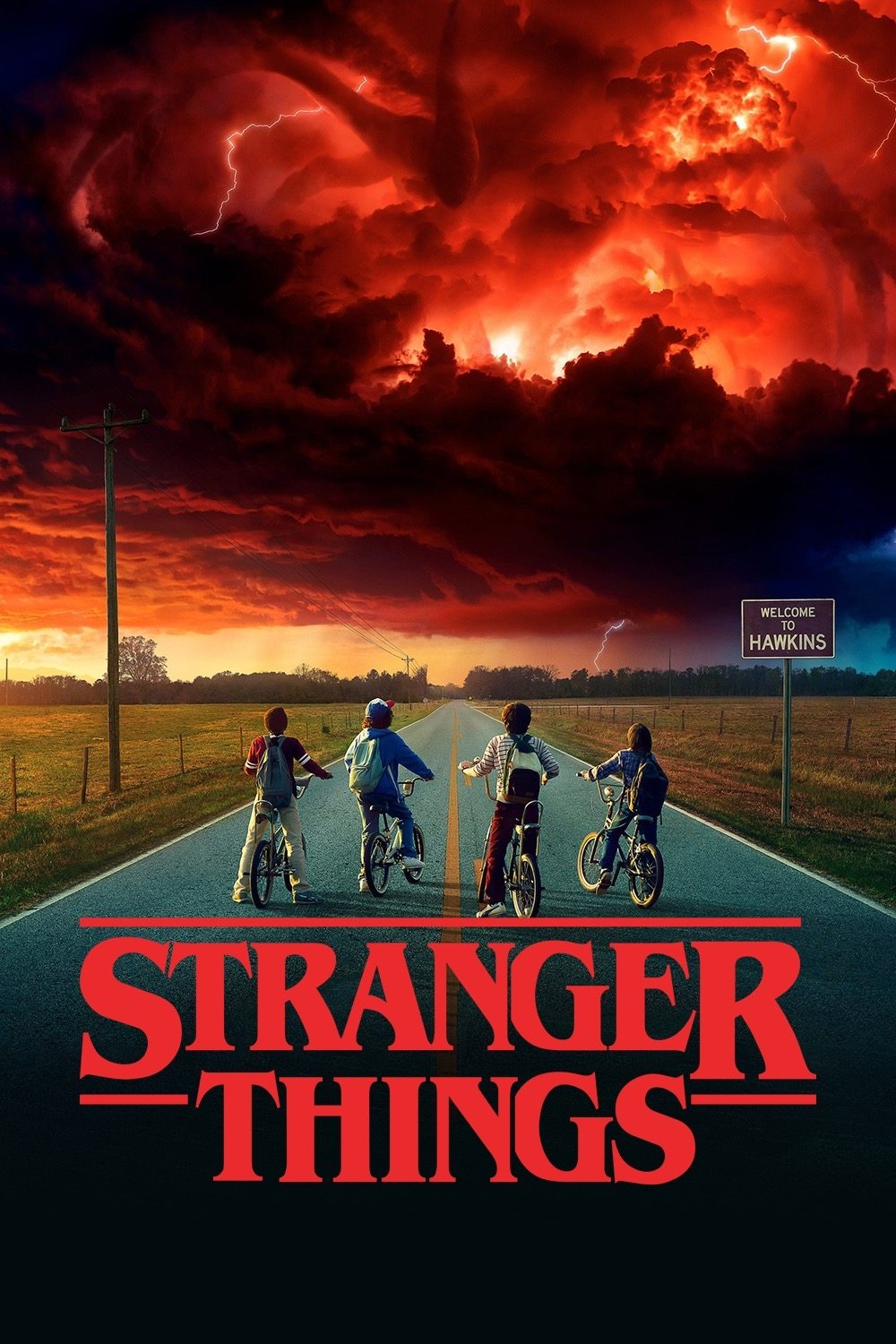
The show heavily leans on 1980s nostalgia, with lots of references to popular movies from that decade. As the series goes on, some critics feel the storylines become predictable and repeat familiar themes. The story centers around a group of kids who battle scary creatures from a strange alternate world called the Upside Down. Although it’s visually appealing, some viewers think the characters don’t always develop in a believable way. Despite these points of discussion, the show continues to be a huge cultural phenomenon.
‘Westworld’ (2016–2022)
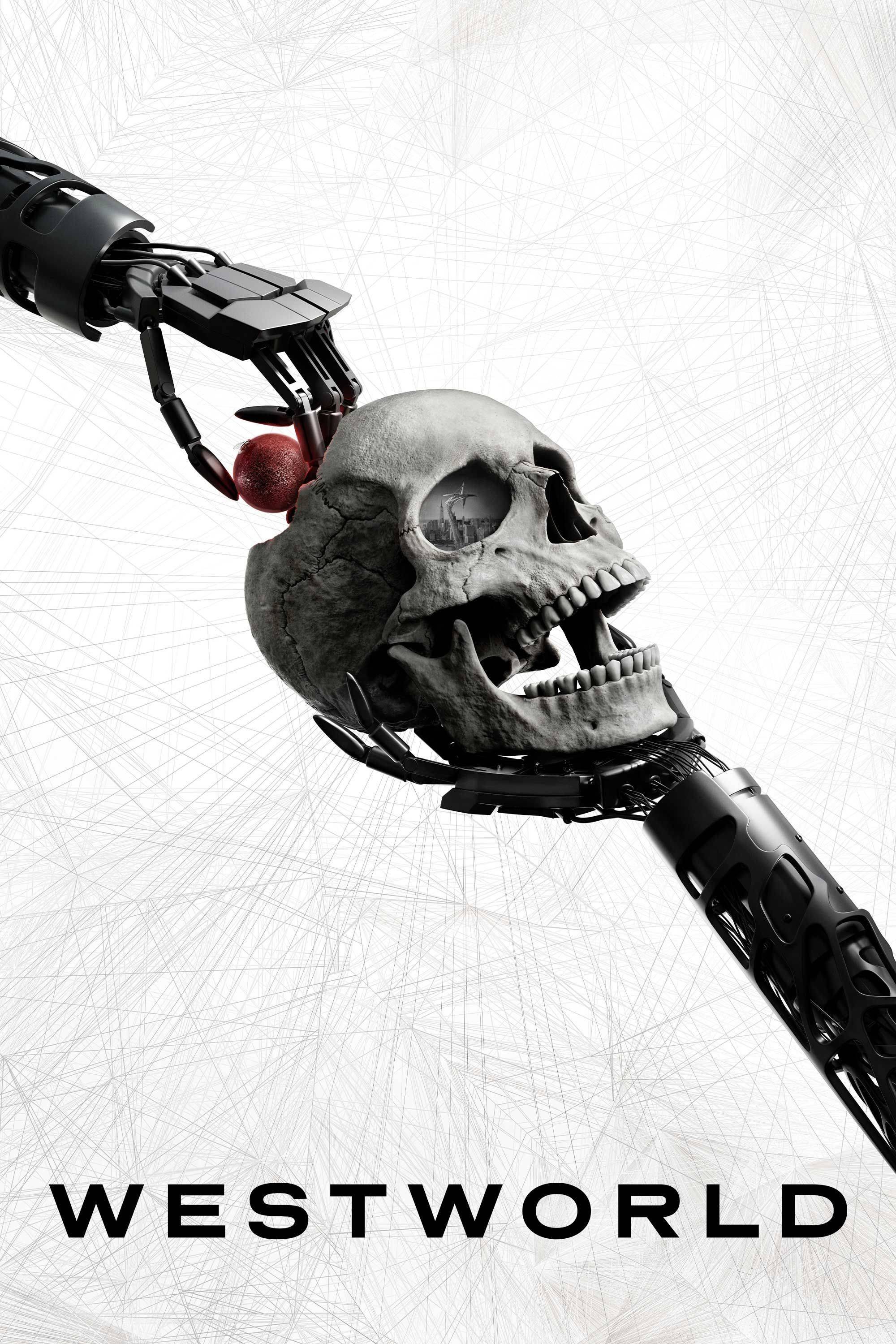
The show started out exploring the ideas of artificial intelligence and what it means to be conscious, all within a futuristic theme park. However, many viewers found the story became overly complicated and hard to understand after the first season. While the series looked fantastic and starred actors like Evan Rachel Wood, some felt its deeper philosophical ideas got lost in a maze of complex plot twists. Ultimately, HBO canceled the show before it could finish telling its planned story.
‘Black Mirror’ (2011–)
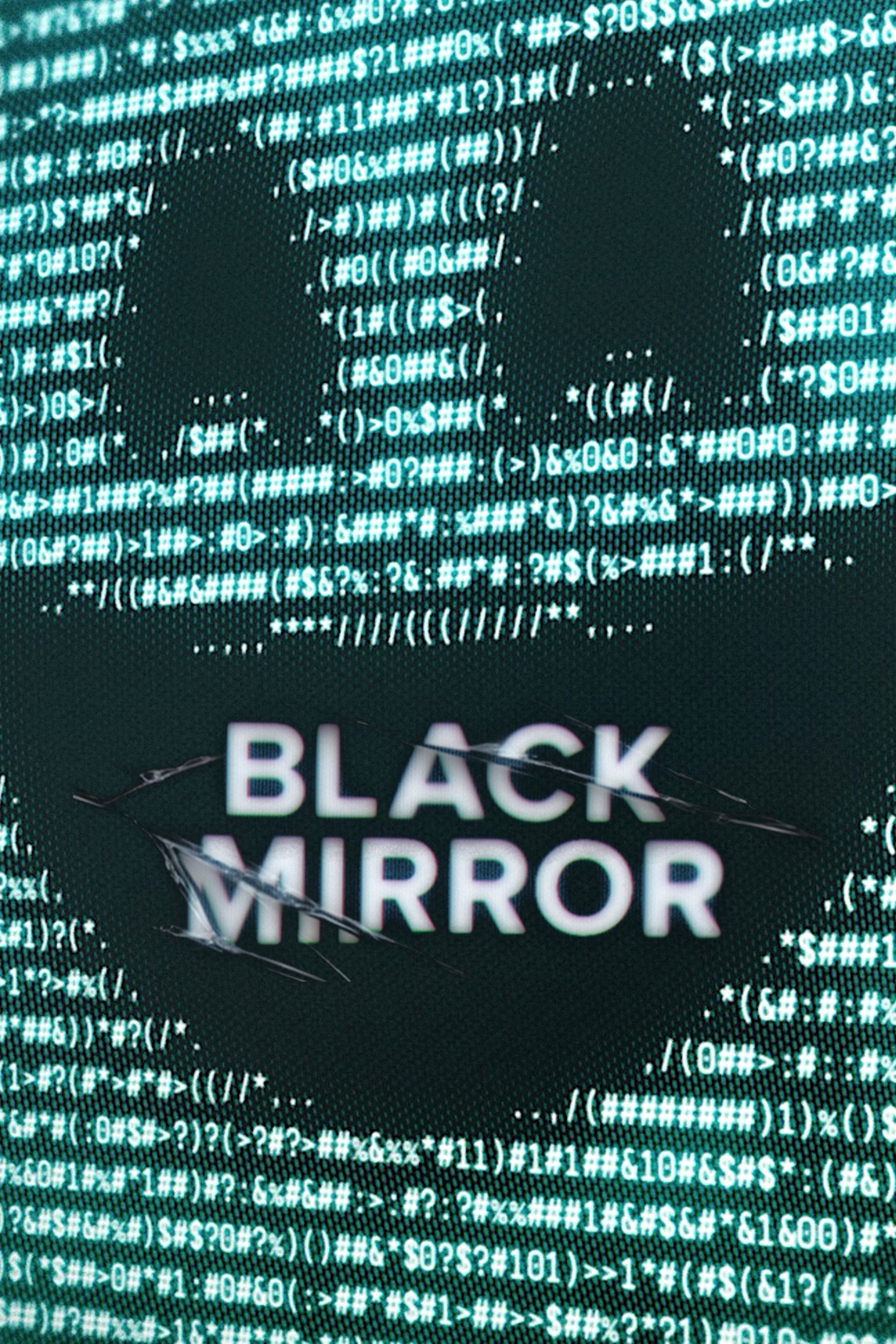
As a sci-fi fan, I’ve been following this anthology series for a while now, and it really digs into the unsettling side of technology and how it messes with us. The first few episodes were brilliant – really smart and thought-provoking. But honestly, it’s been a bit hit or miss lately. It feels like the show started prioritizing shocking moments over genuinely exploring those big ideas it initially presented. I think when it moved to that big streaming service, it changed things – the episodes got bigger in scale, but also lost some of that nuanced touch. Still, even with the ups and downs in quality, it’s definitely become a modern sci-fi classic, and I keep hoping it’ll recapture that initial magic.
‘Doctor Who’ (2005–)
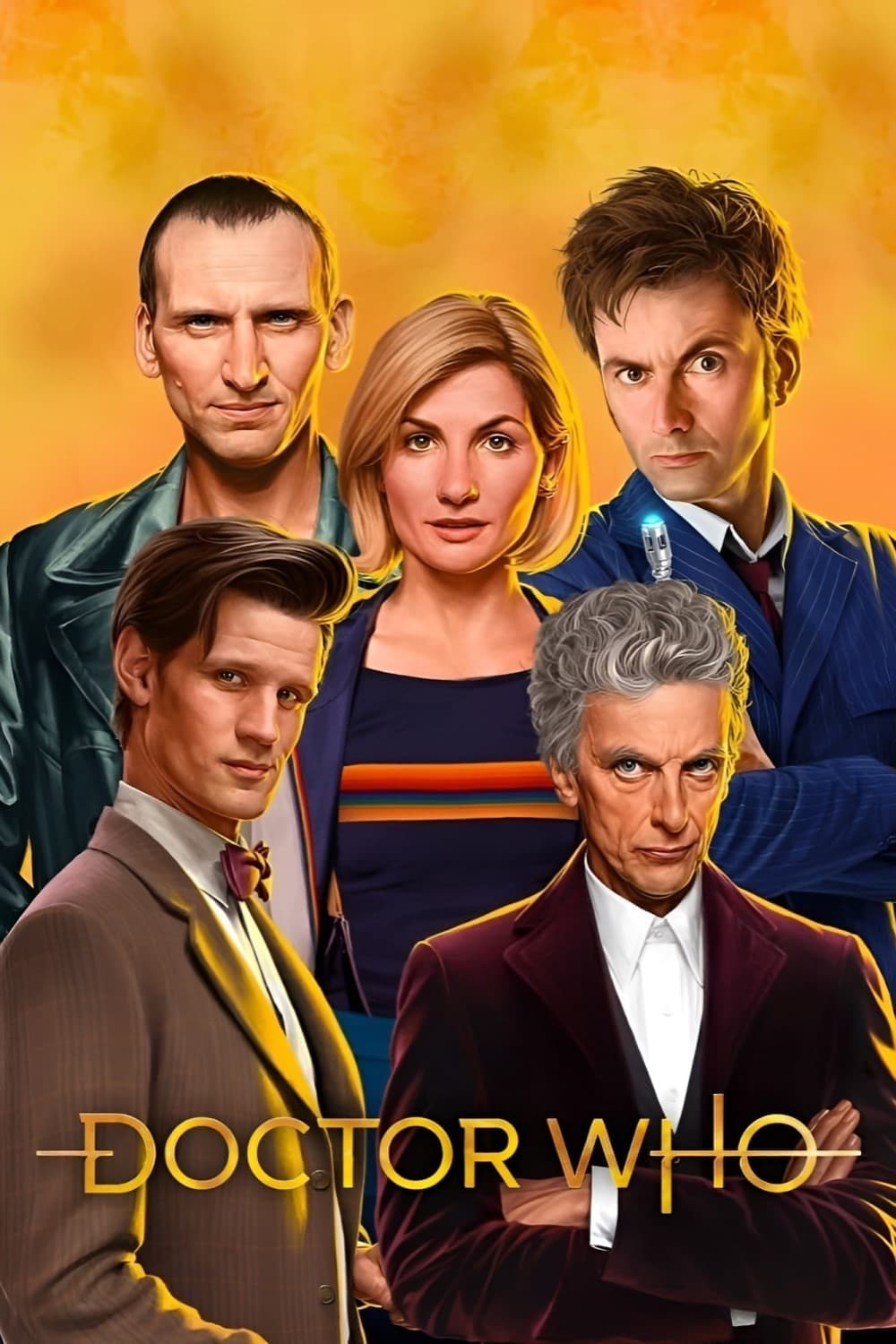
This popular British science fiction show centers around a time-traveling alien known as a Time Lord, who journeys through space and time in a distinctive blue box. Since the show was brought back, different actors have played the main character. While modern seasons have received some criticism for inconsistent writing and complicated storylines, the show still has a loyal following around the world and continues to be made with new episodes. Some longtime viewers feel it now prioritizes large-scale events over developing compelling characters.
‘The Mandalorian’ (2019–)
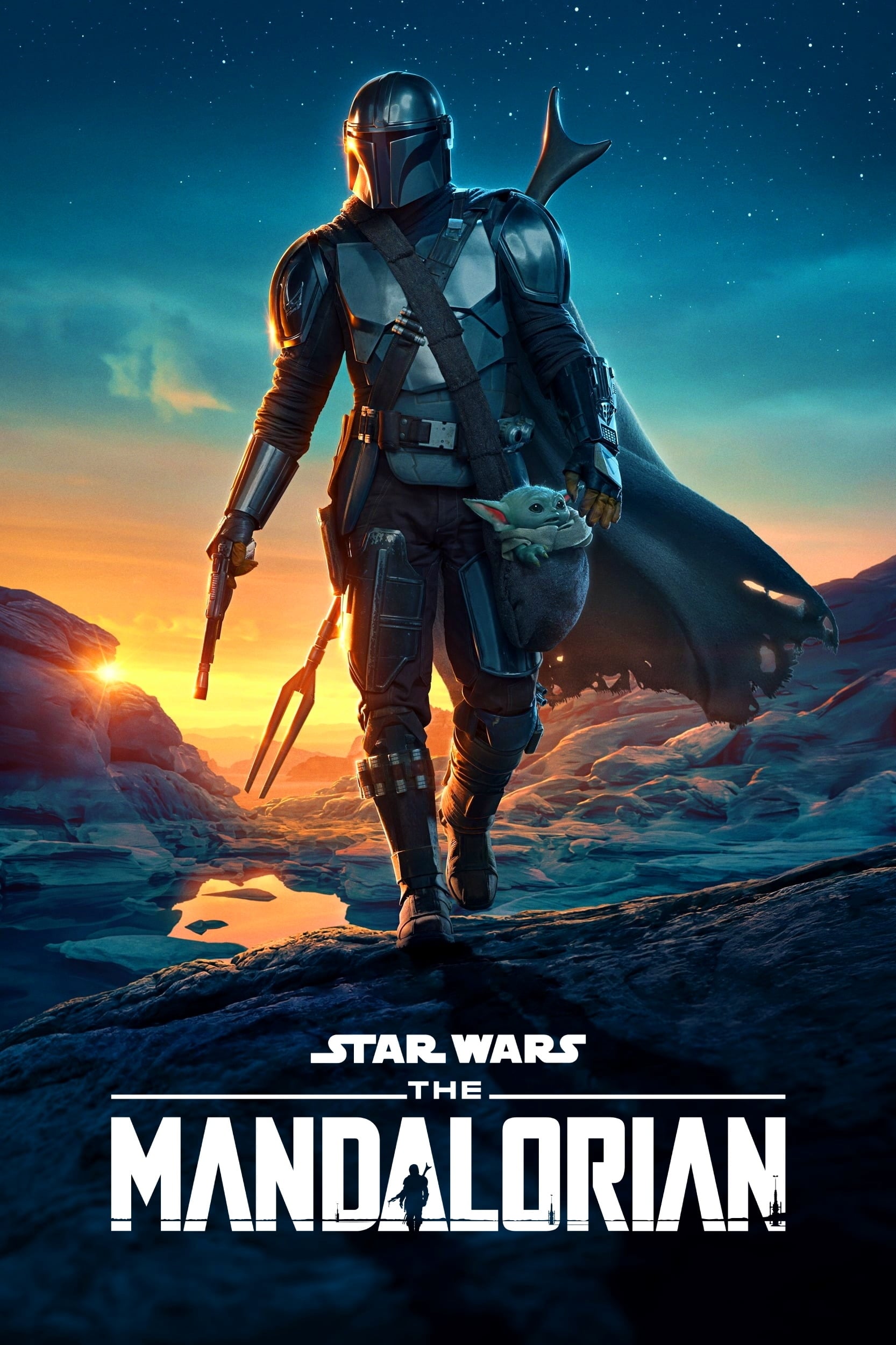
The show centers on a bounty hunter navigating the Star Wars galaxy while guarding a special child. Though it was key to the launch of a popular streaming platform, some critics feel each episode doesn’t offer a strong enough story. Many have pointed out the show relies heavily on references and appearances from familiar characters. Viewers have also commented that the story unfolds slowly and the main character isn’t very relatable. Despite these criticisms, the series has been a financial hit and has led to several new shows and projects.
‘Firefly’ (2002–2003)
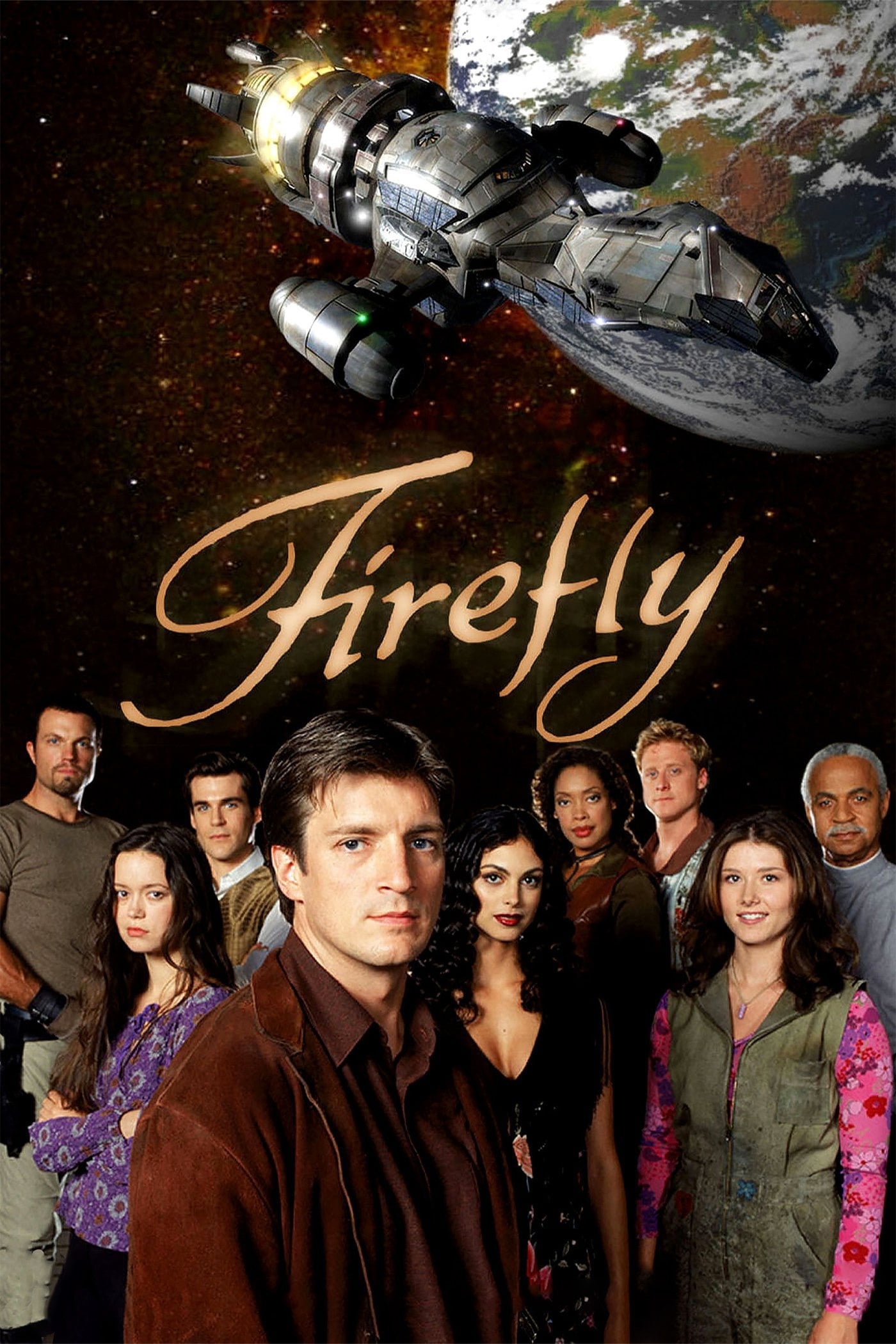
This science fiction show, set in a western-style universe, follows the adventures of a small spaceship crew trying to make a living on the edges of civilized space. Despite lasting only one season, it became incredibly popular with a dedicated fanbase after it was cancelled. Some critics believe the show’s short run has led fans to overestimate its quality. While enjoyable, some modern viewers find the writing and characters feel a bit old-fashioned. The story ultimately wrapped up with a movie.
‘Battlestar Galactica’ (2004–2009)
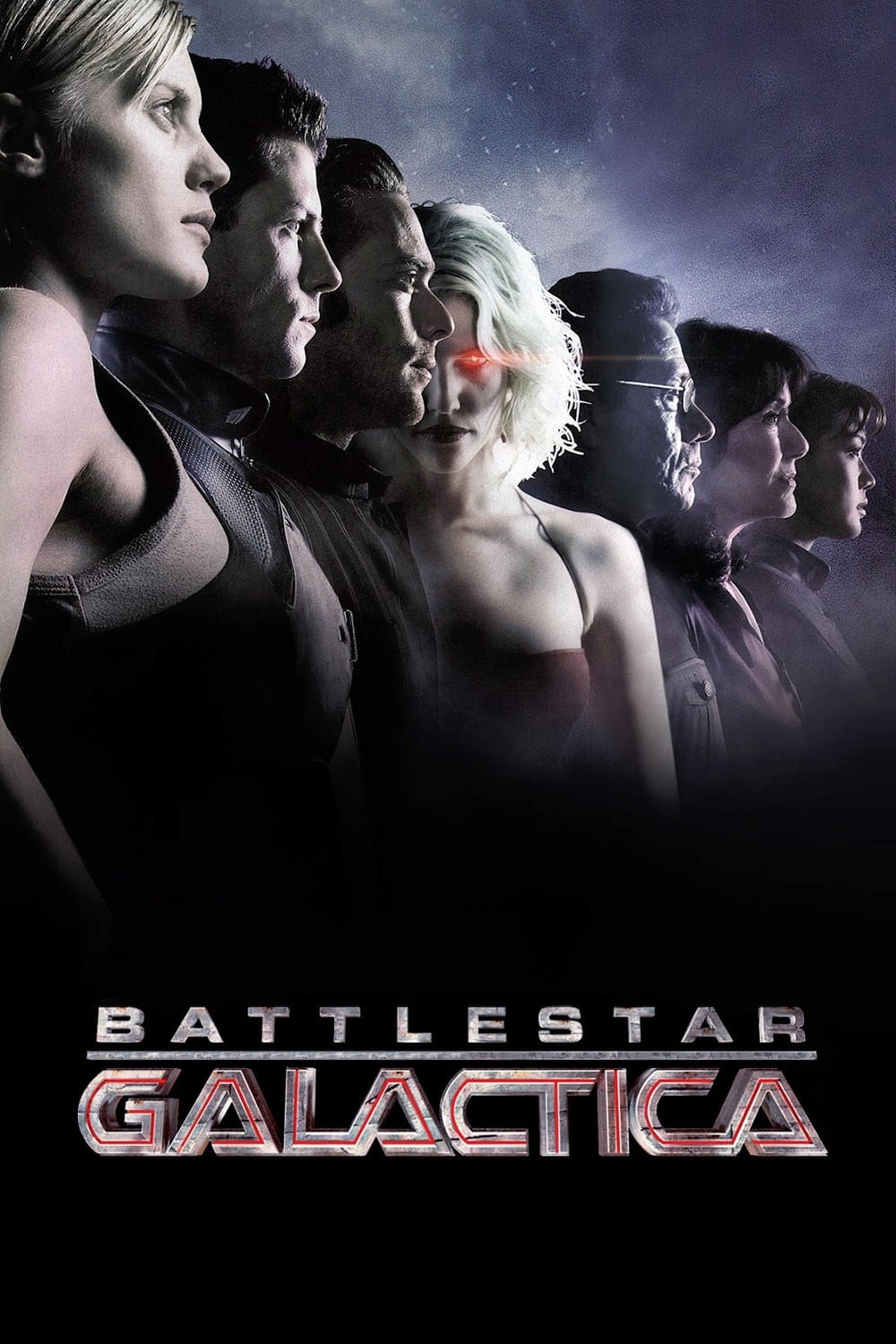
This updated take on the classic story centers on the last humans escaping a robotic enemy called the Cylons. When it first aired, the show was highly acclaimed for its realistic, intense style and its thought-provoking political themes. However, some fans feel the final season shifted focus and included religious ideas that didn’t quite fit with the show’s earlier, more scientifically-focused approach. The series’ ending remains a debated topic among its loyal followers, and many believe the show lost some of its impact towards the end of its run.
‘Lost’ (2004–2010)
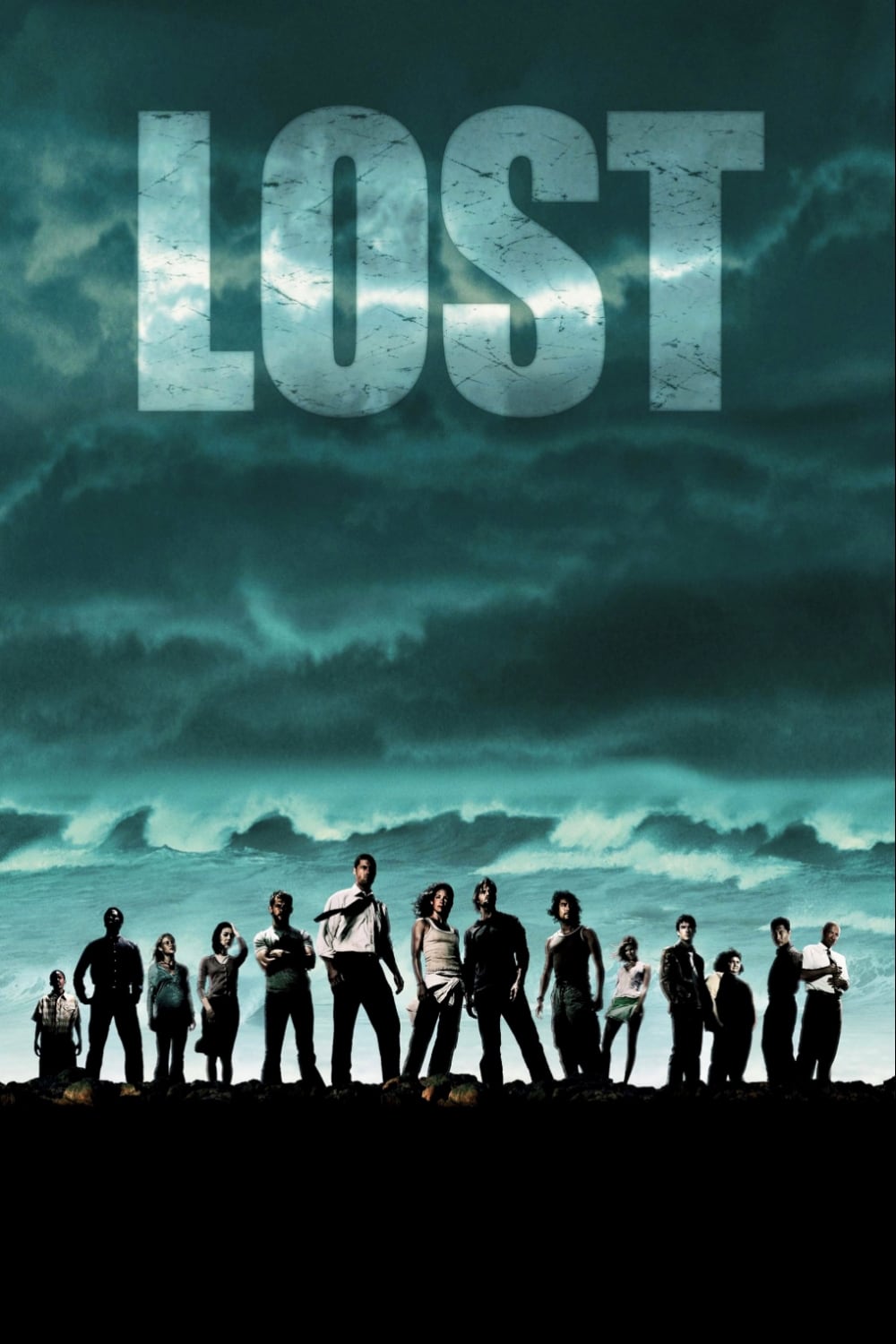
A group of people stranded after a plane crash have to cooperate to survive on a strange tropical island. The show gained popularity for its use of flashbacks and intriguing supernatural elements that kept viewers hooked for a long time. However, the ending frustrated many fans, who felt that important questions were never fully answered. Critics often point out that the show focused more on building mysteries than on providing clear resolutions. Despite this, it’s still considered one of the most debated science fiction shows ever made.
‘The X-Files’ (1993–2018)
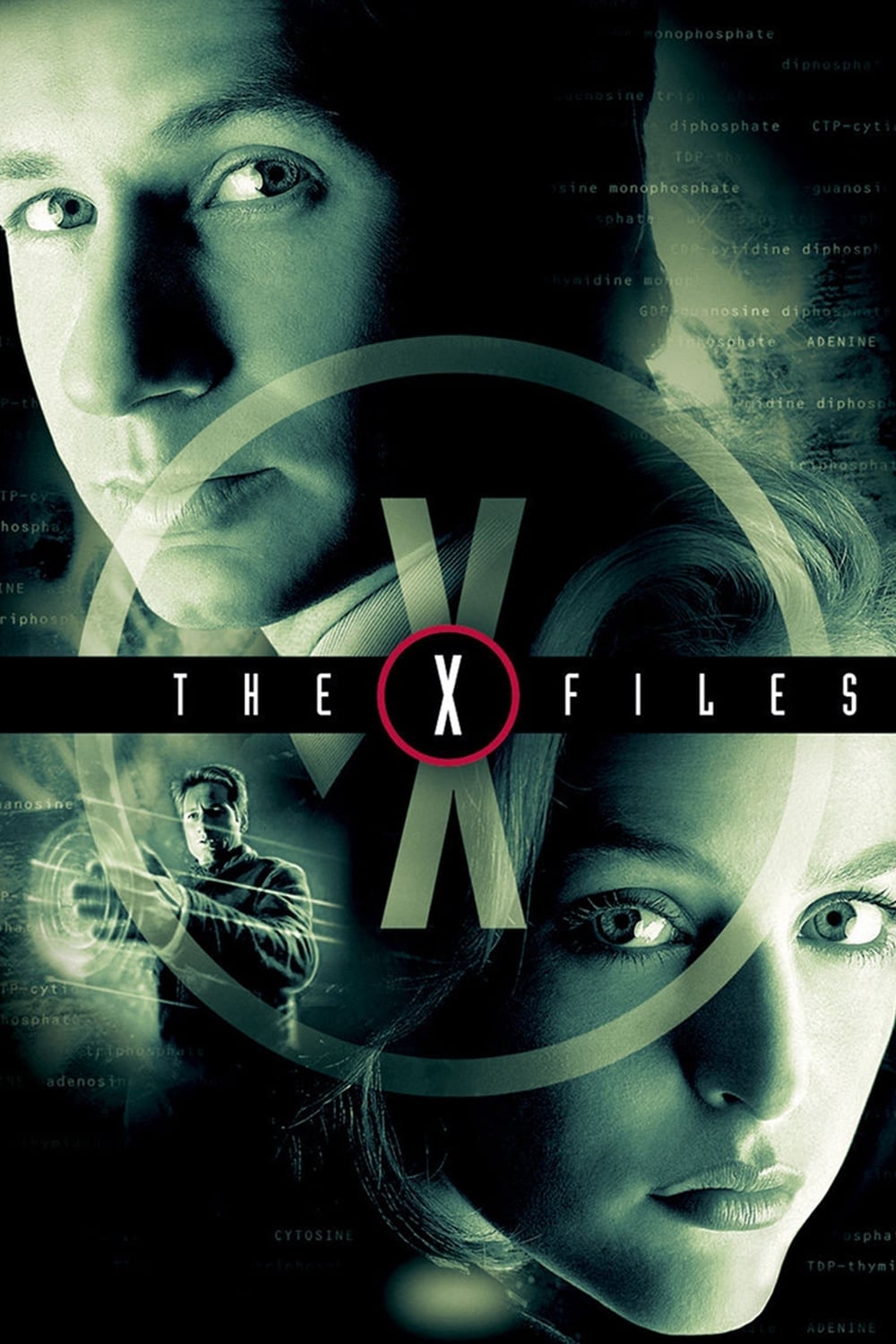
This TV show follows two FBI agents as they solve mysteries involving the unexplained and uncover hidden government secrets. It was hugely popular in the 1990s and is considered a pioneer of today’s binge-worthy, story-driven television. While praised for its intricate plot, some felt the show’s complex mythology became confusing over the years. Later seasons, and a recent attempt to bring it back, didn’t recapture the excitement of the original episodes, leading many fans to believe the series should have ended sooner.
‘Rick and Morty’ (2013–)
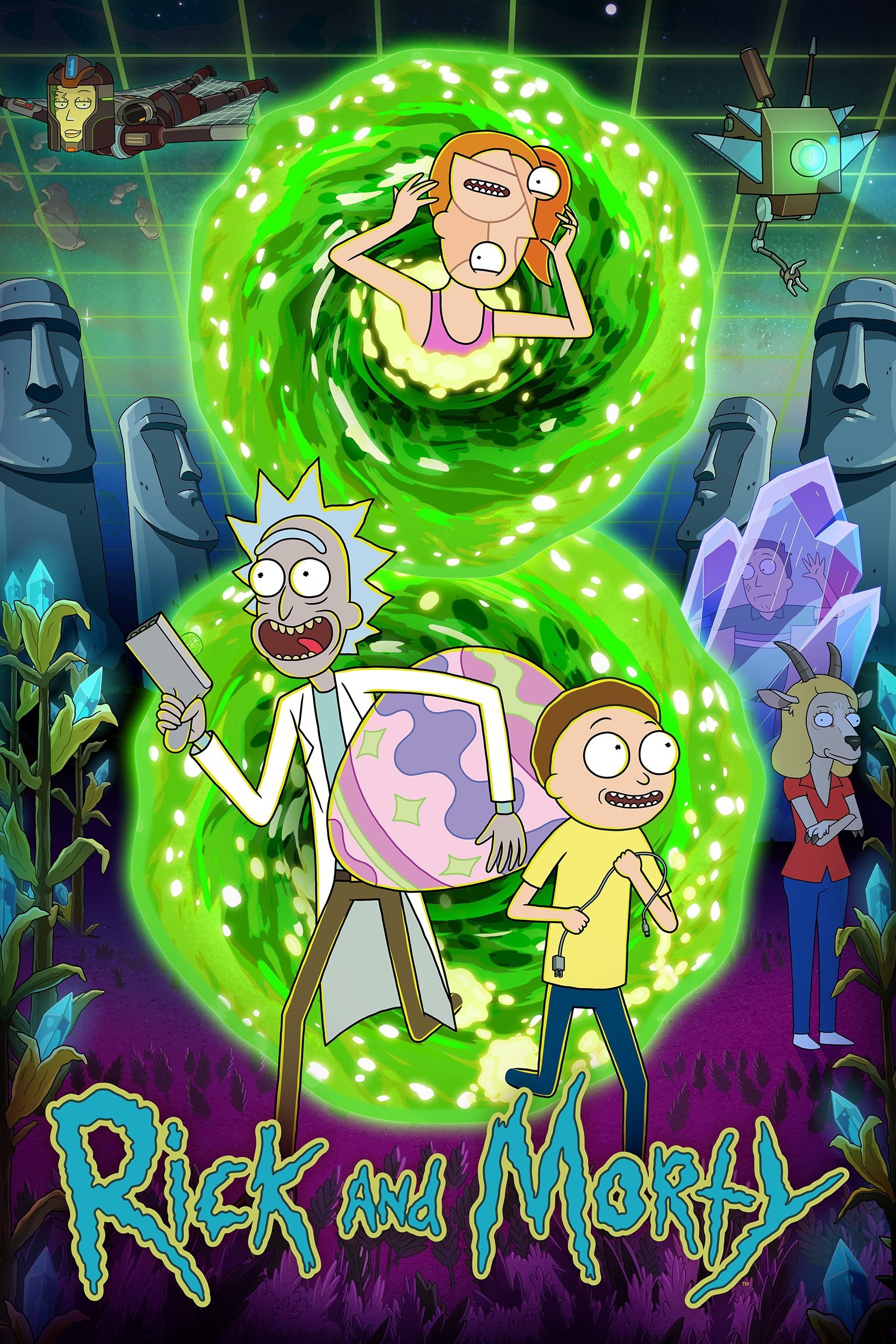
This cartoon centers around a grumpy scientist and his grandson as they travel through different dimensions. It’s become well-known for its sarcastic humor and its ability to playfully twist common science fiction ideas. While popular, some feel the show’s fans are overly enthusiastic. Critics have pointed out that the writing can sometimes be bleak and cover the same ground repeatedly. Despite these criticisms, it remains a big hit for the network.
‘Star Trek: The Next Generation’ (1987–1994)
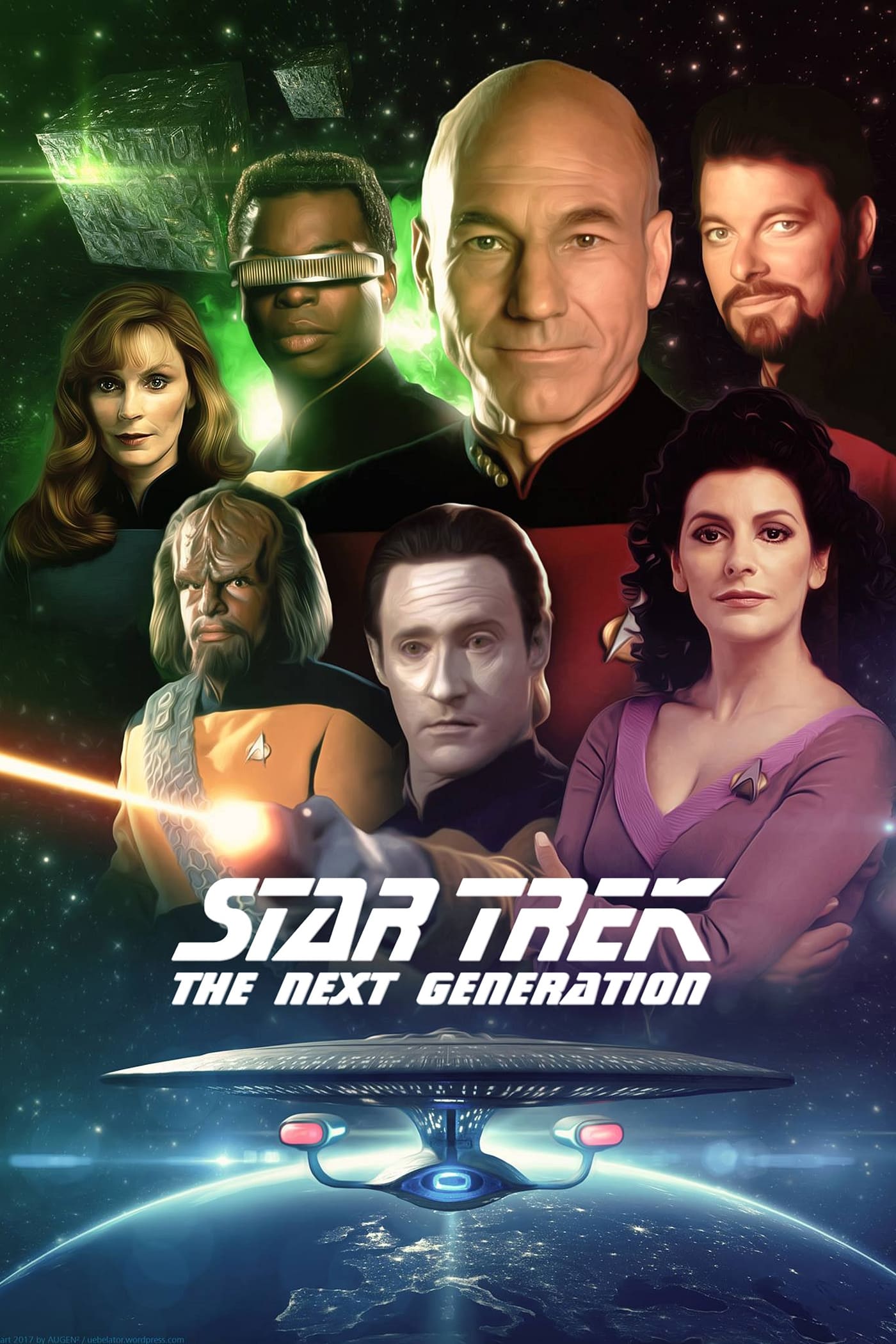
Captain Jean-Luc Picard and the crew of the Enterprise travel the galaxy on exciting adventures. Though considered a landmark show, some early episodes don’t hold up as well today. While praised for its focus on peaceful solutions and strong moral principles, some find the show’s pacing slow. Certain fans favor the more complex, ongoing storylines of other Star Trek series. Despite these points, it remains an incredibly important and influential television show.
‘The Expanse’ (2015–2022)
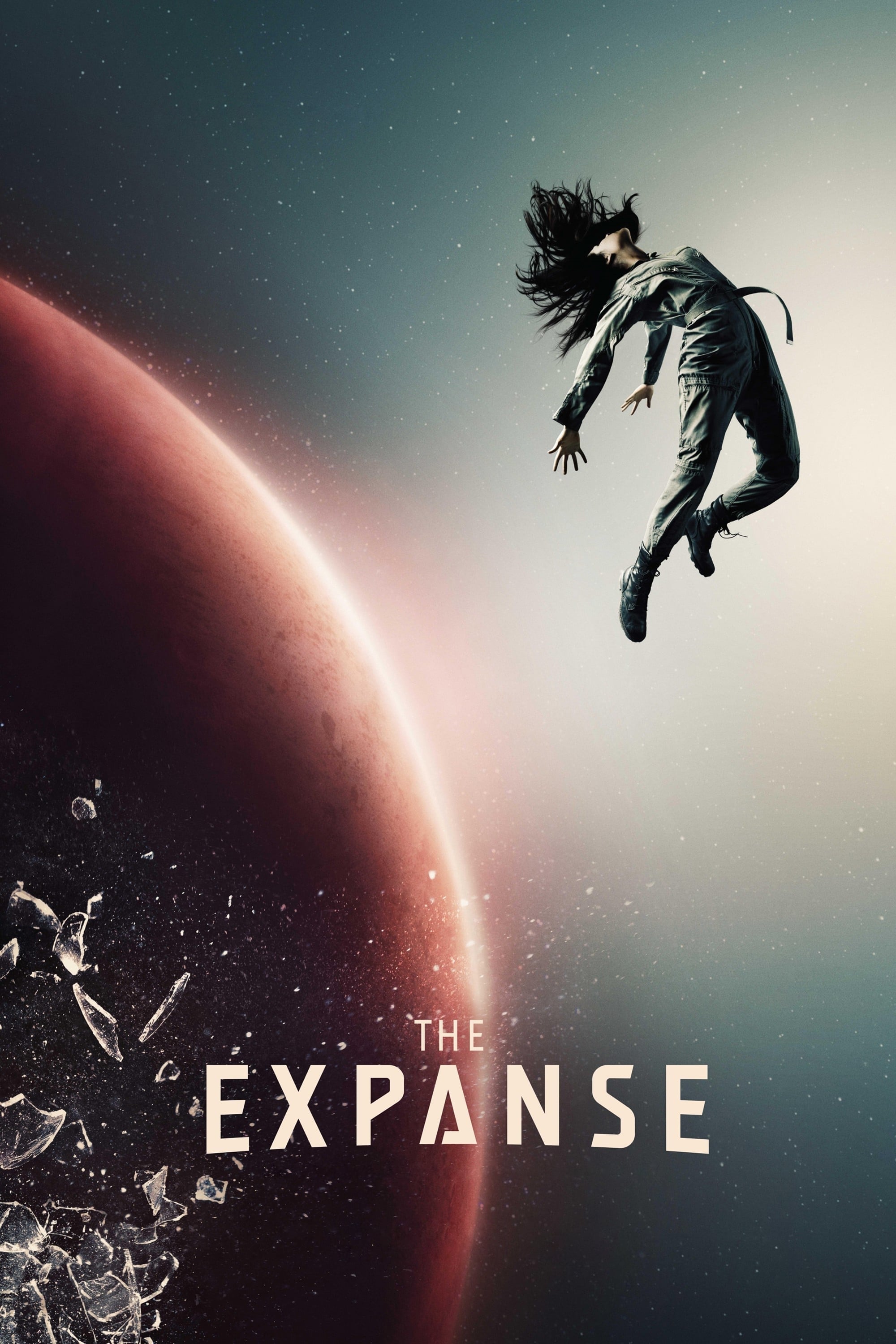
The series is set in a future where humans live throughout the solar system and are on the verge of a major war. It’s been praised for accurately depicting space travel and featuring complicated political maneuvering. However, some viewers find the detailed universe and numerous characters difficult to follow, and some storylines haven’t resonated as strongly with audiences over the show’s six seasons. The show originally aired on cable before moving to a streaming service to finish its run.
‘Dark’ (2017–2020)
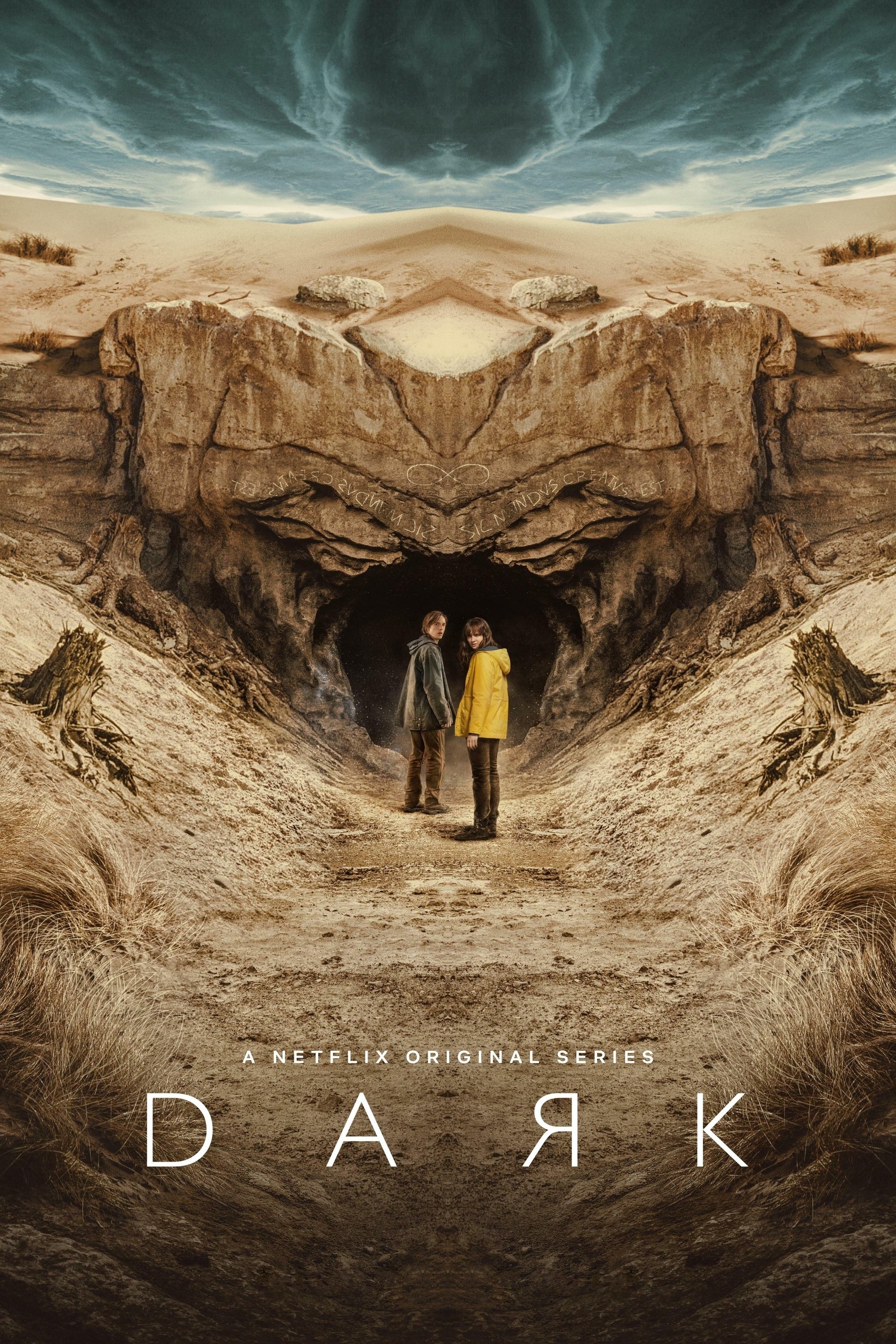
I’m completely captivated by this German series! It’s a really intricate story about time travel and the hidden secrets within a family, all unfolding in this small town. What I especially love is how carefully everything is plotted and the beautiful, moody way it’s filmed. I’ll admit, it can get pretty complex – I sometimes found myself needing to look things up to keep track of everything! And it is a bit of a heavy show, that serious tone can really build up over time. But it all paid off – the third season brought everything together in a satisfying way, tying up all those different timelines. It’s a truly remarkable show.
‘Sense8’ (2015–2018)
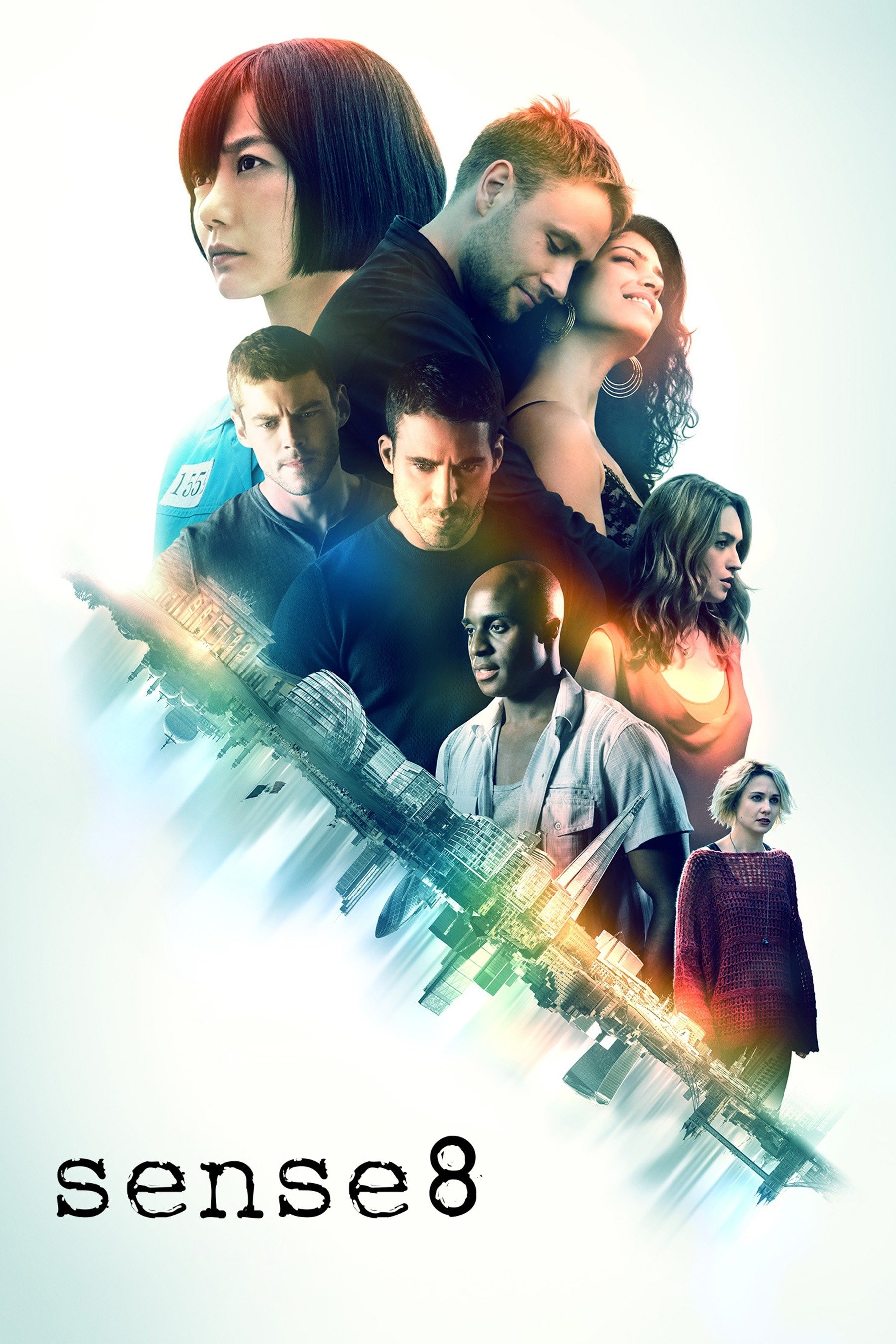
A new show from the creators of The Matrix connected eight people across the globe through their minds and feelings. While praised for its diverse cast and stunning international filming locations, some reviewers felt the story wasn’t as strong as its visuals and themes of human connection. Unfortunately, due to high costs, the show was canceled before it could finish its storyline, but a special finale episode was made to give the characters a satisfying conclusion.
‘Altered Carbon’ (2018–2020)

This sci-fi series is set in the future, where people can transfer their minds into new bodies. It follows a soldier brought back to life to investigate a murder. The first season was a hit, known for its stylish cyberpunk look and exciting action. However, the second season didn’t impress viewers as much, and critics pointed out that the show watered down some of the more complicated ideas from the original story. Ultimately, the streaming service decided to cancel the show after two seasons.
‘The Boys’ (2019–)

The show is a darkly humorous and violent twist on the typical superhero story, featuring powerful people controlled by a shady company. It quickly became popular thanks to its sharp satire and graphic scenes. However, some critics feel it relies too much on shocking moments and not enough on developing its characters. Viewers have also noted that the show’s social commentary isn’t always nuanced, but it still remains a major player in the world of superhero entertainment.
‘Foundation’ (2021–)
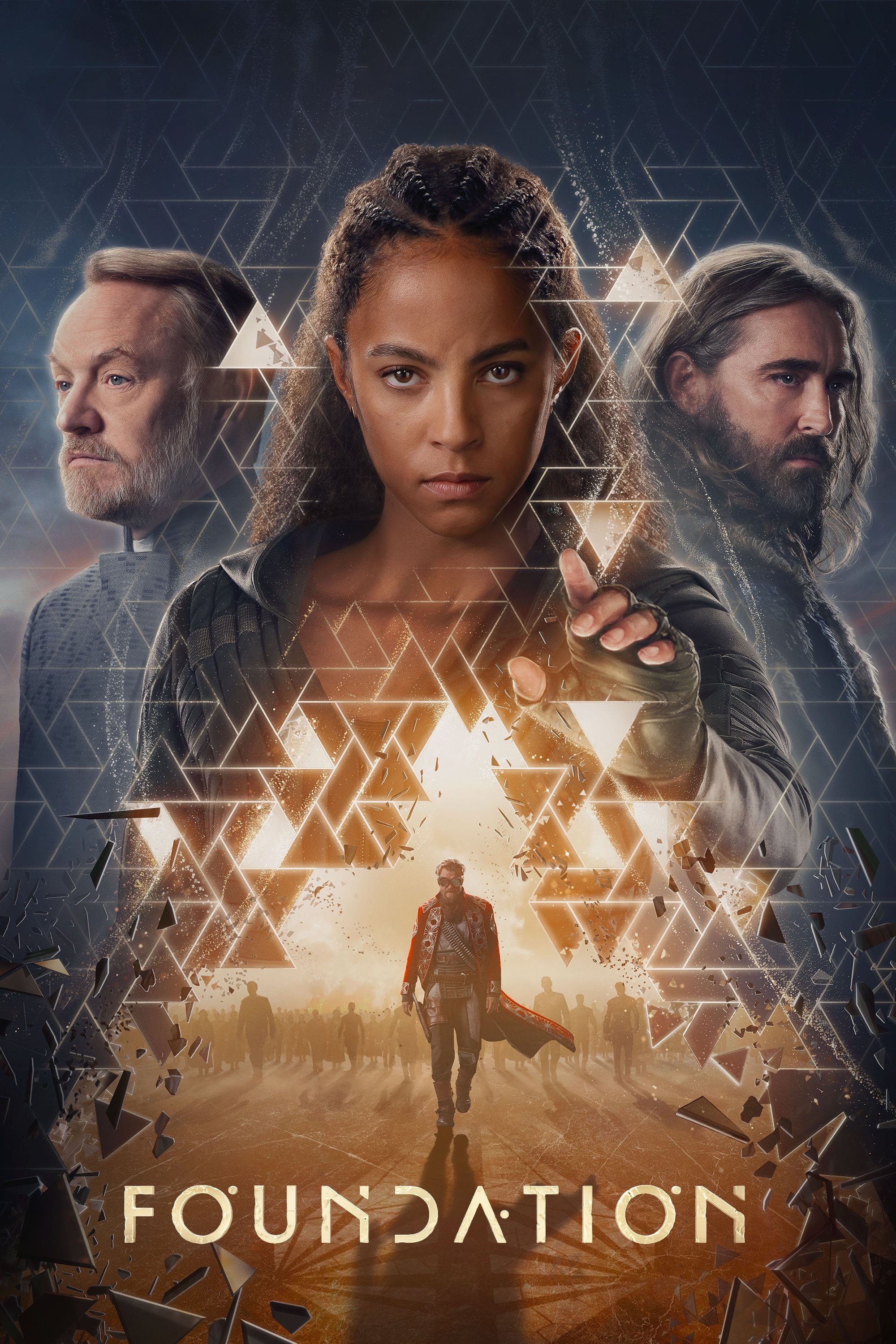
This series is inspired by Isaac Asimov’s famous novels and depicts a sprawling galactic empire falling apart. It’s known for its spectacular visuals and ambitious scope. While visually stunning, some book fans believe the show strays too far from the source material. Reviews often point to an inconsistent pace and varying strengths among the different storylines. Despite these criticisms, it remains one of the most visually impressive sci-fi shows currently on TV.
‘Halo’ (2022–2024)
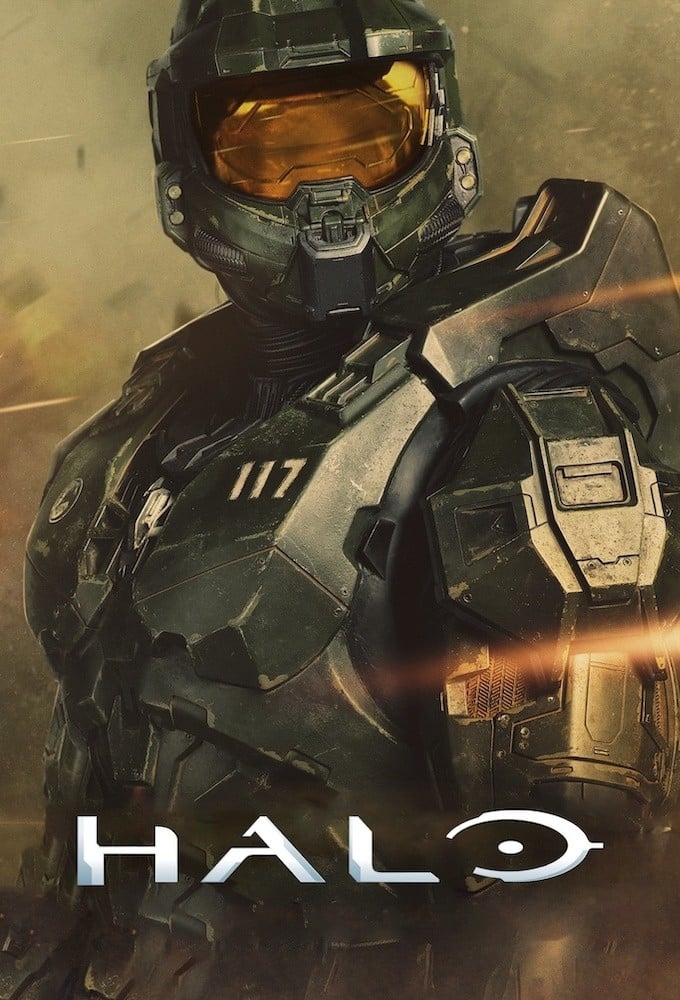
This TV show, based on a well-known video game series, centers around an enhanced soldier fighting in a war against aliens. However, it quickly received criticism from fans who felt it strayed too far from the game’s original story. While some viewers weren’t engaged by the human drama, critics acknowledged the show looked impressive, though the storyline felt unoriginal. Ultimately, the streaming service canceled it after two seasons.
‘The Umbrella Academy’ (2019–2024)
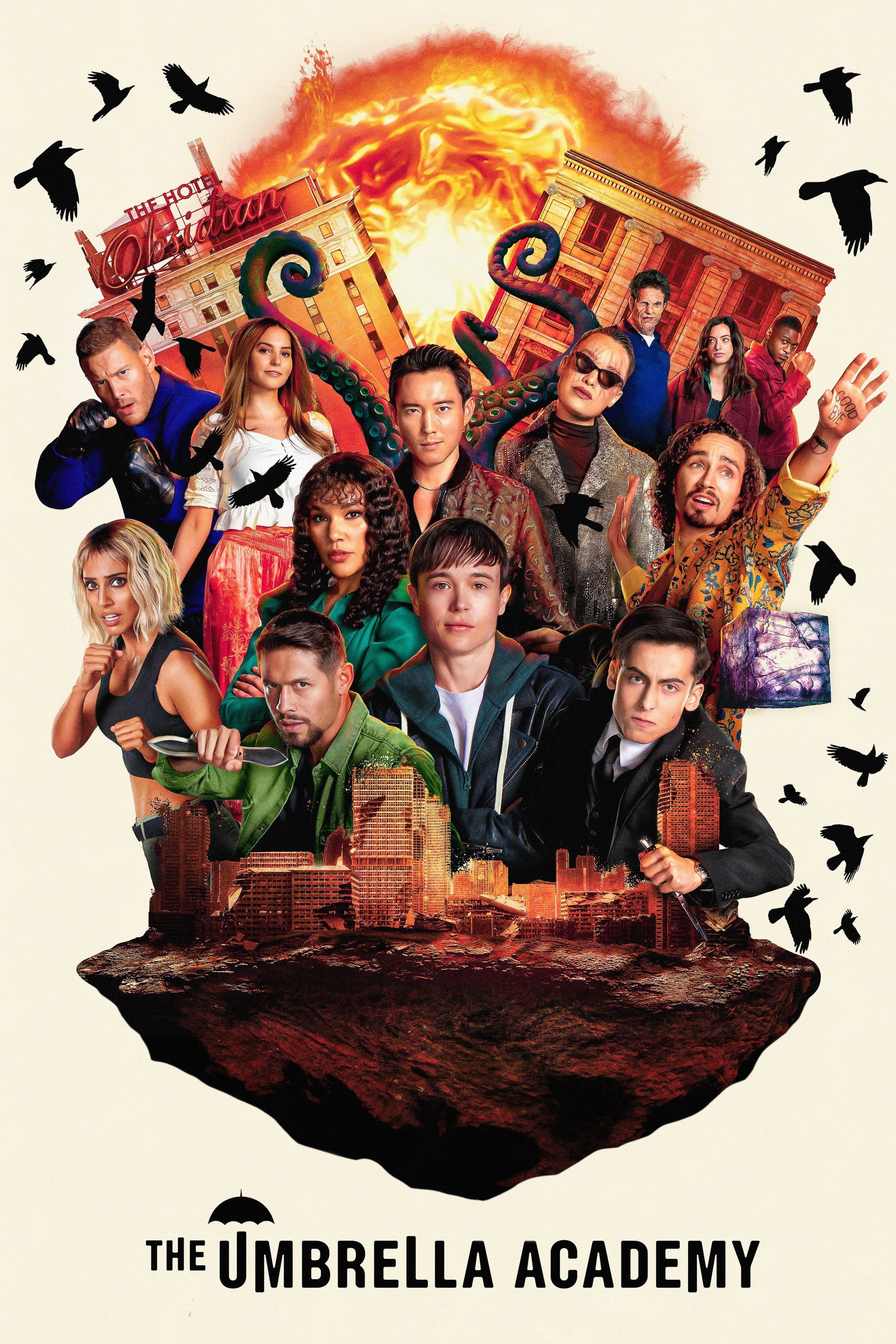
This show follows a group of adopted siblings with superpowers who must come together to investigate the death of their father. It’s known for being funny and having unique action scenes. While popular, some critics felt the storylines about the end of the world became predictable, and viewers have pointed out that the rules of time travel aren’t always clear. The series ended with a final season that left fans divided.
‘Futurama’ (1999–)
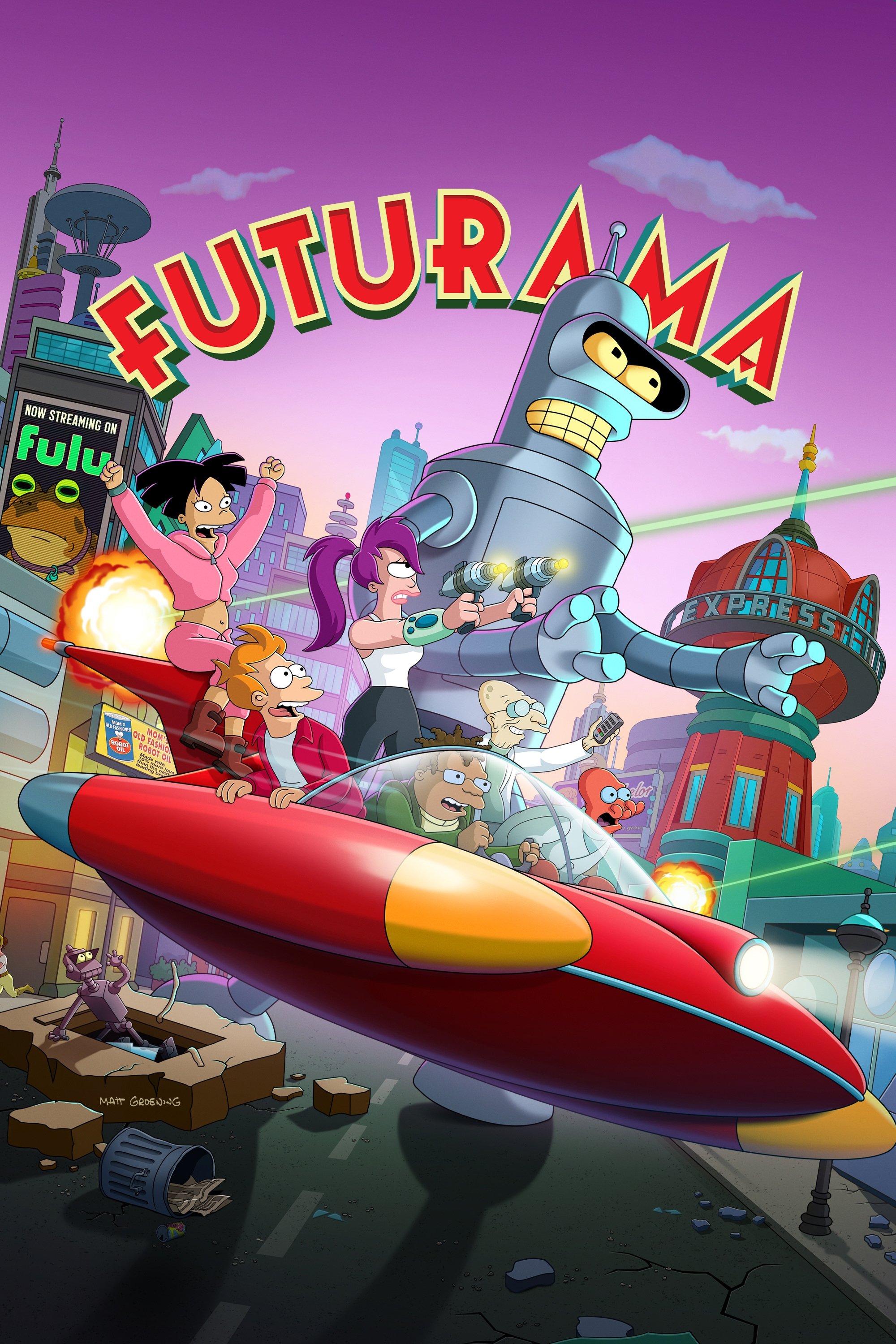
This animated series follows a pizza delivery guy who’s frozen and wakes up in the year 3000. It’s popular for its clever science jokes and heartfelt stories. While many enjoy it, some critics feel that recent versions haven’t lived up to the quality of the original. Viewers have also pointed out that the show sometimes uses jokes that feel a bit old-fashioned. Over the years, the show has been canceled and renewed several times on different channels.
‘Star Trek: Discovery’ (2017–2024)
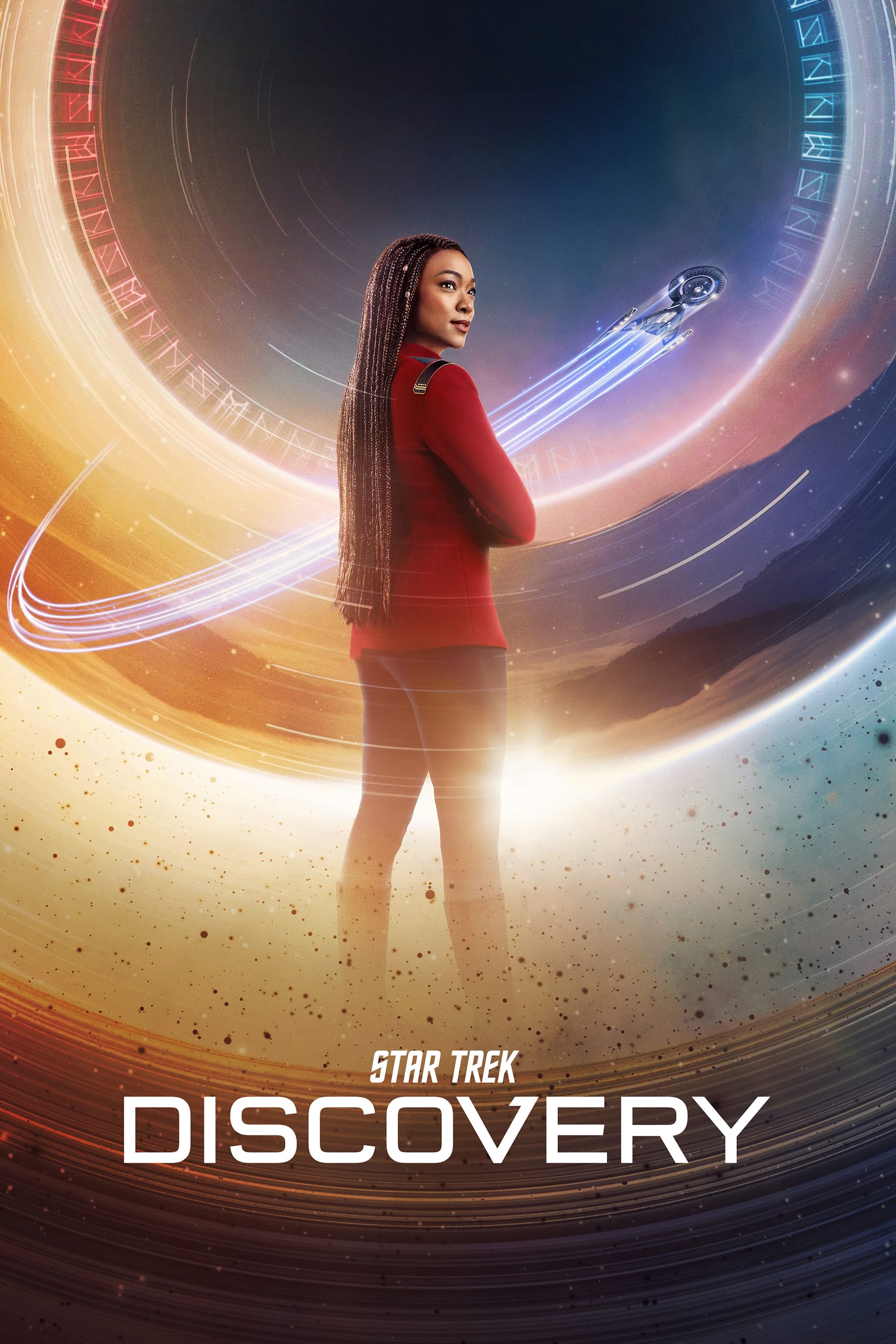
As a long-time fan, this series definitely felt like a turning point for the franchise. It really centered everything around one main character, which was a big shift. Honestly, a lot of us older fans were a little disappointed it moved away from the usual ‘episode of the week’ style. And sometimes, the drama just felt…over the top, you know? It felt like the show was trying to figure out what it wanted to be across those five seasons. But despite its flaws, it definitely opened the door for a lot of other great shows set in the same world.
‘Heroes’ (2006–2010)
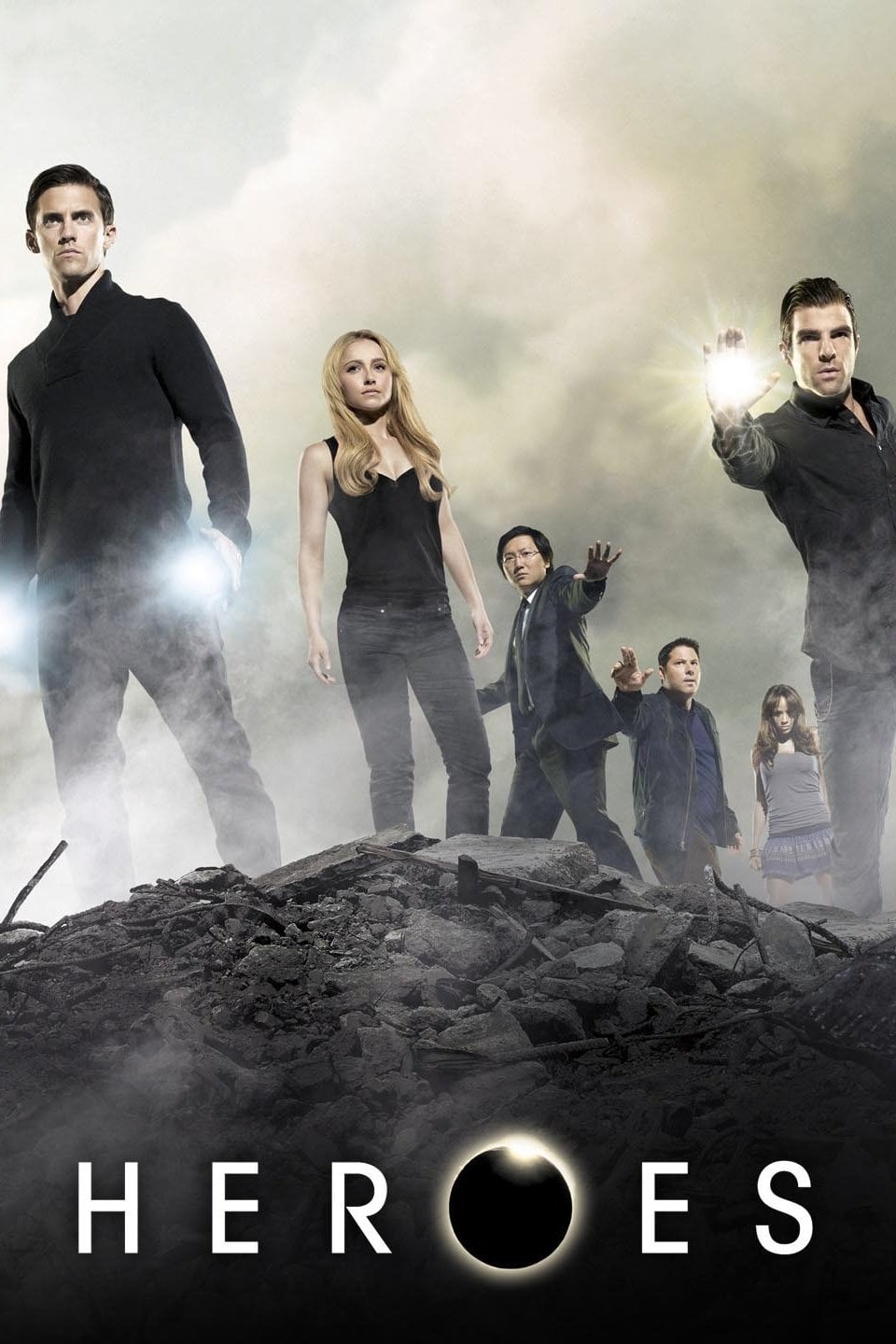
A show about everyday people suddenly gaining superpowers and having to save the world became a huge hit, quickly capturing the public’s imagination. However, many viewers and critics felt the show’s quality decreased in later seasons. Production issues, including a writers’ strike, and shifts in the show’s creative vision were often cited as reasons for this decline. A later attempt to bring the show back didn’t regain its initial popularity.
‘Fringe’ (2008–2013)
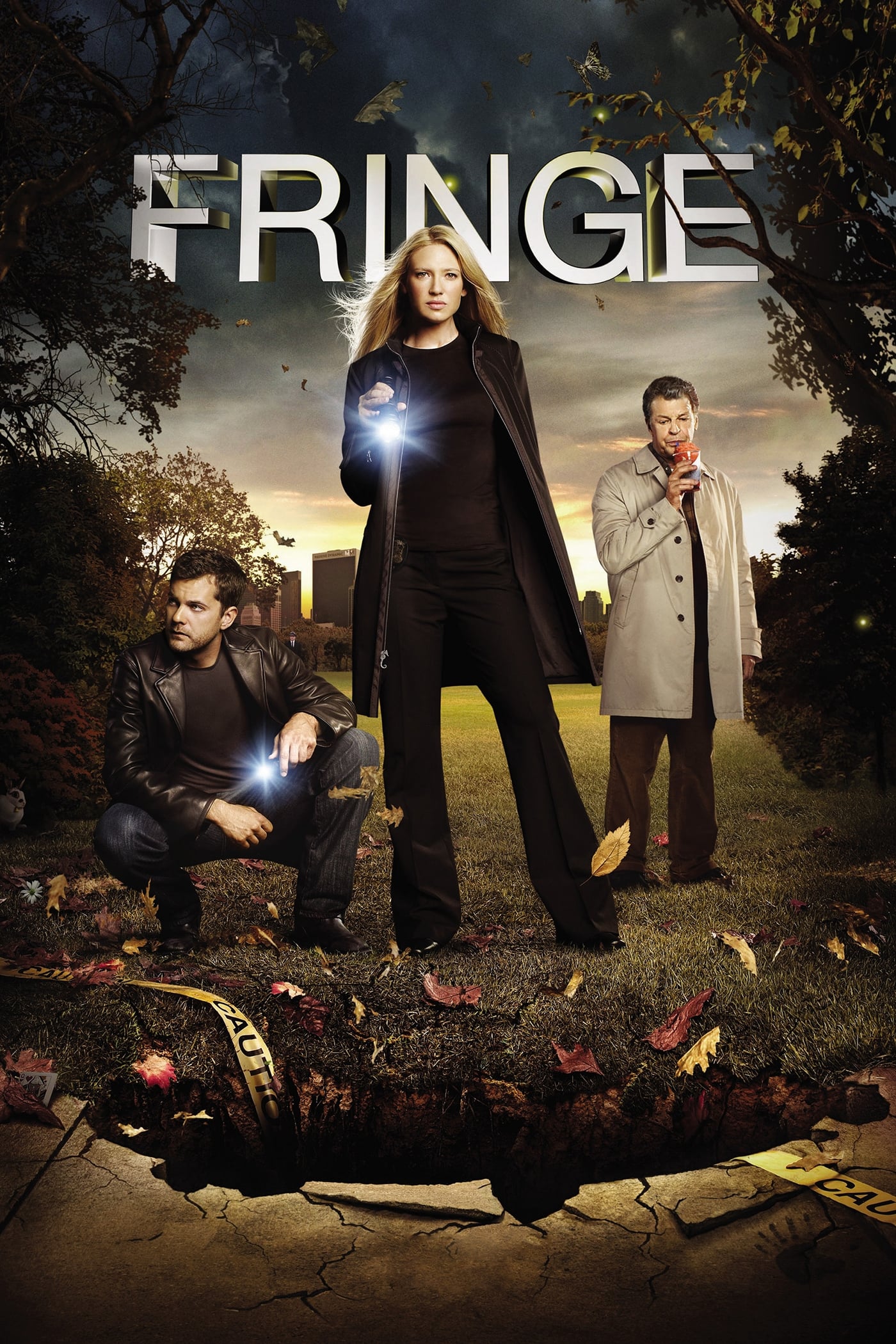
A dedicated FBI team explores strange and unexplainable cases using unconventional scientific methods. The show started as a case-of-the-week format but developed into a complex story about alternate realities. While some critics initially felt it resembled ‘The X-Files,’ it gained a devoted following. However, the show’s shift towards a complicated overarching story wasn’t for everyone. Despite this, it’s still highly regarded, particularly for the lead actor’s performance.
‘Falling Skies’ (2011–2015)
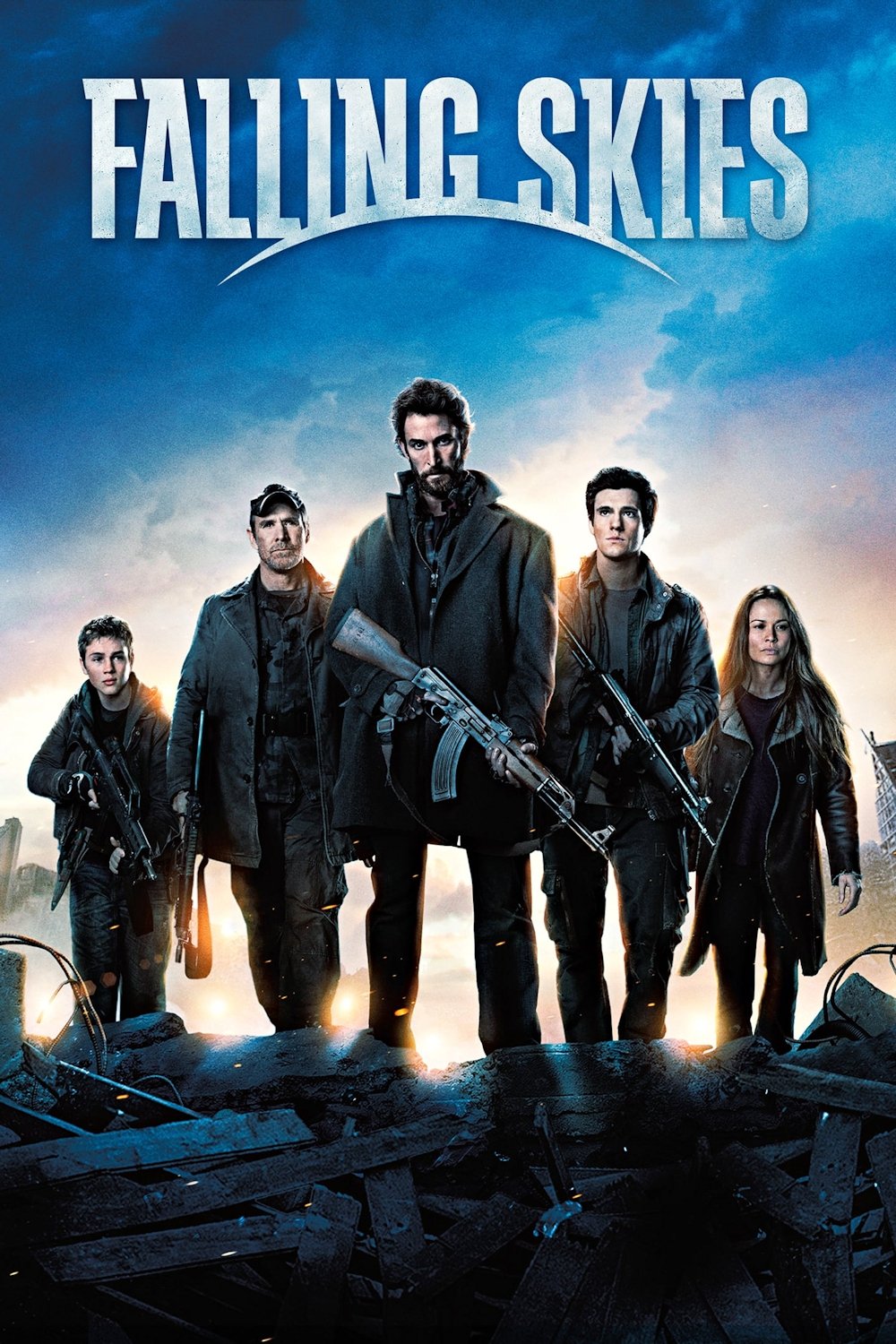
After an alien invasion, a group of survivors banded together to fight back and reclaim Earth. The show, executive produced by Steven Spielberg, started with a lot of hype, but many critics found the plot became predictable and relied too much on familiar storylines. Some viewers also wished the aliens’ reasons for invading were explored more fully. While loyal fans stayed with the series until the end, the finale itself received a varied response.
‘The 100’ (2014–2020)
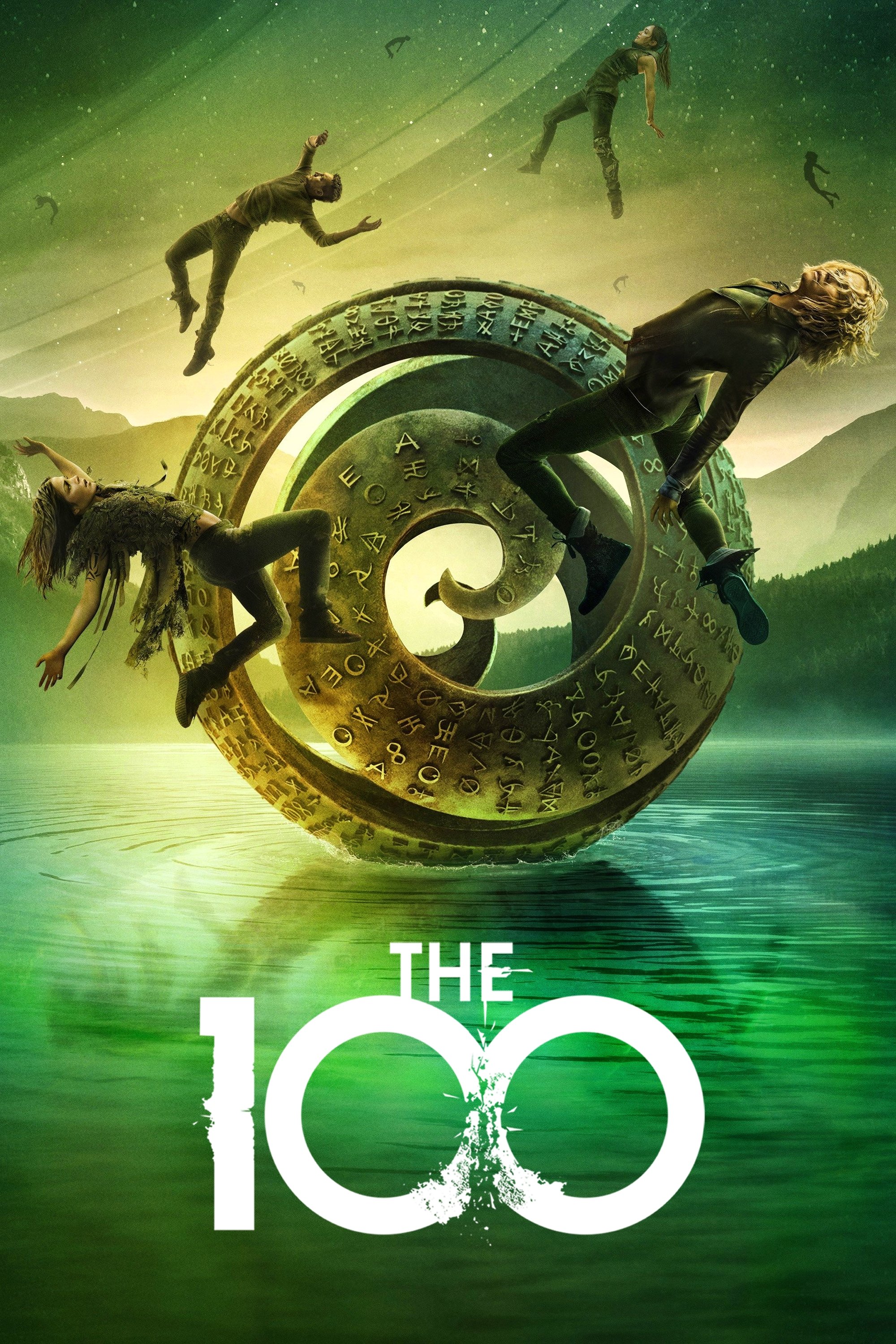
I recently finished watching this show about a hundred kids – all juvenile delinquents, mind you – who are basically sent back to Earth from a space station to check if the planet is even livable after some kind of apocalypse. What really struck me was how willing the show was to put these young characters in really tough, morally gray situations. It wasn’t afraid to make some dark choices. Honestly, though, I found the world-building a little inconsistent at times; it felt like things were changing too quickly. And the critics had a point – it did fall into repeating the same old conflicts between different groups. Still, it ended on a high note, taking the story completely out into deep space for its final season.
‘Under the Dome’ (2013–2015)

A small town is suddenly cut off from the world by an enormous, impenetrable, clear dome. The TV show, based on a Stephen King novel, began with high ratings and a lot of potential. However, many viewers felt the central mystery dragged on for too long, and critics noted that characters often acted in ways that didn’t make sense just to move the story forward. Ultimately, the show was canceled after three seasons due to a sharp drop in viewers.
‘Revolution’ (2012–2014)
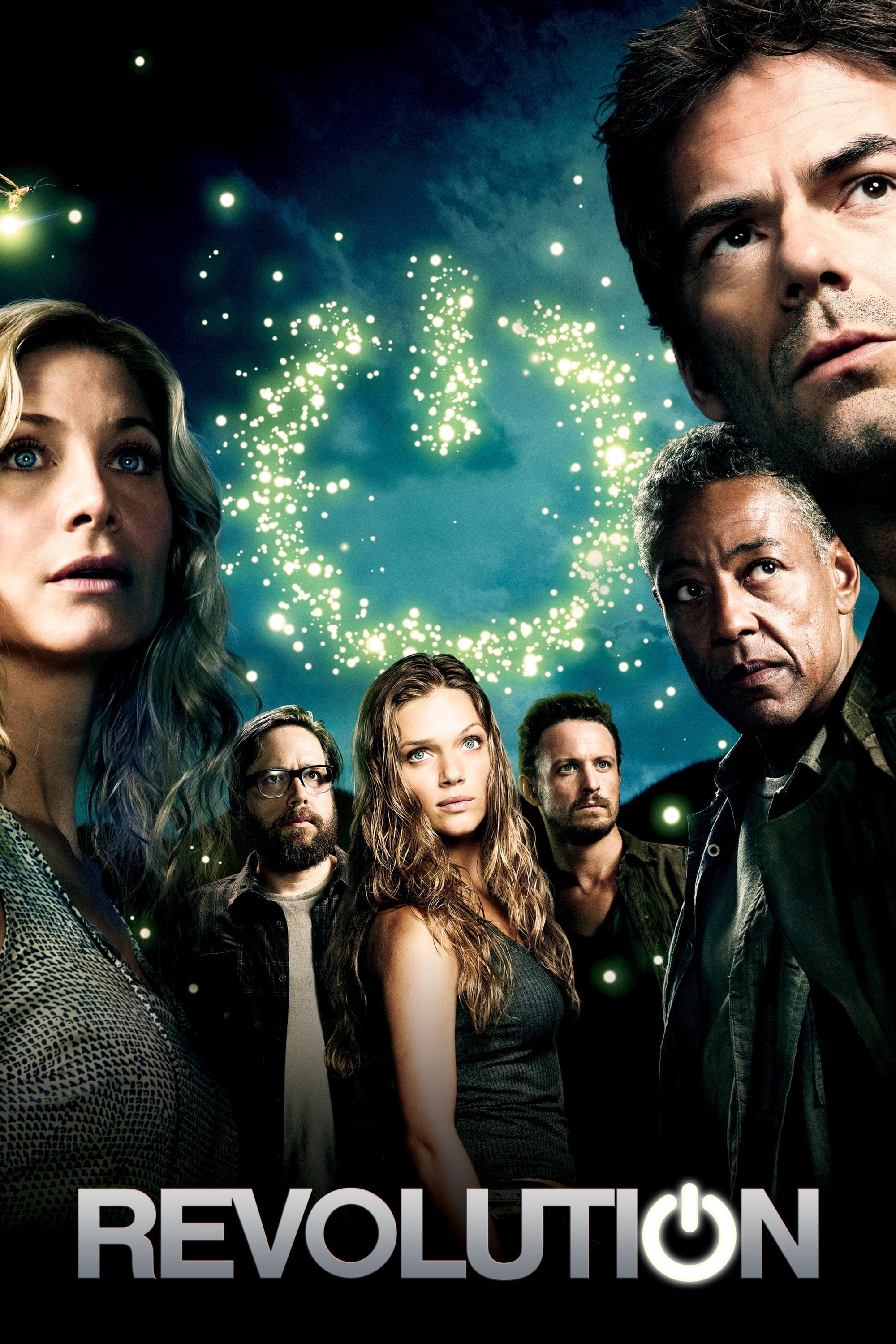
A sudden, permanent loss of electricity plunges the world into darkness. The story follows families trying to find each other and stay alive in a dangerous world now controlled by armed groups. While the show initially posed a mystery about the cause of the blackout, many found the focus on simply surviving more compelling. Some viewers felt the show took too long to reveal its science fiction origins, and ultimately, declining viewership led to its cancellation after two seasons.
‘Colony’ (2016–2018)
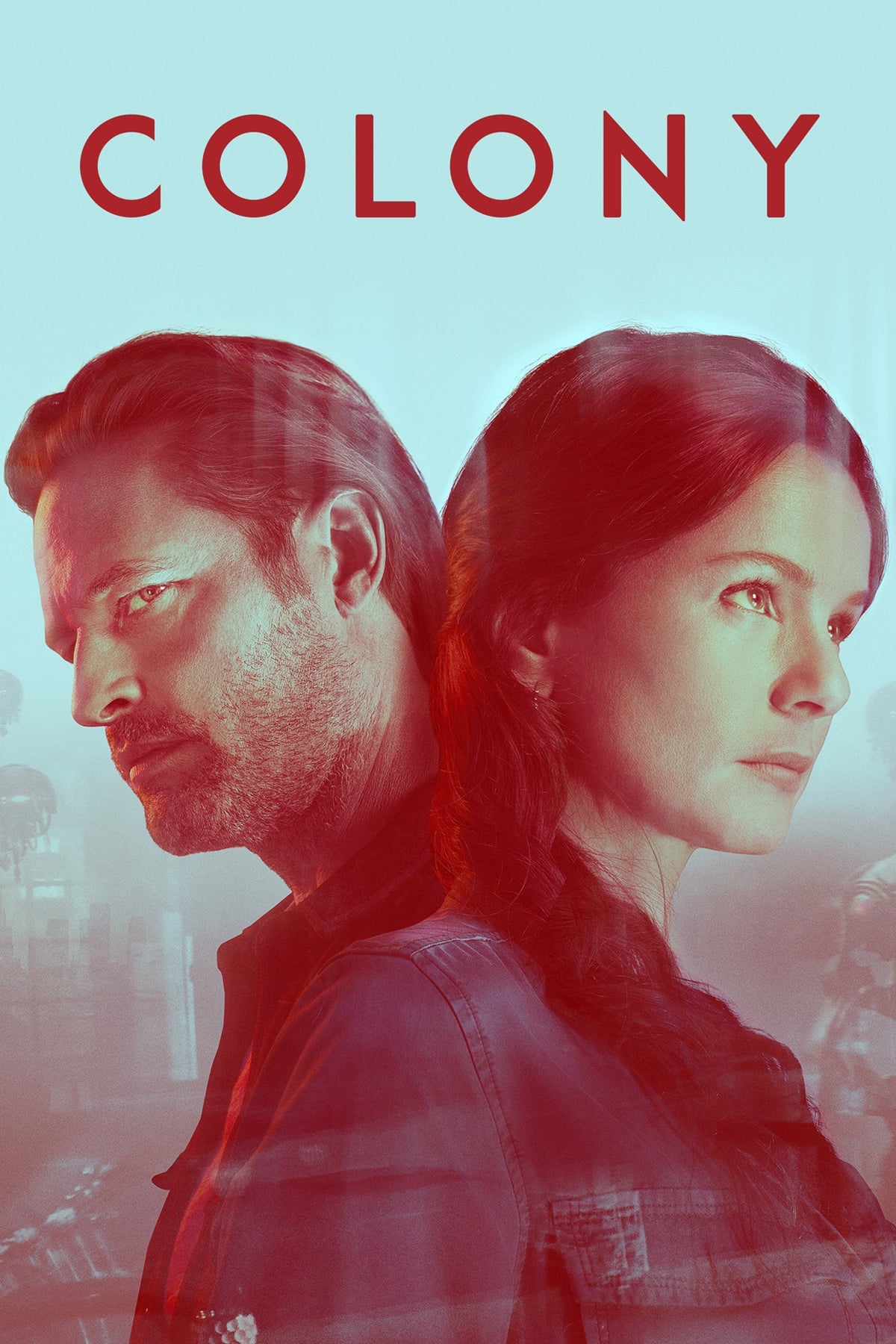
Set in a Los Angeles of the near future, this show depicts a city under the control of an alien military force. The story centers on a family struggling with whether to cooperate with the aliens or fight back as part of the resistance. While some viewers found the show moved too slowly and revealed too little about the alien invaders, critics pointed out that the family’s personal struggles often took center stage, overshadowing the science fiction elements. Unfortunately, the series was canceled after three seasons, leaving viewers with an unresolved cliffhanger.
‘Travelers’ (2016–2018)
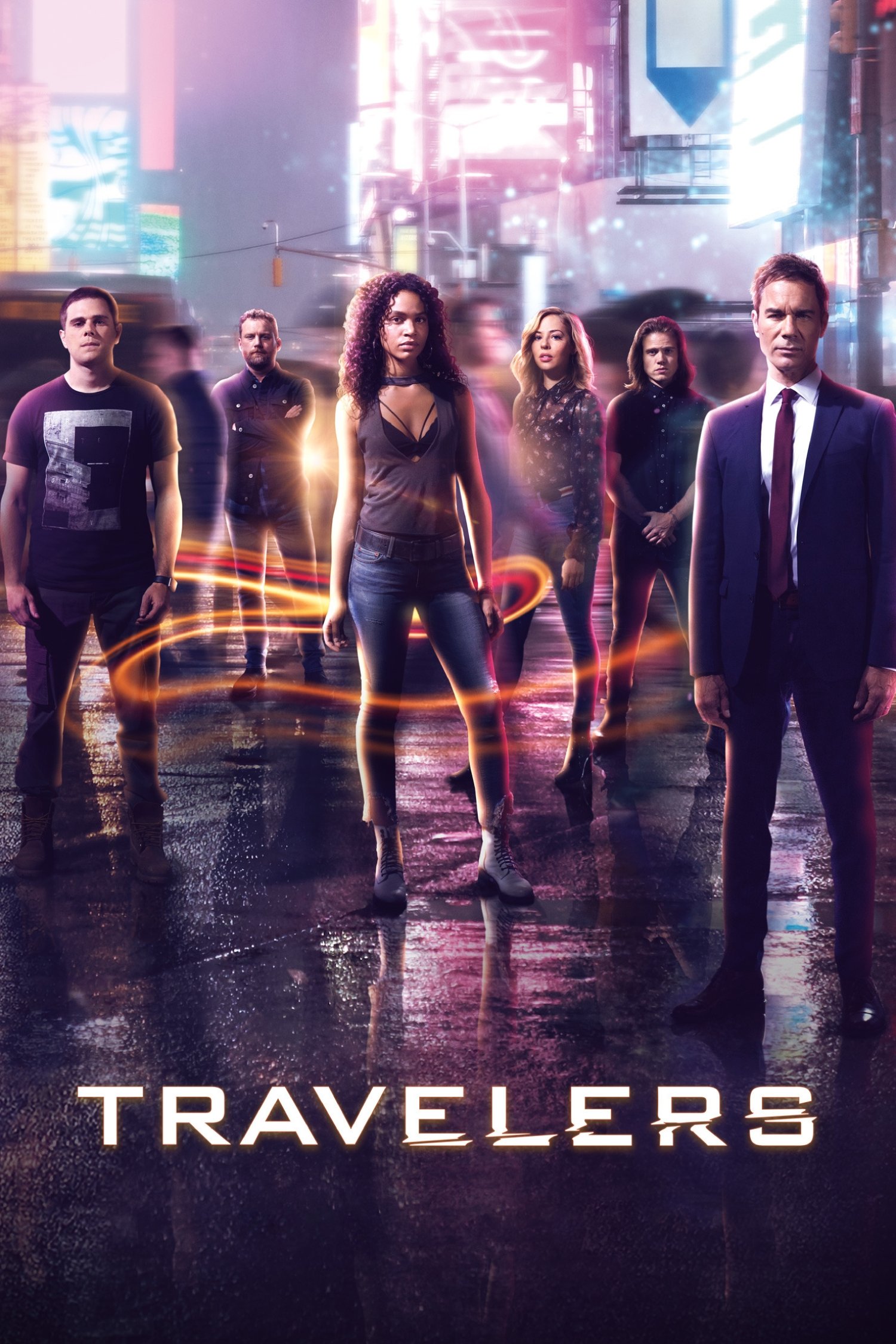
This show features people from the future who have their minds sent back in time to try and save the world. It received a lot of praise for its fresh approach to time travel and the way its characters connected. While many enjoyed it, some felt the main storyline became too complicated as the series went on. Fans were upset when the streaming platform canceled it after three seasons. It’s often considered a great, underrated show, though its ending remains a point of contention for some viewers.
‘Timeless’ (2016–2018)
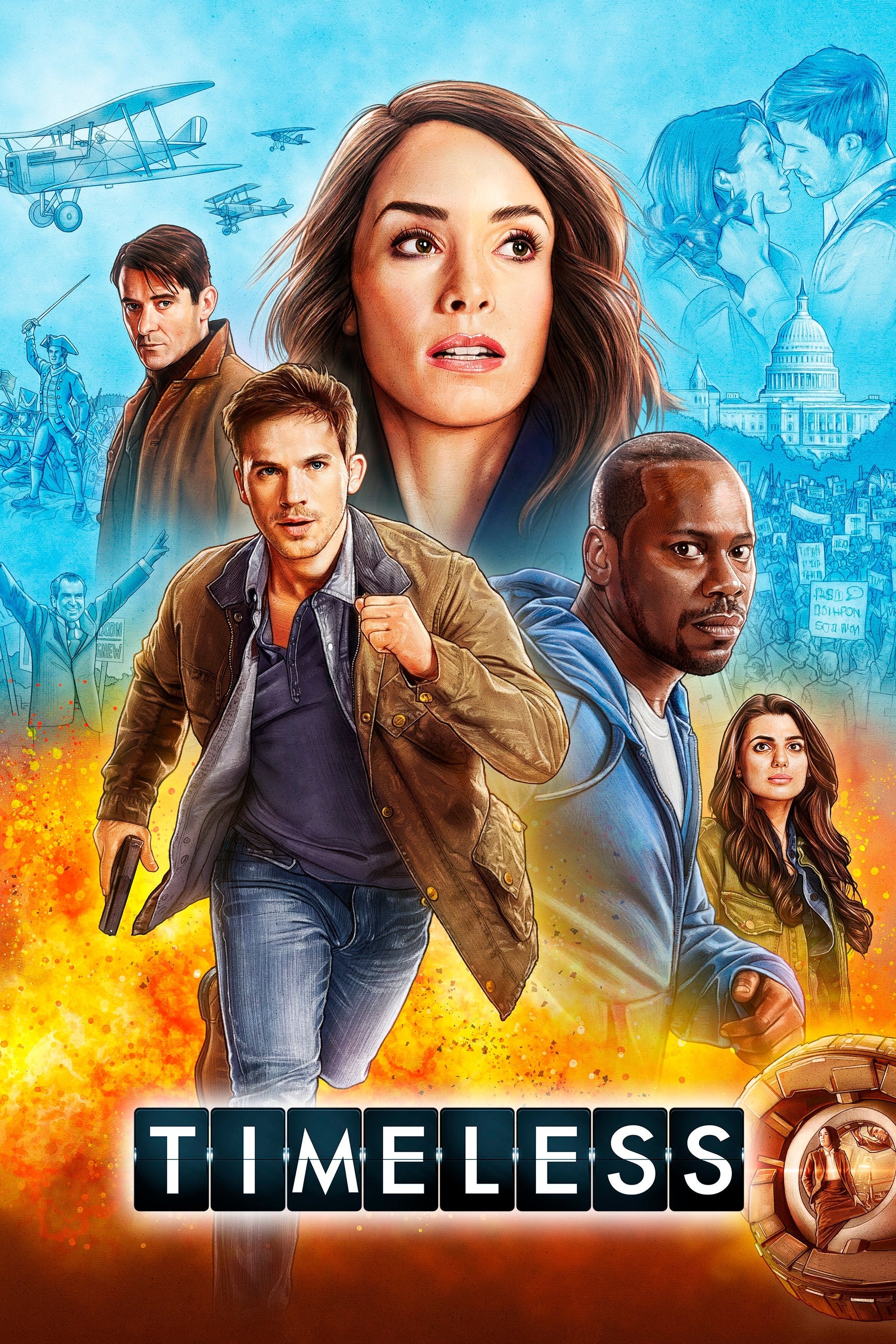
Three heroes journey through time to prevent a shadowy group from altering the past. The show was known for being more fun and action-packed than similar programs. While some reviewers felt the individual adventures were more exciting than the overarching story, dedicated fans repeatedly rallied to keep it on the air. Ultimately, the series ended with a two-part finale that resolved the main plot.
‘Orphan Black’ (2013–2017)
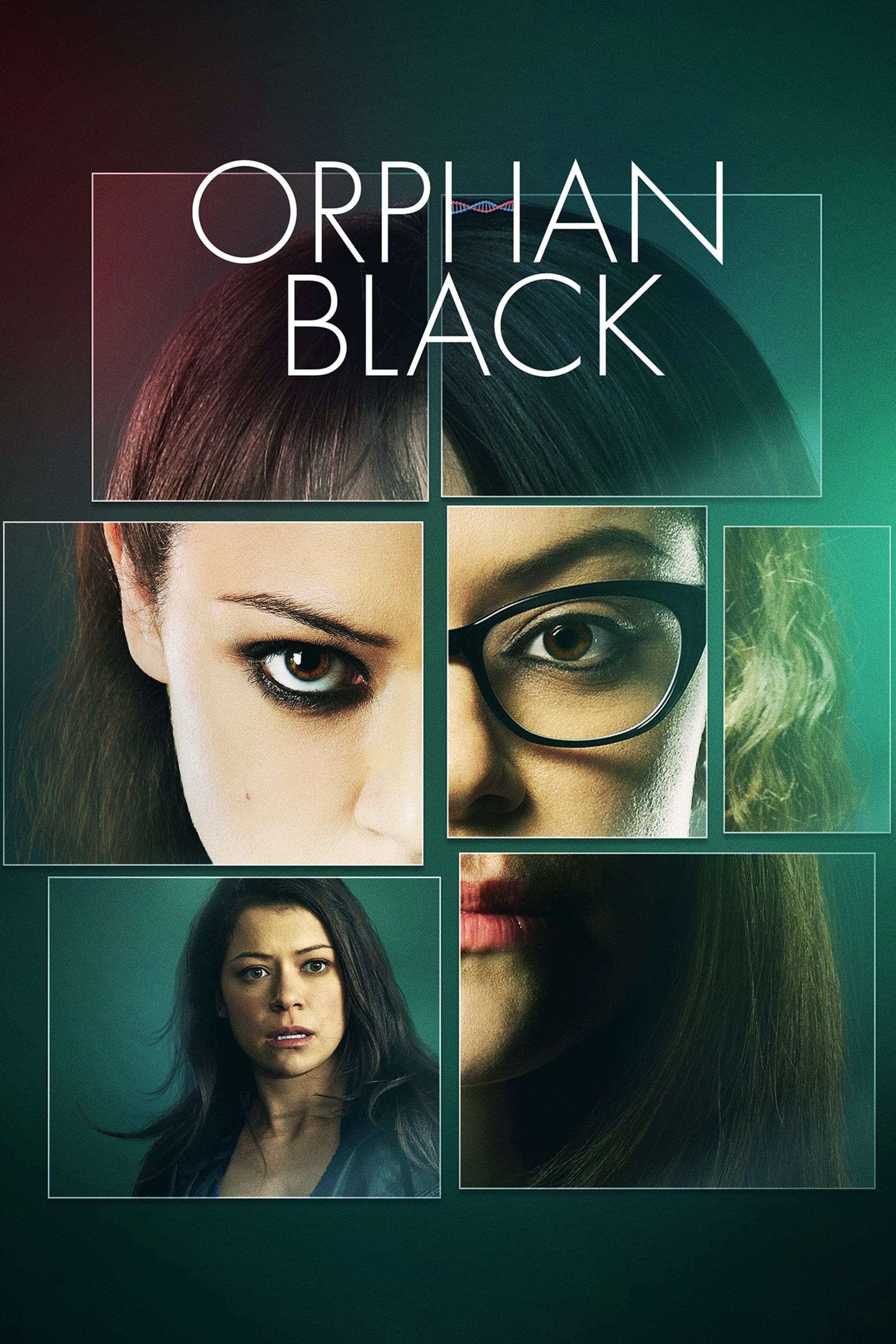
The series follows a woman who learns she’s one of many clones and dedicates herself to protecting her ‘sisters’ from a dangerous conspiracy. The actress who played the lead role was highly acclaimed for convincingly portraying several different versions of the same character. While the show was initially praised, some viewers found the complex corporate conspiracy storyline hard to keep track of as it developed. Critics also observed that the later seasons weren’t as focused or captivating as the earlier ones. Despite these issues, the show is still considered groundbreaking for its central performance and its thoughtful examination of identity.
‘Humans’ (2015–2018)
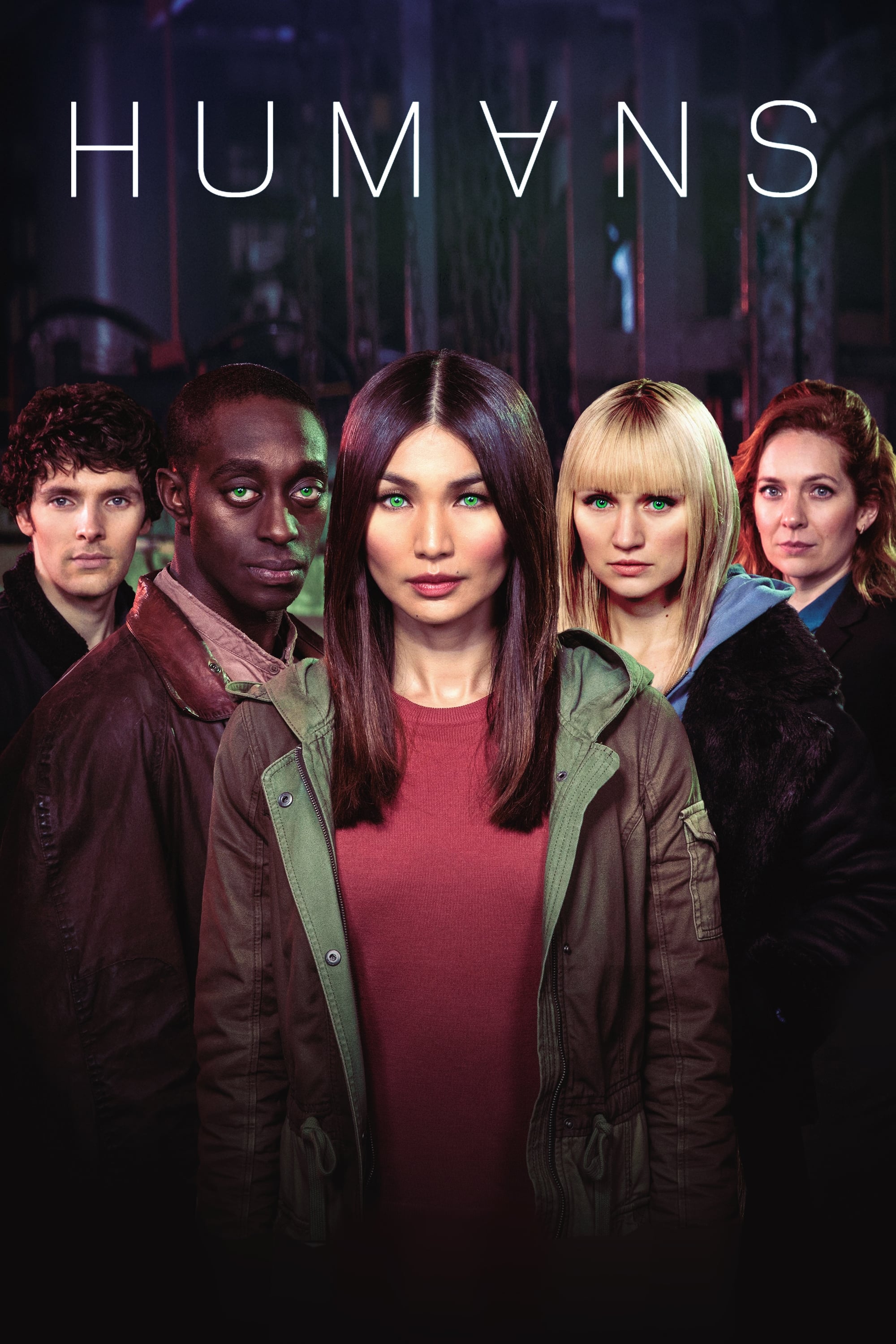
This show delves into how incredibly realistic robots, called Synths, affect people emotionally and socially. It received positive attention for its realistic take on artificial intelligence and the tough ethical questions it raised. However, some reviewers thought the story didn’t move quickly enough to keep viewers engaged throughout its three seasons, and others felt it didn’t stand out compared to other sci-fi shows exploring similar ideas. Unfortunately, the series was canceled before it could wrap up the major plot developments introduced in its final season.
‘Killjoys’ (2015–2019)
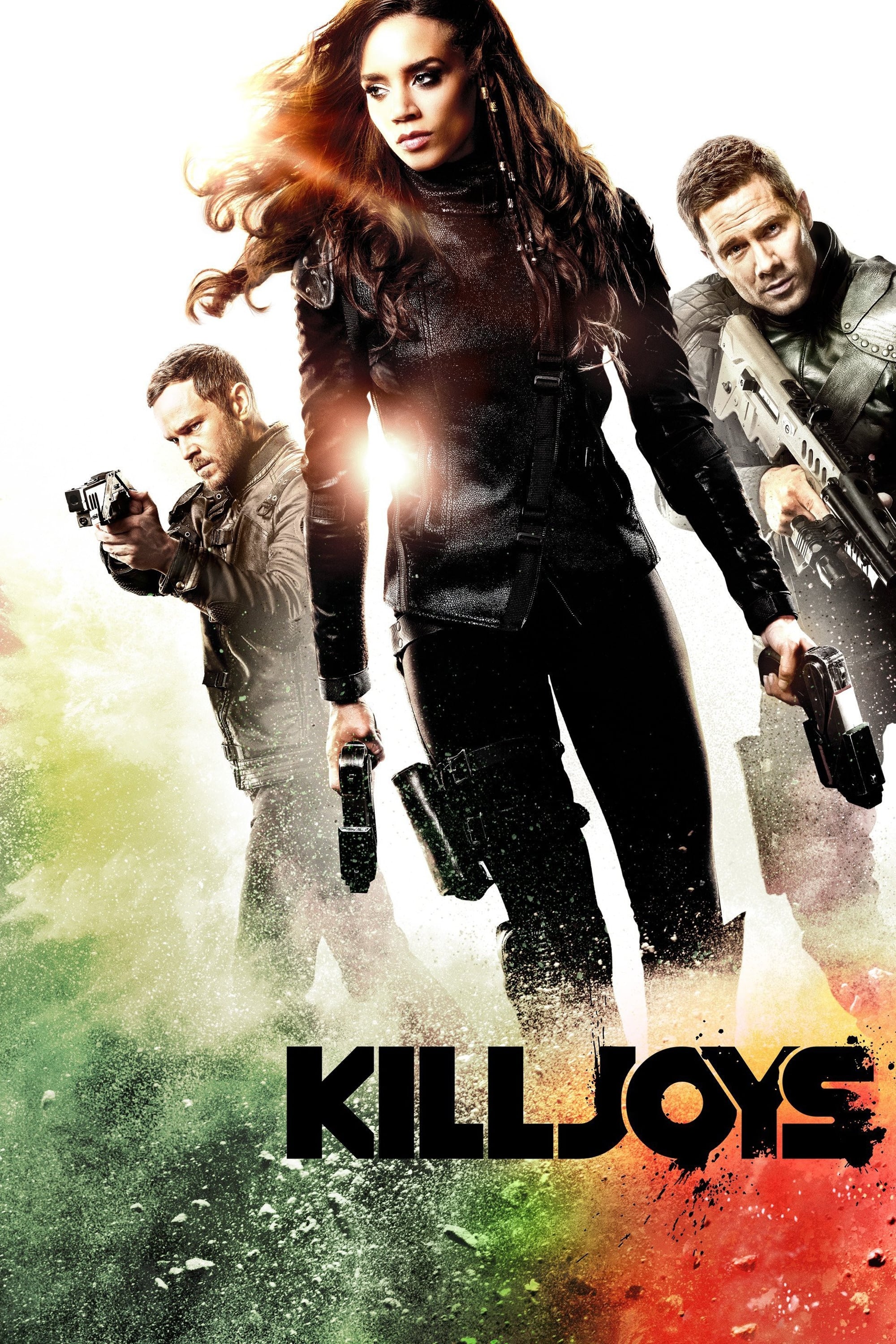
This sci-fi show follows three bounty hunters as they travel between planets, tracking down dangerous criminals. It was praised for being lighthearted and for the great connection between the main actors. While generally well-received, some viewers noticed the special effects and sets weren’t always top-notch due to budget constraints. The show began as a series of standalone episodes, but its storyline gradually evolved into a surprisingly intricate mythology. Ultimately, it wrapped up its five-season story in a satisfying way on its original network.
‘Continuum’ (2012–2015)
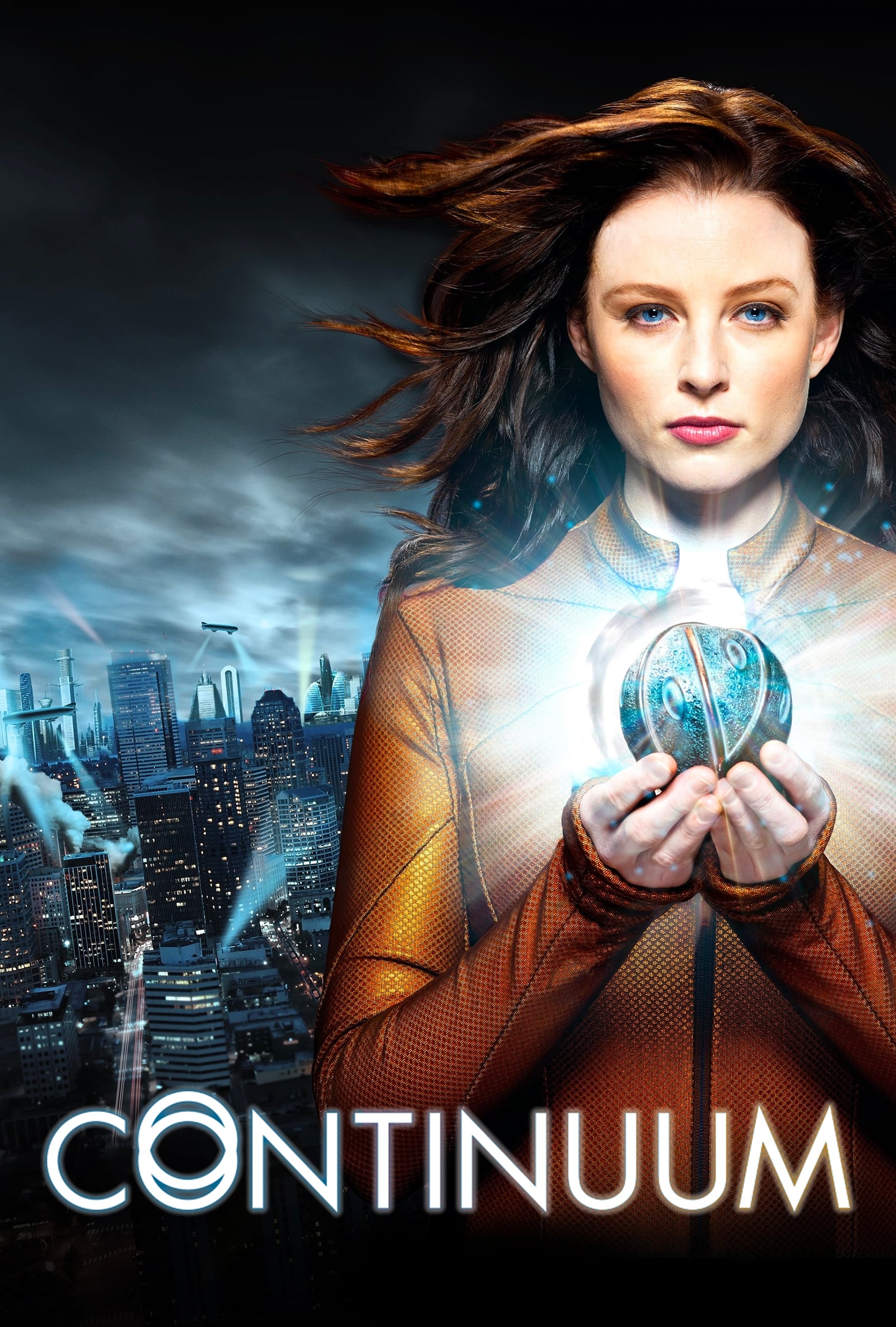
In 2077, a police officer is unexpectedly thrown back in time to the present day, along with a dangerous group of terrorists. She’s tasked with stopping them from altering the future, all while trying to figure out how to return to her own time. Some viewers felt the show’s political messages were a little too obvious, and critics pointed out that it didn’t always successfully blend its case-of-the-week format with its overall storyline. Ultimately, the show’s final season was cut short to wrap up the remaining plot threads.
‘Defiance’ (2013–2015)
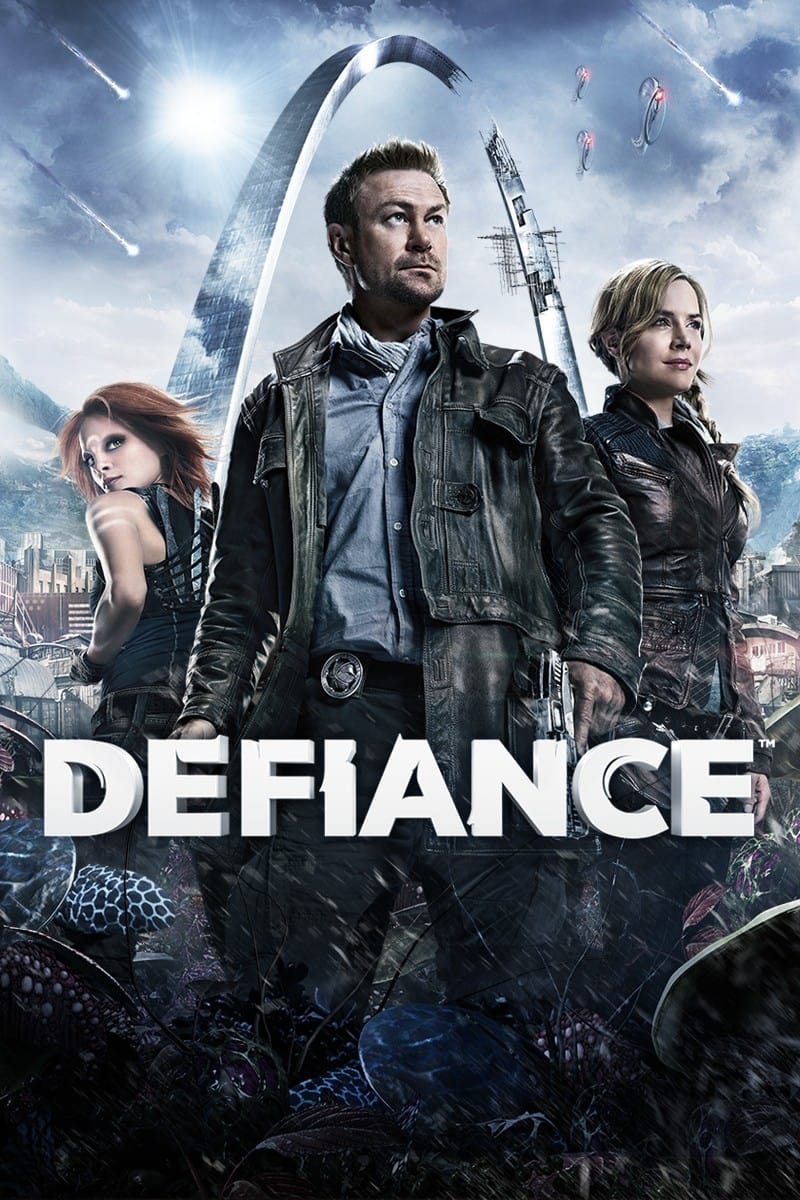
Following a major war, the series depicts humans and different alien species trying to live together on a changed Earth. It stood out because it was connected to a popular online video game. However, critics often found the writing to be unoriginal and felt it didn’t take full advantage of the detailed world it created. Some viewers also preferred the secondary characters to the main leads. Ultimately, the show ended after three seasons, coinciding with declining player numbers for the game itself.
‘Warehouse 13’ (2009–2014)
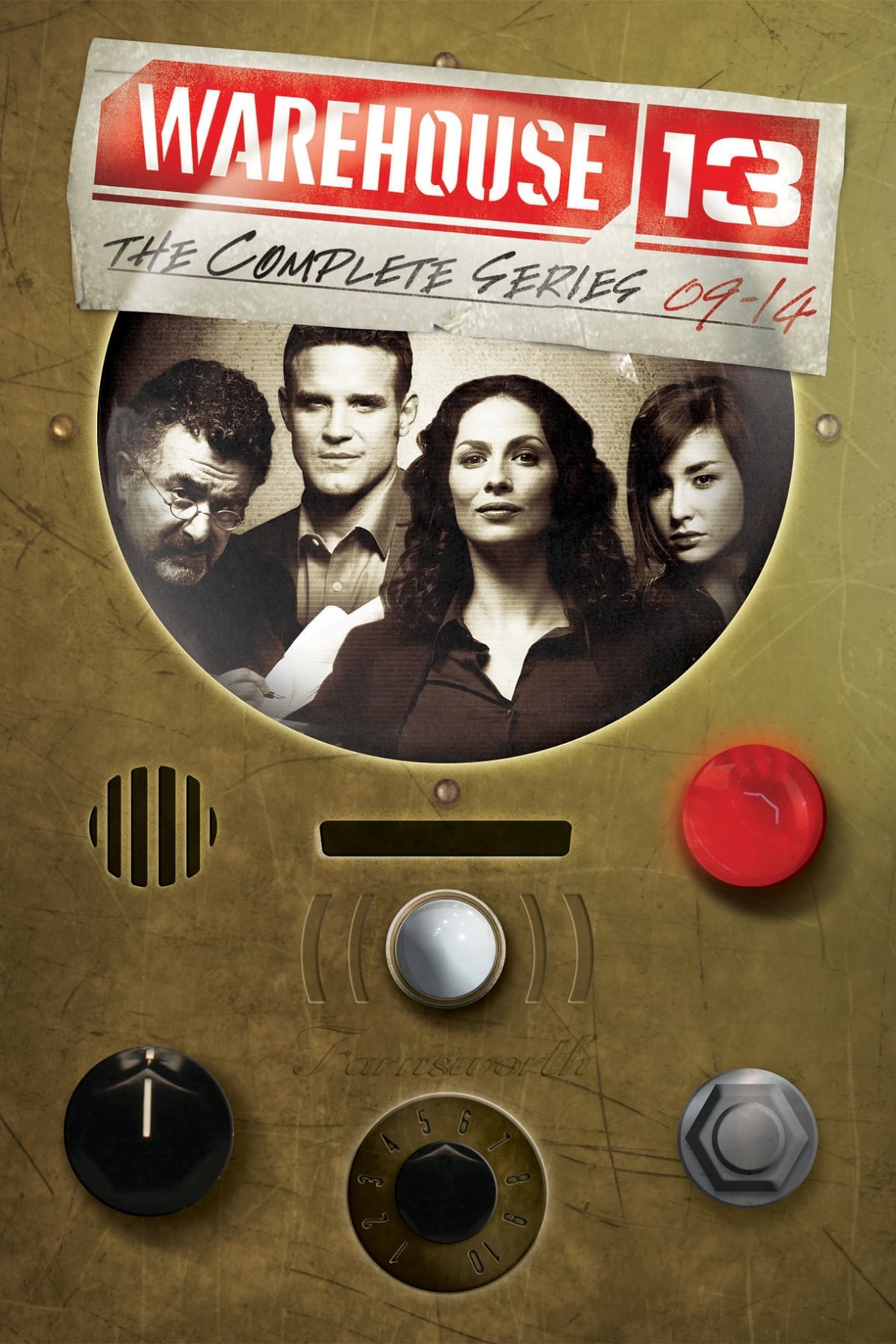
A team of Secret Service agents works at a hidden location storing strange and powerful objects – both supernatural and scientific. The show was very successful for its network, using a familiar case-of-the-week format. While some critics found it predictable and reliant on repeating the same basic plot, viewers generally enjoyed the cast’s dynamic. Though the show wasn’t always high-stakes, it’s still remembered as a lighthearted and entertaining example of science fiction on TV.
‘Eureka’ (2006–2012)
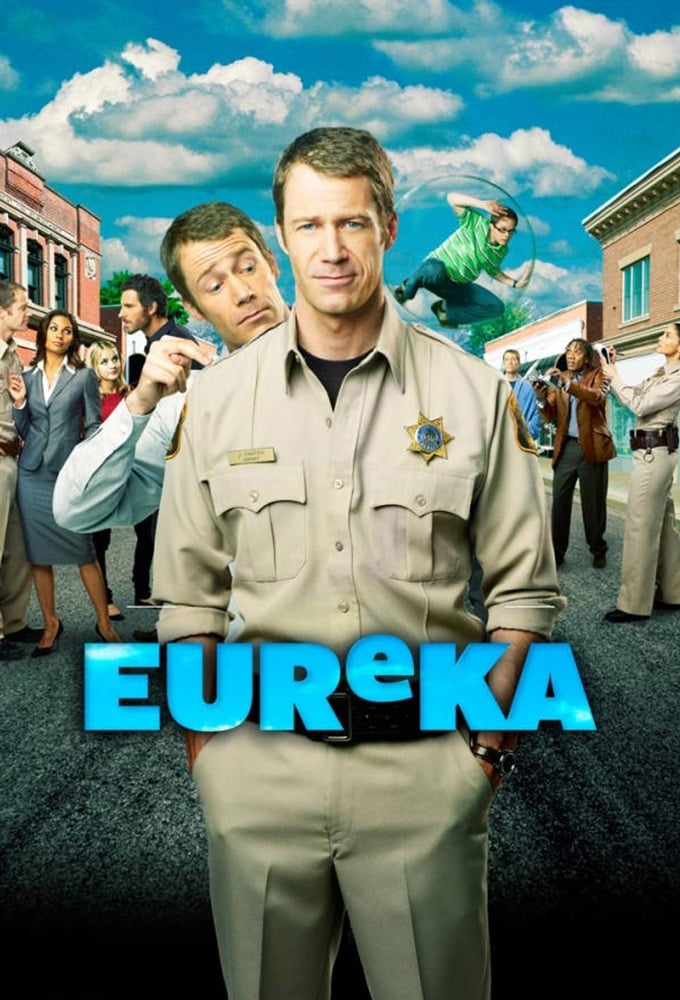
The show centers around a regular US Marshal who unexpectedly becomes sheriff of a town secretly filled with brilliant minds. It blended science fiction, comedy, and the charm of a small-town mystery. While entertaining, some critics thought the show prioritized its lightheartedness over building genuine tension. Over its five seasons, viewers also noted that the romantic storylines became predictable. The series ended on a positive note, focusing on the strong bonds within the town’s unique community.
‘Stargate SG-1’ (1997–2007)
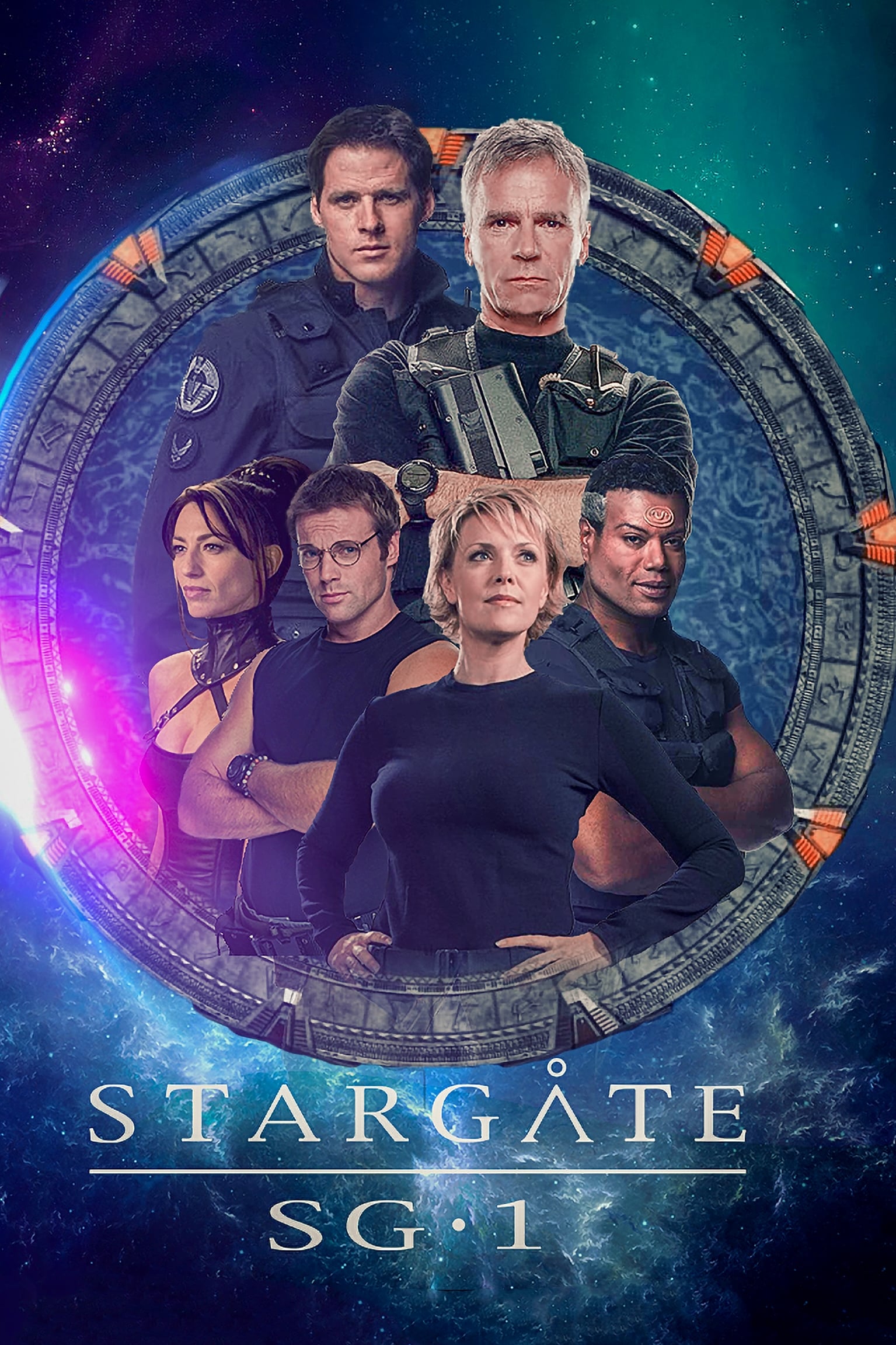
This long-running science fiction series follows a military team as they travel the galaxy using an ancient network of portals, protecting Earth from alien dangers. While it’s considered a classic and has a huge, detailed universe, some critics believe the show continued for too long after its best years. Fans have also pointed out that the later cast changes affected the show’s chemistry.
‘Farscape’ (1999–2003)
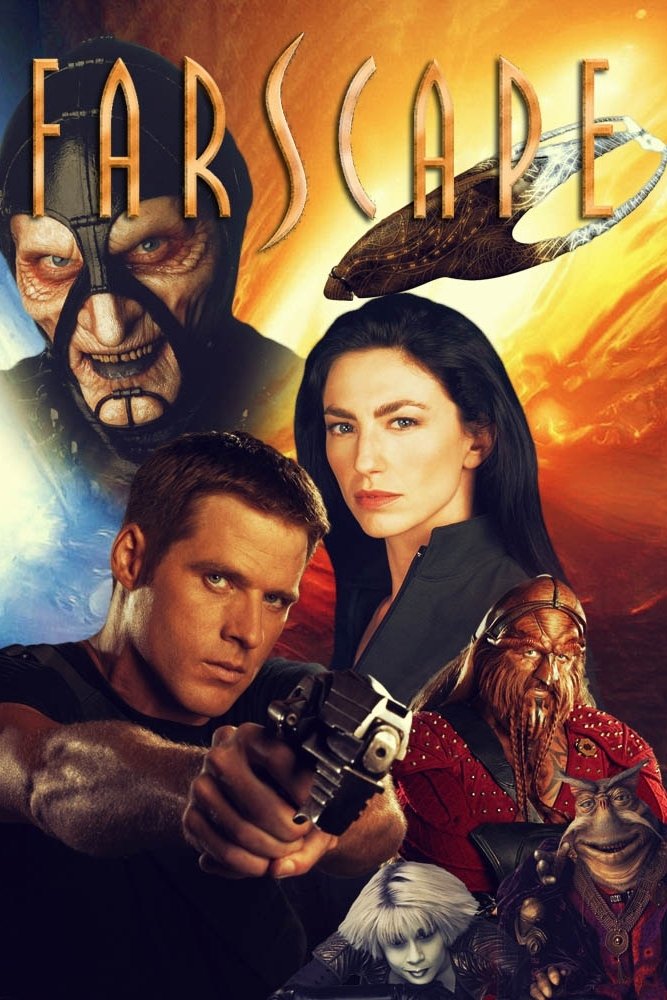
An American astronaut unexpectedly travels across the universe and teams up with alien rebels who live on a sentient ship. The show was known for its impressive use of puppets and animatronics created by the Jim Henson Company. While some critics found it too unusual for a wide audience, viewers were stunned when the show ended abruptly after four seasons, leaving the story unfinished. Eventually, a short series was made to provide a proper conclusion.
‘Sliders’ (1995–2000)
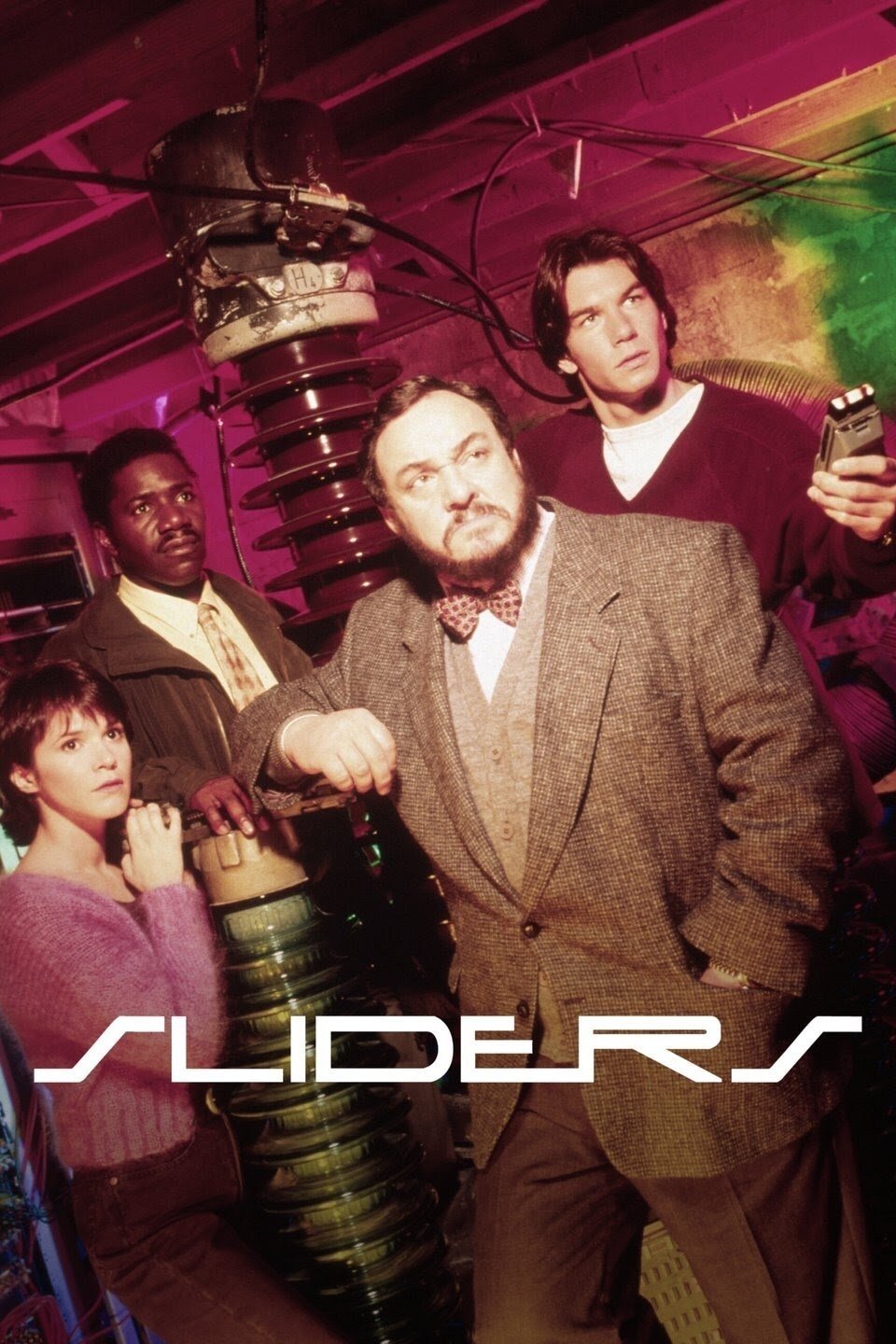
The show follows a team who travel between alternate versions of Earth using a special portal. While it began strong, the series went through many changes, including cast members leaving. Many critics feel the show declined in quality when it centered on one main alien enemy. Some fans also believe the later seasons, which aired on a different network, didn’t capture the magic of the original idea. It’s often pointed to as an example of a show negatively impacted by too much meddling from the studio.
‘Quantum Leap’ (1989–1993)
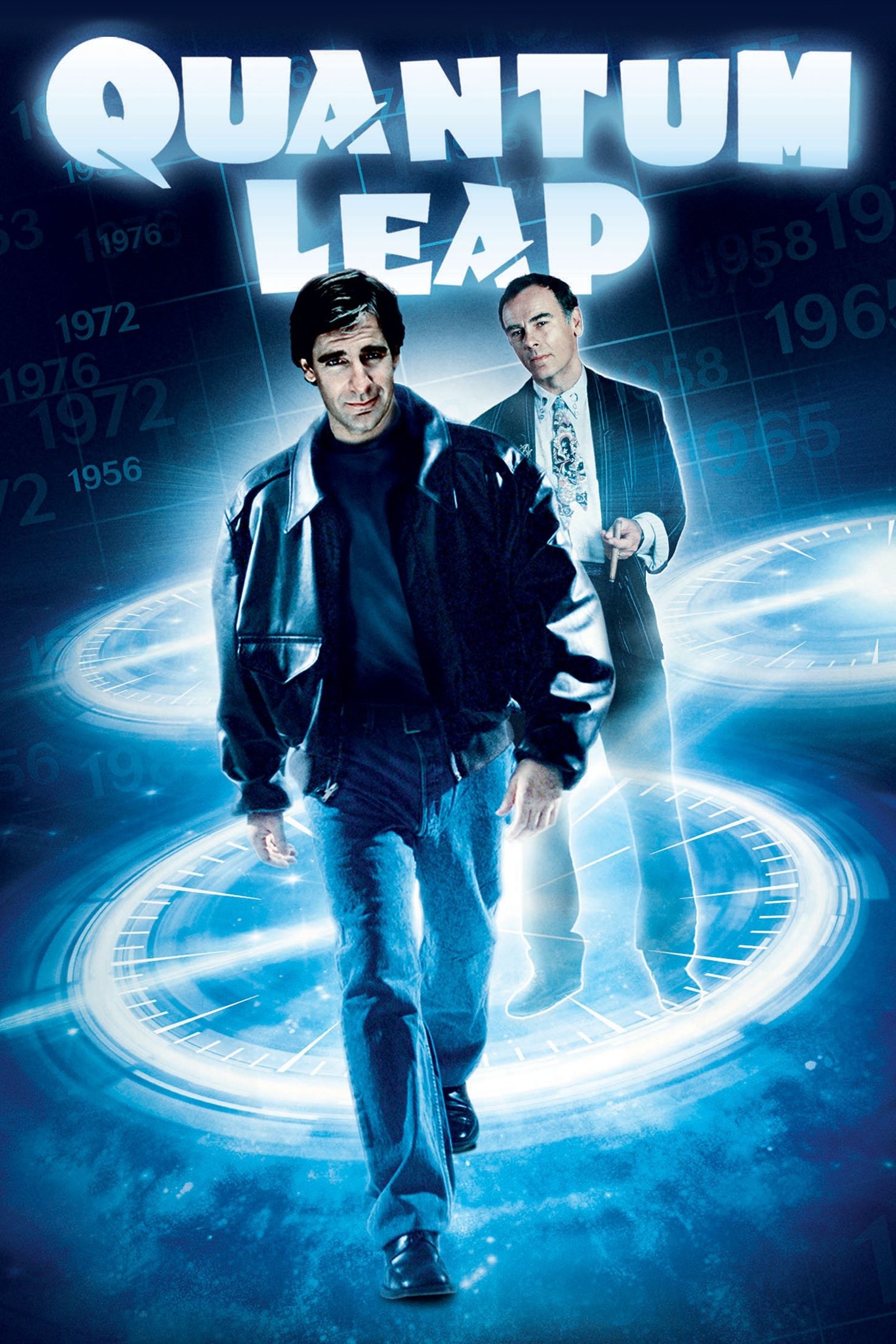
I was totally hooked on this show about a scientist who could jump into the bodies of people from the past! It wasn’t just sci-fi, though – each episode really focused on the human stories and important social issues of the time. Sometimes it felt like the cool time-travel stuff took a backseat to the moral of the story, which some critics pointed out. I remember being really bummed out by the original finale – it was pretty downbeat. But I was excited to hear they were bringing it back recently, hoping to introduce the idea to a new audience!
‘Andromeda’ (2000–2005)
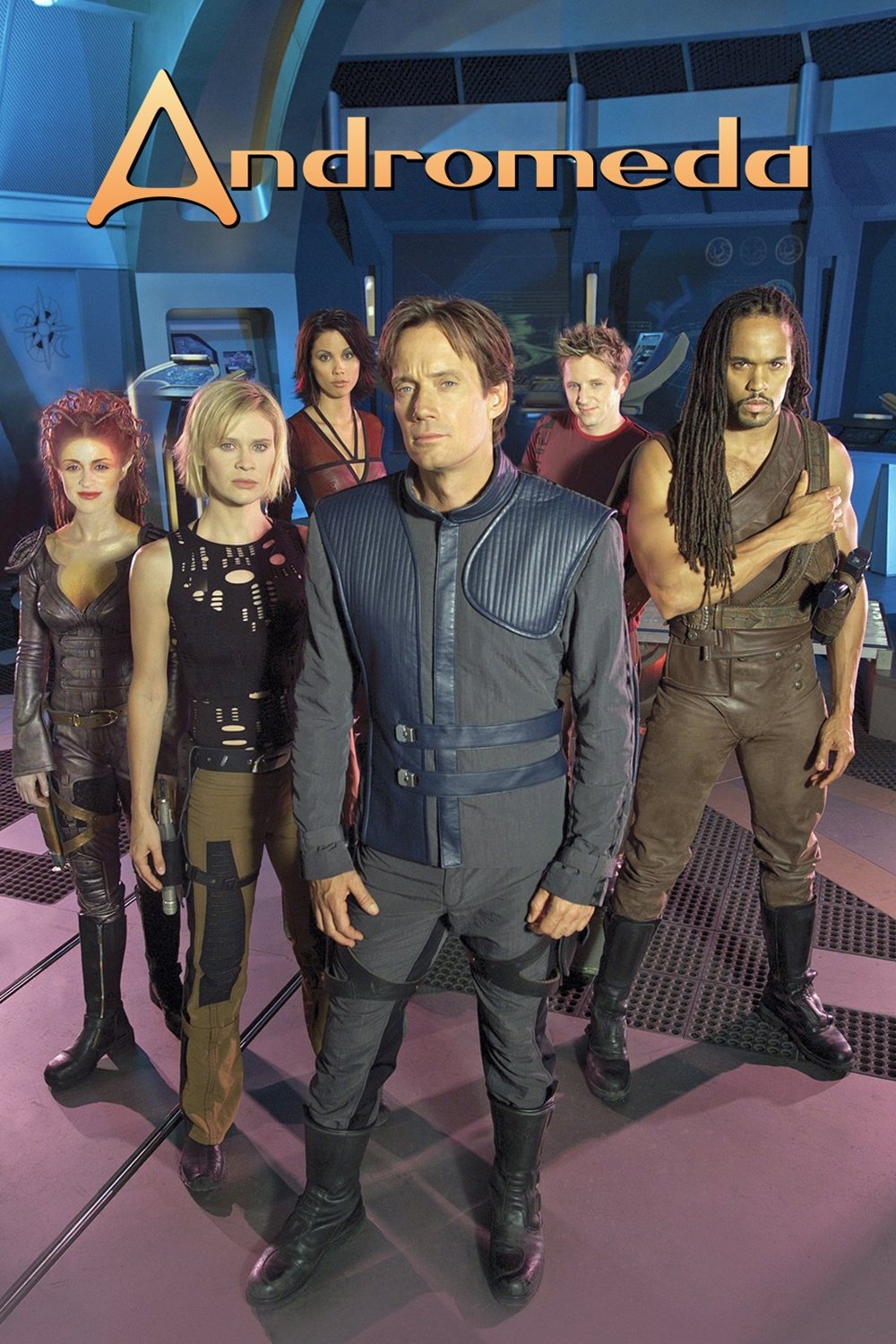
Inspired by ideas from the creator of Star Trek, this show centers on a starship captain’s quest to rebuild a once-great galactic empire. While it began with a strong plan, the series shifted direction after the first executive producer left. Many reviewers believed the show increasingly focused on showcasing the lead actor, especially in its later seasons. Some viewers were disappointed by the show’s limited budget and found the action sequences to be too similar. Ultimately, the show concluded after five seasons with a confusing finale.
‘Roswell’ (1999–2002)
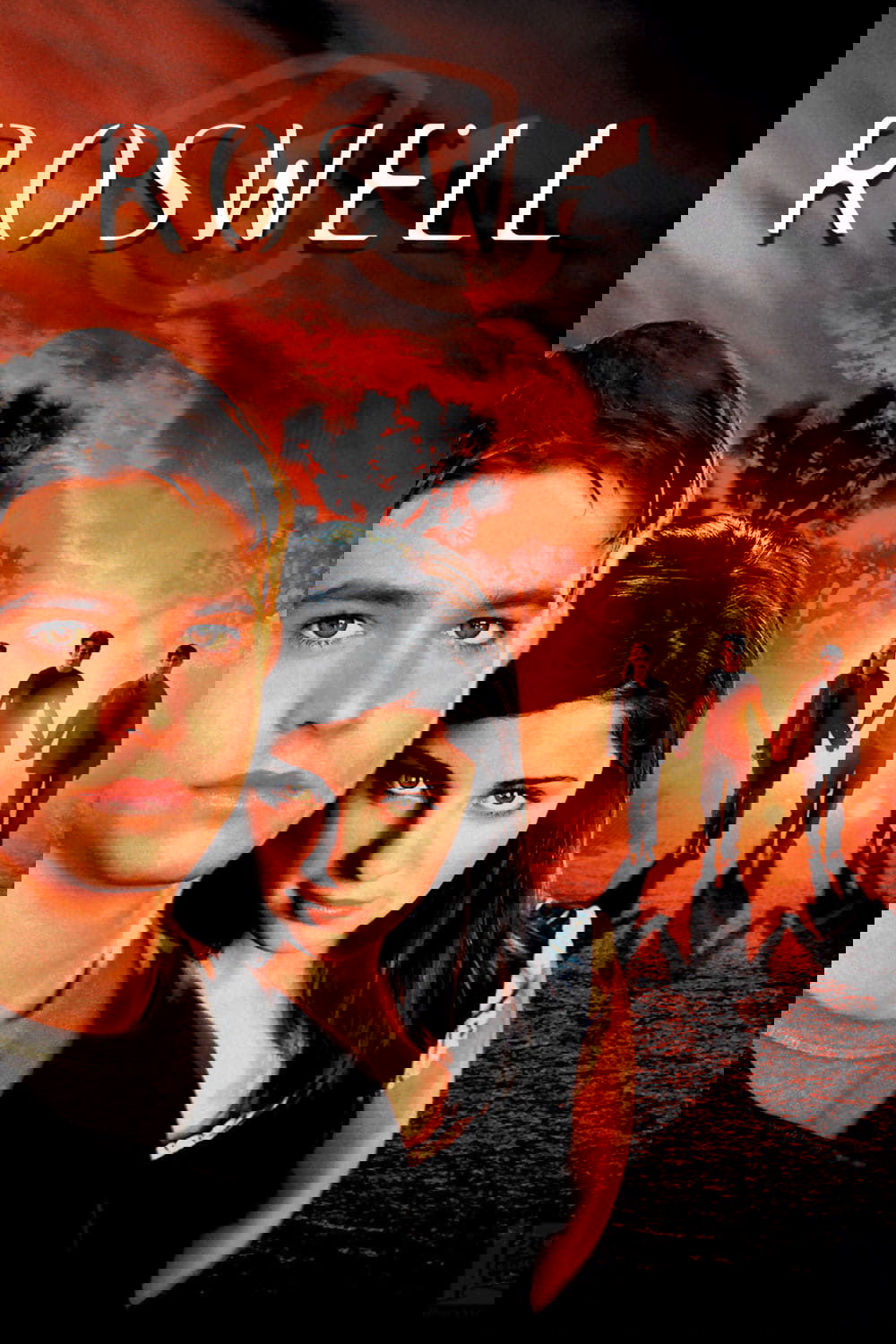
This show follows three alien teenagers attempting to blend in at high school in New Mexico while keeping their true identities hidden. It was a blend of sci-fi and typical teen drama, popular at the time. While some critics thought it focused too much on romantic storylines and not enough on the aliens’ origins, it’s still fondly remembered by fans of early 2000s TV. During its original run, viewers often worried it would be cancelled.
‘Smallville’ (2001–2011)
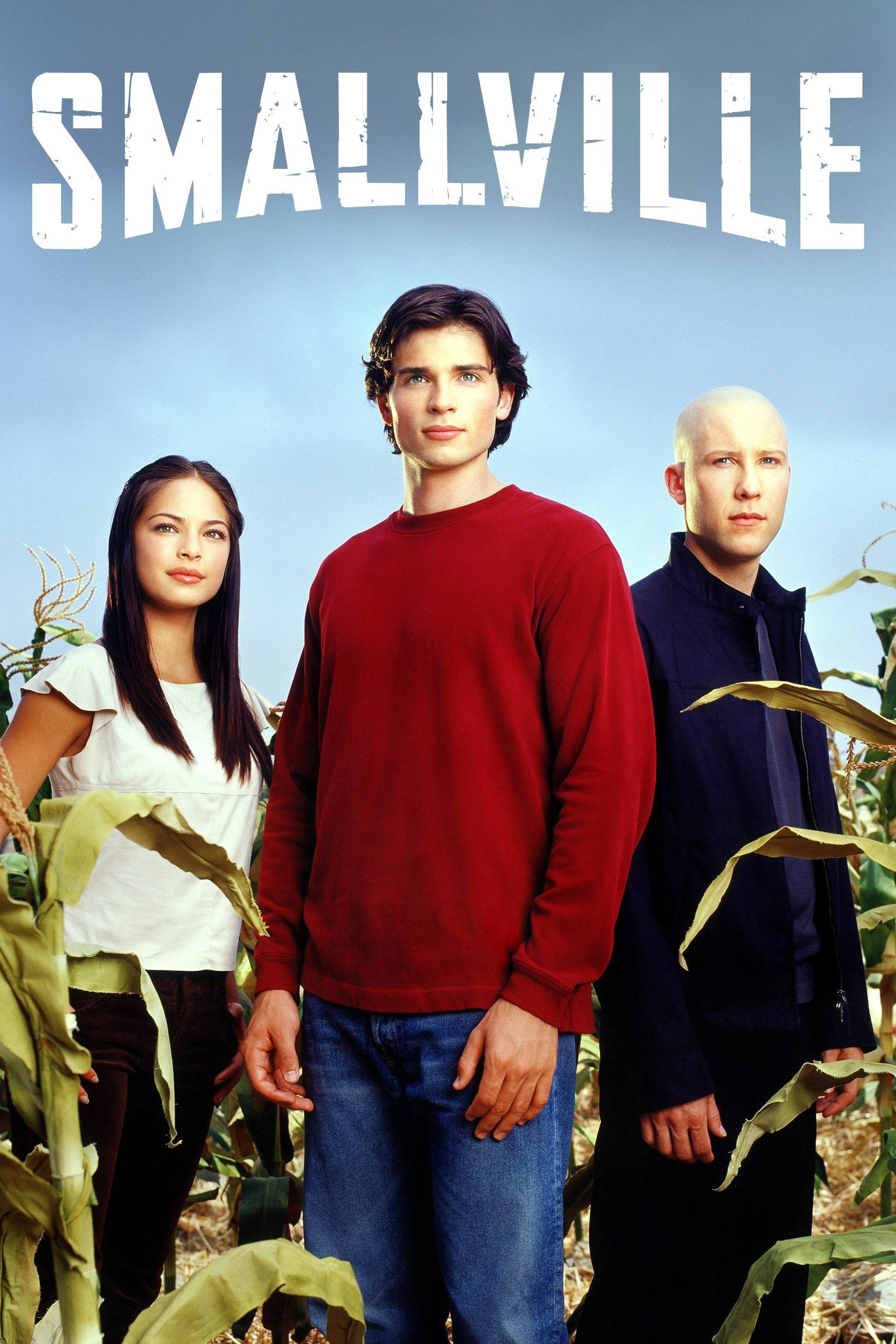
This show follows the early life of Clark Kent, before he becomes Superman. Running for ten seasons, it was a pioneer for the recent surge in superhero TV series. While popular, some viewers found the show’s restriction of not letting Clark fly or wear the Superman costume became repetitive. Critics also pointed out that the show often reused similar storylines and villain types, especially during its middle seasons. However, the series eventually leaned more into its comic book origins as it went on.
‘V’ (2009–2011)
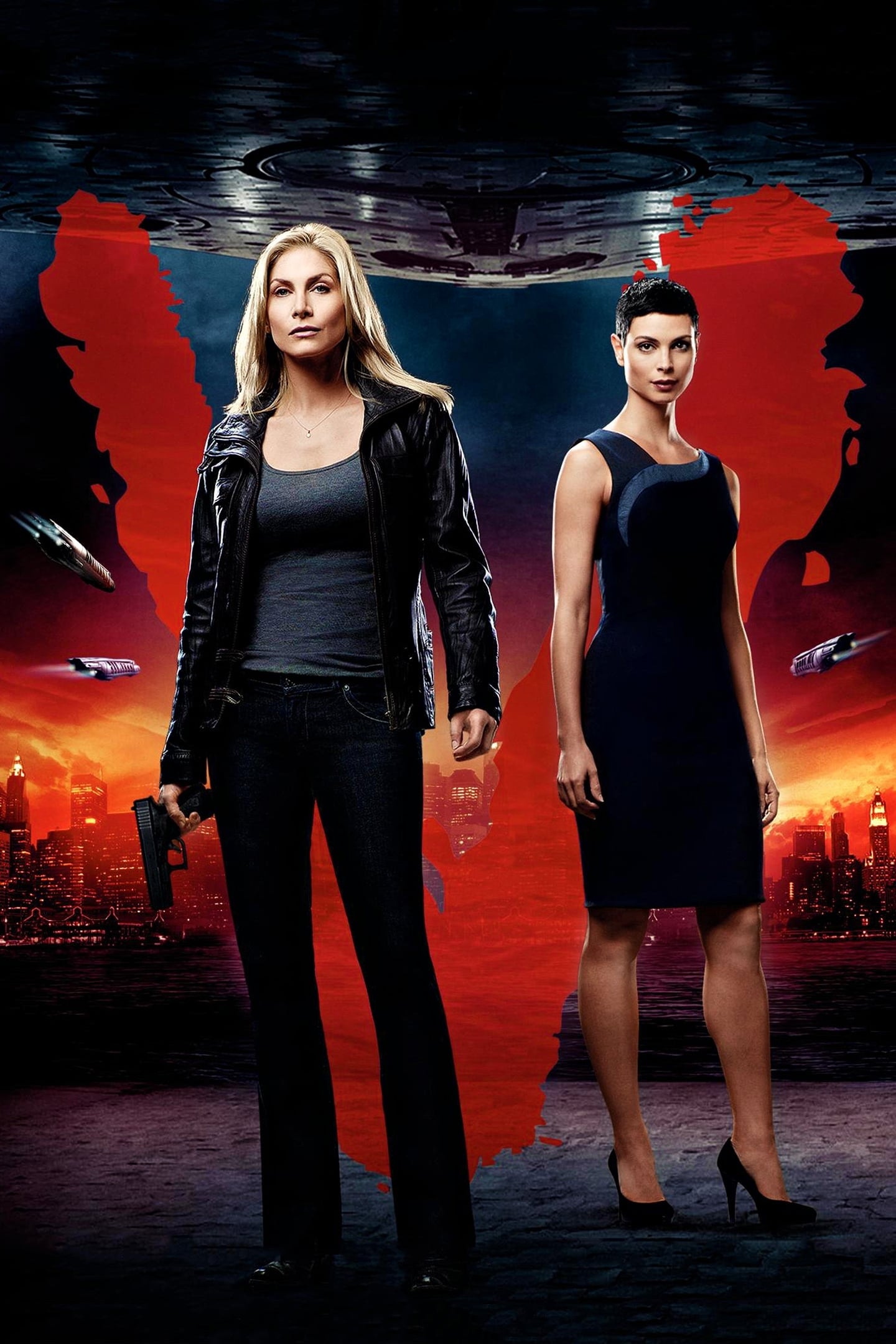
This show is a remake of a classic 1980s series, centered around aliens who appear friendly but are hiding a sinister plan. While the acting was good and the show looked impressive, it didn’t attract a large audience. Critics thought the story moved too slowly at times and that the human characters weren’t as interesting as the aliens. Some viewers were also bothered by the noticeable special effects. Ultimately, the show was canceled after two seasons, leaving some storylines unresolved.
‘Terra Nova’ (2011)
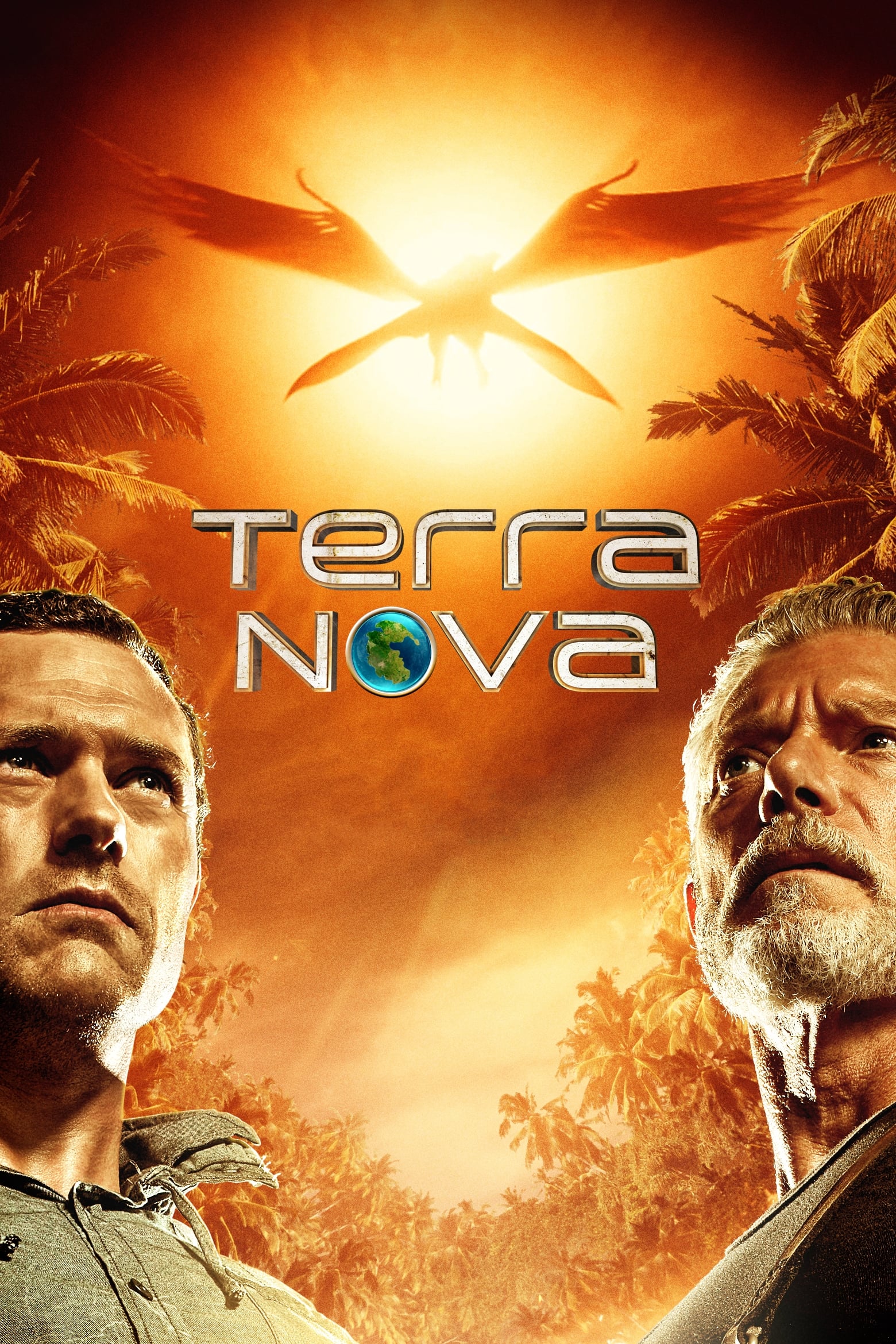
This show followed a family who journeyed from a bleak future to prehistoric Earth hoping to build a new life. Despite being a big-budget production with Steven Spielberg’s involvement, it didn’t quite live up to expectations. Many critics found it resembled a typical family drama, and didn’t make the most of its exciting dinosaur backdrop. Some fans were also frustrated that the show didn’t explore the intriguing science fiction possibilities of time travel enough. Ultimately, it was canceled after one season because it was expensive to make and viewership dropped.
‘Flashforward’ (2009–2010)
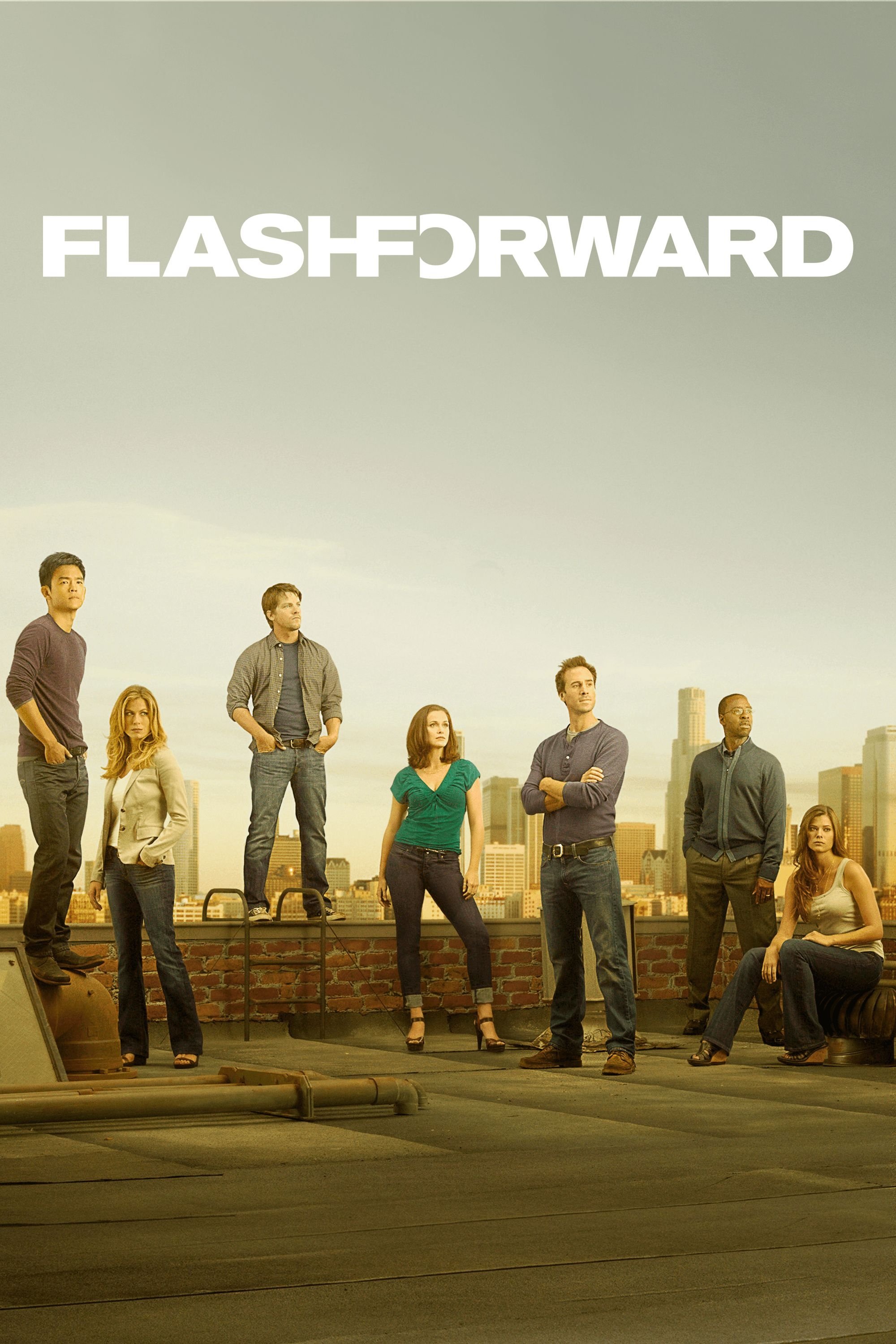
For two minutes, everyone on Earth simultaneously lost consciousness and experienced a vision of their life six months ahead. The show was heavily promoted as a successor to ‘Lost,’ promising a complex mystery and a large cast of characters. However, many critics found the storyline lost momentum and couldn’t keep the initial suspense going. Some viewers also had trouble connecting with the main character. Ultimately, the show was canceled after just one season, leaving viewers with an unresolved cliffhanger.
‘The OA’ (2016–2019)
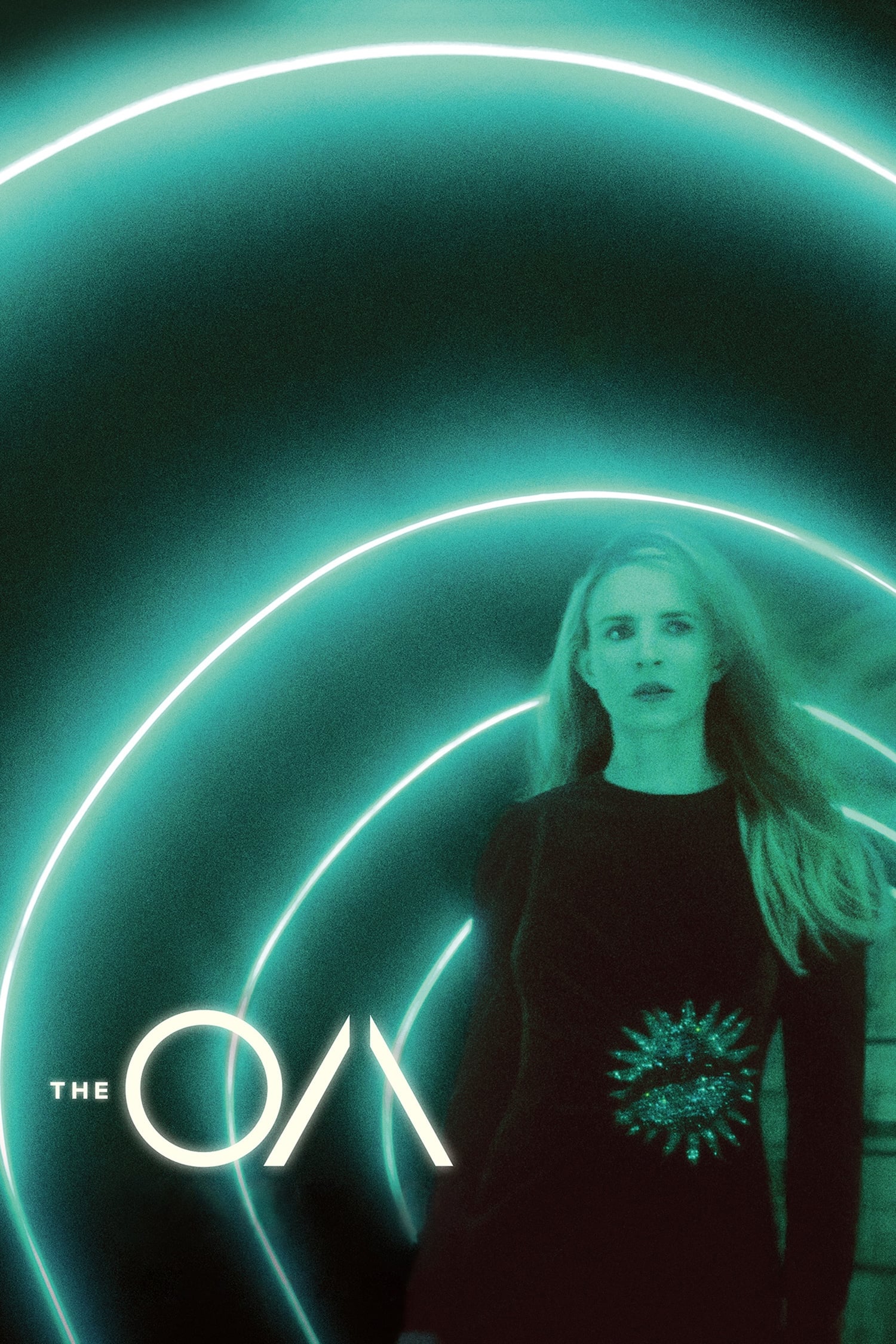
After vanishing for seven years, a woman returns with her vision restored and a puzzling account of what happened. The show she’s at the center of was known for its unusual storytelling and use of dance. While some critics thought it was overly ambitious and confusing, others became fascinated by its intricate world-building and were upset when it was abruptly ended. It’s still considered a highly discussed and unconventional piece of science fiction.
Let us know in the comments which science fiction show you think doesn’t live up to the hype!
Read More
- Invincible Season 4 Gender Swaps Tech Jacket As Fans Question Major Comic Change
- Building Agents That Learn and Improve Themselves
- Gold Rate Forecast
- Superman Flops Financially: $350M Budget, Still No Profit (Scoop Confirmed)
- Silver Rate Forecast
- Games That Faced Bans in Countries Over Political Themes
- Trading Crypto with AI: A New Approach to Portfolio Management
- Unveiling the Schwab U.S. Dividend Equity ETF: A Portent of Financial Growth
- 22 Films Where the White Protagonist Is Canonically the Sidekick to a Black Lead
- 15 Films That Were Shot Entirely on Phones
2026-02-04 00:51