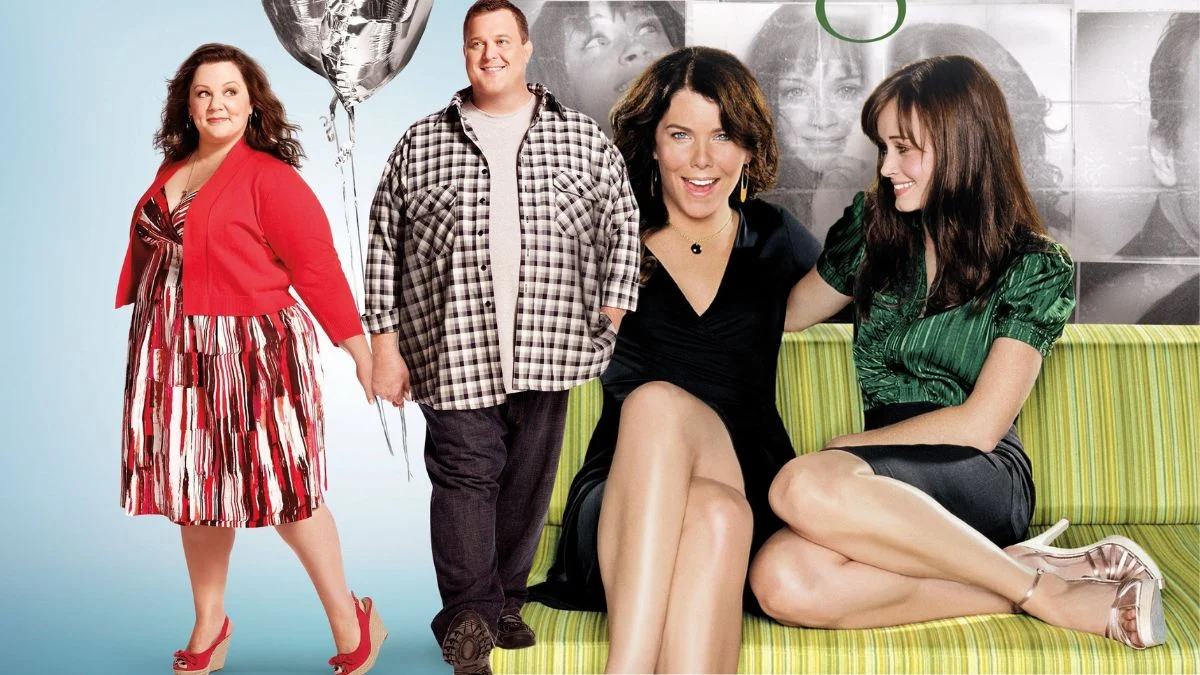
Throughout television history, many comedies have become huge hits, capturing the public’s attention and sparking widespread discussion. However, just because a show is popular doesn’t mean it’s considered a classic or critically acclaimed. Often, these shows depend on predictable storylines, forced laughter, or characters that don’t change much. When we rewatch them now, it’s easy to see weaknesses that weren’t noticed when they first aired. The series discussed below were incredibly successful, but are often debated as being overrated.
‘The Big Bang Theory’ (2007–2019)
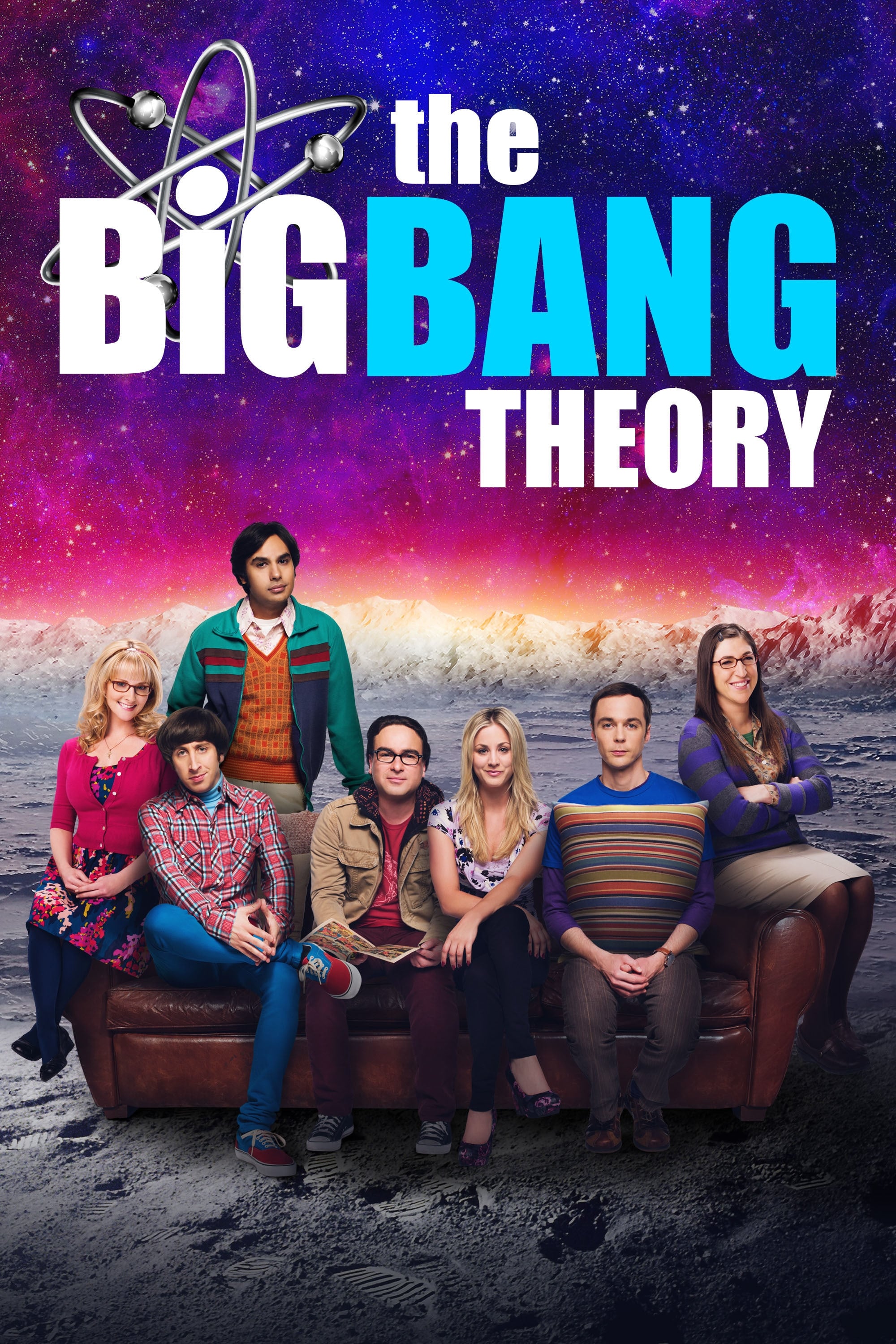
The show was a huge success, focusing on a group of nerdy scientists and their actress neighbor. However, it’s often criticized for relying too much on stereotypes about geek culture and for its frequent use of canned laughter. Over its twelve seasons, many viewers felt the characters didn’t grow much and the jokes became repetitive. There’s also been criticism lately about how the show used characteristics often associated with neurodiversity purely for laughs. Despite being very popular, the show still sparks debate among fans of sitcoms.
‘Friends’ (1994–2004)
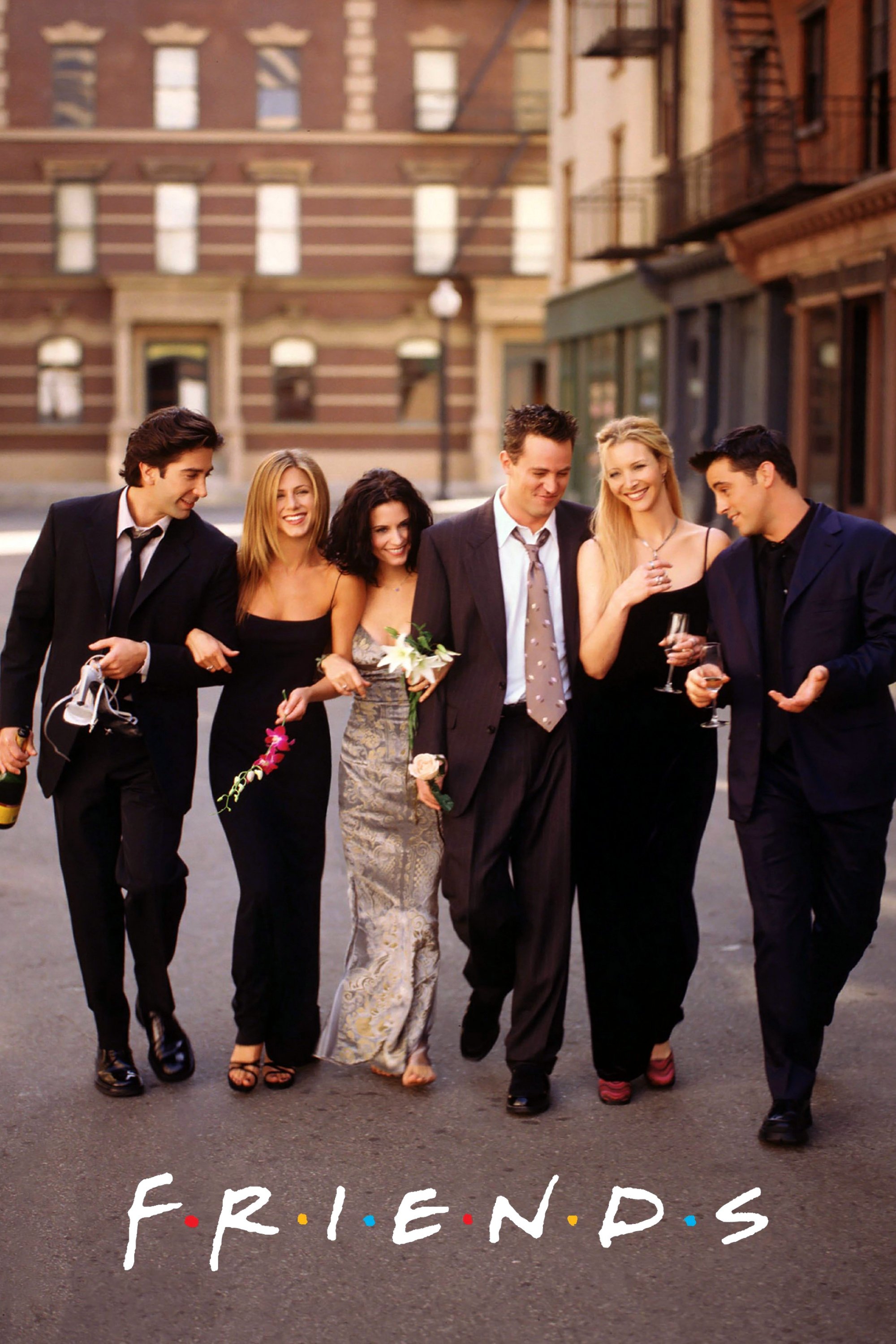
This popular 1990s sitcom follows the lives and loves of six friends in New York City. Though it still has a large and devoted audience worldwide, some modern viewers find it lacking in diversity and point out jokes that haven’t aged well. The on-again, off-again relationship between Ross and Rachel is now often seen as unhealthy instead of romantic, and many of the show’s jokes about gender and body image feel outdated. Today, it’s more often enjoyed as a familiar comfort show than a groundbreaking comedy.
‘How I Met Your Mother’ (2005–2014)
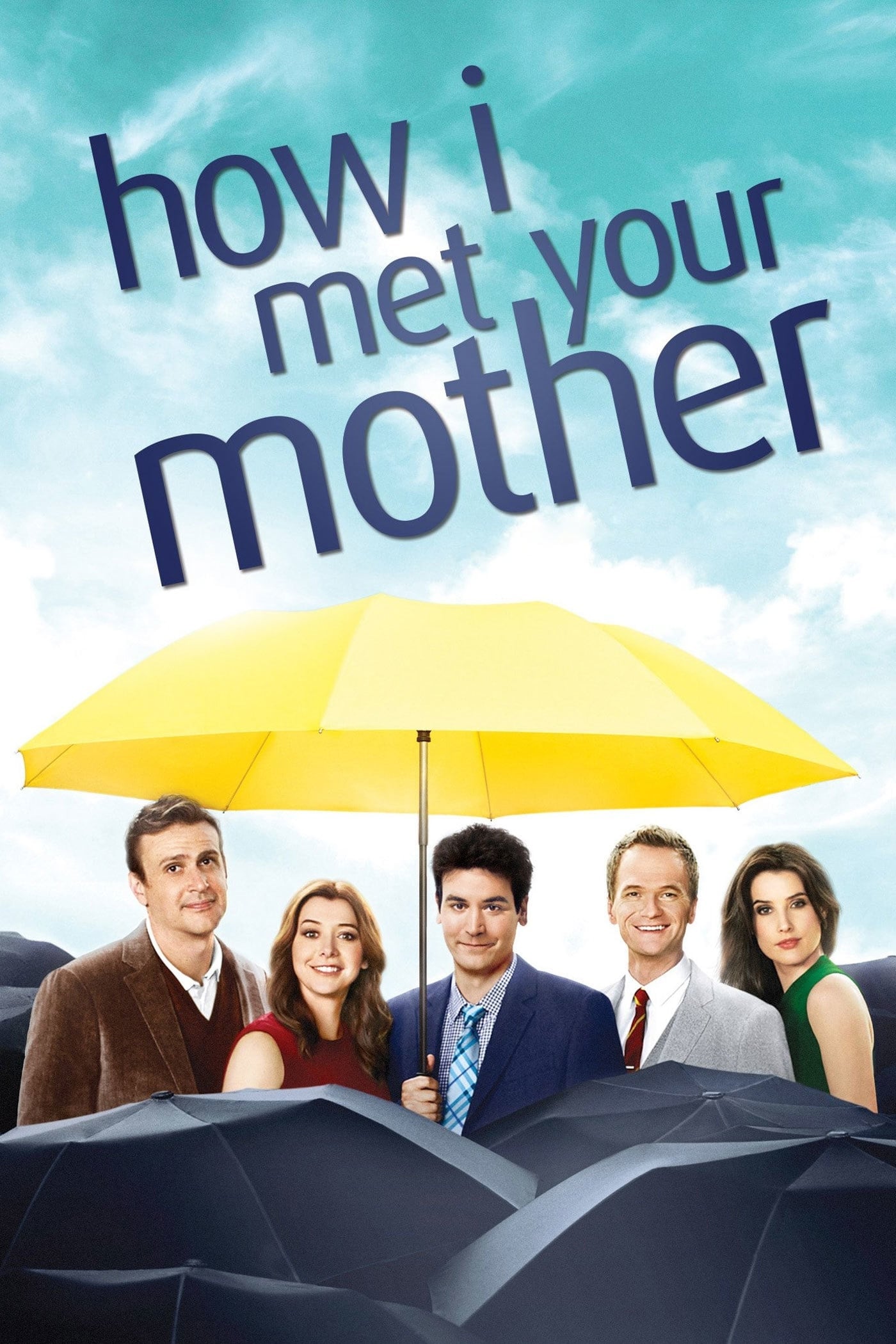
This sitcom follows Ted Mosby as he tells his children the long story of how he met their mother. While the show built a loyal fanbase, it’s remembered for a controversial series finale that many felt reversed years of character development. Ted is often seen as an unreliable and self-centered storyteller, frequently fixated on finding a partner. One of the show’s characters, Barney Stinson, is now criticized for behavior that comes across as predatory despite being presented as charming. Many viewers feel the show’s ending didn’t live up to the nine seasons they invested in it.
‘Two and a Half Men’ (2003–2015)
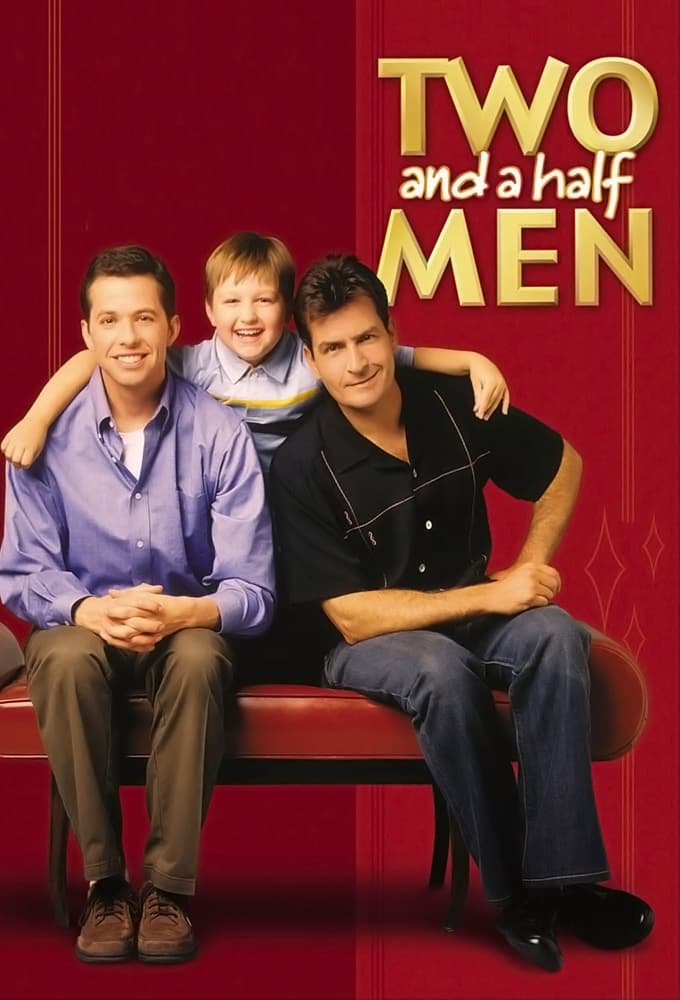
This series, popular for many years, centers on a self-indulgent songwriter whose life is turned upside down when his brother and nephew come to live with him. The show’s humor heavily relies on suggestive jokes and outdated, negative portrayals of women, without offering much meaningful content. Behind the scenes, disagreements among the cast and crew became more prominent than the storylines themselves. A change in the main actor later on emphasized how similar each episode really was. Ultimately, the show is a good example of a program that achieved high ratings by focusing on quick, simple jokes rather than complex or thoughtful storytelling.
‘Family Guy’ (1999–Present)
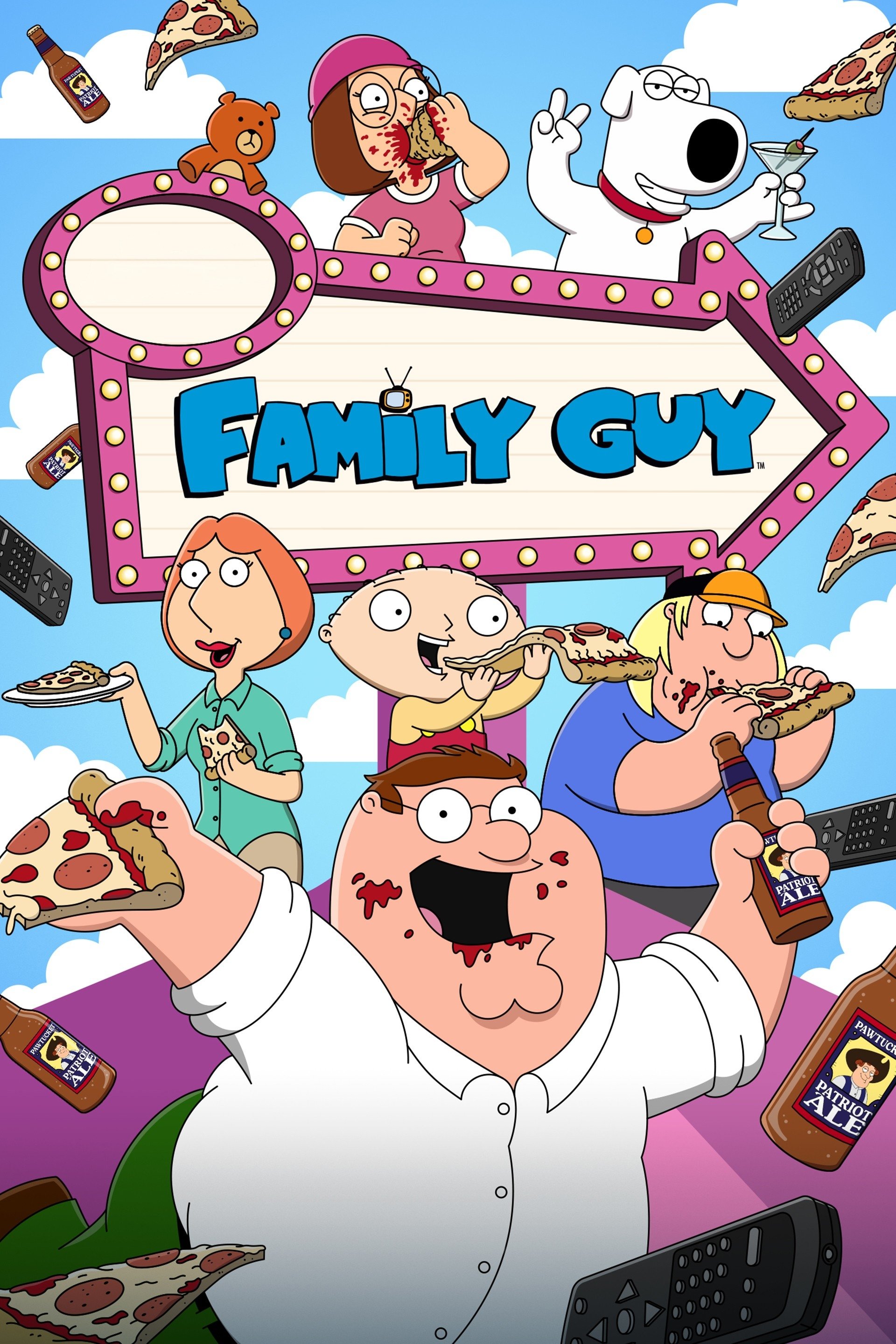
Family Guy, starring Peter Griffin and his unusual family, follows their chaotic misadventures in the town of Quahog, Rhode Island. The show is known for its random, often unrelated, cutaway jokes. While some find it funny, many critics believe the show relies too much on shocking humor and outdated stereotypes, sacrificing clever writing and a good story. Over time, the characters have become less likable without offering any meaningful commentary or purpose. Compared to earlier animated shows, it often falls short in creating genuine emotional connections with viewers.
‘Glee’ (2009–2015)
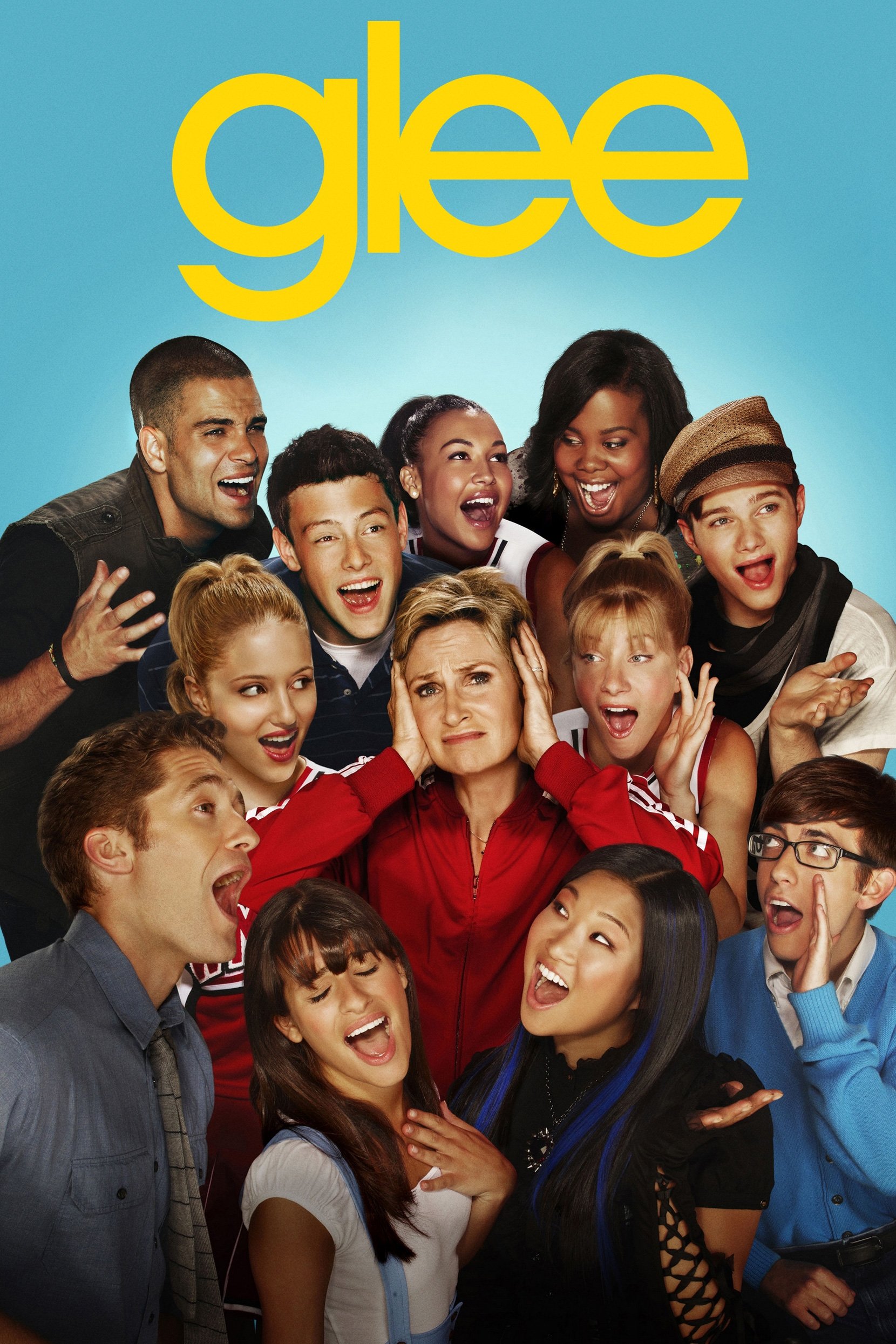
A Spanish teacher at a high school tries to build a winning show choir from a group of unlikely students. While the first season was well-received, the show’s writing quality declined in later seasons. Fans became frustrated with plot holes and storylines that were never resolved. The show frequently addressed important social issues, but often felt like it was lecturing the audience instead of offering meaningful commentary. Despite strong musical performances, the characters’ stories became increasingly confusing and illogical.
‘2 Broke Girls’ (2011–2017)

I remember this sitcom about two waitresses trying to start a cupcake business in Brooklyn. Honestly, it got a lot of criticism right away, and deservedly so. It relied way too much on really broad, and frankly offensive, racial stereotypes, and the humor felt cheap and crude. Almost every character besides the two leads was just a cartoon – a one-note joke meant to get a quick laugh. The writers seemed more interested in suggestive jokes than in actually building interesting characters or a compelling story. It ran for a while, but it’s never really considered one of the greats of the sitcom world, and I can see why.
‘Emily in Paris’ (2020–Present)

A marketing executive from Chicago gets her ideal job in Paris and starts a new life overseas. However, the show has been heavily criticized by both viewers and critics for its superficial portrayal of French culture and the marketing world. The main character frequently achieves success even though she’s underqualified and makes poor choices. The plot often depends on unlikely coincidences, which remove any genuine drama or suspense. Most people seem to watch it ironically, finding it more amusingly bad than actually good.
‘Fuller House’ (2016–2020)

I have to admit, seeing the Tanner family back on screen was a really fun trip down memory lane. But honestly, the show relies so heavily on what made the original great – it felt like they didn’t try to create much new humor at all. It was a little strange watching the adults act so childishly, and it often felt awkward rather than funny. And the laugh track? It was constant, even when the jokes just weren’t that strong. It made me realize that sometimes, it’s best to just leave a beloved show as a happy memory – not every classic needs a reboot.
‘The Ranch’ (2016–2020)
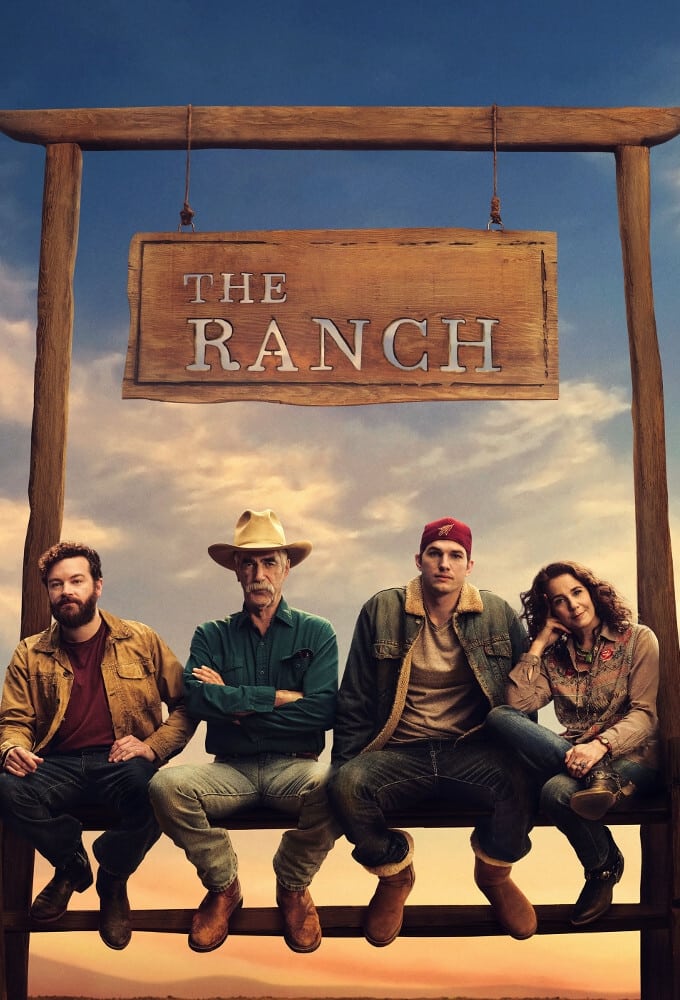
A former semi-professional football player comes back home to help his father and brother run the family ranch. The show tries to combine the feel of a classic sitcom with more serious, dramatic storylines and mature language. However, this mix of tones often feels awkward and doesn’t quite appeal to viewers who enjoy either comedies or dramas. The added laughter track feels inappropriate considering the family’s problems and money troubles. Often, the show revisits the same issues without ever really solving them.
‘Entourage’ (2004–2011)
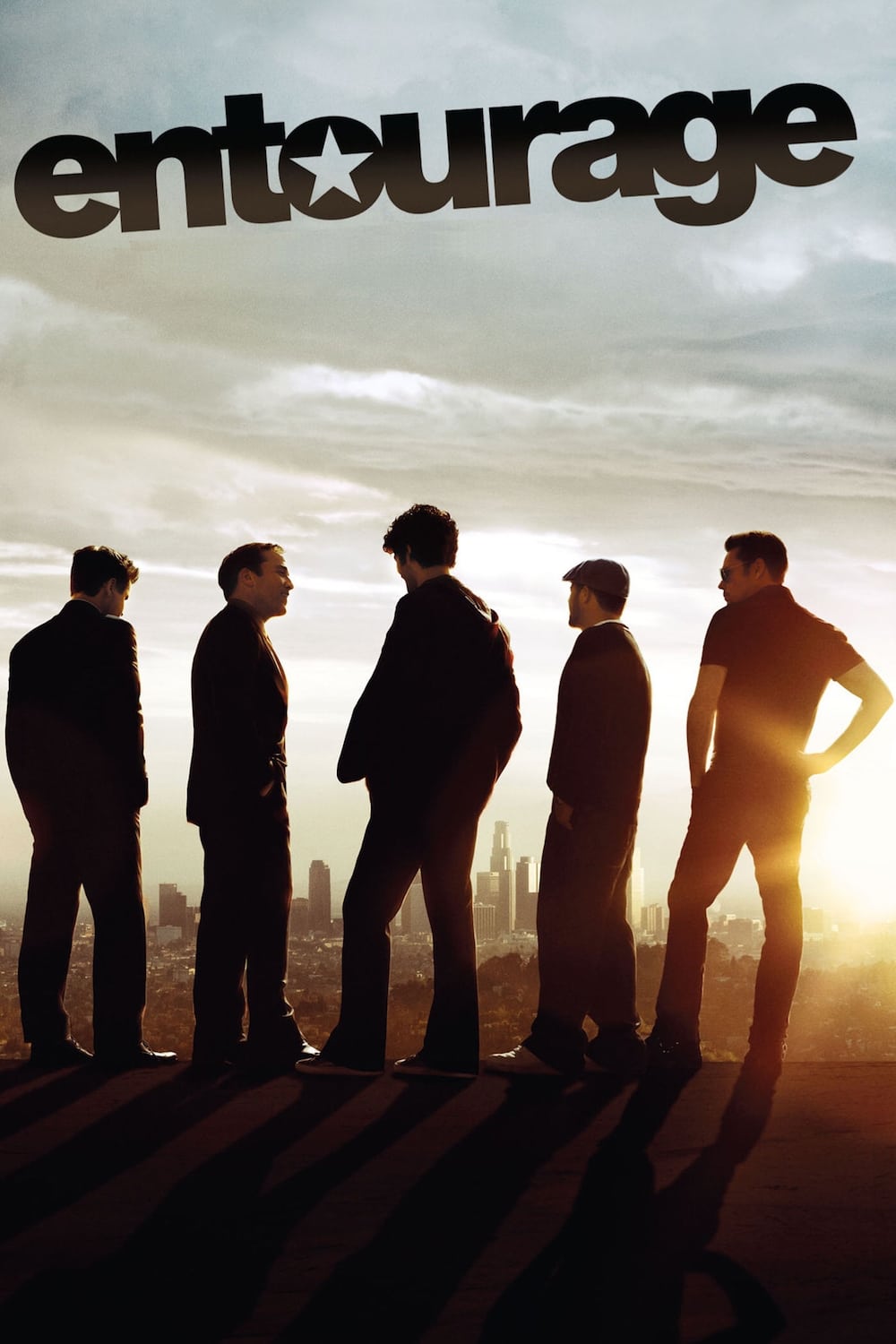
The show follows a movie star as he enjoys a glamorous life in Los Angeles with his longtime friends. However, it’s often criticized for glorifying a lavish lifestyle without really questioning it. The female characters often feel underdeveloped, existing mainly to support the male leads. The main character rarely faces serious consequences, as things tend to easily fall into place for him. Many see the series as a product of early 2000s excess, lacking in substance and offering little beyond a snapshot of that era’s materialism.
‘Sex and the City’ (1998–2004)
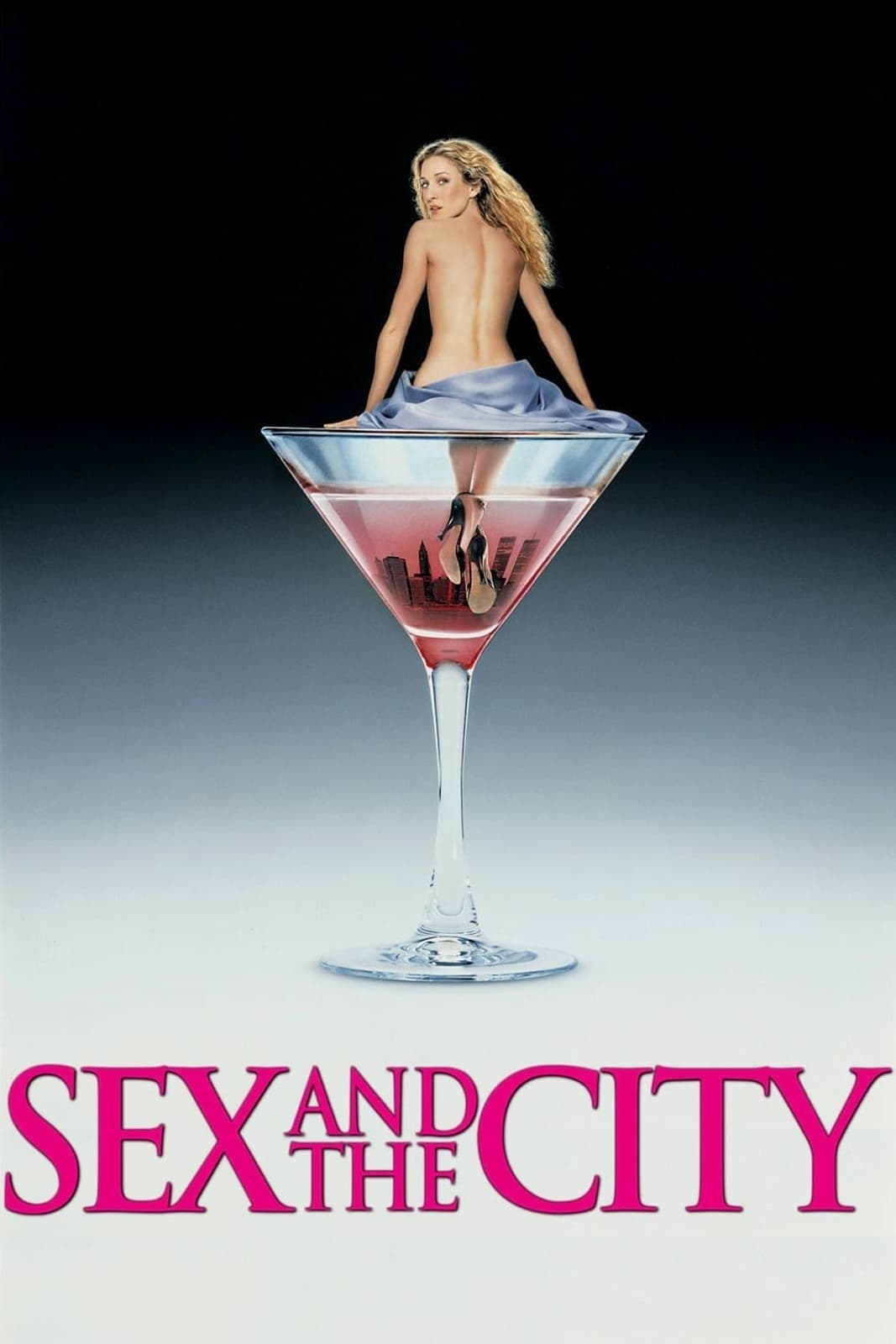
This show follows four friends as they date and live their lives in New York City. Though innovative when it first aired, some viewers now criticize it for focusing too much on shopping and presenting an unrealistic view of finances. The main character, Carrie Bradshaw, is sometimes seen as a problematic friend who creates unnecessary drama. The show often portrays relationships as shallow, overlooking important factors like genuine connection and shared values. Another common criticism is the lack of diversity among the characters, considering the show is set in a famously diverse city.
‘Girls’ (2012–2017)

The show followed a group of twenty-something women trying to find their way in New York City, both in their careers and personal lives. While it strived for a realistic portrayal, many viewers found the characters difficult to connect with. Critics also noted that the characters’ privileged backgrounds made their problems seem less relatable. The show often included nudity and sexual situations that felt unnecessary and didn’t add to the story. Ultimately, it became more known for its controversial content than its humor, sparking a lot of cultural debate.
‘Mike & Molly’ (2010–2016)
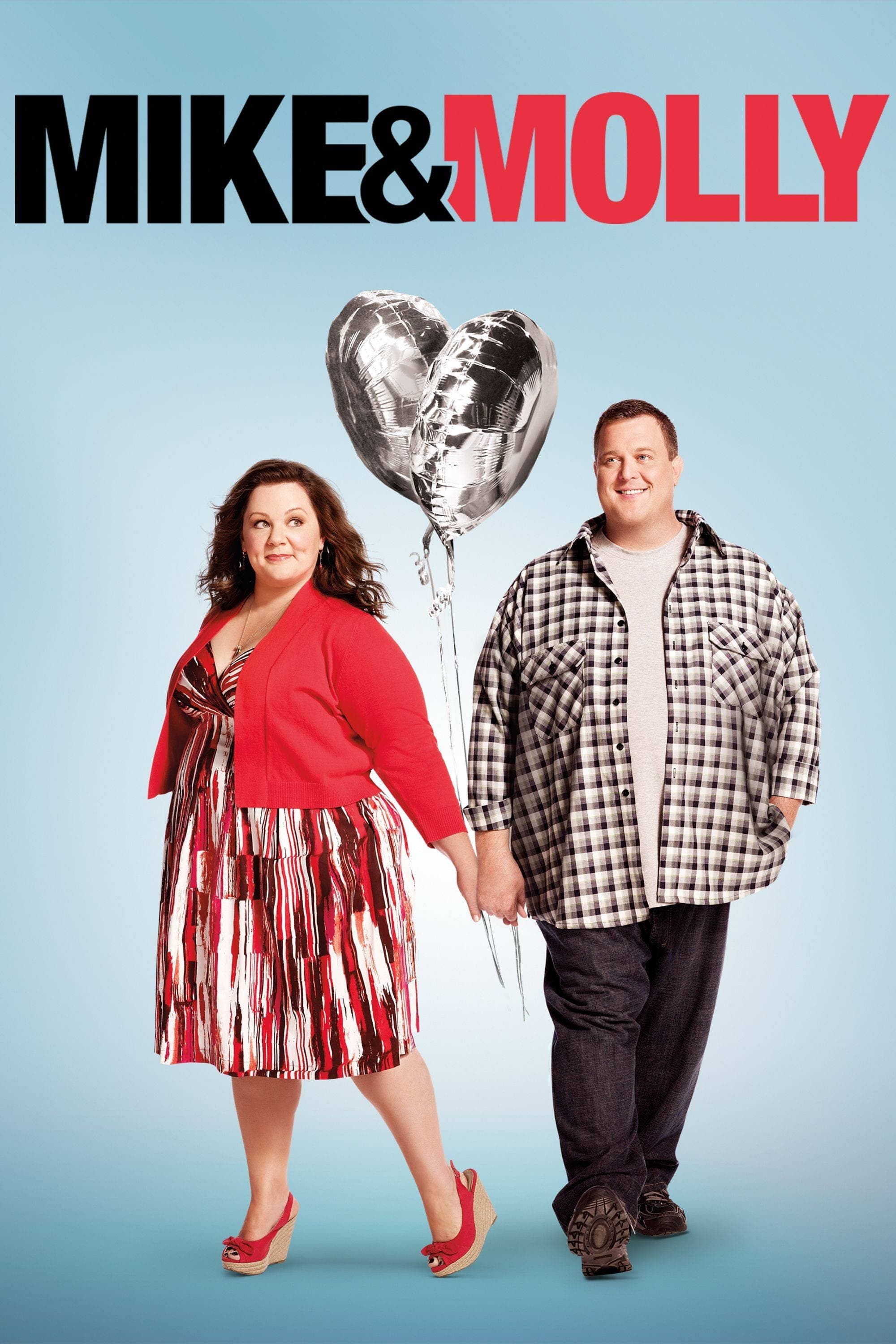
Honestly, the premise – a cop and a teacher falling for each other at Overeaters Anonymous – had potential, but the show really let me down. It leaned way too heavily on jokes about weight and characters putting themselves down, and never bothered to dig deeper into who they actually were. Plus, the side characters felt like exaggerated cartoons, totally pulling you out of the main couple’s story. It was just… predictable. So many sitcoms have done the same things before, and this one didn’t bring anything new. It was a real shame, because the actors were genuinely talented, but they were stuck with material that was just too safe and recycled.
‘Rules of Engagement’ (2007–2013)
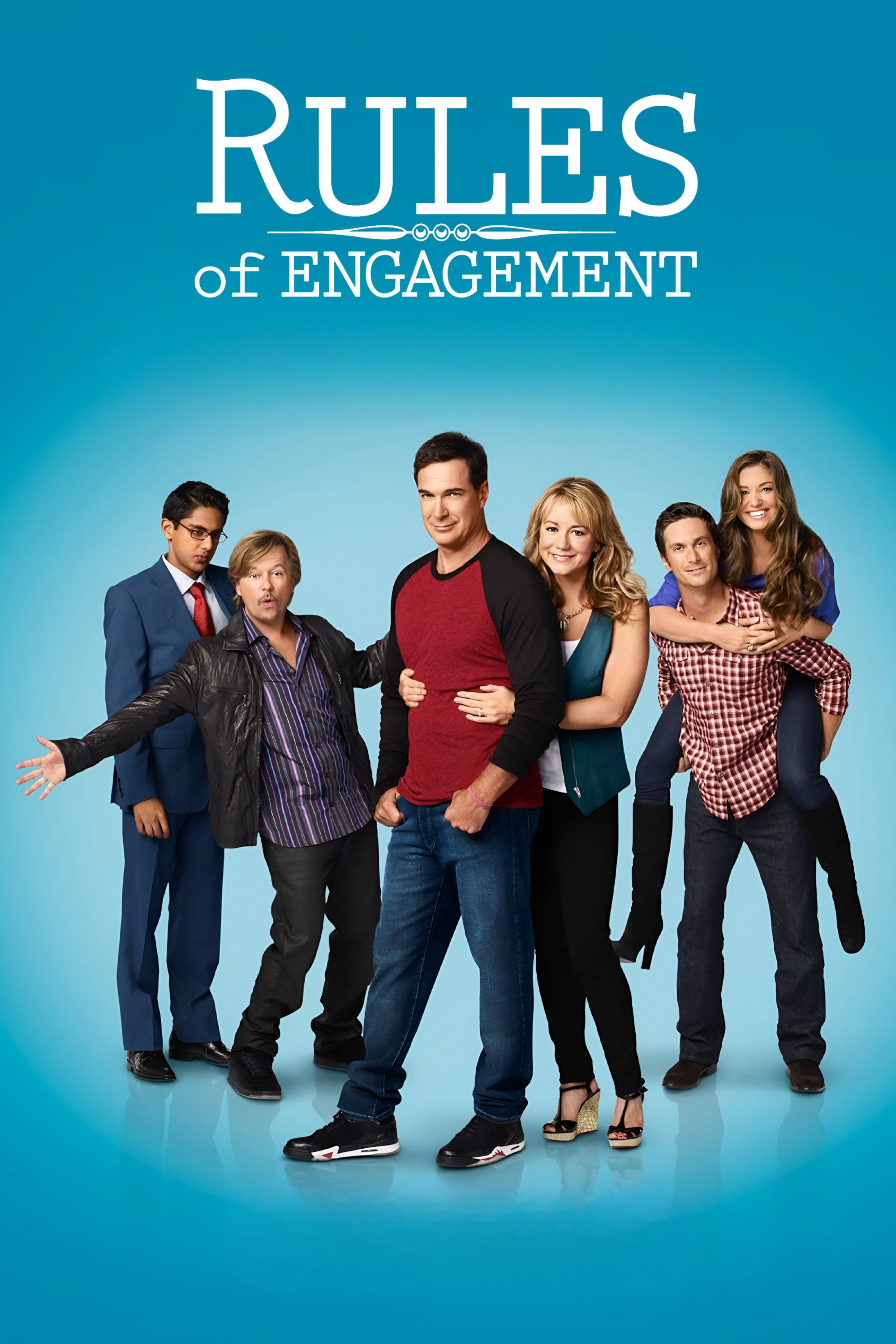
Okay, so I recently checked out this show about two married couples and their single friend navigating relationships, and honestly, it felt…stuck in the past. Even when it first came out, it didn’t really bring anything new to the table. What bothered me most was how predictable the characters were – the wives were always nagging, and the husbands were perpetually clueless. And the laugh track? It was so overbearing! It felt like it was telling you when to laugh instead of letting the jokes land naturally. It’s wild that this show held a prime-time slot for so long, but it just didn’t stick with me – it didn’t really leave any kind of lasting impression.
‘According to Jim’ (2001–2009)
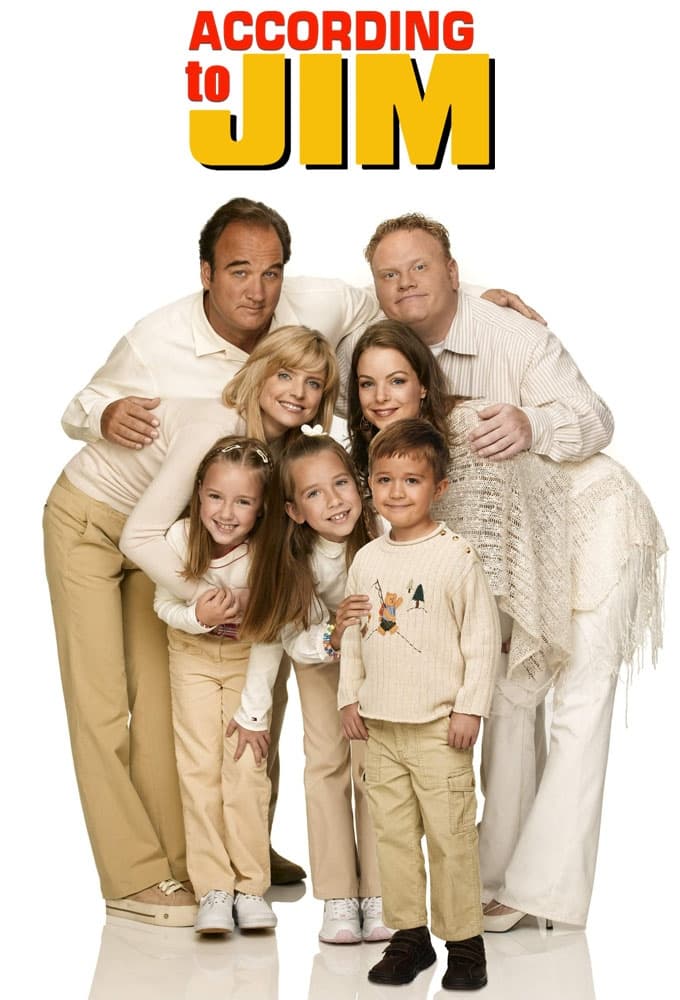
This sitcom centers on a husband who constantly gets into trouble because he’s dishonest and avoids work, leaving his wife to fix everything. It’s a very familiar setup – a clumsy husband and a long-suffering wife – and it’s been done many times before. Most episodes involve him lying to get out of small tasks. The show relies on simple, predictable humor over its eight seasons and doesn’t offer much that’s new or surprising. It’s a good example of a common type of television comedy from that time, playing it safe instead of trying anything bold or original.
‘Everybody Loves Raymond’ (1996–2005)
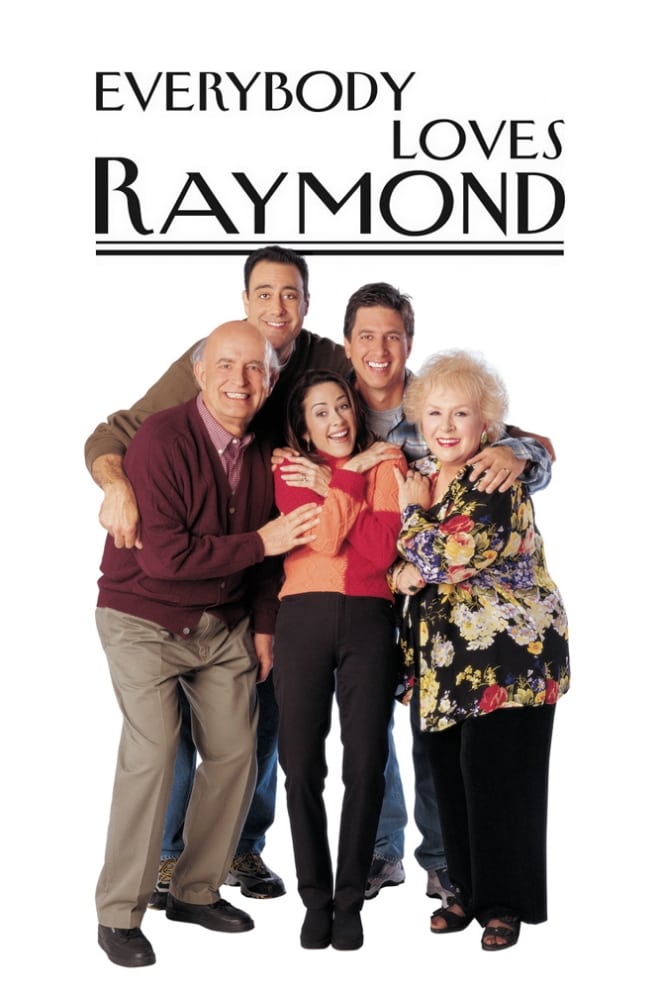
This comedy follows a sportswriter navigating life with his overbearing parents and envious brother, who all happen to live right across the street. Though it was well-received when it aired, some viewers today find the family’s constant bickering and issues more stressful than amusing. The husband’s lack of ability and the frequent arguments can become irritating when watching multiple episodes back-to-back. Many feel the wife, Debra Barone, is stuck in a frustrating and unappreciated marriage. The show frequently uses the trope of ‘weaponized incompetence’ – where one character pretends to be bad at something to avoid responsibility – which isn’t as popular with audiences now.
‘The King of Queens’ (1998–2007)
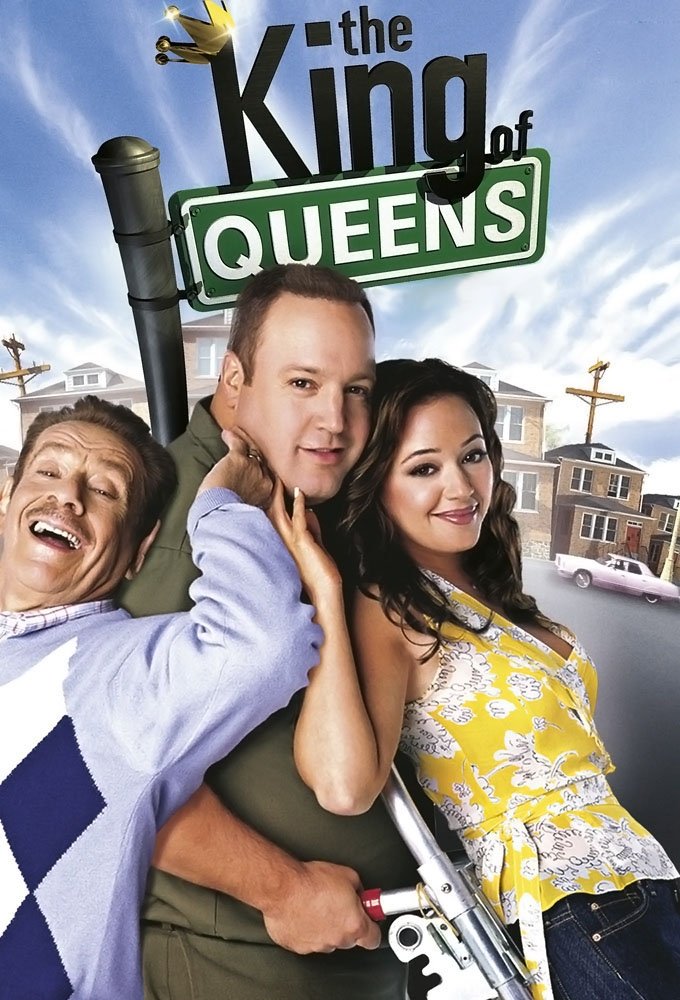
This show follows a delivery driver, Doug, his wife Carrie, and Carrie’s quirky father as they live together in Queens. Like many sitcoms from that time, it centers around a couple who constantly bicker. Doug is often self-centered, and Carrie is portrayed as naggy when she asks him to act more responsibly. Most of the humor comes from their arguments. It was a reliably funny and familiar show, but it didn’t really try anything new with its storytelling.
‘Modern Family’ (2009–2020)
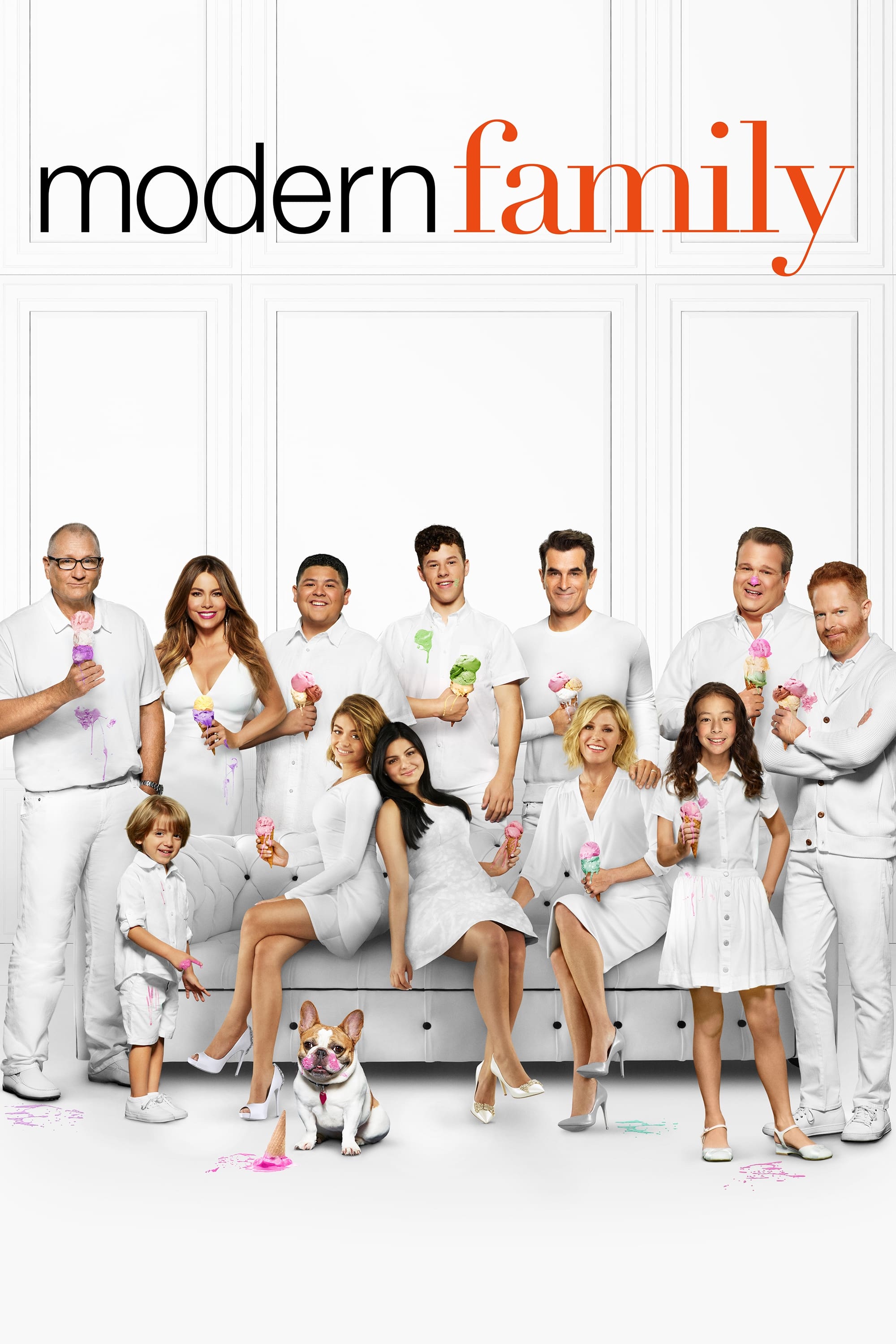
This show, presented as a documentary, followed three different families living in Los Angeles. While the first few seasons were well-received, the writing quality decreased over time. Characters became exaggerated versions of themselves, stuck in repetitive cycles. The documentary-style format grew stale, and the show ultimately went on for too long, outstaying its welcome and original idea.
‘The Goldbergs’ (2013–2023)
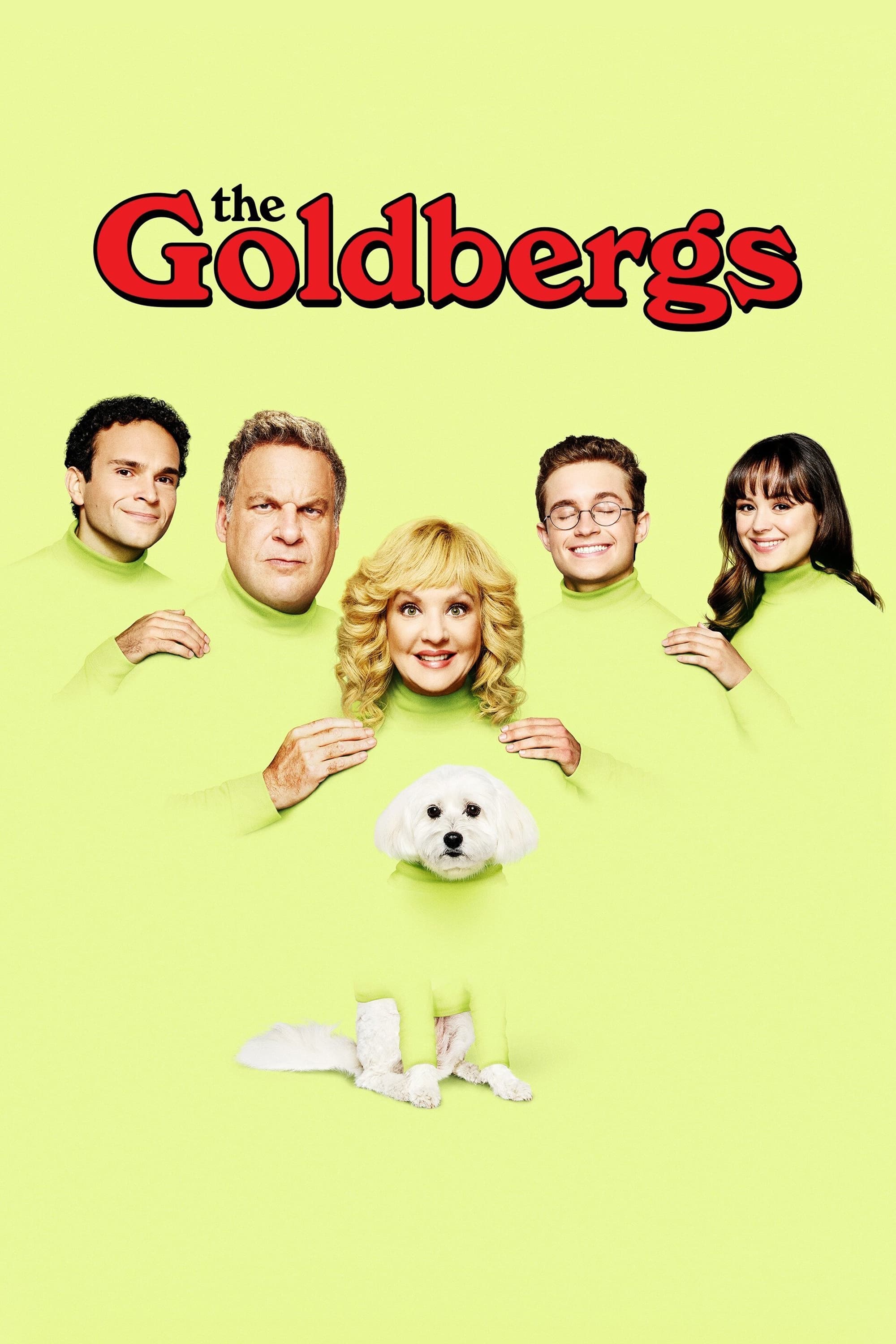
A boy uses his camcorder to record the wild and funny moments of his family growing up in the 1980s. The show mostly uses yelling and references to popular culture for laughs. While the mother, Beverly Goldberg, is meant to be a comedic character, some viewers find her overbearing behavior unsettling. The show falls into a pattern, with each episode feeling very similar to the last, relying on viewers’ fondness for the 80s to make up for a lack of character growth.
‘American Housewife’ (2016–2021)
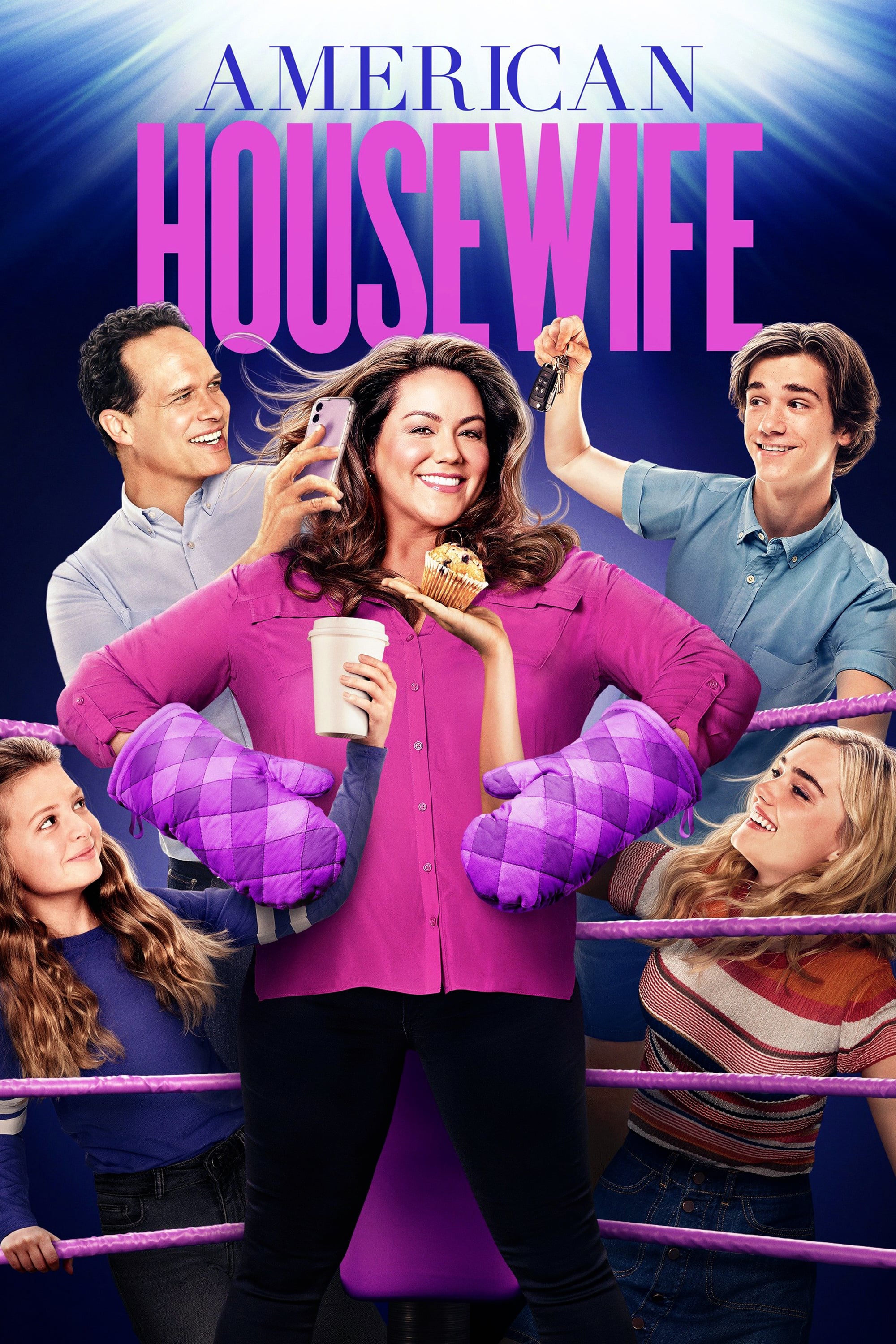
A mother struggles to navigate family life in an affluent community where everyone seems to have it together. The show’s main character tends to be critical and focuses on minor flaws in others. Much of the humor relies on jokes about weight and social class, but the show’s attempt to satirize suburban life doesn’t feel particularly sharp or insightful. Instead of challenging the lifestyle it’s trying to parody, it ends up reinforcing it.
‘Last Man Standing’ (2011–2021)

Okay, so this show… it’s about a guy, a pretty traditional marketing director, who feels a little lost in a world where the women in his life are really taking charge. Honestly, I always felt like it spent more time making political points than actually being funny. A lot of the jokes felt like they were trying to poke fun at changes in society, but it ended up feeling more like it was creating arguments than making anyone laugh. Plus, they kept changing the actors playing family members, which was really jarring if you’d been watching for a while. It definitely had its fans, but it never really broke through to a wider audience, you know? It felt very targeted to a specific viewpoint.
‘The Middle’ (2009–2018)

This sitcom follows a working-class family in Indiana as they navigate financial hardship. While it aims for a realistic portrayal of poverty, the show’s characters don’t evolve much over its nine seasons. The character of Sue Heck is divisive – some viewers find her lovable, while others find her incredibly irritating. The show’s constant focus on the family’s misfortunes can be quite disheartening, and it often felt overshadowed by other, more popular sitcoms from the same time period.
‘Mom’ (2013–2021)

This show followed a mother and daughter both battling addiction and dealing with a difficult relationship. While it addressed important and heavy topics, the mix of serious drama and lighthearted comedy felt uneven at times. It was also hard to connect with the characters because they were often unkind to each other. When Anna Faris left the show, it never quite recovered, and it consistently struggled to find the right balance between the grim realities of addiction and the demands of a typical network sitcom.
‘New Girl’ (2011–2018)
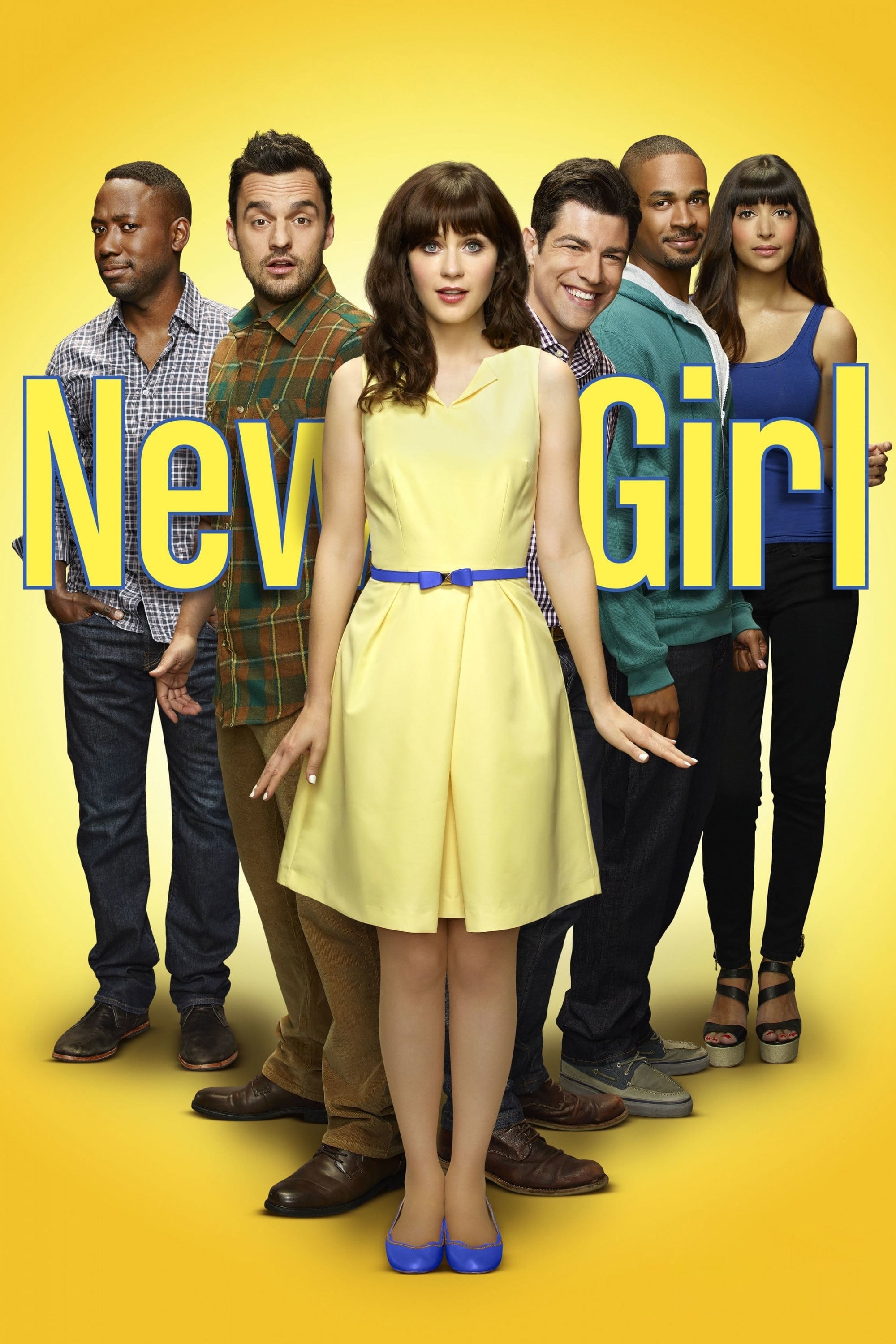
I have to admit, when I first heard about this show, the premise seemed… interesting. A teacher, a little heartbroken, moving in with three guys? It definitely grabbed my attention! But honestly, the main character sometimes felt a bit much. She was supposed to be this free spirit, but it often came across as forced and a little childish, rather than the genuinely charming person I think they were aiming for. The show really shone when it focused on the group as a whole, but that initial idea always felt a bit shaky. Sometimes, all the quirkiness just got… tiring, especially over the course of a whole season.
‘Gilmore Girls’ (2000–2007)
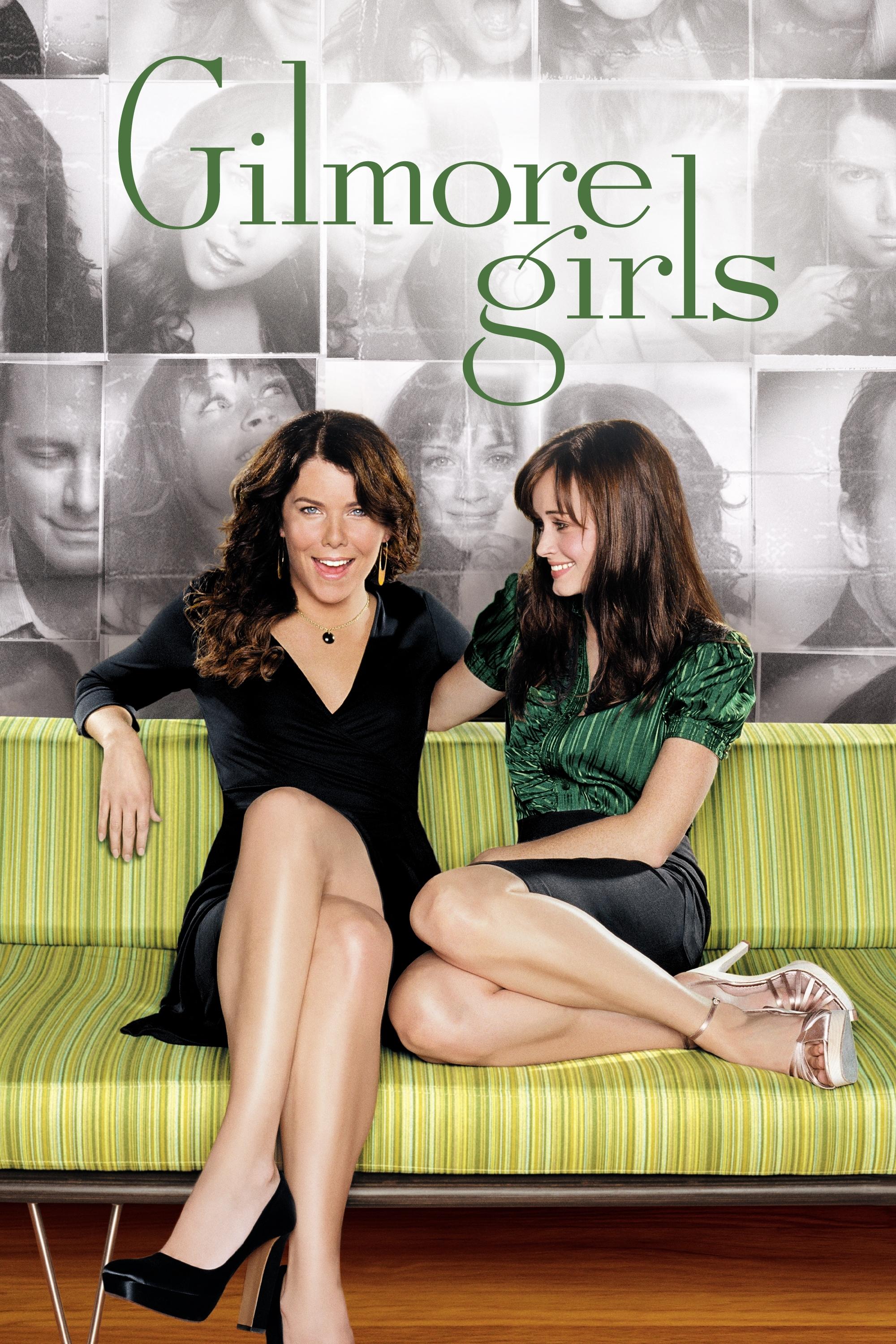
The show follows a young, single mother and her bright daughter growing up in a charming, unusual town in Connecticut. It’s known for its fast-paced conversations, which some viewers love for being clever, while others find them showy and unnatural. The mother, Lorelai Gilmore, is sometimes criticized for not being emotionally mature and for prioritizing her own needs in relationships. The series takes place in a world where the main characters rarely face serious consequences for their actions, and many conversations center around how they often mistreat the people around them.
‘Full House’ (1987–1995)
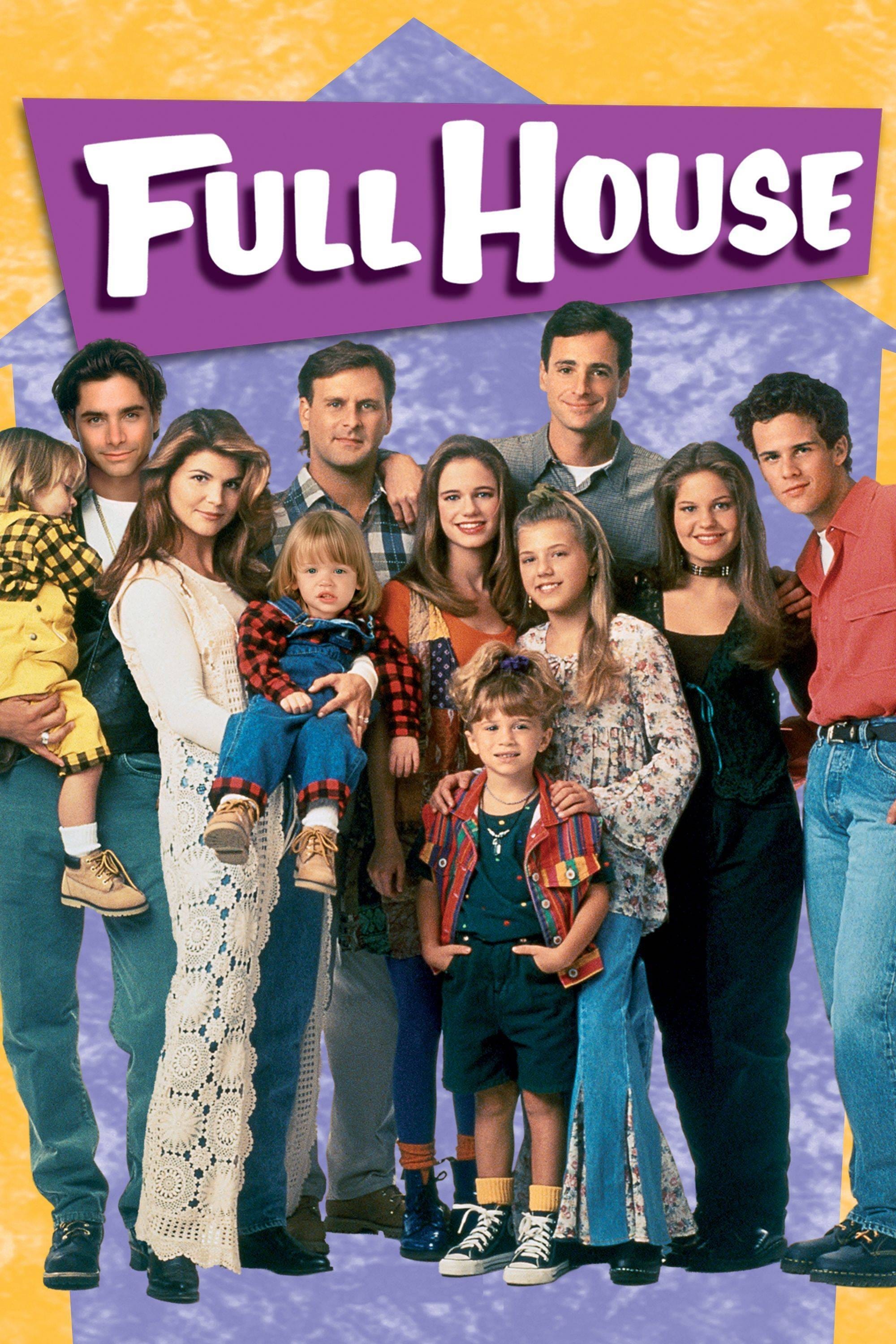
This show centers around a father raising his three daughters with the help of his brother-in-law and best friend. It’s known for its overly sentimental music and obvious life lessons. The comedy is very family-friendly and aimed at the broadest possible audience, using memorable lines and adorable moments instead of clever writing. While the writing is simple, the show remains popular thanks to the fond memories it evokes.
‘Saved by the Bell’ (1989–1993)
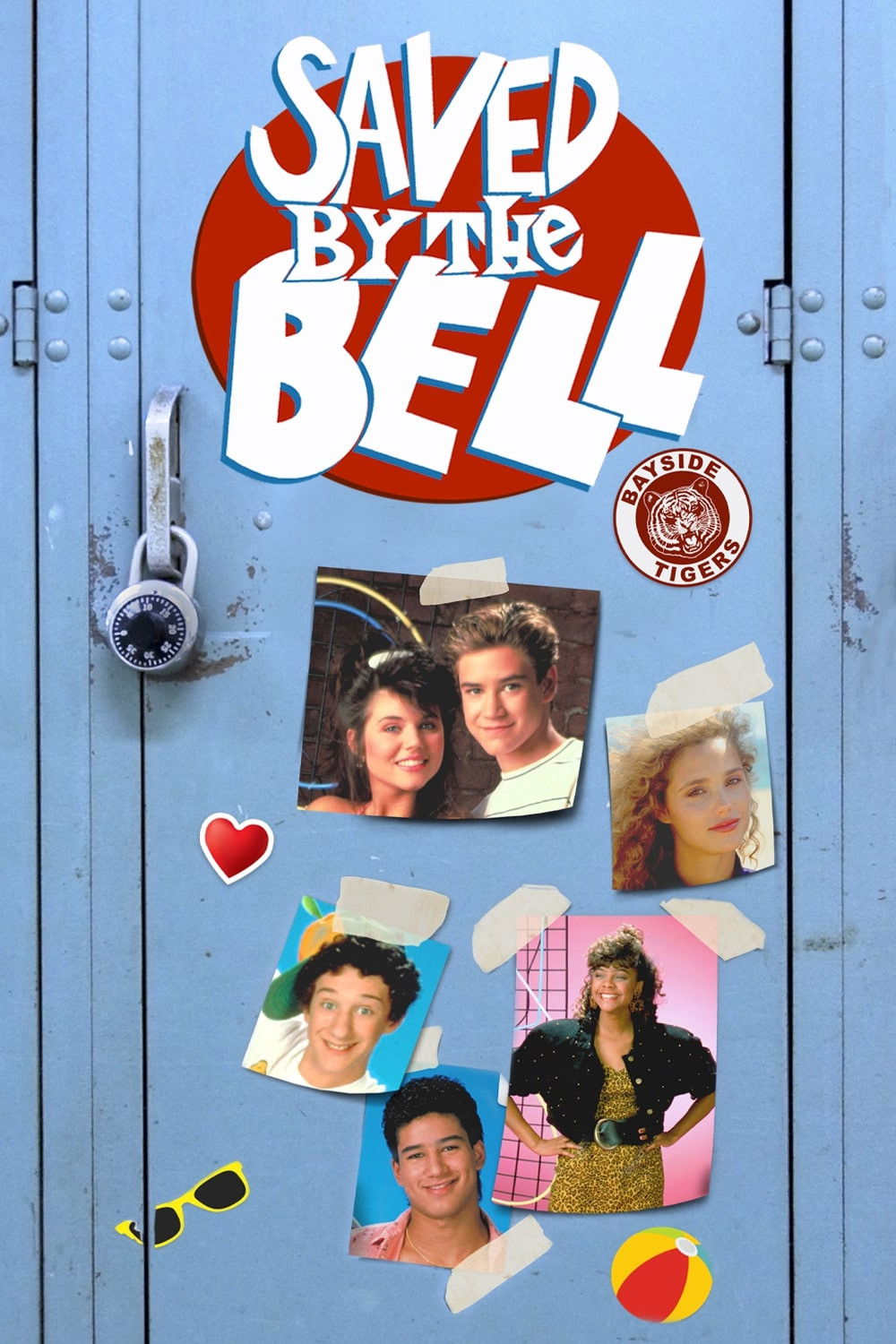
Bayside High’s six main characters deal with the ups and downs of friendship and typical high school drama. While popular with a dedicated fanbase, the show isn’t known for its realism or polished production. It’s full of plot inconsistencies, mistakes, and situations that don’t feel believable. In fact, some viewers now see the lead character, Zack Morris, less as a playful troublemaker and more as someone who’s controlling and manipulative. The acting can be over-the-top, and the sets were clearly made on a low budget. Despite all this, it’s still a beloved classic for many.
‘Home Improvement’ (1991–1999)
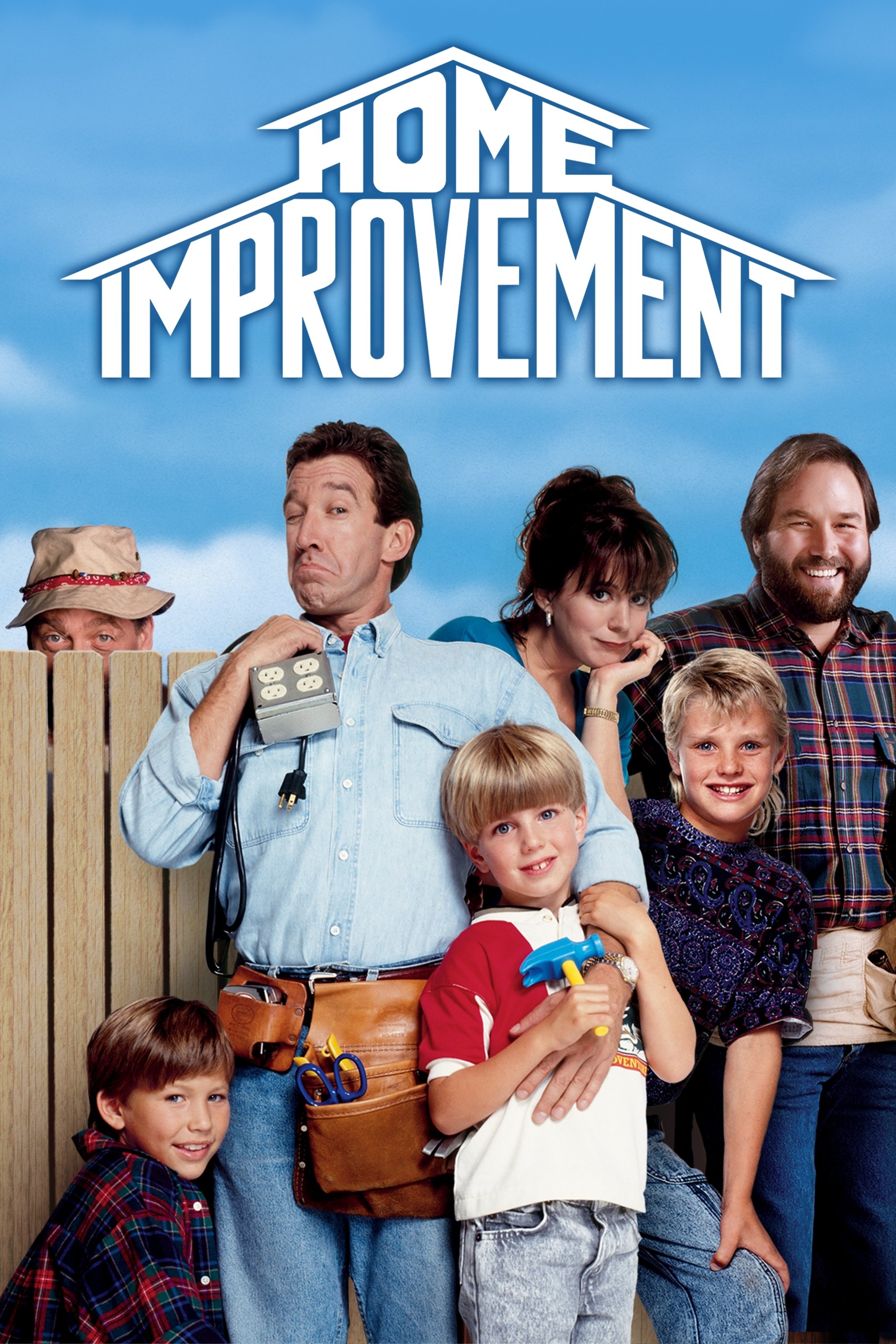
This sitcom centers on a TV host with three rambunctious boys and a passion for tools. The show presents very traditional roles for men and women, often leaning on stereotypes. While the host’s physical comedy and clumsy mishaps were initially popular, they quickly became predictable. Over its many seasons, the characters didn’t really grow or change. Despite being hugely successful in its prime, the show isn’t as widely remembered or discussed today.
‘Scrubs’ (2001–2010)
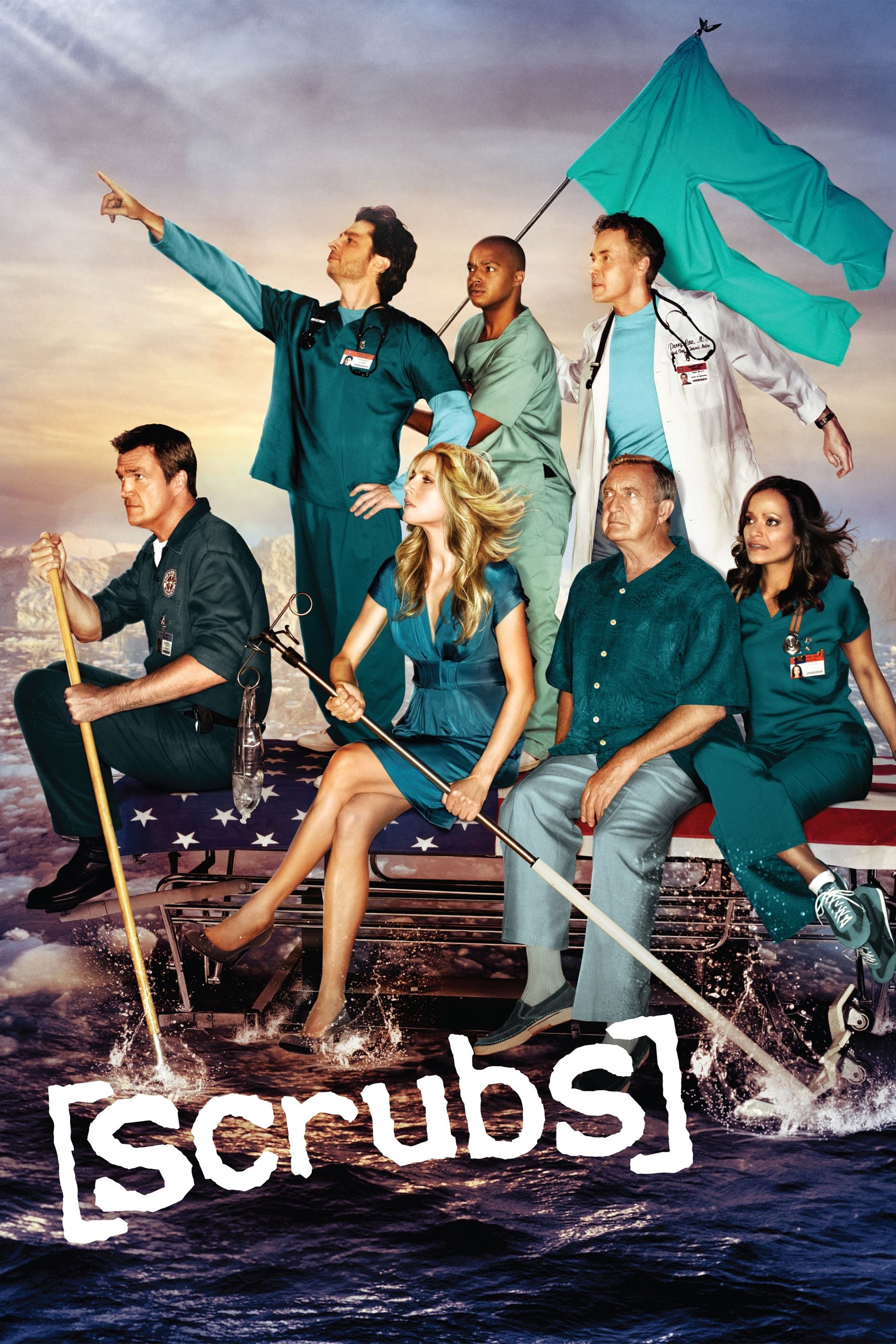
This show follows the chaotic and often moving lives of medical interns at a busy hospital. The central character, J.D., is frequently portrayed as insecure, self-centered, and sometimes unprofessional. The show’s last season, featuring a completely new group of interns, was almost universally disliked by viewers. The combination of goofy humor and serious medical situations could be jarring, and many fans recommend stopping before the later seasons to remember the show at its best.
‘Arrested Development’ (2003–2019)
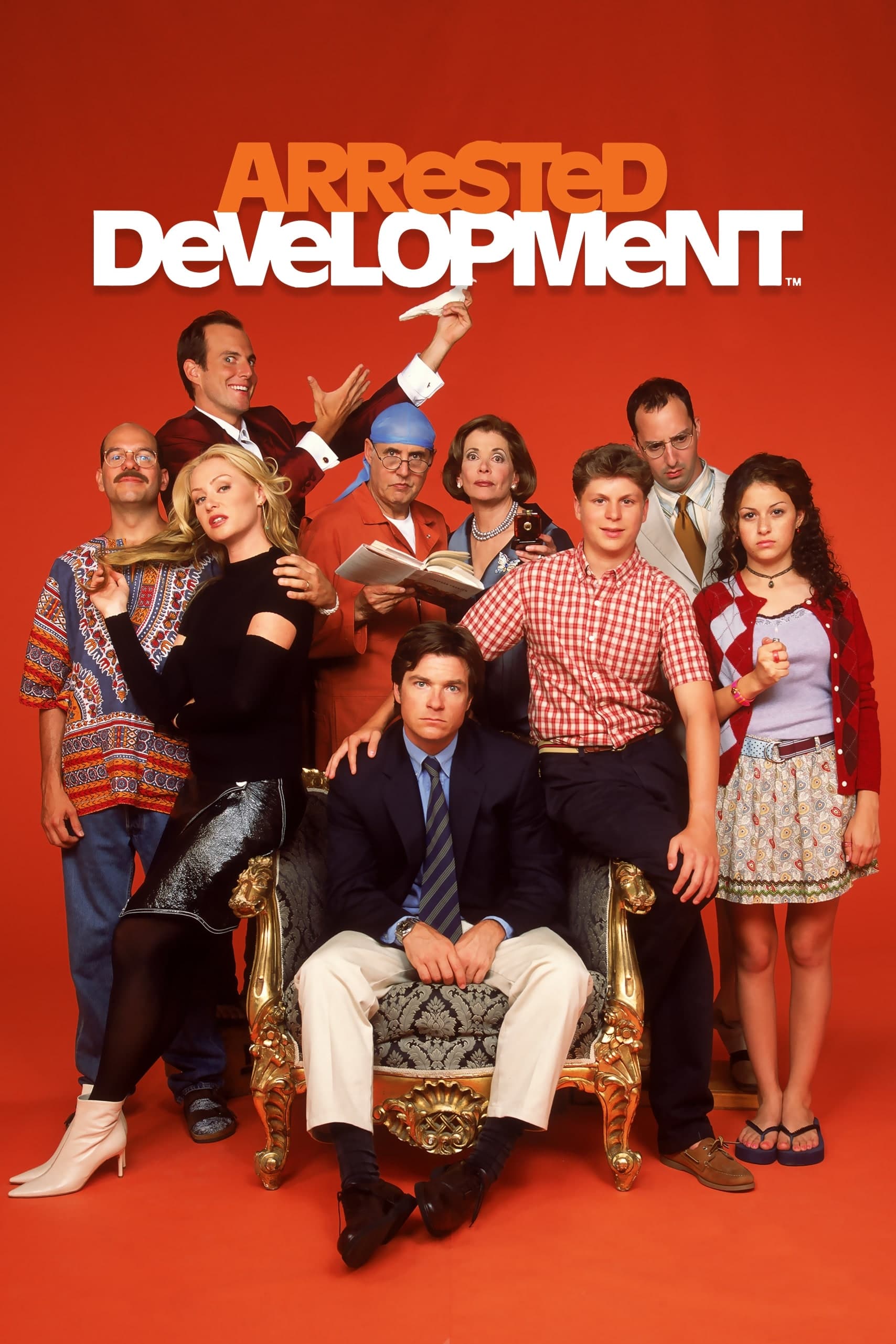
A rich family falls on hard times, and one son steps up to hold everything together. The show was initially praised, but later seasons on Netflix were much less well-received. Many longtime fans were turned off by the increasingly complicated storylines in seasons four and five, and a re-edited version of season four made the plot even harder to follow. The show’s story is often seen as a warning about bringing back beloved older shows.
‘The Office’ (US) (2005–2013)
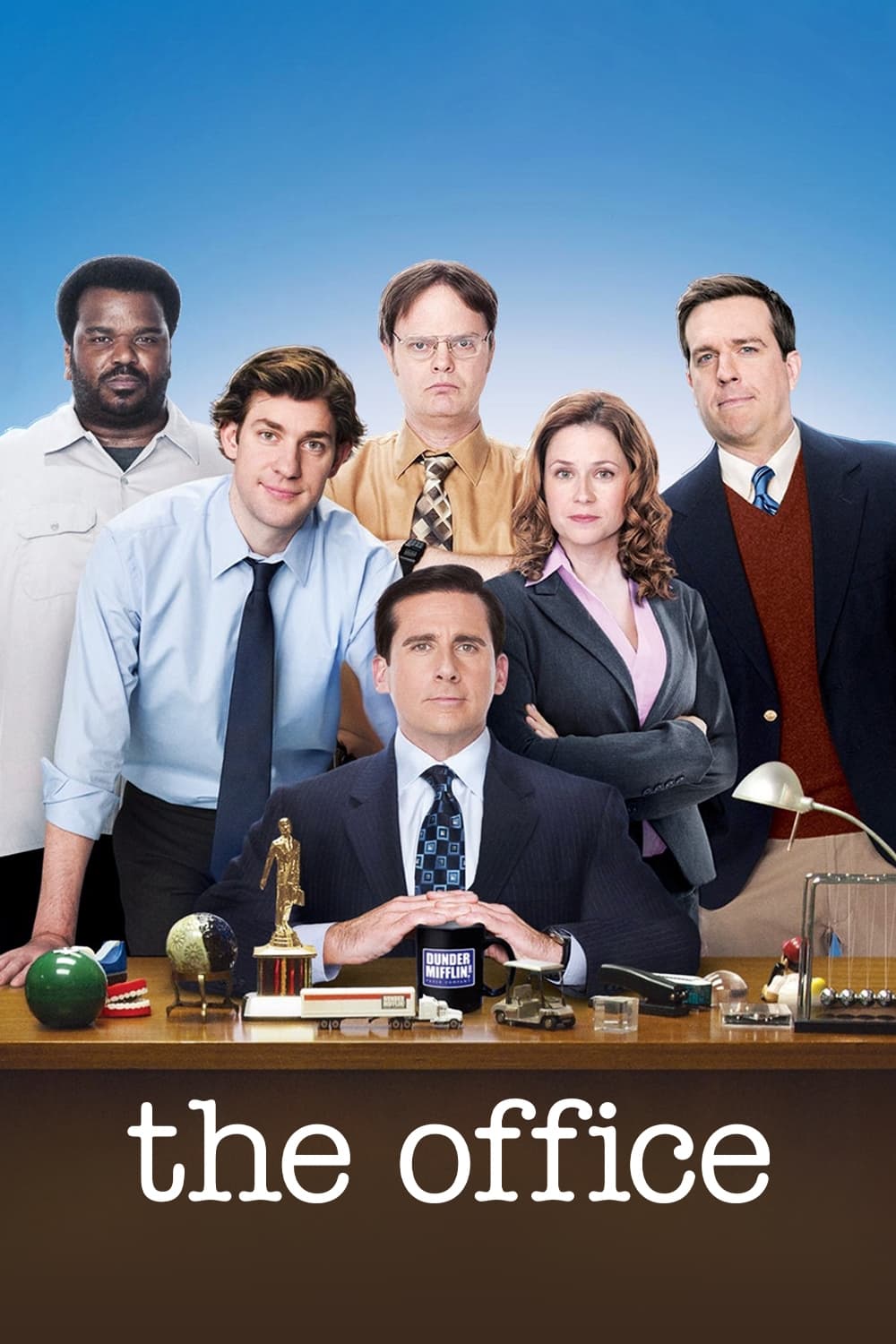
A documentary-style show follows the everyday work lives of people at a paper company. While popular for many years, the show noticeably declined in quality after Steve Carell left. Some characters, like Andy Bernard, suffered from uneven storylines and strange decisions about their personalities. Fans particularly disliked a plotline involving a boom operator that appeared in the final season, and many believe the show should have ended much earlier.
‘The Simpsons’ (1989–Present)
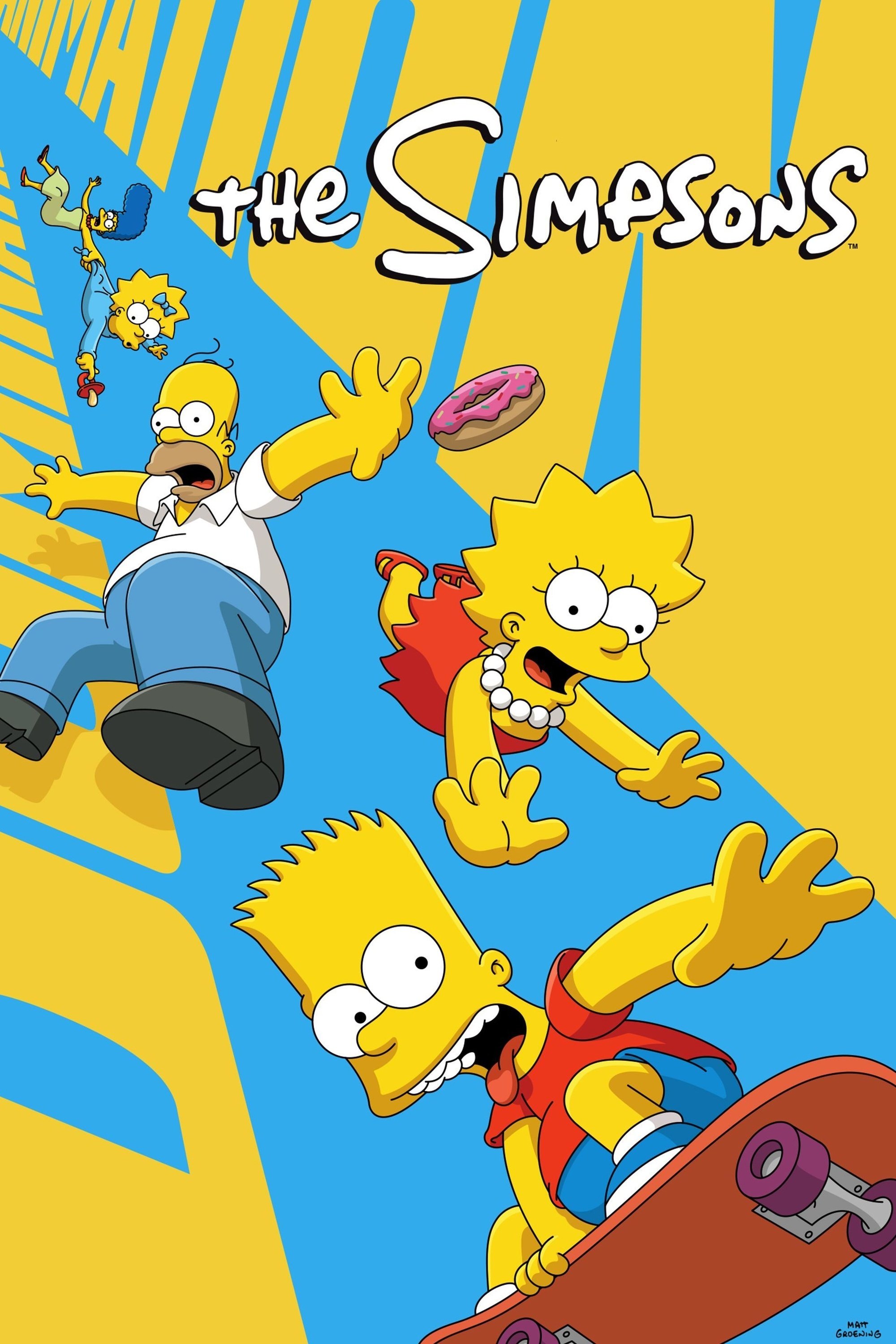
As a lifelong animation fan, I’ve been watching this family for over three decades, and honestly, while everyone talks about its ‘Golden Age,’ so much of it now feels… just okay. Critics aren’t wrong – it feels like the show is just going through the motions, desperately trying to stay relevant instead of being the innovative force it once was. And it’s not just the writing; you can hear the actors are older, which is really jarring when these characters are supposed to be timeless. It feels like it’s running on reputation at this point, not because anyone has a compelling story to tell.
‘South Park’ (1997–Present)

Okay, so this show follows four guys in a Colorado town who constantly stumble into seriously weird and sometimes pretty offensive scenarios. Now, a lot of people have a problem with how it handles politics – it tries to present ‘both sides,’ but critics say that just ends up making viewers feel like nothing really matters. It feels like the creators are hiding behind sarcasm instead of actually saying something important. Honestly, after all these years, the shock value just isn’t landing like it used to, and I’ve heard a lot of viewers feel like the show spends more time making fun of those with less power than it does those in charge.
‘Rick and Morty’ (2013–Present)
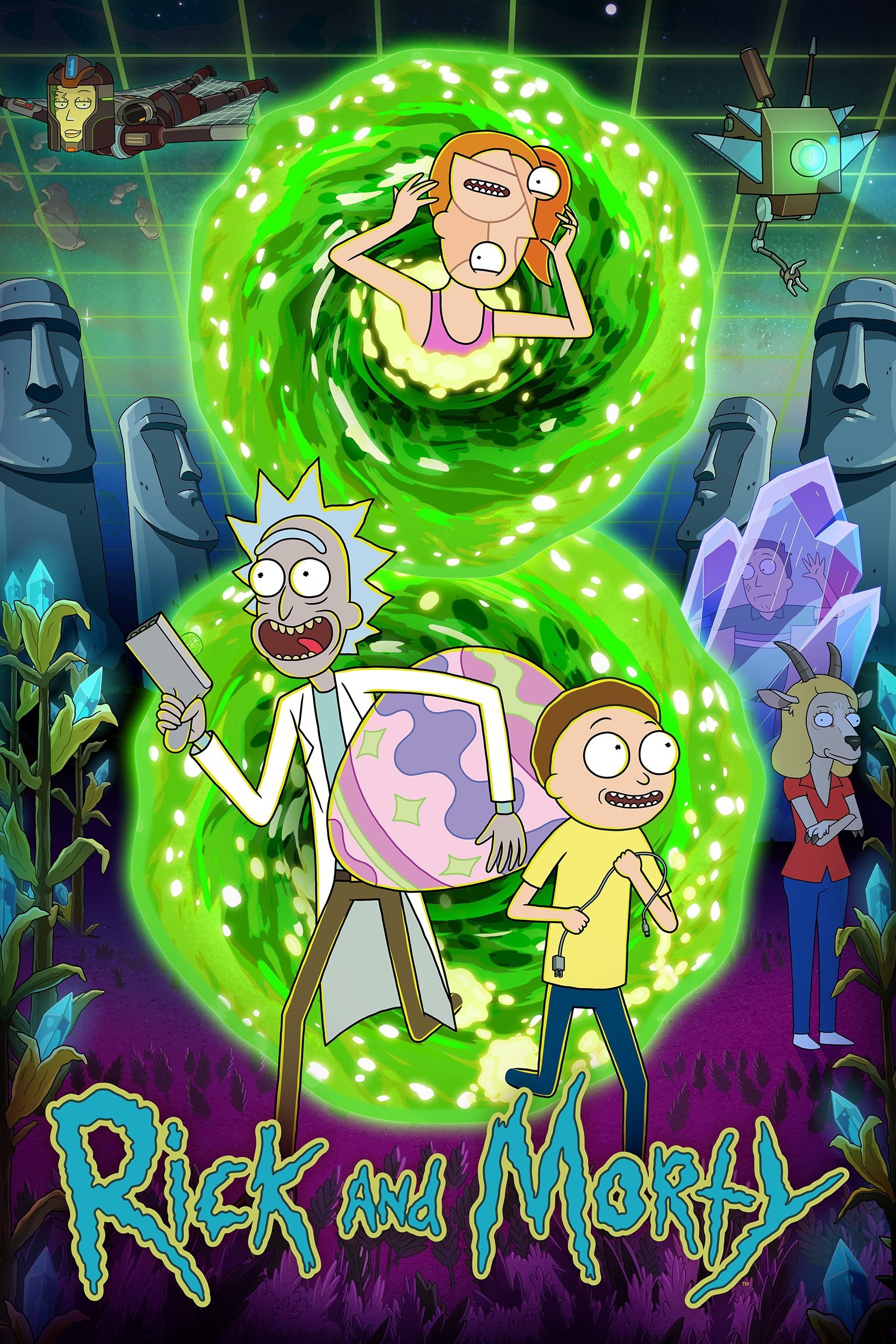
The show follows a grumpy scientist who takes his grandson on risky trips to other dimensions. While it has a dedicated following, many new viewers are turned off by the often negative and vocal fanbase. The main character’s bleak outlook is sometimes seen as profound, but it’s really just pessimism. Problems with the show’s creators have also created some bad press. Plus, the constant self-referential jokes can become tiresome and feel like the show is trying too hard.
‘Ted Lasso’ (2020–2023)
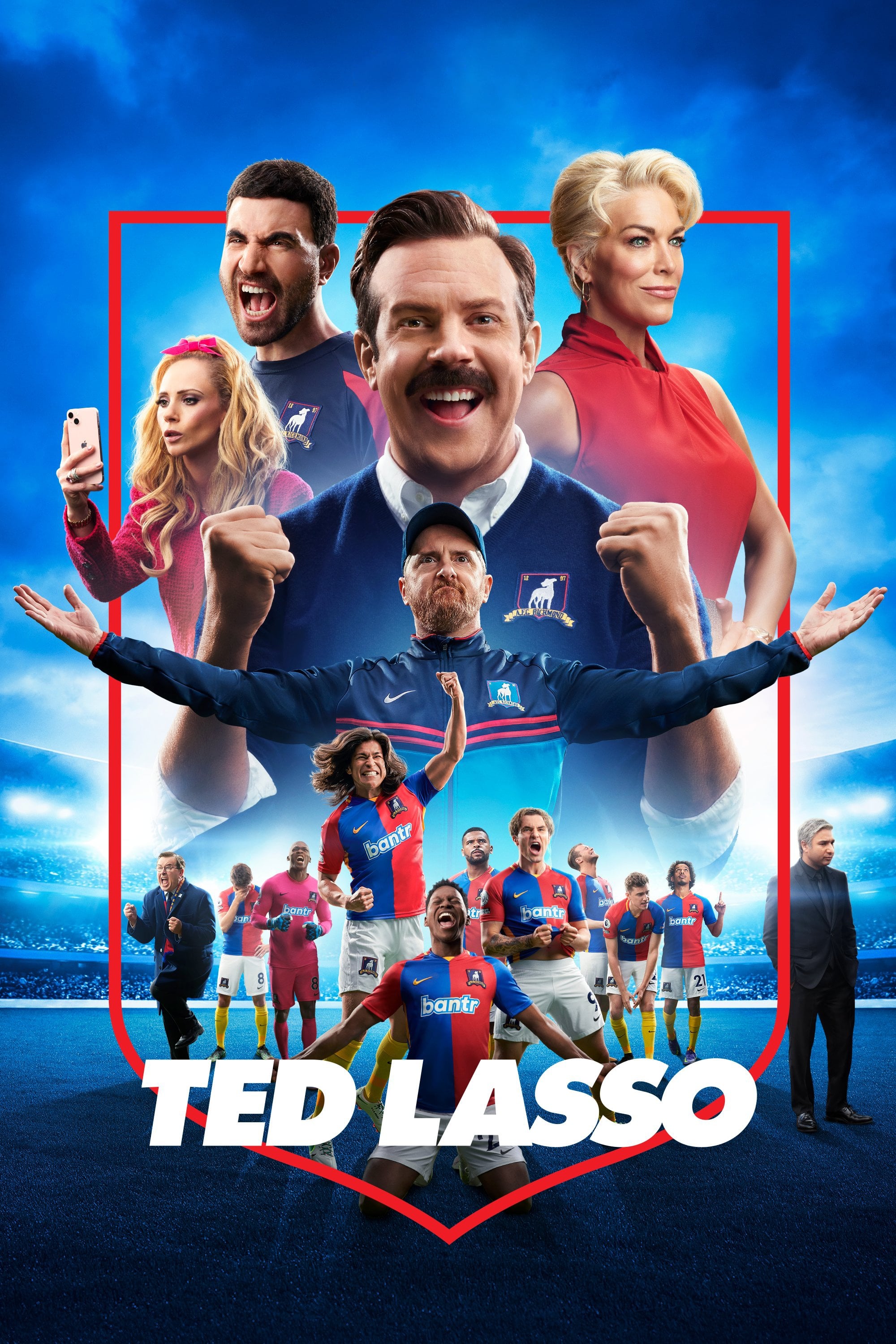
A football coach from America takes on the challenge of leading a British soccer team. While the show initially gained attention for its upbeat tone, some viewers criticized it for being overly positive. As the series continued, episodes became too long and the storylines lost focus. Many critics also felt that some villains didn’t convincingly change for the better, and that the show struggled to live up to the high expectations created by its early success and its reputation for being feel-good entertainment.
‘Schitt’s Creek’ (2015–2020)
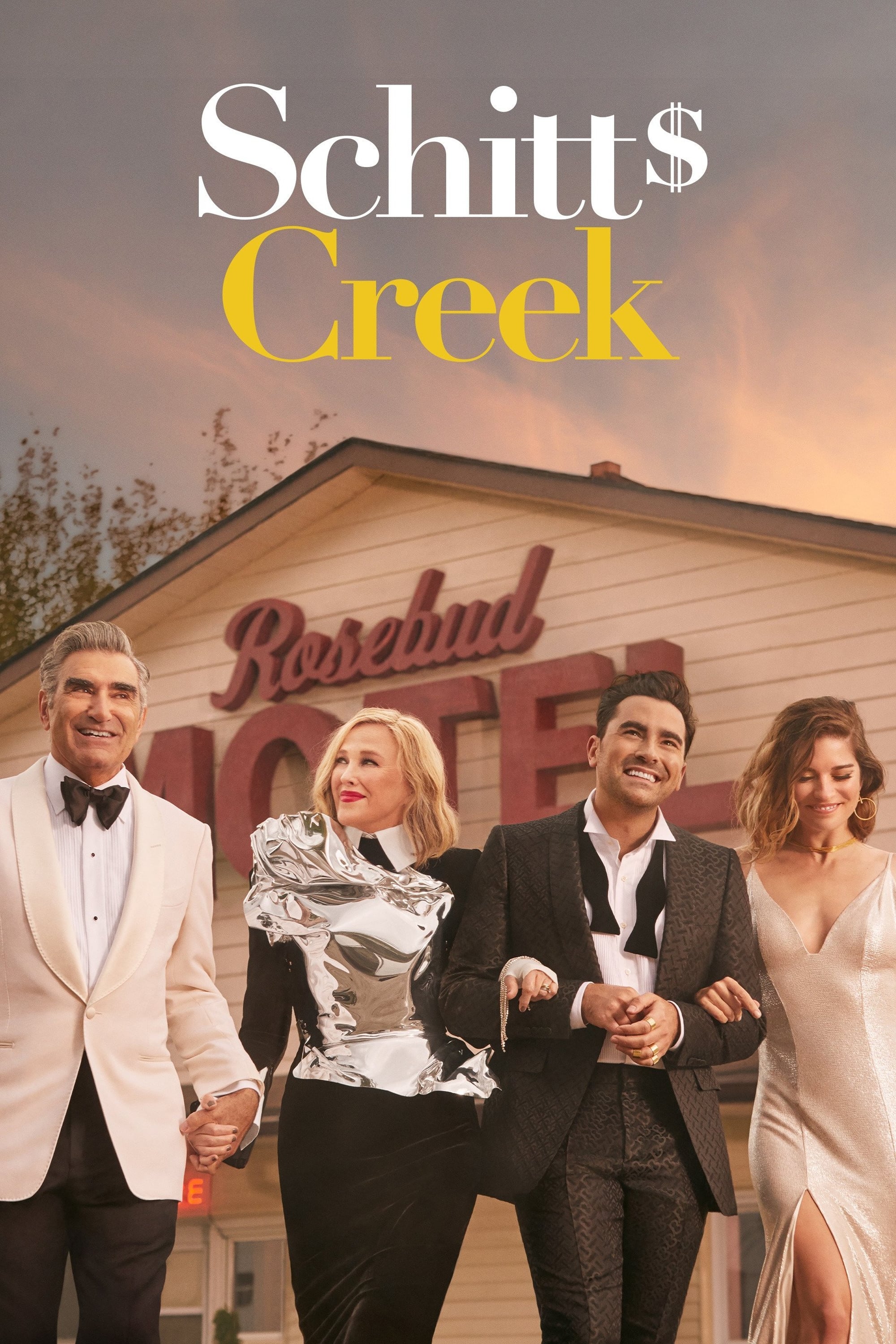
A once-rich family loses everything and has to adjust to life in a rundown motel in a small town. Many viewers find the first season tough to get through because the characters aren’t very appealing at first. It takes a while for the show’s emotional core to become clear. The final season received a lot of buzz, which may have set the bar too high for newcomers. The show’s humor is subtle and unique, so it doesn’t always connect with everyone.
‘Unbreakable Kimmy Schmidt’ (2015–2019)
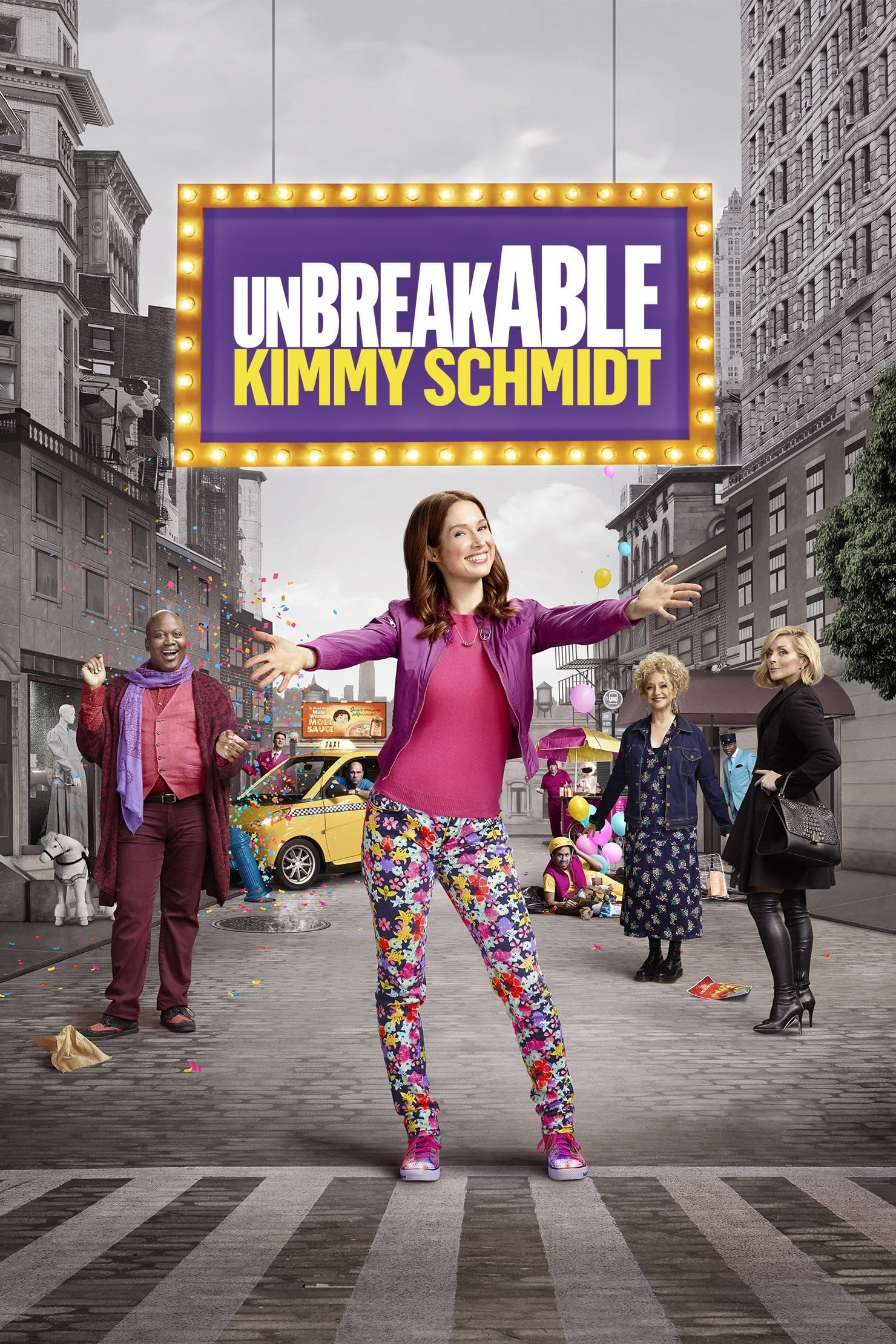
The series follows a woman who escapes a doomsday cult and begins a new life in New York City. It’s known for its fast-paced, over-the-top humor, which some viewers might find too much. Critics have also pointed out that some storylines dealing with race and Native American culture were handled poorly. The show relies heavily on jokes, sometimes at the expense of developing its characters. Ultimately, it’s a divisive program – some people love it, while others dislike it intensely.
‘Big Mouth’ (2017–Present)
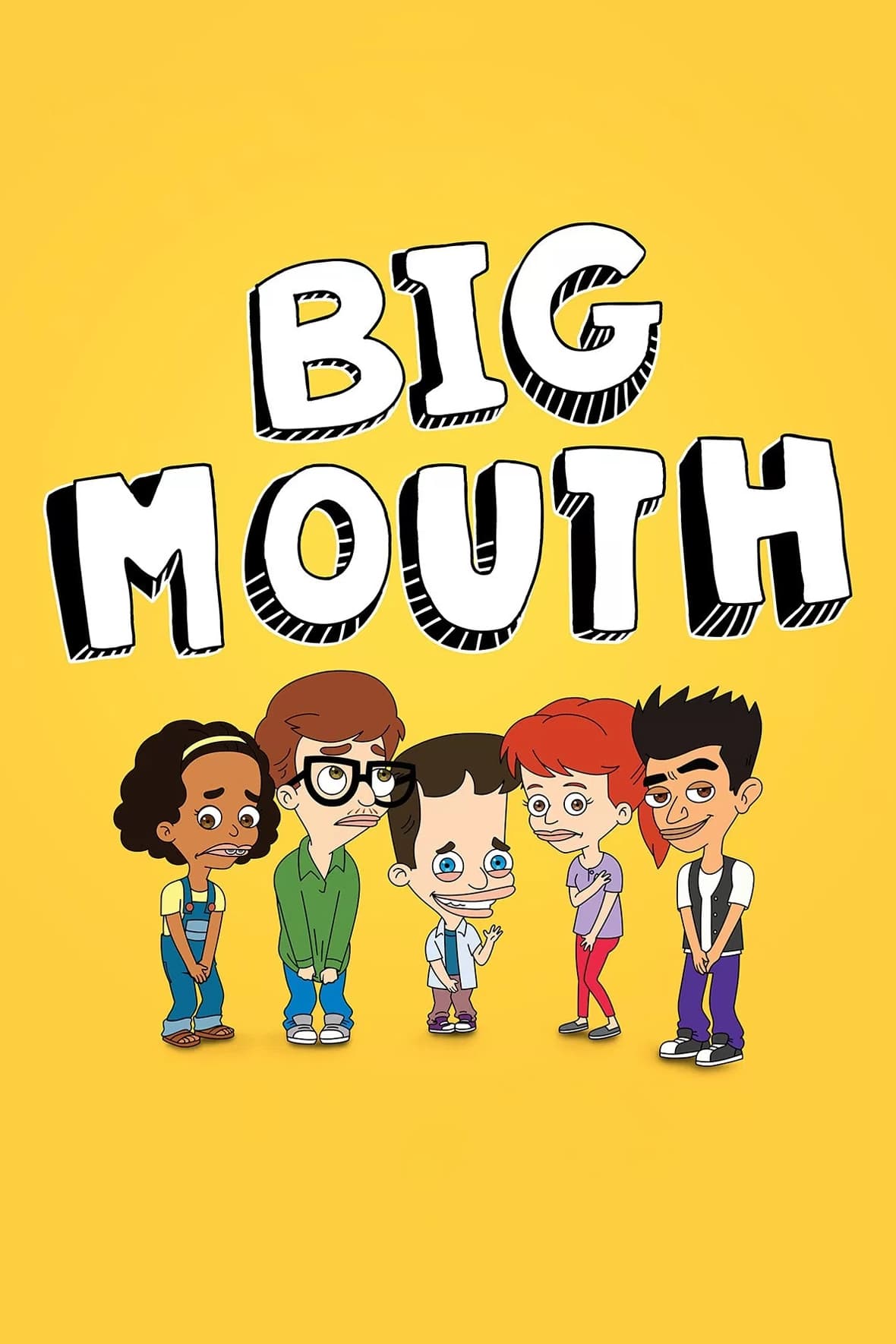
As a longtime animation fan, I have to admit this show is… a lot. It tackles the awkwardness of being a teenager – all the bodily changes and emotional turmoil – by literally personifying those feelings as these wild, chaotic hormone monsters. But honestly, the animation style isn’t for everyone; a lot of people find it pretty jarring. What really bothers me, and a lot of other viewers, is how it handles young characters and sexuality – even if it’s not trying to be inappropriate, it often feels uncomfortable. And the humor? Forget about it – it’s almost entirely based on shock value and gross-out gags, which just turns a lot of people off. It’s a show that almost seems to enjoy making you squirm, and that’s not really my cup of tea.
‘Disenchantment’ (2018–2023)
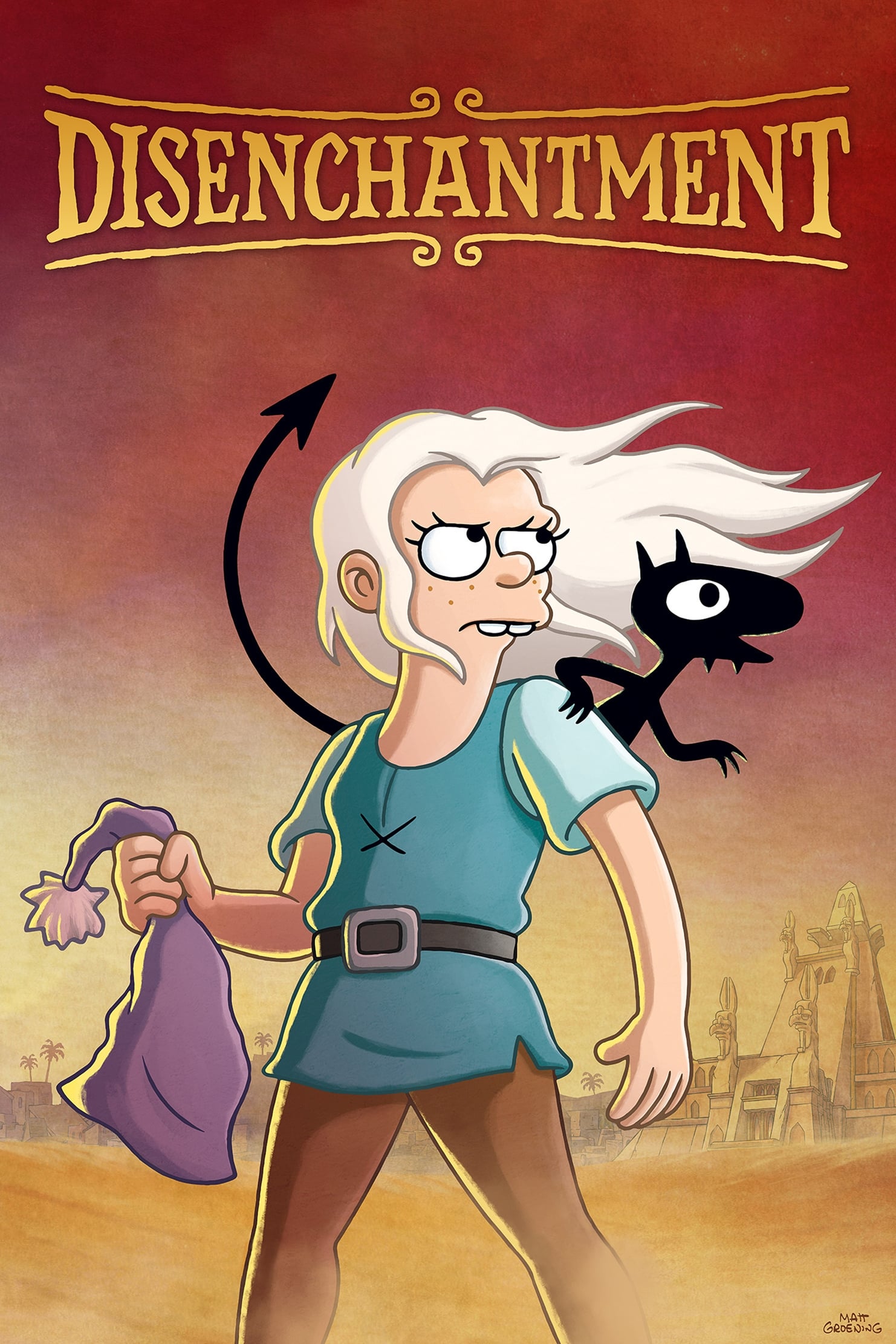
This fantasy story follows a princess who’s a bit of a troublemaker, getting into fights and enjoying a drink along the way. However, many viewers feel the story moves slowly and doesn’t have the same energy as other works by the creator. Critics also point out that the sound design feels weak and the humor often falls flat, with jokes that don’t quite land. Ultimately, it doesn’t feel as relevant or impactful as previous installments.
‘Space Force’ (2020–2022)
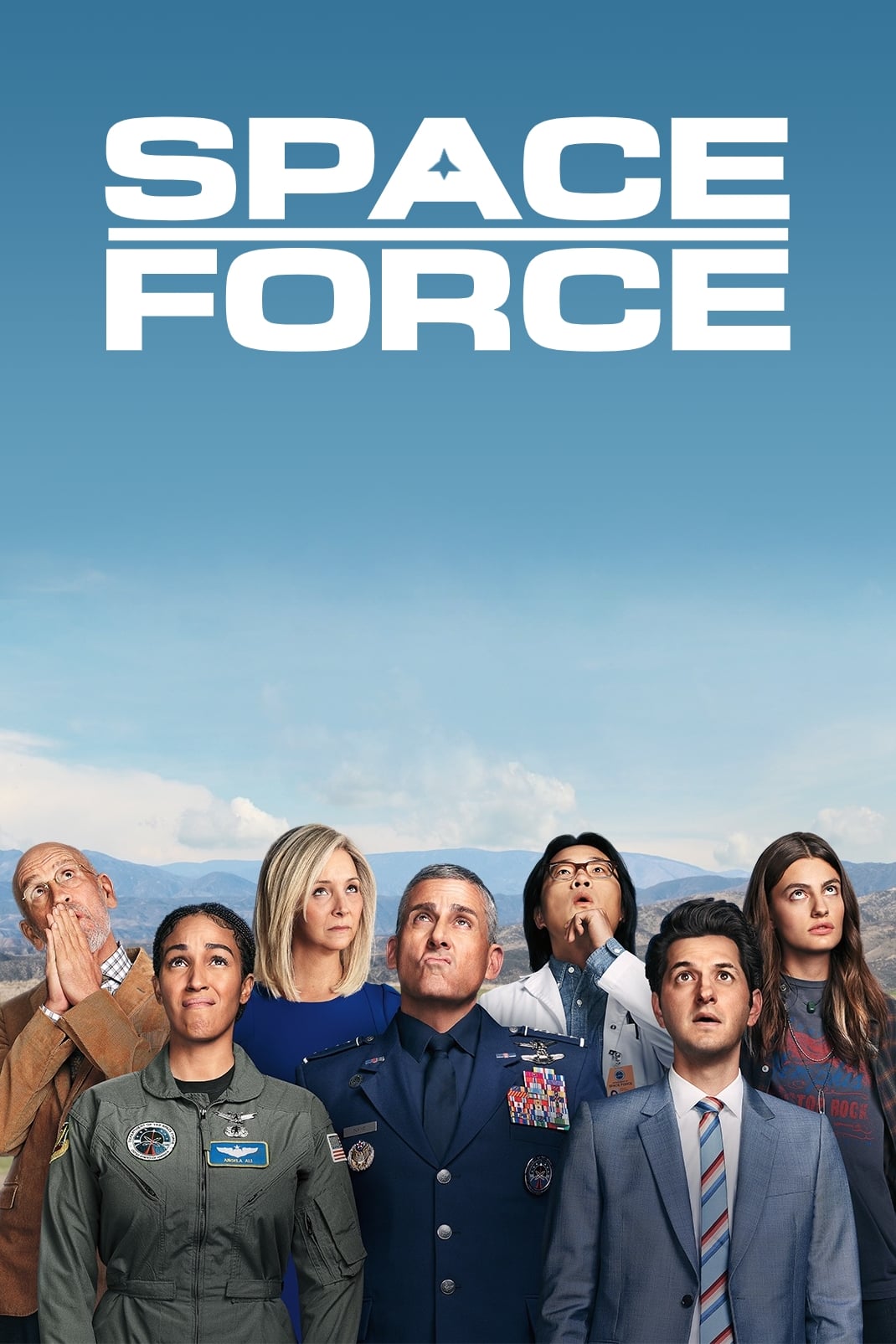
A military general is put in charge of creating a completely new branch of the U.S. Armed Forces. Although the show featured a talented cast, critics found it lacked humor and had no clear direction. It couldn’t decide if it wanted to be a funny workplace story or a sharp political commentary. The show spent a lot of money on an idea that never really took off, and viewers didn’t respond, leading to its swift cancellation.
‘Blockbuster’ (2022)

The staff at the very last video rental store fought to keep their business going. It wasn’t lost on anyone that Netflix, the company that essentially put video stores out of business, made a show about one. Unfortunately, the show itself didn’t fare much better. The characters were predictable and lacked any real connection, and the whole thing looked and felt low-budget. It was cancelled after just one season and is now mostly seen as a failed attempt.
‘Dads’ (2013–2014)
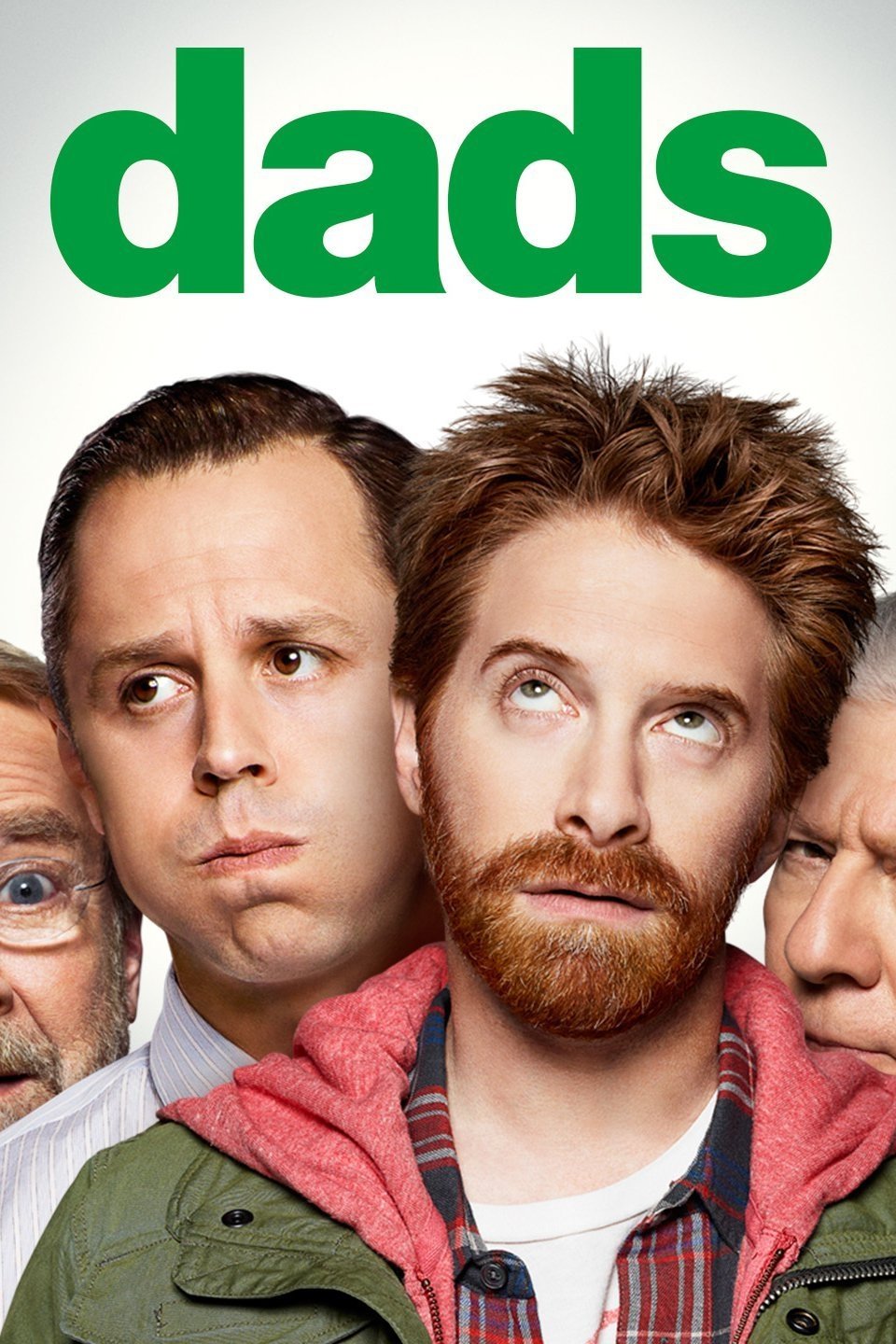
A new TV show about two video game developers faced immediate backlash after its debut. Critics and viewers alike found the pilot filled with racist and sexist content, and the series was widely panned for being offensive rather than humorous. Despite a strong cast, outdated writing led to poor reviews and low viewership, resulting in the show being quickly canceled.
Please share your thoughts on which popular comedies you think are overrated in the comments.
Read More
- 20 Movies Where the Black Villain Was Secretly the Most Popular Character
- Celebs Who Narrowly Escaped The 9/11 Attacks
- 25 “Woke” Films That Used Black Trauma to Humanize White Leads
- Top 20 Dinosaur Movies, Ranked
- The 10 Most Underrated Jim Carrey Movies, Ranked (From Least to Most Underrated)
- Transformers Under the Microscope: What Graph Neural Networks Reveal
- 22 Films Where the White Protagonist Is Canonically the Sidekick to a Black Lead
- The Best Directors of 2025
- Gold Rate Forecast
- Trading on Thin Air: AI Agents Conquer Crypto Volatility
2026-01-07 21:21