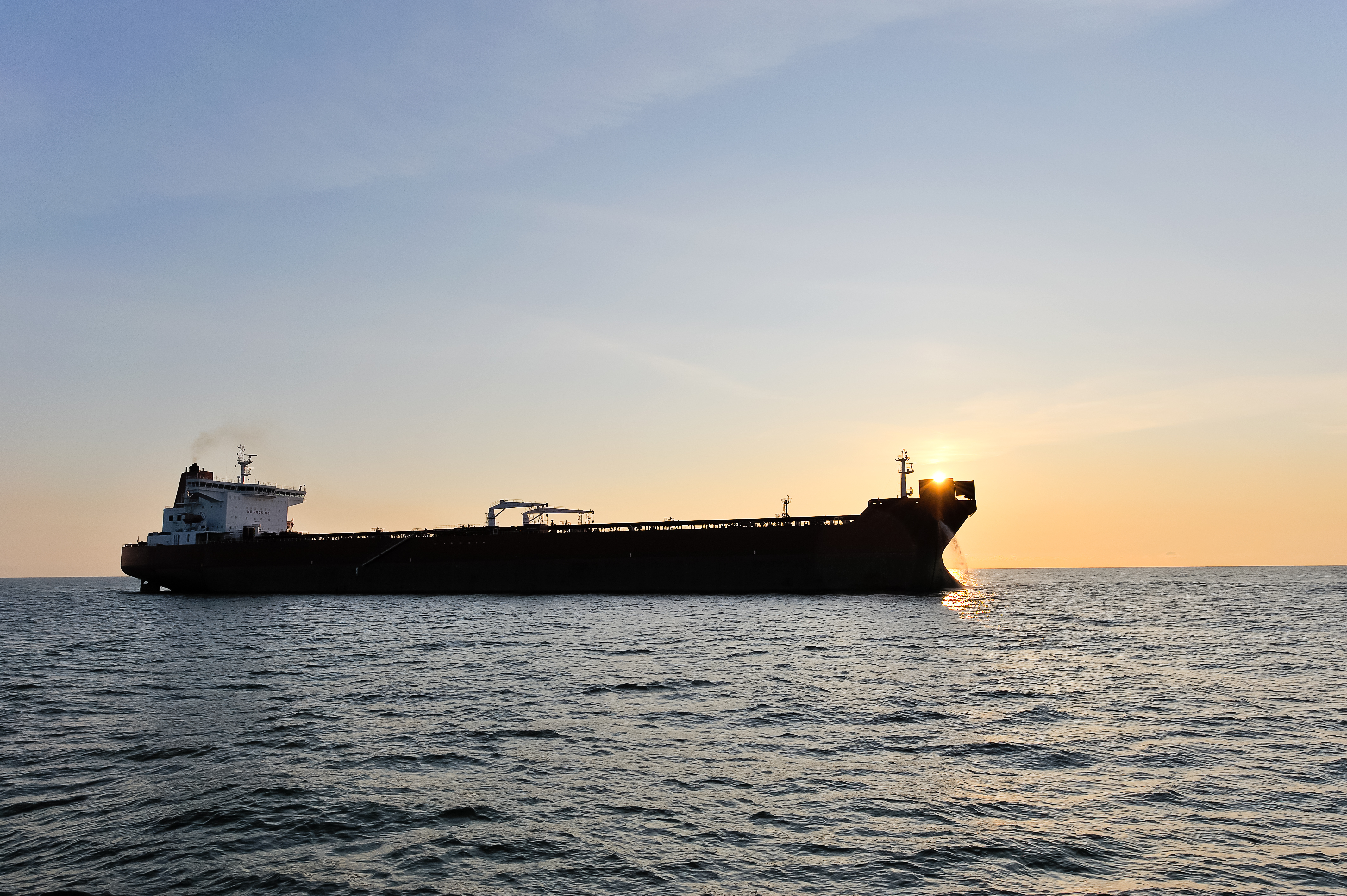
Many years later, as the screens flickered with the ghosts of fortunes lost and gained, old Manrique remembered the scent of jasmine clinging to the humid air, a scent that always preceded unease in the markets. He’d seen it before, of course, this particular tremor in the price of black gold, a phantom echo of conflicts yet to unfold, a premonition whispered on the winds blowing across the Strait of Hormuz. It began, as these things often do, not with explosions, but with a subtle shift in the currents, a tightening of the invisible strings that bind the world’s economies.
The price of crude, it is said, doesn’t merely reflect supply and demand; it absorbs the anxieties of nations, the weight of history, the metallic tang of impending conflict. Since the recent, deliberate disturbances – the strikes echoing from distant shores – a disquiet has settled over the oil markets, a restlessness that reminds seasoned traders of the long droughts and sudden floods that once plagued the coastal villages. Brent crude, now trading some seven percent above its late February slumber, has been climbing for weeks, fueled by the nervous energy of investors who sense the gathering storm. A barrel now commands around seventy-one dollars, a sum that feels less like a price and more like a reckoning, nine dollars more than a month ago, and briefly brushing eighty over the weekend – a fleeting glimpse of what might be.
The Strait of Hormuz, that narrow passage where the Persian Gulf exhales into the Indian Ocean, remains the critical artery. One-fifth of the world’s crude oil flows through its waters, a constant, vital pulse. There was a time, not so long ago, when Iran possessed the power to constrict that flow, to hold the world’s energy supply hostage. Though the whispers of such a closure are now muted, the memory lingers, a shadow cast by past possibilities. It’s a delicate balance, this dance of power and vulnerability, and the markets, ever sensitive, respond to the slightest misstep.
Of course, the world is rarely so simple. Pipelines offer an alternative route, a subterranean vein for the black blood of the earth. Storage facilities, vast concrete reservoirs, can absorb some of the disruption. But these are merely palliative measures, temporary reprieves. The Gulf’s production, even with these diversions, remains largely dependent on the unimpeded flow through the strait. And the markets, like restless spirits, are already calculating the cost of a prolonged interruption.
A Hundred Dollar Shadow
JPMorgan Chase, those meticulous cartographers of financial risk, estimate that a conflict lasting more than three weeks could propel Brent crude to between one hundred and ten and one hundred and twenty dollars a barrel. A price that would ripple through the global economy like a seismic wave, igniting inflation and eroding consumer spending. The scent of jasmine, Manrique remembered, always grew stronger with the approach of such turbulence. A stock market correction, or even a more significant drawdown, would be almost inevitable. The numbers, cold and precise, mask the human cost, the quiet desperation of families struggling to afford the necessities.
Fortunately, Iran has, for the moment, refrained from obstructing the strait, though some speculate this is less a gesture of peace and more a reflection of recent setbacks. Traffic, however, remains subdued, a voluntary standstill as shippers await a lull in the fighting. For now, the global economy seems capable of absorbing a modest increase in energy prices. But the markets, like wary animals, are always prepared for the worst.
On Monday morning, the S&P 500 index opened with a slight tremor, a fractional decline from Friday’s close, before recovering to end the day relatively unchanged. A momentary hesitation, a collective intake of breath. But the underlying anxiety remains, a subtle pressure building beneath the surface.
Most analysts predict a swift, contained conflict, with limited regional spillover. A more troubling scenario envisions a shorter conflict with wider repercussions and a partial closure of the Hormuz Strait. The darkest possibility, of course, is a prolonged campaign, with extensive regional instability and a near-complete shutdown of the strait. Fitch Ratings, those somber prophets of financial doom, currently favor the second scenario, but the markets, ever unpredictable, are capable of defying even the most carefully constructed forecasts.
One can only hope for a swift and contained resolution, one that minimizes the damage to the stock market and, more importantly, to the lives of those caught in the crosscurrents of conflict. The scent of jasmine, Manrique knew, would eventually fade, but the memory of its warning would linger, a reminder that even in the most prosperous of times, the shadows of uncertainty always remain.
Read More
- 20 Movies Where the Black Villain Was Secretly the Most Popular Character
- Top 20 Dinosaur Movies, Ranked
- 25 “Woke” Films That Used Black Trauma to Humanize White Leads
- Silver Rate Forecast
- Spotting the Loops in Autonomous Systems
- Gold Rate Forecast
- From Bids to Best Policies: Smarter Auto-Bidding with Generative AI
- 22 Films Where the White Protagonist Is Canonically the Sidekick to a Black Lead
- Can AI Lie with a Picture? Detecting Deception in Multimodal Models
- Top 10 Coolest Things About Invincible (Mark Grayson)
2026-03-04 23:42