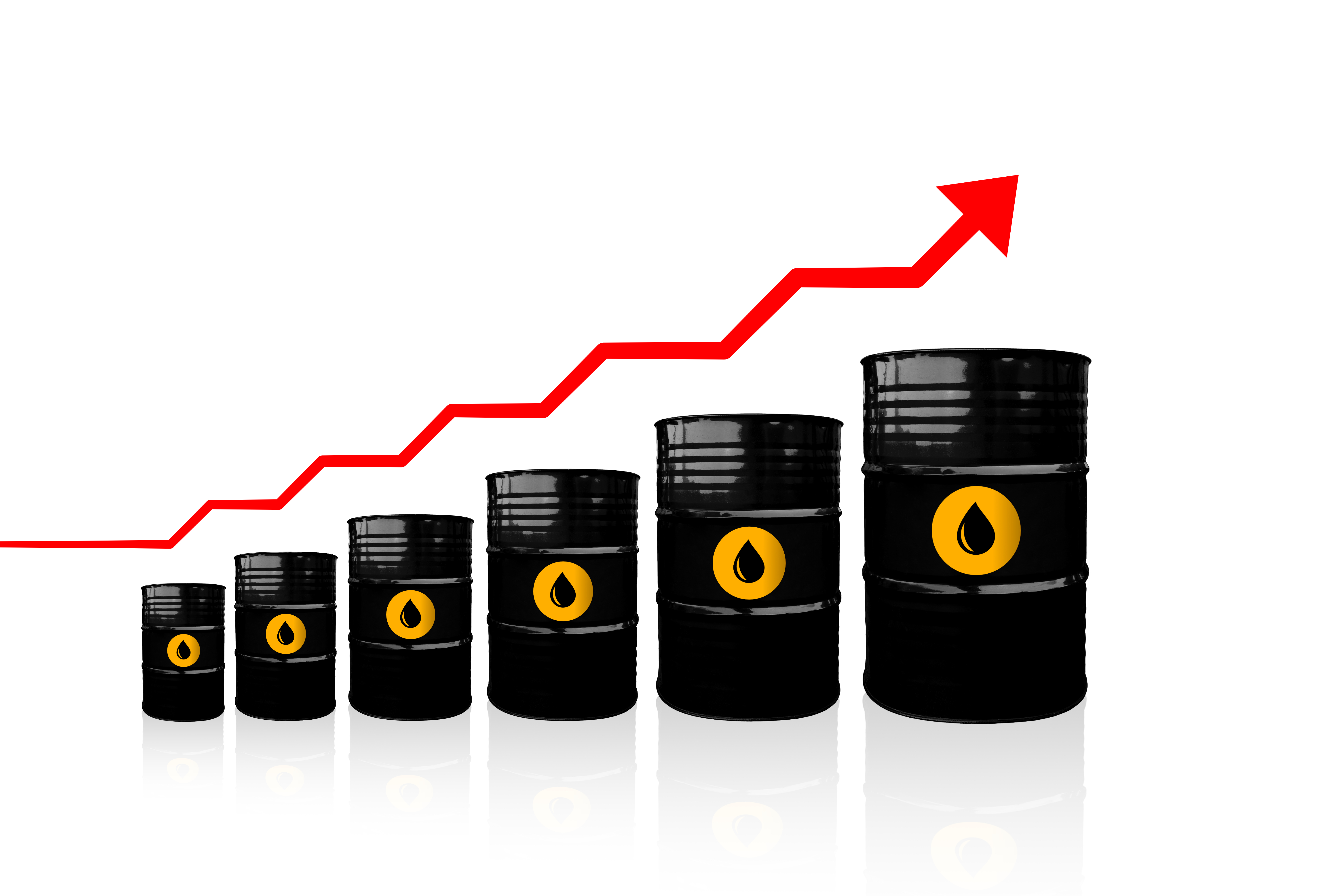
The market, as one might expect, has barely registered the unpleasantness in the Middle East. A dip of less than 3% since hostilities commenced is, frankly, rather unsporting. One had anticipated a more robust display of panic, given the near-total obstruction of shipping through the Strait of Hormuz and the predictably vulgar surge in the price of Brent crude – from a modest $72 to over $100 a barrel, a 40% increase. A vulgar display, indeed. Still, it suggests a certain… detachment from reality.
The question, naturally, is not whether a correction might occur – the market is, after all, a fundamentally irrational entity – but what precisely would constitute the catalyst. A 10% decline is the conventional definition, though one suspects the actuaries enjoy inventing such arbitrary thresholds to justify their fees.
Deutsche Bank, ever diligent in charting the course of impending doom, has been examining past geopolitical disturbances. Their findings, while hardly novel, suggest that a 15% drawdown in the S&P 500 (^GSPC 0.73%) requires a confluence of circumstances. Three scenarios, they propose. One trusts they are adequately compensated for stating the obvious.
The Usual Suspects
The first, and most predictable, is a sustained spike in oil prices. A 50% to 100% increase, persisting for several months. Brent did, briefly, flirt with $120, but settled back to a more manageable $100. To truly unsettle the dividend payer, oil would need to remain above $107 for a prolonged period. A rather gloomy prospect, though one cannot dismiss it entirely.
It is worth remembering that, since 2019, the United States has been a net exporter of petroleum products. And we are, generally speaking, more efficient in our consumption than in decades past. Higher oil prices are, therefore, less damaging than they once were. Though one doubts that provides much comfort to those reliant on a steady income stream.
The second scenario involves an oil shock tipping an already weakening economy into recession. Which raises the question of the economy’s pre-existing condition. Growth has, admittedly, slowed in recent quarters, falling to 1.4% in the fourth quarter. And February saw a loss of 92,000 jobs, with unemployment ticking up to 4.4%. These are figures to observe, naturally.
However, the economy is still, technically, growing. And the unemployment rate remains relatively low. The Federal Reserve Bank of Atlanta estimates current growth at 2.7%. So, a full-blown crisis seems… premature. Though one should never underestimate the capacity for self-destruction.
Finally, a hawkish pivot from central banks, responding to the oil spike, could send economies reeling. The Federal Reserve’s committee meets this week, and will announce any policy changes on Wednesday. Few expect a move at this meeting. And futures markets are now pricing in a rate cut, not a hike. A curious development. One wonders if they are entirely aware of the situation.
Currently, none of the conditions necessary for a recession are in effect. Polymarket, the largest prediction market, puts the chances at 31%. A perfectly reasonable assessment, one thinks. A trifle optimistic, perhaps, but reasonable nonetheless. The discerning investor, of course, will continue to monitor the situation, and prepare for the inevitable.
Read More
- Gold Rate Forecast
- Invincible Season 4 Gender Swaps Tech Jacket As Fans Question Major Comic Change
- 22 Films Where the White Protagonist Is Canonically the Sidekick to a Black Lead
- 14 Movies Where the Black Character Refuses to Save the White Protagonist
- Silver Rate Forecast
- Why Won’t It Just *Do* What You Ask? Unpacking the Quirks of AI Language
- The Best Former NFL Players Turned Actors, Ranked
- Unveiling the Schwab U.S. Dividend Equity ETF: A Portent of Financial Growth
- Superman Flops Financially: $350M Budget, Still No Profit (Scoop Confirmed)
- Biogen’s Jolly Good Showing
2026-03-18 20:32