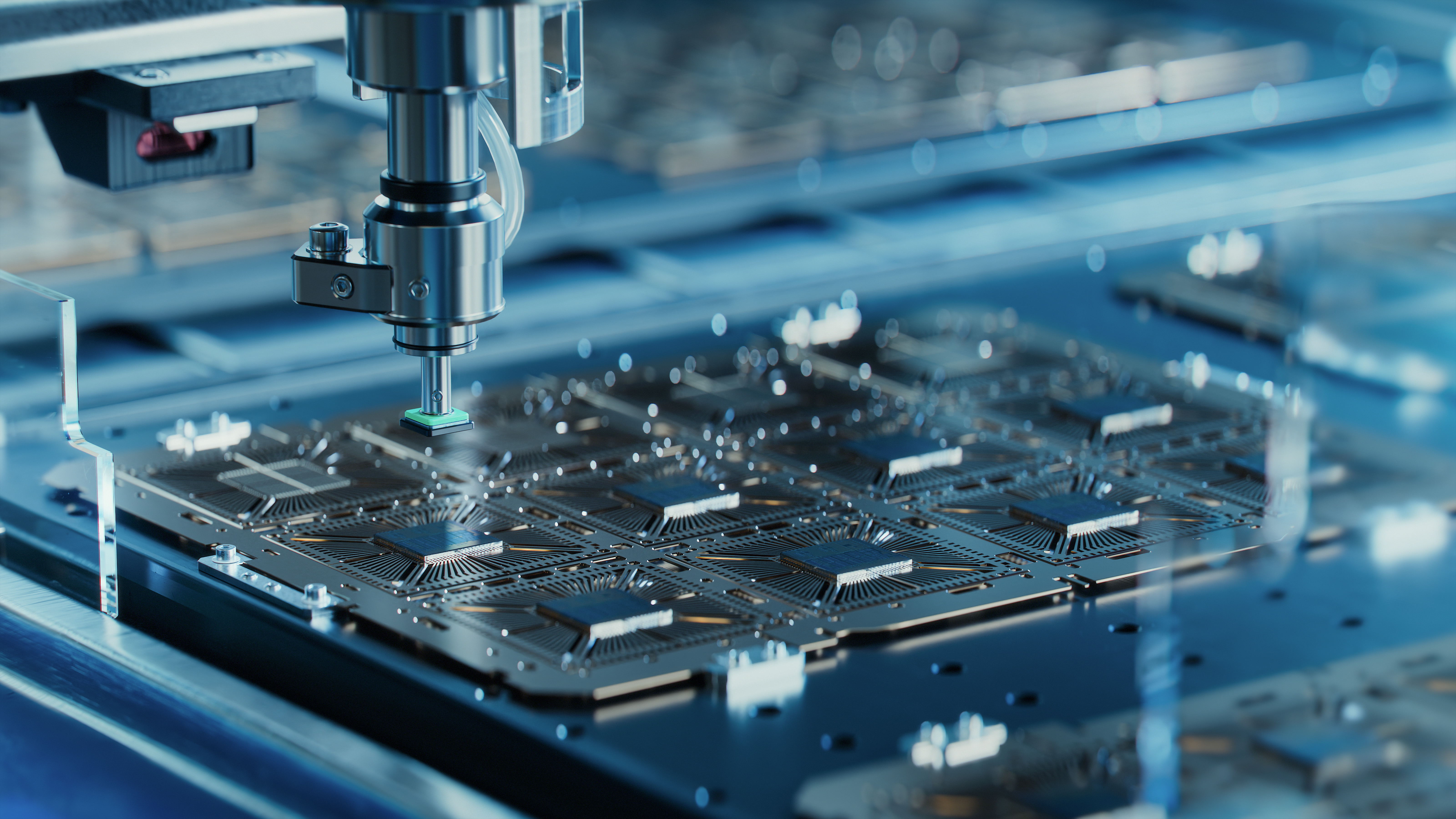
The name Nvidia – a sleek, obsidian shard in the glittering mosaic of the market – continues to surface in conversations regarding the ascendant fortunes of 2025. It has, rather predictably, become synonymous with the current, feverish obsession: artificial intelligence. A curious alignment, really, of silicon and simulated sentience. The company’s graphical processing units, or GPUs as they are inelegantly termed, are not merely components; they are, for the moment, the very ventricles pumping lifeblood into the burgeoning body of AI. A dominance so complete, a market share hovering around eighty-five percent, suggests not innovation, but a temporary, gilded cage.
One observes, naturally, the inevitable stirrings of competitors. Advanced Micro Devices, a name that rolls off the tongue with considerably less panache, currently occupies a modest seven percent of the market, a growth rate that suggests a tortoise attempting to outpace a thoroughbred. Then there’s Qualcomm, venturing into the lower echelons of AI demand with chips aimed at those who require less… cerebral horsepower. A sensible strategy, perhaps, but akin to offering a thimbleful of champagne at a bacchanal.
The question, therefore, isn’t whether Nvidia might stumble, but rather, how gracefully it will manage its descent from this precarious peak. To assume its immediate dethronement would be a vulgar simplification. The sheer inertia of its position, the tendrils of its influence woven into the fabric of the industry, are considerable. Even AMD’s incremental gains – a mere 0.8% in the last quarter – seem almost… polite, a gentle nudge against an immovable object.
Heavy is the head that wears the crown
Qualcomm’s impending chips, scheduled for release in phases – one this year, another in 2027 – offer a glimmer of potential disruption, but time, that relentless sculptor, will be required to assess their true impact. One suspects a protracted skirmish, rather than a swift conquest. The market, after all, is rarely swayed by novelty alone.
More compelling, perhaps, is Nvidia’s entanglement with the behemoths of the AI landscape. OpenAI, a name that now evokes both wonder and a touch of apprehension, is a voracious consumer of Nvidia’s hardware. Their recent announcement of intent to deploy another ten gigawatts of Nvidia chips is not merely a transaction; it’s a declaration of dependence, a symbiotic relationship that benefits both parties, at least for the foreseeable future. Microsoft, too, is a substantial patron, a predictable alignment of corporate interests.
Despite a five-year gain of 1252% – a figure that borders on the fantastical – and a market capitalization exceeding four and a half trillion dollars, Nvidia continues to exhibit a rather unsettling propensity for growth. For the most recent quarter, Q3 2025, revenue surged to $57 billion, a sixty-two percent year-over-year increase. Net income, predictably, followed suit, climbing sixty-five percent. Diluted earnings per share swelled by sixty-seven percent. These are not merely numbers; they are symptoms of a company operating in a realm beyond conventional metrics.
The company’s cash reserves, now totaling $60.6 billion, are enough to extinguish its $10.82 billion in debt almost six times over. A rather extravagant display of financial solvency, wouldn’t you agree? And with a gross profit margin of seventy percent and a net income margin of fifty-three percent, to describe Nvidia as “profitable” feels akin to describing the ocean as “damp.”
Wall Street, naturally, watches with bated breath whenever Nvidia releases earnings data. The company, with a consistent habit of exceeding expectations, has done so in each of the last five quarters. A predictable pattern, perhaps, but one that continues to elicit a collective gasp of admiration.
So, will this juggernaut be toppled from its throne anytime soon? It’s not impossible, of course. But to wager against Nvidia’s continued reign would be a rather imprudent gamble. After all, it’s good to be king… or, in this case, the architect of a digital kingdom.
Read More
- 20 Movies Where the Black Villain Was Secretly the Most Popular Character
- Top 20 Dinosaur Movies, Ranked
- Celebs Who Narrowly Escaped The 9/11 Attacks
- 25 “Woke” Films That Used Black Trauma to Humanize White Leads
- The 10 Most Underrated Jim Carrey Movies, Ranked (From Least to Most Underrated)
- Transformers Under the Microscope: What Graph Neural Networks Reveal
- The Best Directors of 2025
- Every Notable ‘Star Trek: The Original Series’ Actor Who Died
- Trading on Thin Air: AI Agents Conquer Crypto Volatility
- 22 Films Where the White Protagonist Is Canonically the Sidekick to a Black Lead
2026-01-25 23:54