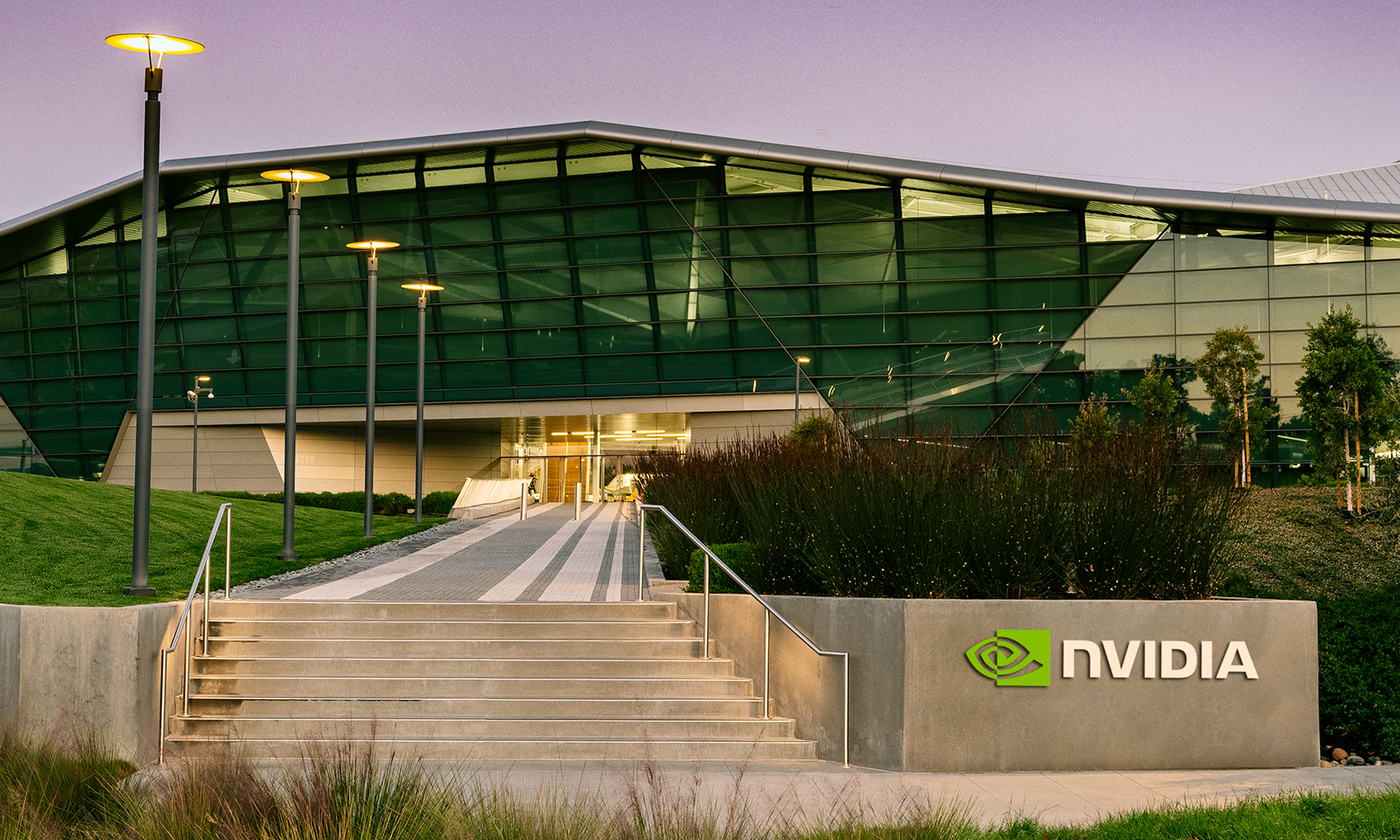
One hears pronouncements, you see, about Nvidia becoming the ‘next Apple.’ A rather ambitious claim, wouldn’t you agree? As if simply selling more silicon automatically elevates a company to the realm of consumer devotion. It’s like claiming a particularly sturdy samovar is destined to write poetry. The sheer audacity of it!
The recent GTC conference, a spectacle of polished presentations and promises, revolved, as these things often do, around the blossoming field of artificial intelligence. Specifically, this ‘inferencing’ business – a term, I suspect, designed to sound far more profound than it actually is. They speak of an ‘ecosystem’… a word that should be approached with the same caution one reserves for street vendors offering ‘genuine antiques.’
The idea, as I gather, is to move beyond the simple sale of graphics processing units – these expensive, power-hungry contraptions – and instead capture a recurring revenue stream. A subscription, if you will, to the very act of thinking. A clever scheme, to be sure, though not entirely novel. It’s reminiscent of those ‘lifetime’ memberships to dubious health spas – a promise of perpetual benefit predicated on a hefty upfront payment.
The Mirage of Recurring Revenue
Nvidia’s current prosperity, let’s be frank, rests almost entirely on the insatiable appetite of hyperscalers – these digital behemoths who require ever-increasing amounts of computing power. A precarious foundation, wouldn’t you say? It’s like building a palace on a foundation of sandcastles. The data center segment currently accounts for nearly 90% of their revenue. The other segments – professional visualization, gaming, automotive… charming diversions, but hardly moving the needle. They’re merely dressing up the elephant, hoping no one notices the lack of substance.
Their new ‘Rubin’ architecture, with its six interconnected chips, is presented as a breakthrough. And perhaps it is. But let’s not mistake efficiency for transformation. It’s akin to improving the horse-drawn carriage – a commendable effort, but hardly a substitute for the automobile. The focus on AI inference, rather than training, is a subtle admission that the truly revolutionary gains may already be behind them.
This ‘inferencing’ business, they explain, involves applying AI models to real-world tasks. A rather circular definition, wouldn’t you agree? It’s like saying water is for drinking – undeniably true, but hardly illuminating. The key, they claim, is ‘tokenization’ – charging customers based on the number of ‘inference tokens’ used. A clever accounting trick, to be sure, but hardly a paradigm shift.
The goal, they proclaim, is to create an ecosystem of chips, networking hardware, and software that scales with token demand. A grand vision, indeed. But one can’t help but wonder if it’s merely a sophisticated attempt to lock customers into a proprietary system – a digital gilded cage, if you will.
Apple’s Shadow and the Allure of Predictability
Nvidia, it seems, aspires to emulate Apple’s success. A noble ambition, perhaps, but one fraught with peril. Apple’s ecosystem isn’t built on technical superiority alone; it’s built on brand loyalty, design aesthetics, and a carefully cultivated sense of exclusivity. Nvidia, with its focus on high-end computing, caters to a rather different clientele – one less concerned with style and more concerned with performance. It’s like comparing a bespoke suit to a welding mask – both serve a purpose, but they appeal to vastly different tastes.
Apple’s success, let’s not forget, is also predicated on a steady stream of consumer products – iPhones, iPads, Apple Watches, and the like. Nvidia, for all its technological prowess, remains largely dependent on a handful of large corporate clients. It’s a precarious position, wouldn’t you agree? A single lost contract could send their earnings plummeting.
Apple, having reached a certain level of maturity, now focuses on generating free cash flow, buying back stock, and paying dividends. A sensible strategy, to be sure, but hardly glamorous. Nvidia, it seems, is attempting to follow suit, promising to allocate 50% of its free cash flow to buybacks and dividends. A commendable effort, but one can’t help but wonder if it’s merely a desperate attempt to appease investors.
The Illusion Persists
A potential slowdown in growth is presented as a natural stage of maturation. A convenient narrative, wouldn’t you agree? It allows them to lower expectations while still maintaining the illusion of progress. The idea is that a recurring revenue stream will somehow compensate for a decline in hardware sales. A clever accounting trick, perhaps, but hardly a sustainable solution.
Nvidia’s valuation, despite its impressive growth, remains significantly lower than Apple’s. Investors, it seems, are willing to pay a premium for predictability and stability. A sensible strategy, wouldn’t you agree? It’s far safer to invest in a company that consistently generates profits than one that relies on speculative technologies.
In conclusion, Nvidia’s attempt to build a recurring revenue stream is a clever move, to be sure. But it’s not a panacea. It won’t magically transform the company into the ‘next Apple.’ It’s merely a sophisticated attempt to mask the underlying vulnerabilities of a business that remains heavily dependent on a handful of large corporate clients. A charming illusion, perhaps, but an illusion nonetheless.
Read More
- 20 Movies Where the Black Villain Was Secretly the Most Popular Character
- Top 20 Dinosaur Movies, Ranked
- Silver Rate Forecast
- Can AI Lie with a Picture? Detecting Deception in Multimodal Models
- 25 “Woke” Films That Used Black Trauma to Humanize White Leads
- 22 Films Where the White Protagonist Is Canonically the Sidekick to a Black Lead
- Top 10 Coolest Things About Invincible (Mark Grayson)
- When AI Teams Cheat: Lessons from Human Collusion
- From Bids to Best Policies: Smarter Auto-Bidding with Generative AI
- Unmasking falsehoods: A New Approach to AI Truthfulness
2026-03-24 13:43