The current enthusiasm for artificial intelligence has, predictably, engendered a feverish speculation. One might almost believe a new age is upon us, rather than merely a particularly lucrative opportunity for those skilled in the fabrication of silicon. The market, naturally, has responded with a volatility that would have unsettled even a seasoned gambler. Fortunes are made and lost with an alarming casualness, and the discerning investor is left to observe the spectacle with a mixture of amusement and apprehension.
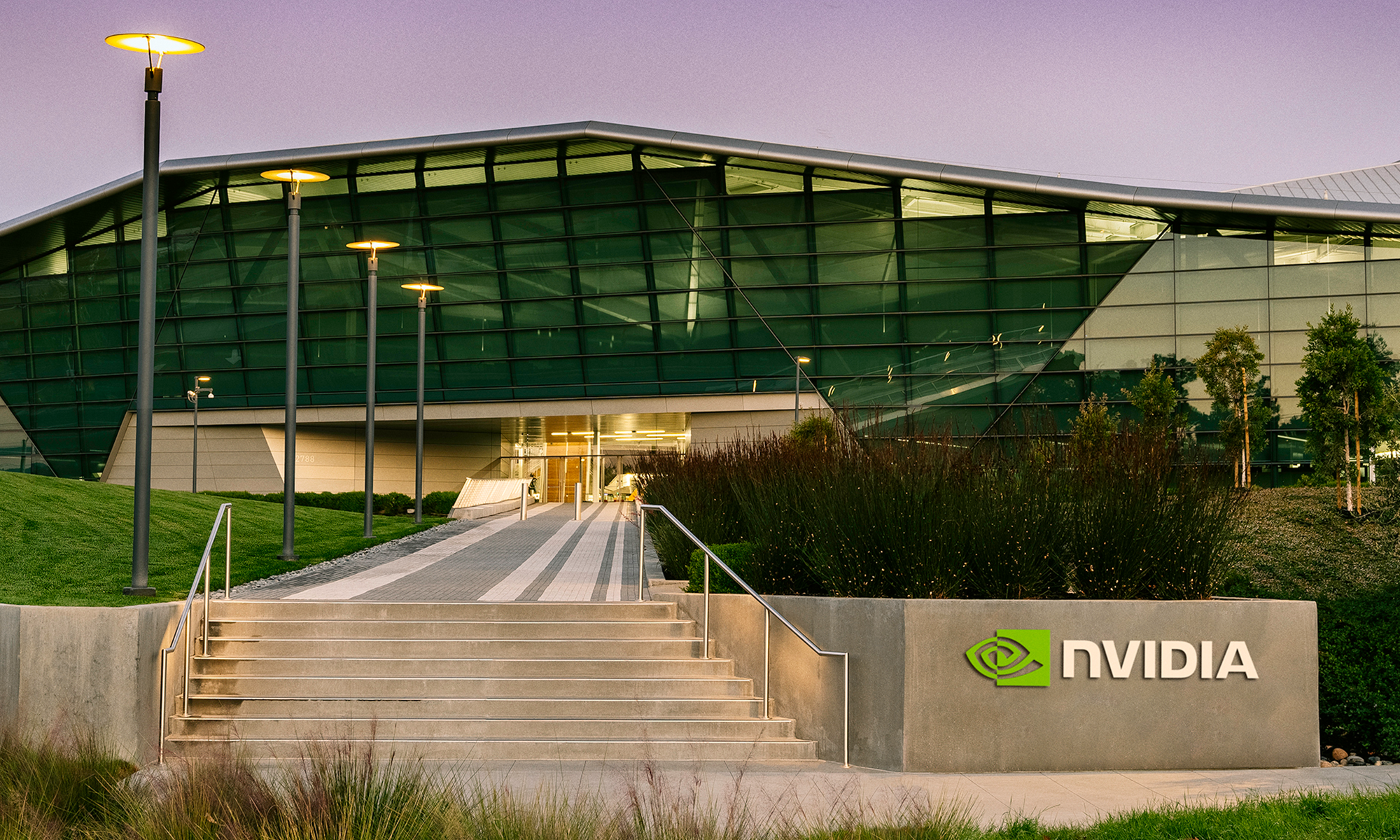
Nvidia, having positioned itself rather cleverly at the heart of this technological flurry, has benefited handsomely. The company’s share price, a truly baroque ascent, now rests at a height that invites correction. Yet, the quarterly report due on February 25th looms, and the financial community, a notoriously excitable flock, awaits the pronouncements with the breathless anticipation usually reserved for a papal decree.
The question, of course, is whether this optimism is justified. Or is it merely a collective delusion, fueled by press releases and the promise of algorithmic salvation? The evidence, as one might expect, is rather more complicated than the headlines suggest. But it is, at least, suggestive.
A Cloud of Spending
Nvidia’s graphics processing units, these little engines of computation, are now indispensable to the ambitions of the tech giants. The sheer scale of data processing required for advanced AI, however, is a burden few can bear. The fortunate few who can, are, almost exclusively, Nvidia’s clientele. Recent earnings reports from Microsoft, Alphabet, and Amazon offer a revealing glimpse into the magnitude of their investment. And the figures are, frankly, staggering.
Microsoft, it appears, is determined to spend its way into the future. A commitment of $88.2 billion last year, and a clear intention to exceed that sum, suggests a rather robust faith in the power of algorithms. Their Chief Financial Officer, with a commendable lack of subtlety, noted that the GPUs they acquire are effectively committed for their entire useful life. A sentiment, one imagines, shared by many.
Alphabet, not to be outdone, is planning a capital expenditure of $180 billion – double its previous outlay. The rationale, predictably, is the pursuit of generative AI. Revenue, they claim, has grown by a remarkable 400% year over year, despite being, as they candidly admit, supply constrained. The backlog, meanwhile, has more than doubled to $240 billion, a testament to the insatiable appetite for digital wizardry.
Amazon, ever the pragmatist, is allocating a colossal $200 billion to capital expenditure. Their CEO, with a touch of weary resignation, merely stated they are “monetizing capacity as fast as we can install it.” A rather blunt acknowledgement that the entire enterprise is predicated on the continued expansion of this digital infrastructure.
Meta Platforms, while not a traditional cloud provider, is also contributing to the frenzy. With 3.58 billion daily visitors to its various platforms, the company possesses a treasure trove of user data. They are, unsurprisingly, using AI to drive engagement, and thus, advertising revenue. The numbers, while respectable, lack the sheer audacity of their peers. A touch of restraint, perhaps, or merely a more cautious approach to extravagance.
The Beneficiary
It is becoming increasingly clear that this surge in capital expenditure will primarily benefit those who supply the necessary hardware. Nvidia, with a commanding 92% market share of data center GPUs, is uniquely positioned to reap the rewards. The company, naturally, keeps its biggest customers close to the vest. But analysts, with a commendable diligence, have managed to piece together a rather revealing picture.
The four largest customers, responsible for 40% of Nvidia’s sales, are: Microsoft (15%), Meta Platforms (13%), Amazon (6.2%), and Alphabet (5.8%). These figures, while subject to fluctuation, provide a clear indication of where the money is flowing. It is, in essence, a transfer of wealth from the tech giants to the semiconductor manufacturer. A rather neat arrangement, one might observe.
A Matter of Timing
On February 25th, Nvidia will report its fiscal fourth-quarter results. The company is guiding for year-over-year revenue growth of 65%, an acceleration from the previous quarter. Given their history of exceeding expectations, a positive surprise is entirely plausible. However, attempting to “game the system” and profit from short-term fluctuations is a fool’s errand. Investor psychology, profit-taking, and the general economic climate are all unpredictable variables.
For the long-term investor, however, the outlook is rather more promising. The spending plans of these tech behemoths suggest that the AI boom is far from over. And Nvidia, with its dominant market share and technological prowess, is well-positioned to benefit. At a forward price-to-earnings ratio of 24, the stock appears attractively priced. Whether the stock will perform well between now and February 25th is anyone’s guess. But for those willing to hold their shares for three to five years, a pleasing return is, at least, a reasonable expectation.
Read More
- Games That Faced Bans in Countries Over Political Themes
- Gold Rate Forecast
- Silver Rate Forecast
- Unveiling the Schwab U.S. Dividend Equity ETF: A Portent of Financial Growth
- 22 Films Where the White Protagonist Is Canonically the Sidekick to a Black Lead
- Superman Flops Financially: $350M Budget, Still No Profit (Scoop Confirmed)
- 20 Movies Where the Black Villain Was Secretly the Most Popular Character
- Celebs Who Narrowly Escaped The 9/11 Attacks
- 14 Movies Where the Black Character Refuses to Save the White Protagonist
- The Best Directors of 2025
2026-02-08 10:52