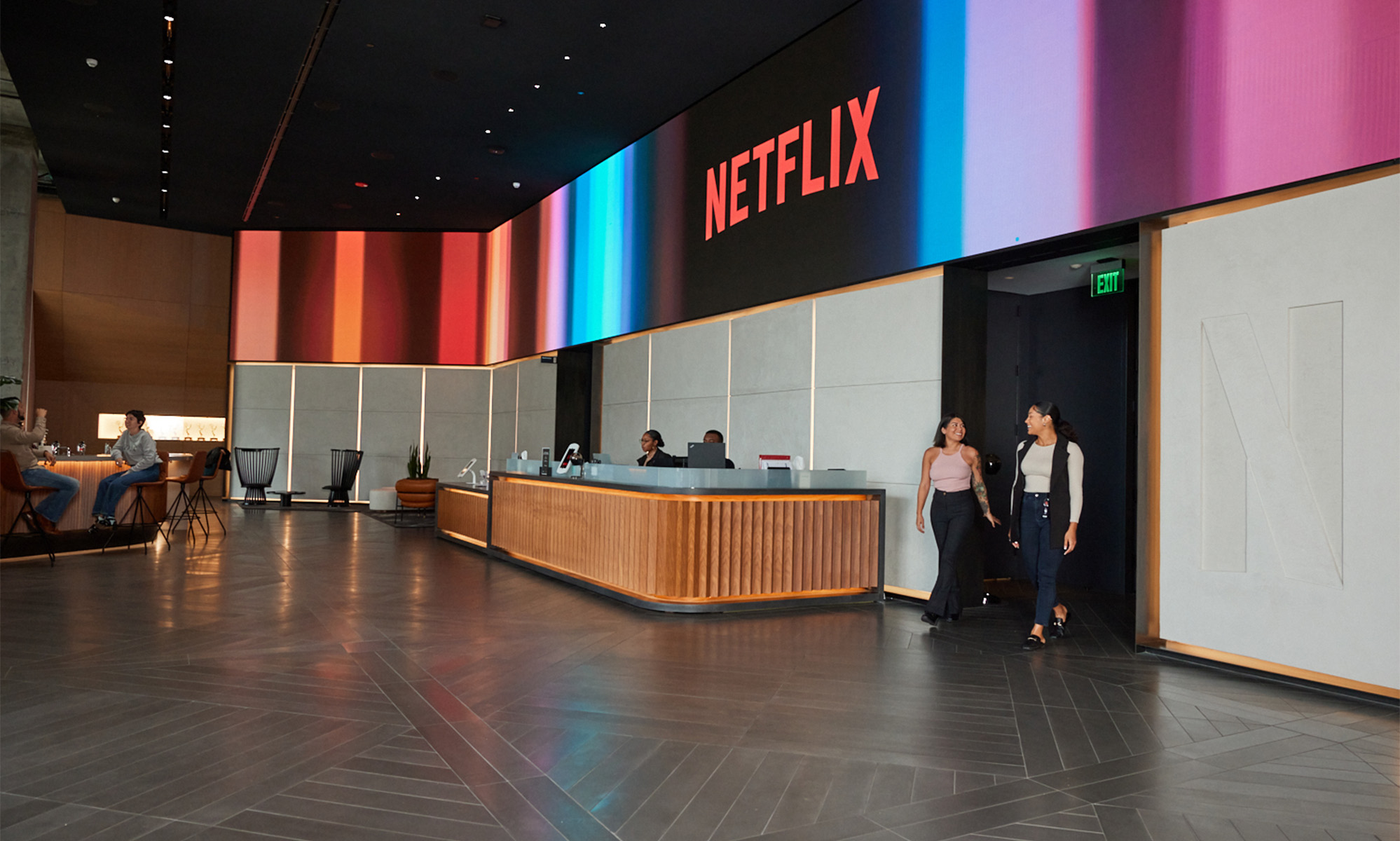
It appears the streaming behemoth, Netflix, has performed a most curious maneuver – retreating from a prospective acquisition with shares inexplicably soaring. One might almost suspect a pact with some higher, or perhaps lower, power. Eighty-three billion dollars, a sum capable of resurrecting entire republics, casually discarded. And the market… applauds? It’s enough to make one question the very nature of reality, or at least, the sanity of institutional investors.
For months, the air thrummed with anxieties regarding Netflix’s potential entanglement with Warner Bros. Discovery. A legacy studio, burdened with the weight of decades of questionable creative decisions and even more questionable accounting practices. The specter of debt loomed, threatening to drown the streaming service in a sea of red ink. But management, bless their pragmatic hearts (or perhaps, their self-preservation instincts), opted for a course of… restraint. A rare sight in this age of boundless ambition and reckless spending. The market, it seems, prefers a living mediocrity to a spectacular, debt-fueled implosion.
The stock, rebounding with the vigor of a particularly stubborn ghost, now hovers around ninety-six dollars a share. A signal, naturally, for the hordes of eager speculators to descend, convinced they’ve stumbled upon the next great opportunity. One suspects, however, that most are merely chasing the echo of a reprieve, a temporary stay of execution in the relentless game of financial roulette.
A Disciplined Retreat, or a Coward’s Flight?
The most notable takeaway from this debacle is not the acquisition’s failure, but the swiftness with which Netflix abandoned ship. Co-CEOs Sarandos and Peters, faced with a rival bidder willing to throw even more money into the abyss, wisely (or perhaps, fearfully) retreated. Their joint statement, a carefully crafted exercise in corporate doublespeak, spoke of “strong stewardship” and “preserving production jobs.” One imagines a private conversation far removed from such platitudes, likely involving a frantic calculation of potential losses and a shared sigh of relief.
“This transaction was always a ‘nice to have’,” they declared, as if casually dismissing a priceless artifact. A ‘nice to have’ at the right price, naturally. One suspects the price was never quite ‘right’ enough to justify the inherent risks. Instead, they’ve chosen to reinvest in their existing business – a strategy so revolutionary, it’s almost shocking. Twenty billion dollars devoted to “quality films and series.” One can only hope this translates to something beyond endless reboots and formulaic thrillers.
And, of course, a resumption of share repurchases. A most convenient method of artificially inflating the stock price, diverting attention from any underlying deficiencies. A magician’s trick, skillfully executed.
Momentum, or the Illusion Thereof?
The fourth-quarter results, as reported, were “exceptional.” Revenue increased by eighteen percent, operating margins expanded. Numbers, numbers, numbers. A comforting illusion of progress, masking the underlying fragility of the entire enterprise. The advertising business, a nascent venture, grew more than two-and-a-half times. A drop in the ocean, but a drop nonetheless. Management anticipates a doubling of revenue. One wonders if they’ve consulted a fortune teller, or simply succumbed to wishful thinking.
Viewing hours increased, branded originals performed well. More content, more noise, more distractions. The relentless pursuit of engagement, a desperate attempt to hold the attention of an increasingly fickle audience. It’s a Sisyphean task, doomed to repeat itself endlessly. The platform’s viewing hours are half-accounted for by branded originals. One shudders to think what the other half consists of.
To Buy, or to Watch the Spectacle?
Risks abound, naturally. The competitive landscape is littered with the corpses of failed streaming services. Deep-pocketed rivals are willing to bundle their offerings, creating an increasingly complex and confusing ecosystem. And, of course, the ever-present threat of macroeconomic instability. A global pandemic, a geopolitical crisis, a sudden shift in consumer preferences… the possibilities for disaster are endless.
Netflix, however, remains a formidable force. Three hundred and twenty-five million paid memberships, nine-and-a-half billion dollars in free cash flow. Numbers that would make even the most hardened cynic pause. But valuation remains a concern. Thirty-eight times trailing-12-month earnings. A price that assumes continued growth, a seamless transition to profitability, and a complete absence of unforeseen challenges. A dangerous assumption, to say the least.
The abandonment of the acquisition was, undeniably, a smart move. A rare display of capital allocation discipline. But does it make the stock a buy? Unfortunately, the valuation appears to have already priced in perfection. A shimmering mirage, tempting the unwary. For now, one is best advised to remain on the sidelines, observing the spectacle with a mixture of amusement and apprehension. The curtain may fall at any moment, and one would prefer not to be caught in the debris.
Read More
- Gold Rate Forecast
- Games That Faced Bans in Countries Over Political Themes
- Silver Rate Forecast
- Unveiling the Schwab U.S. Dividend Equity ETF: A Portent of Financial Growth
- 22 Films Where the White Protagonist Is Canonically the Sidekick to a Black Lead
- 20 Movies Where the Black Villain Was Secretly the Most Popular Character
- Superman Flops Financially: $350M Budget, Still No Profit (Scoop Confirmed)
- How to Do Sculptor Without a Future in KCD2 – Get 3 Sculptor’s Things
- Celebs Who Narrowly Escaped The 9/11 Attacks
- 14 Movies Where the Black Character Refuses to Save the White Protagonist
2026-03-01 23:52