
The story of rock and pop music is full of tales about iconic bands, but achieving huge success often involves tough decisions about who stays and who goes. Even when a band seems established, members are sometimes fired right before they hit it big. These dismissals often happened unexpectedly, during recording or before important tours. For those let go, it meant missing out on the fame and lasting impact that followed. Looking at these difficult lineup changes gives us a better understanding of what really happens behind the scenes with the world’s most popular artists.
Lars Ulrich

Lars Ulrich, one of the original members of Metallica, was key in the decision to fire their first lead guitarist, Dave Mustaine. In 1983, Ulrich and James Hetfield felt Mustaine’s unpredictable behavior and drug and alcohol use were harming the band’s potential. They famously told him he was out of the group in a New York hotel room, just before they began recording their first album. Mustaine was sent home to California by bus, and the band continued with Kirk Hammett as his replacement. Metallica’s first album, ‘Kill ‘Em All,’ proved to be the foundation for the massive success they would later achieve.
Kurt Cobain
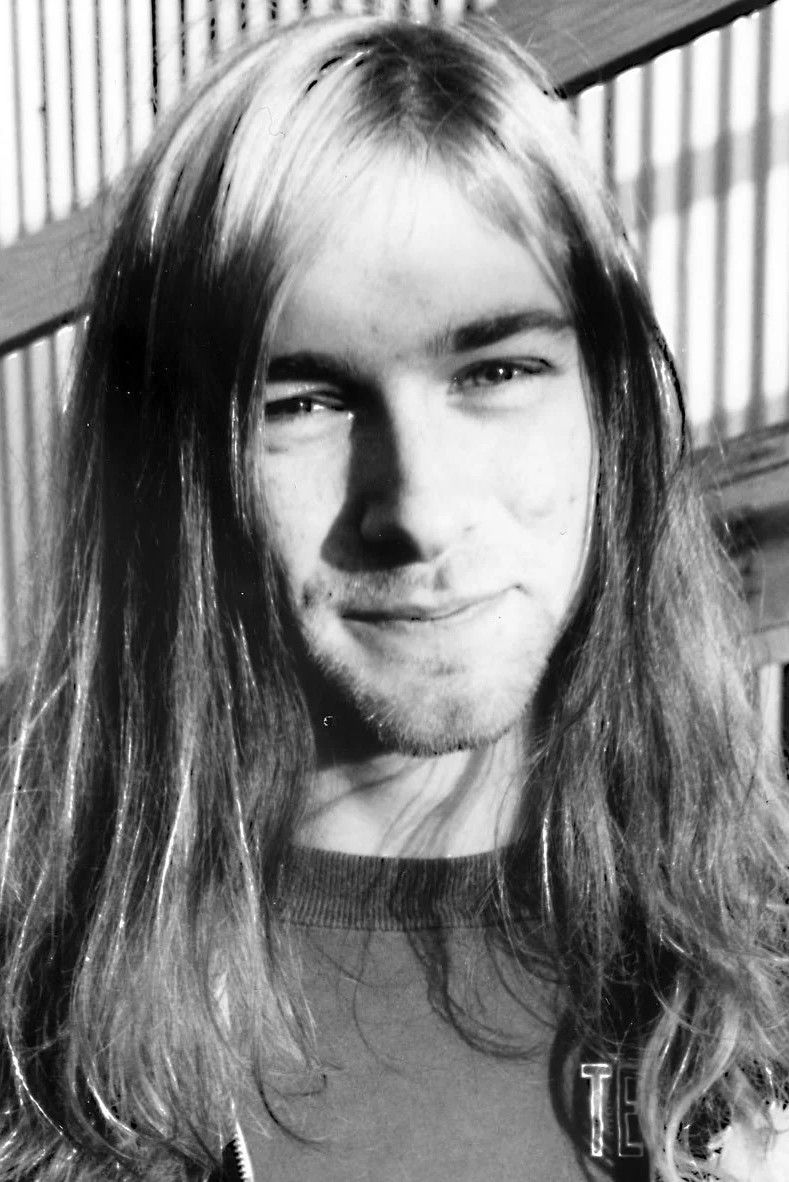
Kurt Cobain was the driving force behind Nirvana and ultimately decided to replace their drummer, Chad Channing. While Channing had played on Nirvana’s debut album, ‘Bleach,’ Cobain believed his style wasn’t right for the band’s evolving sound. In 1990, Cobain and Krist Novoselic let Channing go as the band went through a period of change. This opened the door for Dave Grohl to join right before they recorded ‘Nevermind,’ which went on to become a massive success, selling millions of copies and becoming a defining album of its generation.
Steve Harris
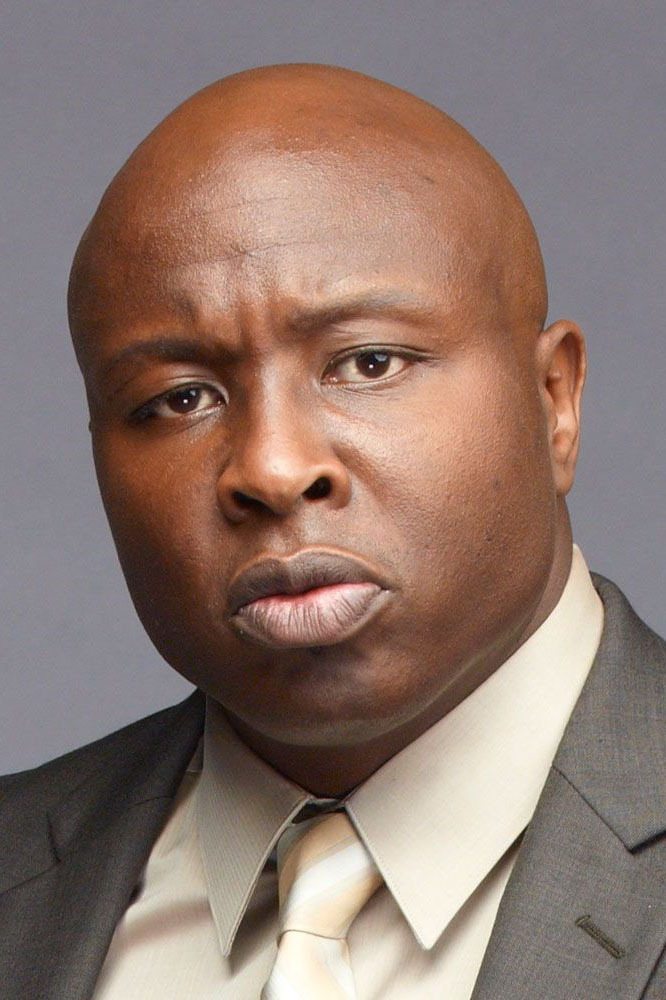
Iron Maiden bassist and leader Steve Harris was the main reason the band fired its original singer, Paul Di’Anno. While Di’Anno had helped the band achieve early success on their first two albums, Harris grew increasingly frustrated with his behavior and lack of commitment. In 1981, Harris led the effort to bring in Bruce Dickinson as the new vocalist, a change that happened right before they began recording ‘The Number of the Beast.’ That album became a huge success, launching the band into decades of platinum record sales.
Rivers Cuomo

Rivers Cuomo, the lead singer of Weezer, made a surprising decision early in the band’s history: he fired founding guitarist Jason Cropper. During the recording of Weezer’s first album, often called ‘The Blue Album,’ in 1993, Cuomo asked Cropper to sign a confidentiality agreement and then replaced all of his guitar work himself. This ensured the album perfectly matched Cuomo’s musical ideas. The album went on to become a huge success, helping to define the power-pop sound of the 90s, and Cropper’s departure remains a puzzling moment in alternative rock history.
John Lennon
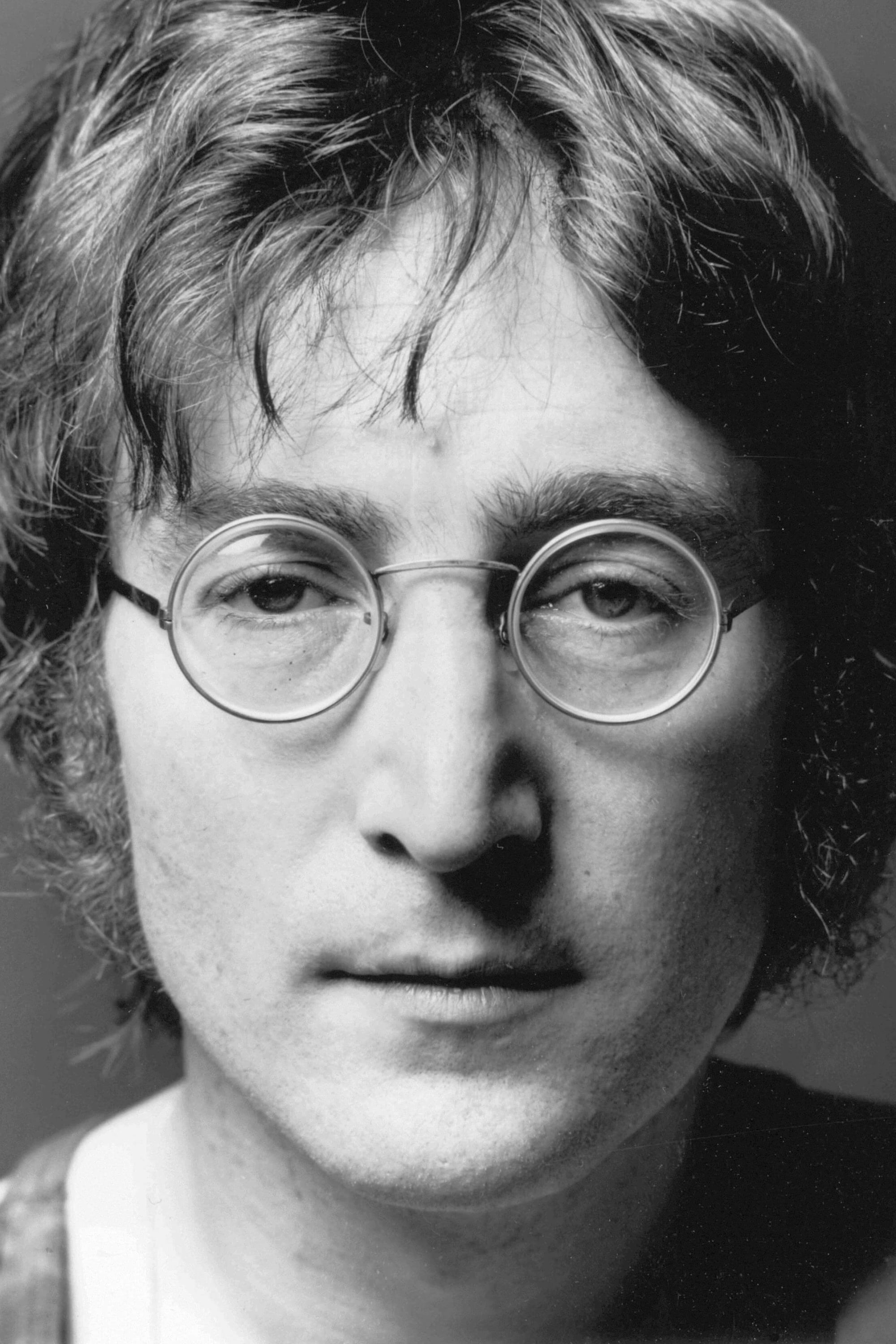
John Lennon, one of the original members of The Beatles, played a key role in the decision to replace their drummer, Pete Best. In 1962, Lennon and the band asked their manager, Brian Epstein, to tell Best he was being let go right before they started recording with EMI. Producer George Martin wasn’t happy with Best’s timing, and the band wanted a drummer who was a better musical match. Ringo Starr joined as the new drummer, and shortly after, the band released ‘Love Me Do’. This change happened right as The Beatles were becoming incredibly popular worldwide.
Mick Jagger
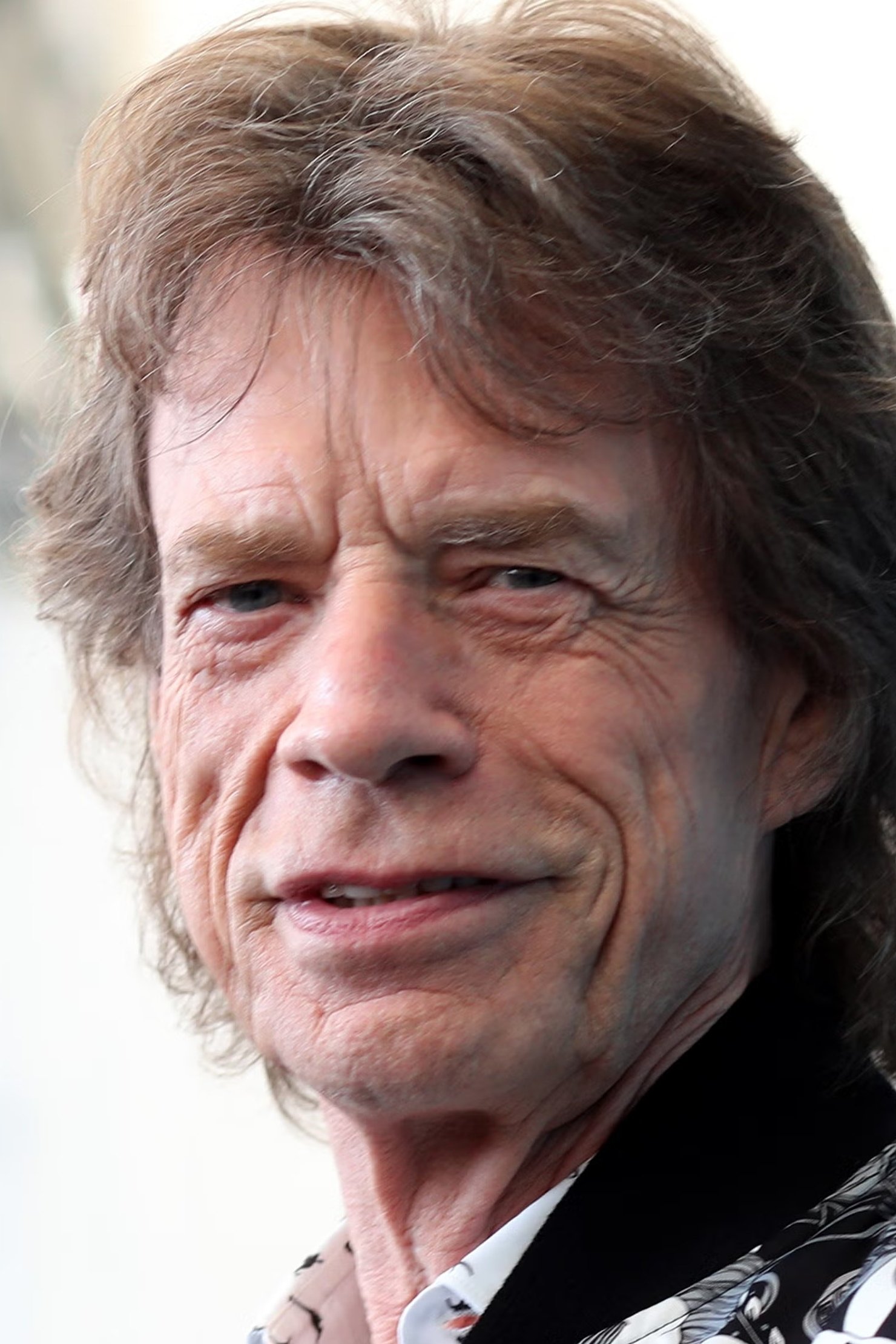
Mick Jagger played a significant role in the decision to remove Ian Stewart, one of the original members of The Rolling Stones, from the band’s official lineup. Jagger and manager Andrew Loog Oldham believed Stewart didn’t fit the rebellious image they were trying to create. In 1963, Stewart was moved to a behind-the-scenes role as a session musician and road manager, even though he’d been with the band from the beginning. Despite this change, he continued to contribute to their music for many years as The Rolling Stones became incredibly successful, achieving legendary status and selling millions of albums. They ultimately became one of the world’s best-selling music acts.
Pete Townshend

Pete Townshend, the guitarist and songwriter for The Who, was instrumental in finding a new drummer after the band’s original member, Doug Sandom, proved to be a poor fit. During a 1964 record label audition, Townshend became dissatisfied with Sandom’s playing and asked him to leave. They then brought in Keith Moon, whose energetic and powerful drumming became a key part of The Who’s unique sound. This change happened right before the band achieved mainstream success and went on to release many highly acclaimed and platinum-selling albums.
Axl Rose
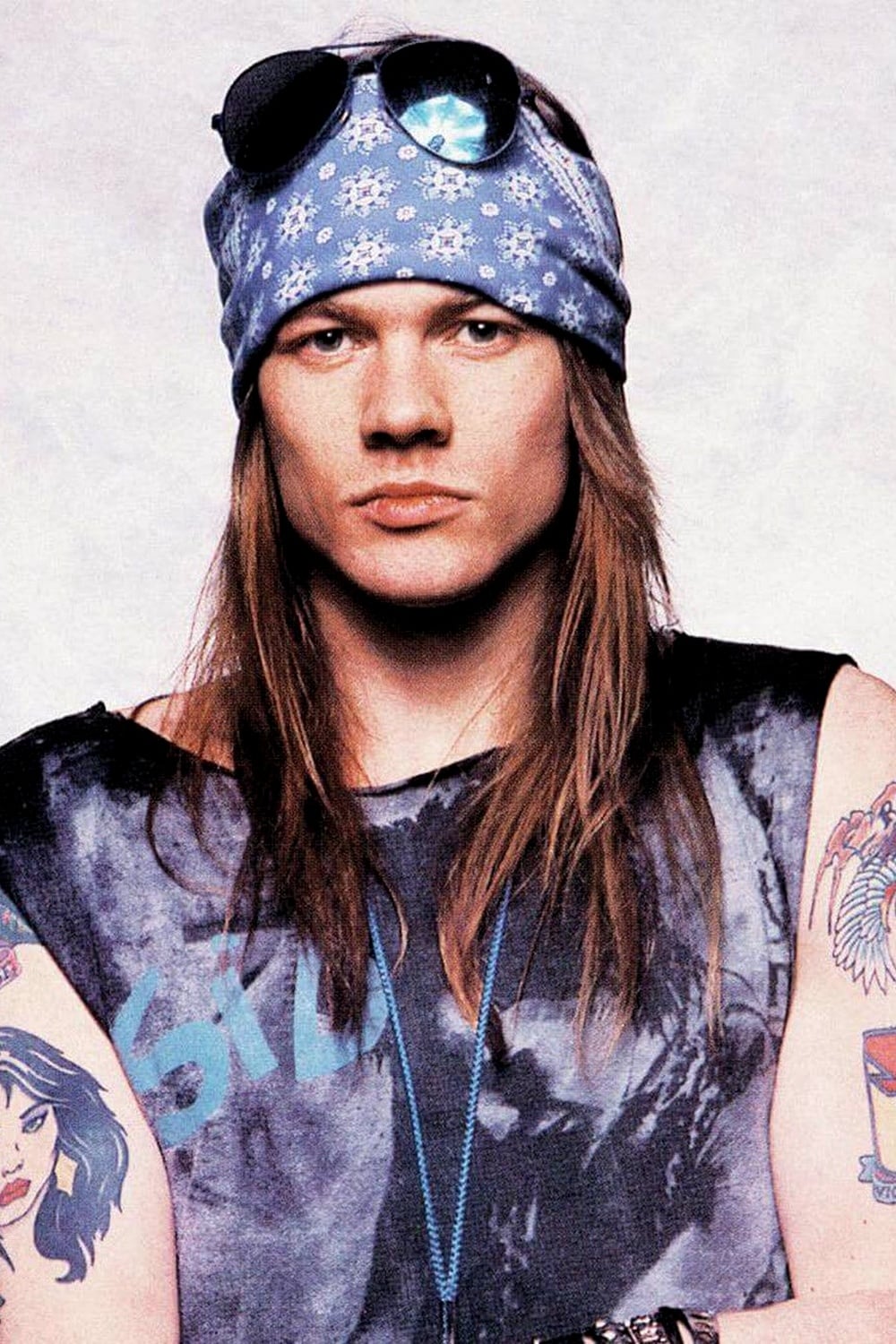
Axl Rose was one of the original members of Guns N’ Roses and played a key role in the band’s early lineup. After a disagreement with guitarist Tracii Guns – who missed a rehearsal – Rose decided to replace him. He then brought in Slash, solidifying the iconic lineup that would record their breakthrough album, ‘Appetite for Destruction.’ Released soon after, the album became one of the best-selling debut albums of all time, and Rose’s choice of guitarists ultimately proved crucial to the band’s massive success.
Sting

I remember when Sting made the call to bring in Andy Summers – it was a big moment for The Police. Henry Padovani was a good friend to Sting, but he felt Henry’s guitar style, which was rooted in punk, just wasn’t the right fit for the sound they were going for – something more reggae and jazz-influenced. Sting really believed Andy could take the band to the next level, and he pushed for the change. It happened right as they were starting to record the songs that would eventually make them huge! Looking back, it was clearly the right decision, as The Police went on to sell millions of albums and win a ton of Grammys.
Mick Fleetwood

Mick Fleetwood, the drummer and leader of Fleetwood Mac, had to navigate many changes in the band’s lineup, including the difficult decision to fire Danny Kirwan. In 1972, Fleetwood let Kirwan go after a fight backstage and Kirwan’s unwillingness to take the stage. This created an opening that ultimately led to Lindsey Buckingham and Stevie Nicks joining the band. The resulting lineup recorded ‘Rumours’ in 1977, which became one of the best-selling albums ever. Fleetwood’s handling of the band’s members was key to their incredible commercial success.
Angus Young
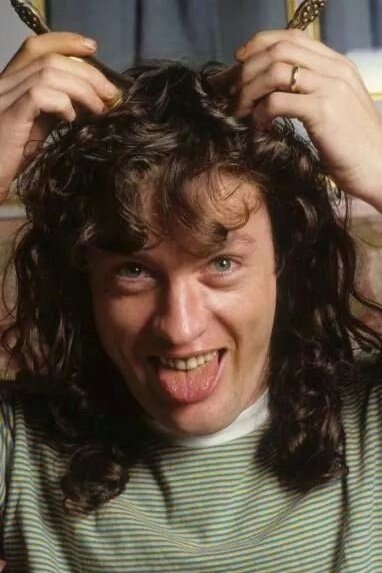
Angus and Malcolm Young were the driving forces behind AC/DC and made the key decision to replace their original singer, Dave Evans. They believed Evans’ style was too focused on glam rock and didn’t align with their goal of creating a powerful, blues-based hard rock sound. In 1974, they brought in Bon Scott, whose rougher image and voice were a better fit. This change happened right before the band’s first album and helped launch them to worldwide success, eventually becoming one of the best-selling rock bands of all time.
Beyoncé

Beyoncé was the star of Destiny’s Child and played a key role in the group’s lineup changes. In 2000, LeToya Luckett and LaTavia Roberson were unexpectedly removed after raising concerns about the group’s management. They found out they’d been replaced—by Michelle Williams and Farrah Franklin—when the music video for ‘Say My Name’ was released. This happened while the group was still promoting their highly successful album, ‘The Writing’s on the Wall.’ With the new lineup, Beyoncé and Destiny’s Child achieved even greater fame worldwide.
Joe Elliott
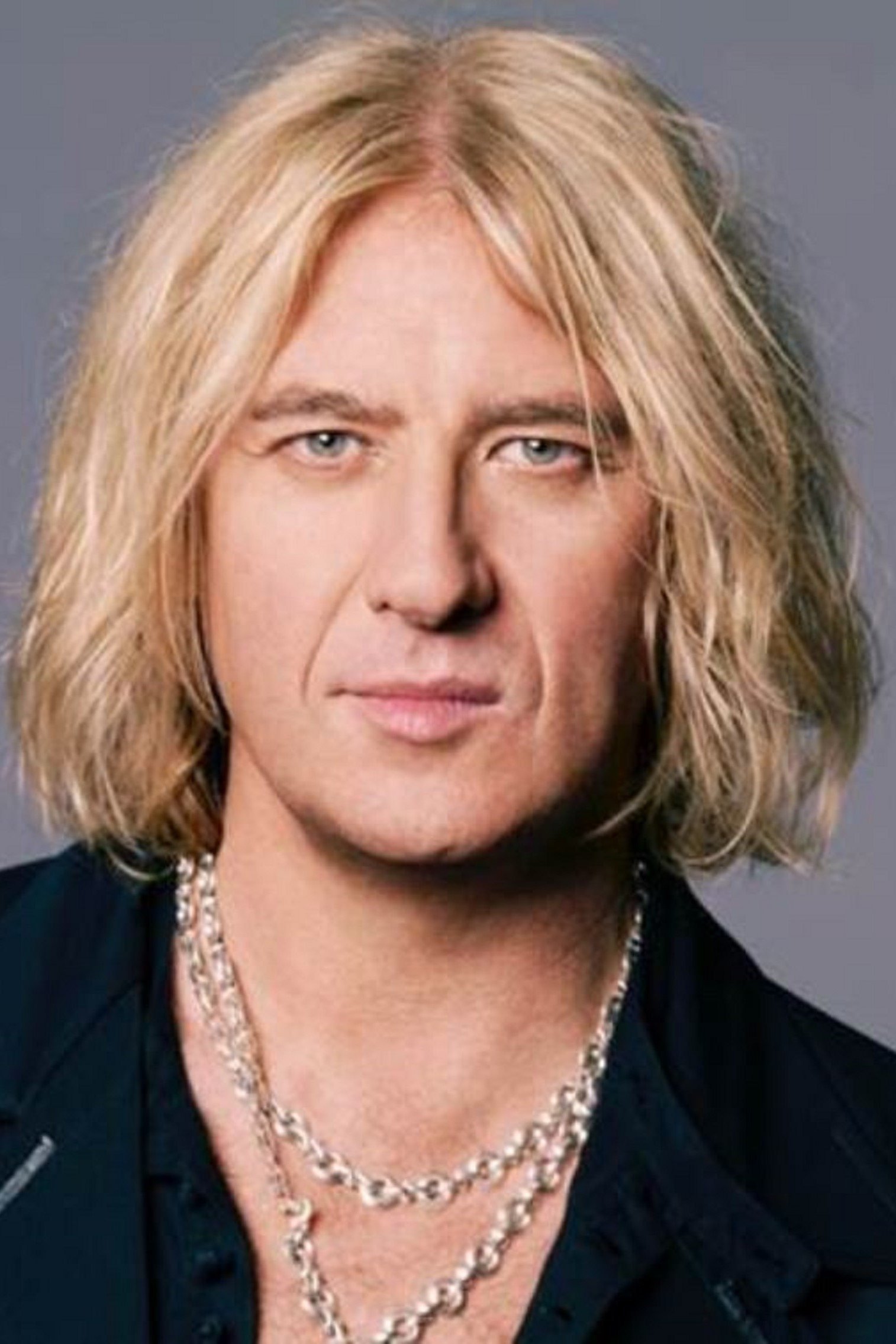
In 1982, Def Leppard’s lead singer, Joe Elliott, was involved in the difficult decision to let go of founding guitarist Pete Willis. Willis’s heavy drinking was disrupting the recording of their album ‘Pyromania’ and straining their working relationship with producer Mutt Lange. The band fired Willis during the recording process and brought in Phil Collen to replace him. This change allowed them to complete the album, which became a massive success, selling over 10 million copies in the US and becoming one of the best-selling platinum albums of the 1980s.
Gregg Rolie

Gregg Rolie was one of the original members of Journey and instrumental in the changes that made the band incredibly popular. In 1977, Rolie and the band’s management decided they needed a more mainstream sound and replaced singer Robert Fleischman with Steve Perry. Perry’s strong voice was key to Journey’s shift from progressive rock to widespread success, a change that happened right before they recorded the album ‘Infinity,’ their first to go platinum. Though Rolie later left the band, his choice to bring in Perry ultimately shaped Journey’s lasting impact.
Billy Gould

Billy Gould, the bassist and one of the original members of Faith No More, played a key role in the decision to let go of their first singer, Chuck Mosley. By 1988, the band, including Gould, had grown frustrated with Mosley’s erratic behavior and inconsistent singing. They fired him right before recording what would become their most successful album, ‘The Real Thing.’ They then hired Mike Patton, who had a very different voice. ‘The Real Thing’ included the hit song ‘Epic’ and went platinum, making Faith No More a mainstream success.
Dave Grohl
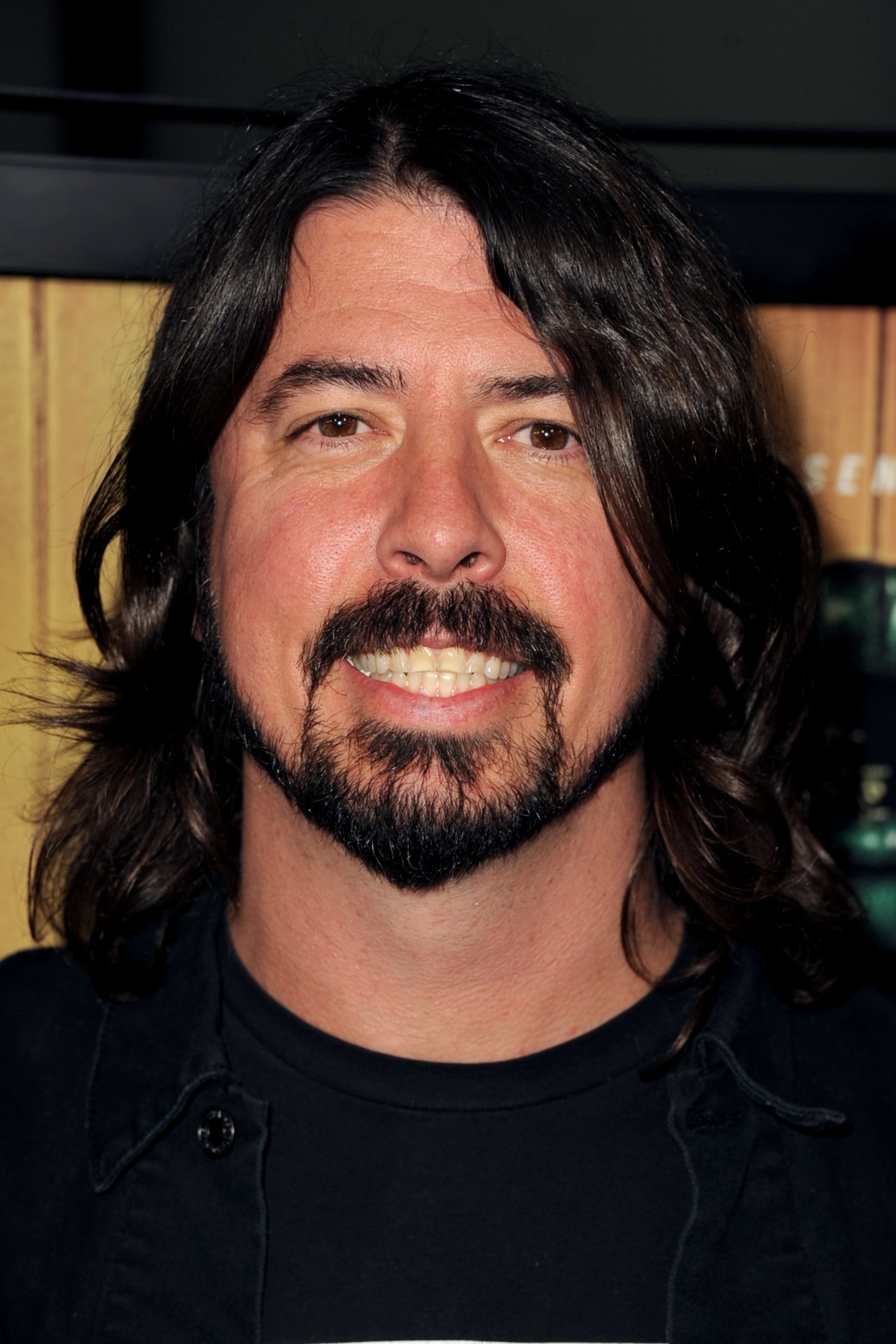
During the recording of their second album, Foo Fighters leader Dave Grohl made a tough call and replaced drummer William Goldsmith. Grohl wasn’t satisfied with Goldsmith’s drum parts and secretly re-recorded them himself. When Goldsmith found out his work had been replaced, he decided to leave the band. The album, ‘The Colour and the Shape,’ went on to become a huge success, selling millions of copies. This demonstrated both the band’s growing popularity and Grohl’s dedication to achieving a perfect sound in the studio.
Share which of these sudden departures you think changed music history the most in the comments.
Read More
- Gold Rate Forecast
- Games That Faced Bans in Countries Over Political Themes
- Silver Rate Forecast
- Unveiling the Schwab U.S. Dividend Equity ETF: A Portent of Financial Growth
- 22 Films Where the White Protagonist Is Canonically the Sidekick to a Black Lead
- Superman Flops Financially: $350M Budget, Still No Profit (Scoop Confirmed)
- 20 Movies Where the Black Villain Was Secretly the Most Popular Character
- Celebs Who Narrowly Escaped The 9/11 Attacks
- 14 Movies Where the Black Character Refuses to Save the White Protagonist
- Vecna’s Ultimate Goal on STRANGER THINGS 5 and How The Party Can Defeat Him
2026-03-22 22:33