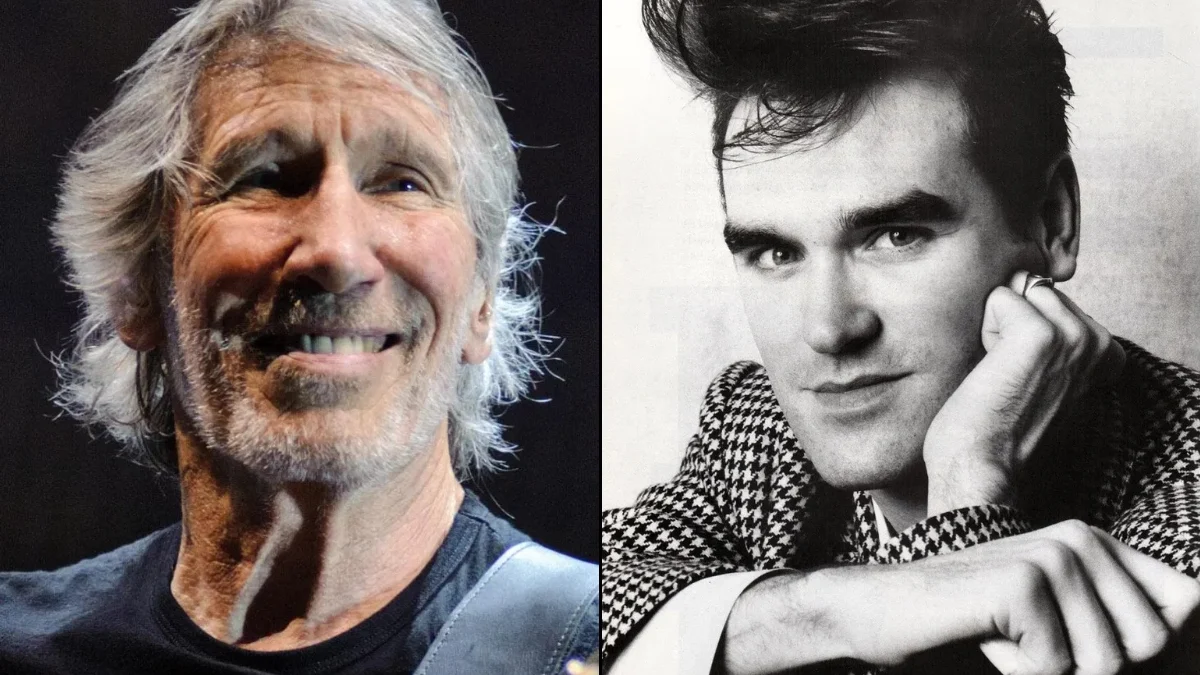
Throughout history, musicians and political activism have often gone hand-in-hand, but artists are generally expected to stay within certain social boundaries. When popular musicians express views that go against what’s considered mainstream, they often face harsh criticism from the media. This happens when an artist uses their fame to support causes or beliefs that challenge popular opinion. Instead of focusing on their music, the media often turns its attention to the artist’s personal beliefs, which can drastically change how the public sees them. Several musicians have faced significant backlash for not following the typical activist expectations for celebrities.
Morrissey

Morrissey has often faced criticism in the media for his public support of the For Britain party. Many journalists disagree with his views on immigration and what it means to be British, seeing them as incompatible with the values of most musicians. His interviews often generate negative headlines, leading people to question his place in the history of alternative rock. Some music critics have even called for people to stop listening to his music because he doesn’t share widely accepted opinions. These controversial positions have made him a divisive figure in British music.
Eric Clapton
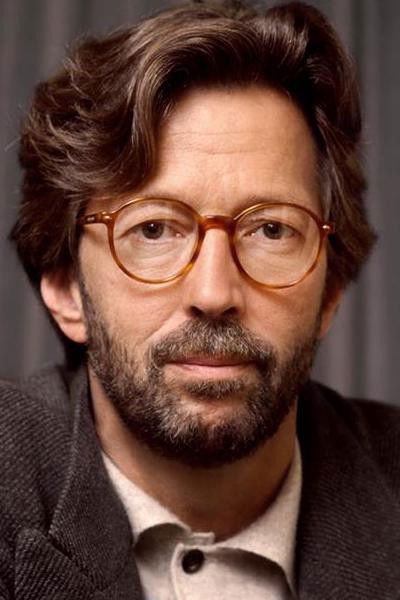
Eric Clapton received a lot of negative media attention after releasing the song ‘Stand and Deliver’ with Van Morrison, which protested government lockdowns during the pandemic. News organizations worldwide published articles critical of his doubts about public health rules. Many commentators argued that his stance was harmful and reckless, considering his influence. This led to a change in how the press reported on his music and personal life. He still regularly receives criticism from the media for his continued beliefs about medical freedom and individual choice.
Van Morrison
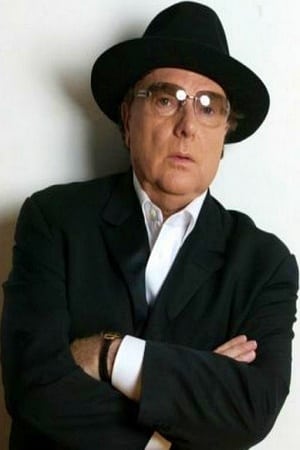
As a lifelong Van Morrison fan, it’s been a bit strange watching the recent backlash he’s received. He’s put out some songs, like ‘Where Have All the Rebels Gone?’, clearly speaking out against the restrictions we’ve been living with, and a lot of music critics haven’t been happy about it. It feels like the media is framing his activism as something totally new and separate from the incredible music he’s always made. I’ve read a lot of articles highlighting how his views seem to have alienated him from other musicians. But honestly, he doesn’t seem to care about the negative press – he’s sticking to his guns, even with all the major news outlets piling on.
M.I.A.
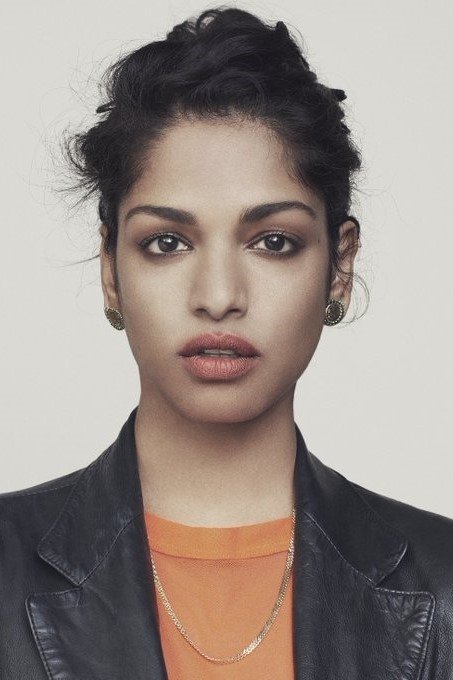
M.I.A. often sparks debate and media attention due to her critical stance on issues like global health and government monitoring. Journalists frequently scrutinize her intentions and the effects of what she posts online. Her unique style of activism often goes against what’s typically reported in entertainment news. Some believe her controversial opinions have recently drawn more focus than her music. Despite the media’s reaction, she continues to use her voice to question conventional thinking.
Roger Waters
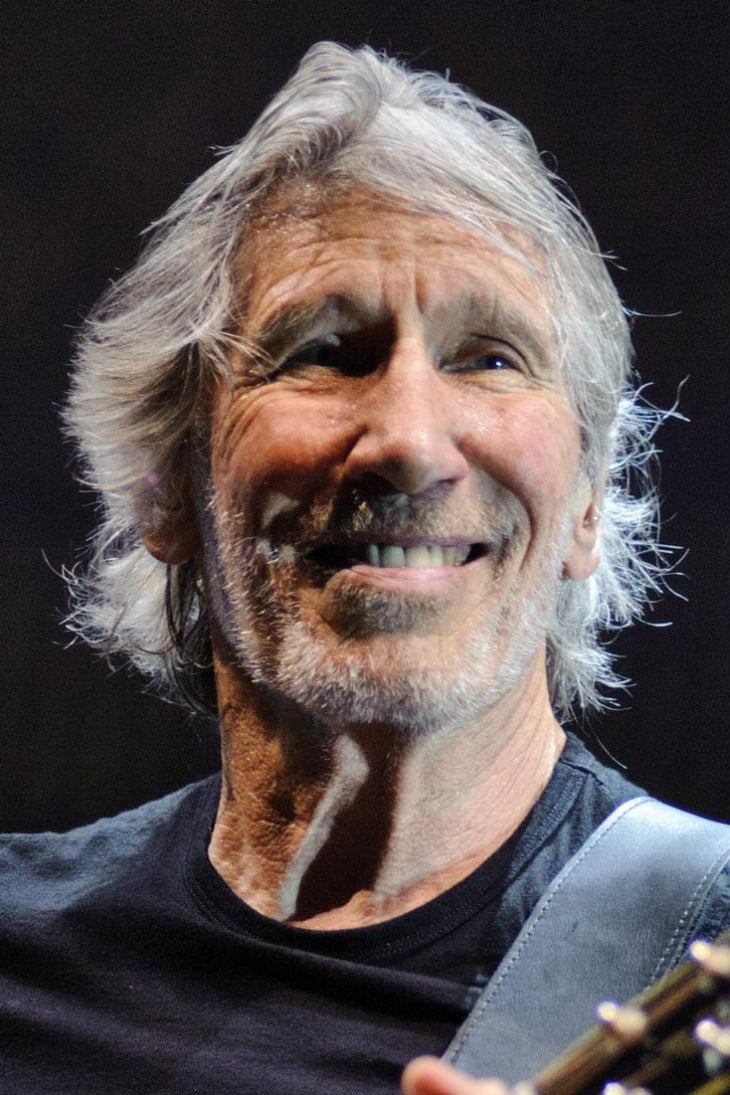
Roger Waters often faces media criticism for openly sharing his opinions on world conflicts and his support for the Boycott, Divestment, Sanctions movement. News coverage frequently highlights his appearances at political events where he voices controversial views. His concerts often feature political imagery that quickly draws criticism from groups and news outlets. There’s ongoing debate about whether his activism helps or harms his reputation as a musical icon. He consistently makes headlines by refusing to stay quiet about important global issues.
John Lydon
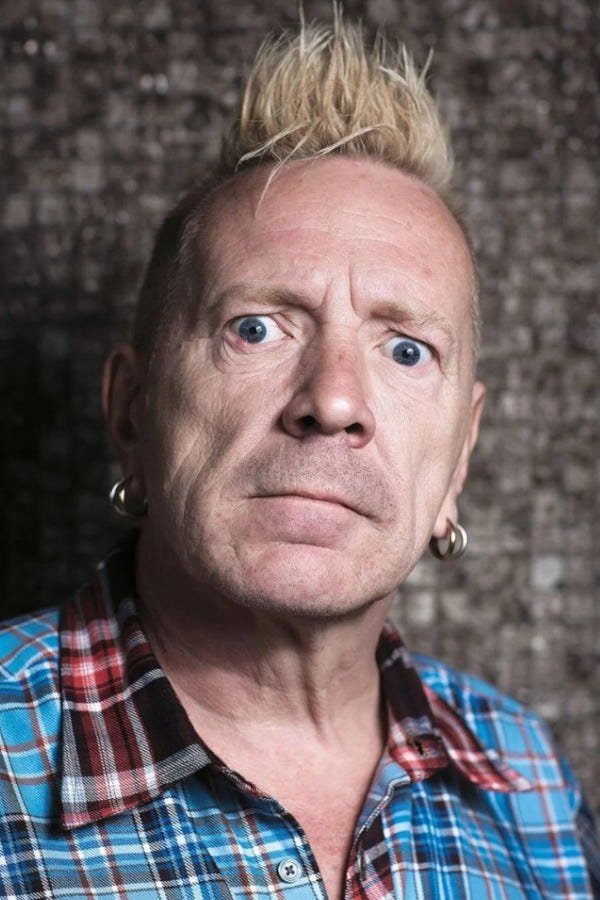
John Lydon, best known as the frontman of the Sex Pistols, is receiving criticism for his political views. While he was once celebrated as a rebellious figure, some journalists now see his support for certain leaders and movements as a betrayal of punk ideals. Many articles explore what they see as a change in his beliefs, from opposing the establishment to seemingly supporting nationalist ideas. Critics often point to his interviews as evidence that he’s lost touch with his original fans. Lydon himself argues that his willingness to challenge the status quo hasn’t changed, and that he’s simply continuing to think for himself.
Winston Marshall
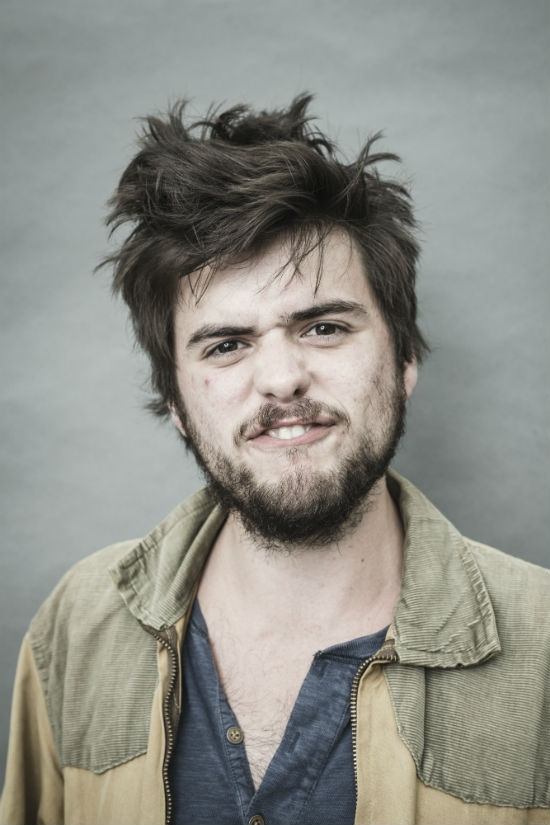
Winston Marshall departed from Mumford and Sons following significant media attention and public backlash after he publicly supported a book written by a divisive author. News organizations widely reported on the online controversy that erupted after his comments about political extremism, with many suggesting his continued involvement with the band was unsustainable. He later wrote an article detailing his decision to step away from music so he could more openly share his beliefs. His experience is frequently used as a key illustration of the potential repercussions of holding unpopular opinions in today’s media environment.
Ariel Pink
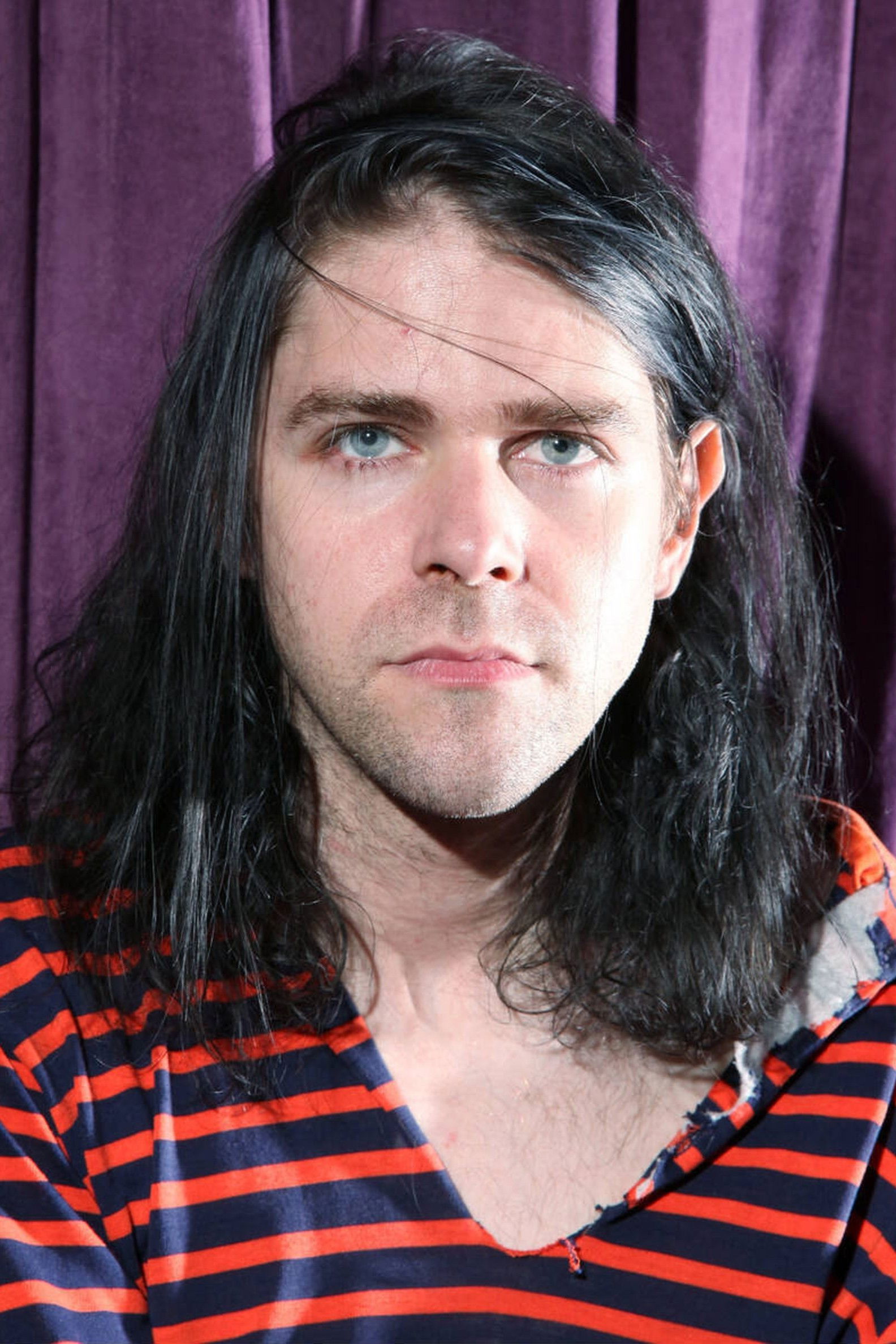
After attending a political rally in Washington D.C., musician Ariel Pink was dropped by his record label and received significant criticism from the media. News reports highlighted the contrast between his political views and what was expected from an indie artist, quickly damaging his career and leading to fewer public appearances. The situation sparked debate about how much freedom artists have to express their political opinions and whether record labels should control those expressions. Since then, Ariel Pink has publicly criticized the media and what he sees as a closed-off culture within the arts.
Kid Rock
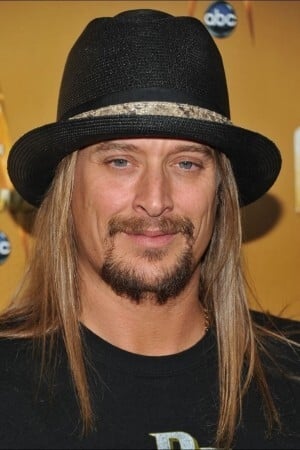
Kid Rock often faces media criticism due to his outspoken and public support for conservative views. News reports frequently highlight his protests against large companies and his backing of traditional values, often with a negative slant. These public actions are commonly used to portray him as a controversial figure in the entertainment industry. Many critics believe his activism is more about stirring up reaction than encouraging conversation. He seems to embrace this image by consistently challenging mainstream media expectations.
Ted Nugent
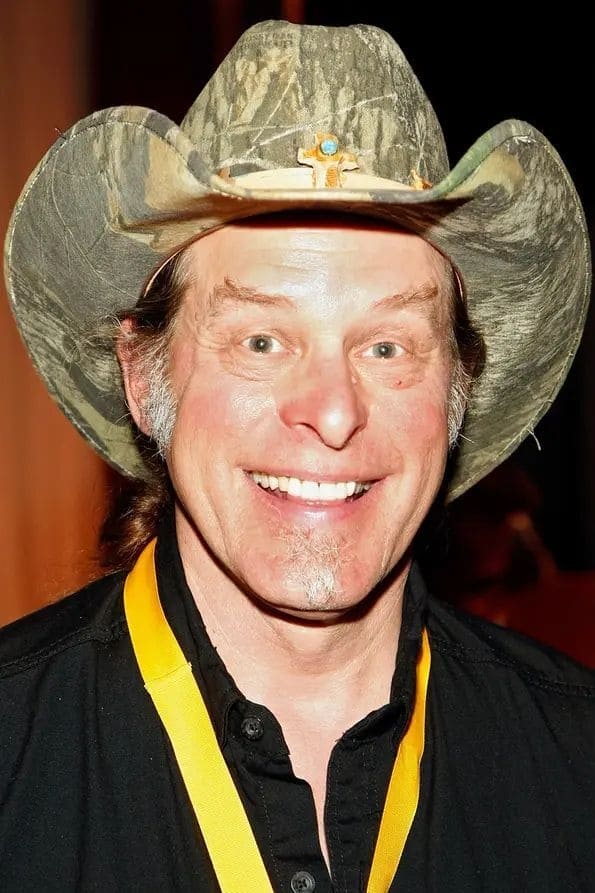
For decades, Ted Nugent has been a frequent subject of media attention because of his strong support for gun rights and conservative beliefs. News outlets often focus on his controversial statements and his work with right-wing groups. Reporters often point out the difference between his career as a musician and his outspoken political views. Many news articles have debated whether he should be given a platform due to his unconventional opinions. Despite the criticism, he continues to be a visible and unwavering activist.
Jason Aldean
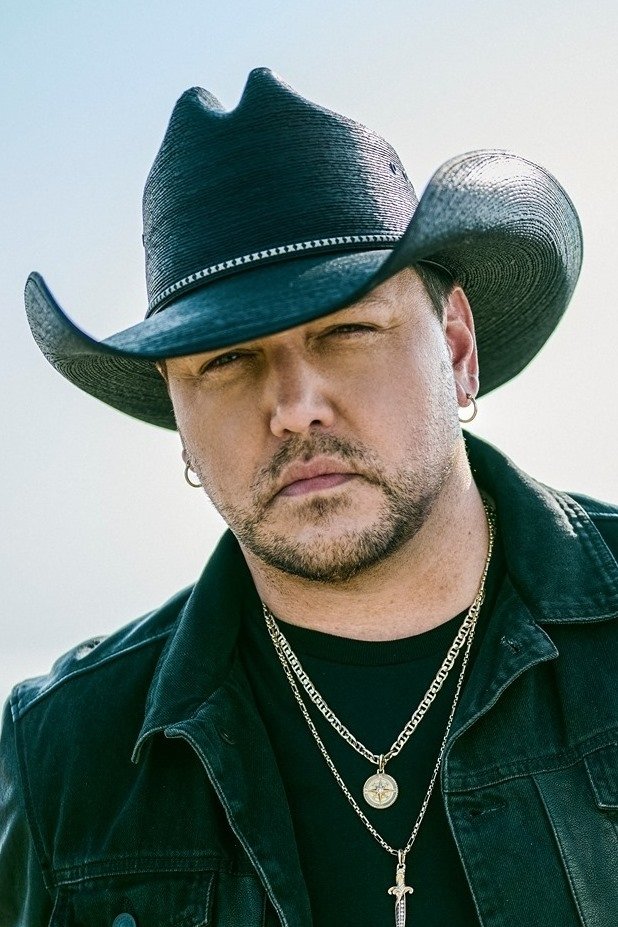
Jason Aldean’s song ‘Try That in a Small Town’ sparked significant controversy after its release. The music video and lyrics led to widespread debate, with many news outlets claiming the song promoted conflict and division through hidden meanings. Despite the negative attention, the song became a number one hit and resonated with Aldean’s fans. This situation underscored a clear difference in how the media perceived the song versus the artist’s original intent.
Macy Gray
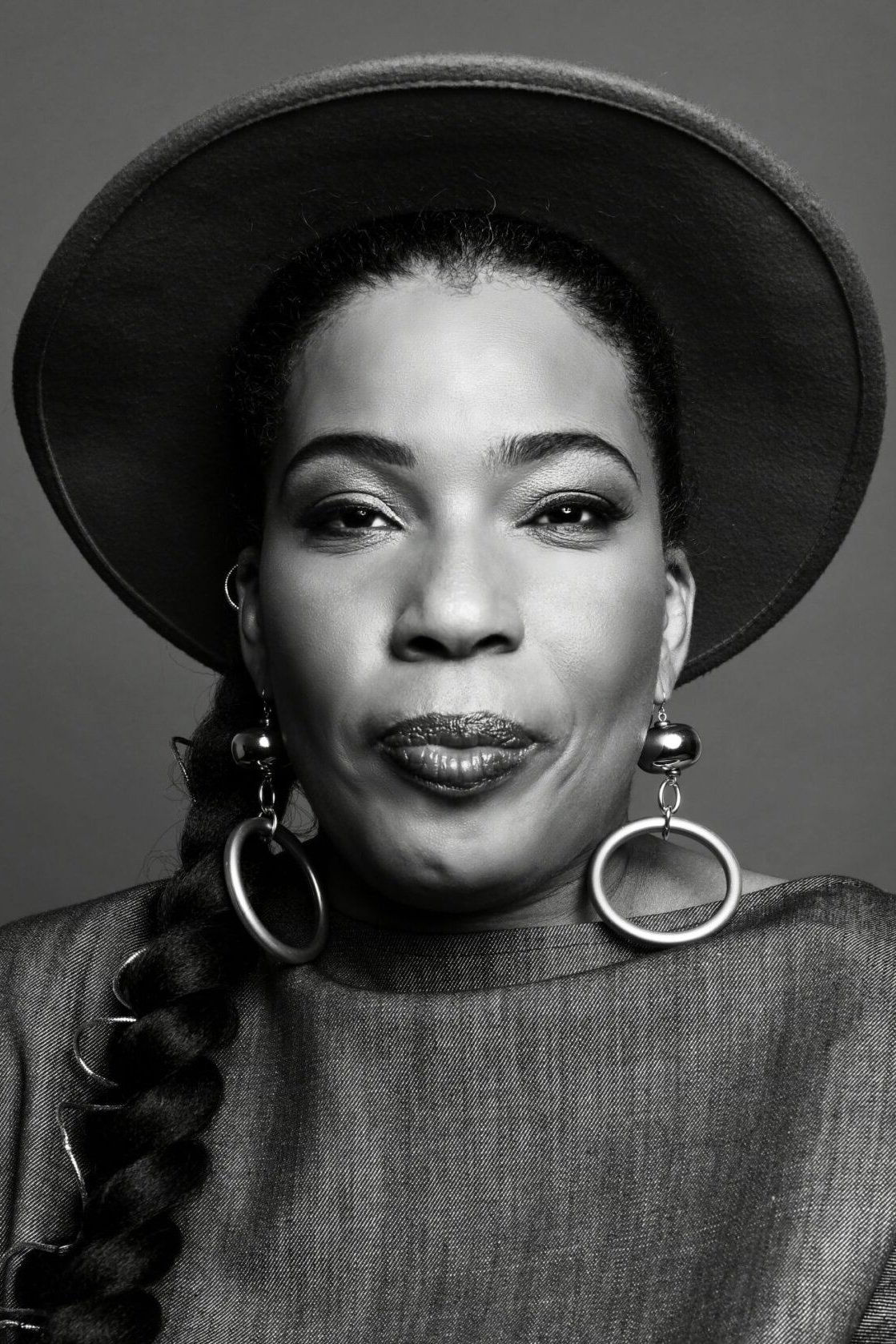
As a critic, I watched the fallout from Macy Gray’s interview with some dismay. After sharing her thoughts on gender identity, she immediately faced a huge wave of criticism from the media and online. It wasn’t just disagreement, but genuine outrage, and a lot of coverage focused on whether this would damage her career. She tried to explain herself further, but the scrutiny just didn’t let up for weeks. It really highlighted how quickly an artist can find themselves under fire for expressing a view that doesn’t align with current social norms. It was a stark reminder of the pressures artists face when navigating sensitive topics.
Matisyahu
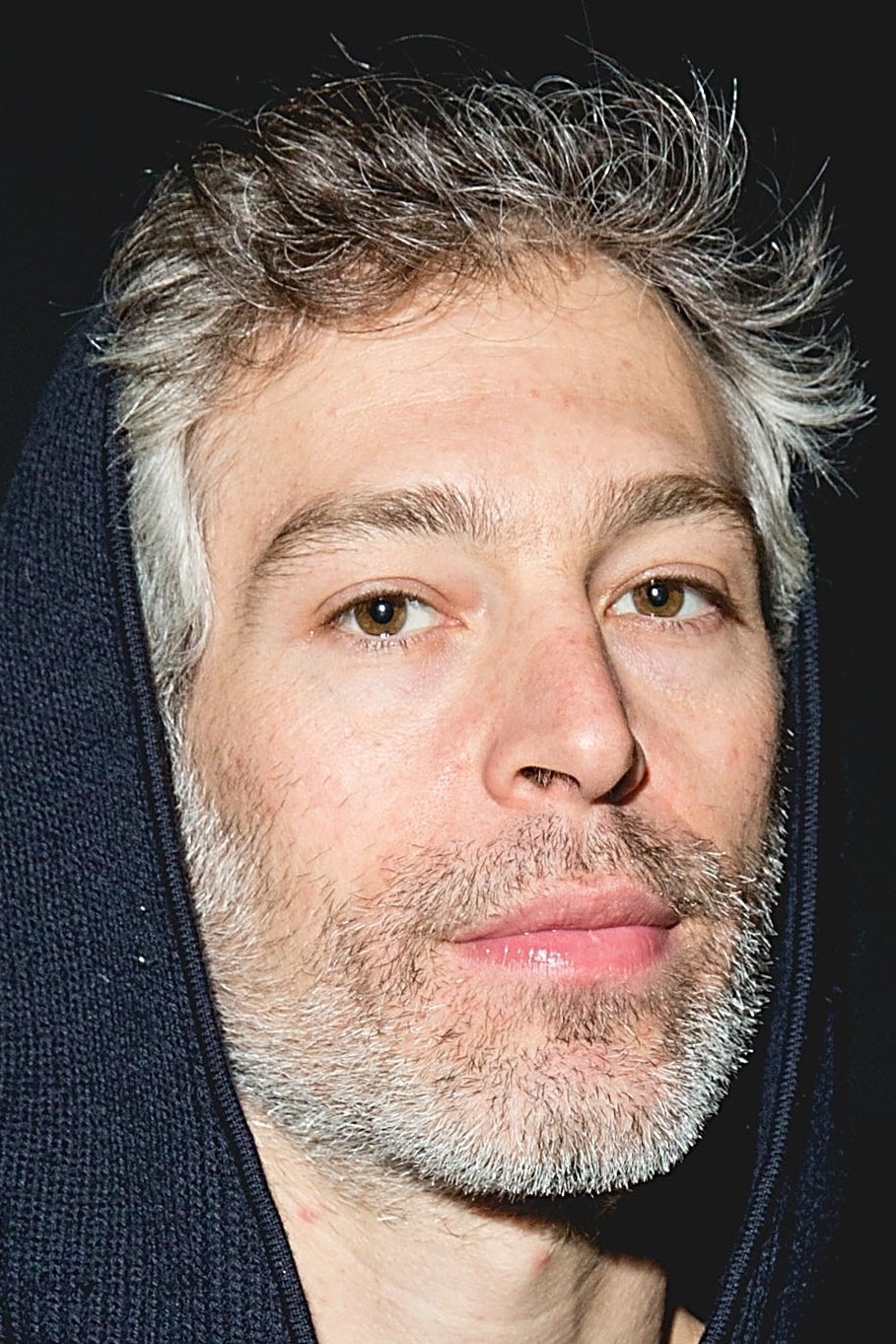
Matisyahu has experienced several concert cancellations because of negative attention and pressure related to his support for Israel. News outlets have been reporting on these cancellations, exploring how an artist’s personal beliefs can affect their work. Some reports claim venues worry his views might create safety concerns. This media coverage has often overshadowed his music, focusing instead on his political stance. Despite ongoing criticism from activists and the media, he continues to perform.
Nick Cave
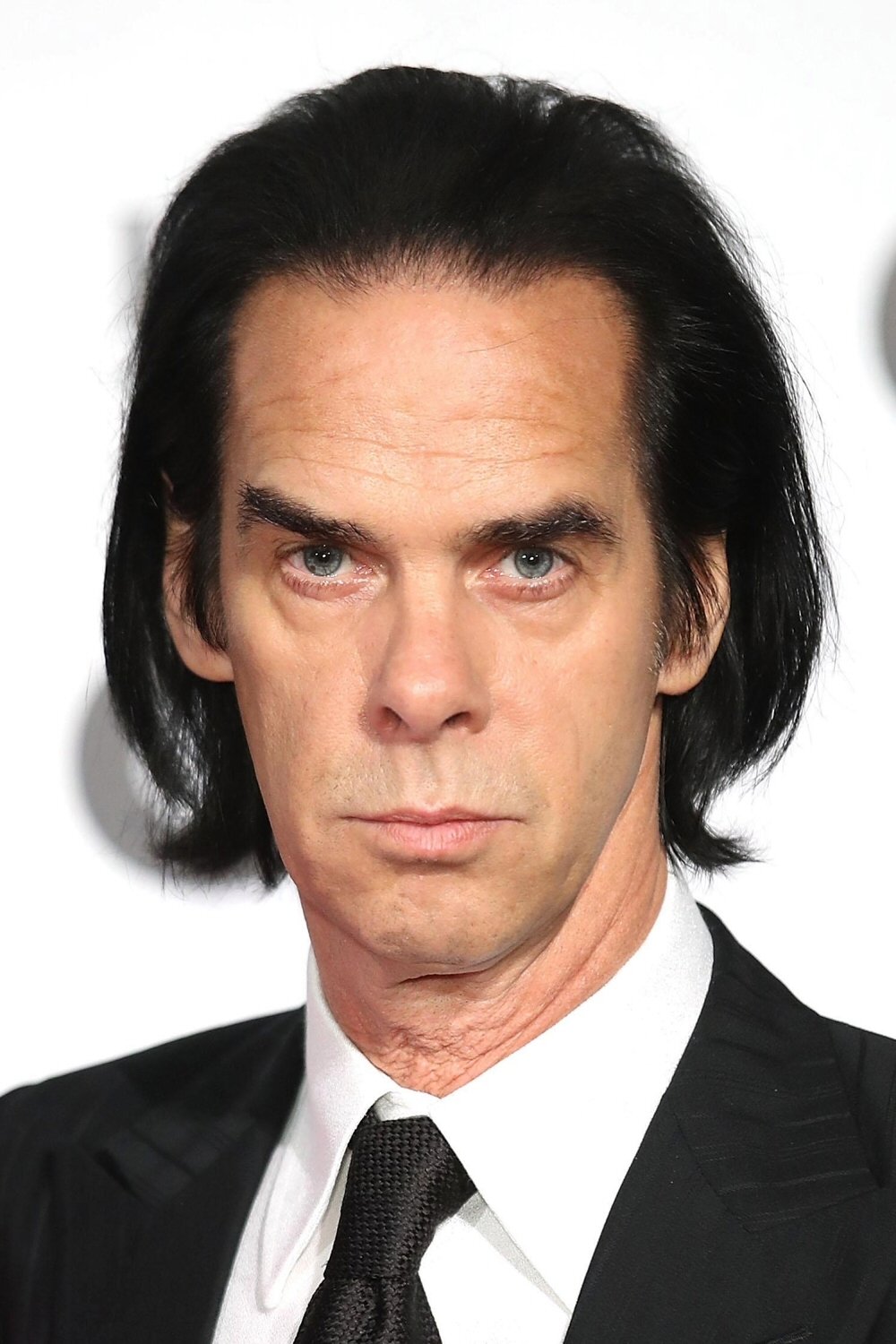
Nick Cave has been receiving media attention for his public critiques of what he sees as overly restrictive modern activism. He’s shared his worries, through his blog ‘The Red Hand Files’, about how ‘cancel culture’ might limit artistic freedom. Journalists have reacted to his views, with some questioning whether he fully understands the importance of social progress and holding people accountable. While some appreciate his viewpoint, others believe he’s defending harmful actions within the entertainment industry. Despite ongoing negative feedback from cultural critics, he continues to participate in these challenging conversations.
Sinéad O’Connor

Sinead O’Connor received intense criticism from the media after she ripped up a picture of the Pope on live TV. Many journalists and public figures strongly disapproved of her protest against abuse within the Catholic Church. This led to her being jeered at concerts and largely ignored by popular radio stations for years. Instead of addressing her reasons for protesting, news organizations often focused on portraying her as emotionally unstable. Her story highlights how the media can respond to artists who speak out against powerful groups.
Please share your thoughts on these artists and their impact on the industry in the comments.
Read More
- Trading on Thin Air: AI Agents Conquer Crypto Volatility
- 20 Movies Where the Black Villain Was Secretly the Most Popular Character
- Invincible Season 4 Gender Swaps Tech Jacket As Fans Question Major Comic Change
- Silver Rate Forecast
- 22 Films Where the White Protagonist Is Canonically the Sidekick to a Black Lead
- Gold Rate Forecast
- Trading Smarter: AI-Powered Execution Schedules
- Celebs Who Narrowly Escaped The 9/11 Attacks
- Smarter Order Execution: How AI is Outperforming Wall Street’s Playbook
- 15 Films That Were Shot Entirely on Phones
2026-03-15 18:17