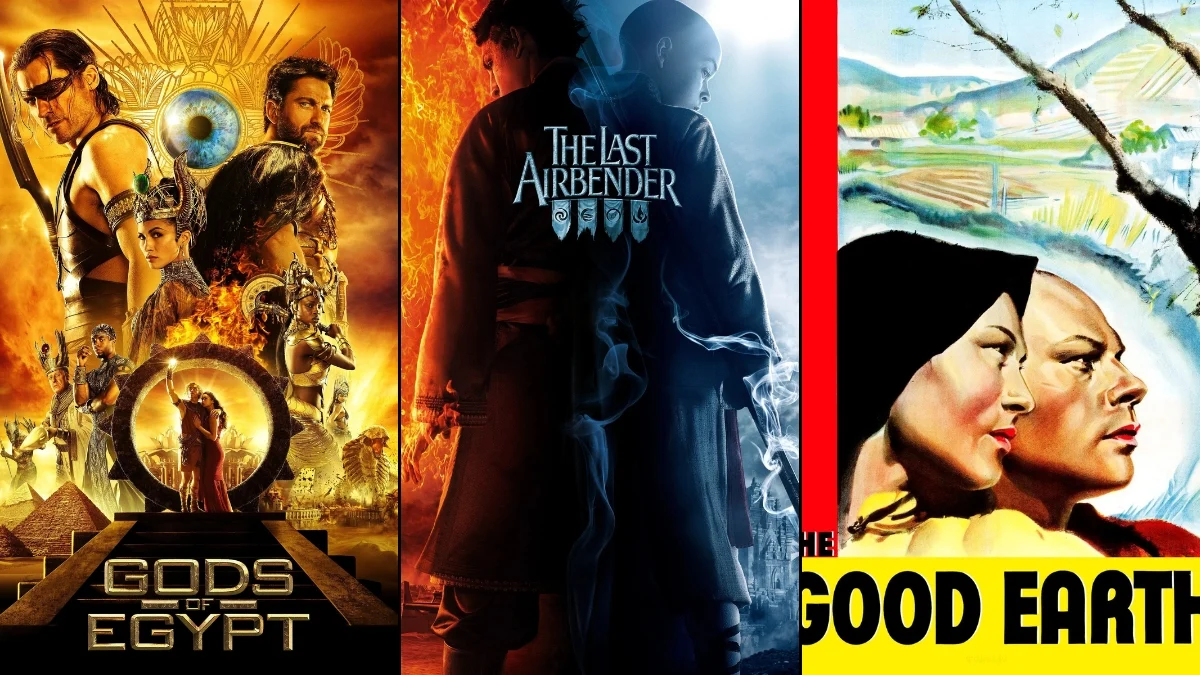
As a film fan, I’ve noticed a long-standing issue in Hollywood: stories set in places like ancient Egypt, the Middle East, or East Asia are often told with mostly white actors in the leading roles. It’s been happening for decades, from the very beginning of filmmaking right up to today’s big-budget blockbusters. It seems like studios historically favored well-known stars over finding actors who actually reflected the culture and history of the story. While a lot of these films were popular and even critically praised, they always sparked conversations about who gets to tell these stories and how accurately they’re being told. I’ve put together a list of thirty movies that really highlight this problem – where the cast just doesn’t match the historical or cultural reality of the setting.
‘Dragonball Evolution’ (2009)

This movie is a live-action version of the popular Japanese manga series, starring Justin Chatwin as the main character, Goku. The story centers on a young fighter who needs to gather seven magical orbs to save Earth from an alien invasion. However, the film received a lot of criticism because its cast is mostly white, despite the story’s strong connections to East Asian culture and traditions. It’s often mentioned as a prime example of casting issues in adaptations of anime and manga.
‘The Conqueror’ (1956)

This historical movie, produced by Howard Hughes, stars John Wayne as Genghis Khan, the famous Mongol leader. The story follows Khan’s journey to power and his complicated connection with a princess he captured from the Tartar people. While set in 13th-century Central Asia, the film controversially featured a mostly white cast. It’s often remembered today for its inaccurate casting choices and the unusual fact that it was filmed in an area with radioactive contamination. The movie is a prime example of a time when Hollywood often prioritized casting popular actors over accurately representing ethnic backgrounds.
‘The Last Airbender’ (2010)

The film, directed by M. Night Shyamalan, is adapted from an animated series deeply influenced by Asian and Inuit traditions. While the three lead characters are played by white actors, the villains feature a more diverse cast. This casting choice sparked considerable debate and criticism, with many objecting to the lack of representation for the cultures that inspired the original story. The production faced calls for a boycott and negative reviews due to its handling of the fantasy world’s cultural makeup, becoming a well-known example of ‘whitewashing’ in media aimed at young audiences.
‘Gods of Egypt’ (2016)
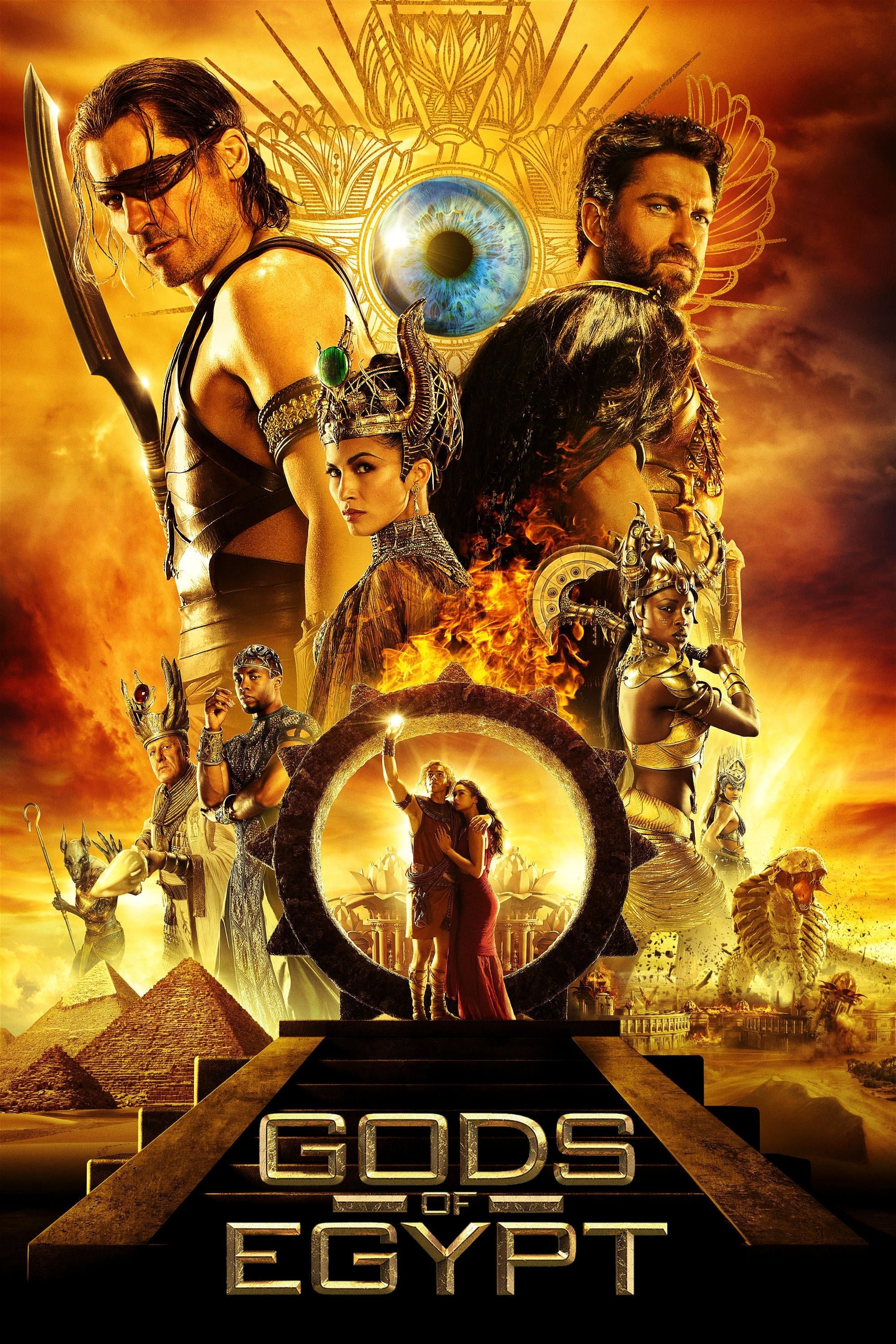
This fantasy movie takes place in Ancient Egypt, where gods with magical abilities live alongside humans. Nikolaj Coster-Waldau and Gerard Butler star as the gods Horus and Set. However, the film faced immediate criticism for casting mostly white actors to play characters based on North African mythology. Both the director and the studio apologized for the lack of diversity before the movie came out. Ultimately, the film didn’t perform well in theaters and continues to be debated for its inaccurate historical portrayal.
‘Alexander’ (2004)
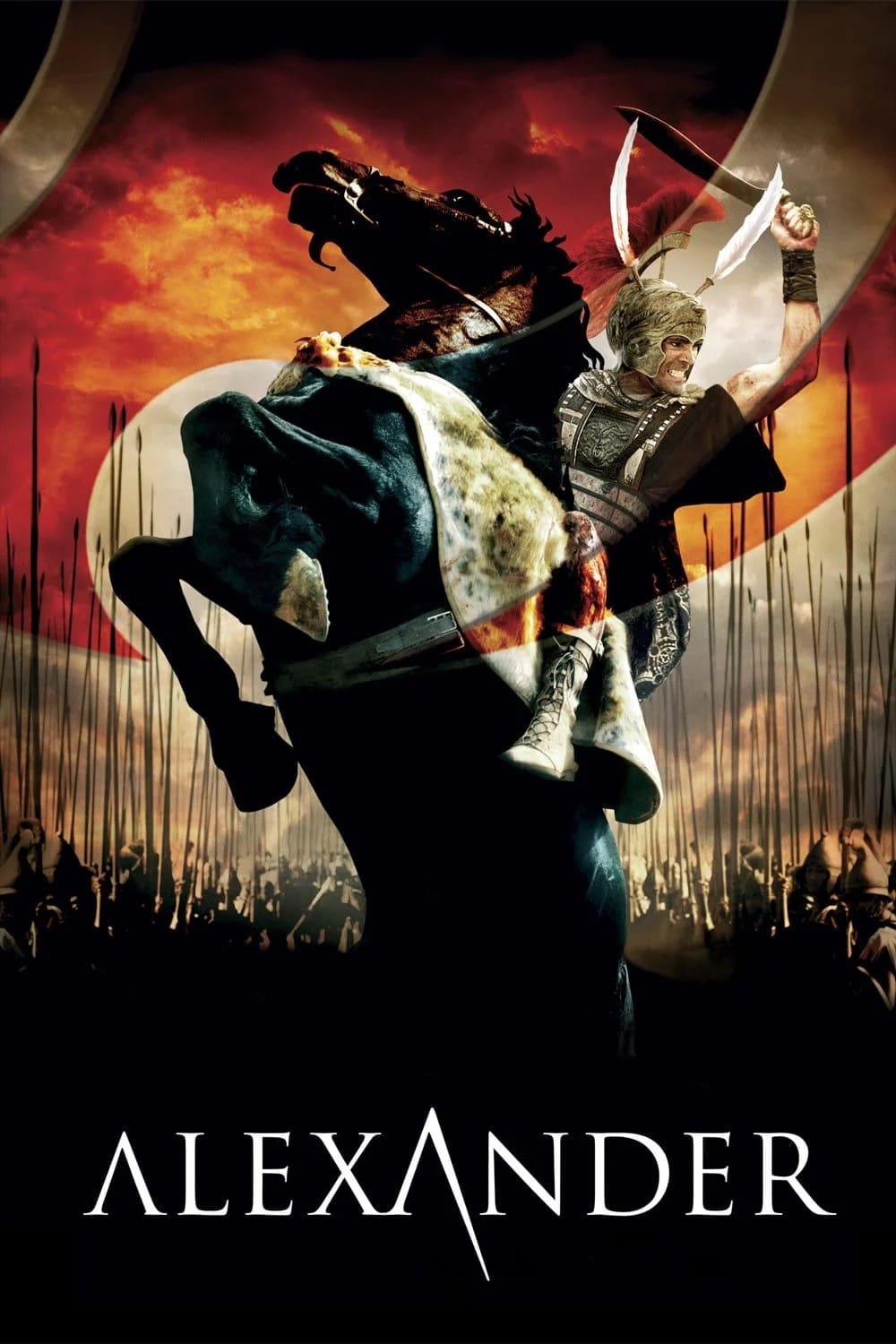
Oliver Stone’s film tells the story of Alexander the Great’s rise to power, including his victories over the Persian Empire and his expeditions into India. Colin Farrell stars as Alexander, with supporting roles played by Angelina Jolie, Val Kilmer, and Jared Leto. The movie has been criticized because the actors playing Persian and Indian characters are often white, or those characters have limited roles. The film largely presents the story from a Western point of view and received a mixed reception, with some criticism directed at its historical accuracy and casting decisions.
‘Noah’ (2014)
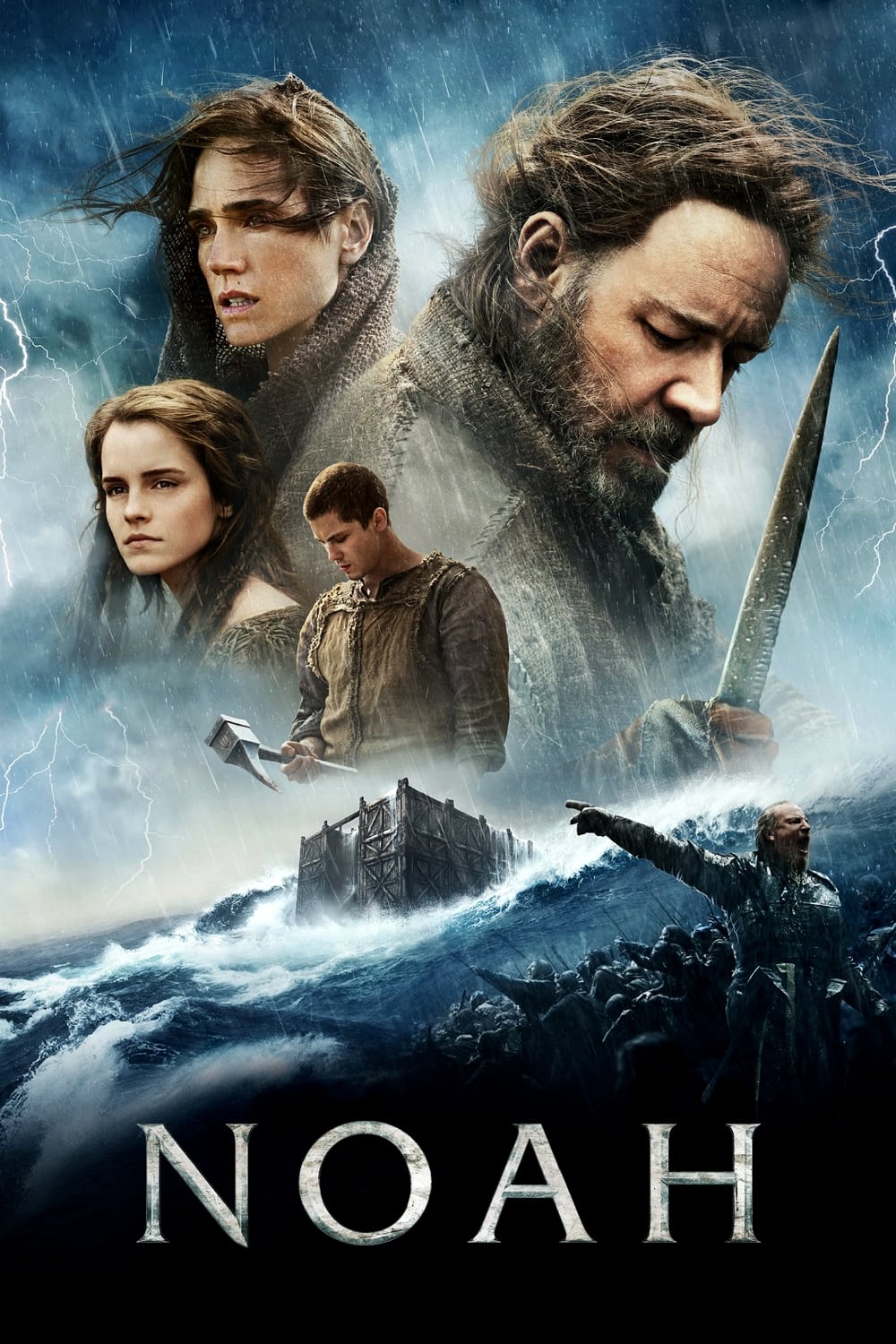
Darren Aronofsky’s film, a retelling of the biblical story of Noah, stars Russell Crowe as Noah and features Jennifer Connelly and Emma Watson as members of his family. Despite being set in the Ancient Near East, the movie’s main actors are all of European descent. Aronofsky explained this was intentional, aiming to portray a universal, early human population. However, this decision sparked discussions about how much historical or cultural accuracy is needed when telling religious stories.
‘Exodus: Gods and Kings’ (2014)
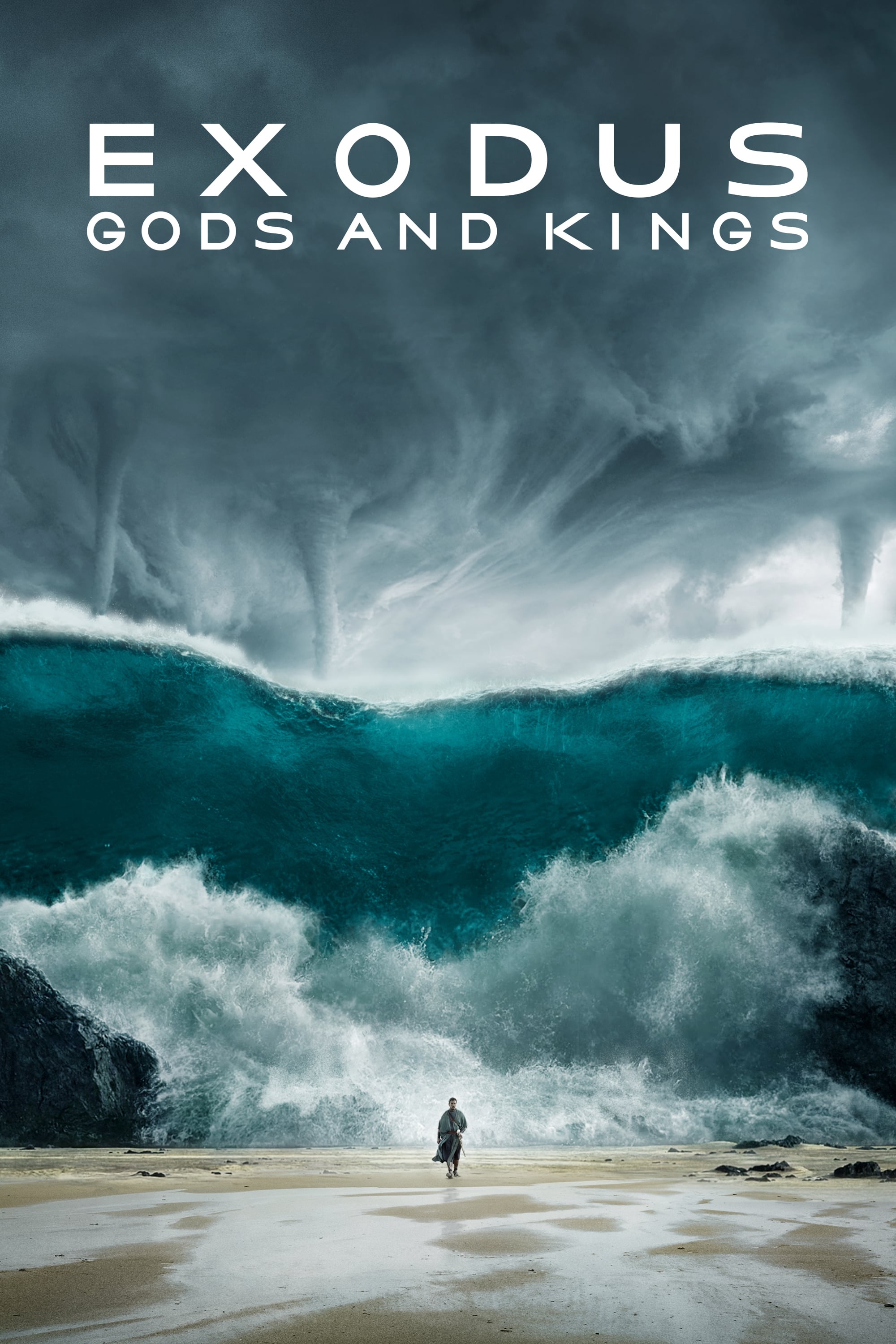
Ridley Scott’s epic film retells the biblical story of Moses and the Exodus from Egypt. Christian Bale plays Moses, and Joel Edgerton stars as the Pharaoh Ramses II. However, the decision to cast white actors in roles representing people from North Africa sparked controversy among historians and activists. Scott explained that he needed well-known actors to attract funding for the expensive production. The film’s casting choices continue to be a significant topic of discussion in film history.
‘The Inn of the Sixth Happiness’ (1958)
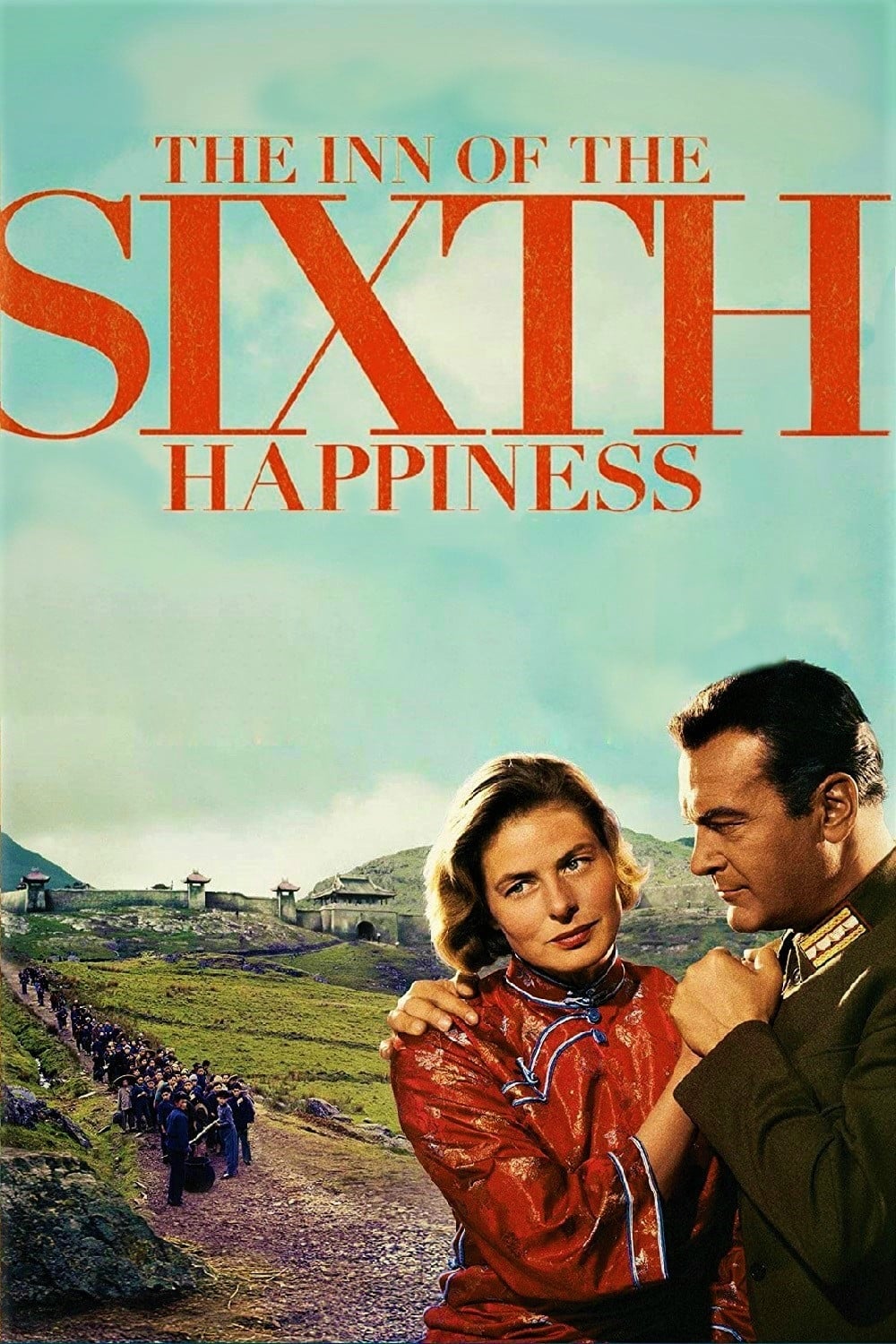
I recently watched a film about Gladys Aylward, a truly inspiring British missionary who went to China just before World War II, and Ingrid Bergman plays her beautifully. The movie also stars Curt Jurgens and Robert Donat, but it’s a little uncomfortable watching now because both actors, who were white, were made up to look Asian – that was sadly pretty common in Hollywood back in the 1950s. The story itself is incredible, focusing on Gladys’s bravery in protecting children and trying to understand a very different culture in a remote part of China. It’s a powerful film, but it’s also a stark reminder of how things were done – and how problematic that was – in old Hollywood, with what we now recognize as ‘yellowface’ casting.
‘Genghis Khan’ (1965)
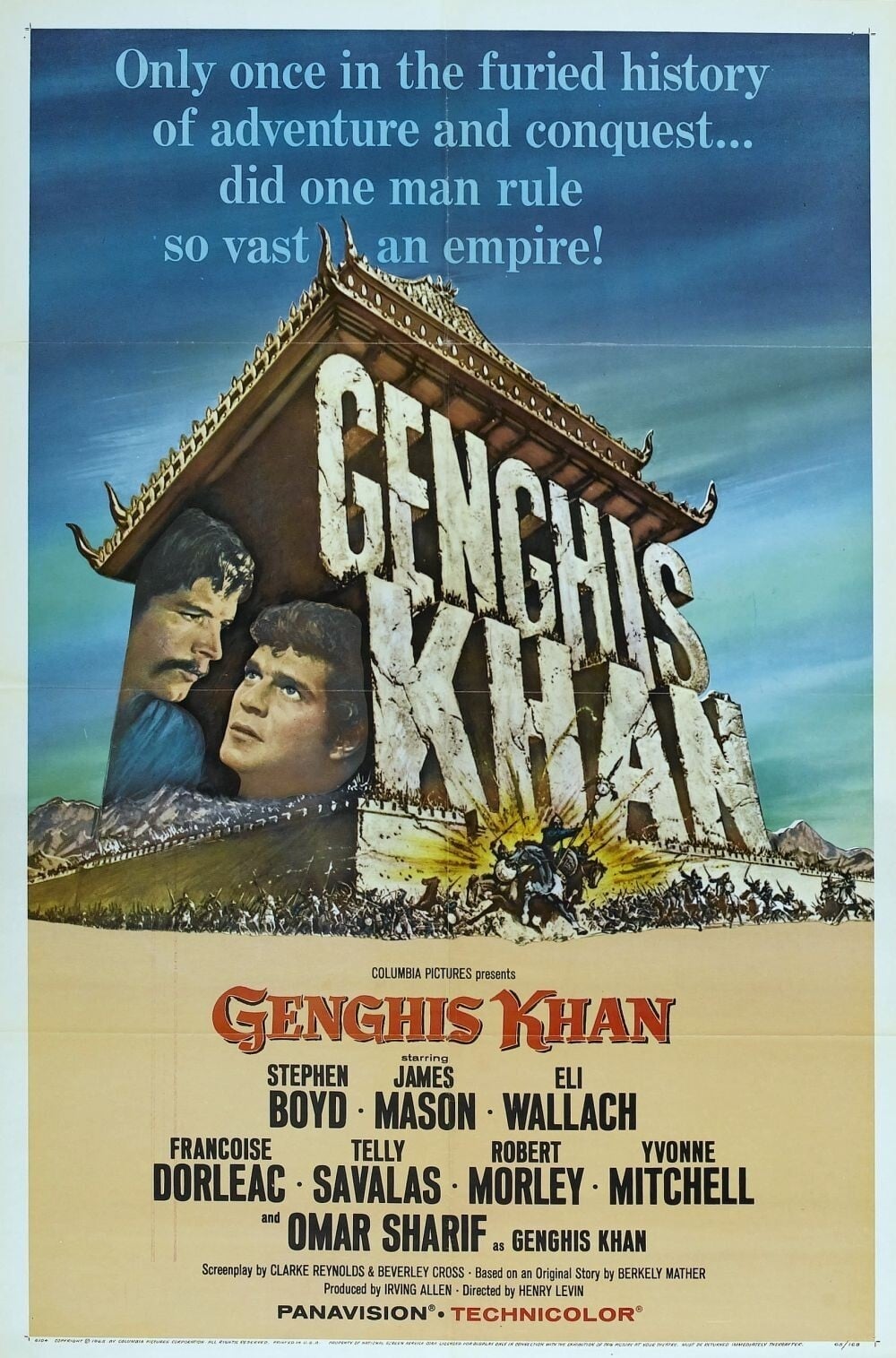
This movie, made with funding from several countries, follows the story of how the Mongol leader rose to power and brought different tribes together. While Omar Sharif, an Egyptian actor, plays the main role, most of the supporting cast is made up of Western actors like Stephen Boyd and James Mason. James Mason plays a Chinese diplomat named Kam Ling, but does so using exaggerated makeup and a stereotypical way of speaking. The film focuses more on being an exciting adventure than on accurately portraying the culture or history. It’s a good example of how the movie industry often relied on famous Western actors for big historical films set in Asia.
‘Anna and the King of Siam’ (1946)
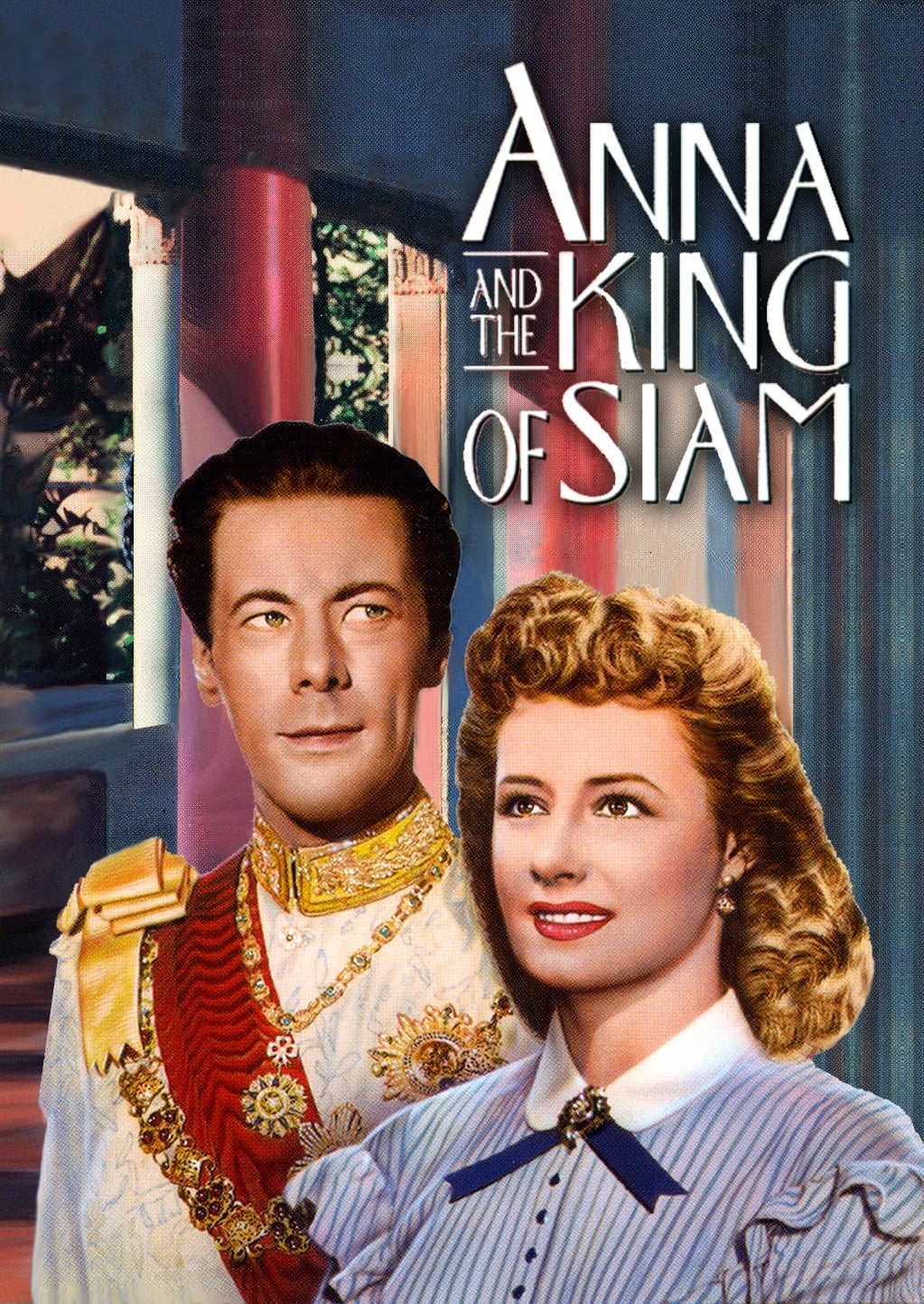
This movie, inspired by Anna Leonowens’s life story, tells the tale of a British teacher and King Mongkut of Siam (now Thailand). Irene Dunne stars as the teacher, Anna, and Rex Harrison plays the King. Harrison’s portrayal of the King is a well-known instance of a white actor taking on the role of an Asian leader in a major film. The story focuses on the differences between Western and Eastern cultures within the Thai royal court during the 1800s. It came before the more popular musical adaptation and shared similar casting choices common at the time.
‘Kismet’ (1955)
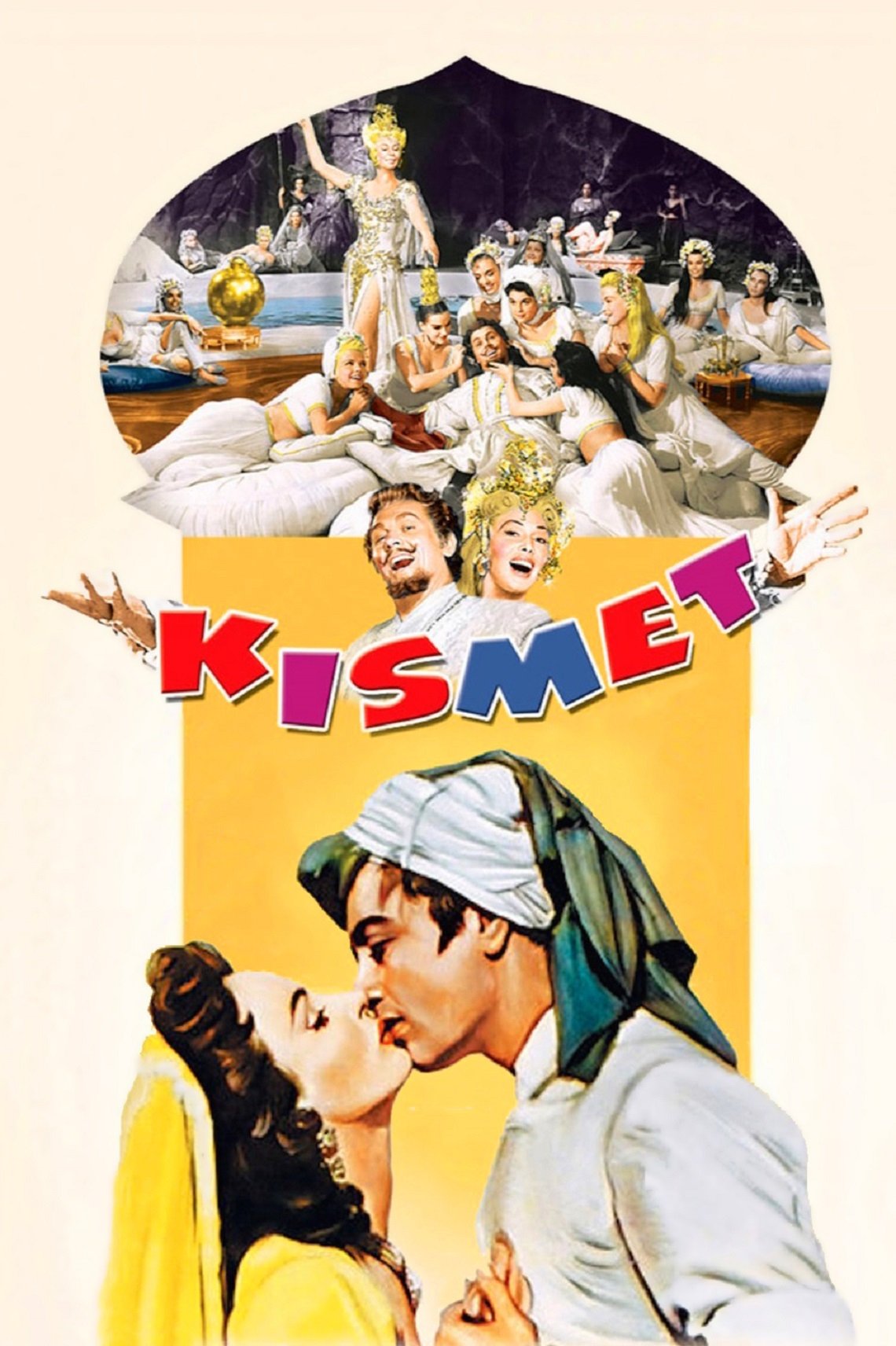
This classic MGM musical takes place in a fantastical version of Baghdad, but features a white cast playing Middle Eastern characters. Starring Howard Keel and Ann Blyth, the film is adapted from a successful Broadway play. It relies on elaborate costumes and sets to create a romanticized and stereotypical vision of the Islamic world. Notably, none of the main actors share the ethnicity of the characters they portray, reflecting a common practice in mid-20th century Western musicals that used Eastern settings as visually rich backdrops.
‘The Egyptian’ (1954)
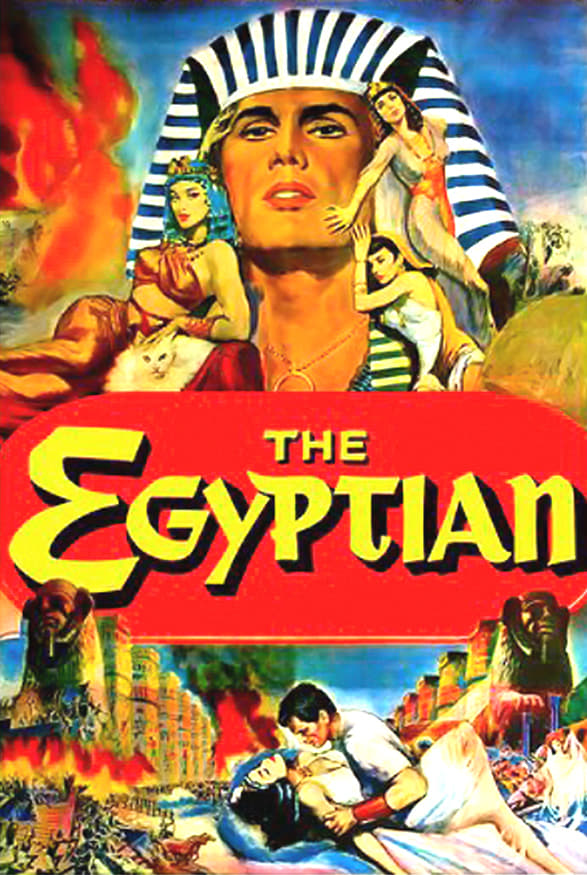
This sweeping historical film, adapted from Mika Waltari’s novel, tells the story of Sinuhe, a doctor who serves Pharaoh Akhenaten. Starring Edmund Purdom, Jean Simmons, and Victor Mature, the movie is set during a crucial period of religious change in Ancient Egypt’s 18th Dynasty. It was a remarkably costly production for its time and used the innovative CinemaScope widescreen format. Similar to other films about this era made in the 1950s, the main roles are played exclusively by white actors.
‘The Greatest Story Ever Told’ (1965)
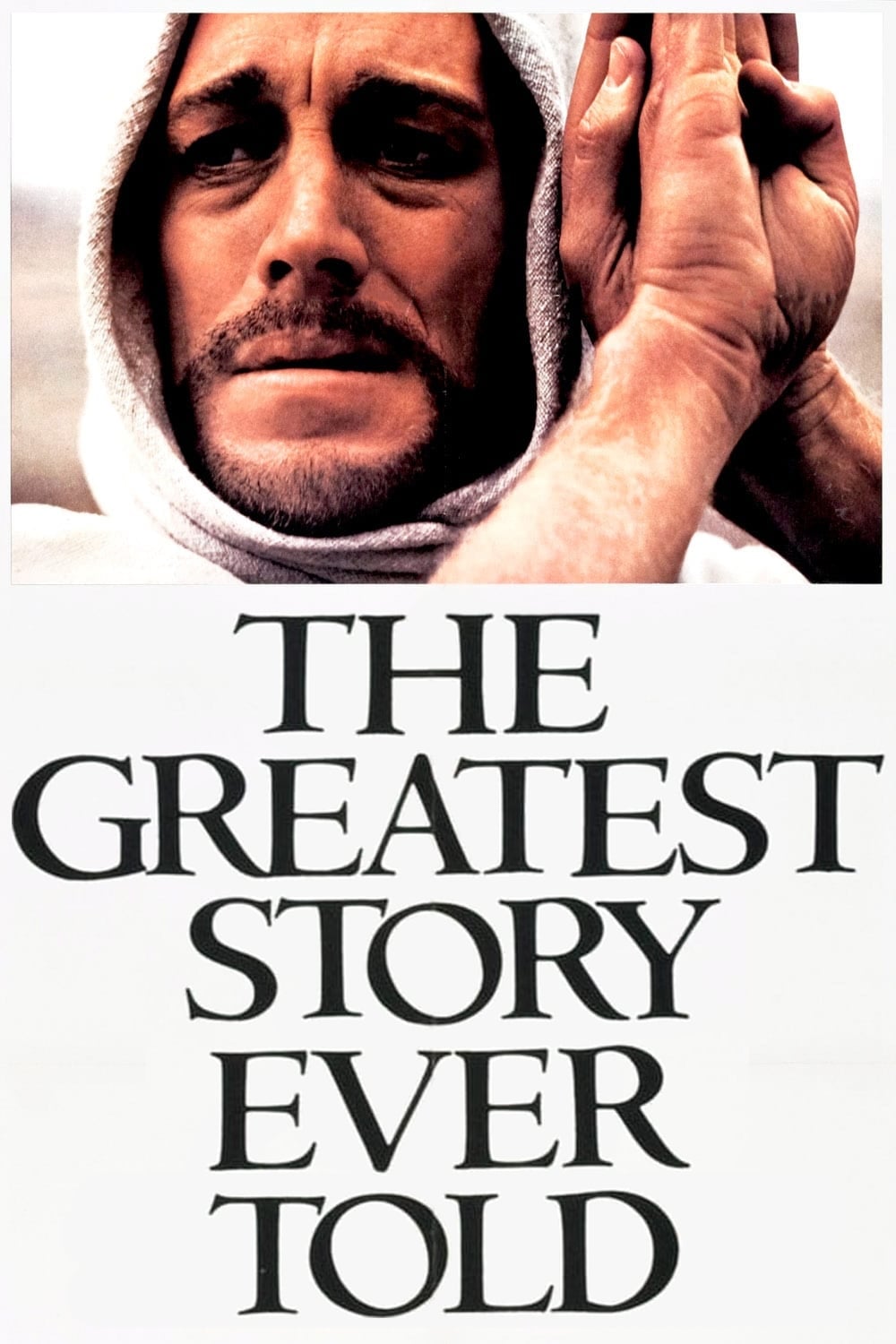
This sweeping film tells the story of Jesus Christ, portrayed by Max von Sydow. It boasts a large cast of famous Hollywood actors, with Charlton Heston as John the Baptist and Telly Savalas as Pontius Pilate. Though set in Roman-occupied Judea, the movie controversially features an entirely white cast playing characters who would have been Middle Eastern. Director George Stevens sought a respectful and impressive visual style, filming in large American landscapes to stand in for the Holy Land. The film is well-known for featuring many recognizable Western celebrities in small roles as figures from ancient times.
‘Prince of Persia: The Sands of Time’ (2010)
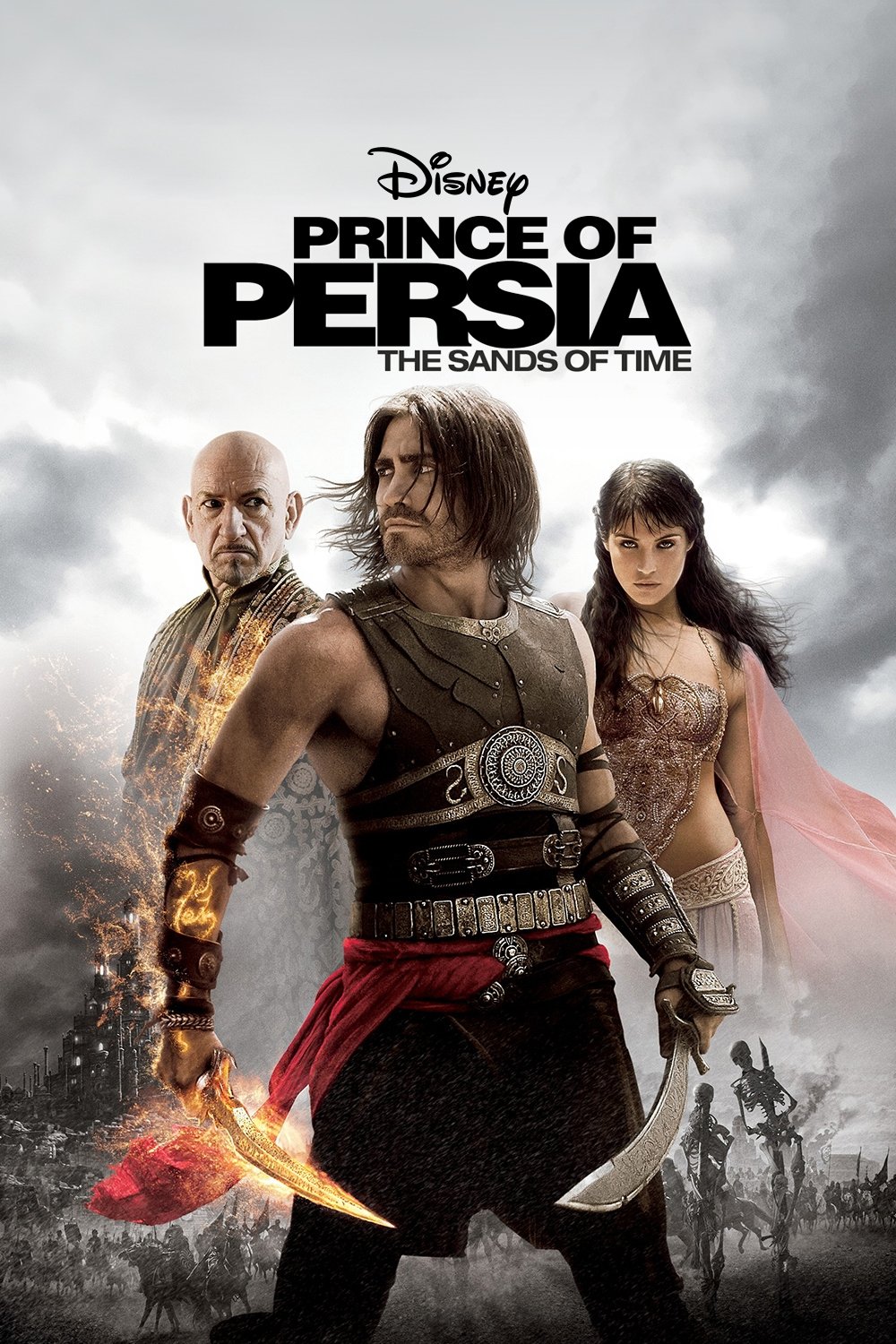
The movie stars Jake Gyllenhaal as Dastan, a young man from the streets who unexpectedly becomes a prince in ancient Persia. Based on a popular video game, the story centers on his mission to safeguard a magical dagger. However, the film drew criticism for casting white actors in the lead and several key supporting roles, despite the characters’ Persian background. This sparked accusations of ‘whitewashing’ and highlighted a common trend in big-budget films: prioritizing well-known actors over accurate ethnic representation.
‘The Mask of Fu Manchu’ (1932)
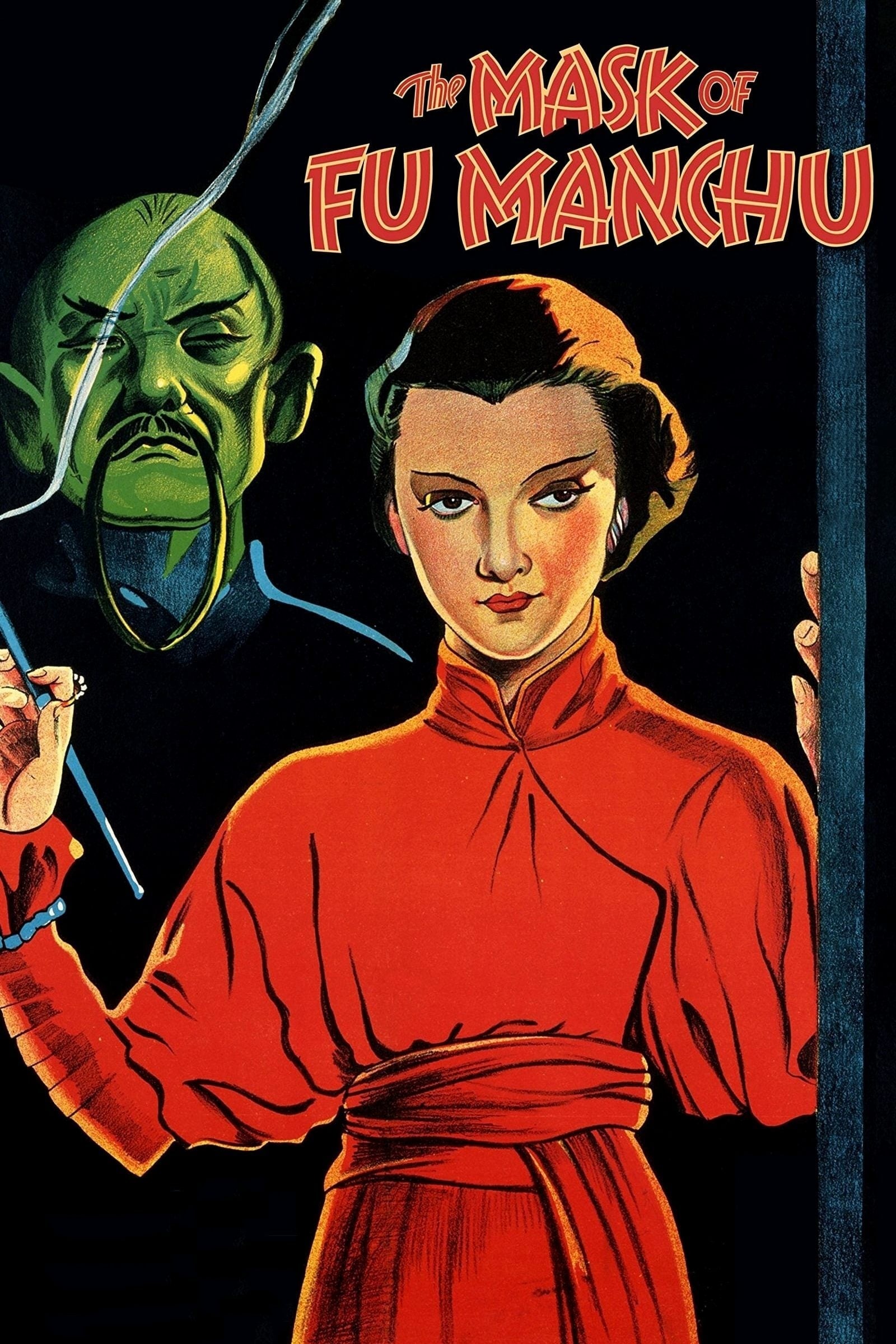
Boris Karloff plays the evil Dr. Fu Manchu in this classic, early horror and adventure movie. The plot centers around a thrilling search for the tomb and treasures of Genghis Khan, taking place in both China and Egypt. Karloff, a British actor, wore a lot of makeup to play the Chinese villain, a role often criticized for relying on harmful stereotypes about Asians. Myrna Loy appears as Fu Manchu’s daughter, Fah Lo Suee. The film is a prime example of how early Hollywood frequently cast white actors in roles portraying Asian villains.
‘The Teahouse of the August Moon’ (1956)
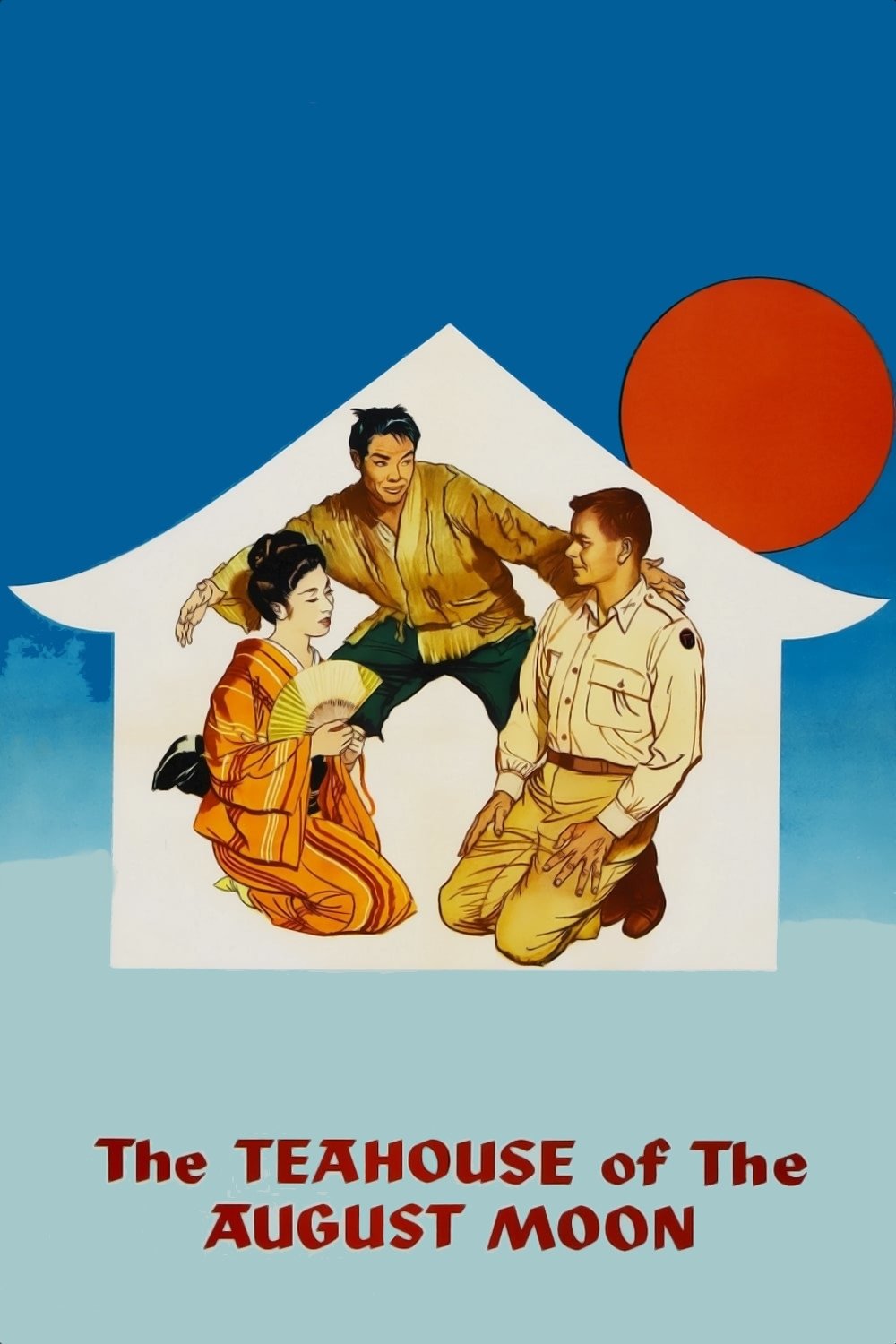
This film takes place in Okinawa after World War II and features Marlon Brando playing Sakini, a local interpreter. Brando used makeup and a distinct way of speaking to portray the Japanese character, and he starred alongside Glenn Ford. The story centers on an American captain who tries to impose American ways on a small village, but ends up being changed by the local culture himself. Brando’s role is well-known and often discussed as an example of a famous actor using yellowface. Despite the controversy, the film was popular with audiences and received several award nominations.
‘A Passage to India’ (1984)
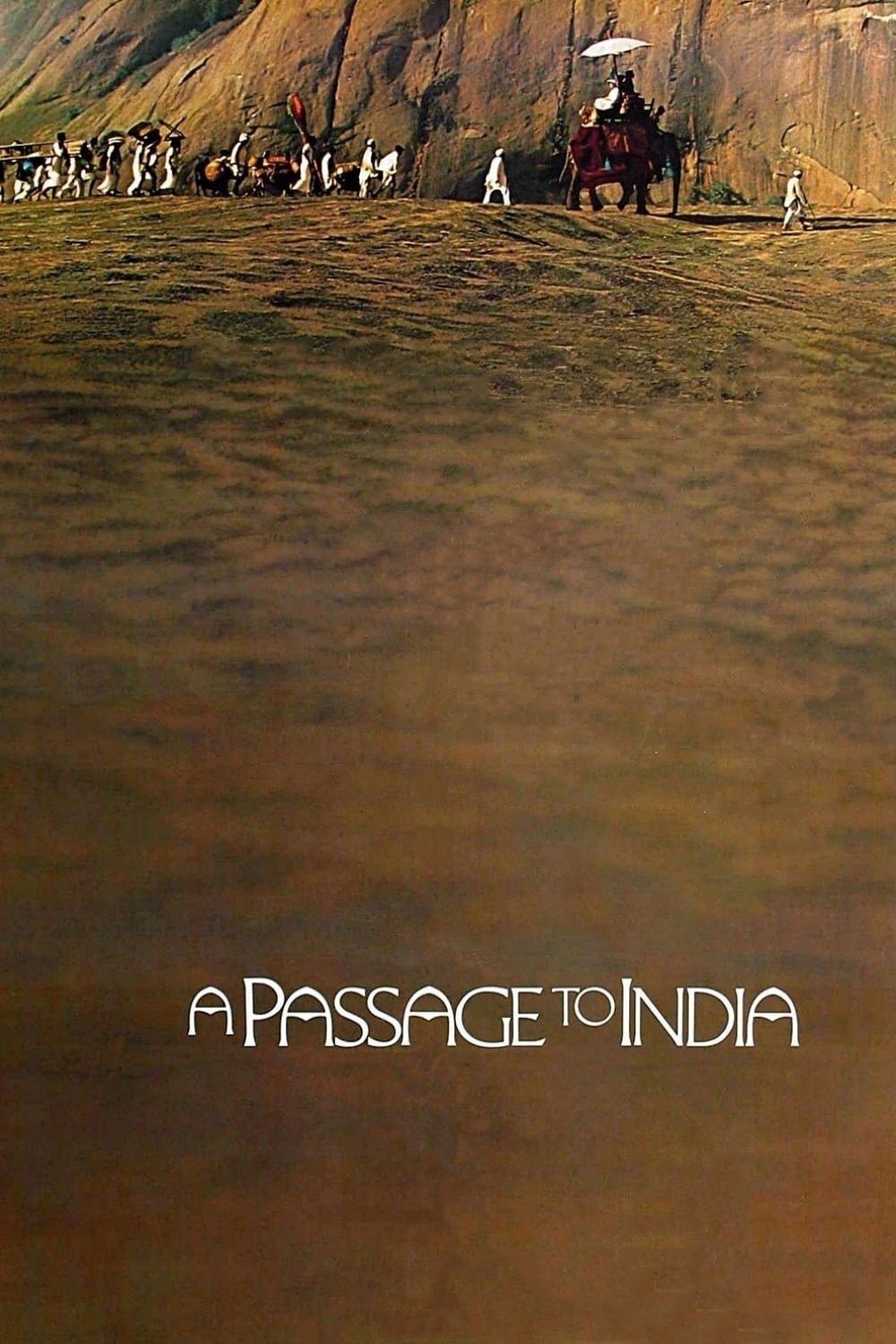
David Lean’s last movie is based on a novel by E.M. Forster, taking place in British India. Though the film features many Indian actors, Alec Guinness plays the important role of Professor Godbole. He used makeup and an accent to play the Hindu character, which caused controversy when the film came out. The story examines the racial and cultural conflicts between the British rulers and the Indian population. It was nominated for eleven Oscars and is still considered a major historical film.
‘The King and I’ (1956)
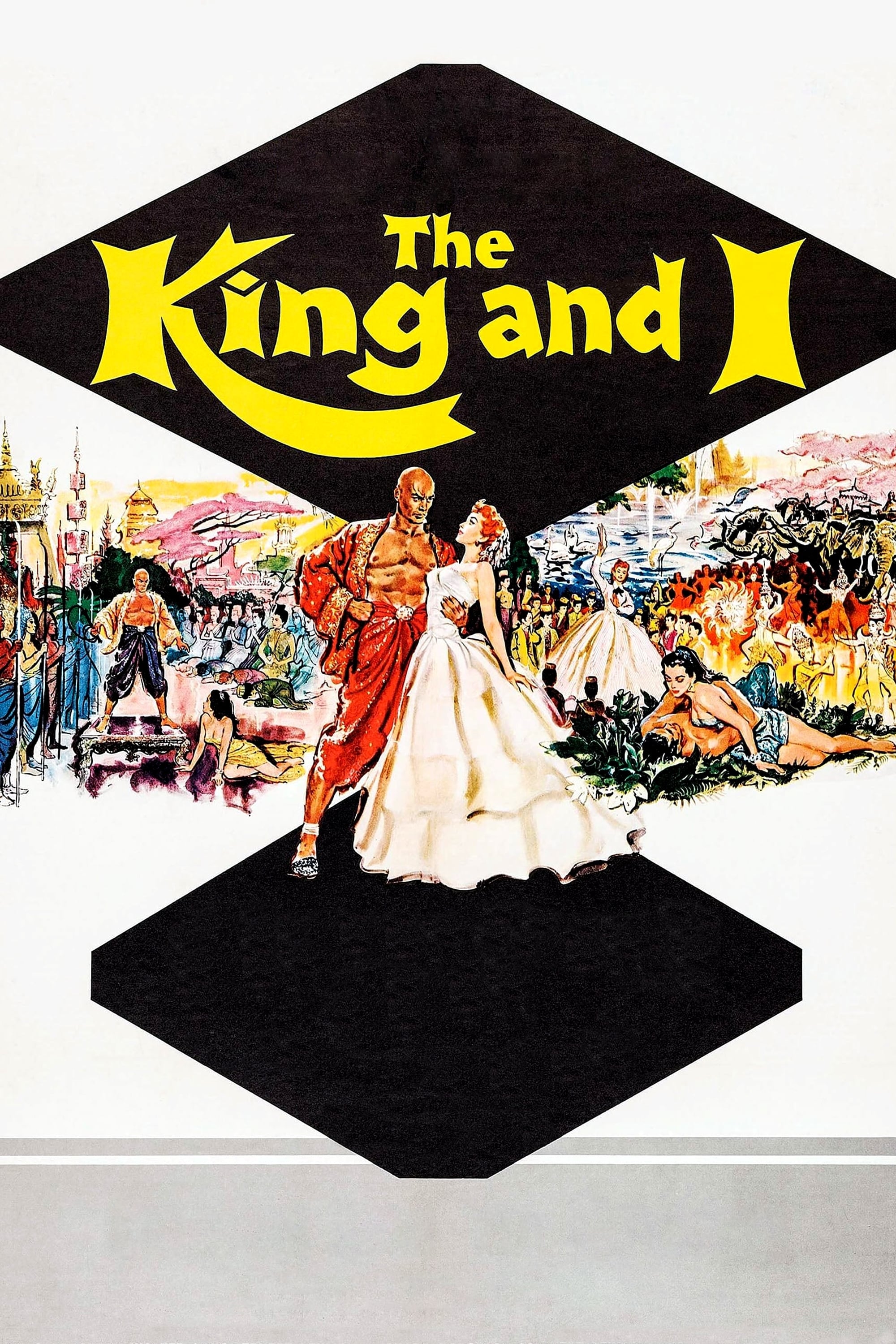
The film, a musical based on a true story, features Yul Brynner as the King of Siam and Deborah Kerr as his British governess, Anna Leonowens. While Brynner himself had a mixed heritage, most of the actors portraying the Siamese royal family and court were white. The movie tells the story of Siam’s modernization as seen through Anna’s perspective, and it became a huge success, winning five Oscars and becoming well-known in Western culture. However, it’s often discussed for how it presents Asian royalty from a Western point of view.
‘King of Kings’ (1961)
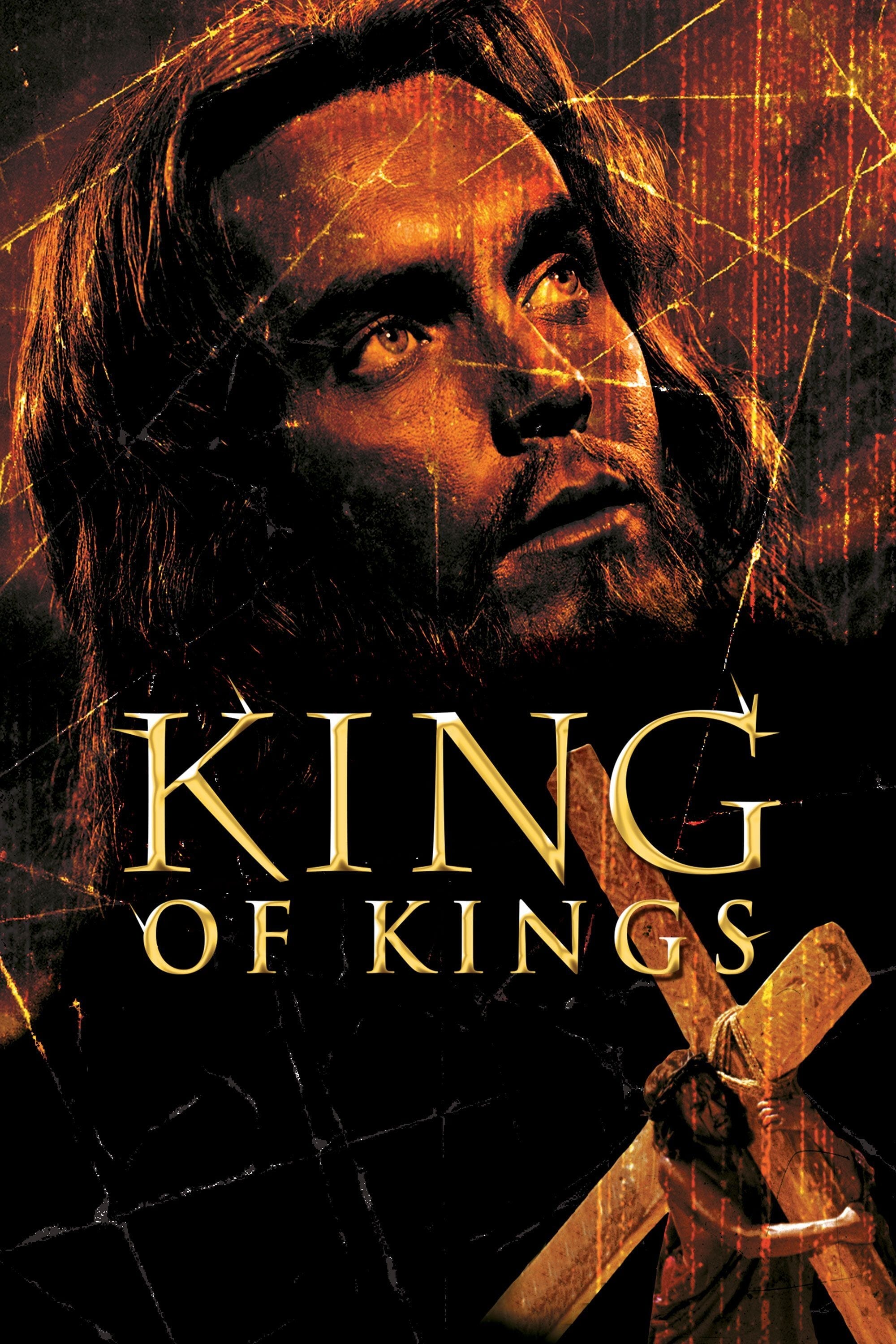
Directed by Nicholas Ray, this film tells the story of Jesus, played by Jeffrey Hunter. The cast also features Robert Ryan as John the Baptist and Siobhan McKenna as Mary. Set in Roman-occupied Judea, the movie highlights the political and religious unrest of the time. It’s notable that the entire main cast is comprised of white actors from America and Europe, and the film offers a unique perspective by focusing on the Roman viewpoint and the rebellion led by the Zealots.
‘Cleopatra’ (1963)
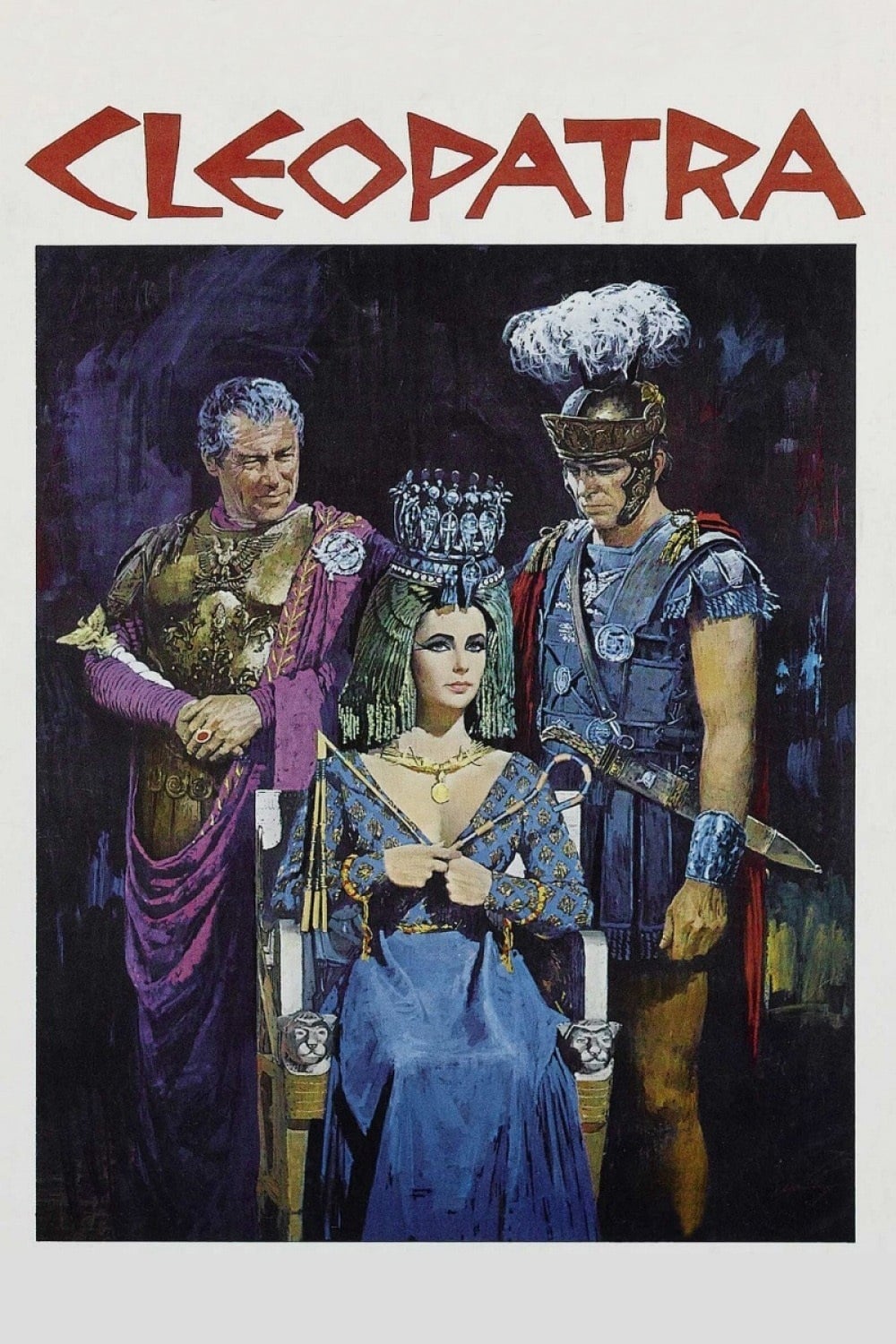
Elizabeth Taylor plays the iconic Queen Cleopatra in a lavish and incredibly costly film. The movie follows her political strategies and love affairs with Julius Caesar (Rex Harrison) and Mark Antony (Richard Burton). Featuring a large cast of well-known British and American actors, it depicts both Egyptian and Roman characters. Though the real Cleopatra was of Greek ancestry, the film doesn’t fully represent the diverse population of ancient Alexandria. It’s celebrated for its stunning visuals—the elaborate sets and costumes—and the famous romance between its lead actors off-screen.
‘The Good Earth’ (1937)
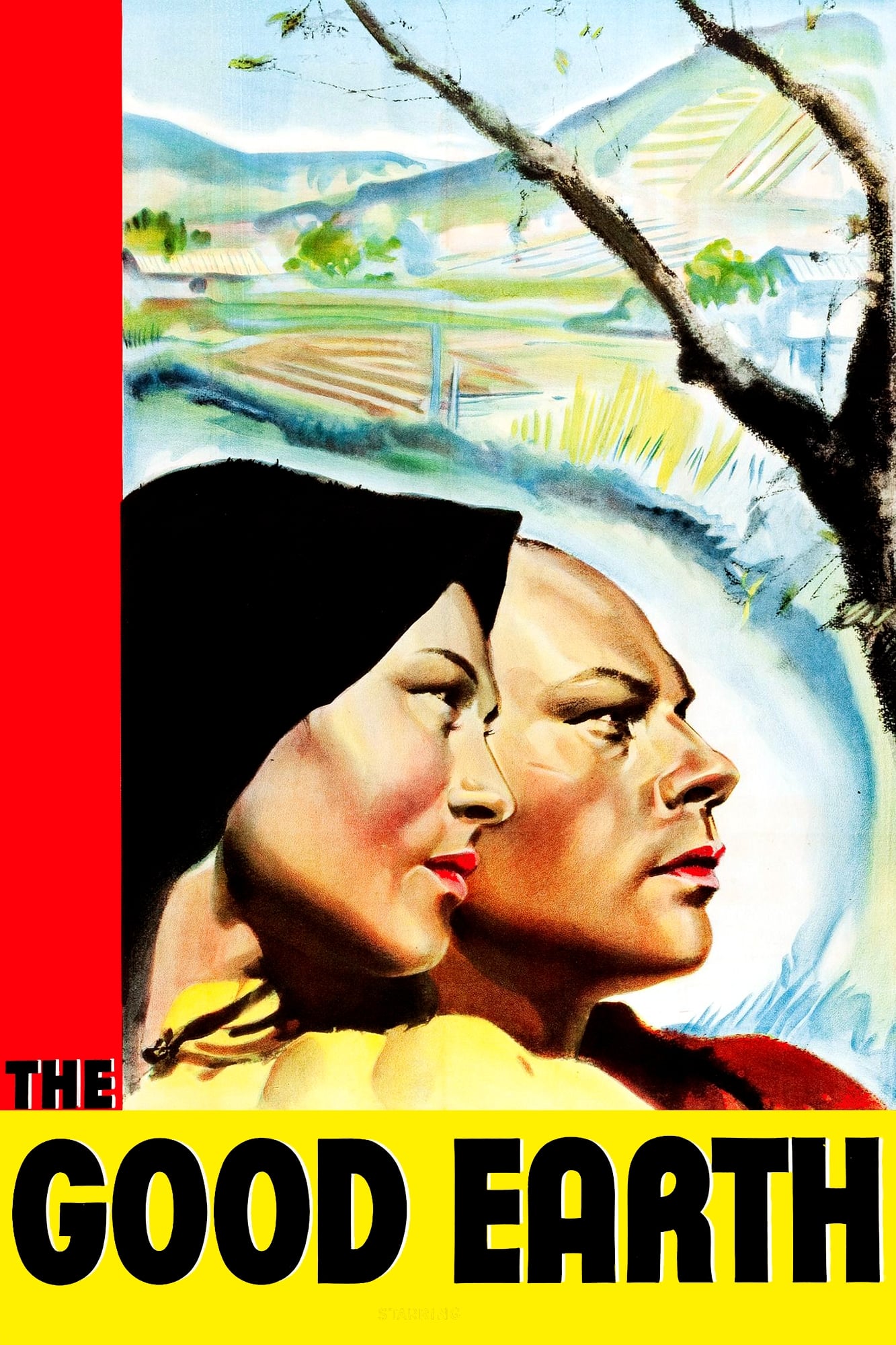
This film is based on Pearl S. Buck’s famous novel and tells the story of Chinese farmers trying to survive hardship. Paul Muni and Luise Rainer star as Wang Lung and O-Lan, respectively. Both actors were white and used extensive makeup to portray Chinese characters. Rainer won an Academy Award for her performance. The film is a notable example of a common practice at the time: casting white actors in leading Asian roles in serious dramas.
’55 Days at Peking’ (1963)
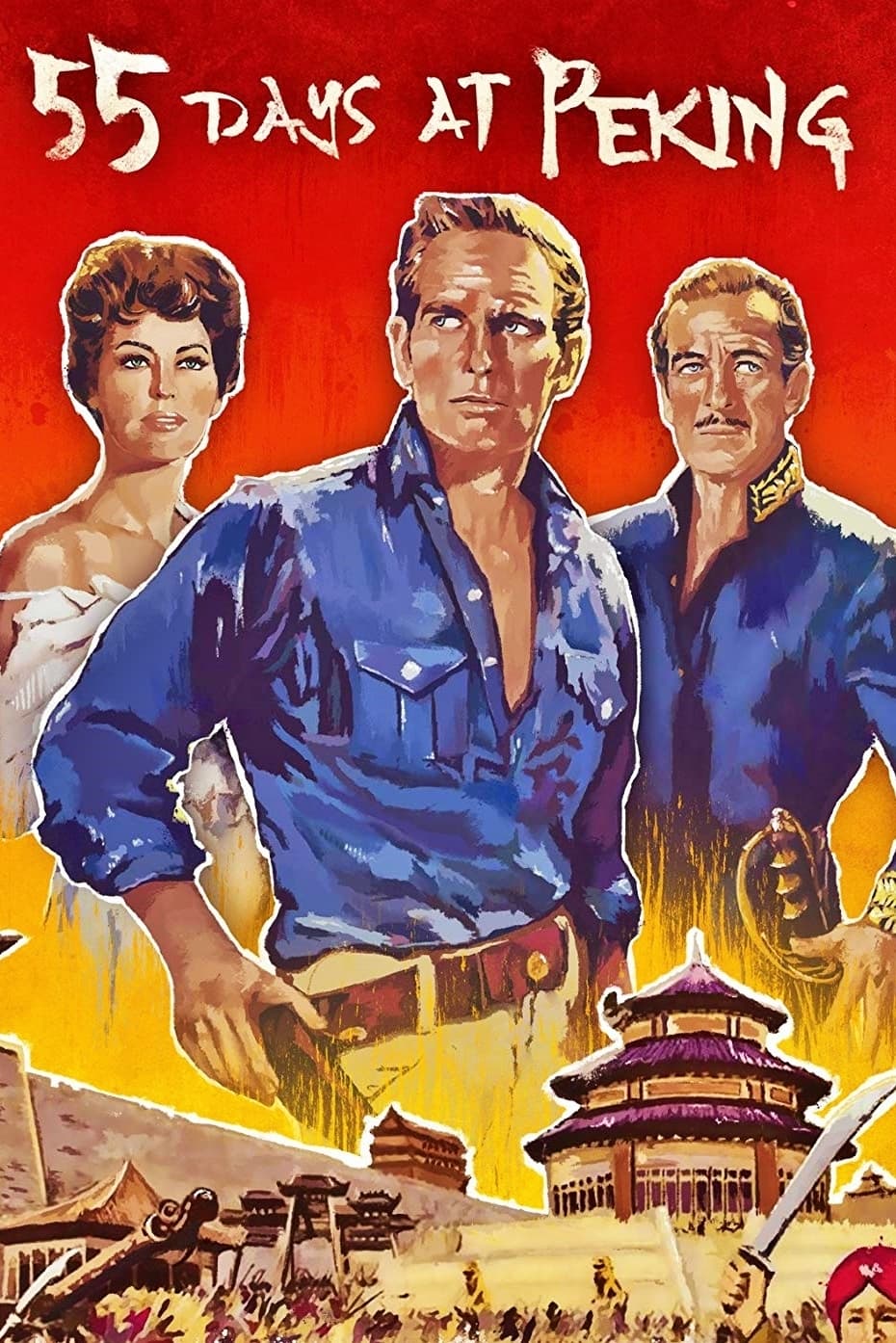
This historical film tells the story of the 1900 Boxer Rebellion, specifically the siege of the foreign legations in Beijing. Charlton Heston, Ava Gardner, and David Niven play the Westerners defending the compound. However, the film controversially features white actors, including Flora Robson, portraying Chinese characters using outdated and offensive makeup techniques. The story is told almost entirely from the viewpoint of the Western colonial powers, and while filmed in Spain with a large number of extras, the main cast remains entirely white.
‘The Silver Chalice’ (1954)

Paul Newman began his film career with this historical drama set in the time of early Christianity, playing a Greek artisan tasked with making a sacred cup. The story unfolds in Antioch and Jerusalem, and also stars Jack Palance and Pier Angeli. While visually striking with its modern and unique set designs – a rarity for biblical films of the time – the movie features an all-white cast. Newman later expressed regret over his acting in the film.
‘The Barbarian and the Geisha’ (1958)
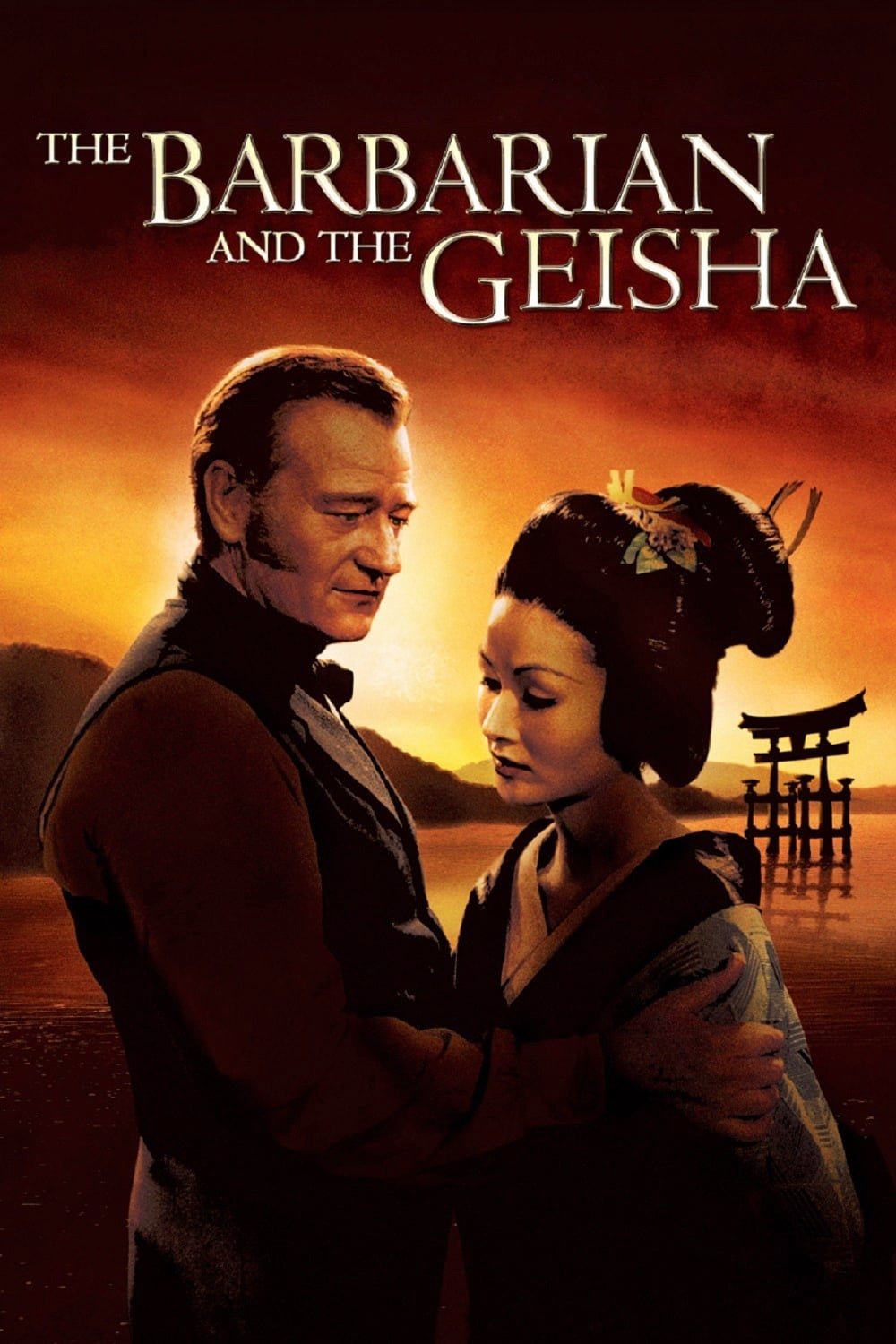
John Wayne plays Townsend Harris, America’s first official ambassador to Japan in the 1850s. The movie, directed by John Huston, shows Harris trying to make a treaty with Japan while dealing with significant cultural differences. Though filmed in Japan with Japanese supporting actors, the story is told primarily from Harris’s perspective. Casting a classic American Western star in a historical Japanese role was likely intended to attract a wider audience, and the film stands out as an unusual project in John Wayne’s career.
‘Lost Horizon’ (1937)
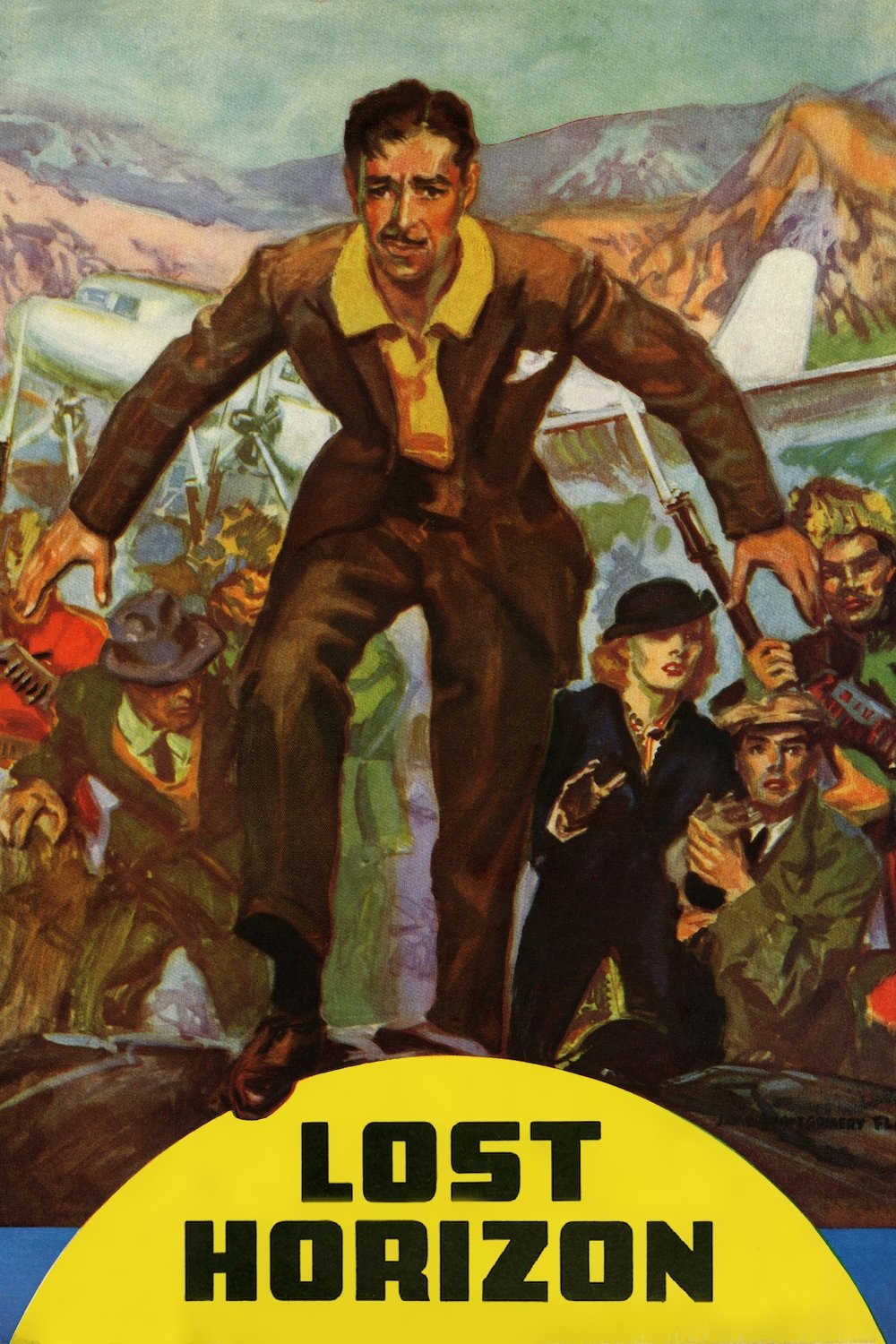
Directed by Frank Capra, this movie is based on James Hilton’s novel and tells the story of travelers who crash in the Himalayas and find Shangri-La, a secret, peaceful place where people live long lives. Notably, the film features white actors playing the roles of the Tibetan residents, including the ancient High Lama, who is portrayed by H.B. Warner. This early film classic explores ideas about perfect societies and turning away from the focus on possessions and wealth in modern life.
‘The Ten Commandments’ (1956)
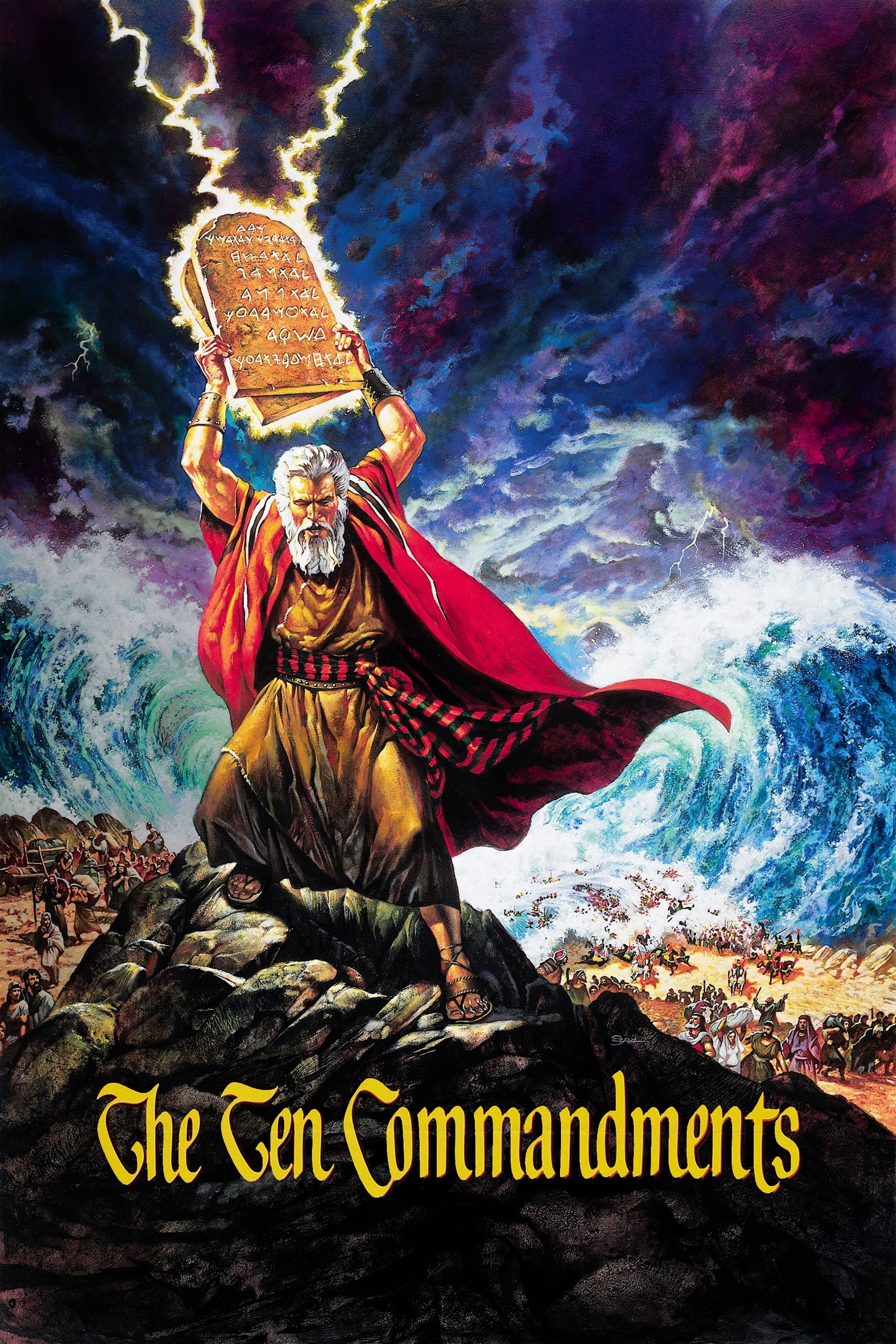
Cecil B. DeMille’s epic film tells the story of Moses, played by Charlton Heston, and his conflict with Pharaoh Rameses II, portrayed by Yul Brynner. The movie covers Moses’ life, from being found as a baby in the Nile River to receiving the Ten Commandments. While hugely popular and still shown on television every year in many countries, the film notably features a cast of famous Hollywood actors who are not of Middle Eastern or North African background. It became a benchmark for how films in the historical drama genre looked and were cast.
‘Ben-Hur’ (1959)
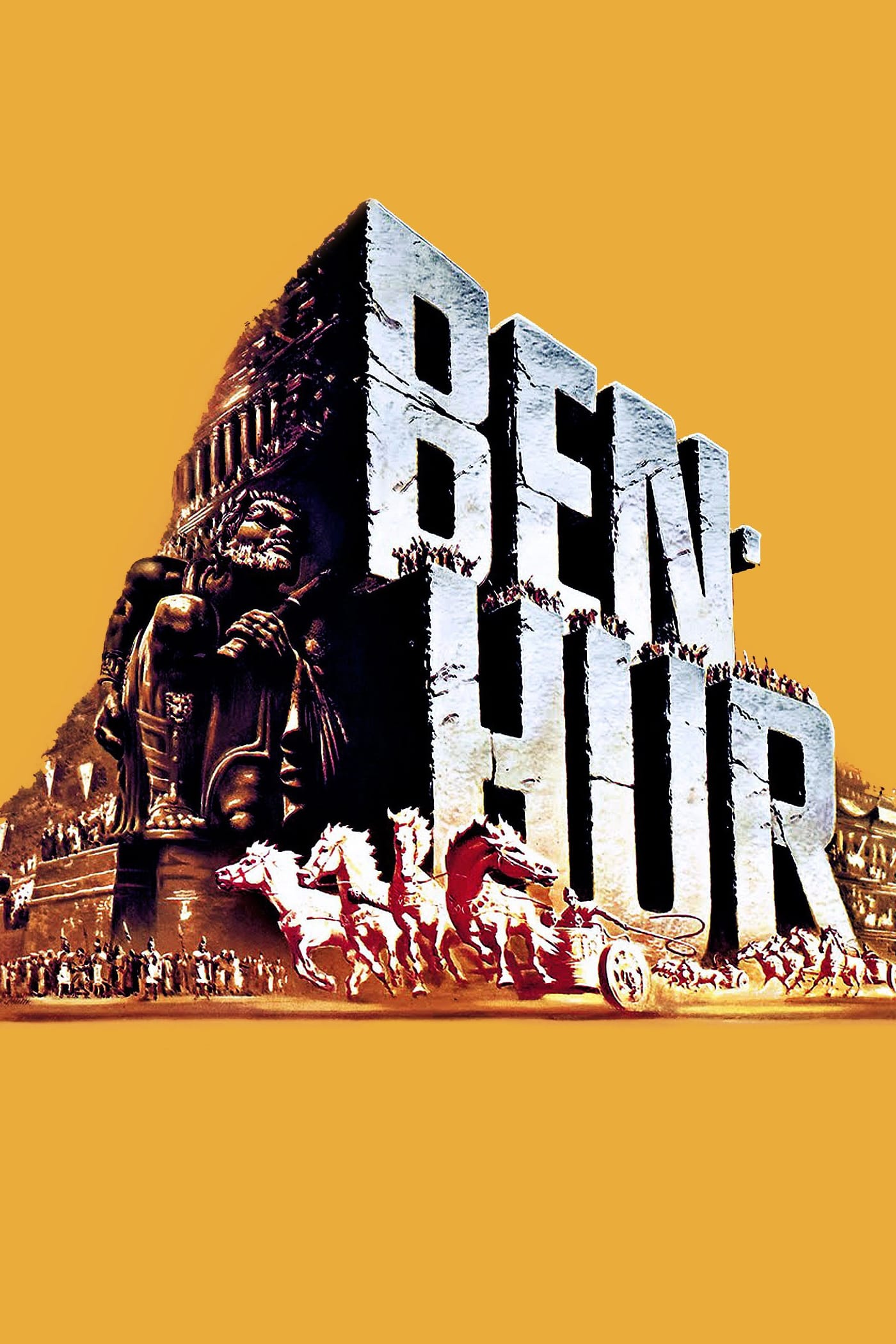
Ben-Hur, starring Charlton Heston, tells the story of a Jewish prince who is wrongly enslaved by a former friend in Roman Judea. The film explores themes of both revenge and forgiveness. While set in ancient times, most of the actors are American or British. It was a massive success, winning eleven Oscars – including Best Picture and a Best Actor award for Heston – and is considered a classic example of Hollywood’s grand, historical films.
‘Lawrence of Arabia’ (1962)
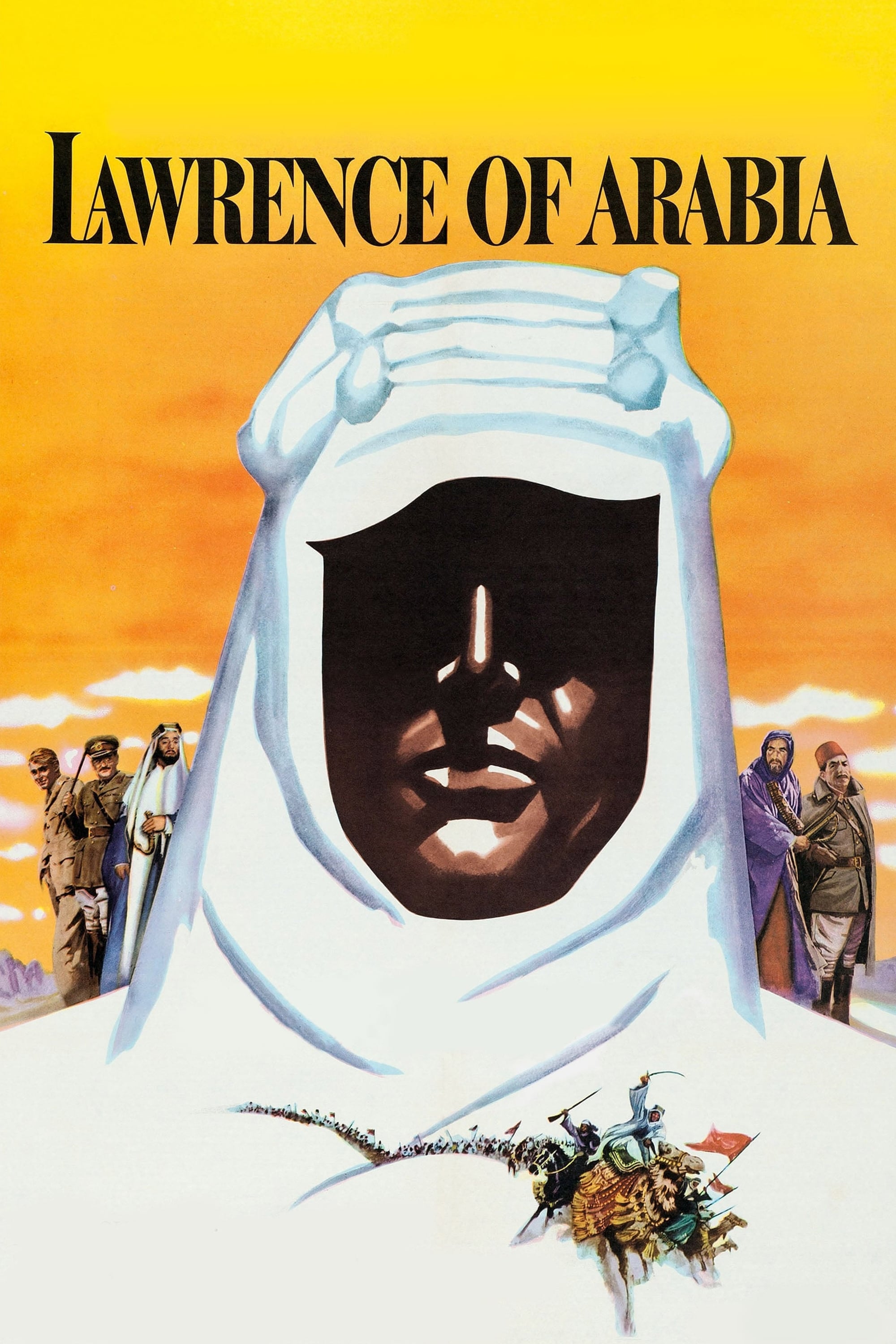
Lawrence of Arabia tells the story of T.E. Lawrence and his involvement in the Arab Revolt during World War I. The film stars Peter O’Toole as Lawrence, alongside Alec Guinness and Anthony Quinn, who played Prince Faisal and Auda Abu Tayi respectively. It’s worth noting that both Guinness and Quinn were white actors who used makeup to portray Arab characters. While celebrated for its beautiful visuals and masterful direction, the film has faced criticism in recent years for its decision to cast Western actors in these roles. A critical and commercial success, it won seven Oscars and remains a landmark achievement in film history.
Please share your thoughts on these casting choices in the comments.
Read More
- Invincible Season 4 Gender Swaps Tech Jacket As Fans Question Major Comic Change
- Building Agents That Learn and Improve Themselves
- Gold Rate Forecast
- Games That Faced Bans in Countries Over Political Themes
- Silver Rate Forecast
- Trading Crypto with AI: A New Approach to Portfolio Management
- 15 Films That Were Shot Entirely on Phones
- Thinking Before Acting: A Self-Reflective AI for Safer Autonomous Driving
- Why Won’t It Just *Do* What You Ask? Unpacking the Quirks of AI Language
- 20 Movies Where the Black Villain Was Secretly the Most Popular Character
2026-01-13 19:49